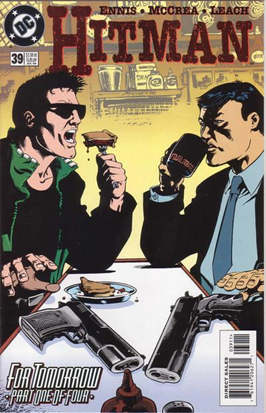
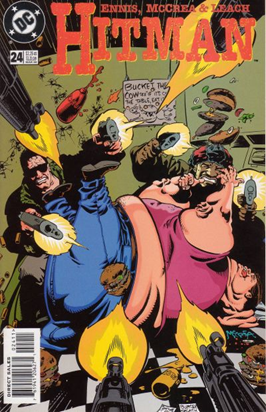
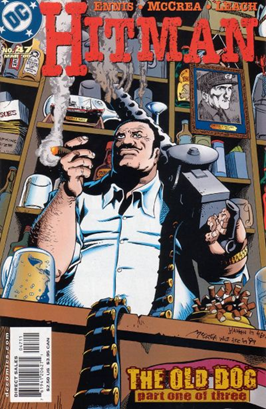
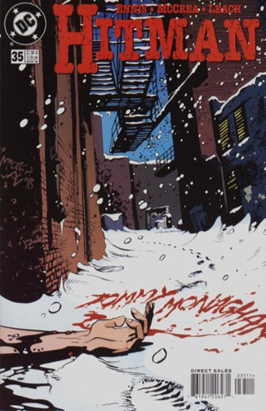
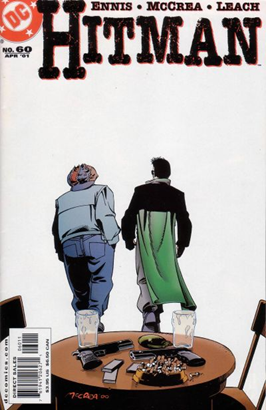
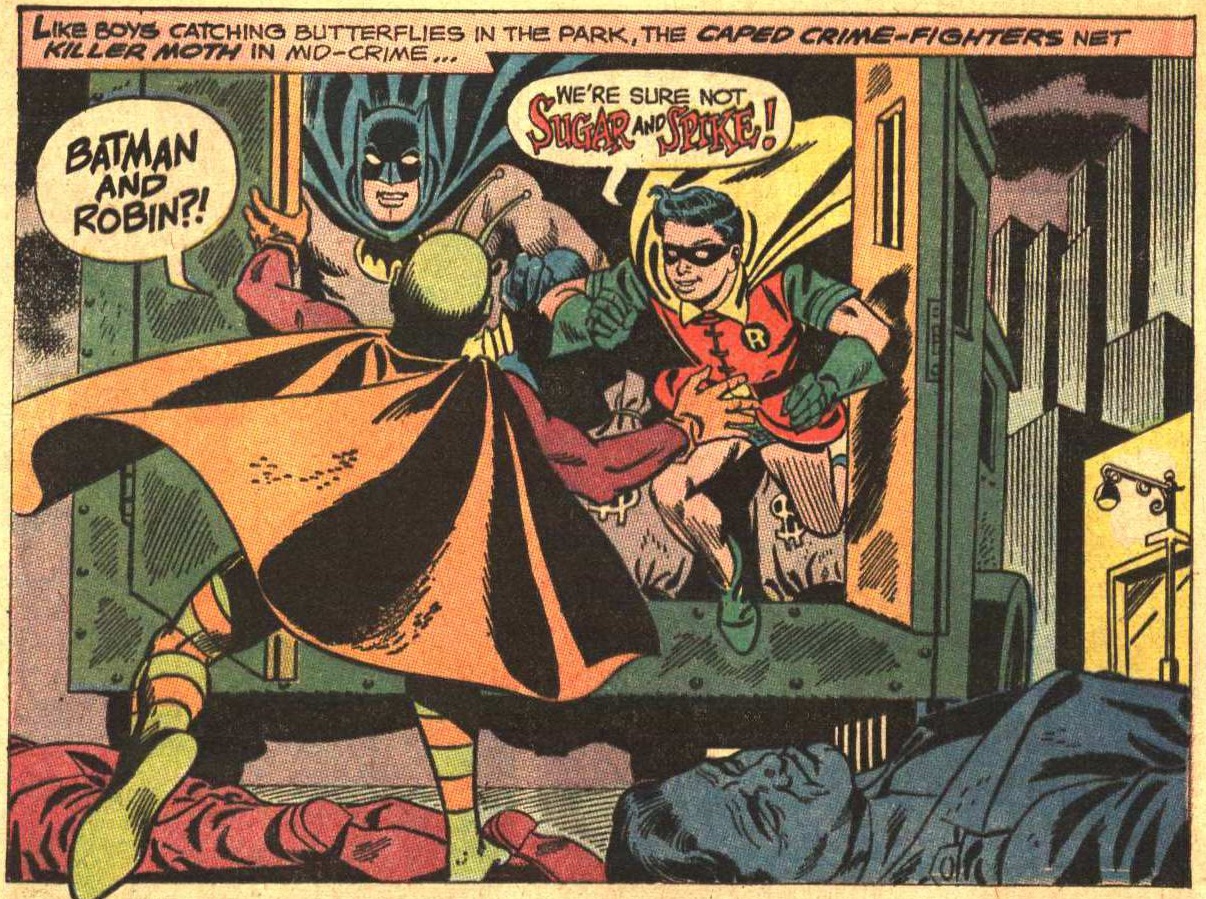
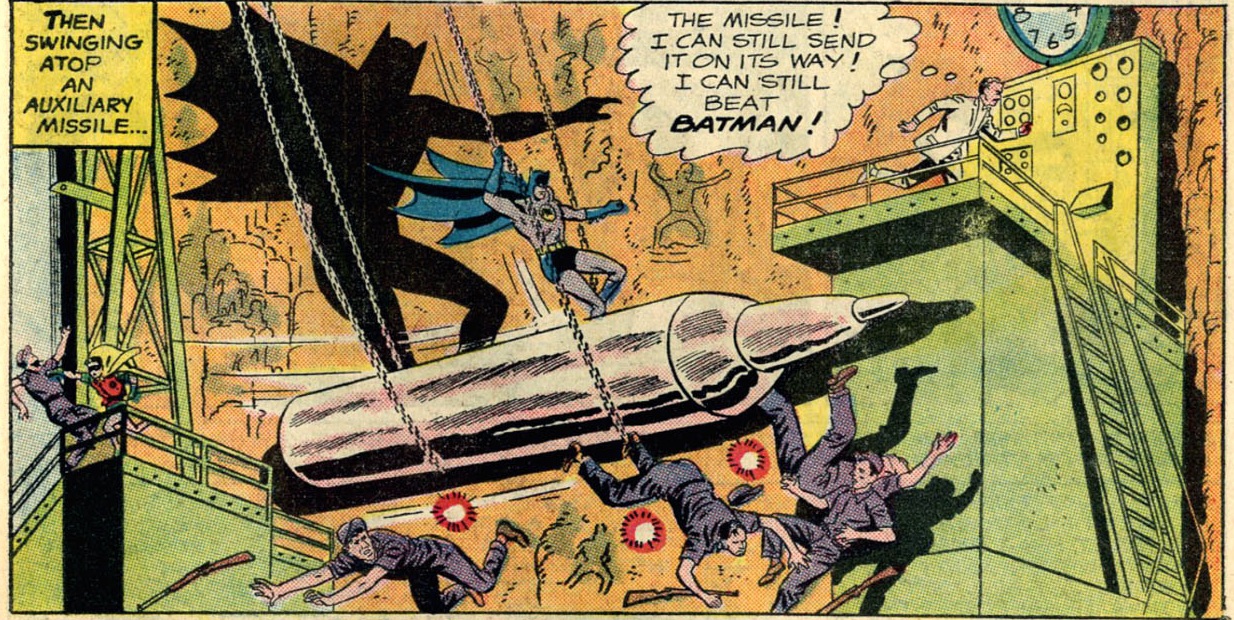
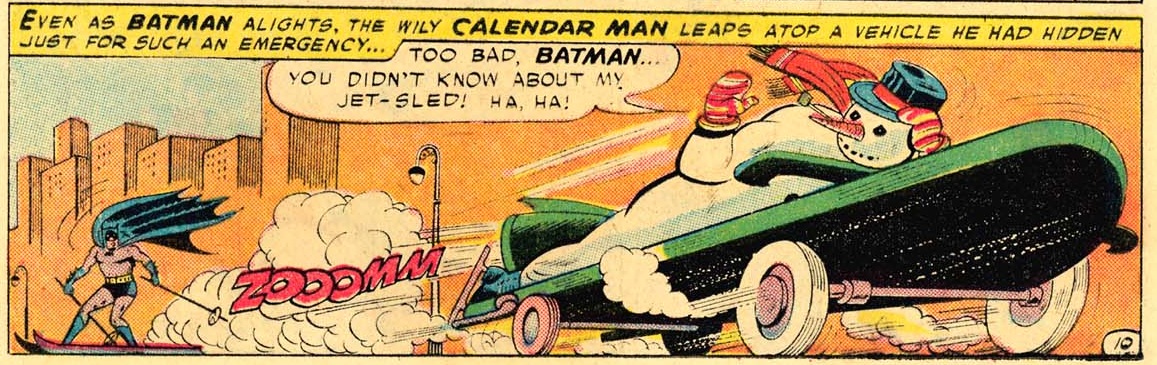
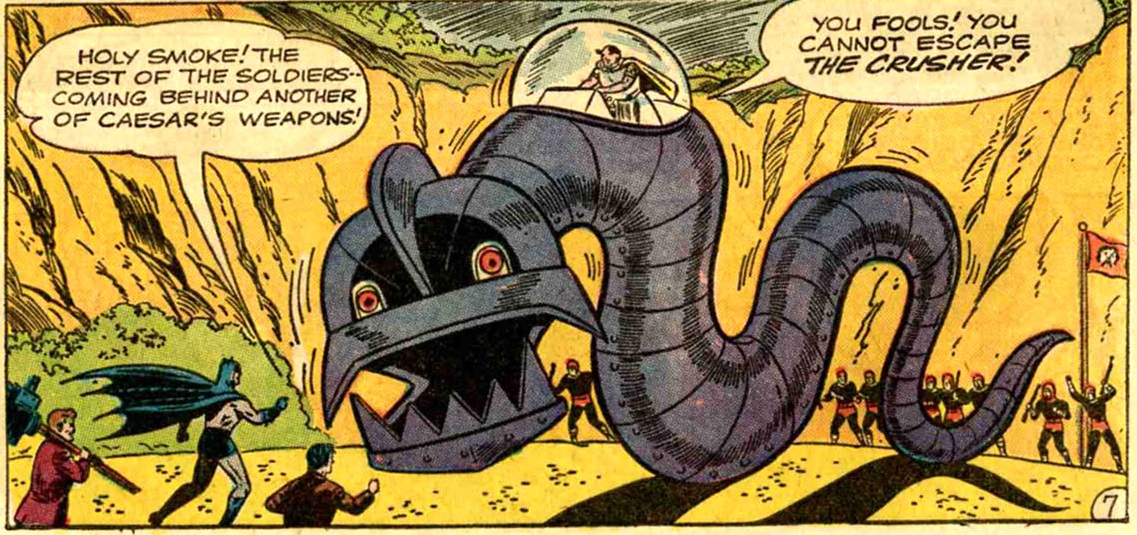
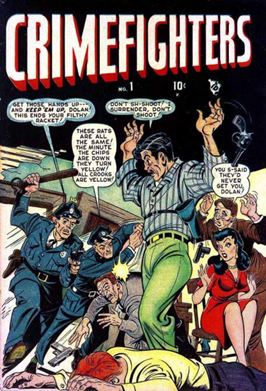
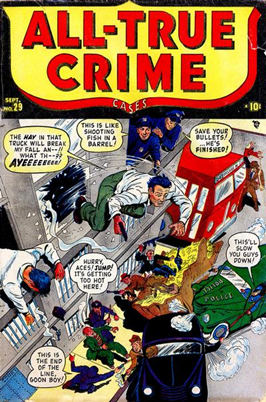
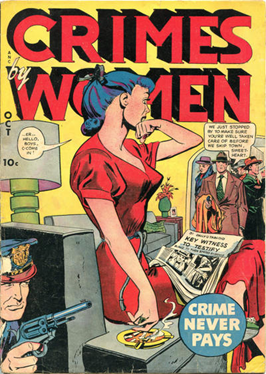
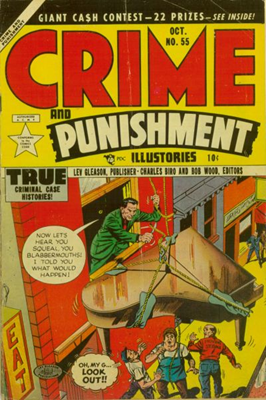
This week’s reminder that comics can be awesome is an homage to the incredible work John McCrea did as the regular artist of Hitman (one of my all-time favorite series set in Gotham City). Each of these covers perfectly illustrates different aspects of what made Hitman so cool: nuanced characterization of a multifaceted protagonist, outrageous humor, a memorable supporting cast, some hardcore crime stories, and genuinely touching moments such as the final issue, with Tommy and Nat walking towards their final adventure.
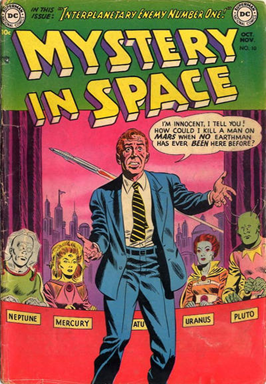
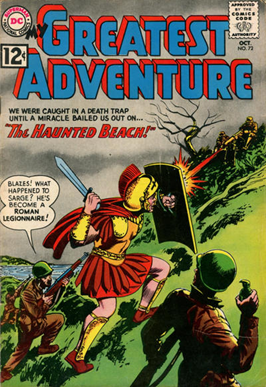
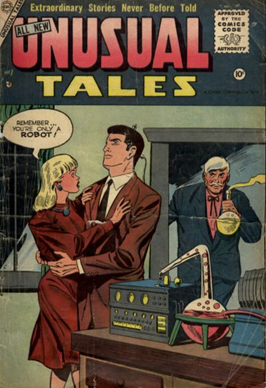
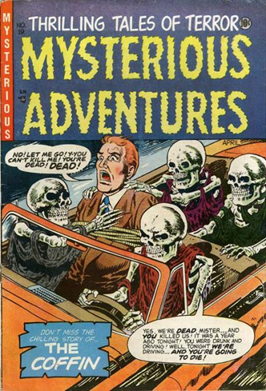
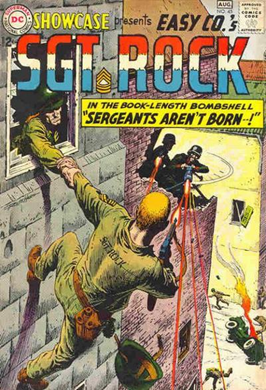
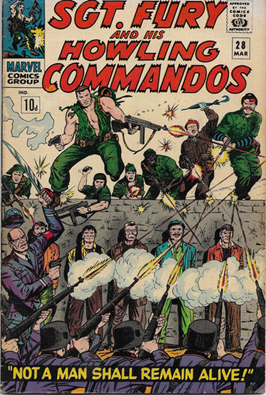
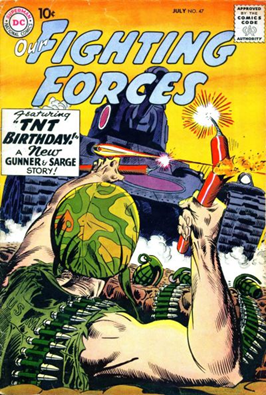
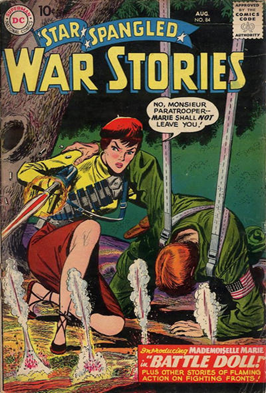
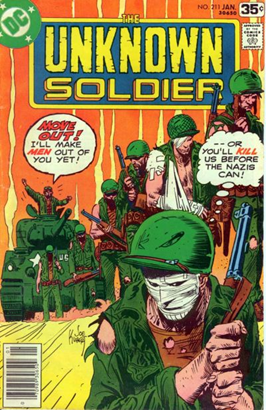
In a summer where one can choose to watch on the big screen a great epic about the physical, psychological, and moral tragedy of war (in the form of Christopher Nolan’s The Odyssey) or to watch on the small screen some of the stupidest, cruelest discourse justifying military conflict (accompanying the escalating clusterfuck in the Middle East), Gotham Calling looks back at a time when the heroism, exhilaration, desperation, and even dehumanization of combat used to fill many of the covers on comic-book stands:
For the most part, I had a nice time watching the latest Supergirl movie, although it’s hard not to feel a bit frustrated about all the squandered potential. Milly Alcock crafts such a fun, yet nuanced, character that it would be great to see her work with a more daring script, like last year’s bonkers Superman. It doesn’t help that, in adapting 2021’s witty mini-series Supergirl: Woman of Tomorrow, the film keeps discarding the comic’s most memorable lines, ideas, and set pieces, to be replaced with more generic, dumbed down versions. Crucially, instead of drawing inspiration from Bilquis Evely’s and Matheus Lopes’ gorgeous visuals, director Craig Gillespie drenches almost everything in murky darkness, so that it’s often hard to see what is going on, which makes the action scenes even more non-specific (and sometimes downright unclear).
That said, there is certainly a place in my heart for stories that don’t try to break the mold. In fact, having recently watched the British shows The Capture and Steal, I got in the mood for another post about cool thrillers, specifically this particular pitch of mid-level genre fare that settles for just doing what they do really fucking well. And since I know at least some of you are bound to gravitate towards this blog in search of less conventional picks, here are a handful of pictures that that may have slipped under the radar because, formally, they aren’t especially ambitious… but which can nevertheless be highly satisfying if you’re in the right mood.
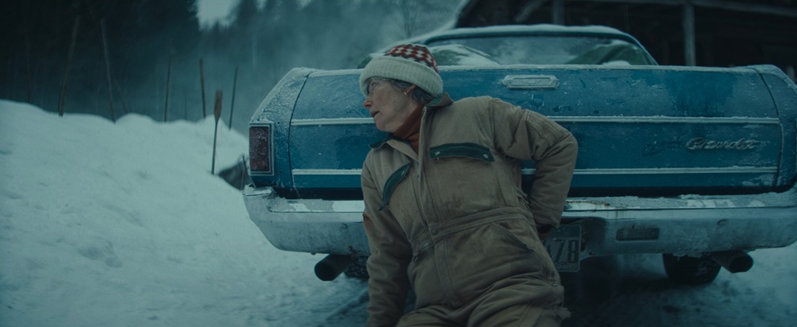
DEAD OF WINTER (2025)
Emma Thompson plays a widow fisherwoman who stumbles into a kidnapping and spends the rest of the film in a cat-and-mouse game among the Minnesota snow. I love this sort of stuff, with an aggressive landscape lifting up – and imbuing with depth – what could’ve been a simple story (much like the recent crime comic The Voice Said Kill did with the Louisiana bayou). There are obvious echoes of Fargo, not just in the stark contrast between the niceness of average Midwesterners and the nastiness they encounter (which was depressingly prescient of early 2026), but also in the way Christopher Ross’ cinematography powerfully captures and uses the cold setting. You really feel the pain and discomfort every time someone has to expose part of their body to the open air, not least because these are not conventional action heroes and villains, making Dead of Winter a brutally intense thriller on a sensorial level. Unlike Fargo, however, this is set in a lawless land, in what seems like the middle of nowhere, so – to quote another classic – nobody can hear you scream.
IN THE SHADOWS (2010)
The driest of dry heist films, this German thriller beautifully tests how much you can love the genre without adornments. There is no music, no visual expressionism, no histrionics. Its Berlin isn’t a hellscape, but rather a bright modern city where people go about their lives unaware of the crime underworld operating in the titular shadows. What you do get is a neat, nicely told neo-noir plot about professional robbers with their own codes, closely reminiscent of Richard Stark’s Parker series. While the pacing of In the Shadows makes Vince Gilligan feel like Guy Ritchie, I was glued to the screen every single minute of it. And the sequel, Scorched Earth, is even better!
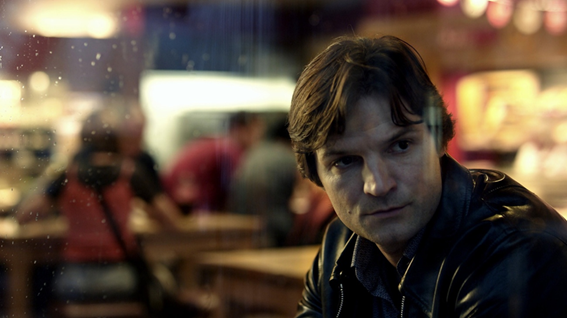
RELAY (2024)
Relay starts where most other thrillers end, with a whistleblower bargaining for his life by telling a powerful businessman he has copies of important documents that will be automatically leaked to the press if harm happens to him. Our protagonist, Ash, is the guy who will check up on him, keep, and, if necessary, leak the documents. In fact, Ash is a fixer specialized in mediating this type of situation. He’s also a paranoid professional who has figured out how to ingeniously use the services of modern society to stay off the radar in the surveillance age, so the film evokes both the existential loneliness of 1974’s The Conversation and the three-steps-ahead fantasies of the Jason Bourne series (there are also echoes, deliberate or not, of Soi Cheang’s underrated gem Accident). Ash’s background and the moral implications of his trade bring in some thematic heft to the proceedings, but the main draw are the cleverly constructed, tightly edited hide-and-seek games he has to play when he finally meets his match in the form of a sinister team of subcontractors, especially when he uses the anonymity that the chaos of New York streets can provide.
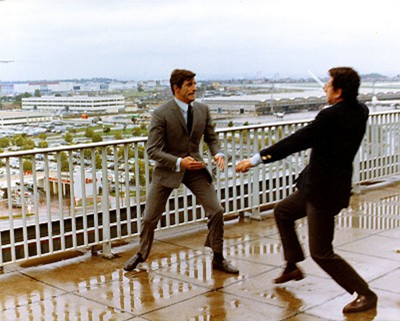
JUDOKA-SECRET AGENT (1967)
To judge by 1960s’ cinema, spies and judo must’ve seemed like the coolest things in the world back then, so I can just see where the idea of a French secret agent who is also a judo black belt came from. To be fair, by then western pop culture had already begun to develop a rich, fascinating relationship with martial arts, yet it may still have sounded original at the time to so prominently highlight the protagonist’s defensive fighting skills (including a nifty sequence where the camera shifts just enough for you to appreciate the choreography in the form of shadow silhouettes). In any case, I’ve quite a soft spot for the kind of B-movie that develops its own style, somehow conjuring up a mood where low budget or choppy storytelling become part of the charm rather than an obstacle. Judoka-Secret Agent walks that fine line where I’m sure many will simply consider its minimalism boring and inept while others (like me) enjoy it as a spellbinding experience, letting themselves go along for the ride (the vague plot only becomes a bit clearer near the end) as this guy meanders through Paris, pursuing and being pursued for long stretches at Orly Airport, and finally getting into a boat chase on the Seine, most of it at the beat of a groovy soundtrack. Although it’s a French-Italian Eurospy, the production wisely doesn’t try to imitate the kooky flashiness of 007, instead going for a more grounded vibe, which makes it even more thrilling whenever one of those elements (like a trapdoor or a hidden weapon) suddenly shows up. That said, like in most Eurospy flicks, there is a scene set in a striptease show, although this strip act is particularly bizarre (it involves a snowman), not least because of the general deadpan tone. Plus, in the midst of all the tense, dour proceedings, there is a scene where an agent goes undercover as a protest singer with a horrible hippie wig, which is nothing short of hilarious (deliberately, I’m sure).
THE MECHANIC (2011)
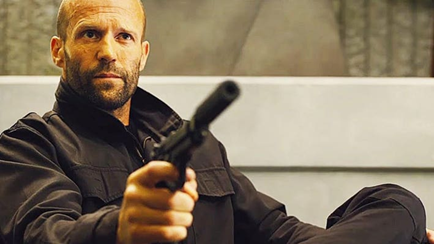
Back here in the 21st century, we have this surprisingly smooth remake of 1972’s super-assassin yarn The Mechanic, with a stoic Jason Statham in Charles Bronson’s role (and, thus, arguably the closest you’ll get to seeing Statham as an alternate Batman). The posters were so uninspired compared to the original movie that I feared the worst, but fortunately this version acquits itself well in terms of recognizing much of what made the source material so awesome in the first place. Notably, it also opens with an extended wordless sequence and, in fact, it faithfully follows the original’s plot beats – until the moment it doesn’t – while slickly reimagining the specifics. As far as lean, stone-cold hitmen films go, this may not reach the heights of Jean-Pierre Melville’s Le samouraï or even of a cult piece like Francesco Prosperi’s The Hired Killer, but it’s still a damn fine watch.
SUMMERTIME KILLER (1972)
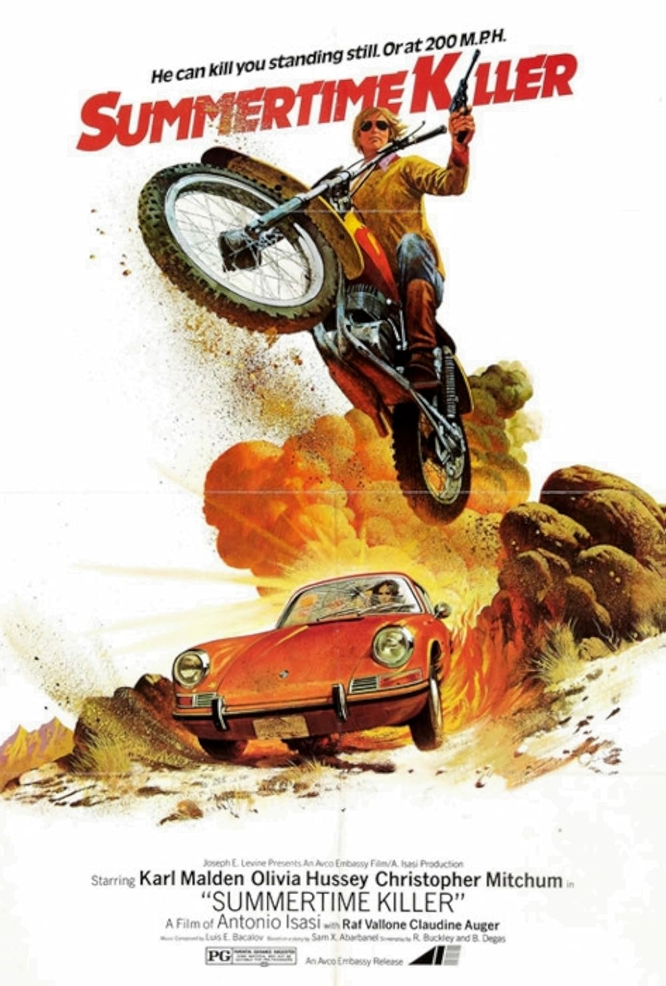
Finally, something messier and more tonally inconsistent… which is exactly what makes it stick. Summertime Killer is basically a modern-day western about a laconic, revenge-driven killer, except that he rides a motorcycle rather than a horse (although there are some horses around, as well). Besides the adrenaline-pumping action scenes, I’m guessing what made this such an exploitation favorite among the likes of Tarantino is how eerily dissonant the whole thing is. The protagonist looks like a sweet angel but does the most awful things. Cheesy light music and romcom montages conjure up the guise of a love story but, when you think about it, the romance is disturbingly perverse. I suppose the ending could be read as youth moving on from their parents’ shadow, in line with the era’s counterculture and generation gap, but the resolution is way more twisted than hopeful. If there is a ‘70s vibe about the film, it comes from its grittiness… and its unabashed passion for car chases!
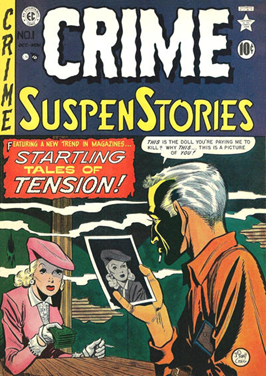
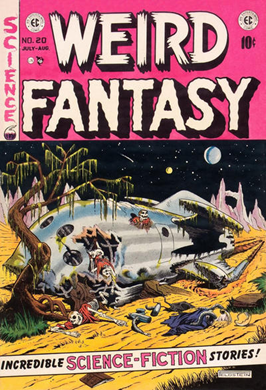
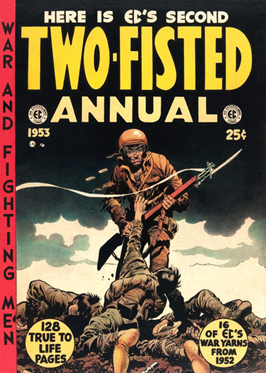
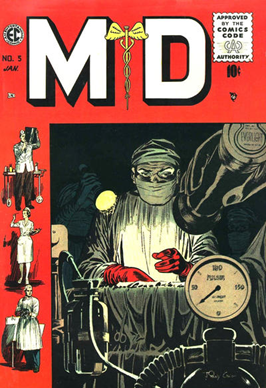
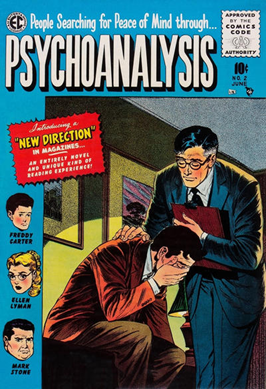
As longtime readers of Gotham Calling know, I’m a massive fan of 1950s’ EC Comics. More than delivering a bunch of brilliant stories in the specific realms of science fiction, crime, horror, and war, the publisher developed an influential overall style – a peculiar darkly ironic spirit that was later best brought to the big screen by Sam Raimi in Drag Me to Hell and Send Help (or even in his more restrained A Simple Plan), not to mention, more recently, Curry Barker’s Obsession.
With that in mind, today, let’s celebrate EC’s daring genre versatility: