I may not need to tell you that eminently quotable gangster flicks like The Godfather and Pulp Fiction are rightly acclaimed as peaks in crime cinema (hell, peaks in film history), as are Goodfellas and, in fact, most Scorsese pictures (many of which are awesomely channeled in Marty Supreme, a vigorous response to the recent wave of films about ambitious geniuses fulfilling the American dream… albeit in the offbeat guise of a ping pong sports comedy).
Still, it’s a shame how these works overshadow many other incredible approaches to the genre in movies from very different countries and eras. So, here is a post for those looking for further intense and intelligent explorations of crime on film:

BLACK DOG (2024)
The first half of Black Dog feels a like a badass Chinese neo-western (with a somewhat post-apocalyptic vibe), opening in the vast desert and then following a laconic ex-con as he returns to his decadent hometown, which has been abandoned by those seeking a better life in the big cities and is now being taken over by packs of wild dogs (it’s almost as if the desert itself is encroaching upon the town). The pace is slow, but there is definitely a cool thriller vibe here, with our lead striking a bond with the titular black dog while criminals come after him for revenge, threatening to shift the film from the world of Sergio Leone into John Wick territory. As the movie progresses, though, it actually becomes even more elliptical and damn moody, not least when Pink Floyd take over the soundtrack… Plus, while I’m not one to read every artistic product from authoritarian contexts as necessarily a comment on their regime, it’s hard to deny Black Dog’s critical and allegorical dimension, depicting an utterly desolated side of the People’s Republic of China that seems like a world away from the sort of triumphalist modernity projected by the 2008 Olympics (which linger the background), populated by people who have little relation to the authorities and for whom state plans feel as foreign and unpredictable as a divine intervention (or an earthquake). It’s a dog’s world.
HIGH AND LOW (1963)
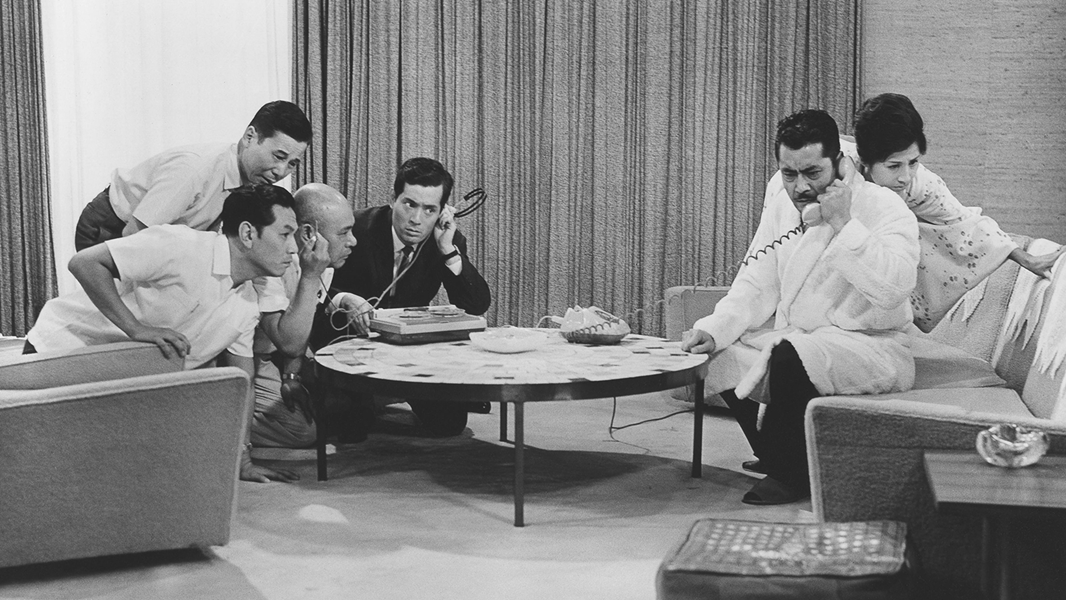
Although adapting a hardboiled novel by Ed McBain about a wealthy industrialist who has to choose between his money and saving a kidnapped child, High and Low brilliantly transforms the source material in three ways. First and foremost, Akira Kurosawa turns it into an engrossing cinematic tour de force of fluid camera movements, ingenious mise-en-scene, and widescreen compositions, often packing the frame with several people, whether acting as a collective or as individuals dealing with their place in the grand scheme of things. Secondly, he turns it into a story about Japan’s modernizing, capitalist, male-dominated society, offering a tour of the seediest places of the city of Yokohama as the action moves from the titular high (the industrialist’s heavenly mansion at the top of the hill) to the low (the hellish, drug-infested neighborhoods at the bottom). Finally, Kurosawa subverts the novel’s celebration of individualism and capitalism (as per its rich, triumphant hero) by placing the main focus on inequality. I much prefer it to Spike Lee’s recent remake, which reverts to the novel’s reactionary ideology, no doubt with an autobiographical slant. (For my money, Kurosawa’s’s most direct successor in terms of themes and visuals – albeit with a very different tone – is Bong Joon Ho’s Parasite.)
DEN OF THIEVES (2018)
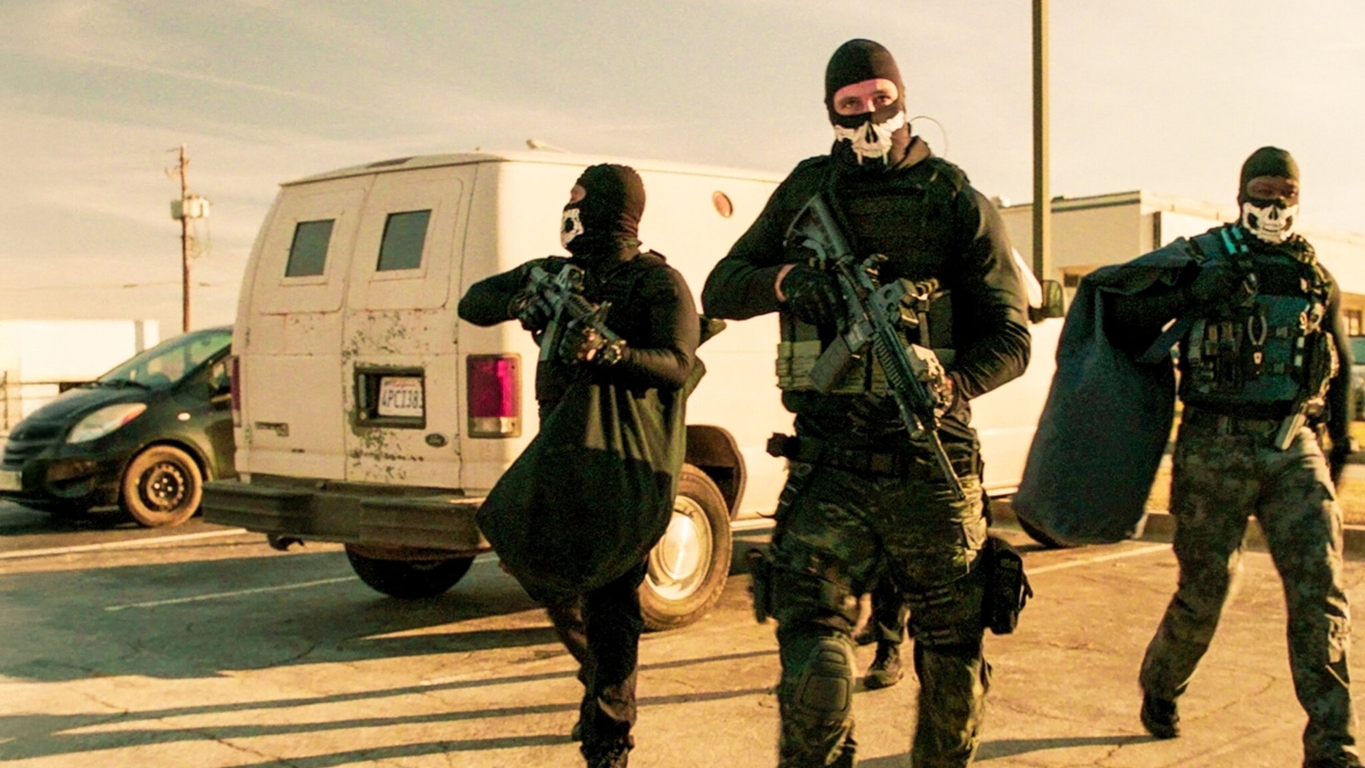
My first pick to represent the US may seem too mainstream, but I think this heist movie is actually quite underrated… Moving confidently between the perspectives of the cops and of the gang of thieves they’re chasing, it achieves that rare balance of storytelling where your loyalties oscillate back and forth as you watch, even as both sides include their share of flawed characters doing unlikable things (the fact that Gerard Butler convincingly plays such a fucked up LA sheriff helps further blur the lines between the two warrior camps). It’s very tempting to label Den of Thieves as a Trump-era remake of Michael Mann’s Heat, but that’s not the same as dismissing it: hell, I actually prefer it to Mann’s classic, not least because this one oozes a more genuine post-working-class sensibility that dignifies without necessarily glorifying all these violent, muscled, tattooed, cigarette-smoking men working their way around the system in Los Angeles’ industrial-looking landscape. The testosterone dripping from every single frame somehow pushes the film beyond a mere celebration of male comradery and/or toxic masculinity, delivering something that feels knowing without being ironic, clever without sounding pretentious, and fucking tense to boot. No wonder Den of Thieves even won over one of my favorite filmmakers, Christian Petzold. (The sequel, Pantera, has more of a suave James Bondian veneer as it follows the surviving cast members to Europe, further developing the homosocial subtext while now doing a version of Ronin.)
FEAR (1964)
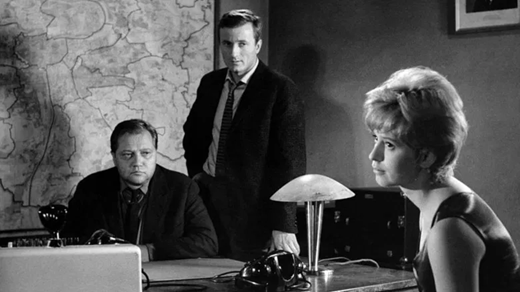
I also highly recommend this police procedural from 1960s’ Czechoslovakia, which may come across as surprising (at least for those of us who grew up in the West), not despite, but precisely *because* of its familiar surface and structure… Indeed, while young experimental auteurs in the then-communist state were making the most out of a period of political and creative liberalization (crushed later in the decade), challenging conventions through the so-called Czech New Wave, there were also a bunch of filmmakers churning out damn solid genre films, particularly the gritty crime series featuring detectives Major Kalaš and Lieutenant Varga. In their first movie, Fear, they investigate a hit-and-run murder which may be linked to a pornography ring or perhaps to something much more sinister. Beautifully shot, with noirish lighting, understanded performances, smart characters, sharp dialogue, and engrossing intrigue, the result is tighter than most current cop shows, yet it also works as a precursor of C.S.I.’s fascination with forensic techniques.
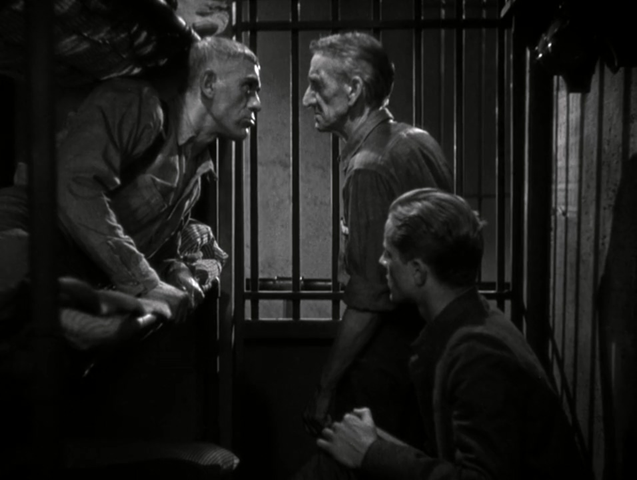
THE CRIMINAL CODE (1931)
Another one from the USA, but this one made almost a whole century ago… And yet, because it was directed by the great Howard Hawks, the pace of the acting, hardboiled dialogue, and gallows humor can outmatch many recent crime dramas, while the themes of masculinity, loyalty, and a heartless system remain just as relevant. Basically, The Criminal Code builds into one hell of a prison yarn where the title does double duty, pitting the criminal code of the law against the code of the criminals themselves, both of them based on ruthless punishment. Hawks crafted so many all-time classics that this one doesn’t usually rank in his top 10, but it’s an absolutely terrific piece of filmmaking, including one of the most powerful killing sequences in the history of cinema.

IT WAS JUST AN ACCIDENT (2025)
Finally, we get a nightmarish tale from Iran with a classic hook: a guy has a minor car accident, hitting an animal, and his life spirals completely out of control from there as one thing leads to another… I’m keeping things vague, because part of the power of It Was Just an Accident is watching each one of those things leading into the other, introducing new characters that further complicate the situation, especially as the tone also keeps shifting, from intimate drama to Coen-esque black comedy, from suspenseful psychological horror to full-blown political polemic. I would say it’s hard to believe what writer-director Jafar Panahi can get away with, but of course he didn’t quite get away with it, having been sentenced to prison (again). More than a martyr, though, Panahi is one of the greatest living directors, with a beautiful command of mise-en-scene, and it’s fascinating how easily he was able to tweak his typical car-based family dynamics into such a dark masterpiece.