This week, another reminder of how awesome – and how all-over-the-place – were the covers of pre-Crisis Wonder Woman…


This week, another reminder of how awesome – and how all-over-the-place – were the covers of pre-Crisis Wonder Woman…
Having recently read what may very well be my favorite Mick Herron novel so far, The Secret Hours, I was going to write one of Gotham Calling’s occasional pieces about spy yarns without pictures inside… Between this and catching up on the latest season of the Slow Horses show, though, I found myself actually doing a whole post about Slough House, Herron’s book series about an MI5 unit made up of agents – derogatorily called ‘slow horses’ – who fucked up in the past and who are now assigned with boring and demeaning tasks as a punishment/encouragement to quit.
“The only reason for the absence of a sign requiring entrants to abandon all hope is that, as every office worker knows, it’s not the hope that kills you.
It’s knowing it’s the hope that kills you that kills you.”
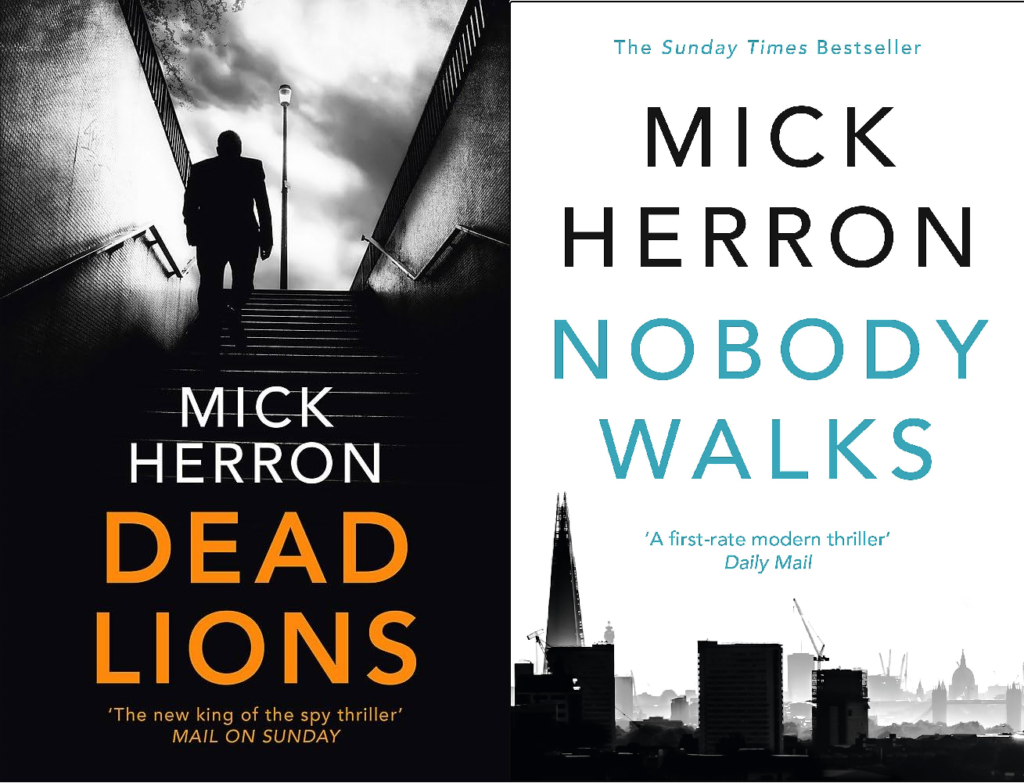
I’ve previously praised the series’ first two instalments, Slow Horses and Dead Lions. In the meantime, I’ve binged through the remaining books, novellas, and spin-offs, so I can now give a fuller overview of the series.
Overall, it’s quite consistent. New characters keep joining the cast and sometimes dying off, but Slough House itself is a strong unifying setting, pulling in various kinds of broken people who mostly dream about going back to proper MI5 work but gradually realize the forces that be won’t ever let them leave (‘It’s like the Hotel California,’ Louisa elaborated. ‘Only for demoted spooks instead of cokehead clubbers.’).
Mick Herron has been branded as the new John le Carré, but that’s just simplistic. One of the most defining aspects of le Carré’s writing was its authenticity, with believable characters and situations that seemed like they could’ve actually taken place (especially since the author appeared to be drawing on his own experience as a former secret agent). It’s the kind of vibe you can find in a show like The Bureau, which explores the psychological toll and moral dilemmas of undercover work – and which even features a George Smiley-like figure in Henri Duflot (as well as a Russian doll motif in the final season, evoking the BBC’s adaptation of Tinker Tailor Soldier Spy, le Carré’s classic about a mole hunt in the upper echelons of the organization he called the Circus).
By contrast, the Slough House books work best when read through the lenses of black comedy: when they strain credibility, it’s more a feature than a bug… because the priority is to be funny and entertaining rather than realistic (which is not to say these things cannot converge every once in a while). To be sure, Herron himself mocks the epithet in The Secret Hours, which cheekily introduces ‘an espionage novelist whose recent decalogy about a mole hunt in the upper echelons of what she referred to as the Fairground had her pegged by some as the heir to Le Carré – one of an admittedly long list of legatees.’
With their sardonic voice and quasi-satirical tone, these novels feel much closer to the earlier spy fiction of Len Deighton. Like Deighton, Herron doesn’t necessarily know much about the actual world of intelligence services – what does ring authentic is the general picture of workplace dynamics, office politics, and individual pettiness. It also helps that Herron nails the feeling of London in a highly recognizable way, from its various social types (‘a mixed bunch, all saggy-crotched jeans and unlaced trainers, broadcasting the usual Jamaican patois of the London-born teenager’) to its evolving architecture (hence the city’s centrality in the covers).
That said, I love how Mick Herron comes up with wild spy schemes drawing on tropes like sleeper agents, false flag operations, and elaborate cover-ups. While the premises may be far from what spies do in the real world, they involve fascinating concepts nonetheless. Herron seems basically interested in narratives of conspiracy and misdirection, not unlike Jorge Luís Borges, who arguably wrote some of the most inventive spy narratives ever (‘The Garden of Forking Paths,’ ‘The Form of the Sword,’ ‘Theme of the Traitor and the Hero’). His plotting typically involves a lengthy chain of surprises, cliffhangers, switcheroos, and triple-crosses while making the most out of the extensive cast – everyone plays a significant role in each story at some point, contributing to save the day and/or to further screw it up. As much as the abusive, flatulent head of Slough House, Jackson Lamb, tends to steal the spotlight in reviewers’ accounts, this is a team book series, through and through.
Along with Herron’s storytelling prowess comes a talent for worldbuilding, gradually fleshing out a coherent version of MI5 and of the whole government apparatus that surrounds it. There is internal slang, like the Dogs (security) and the Vampires (interrogators, ‘whose job it is to draw blood from stones’). There are bureaucratic details, like the fact that sensitive data gets hidden in the second-highest classification of secrecy, because ‘those most likely to wangle access to intelligence – oversight committees, Cabinet ministers, TV producers – tended to focus their attention on the highest grade.’ And even if the description of a spy’s funeral may not resemble the real thing, it’s certainly a wittily written piece imagining how such a setting could look like and how such a ceremony could unfold:
“Funerals are private affairs, and never more so than at the Spooks’ Chapel, where many cover stories had been laid to rest and last words said over careers that had blossomed in dark corners, some so successfully that even close friends and family remained unaware of their true nature. But, as Jackson Lamb had been known to remark, suits’ bodies were easier to find than those of joes, and messy ends didn’t lead to tidy burials. So inside the chapel, on the west wall, were plaques to the memory of those who hadn’t made their way home, a display some called the Last Dead Letter Drop. The names on the plaques weren’t always those their owners had been born with, but there was a case for saying that the name you died with carried more weight. The identity you never let go of; that, in the end, let go of you instead.”
Plus, of course, the characters. Sure, they’re grotesque and often fuck-ups to the point of caricature, but Herron manages to breathe life into them. Even as we laugh, we come to know and care for these people, including the most extreme cases, like the drug-fueled, out-of-control Shirley Dander or the narcissistic tech asshole Roddy Ho. Somehow, this even applies to Jackson Lamb, whose main drive appears to be neither ideological nor nationalist, but rather a sense of ownership of his ‘joes,’ which can translate into abuse as much as into protection or determination to avenge their pointless deaths… And yet, he isn’t just grumpy, but truly mean-spirited, his dialogue ticking practically all conceivable politically incorrect boxes, often in the form of puns. He really treats the team – and everyone else around him – like shit, albeit with the most irresistible put-downs (‘I swear to God I’d defect, if there was anywhere worth defecting to these days.’).
No wonder Mick Herron delights in writing Lamb. I’m sure Herron has a more friendly personality, but he seems to have a special appreciation for the art of crafting the most twisted disparaging remarks:
“He wore a short-sleeved white shirt buttoned to the neck over brown corduroy trousers, and was compensating for the thinness of his pale red hair by growing a moustache. It was impossible to tell how long he’d been working on this, and nearly as difficult to refrain from suggesting he stop.”
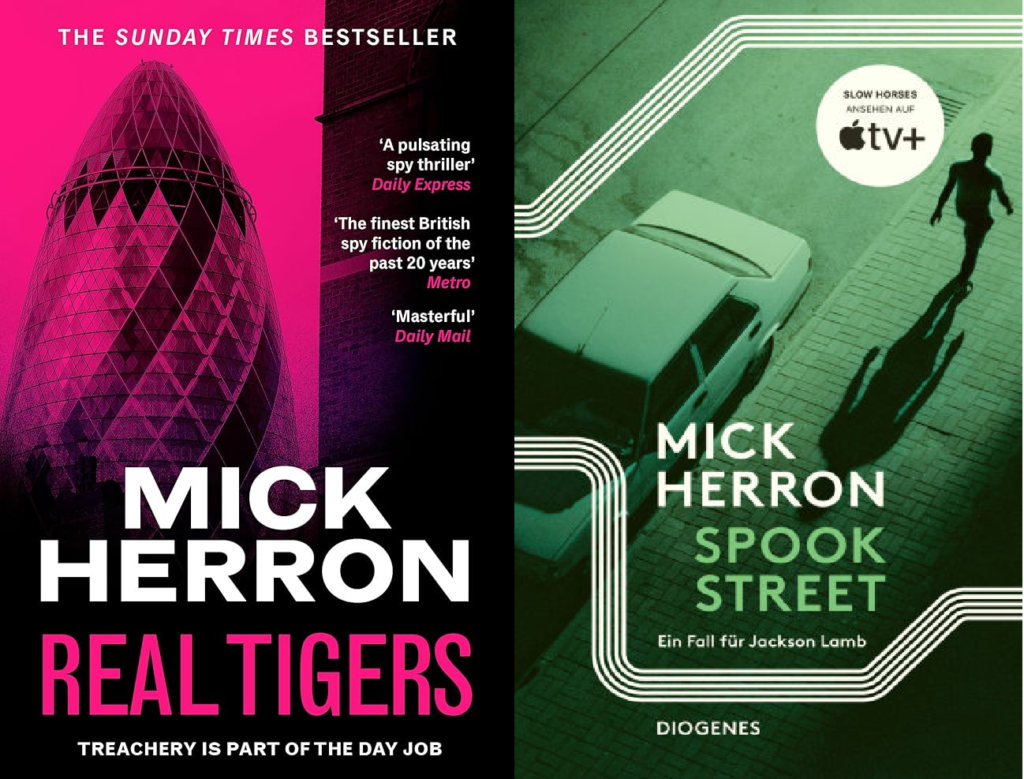
The fun, then, is throwing various types of losers and social misfits, not into a le Carré-like grounded intrigue (which is already full of flawed agents anyway), but into more high-pitched spy thrillers. For all the very intricate plotting, the books are also full of action, violence, and larger-than-life figures spinning convoluted and complex plans… For instance, Real Tigers culminates in a long, massive shootout climax that beats anything Ian Fleming ever wrote.
The thing is that in the middle of all the killings and chases you don’t find traditional heroes, but rather frustrated and/or seriously deluded slow horses. Even River Cartwright, despite having been framed and having benefitted from the mentorship of his grandfather (an old bastard affectionately known as O.B.) who used to pull the strings at MI5 back in the day, turns out to be as misguided and maladjusted in his own way. So, in a novel like Spook Street, where the villain is a Jason Bourne-like super-assassin, the fact that our heroes are so far out of his league provides both laughs and genuine thrills, making the villain a menacing – and ultimately quite deadly – threat.
“Bond would have leaped from the bridge onto a passing bus, or drop-kicked a motorcyclist and hijacked his wheels. Bourne would have surged the streets on car roofs, or slipped into parkour mode, bouncing off walls and wheelie bins, always knowing which alley to cut through…
River threw a quick glance at the nearby row of Boris bikes, shook his head, and ran down into the Tube station.”
As a result of this contrast, the stakes are often quite high. Practically every novel finishes on a different status quo, with some cast members killed, fired, or having quit… and so it’s not unusual for a volume to start with new additions to the team, generating a familiar beat as we wait to find out what kind of mistake condemned the latest member to Slough House. Aware that this has become a recognizable feature of the series, Herron started to play with readers’ expectations and taking advantage of the fact that (almost) no character seems safe. Joe Country is particularly mischievous in this regard, opening with a teaser that both hints and misleads about who is going to get it by the end of the volume.
I should point out, though, that while some of the cast members are bumbling, delusional, and/or psychopaths, most of the key characters tend to be devious and intelligent, so it’s a joy to see their constant bluffs and metaphorical chess moves.
“If Diana Taverner ever self-destructed, she’d find a way of doing so to her own advantage.”
Speaking of stakes, right from the outset, the Slough House books offer War on Terror narratives, exploring not so much Islamic terrorism itself, but all the panic, security apparatus, and conspiracy theories that came with it. In most stories, there is a terrorist threat and/or attack, yet the investigation tends to reveal some peccadillo of the British secret services themselves which has somehow come back to bite them in the arse… It’s a good hook, although Herron’s overreliance on it risks making the series feel a bit repetitive. Either because he’s aware of this danger, or just because he enjoys commenting on the present, in later books a new type of tension comes to the foreground, namely between the public and private sectors, no doubt reflecting the real-world expansion of companies’ political influence, government outsourcing, and ensuing corruption.
I suppose this political angle is where things come closer to John le Carré’s body of work, but, again, I can’t overstate how different in style the two writers are. For one thing, Herron’s prose is very formulaic. Every book in the main series has the same overall structure, starting with a cold opening followed by a tour of Slough House – and inevitably returning there in the end. The sub-chapters are almost always around three-pages long (which helps make the books such addictive page-turners) with the only major exceptions taking place in Joe Country and Bad Actors: those contain a few chapters that break with this format through long sequences that smoothly jump from POV to POV, creating a peculiar effect that evokes a long tracking shot in a film that is otherwise made of quick cuts.
If I had to pick out one of his works that does read like something that could’ve been written by le Carré, I would go with the novella The Drop, where Herron’s witticisms generally come across as more lyrical and restrained in terms of lowbrow puns and pop culture references. Otherwise, the prose is generally much less pretentious than le Carré, with enough wordplay to rival Terry Pratchett… which is not to say that Herron is above (or below?) throwing a nod to Homer’s The Odyssey when he feels like it:
“In some parts of the world dawn arrives with rosy fingers, to smooth away the creases left by night. But on Aldersgate Street, in the London borough of Finsbury, it comes wearing safe-cracker’s gloves, so as not to leave prints on windowsills and doorknobs; it squints through keyholes, sizes up locks, and generally cases the joint ahead of approaching day.”
The series’ chronology is not very rigorous, requiring a Marvel-like sliding timeline for things to make sense. The books are written years apart but usually set only months apart, creating clashes with the many real-world allusions, including some clear time markers. If you accept that the first book took place in 2010 and actually stick to this timeline, the months-long intervals between tales don’t jive with 2016’s Brexit vote, which must have happened before The Drop (which takes place just a few weeks before Joe Country and leads straight into it).
Moreover, the notion that all these books are taking place within a relatively compressed period of time undermines the core premise: if there is less than a year between stories, then Slough House is not a peripheral place where failed agents are bored to death; it’s an exciting, if deadly, forefront in the fight against important threats, constantly involved in action-packed scenarios. Bad Actors compensates for some of this by skipping ahead further in time (basically jumping over the covid-19 pandemic), although it’s still best not to give the timings too much thought.
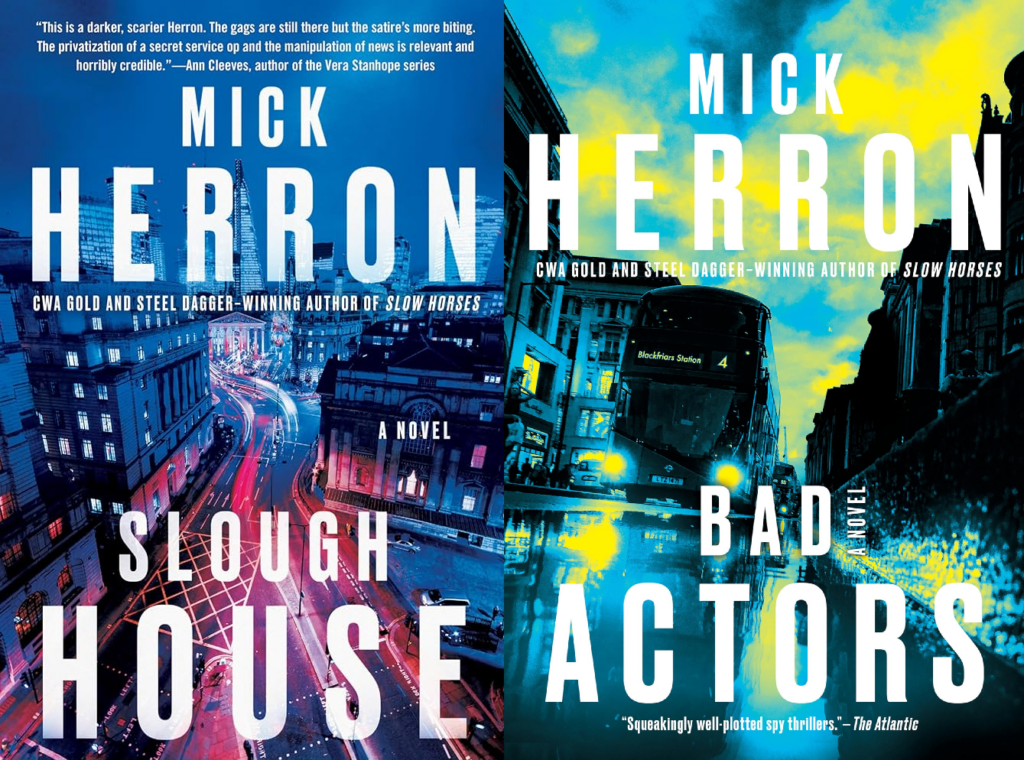
In turn, the sequence is pretty rigid, so it pays off to read the books in order. After you’re done with Slow Horses (2010) and Dead Lions (2013), you’ll want to check out The List (2015). This very cool novella follows the discovery that a recently deceased joe might’ve been a double agent all along, which prompts an amusing spiral of twists, once again revolving around the notion that some spies are bound to approach their missions with the same dismissive spirit as many workers approach their underpaid jobs.
Crucially, before jumping back into the regular series, make sure you don’t miss the spin-off novel Nobody Walks (2015), a revenge thriller that gradually shifts into other genres (much like the video game at the core of the plot), eventually settling on a cross between a spy tale and a crime yarn. It’s a different type of story, but written in the same style of prose… and with Heron’s signature move of populating the narrative with master manipulators playing elaborate mind games as they try (and sometimes manage) to think three steps ahead of everyone else. There are key supporting roles by figures from the Slough House universe and the book even introduces a couple of characters who later joined the main series. It should definitely be read before Spook Street (and since the ending of Real Tigers flows so smoothly into Spook Street, I recommend reading Nobody Walks even before picking up Real Tigers).
Real Tigers (2016) starts with Batman kicking Spider-Man’s ass (on page 3!), so it had me from the get-go… That said, this is actually a pretty bizarre cold open even once it gets haphazardly explained later on (no wonder they left it out of the Apple TV+ adaptation, besides the obvious IP implications). The main inciting incident, which comes some pages later, involves one of the slow horses getting kidnapped and, needless to say, the initial response to this is as preposterous as it is irresponsible. As usual, each chapter reveals a further layer to the antagonists’ agenda, this time gradually venturing evermore inwards, with the government and the services full of cunning and conniving bastards conspiring against each other.
“In the same hand that held his cigarette Lamb was wielding a Danish pastry, and he waved it now in their general direction. ‘You know, seeing you all together, it reminds me why I come into work every morning.’
Golden crumbs and blue-grey smoke flew in opposite directions.
‘It’s cause I’ve a cockroach infestation at home.’”
Spook Street (2017) opens with a bang (literally). I try to keep these descriptions relatively vague, so as not to spoil too much, but let’s just say this story hits even closer to home than usual, not only because of a death at the Cartwright household early on (and because the ensuing investigation reveals some of the dirt in the O.B.’s past), but also because there is a vicious action scene at Slough House itself, building on our knowledge of the place’s geography, set up by all those tours at the beginning and end of previous books.
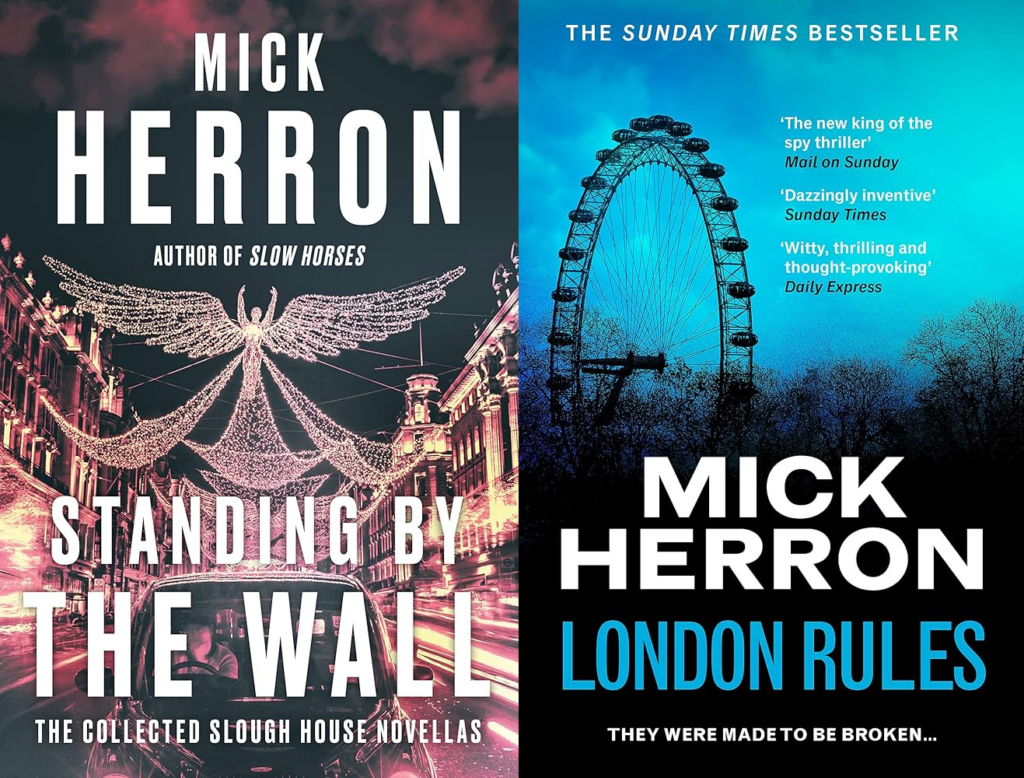
As for London Rules (2018), it’s more of the same, but even more so… By this stage, the plots and characters have become quite caricatural. Not that the series didn’t go for its fair share of silly comedy in earlier instalments, but this seems like the volume where Herron really let loose, embracing the notion that he’s writing, above all, a broad farce (or perhaps just reflecting the fact that, in the aftermath of Brexit, the real world itself seemed to have become more outrageously ridiculous).
After that, the plotting became more inward-looking. The Drop (2018) is a direct sequel to The List, set a few years later, after Brexit (which actually gave a greater payoff to the original’s premise). Similarly, the novels Joe Country (2019) and Sough House (2021) are particularly reliant on the backstory accumulated throughout the series, picking up loose threads from various previous installments (even going back to seeds planted in the very first one). They still make sense if read as standalone, but I wouldn’t suggest doing it if you can avoid it.
“All over the world banks were becoming coinless, cars driverless, offices paper-free. Here in Slough House they were taking up the slack, as if in Newtonian response to refinements made elsewhere: an equal and opposite surfeit of unnecessary busywork.”
There are two shorter pieces in between Joe Country and Slough House. Like the other novellas, The Catch (2020) largely revolves around the parallel saga of John Bachelor, who is not a slow horse but, somehow, still manages to be the most depressing loser employed by MI5… In The Catch, he deals with some of the fallout from Joe Country, even if he’s not entirely aware of what happened (readers don’t have to be, either). Herron’s plotting is as serpentine as ever, although by now veteran readers may be on to him: once you figure out there is always a further cynical twist to the narrative, you’ll probably start spotting some characters’ Machiavellian schemes ahead of their revelation. Still, the amusing dialogue and descriptions are by themselves enough to make it a fun ride.
In the short story ‘The Last Dead Letter’, Lamb and the take-no-shit archivist Molly Doran (one of many charismatic recurring characters) discuss an old case, from back before the Berlin Wall was torn down. Although their banter has the usual wordplay, the case is actually pretty grim and told like effective, non-ironic Cold War fiction. Herron is once again stretching his writing muscles.
You can also see this in the latest official novel in the series, Bad Actors (2022), whose premise involves the search for a missing forecaster, against the background of the secret services’ rivalry with the prime minister’s advisors (two castes of unelected figures with limited accountability). The narrative is more ambitiously constructed, with an effective Tarantinoesque non-linear chronology and a finer balance between twisty political intrigue (everyone plays each other and/or gets played) and a couple of Tom Sharpe-ish sub-climaxes where all hell breaks loose during some particularly chaotic operations involving multiple players and wild cards. This book was followed by the Christmas-themed short story ‘Standing by the Wall,’ which contains a hilarious riff on It’s a Wonderful Life.
I said Bad Actors was the latest ‘official’ novel because The Secret Hours (2024) has been advertised as a standalone work. I suppose it’s true that you can read it without having read any of the others and easily follow the whole plot and reach a sense of resolution by the end. Still, it features several characters from the main series and it fills in much of the backstory of previous tales – in particular, the present-day action follows Bad Actors’ denouement and an extended flashback to the 1990s ties directly into ‘Standing by the Wall’ (which can be read before or afterwards… perhaps the latter option works better, so as to avoid spoilers).
In fact, I’d classify The Secret Hours as a key book in the series, with the additional appeal that it’s one hell of a spy yarn, somehow merging an intense man-on-the-run thriller (culminating in a classic, Bourne-like ‘all cameras on him’ set piece), an innocent newbie abroad story (shades of Graham Greene), an indictment of the callousness within all secret services (even if an explanation in the penultimate page seems a bit too contrived for my taste), and the usual bureaucratic government machinations. The latter subplot includes a pathetic inquiry committee (complete with a mole whodunnit), allowing Herron to once again display an unparalleled skill at turning the most potentially boring meetings into lively, engrossing pieces of manipulation and passive aggression:
“No, you described the transition of Housekeeping duties as having been ‘successful’. I’m wondering what criteria you’re adopting to arrive at that conclusion. If they involve the late or non-existent provision of goods and services, then yes, I’d be the first to agree, the new dispensation is proving something of a smash hit. If, on the other hand, you bend towards the notion that success requires, at a bare minimum, the fulfillment of promises made and undertakings given, then your use of the word stems from either a woeful ignorance of the situation or a willful distortion of the true state of affairs.”
Batman #519
Another action-packed reminder that comic book covers can be awesome…


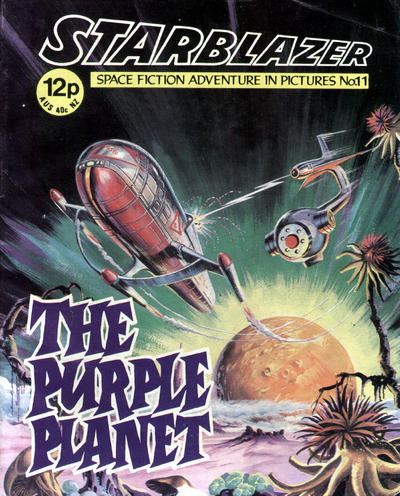
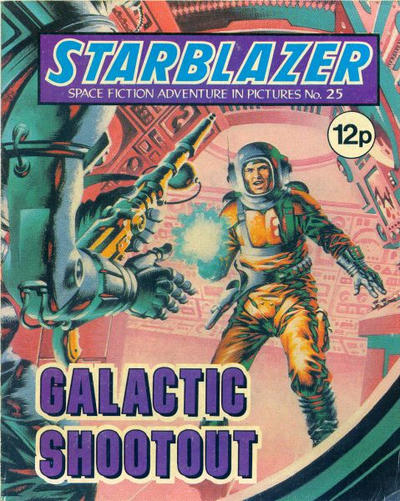
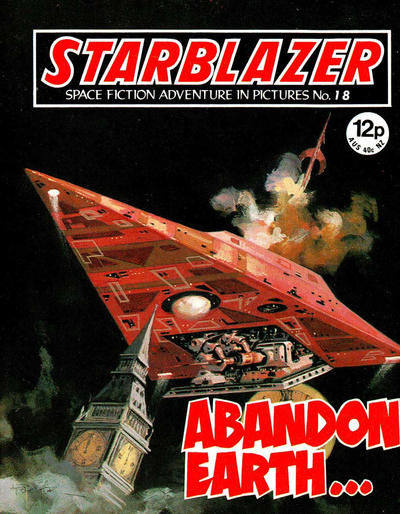
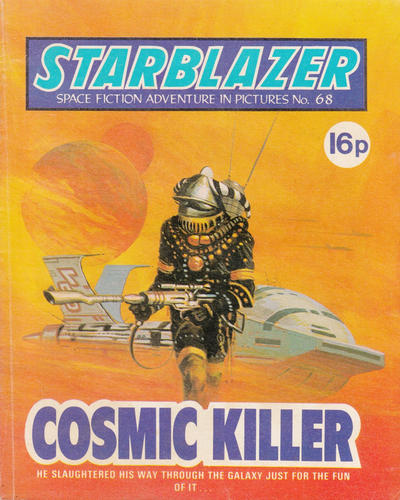
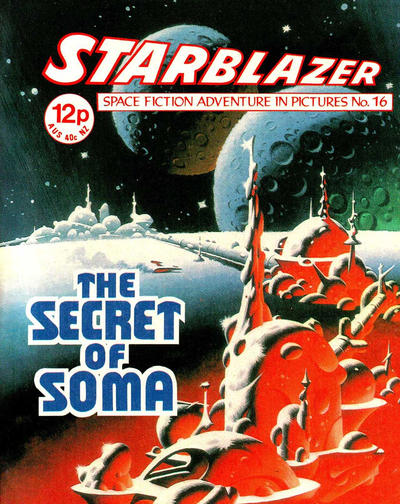
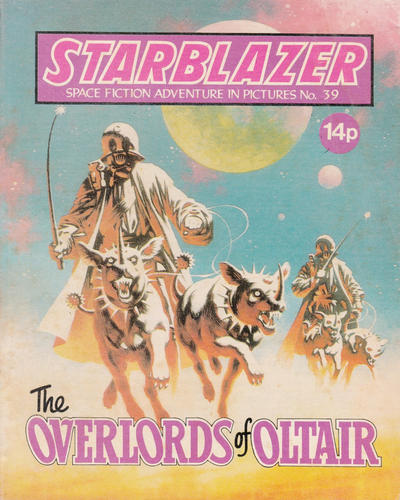
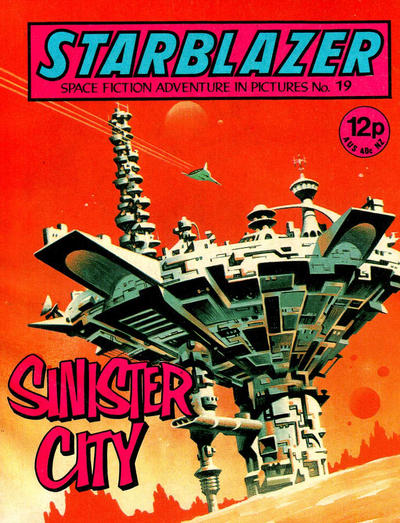
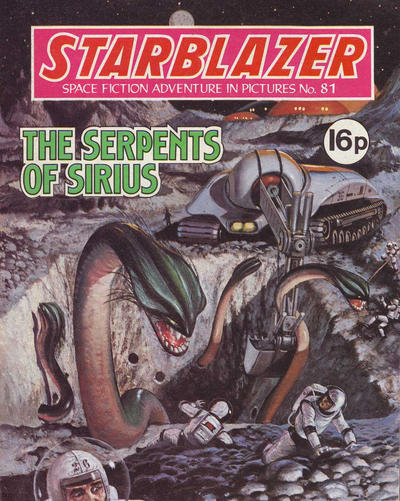
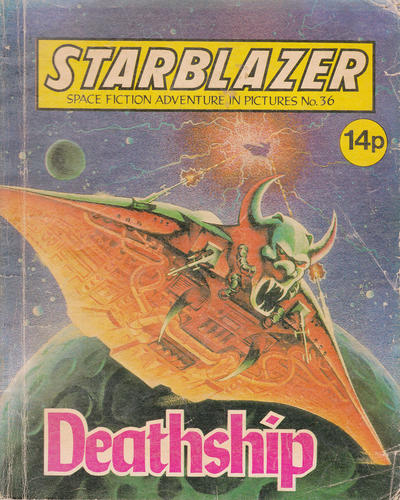
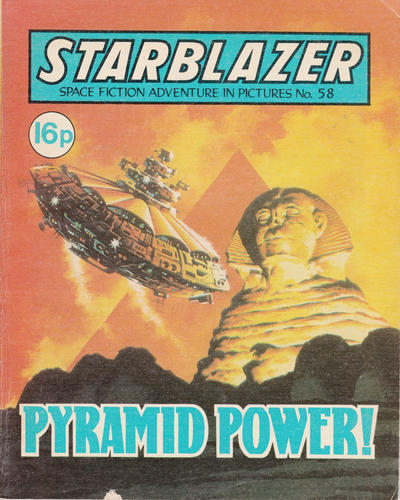
This week’s reminder that comics can be awesome is a tribute to Ian Kennedy’s covers for the 1980s’ anthology Starblazer, with their deadpan combination of breathtaking vistas, psychedellic colors, and oddball concepts:
At the risk of making Gotham Calling look like a Letterboxd account, this week I’m turning back to movies, spotlighting half-a-dozen stripped down crime thrillers that, in the grand tradition of classics like The French Connection, make the most out of the old adage: less is more.
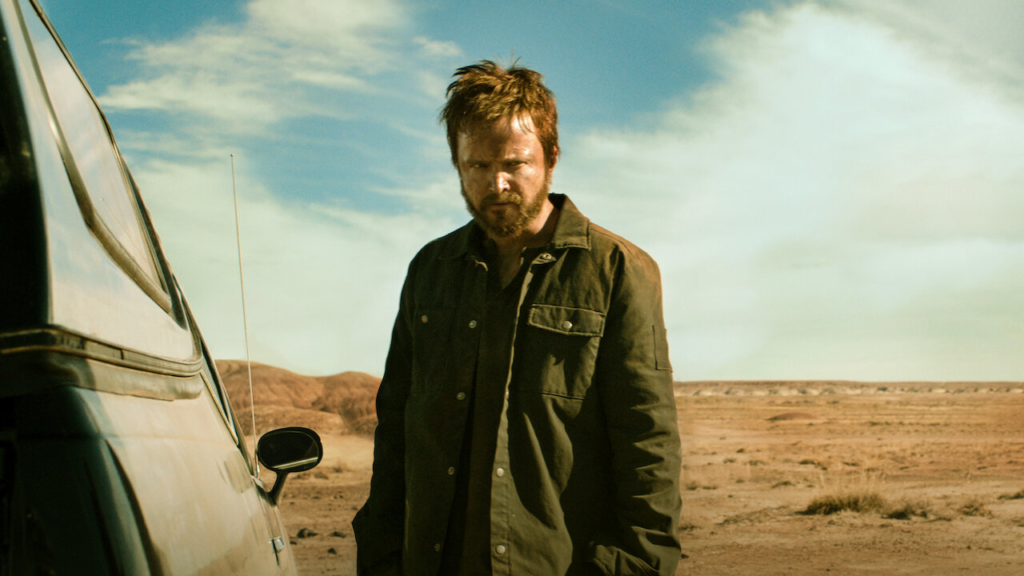
EL CAMINO (2019)
With Breaking Bad and its superb spin-off, Better Call Saul, Vince Gilligan pushed slow-burn storytelling to unprecedented degrees on television, the deliberate pace contributing to those shows’ enjoyment as much as the rich characterization, the thematization of the frustrations and hopes of work, or the darkly comedic overlaps between Albuquerque’s middle-class life and its eccentric crime underworld. You can find all of those ingredients in El Camino, a direct sequel to the original series, set in the finale’s immediate aftermath and following Jesse Pinkman on the run, now on his own (i.e. without Walter White’s guidance and manipulation), desperately trying both to escape and to get some closure from all the shit that went down before… If you’re not familiar with the Breaking Bad extended universe, you’re bound to be a bit lost and, naturally, the flashbacks, guest stars, and easter eggs won’t be as resonant, but even then you may dig the movie’s apparent low-stakes minimalism, lingering on one laborious task after another while steadily throwing new obstacles in Jesse’s way, the whole thing once again shot in a Sergio Leone-influenced neo-western style.
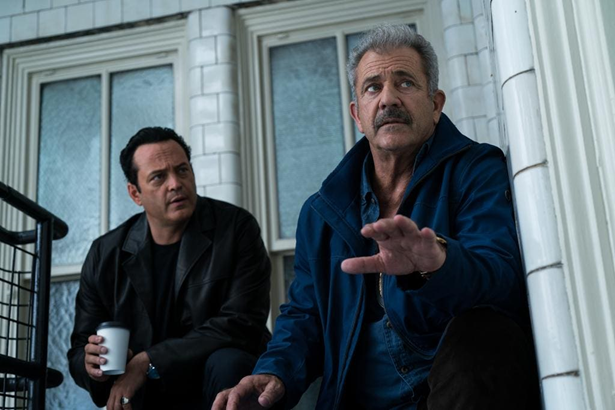
DRAGGED ACROSS CONCRETE (2018)
Another leisurely paced ride, this one revolving around a couple of old-school, un-PC policemen crossing the line, only to get entangled in a major clusterfuck. Dragged Across Concrete keeps shifting perspectives and lingering on small character moments, so that the emotional stakes gradually escalate (as well as the violence!). If S. Craig Zahler’s previous films had already threaded the line between reproducing and exposing the racism of genre fiction, his approach here is even more provocative: along with the symmetries between cops and crooks, he has uncomfortable racial dynamics inform – both subtly and explicitly – various key motivations, disguises, and plot points… and ultimately trigger the ambiguous denouement. (This theme is further reinforced by the casting of Mel Gibson, but besides evoking sad real-life episodes, his presence also creates an intertextual dialogue with the Lethal Weapon movies and the original Mad Max).
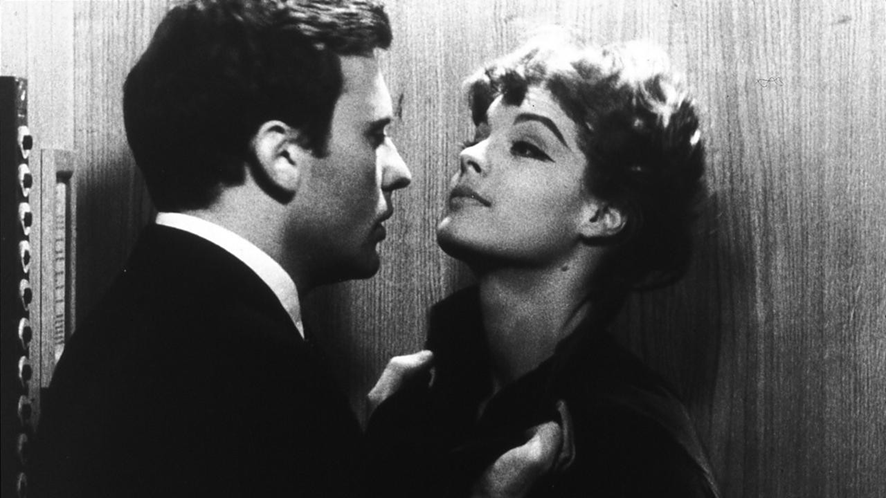
FIRE AND ICE (1962)
Exposed after an assassination attempt, a far-right terrorist goes on the run and in search of the traitor, with the focus shifting between him and his much abused wife. A languid, mesmerizing, low-key affair with a noirish semi-documentary voice-over, Fire and Ice manages to knock out an intense thriller using the language of French New Wave drama, including beautifully shot natural locations, a young couple with political and romantic anguish, quasi-existentialist lyricism, and – fortunately unobtrusive – cinematic winks (like a cameo from the hotel room in Breathless). If you prefer something tighter and drier, Alain Cavalier followed this with a similarly themed noir, The Unvanquished, that is just as incredible in its own way.
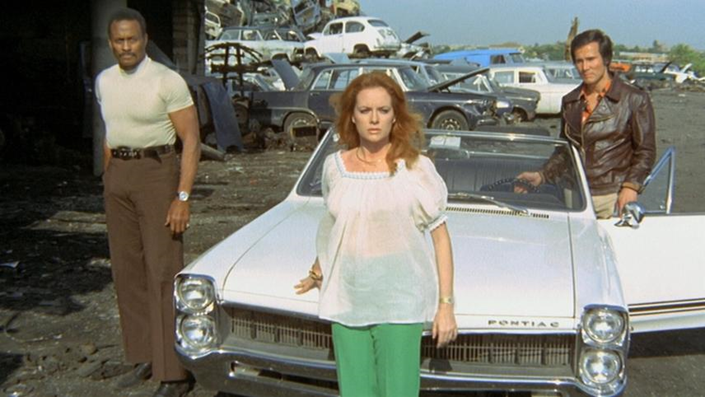
THE ITALIAN CONNECTION (1972)
The French Connection wasn’t just influential in the US; its raw, direct style also inspired a barrage of European crime thrillers, especially in Italy. They don’t come much more direct than this one, which opens straight with frank exposition, as a New York mob boss assigns a couple of cold-eyed hitmen to go to Milan and execute a low-level pimp who sidetracked a heroin deal (‘I want you to kill him in the most brutal way possible, because I want it to be conspicuous, sensational. I want it to be the talk of Italy.’). And, no shit, that’s your film right there, as our perspective shifts between the hunters and the hunted, between men in suits calling the shots and men on the dirty streets fighting for their lives, each one enacting their own brand of toxic masculinity. There are no good guys here and no conventional sense of justice, just propulsive, merciless momentum until the inevitable showdown. Lots of people die.
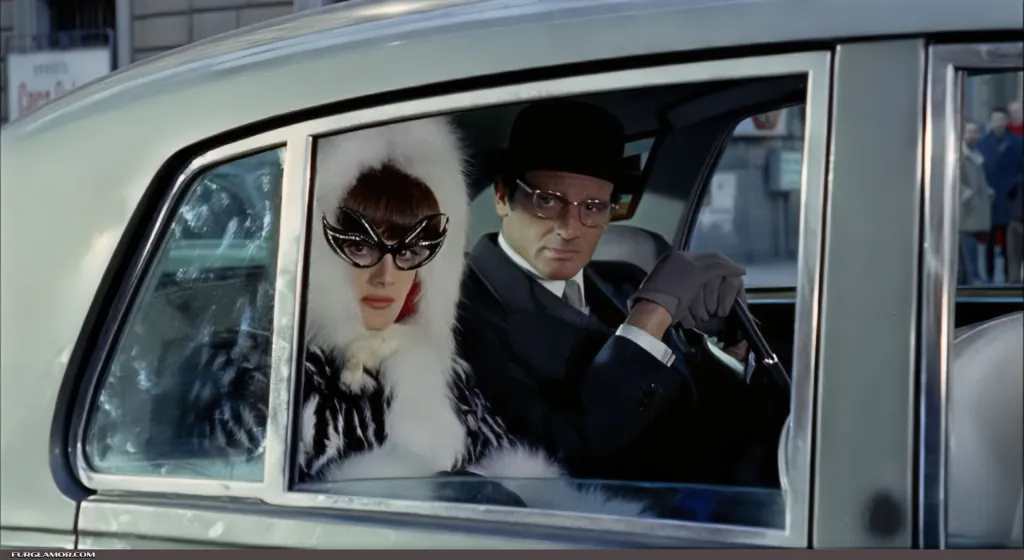
SEVEN GOLDEN MEN (1965)
You know those heist movies that spend the first third or so of the running time putting together a team of scattered individuals, establishing their motivations and initial masterplan before moving on to the centrepiece robbery? Seven Golden Men is having none of that crap. It just blasts in medias res with a catchy tune and never lets go, leaving you to put the pieces together while watching an international gang trying to rob the Swiss National Bank, in the middle of the day, under everyone’s eyes. As per the usual formula, they hit a bunch of snags along the way, but I’ll leave you to find out which of them, if any, will cause their plans to unravel. After all, the film is all about figuring out the process and sharing the suspense at its most basic level. You want stakes? The dudes want gold, that’s the stakes! You need characterization? That guy is Italian, so he’s cocky; the other one is Portuguese, so he can easily pass as a migrant construction worker in Geneva; the German fella looks like he knows what he’s doing; etc. (There isn’t anything mean-spirited about any of this, just the ruthless efficiency of using national stereotypes as shorthand for storytelling.) Despite the title, there’s also a woman in the gang, although initially her role is just as functional as the rest, with her sexy looks proving to be useful or harmful at different stages. So, yeah, not the deepest or most sensitive of movies, but the filmmakers knew they had to trim all the fat to make room for the millions of twists that pile up in the final stretch!
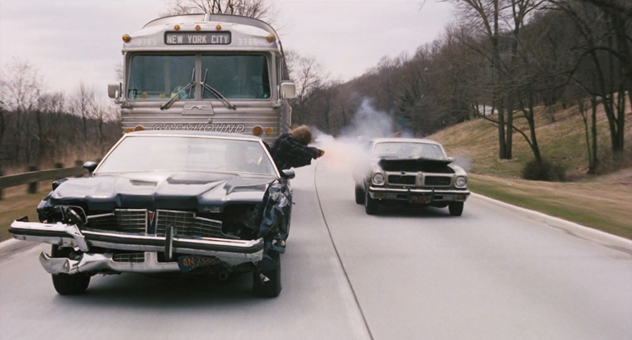
THE SEVEN-UPS (1973)
A sort of follow-up to The French Connection (directed by the former’s producer, starring Roy Scheider in a similar role), The Seven-Ups likewise combines core 1970s’ motifs of breathtaking car chases, a gritty-as-hell New York City, and frustrated cops playing by their own rules. The title refers to a secret squad of plainclothes officers specialized in cases who may lead to prison sentences of seven years or more, but the premise is less significant than the tense, muscular execution. Here is a film that unapologetically requires your close attention in order to keep up, especially in the first half… Not only is the plot full of misdirection (it involves cops breaking the law and crooks pretending to be policemen), but the storytelling often prefers ellipses to exposition, with most scenes throwing you into a new situation, taking their time before you can join the dots and work out what exactly is going on.
I’m a huge sucker for subgenres, niche branches of cultural production that are quite specific in their parameters but nevertheless spur a fair share of outputs, with variations that are mostly of interest to devoted experts/fans, usually capturing a momentary fixation, whether it’s the cycle of distinctively post-Pulp Fiction crime comedies (including Jon Watts’ recent throwback, Wolfs, whose title is a cheeky nod to Harvey Keitel’s iconic character) or the recent strand of op eds explaining Trump’s electoral victory (which have been as formulaic and predictable as any other mass-produced literary subgenre, even as authors put their own preconceived ideological spin on each interpretation).
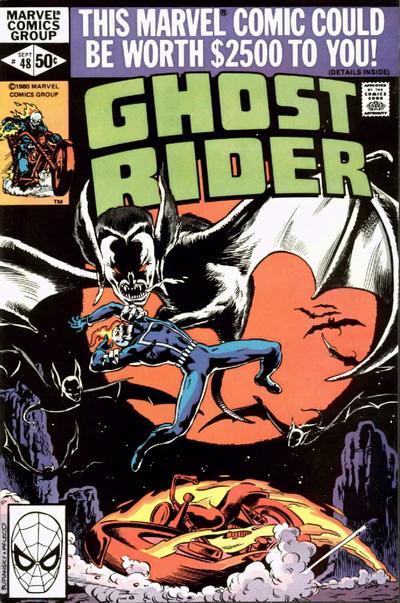
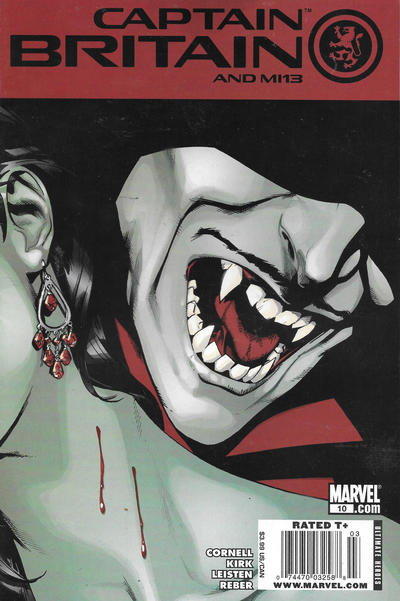
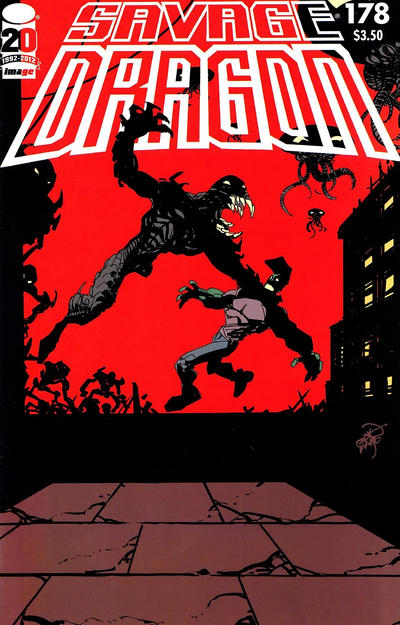
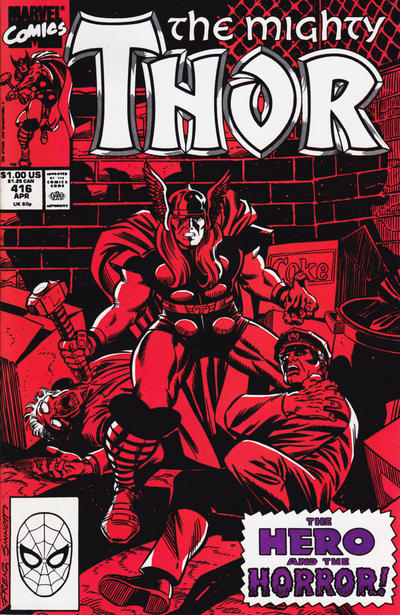
And so, today’s reminder that comic book covers can be awesome is yet another tribute to one of my favorite esoteric subgenres: superhero/horror hybrids.
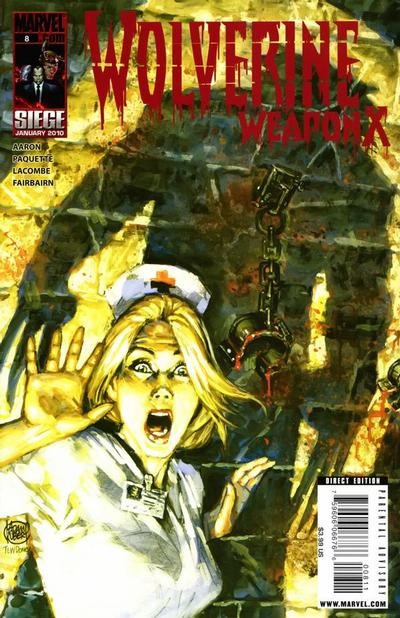
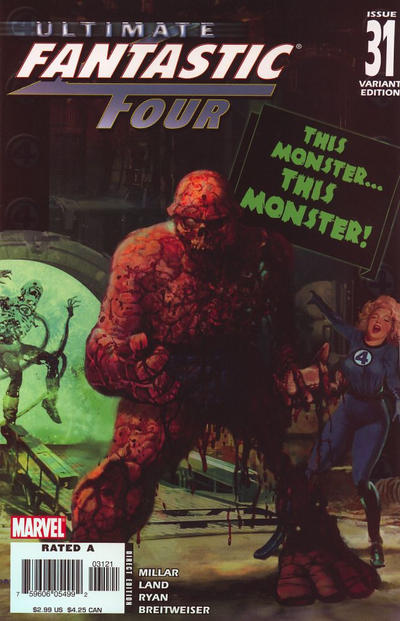
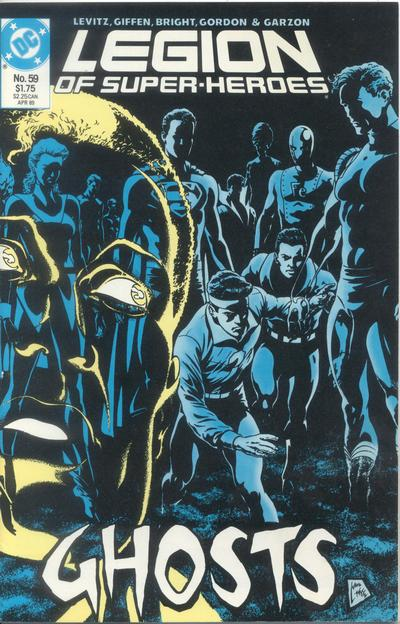
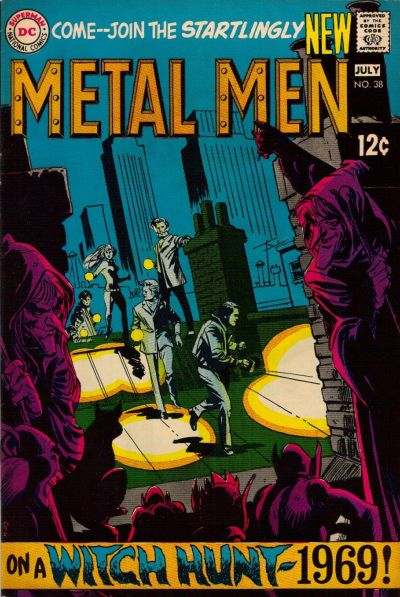
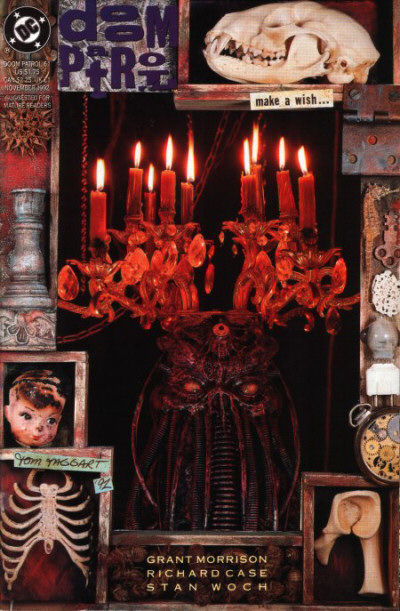
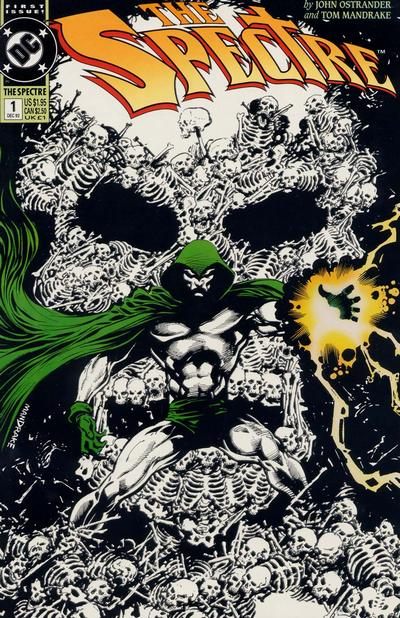
This week’s reminder that comics can be awesome is a tribute to Rick Burchett’s pulpy covers:
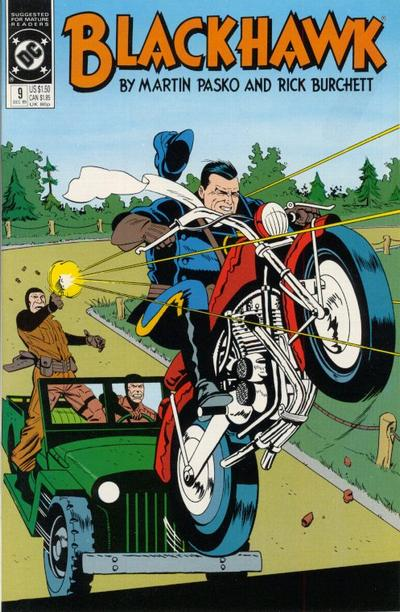
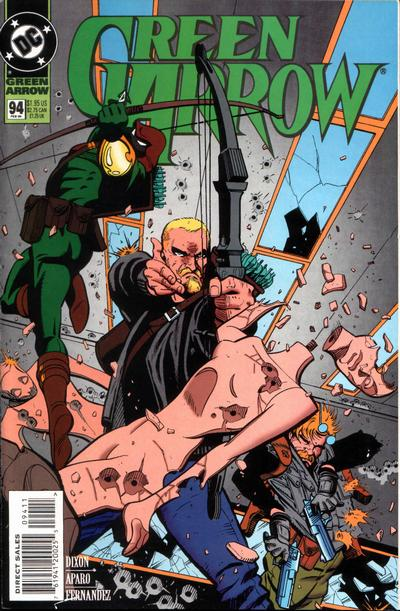
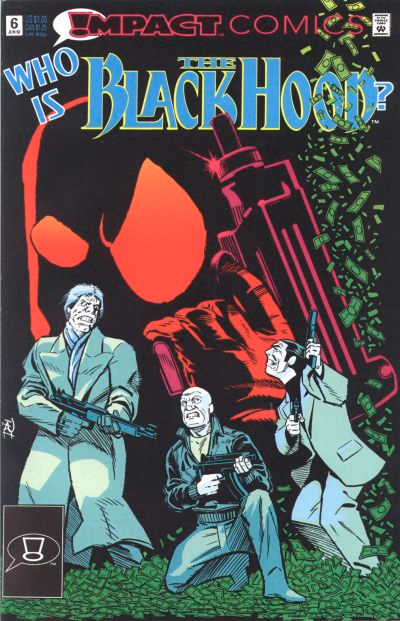
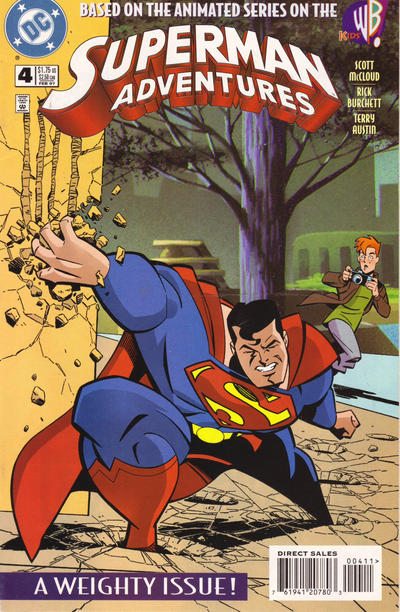
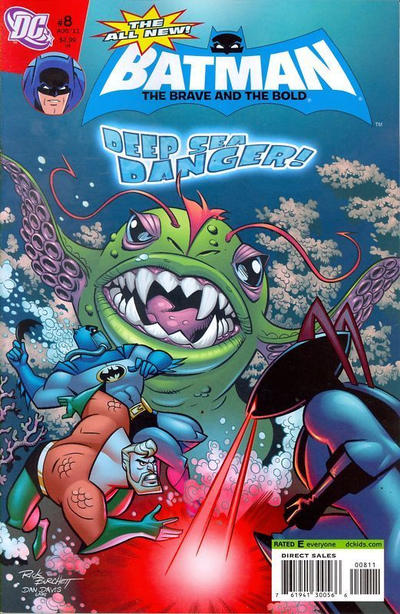
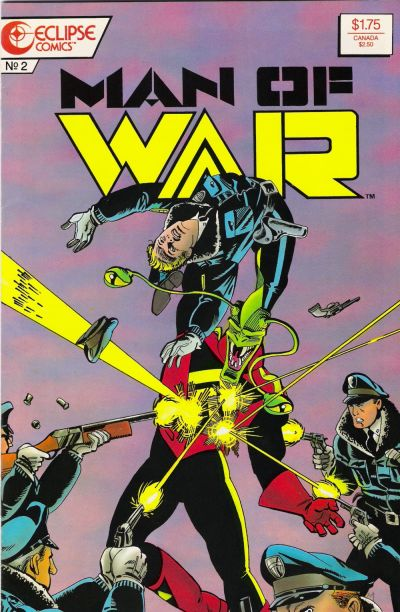
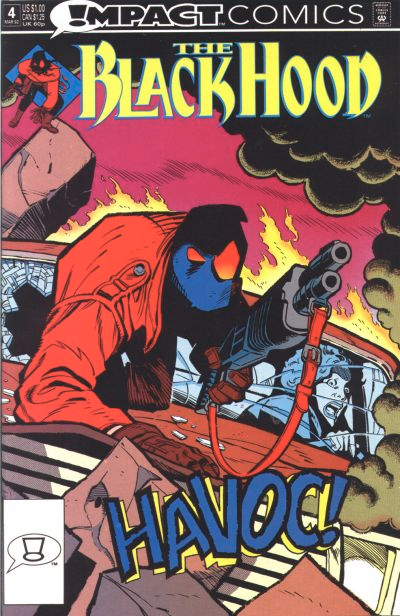
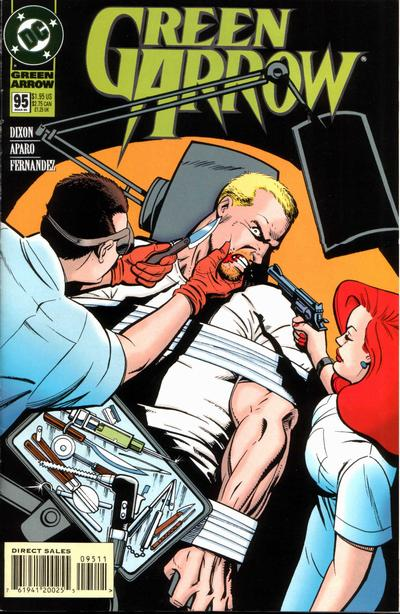
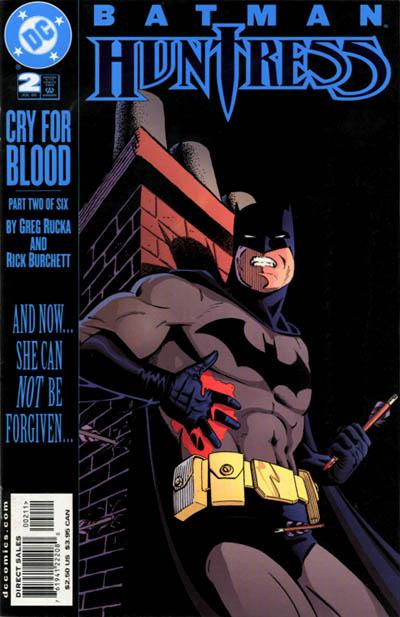
In case you need a break and to briefly take your mind off the news, for some reason, here is another post about scattered comics that I associate with just the kind of offbeat genre stuff this medium excels at. Too esoteric or visually wild to pull off in cinema or streaming, these aren’t necessarily masterpieces, but they sure are COMICS!
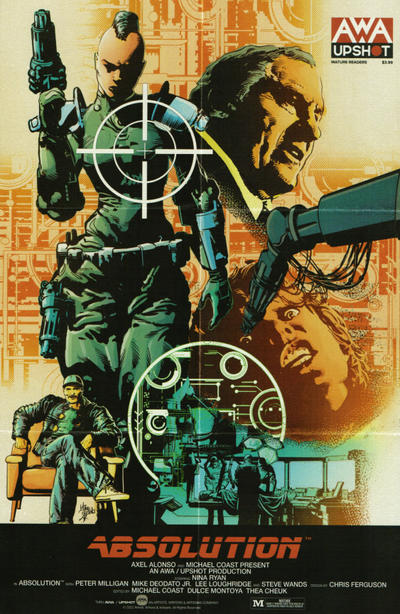
ABSOLUTION
Understandably, these have been great times for dystopic social media satires and there are others I could’ve picked (like the hilarious Death Ratio’d), but I particularly like how Absolution engages with the readers’ own contradictions. Its premise is that, in a near future, criminals get to earn absolution by going on live-streamed killing sprees while receiving votes – and outrageous comments – from the public. And so, on the one hand, we get to delight in thrilling cyberpunk violence courtesy of Mike Deodato Jr (whose layouts are full of tight rectangular grids, simulating our screen-watching POV) and Lee Loughridge (whose neon colors likewise evoke the glare of digital devices), and on the other hand, a panel of pundits and experts (along with the protagonist’s inner monologue) reflexively discuss bloodthirsty voyeurism and the ethical implications of vigilante justice. In other words, Absolution somehow works as a kickass proto-Punisher yarn as well as a provocative anti-Punisher comic!
It’s the kind of balancing act few writers can pull off, but Peter Milligan has spent a decades-long career exploring identity dilemmas in various genres, drawing on both high and lowbrow references. His work has often displayed a knack for merging hardboiled fiction with absurdist humor – and Absolution is no exception (even if the somewhat deadpan result isn’t nearly as manic and inventive as Johnny Nemo, Milligan’s previous strip about an ‘existentialist hitman of the future’).
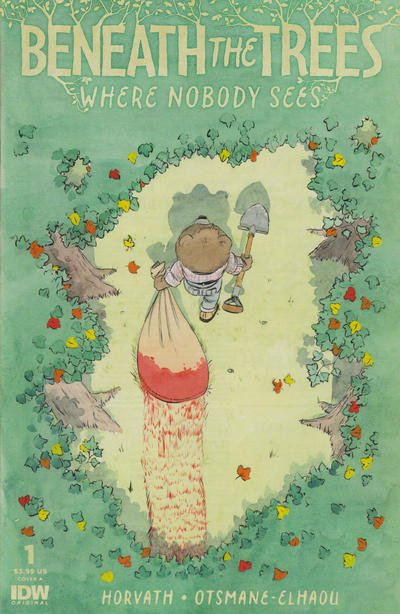
BENEATH THE TREES WHERE NOBODY SEES
One of the most breathtaking debuts in ages, Patrick Horvath’s Beneath the Trees Where Nobody Sees is a masterclass in how to take a pretty basic high concept and deliver a damn knockout comic that feels much better than it had any right to be! The premise of a clash between rival serial killers isn’t the most original, although the twist here is that it takes place in a small town with *the* *most* *adorable* anthropomorphic creatures. And sure, Horvath is also not the first to play off the contrast between, on the one hand, innocent-looking visuals and concepts that seem straight out of a children’s book and, on the other hand, utterly grueling violence…
What could’ve been a mere edgelord dark comedy, though, is elevated by the care that clearly went into all facets of this book. From the designs and mise-en-scène to the light-as-a-feather colors and pitch-perfect lettering (by Hassan Otsmane-Elhaou), every single page of BTTWBS looks stunning. What’s more incredible is that the shamelessly manipulative use of cute animals, coupled with some deft characterization, totally works: not only does the gore come across as shocking and terrifying, but the psychopathic protagonist is somehow quite likeable.
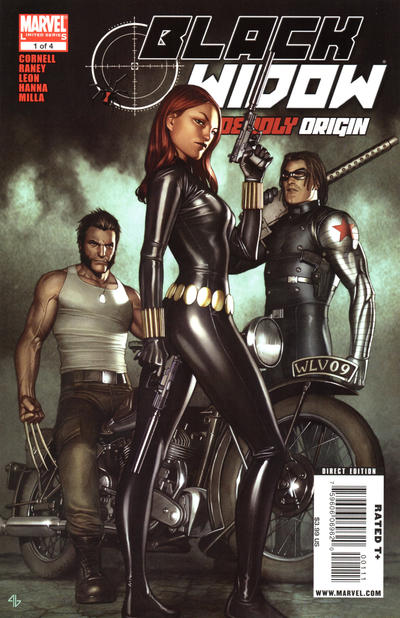
BLACK WIDOW: DEADLY ORIGIN
This one is a bit older, but it fits the spirit… Deadly Origin is a high-octane spy-fi mini-series with cartoony artwork by Tom Raney and Scott Hanna, spliced with flashback snapshots – beautifully rendered and colored by John Paul Leon – covering the Black Widow’s very long life (she was born in 1928 and has extended her youth through a fantastic/convenient serum). Clearly designed to do some house-cleaning on the character’s contradictory continuity, the comic turns this challenge into a virtue, as Paul Cornell writes in his signature frenzied style, cramming new twists and information into practically every panel (the opening sequence is already relentless), so that part of the fun is precisely trying to keep up with the sheer barrage of Marvel cameos and plot threads. It helps that the main story’s framing device is itself quite wacky (it involves sexually transmitted nanites) and it’s interesting to see that, because the original series came out in 2010, Russia’s secret services still come off more like the technologically outdated remnants of a former great empire than like a cutting-edge cyber-threat with renewed expansionist designs.
The series was collected into a single book and it’s also included in the larger collection Black Widow: Widowmaker.
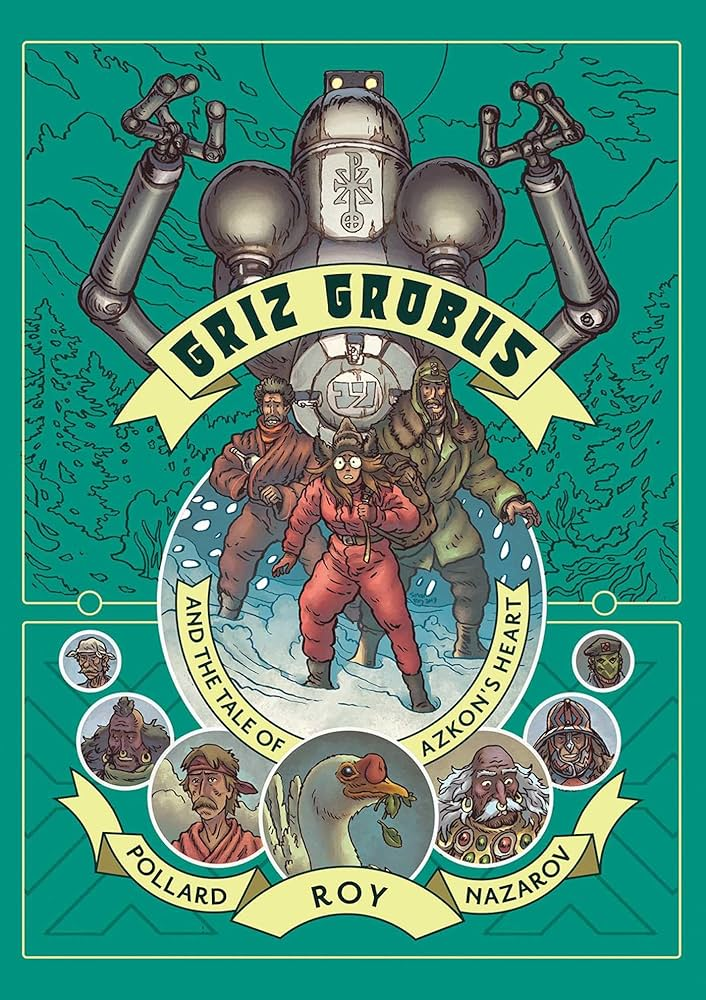
GRIZ GROBUS
A tomb raider on a colonized planet tries to steal a neuro-processor and ends up resurrecting a robot priest. A distracted wizard in a swords-and-sorcery world tries to conjure up a war god and, amusingly, messes up even worse. Writer-artist Simon Roy initially throws readers into these two realities without establishing their odd settings (or explaining how they are connected) and, in this day and age of endless origins, prequels, and dumbed-down exposition, I have to admit it feels damn refreshing when a creator trusts us to just jump on board for the ride and fill in the necessary blanks along the way. And so, you can add the joy of discovery to the joy of the adventure itself. Remember the opening of Raiders of the Lost Ark, which felt like walking into the middle of an ongoing serial and was all the better for it? Same here: Roy and Jess Polard (credited as co-plotter and script editor) have come up with full worlds and rounded characters rich in backstory which we get to know – insofar as it matters – as they bond and fight and eat… (Food, in particular, plays quite a central role in both tales, which is the sort of relatable element that helps ground the fantasy.)
Since Griz Grobus’ storytelling relies so much on action and offhand remarks in the dialogue, the artwork needs to be especially efficient and expressive. Roy’s drawings – with more than a touch of anime influence – do the job and are well-served by Sergey Nazarov’s smooth colors, which nail a distinct visual identity for each of the two parallel narratives.
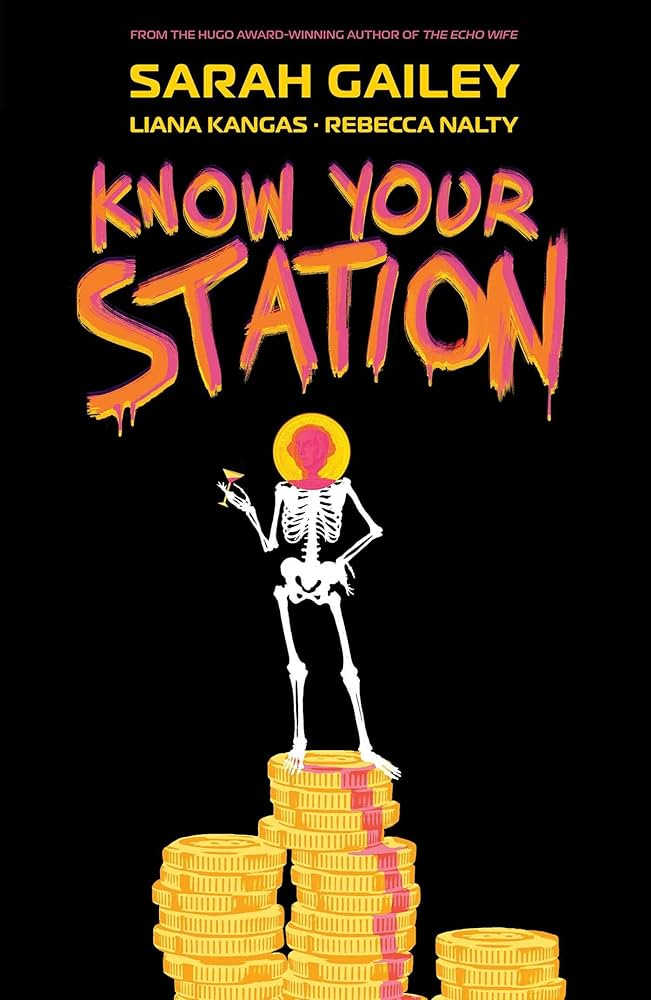
KNOW YOUR STATION
You get no points for guessing why the premise of 1%-style ultra-rich people fleeing from an economically and ecologically devastated Earth has inspired so many gonzo variations in recent comics. Along with the sci-fi setting’s visual possibilities, the concept has an obvious satirical dimension (not least by condensing the radical discrepancies between haves and have-nots within a self-contained space) that creators have explored through their individual sensibilities, from Van Jensen’s awesome-looking Arca and Stefano Cardoselli’s trippy Don’t Spit in the Wind all the way to Mark Russell’s and Steve Pugh’s funny Billionaire Island…
Sarah Gailey’s and Liana Kangas’ contribution to this subgenre, Know Your Station, kicks off as a locked room whodunnit inside a space station/oligarch resort, with the added twist that the investigator isn’t your usual master detective, but rather an unprepared, drug-addicted ‘security liaison’ with unreliable memory and the constant impression that she might be way over her head. This leads not only to in-your-face social commentary, but also to some nifty surprises as the resolution gleefully subverts the stakes of this type of murder mystery tale.
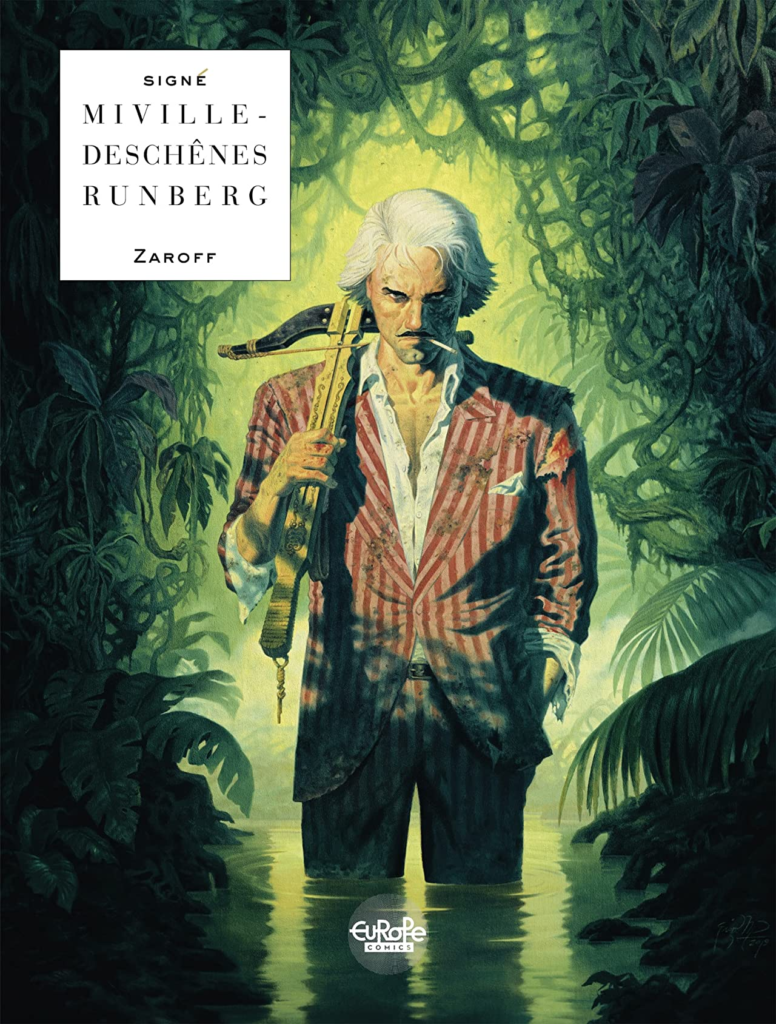
ZAROFF
Remember Richard Connell’s classic short story ‘The Most Dangerous Game,’ from way back in 1924? You know, the one about a hunter who literally becomes the hunted on an island where a madman kills humans for sport? Even if you haven’t read it, I’m sure you’ve seen one of the film adaptations or one of its endless variations… And even if you haven’t, you don’t really need much background to get a kick out of Zaroff, a sequel set eight years later, in 1932, and, wisely, focusing not on the original’s boring hero but rather on its deranged villain!
It may seem odd to include in a list of comics that are COMICS an album that 1) is a follow-up to a prose story, and 2) looks incredibly ‘cinematic’ in its rhythmic editing and photo-naturalistic aesthetics. And yet, this is actually a majestic example of what you can do with drawings on paper… Sylvain Runberg clearly scripted the book to serve François Miville-Deschênes’ artwork, as most of it is just a relentless succession of action set pieces, letting him fill the book with impressively rendered vistas and thrilling adventure beats. The plot feels almost nihilistic, with a bunch of vicious characters fighting each other to the death on a jungle, the contrast with their elegant period clothes somehow giving the whole thing even more of a lurid grindhouse feel. The thing is that Miville-Deschênes’ layouts are so graceful that they create a quirky sort of tension: on the one hand, the dynamic pace makes one want to speed through the whole thing; on the other, each page is so gorgeous on its own that I just want to contemplate it at length.
The creative duo reunited for a sequel to this sequel, Zaroff’s Revenge, which jumps to the early 1940s. The tone gets even bleaker there, as they pit these games of hunted humans against a much larger version of the same game: World War II. I wouldn’t be surprised if this turns out to be Garth Ennis’ favorite comic!
For this week’s reminder, let’s go back to headshots…


First, some housekeeping: I’m still struggling to conciliate the blog with other commitments, but instead of going on yet another hiatus, I’m shifting into a biweekly rhythm, so the longer Thursday posts will now appear only every other week (the Monday cover compilations should continue to roll smoothly, though).
This is also the time of the year when I pick my favorite recent horror movie. Alas, for the same time-constraining reasons, I’m afraid I haven’t been keeping up with the genre as much I used to… Everyone keeps telling me The Substance and Longlegs deserve my attention, and I trust them, but I just haven’t gotten around to watching them yet. And that’s the thing: horror cinema has been gaining so much quality, popularity, and acclaim that I’m not sure I’d have much to add to the general discourse, anyway.
That said, I can’t resist the thematic pull of Halloween, so I figured instead I’ll just use these end-of-October posts to recommend less fashionable viewing alternatives, from obscure oddities to older classics. This time around, I’ll kick things off with one of the latter…

In the past, I’ve recommended the first Dr. Mabuse film (1922’s silent opus of German expressionism) and the final chapter of Fritz Lang’s trilogy (1960’s puzzle box of Cold War science fiction), so I may as well add, in case anyone was wondering, that the second entry in this gothic series about the titular evil genius, 1933’s The Testament of Dr. Mabuse, is also definitely worth your time. Sure, the fact that this is an early talkie means that, for every neat piece of sound design (like in the opening sequence), you also get some uneven pacing here and there, although I’d argue Lang more than makes up for this through his inventive visuals, including a number of comic book-worthy scene transitions.
While The Testament of Dr. Mabuse works perfectly fine as a self-contained thriller with original characters, I’m particularly fond of it as an epic sequel. Like its predecessor and its successor, the film follows a bunch of doomed figures in Dr. Mabuse’s orbit without really anchoring the narrative around a specific hero that we’re expected to identify with, despite the presence of the sarcastic Inspector Lohmann (from M, Lang’s masterpiece). As a result, the movies posit a decadent world without a clear counterpoint, where Mabuse isn’t so much a threat to a benign social order as a reflection of society’s darker side… That’s as far as the structural similarities go, though. Rather than rework the same beats all over again (like Hollywood tends to do), the story steams forward while recontextualizing the core concept.
At one point, during the previous film’s climactic shootout, Mabuse said: ‘I feel like a state inside of a state with which I’ve always been at war!’ Here, though, he’s no longer just an anarchic undercurrent, but the promise of fascist takeover – and it’s this, more than the super-powers, that elevate him into supervillain territory… and elevate The Testament of Dr. Mabuse, beyond a crime story, into chilling horror. Since we’re talking about a German film from 1933, it’s hard to disregard the parallel with the outside world, regardless of the makers’ intentions at the time. I suppose I also don’t have to spell out why it’s been on my mind this election season.
That’s it for this year’s film recommendation. Now, as a reminder that comics can be awesome, enjoy 20 hysterical covers with Jack Kirby’s giant monsters:


