Your Manhunter reminder that comics can be awesome:
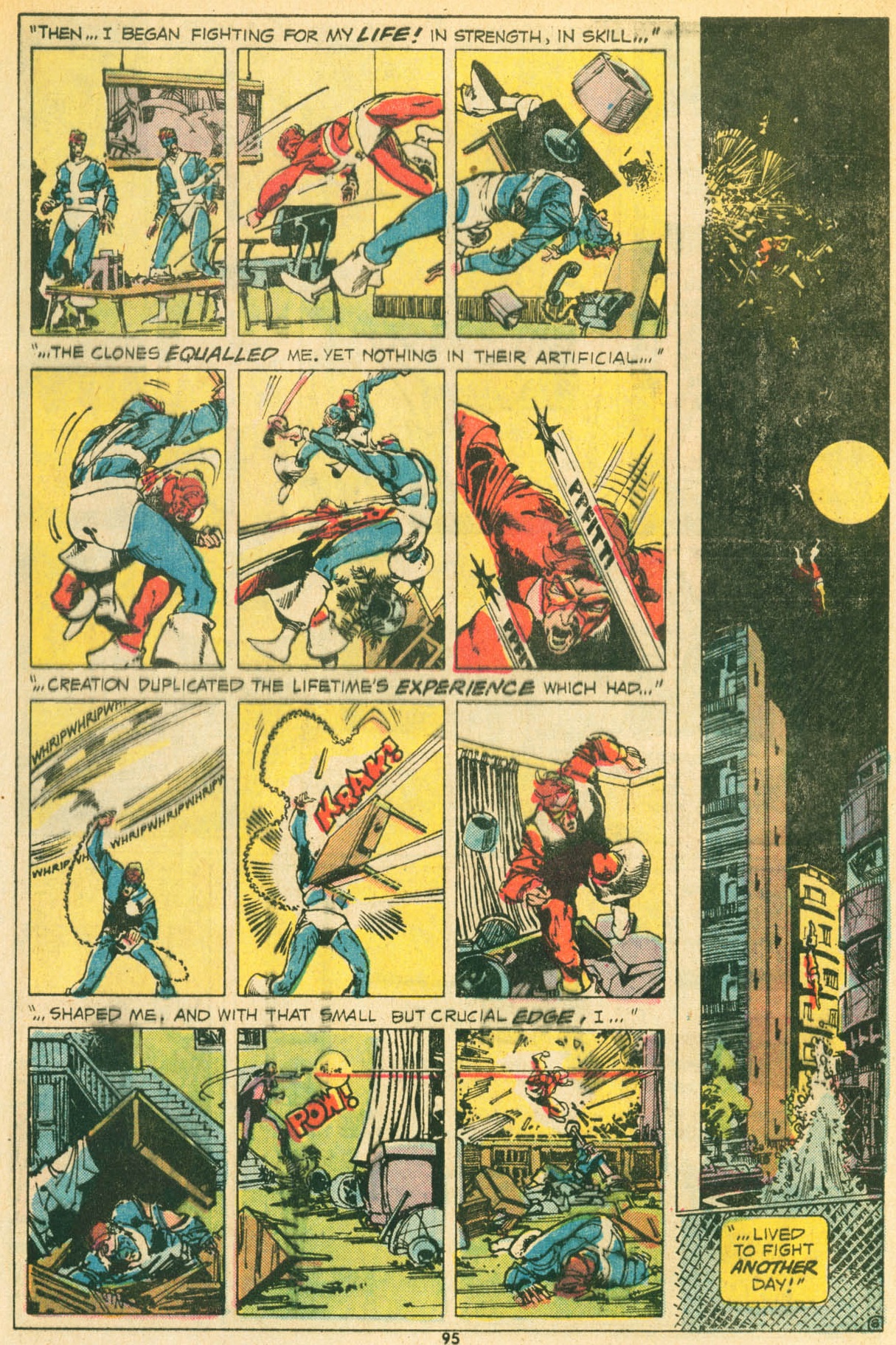
Detective Comics #440
Your Manhunter reminder that comics can be awesome:
Detective Comics #440
I’m finally getting a hold on work and family life, so 2026 is bound to be a more regular year for Gotham Calling, but, for now, I’ll just keep throwing in some idiosyncratic stuff I’ve been digging into…
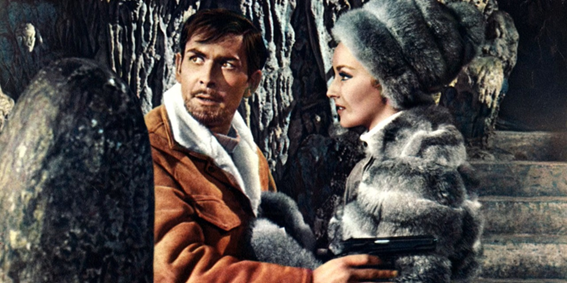
Last time I did a proper post, I wrote about 1930s’ spy novels in the shadow of wars. Now I’m bringing you a couple of posts with a whole other take on the genre in form of colorful spy films from the 1960s that don’t take themselves seriously at all. This is not to say they cannot be the object of in-depth analysis, but, on the surface at least, they’re all about fast cars, futuristic sets, and sexy secret agents – you know, the kind of flicks that must’ve inspired Guy Ritchie’s The Man from U.N.C.L.E. and were cheerfully lampooned by Austin Powers.
Sure, only some of the humor actually seems intentional – and things can definitely get pretty goofy or even downright *strange* – but the general vibe is one of espionage as groovy FUN!
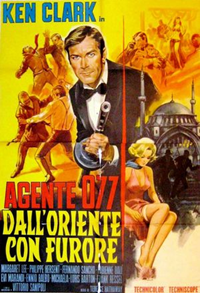
Agent 077: From the Orient with Fury (1965)
aka Operation Istanbul
As you can probably guess by the first of the titles above, this is an utterly barefaced knockoff of the James Bond movies – albeit of the earlier, less stunt-driven ones. The confusing plot revolves around a missing physicist forced to develop a disintegrating raygun, whom the eponymous American super-agent (Ken Clark, having a blast) tracks down by following game-like clues (while trying to avoid all those poisoned darts being shot around him), but the story essentially comes off like a springboard for a barrage of gadgets, slugfests, beautiful women, and touristic vistas from France, Spain, and Turkey. While certainly cheesier than the original 007 franchise, the result is still a slick Eurospy with its tongue firmly lodged in its cheek.
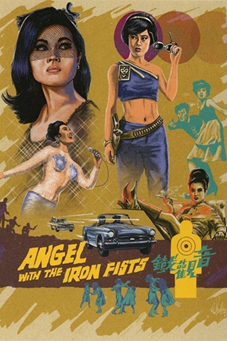
Angel with the Iron Fists (1967)
The Europeans weren’t the only ones riding the 007 wave… Hong Kong’s Shaw Brothers studio also put out their fair share of swinging spy flicks, including a whole subset starring female protagonists, known as Jane Bond pictures (of course). One of the smoothest entries was Angel with the Iron Fists, where Lily Ho plays agent 009, tasked with infiltrating the criminal gang that killed her predecessor. Unlike their counterparts, most of these films didn’t even pretend to engage with geopolitics, so part of the fun is recognizing familiar elements – the tradecraft, the musical cues, the constant deception, the droll devices disguised as everyday items – put in the service of a different kind of thriller. Hell, the result isn’t entriely unlike some episodes of the original Mission: Impossible TV show, despite the cartoony villain lair worthy of Ken Adams and a baffingly gratuitous swimsuit show.
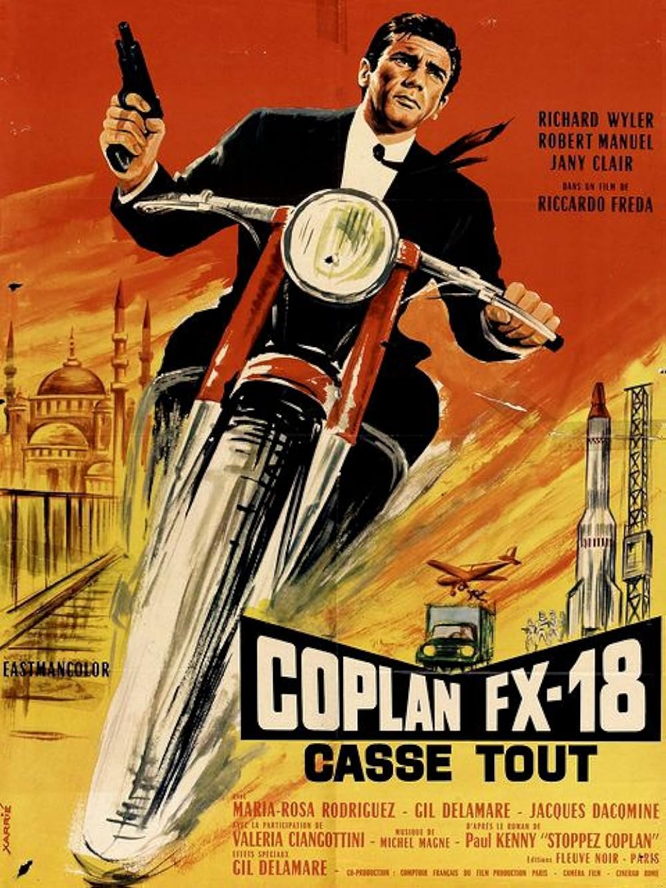
The Exterminators (1965)
aka FX-18 Superspy
The Exterminators belongs to a very loose series about the ruthless French secret agent Francis Coplan, also known as FX 18 (and always played by a different actor – in this case, Richard Stapley). The movies varied greatly: the first one to come out in the sixties (FX 18) was juvenile and largely awful, the second (The Spy I Love) was cerebral and noir-like, and this third installment hit a sweet spot of swinging sixties mayhem! Sure, the story is convoluted, if ultimately generic, with an investigation into an Egyptian plot to nuke Israel ending up in a very different place… Yet the movie has a great grindhouse attitude, with a neat touch in every single scene, whether it’s an original camera angle, a sudden twist, a damn crazy action stunt, or an outburst of catchy music. (These pictures tend to have multiple cuts, with different titles and dubs, so I can’t vouch for every version out there… I saw a French cut, whose title literally – and quite appropriately – means ‘Coplan FX 18 breaks everything’).
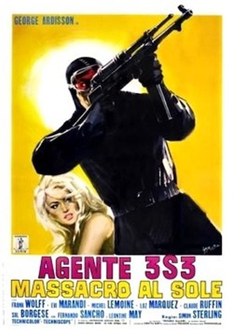
Hunter of the Unknown (1966)
aka Agent 3S3: Massacre in the Sun
Agent 3S3 (a commanding George Ardisson) is sent to investigate a Caribbean island where a coup has recently taken place… and which packs so many clichés about Latin American military dictatorships that it may as well be called Santa Prisca, not least because those clichés are outlandishly exaggerated and spliced with eccentric touches (including a bonkers harem that has to be seen to be believed). Director Sergio Sollima, who would become better known for his politically charged spaghetti westerns, basically fuses Zapatist and Eurospy adventures into a bizarre epic full to the brim with entangled plotlines and characters. The film verges wildly between cool-as-hell and utterly baffling (that spanking scene…), but it’s never short of entertaining. Most rankings place Hunter of the Unknown below Ardisson’s and Sollima’s previous collaboration, Passport to Hell, but I couldn’t disagree more – and I assume this is simply due to people having watched this movie’s botched American cut. If you can feast your eyes on the French or Italian versions, though, you’ll find a substantially richer picture. For instance, an early gag about peasants doing martial arts, absent from the US release, provides an awesome character introduction and it becomes even funnier later on, once you witness all the jiu-jitsu that’s actually taking place in the island!
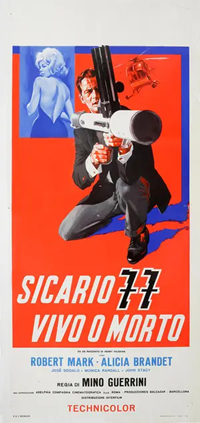
Killer 77 Alive or Dead (1966)
Rod Dana plays a sophisticated private spy (subcontracted by the MI6) investigating dollar bills with mysterious coded messages in what has got to be continental Europe’s answer to Harry Palmer. Not only does the direction evoke the offbeat visuals of The Ipcress File, with its tilted angles and intrusive foregrounded objects, but the script pushes the sardonic secret-agent-as-working-man motif even further, especially in a nifty little scene where the protagonist meets a fellow freelancer and they cynically mock the villain for having an ideology. Mixing mundane environments with a pulpy vibe, the whole thing eventually culminates in Dana fighting Nazis in Barcelona… and later blowing them up with a bazooka! Like spaghetti westerns, which often shared the same directors), these flicks are best appreciated on a moment-by-moment basis. It’s style over substance, but what style – the true hero of the piece is the camerawork, constantly coming up with curious shots to frame the action, often accompanied by a jazzy rhythm. (Plus, we get an answer about JFK’s assassination.)
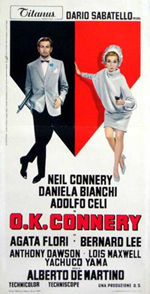
O.K. Connery (1967)
aka Operation Kid Brother
aka Divided Evil
This Italian mockbuster where Sean Connery’s real-life brother plays James Bond’s sibling is an amusing lesson in how to shamelessly exploit a hit, with a bunch of actors from the main franchise more-or-less reprising their roles. For instance, Adolfo Celi, who played SPECTRE’s Number 2 in Thunderball, here plays THANATOS’ Beta (he’s no longer one-eyed, although, in a typical bit of cheekiness, a monocle evokes his former patch). A spirited, globetrotting affair with a full-on Bond-esque plot (in which SPECTRE… I mean, THANATOS tries to take control of the world’s gold reserves by using an ultra-magnetic wave to blackmail the richest governments), Operation Kid Brother – like Neil Connery himself – knows it’s only a lesser relative of the big guy, but it nevertheless commits to the mission! The result certainly has its moments and it even finishes with a fantastic free-for-all in the style of the 007 formula at the time.
Again, just one of those days…
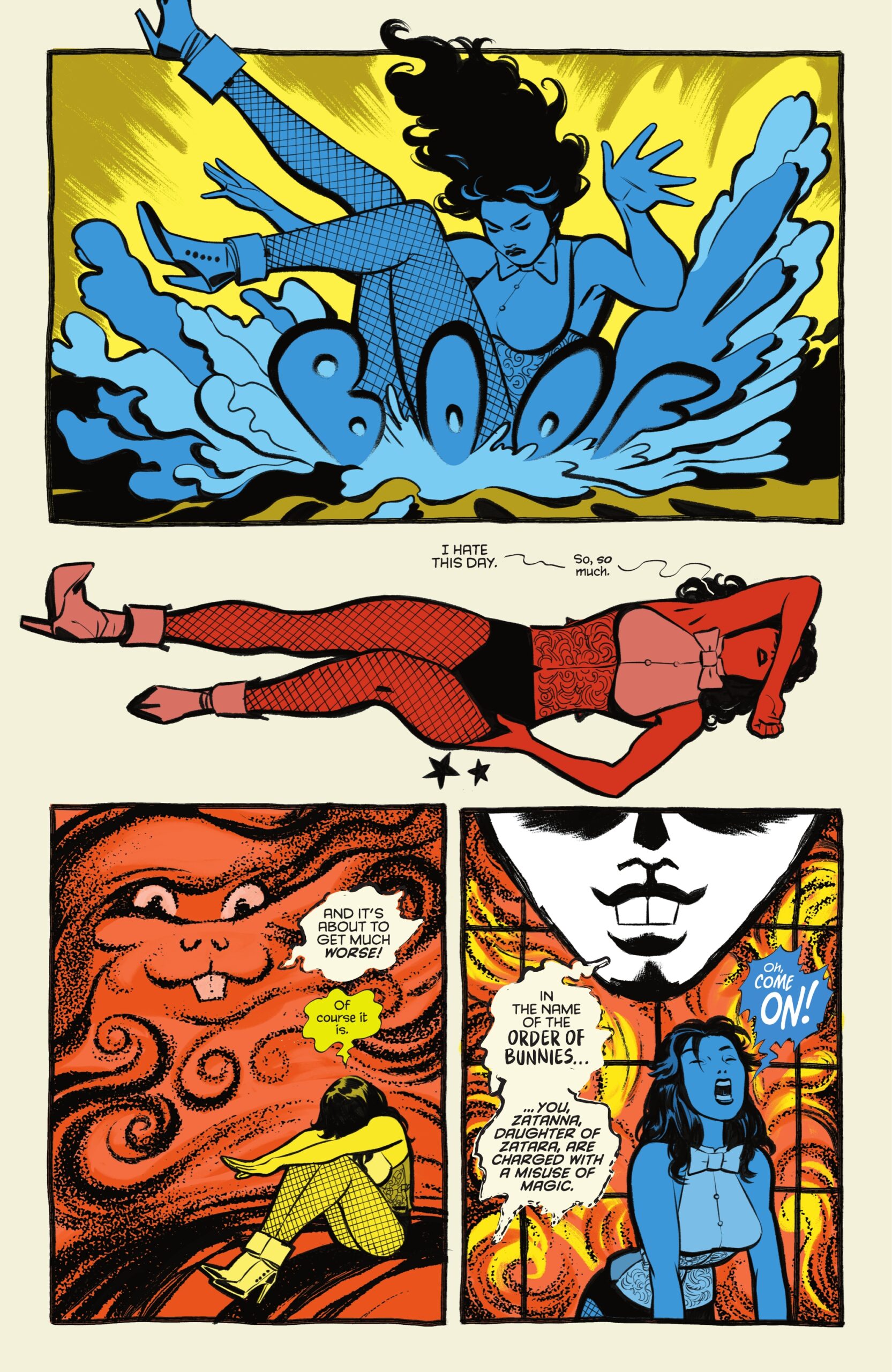
Zatanna: Bring Down the House #3
Ever had one of these days?
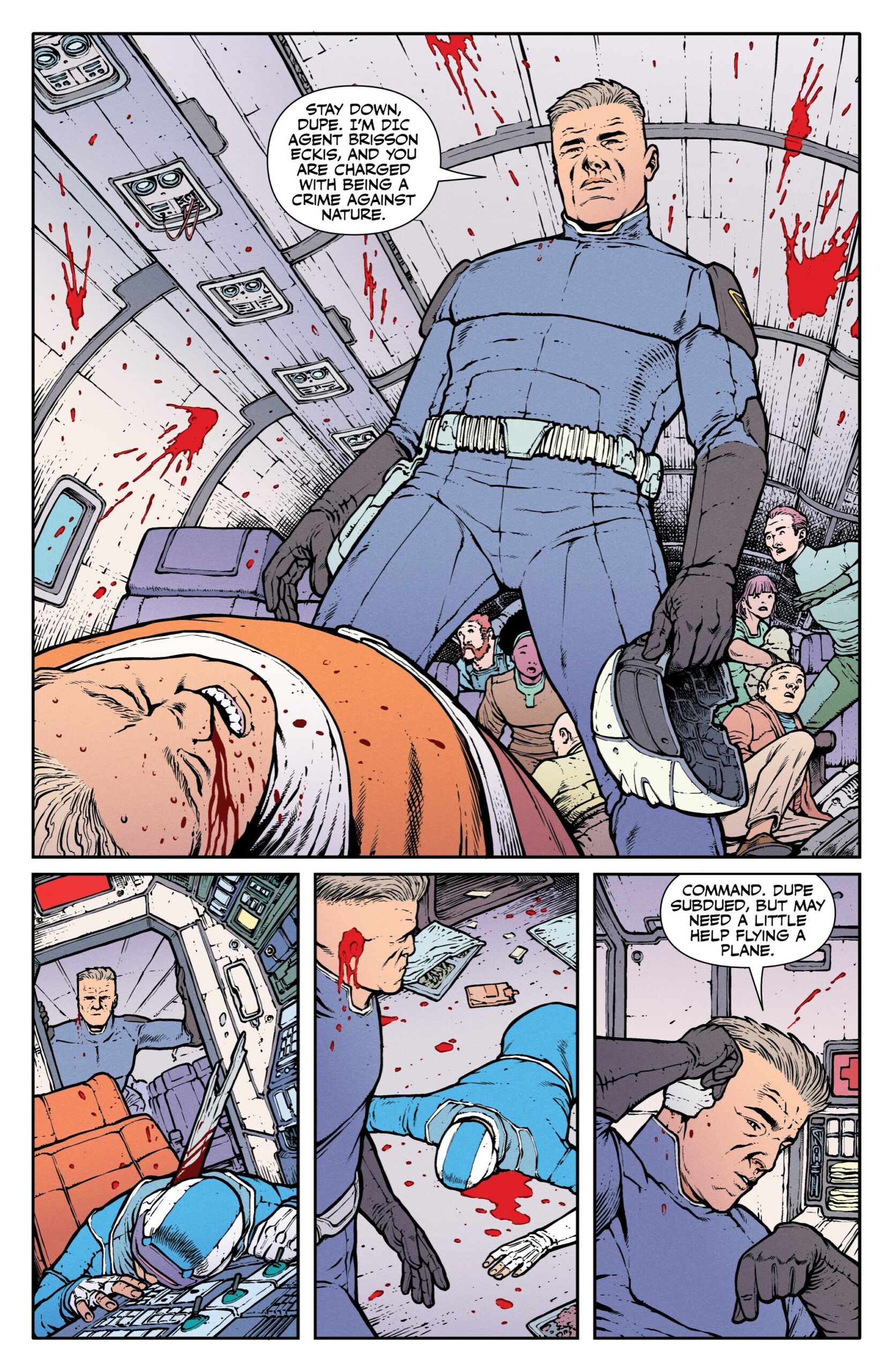
Skin Police #1
Motorbike edition!
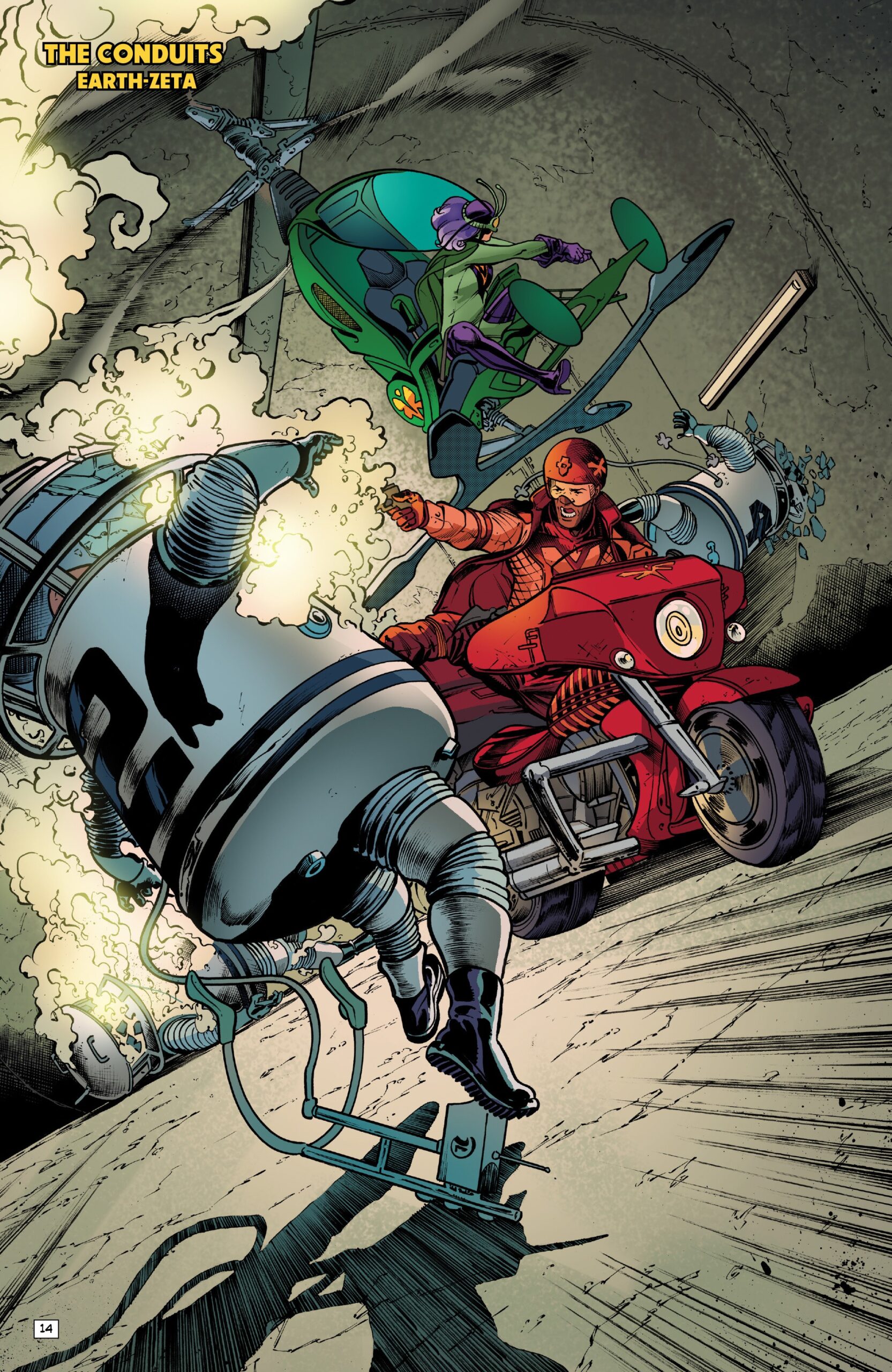
The Wrong Earth: Night and Day #5
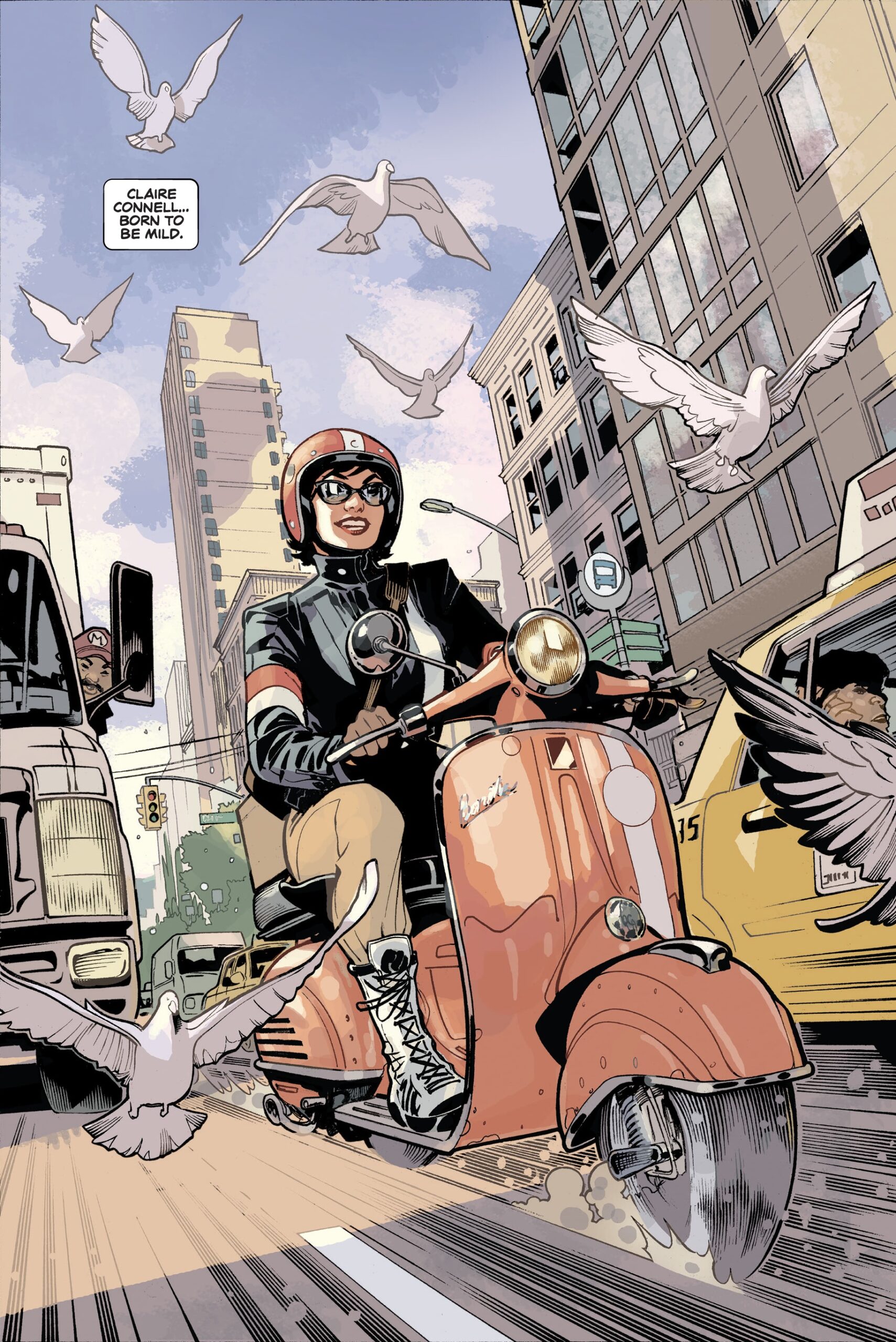
Adventureman #2

Silent Dragon #2
When comics = awesomeness…
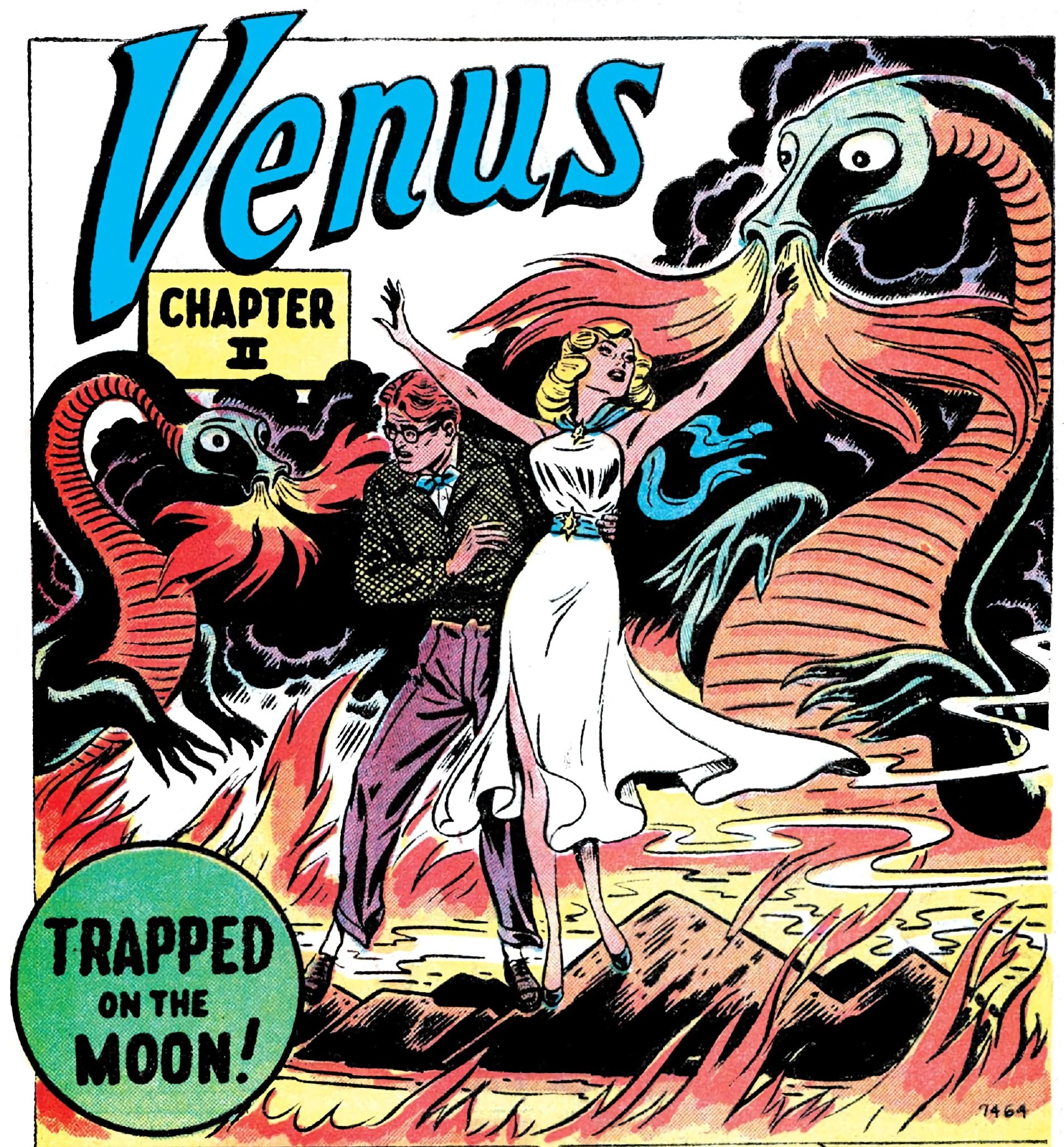
Venus #10
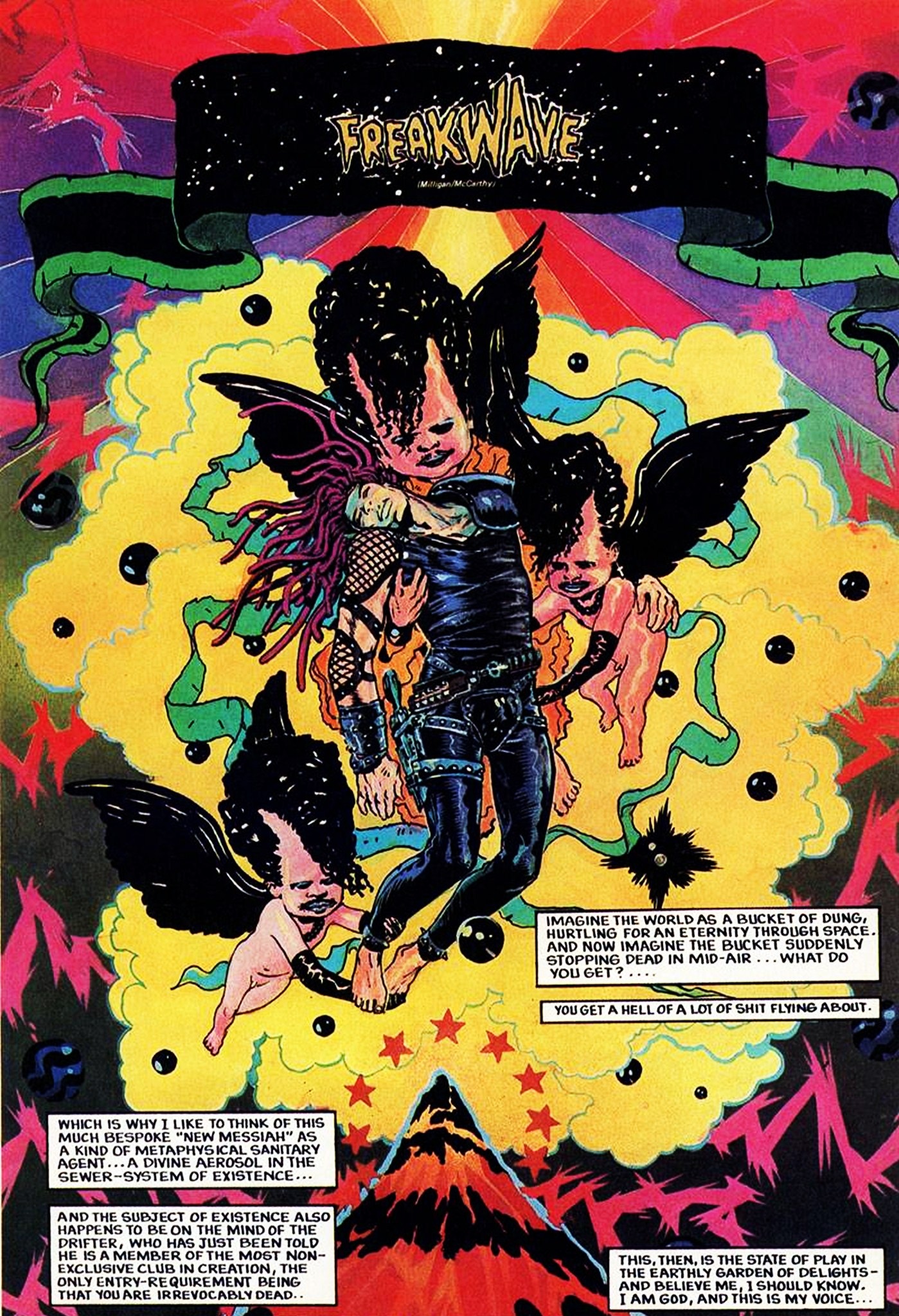
Strange Days #3
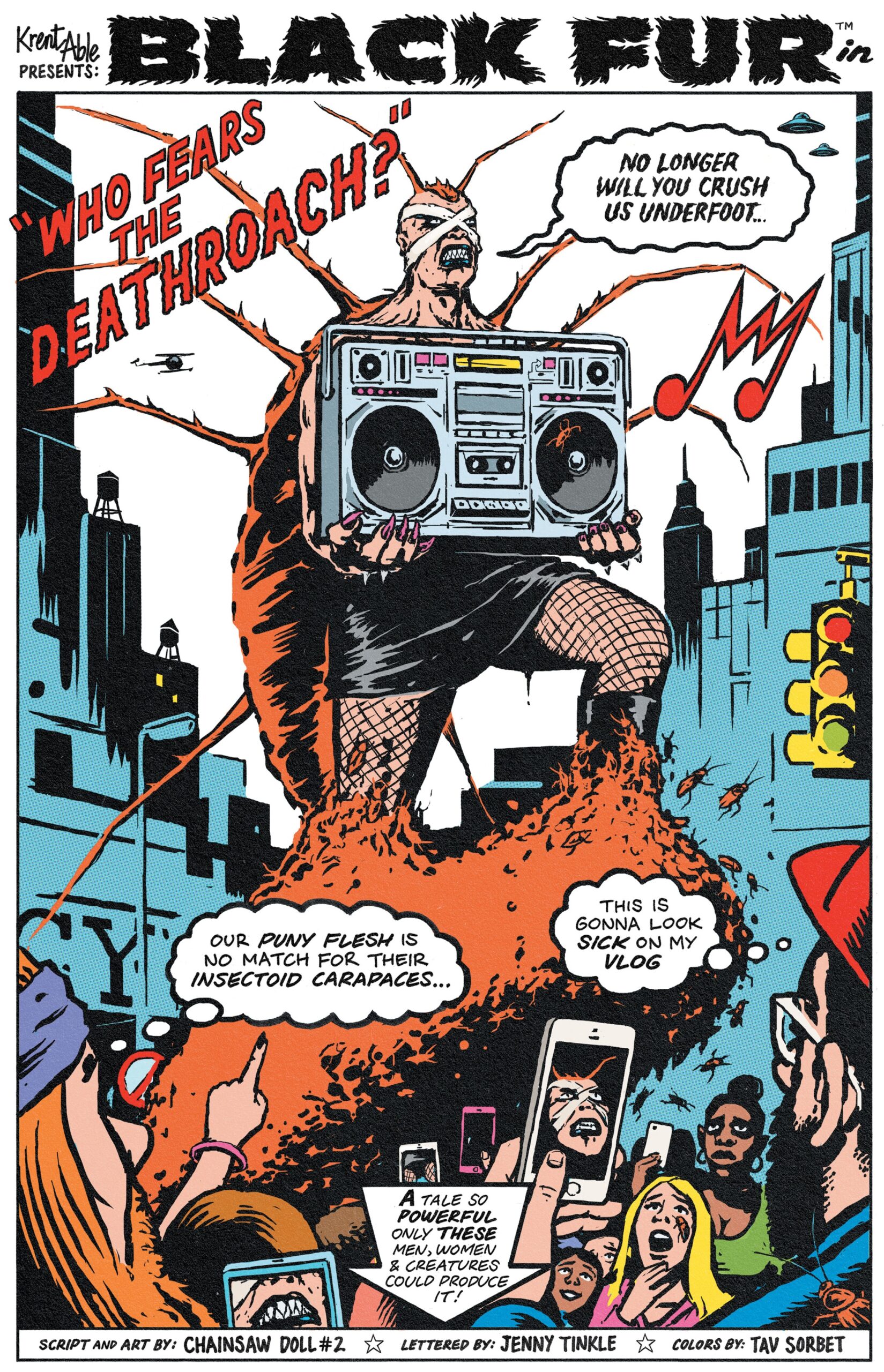
Kane and Able
Sometimes comics just want to be awesome…

The Avengers in the Veracity Trap!
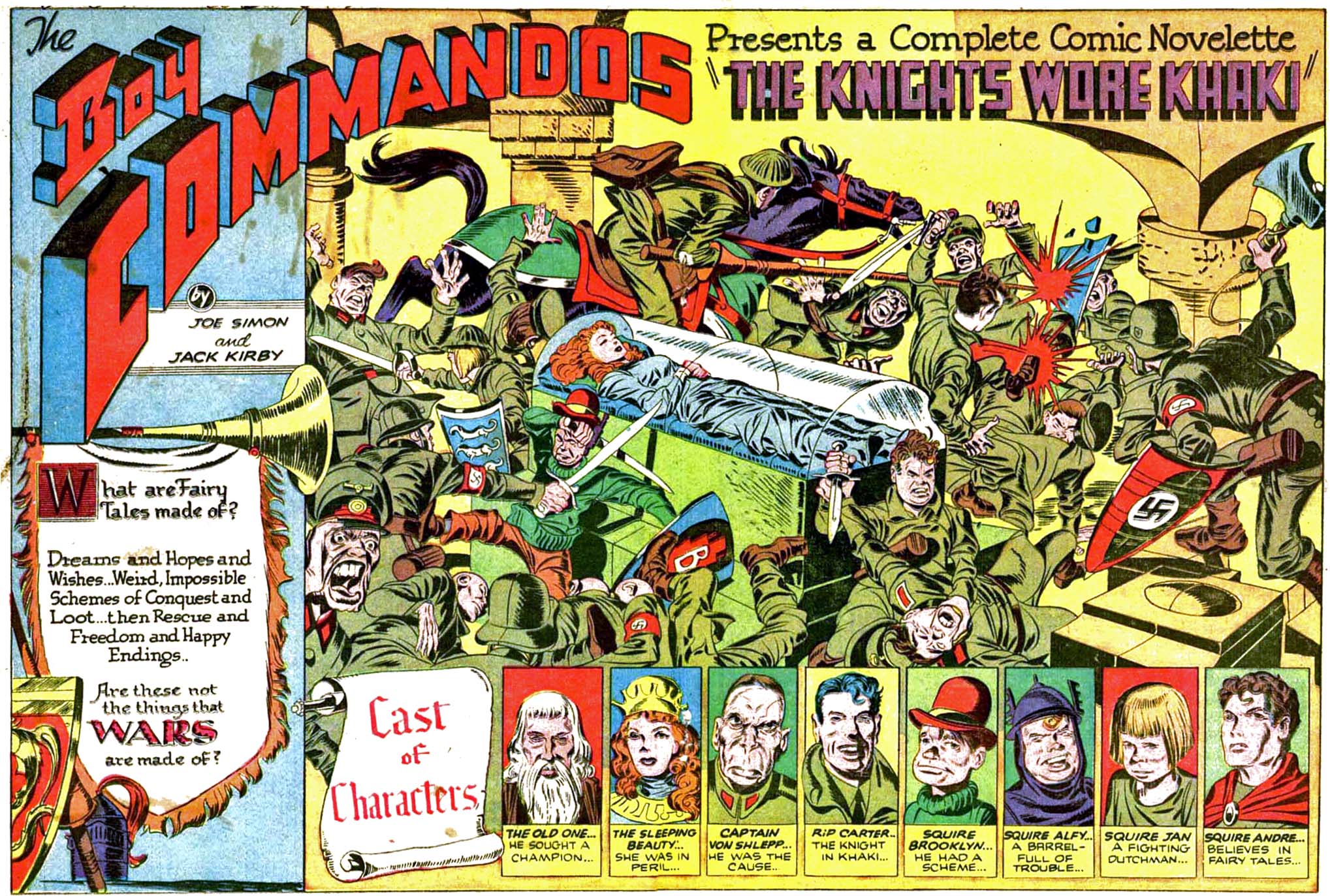
Boy Commandos #2
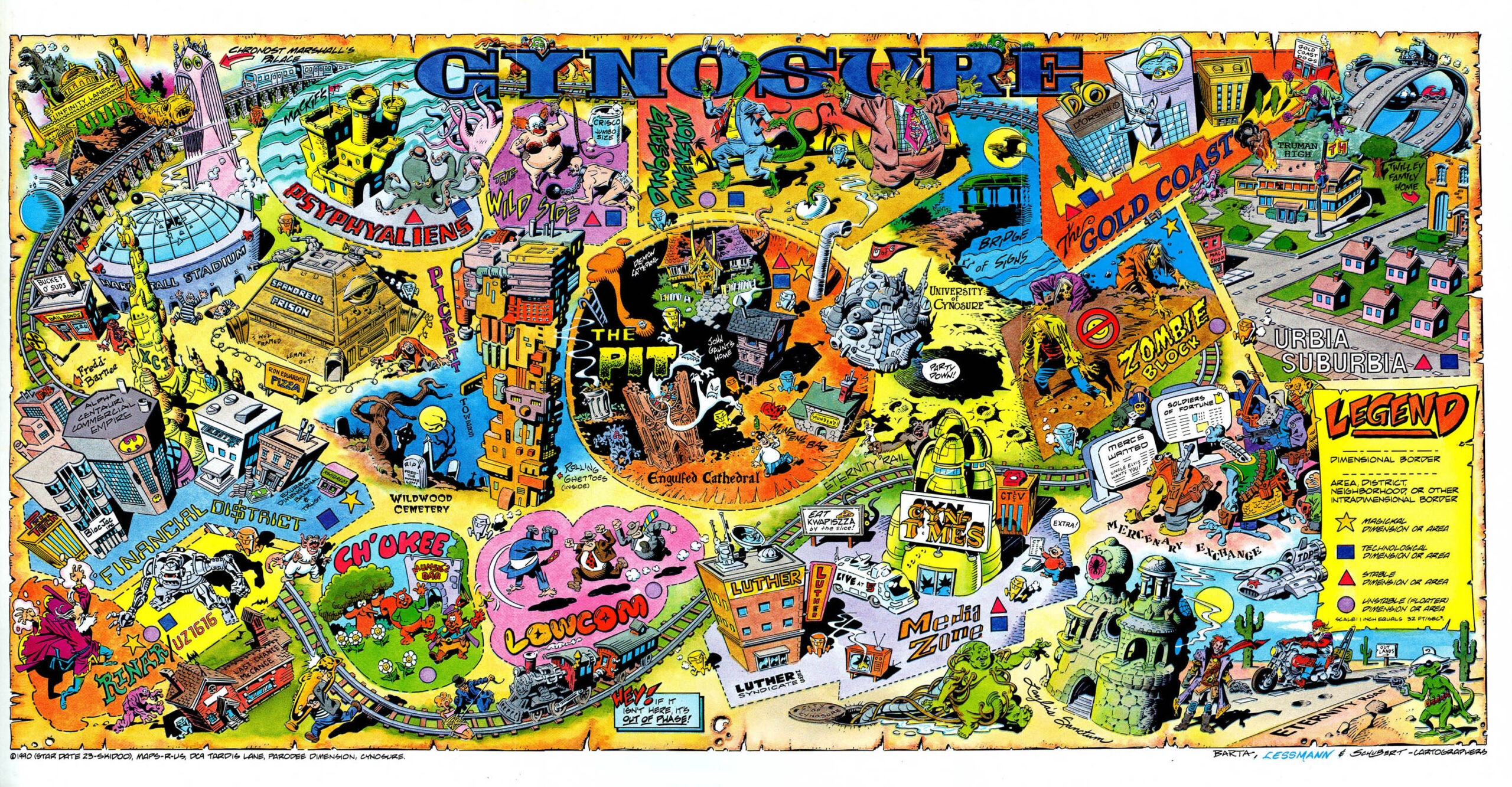
Grimjack #75
I planned to post the second part of the 2000s’ Batman comics reading guide, but life keeps getting in the way and taking me down other paths… So I ended up in a very different place, with this post recommending a couple of British novels from almost one hundred years ago!
Although Gotham Calling tends to cover a lot of ground in common with other blogs, I like to think my tastes are eccentric and eclectic enough that they can produce original combinations. For instance, because of a side project, I’ve been reading plenty of early spy yarns, so this website has somehow developed a whole subsection of posts about very old tales of espionage and political intrigue. The thing is that, while some seminal books were still a far cry from the type of genre material that Gotham Calling specializes in (like Erskine Childers’ The Ridle of the Sands, with its endless passages devoted to the technical minutiae of sailing in the East Frisian coast), others already pretty much nailed the pulpy formulas of so many later adventures (like Jules Verne’s Facing the Flag or John Buchan’s The Thirty-Nine Steps).
And since everyone around me keeps saying it feels like we’re back in the 1930s, at least in terms of politics, then here are further recommendations from that decade, in the same vein:
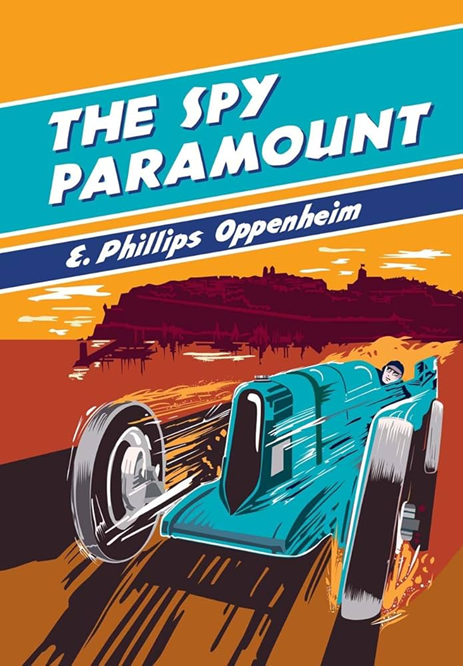
THE SPY PARAMOUNT
(E. Phillips Oppenheim, 1934)
“Martin Fawley glanced irritably at the man stretched flat in the chair he coveted – the man whose cheeks were partly concealed by lather, and whose mass of dark hair was wildly disarranged. One of his hands – delicate white hands they were although the fingers were long and forceful – reposed in a silver bowl of hot water. The other one was being treated by the manicurist seated on a stool by his side, the young woman whose services Fawley also coveted. He had entered the establishment a little abruptly and he stood with his watch in his hand. Even Fawley’s friends did not claim for him that he was a good-tempered person.”
Let’s get the obvious out of the way: this lightning-fast-paced thriller about a superspy globetrotting throughout Europe, meeting gorgeous femmes fatales, and facing suavely articulate megalomaniacs while jumping from one action sequence to another is the most glaring predecessor of 007 I’ve encountered so far. Even the prose has enough of Fleming to deserve comparison.
And since there is a geeky pleasure in uncovering the genealogy of pop culture, it may actually be the case that I had even more of a blast reading this novel than its original readers: they may have gotten a witty page-turner set in a variation of interwar politics (or, as they perceived it at the time, current politics), but I got that *plus* the fun of reading what retroactively comes across like an eerie blueprint for an entire branch of adventure fiction.
It helps that E. Phillips Oppenheim often writes with the effective yet minimalist precision of a film script:
“‘You are not leaving us, sir?’ the valet de chambre enquired as he answered the bell.
‘Only for a few days,’ Fawley assured him. ‘I am keeping on my rooms.’
‘You are not leaving us, Major Fawley, I trust,’ the smiling and urbane manager asked him in the hall.
‘Only for a few days,’ Fawley repeated. ‘I am going to explore your hills and try another golf links. Back about Sunday, I should think. Keep my letters.’
‘I wish you a pleasant and successful expedition,’ the manager remarked, with a final bow.
Fawley’s smile was perhaps a little enigmatic. He waved his hand and drove off without further speech.
Fawley, some five days later, driving his high-powered Lancia car through one of the many passes of the Lesser Alps between Roquebrune and the frontier, suddenly swung round a corner to find himself confronted by a movable obstruction of white, freshly-painted rails and an ominous notice. A soldier in uniform of the Chasseurs Alpins stepped forward, his rifle at a threatening angle.”
That said, The Spy Paramount is even more interesting when it deviates from formula and it reveals itself as something quirkier. For one thing, the hero is an American freelancer rather than an MI6 agent… and he actually starts out getting hired by fascist Italy! What’s more, the story involves a disorienting bunch of German factions that aren’t easy to pin down in terms of real-world correspondents, as they combine elements from different political groups. The result is a reminder of how fuzzy things were in the early 1930s, without a clear perception of what Nazism was and that it was here to stay, before that project and its implications became fully clear. (Who knows how future geeks will look back on the fiction we are writing today…)
It’s not just that Oppenheim can’t see the future (or has a confused, impressionistic understanding of his present). It’s that his mind is also focused on the past, with the trauma of World War I still present enough to inform an obsession with the issue of war and peace. This thematic concern only really becomes central near the end, though, when escapist thrills give way to a more politically engaged type of plot. The fact that the resolution is ultimately quite odd (and unashamedly imperialist and Eurocentric) only makes the whole thing even more fascinating: for all the proto-Bond vibe, the result still definitely has to be read as a product of its time.
All these layers are added spice. If you accept that The Spy Paramount takes place on a slightly alternate history of the 1930s, I suppose you can also just enjoy it as a straight-up roller coaster ride with gripping set pieces and remarkable characters:
“In a life full of surprises Martin Fawley was inclined to doubt whether he ever received a greater one than when, for the second time during the same day, he was ushered into the presence of General Berati, the most dreaded man in Rome. Gone was the severe high-necked and tight-waisted uniform, gone the iciness of his speech and the cold precision of his words. It was a tolerable imitation of a human being with whom Fawley was confronted – a dark-haired, undersized but sufficiently good-looking man dressed in a suit of apparently English tweeds, stretched at his full length upon the sofa of a comfortable sitting-room leading out of his bureau, reading the New York Herald and with something that looked suspiciously like a Scotch whisky and soda by his side.”
A GUN FOR SALE
(Graham Greene, 1936)
“Murder didn’t mean much to Raven. It was just a new job. You had to be careful. You had to use your brains. It was not a question of hatred. He had only seen the Minister once: he had been pointed out to Raven as he walked down the new housing estate between the little Christmas trees, an old, rather grubby man without any friends, who was said to love humanity.
The cold wind cut his face in the wide Continental street. It was a good excuse for turning the collar of his coat well up above his mouth. A hare-lip was a serious handicap in his profession; it had been badly sewn in infancy, so that now the upper lip was twisted and scarred. When you carried about you so easy an identification you couldn’t help becoming ruthless in your methods. It had always, from the first, been necessary for Raven to eliminate the evidence.”
This Graham Greene fellow sure knew what he was doing…
The opening is a banger, with a killer hired to murder a government minister and kickstart a chain of events that will lead up to another world war (yep, the haunting memory of WWI is all over this one as well). This sets up a hardboiled man-on-the-run yarn that alternates between the perspectives of the assassin, Raven, of a gutsy chorus girl that gets involved in the mix, Anne Crowder, and of a bunch of other characters that Greene keeps introducing throughout (from a pre-Harvey Weinstein type to the 1930s’ version of an incel). The mosaic structure works quite nicely because Greene can quickly sketch an involving situation and a captivating new cast member in just a few well-pointed paragraphs while fleshing out a whole range of personalities. (His sharp prose really goes a long way, which is why I also loved his novel The Comedians even though the 1st-person narrator/protagonist was such an asshole.)
Above all, A Gun for Sale oozes atmosphere. There’s the palpable buildup to war on everybody’s minds, the social realist details of working-class lives, and the dark tone that makes you picture a film noir in your head… No wonder Hollywood got on it a few years later, although the novel has the advantage of letting you peek into the characters’ paranoid mindsets and closely follow their thought processes:
“The shop was in a side street opposite a theatre. It was a tiny one-roomed place in which was sold nothing above the level of Film Fun and Breezy Stories. There were postcards from Paris in sealed envelopes, American and French magazines, and books on flagellation in paper jackets for which the pimply youth or his sister, whoever was in the shop, charged twenty shillings, fifteen shillings back if you returned the book.
It wasn’t an easy shop to watch. A woman policeman kept an eye on the tarts at the corner and opposite there was just the long blank theatre wall, the gallery door. Against the wall you were as exposed as a fly against wallpaper, unless, he thought, waiting for the lights to flash green and let him pass, unless – the play was popular.”
The vibe here is very different from The Spy Paramount, although I suppose the two books do come from a similar place, looking at a Europe that appeared to be once again spiraling towards war (depressingly, they were right). While Graham Greene would go on to write some of the best spy novels in the whole damn genre, though, A Gun for Sale isn’t all that interested in the mechanics of high politics and international intrigue. Instead, Greene focuses on the ‘little’ people trying to go about their lives while the world is falling apart. I especially appreciate the epilogue, where he revisits some peripheral figures in the main narrative, who have quite a skewed vision of events because they are the center of their own stories (where it is Raven and Anne who are the peripheral ones).
With a great command of rhythm and a knack for painting a memorable picture (a climactic set piece involves a drill with people wearing gas masks), Greene is also a master of tension. He was a film critic, so perhaps he got to study the techniques developed by Hitchcock and Fritz Lang, whose style is perfectly aligned with this sort of material. In turn, directly or indirectly, this reads like the grandaddy of quasi-existentialist assassin-gone-rogue thrillers made decades later, like Jean-Pierre Melville’s Le Samouraï or Matz’s and Jacamon’s The Killer.
I know I keep resorting to other art forms to describe this novel, which speaks to my own insufficiencies in terms of writing about literature, but I also think there is something particularly synesthetic about A Gun for Sale. The descriptions are so vivid and visual that it often feels like you are actually watching a comic book or a cinematic montage coming to life:
“There was no dawn that day in Nottwich. Fog lay over the city like a night sky with no stars. The air in the streets was clear. You had only to imagine that it was night. The first tram crawled out of its shed and took the steel track down towards the market. An old piece of newspaper blew up against the door of the Royal Theatre and flattened out. In the streets on the outskirts of Nottwich nearest the pits an old man plodded by with a pole tapping at the windows. The stationer’s window in the High Street was full of Prayer Books and Bibles: a printed card remained among them, a relic of Armistice Day, like the old drab wreath of Haig poppies by the War Memorial: “Look up, and swear by the slain of the war that you’ll never forget.” Along the line a signal lamp winked green in the dark day and the lit carriages drew slowly in the past the cemetery, the glue factory, over the wide tidy cement-lined river. A bell began to ring from the Roman Catholic cathedral. A whistle blew.”
Another explosive reminder that comics can be awesome!
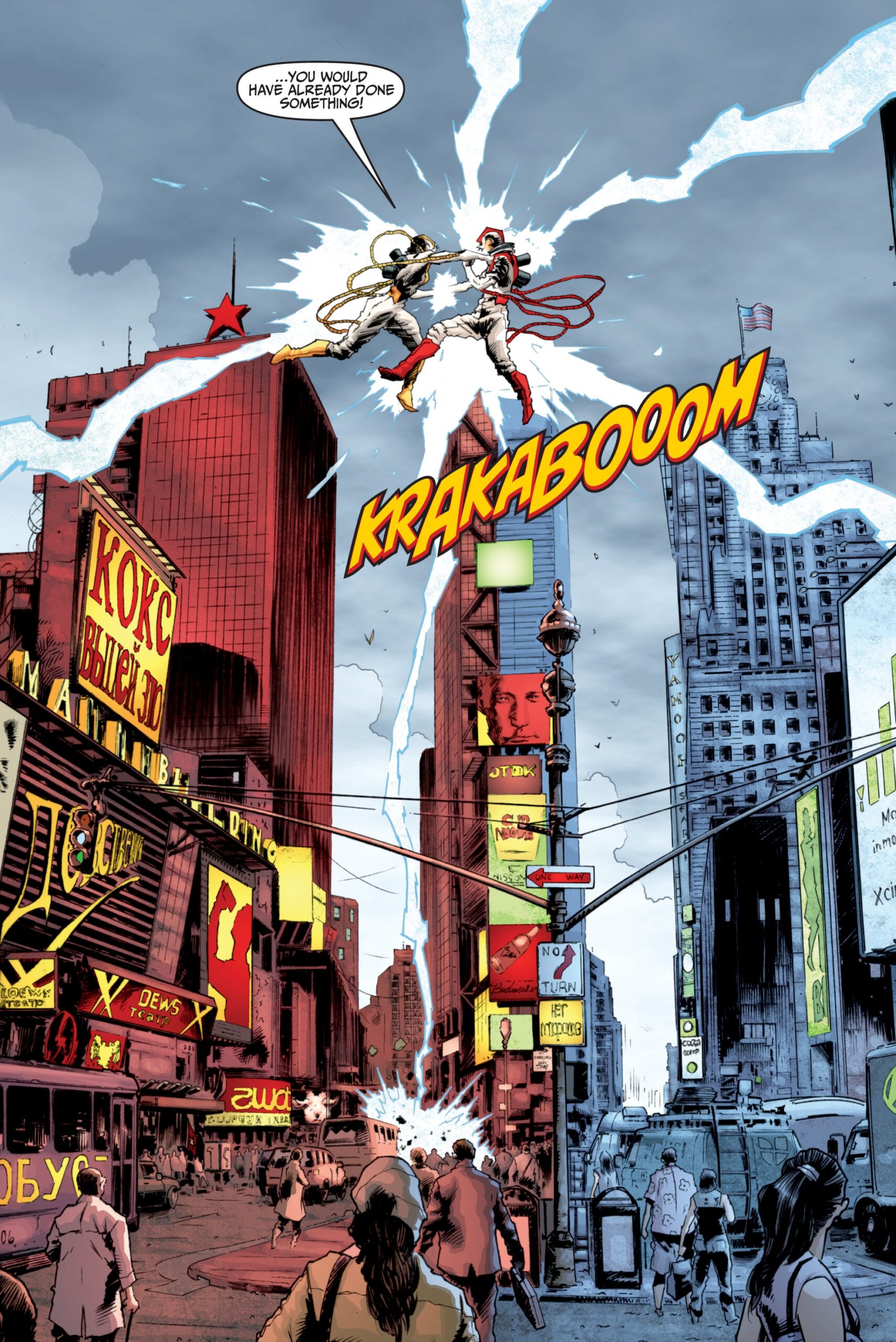
Divinity II #4
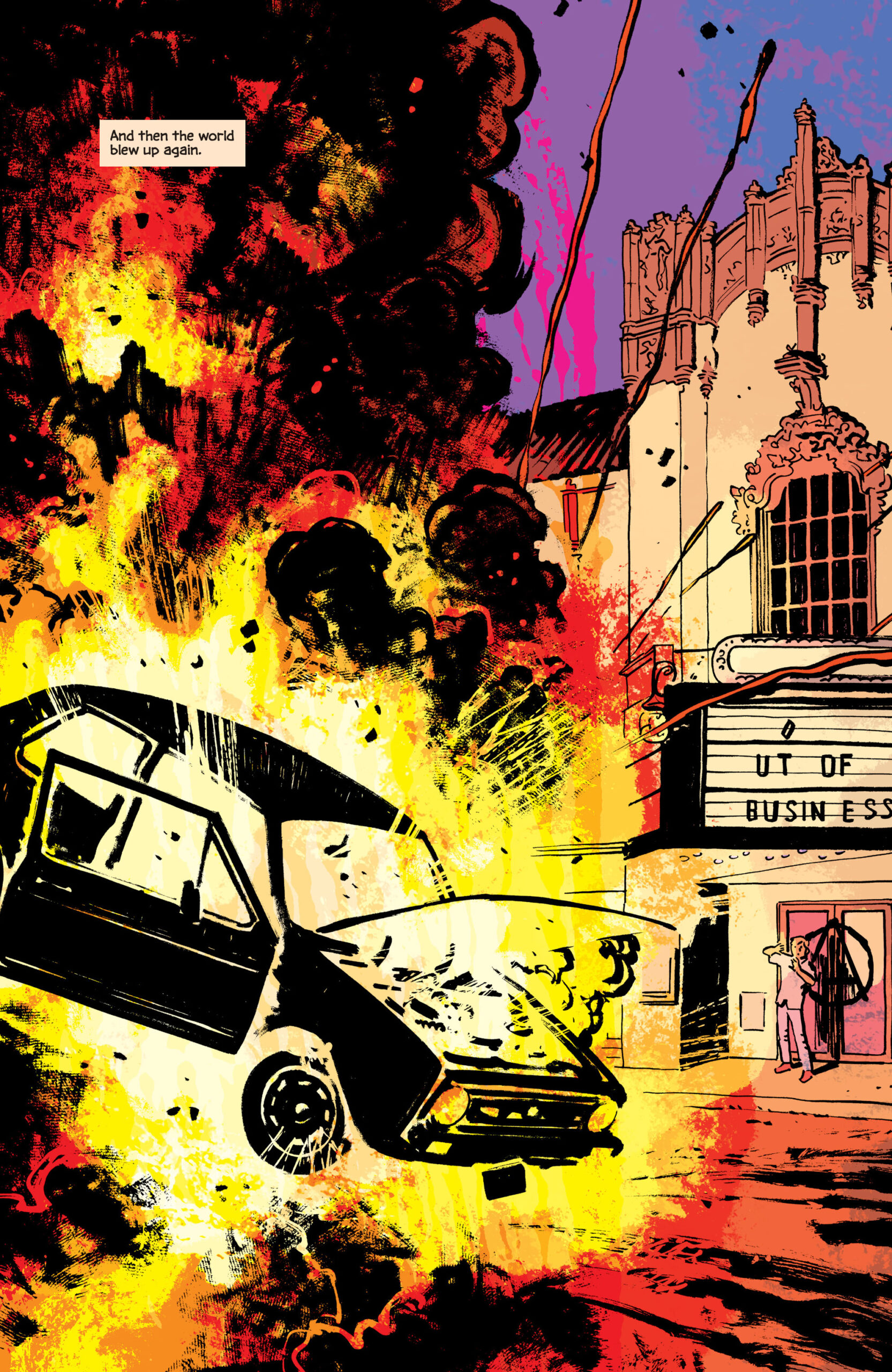
Reckless
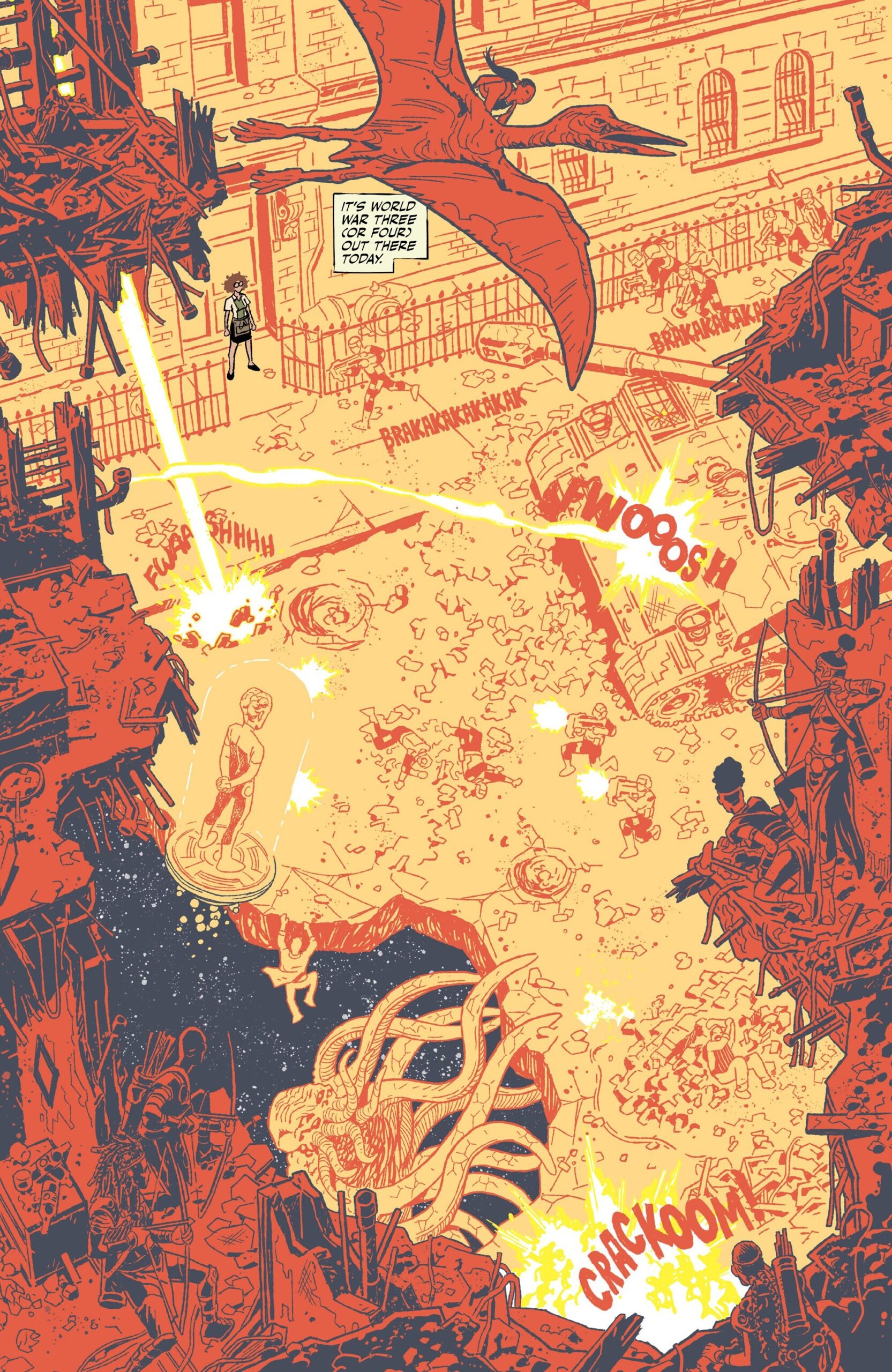
Assorted Crisis Events #1
These pre-Halloween posts are usually a pretext to recommend cool horror movies at Gotham Calling. Like I explained last year, though, I can hardly keep up with new releases and my picks in terms of recent films are probably not all that original (yes, the ending of Weapons is incredible!), so I’d rather draw attention to older, less obvious choices for horror fans.
You know, like Häxan.
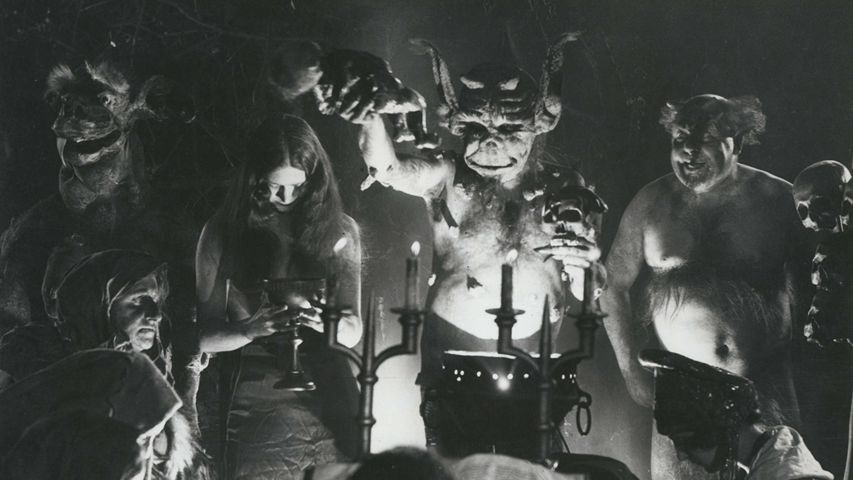
I suppose you *could* describe Benjamin Christensen’s Häxan (released in the US as Witchcraft through the Ages) as a silent Scandinavian documentary from 1922, but that hardly does justice to what is one of the most original, fascinating, terrifying, surprising, clever, and generally unpinnable masterpieces I’ve seen in a long time.
Let me just quickly walk you through this ride, so that you get a glimpse of an idea of what’s in store. For the first ten minutes or so, you get to read a scholarly dissertation on the cultural history of demons and witches since ancient times until the Middle Ages, illustrated with a number of beautiful (if creepy) woodcuts and other still images. Then you start to get enactments of medieval superstitions, shot through the kind of expressionist cinematography you find in classics of this era (like Nosferatu and The Cabinet of Dr. Caligari), enriching the black-and-white with various color tinting and toning, giving each scene a moody shade.
After some of these vignettes (including plenty of gothic imagery and a fair bit of kinkiness), we get a much longer section recreating the treatment of suspected witches by the Inquisition, so the film becomes a harrowing historical drama, with a truly disturbing torture sequence, chronicling a real-world tragedy. But that’s not enough: there is still a final segment in which Christensen turns Häxan into an even more experimental – and intelligent, and self-reflexive, and feminist – piece of filmmaking while casting his gaze on the modern treatment of mental disorder. If you thought this was just a Danish guy arrogantly asserting his society’s civilizational superiority over primitive beliefs, just wait until you see the brutal payoff…
Oh, and there’s also some stuff about kissing Satan’s butt. Literally.
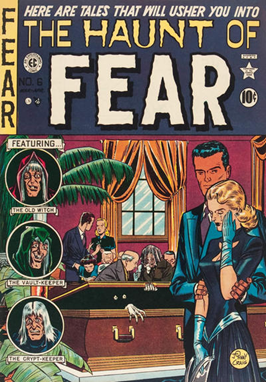
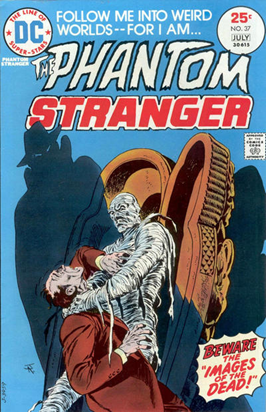
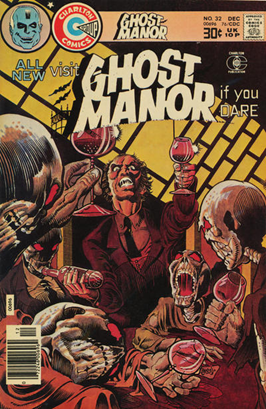
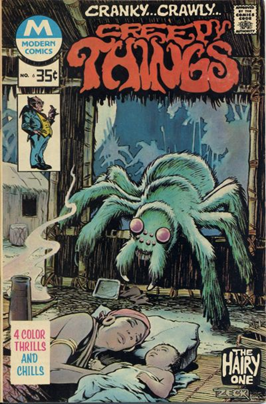
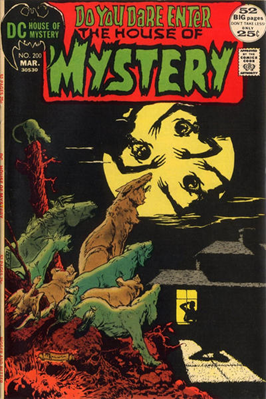
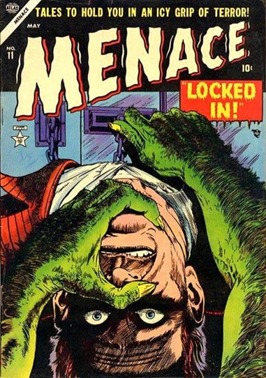
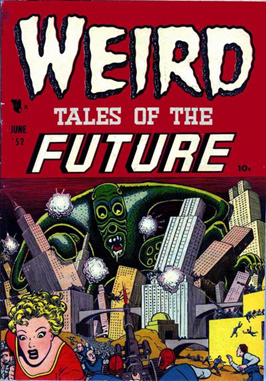
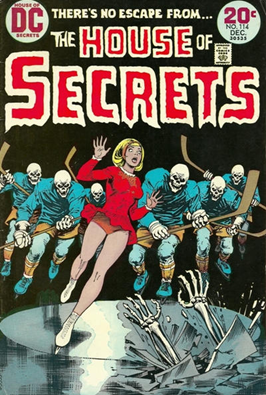
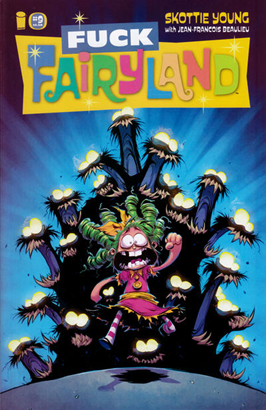
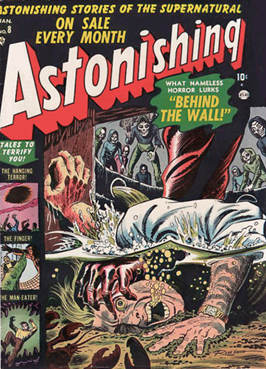
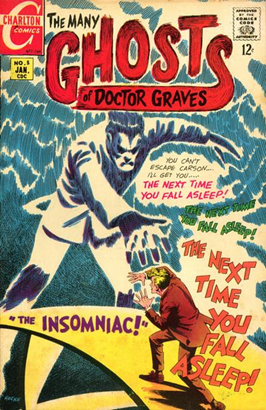
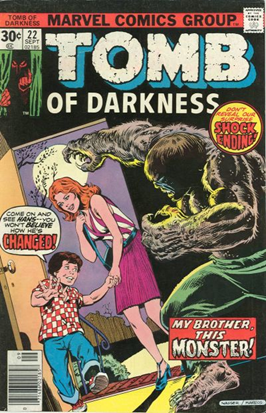
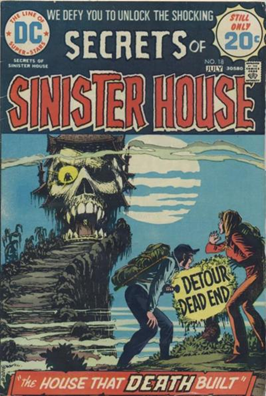
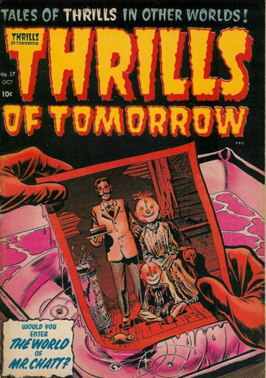
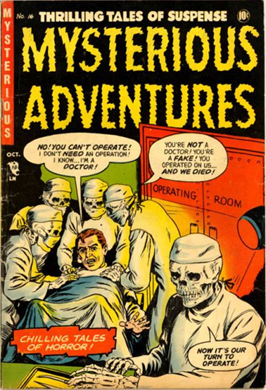
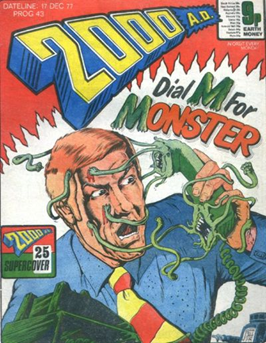
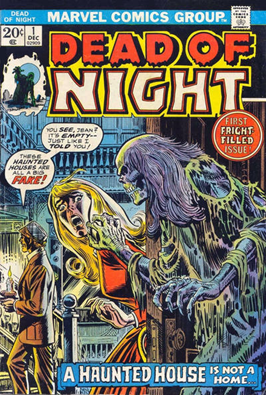
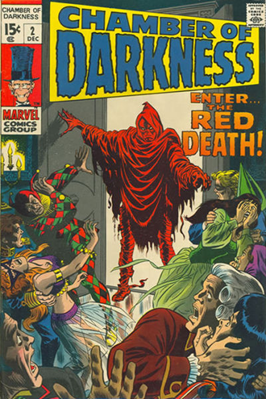
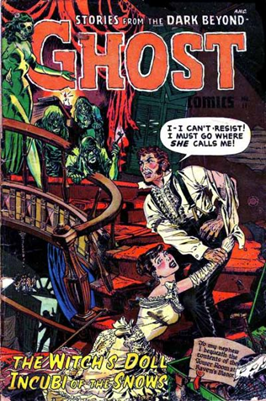
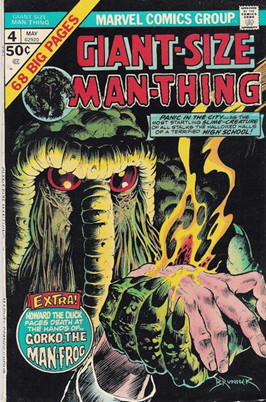
And before you go check out this proof that cinema can be brilliant (and horrific), here is this week’s extra-size, horror-themed reminder that comic book covers can be awesome: