If, like me, you have been obsessing about the events in Ukraine, it may be healthy to take a small break every once in a while, just to manage the anxiety. For example, here is a reminder that comics can be awesome:
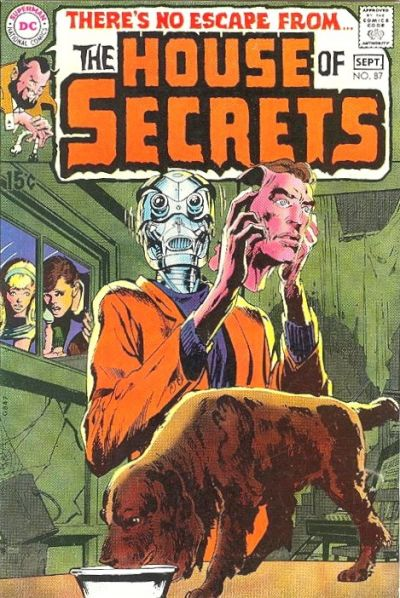
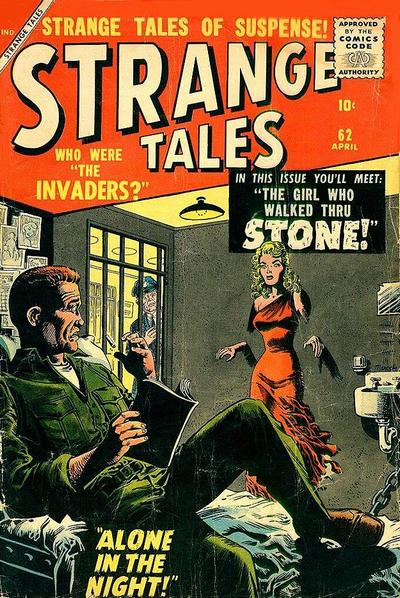
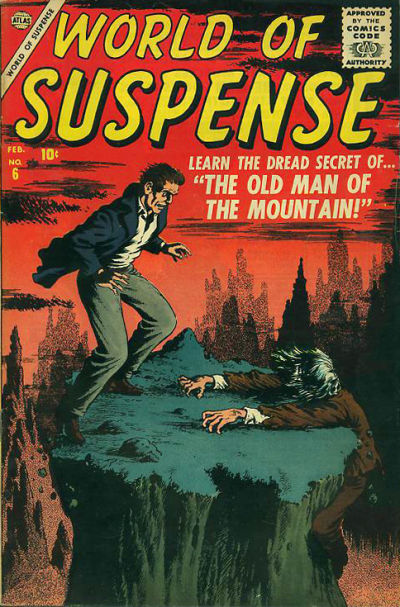
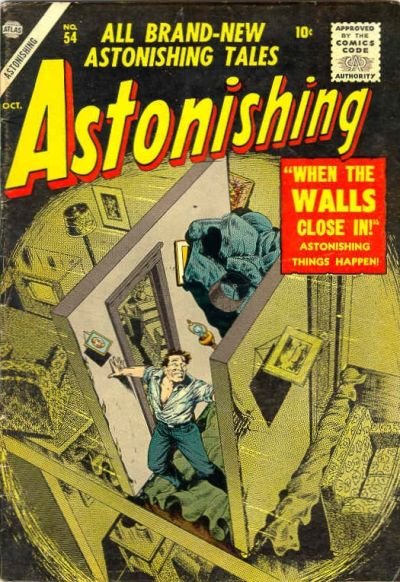
If, like me, you have been obsessing about the events in Ukraine, it may be healthy to take a small break every once in a while, just to manage the anxiety. For example, here is a reminder that comics can be awesome:
At a time when pavlovian pundits and politicians seem keen to revive Cold War rhetoric and imagery, (mis)applying it to the conflict taking place in Ukraine, perhaps it is worth remembering that even during the Cold War itself there were dissident voices who rejected the mindset of simple bipolarity. With that in mind, let’s look at one of the angriest Cold War-set comics from that era:
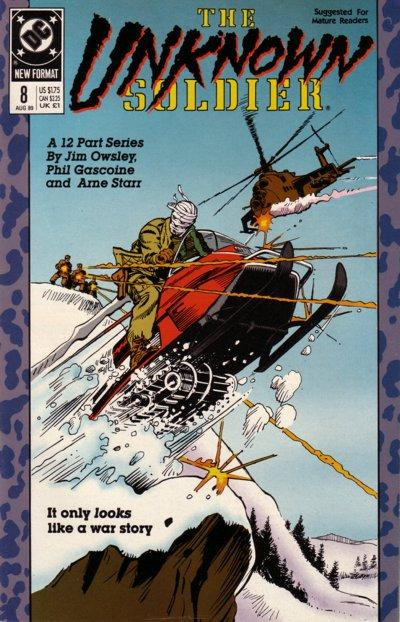
I’ve written before about The Unknown Soldier’s original comics – especially Bob Haney’s epic runs – and how their tales of WWII military spy adventures speak to different understandings of war in general and of US foreign interventions in particular. This political angle was there from the start, but it became front and center when editor Denny O’Neil, writer Christopher Priest (then known as Jim Owsley), and artist Phil Gascoine resurrected the character for an unabashedly blunt 12-part series in 1988-9, which I love to pieces.
The project was clearly part of the post-Dark Knight Returns wave of comics reimagining old properties with a more violent, morally ambiguous lens that did double duty as political commentary. In particular, it belongs to the set of hyper-cynical spy books put out by DC at the time, including Justice, Inc. (which had pretty much the same premise of a chameleonic secret agent), Checkmate!, the revamped Blackhawk, and the more superhero-y Suicide Squad. In the case of this version of The Unknown Soldier, the comic put a twist both on the character’s previous series and on its war-related themes.
Before looking more closely at this run, let me make it clear that there is not a trace of subtlety to be found here. Like with the works of Alan Grant, Pat Mills, and Jack Kirby (hell, even much of Will Eisner’s), a lot of the pleasure derives precisely from the heightened bile and verve, as they make each point as forcefully as possible. Christopher Priest and the famously anti-militaristic Denny O’Neil never try to hide or nuance the fact that they are taking the character and formula of a war comic and putting them in the service of an anti-war comic. As you can see above, they warn you on the tagline of every cover: we’ll give you thrills, but if you’re looking for a Rambo-like product, you can just fuck off.
This brazen attitude could’ve been annoying (perhaps it is, for some readers), but the creators actually make the book’s spirit feel gripping and contagious, as they fire on all cylinders from the get-go. Indeed, this series grabbed me from the very first page:
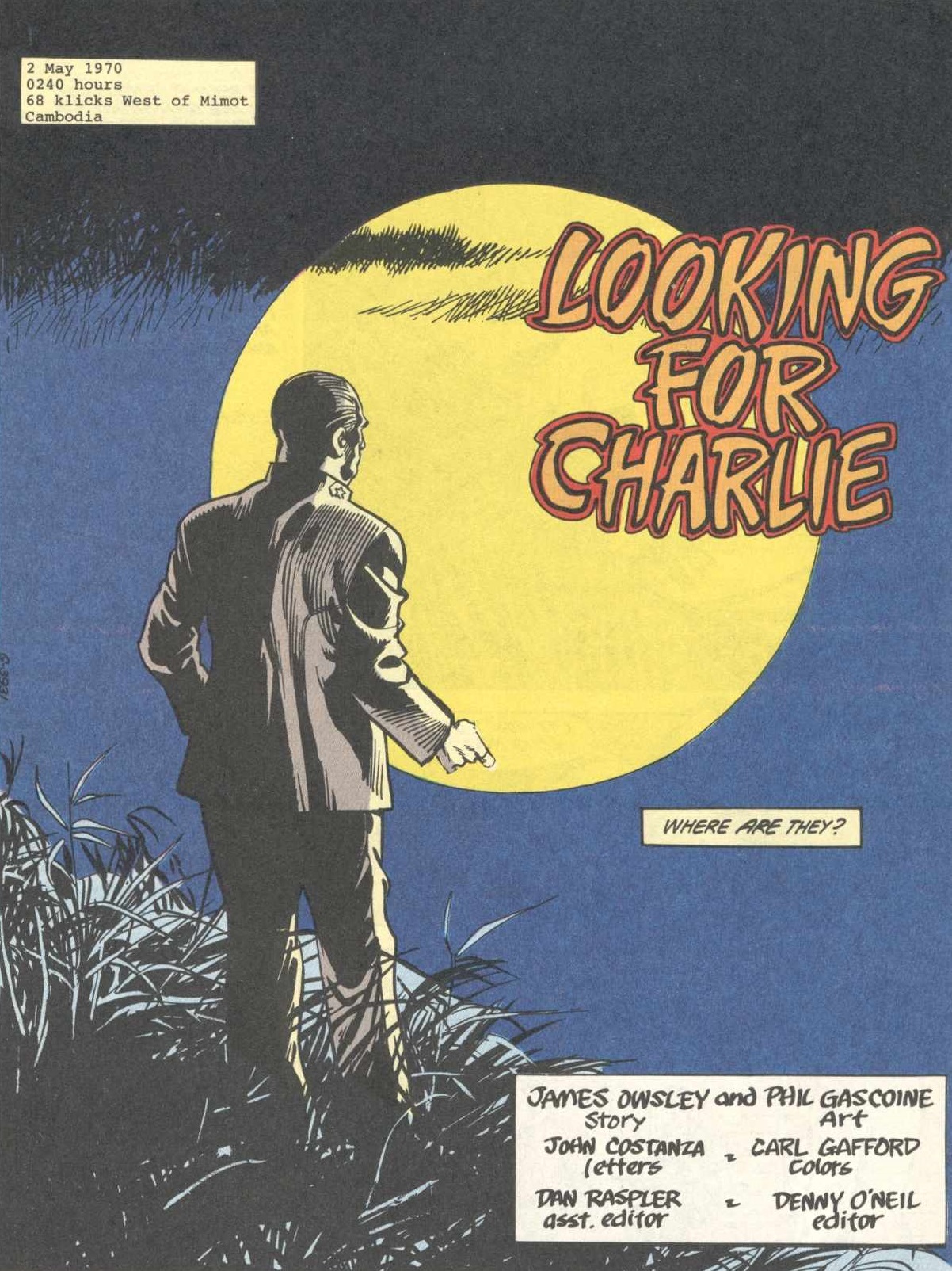 The Unknown Soldier (v2) #1
There is something cinematic about the framing, with a man’s silhouette poised against a full moon, slightly obscured by blurry clouds. It’s a still, apparently quiet image, so where does the dynamism come from? Perhaps it’s the fact that the moon’s geometric perfection feels disturbed by the scratches at the top and the wild vegetation at the bottom. Or perhaps it’s Carl Gafford’s palette, with the bright spot in the middle encroached and pierced by the surrounding darkness (which, as we’ll find out, fits in with the comic’s themes).
Veteran letterer John Costanza helps set up the tone: while the caption localizing the scene, with its raw data and military jargon, is done with a with a typeset font suggesting a report, he renders the question in the other caption with a more conventional comic book font, including an emphasized word, reinforcing the contrast between cold precision and human uncertainty… because, as we can intuitively tell, the question stems from the man’s mind (this, in itself, is also suggestive, as using isolated rectangular captions rather than thought-balloons is a convention associated with coolness). In turn, the title (more military slang) and the credits bring to mind East Asian calligraphy, promising us a globetrotting yarn.
We are in the Vietnam War, following a gun-smuggling operation in Cambodia, which the Unknown Soldier is trying to bust. He is disguised as a Soviet colonel and the first time we see his (fake) face is in the mirror, accompanied by some sarcastic thoughts about his mission (‘After all, if Charlie has guns, it makes it tougher for the good guys to march into his back yard and kill him.’). The themes of identity crisis and murky politics are all in place, as is the Unknown Soldier’s terse, disenchanted inner voice. Soon, we are thrown into an all-out action set piece, which justifies the story’s title:
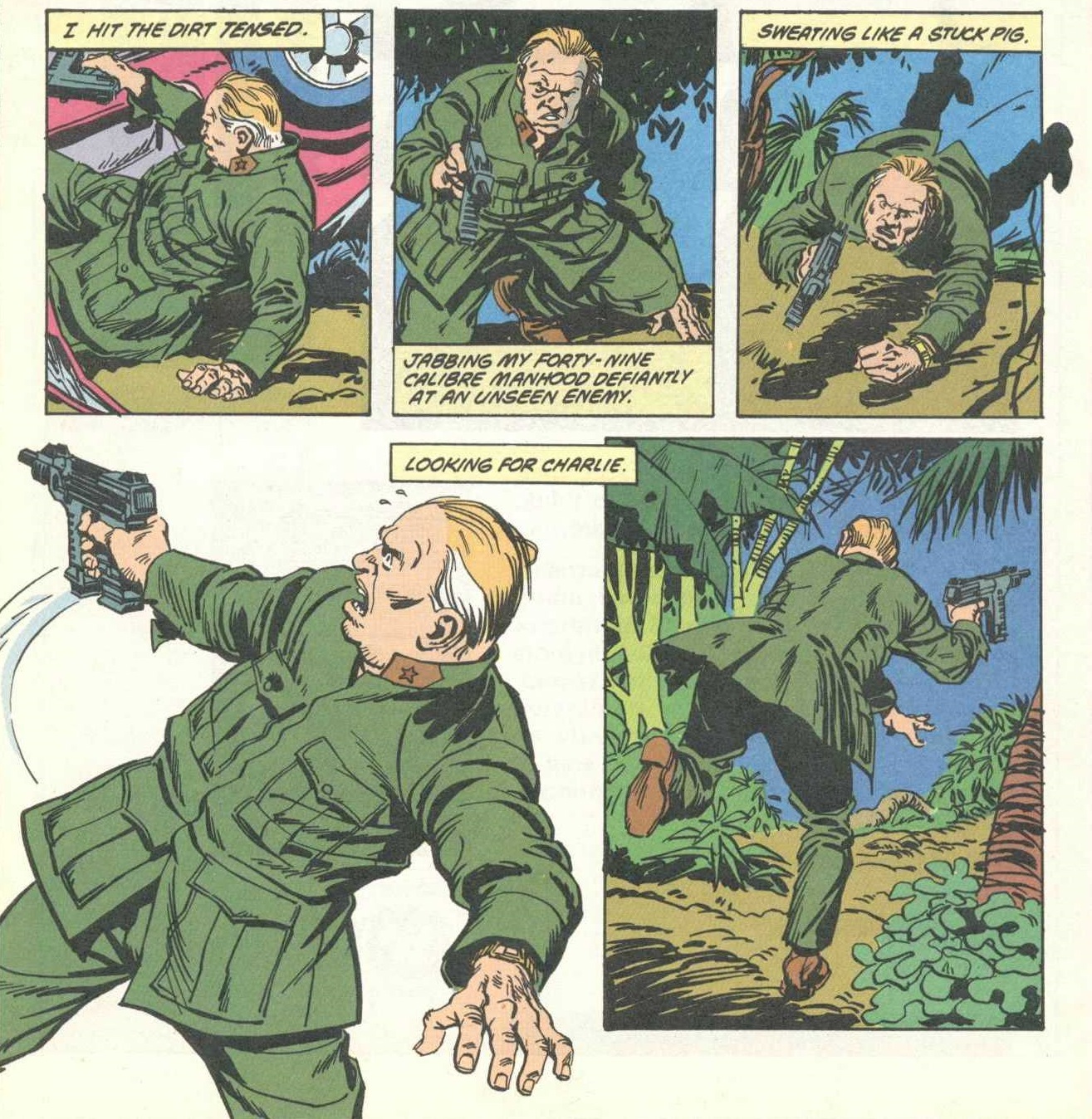 The Unknown Soldier (v2) #1
The rest of the series, which jumps back and forth in time to various assignments throughout the Cold War, keeps this sort of relentless momentum, throwing the Unknown Soldier into missions he despises and then watching him desperately struggle through danger and violence while insulting his superiors in his head. It never gets boring, not least because the geographical setting and time period keep changing, not to mention the Unknown Soldier’s appearance, making the most out of the fact that he is a master of disguise (as well as, implicitly, a master polyglot).
Each issue opens with a knockout image and/or line. So, for example, issue #9 gives us a North Korean platoon in the middle of the Korean War and you just know one of the soldiers is probably our protagonist, who is thinking: ‘Douglas MacArthur was never my friend.’ The last issue is even more extreme, with a chaotic sequence that visually suggests we have just walked into the heart-racing climax of an ongoing blockbuster, in clear contrast with the Unknown Soldier’s calm – if typically sardonic – narration:
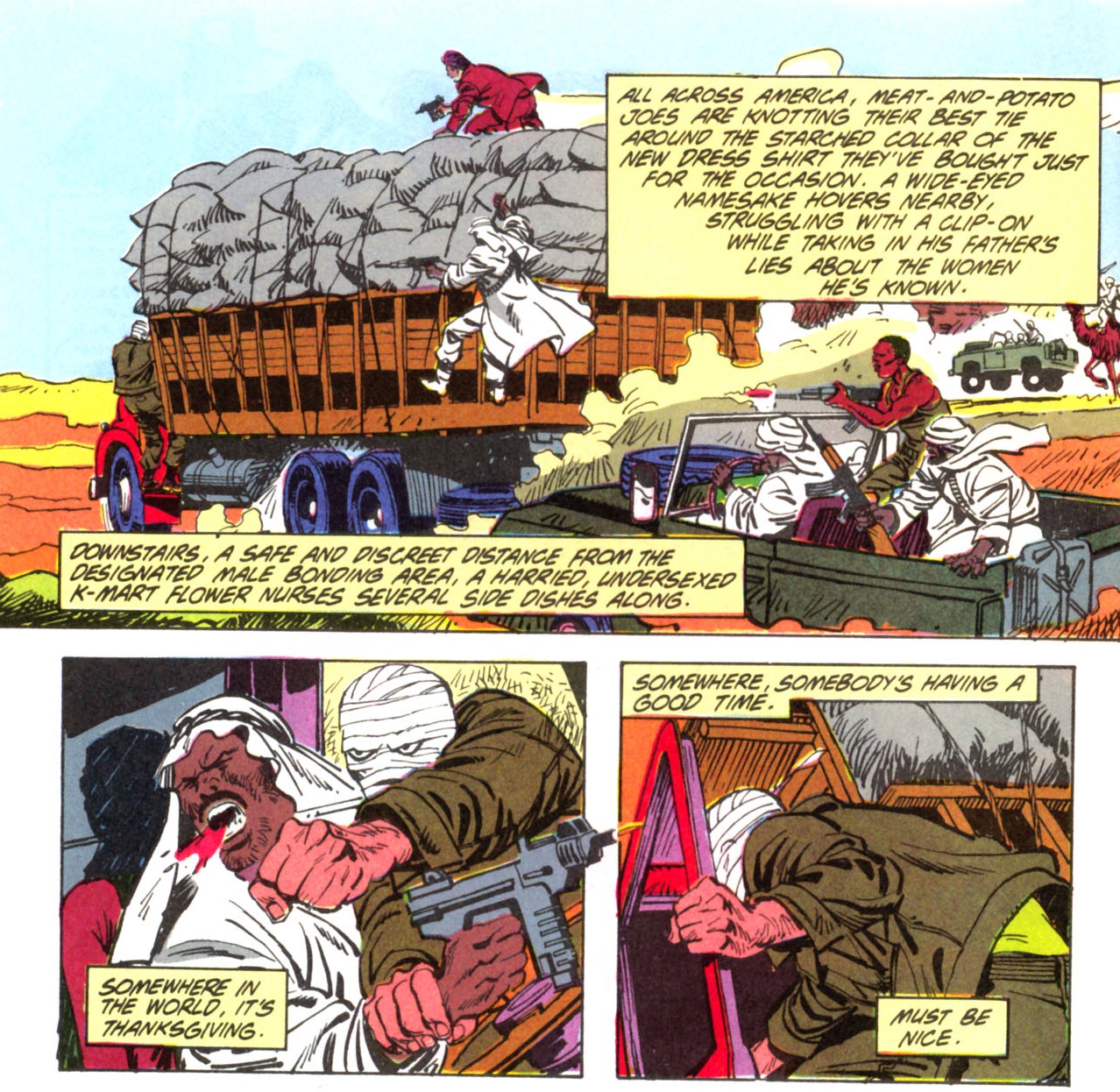 The Unknown Soldier (v2) #12
Although most stories are standalone and do not end on a cliffhanger, the blurbs promoting the next issues are also a blast. One of them promises ‘violence and mystery and violence and intrigue and violence and romance and violence and food.’
Such comedic outbursts, when aligned with the series’ frantic pace, social-conscious themes, and the premise of a chameleonic action hero in a constant state of identity crisis, make The Unknown Soldier feel like an ancestor of Peter Milligan’s brilliant Human Target comics. It even has the kind of twisty plotting Milligan excels at – for instance, in the fourth issue, we follow three mercenaries in Honduras and we know one of them is the Unknown Soldier, but not which one, so the result feels both like a brutal thriller and like a neat mystery.
And sure, Milligan’s writing tends to go for a more ironic distance, but, like said, here too there is sometimes a tongue-in-cheek element to the proceedings. For all of its political critique and righteous indignation, The Unknown Soldier is not without a sense of humor…
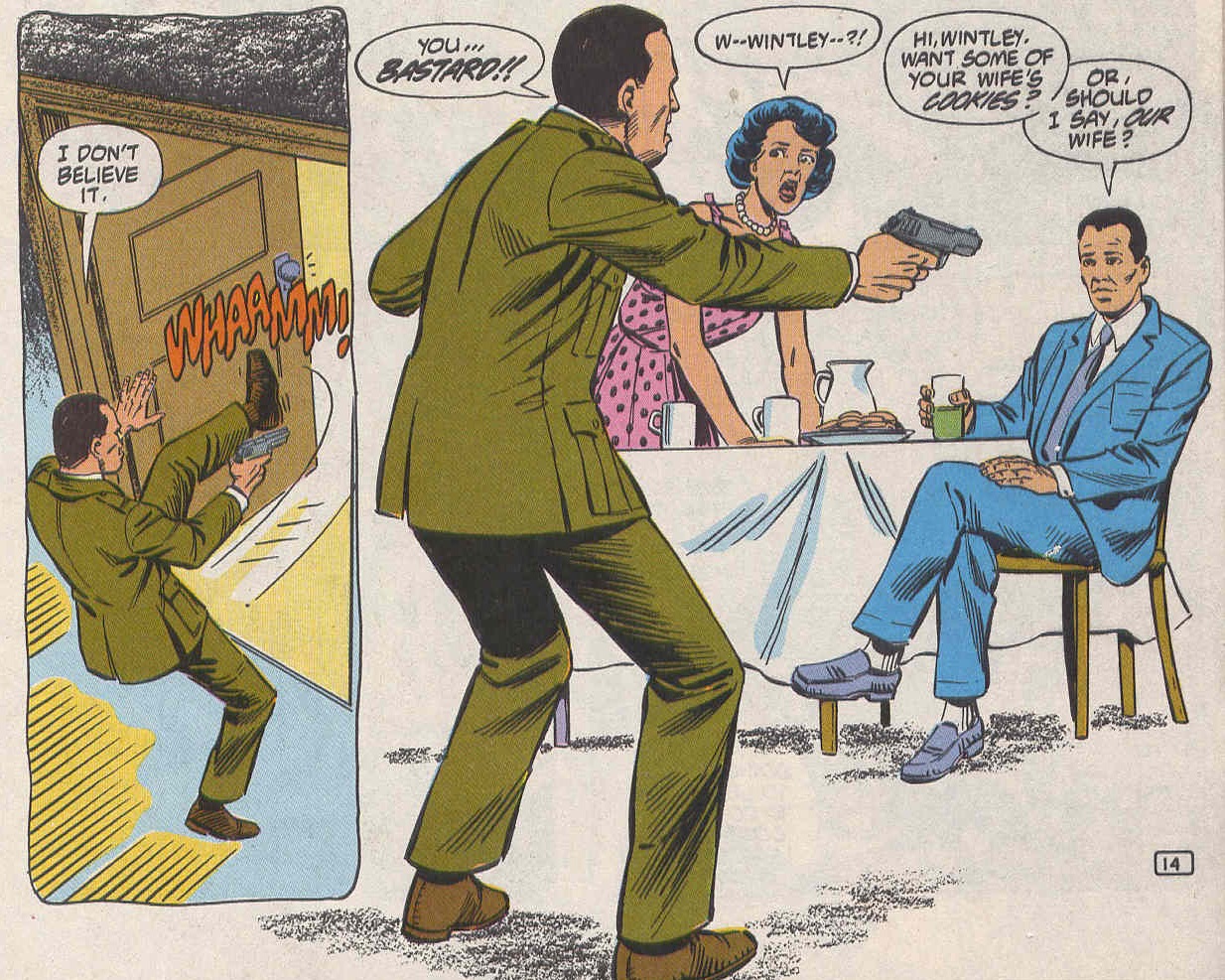
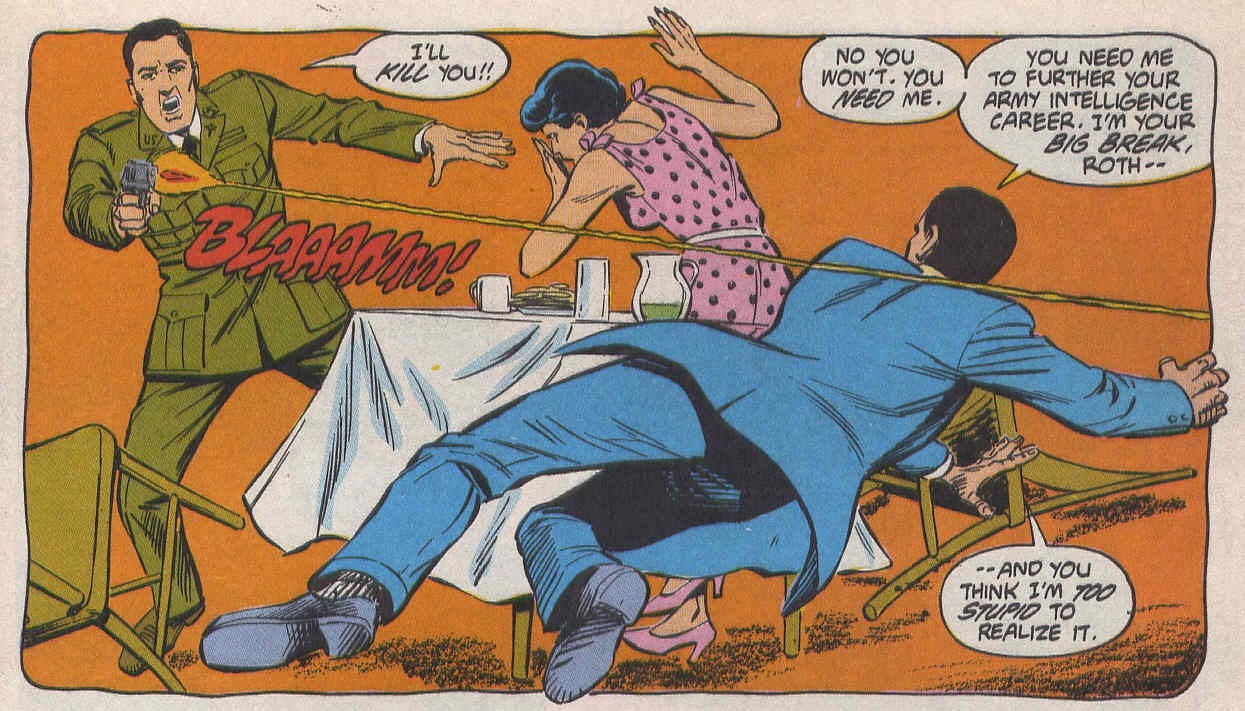 The Unknown Soldier (v2) #6
Hell, the two tendencies occasionally meet for some gleeful in-your-face satire, like in the opening of the second issue, which juxtaposes Jimmy Carter’s ‘Island of Stability’ speech with this scene at the American Embassy in Teheran, in late 1977:
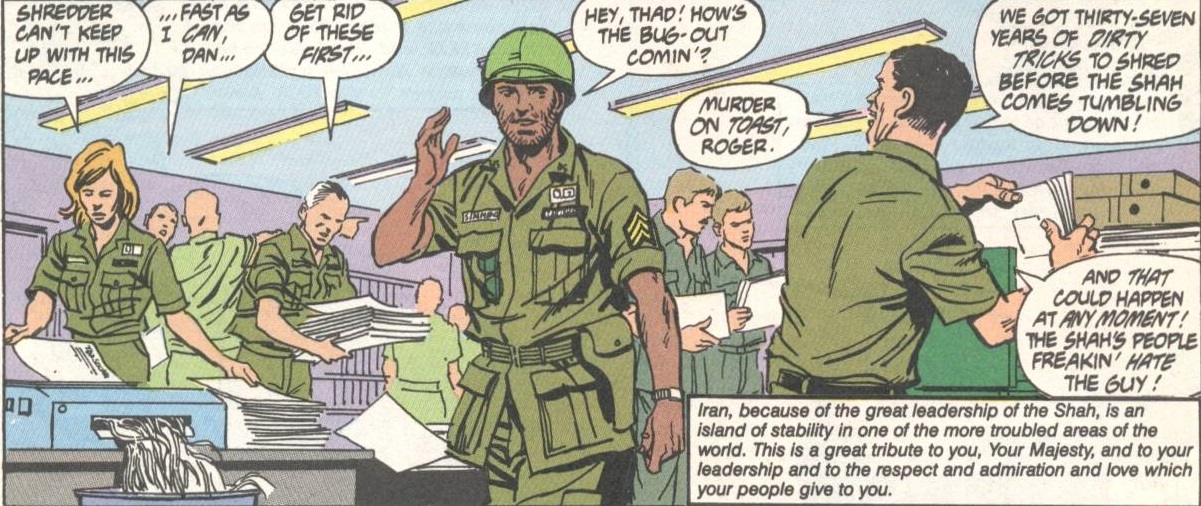 The Unknown Soldier (v2) #2
For the most part, though, I admit the message is presented in quite earnest terms. When the Unknown Soldier’s inner narration isn’t condemning the United States’ obstinate anti-communist foreign policy, it’s because it’s denying even the sense of a committed, if misguided, ideological motivation behind the whole Cold War enterprise: ‘I wonder if the people who live in Central America suspect that no one gives a damn about them. The soldiers care about their strategic position. The politicians care about getting re-elected. Some of the rebels are more interested in running drugs and getting it on than they are in liberating their people.’
Even when the series resorts to the Jack Bauer-ish trope of justifying torture in the name of preventing an imminent terrorist attack, you can see the Unknown Soldier struggling with his conscience (although, hypocritically, he does play along, as usual):
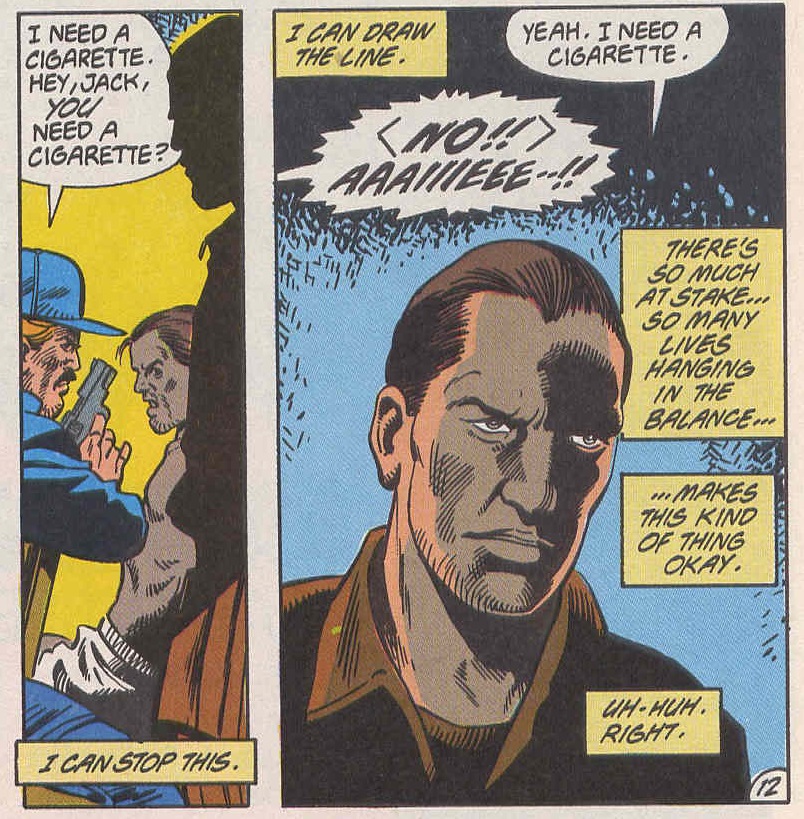 The Unknown Soldier (v2) #7
(The guy doing the torturing is a cynical CIA agent named Barry who, in my head cannon, is totally Green Arrow’s Eddie Fyers!)
The series’ leitmotif is the notion that the Unknown Soldier, after so many years impersonating the alleged enemy, has learned to see US interventionism through the enemy’s eyes. It’s not just that he realizes the fundamental truth that even the heroes are ultimately the villains if seen from the point of view of their opponents… No, he realizes that his country’s imperialist policies are indeed despicable and dictated by utter bastards.
Seriously, don’t underestimate how radical these comics are. When the Unknown Soldier goes to Afghanistan in the early 1980s to support the Mujahedeen, he ends up sympathizing with the Soviet invaders…
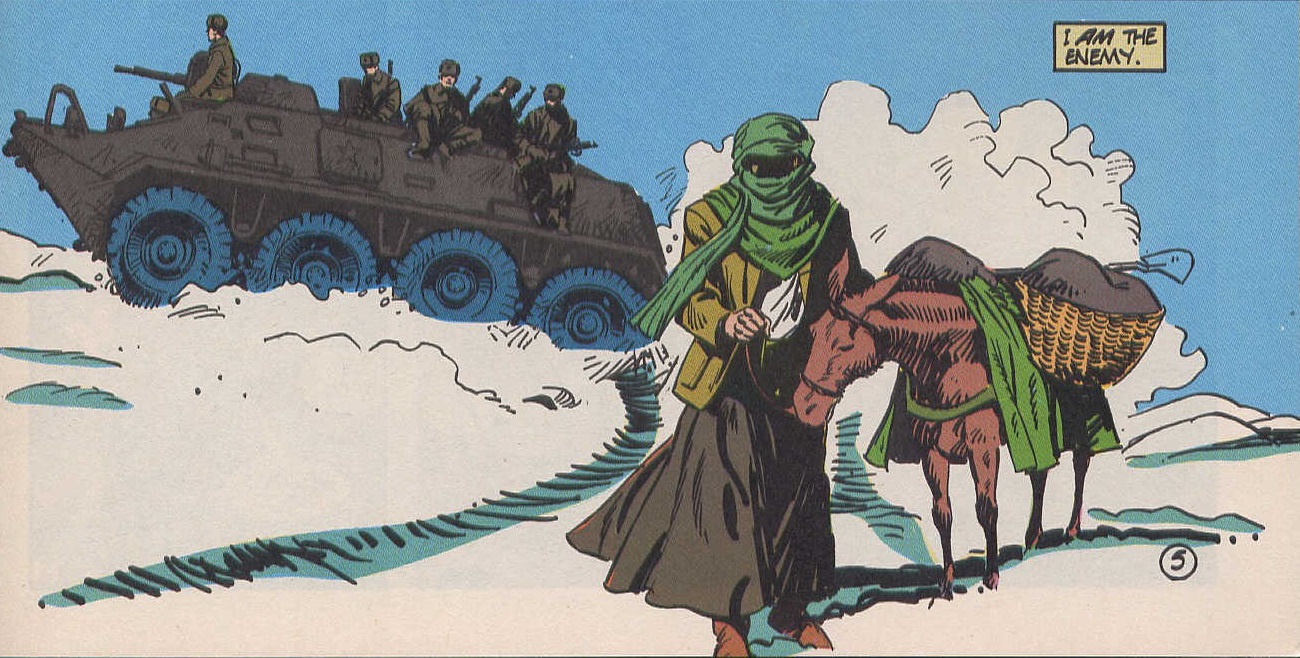 The Unknown Soldier (v2) #3
For all these reasons, the series is definitely worth a look, especially as the whole thing works pretty well on its own, with absolutely no need for readers to have even gazed at the previous Unknown Soldier comics (of which there were over a hundred). If you’ve read those, though, there is an extra layer of interest in the various ways Priest radically revises the franchise, which are deeply interconnected with the series’ Cold War historical revisionism. This point has already been argued here, but I think some sequences still deserve a closer reading… This will be the focus of next week’s post.
It’s been pretty hard to concentrate on anything other than the war in Ukraine, which hits close to home in many ways (though fortunately not on a literal level), especially now that the nuclear threat is escalating again… Still, I have enough of a backlog to keep posting for a while, so I guess I’ll keep them coming. Honestly, writing about comics and movies is a brief, welcome distraction, so I hope reading about them can be as well.
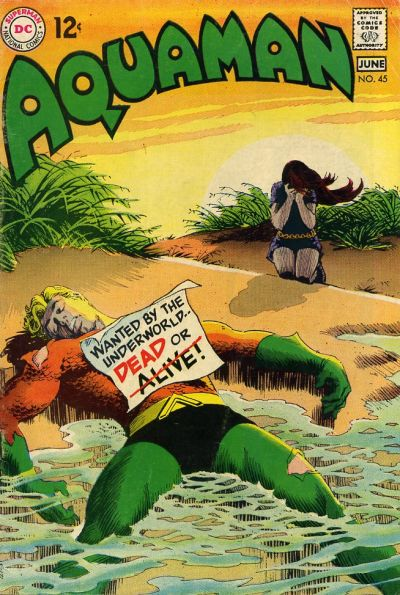
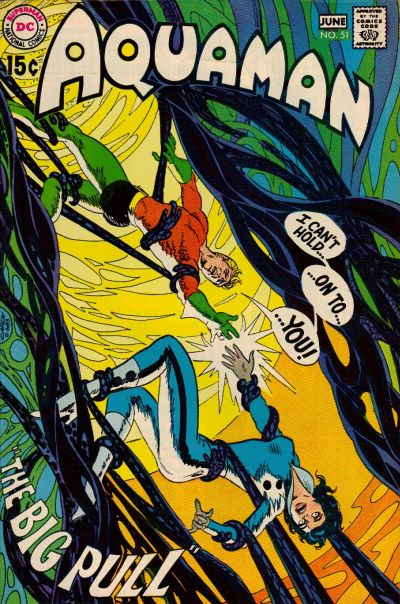
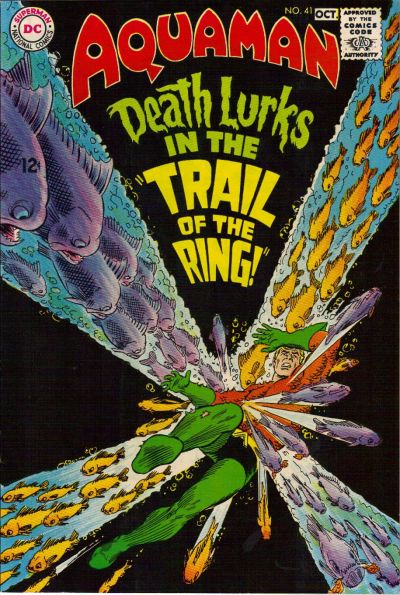
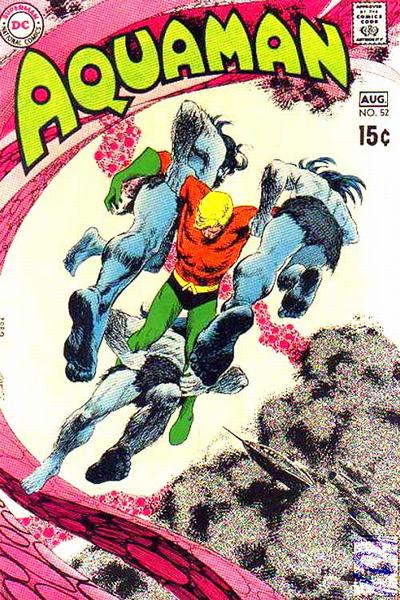
That said, this week’s reminder that comics can be awesome is a tribute to Nick Cardy’s beautifully composed Aquaman covers (each deserving of prolonged contemplation).
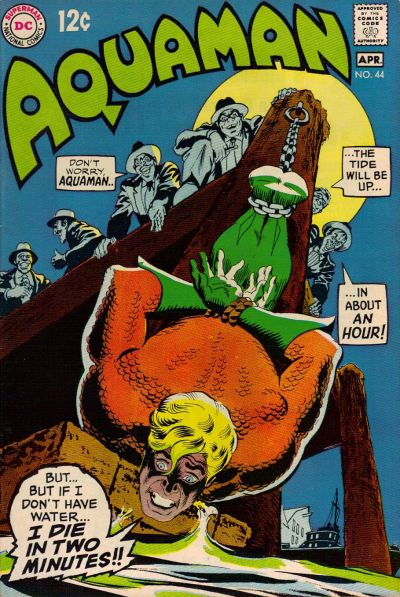
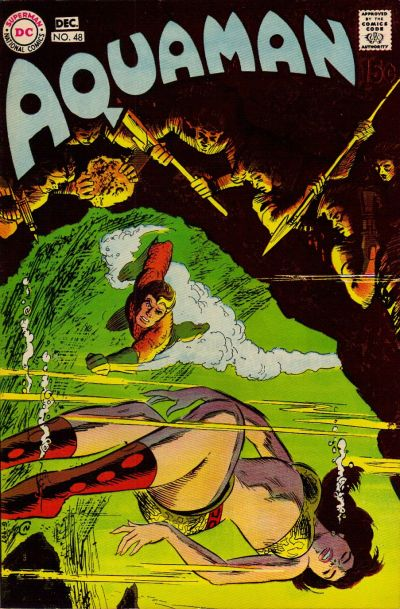
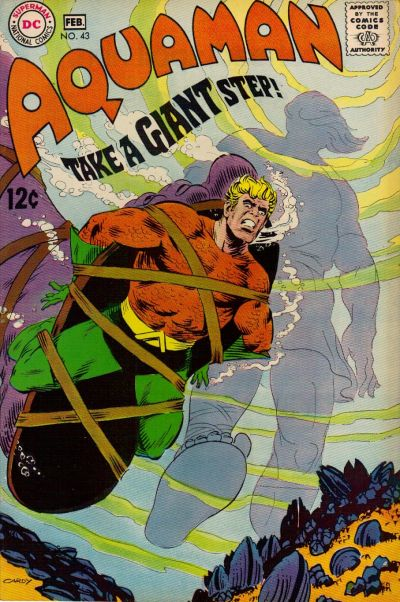
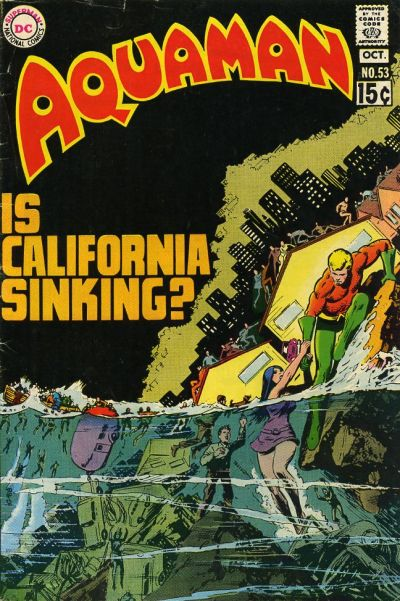
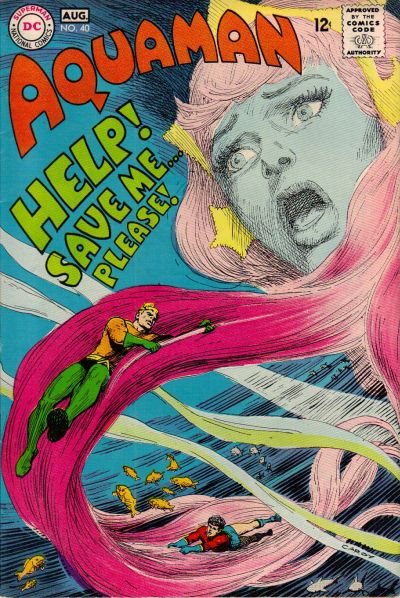
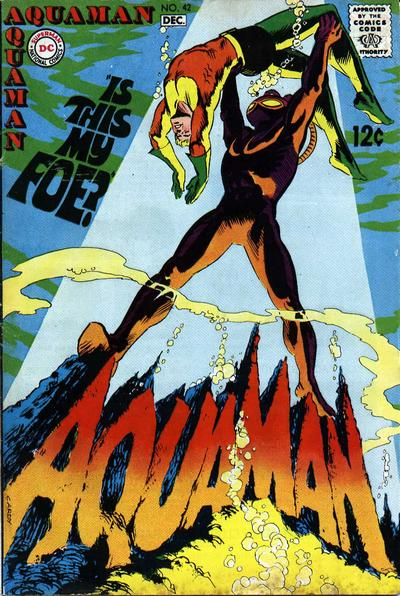
MONDAY
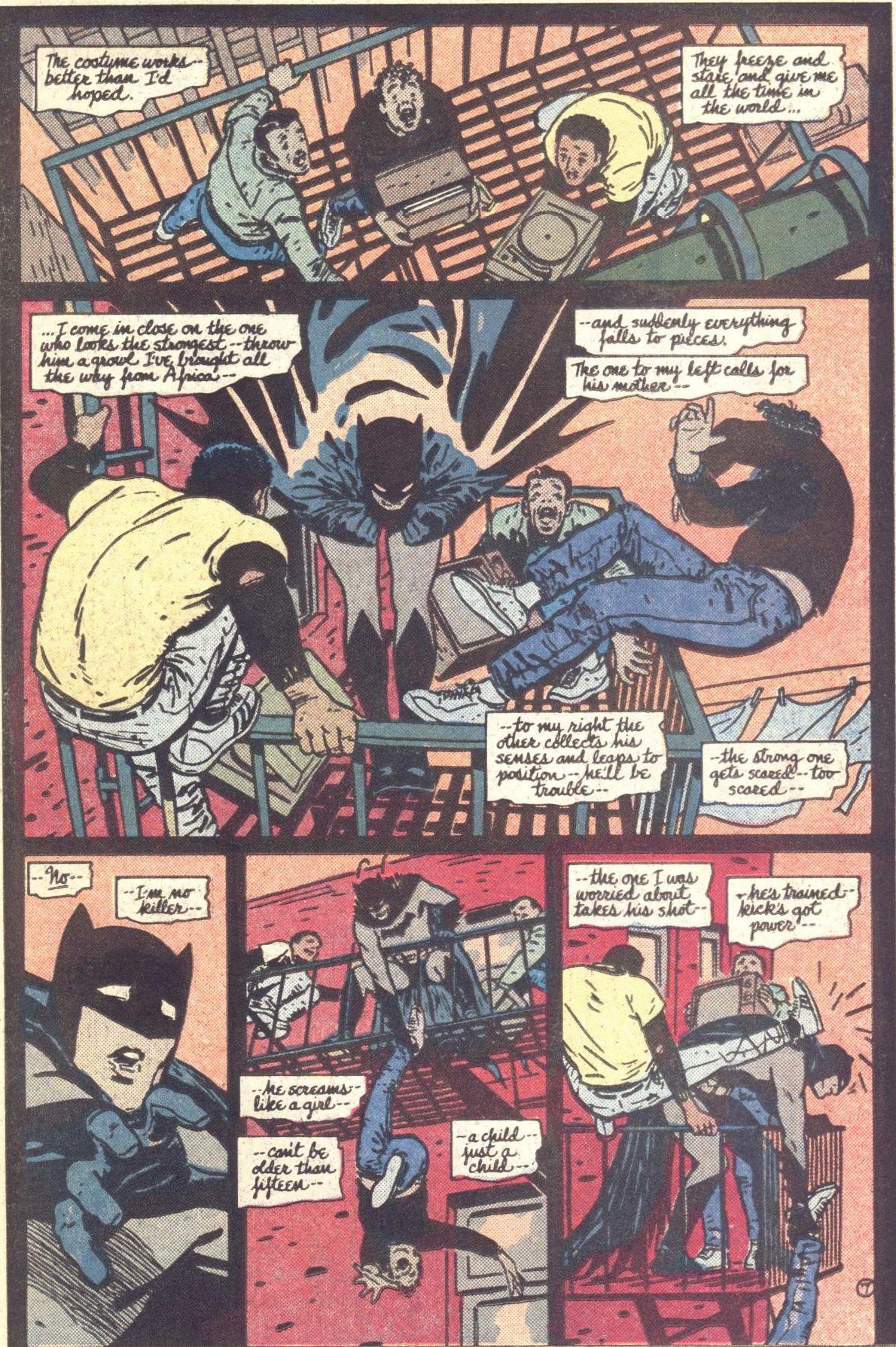 Batman #405
TUESDAY
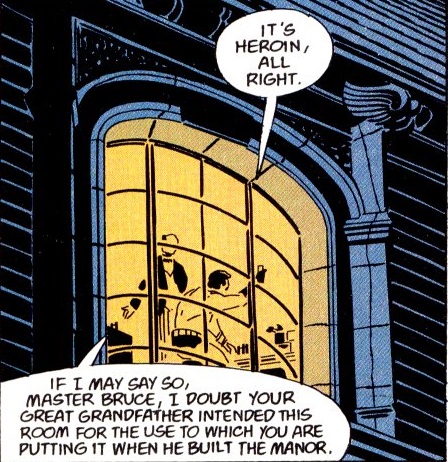 Legends of the Dark Knight #2
WEDNESDAY
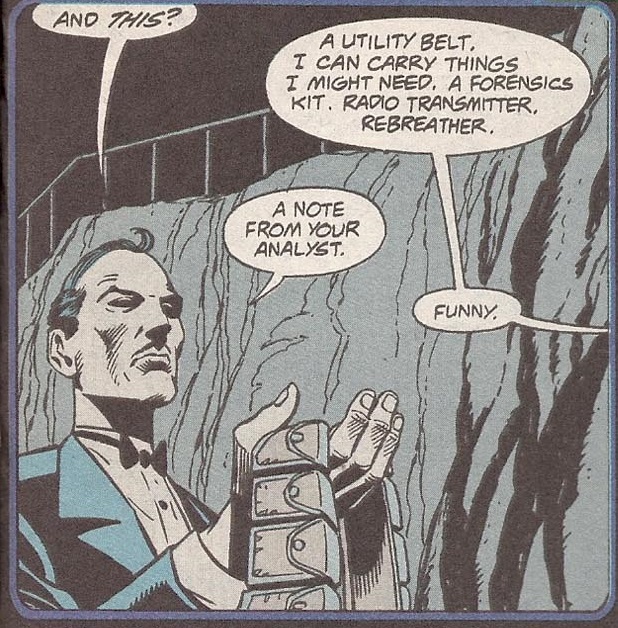 Detective Comics #0
THURSDAY
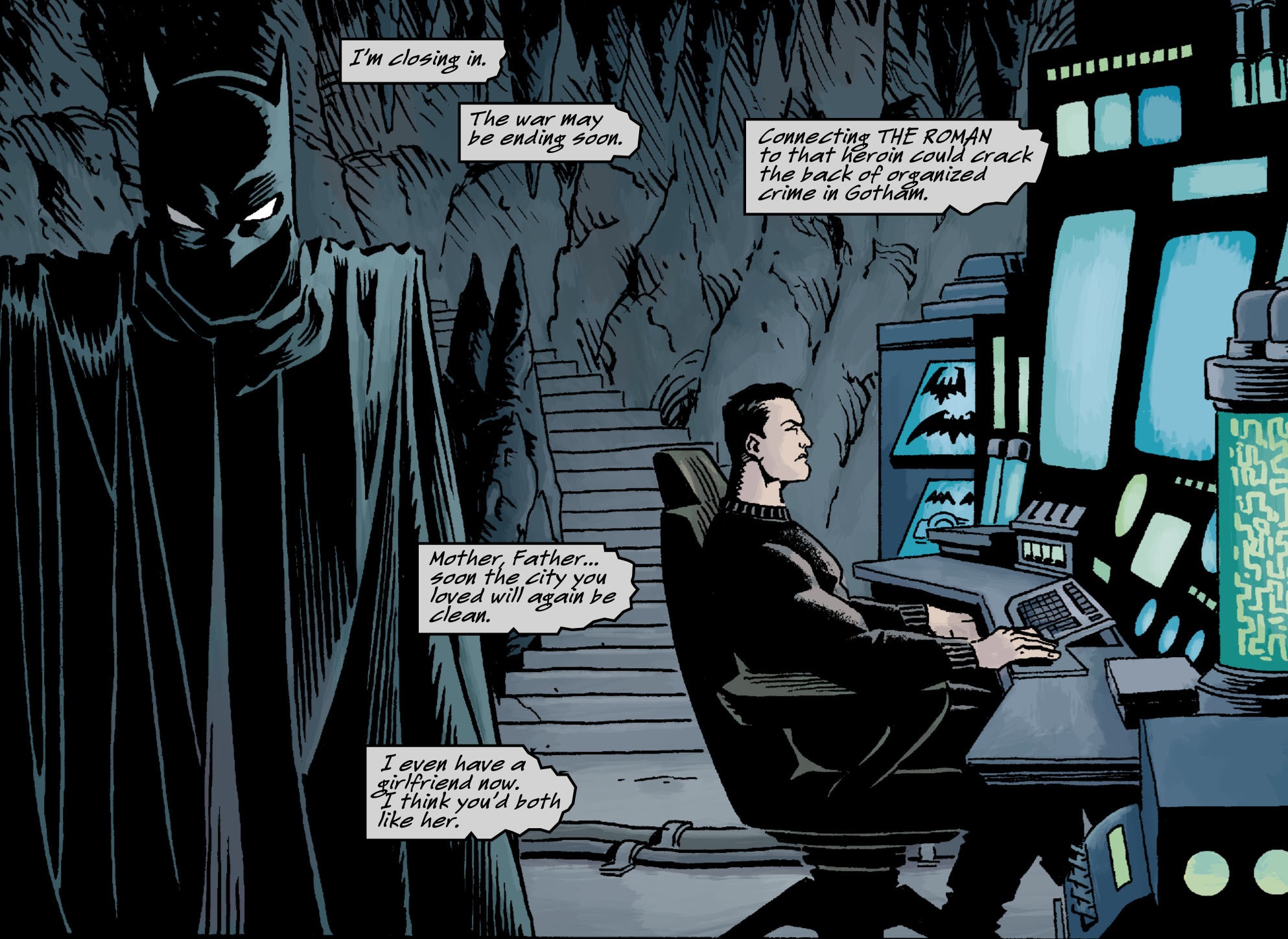 Batman and the Monster Men #1
FRIDAY
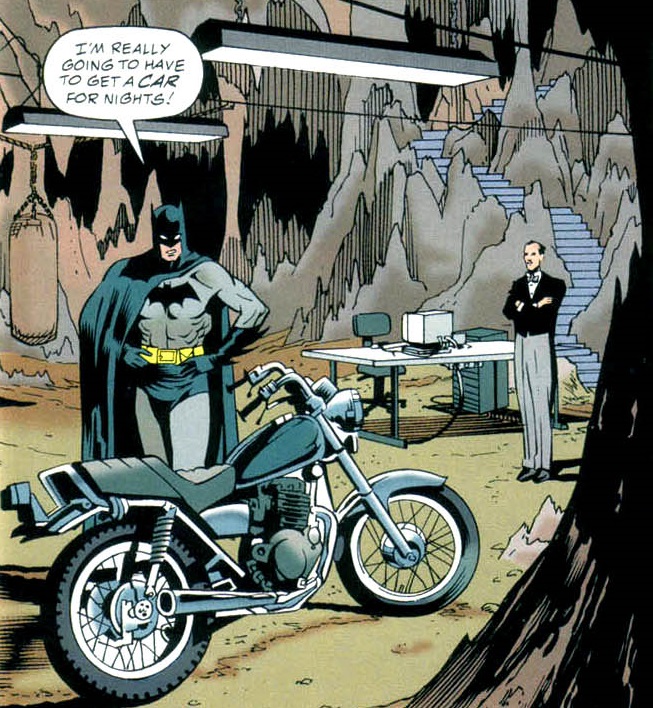 Shadow of the Bat Annual #3
SATURDAY
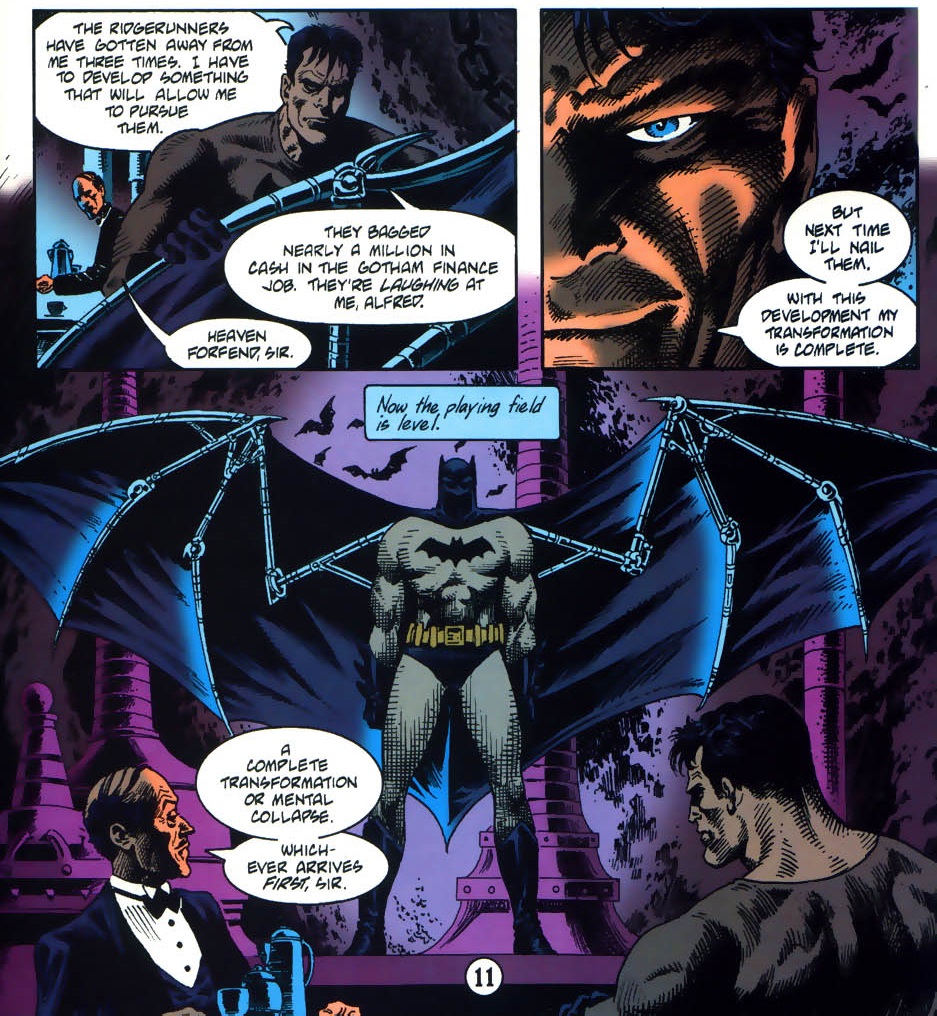 Legends of the Dark Knight Annual #5
SUNDAY
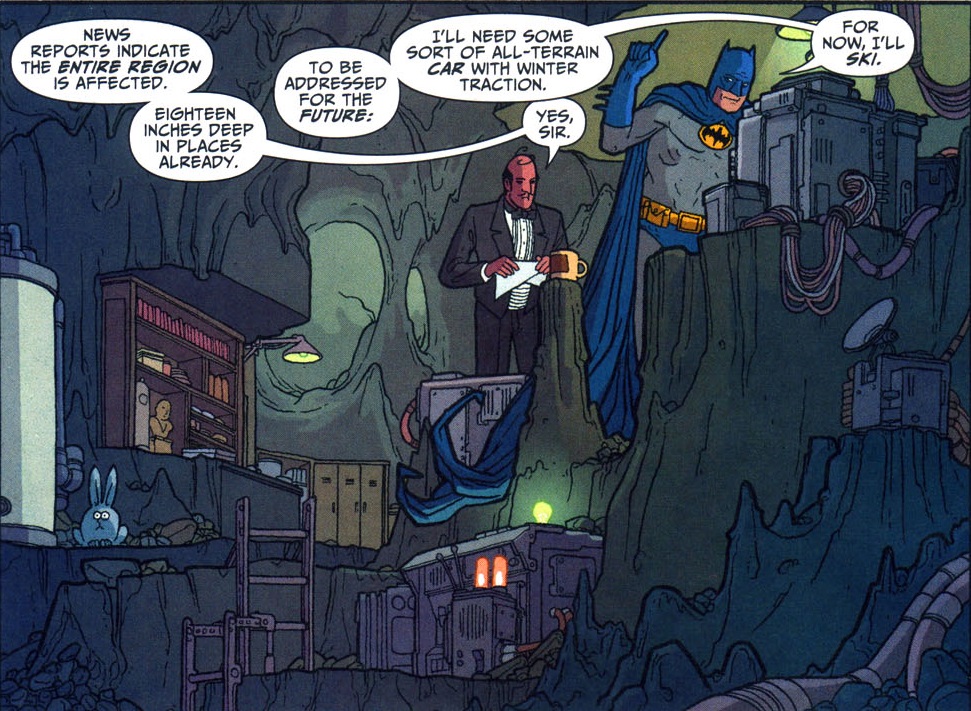 Legends of the Dark Knight #196
An eye-popping reminder that comics can be awesome…
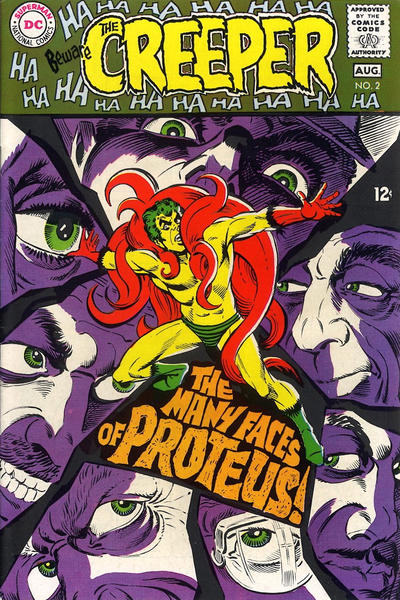
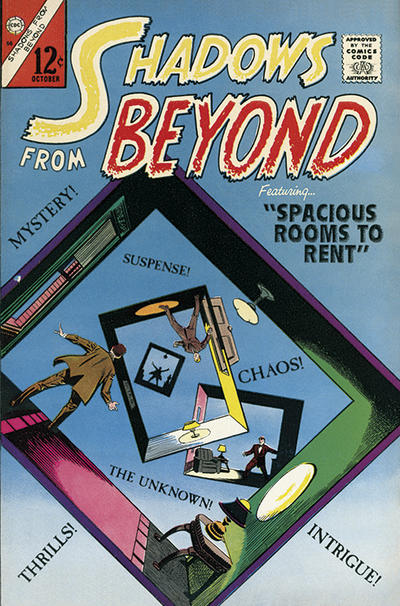
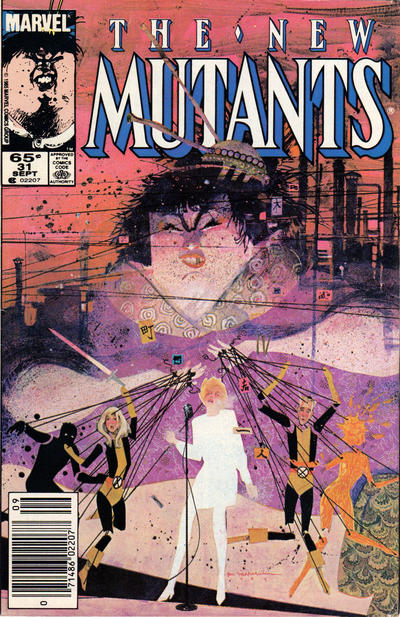
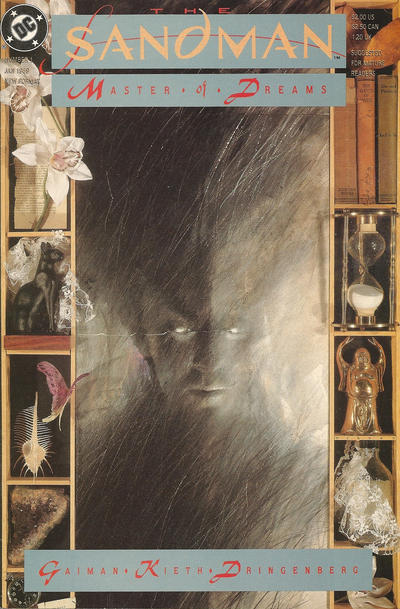
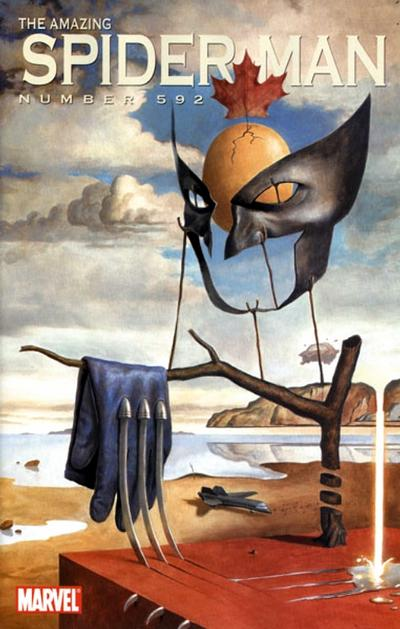
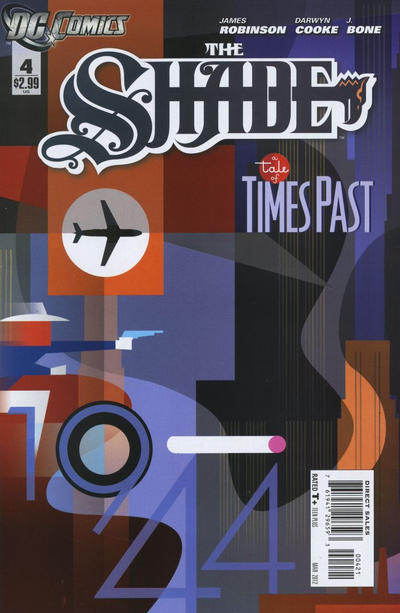
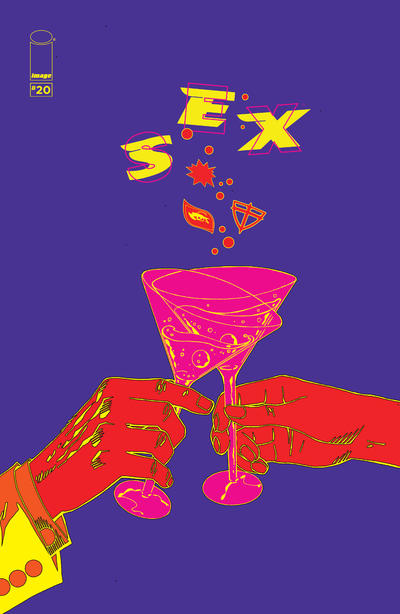
Longtime readers of this blog know that I have an unhealthy fascination with fucked up vigilante comics that go into odd directions, so perhaps you won’t be surprised with my choice of devoting an entire post – probably one of Gotham Calling’s least Safe For Work posts – to the sinuous evolution of Dynamite’s lurid and bafflingly uneven Jennifer Blood.

Jennifer Blood started out, back in 2011, as a contender for Garth Ennis’ worst comic… It followed Jen Fellows, a soccer mom who secretly left the house every night, when her family was asleep, to go on a killing rampage against her mobster uncles, the Blute brothers (who had murdered her father). The initial joke was that Ennis wrote this housewife exactly as he wrote the Punisher, complete with a war journal and detailed descriptions of the firearms and ammo she used in the massacres. The obvious intertextual game was underscored by the no-nonsense covers of Tim Bradstreet, who had memorably illustrated the covers for Ennis’ stints on The Punisher and The Punisher MAX with a similar look.
I can clearly see the potential for laughs in the idea of a sociopathic, Frank Castle-like inner narration methodically focused on house chores, neighborly social interactions, or the children’s education… Sadly, however, while Garth Ennis can write competent vigilante/revenge fiction on auto-pilot, his approach to Jen Fellows’ world was so superficial that the setup didn’t really pay off. He was either too lazy or quickly grew uninterested in the series’ high concept, giving us only glimpses of the protagonist’s ‘normal’ life while spending most of the time on the gangster-slaughtering side of the story. Jen’s voice thus became a stand-in for Ennis’, briefly toying with the idea of dealing with the domestic milieu but ultimately only feeling comfortable when getting back to her roots.
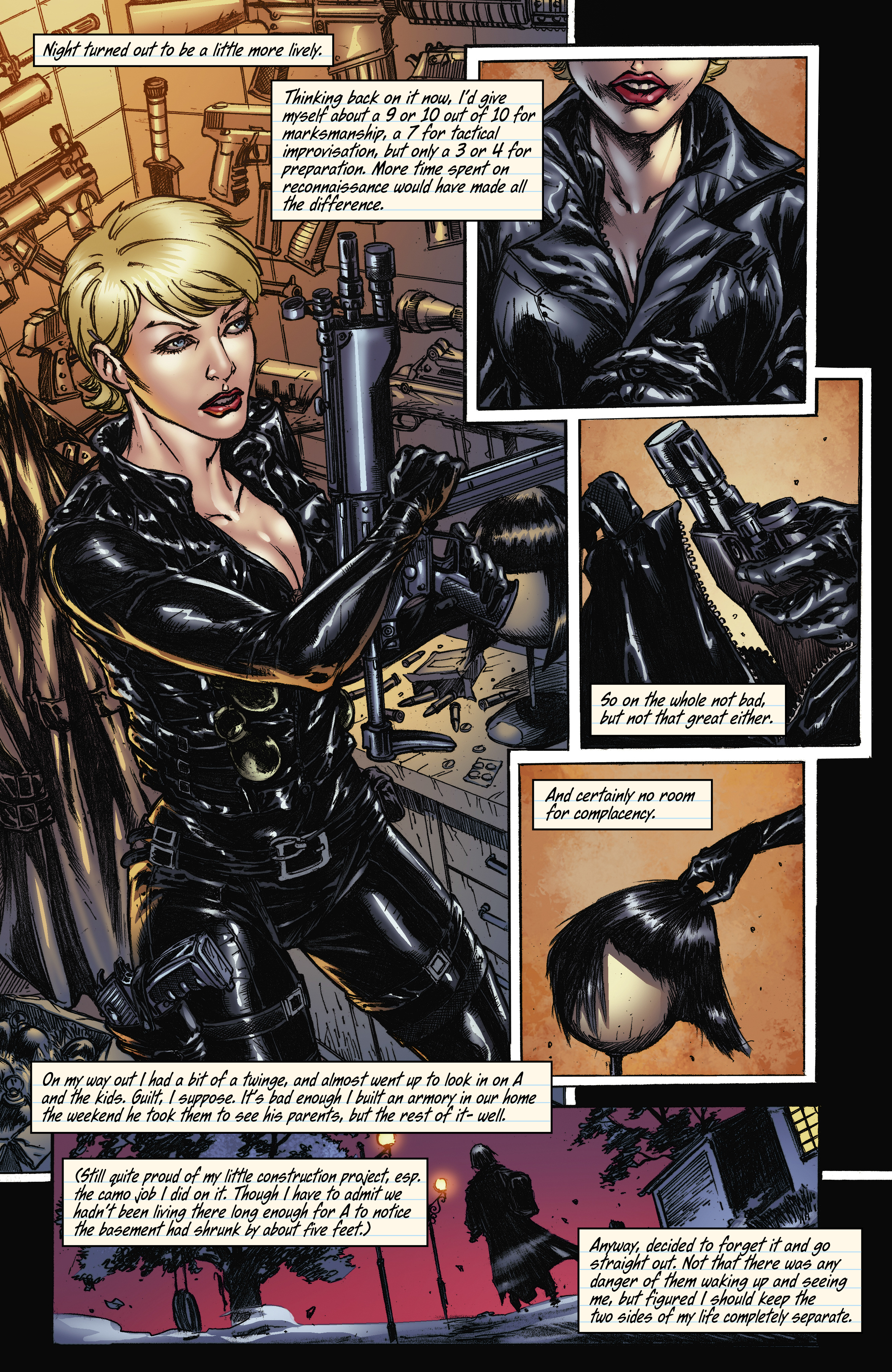 Jennifer Blood #1
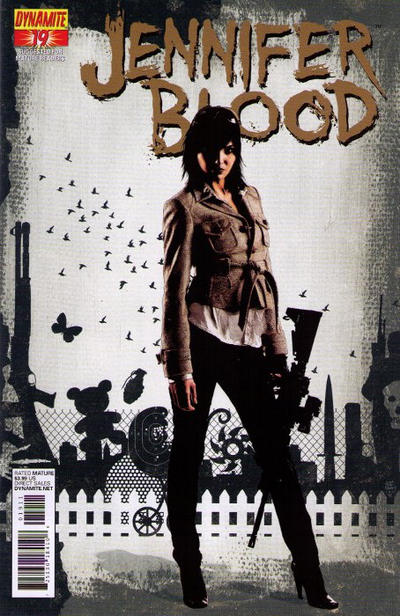
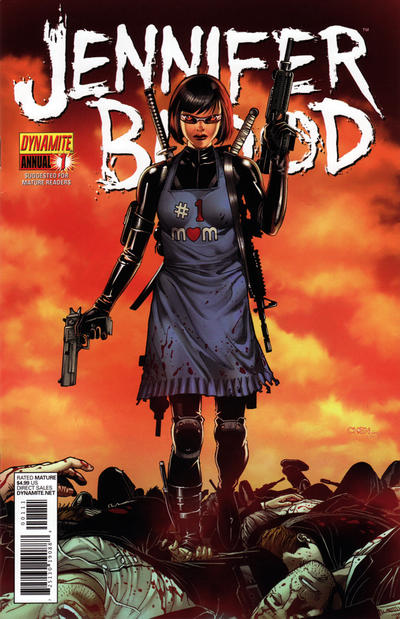
Hell, even the multiple cover images tended to play down the premise, preferring to go with softcore cheesecake – as Dynamite’s variants often do – in which Jennifer came across as just another gun-toting sexpot, usually sporting a tight, revealing outfit. Judging from the covers alone, the main target audience for the series appeared to be frat bros looking for carnage and objectified women, if not self-proclaimed incels with paramilitary fetishes…
Here are a few playful exceptions (by Johnny Desjardins, Jonathan Lau, and Tim Bradstreet) that at least tried to incorporate the contrast between the two sides of Jen’s life:
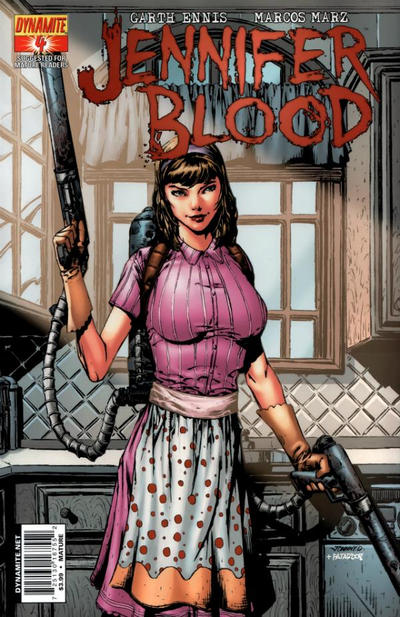
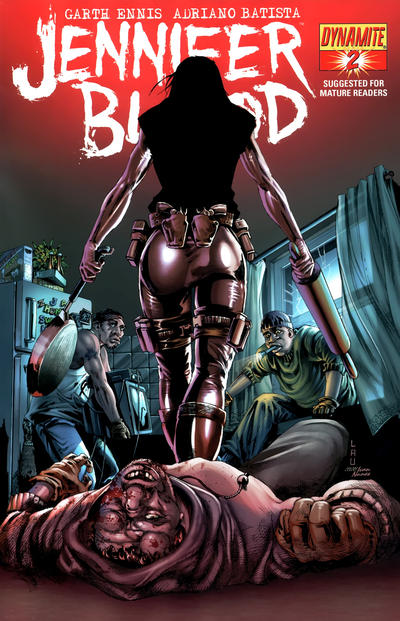
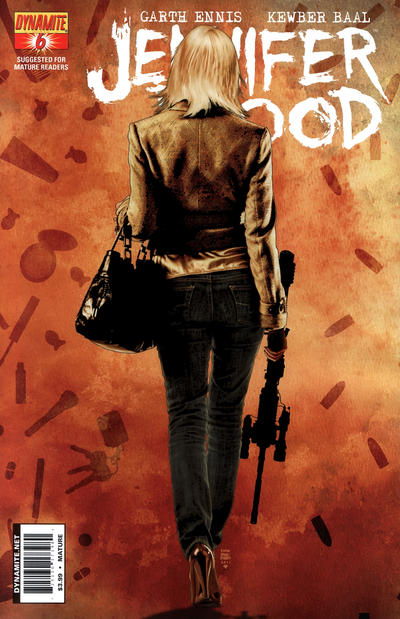
It was a dreadful affair. There were hints of Garth Ennis’ knack for bawdy slapstick (a subplot about bondage actually earned a few chuckles) and at times the comic almost threatened to turn into something provocatively uncomfortable – a la Paul Verhoeven’s Elle – but overall we were left with hacky, edgelord-ish humor that drew on stale ethnic and gender stereotypes.
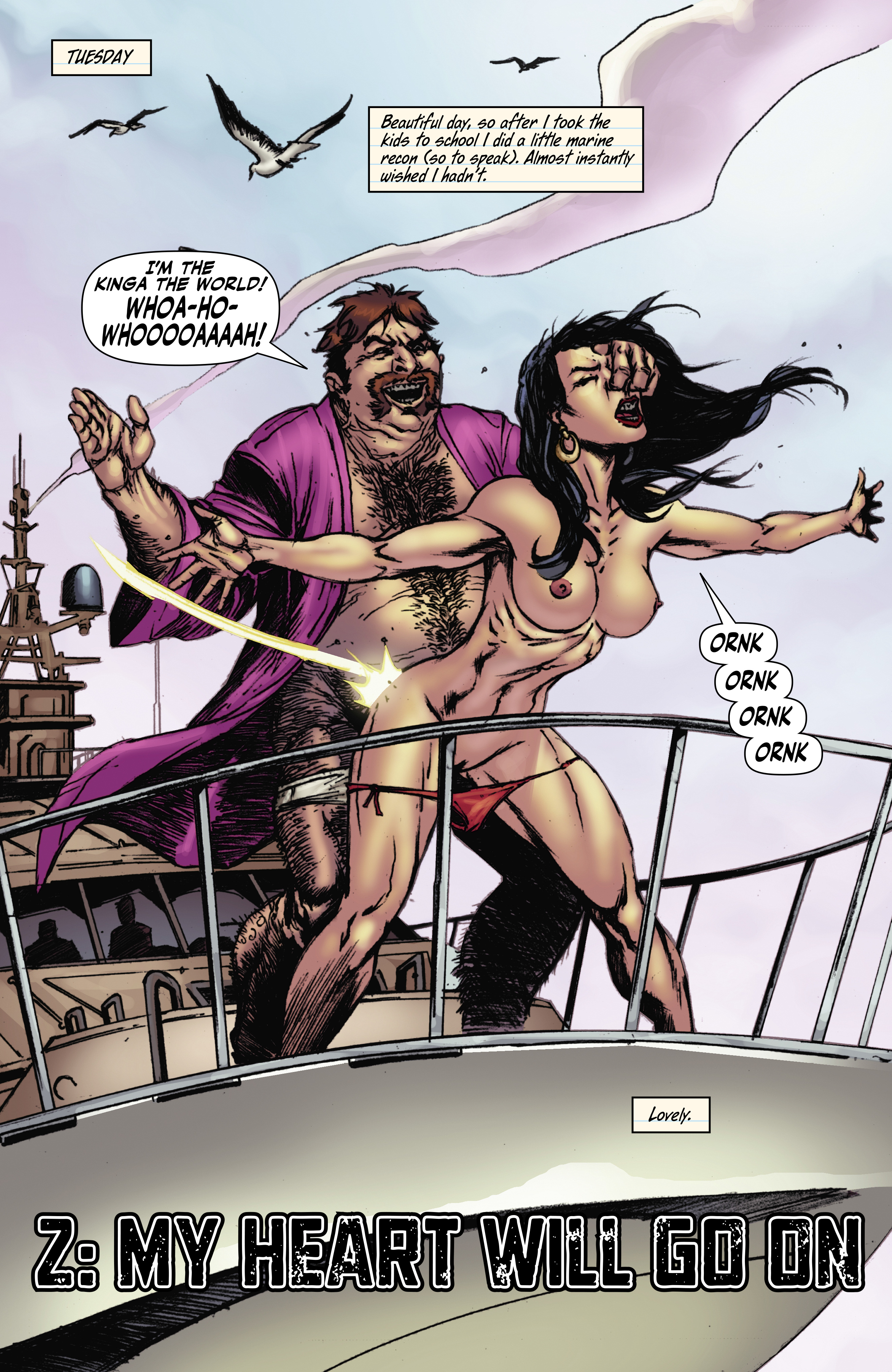
You know you’re in trouble when the ‘cleverest’ thing about a crude Titanic-based gag is having the story’s title double as a Céline Dion soundtrack:
 Jennifer Blood #2
(A famous romantic moment is turned into an in-your-face sex scene, degradingly framed so as to invite both lustful contemplation of the woman’s full-frontal nudity and laughter at the way she’s being fucked… So witty.)
Jennifer Blood’s vengeance plot wasn’t particularly inventive either. Nor did it seem fully thought-out in its mechanics and ramifications, even at the most basic levels (for instance, Jennifer never once stopped to consider that she was possibly killing other parents and therefore recreating what had been done to her). And although I appreciate the framework of devoting each issue to one day in her mission (I’m a sucker for gimmicks!), it’s not enough to make up for the run-of-the-mill execution.
To make matters worse, Dynamite’s proofreaders missed plenty of distracting typos and Adriano Batista’s charmless artwork, followed by Marcos Marz’s stiff designs, lacked the necessary grace to carry the comedy and even some of the action. I’m not a big fan of Kewber Baal, but at least he brought a modicum of style and energy to the proceedings when he became the main artist, since issue #5 (he was helped by the fact that by then InLight Studios had taken over the coloring, thankfully replacing Romulo Fajardo Jr)…
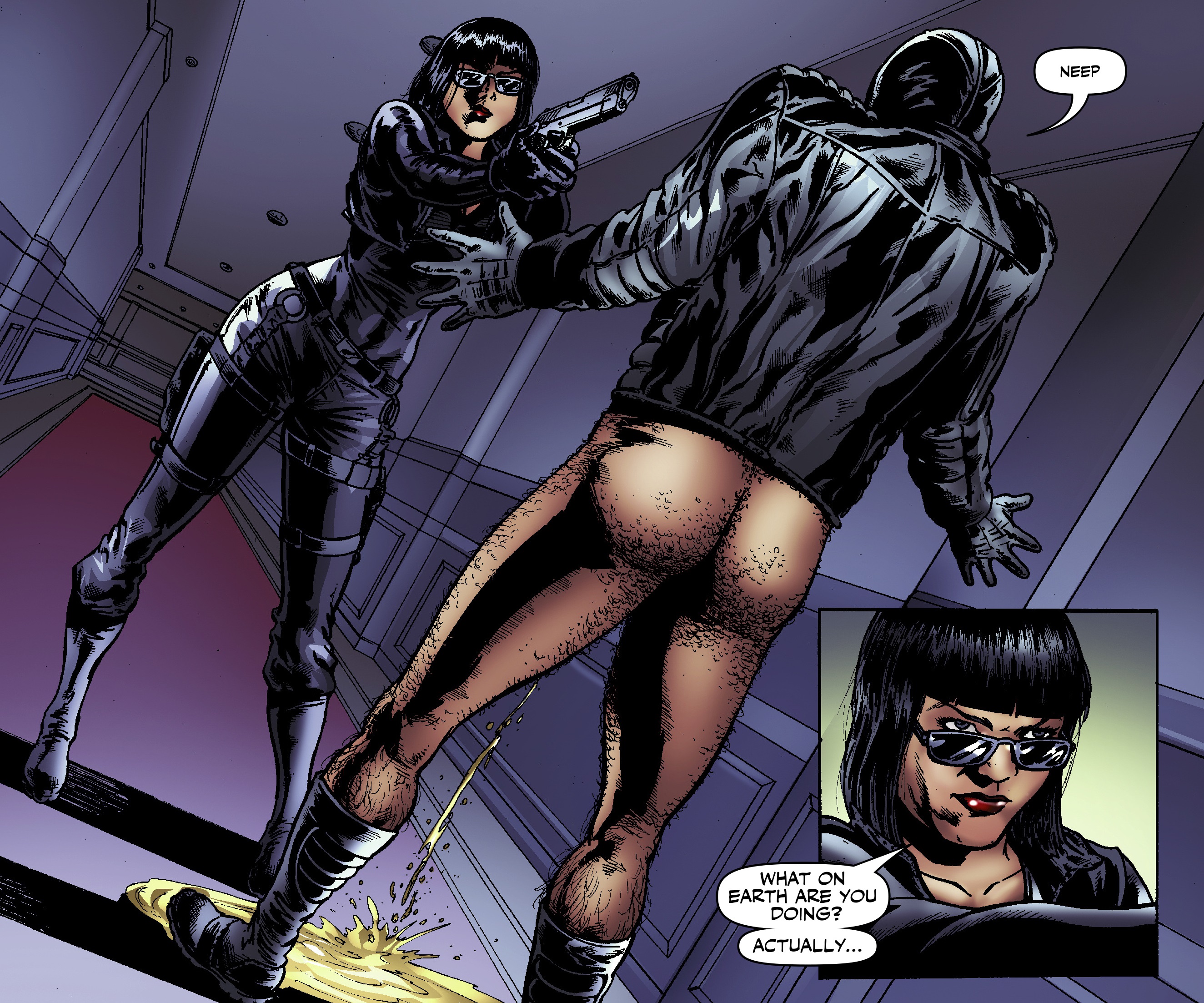 Jennifer Blood #6
Sure, there is a primal element of exploitation in the trope of the badass, big-bosomed babe with big guns. The (thematic and visual) clash between a supposedly submissive feminine figure and the kind of violent aggression traditionally associated with the realm of macho men should at the very least produce a sense of Russ Meyer-ish, Jack Hill-ish grindhouse entertainment. However, in an era when such dichotomies have been repeatedly challenged and subverted, even this gesture is no longer shocking just by itself.
In fact, we’ve had plenty of comics about ruthless criminal dames going as far back as the 1940s and, more recently, Joëlle Jones and Jamie S. Rich had much more fun mining a similar situation, in Dark Horse’s Lady Killer.
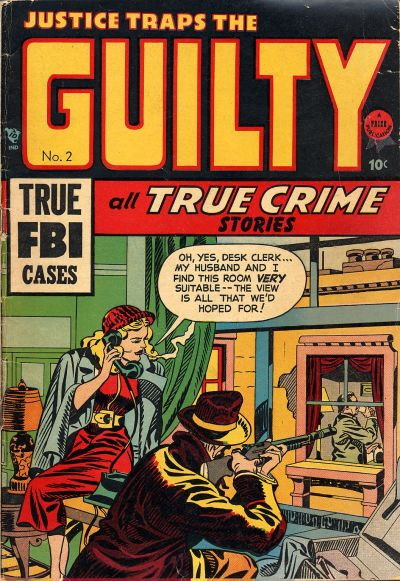
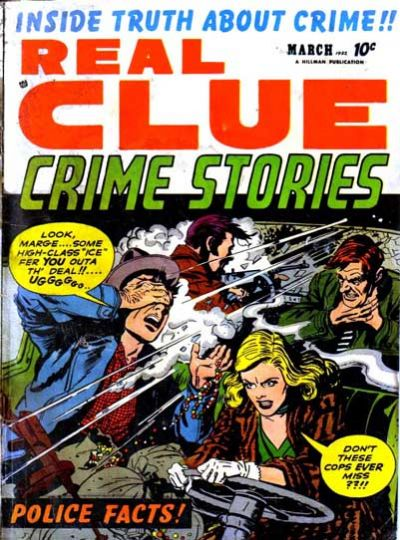
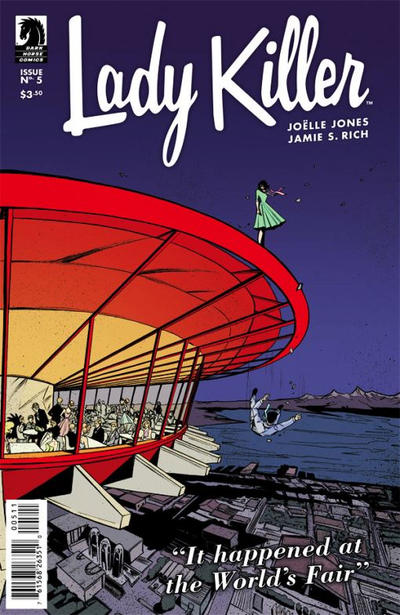
After six disappointing issues, however, Jennifer Blood became an ongoing series written by Al Ewing, who squeezed every single one of Garth Ennis’ loose ends, often with interesting results. By dealing with all the unintended consequences of Jen’s actions in the first arc, including retaliation by the surviving relatives of some of her victims (which basically inverted her initial position), the comic became both more amusing (the greater focus on the suburban setting gave a perverse TV sitcom feel to the black comedy) and more tension-driven (the stakes were higher, as Jen now had to protect herself, her family, and her home while trying to safeguard her secret identity).
Ewing did a particularly impressive job of fleshing out Ennis’ paper-thin cast, deepening the characterization of several peripheral players, such as Jen’s kids, husband, and surrounding community, plus the cops investigating the various murders. He even did a spin-off mini-series, The Ninjettes, filling the background of a trio of assassins who had showed up in the original run for little more than a cheap gag (that mini actually ended up doing a lot of world-building, establishing a whole range of characters that returned in later issues of the main series).
Al Ewing’s run also properly delved into Jennifer’s own psychological layers and inner tensions, most notably in this neat scene at the church:
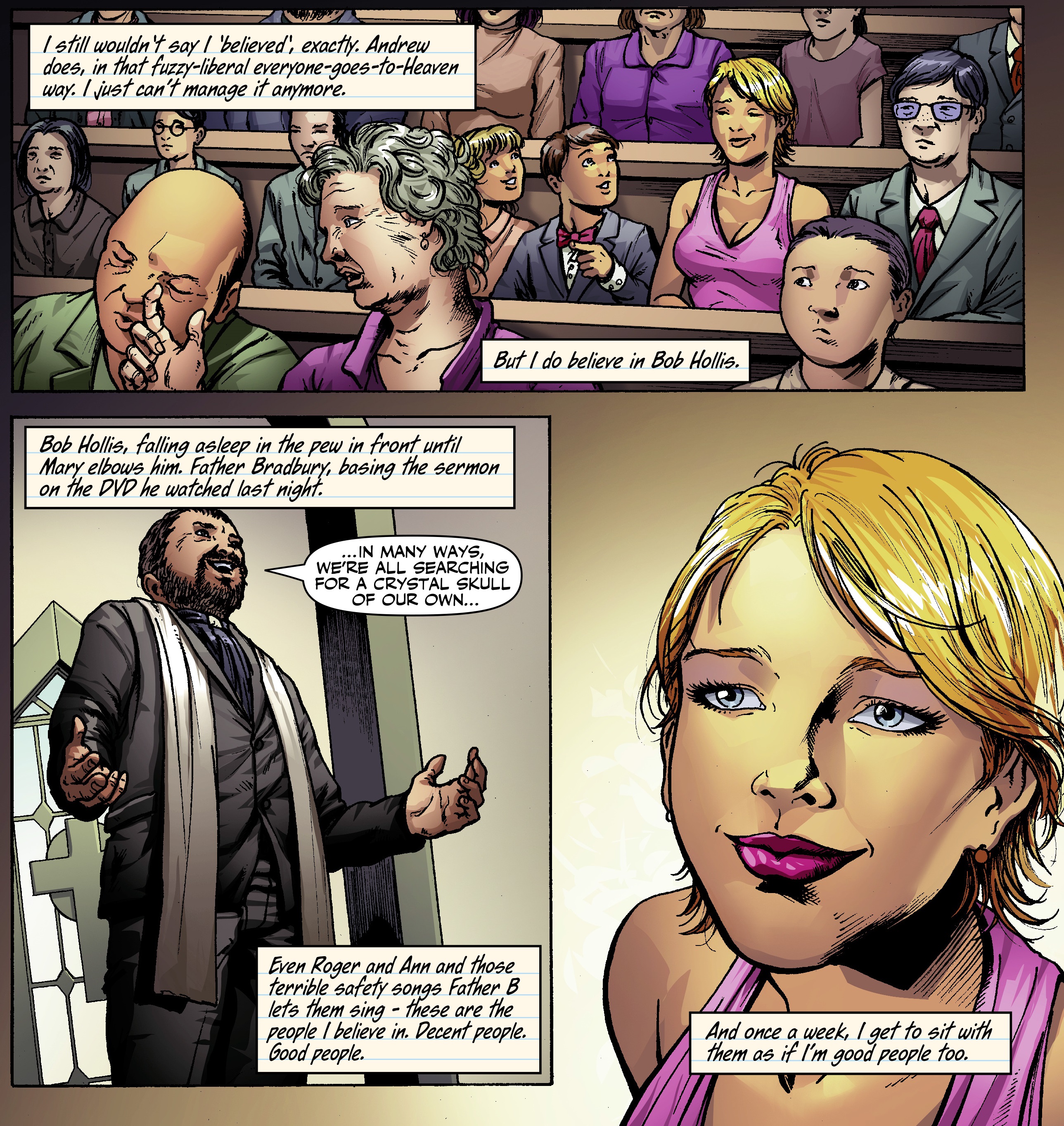 Jennifer Blood #7
If Ewing’s first issues still read like an expertly crafted pastiche of a more inspired Ennis comic (baby ninjas!), the series soon began to morph into something thrillingly unpredictable. Following an old Punisher maxim, Jennifer gradually appeared as a villain in her own book, as we got to identify with the perspectives of those around her – and of those investigating her. Moreover, the comic finally fulfilled the earlier promise of imagining a housewife with the mindset of a serial killer systematically unleashing her murderous skills against neighbors and school teachers among white picket fences. Jen’s character arc – coupled with the overlap of mundane middle-class contexts and criminal violence hidden underneath ostensibly respectable business fronts – pushed the tone closer to that of one of the most popular shows coming out at the time, Breaking Bad (issue #19 even introduced a character that felt like a cross between Mike Ehrmantraut and Ed Galbraith).
Thus, while the covers continued to advertise the same type of trashy, sexist imagery, readers who picked up the comic now found inside it a smarter take on the material, not to mention a frenetically changing status quo. Eventually, Jen Fellows was revealed as a full-on maniac who didn’t truly care for her family as much as for an idealized lifestyle that she desperately sought in order to distant herself from her vicious origins. This was consistent with Jen’s actions and attitudes earlier on, even though it undermined the Punisher-esque crimefighting fantasy that Jennifer Blood appeared to be initially built on, replacing it with a more satirical farce that occasionally ventured into bone-chilling horror. In other words, the ensuing paradigm shift was worthy of Alan Moore, as it organically moved the series into an entirely new path by logically pursuing the implications of the opening stories.
That said, it wasn’t a complete overhaul. Kewber Baal’s art ensured a visual continuity (including the tendency to depict Jen through highly sexualized poses and leering angles). Likewise, Al Ewing’s scripts prolonged Ennis’ gimmick of repurposing song lyrics as chapter titles (though not ‘Jennifer Lost the War,’ which I guess would be too on the nose). They also made sure to live up to Jennifer Blood’s rowdy spirit by keeping a steady supply of gore, kinkiness, and profanity… The Ninjettes mini was particularly hilarious – artist Eman Casallos may not excel at drawing characters in a way that helps you easily tell them apart, but at least he committedly embraced the exploitative nature of the assignment:
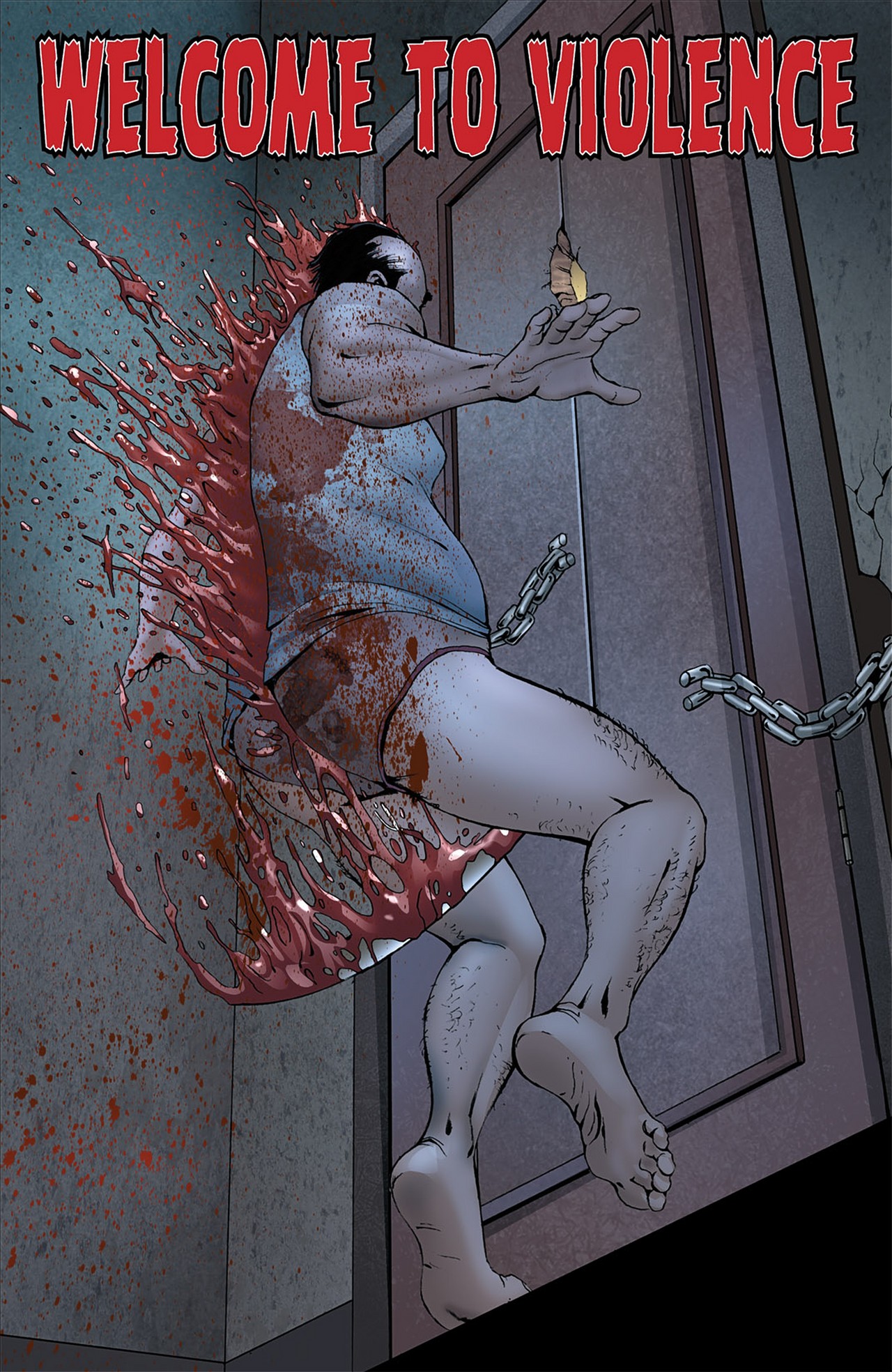 The Ninjettes #1
Ewing wrapped up his run with a trio of outstanding issues. ‘1965: My Father, the Monster’ (#24) and ‘1987: My Father, the Hero’ (Annual #1) were a couple of epilogues, set in the past, addressing Jen’s backstory and family origins. As for the incredible ‘This is the Story’ (#23), it had Jennifer, in prison, look back on everything that had happened and reframe it through different lenses. Her (mental) diary culminated in a reflection that worked both as a revealing insight about her self-perception and as a meta-commentary about the way such a commercially viable franchise was unlikely to preserve Ewing’s change of focus about the protagonist: ‘Eventually – one of these useless days – I’m going to find a way to make myself the heroine again. Eventually, there’s going to be that one perfect rationalization that justifies everything. Even now. Even after all of this. Because this is the story of Jennifer Blood.’ (Just to drive the point home, the issue finished with Jen apparently stabbed to death, even though Ewing and his editor presumably already knew the series was going to carry on…)
The main series was handed over to Mike Carroll, who wrote it until it was cancelled (at #36), presumably because he – like Ennis and Ewing – was a Judge Dredd veteran who knew how to straddle the line between having the audience root for mean leading characters and brazenly acknowledge their nastiness. Carroll didn’t exactly start off on the right foot: his first take on the property had been the lackluster mini Jennifer Blood: First Blood, which recreated the weeks leading up to the events of the original series. Talk about a slog… That one suffered from all the main problems of most prequels (fanfic flavor, needless explanations, no real suspense) while lacking the engaging shift in perspective of Better Call Saul or even Star Wars: Rogue One, not to mention the back-to-basics punch in the gut of a Batman: Year One or a Daredevil: The Man Without Fear (and artist Igor Vitorino was certainly neither Mazzuchelli nor Romita Jr.). And, sure enough, Carroll quickly turned Jen back into a cool anti-hero (hell, practically a superhero, given her credibility-straining body-healing abilities) by pitting her against all sorts of bastards and cannon fodder in a string of lean thrillers that generally lacked the irony, weirdness, and irreverence of the previous stories.
After a handful of issues, though, Mike Carroll at least seemed to recall that what made Jennifer Blood so special was that it had grown into a comic with a multifaceted take on vigilantism. Thus, before the rushed, convoluted ending, issues #31-33 did a nifty detour, looking at Jennifer’s wider impact even among people who didn’t know her personally but who were inspired or traumatized by her actions… or who sought to profit from them in different ways. These were effective standalone tales (one of which set in Carroll’s native Ireland), not least because they placed the emphasis on the series’ underlying theme of gender violence.
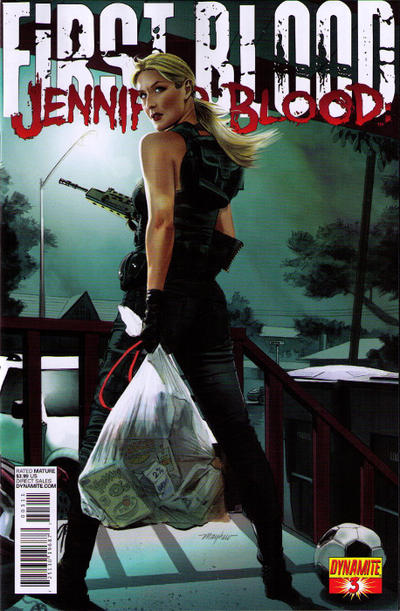
After a brief hiatus, Dynamite had another go at the character (one of the company’s few non-licensed properties) with 2014’s five-issue mini Jennifer Blood: Born Again, which picked up some months (a year?) after the end of the previous series, with Jen now hiding among a cult in Los Angeles. Instead of bringing in yet another European writer to imagine America as a land of mass murder, this time around the publisher went straight to the source and hired a homegrown creator who had pretty much established the formula for Punisher comics back in the day… Yet Steven Grant didn’t have much of a story to tell this time around, merely pitting Jennifer against a copycat (a dominatrix with a black ops background), plus a bunch of interchangeable, underdeveloped LA gangsters.
If Born Again was relatively bland and forgettable, Jennifer’s next appearance was way more eccentric. Perhaps as a response to the (understandable) accusations of misogyny regarding Dynamite’s output – especially in terms of ‘bad girl’ aesthetics – editors Hannah Elder and Molly Mahan invited the awesome Gail Simone to put together a feminist crossover starring the publisher’s female heroes and written by a host of talented women (albeit illustrated by artists that, in some cases, approached sexy bodies and postures with a fairly conventional male gaze, thus covering all the bases). The result was Swords of Sorrow, a confusing, overcrowded fantasy saga about a mysterious figure, known as The Traveller, who bestows magical blades to adventurers from different eras and dimensions in order to mount a defense against the reality-shattering Prince of All Universes… or something to that effect.
The core series had the ungrateful task of juggling dozens of characters from multiple schlocky franchises, thus wasting Gail Simone’s wit on a checkbox exercise meant to introduce the various cast members to readers (me included) who were bound to be unfamiliar with most of them. At the end of the day, not even Simone’s light touch could completely save this mess, although at least she got to write Red Sonja again (which she excels at) and she did make sure to constantly supply artist Sergio Dávila with the sort of imagery that channelled the various IPs’ pulpy roots:
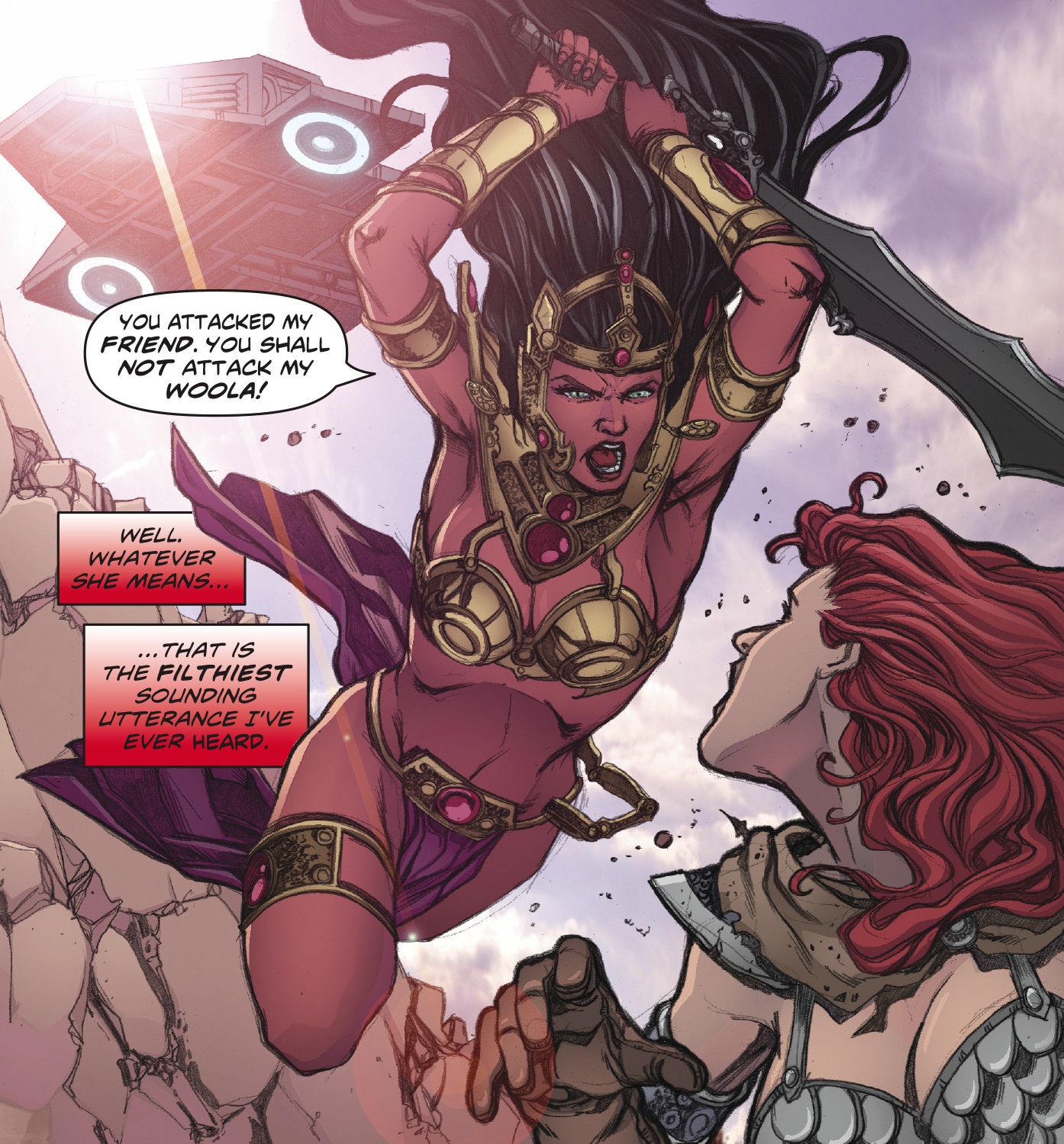 Swords of Sorrow #2
Along with the core book, there were one-shots and mini-series focusing on specific team-ups. Nancy A. Collins did the one where Jennifer Blood joined forces with the porny superhero Vampirella (whose own comics Collins was writing at the time).
Collins didn’t seem like a bad choice at all, as she’s always had a thing for comedic horror, directly riffing on Evil Dead II in her Swamp Thing run from the early ‘90s (and returning to the well soon after Swords of Sorrow, with Army of Darkness: Furious Road). The problem is that in this instance she appears to have phoned in an exposition-heavy script without bothering to develop any particularly original idea (although she did double down on the Breaking Bad references).
You’d think that in a company-wide event full of hot female killers dressed in black leather the tendency would be to highlight what distinguishes Jennifer from the rest, namely her connotation with suburban family life and her ambiguous search for a notional ‘normality’ (which could’ve made for a fun contrast with all the magical chaos), but this side of the character remained utterly disregarded. Curiously, surrounding Jen with craziness only made her feel even more generic, completing the franchise’s steady degeneration ever since Ewing had closed shop…
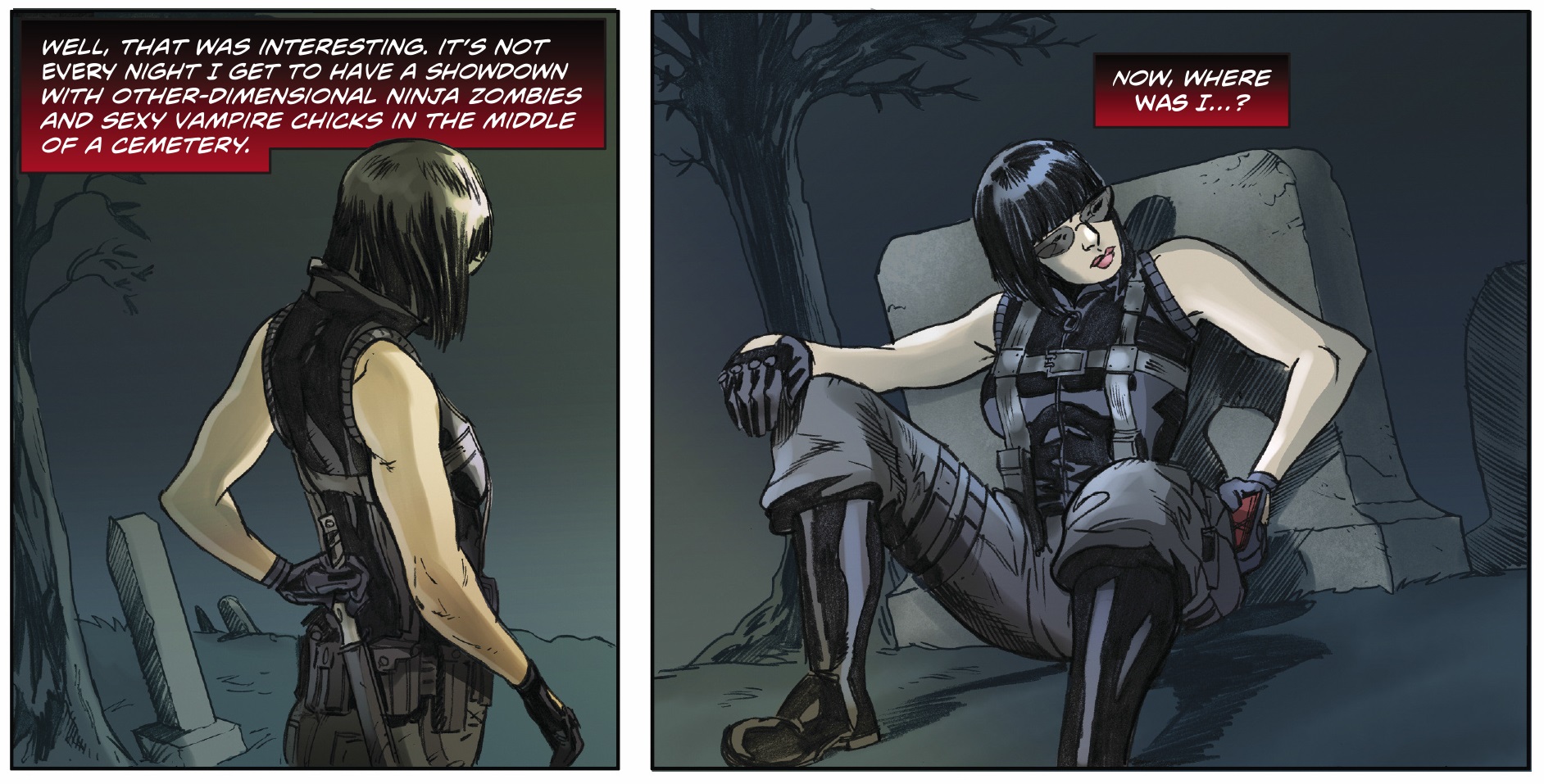 Swords of Sorrow: Vampirella & Jennifer Blood #4
For a more successful attempt at bringing together diverse Dynamite properties, then the place to look would be 2020’s DIE!namite, an interdimensional zombie outbreak saga with a tongue lodged in its cheek, as you can no doubt tell by the title. Although the premise is just as derivative (it’s a barefaced variation on Marvel Zombies and DCeased), writers Declan Shalvey and Fred Van Lente wisely limited the main cast (with Red Sonja once again taking a leading role). Thus, despite the many cameos, they got to actually develop characters and relationships among all the breakneck action and comedy. They even managed to pull off a reboot of Peter Cannon, Thunderbolt, that’s more enjoyable than Kieron Gillen’s and Caspar Wijngaard’s recent meta-series.
The sequel, DIE!namite Lives, is even funnier. Besides riffing on the covid pandemic, the comic finally brings Jennifer Blood into the party and has a blast pitting her against Ash Williams (yep, from the Evil Dead/Army of Darkness franchise), although not before applying her talents to the slaughter of the undead, as wonderfully rendered by Vincenzo Carratù!
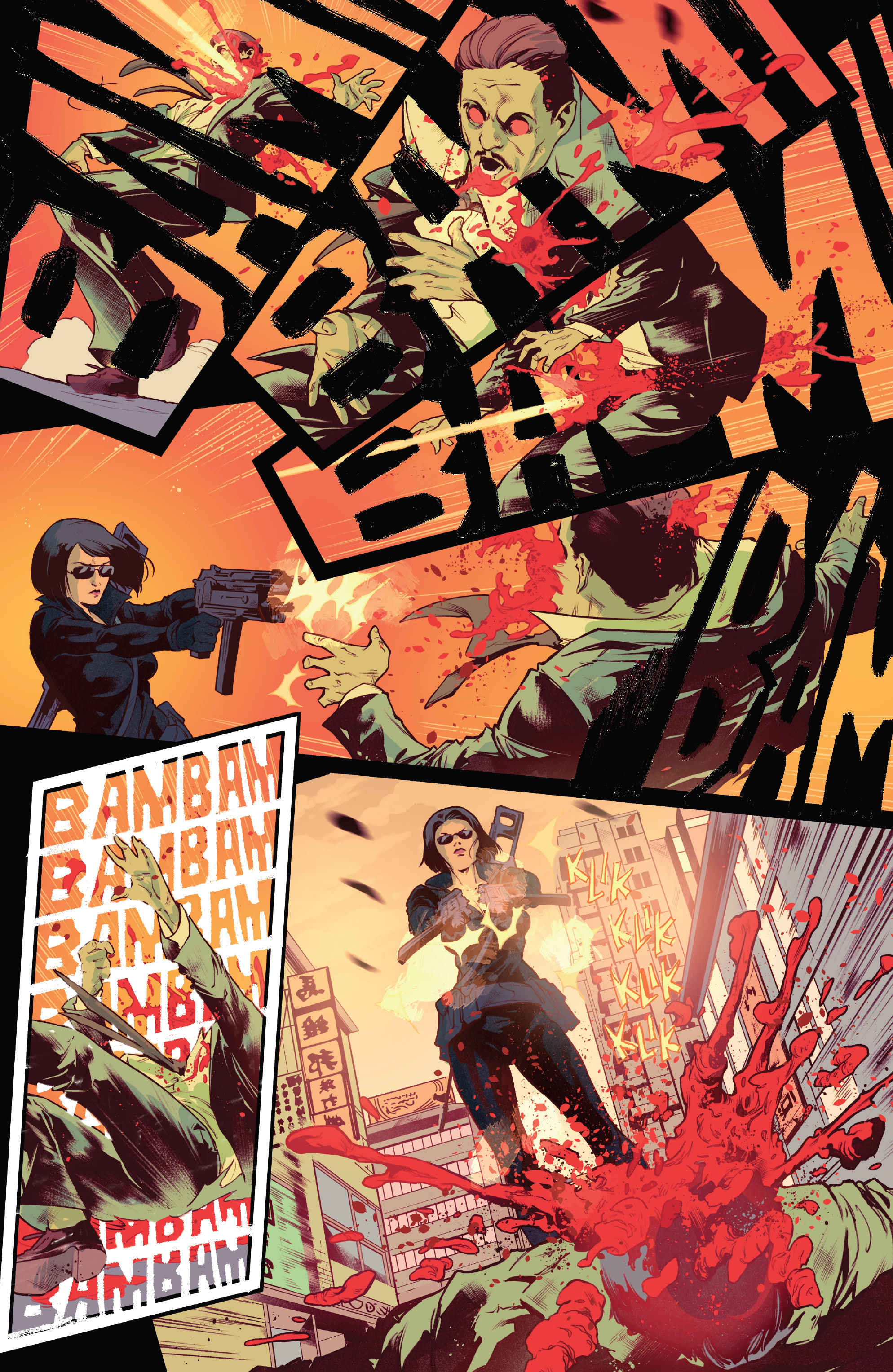 DIE!namite Lives #2
Fred Van Lente was also behind last year’s Jennifer Blood relaunch, which means that the franchise finally found its feet again. The first thing he did was to unleash Jen on an average-looking small town (basically a parody of Middle America) that turned out to be packed with criminals in the witness protection program. This was a brilliant move: it returned the character to a version of her original setting while at the same time turning things upside down… After all, here was an entire town full of Jennifer Bloods, i.e. full of extremely violent people posing as model citizens!
This time, the comic really hit the ground running. Artist Vincenzo Federici and colorist Dearbhla Kelly nailed the shine of a nostalgic Americana that seems to have popped out of a magazine advert. Plot-wise, the new series healthily disregards pretty much everything since Al Ewing’s run and puts its own spin on how the saga could’ve evolved from there (only fully revealed in the latest issue, which has a knockout twist). And if the Vampirella & Jennifer Blood mini had devoted five entire pages just to recapping Jennifer’s whole story, Van Lente efficiently told new readers everything they needed to know in less than a page… and he made it damn entertaining, to boot.
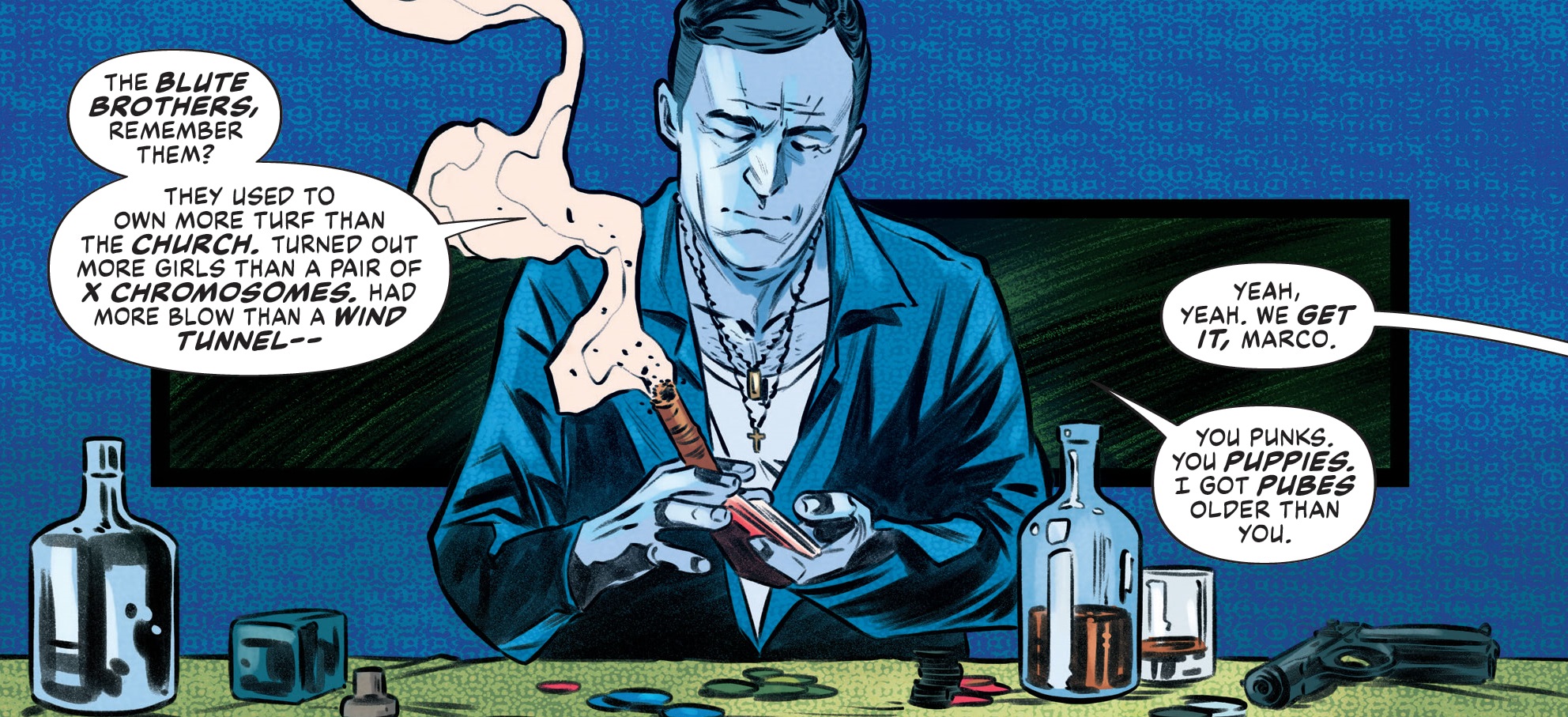 Jennifer Blood (v2) #1
Fred Van Lente did his usual trick of figuring out a property’s specific subgenre and then playing to its strengths. In this case, he situated Jennifer Blood’s brand of kitsch mayhem in the lineage of slasher movies and, particularly, of garish Italian thrillers from the ‘70s (with an obvious layer of sexploitation on top). And just as he paid tribute to different horror directors in Marvel Zombies and to John Woo in Archer & Armstrong’s gun-heavy crossover with Bloodshot, here we get a racketeer called Don Giallo whose henchmen are named after Lucio Fulci and Dario Argento…
Along with such geeky winks, Van Lente has come up with set pieces inspired by the creative sadism commonly found in slasher fiction, like when Jennifer Blood chops up a guy and burns him in his own grill (‘Wacky bitch left his hands in the sign language for ‘J’ and ‘B!’’). So far, every issue has delivered glorious bloodfests. As a result, after all these years adrift, Jennifer Blood has somehow once again become one of my most exciting monthly reads!
That said, I’m not sure Dynamite really knows how to approach what they’ve got here. On the one hand, the sleazy covers continue to do a disservice to the material inside, probably putting off potential readers. On the other hand, it’s puzzling to imagine who the publisher thinks they’re targeting with this series, since they seem OK with the ultraviolence and the sexual content, but they now draw the line at swearing…
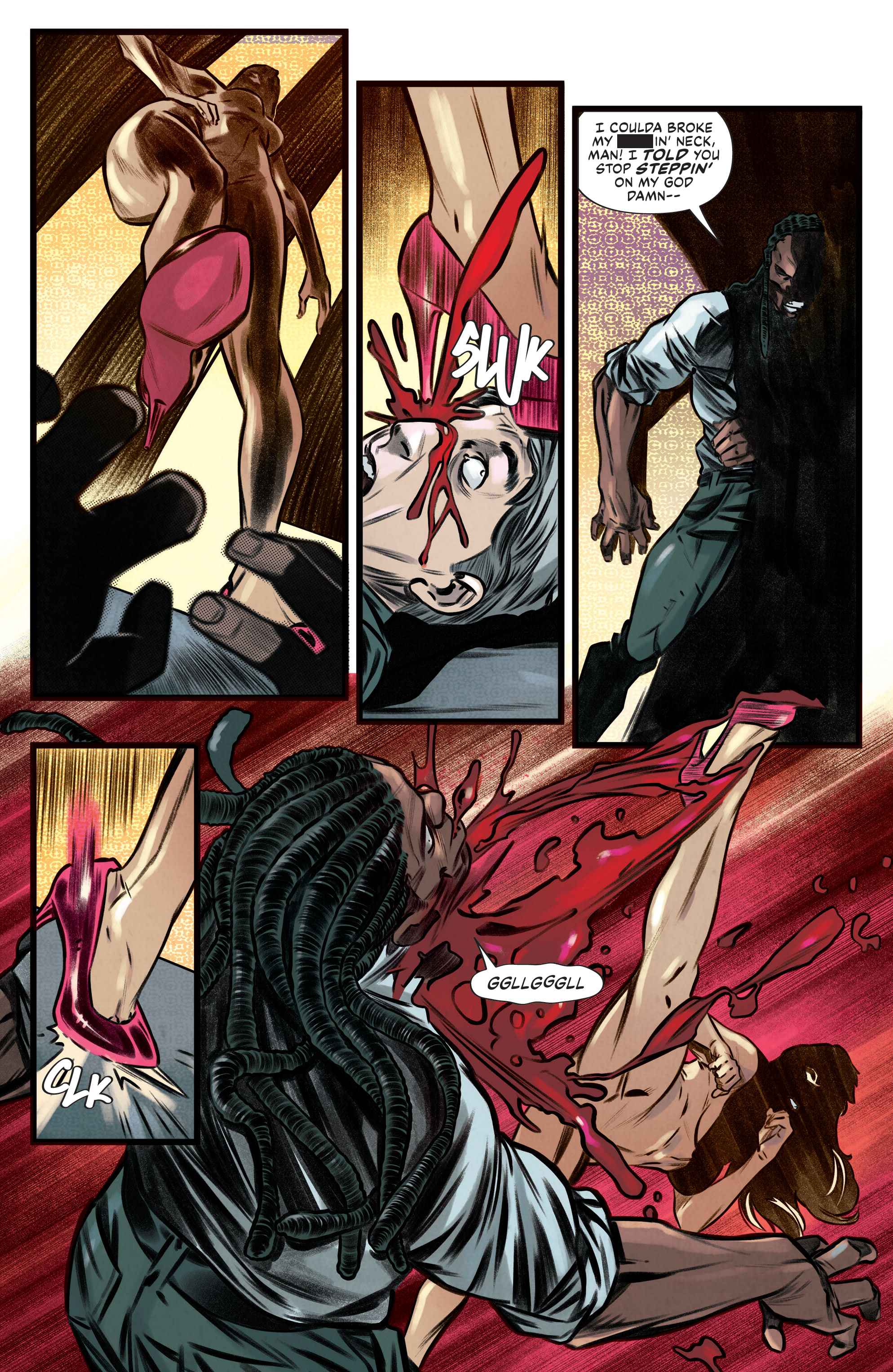 Jennifer Blood (v2) #1
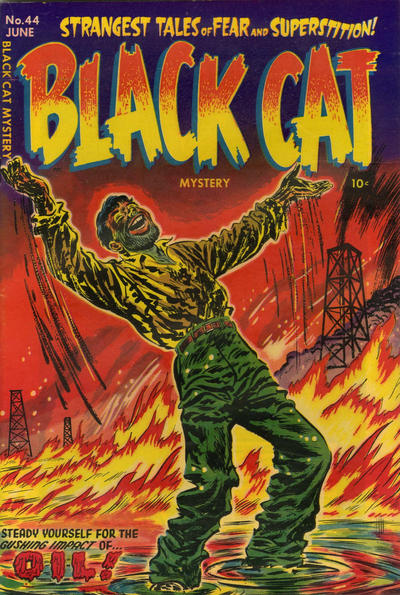
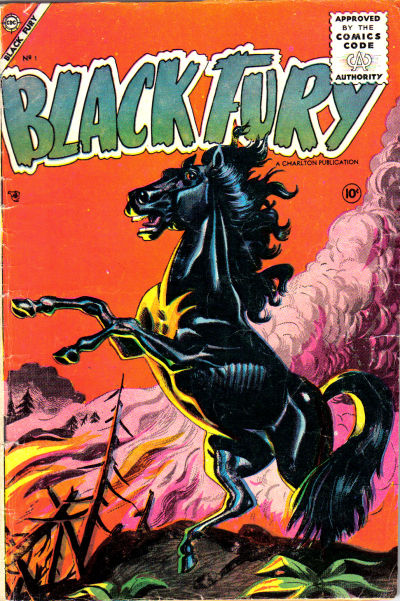
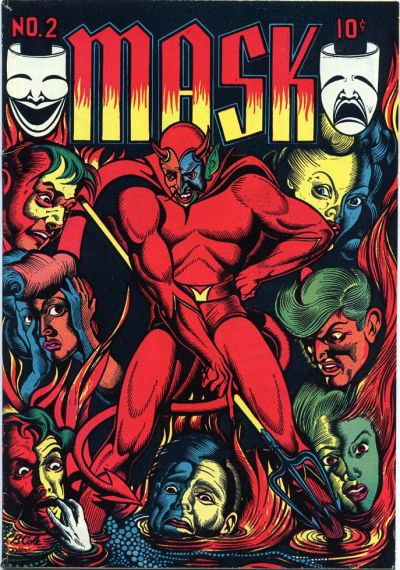
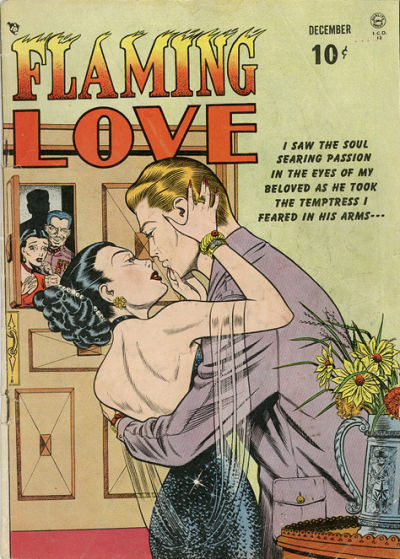
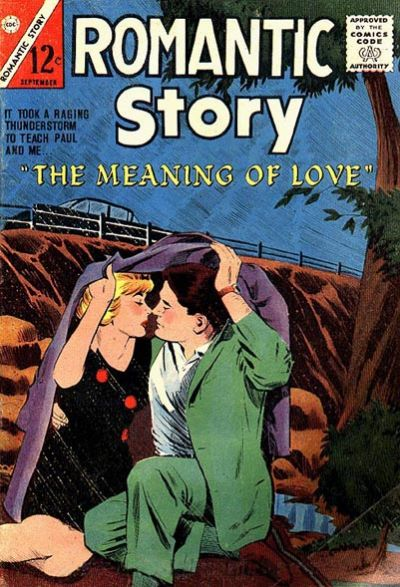
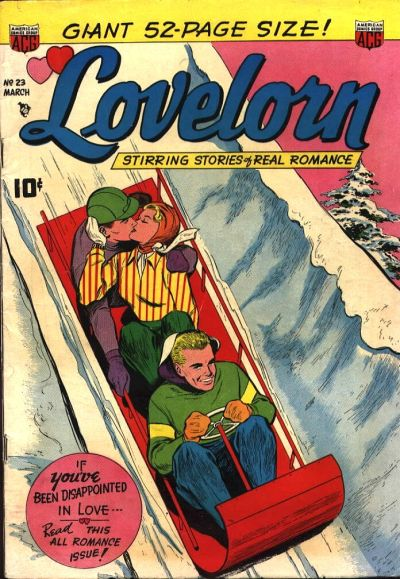
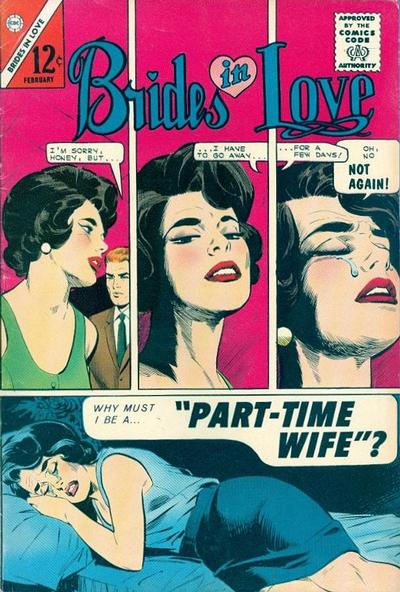
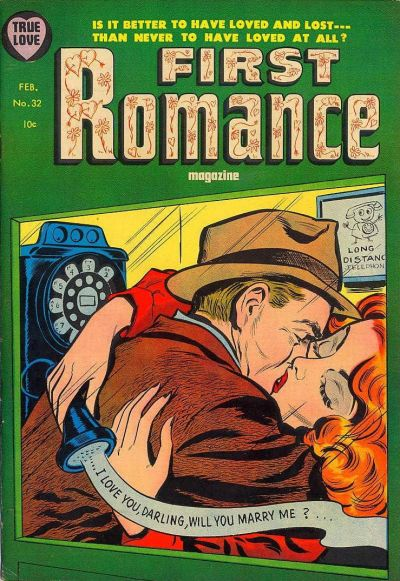
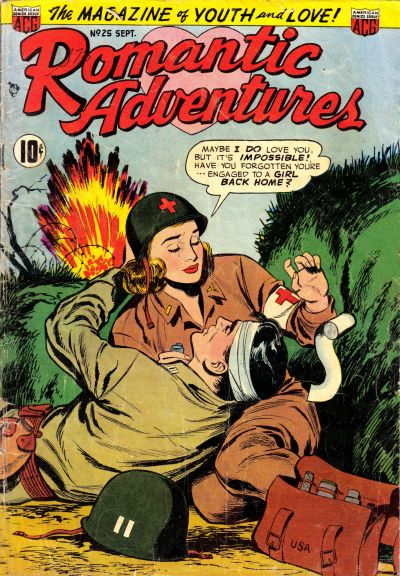
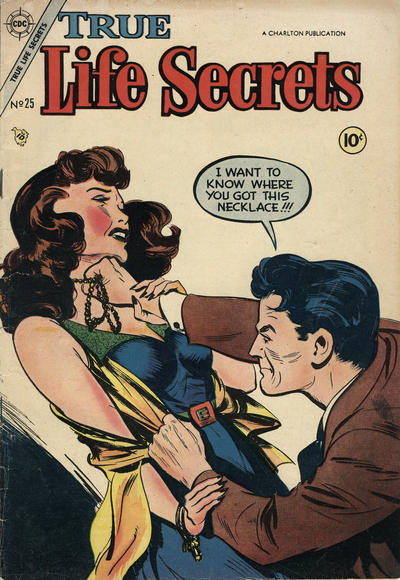
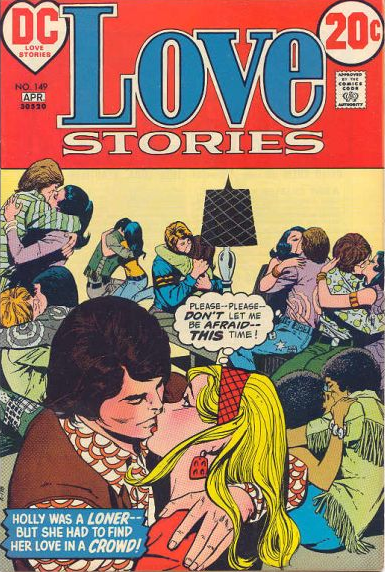
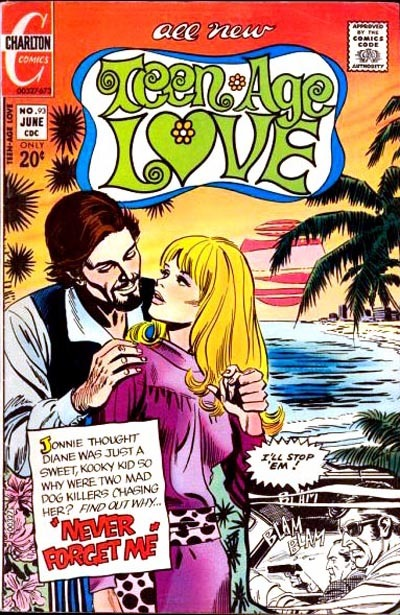
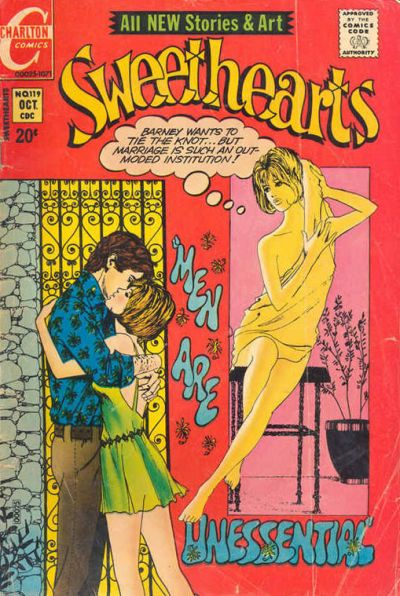
Since it’s Valentine’s Day, this week’s reminder that comic book covers can be awesome is also a tribute to America’s postwar fling with romance comics:
Like I mentioned last month, this year I’m going over the Coen brothers’ amazing body of work and recommending further films and comics for fans of each of their masterpieces. This time around, let’s focus on their outlandish follow-up to Blood Simple…
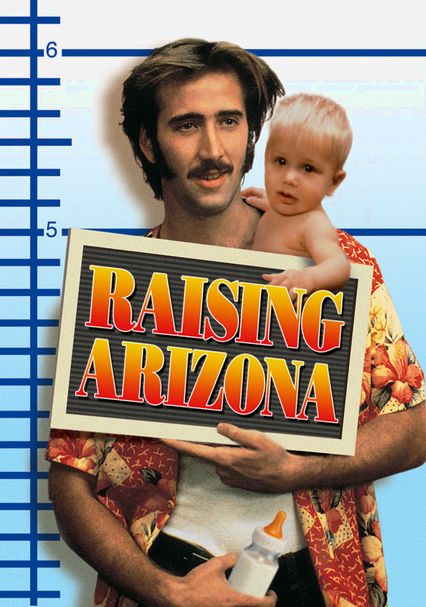
Raising Arizona (1987) is a surrealist comedy about an infertile couple (Nicholas Cage as a hilariously incompetent convenience store robber, Holly Hunter as a stiff police officer) who kidnap one of the quintuplet babies of a local furniture magnate. Wacky complications ensue, especially involving a duo of hysterical escaped convicts (John Goodman makes the first of his many appearances in the Coens’ filmography) and a cartoonish bounty hunter who may also be a vicious biker from Hell… or maybe a nightmare come to life… or perhaps the embodiment of Reagan-era fears of nuclear apocalypse! The result is a roller coaster of slapstick chase scenes, grotesque characters, and charmingly goofy gags accompanied by the sound of banjo and yodeling, all tied together by an oddly poetic voice-over, not to mention Barry Sonnenfeld’s virtuoso cinematography. Viewers who only knew the Coen brothers from the sober, understated crime thriller Blood Simple must’ve been flabbergasted by this madcap take on the genre (in turn, those familiar with Sam Raimi’s Crimewave, co-written by the Coens, were probably less shocked). And yet, for all the shouting and shooting and the unforgettable sight of Goodman bursting from the muddy ground as if from a grave – or a womb – the movie is surprisingly tender, closing on a whimsical note.
(It was also a pretty blatant inspiration for the NBC sitcom My Name Is Earl.)
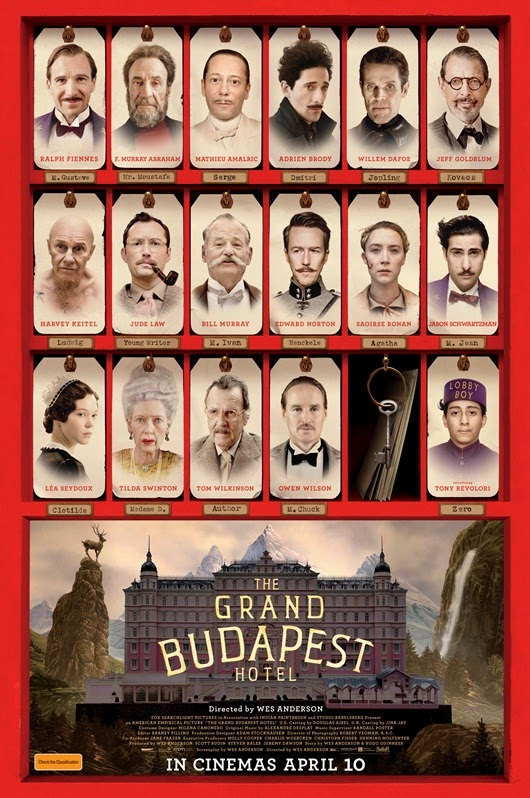
If you’re into this kind of stylized extravaganza, an obvious next stop are the deadpan tragicomedies of Wes Anderson, whose lunacy also tends to be drenched in bittersweet melancholia. My pick would be The Grand Budapest Hotel, an explosive farce, painted in psychedelic colors, that follows the misadventures of a 1930s’ hotel concierge in Zubrowka (one of those fictional Central European states where everyone speaks with a different accent). Sure, the setting couldn’t be more different from Arizona and the movie owes a greater debt to the sophisticated works of Ernst Lubitsch, Leo McCarey, and Max Ophüls than to the Coens’ gonzo Americana… but they nevertheless share a breakneck pace, visual imagination, and the ability to constantly extract humor from the clash between elaborate speeches and sudden bursts of violence and rudeness. (Plus, Willem Defoe plays a possible ancestor of Raising Arizona’s demonic biker.) While all of Anderson’s movies are funny and bizarre, The Grand Budapest Hotel is the one where he fully unleashed his comedic id (and his subsequent works – Isle of Dogs and The French Dispatch – have been even more manic!).
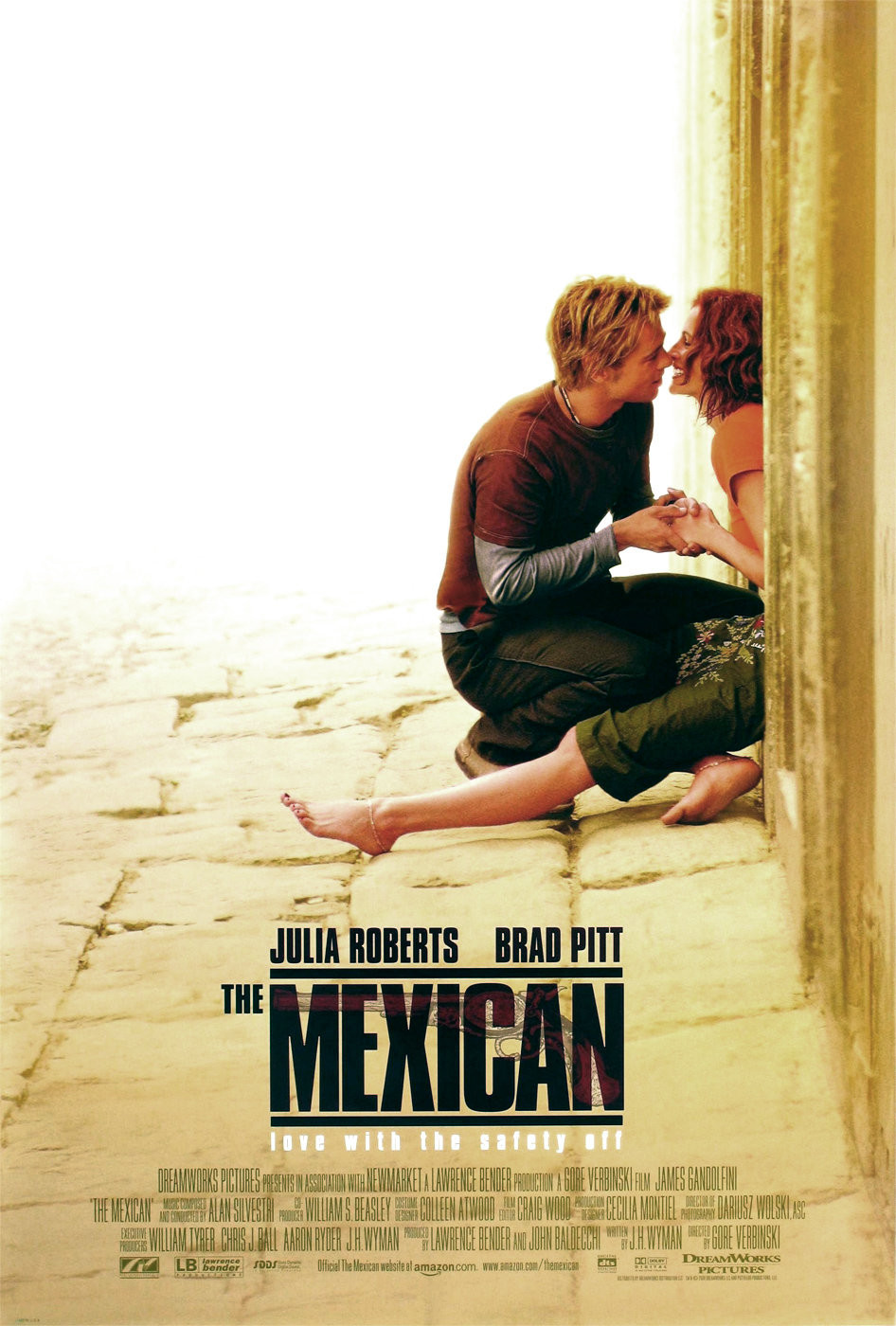
What if the overblown aesthetics and magic-like absurdity aren’t the main things drawing you to Raising Arizona, but rather its lighthearted, western-tinged, twisty tale of a likable, if inept, lowlife biting off more than he can chew, much to his companion’s chagrin? In Gore Verbinski’s The Mexican, the MacGuffin is an antique pistol rather than a baby – and the wild card is now James Gandolfini, whose professional killer can go from menace to warmth in a heartbeat (‘I’m just here to regulate funkiness’), but at the core of the movie is once again a troubled relationship between two lovers screwed by the system/fate/their own misguided decisions. And while the final product is way less zany than any of the abovementioned films, The Mexican is nevertheless a fun romp that doesn’t skimp on the frantic chases and gunfights.
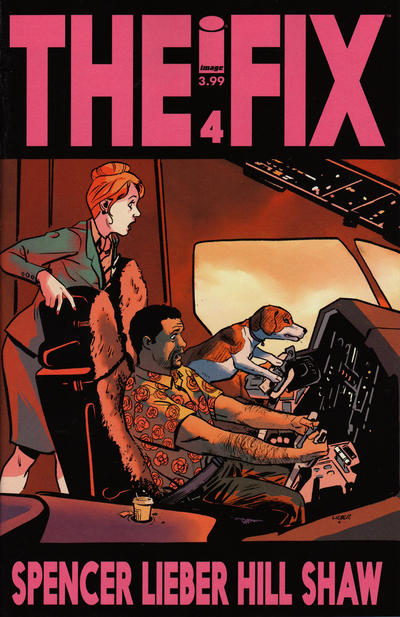
In terms of comics, my recommendation this time around is one of the most Coen-like crime comedies in recent memories: The Fix.
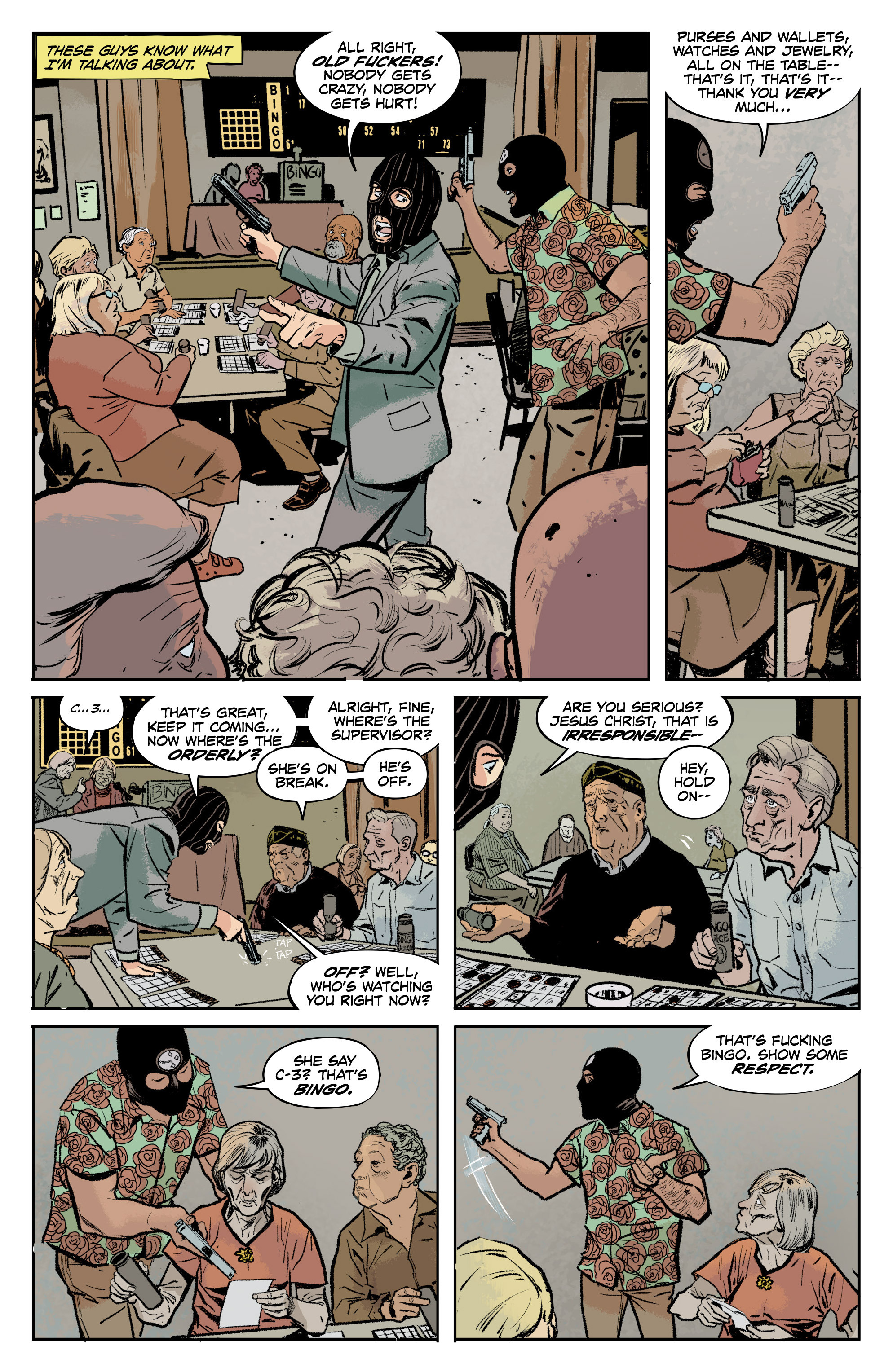
With twelve uproarious issues – collected in three books – out since 2016 (and sadly on hiatus since 2018), The Fix also focuses on a couple of fuck-ups involved in a frenetic string of amusing armed robberies gone wrong, often resulting in rollicking moments of physical comedy. Hell, even though Nick Spencer writes the protagonist with a much more cynical personality than Nicholas Cage’s heartfelt, well-meaning outlaw, I cannot help hearing his droll, unreliable first-person narration in Cage’s voice, with the actor’s characteristic cadence. Plus, Steve Lieber’s artwork, combined with Ironbark’s and Marshall Dillon’s letters/design, matches the Coens’ comic timing and formal inventiveness, conveying the humor not just by clearly depicting the situations themselves, but through original ways of framing them. That said, be warned: The Fix is way more mean-spirited – and raunchier! – than Raising Arizona, so this is a comic for those who appreciate the film’s exuberant sense of folly more than its sentimentality…
A dynamic reminder that comics can be awesome…


If you just look at the artwork in The Adventures of Tintin, it’s hard to deny the series’ ethnocentrism, since Hergé’s drawings – as was usual at the time – tap on recognizable stereotypes. If you look closely at the stories, though, it’s a bit more complicated. You can definitely find a humanistic strain in there, with empathy towards victims of imperialism going even as far back as Tintin in America, which, regardless of its caricatural portrayal of Native Americans earlier on, does contain this unforgettable slice of satire:
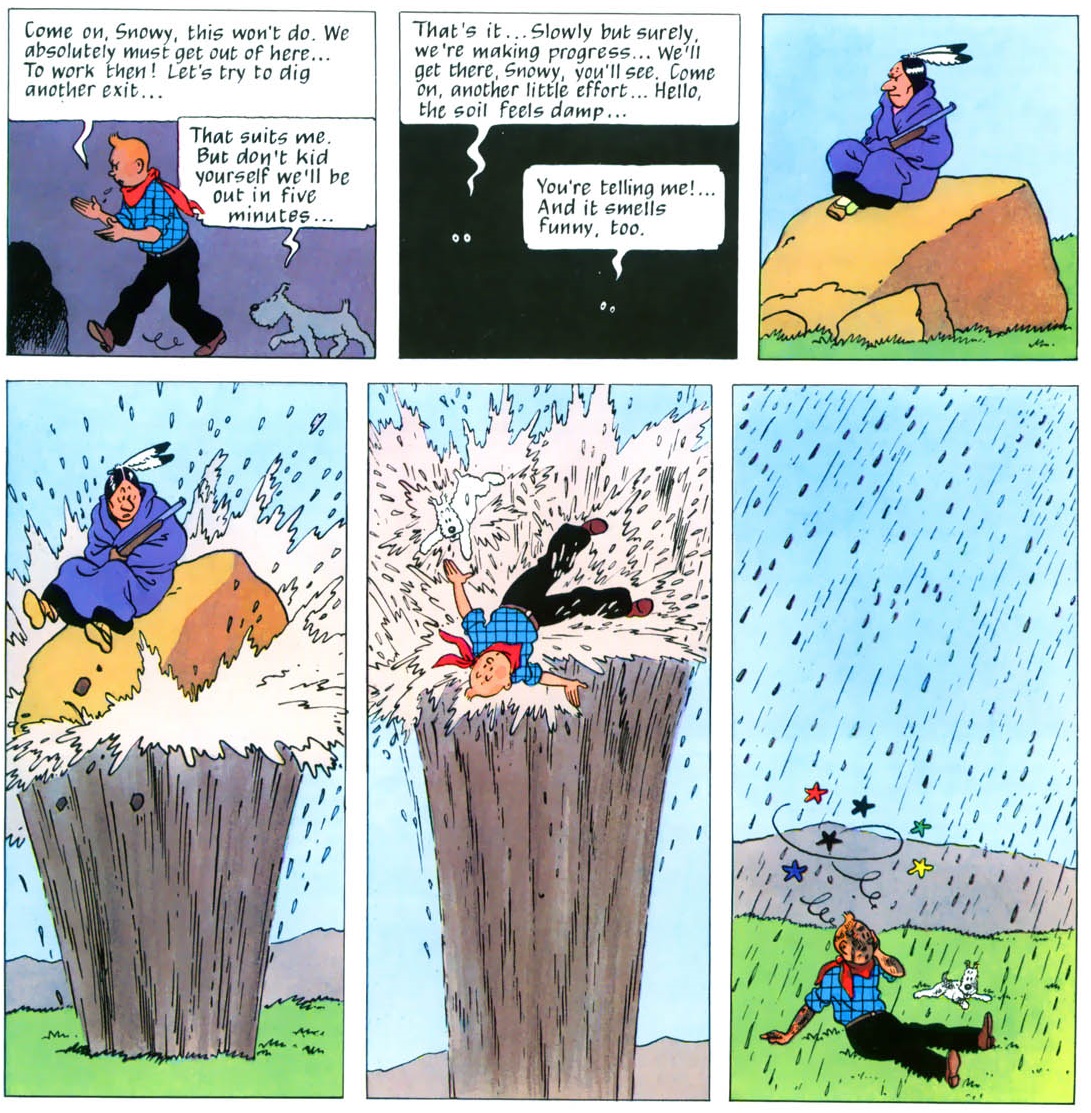
 Tintin in America
Captain Haddock aside, openly racist characters are villains and Tintin clearly opposes at least the most vicious forms of bigotry, even in some of the comics from the 1930s. For example, in The Blue Lotus he stands up for a rickshaw driver being verbally and physically assaulted by a western asshole and, later in the story, he befriends a local kid, Chang, by mocking all the stupid myths Europeans believe about China. Sure, even this smacks of a certain ‘white man’s burden’ protective mentality (colonial officers are often allies in the early books), to which you can add a tinge of orientalism and a ‘clash of civilizations’ vibe (as is typical of the whole genre of adventure yarns about western characters encountering danger in exotic lands), although it is worth noting that The Blue Lotus and Chang’s character in particular were inspired by Hergé’s real-life friendship with Chinese artist Zhang Chongren. And while the depiction of many of the Europeans as bumbling and/or evil may not quite make up for the fact that the characterization of non-whites often falls into tropes (sometimes played for laughs) about simple-minded or culturally baffling foreigners, I’d still stress that there is variety among those depictions, including plenty of sympathetic and dignified characters.
The result can be an interesting mess of progressive values and culturally insensitive choices, taken to a complex extreme in The Red Sea Sharks, a 1950s’ tale about modern slavery that jumbles up comical prejudice and passionate anti-racism, tolerance and Islamophobia, sympathy and condescension, human rights discourse and dehumanizing, racialized artwork, including a vast web of characters portrayed with different attitudes along this spectrum…
 The Red Sea Sharks
(By contrast, I think Hergé was quite deft at handling the – sadly still quite topical – issue of the discrimination of Romani people in Europe, in The Castafiore Emerald.)
Indeed, for all of Hergé’s positivist and Eurocentric mindset, curious moments of tension keep popping up (no wonder we’ve gotten a whole field of studies devoted to his work, with a host of specialized critics and scholars – so-called Tintonologists – dissecting its many layers…). Just before Tintin and Haddock embark on a journey that will eventually take them to Peru, following the trail of an Inca mummy’s curse and encountering sinister indigenous conspiracies and ignorance along the way, we get this intriguing exchange about archaeologists pillaging foreign ruins:
 The Seven Crystal Balls
(I’m not sure if this is meant to represent an illuminated voice of reason or a supposedly conservative viewpoint, especially as Tintin doesn’t explicitly reveal his own stance on the issue…)
As usual, I am particularly interested in the depictions of international politics. The Blue Lotus denounces the Japanese occupation of China (depicted in a frantic montage similar to the one from Tintin in America above, once again using hyper-compressed storytelling to a powerful effect). The Calculus Affair has the secret services from fictional European powers competing for the plans of an ultrasonic device, at the height of the Cold War, with the heroes taking a pacifist moral stance (the issue isn’t which nation gets its hands on the invention, but the very fact that anyone could weaponize it). The Broken Ear cynically mocks Latin American dictators – as well as revolutionary rebels – as prepotent, selfish, and corrupt, although it also takes a pointed jab at Anglo-American capitalism, with oil companies and arms dealers promoting an entire war in the name of profit. Hergé returned to the latter themes and setting forty years later, in the mid-1970s, with Tintin and the Picaros, whose closing panels are a devastating indictment of power politics (positing that, even if Tintin could orchestrate a bloodless coup, the Third World needed much more than that).
Land of Black Gold merges plot threads about looming war, sabotage by an unidentified foreign power, and corporate competition for oil exploration. The fact that the full explanation for this conflation is amusingly sidestepped at the end (much like Hitchcock would do in North by Northwest) reflects the book’s own convoluted origin – its story was first serialized at the dawn of WWII, from September 1939 until May 1940, when it was interrupted by the German invasion of Belgium, and was finally completed a decade later, from September 1948 to February 1950, at the dawn of the Cold War. As if this wasn’t enough, Land of Black Gold was then redrawn in 1971 (i.e. during the Cold War’s détente phase) by Hergé and his assistant Bob de Moor, at the request of the British publisher Methuen, transferring the setting from UK-administered Palestine to a fictional Middle Eastern state (to which Tintin returned in The Red Sea Sharks, arguably the most politically rich book in the series, interconnecting several facets of international relations, from arms deals to human trafficking, from Latin American and Middle Eastern coups and civil wars to supporting bits by Soviet and American players…).
All in all, we get a sinuous tour through mid-20th-century geopolitics, even if the political intrigue is always at the service of the stories, not the other way around. Although I suspect Hergé was truly interested in the changing world around him, Tintin’s realism seems more like a sparse condiment than like a major concern. Hell, with their abundant tunnels, trapdoors, and disguises, these comics hit that sweet spot of unabashed pulpy entertainment, the kind you also find in many episodes of Mission: Impossible (like ‘The Cardinal,’ ‘Operation Heart,’ or ‘Old Man Out’), delivering a non-stop barrage of two-fisted thrills.
 The Red Sea Sharks
It’s hard to overestimate how much of Tintin became the template for a certain brand of lighthearted adventure fiction. In Eurocomics, its influence ranges from the cartoonier Spirou & Fantasio to the more adult-oriented Blake and Mortimer. In cinema, besides the live-action adaptations (Tintin and the Golden Fleece and Tintin and the Blue Oranges, both featuring original storylines), these comics inspired plenty of fun movies, such as the obscure Balearic Caper or the more famous (and awesome) That Man from Rio, itself a pretty blatant inspiration for Steven Spielberg’s Indiana Jones pictures (together with Fritz Lang’s The Spiders, Jerry Hopper’s Secret of the Incas, and Lewis R. Foster’s Hong Kong). Spielberg himself would later go directly to the source in 2011’s The Adventures of Tintin: The Secret of the Unicorn (which makes up for what it lacks in depth through relentless action scenes).
Although less obvious, I’d say you can also draw a clear line to the 1960s’ Fantômas movies and to the original Pink Panther film series, which shared similar aesthetics and physical comedy (albeit naughtier), with Inspector Clouseau coming off as a composite version of the hilariously incompetent police brothers Thomson and Thompson (aka Dupont and Dupond).
 The Secret of the Unicorn
Speaking of cinema, before I finish, as a film geek I must point out the similarities between the series’ most acclaimed entries – Destination Moon and its sequel – and Irving Pichel’s movie of the same name, which likewise came out in 1950. Besides anticipating the mechanics of space exploration with impressive detail despite having been conceived almost two decades before the actual moon landing, these works also share a Cold War-ish subplot about international competition in the space race.
What I most admire, however, isn’t the relatively accurate depiction of space travel, but the way the comics capture the sense of going on a daunting voyage. Even re-reading these books now, in an age when billionaires keep visiting the edges of the Earth’s atmosphere at will, it’s stirring to see Tintin and his friends fearfully embark on this journey… and it’s just as amazing to see Hergé smoothly blend tension, humor, wonder, and sharp characterization into a single sequence:

 Destination Moon