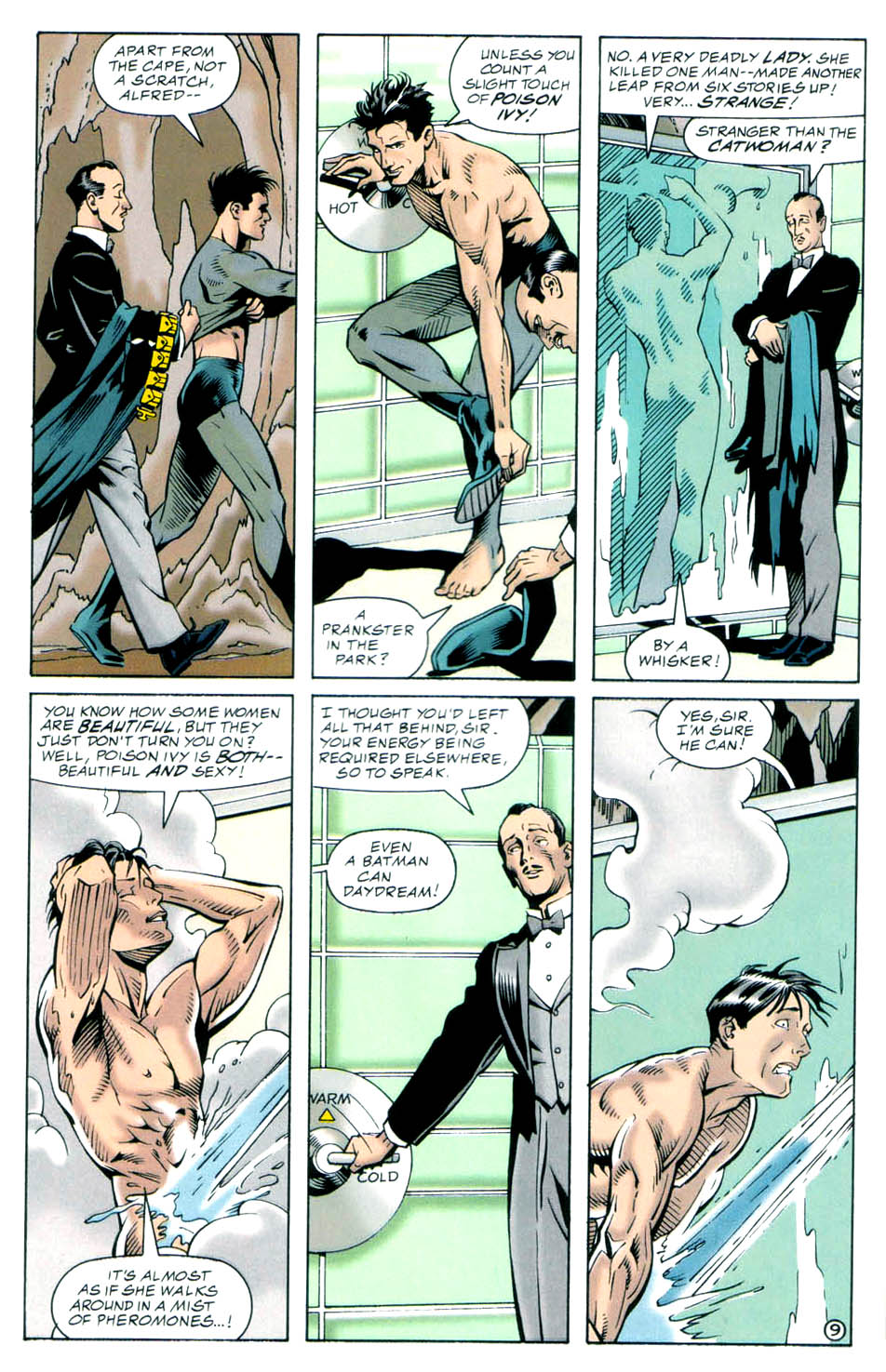
On Dynamite’s James Bond – part 2

If you read last week’s post, you know I’ve been looking back at the James Bond comics published by Dynamite in these last few years.

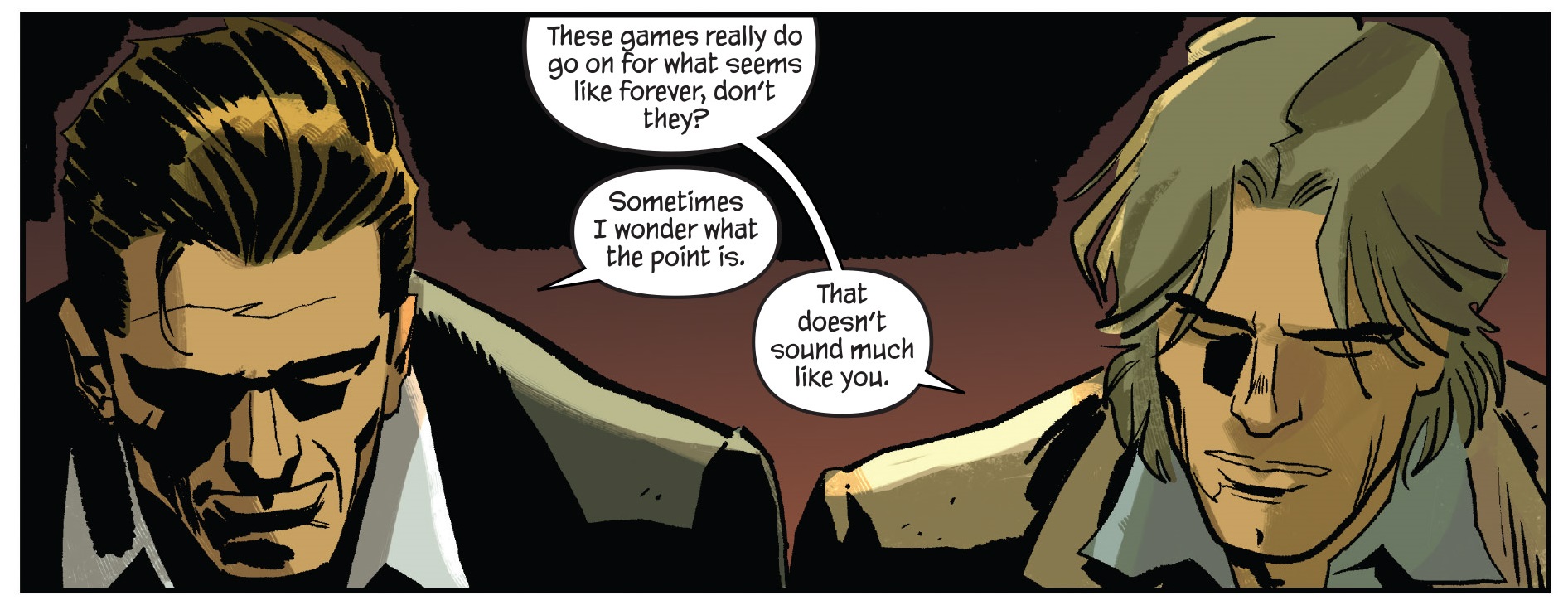
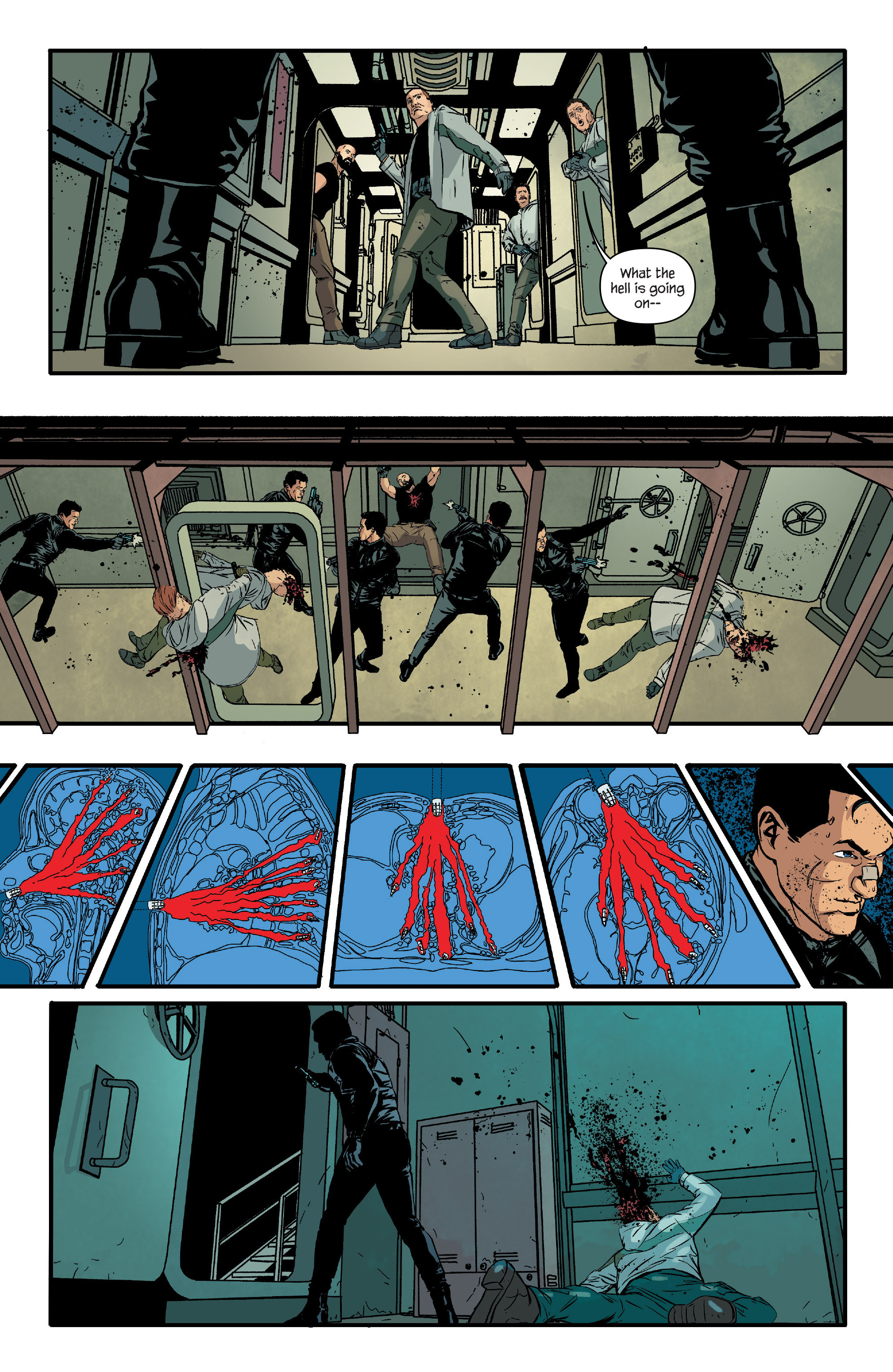
By securing some of the industry’s top talent, this publisher has been able to churn out a fair amount of cool one-shots and mini-series without devaluing the brand too much. Among my favorites were Ibrahim Moustafa’s darkly comedic Solstice and Ales Kot’s typically conceptual The Body. Powerfully drawn by a host of angular artists (Luca Casalanguida, Antonio Fuso, Rapha Lobosco, Eoin Marron, Hayden Sherman), the latter six-issue series was a quasi-anthology of loosely connected Bond stories delving into different aspects of the character, titled ‘The Body,’ ‘The Brain,’ ‘The Gut,’ ‘The Heart,’ ‘The Lungs,’ and ‘The Burial’ (each of them both literal and metaphoric terms, of course). I’m usually annoyed by Kot’s keenness to show off his cleverness and I think 007 – much like the Punisher – is one of those characters that generally works best the less seriously you psychoanalyze him, but here, as a one-off project deconstructing Bond, the result was pretty satisfying!

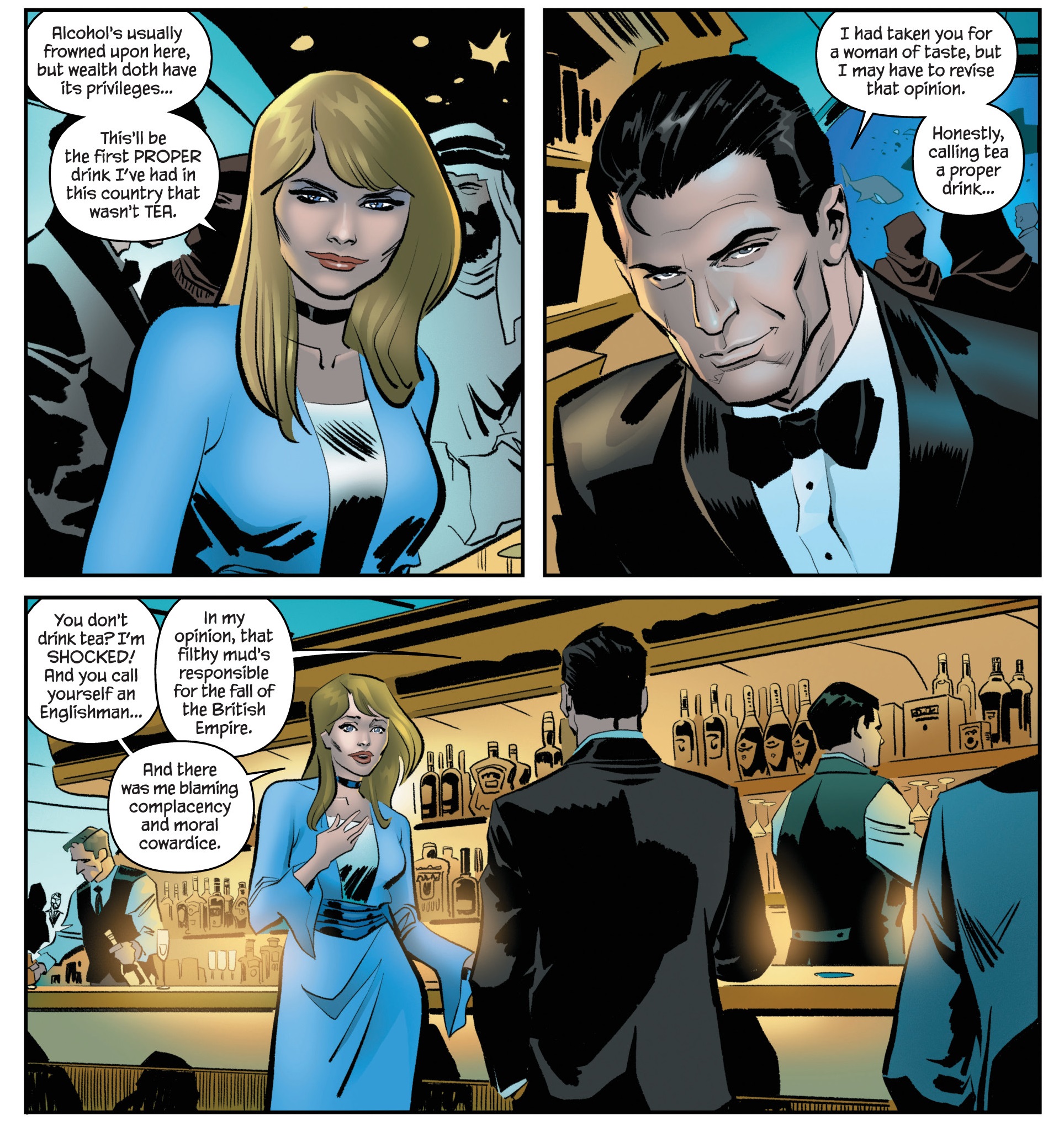
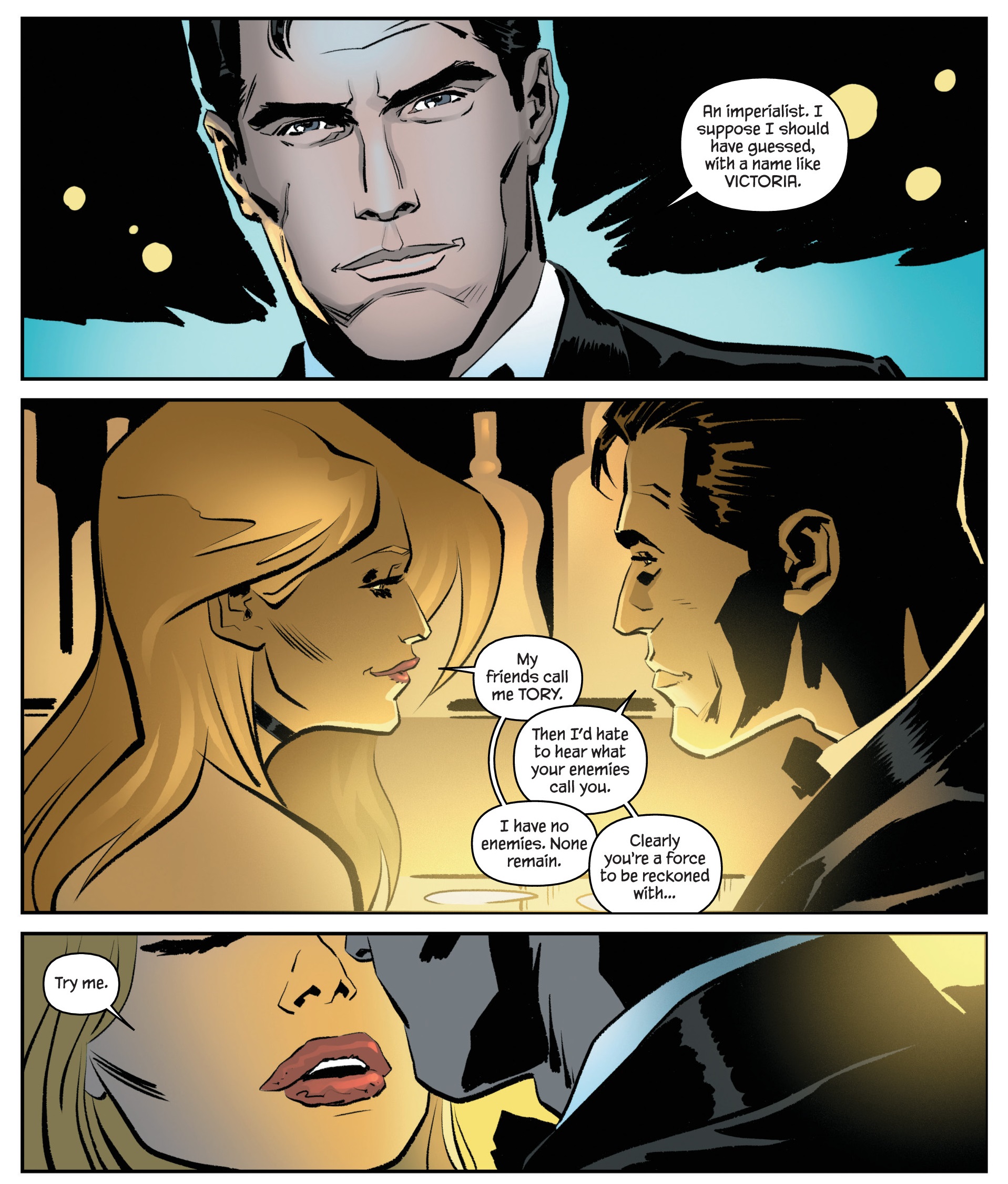
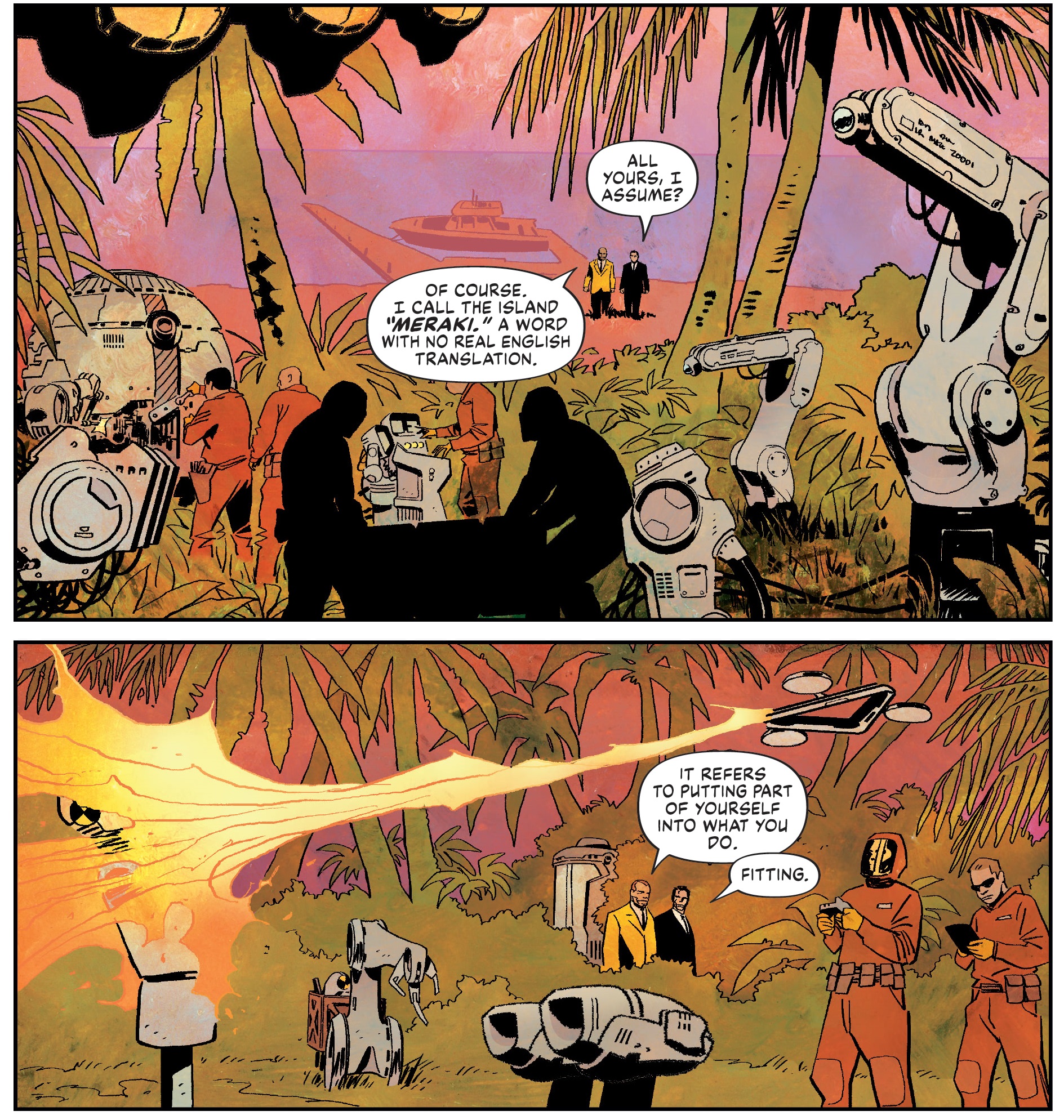
077The Body #6

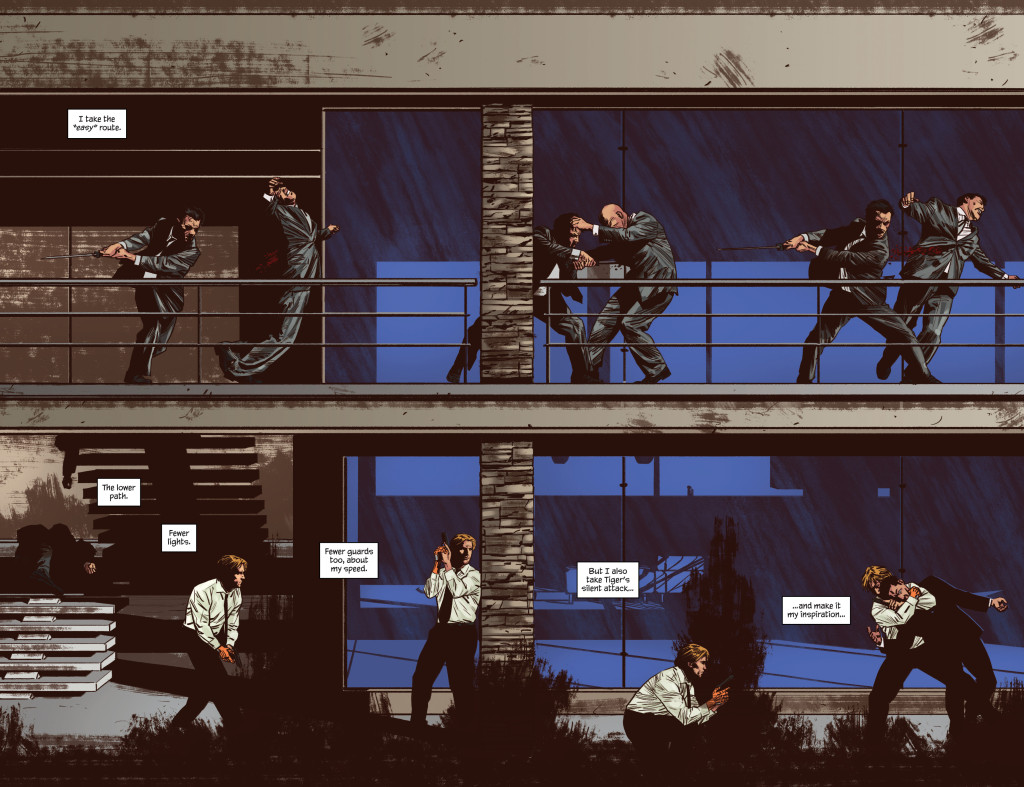
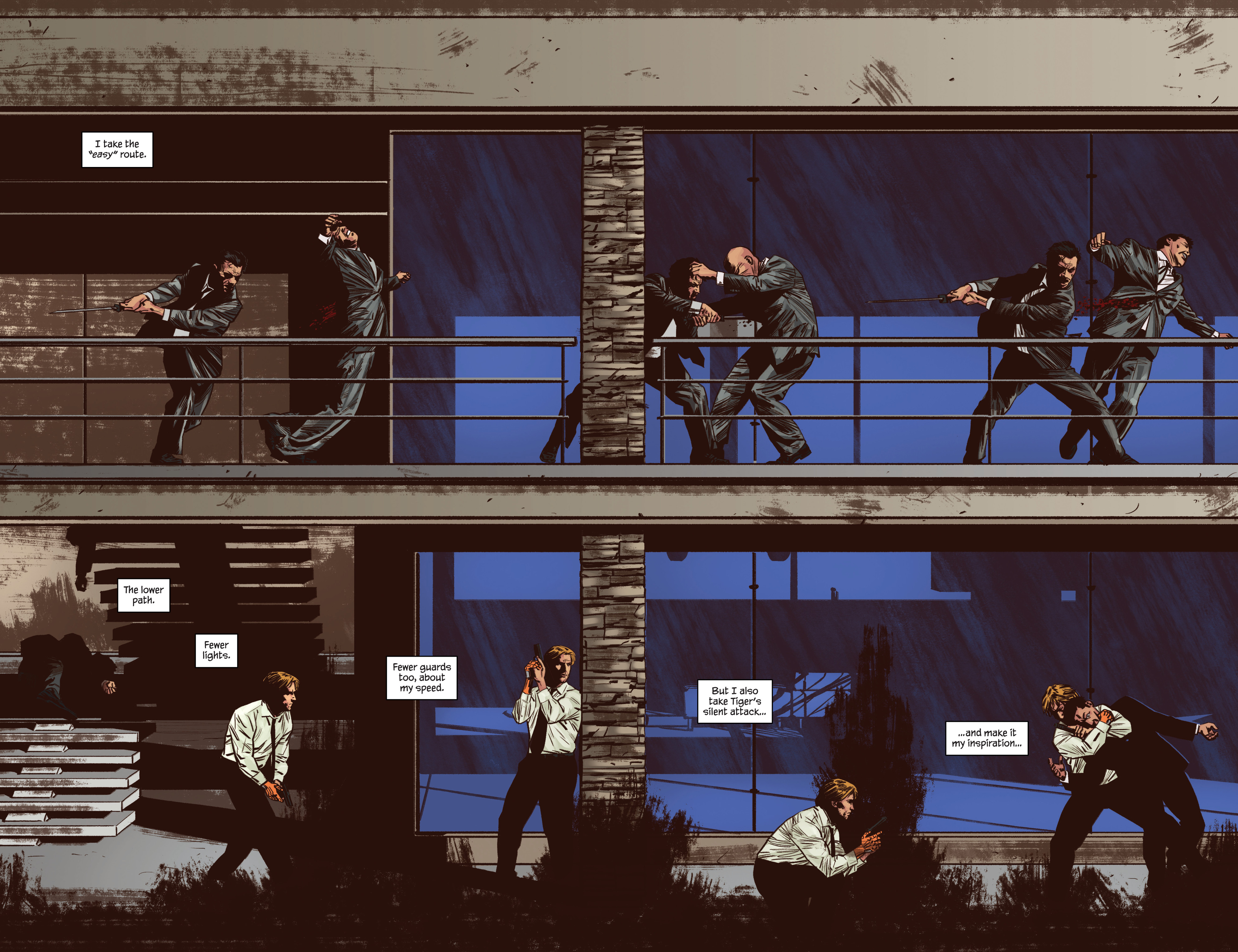
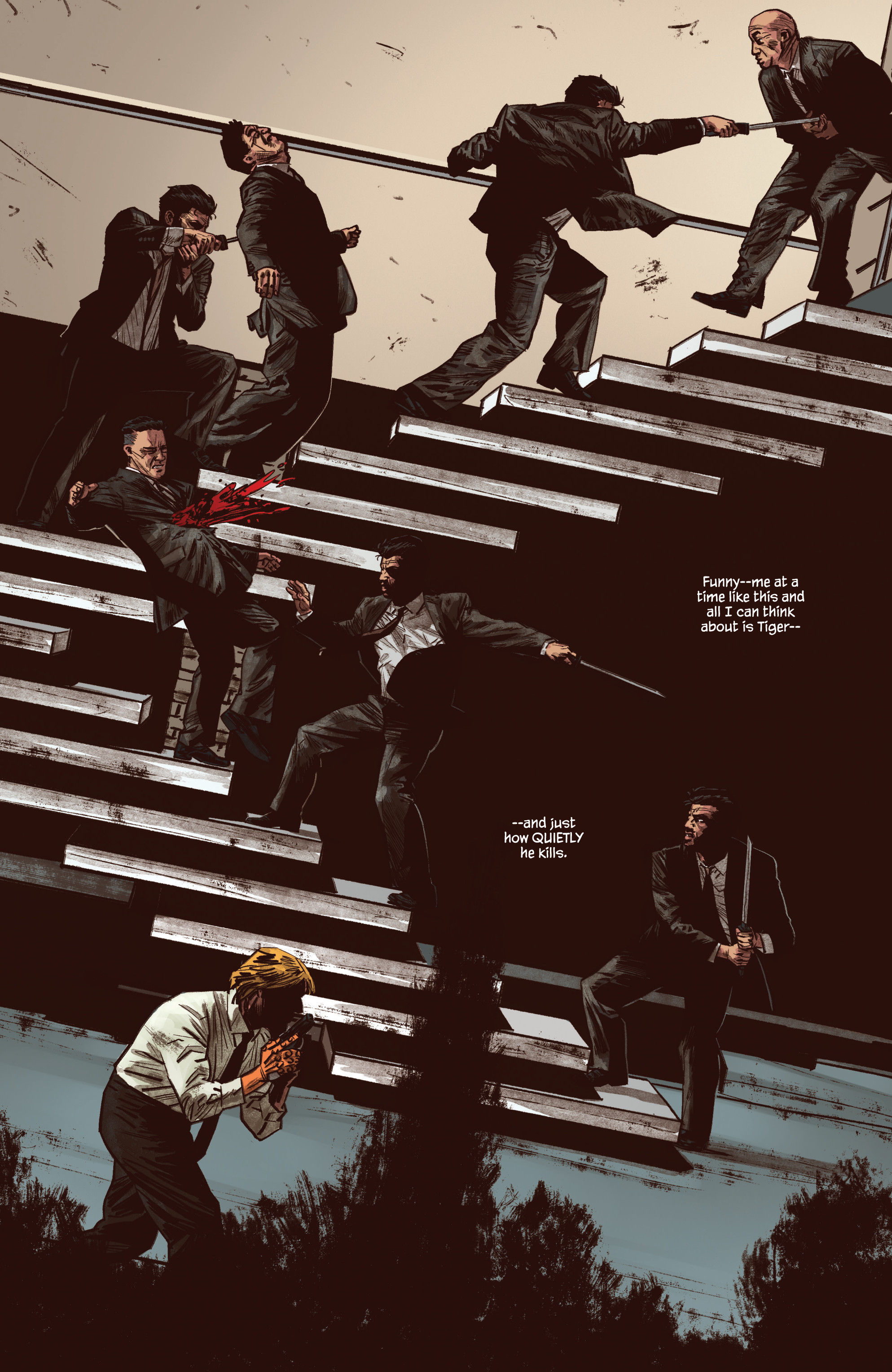
Bond’s world and cast have become more developed as well. For instance, second-string CIA agent Felix Leiter got his own moody spinoff – written by James Robinson and illustrated by Aaron Campbell, with beautiful colors by Salvatore Aiala – which guest-starred one of my favorite supporting characters, ‘Tiger’ Tanaka, the over-the-top Japanese version of James Bond (from You Only Live Twice). I also quite enjoyed Greg Pak’s run on James Bond 007, a nifty spin on Goldfinger that, among other things, introduced a fun, revamped take on the Korean Oddjob – one that actually provided some respectful characterization for what used to be little more than a racialized henchman with a goofy gimmick. (Pak then wrote a brief sequel in Reflections of Death.)

007 comic bookFelix Leiter #5

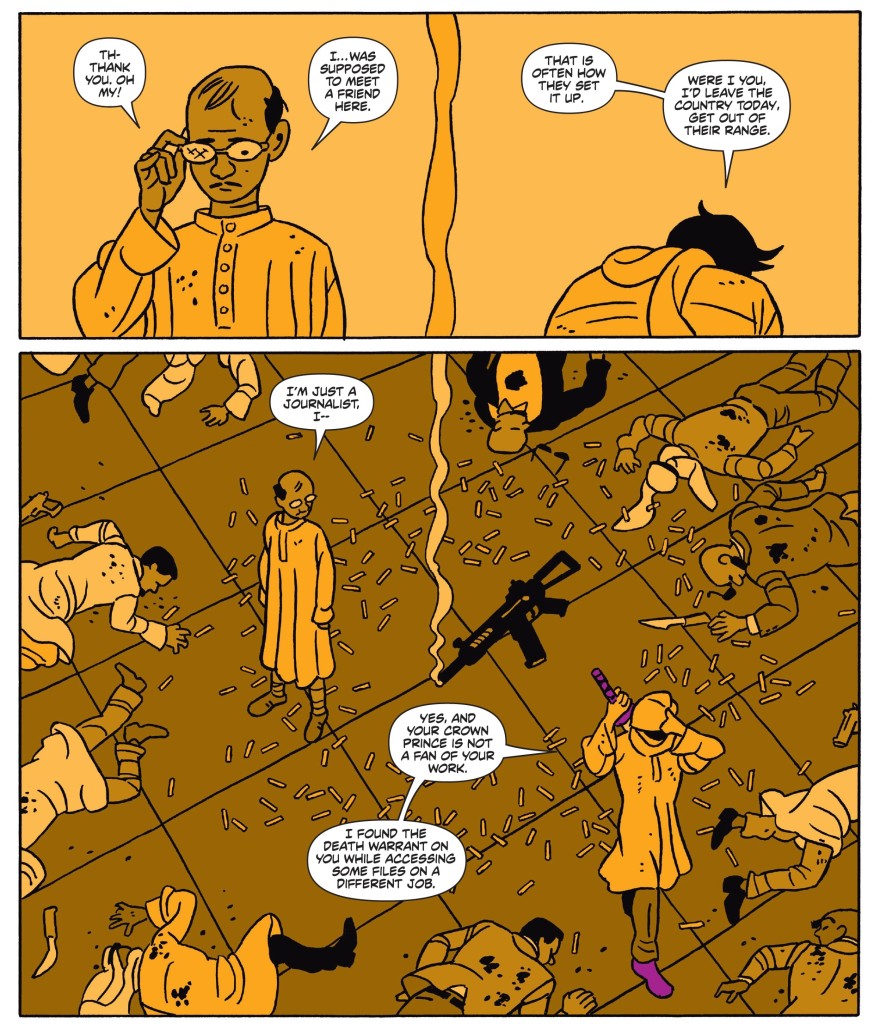
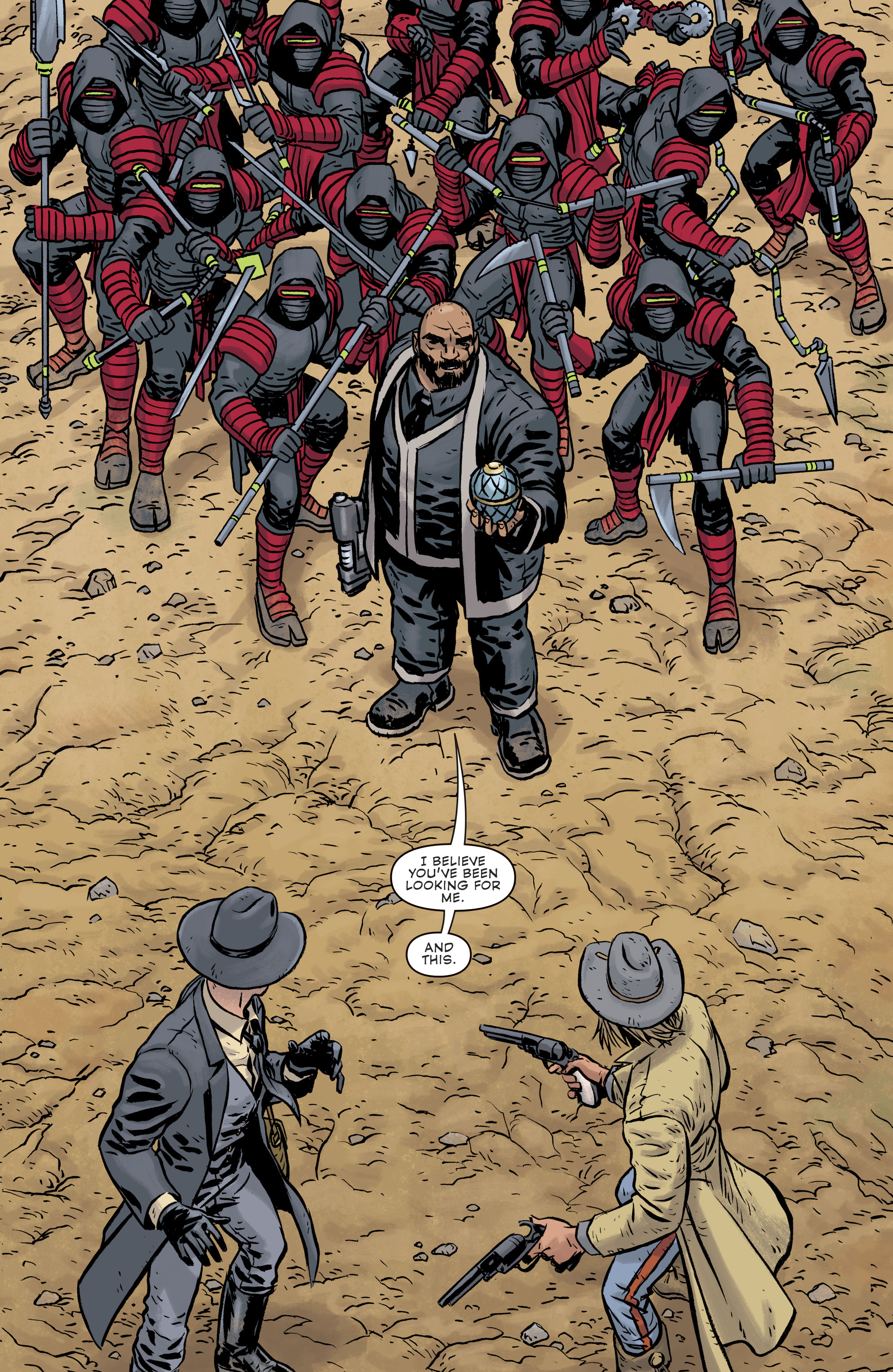
Not all projects tied directly into this new continuity. There was a 12-part James Bond Origin series set in World War II, but not even Jeff Parker – whose writing I usually adore – could get me to care about a James Bond Bildungsroman… If you really want to see Parker do his magic with a super-spy series, then you’ll have a much better time with his current Valiant ongoing Ninjak, which on top of everything else benefits from Javier Pulido’s incredibly neat artwork:

javier pulidoNinjak (v4) #1

(Yep, that’s Ninjak saving a version of Jamal Khashoggi, because comics.)

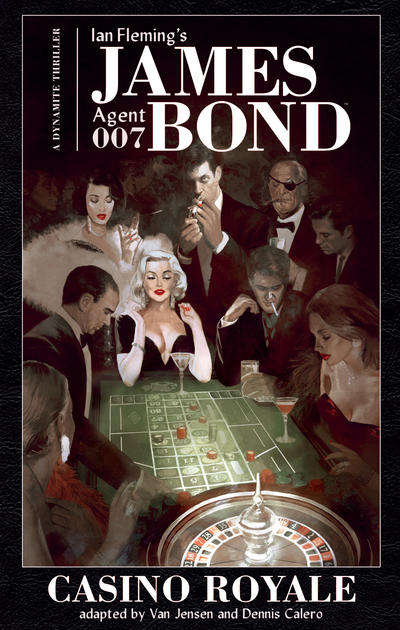
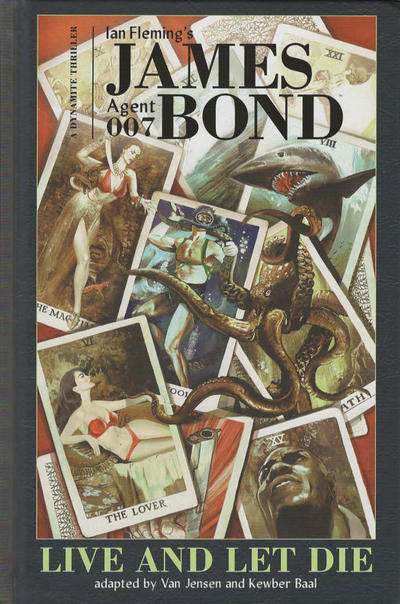
Meanwhile, back at Dynamite, Van Jensen has been faithfully adapting Ian Fleming’s original novels to comics…

james bond graphic novel          077 graphic novel

(Thank you for the gorgeous painted covers, Fay Dalton!)

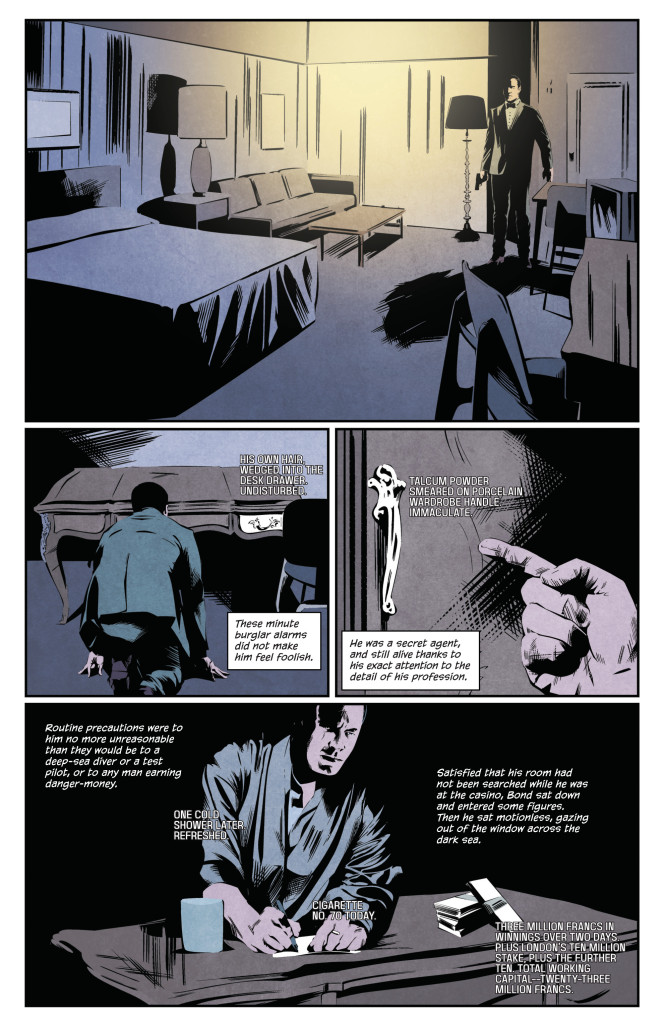
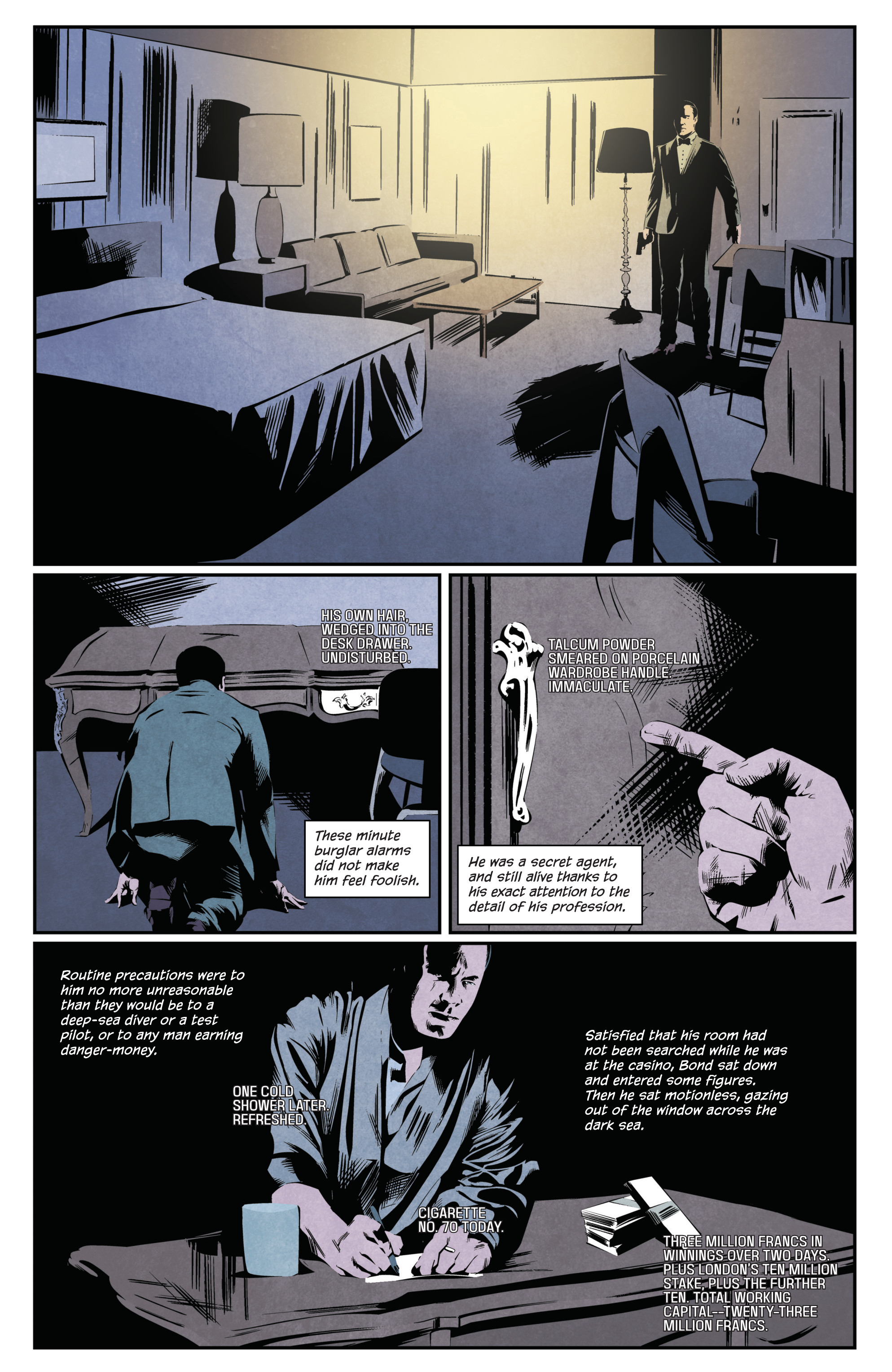
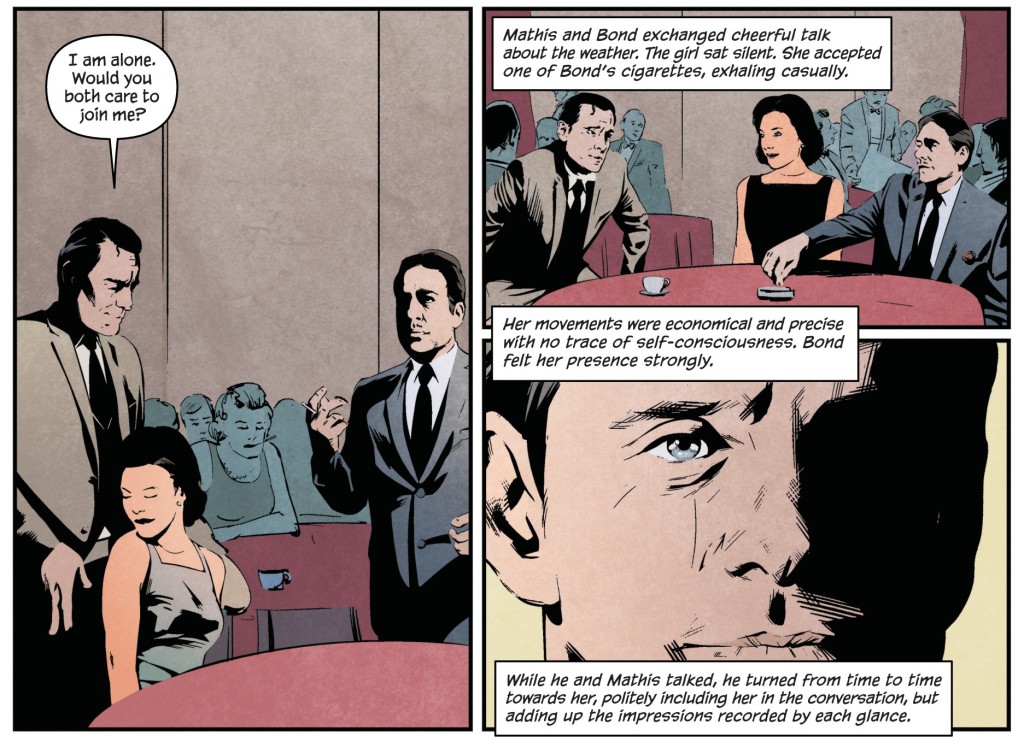
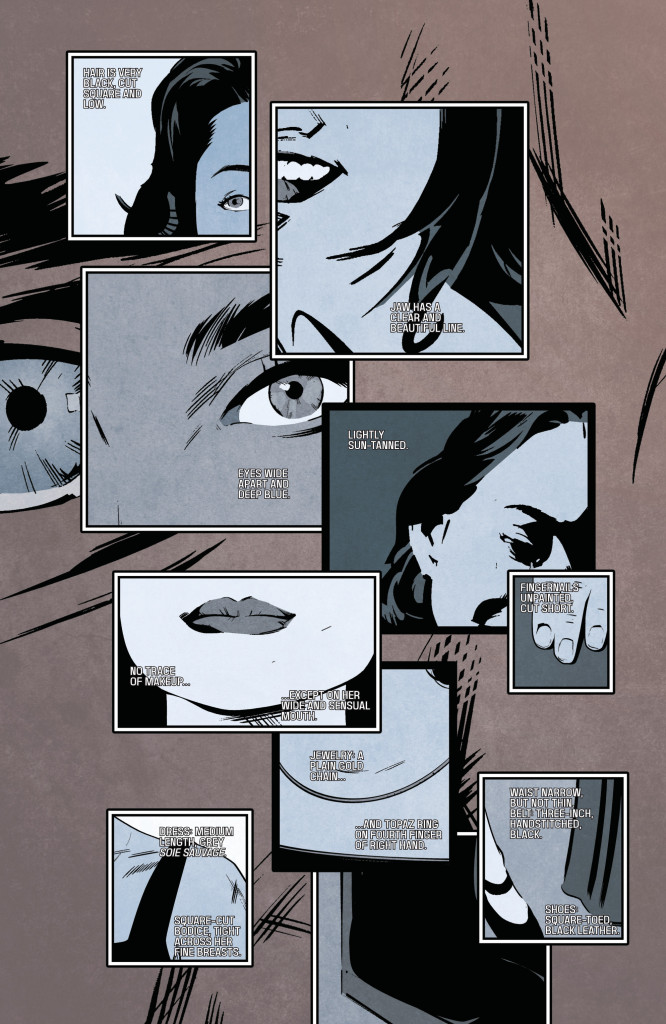
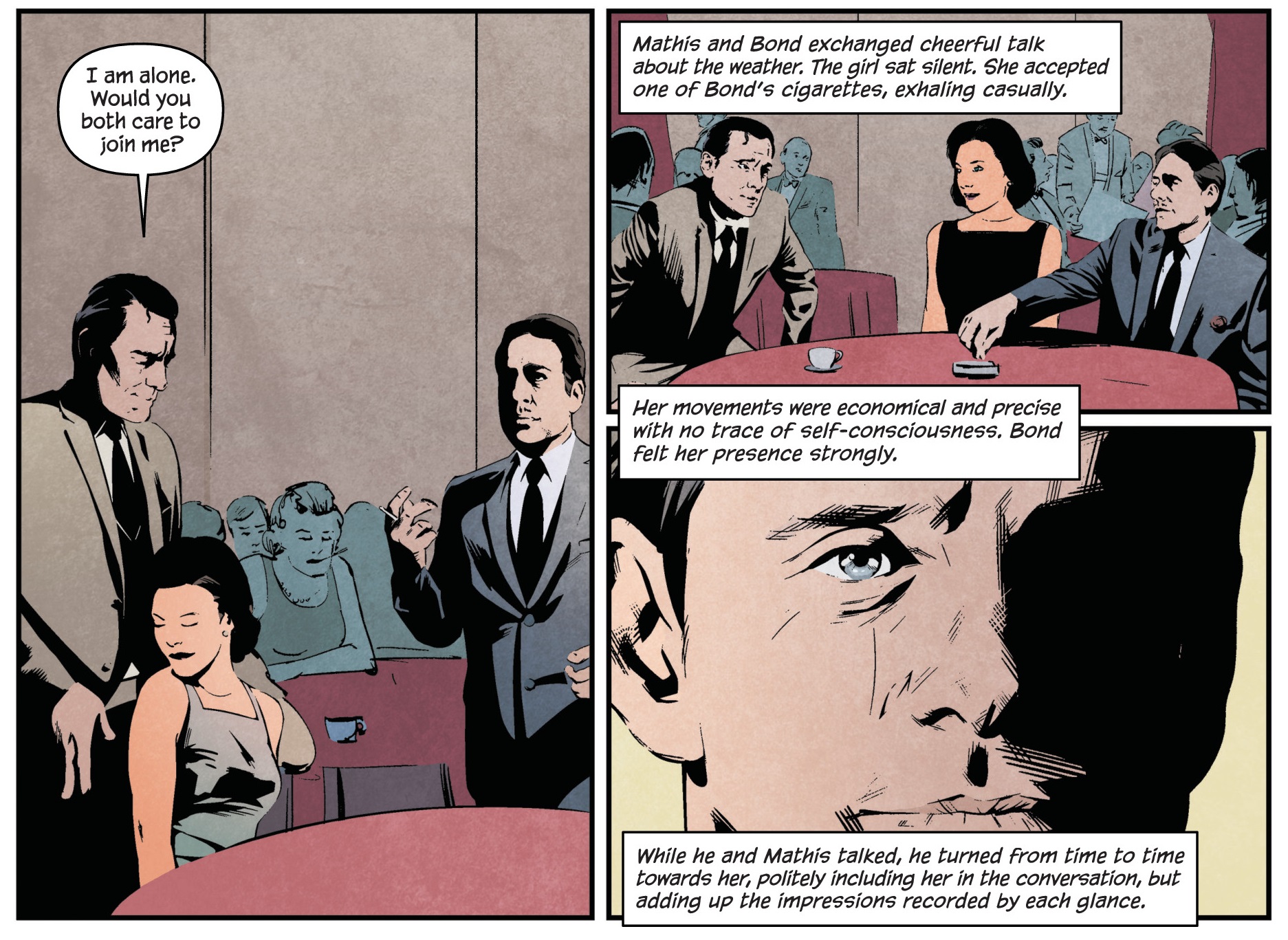
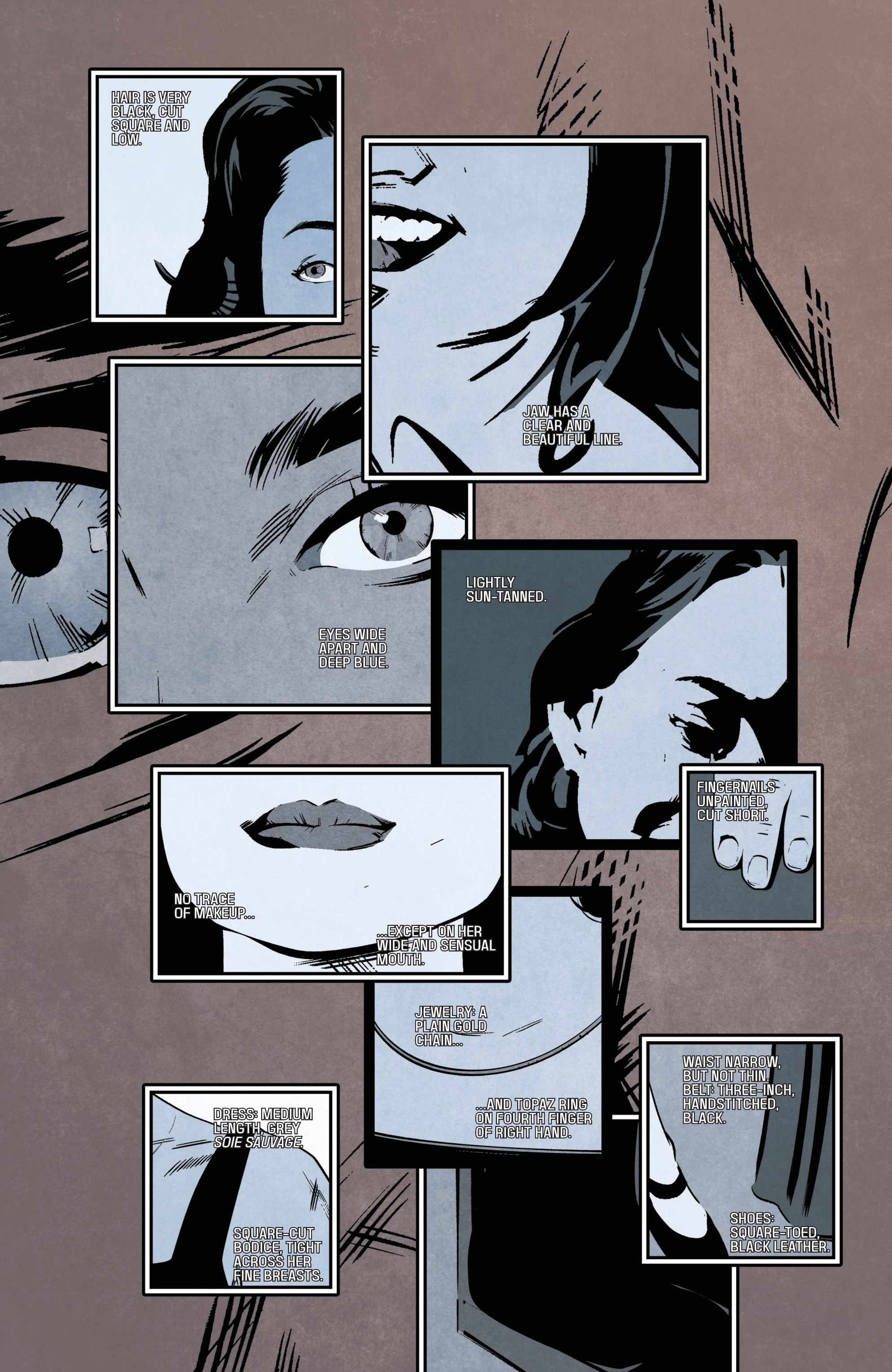
This comic book version of Casino Royale, stylishly illustrated by Dennis Calero, is almost as strong as Darwyn Cooke’s adaptations of the Parker books, likewise capturing the original’s hardboiled flavor while using visual language to represent the protagonist’s cold professionalism. Just like in the awesome 2006 film adaptation everything about Daniel Craig’s performance – from the way he moves and fights to the way he smirks and bluffs – conveys how much of a blunt instrument Bond is, so do the creators here use comics’ potential to economically capture the character’s hyper-focused psychology… not to mention Ian Fleming’s infatuation with tiny descriptive details:

007 comicCasino Royale

(As you can see, letterer Simon Bowland is in top form as well.)

Casino Royale’s plot hinges a lot on card games, which is the kind of device that translates fairly well into a visual medium like comics. Gambling, in fact, becomes a major thematic metaphor in the story, unlike in later James Bond adventures, where it’s typically used as just a glamorous gimmick for quick characterization… Yes, luck is an important factor, but you can conveniently establish a character’s ingenuity by having him figure out how someone else is cheating. This is also a recurring trope, for instance, in the franchises starring the blind swordsman Zatoichi or the illusionist gunslinger Sartana (and in many other westerns, really), whose anti-heroes – like Bond – aren’t above cheating themselves. (The highly entertaining Samaritan Zatoichi even has a scene where the protagonist is caught using the same trick he had often exposed in earlier movies!)

Dennis Calero and colorist Chris O’Halloran form quite a duo. They strike a smooth balance between realism and the occasional experimental touches, pushing the latter particularly far during the story’s infamous genital torture scene, to great effect. Meanwhile, the sexist prose gains from the degree of removal provided by the art, which makes it feel as if we are seeing Bond’s misogyny from the outside (even when we share his point of view, like in the page below), especially as Calero’s rendition of Vesper Lynd plays down the exploitative angle.

077James BondCasino Royale

Sadly, artist Kewber Baal and colorist Shimerys Baal failed to meet the same bar in Van Jensen’s second book, Live and Let Die. Their storytelling is way too pedestrian for this sort of material… Kewber Baal’s artwork was fine in the cheeky, lighthearted chapter he drew for Refections of Death, but here such a straightforward approach fails to create the kind of sensorial distance that could help modern readers cope with the most sexist and racist elements of Fleming’s text by framing them in a stylized version of the past. It doesn’t help that Jensen’s script is much more text-heavy this time around, delivering an awkward adaptation that tries to preserve too much of the original without taking full advantage of the new medium… I cannot honestly recommend it.

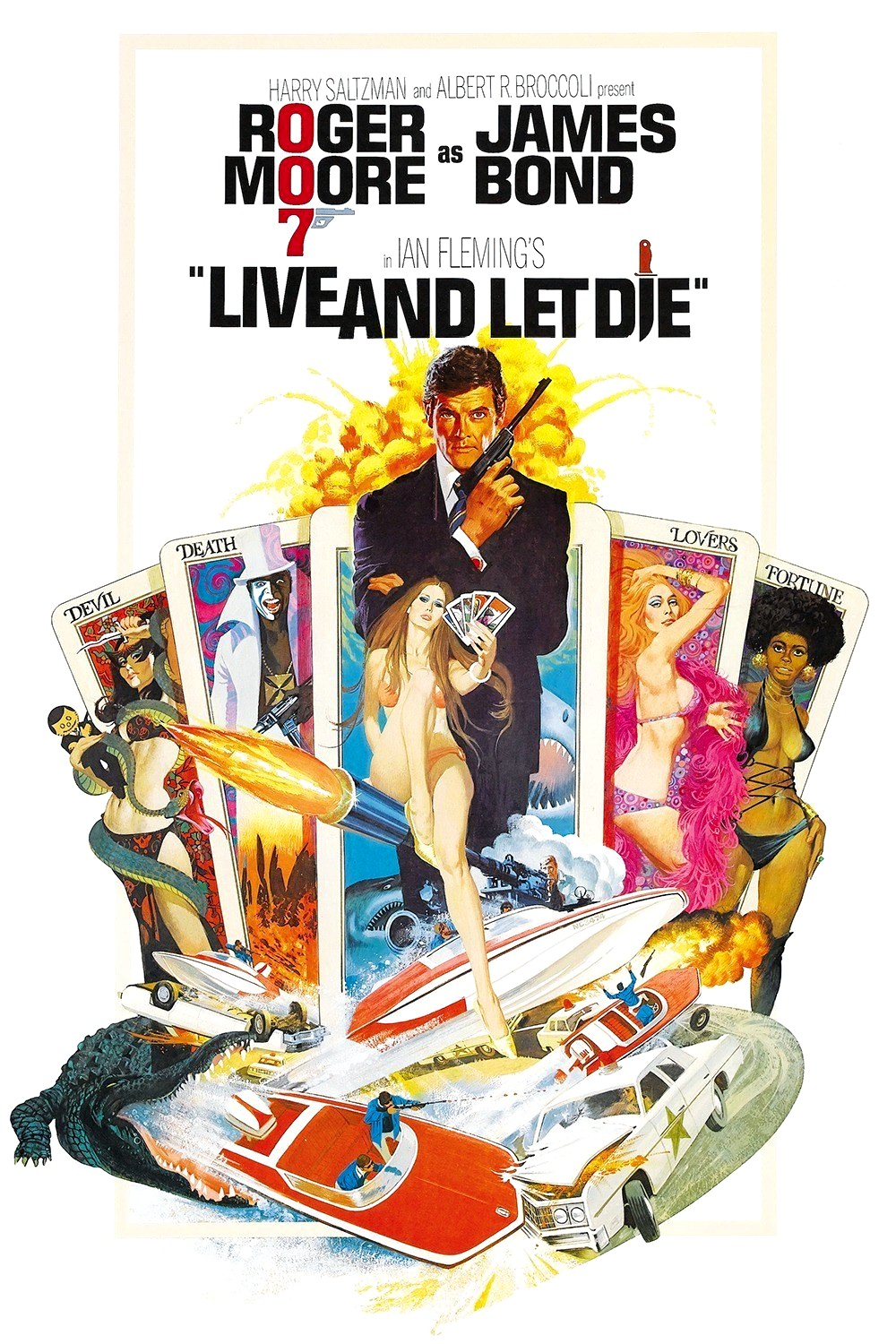
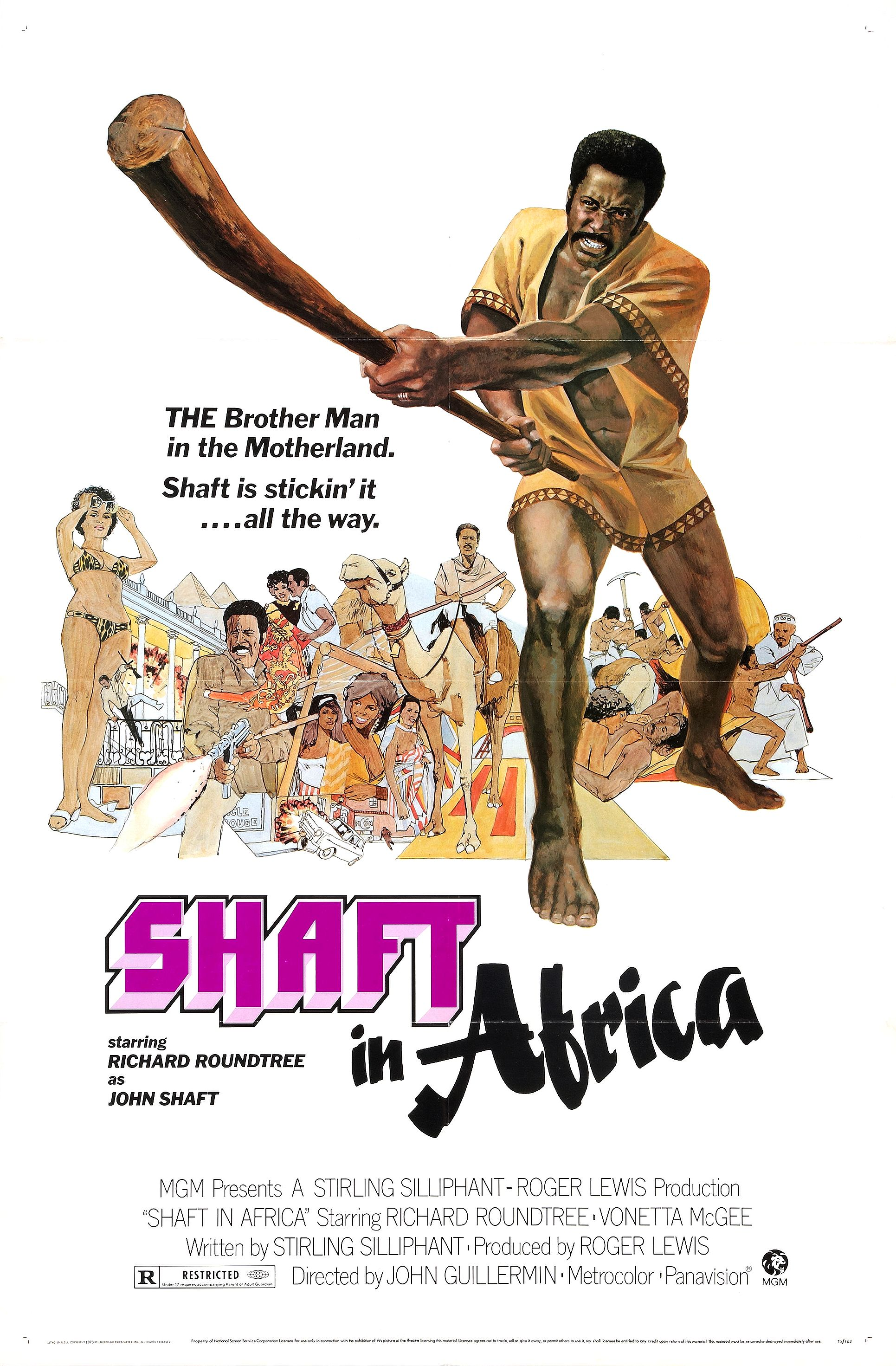
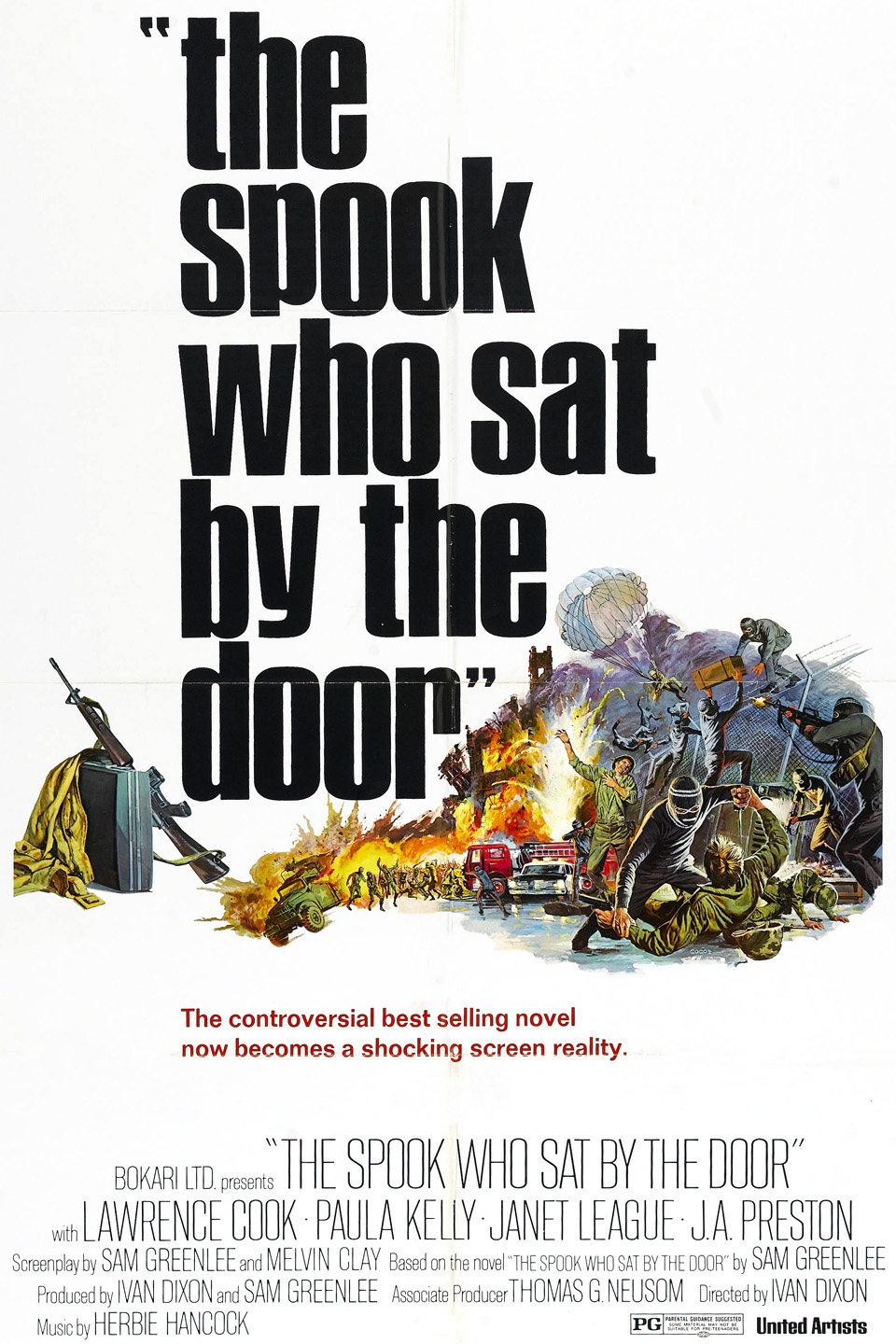
You might as well watch 1973’s Live and Let Die movie, un-PC as it is, since at least it contains some fun elements of blaxploitation – a film subgenre that actually found its way into a number of that era’s spy products, from the anti-Bond The Spook Who Sat By the Door to the quasi-Bond Shaft in Africa, not to mention the bizarre Mission: Impossible episode ‘Cat’s Paw.’

james bond     spy     spy film

Speaking of Mission: Impossible, as far as spy-fi franchises go, I’m actually much more pumped for next year’s Mission: Impossible 7 than for No Time to Die. I didn’t find the last couple of Bond movies very satisfying – Sam Mendes’ direction was quite stylish, but, in contrasts to Craig’s first outings, the stories were particularly dumb, light on tradecraft, and pretty reactionary (both thematically and visually obsessed with tradition and callbacks to the past). Let’s hope the new creative team figures out a more engaging way to approach this dinosaur!

In turn, I’ve come a long way on the M:I franchise. At first, I thought the ideal Mission: Impossible long-feature would be something along the lines of the original two-parter episodes ‘The Bunker’ or ‘The Controllers,’ which have got to be some of the coolest blends of espionage and hardcore pulp adventure to have ever hit the screens (yes, more than On Her Majesty’s Secret Service, which came out the same year). But I’ve come around and learned to appreciate the spirit of Tom Cruise’s movie series, which has built on a few core elements of the show while also turning them on their head, as the hero is now both a master-manipulator *and* the victim of masterful manipulation. Given the latest instalments’ relentless escalation and evermore intricate and widespread conspiracies, I’m genuinely curious to see where the series is heading…. Let’s face it: by this stage, Tenet could’ve easily been the seventh Mission: Impossible movie!

Posted in SPYCRAFT & WARFARE | Tagged , , , , , , , , , , , , , , , , , , , , , , , , | Leave a comment

COMICS CAN BE AWESOME (27 September 2021)

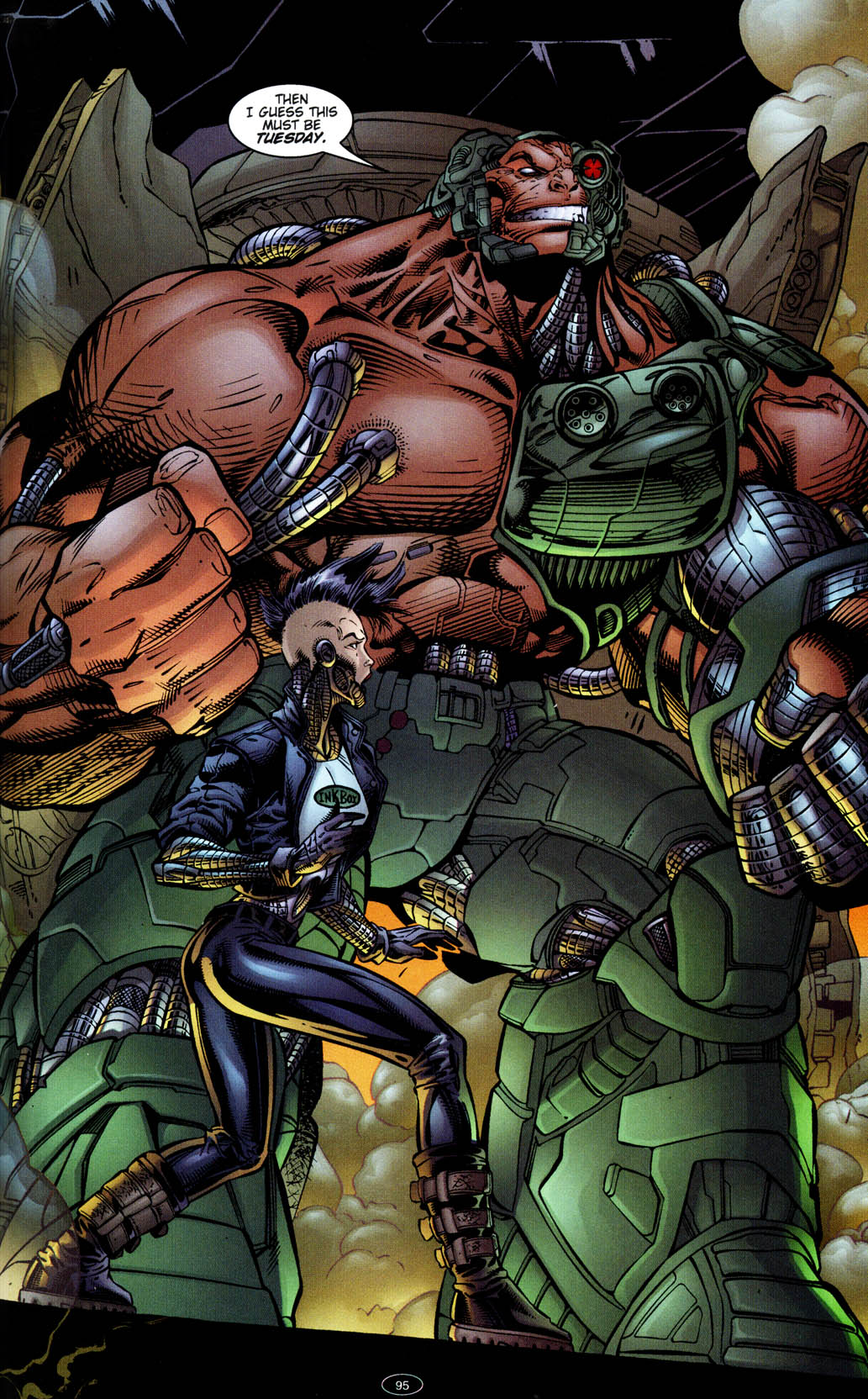
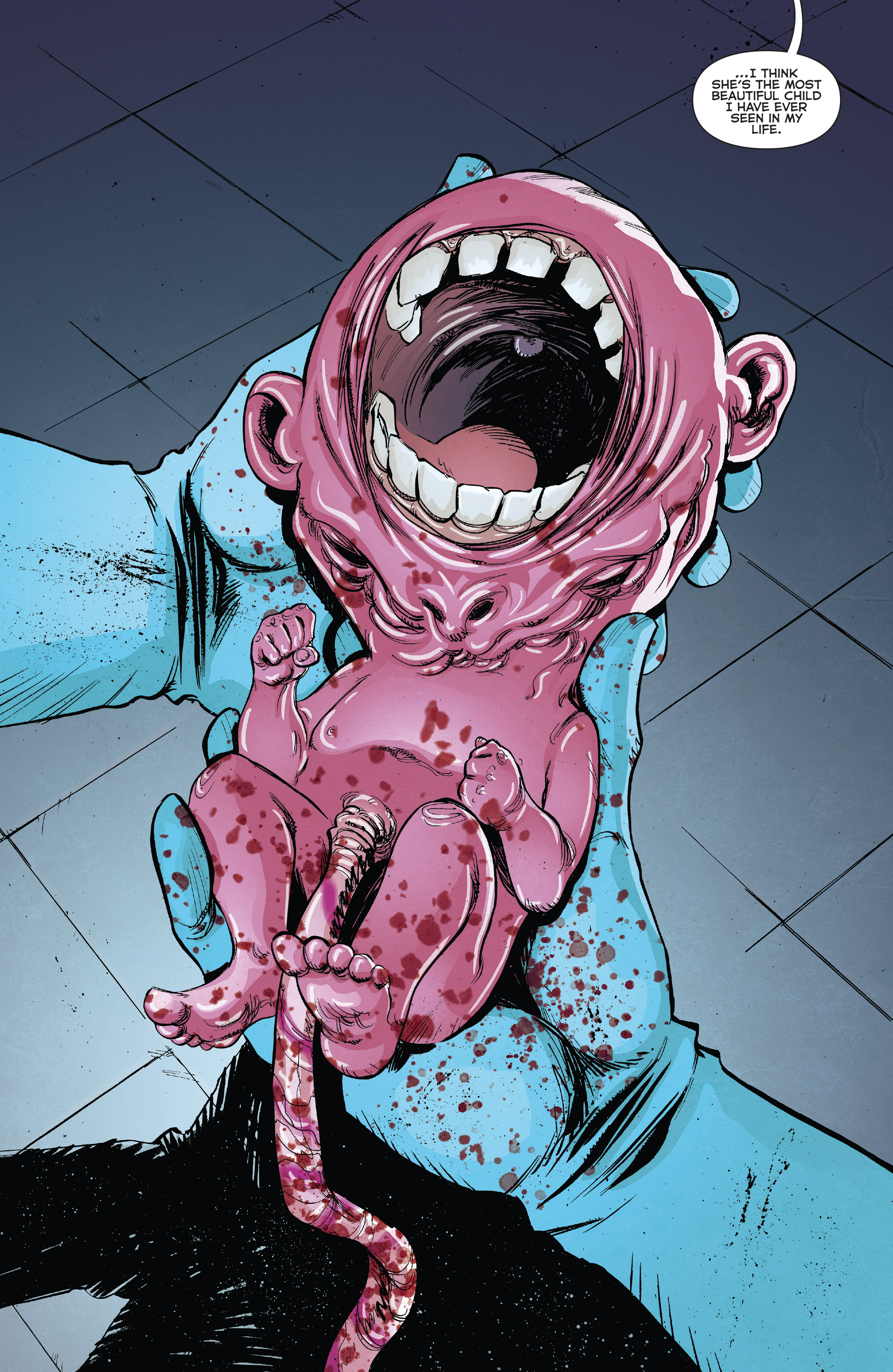
A reminder that comics’ character designs can be awesome:

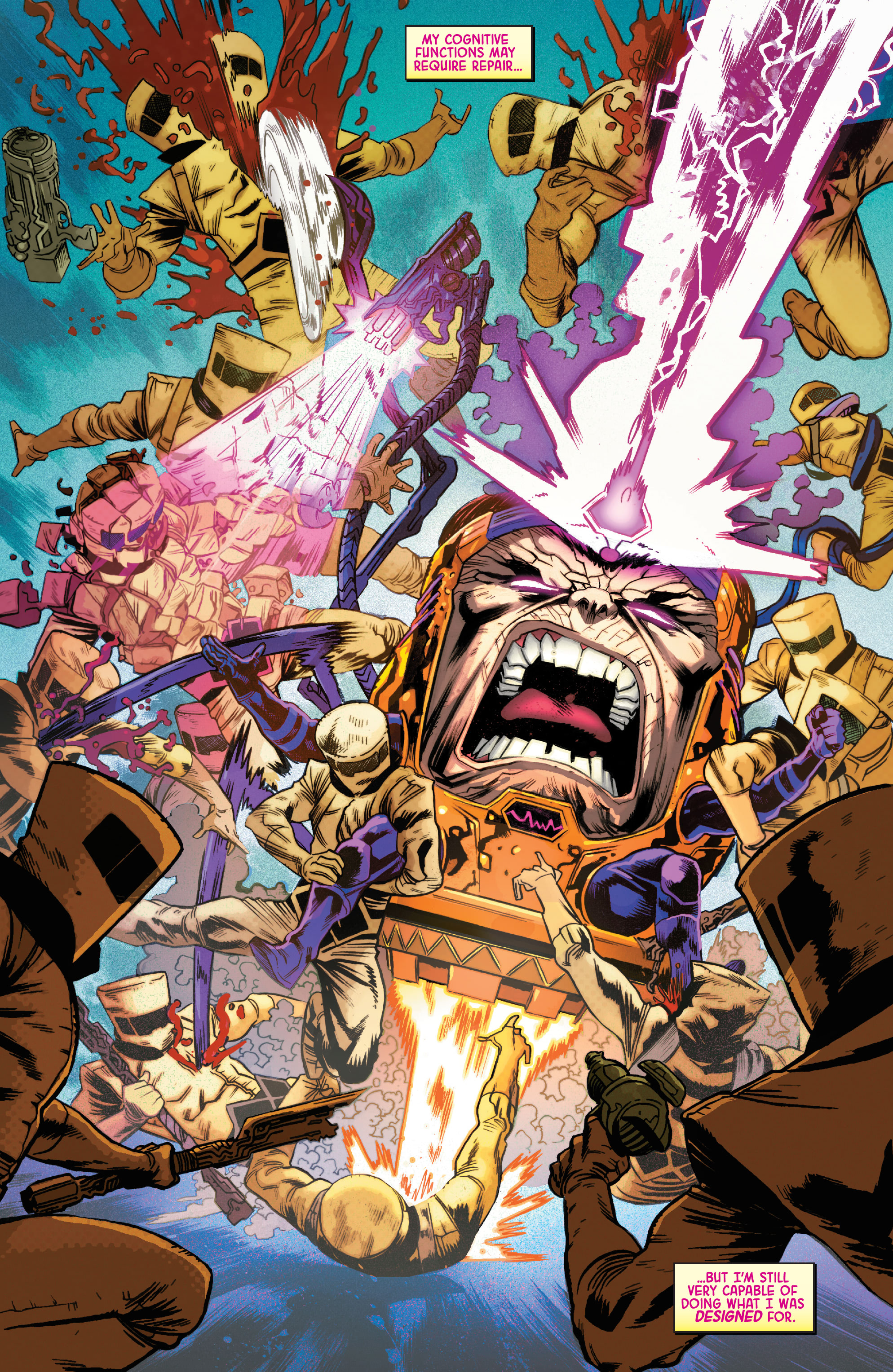
MODOKM.O.D.O.K. – Head Games #1
WildcatsWildC.A.T.S. #31
babyEugenic


Posted in GLIMPSES INTO AWESOMENESS | Tagged , , , , , , , , , , , , , , , , , , | Leave a comment

On Dynamite’s James Bond – part 1

After much delay, the latest James Bond movie is finally coming out next week.

Hopefully, No Time to Die will bring the kind of super-spy thrills Black Widow kept threatening to deliver but never really did. In fact, aside from a few scenes (mostly between Pugh and Johansson), that whole film was a bit of a mess. There was jarringly incoherent characterization all over the place, from the radically flowing accents to Melina’s sudden personality shift. And I’m not sure how this crass version of the Red Guardian could become a sleeper agent in Ohio and pretend to be an average American for one moment… Perhaps there was a joke in there which got lost along the way? In fact, while I’m fine with turning Red Guardian into a caricature, even this idea is seriously wasted – except for the tattoos, the movie forgets to have fun with the fact that he was a communist, in contrast, for example, to the depiction of Love Sausage in The Boys (the comic, not the show).

Still, I could disregard all this in the name of a certain bubbly spirit, but given Black Widow‘s generic story, villain, and action scenes, there is very little else to hold on to. This is all the more disappointing because so far the MCU had expertly used sci-fi/fantasy as a springboard for imaginative visuals (like in the climaxes of Iron Man 3 or Ant-Man and the Wasp, not to mention Yondu’s glorious massacre in Guardians of the Galaxy, vol.2, to the beat of ‘Come a Little Bit Closer’), with even the hackiest entries – Thor: The Dark World and Dr. Strange – benefitting from highly amusing set pieces. Who would’ve thought that the only Marvel movie to actually bore me would be about secret agents?

(For once, DC actually wins the blockbuster game: James Gunn’s The Suicide Squad had its fair share of flaws, but it was often damn funny, committedly weird, and refreshingly unpredictable, applying its caustic approach not just to superheroes, but to the whole black ops subgenre, including the politics… Plus, it stars the goddamned Polka-Dot Man!)

But let’s get back to Bond… I can’t say I’ve missed that smug British spy, really, since he has continued to star in some pretty neat comics over these past years, so it’s been fairly easy to get my 007 fix whenever I felt like it.

 007Ian Fleming’s James Bond #7

Dynamite has done a bang-up job with this franchise ever since its 2015 comic reboot, starting with the decision of hiring Warren Ellis to write the first couple of arcs. Ellis may have turned out to be uncomfortably close to Bond’s own attitude towards sex in real life, but his take on this material was as slick as they come (as I’ve mentioned before). Efficiently illustrated by Jason Masters, the opening run managed to cleverly retool old ingredients like the sci-fi gadgets, deathtraps, idiosyncratically named women, and larger-than-life villainy, giving them a cool polish that made them badass rather than campy.

Ellis clearly broke the formula down to its core components before rebuilding it for the 21st century, even paying homage to little bits from the original, like Q’s sarcastic attitude towards James Bond’s handgun or the fact that airport arrivals were often moments of surveillance and deception. The result fits in with my preferred approach to 007, which rests on a solid basis of spycraft that is gradually taken up a notch into offbeat directions. While I don’t look for a grounded, intricate web of believable intrigue in Bond’s adventures (I look for it in BBC’s awesome show Vigil), I appreciate an initial layer of authenticity on which to build the fantasy.

Plus, you know… lots of violence.

007 comicsIan Fleming’s James Bond #6

In line with Ian Fleming’s novels, James Bond is characterized by an unabashedly vicious ruthlessness. Bond’s sadism isn’t always properly acknowledged as a key trait of the character, but it was still quite prominent in the earlier films, when Sean Connery first embodied the role. Hell, have a look at how similarly Connery plays another despicable character in the Hitchcockian thriller Woman of Straw (or even in Marnie, which was actually directed by Hitchcock) – you can easily envision his Bond doing all of those callous, arrogant, manipulative actions, the main difference being that 007 ostensibly does it for King and Country rather than for greed.

The following comics kept the high standard. In Black Box, Benjamin Percy likewise embedded classic Bond tropes – ski chases, gambling, sharks, trains, a weaponized Aston Martin – in a contemporary sci-fi plot about eroding privacy through both online data breaches and omnipresent phone cameras (at one point, Bond even spots an assassin thanks to a selfie stick!). Against the backdrop of a global information war, the story places 007 in a bit of a moral dilemma, as saving the world may actually entail going against his mission, i.e. against the UK government’s interests… This has been the case in the past, of course, but James ‘less man than biological weapon’ Bond has rarely given it a second thought before.

Writer Andy Diggle, artist Luca Casalanguida, and colorist Chris Blythe proved themselves to be a powerhouse combo with Hammerhead and Kill Chain, a couple of twisty adventures sprinkled with geopolitics and more than enough balls-to-the-wall action to satisfy the most thrill-seeking Bond fans. Granted, the pace is so frantic that it may sometimes feel like you are fast-forwarding through a globetrotting blockbuster movie, but I prefer to think of it as an emulation of 007’s own attitude: like the super-agent himself, the creative team has a focused approach, sharply getting to the point of each scene with maximum impact and without fussing around with needless ornaments, whether they’re dealing with a gunfight or with a revealing bit of flirty dialogue.

007james bond comicHammerhead #2

As far as I’m concerned, Luca Casalanguida has become the definite artist for this incarnation of the character… Some of his images deserve a place next to iconic moments from the movies like Honey Ryder coming out of the waters or Jill Masterson’s gold-covered corpse. Moreover, Casalanguida has continued to deliver in Christos Gage’s nifty mini-series James Bond, Agent of SPECTRE, now with a grimier palette, courtesy of Heather Moore.

luca casalanguidaJames Bond, Agent of SPECTRE #4

Say what you will about the publisher’s despicable political ties, Dynamite’s comics have often been more ideologically provocative than your average Bond yarn. Declan Shalvey penned an M one-shot about the Northern Irish conflict, digging up some of the UK’s dirt. Kill Chain updated a classic Cold War plot – about playing both sides against the middle – to an era of US isolationism, when the American presidency appeared to be in bed with Russia (there was an epilogue in the graphic novel Reflections of Death, which was actually more of an ill-disguised anthology). Like Benjamin Percy and Andy Diggle, Kieron Gillen (Service) and Ales Kot (The Body) tapped into the Brexit/Trump zeitgeist, sneaking in a more problematized take on the franchise’s inherent nationalism while nevertheless keeping the overall thriller formula.

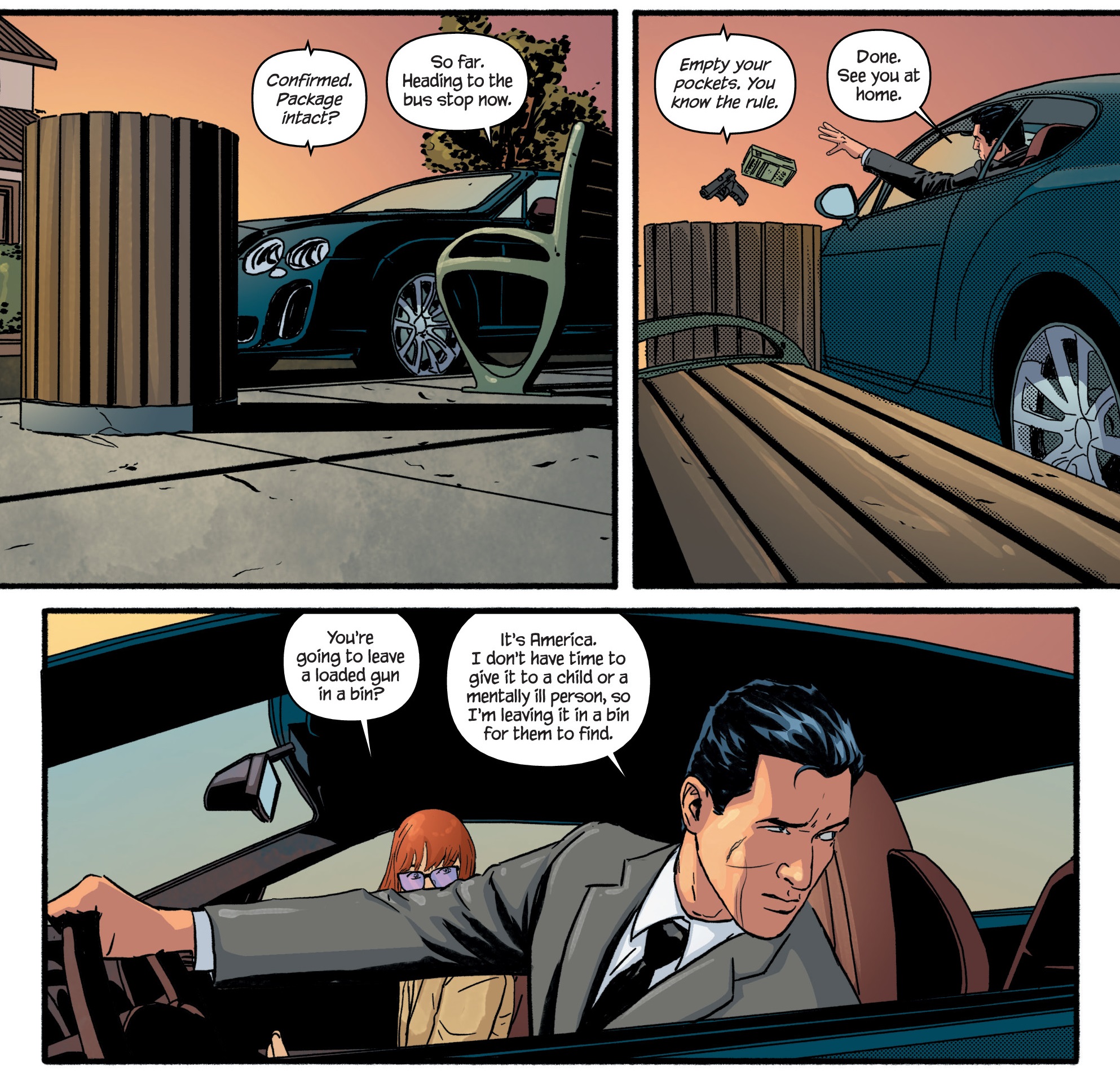
One character who earned points in the intersectionality department was M’s secretary, Moneypenny, now black and a highly capable security agent in her own right, clearly modelled after Naomie Harris’ performance in Skyfall. Building on an ironic quip from On Her Majesty’s Secret Service (‘Same old Moneypenny. Britain’s last line of defense.’), Ellis and Diggle wrote her as a butt-kicking assistant who doubled as M’s bodyguard – a characterization that Jody Houser ran with in 2017’s Moneypenny special.

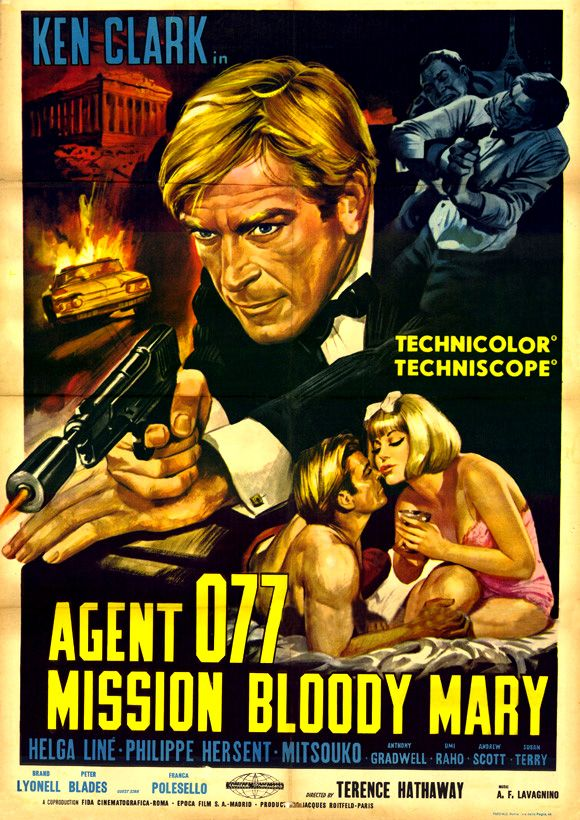
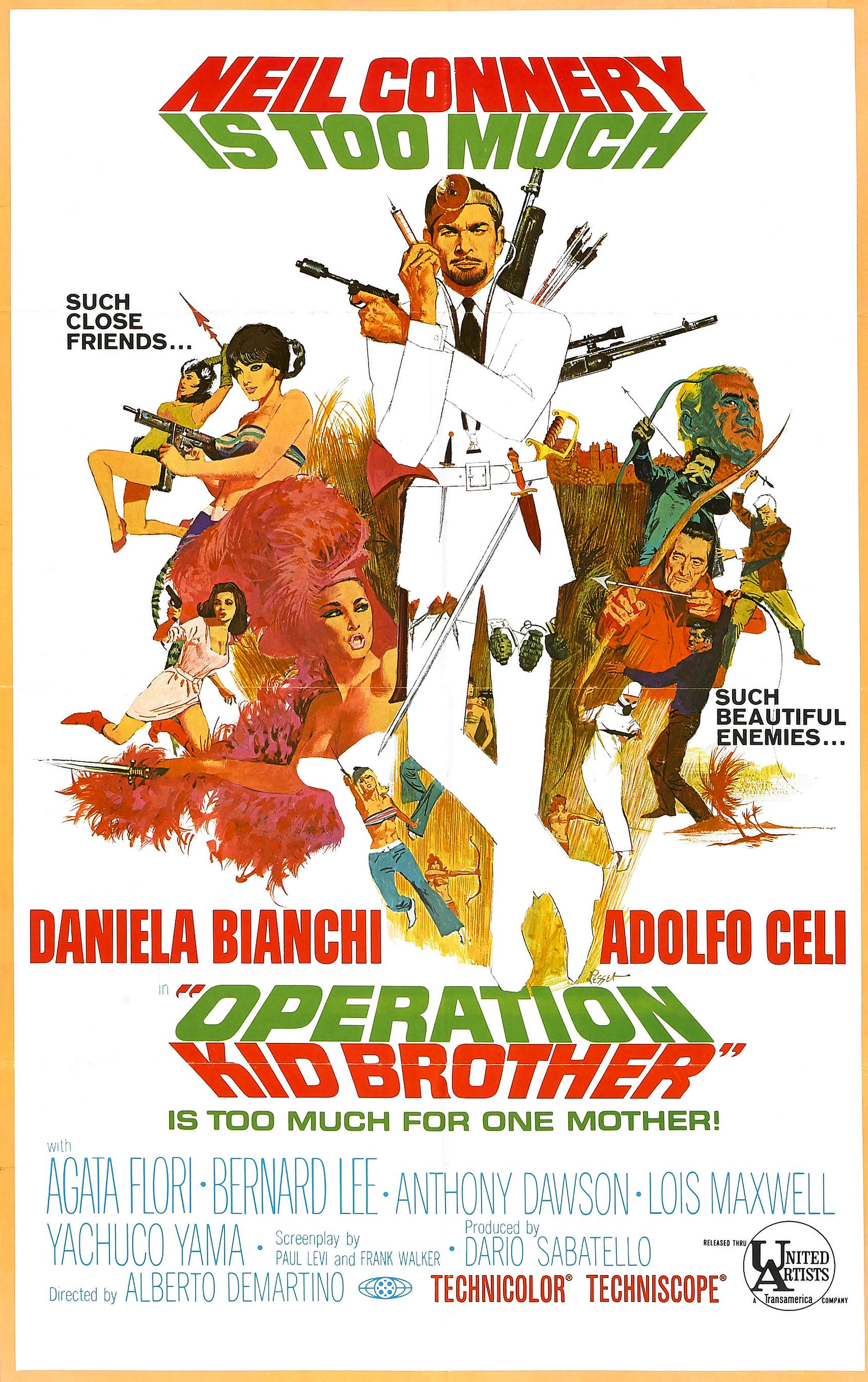
To be fair, there is a precedent for a gun-toting Moneypenny going back to the sixties, if you count the unofficial spin-off movie Operation Kid Brother, starring Sean Connery’s younger brother as, well, 007’s younger brother (who also happens to be a surgeon with hypnotizing powers) – one of many delirious Eurospy rip-offs to come out at the time.

agent 077     OK Connery     eurospy

(In my head-canon, Operation Kid Brother totally counts as a Bond flick… and so does Michael Bay’s The Rock, by the way!)

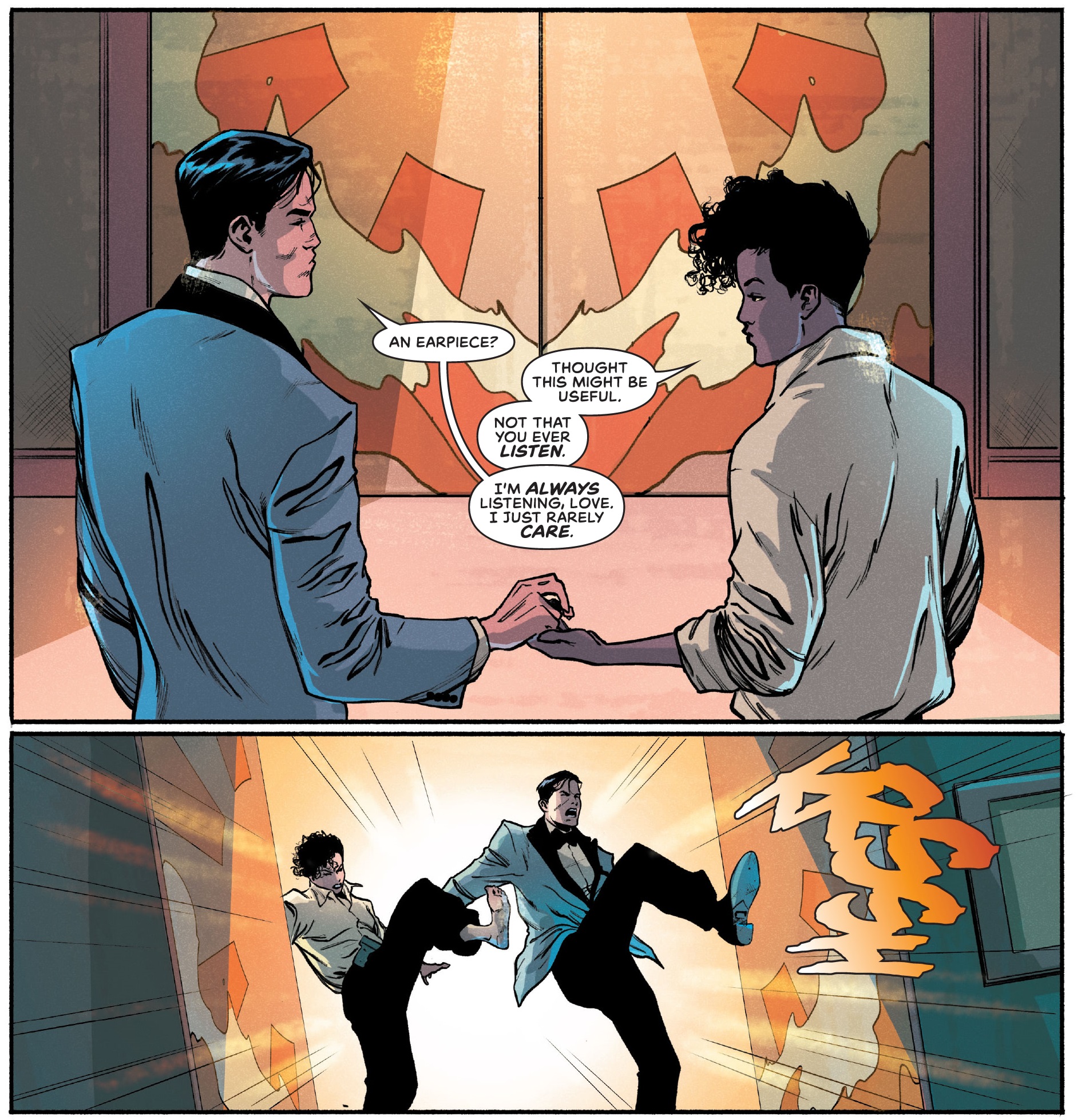
More recently, writers Vita Ayala and Danny Lore further increased the diversity through their fun stab at a James Bond ongoing series. Working with artist Eric Gapstur (soon followed by Erica D’Urso and Brent Peeples), they’ve introduced another prominent female black character, Brandy Keys, a resourceful insurance claim investigator that crosses paths with 007 during an art forgery case whose stakes keep escalating. Even without the story’s surprise reveal later on, Keys’ and Bond’s banter alone is worth the ride:

007 comicsJames Bond (v3) #6

Posted in SPYCRAFT & WARFARE | Tagged , , , , , , , , , , , , , , , , , , , , , | Leave a comment

COMICS CAN BE AWESOME (20 September 2021)

Your gravity-defying reminder that comics can be awesome…

mike huddlestonDecorum #5
Daniel Warren JohnsonExtremity #1
nick furyStrange Tales #164


Posted in GLIMPSES INTO AWESOMENESS | Tagged , , , , , , , , , , , | Leave a comment

Gotham Calling’s top 50 film noir

Today is Gotham Calling’s seventh anniversary!

I usually mark these occasions with a compilation of fifty images from Batman comics, showcasing the Dark Knight kicking people in the head or breaking through windows. Since the blog’s identity has been shifting beyond a primary focus on the Caped Crusader, though, this year I decided to spotlight something different, namely the top 50 movies of my favorite genre: film noir.

You know, the kind of films that inspired the writers and artists of The Spirit after World War II…
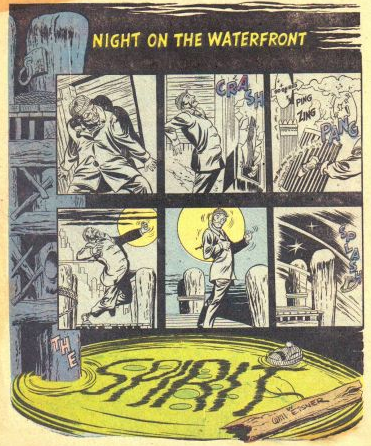
The Spirit, 19 August 1951The Spirit, 19 August 1951

There’s an ongoing debate on whether noir is an actual (sub)genre, a specific postwar movement, or just a general style, but I’m not too interested in terminology here. There are dozens of definitions out there, but it’s hard not to fall back on Paul Schrader’s seminal essay ‘Notes on Film Noir,’ which put the emphasis on a certain sensibility: ‘Hollywood lighting grew darker, characters more corrupt, themes more fatalistic, and the tone more hopeless.’ Here at Gotham Calling, noir means expressionistic chiaroscuro visuals (looming shadows, tight close-ups, tilted angles), hardboiled dialogue, crime, and an encroaching sense of doom (even when there’s a happy ending). It helps if you also get tropes like the tough PI, the femme fatale, the sardonic voice-over, or the serpentine plot.

That said, in my list, tone trumps content, mirroring the very attitude of noir. After all, if there is one thing that brings all these films together, it’s that they privilege mood over reason, disorientation over (narrative and moral) clarity. Screens so dark it’s difficult to figure out what exactly is going on, motivations so idiosyncratic as to appear insane, dialogue so sharp as to lack any realism, sexism so rampant and exaggerated that it sounds almost parodic, flashbacks and twists so abundant they make you lose the thread of the story, seediness taken to a baroque extreme – all this could be criticized in other contexts, but in film noir it’s the raw material itself… You pardon unlikely coincidences because the payoff is so poignantly ironic, you accept plot holes and contrived characterization as part of an overall dream (i.e. nightmare) logic.

If, as argued by Ernest Mandel, the origin of crime fiction, with its reduction of crime (if not all human problems) to mysteries solvable through analytical intelligence and scientific progress, is symbolic of the rise of industrial capitalism, then noir is the other side of the coin. The plots’ final answers, when they come, don’t necessarily hold up to scrutiny, because the point isn’t a neat resolution, but a sort of mesmerized bewilderment, thus capturing the stimuli-ridden modernity that emerged from industrialization. Indeed, part of these films’ charm is the way they converted their zeitgeist into pulp, just like the recent show Clickbait has crafted a nifty mystery out of the dangers and opportunities provided by the current digital era.
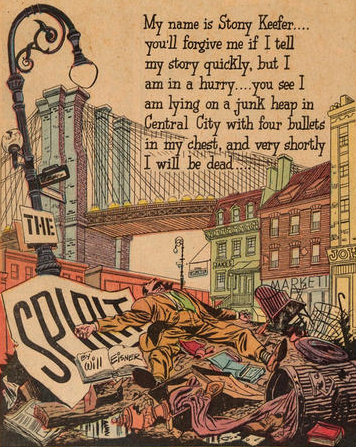
The Spirit, 23 September 1951The Spirit, 23 September 1951

To narrow things down, I’m sticking to black & white thrillers/dramas spoken in English, even though I think the noir label can easily accommodate other colors, languages, and genre hybrids. Also, the first quintessential film noir was 1944’s Double Indemnity, so I’m excluding all the noirish works that came before (yes, even The Maltese Falcon). As for the ending mark, the late 1950s are usually considered the final stretch of the original era, as if after that the movies became too self-reflexive and aware (aka ‘neo-noir’). I don’t really buy into this (by the late ‘40s, noirs were already pretty derivative), but I agree that it makes sense to finish there if you consider film noir a reflection of post-war malaise, since the further you go beyond the fifties the more you see filmmakers responding to other concerns. Finally, I’m leaving out a couple of overrated classics as well, in order to make room for some less obvious choices…

Enjoy!
film noir

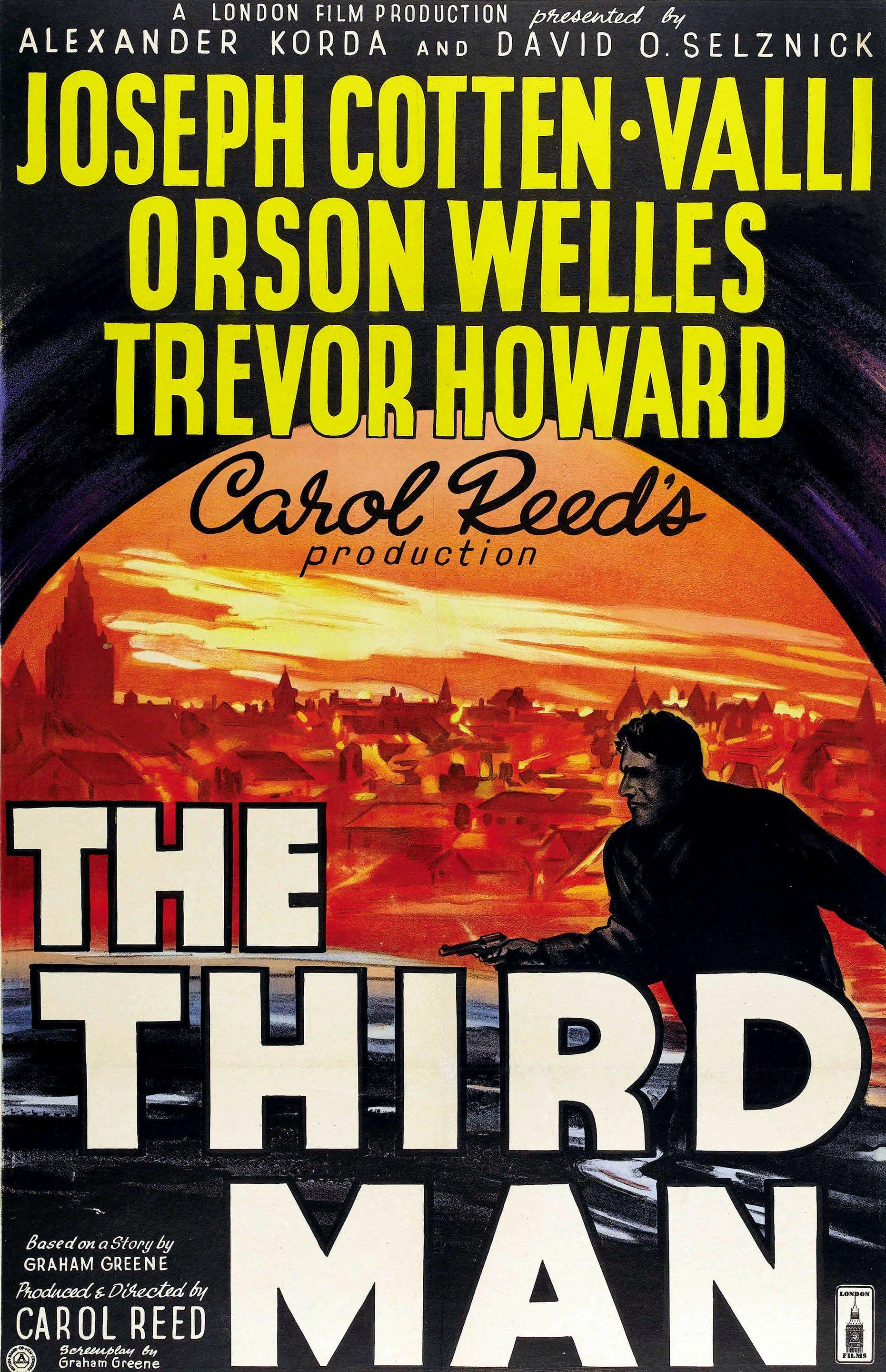
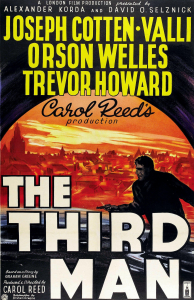
1. The Third Man (1949)

‘Like the fella says, in Italy for 30 years under the Borgias they had warfare, terror, murder, and bloodshed, but they produced Michelangelo, Leonardo da Vinci, and the Renaissance. In Switzerland they had brotherly love – they had 500 years of democracy and peace, and what did that produce? The cuckoo clock.’ A witty and gut-wrenching take on Casablanca-esque intrigue, set in post-WWII occupied Vienna, between the rubble and shady black market dealings. This is a perfect Iconic City thriller and possibly my favorite movie of all time.
noir

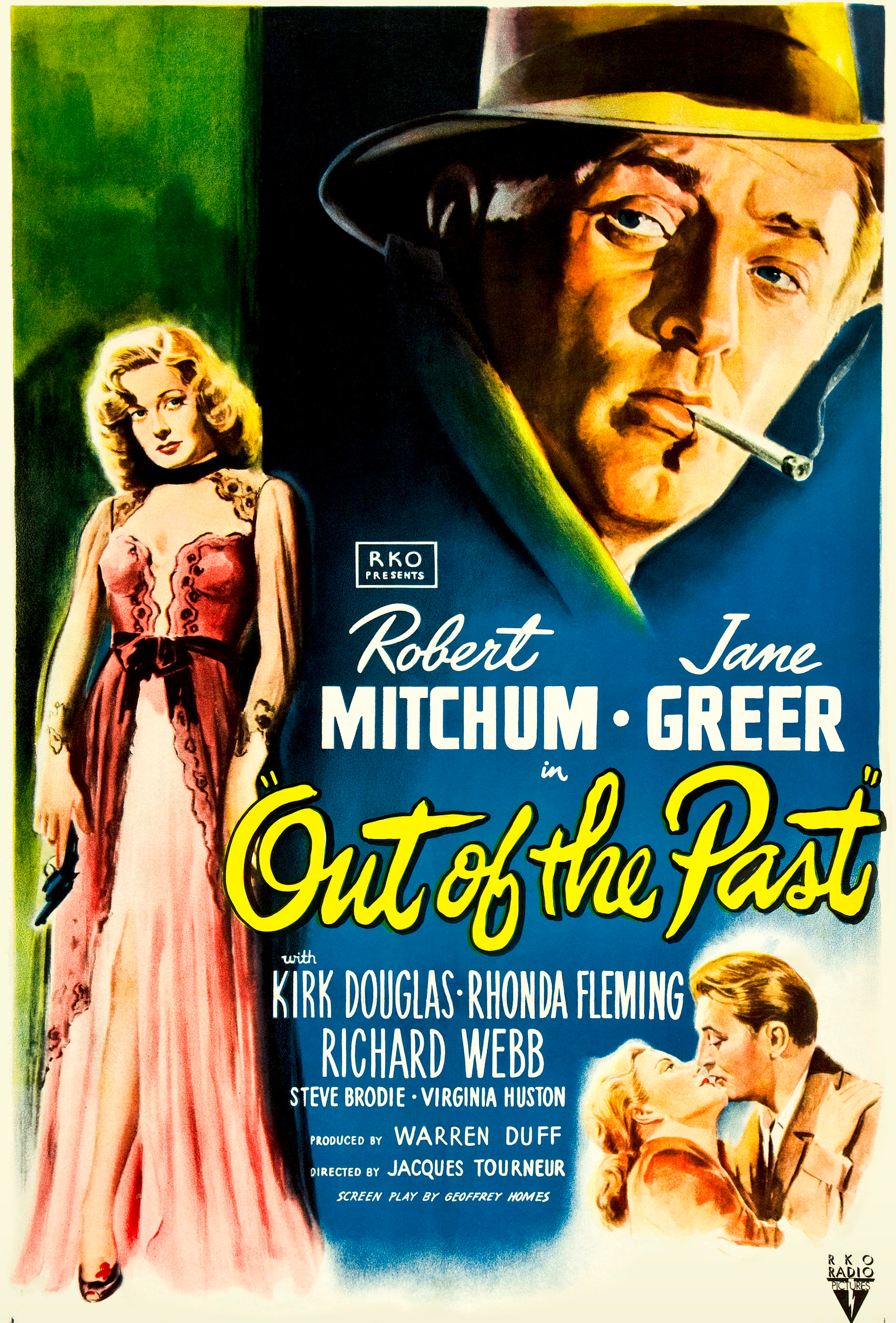
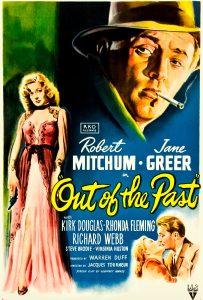
2. Out of the Past, aka Build My Gallows High (1947)

‘You say to yourself, “How hot can it get?” Then, in Acapulco, you find out.’ Robert Mitchum as the ultimate noir lead, a disgraced private eye who can’t escape his past mistakes… and who falls for the wrong dame. Cinematographer Nicholas Musuraca engulfs the screen in smoke and shadows, making each frame a small masterpiece, especially in the middle section. I’ve written about this one before.
billy wilder

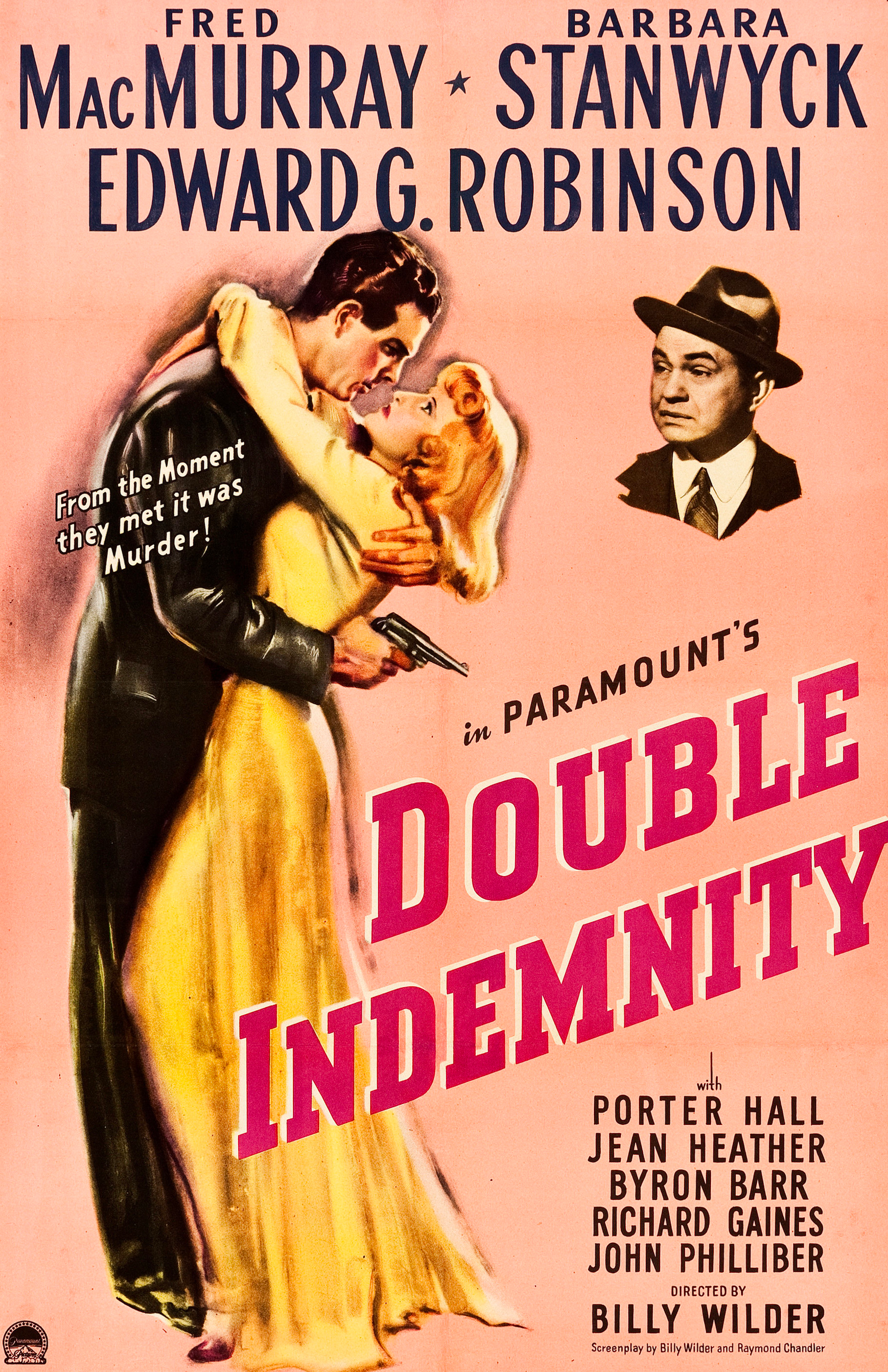
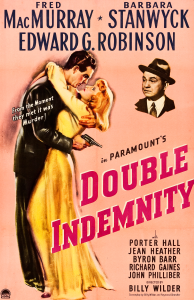
3. Double Indemnity (1944)

‘I killed him for money and for a woman. I didn’t get the money… and I didn’t get the woman.’ The movie that first nailed down film noir (everything afterwards were variations), including Barbara Stanwick as the epitome of the femme fatale. The plot is tighter than Out of the Past’s, but, like I said in the intro, in this list the sense of confusion is actually part of the appeal.
film noir

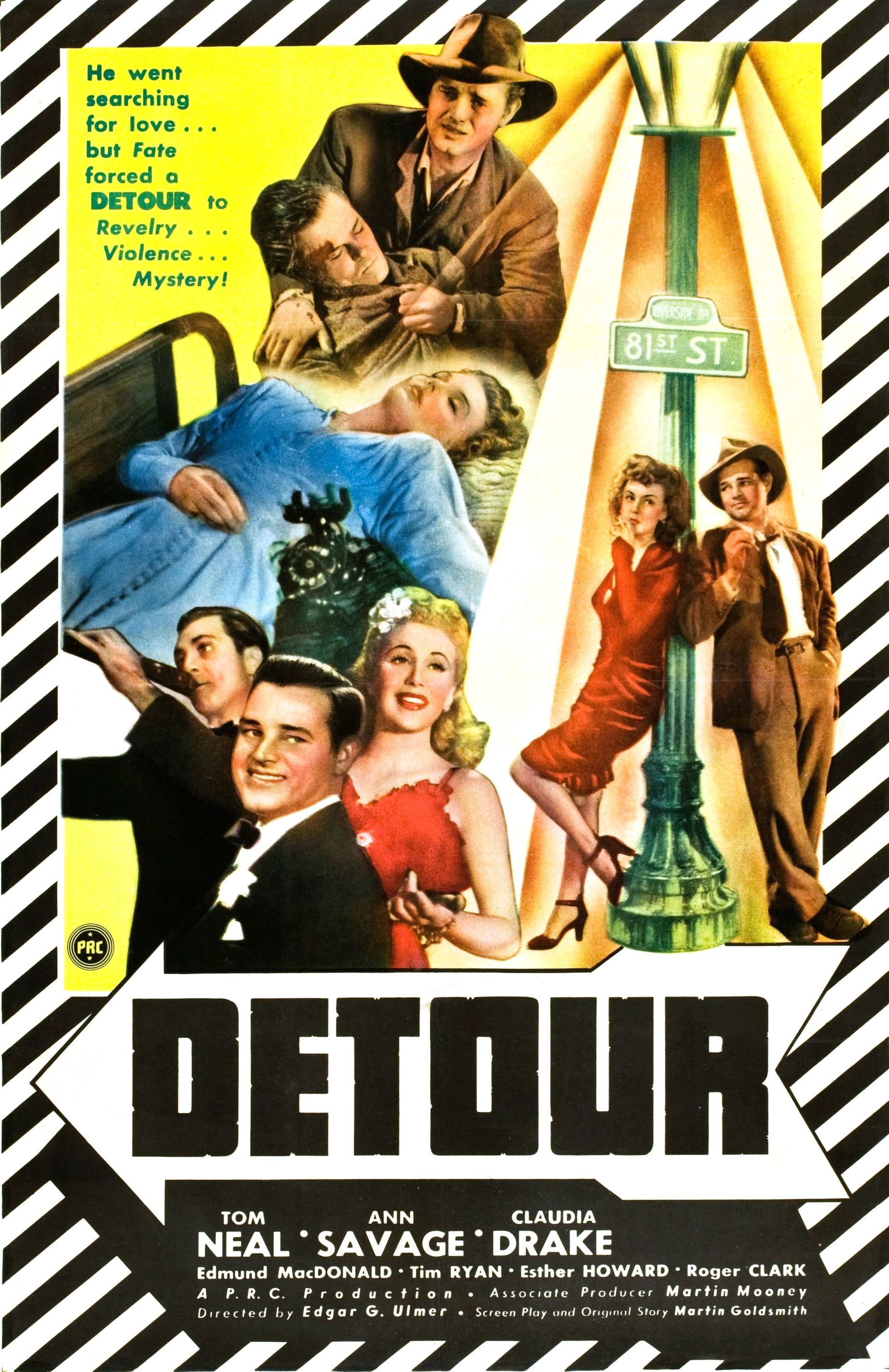
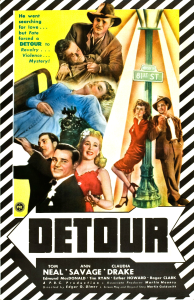
4. Detour (1945)

‘That’s life. Whichever way you turn, Fate sticks out a foot to trip you.’ A cool, dirty distillation of noir motifs, stripped down to their bare essence, as a hitchhiker keeps getting screwed over by fate… Made on a shoestring budget and it shows, which suits the nightmarish mood just fine.
noir

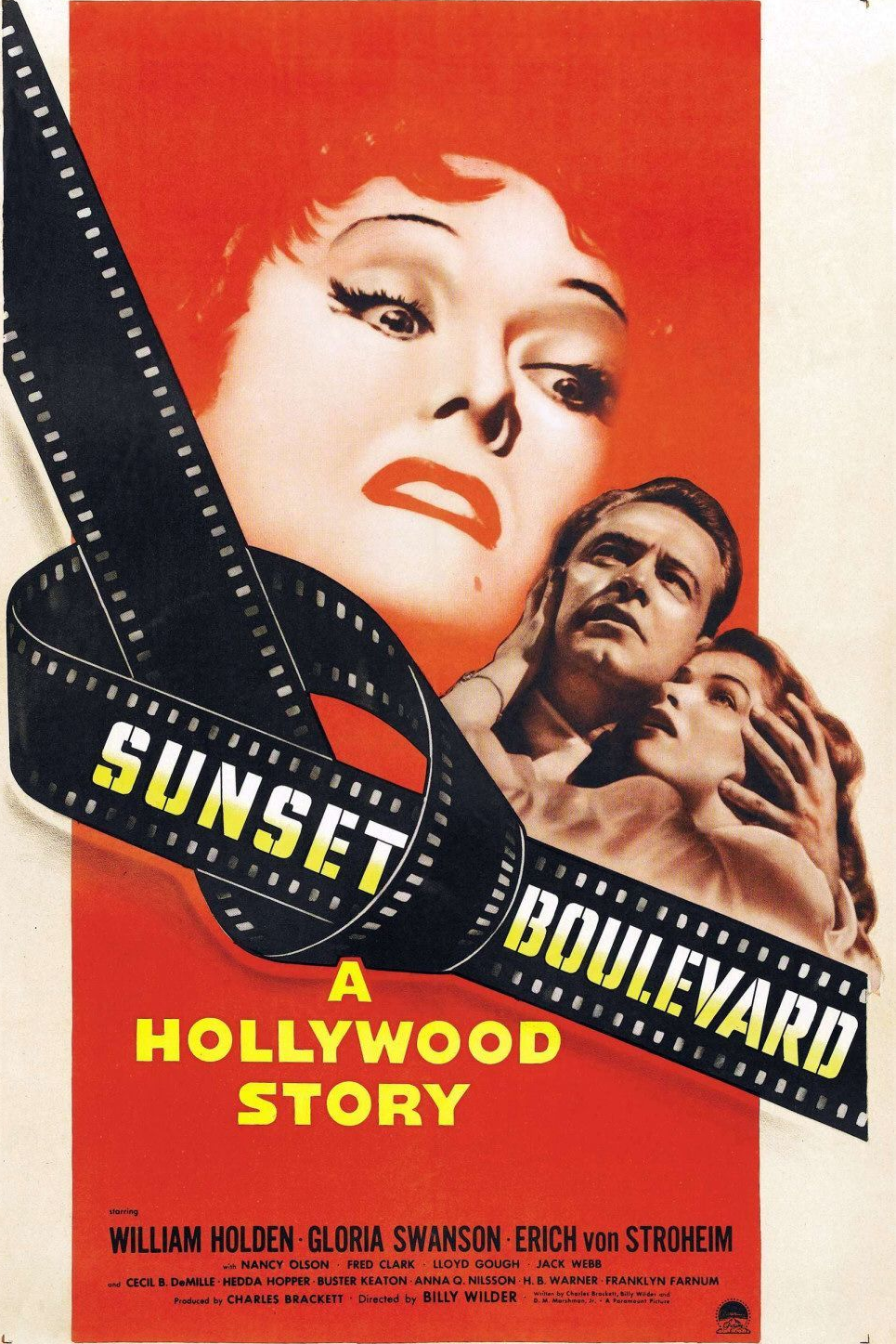
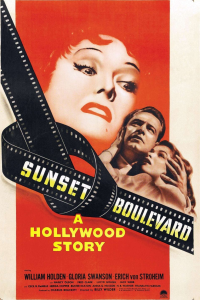
5. Sunset Blvd. (1950)

‘The whole place seemed to have been stricken with a kind of creeping paralysis – out of beat with the rest of the world, crumbling apart in slow motion.’ A dark comedy about the film industry (just to shake things up), this Billy Wilder classic is narrated by a dead man. As Alan Moore put it in Cinema Purgatorio #15: ‘It was disturbing, how Wilder made the film look at itself, and us, and Hollywood. […] In 1950, it was like the movies having a vision of their own death.’
 film noir

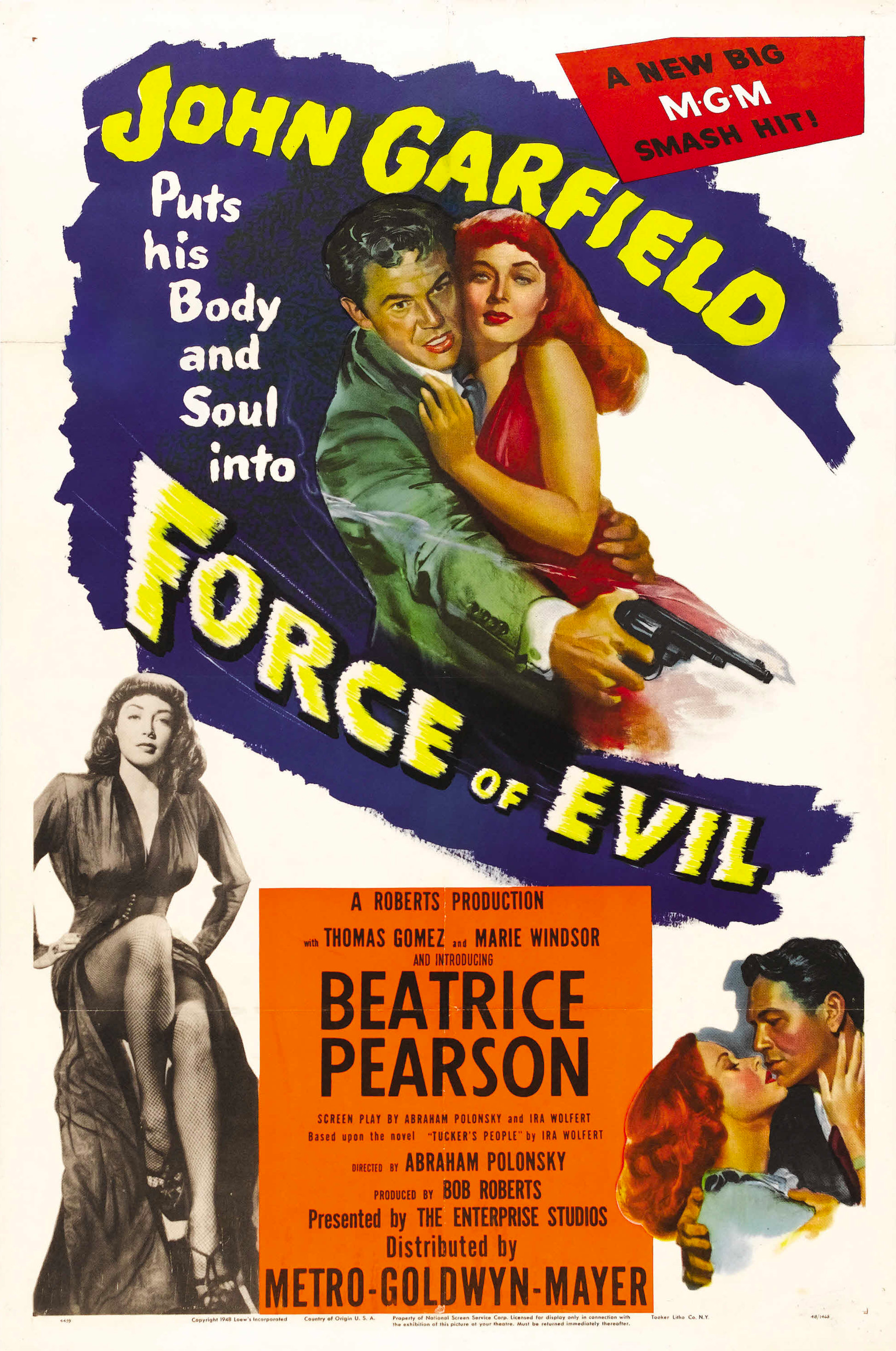
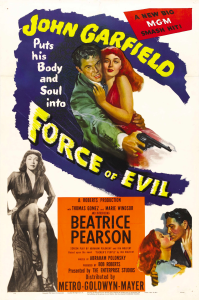
6. Force of Evil (1948)

‘A man could spend the rest of his life trying to remember what he shouldn’t have said.’ John Garfield as a lawyer involved in a gangster’s coup to take over the numbers racket – a tale of greed, corruption, and merciless structures crushing tormented little men, which many have read as an anti-capitalist allegory, for some reason. A few shots seem lifted directly from Edward Hopper’s paintings.
noir

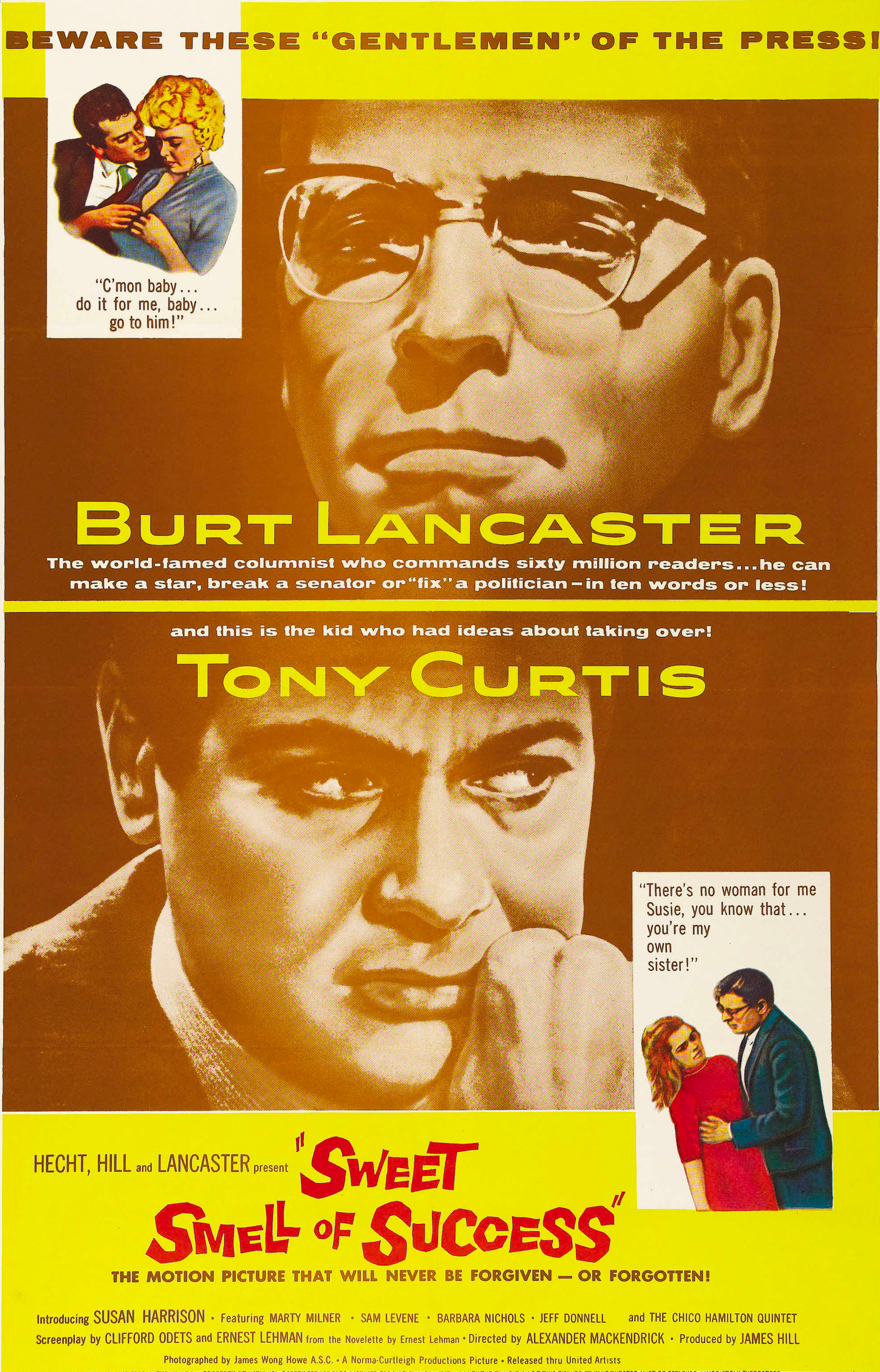
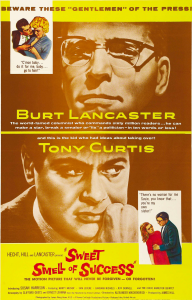
7. Sweet Smell of Success (1957)

‘I’d hate to take a bite outta you. You’re a cookie full of arsenic.’ It turns out the world of press agents and columnists somehow manages to be as dark as that of organized crime. (I will write more about this one soon!)
film noir

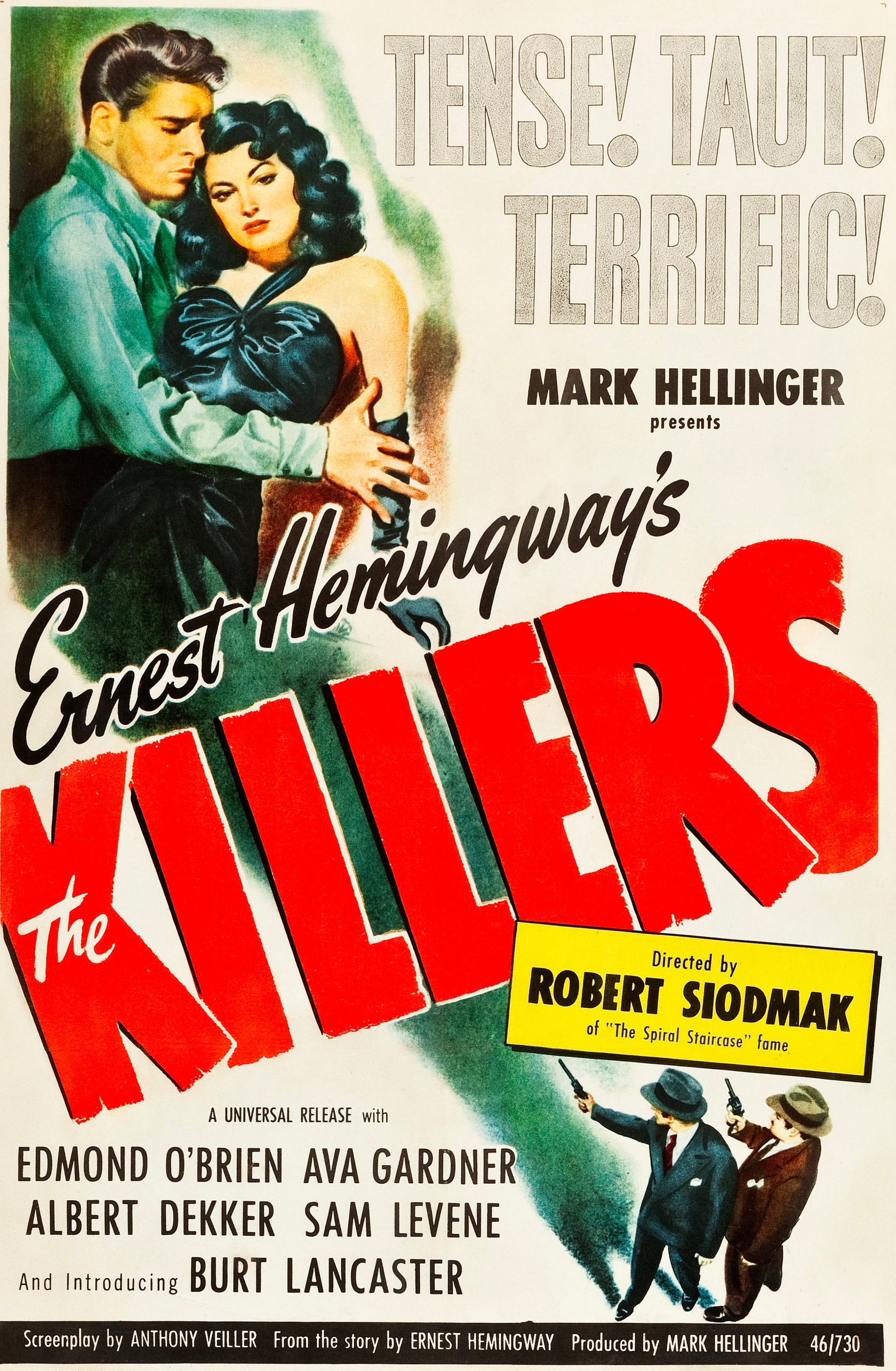
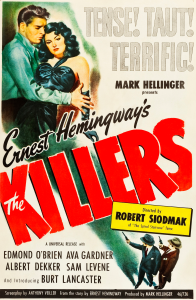
8. The Killers (1946)

‘The double cross to end all double crosses.’ Playing a very different role from the one in Sweet Smell of Success, here Burt Lancaster is a broken fugitive who, when finally faced with the titular killers, simply refuses to fight for his life. In the puzzle-structured flashbacks that follow, we gradually find out why.
film noir

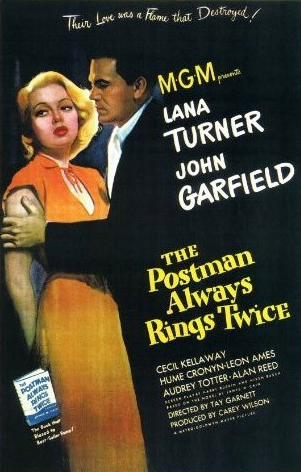
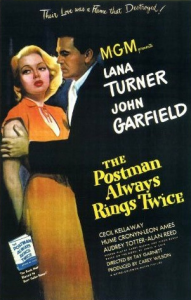
9. The Postman Always Rings Twice (1946)

‘Stealing a man’s wife, that’s nothing, but stealing a man’s car, that’s larceny.’ Practically every shot in this film is pitch-perfect, oozing with some extra layer. Most notably, the sizzling moment John Garfield (playing a drifter in search of work) lays his eyes on Lana Turner’s legs (she’s the wife of the man who hires him), you know it’s a matter of time before he gets himself into trouble by biting more than he can chew.
film noir

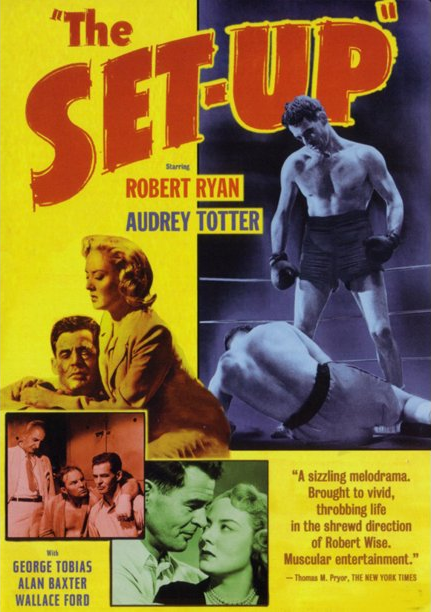
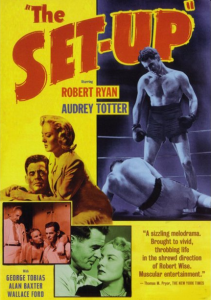
10. The Set-Up (1949)

‘Don’t you see, Bill, you’ll always be just one punch away.’ Not only one of the greatest noirs, but one hell of a boxing picture, with Robert Ryan as a loser beaten by life who refuses to stay down, even though not even his manager has any trust in him, fixing a fight for him to lose without letting him know… And because the narrative is told in real-time (i.e. the action itself lasts as long as the film), you know there’s no escape but to keep watching as Ryan’s character digs his grave with every blow in the ring.
film noir

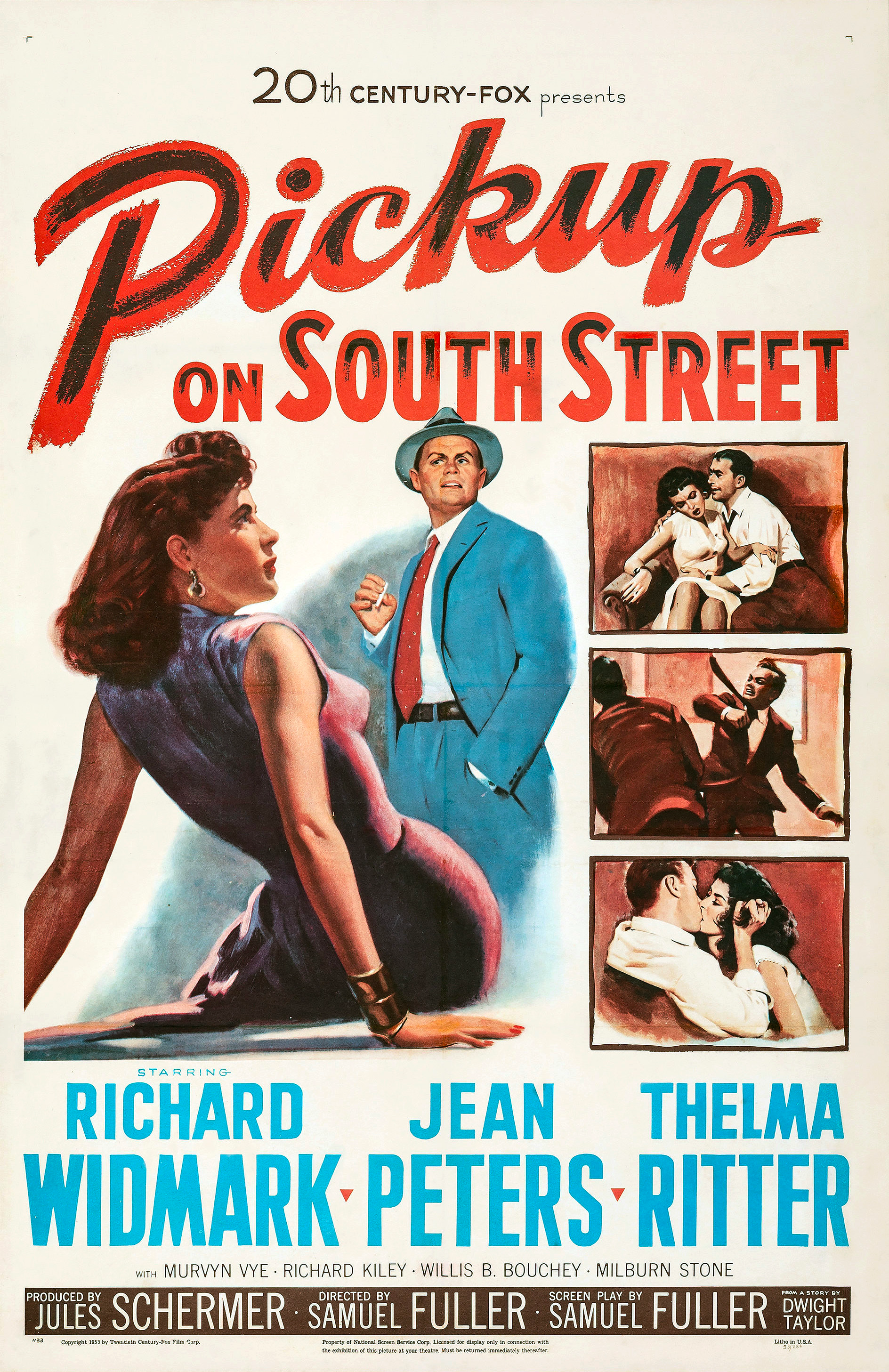
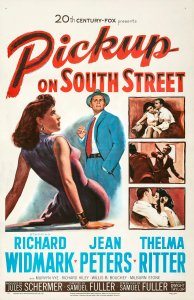
11. Pickup on South Street (1953)

‘So you’re a Red, who cares? Your money’s as good as anybody else’s.’ Film noir vs Cold War. Bold, stylish storytelling all around, as three of my favorite lowlifes inadvertently find themselves involved in a spy scheme… As usual, you can find an interesting discussion of the movie in Robert Miklitsch’s book, The Red and the Black: American Film Noir in the 1950s.
noir

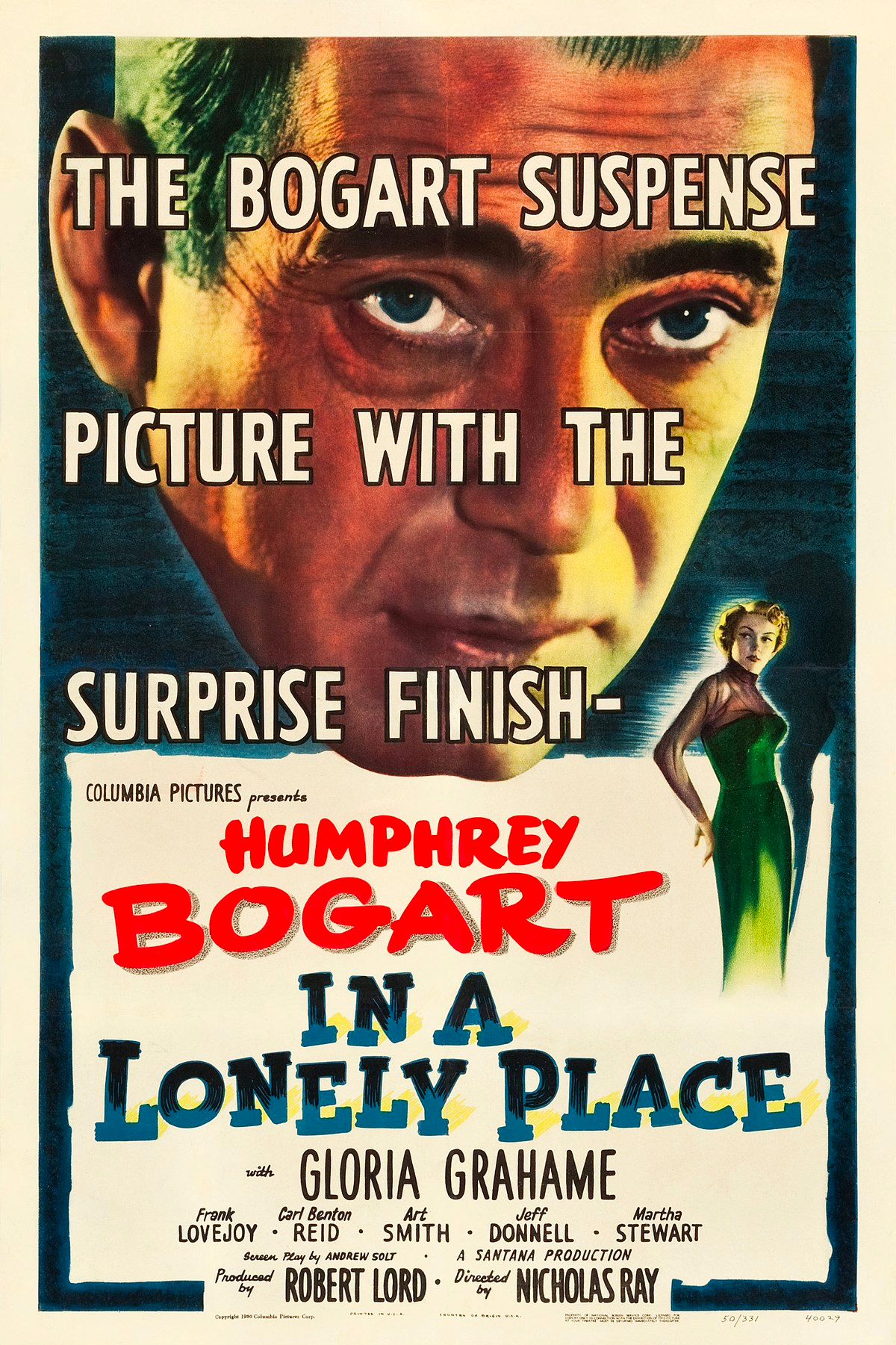
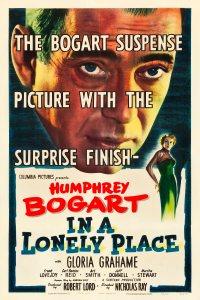
12. In A Lonely Place (1950)

‘I was born when she kissed me. I died when she left me. I lived a few weeks while she loved me.’ Another disenchanted take on Hollywood, as Gloria Grahame falls for a screenwriter who’s a poster boy for toxic masculinity, played by Humphrey Bogart at his scariest.
the big carnival

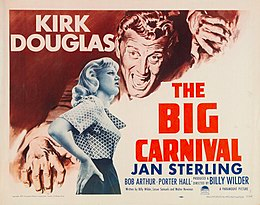
13. Ace in the Hole, aka The Big Carnival (1951)

‘I met a lot of hard-boiled eggs in my life, but you – you’re twenty minutes.’ Film noir meets media satire. The third of Billy Wilder’s brilliant noir trilogy is louder and more farcical, but just as hard-hitting as the others.
noir

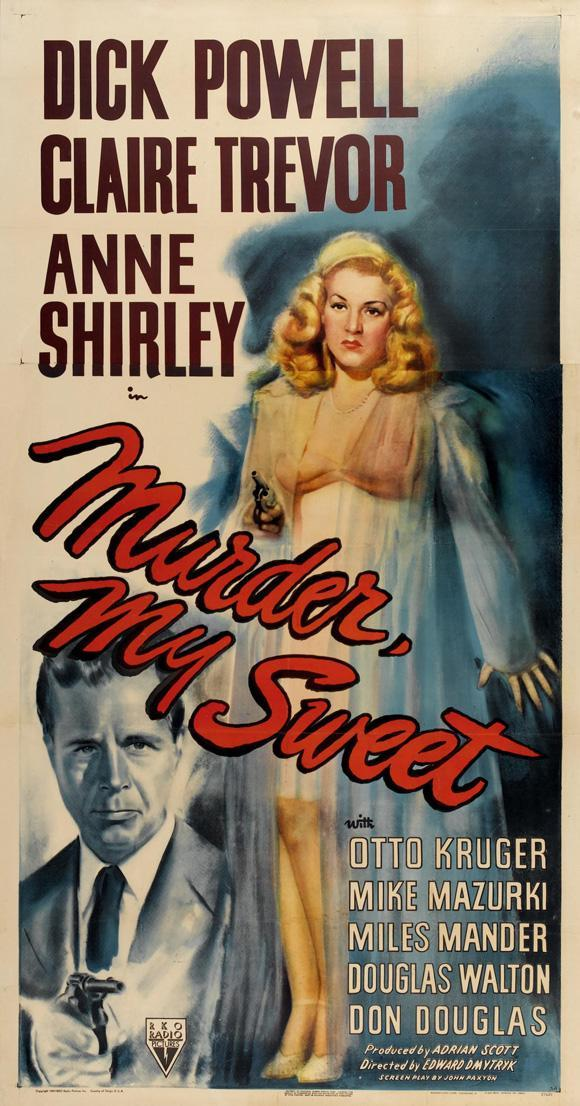
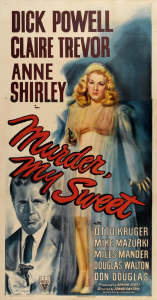
14. Murder, My Sweet (1944)

‘I gave her a drink. She was a gal who’d take a drink if she had to knock you down to get the bottle.’ Murder, My Sweet is still the best Philip Marlowe adaptation (sorry, Howard Hawks), with an intricate mystery and jaw-dropping visuals all the way through (Will Eisner must have watched this one…). Would’ve ranked it even higher, if not for the cute ending.
film noir

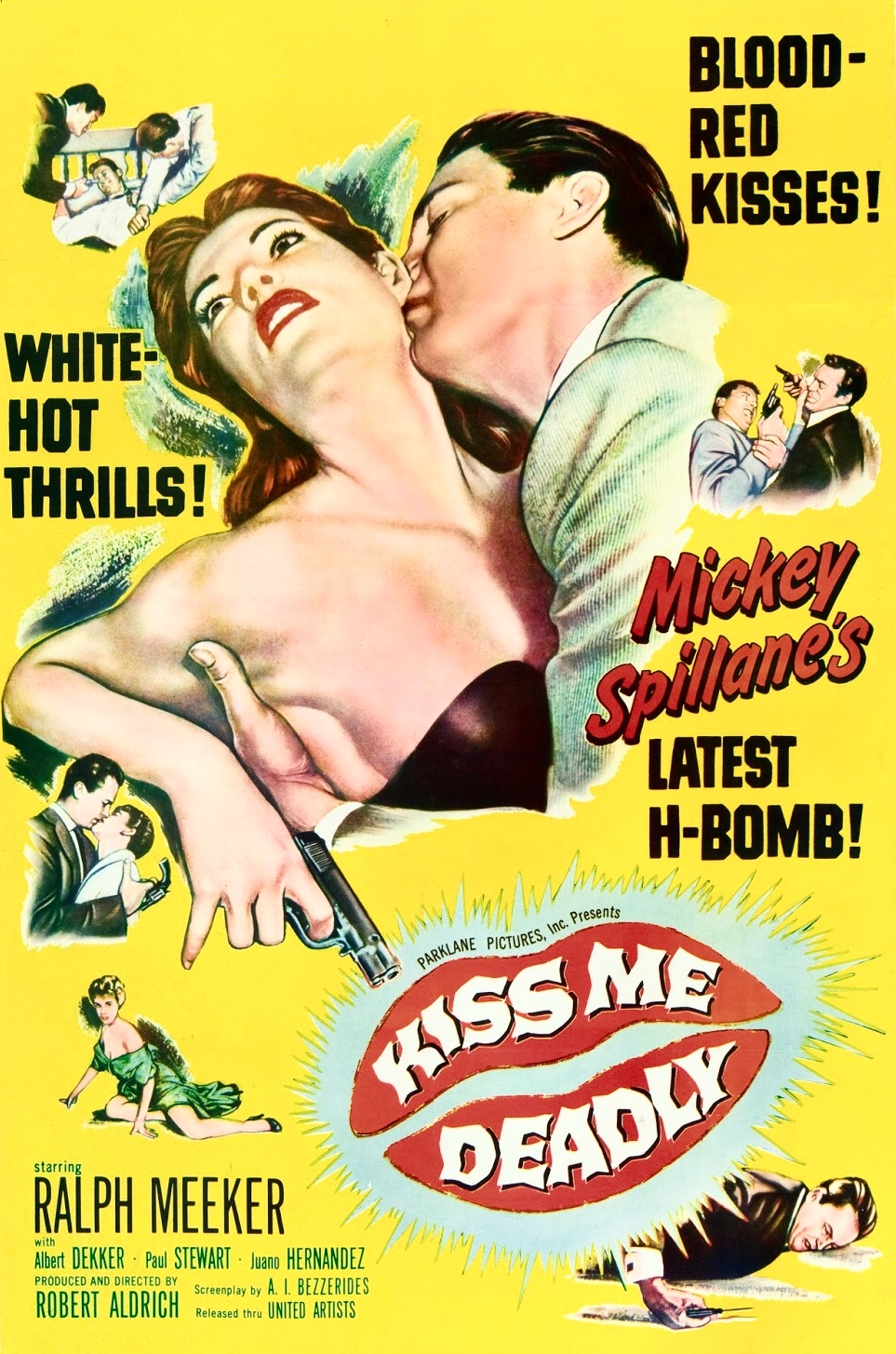
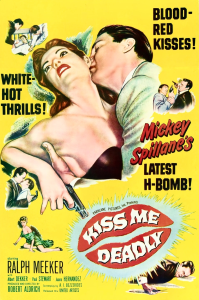
15. Kiss Me Deadly (1955)

‘I want you to kiss me. Kiss me. The liar’s kiss that says I love you, and means something else.’ This one is more of a deconstruction of noir, particularly of the tough private eye subgenre (perfected by Murder, My Sweet). However, like Watchmen’s deconstruction of superheroes, Kiss Me Deadly works on both levels… Plus, it ends with a bang.
noir

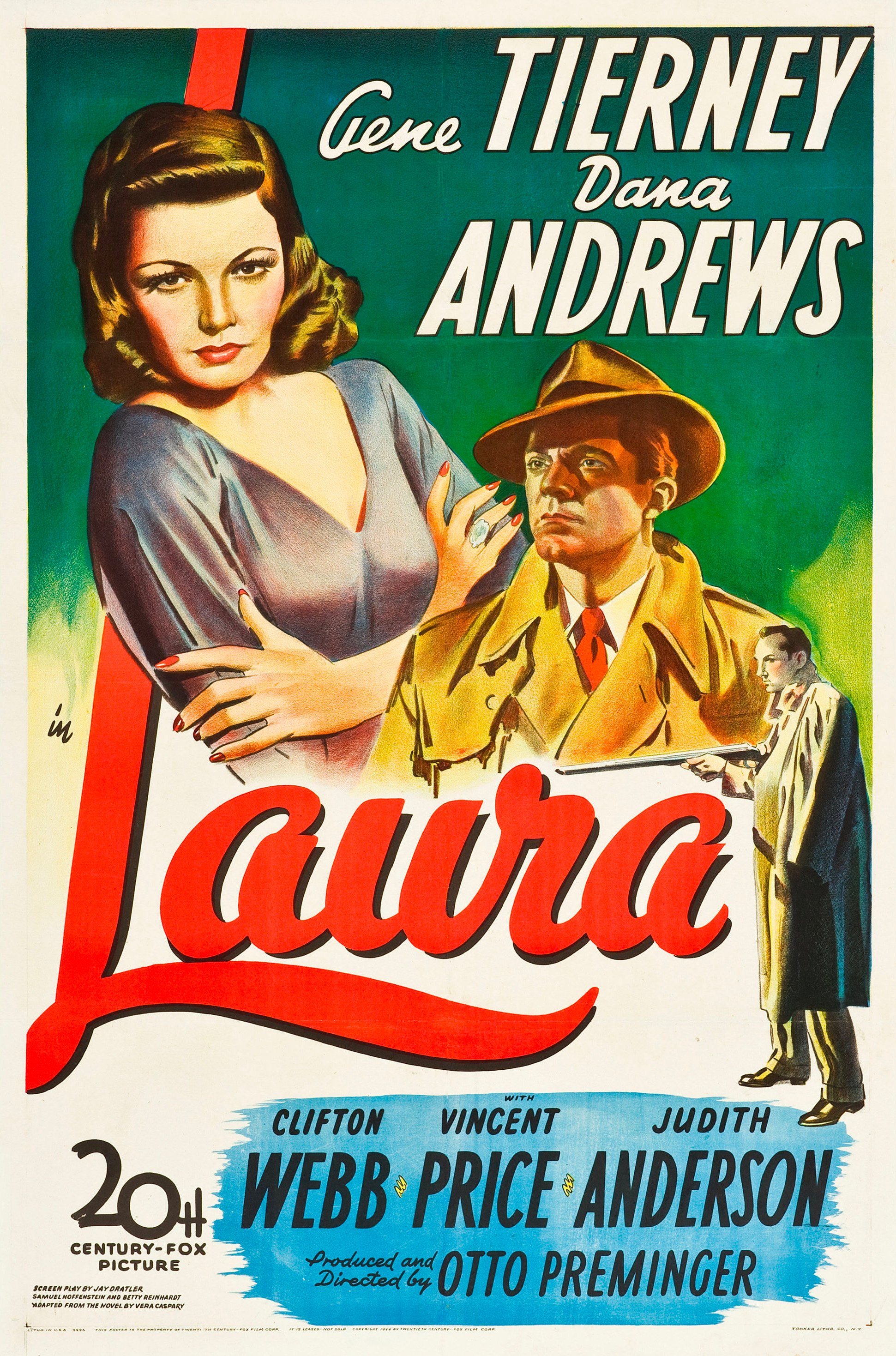
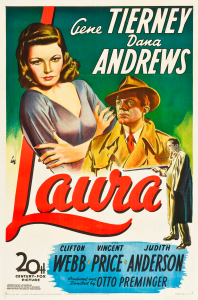
16. Laura (1944)

‘I can afford a blemish on my character, but not on my clothes.’ A cop falls in love with a dead woman in yet another twisty whodunit… The tone isn’t as hardboiled as in the ones above, but the themes are pure noir.
film noir

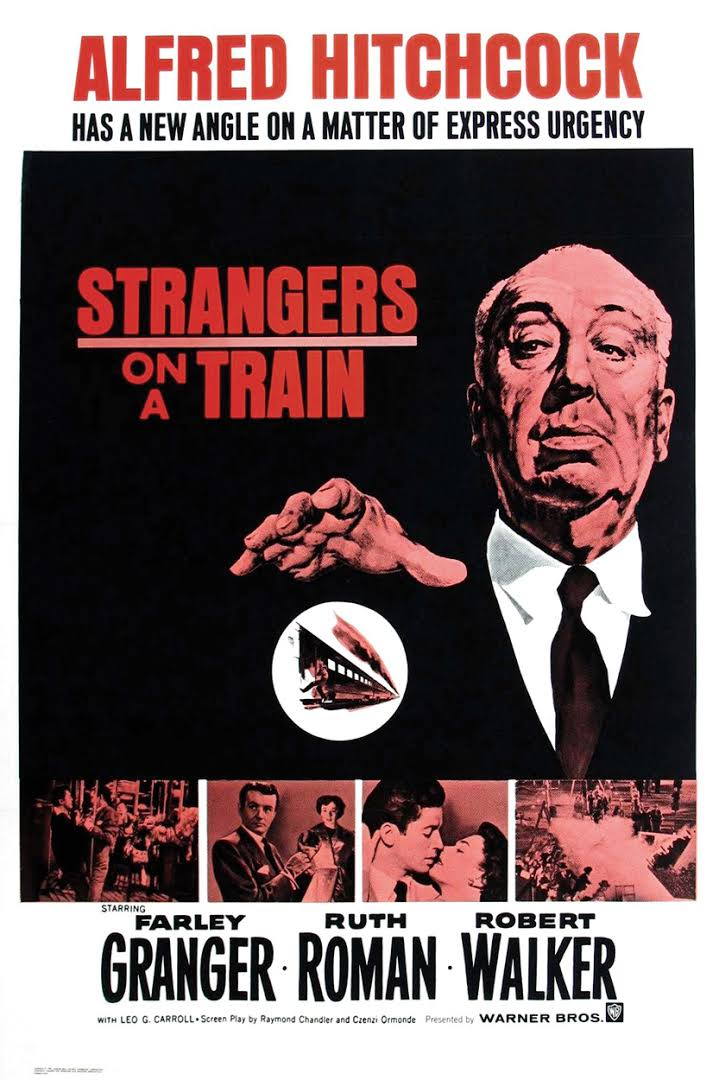
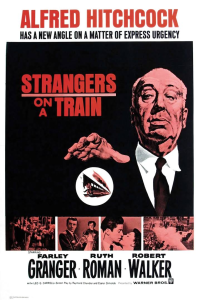
17. Strangers on a Train (1951)

‘I may be old-fashioned, but I thought murder was against the law.’ Alfred Hitchcock goes noir. This perverse plot has inspired countless variations (including at least one Batman comic, by Frank Robbins), not to mention the cult dark comedy Throw Momma from the Train.
film noir

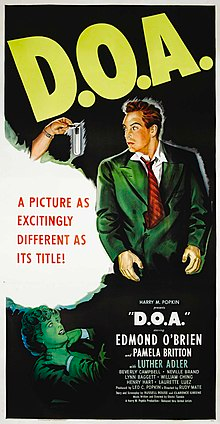
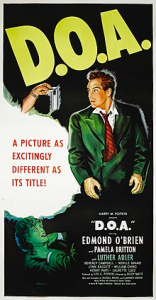
18. D.O.A. (1950)

‘That’s the way I wanna see you go, Bigelow… nice and slow.’ A man investigates his own murder. Talk about fatalism!
noir

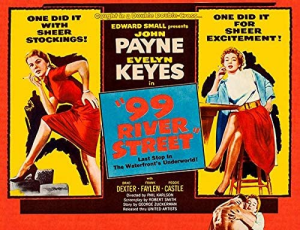
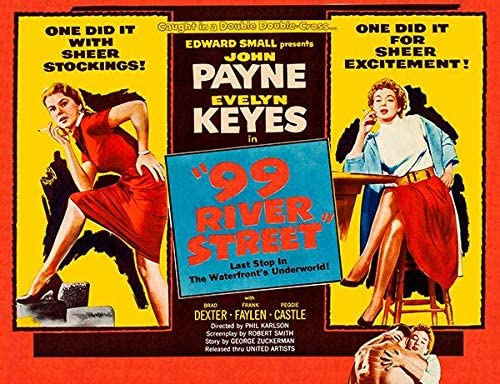
 19. 99 River Street (1953) 

‘There are worse things than murder. You can kill someone an inch at a time.’ An embittered ex-prizefighter-turned-New-York-cab-driver has a night from hell, facing everything from a badgering wife to a police dragnet, plus a handful of fistfights with various criminals. An engaging roller coaster, brutal but not entirely devoid of compassion for its deadbeat protagonists.
 noir

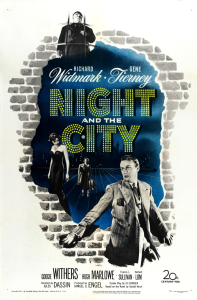
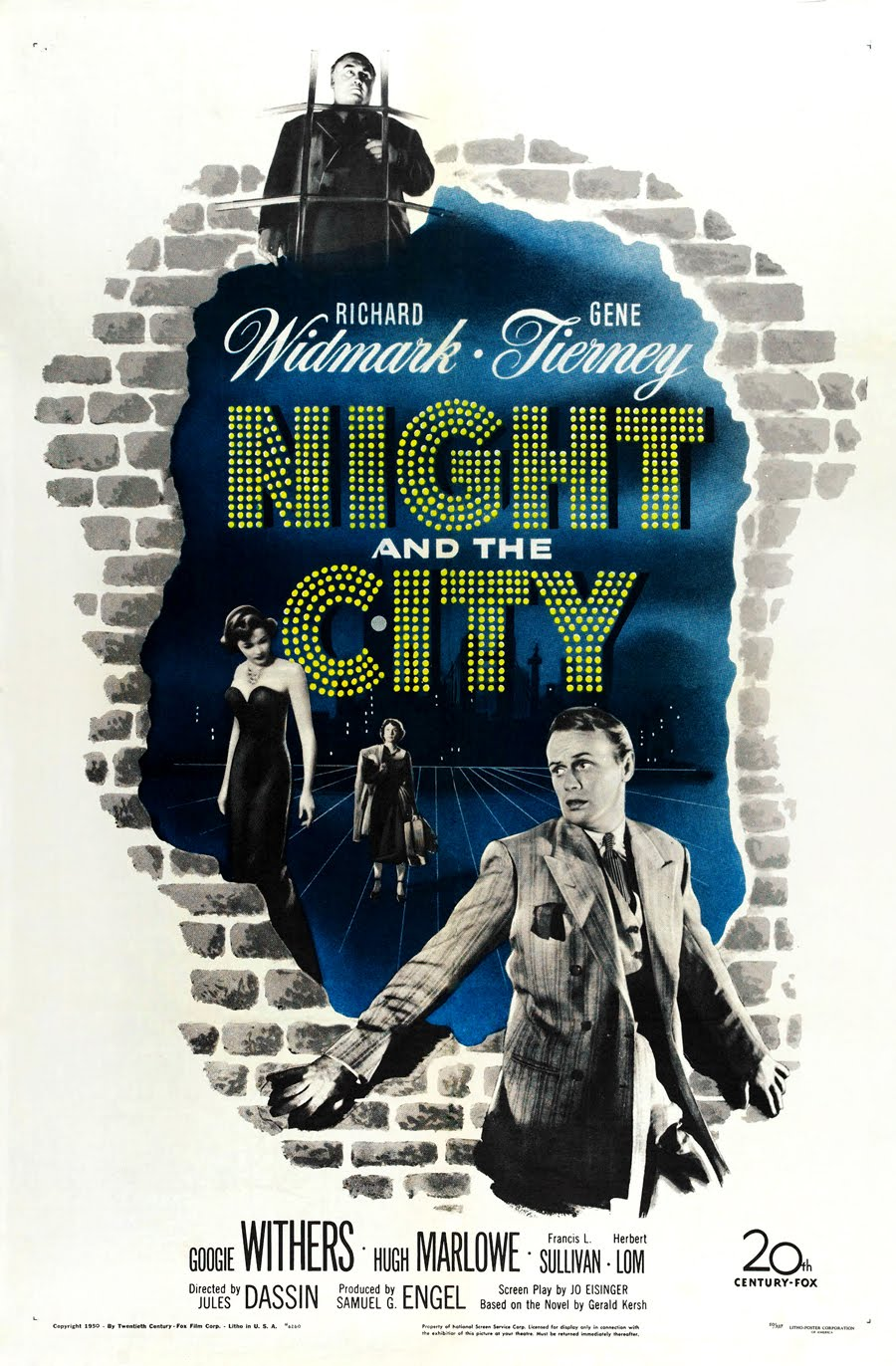
 20. Night and the City (1950)

‘Harry is an artist without an art.’ Richard Widmark’s greatest role outside of Pickup on South Street – a recklessly ambitious hustler trying to pull one of his schemes in the world of Greco-Roman wrestling. London’s criminal underworld is apparently even more packed with idiosyncratic characters than its counterpart in American cities… (If you have a choice, I recommend watching the US cut rather than the British one.)
 heist

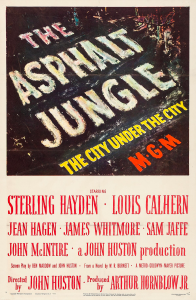
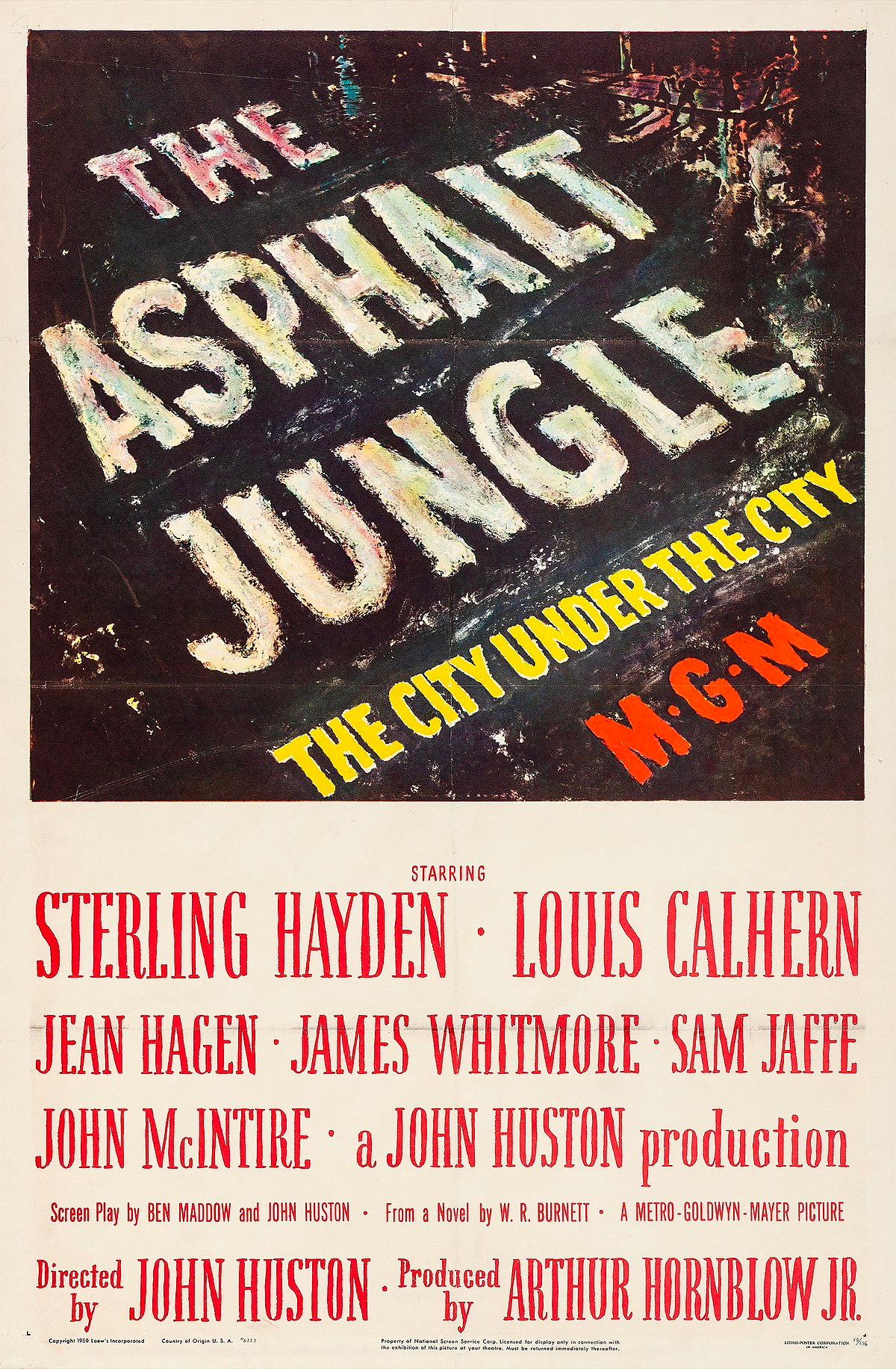
 21. The Asphalt Jungle (1950) 

‘One way or another, we all work for our vice.’ The grandaddy of heist movies.
 film noir

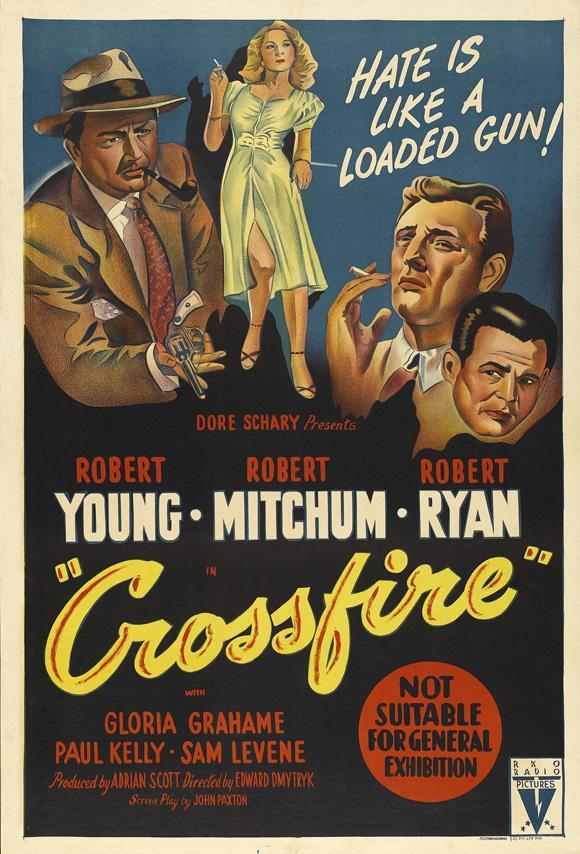
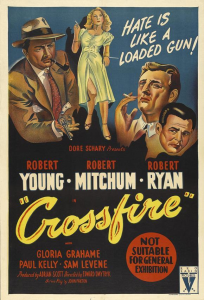
 22. Crossfire (1947) 

‘The motive had to be inside the killer himself. Something he brought with him. Something he’d been nursing, for a long time. Something that had been waiting.’ Film noir vs antisemitism. Between the quiet soundtrack and the overwhelming darkness, Crossfire is a great example of how solutions to work around a low budget can actually intensify a film’s impact.
 heist movie

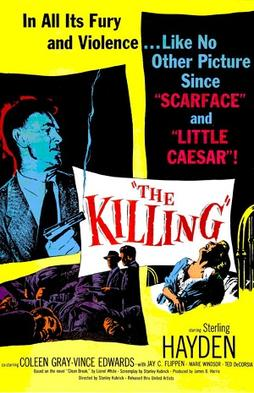
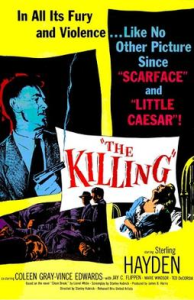
 23. The Killing (1956) 

‘It isn’t fair. I never had anybody but you. Not a real husband. Not even a man. Just a bad joke without a punchline.’ Stanley Kubrick’s take on heists is more cerebral than The Asphalt Jungle. The emotional angle places the former film higher, but this one isn’t far behind.
 noir

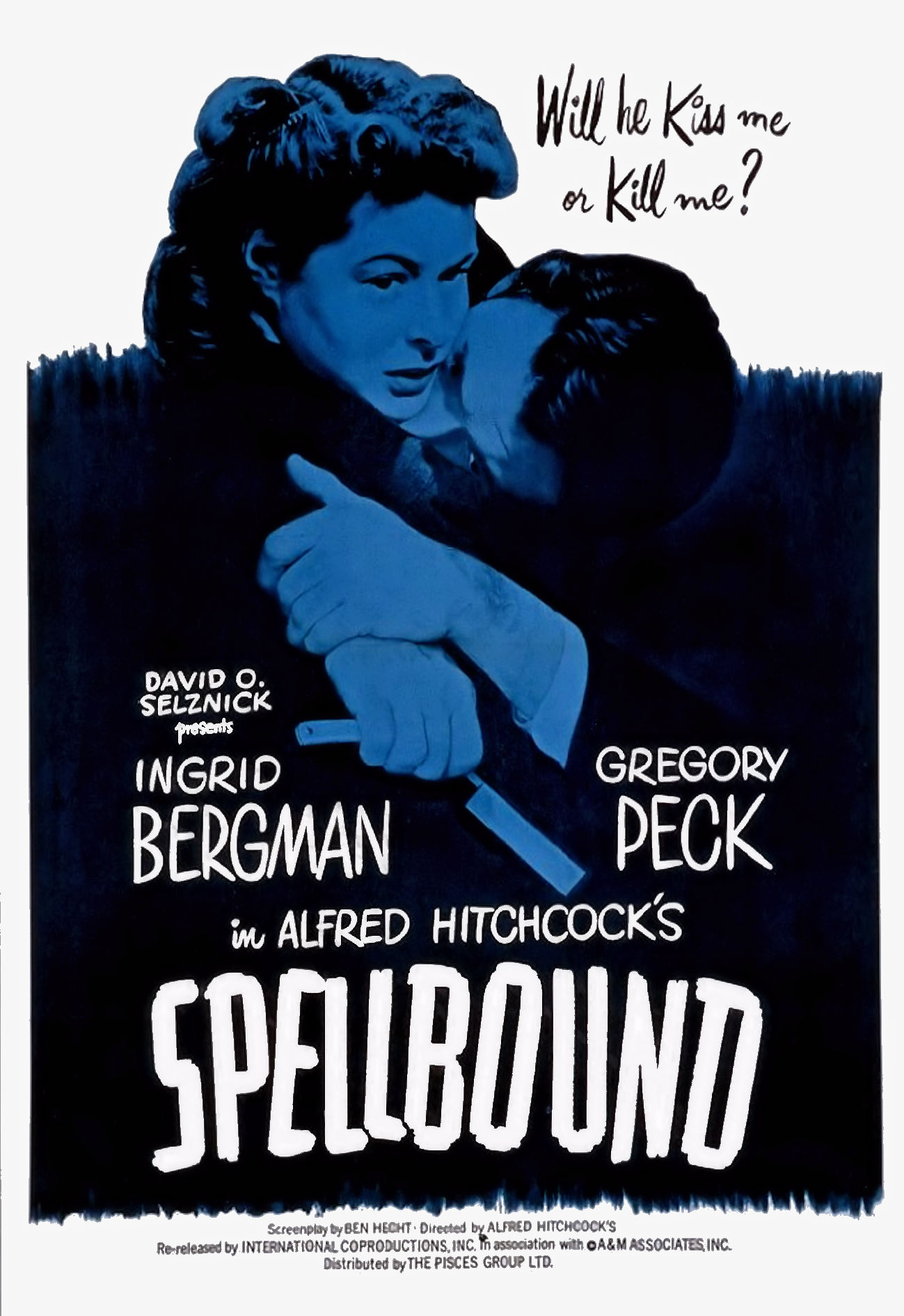
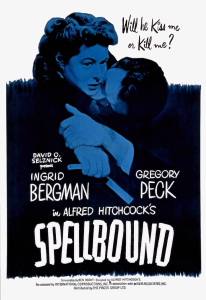
 24. Spellbound(1945) 

‘Good night and sweet dreams… which we’ll analyze at breakfast.’ Another Hitchcock venture, this time putting a spin on the amnesia trope (a classic noir motif), complete with a lot of psychobabble and a dream sequence designed by Salvador Dalí.
noir

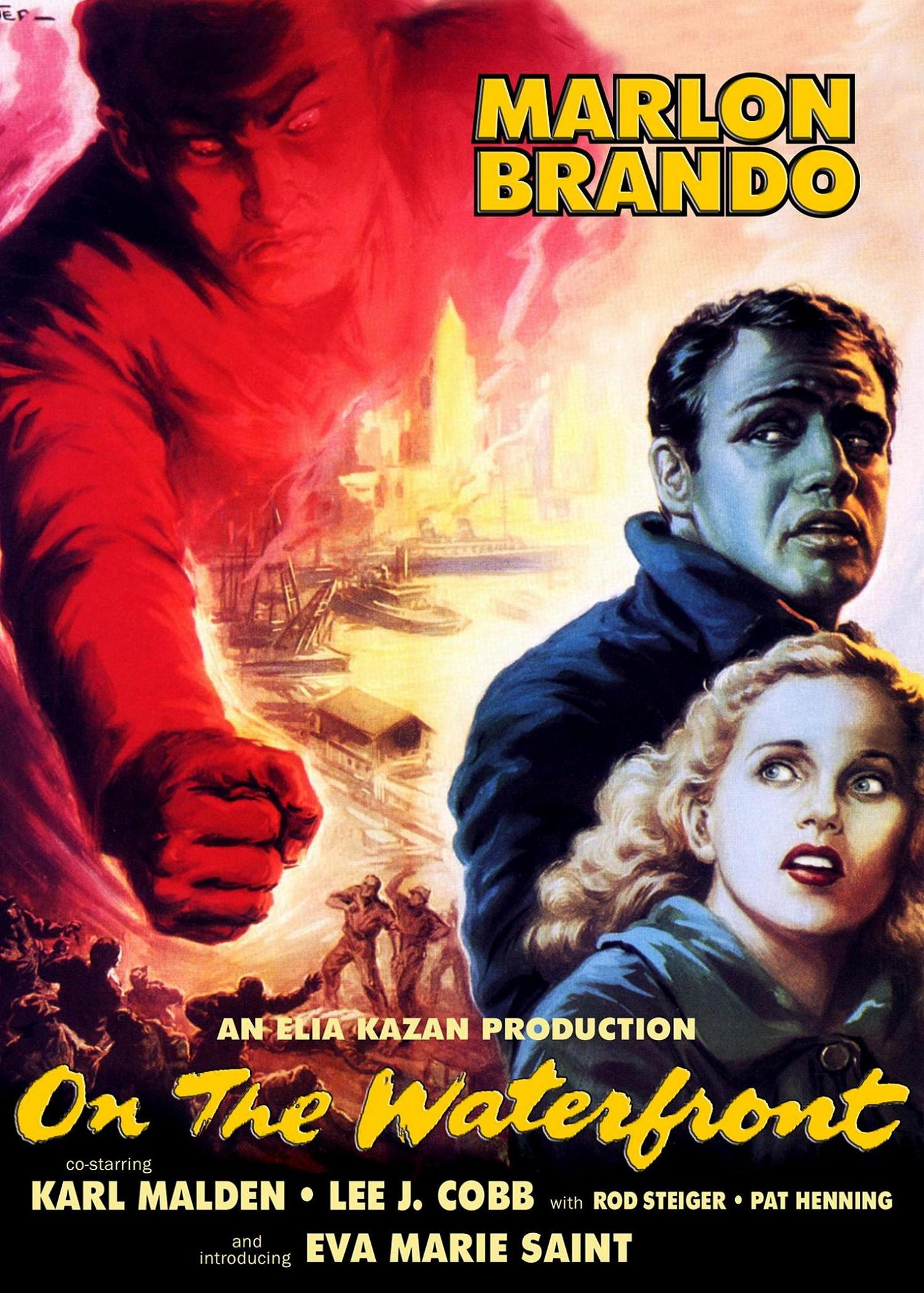
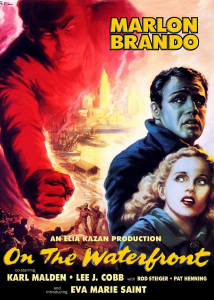
25. On The Waterfront (1954)

‘The only arithmetic he ever got was hearing the referee count up to ten.’ This attack on the violence and corruption of stevedores’ unions isn’t usually classified as a film noir, perhaps because critics feel that Marlon Brando’s intense performance takes the movie into more serious drama territory, or perhaps because they prefer to discuss it as Elia Kazan’s political statement about his decision to testify at HUAC. Between the crime-centred story, the high-contrast lighting, and the encroaching fog, though, I’d argue On the Waterfront definitely belongs here. (It also works as a nice prelude to the second season of The Wire…)
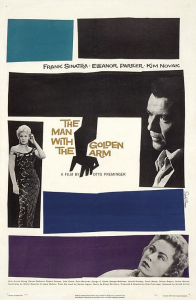
 sinatra

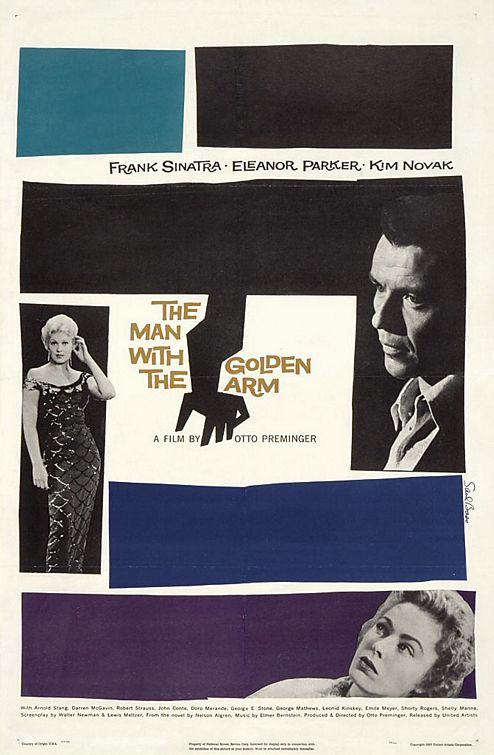
26. The Man with the Golden Arm (1955)

‘Jump off a roof if you’re gonna kill yourself, but don’t ask me to help ya…’ Frank Sinatra as a heroin addict. (And yes, it’s much better than the bizarre James Bond movie with the similar title…)
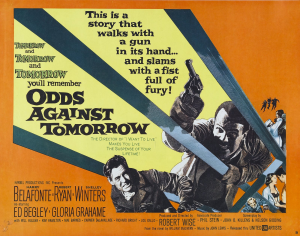
heist

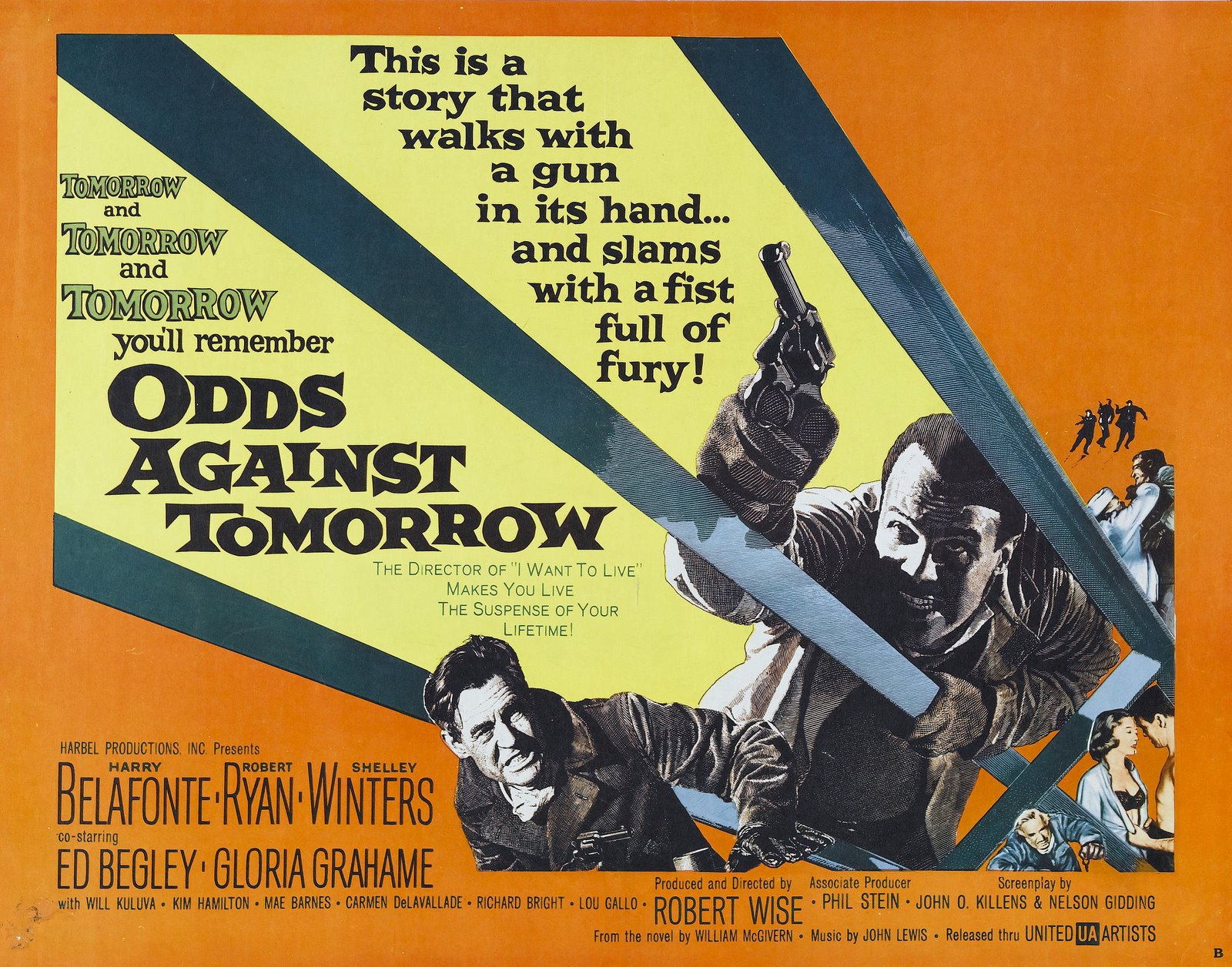
27. Odds Against Tomorrow (1959)

‘Like you said, it’s just one role of the dice, doesn’t matter what color they are, so’s they come up seven.’ Yet another heist movie… but this one soon goes its own way. Along with Crossfire and Bad Day at Black Rock, it forms a trilogy of powerful crime dramas where real-life anti-racist Robert Ryan compellingly embodies bigoted bastards.
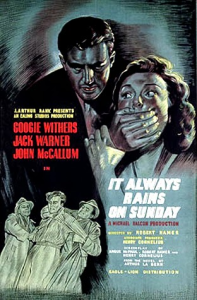
noir

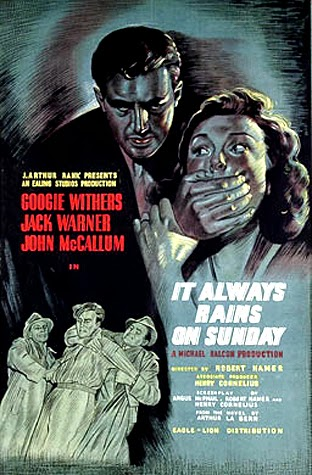
28. It Always Rains On Sunday (1947)

‘There’s such a thing as ham, but there’s none in this sandwich.’ A mosaic of stories in London’s poverty-stricken East End – still dealing with the Blitz’s destruction and post-war deprivation – that wonderfully combines different sensibilities (from light comedy and social drama to the French school of poetic realism), with the noir subplot eventually taking over the film.
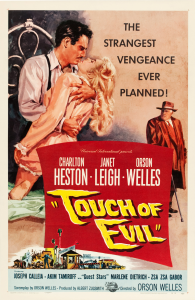
film noir

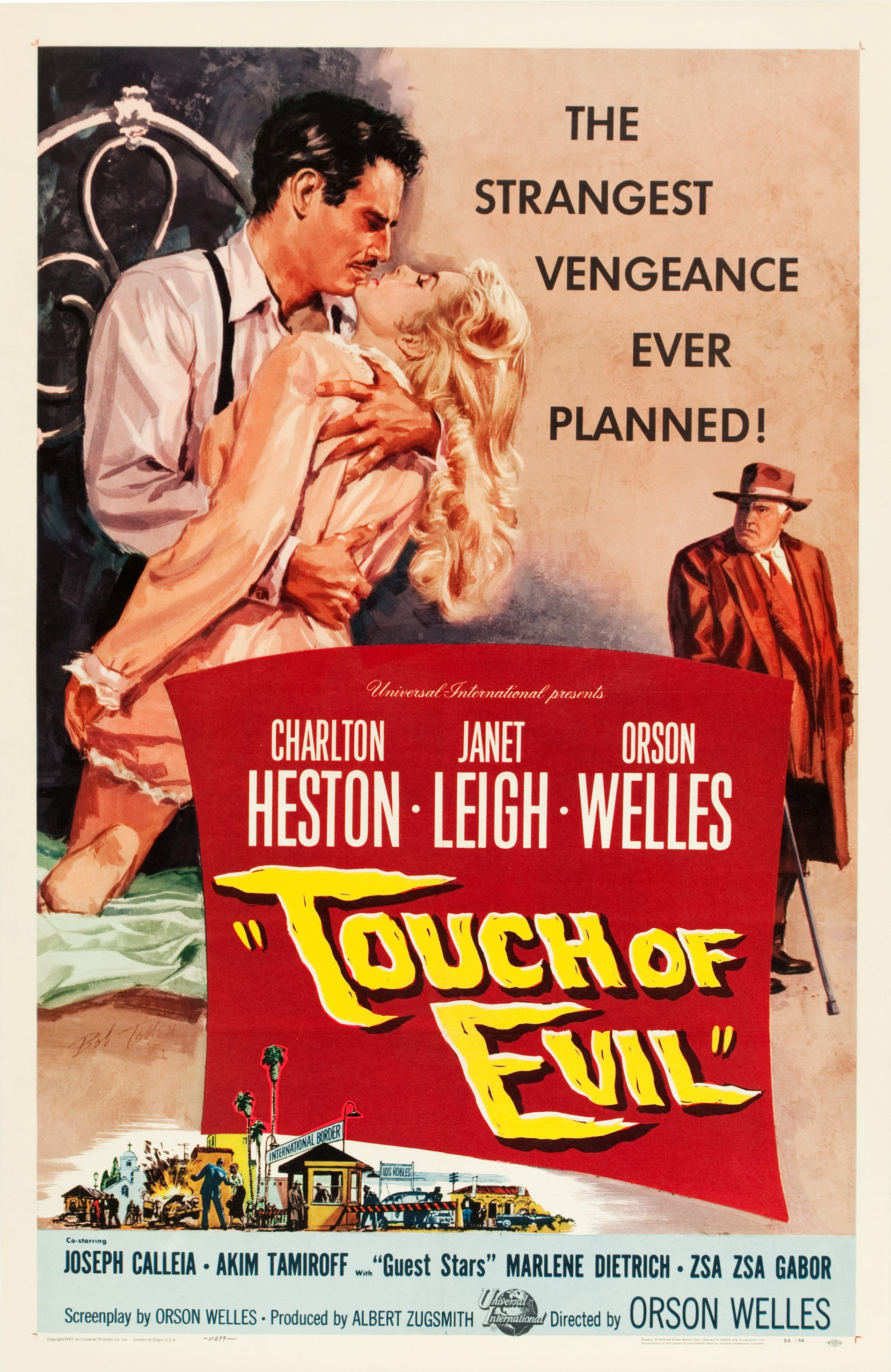
29. Touch of Evil (1958)

‘Your future is all used up.’ Charton Heston (as an incorruptible Mexican cop) vs Orson Welles (at his most deliberately grotesque). Too campy to rank among the very greatest, as far as I’m concerned, but the over-the-top atmosphere is also part of its charm.
noir

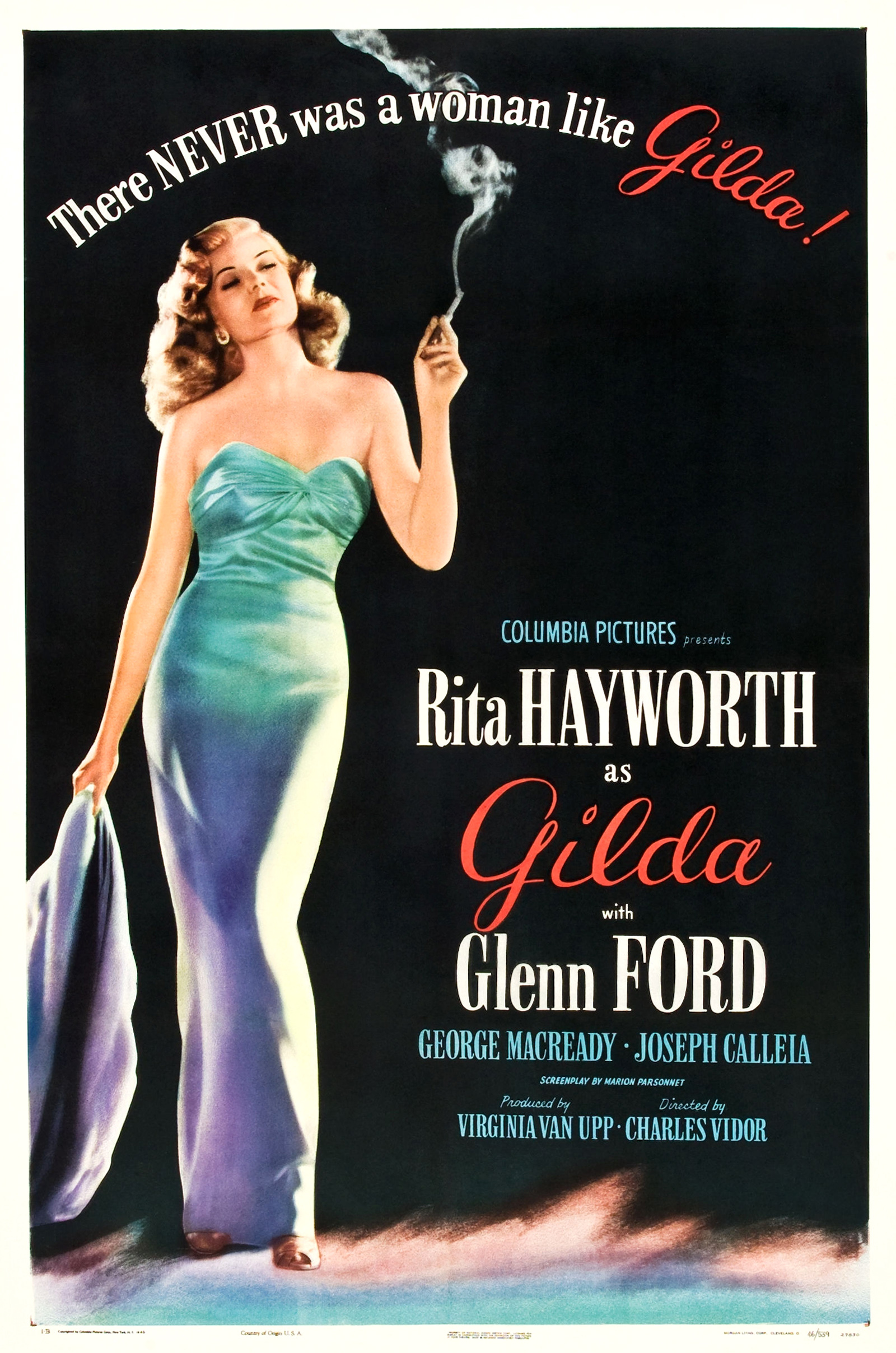
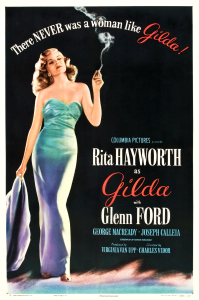
30. Gilda (1946)

‘I can never get a zipper to close. Maybe that stands for something, what do you think?’ Like in Touch of Evil, there is a degree of camp all over this love triangle, set in Buenos Aires, between a hustling drifter, a Nazi-connected casino owner, and his smoldering wife, including a parade of Freudian symbolism. That said, the beginning is so strong and Rita Hayworth singing ‘Put the Blame on Mame’ is so memorable that I can forgive the weak resolution.
noir

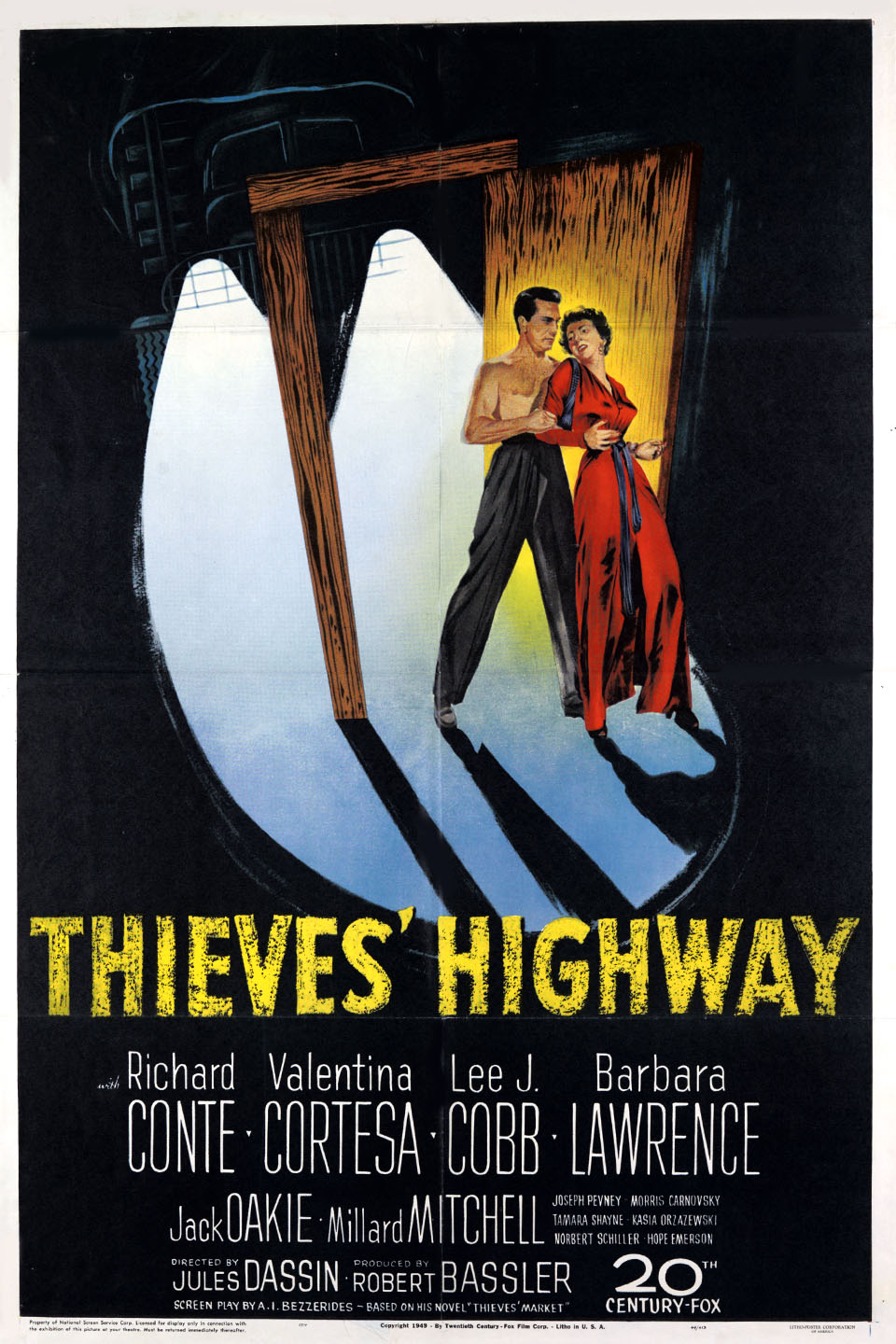
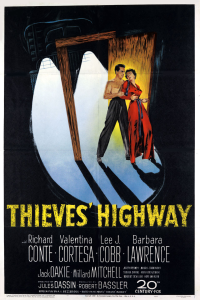
31. Thieves’ Highway (1949)

‘Your end of nothing is nothing.’ Because any capitalist milieu can be a setting for noir (i.e. for existential dread, sweaty desperation, and greedy double-crosses), this knock-out thriller takes on the world of truck drivers and California fruit markets.
film noir

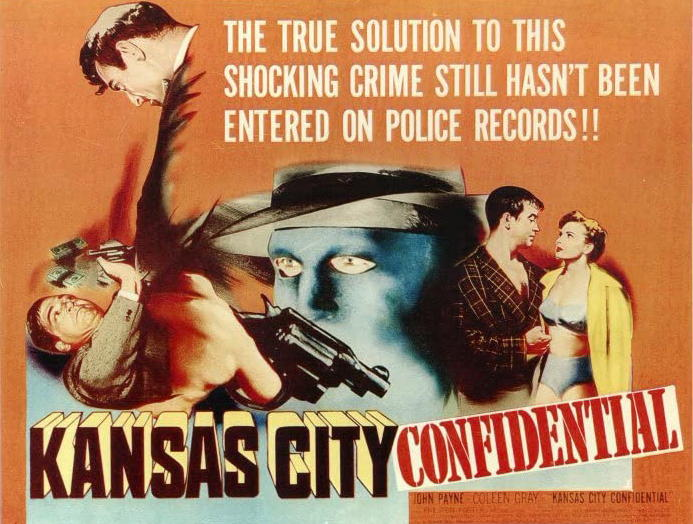
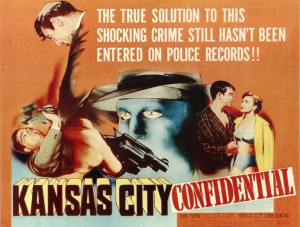
 32. Kansas City Confidential (1952)

‘I know a sure cure for a nosebleed: a cold knife in the middle of the back.’ Together with The Killing, an obvious source of inspiration for Quentin Tarantino’s Reservoir Dogs.
noir

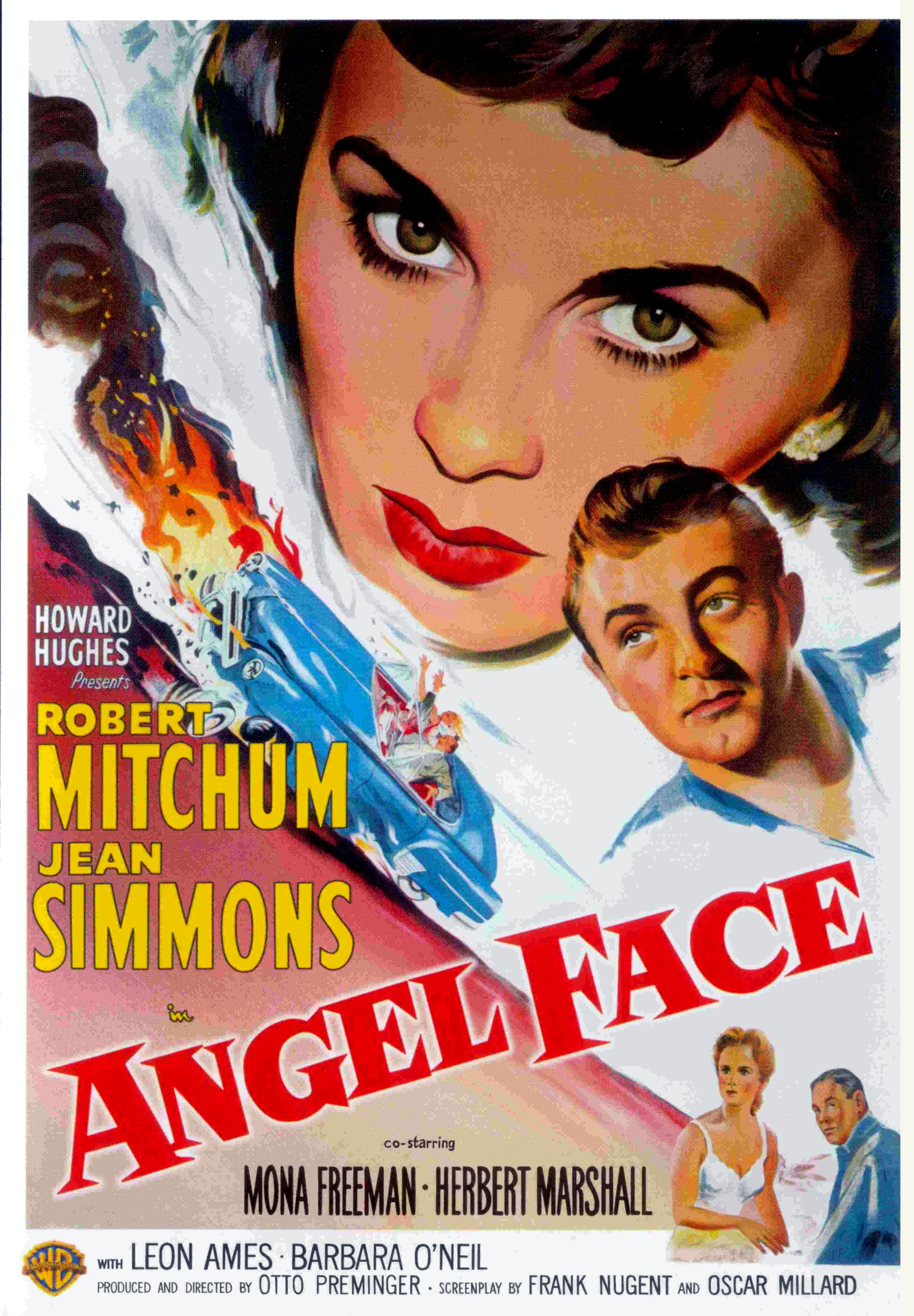
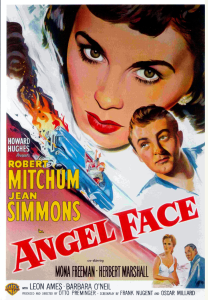
33. Angel Face (1952)

‘Charles, at times your charm wears dangerously thin. Right now it’s so thin I can see through it.’ A taut, smart melodrama about a spoiled rich girl who sets her sights on an ambulance driver (poor Robert Mitchum…) and gradually drives them to their doom. The true star is Otto Preminger’s direction, though, with the kind of precise mise-en-scène that beautifully conveys all the unspoken layers of the story and of the characters’ twisted psychology.
film noir

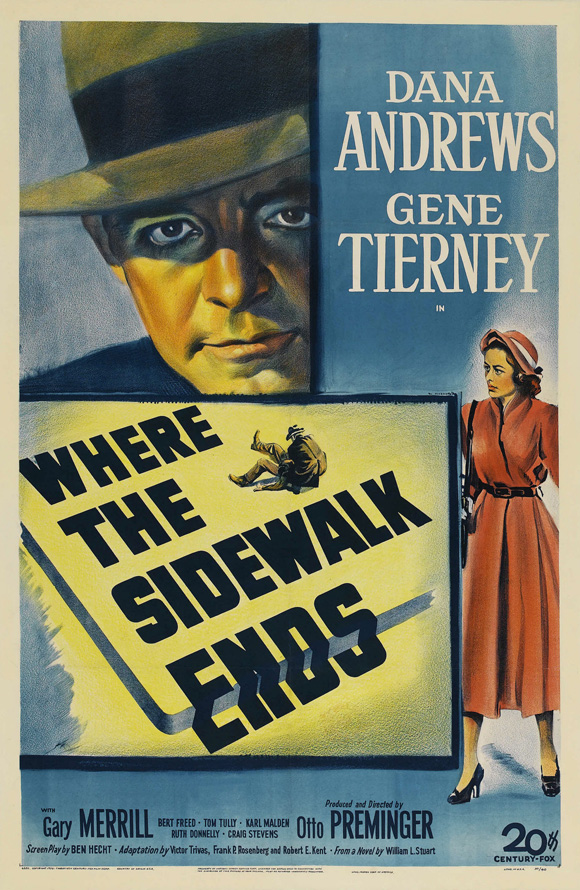
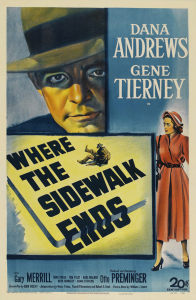
34. Where the Sidewalk Ends (1950)

‘That’s a fancy way of trying to frame somebody – getting yourself knocked off.’ Preminger was also in fine form here, delivering a suspenseful tale about a violent cop overcompensating for his father’s criminality, only to find himself in a noirish spiral of ironies. I’m not a big fan of the resolution (perhaps a concession to the Production Code’s censorship), but everything until those final seconds is close to perfect.
noir

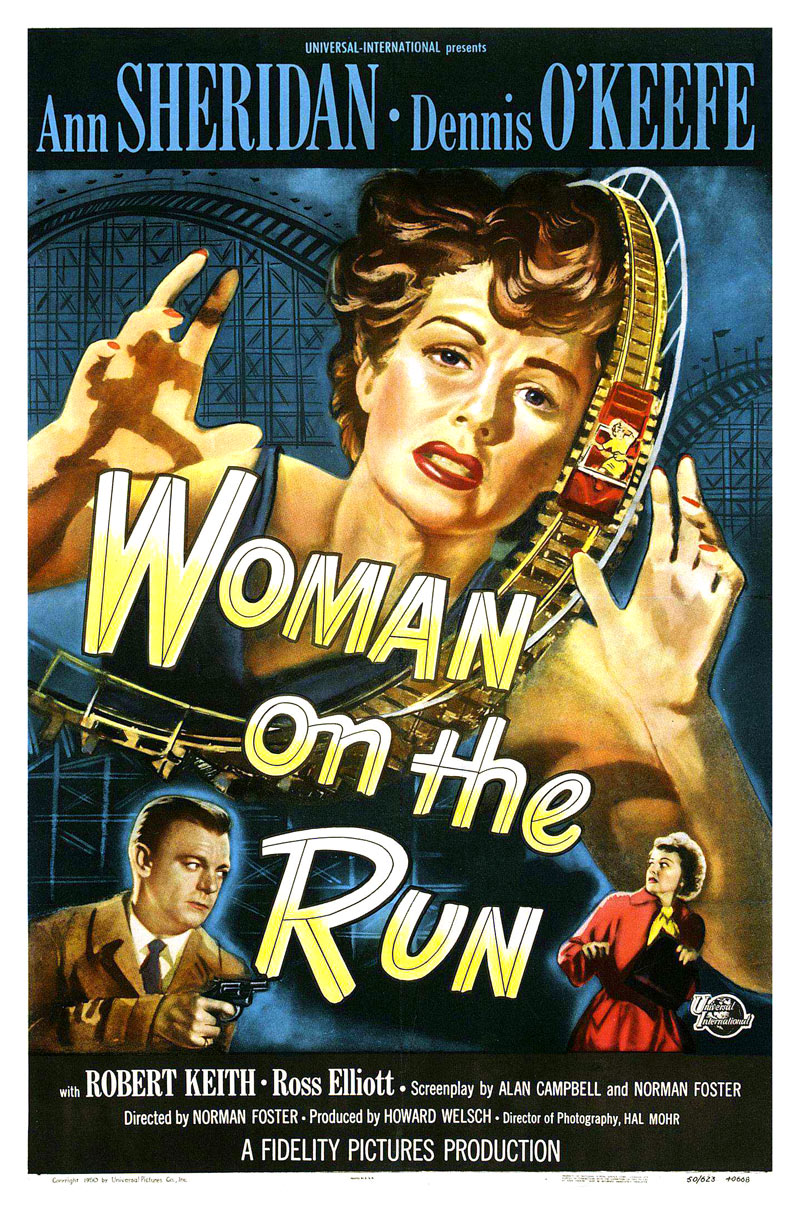
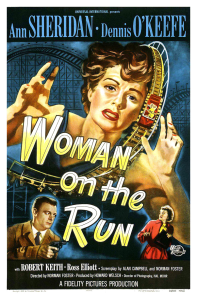
35. Woman on the Run (1950)

‘So Frank is a fugitive from the law… that’s just like him!’ I guess many would rank this lower, since it seems like a fairly modest potboiler about a wife searching for her husband, who went missing after witnessing a murder. The more I’ve rewatched it though, the more Woman on the Run has grown on me, with Ann Sheridan (who also co-produced the film) giving an appealing, nuanced performance as the titular woman revaluating her marriage throughout the quest. The climax at the fair is also pretty awesome!
film noir

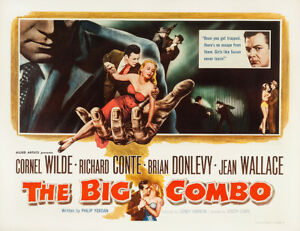
36. The Big Combo (1955)

‘You’re a cop, Leonard. There’s 17,000 laws on the books to be enforced. You haven’t got time to reform wayward girls. She’s been with Brown three and a half years. That’s a lot of days… and nights.’ This badass explosion of noir visuals about an obsessed policeman on a personal crusade against a vicious gangster was no doubt playing in loop on Frank Miller’s nearest screen when he was drawing Sin City.
film noir

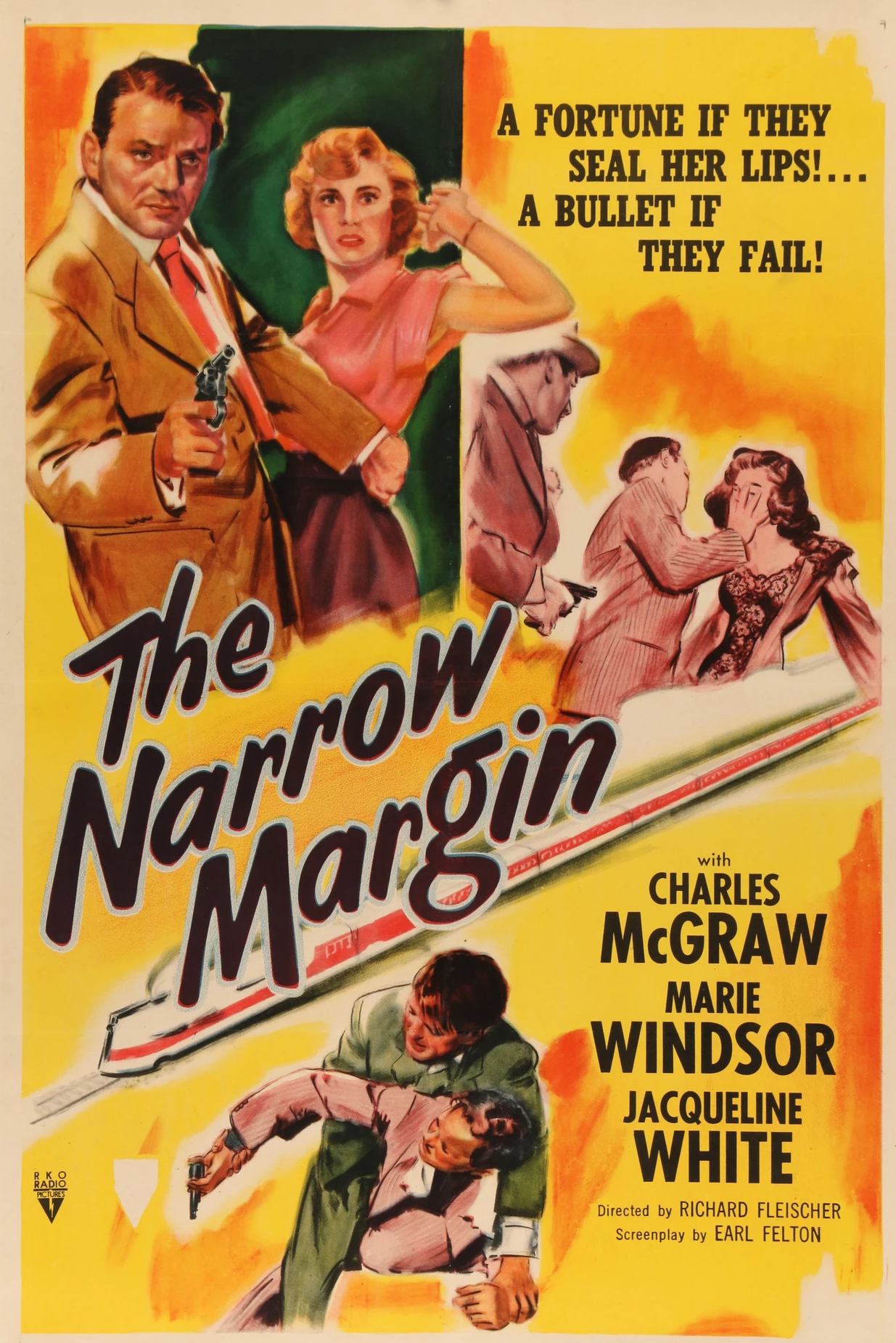
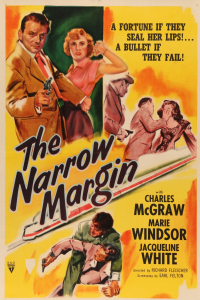
37. The Narrow Margin (1952)

‘All right copper, I’m not in this alone, but you are. You’re just one guy buckin’ a big company, it don’t matter if you beat my brains out or not – we’re in business for keeps.’ Noir on a train, as a police detective tries to transport a witness and protect her from the mob in the vehicle’s confined space. On top of the typical terse dialogue and plot twists, The Narrow Margin stands out because of the way the train shapes the film, from the claustrophobic sets to the forceful rhythm and sound (in lieu of a music score).
noir

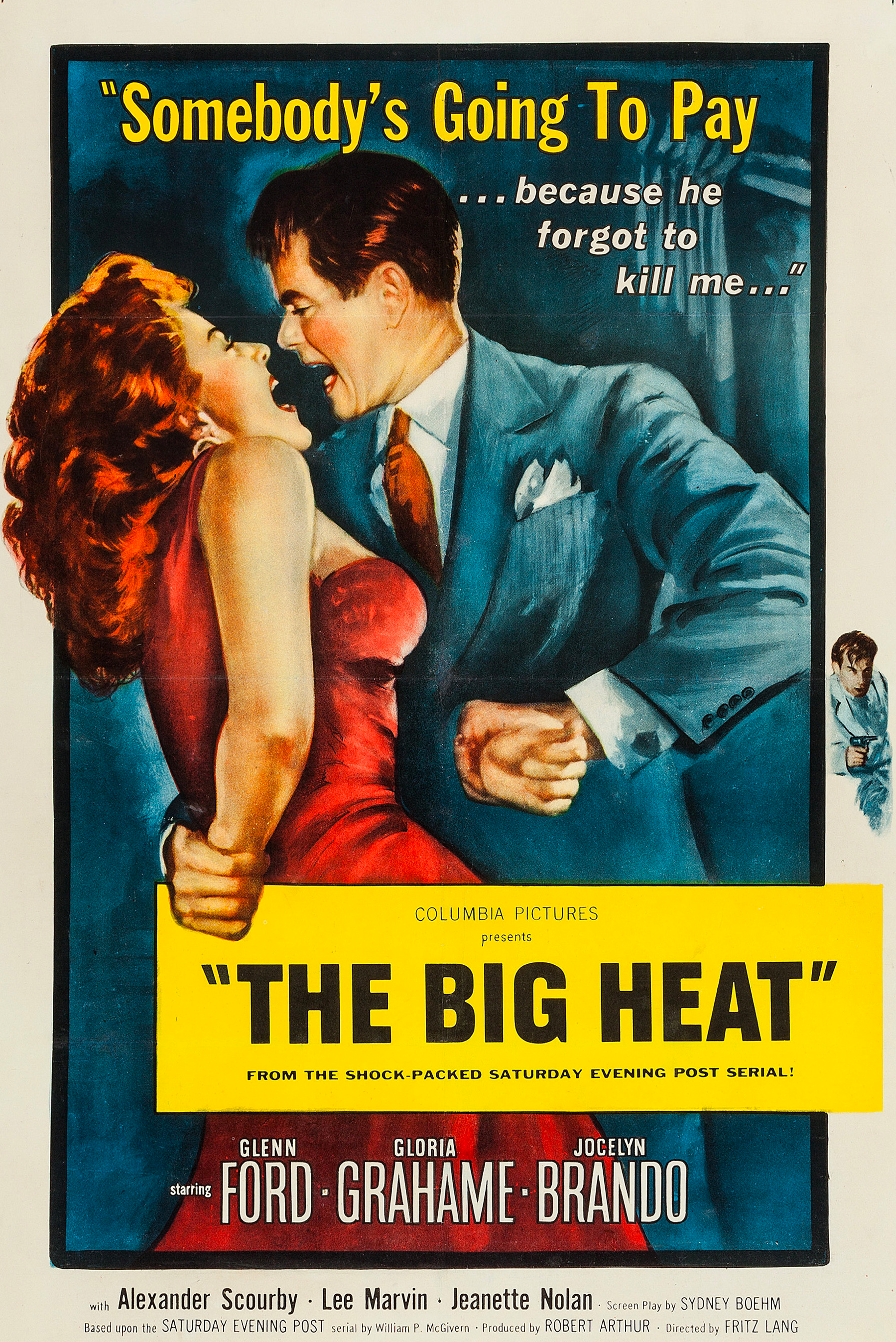
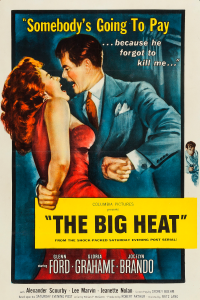
38. The Big Heat (1953)

‘Prisons are bulging with dummies who wonder how they got there.’ This no-frills angry cop thriller usually ranks higher than the similarly-themed The Big Combo, but I don’t think it packs as much of a punch (pretty close, though). If nothing else, Combo wins because of John Alton’s cinematography. That said, despite the throwaway delivery, The Big Heat’s closing line is particularly macabre, if you consider what happened to Gloria Grahame’s moll earlier in the film…
 film noir

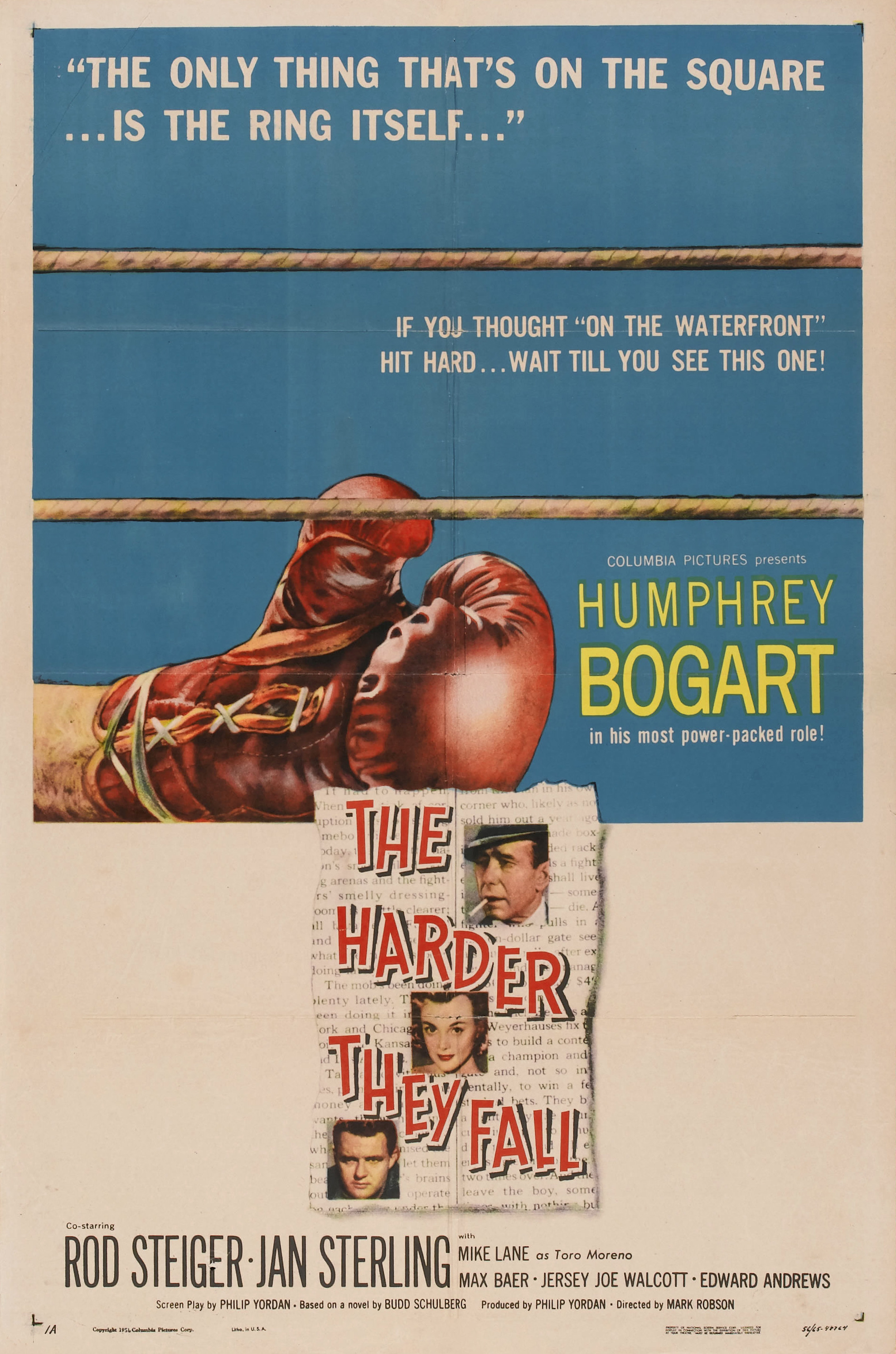
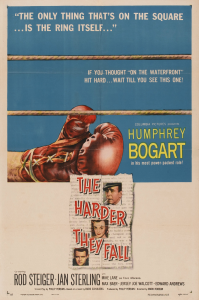
39. The Harder They Fall (1956)

‘Money’s not evil in and of itself. The purpose for which it’s used is the determining factor.’ As far as boxing pictures go, this one is less intense than The Set-Up, but arguably even more cynical about the sport.
noir

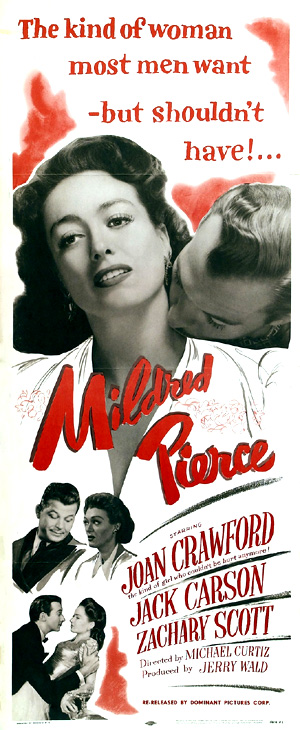
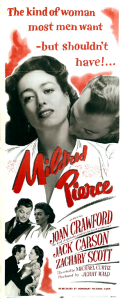
40. Mildred Pierce (1945)

‘Personally, Veda has convinced me that alligators have the right idea. They eat their young.’ A glossy melodrama enwrapped in gloom and doom, telling the life of the titular career woman as she heads inexorably towards a mysterious act of violence. The values are dated, for sure, but the overblown expressionistic look continues to impress.
noir

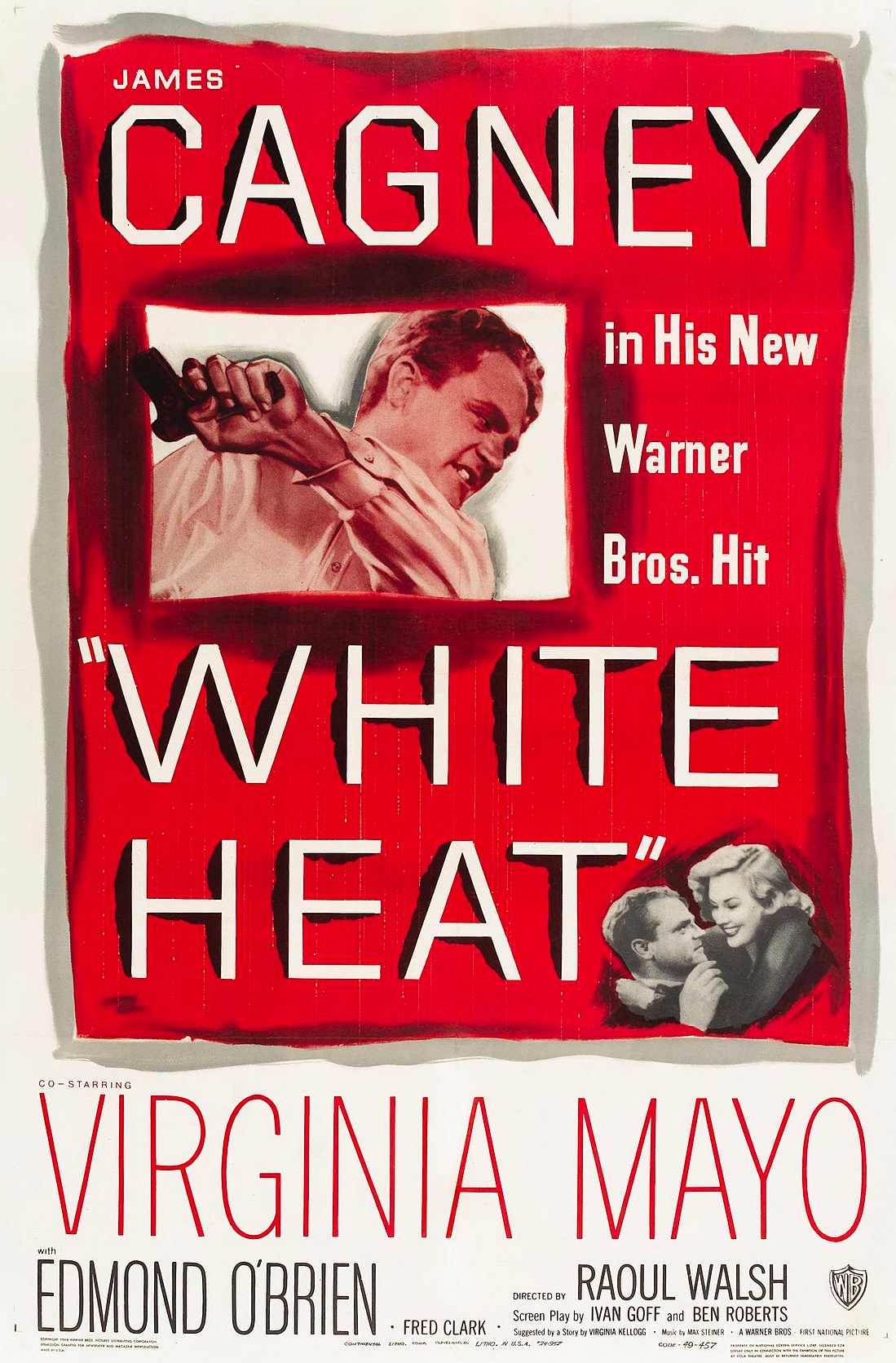
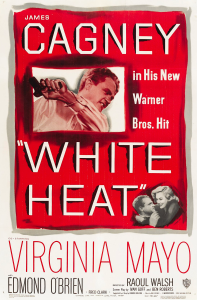
41. White Heat (1949)

‘You know something, Verna, if I turn my back long enough for Big Ed to put a hole in it, there’d be a hole in it.’ The one where James Cagney, playing a psychotic criminal leader, yells: ‘Made it, Ma! Top of the world!’ The rest of the movie is pretty gripping as well, consistently ratcheting up the tension.
film noir

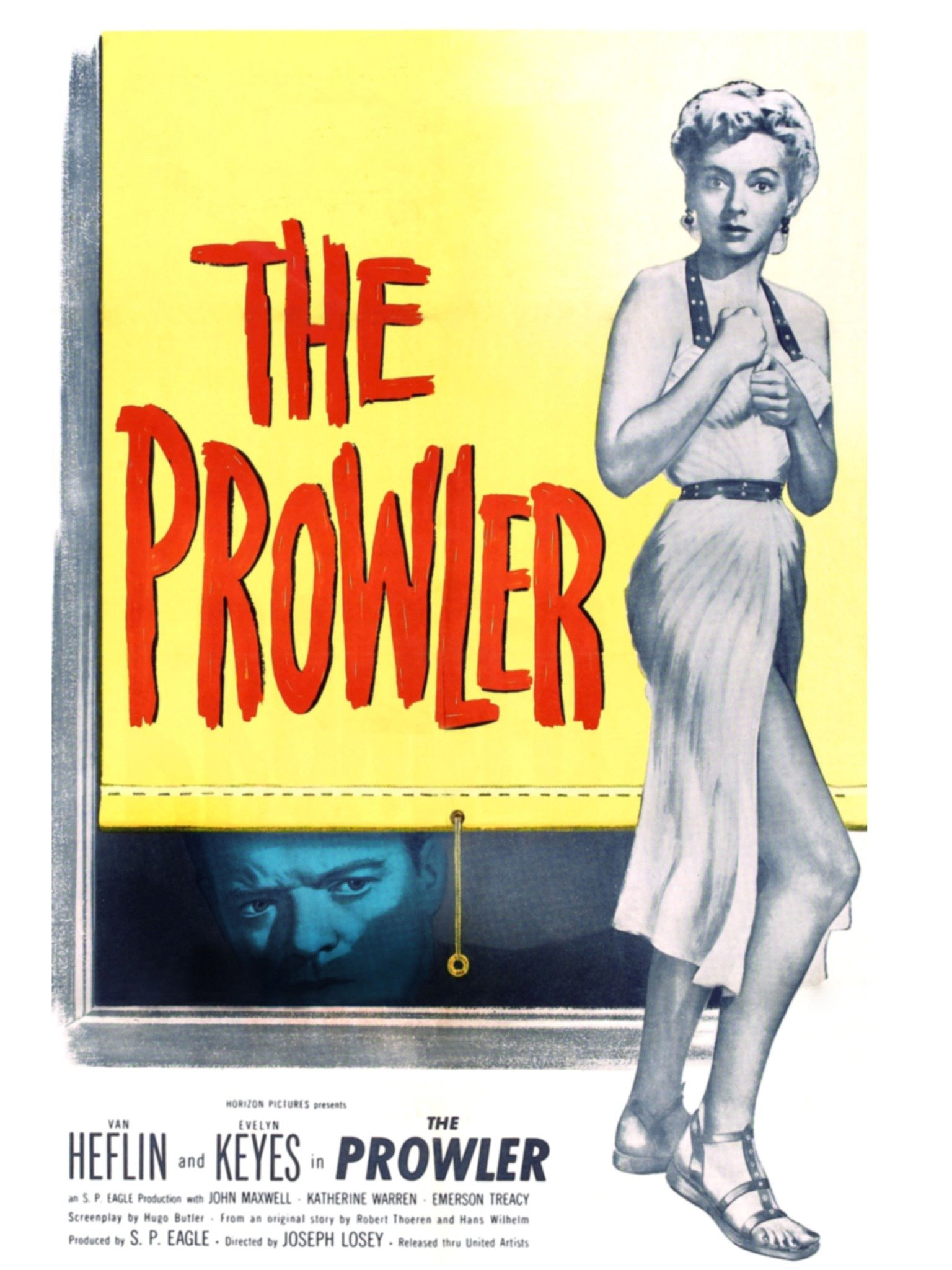
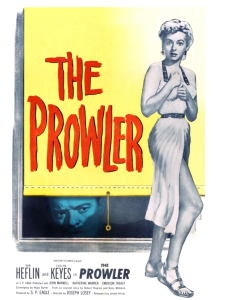
42. The Prowler (1951)

‘Well, I’m no worse than anybody else! You work in a store, you knock down on the cash register. A big boss, the income tax. Ward heeler, you sell votes. A lawyer, take bribes. I was a cop… I used a gun.’ This one starts out as just another story about an obsessive policeman (although this time driven by lust and greed rather than vengeance), but it becomes increasingly stranger and unpredictable, the high point being a labor scene in an eerie ghost town.
noir

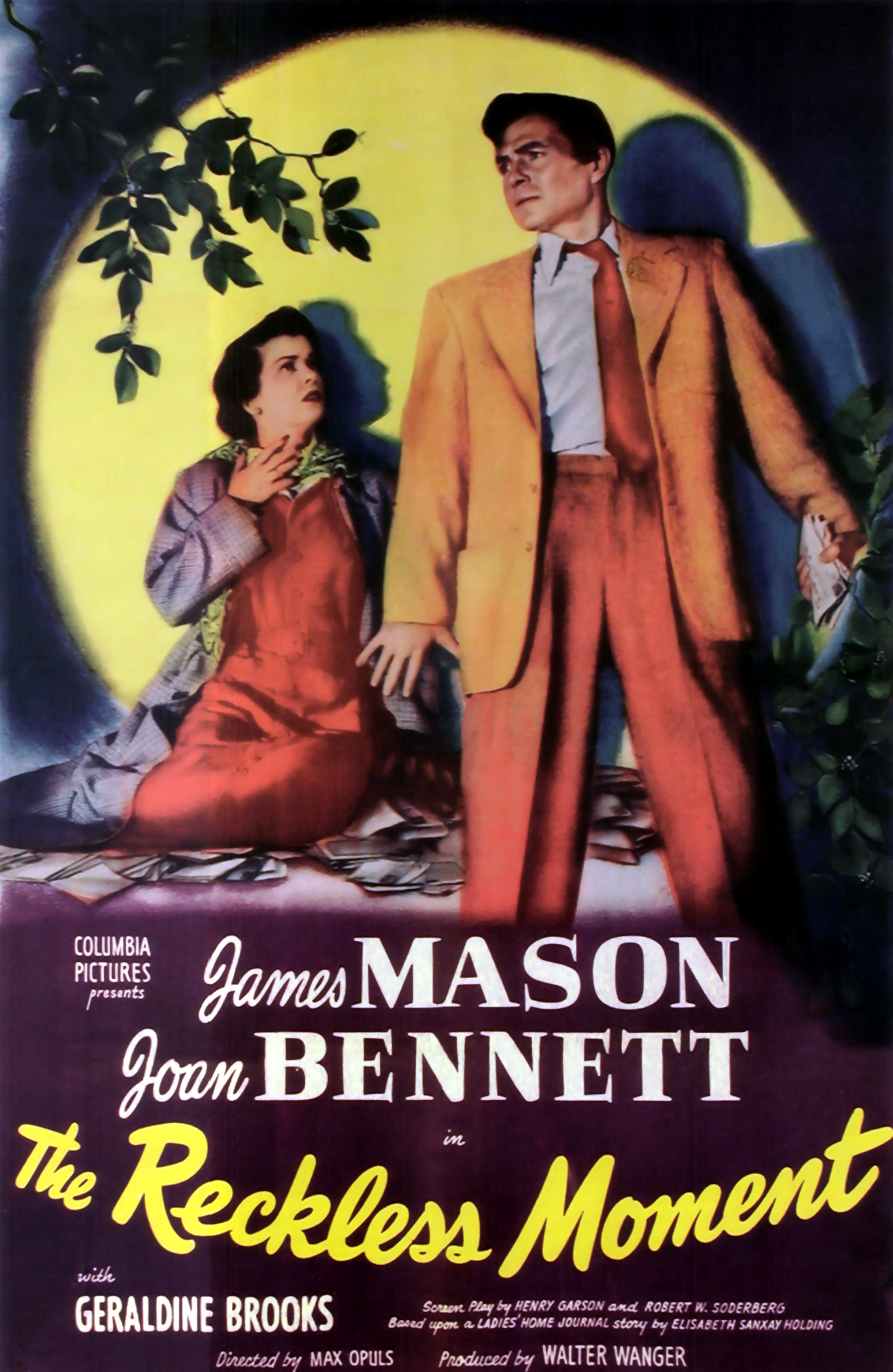
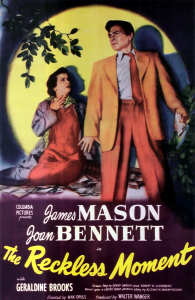
43. The Reckless Moment (1949)

‘Hell is other people…’ Behind the generic title (which could’ve suited any other movie on this list), a domestic noir narrative – about a quiet, wealthy housewife willing to go pretty far to protect her daughter – is given a sophisticated treatment through Max Ophüls’ signature light-footed style and deft camerawork (almost every shot is a tracking shot). The Reckless Moment is comparatively less aggressive than the films above (or the ones below) and it’s precisely the contrast between tone and material that makes it so chilling.
film noir

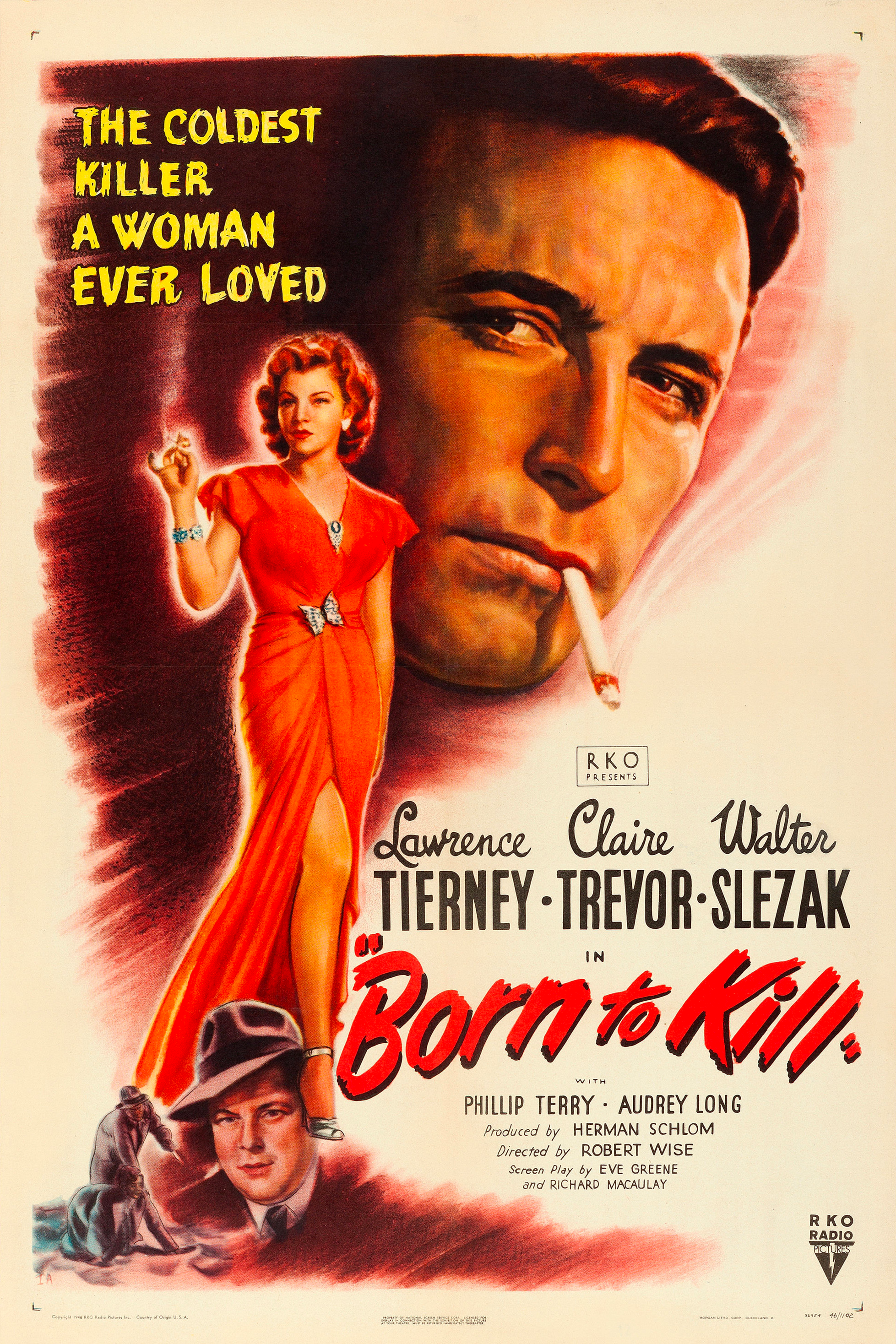
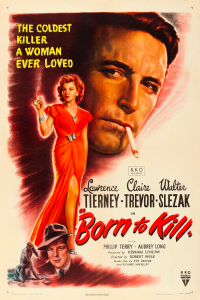
44. Born to Kill (1947)

‘You’re the coldest iceberg of a woman I ever saw, and the rottenest inside. I’ve seen plenty, too.’ It’s femme fatale vs homme fatal in this lurid drama about a recently-divorced woman (a tough-as-nails Claire Trevor) who becomes hopelessly attracted to a murderer, with predictably destructive results. Yes, there are plot contrivances aplenty, but also a gleeful nastiness – bordering on black comedy – that is quite captivating to watch, with characters coming across as shamelessly ruthless and, at times, downright sadistic.
ida lupino

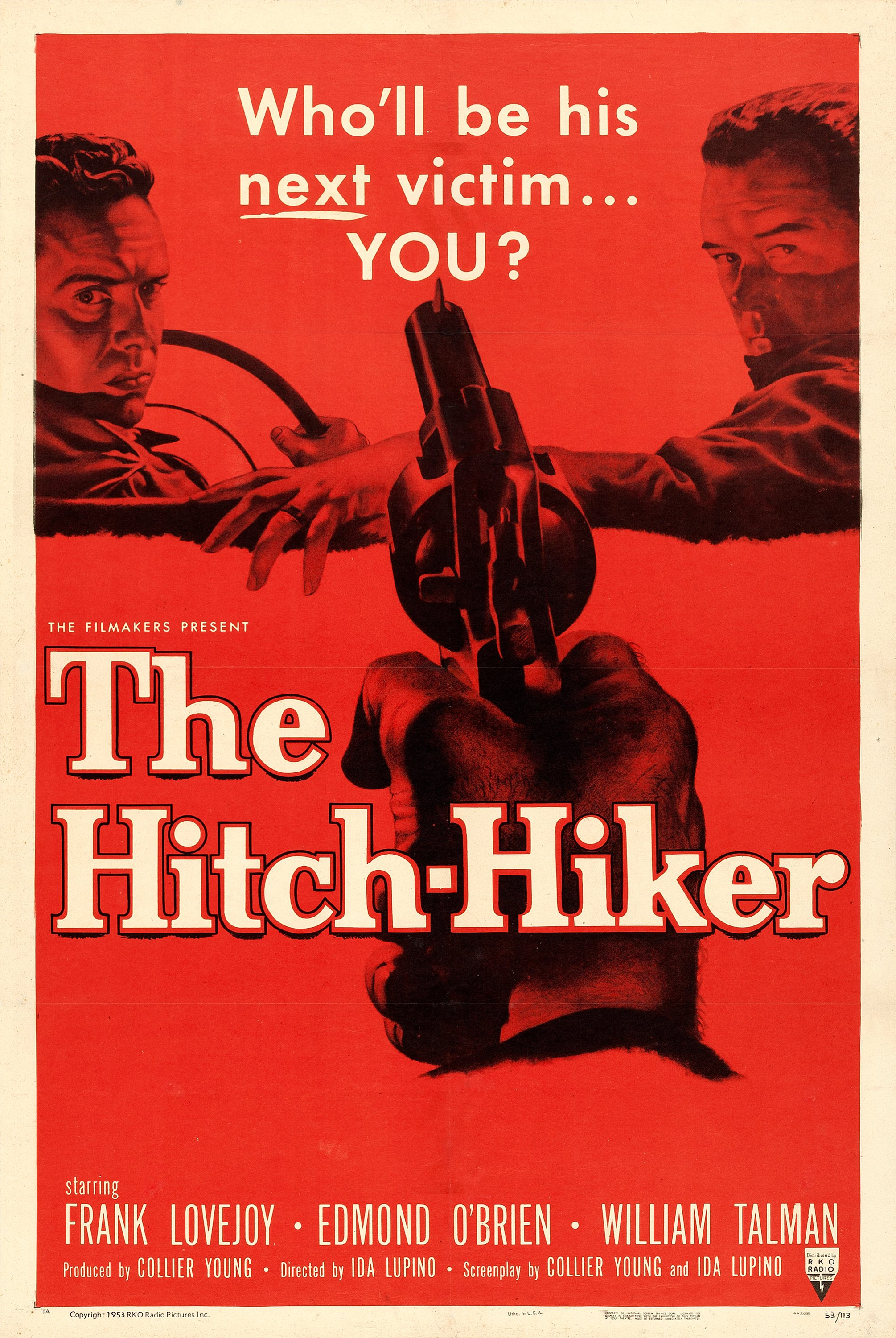
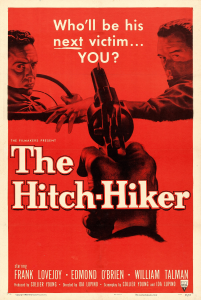
45. The Hitch-Hiker (1953)

‘My folks were tough. When I was born, they took one look at this puss of mine and told me to get lost.’ Besides starring in a handful of noirs, Ida Lupino also co-wrote and directed a few of them, including this remarkable thriller about the titular hitchhiker holding a couple of friends on a fishing trip at gunpoint. It’s such a simple, unadorned premise that it shouldn’t work, but the inventive editing and the terrific performances manage to convincingly sell the criminal’s meanness and the fishermen’s fear, stretching the tension as much as possible.
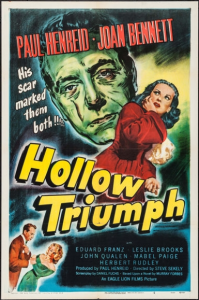
noir

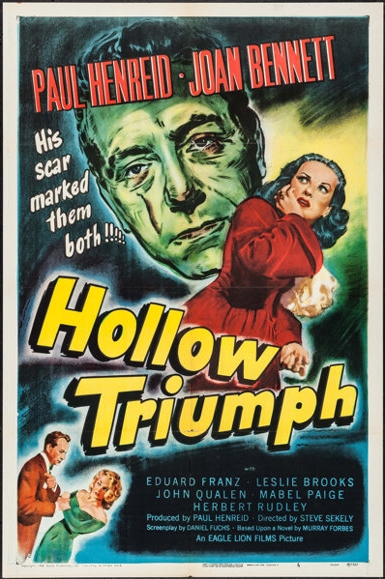
46. Hollow Triumph, aka The Scar (1948)

‘It’s a bitter little world full of sad surprises, and you don’t go around letting people hurt you.’ A tight, moody, vicious, unpretentious B-movie, pacy and confidently shot, about a man on the run taking over another man’s identity. Cue in Kafka-level psychological horror. A small gem.
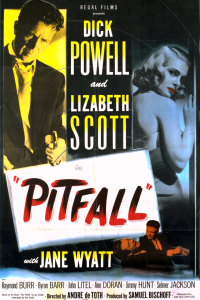
noir

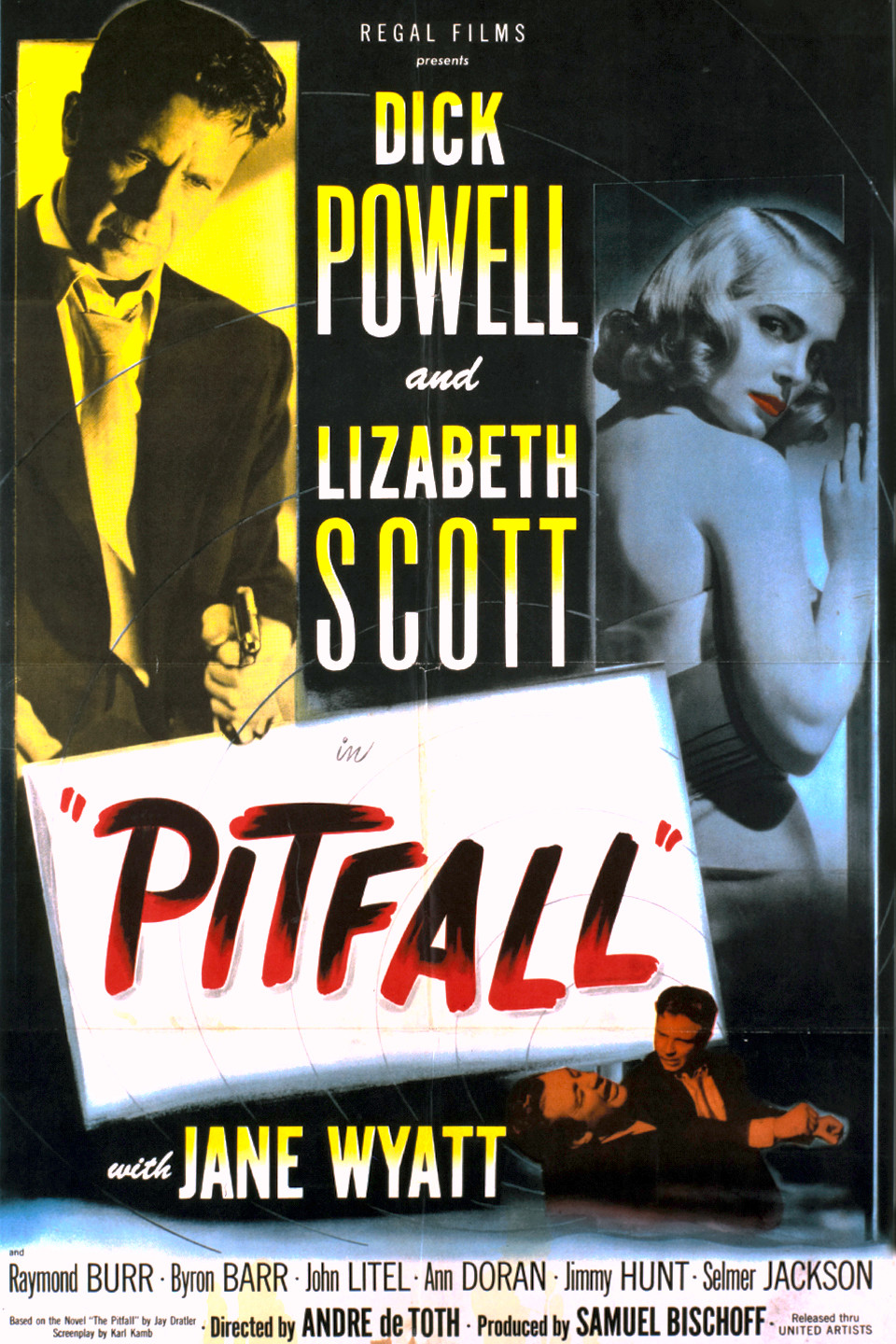
47. Pitfall (1948)

‘I don’t want to be an average American, backbone of the country. I want somebody else to be the backbone and hold me up.’ A moralistic cautionary tale against adulterous temptation or another stark X-ray into the melancholy, frustration, and vice lurking under the cover of idyllic suburbia? Disillusionment with the American dream has always been an underlying theme in film noir, but in Pitfall it jumps to the forefront, in capital letters. (Plus, there is an offhand reference to burning comics, which conveys how natural this seemed at the time…)
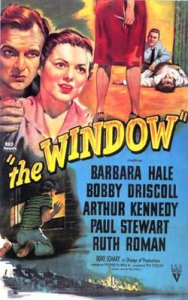
noir

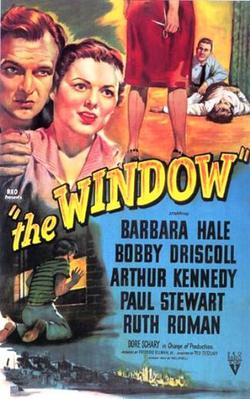
48. The Window (1949)

‘Pop? If you see a thing with your own eyes, it can’t be a dream, can it?’ A dramatization of the Boy Who Cried Wolf, as a kid prone to lying witnesses a crime and nobody believes him (it also works as a parable about children struggling to be taken seriously by grown-ups lost in their own worries). Again, the premise is fairly straightforward, so the talent lies in the engrossing execution (despite occasional annoying flutes), including the striking use of Manhattan locations, turning Eisneresque tenement buildings, fire escapes, and dark alleys into a maze of danger and paranoia.
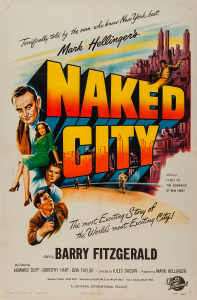
film noir

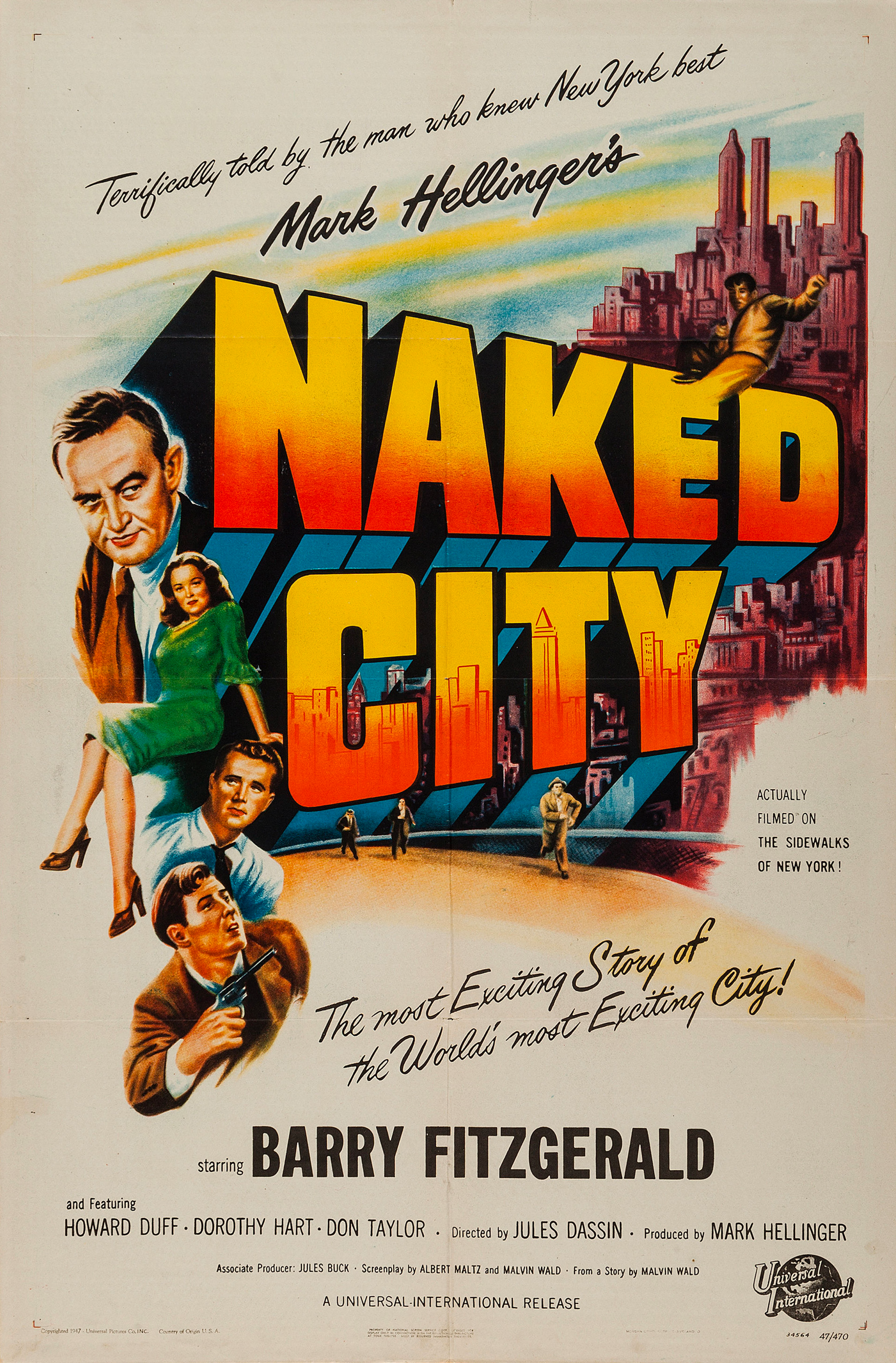
49. The Naked City (1948)

‘This time yesterday, Jean Dexter was just another pretty girl, but now she’s the marmalade on 10,000 pieces of toast.’ More impressive location shooting! A semi-documentary procedural that follows a murder investigation in New York, accompanied by a detached voice-over narration (even the credits are spoken). Although the characters aren’t very rounded, The Naked City remains a fascinating – and iconic – glimpse into the history of police work in the Big Apple.
noir

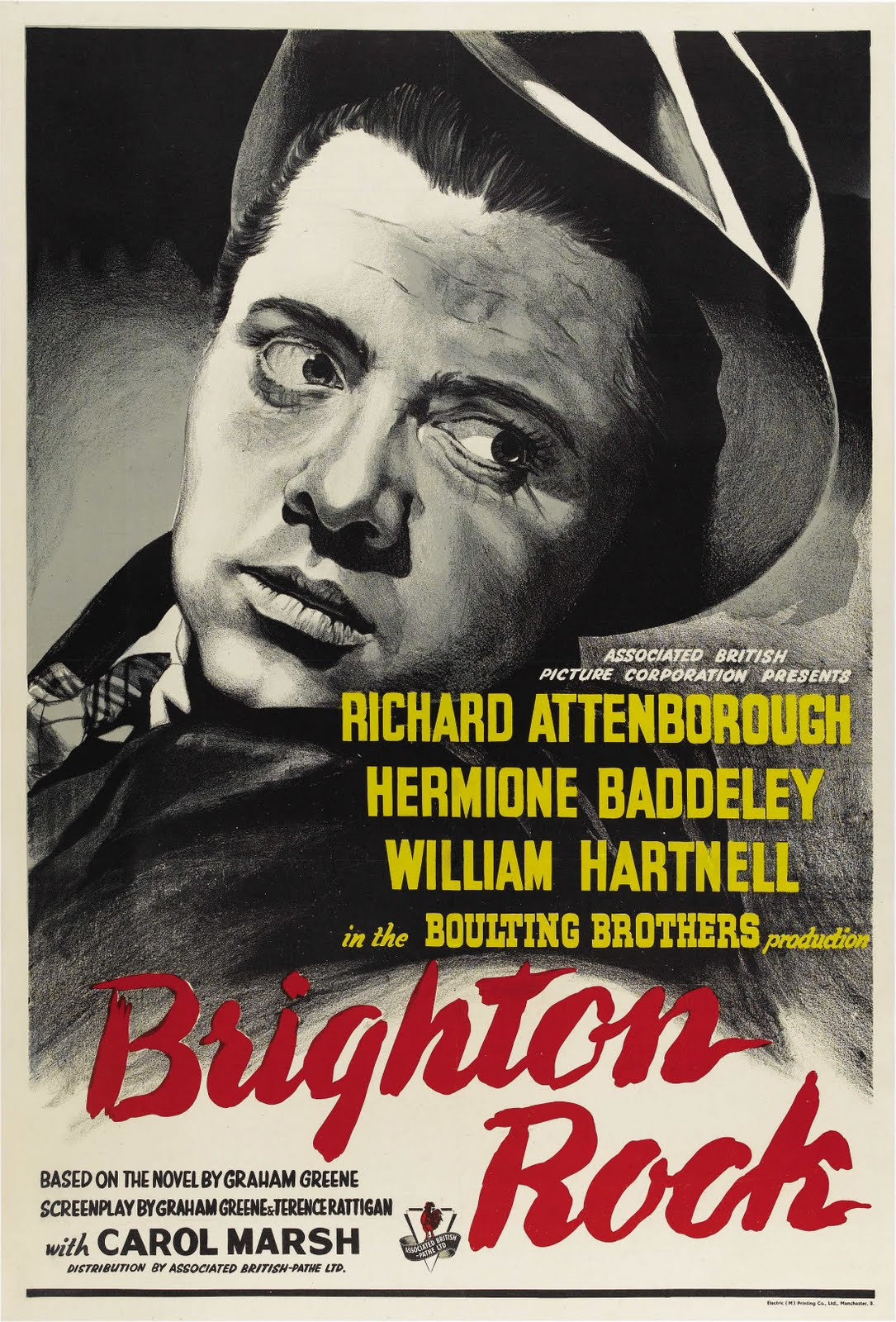
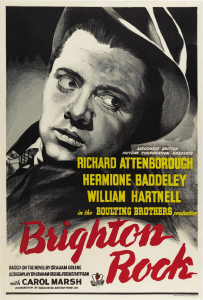
50. Brighton Rock, aka Young Scarface (1947)

‘You or I cannot fathom the appalling strangeness of the mercy of God.’ We started with a Graham Greene script and finish with another, this one adapting Greene’s own page-turner about a Catholic young hoodlum carrying out a revenge killing in Brighton’s seaside resort. Some baffling bits, but the framing keeps hitting that noir sweet spot and the ending (changed from the novel) is as ironic as they come… Brigthon Rock comes in 50th place and it’s still highly recommended – that’s how rich a field film noir is!
Posted in HARDBOILED CRIME | Tagged , , , , , , , , | 4 Comments

COMICS CAN BE AWESOME (13 September 2021)

Your super reminder that comics can be awesome:

Neal AdamsSuperman vs. Muhammad Ali
 Man of SteelSuperman Adventures #3
headless supermanSuperman: Strength #2


Posted in GLIMPSES INTO AWESOMENESS | Tagged , , , , , , , , , , , | Leave a comment

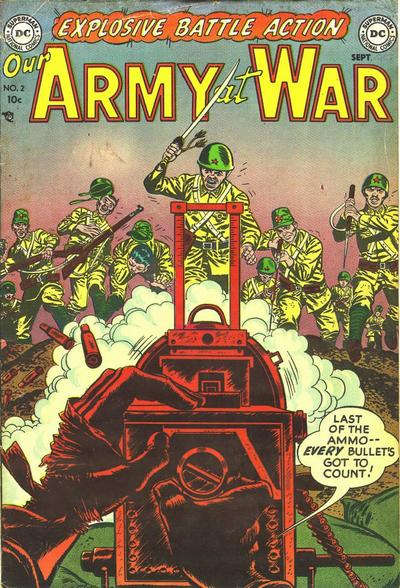
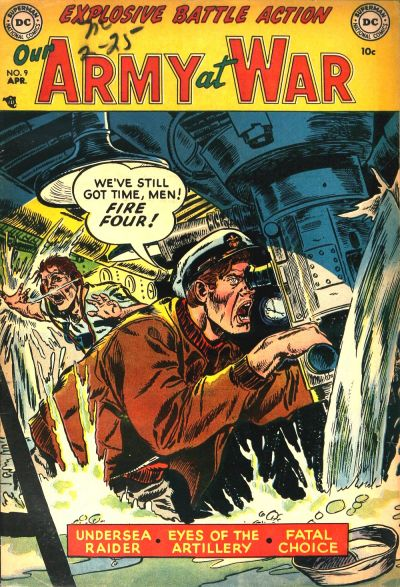
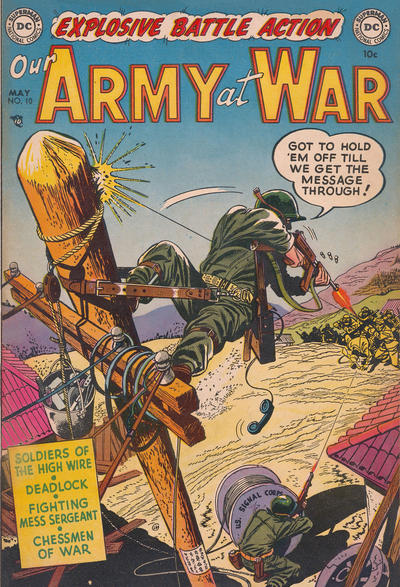
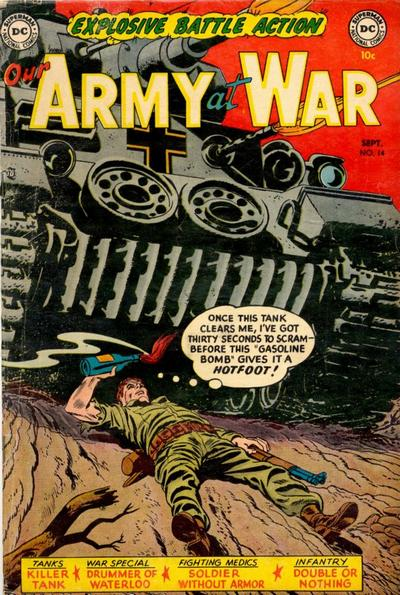
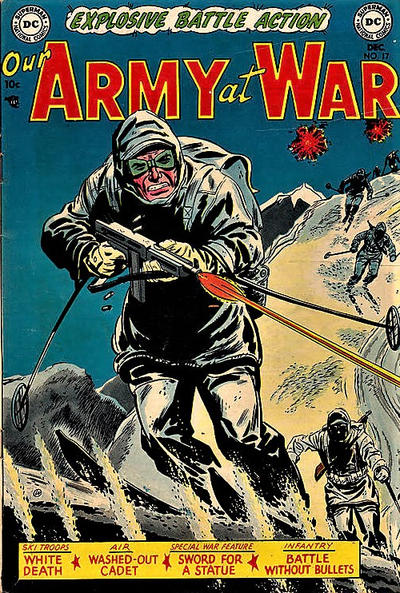
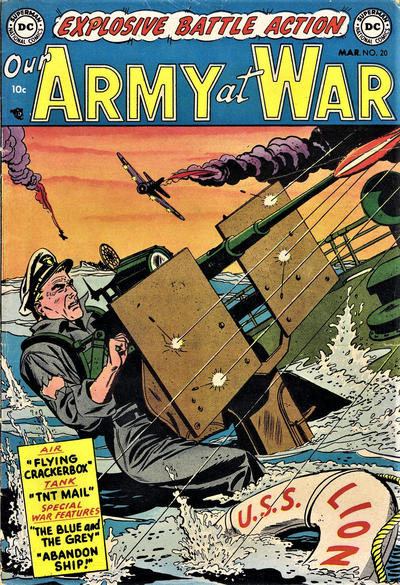
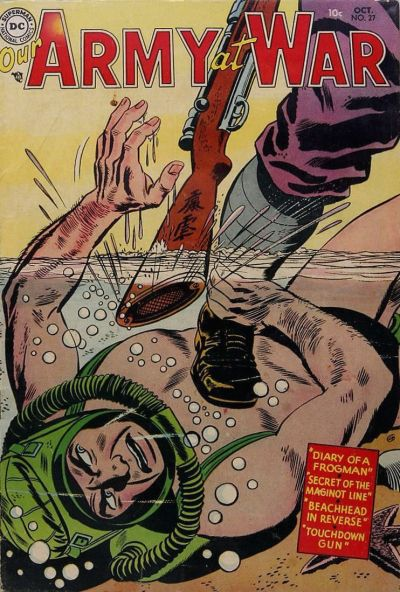
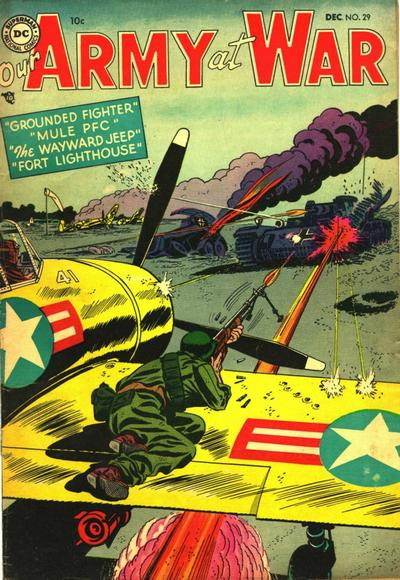
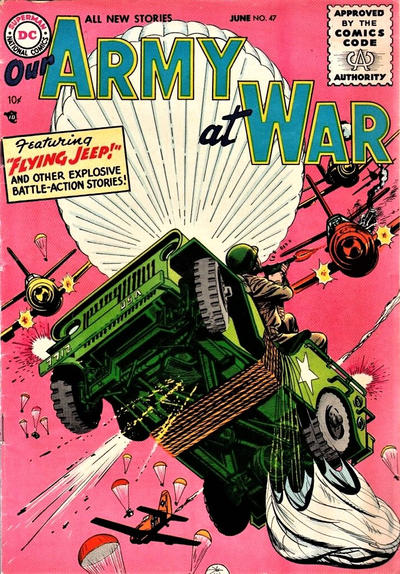
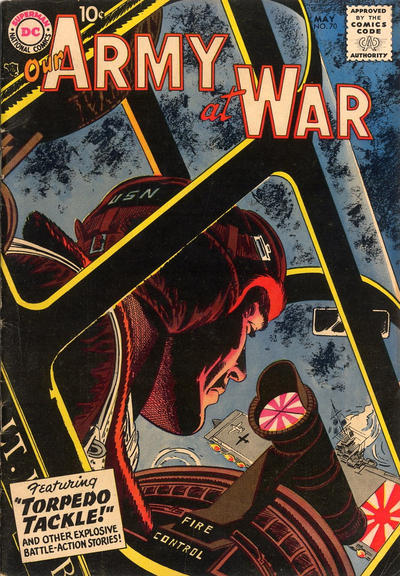
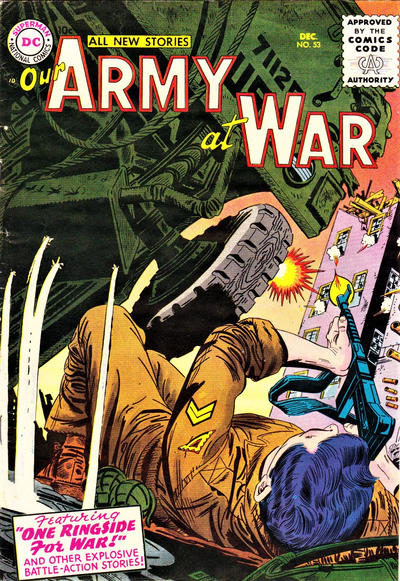
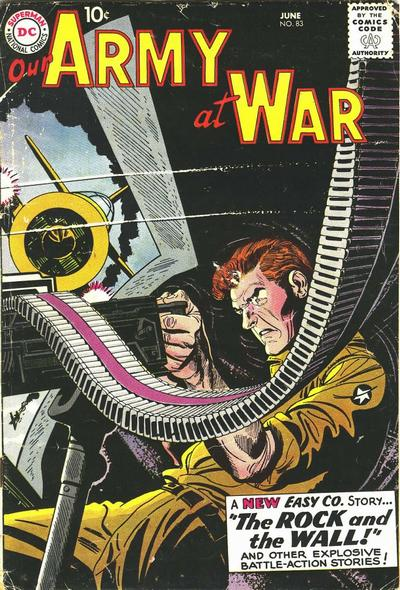
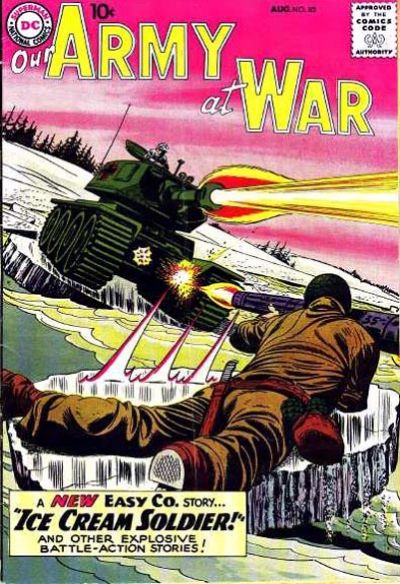
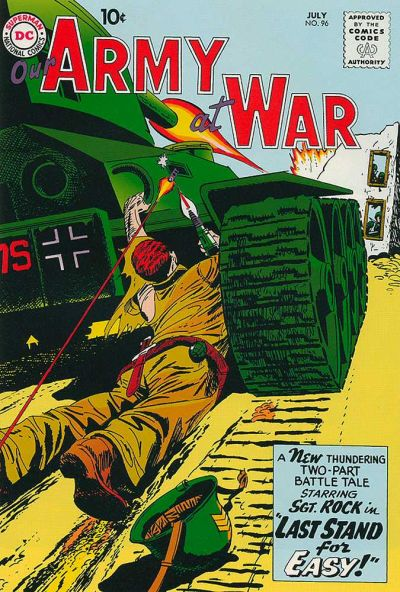
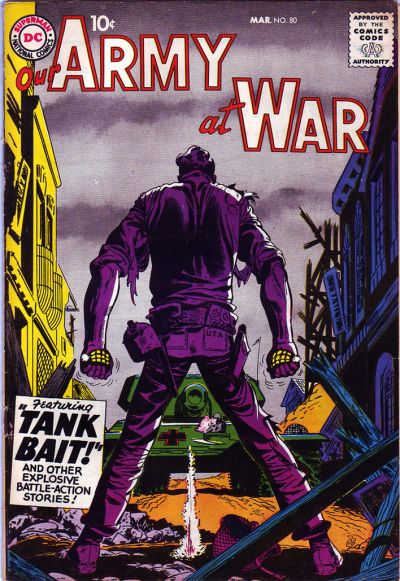
15 gripping Our Army at War covers

Before going on break, I did a couple of posts spotlighting Joe Kubert’s impressive covers starring Sgt Rock. Yet Kubert was hardly the only genius working at Our Army at War… Since their debut in the early 1950s, those comics boasted exciting cover images by the likes of Irv Novick and Jerry Grandenetti, who threw readers into the middle of combat action, promising them further thrills inside. Seventy years later, they’re still amazing to behold!

At the end of a summer when the US armed forces wrapped up their own contribution to Afghanistan’s problematic reputation as the ‘graveyard of empires,’ it’s hard to look at these covers and not think about pop culture’s perverse role in glorifying violent interventions abroad, often with disgraceful results. From a design standpoint, though, they remain as breathtaking as ever. With that in mind, here are 15 great examples of riveting war art taken from the Grand Comics Database:

carmine infantinogene colanIrv NovickJerry Grandenettiskiirv novickwar comicswar comicwar comic booksair forcewar comicswarwar comicswar comicwar comic book

Posted in GLIMPSES INTO THE PAST | Tagged , , , , , , , , | Leave a comment

COMICS CAN BE AWESOME (6 September 2021)

A reminder that comic book layouts can be awesome…

 007Felix Leiter #5
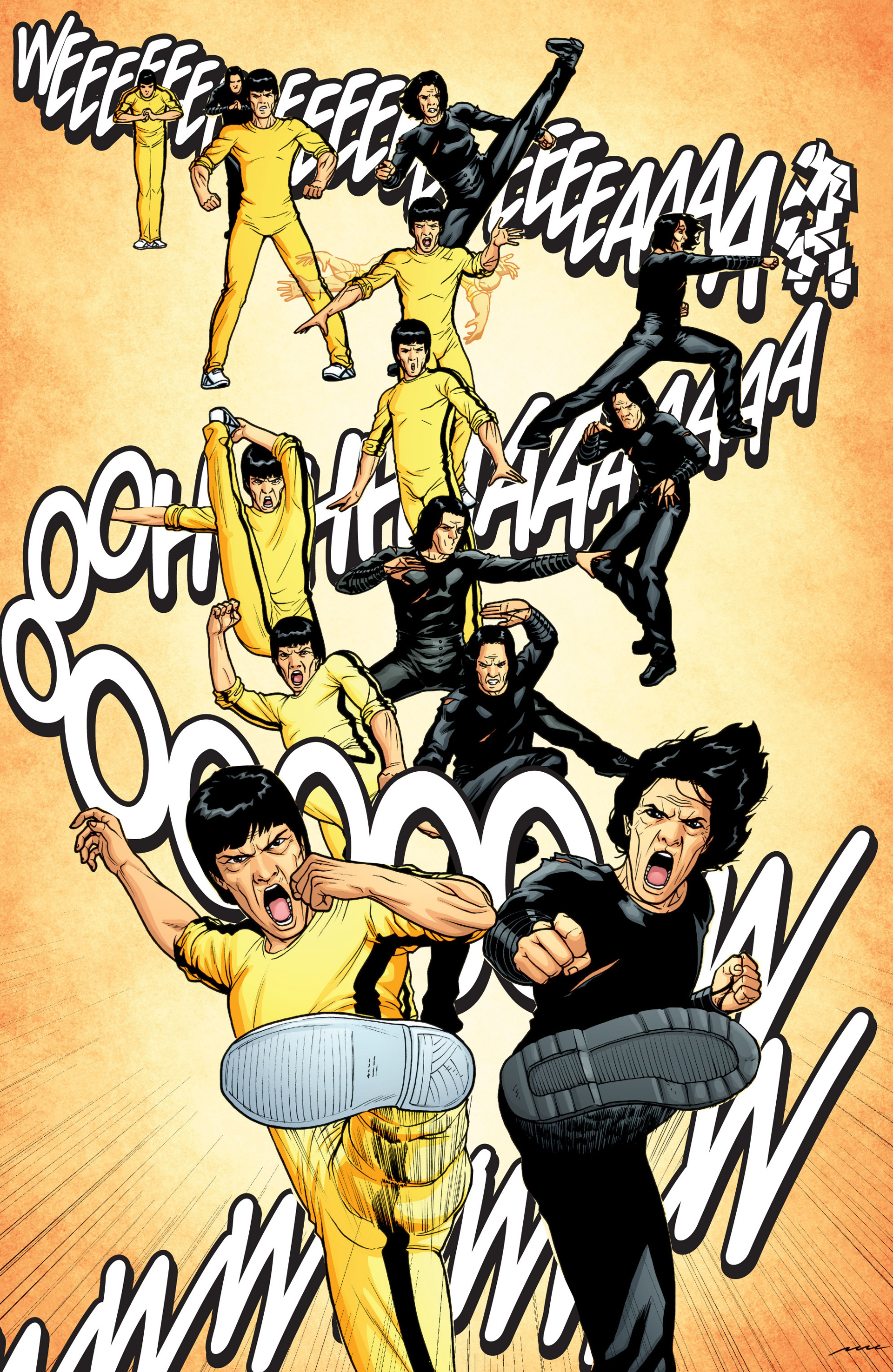
Bruce LeeArcher & Armstrong (v2) #21
Vandal SavageBatman: Universe #4


Posted in GLIMPSES INTO AWESOMENESS | Tagged , , , , , , , , , , , , , , , | Leave a comment

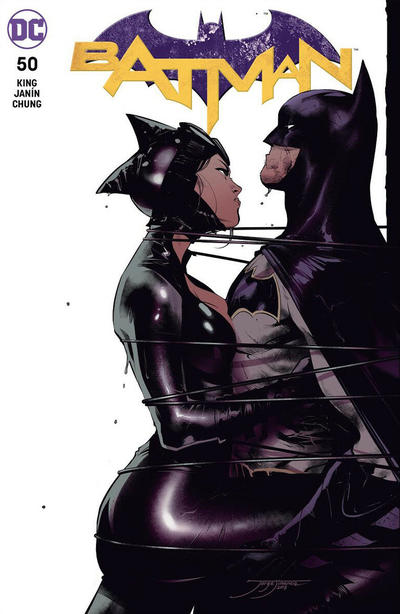
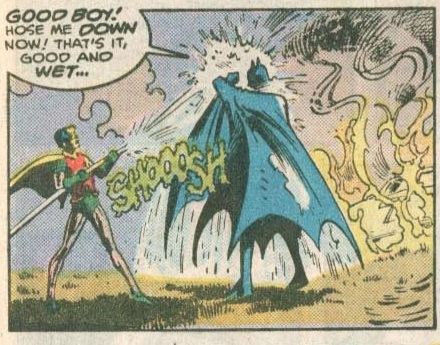
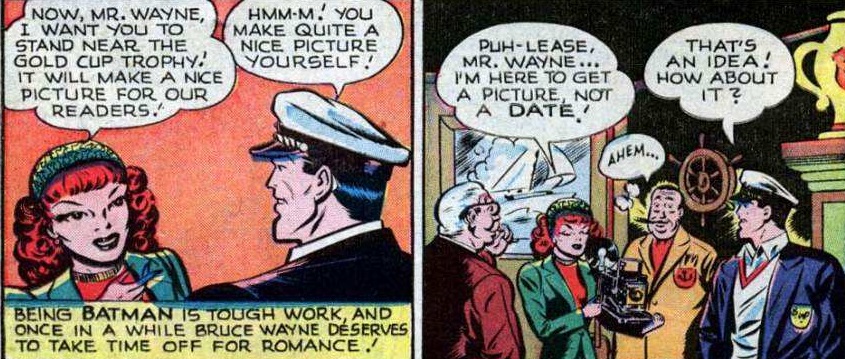
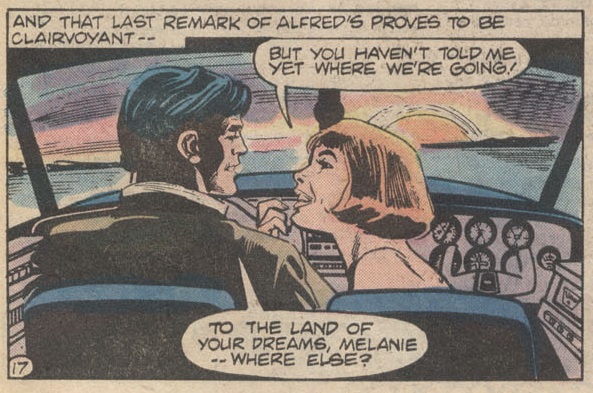
On Batman’s sexuality

Win Mortimer     bruce wayne     jorge jimenez

The announcement, last month, that Robin (or at least one of several Robins, Tim Drake) is bisexual predictably revived old discussions about the Dynamic Duo’s sexuality, so I figured I’d put together a few loose thoughts to add to that conversation…

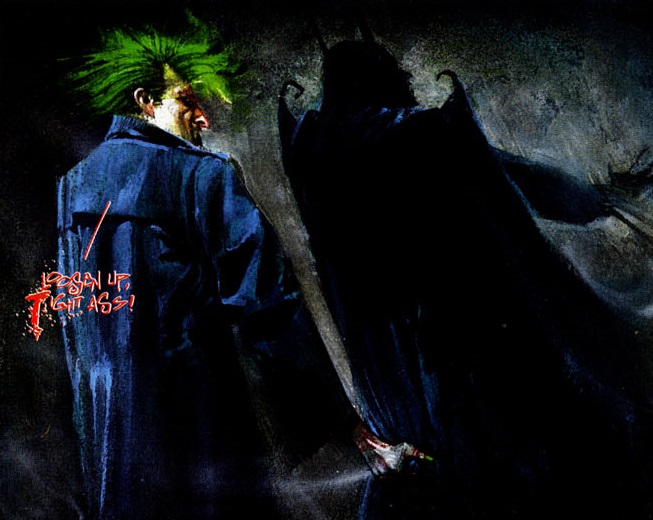
gay jokerArkham Asylum: A Serious House on a Serious Earth

It’s nice to have another LGBTQ+ character in the franchise, adding to the cast’s diversity and, hopefully, expanding storytelling possibilities. So far, there had been plenty of prominent lesbians in Gotham City, but practically no significant gay or bi men, except for the occasional coding of the Joker (as for transgender characters, apart from the fact that Clayface sometimes shapes himself into a female body to disguise his appearance, the only example I can think of is in H-E-R-O #12-14, where a chauvinistic construction worker accidentally becomes a superwoman… and yes, it sounds like the plot for a goofy comedy, but writer Will Pfeifer takes the story into some truly dark territory).
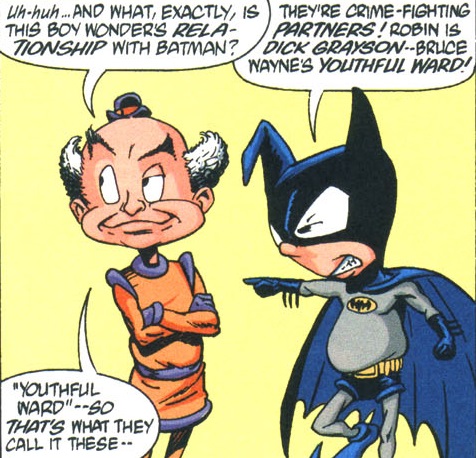
gay batman robinWorld’s Finest (v2) #6

That said, the notion that the Dark Knight and the Boy Wonder have a romantic relationship goes way back to the era of the first Robin, Dick Grayson, and it has certainly been reinforced by campy audiovisual adaptations like the 1960s’ Batman TV show and Joel Schumacher’s movies from the 1990s.

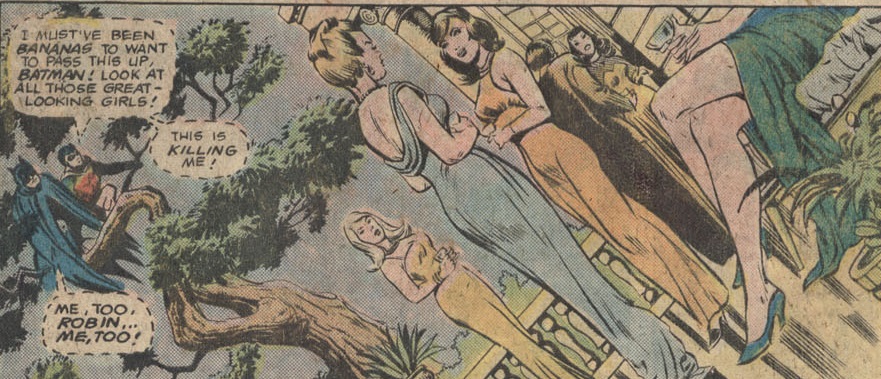
While those interpretations may be defensible at a purely subtextual level or based on out-of-context images, however, over the decades they have been repeatedly contradicted from an in-story perspective… Not only have Bruce Wayne and Dick Grayson (and Tim Drake, for whatever it’s worth) been constantly in and out of love with partners of the opposite gender, but they have certainly never expressed those sorts of feelings for each other. Sure, they could be bi, but it seems unlikely that they would never ever talk about it, especially as their mutual attraction to women has been a source of bonding:

batman sexBatman #279

Still, I’m all for reading works of fiction against the grain and dissecting the many hidden layers of popular culture, regardless of the authors’ original, conscious intent. What bothered me, for a long time, was that this specific reading struck me as more facile than insightful.

batman robinDetective Comics #571

My issue was not with the fact that Batman and Robin became gay icons, embraced by many LGBTQ+ fans and movements, especially as the process of queering these characters could have an empowering effect. What annoyed me were people who smugly acted as if they were being oh-so ‘clever’ or ‘subversive’ by taking this line… There is nothing particularly clever about saying that two male characters are a couple just because they live together, dress in fetishistic-looking clothes, and are often surrounded by enough kitsch to make Pedro Almodóvar proud. If anything, it’s an easy reproduction of simplistic – even homophobic – stereotypes.
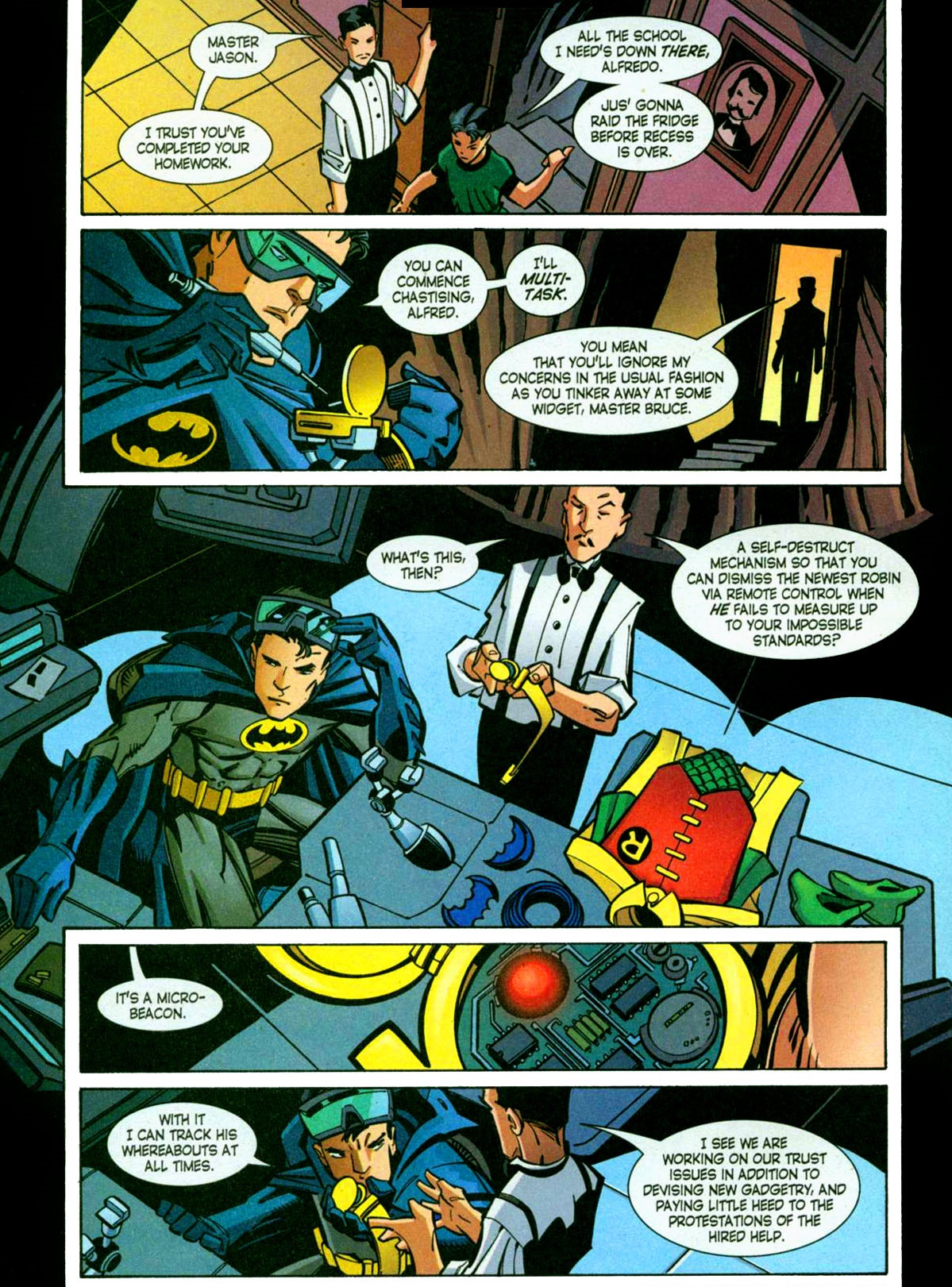
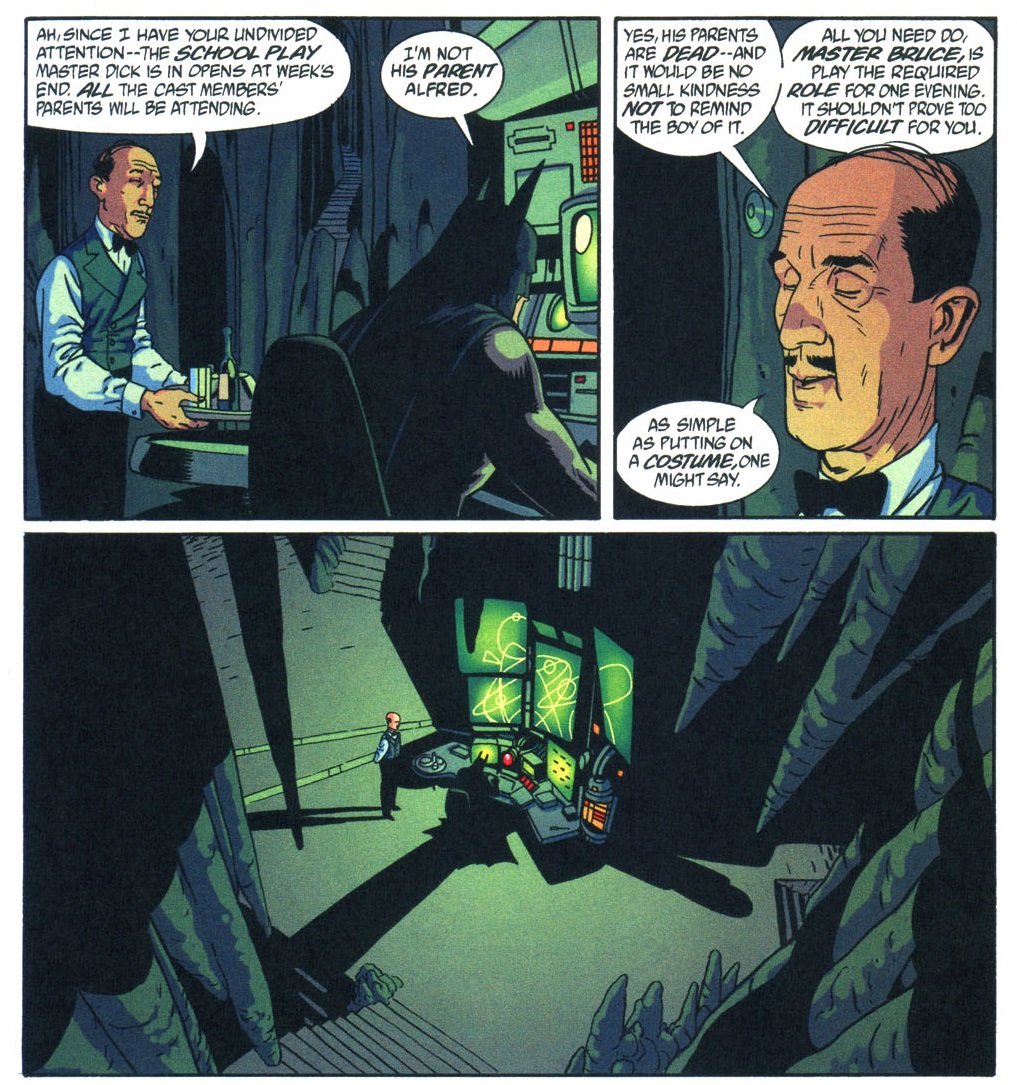
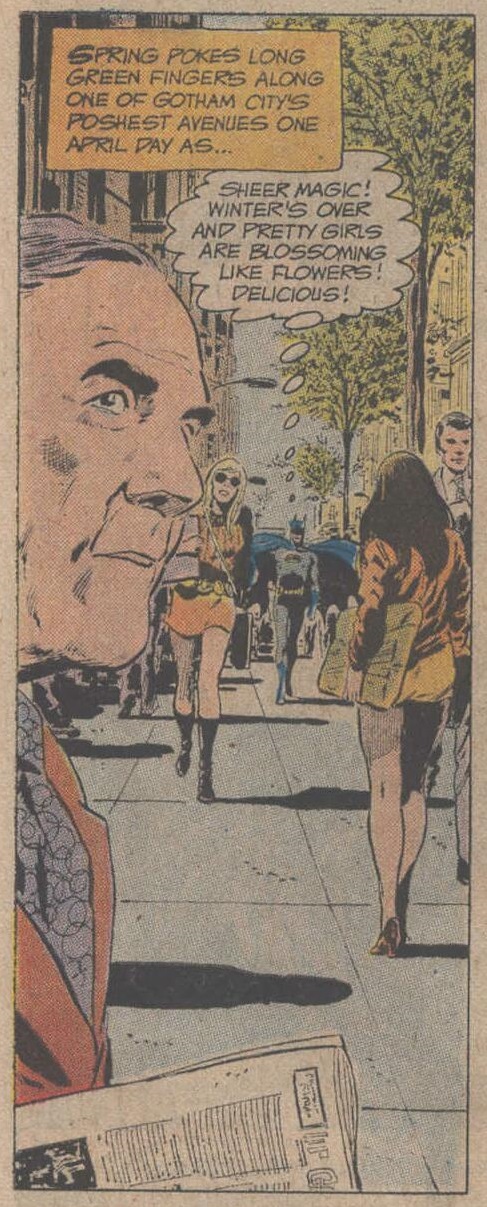
If there is a homosexual vibe in Wayne Manor, I’ve always felt, it’s not so much between Batman and Robin (which would carry a disturbing implication of abuse and pedophilia, given that the Boy Wonder is… well, a boy), but between Bruce Wayne and Alfred Pennyworth.

Alfred PennyworthNightwing #104

Bruce and Alfred often bicker like lovers, the latter expressing a level of support and passive-aggressive concern that goes beyond a mere employee. In fact, Alfred traditionally fulfills what used to be taken as the feminine role in the relationship, from the standpoint of conservative family values of the 1940s (when the character was first created): cooking, taking care of the mansion, and handling the household’s emotional labor, thus complementing/compensating for Bruce’s macho stoicism.

In this sense, Dick Grayson and later Jason Todd grew up with a gay couple as surrogate parents.

batman alfredWorld’s Finest (v2) #4

To be sure, among geeky circles, the whole discussion about the gay subtext of Batman comics has been poisoned from the start, given its sordid history. After all, the notion that homoeroticism is intrinsically embedded into the core material (in its imagery, at least, if not in its diegetic narrative) was first popularized in the early 1950s by the infamous psychiatrist Fredric Wertham, whose views were used by Congress to attack the comics industry as a whole.

And yet, if there is one character who lends himself to multiple – and sometimes contradictory – readings is the Dark Knight, so I’m always willing to welcome further interpretations, as long as they bring an interesting viewpoint to the table. Scholars and cultural critics such as Will Booker, Andy Medhurst, Chris York, and Glen Weldon, for instance, have all written thought-provoking pieces about this topic.

With that in mind, I’m fascinated by the ways in which even those Batman creators who show no doubts about Bruce Wayne’s heterosexuality nevertheless express different approaches to the issue…

BatmanThe Brave and the Bold #102

One school of writers have depicted Batman as an unabashed ladies’ man. In theory, this should feel in character, since only a testosterone-driven alpha male would find it reasonable to go out every single night to beat people up. In other words, the Caped Crusader would surely have an outstanding level of confidence and sense of entitlement, not to mention the pro-active attitude that sometimes steps on the border between flirtation and harassment….

Vicki ValeBatman #49

One of the writers who tended to push this idea was David V. Reed, especially during his work on Batman and Detective Comics in the mid-to-late 1970s. Many of his storylines wrapped up with Bruce Wayne making a move on a beautiful woman, usually adding some kind of cheesy line:

Bruce WayneBatman #302

Perhaps Reed and/or his editor, Julie Schwartz, were deliberately trying to offset the fact that the World’s Greatest Detective had become the recurring butt of gay jokes, but my first instinct when I noticed this was to think that they were taking a page from Roger Moore’s James Bond movies at the time, which also typically finished with cringeworthy innuendo.

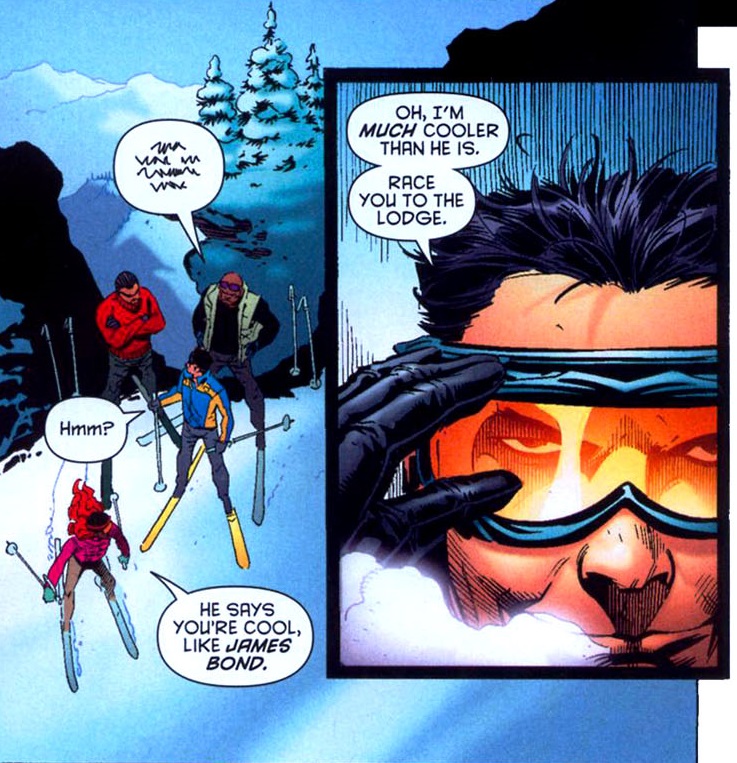
The Bond series, after all, had come to embody not just a model of virility, but a commercially successful approach to pulpy adventure which Batman comics had been shamelessly pillaging for years. Indeed, 007 joined Zorro and the Shadow as a major influence on this franchise.

Leave it to Grant Morrison to make it explicit:

James BondBatman #664

(Morrison being Morrison, he couldn’t resist following this up with a nod to the kind of ski action scenes you find in some of the coolest James Bond films, like On Her Majesty’s Secret Service, The Spy Who Loved Me, The Living Daylights, and The World Is Not Enough… as well as in the crappy For Your Eyes Only.)

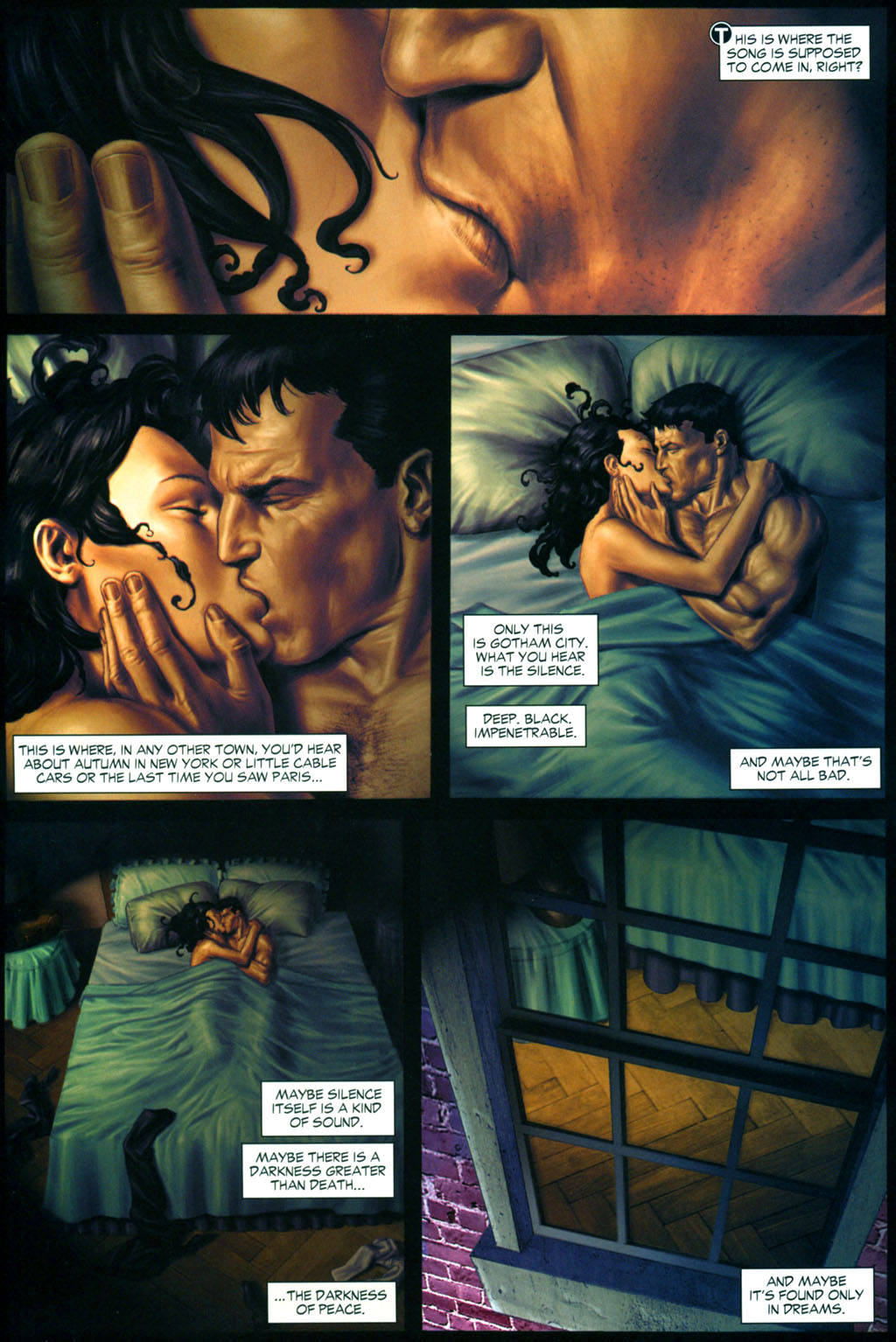
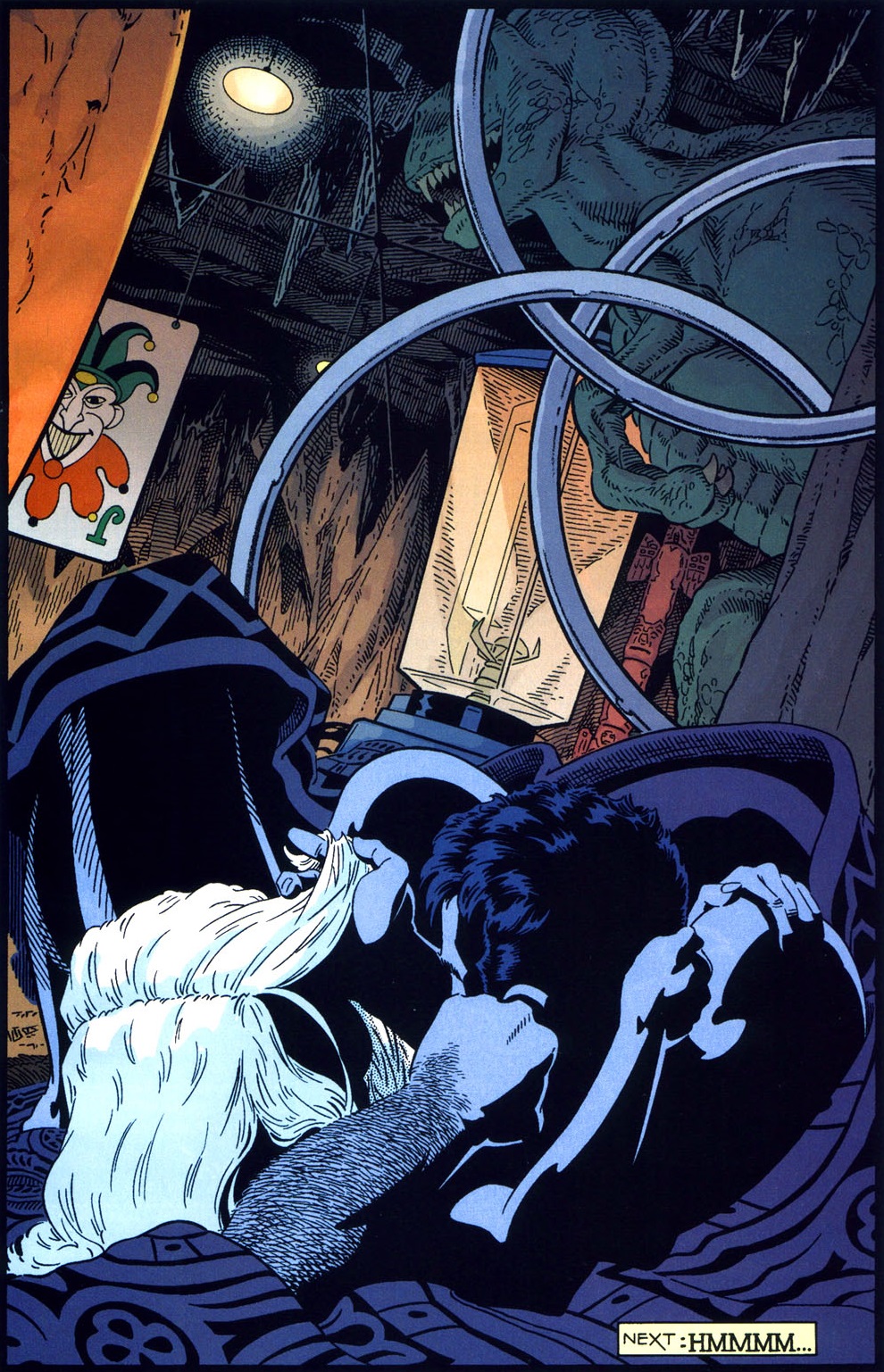
To be fair, the very thought of the Dark Knight having sex is entertaining – and not just because of his Bat-sexiness. There is the perverse, iconoclastic thrill of imagining a childish concept in an adult situation, not to mention the hilarious contrast between such a pleasureful act and the character’s exaggerated broody persona:

Batman sexLegends of the Dark Knight #207

(There are plenty of bizarre erotic comic books out there, but steamy scenes with Batman are a whole subgenre of kink…)

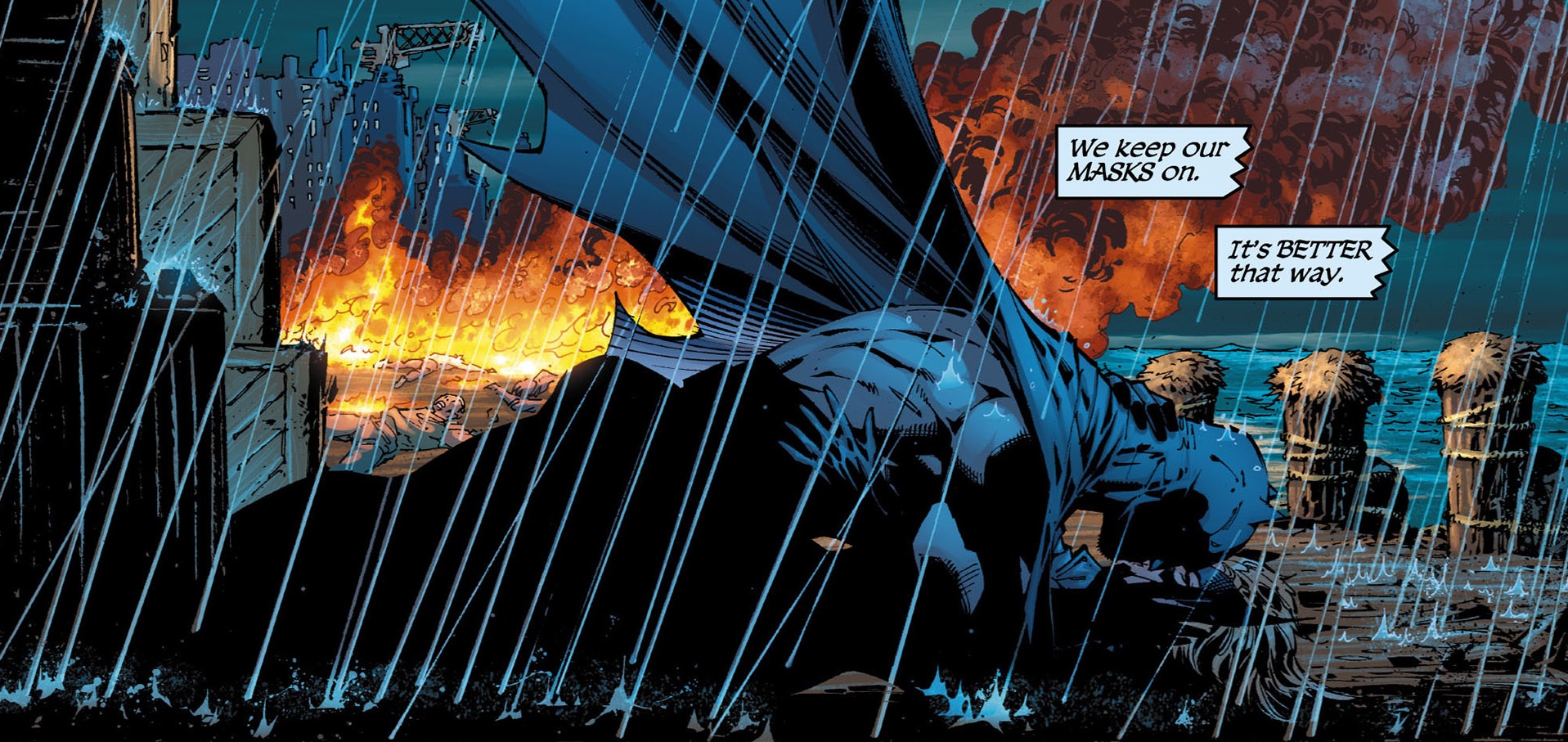
As much as I like it when Batman relaxes and enjoys himself every once in a while, though, I’m not a huge fan of such a hyper-sexualized characterization. Perhaps it has to do with the fact that in the past decades this has become associated with some of the worst comics written by Judd Winick, Kevin Smith, and Frank Miller…

batman sexAll Star Batman & Robin the Boy Wonder #7

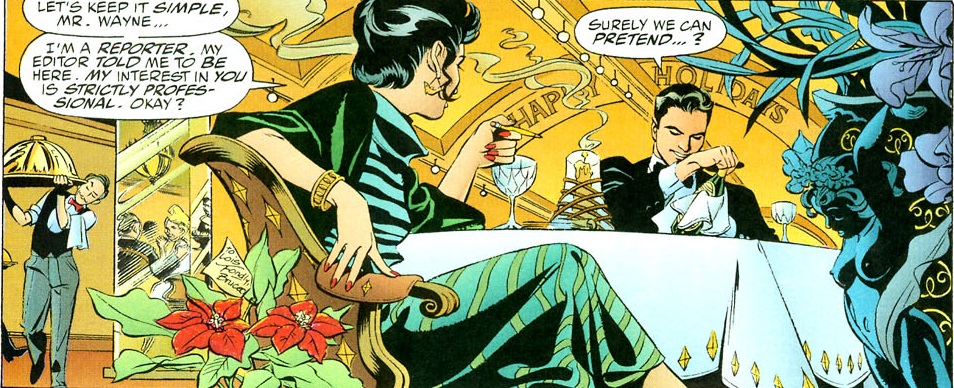
Not that there haven’t been some more tasteful depictions of the Caped Crusader’s libido as well…

Dark Detective #2Dark Detective #2

I guess it also has to do with the fact that Bruce Wayne tends to mobilize everything around him towards his mission (his wealth, his intellect, even his children), so it makes more sense to think of him weaponizing his sex appeal rather than merely giving in to unbridled horniness.

Unlike his inspirational role model, Zorro in the very fun 1940 swashbuckler Mark of Zorro, who pretends to be gay to safeguard his alter ego (because Latin machismo doesn’t allow anyone around him to suspect such an effeminate figure is a kickass hero), Batman’s secret identity involves pretending to be a proudly straight playboy, unapologetically hedonistic and empty-headed…

Bruce WayneWorld’s Finest #2

Let’s be clear here: the notion that Bruce is regularly sleeping with women just to instrumentally protect his cover raises some ethical problems as well – not so much because of his promiscuity, but because he’s necessarily misleading his various sexual partners and callously using them, even though for all we know they aren’t very emotionally involved either. So yeah, it’s not a good look for a powerful rich guy, particularly in this day and age, but what the hell, these are all adults with their own agendas and, in any case, a degree of deception comes with the territory when we’re dealing with the peculiar genre of masked crimefighters.

Being of a more conservative bent, Chuck Dixon found a way around this issue in ‘Knight Out’ (Detective Comics #711), which suggested that Bruce Wayne’s womanizing reputation was entirely built on rumor – Bruce doesn’t actually go to bed with his gorgeous dates at the end of the night, but because of his status they are too embarrassed to admit it… or nobody believes them when they do.

While I don’t think this is very convincing, especially when you consider we are dealing with so many different women, at the end of the day the whole Batman mythos is filled with tons of convenient and convoluted concepts requiring great suspension of disbelief anyway… Also, besides preserving our hero’s relative pureness and chivalry, this solution aligns well with the idea that the Dark Knight is all about discipline and control, so he would naturally keep his red-blooded instincts in check.

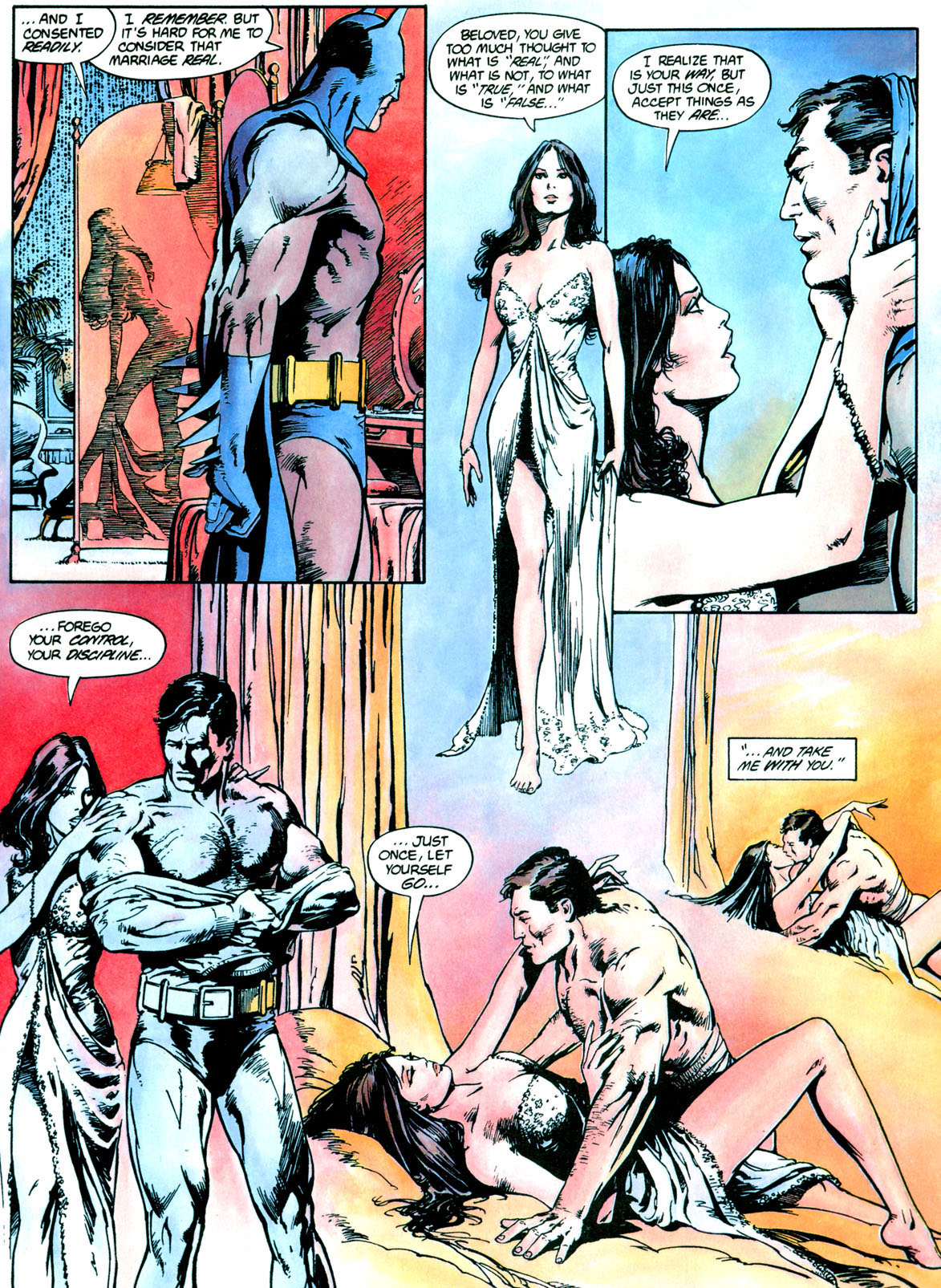
Talia al GhulBatmanSon of the Demon

The scans above depict a nuptial encounter between Bruce Wayne and Talia al Ghul, one of the women he seems to have been genuinely attracted to. There have been a number of those throughout the years, although some creators were more successful than others in terms of selling Batman’s passion.

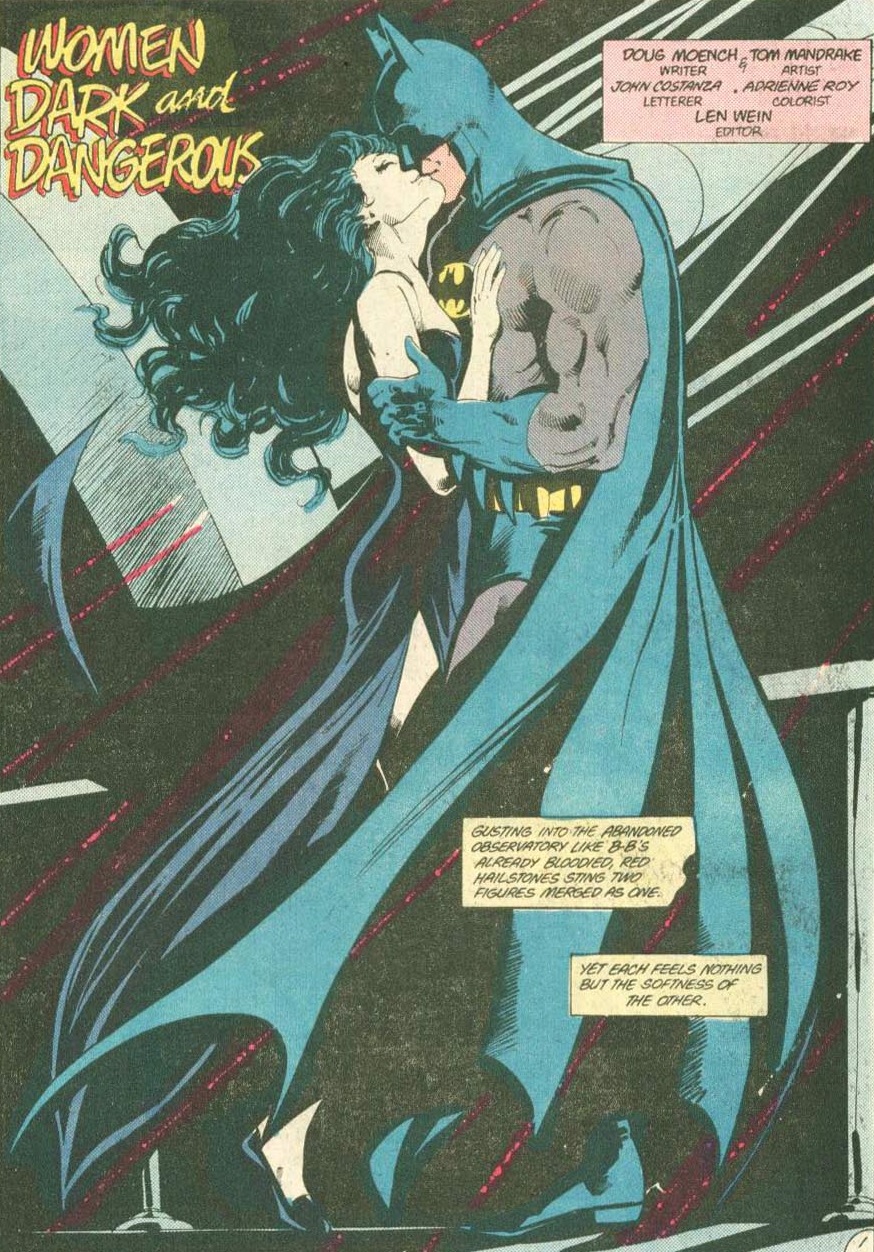
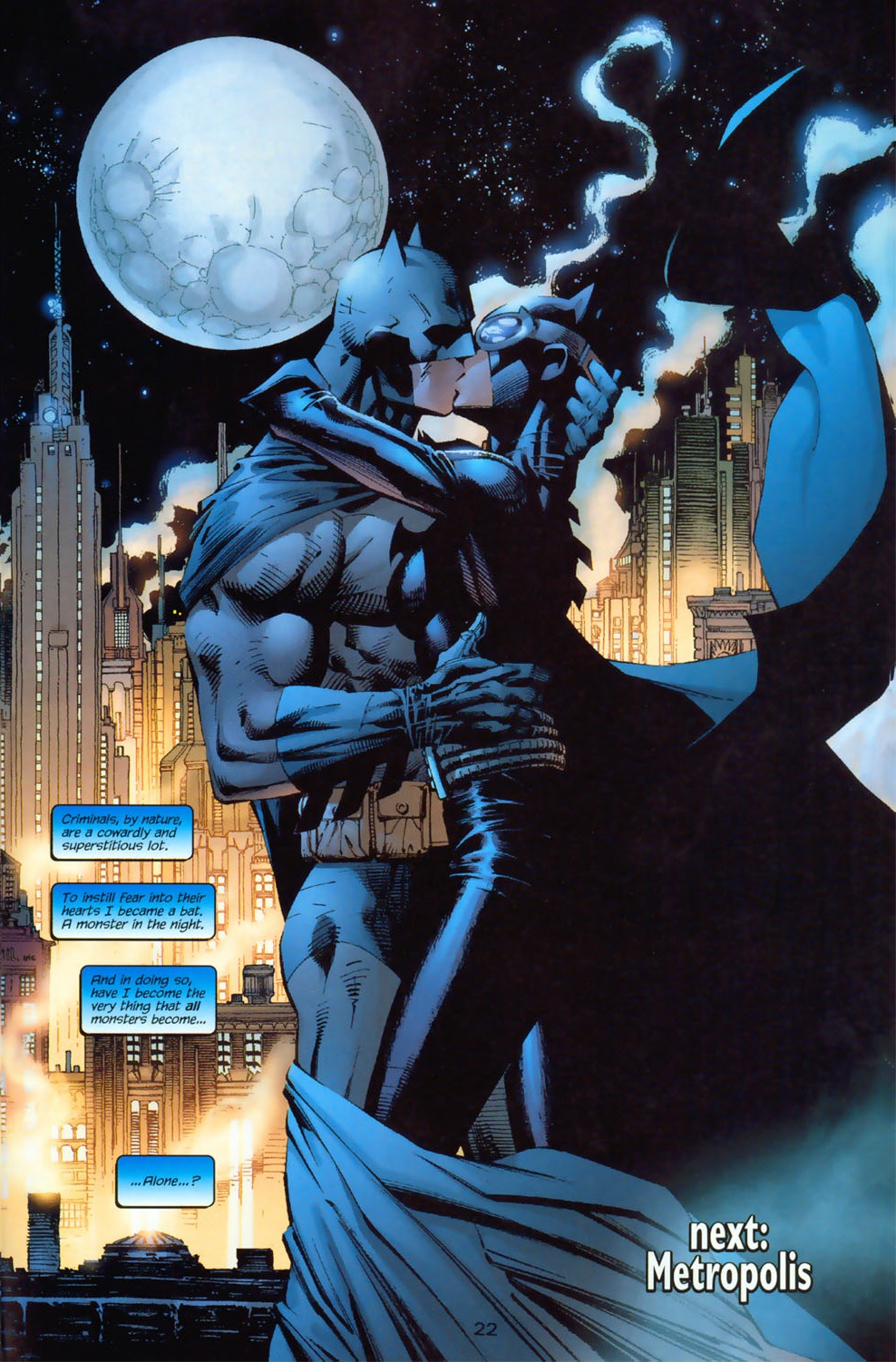
Personally, I’m particularly fond of his romances with Nocturna and Catwoman:

nocturna          catwoman

Batman #390                                                 Batman #610

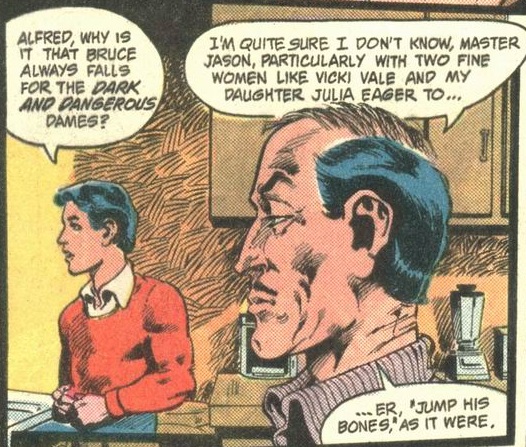
I know what you’re thinking and yes, it’s true, the Caped Crusader does have a thing for bad girls…

Alfred PennyworthDetective Comics #548

Then again, the sexual tension between Batman and Wonder Woman has been explored in more than one iteration of the DC Universe, in the comics as well as on the screen, to the point where even Batman: The Brave and the Bold had its own amusing take on it… In the fan-favorite issue ‘The Bride and the Bold’ (The All New Batman: The Brave and the Bold #4), Eros magically ramps up their mutual desire, leading to a classic punchline as the Dark Knight explains that there is only one lady in his life… Justice!

Justice it is, man, but hey, that doesn’t mean sexual temptation doesn’t have its place when it comes to crimefighting in Gotham City:

poison ivyShadow of the Bat Annual #3
Posted in POLITICS OF BATMAN COMICS | Tagged , , , , , , , , , , | Leave a comment

COMICS CAN BE AWESOME (30 August 2021)

With all this talk of war, here is a timely reminder that comics can be awesome…

sci-fiIncredible Science Fiction #32
Posted in GLIMPSES INTO THE FUTURE | Tagged , , , , , | Leave a comment