COMICS CAN BE AWESOME (12 April 2021)

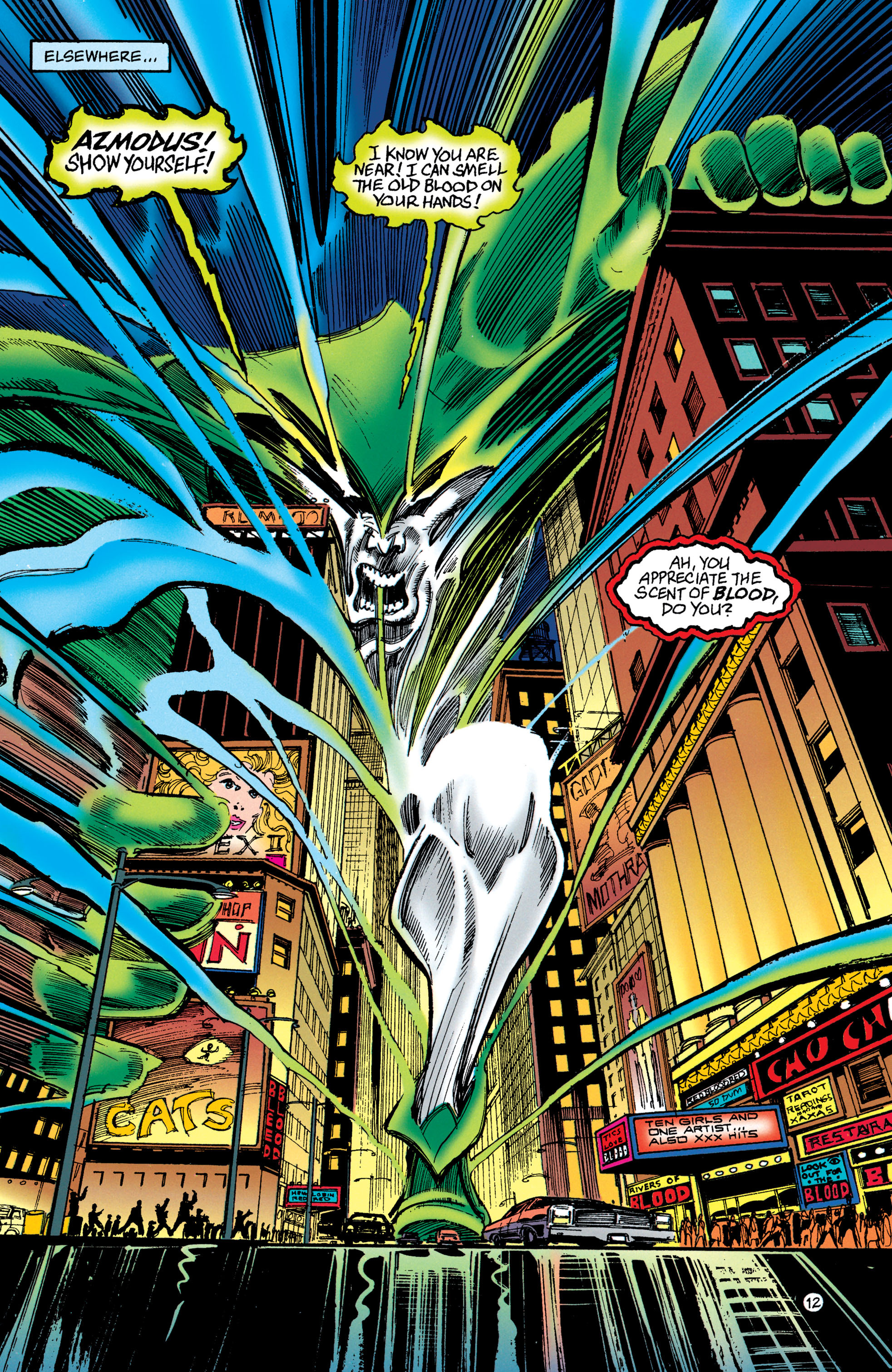
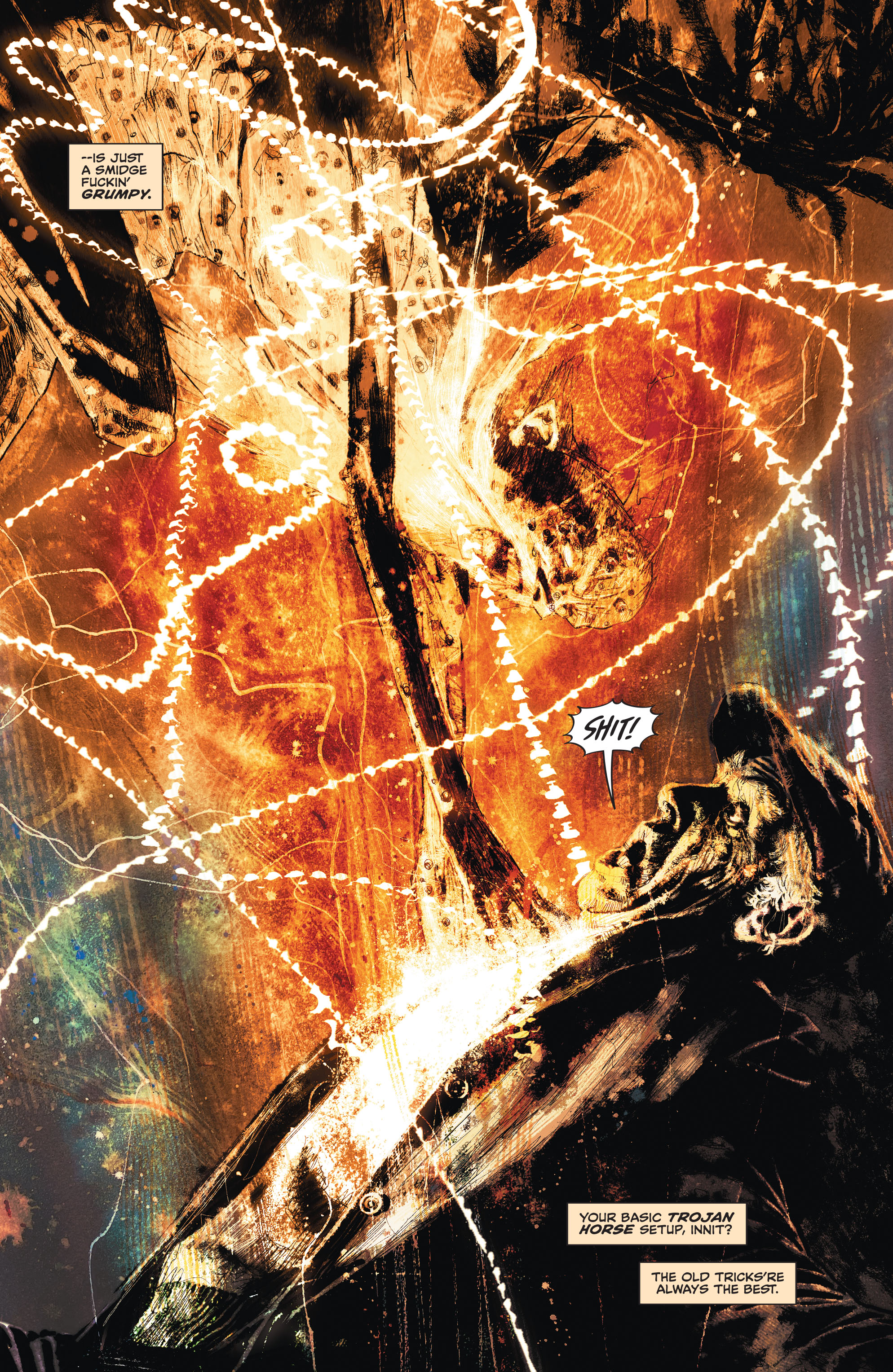
Your terrifying reminder that comics can be awesome:

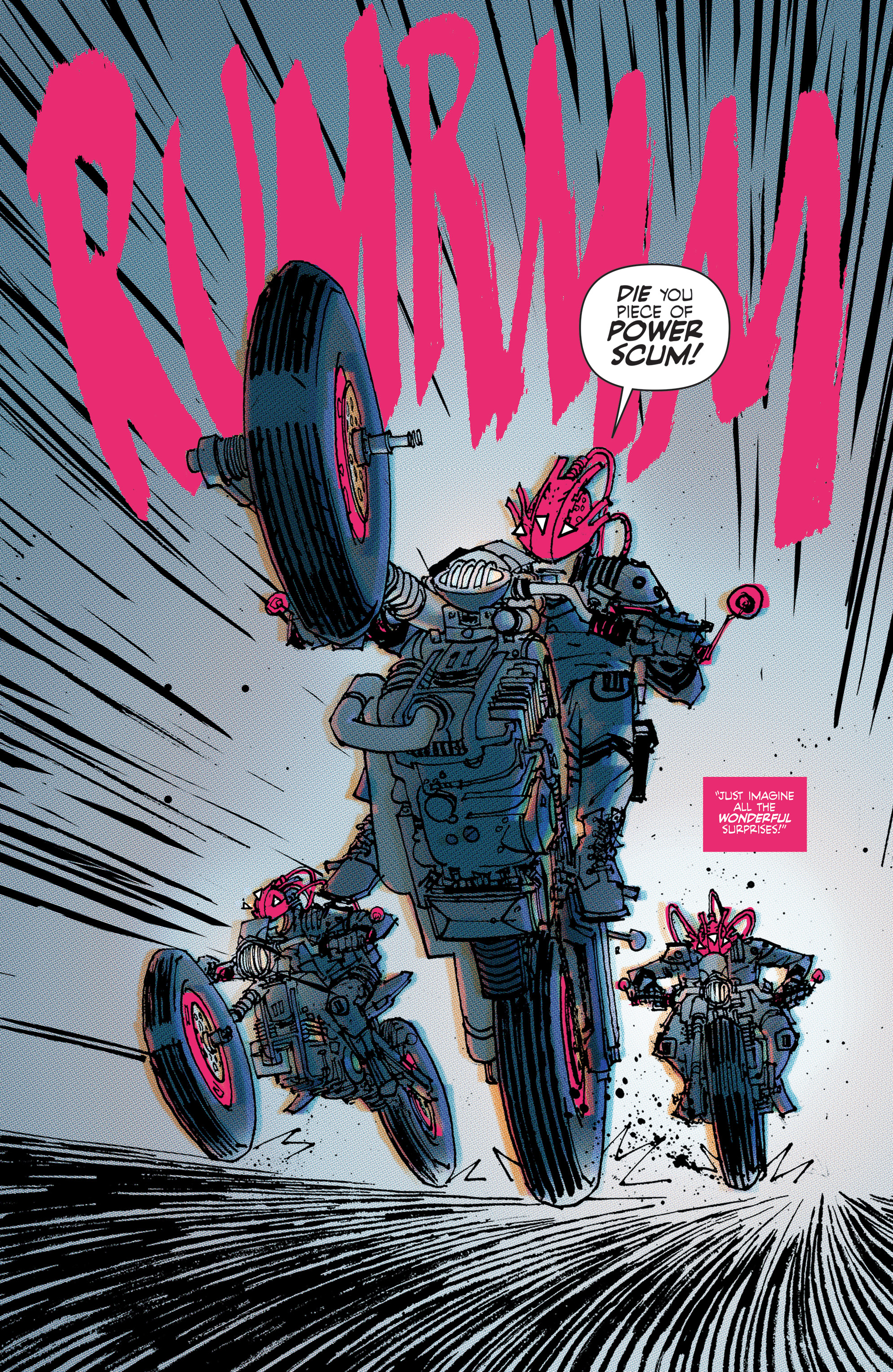
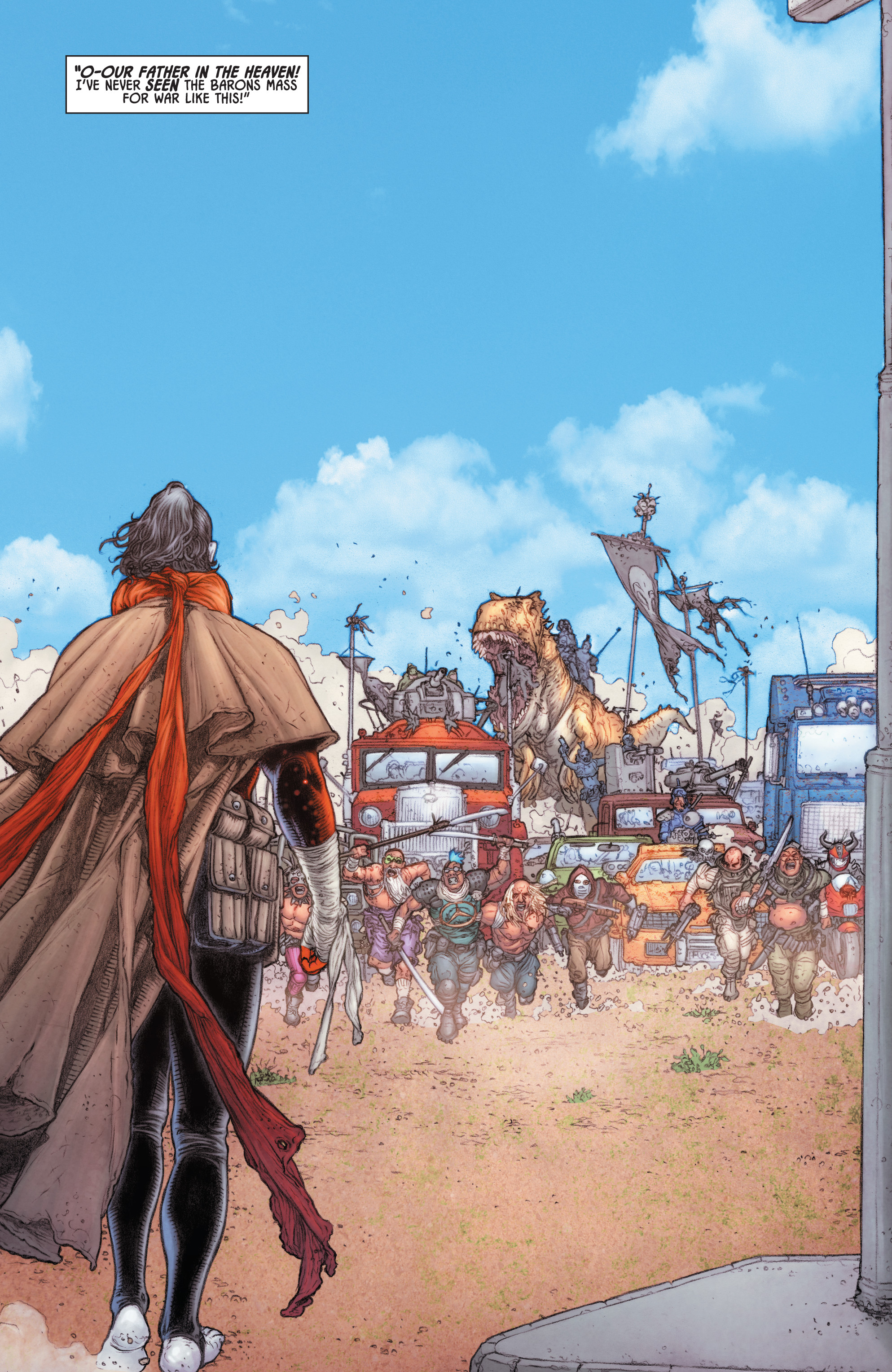
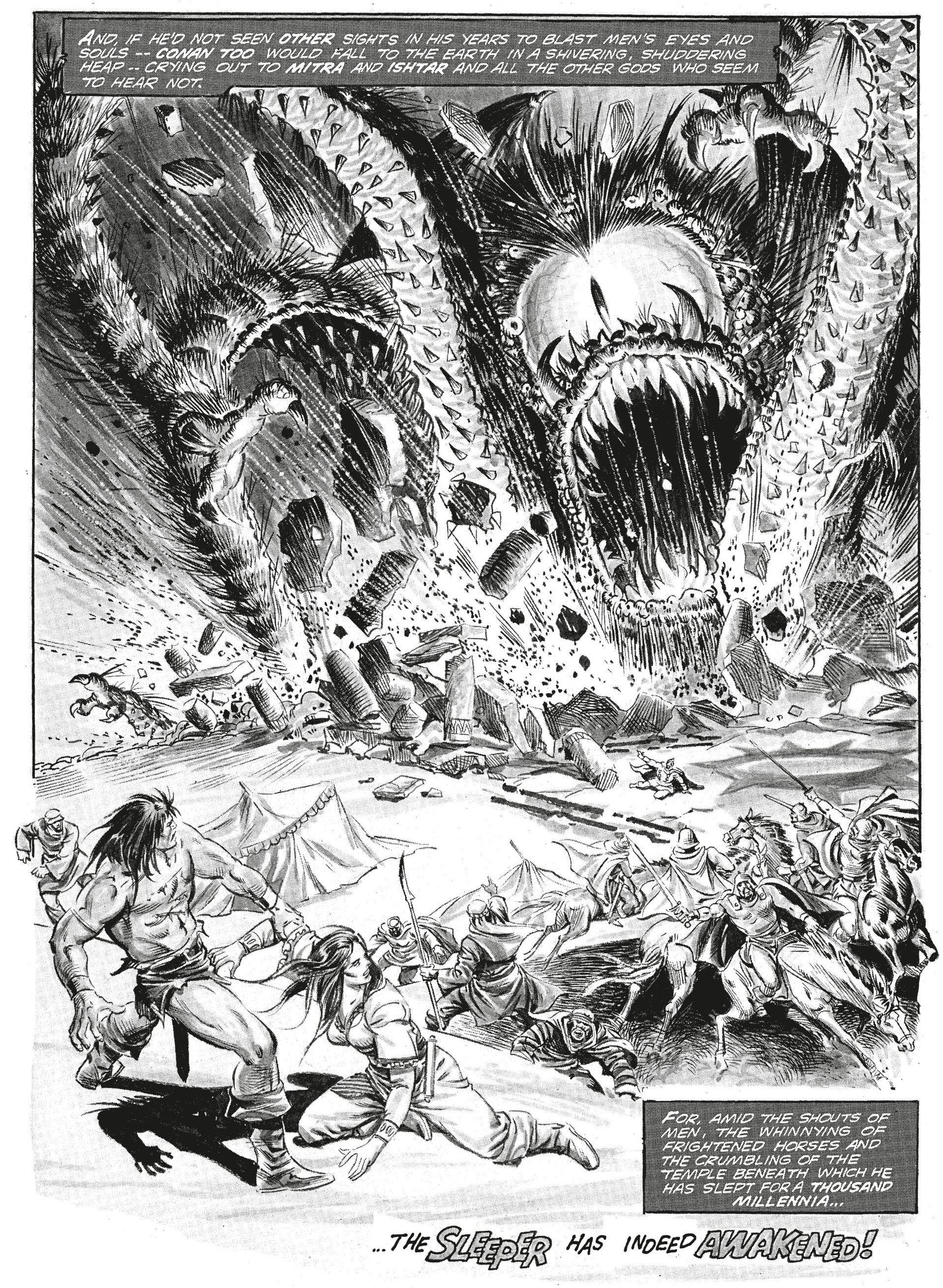
conanSavage Sword of Conan the Barbarian #6
tom mandrakeThe Spectre (v3) #27
Si SpurrierJohn Constantine Hellblazer #12
Posted in ART OF HORROR COMICS | Tagged , , , , , , , , , , , , , | Leave a comment

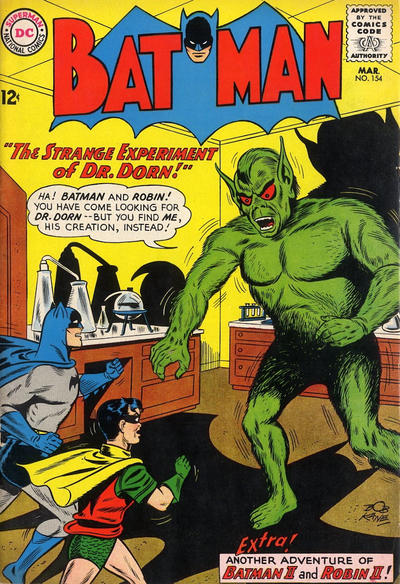
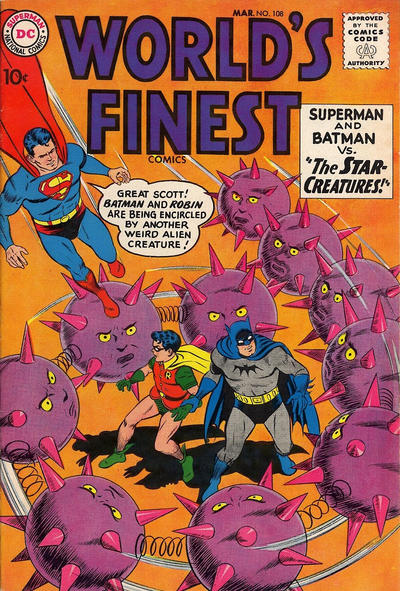
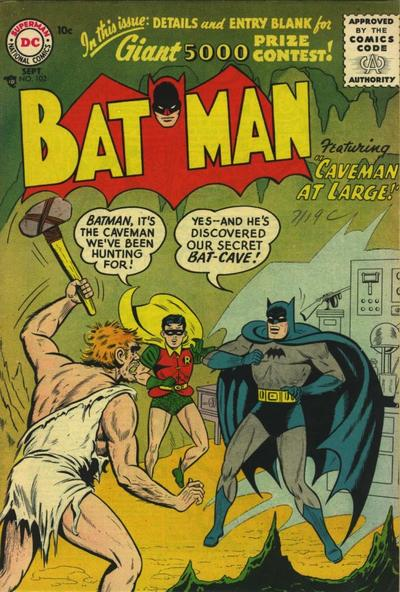
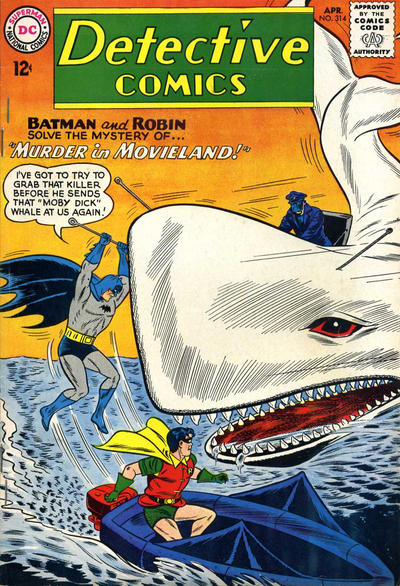
15 surreal Batman covers

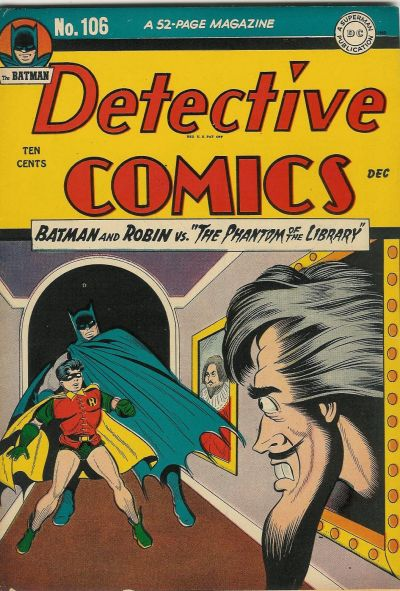
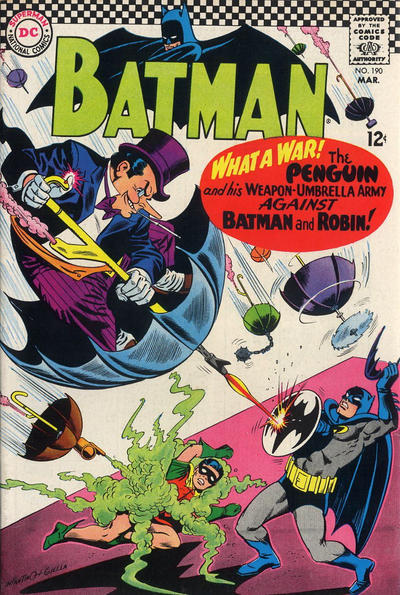
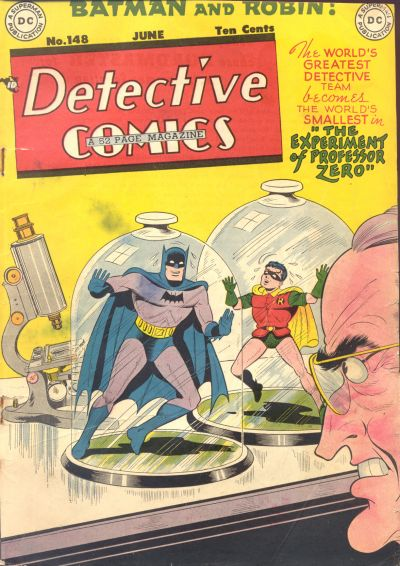
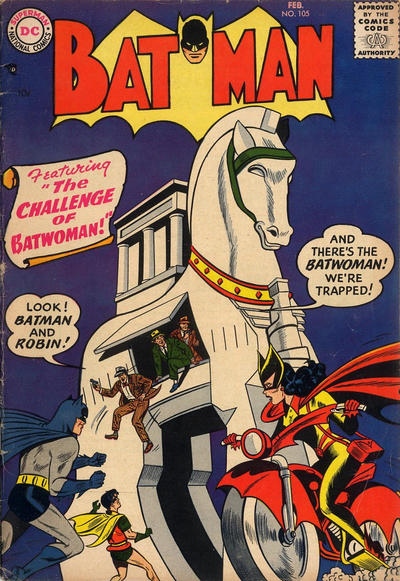
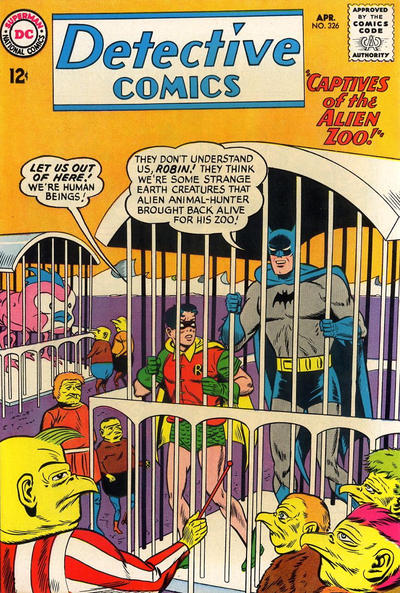
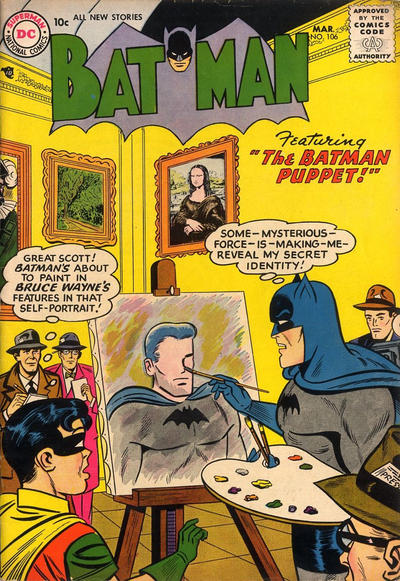
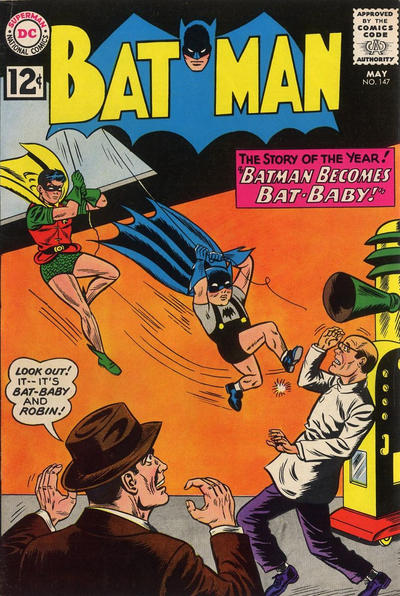
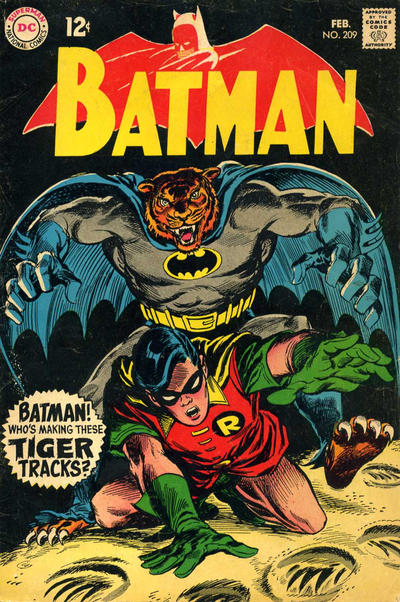
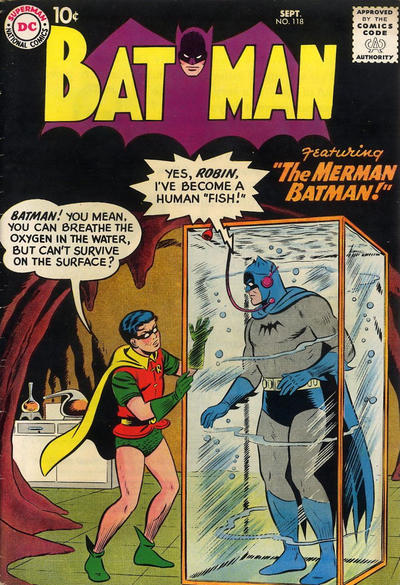
If there is one thing comic books excel at is producing WTF covers. Even by the standards of the medium, however, Batman has provided more than his fair share of utter weirdness, especially during the Silver Age. It’s a part of the Caped Crusader’s history that fascinates me because, even though many of his adventures at the time were pretty crude, at least they captured the notion that Batman and Robin lived in a batshit world. Take a tale like Bill Finger’s and Dick Sprang’s ‘The Lost Legion of Space’ (Batman #67, cover-dated October-November 1951): in just thirteen pages (including a beautiful title splash), the Boy Wonder travels to the 31st century, meets a futuristic Dynamic Duo, flies to a mining colony near the sun, tries to stay undercover while hanging out with a telepathic criminal, breaks from a prison guarded by robots, comes across human-headed dinosaurs, and stars in a climactic action scene straight out of a sci-fi pulp… and takes all this in a stride, because that’s just another day in the life of Batman’s partner!

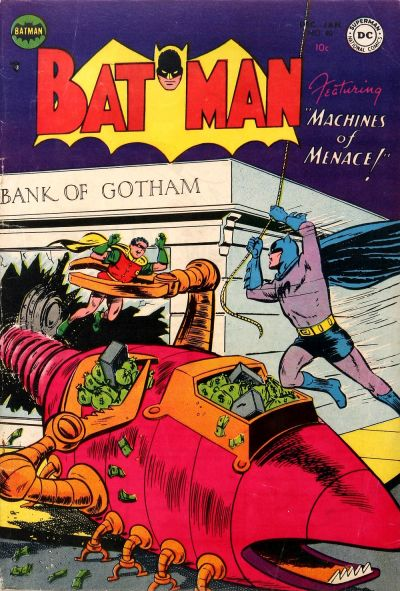
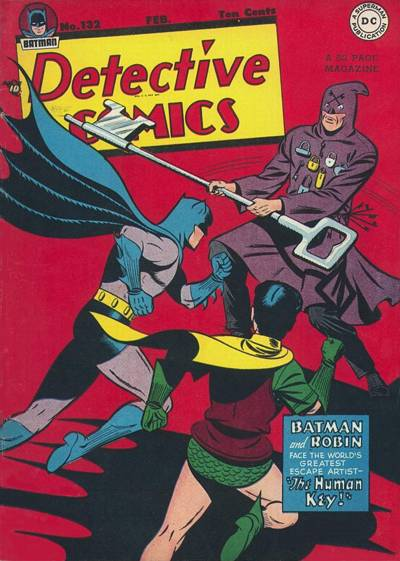
In contrast to all those later generic covers that revolve around the Dark Knight in a badass pose – suggesting that the selling point of the stories inside is the cool protagonist – here are fifteen examples of covers that practically *scream* a whole other message at potential readers: they make it abundantly clear that, as far they’re concerned, the series’ key appeal is the fact that the Dynamic Duo regularly face all sorts of surreal crimes.

Batmanbatmandetective comicspenguinbatmanbatwomanbatmanworld's finest comicsBatman & RobinBatmanDetective Comicsbatman and robinbatmanbatmanbatman

Posted in COVERS OF BATMAN COMICS | Tagged , , , , , , , , , , , , , , , | Leave a comment

COMICS CAN BE AWESOME (5 April 2021)

Another triple reminder that comics can be awesome:

hayden shermanThumbs #2
youngbloodYoungblood (v6) #5
rai 1Rai (v5) #1
Posted in GLIMPSES INTO AWESOMENESS | Tagged , , , , , , , | Leave a comment

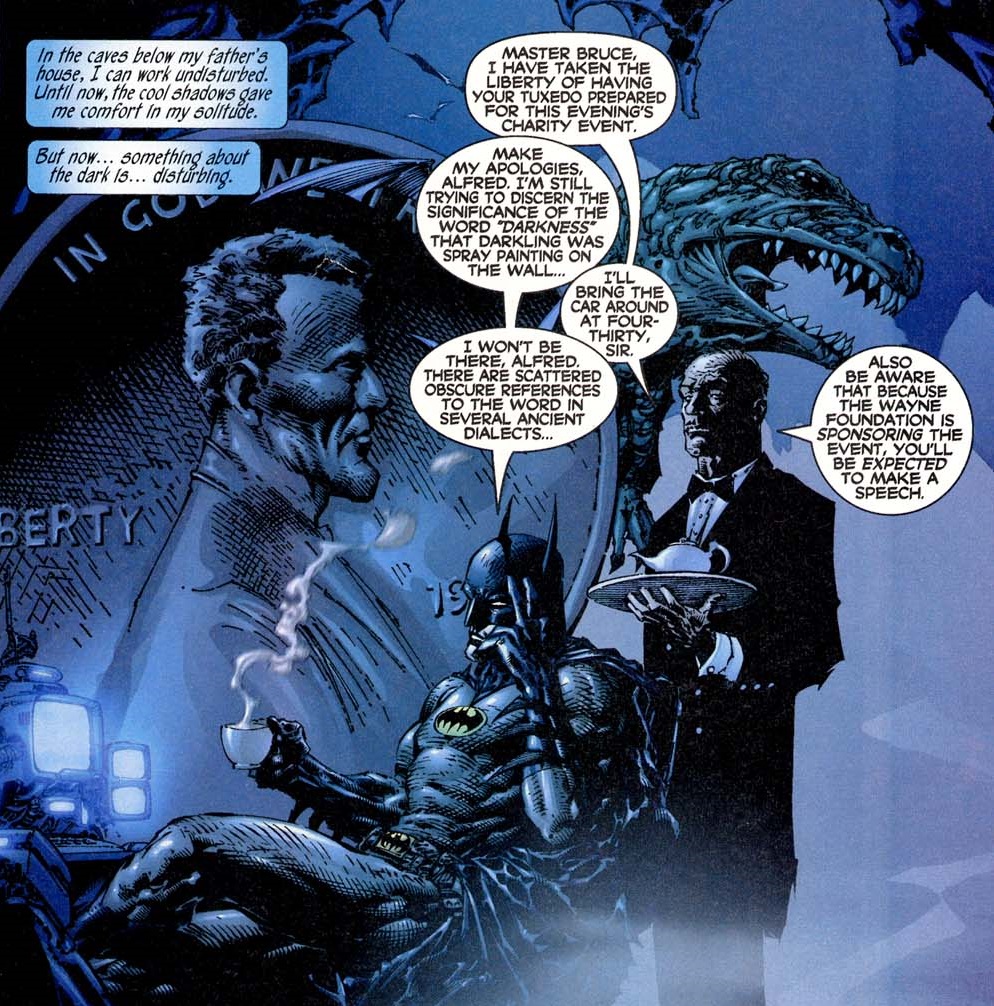
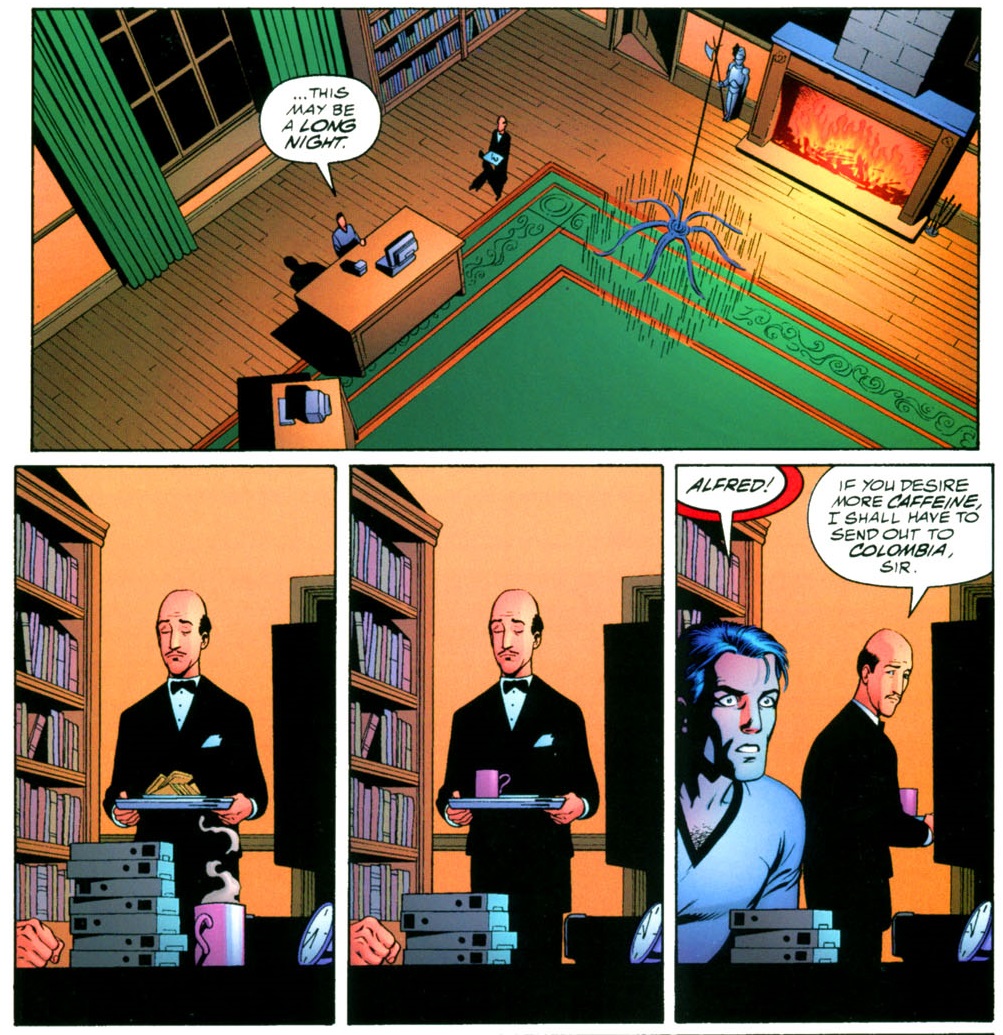
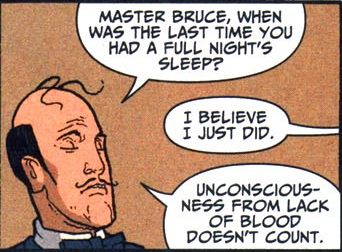
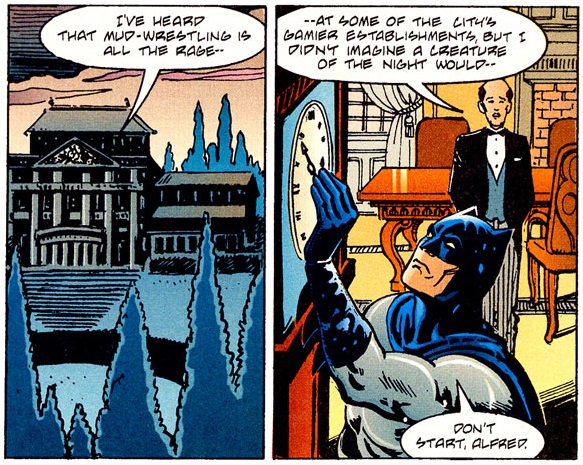
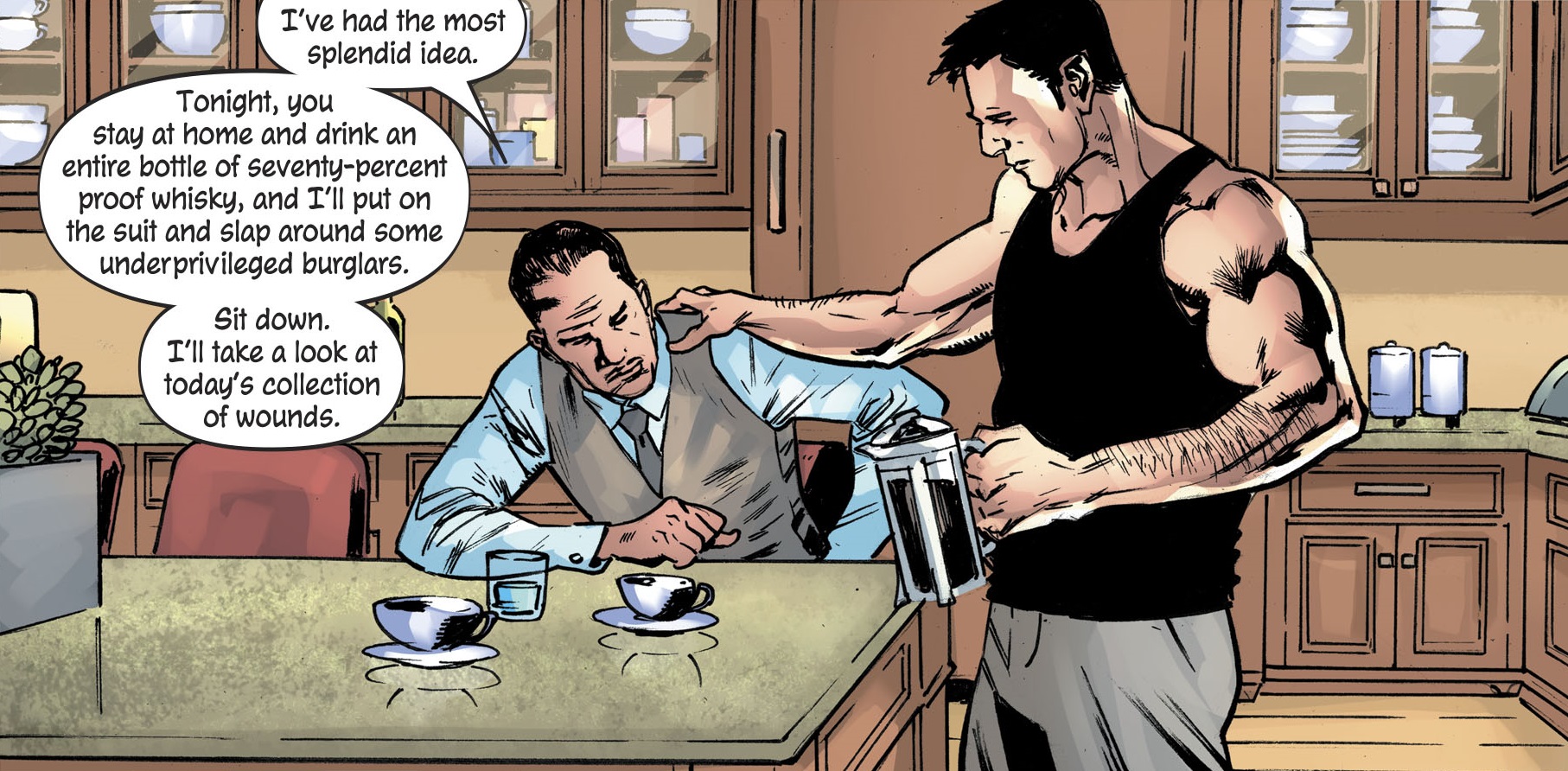
Oh, Alfred

Alfred Pennyworth

The Darkness / Batman

Dark Knight Dynasty

Dark Knight Dynasty
Legends of the Dark Knight #192Legends of the Dark Knight #192

Legends of the Dark Knight #16

Legends of the Dark Knight #16
batman's graveThe Batman’s Grave #2

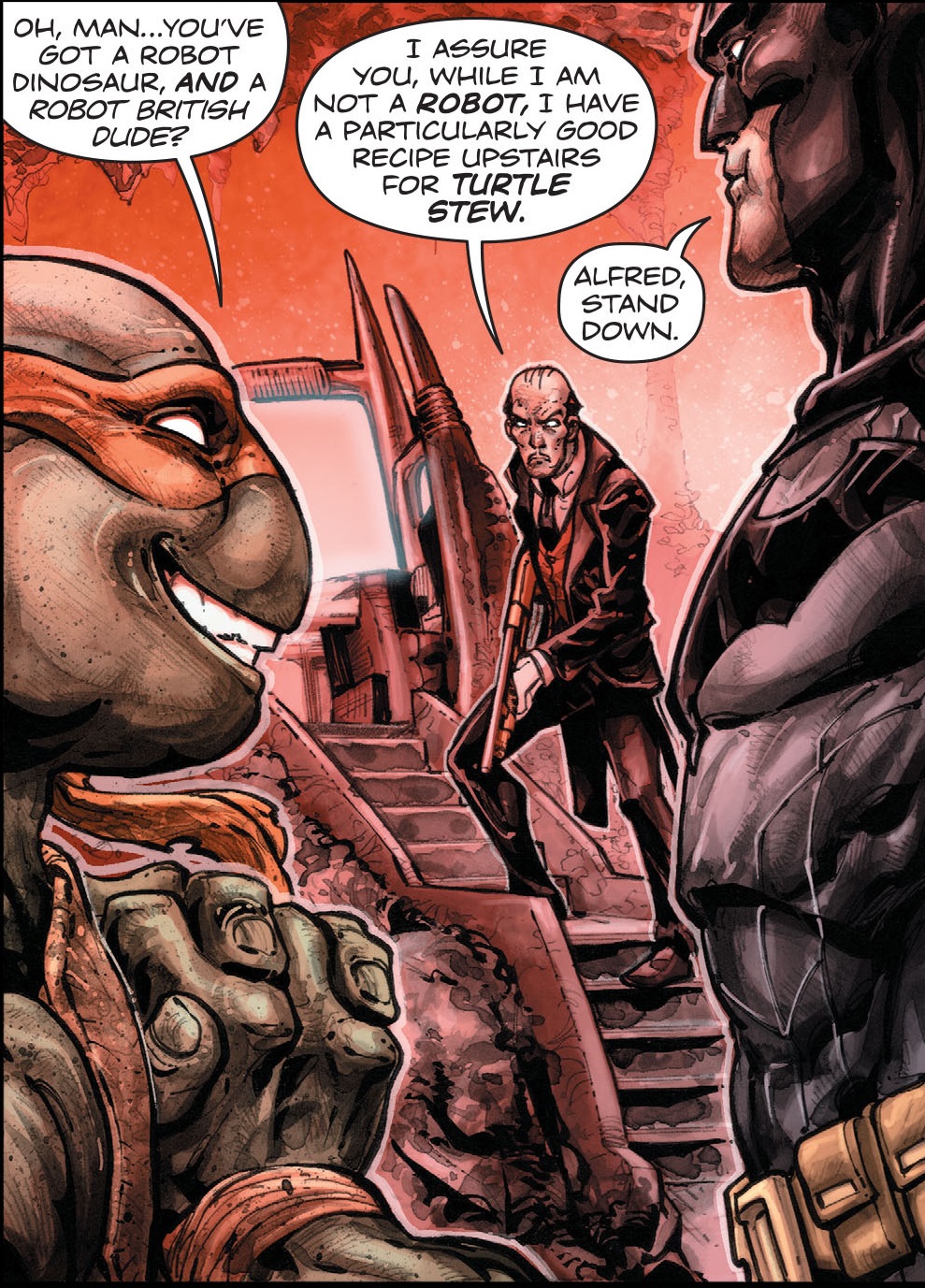
Batman / Teenage Mutant Ninja Turtles #3

Batman / Teenage Mutant Ninja Turtles #3
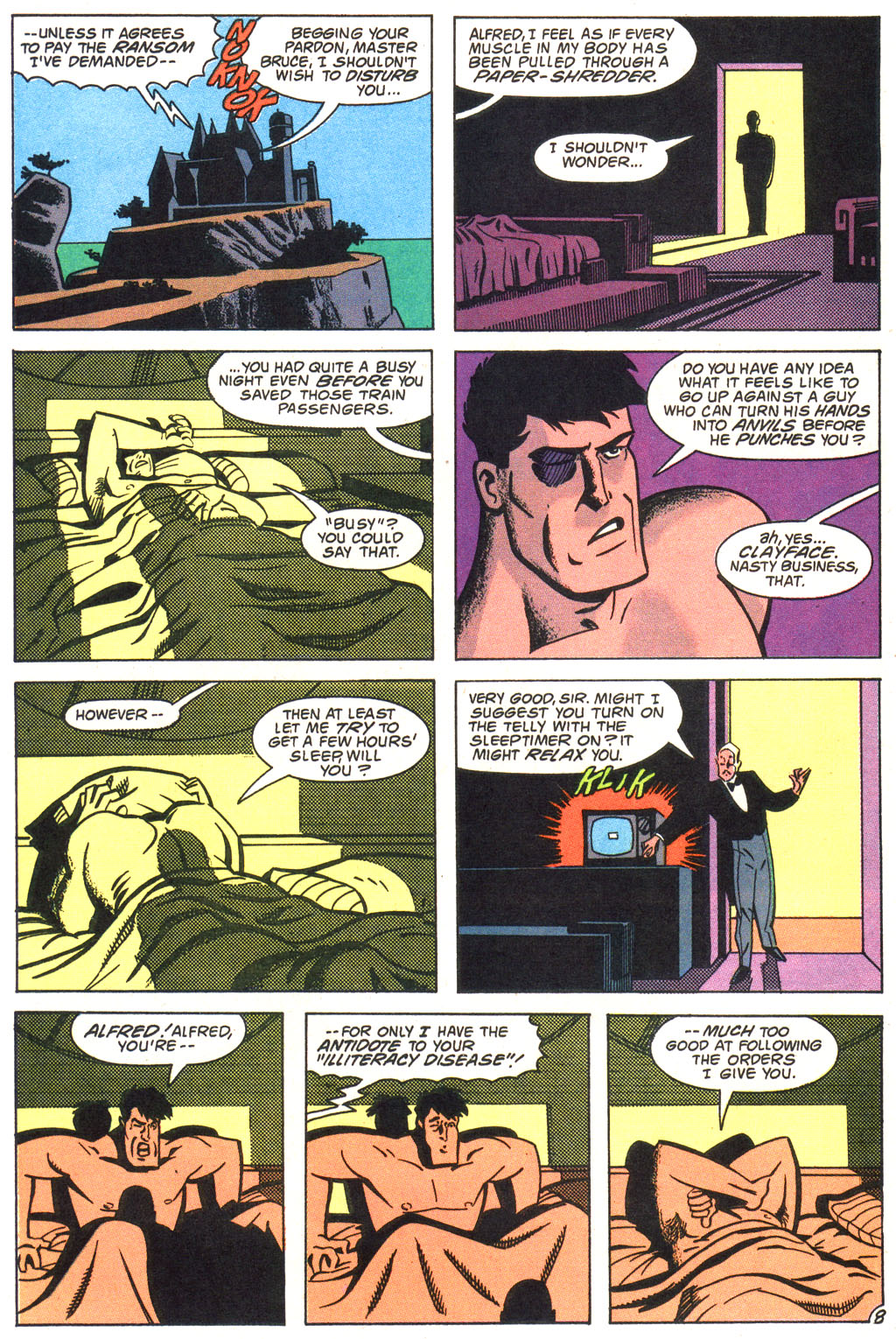
The Batman Adventures #4The Batman Adventures #4
Posted in GOTHAM INTERLUDES | Tagged | Leave a comment

COMICS CAN BE AWESOME (29 March 2021)

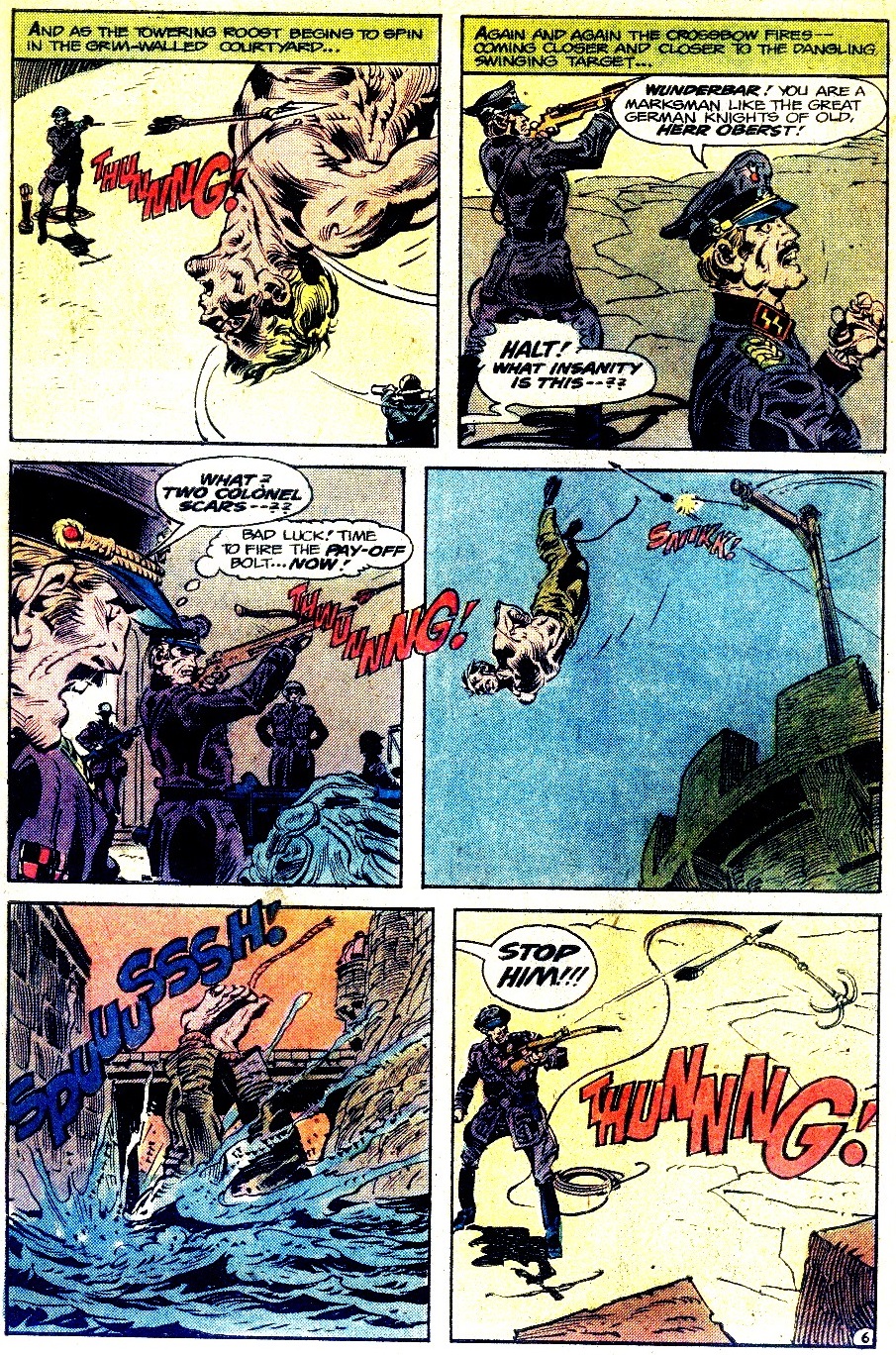
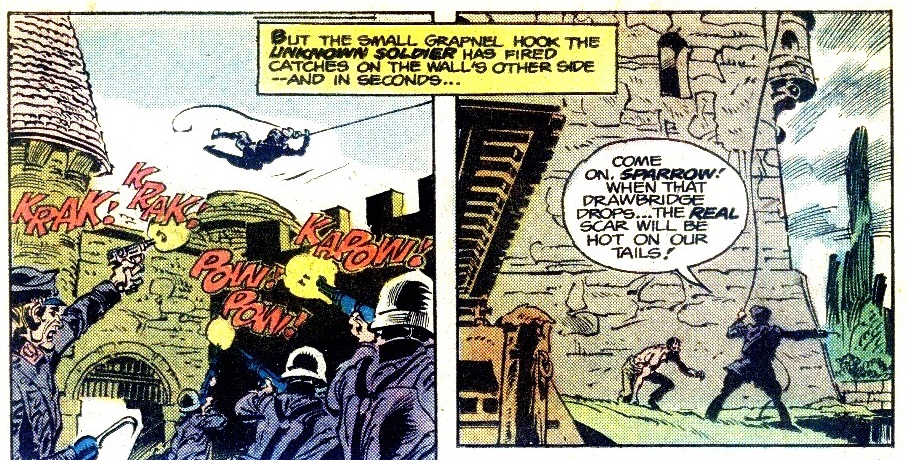
A thrilling reminder that comics can be awesome…

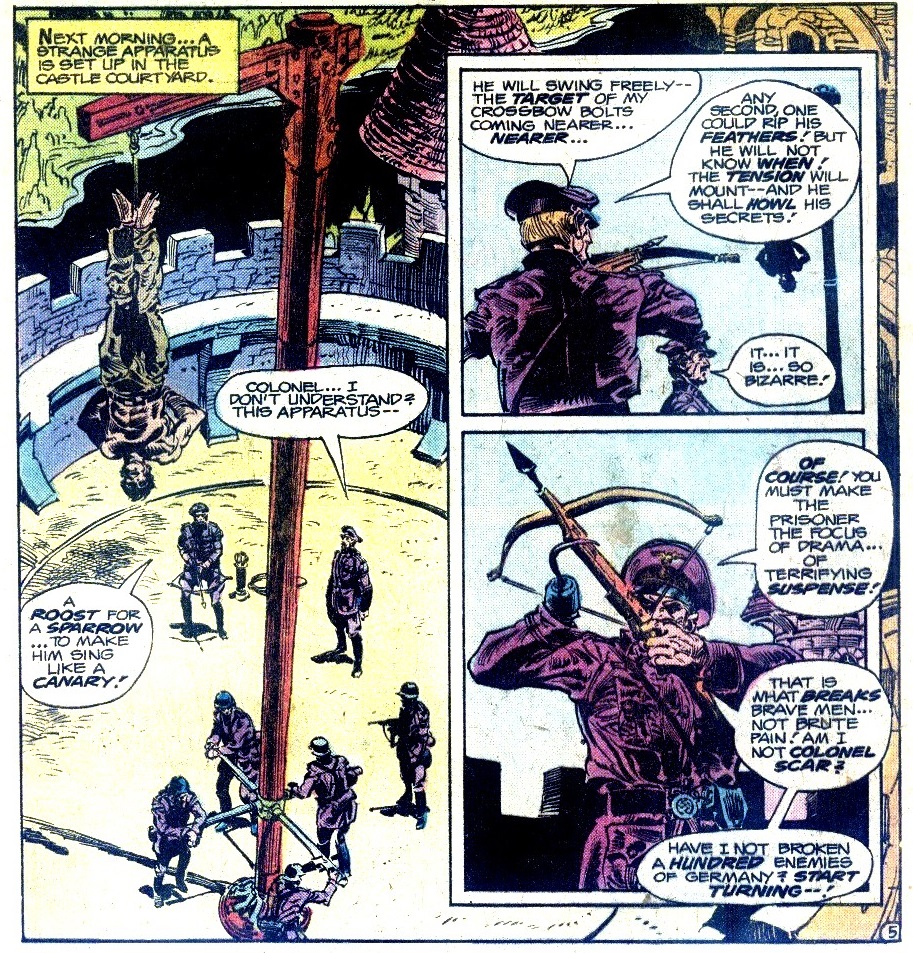
Unknown SoldierGerry Talaocunknown soldierThe Unknown Soldier #210
Posted in GLIMPSES INTO THE PAST | Tagged , , , , , , | Leave a comment

2020’s books of the year: honorable mentions – part 4

If you read last weeks’ posts, you know what’s going on. Here is a final batch of 2020 comics worth tracking down…


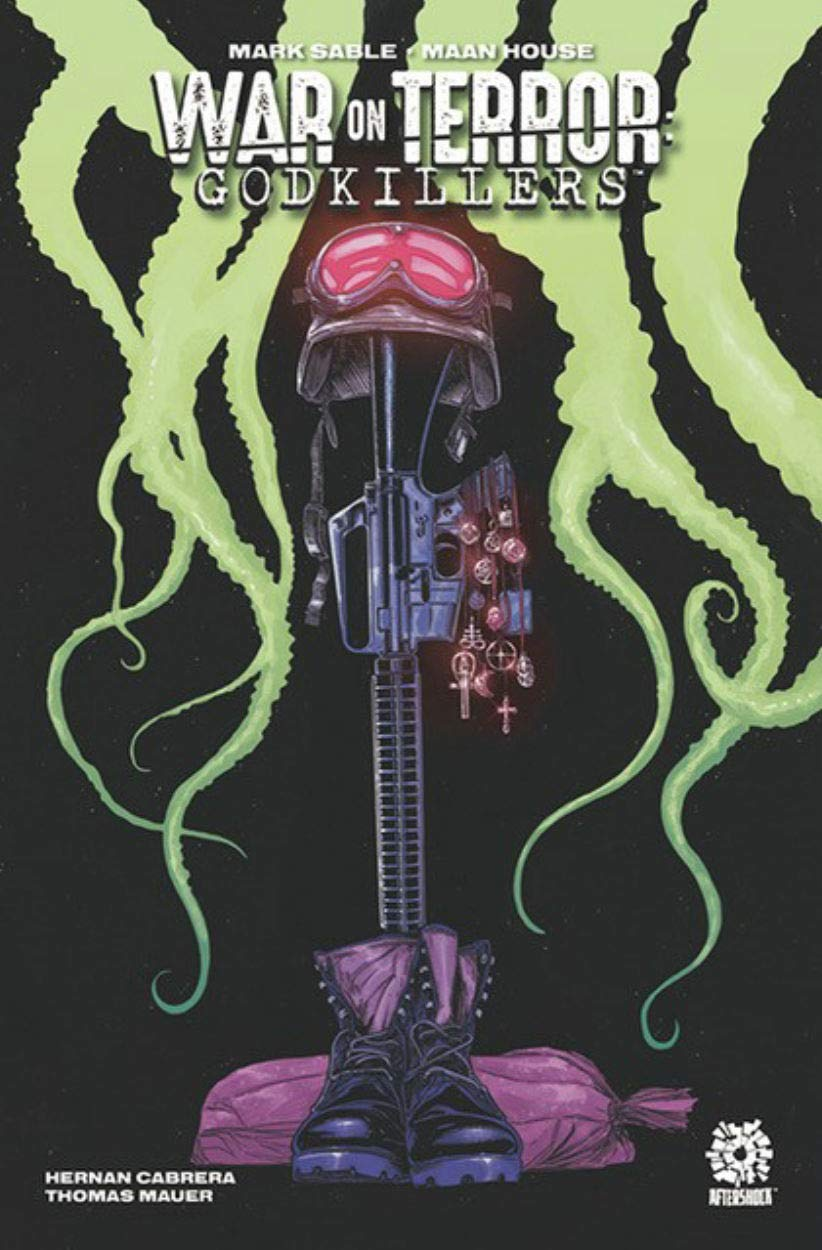
WAR ON TERROR: GODKILLERS

godkillers

Collecting a five-issue mini-series, Godkillers has the kind of ridiculous and ultimately tasteless premise that, when pulled off with an unashamed straight face, can make for a kickass ride: it follows Abdul Alhazred, an Arab-American folklore professor whose atheism is defied when he finds himself recruited by (as the back cover blurb puts it) ‘a special forces unit tasked with fighting insurgents who use mythological creatures as weapons of mass destruction.’ Like he had effectively done in 2011’s Graveyard of Empires, writer Mark Sable merges geopolitics with solid military fiction and supernatural horror, playing to the strengths of the two genres as he pits the Godkillers against both ISIS and gruesome demonic creatures.

Yes, there’s something discomfiting about the way the comic literalizes the notion of religious war, but you can spot a tongue lodged in its cheek, especially in the bits concerning the team’s Christian fundamentalist commander. The backmatter includes redacted memoranda sucking up to Trump while also explaining that with ‘the current turnover amongst National Security Advisors, I felt it best to take this directly to you rather than risk someone departing the administration and leaking details of the operation to the media.’ Without ever devolving into outright parody, the series posits a nightmarish world that could’ve sprung from the former president’s deranged rhetoric (even if it stops short of justifying a Space Force). It’s a world in which the mystical realm that fuels terrorism – as well as Islamophobia – turns out to be real, yet it has no sympathy for fanatics on either side… talk about having your cake and eating it too!

Artist Maan House and colorist Hernan Cabrera get in on the game, each providing the most deadpan approach to this blood-spattered thriller as it moves from Syria to the Philippines and beyond. We are not in Hellboy’s stylized universe, but in a reality that mostly resembles our own, which makes the presence of gods and monsters even creepier… If anything, Cabrera can be blamed for going too overboard with the dusky atmosphere, as his shadows sometimes make it hard to distinguish between the different members of the extensive cast.


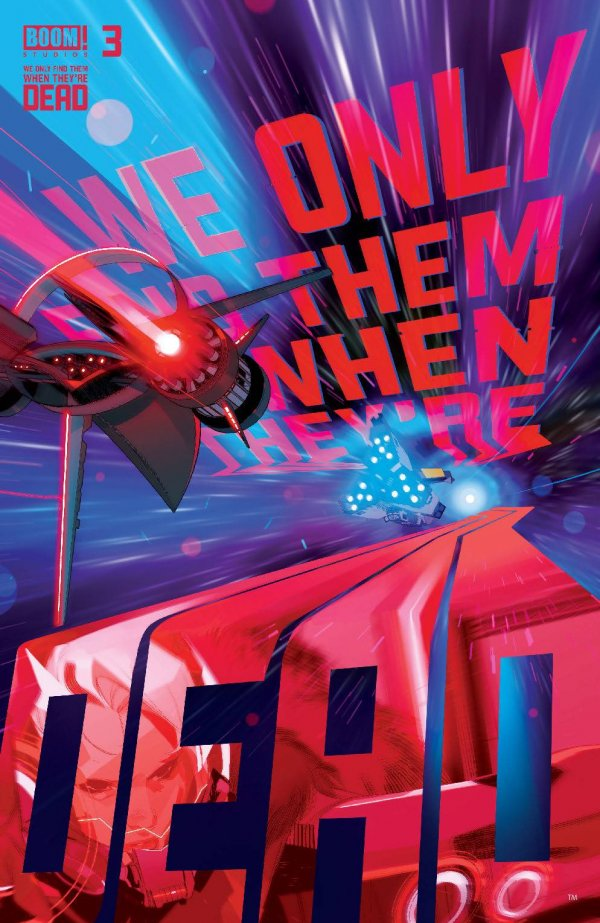
WE ONLY FIND THEM WHEN THEY’RE DEAD

al ewing

Another sci-fi spin on religion… and yet another deep space thriller. It’s not usually my favorite genre, but 2020 was an exceptionally strong year for the latter (or perhaps it just became too damn appealing for me to seek distance from our own collapsing planet). The first four issues of We Only Find Them When They’re Dead still managed to stand out, though, with their enticing premise: in the 24th century, there is a whole industry and lucrative trade developed around ships that strip-mine the corpses of dead gods floating around in space. We follow one of those crews, who ventures into uncharted territory.

For a tale with such an outrageous set-up, Al Ewing’s script is surprisingly committed to playing things straight. In the Isaac Asimov tradition of science fiction that exploits the contrast between cosmic concepts and small-scale logistics, We Only Find Them When They’re Dead is quite dialogue-driven, focused on a narrow group of characters, and concerned with their ship’s specific maneuvers. I wouldn’t go so far as to call it cerebral, but here is a comic for those who enjoy figuring out the rules of a world’s proto-science and then seeing the cast deal with the technical challenges the story throws at them. (For a much wilder take on the genre, check out Ewing’s ongoing run in Guardians of the Galaxy…)

WOFTWTD doesn’t look old-school, though. Simone Di Meo’s character designs wouldn’t seem out of place in a digital Disney cartoon and the coloring, assisted by Mariasara Miotti, is as aggressively blinding as the one in Far Sector. While I’m not in love with the visuals, the art does deserve some credit for successfully working around the fact that much of these earlier issues consisted of talking heads communicating at a distance, from separate compartments in the spaceship. This could’ve felt cold and static, but the dynamic page layouts – with a lot of skewed panel shapes – keep the energy flowing.


WICKED THINGS

giant days

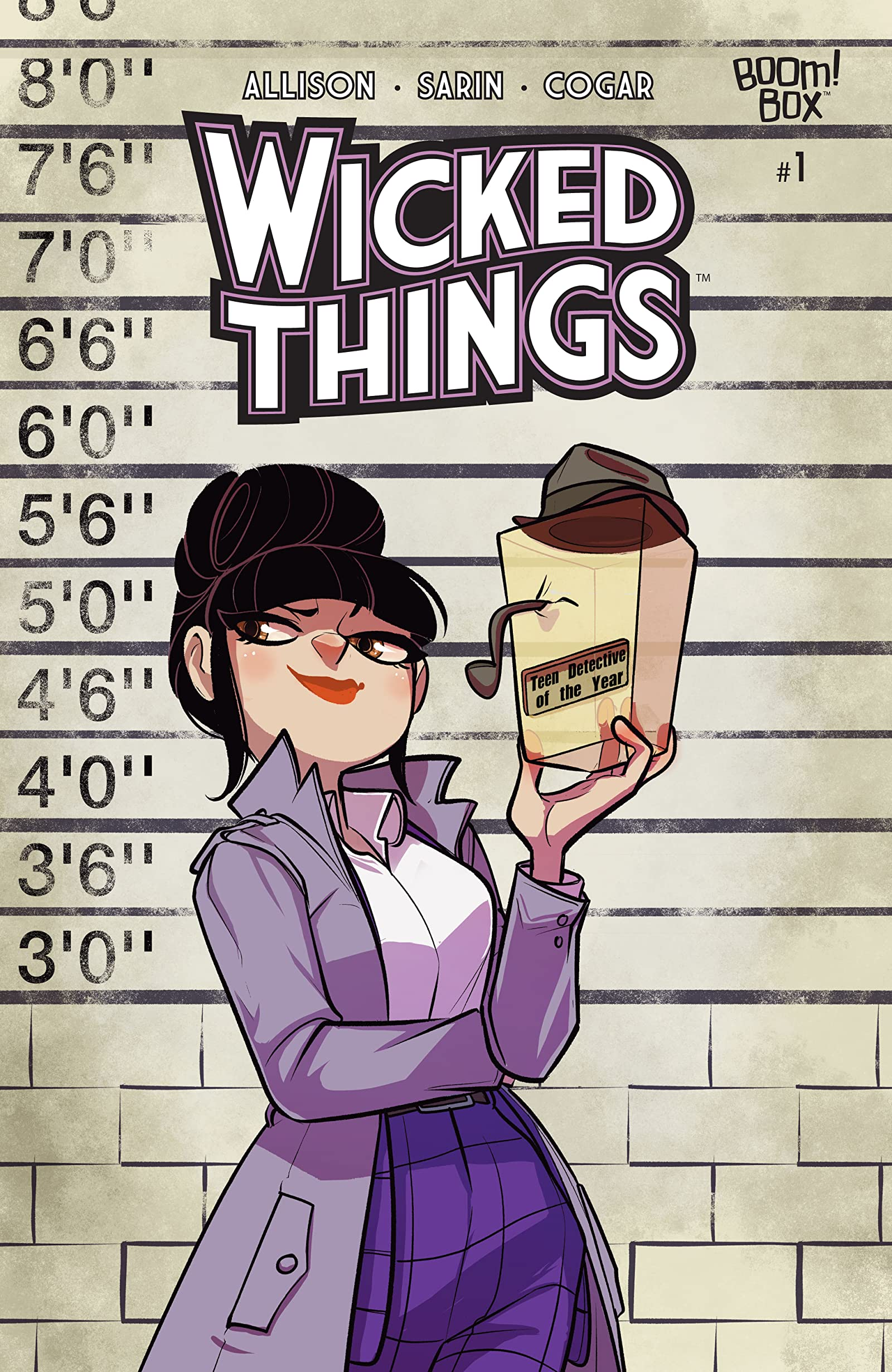
The creative team behind the ultra-acclaimed Giant Days reunited for this parody of teen detective stories – a staple of young adult fiction that mines the open-minded curiosity and the arrogance of youth, both of which are here taken to amusing extremes. This new series stars former wonder sleuth Charlotte Grote, who is simultaneously a deductive genius and an easily distracted, hyperactive post-millennial. While attending an international award show for teen detectives, in London, she gets involved in a silly murder mystery (the joke being that the solution seems pretty obvious from the start), yet the story soon spirals into an entirely different direction, as Charlotte (sort of) joins forces with the British police to solve even more ludicrous capers…

Wicked Things nails its droll farce not only through the truly screwball pace and dialogues, but also through deft cartooning, including an endless parade of comedic expressions, character designs, and background details. Indeed, between John Allison’s witty one-liners, Max Sarin’s exaggerated drawing style, and Whitney Cogar’s cheery colors, there is not a single moment of filler in this comic, with every page packed with one funny panel after another. It was a delightful read every step of the way and I can’t wait for the next volume!

And speaking of brilliant teen comedies…


WONDER TWINS

mark russell

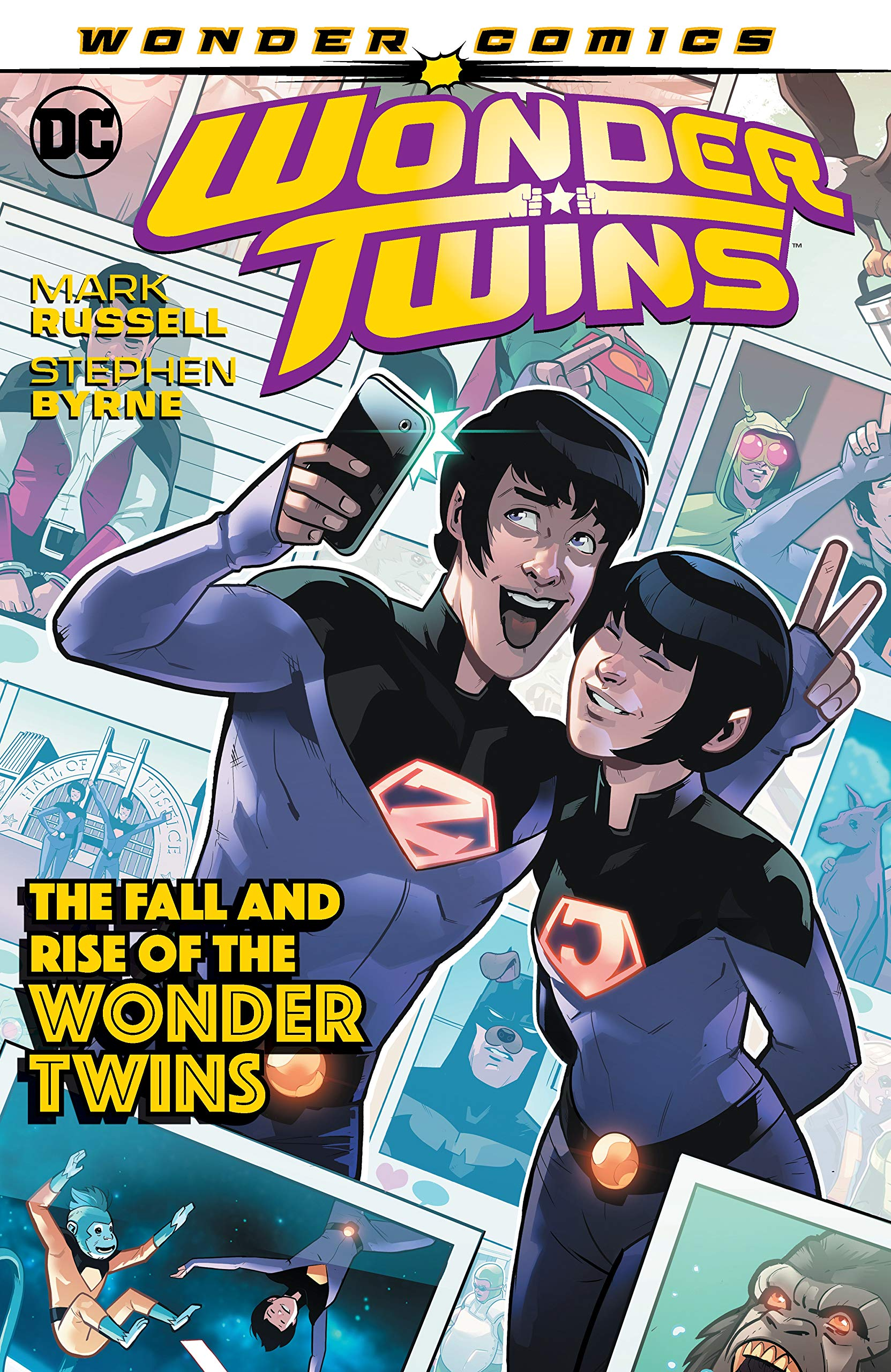
Between Red Sonja and Second Coming, Mark Russell is quickly becoming a serious contender for Fred Van Lente’s place as the most reliable mainstream writer in terms of engagingly combining excitement, comedy, and political philosophy. If further proof was needed, 2020 gave us the final issues – and the second collected edition – of his surprisingly smart DC maxi-series, Wonder Twins.

Honestly, if it wasn’t for Russell, I probably wouldn’t have picked this up in the first place… Stephen Byrne’s art is serviceable, but not really to my taste, and I had no particular investment in the concept: alien teen siblings with silly super-powers (after fist-bumping, he turns to water while she can transform into animals) attending a high school on Earth. And yet, not only does Wonder Twins establish Zan and Jayna as genuinely charming – he’s disarmingly upbeat, she’s perceptively sarcastic – but it also uses the notion that they come from a utopia to shed light on our own planet’s stupidity and injustice (filtered through the DCU).

The first volume, Activate!, knocked it out of the park with its sharp satire of the private prison-industrial complex (here run by Lex Luthor), toxic masculinity (including Zan’s droll failure to conform to douchebro norms), and everyday racism (one of the villains was a white lady who kept using her magical cellphone against black people). This second book, The Fall and Rise of the Wonder Twins, wraps up the previous plotlines while further spoofing the exploitation of labor and cable news channels. The amazing thing is that all this takes the form of satisfying superhero tales which both follow *and* break the genre’s formulas, culminating in some of the best Trump-era jokes during the climax, when people rally behind a defective artificial intelligence seeking to return the planet to the eighties!

It takes a certain kind of genius to turn a brightly colored teen book about a couple of lame Hanna-Barbera characters from the 1970s’ Super Friends cartoon show into a subtly deconstructive piece, but Wonder Twins is especially effective at ridiculing the Justice League’s usual story resolutions (then again, nothing screams ‘adolescent’ more than arguing that grown-ups are wrong…). Sure, Russel has been doing a similar gesture in Second Coming, but that series deals with stand-ins for the DC cast, which removes some of the edge. As for his indie farce about ultra-rich capitalists, Billionaire Island, that too feels ultimately safer, aiming at easy targets whose caricature most readers are probably willing to mercilessly mock anyway. In turn, Wonder Twins amusingly exposes the disturbing side of beloved superhero properties to their very fans, which is a much more subversive gesture.


X-RAY ROBOT

michael allred

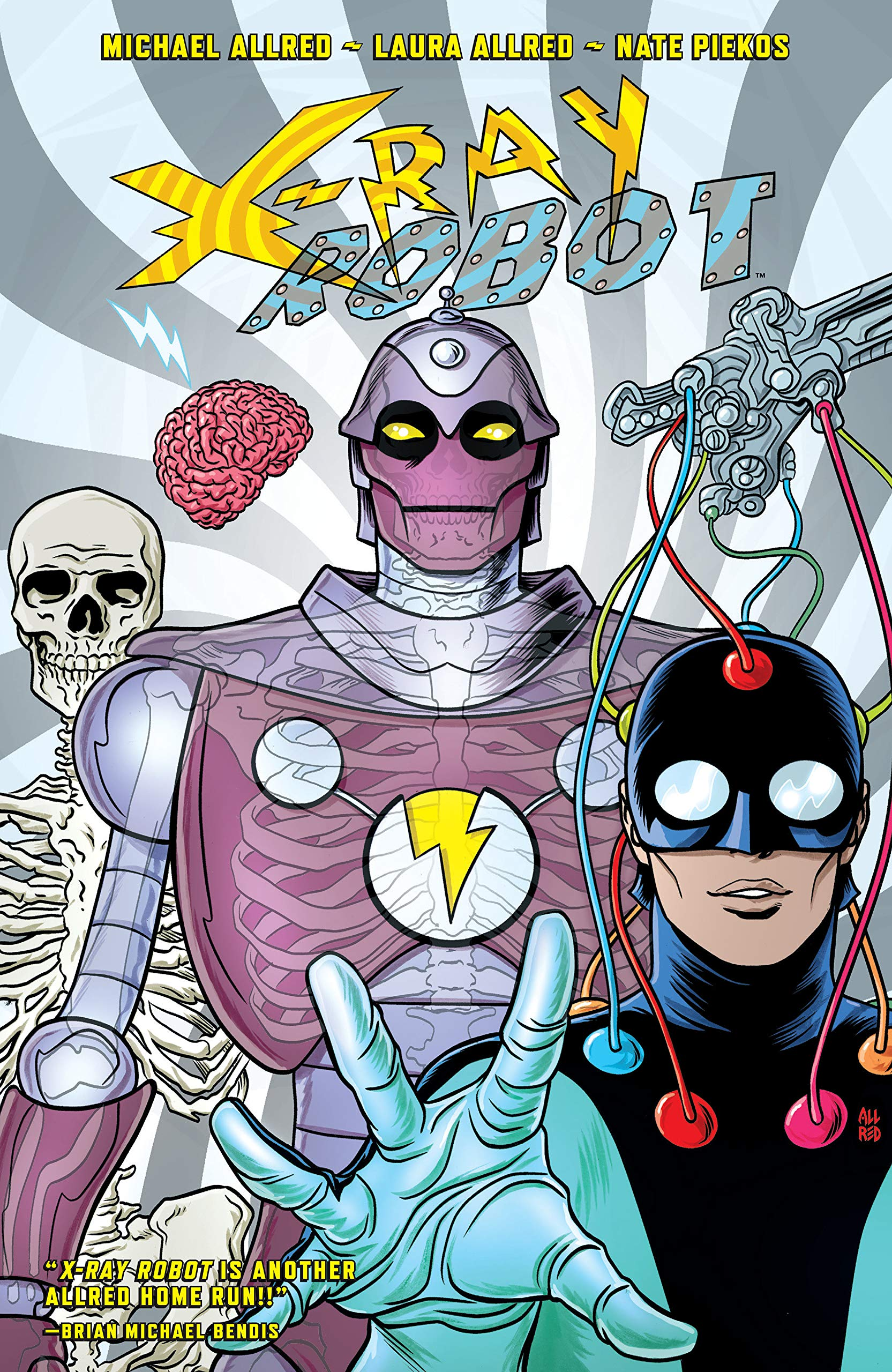
If you’re already familiar with the wonderful collaborations of Michael and Laura Allred, you’ll be glad to know X-Ray Robot lives up to their previous work. If this is your first trip here, however, then get ready, because you’re in for a treat: this four-issue mini-series filters mind-bending science fiction through a surrealist sensibility in the story of a robotics laboratory that develops interdimensional travel. The protagonist is one of the scientists, who starts having confusing visions of other dimensions and is soon recruited by an alternate version of himself (from the future) to prevent the Ultimate Nihilist from destroying the fabric of reality!

Like in their Madman comics (which originate a neat cameo here), the combination of Michael’s psychedelic story and rubbery artwork with Laura’s flavorful colors results in something that often looks like a pop art extravaganza… Once again, the main reason this mini-series was not in my original list is that the collected edition only came out in January 2021!

It’s escapist fare, for sure, but it’s also an enthusiastic celebration of escapism itself. A flamboyant ode to upbeat Silver Age storytelling, X-Ray Robot pits ‘people of empathy, common sense, intelligence, creativity, and good will’ against ‘a soul so infinitely miserable that it not only despises mankind, but is intent on destroying all existence.’ If the comic has the same mission as its heroes, it certainly triumphs: reading X-Ray Robot is a sure way to put a goofy smile on your face.

Posted in BOOKS OF THE YEAR | Tagged , , , , , , , , , , , , , , , , , , , , , | Leave a comment

COMICS CAN BE AWESOME (22 March 2021)

Your savage reminder that comics can be awesome:

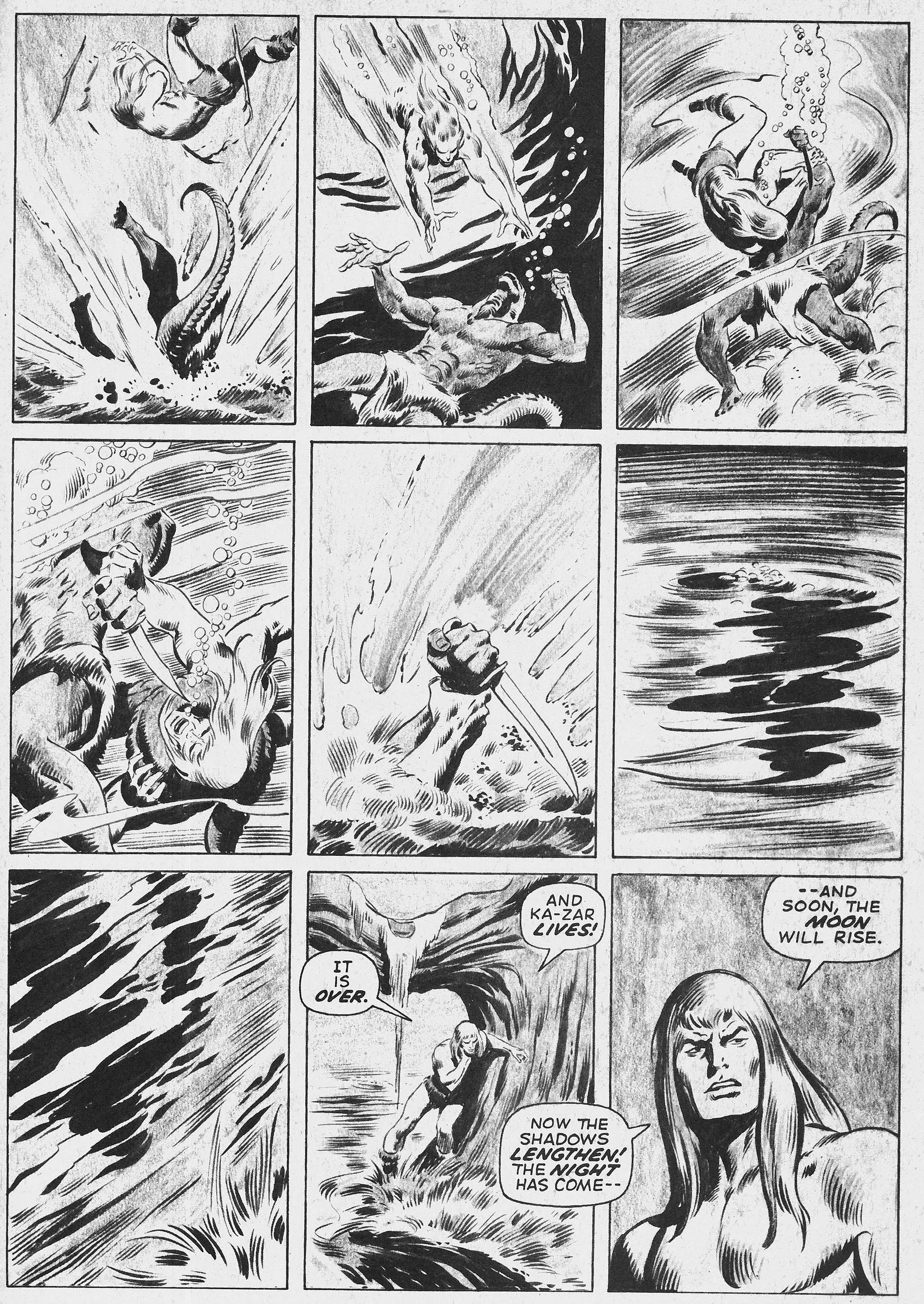
KazarSavage Tales #5
Posted in GLIMPSES INTO THE PAST | Tagged , , , , | Leave a comment

2020’s books of the year: honorable mentions – part 3

If you read last weeks’ posts, you know what’s going on. Here are another five comics that came out in 2020 and feature neat takes on adventure, crime, horror, espionage, mystery, war, science fiction, and/or the occasional hero with bizarre garments:


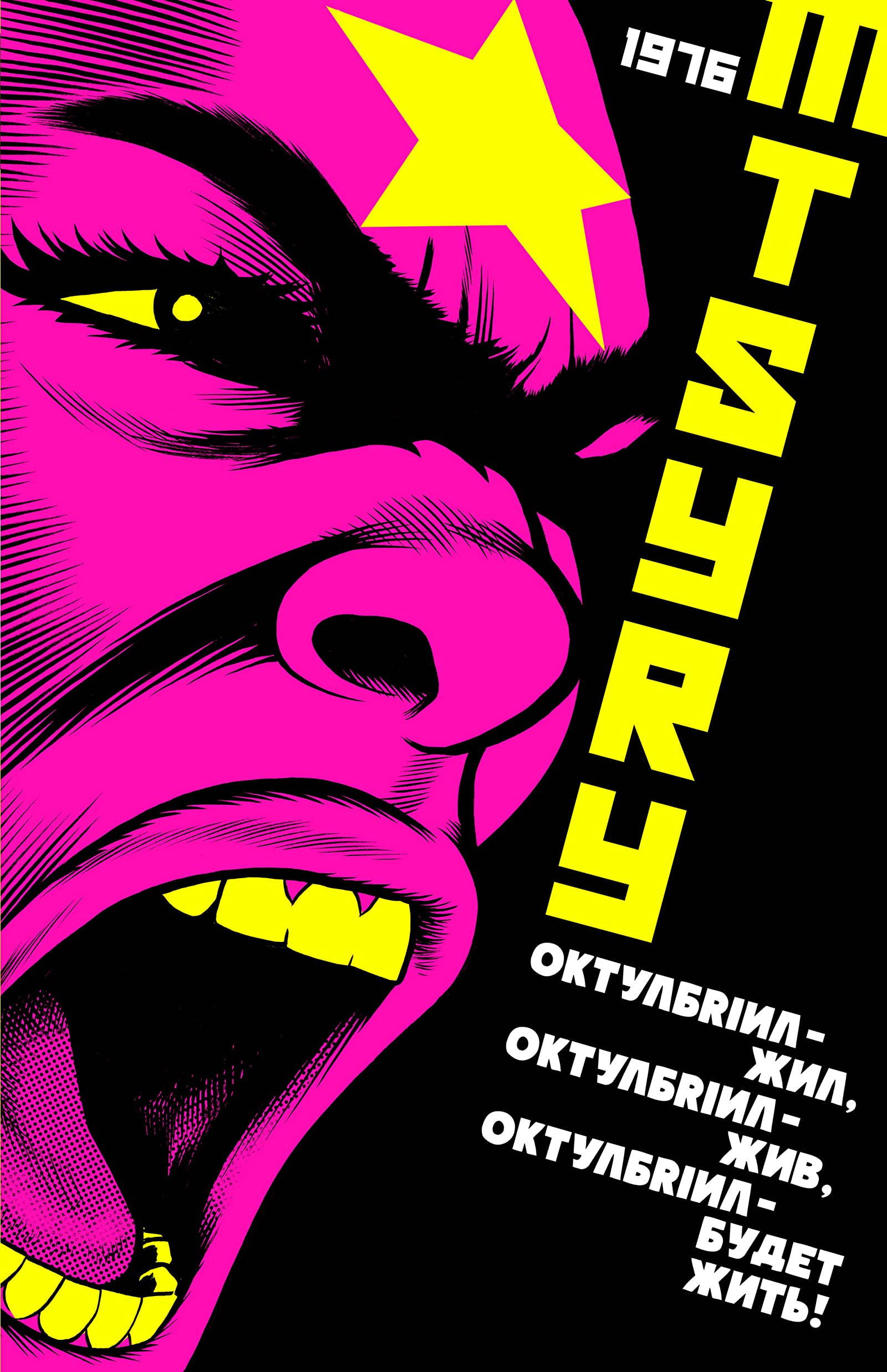
MTSYRY OCTOBRIANA 1976

Jim Rugg

I hesitated about including a comic with less than 30 pages (and minimal plot) as ‘book of the year’ and I eventually left it out of the original list, but Mtsyry Octobriana 1976 was one of the most fun reading experiences I had in 2020. In this delirious one-shot, Jim Rugg adds to the growing myth of the Russian (anticommunist) superheroine Octobriana, an uncopyrighted character created by Czech writer Petr Sadecký during the Cold War which has been reappropriated by various creators throughout the decades (for instance, versions of Octobriana have shown up in The Adventures of Luther Arkwright and in Nikolai Dante).

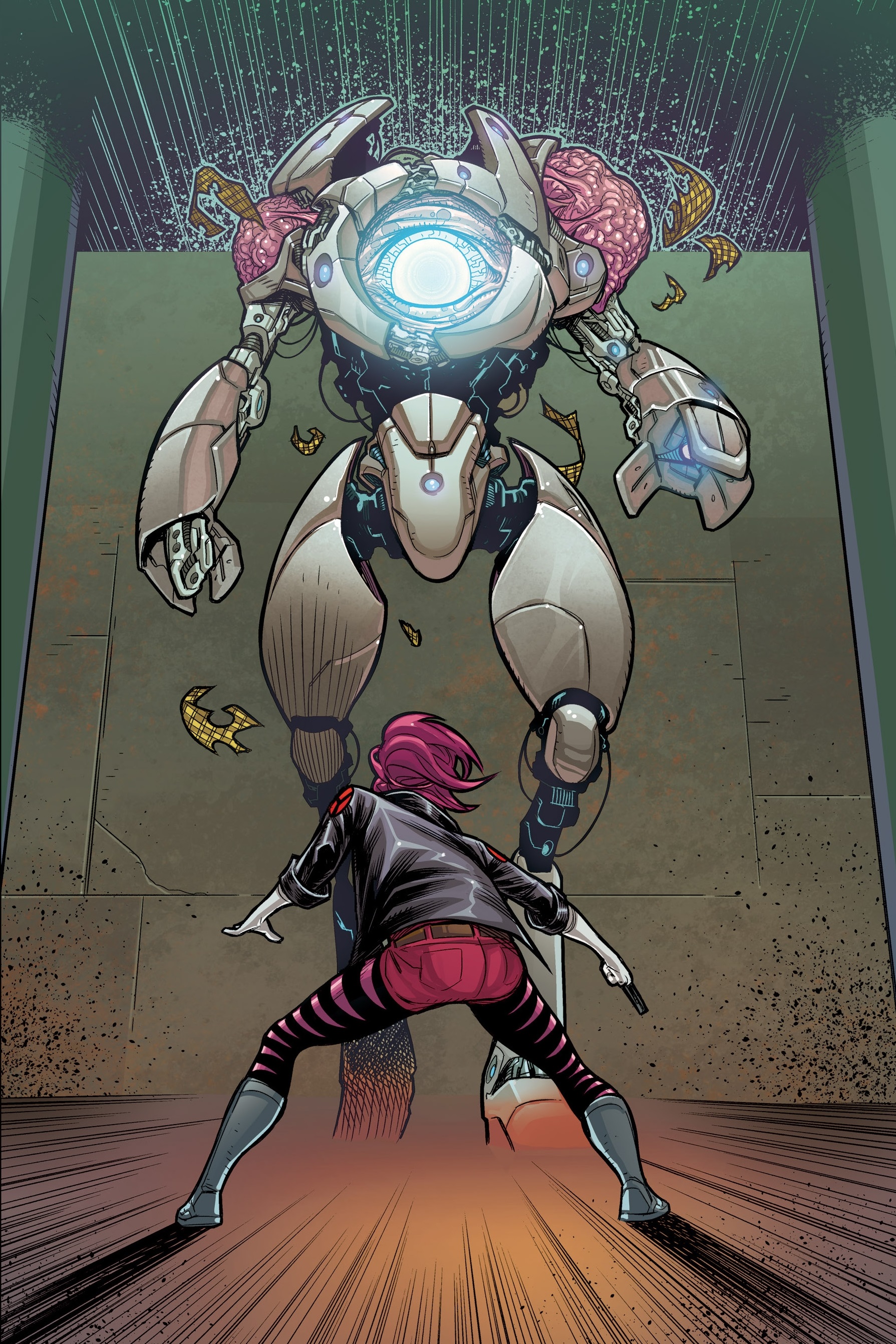
You can look for political commentary in Mtsyry Octobriana, but the most political thing about this kitsch pastiche of dissident propaganda isn’t in the text itself… It’s in its punk attitude of DIY, in its revolutionary will to experiment with format, and perhaps in the notion that titillating hedonism can be a form of liberation, as the intensity of Rugg’s speed lines and cartoony explosions seems designed to elevate your endorphins to whole new levels. With the look of underground comix read through an acid trip, the whole thing boils down to an injection of action-packed exploitation, pitting a big-breasted babe with sub-machine guns against a robot version of Joseph Stalin, all rendered with Steranko-worthy visuals and the most psychedelic colors to ever grace a page (at least in my neon edition… apparently Rugg put out two other versions!). In other words: a blast.

If you’d like a more restrained Soviet-themed thriller, though, perhaps you’ll prefer the next entry…


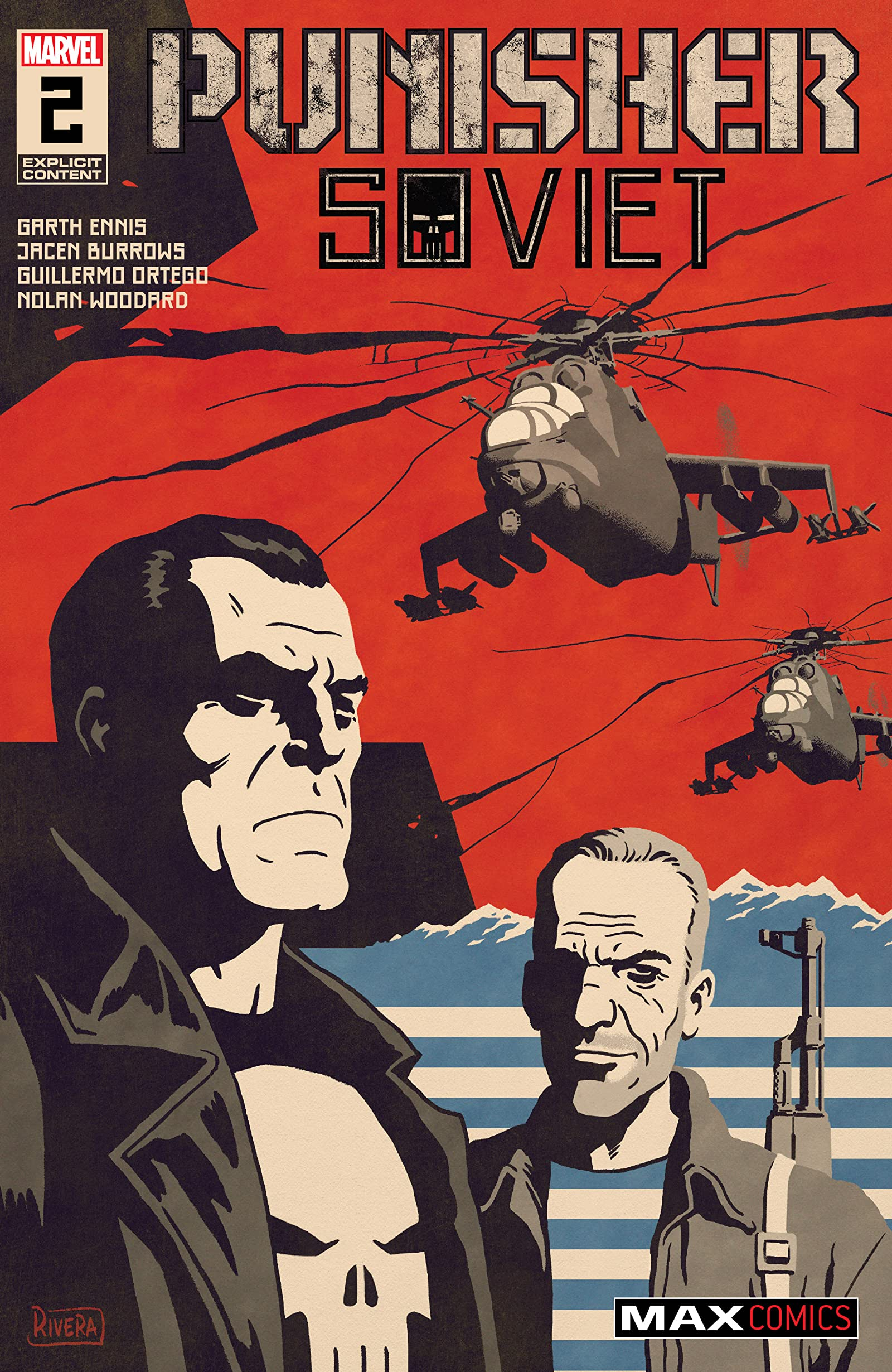
PUNISHER: SOVIET

punisher

In this gritty yarn, the Punisher meets Valery Stepanovich, a Russian veteran on a vengeance crusade of his own, who tells Frank about his traumatic experience in the Soviet-Afghan war back in the 1980s (drawing a clear parallel with the United States’ more recent exploits in the region). They then join forces against a vicious Russian mobster. Hardcore carnage ensues.

There is nothing new about Garth Ennis writing the Punisher, much less about him writing a war comic, even if this is the first time he has delved into this specific historical conflict. There isn’t even anything particularly new about the fact that the whole thing is illustrated with tight mise-en-scène and disturbingly realistic visuals by Jacen Burrows, who has made a career out of drawing some of the most brutal action on the stands (and who had already collaborated with Ennis on 303, which also revolved around a Spetznaz officer and was initially set in Afghanistan). While nobody is attempting groundbreaking work here, though, these are still two masters of the medium doing what they do best: absurd macho bullshit.

I’m quite fond of how Ennis keeps injecting his work with personal passions and knowledge from outside the endogamic world of comics, including when writing for a franchise from a major publisher – even when they miss the mark, at least the results tend to be fascinatingly idiosyncratic. Here, as it’s often the case, the politics are intriguingly contradictory: on the one hand, an American senator’s treasonous dealings with Russia are treated as a repugnant offense; on the other, there is a sense of empathic recognition between the Punisher and Stepanovich, two soldiers sent by their respective empires to fight in the same godforsaken piece of land, as if what unites them is something much stronger than the artificial divisions of national powers. At the end of the day, in true Ennis fashion, there is nothing worse than elites callously sacrificing the grunts.


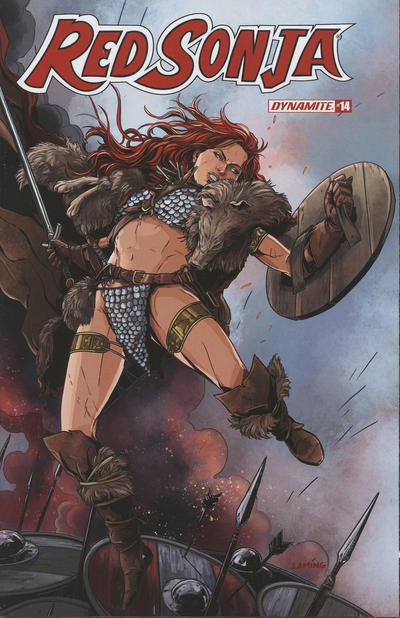
RED SONJA

mark russell

Mark Russell had a pretty amazing year all around, but his run on Red Sonja takes the prize. Yes, this is another instance of a series that would’ve probably ranked high on the original Books of the Year list if it had had a 2020 collection rather than just a bunch of scattered issues. That said, this is still an awkward recommendation, since Russell himself has publicly denounced Dynamite’s links to the hate group ComicsGate and refused to carry on working for them… While I don’t support the publisher’s values or practices, though, I would be amiss if I failed to highlight one of my favorite reads in recent times.

Russell’s run started out in 2019 (that first year has been collected in the books Scorched Earth and The Queen’s Gambit) and continued throughout last year with issues #13-22 (it just wrapped up with #24), plus the mini-series Killing Red Sonja. Set in the fictional Hyborian Age (the same from Conan the Barbarian, who also recently starred in a cool run, penned by Jason Aaron), this sword & sorcery saga followed the eponymous warrior, now turned queen of Hyrkania, a piss-poor region whose population consists mostly of peasants and thieves. After the war in the previous arc, living conditions in Sonja’s land are even worse than usual, so she sets off to bargain for aid from the neighboring Kingdom of Khitai, quickly becoming embroiled in its palace politics and military campaigns (cue in a buckload of slaughters). The Killing Red Sonja spin-off – co-written by Bryce Ingman – also takes place in the war’s aftermath, but it follows the emperor of Zamora in his quest for revenge, along with a witch-cursed talking boar (the two storylines converge in Red Sonja #19).

Russell’s Red Sonja is as close-to-perfect a take on this genre as I can recall. For all the blood and thunder, the comic’s main use of its fantasy setting is as a backdrop for poignant parables about war and imperialism, with the cast often speaking in pithy aphorisms (‘Empires are tricky beasts. They make countrymen out of enemies and enemies out of countrymen.’). Plus, the whole thing is much more tasteful than what the sleazy covers may suggest. Although occasionally reverting to Red Sonja’s traditional metal bikini outfit, neither the scripts nor Bob Q’s and Craig Rousseau’s artwork prove particularly keen to sexualize the protagonist (the same can’t be said for Alessandro Miracolo’s issues, which nevertheless look lovely). In fact, much of the joy derives from watching this resourceful, empowered woman outsmart all the bastards around her – which felt particularly cathartic in 2020, as many of Sonja’s opponents were despotic rulers with little regard for their people.

(Speaking of Red Sonya kicking imperial butts, John Layman’s and Fran Strukan’s slapstick mini-series Mars Attacks Red Sonja was also a hoot!)


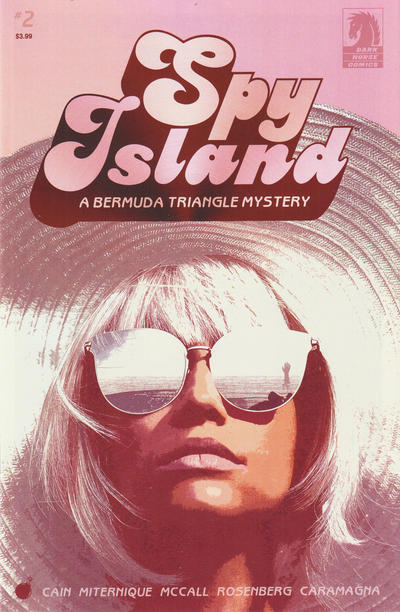
SPY ISLAND

chelsea cain

Outside of The Ludocrats‘ Don-Quixote-by-way-of-Tex-Avery farce (and of the movie Freaky), some of the loudest laughs I had last year derived from reading Spy Island, Chelsea Cain’s and Lia Miternique’s rousing mini-series set in a surreal Bermuda Triangle filled with secret agents and possibly homicidal mermaids. Or, better yet, set in a blown-up version of the super-spy subgenre from the swinging sixties, where everybody was groovy and villainous megalomaniac organizations weren’t ashamed to call themselves the Brotherhood of Depravity. Also, the eponymous island may be a metaphor for Sigmund Freud’s view of the human mind.

Cain’s script extracts humor, not just from absurdist situations and snappy dialogue, but also from detours into the island’s touristic leaflets, maps, warning signs, and other artefacts from the story’s world. This approach becomes even quirkier when rendered by Elise McCall’s experimental artwork – supplemented by Martinique and Stella Greenvoss – which combines inventive page designs with odd photo collages. After their previous successful collaboration with this team in Man-Eaters, colorist Rachelle Rosenberg and letterer Joe Caramagna once again prove themselves to be the perfect partners in crime, adding to the overall bubbly spirit. Thus, refreshingly, while the plot is deliberately preposterous, this comic never ceased to surprise me with its creative choices at every turn.


STRANGE ADVENTURES

adam strange

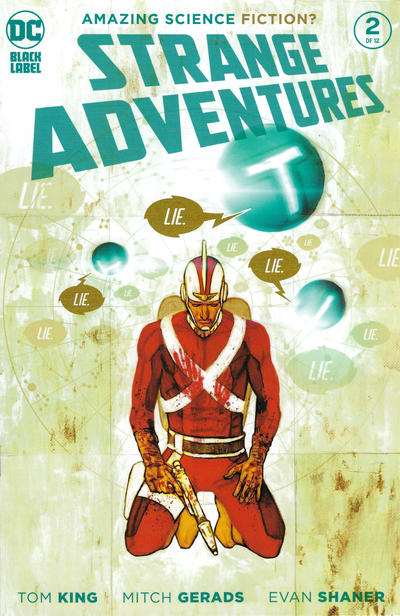
Further proof that DC’s greatest output is being churned out in limited series (rather than in the regular titles, entangled as they are in convoluted continuity and uninspired crossover events), Strange Adventures sees the team behind the acclaimed Mister Miracle now working their magic on another one of the company’s pulpiest characters, Adam Strange (an archeologist zapped across the galaxy to the planet Rann, where he became a jetpack-wearing, laser-gun-firing war hero).

Once again going for a hyper-conceptual approach, Tom King, Mitch Gerads, and Clayton Cowles – now joined by artist Evan ‘Doc’ Shaner – add layers upon layers to the material. Plot-wise, this is a murder mystery/conspiracy thriller/space adventure/war story that alternates between flashbacks to the exploits of Adam Strange and his wife Alanna during Rann’s war against the Pykkt Empire, their current PR troubles on Earth, and Mister Terrific’s investigation into both matters. Formally, each plotline is served by a different artistic style, all of them superb (both Gerads and Shaner color their own work, creating distinct atmospheres). Guest-appearances and references to other DC characters tap into readers’ awareness of this vast, interconnected universe, but so far you don’t need much prior knowledge to keep up (even when it comes to the main cast, as long you can stomach missing out a few allusions). Moreover, every issue finishes with a quote from a classic comic book creator, linking the series’ themes with the generational views that first informed the world of Adam Strange (who debuted in the original Strange Adventures anthology series, back in 1958). Besides addressing the genre’s relationship with war, colonialism, and heroism, however, the comic can also be seen as commenting, more broadly, on mainstream culture’s relationship with those issues, including the tension between the indictment of violence, the celebration of bravery, and the ‘support the troops’ mentality.

Strange Adventures ingeniously touches on all of this through a sort of channel-zapping format, quickly jumping from one plot thread to another, each panel kept simple while alluding to an elaborate reality. If comics are about imagining what takes place between panels, this series gives you just enough to imagine an entire epic looming right outside your field of vision. By evoking genre tropes and perfectly selecting key moments, it manages to convey a massive scope with very little exposition (Mark Millar tried a similar effect early on in Starlight, but it ultimately led to a cliché-ridden space yarn, while Strange Adventures takes it for granted that you can imagine such a cliché-ridden space yarn by yourself).

Only seven (out of a planned twelve) issues came out in 2020 and they haven’t been collected yet, but Strange Adventures will probably make it to Book of the Year next time around, since it just keeps getting better and better. The second issue leaned too heavily on the gimmick of Mister Terrific being constantly tested by his floating robotic spheres, especially because the questions didn’t really test his intelligence so much as his encyclopedic memory of facts and quotes (for a cleverer take on this gimmick, check out another great conceptual sci-fi comic, East of West, which wrapped up last year), but soon we got to see more awesomely ridiculous uses of Terrific’s super-intellect (he quickly teaches himself an entire alien language!). Moreover, while the elliptical storytelling created a powerful sense of pace and scale early on, it could’ve run thin if extended to a full series, so issues #3 and #5 lingered a bit longer on specific sequences from the Rann-Pykkt war. It therefore felt like we were finally gaining deeper access into a reality that we had mostly – and loosely – imagined so far… a process that in some ways mirrors the experience of many of us regarding our own world, as we keep uncovering the true atrocities that took place on the ground the deeper we dig into current and past conflicts abroad.

Posted in BOOKS OF THE YEAR | Tagged , , , , , , , , , , , , , , , , , , , , , , , , , , , , , , , | Leave a comment

COMICS CAN BE AWESOME (15 March 2021)

Your Eisneresque reminder that comics can be awesome…

will eisnerThe Spirit: August 10, 1947
Posted in GLIMPSES INTO THE PAST | Tagged , , , , | Leave a comment

2020’s books of the year: honorable mentions – part 2

If you read last week’s post, you know what’s going on. Here are another handful of cool comics that came out in 2020:


BOY MAXIMORTAL
rick veitch

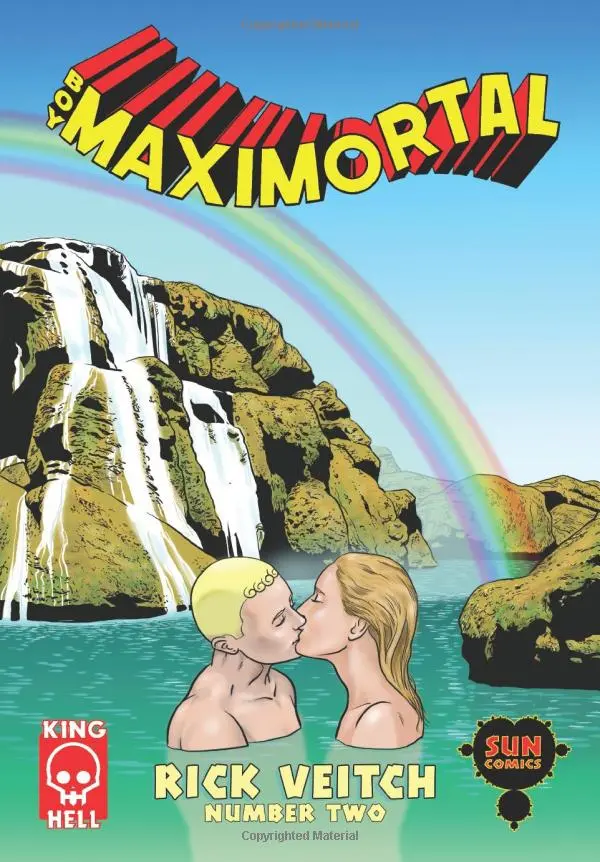
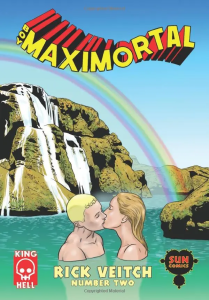
Rather than an iconoclastic anomaly, R-rated super(anti)heroes have become a staple of mainstream pop culture, including a recent string of acclaimed shows, such as Jessica Jones, Watchmen, and The Boys (there was also a TV version of Powers, but I didn’t catch it). In comics, this subgenre has more than three decades, yet few works have matched the ambition and originality of Rick Veitch’s 1992-1993 limited series The Maximortal. An example of superhero horror if there ever was one, The Maximortal mixed a fucked up version of Superman (here an amoral idea come to life, called True-Man) with a loosely fictionalized history of the most shameful episodes of the comic book industry. That brilliant series was always meant as the first volume of King Hell Heroica, a larger saga deconstructing superhero comics, and in 2020, after all these years, we finally got its much expected follow-up in the form of a couple of Boy Maximortal issues.

Technically, these issues shouldn’t be on the list. Like I said last week, I decided to focus on creators trying out new concepts or approaches and, despite the long gap between volumes, Boy Maximortal does feel more like a direct continuation of The Maximortal than like a sequel (i.e. it feels like just another installment, by the original creator, in a run that started out long ago). Even if taken as a new work, its inclusion flies against the list’s spirit, as I generally chose to avoid series that were just getting started – if only a couple of issues came out in 2020, no matter how strong or promising, I sacrificed them in favor of more developed stories (hence the absence of Kaiju $core or U.S.Agent). Still, let it never be said that Gotham Calling isn’t willing to break all the rules in order to spotlight a Rick Veitch comic!

Boy Maximortal picks up shortly after where The Maximortal left off, in the dawn of the 1960s, with the ersatz-Jerry Siegel on the run with a child-like version of True-Man. Meanwhile, Syd ‘Balless’ Wallace (an amalgam of all corporate bastards in the entertainment business), having destroyed his competition through a thinly-veiled version of the Comics Code, tries to work his way around the government’s antitrust laws. The approach is pretty much the same as in the previous volume, with multiple subplots dissecting the Man of Steel as both a cultural symbol and a transcendental archetype, complete with a cameo by Carl Jung introducing his theory that the unconscious psyche is connected to a collective spirit shared by all humanity (a perennial notion in Veitch’s work).

Besides some lewd humor about True-Man’s puberty, Boy Maximortal’s most remarkable addition is a sequence about Jack Kirby (here called Jack Curtis), a traumatized WWII veteran with an effervescent imagination and a powerful draftsmanship who keeps getting exploited, most notably by an obvious Stan Lee analogue… The first issue is even dedicated to ‘Jack and all he inspired,’ making Boy Maximortal last year’s most fascinating comic to tackle Kirby (rather than Tom Scioli’s The Epic Life of the King of Comics).

Now sixty-nine years old, Rick Veitch remains a rebel and a unique creative voice. He writes, draws, letters, and edits the whole of Boy Maximortal, which, like many of Veitch’s recent works, is self-published and not distributed through Diamond. Giving you plenty of bang for the buck, the backmatter includes dozens of pages of loose illustrations, sketches, mini-comics… and even a nifty Sherlock Holmes prose story!


DEATH SQUAD
alan hebden

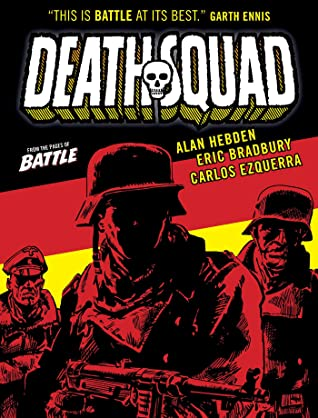
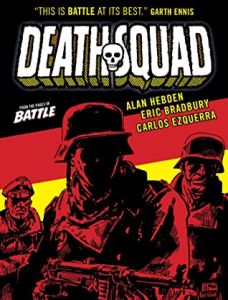
The main list back in January included a couple of remarkable collections of old war comics (three of them, if you count Blackhawk). Another collection that almost made it to the list was Death Squad, Rebellion’s reprint of the titular strip, originally serialized in the British anthology Battle Action in the early 1980s. It’s a gripping slice of military fiction, telling gritty adventures in World War II’s Eastern Front with ambiguous morals and quite a bit of gallows humor (you can really tell Garth Ennis grew up reading this stuff). The central twist is that our ‘heroes’ are on the German side – more specifically, they’re a Wehrmacht punishment battalion, i.e. a unit made up of ‘German army rejects and no-gooders’ recklessly thrown against the Russians in the harsh autumn and winter of 1941/2.

Led by an old, grumpy WWI veteran, this ragtag group – a conman, a dumb Swedish lumberjack, a 19-year-old thief, and, yes, one actual Nazi, who is typically the butt of jokes – fights enemies everywhere: the Soviet army and partisans try to kill them, nature doesn’t try but damn near succeeds (you can practically feel the cold snow on your fingertips), their commander sends them on suicidal missions, the military police (Feldgendarmerie) running things are a sadistic bunch, the NKVD captures and tortures them, they even face a British commando at one point… Above all, war itself is dirty and bleak and unfair, regardless of motivation. If you thought The Dirty Dozen and The Eagle Has Landed were cynical takes on WWII, you haven’t seen anything yet!

I got such a kick out of these comics… They kept pulling me in different directions. Writer Alan Hebden manages to have me root for these miserable bastards as they cross enemy lines in search of warmer uniforms or go out of their way to save a kid from a prison camp after he spares one of their lives. Yet what made Death Squad such a special read was the mischievousness of then getting me to invest in men-on-a-mission adventures even though the mission’s success ultimately benefits the Nazis – a gesture that nails the contrast between big picture and immediate survival, thus addressing the perversity of warfare while also shamelessly exploiting its thrilling potential. So, on the one hand, we get a more humanistic take on the Germans than what is usually the case in war comics: the Nazis (including Hitler) aren’t the bumbling fools or the cartoony super-villains of more lighthearted tales, which is not to say they’re not despicable (to the point that at a certain stage Wehrmacht troops actually become convinced the SS is trying to exterminate them, on top of everyone else). On the other hand, Death Squad still delivers the kind of anything-goes yarns where characters from various nations communicate without language barriers and a particular plot point hinges on the coincidence that two unrelated men look exactly the same.

Eric Bradbury’s black & white artwork is gnarly and highly expressive, although not always easily legible in terms of narrative. This does work for the comic sometimes, conveying the state of confusion and poor visibility of the soldiers on the Eastern Front. The amusing final tale is drawn with greater clarity – yet less mood – by Carlos Ezquerra, who was obviously right at home working on this type of material.


DECORUM
jonathan hickman

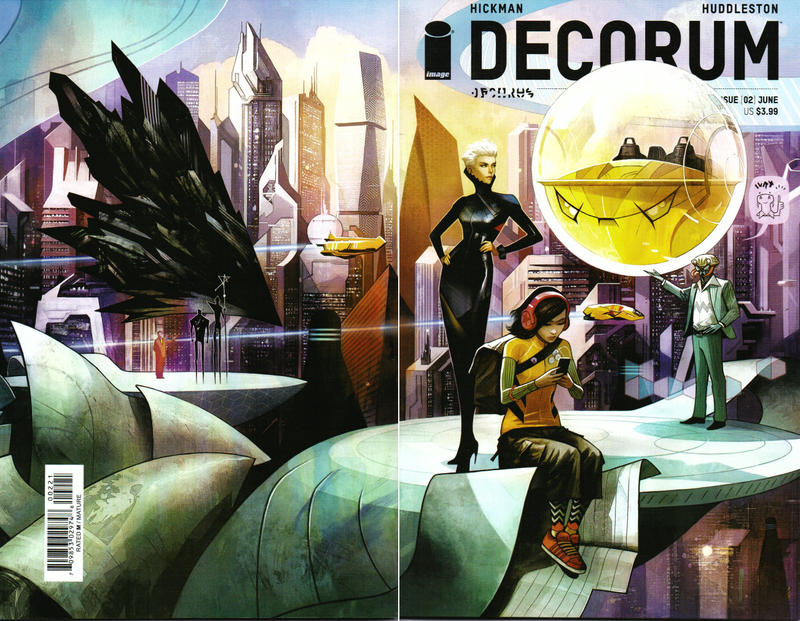
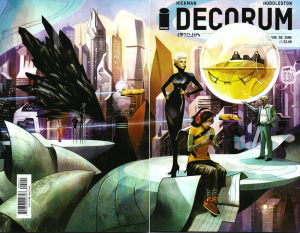
2020 was a particularly rich year for a specific type of genre comic, namely derivative sci-fi thrillers that made up for their generic premises through striking visuals full of pulse-pounding action, futuristic technology, delirious gore, and eye-catching vistas. Little Bird, Tartarus, Thumbs, Rogue Planet, and Offworld Sci-Fi Double Feature (not to mention Wonder Woman: Dead Earth) all boasted breathtaking artwork that should definitely appeal to those who engage with science fiction as, above all, an aesthetic experiment. Decorum (whose first six issues came out in 2020) came close to falling into this category, but writer Jonathan Hickman injected the project with enough ambition to raise it above the fold while artist Mike Huddleston – reunited with the awesome letterer Rus Wooton – and designer Sasha E Head made this series look like nothing else out there.

Don’t get me wrong, this is still pure pulpy storytelling that revisits familiar elements, with an aristocratic contract killer training a young protégé in the Sisterhood of Man (‘that is… a terrible fucking name’) against the backdrop of a space opera set in a vast intergalactic empire with oneiric architecture and funky aliens. For all the intricate worldbuilding and multi-layered plot, you can still approach Decorum’s insane technology and setting as mostly a pretext for innovative action, in the tradition of films like The Matrix, Inception, and Tenet (which I actually liked quite a bit – with its cool set pieces, mindboggling ideas, and witty exposition, Nolan’s latest movie could’ve been ghost-written by Hickman himself). It’s especially great to see Huddleston doing interiors again and damn it if his drawings and colors don’t reach new heights as he radically shifts styles from scene to scene, each one more daring than the one before.

That said, leave it to Jonathan Hickman to fill out what could’ve been just a neat-looking formulaic comic with both amusingly longwinded dialogue (‘I have seen the future. It dresses poorly, and desperately needs a wash.’) and endless fascinating details, which spill into maps, charts, stats, and encyclopedic entries on the many peculiar features of Decorum’s universe… After all, Hickman is a master of high concept/big picture storytelling with a knack for creating expansive playing fields. For instance, the six-issue God Is Dead mini he co-wrote with Mike Costa a while back – a slice of ultra-violent religious exploitation in which all the old myths came to life and ravaged the world, so the humans fought back by artificially creating their own gods – provided enough raw material for Costa to mine for over 40 additional issues (although, to be fair, the original concept already felt like an extension of Warren Ellis’ Supergod). Likewise, Decorum appears to be laying the groundwork for a sprawling saga that truly feels like it’s heading somewhere epic.


FAR SECTOR
N.K. Jemisin

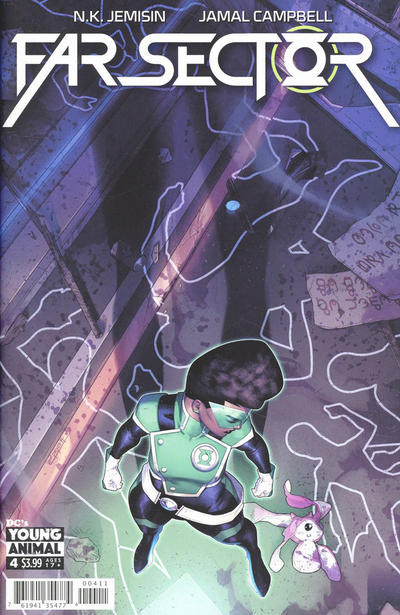
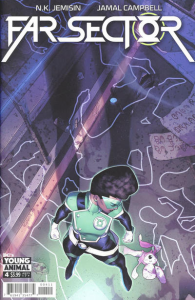
I honestly never thought a Green Lantern comic would make it close to being Gotham Calling’s Book of the Year. And yet, if Far Sector had wrapped up and been collected in 2020, it had a good shot at the title. After all, if somebody gives me a super-stylish tech-noir mystery in outer space with fun cyberpunk ideas and astonishing art, how can I possibly resist?

Embracing the notion that the Green Lanterns are essentially space cops, writer N.K. Jemisin has one of them investigate a murder – the first in 500 years! – in a high-tech metropolis with twenty billion people, set in the farthest sector of the universe. Without getting too much into spoiler-ish details, the series’ premise involves three intelligent species who are only able to cohabitate because they have genetically suppressed their emotions… and a killing spree that may be the result of a new drug bringing their emotions back to the surface. Although the comic doesn’t do as much with the ‘low emotion’ bit as I would like (the city’s inhabitants still display basic emotions, they’re just not as wild as they’d be without the suppressant), it makes up for this with plenty of other extreme, blatantly allegorical concepts.

Unlike Grant Morrison’s ongoing Green Lantern run (which could also have made it here, if not for the fact that it’s too much of a piece of a much larger puzzle and therefore difficult to approach in isolation), Far Sector isn’t the type of sci-fi where you look for mind-blowingly strange cultures, but the type where alien civilizations are clearly a variation of our own society, with twisted spins on our laws and institutions. The social commentary comes wrapped up in a heart-racing thriller full of captivating characters, as Jemisin is one of those rare prose authors who transitioned to comics without falling into the temptation of overwriting (the result is even more gripping than her acclaimed fantasy novel The Fifth Season). Indeed, the series has a sharp visual identity, with a hypnotic neon-drenched look courtesy of artist and colorist Jamal Campbell, whose work is impeccably complemented by letterer Deron Bennett. I don’t usually go for digital-looking art and colors, but Campbell’s futuristic style sure suits the material in this case.

Some speak of science fiction as a masculine genre, but that has always struck me as odd, since so many of its masterpieces have been written by women, from Mary Shelley’s Frankenstein and Ursula K. Le Guin’s The Left Hand of Darkness to Octavia E. Butler’s Bloodchild and Margaret Atwood’s The Handmaid’s Tale… If this story sticks the landing, you can soon add Far Sector to the list!


MAIDS
Katie Skelly

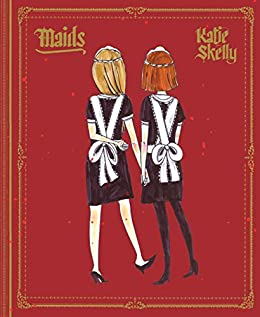
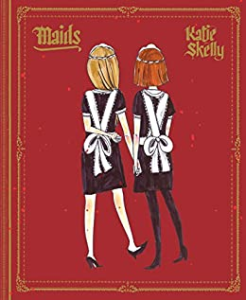
Katie Skelly’s knife-edged graphic novel Maids dramatizes the notorious crime committed by sisters Lea and Christine Papin in the French city of Les Mans, in 1933. The result turns out to be closer to horror than to a ‘true crime’ yarn, though. Skelly’s minimalistic, apparently naïf artwork creates a provocative contrast both with the occasional gore (the book opens with a Kill Bill-style extricated eyeball, which a character picks up as if demanding to be seen) and with the psychological violence that permeates its tense escalation of micro-aggressions and class warfare. While Maids’ point isn’t particularly subtle or original, the comic has rage and heart to spare, conveying a sympathetic perspective towards these two servants rebelling against their privileged employers (and against other figures of authority in their lives).

Even though I quite appreciated the book’s generally understated tone and recurring symbols, I found myself yearning for what was missing. The themes and characters are so appealing that I wish Maids had ultimately more to say about either. Those familiar with Claude Chabrol’s memorable film La Cérémonie have seen a version of this story where the cast feels much more developed and, consequently, their growing frustration hits us all the more powerfully.

Still, if a comic book cannot match the exact same pressure points as a movie, the former medium certainly has enough tricks in its toolbox to compensate in other areas. And, sure enough, there is no denying Katie Skelly’s taunting ambiguities, expressive hallucinations, and askew visual style do go a long way towards making Maids an unsettling read…
Posted in BOOKS OF THE YEAR | Tagged , , , , , , , , , , , , , , , , , , , , , , , , , , , , | Leave a comment