2020’s books of the year – part 3

If you read last weeks’ posts, you know what’s going on. Here are four more books of the year full of fantastic adventures, hardboiled crime, super powers, spycraft, warfare, and/or metafiction:

12. VISIONjulia gfrörer
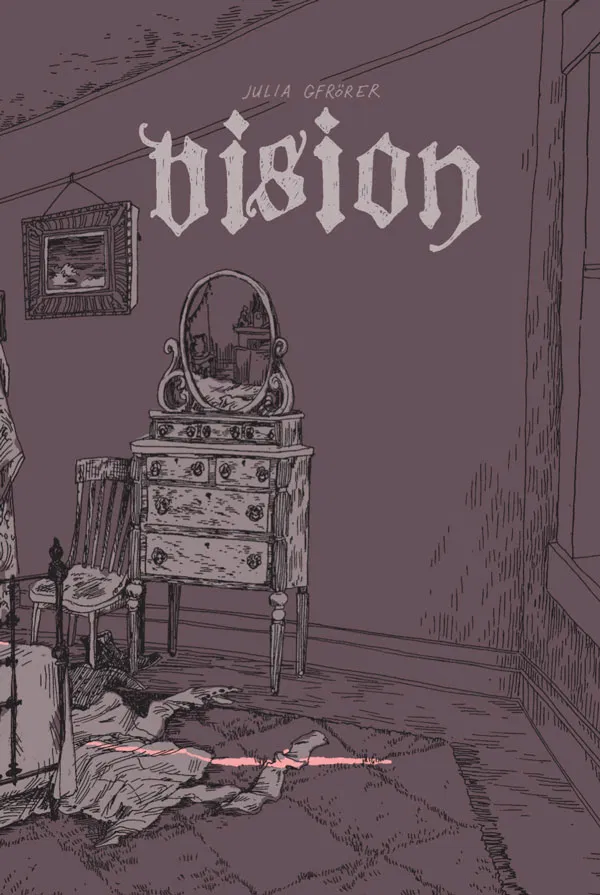
Last year’s most affecting piece of gothic horror, Julia Gfrörer’s Vision followed Eleanor, a 19th century young widow forced to take care of her brother’s ailing wife. In a classic move, the horror doesn’t emerge merely from the haunted mirror in Eleanor’s room so much as from the various forces that trap her in that life and house (a timely source of tension in this age of covid-induced confinement), from women’s position in society to the specific family dynamics at play. This sense of oppression, combined with sexual frustration, personal resentment, and a failing vision (which brings about an awkward relationship with her eye doctor), leads to Eleanor’s increasingly desperate attempts to escape her condition.

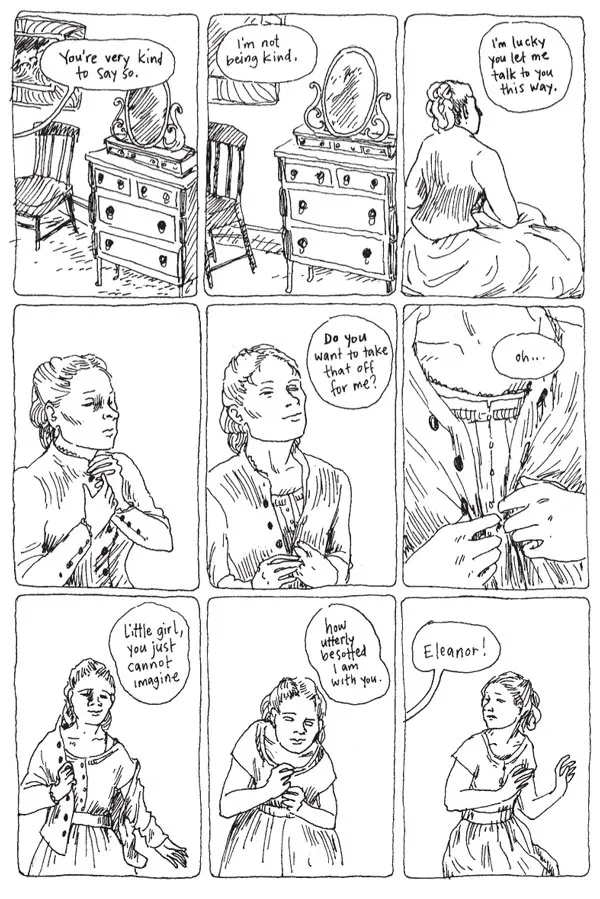
All this is wistfully conveyed by Gfrörer’s subdued script and scrawled linework, combining thinly inked cross-hatching with a suitably unsettling mise-en-scène. What makes you squirm is less the blood itself than the psychological violence surrounding it, not to mention the fact that the lack of detail and color actually push you to conjure up the horrific missing pieces in your mind. Meanwhile, a rigid grid structure maximizes the overall claustrophobia.

The result is a sensitive balancing act, often beautifully treading the line between erotic and downright creepy…
vision

Vision is haunted by a couple of Alan Moore books. Eleanor’s kinky relationship with her mirror cannot help but bring to mind Lost Girls. The Victorian setting, the theme of female oppression, the oozy lettering, and – above all – the roughly sketched figures, rendered in black and white on a nine-panel grid, almost suggest a spin-off of From Hell (even if Eddie Campbell was more averse to empty space).

Yet there is no mistaking Julia Gfrörer’s unique vision, for lack of a better word. It may be unfair to qualify such an intimate work as a genre comic, but I like to think of Vision as a powerful reminder of horror’s ability to truly touch and disturb the reader.

11. EVE STRANGER
philip bond

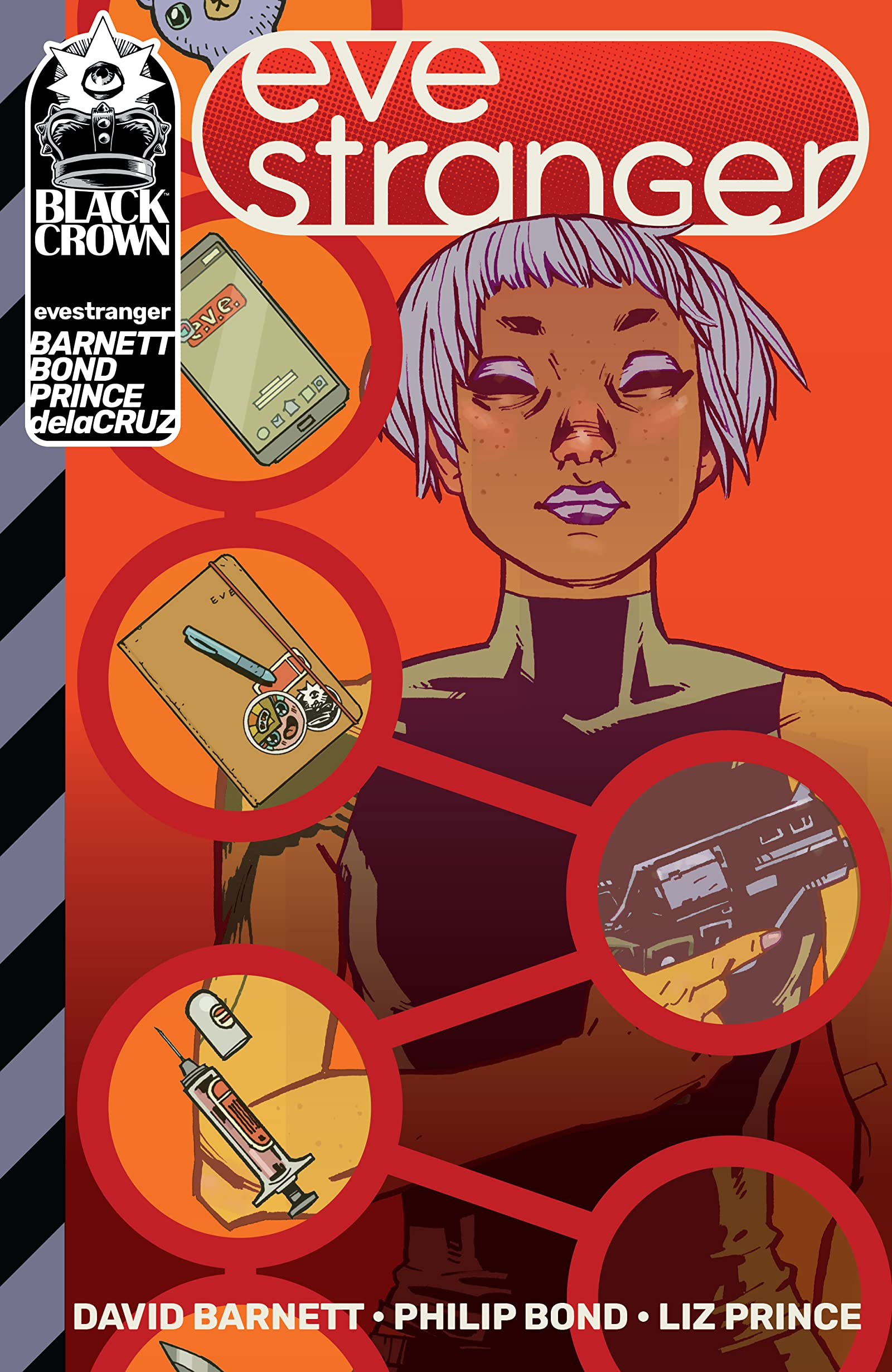
On the opposite end of the spectrum, the mini-series Eve Stranger (collected in 2020) maniacally encapsulates the spirit of a quintessential type of lighthearted, devil-may-care comic book escapism. It’s a smart, sexy, action-packed, somewhat surreal, and often very funny sci-fi romp about a globetrotting super-spy without short-term memory who is manipulated by mysterious forces. In other words, it’s the sort of stuff that is bound to find its way to Gotham Calling sooner or later, as long as it’s pulled off with a degree of panache – which Eve Stranger has enough to spare.

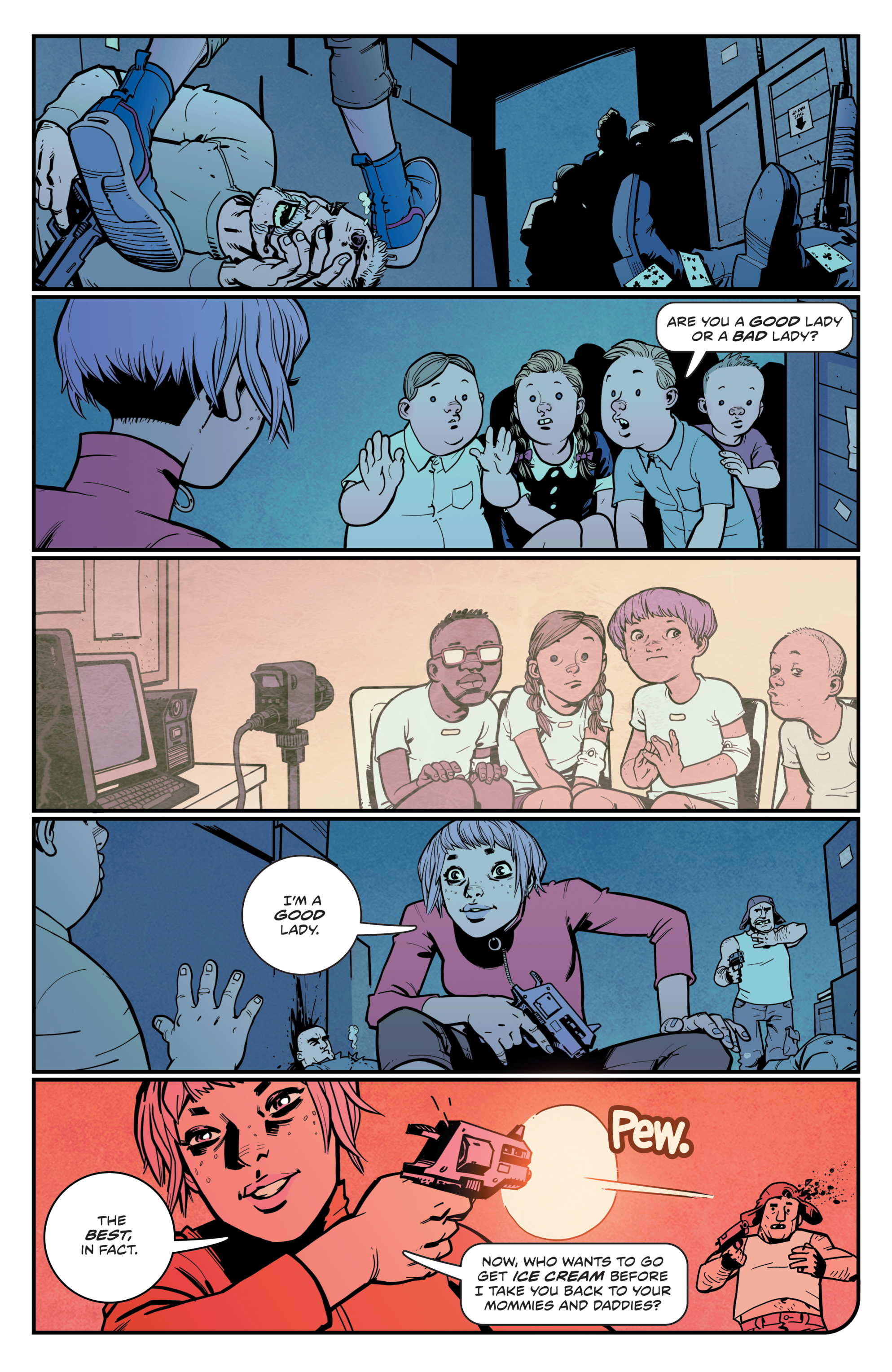
Writer David Barnett keeps a relentless tempo while mashing derivative concepts (from Memento to Modesty Blaise) into a satisfying experience, even if the book is mostly carried by Philip Bond’s energetic, Kirbyesque artwork, delightfully complemented by Eva de la Cruz’s sprightly colors.
david barnett

Although Eve Stranger has some fun with the notion of a kickass female heroine in the age of Donald Trump, it seems more interested in projecting bugfuck crazy, adolescent-flavored excitement and hip entertainment rather than in any narrow political agenda. Hell, at one point, Eve fights a twenty-foot talking gorilla running amok in Prague… In a tough year, here was a book that dared you to just let yourself go and let the bad times roll.

Not that the comic is completely shallow. Its likable characters gradually reveal hidden layers and, in a metafictional move, there are backups done in the style of absurdist cartoon strips – drawn with an even quirkier flair by Liz Prince – that question the main story. As a result, Eve Stranger is a joy to read from start to finish!

10. PANORAMA
michel fiffeWe’re now in the top 10…

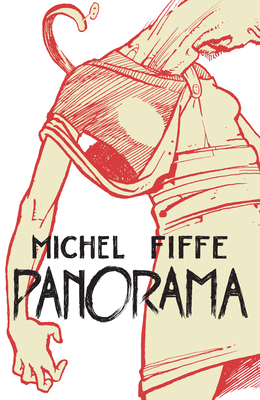
Michel Fiffe continued to deliver the goods in Copra, but the big revelation for me was Panorama. Collecting Fiffe’s 2008 body horror/romance webcomic, the book tells the Cronenbergian saga of Augustus, a runaway teenager who keeps melting and morphing into warped, gross-out shapes (after Antiviral and Possessor, you can now take ‘Cronenbergian’ to refer to either David or Brandon Cronenberg, since they have both become supreme masters of intelligent body horror). In fact, the overall narrative is as fluid and fragmented as Augustus’ body, with the focus eventually shifting to his girlfriend (who temporarily absorbs him) before a sweet epilogue spotlighting the perspective of a peripheral character. Tonally, the first couple of chapters are heavy on action and black comedy, but then things become surprisingly intimate, capturing feelings of young love, codependency, and identity crisis.

I guess it’s unavoidable to consider the theme of adolescent anxiety associated with the loss of control over a changing body, not to mention the transgender dynamics of the middle section. Yet Panorama derives most of its power, not from being a poignant metaphor, but from providing a constantly unpredictable reading experience with a line-up of captivating characters and one freaky set piece after another.
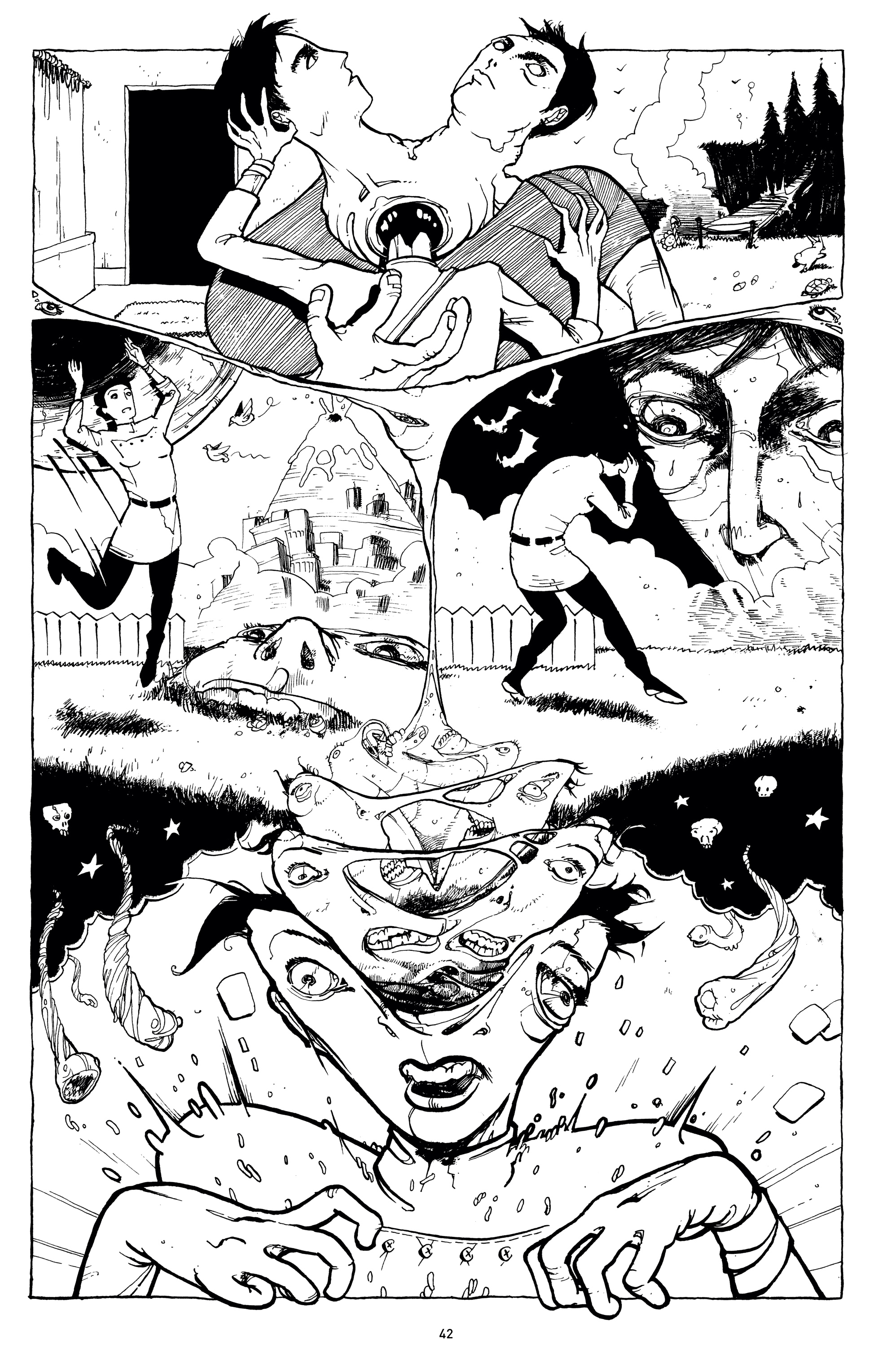
PanoramaMichel Fiffe’s vibrant, trippy art and lettering, occasionally reminiscent of Chris Bachalo’s linework back in Shade, the Changing Man, make the most out of the comic book medium. Unlike many other horror comics out there – and regardless of my reference to the Cronenbergs – Panorama doesn’t read like a storyboard for a film thriller, but like something that could only exist in this format even as it explodes conventional rules with oozy drawings that collapse and spill throughout the page or broken speech balloons that hide in the panel gutters. Plus, it has one of the wildest and weirdest depictions of sex I’ve ever seen on a comic.

9. KING DEADPOOL
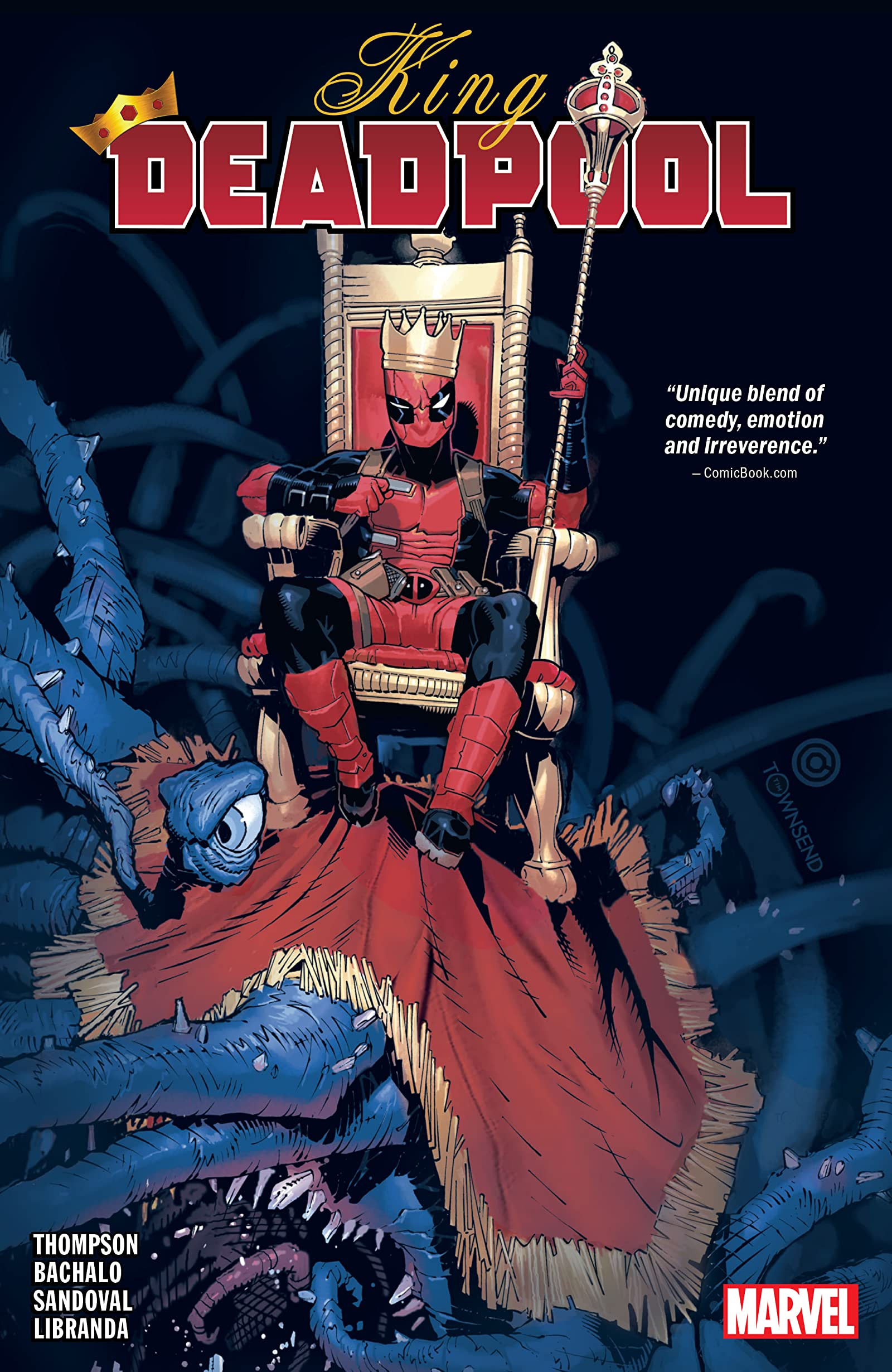
deadpool

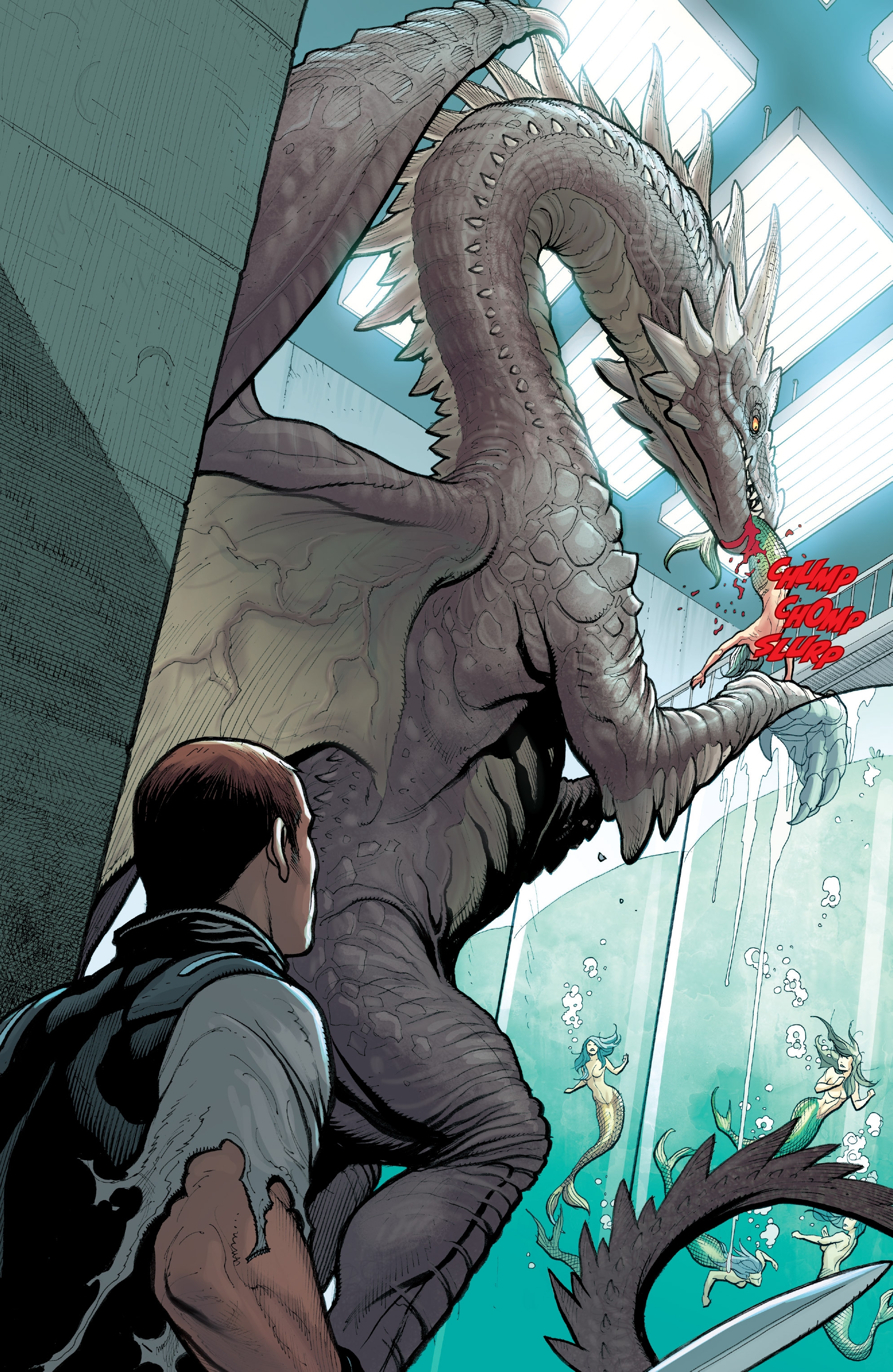
You may not be able to tell it from the list so far, but I love superheroes as much as the next nerd. This is not to say I don’t find them a largely goofy concept that can be both quite fun and hard to take very seriously… Marvel put out a bunch of comics last year that struck a fine balance between those two sides, such as Mark Waid’s and Kev Walker’s Dr. Strange – Surgeon Supreme or Karla Pacheco’s and Pere Pérez’s Spider-Woman, but Deadpool took things to a whole other level.

The line of series starring the titular iconoclastic mercenary with a healing factor should be the type of thing that appeals to me, as they tend to combine superhero fantasy, slapstick dismemberment, and meta-jokes about Marvel comics. Still, when it comes to comedy, not everybody tickles my particular fancy, which verges more towards surprising outrageousness than towards comfortable recognition… Fortunately, Kelly Thompson keeps hitting all the right beats in the latest Deadpool ongoing, whose first stories were collected in 2020 (as King Deadpool) and whose later installments I’ve been reading in monthly issues. The premise is that our cynical anti-hero somehow becomes king of a monster colony in Staten Island, which kaiju and alien creatures have managed to legally claim (because law in the Marvel Universe is notoriously bonkers). Predictably, the combination of such an uproarious place with a deranged, self-absorbed leader turns out to be a recipe for pandemonium.

Thompson sneaks in some underlying themes about relative monstrosity and prejudice, but she also gets a lot of humorous mileage out of the fact that we are dealing with literal monsters who do not necessarily follow human logic and values. Moreover, Deadpool raucously exploits Marvel’s repository of weirdness, including supporting roles by the aristocratic monster-hunter Elsa Bloodstone (the foul-mouthed revamped version from Nextwave), the son of the space god Orrgo the Unconquerable (a Lee & Kirby creation who first showed up in the horror anthology Strange Tales, back in 1961), and the adorable Jeff, the Baby Land Shark (from Thompson’s own run on West Coast Avengers). Not that you need a degree in Marvel-ology to appreciate the comic as a whole – in fact, some situations work better the less committed you are to Marvel lore, as Deadpool healthily caricatures several bits and characters from other series, which sound even more preposterous out of context!
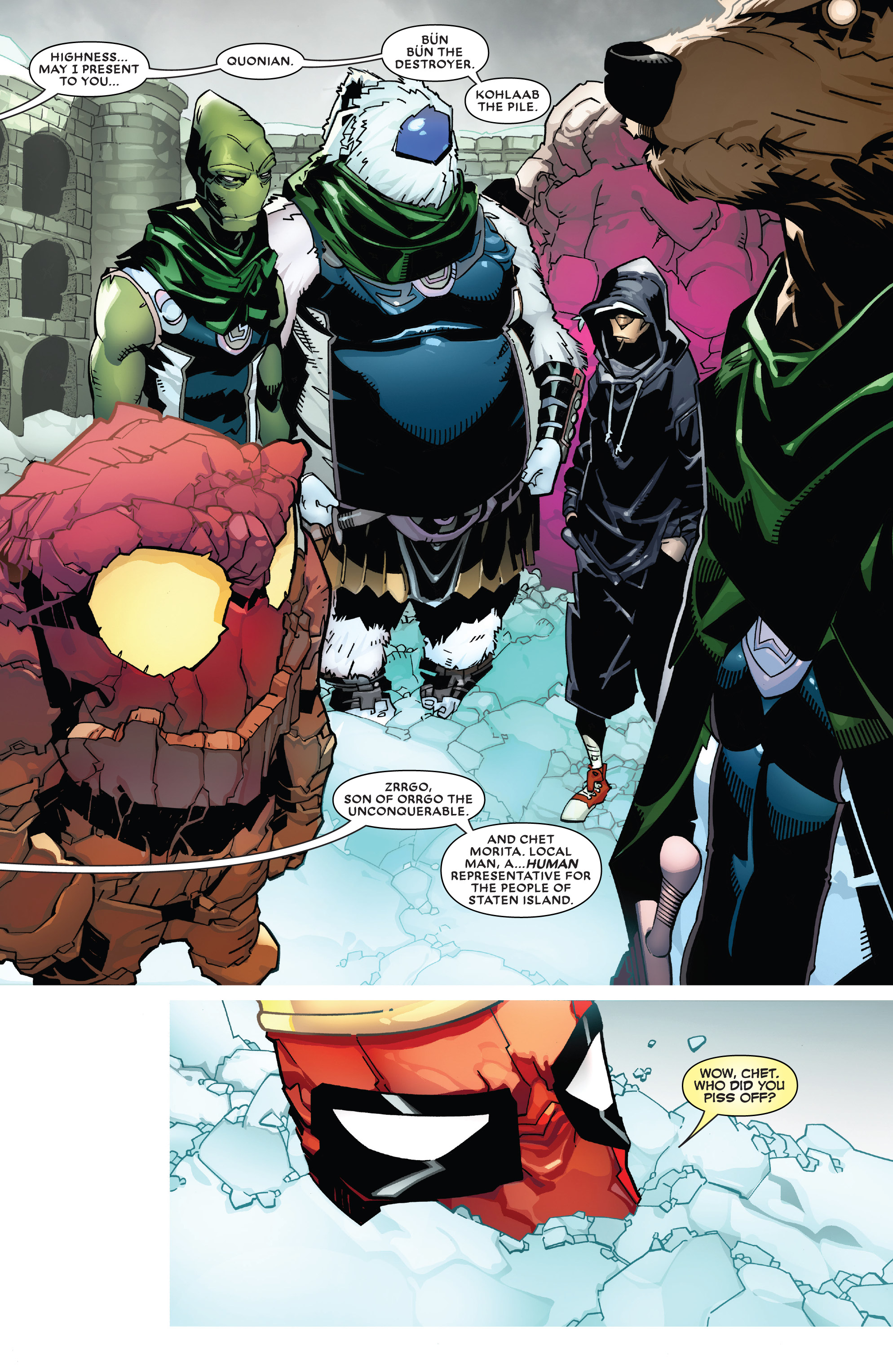
deadpool

The first arc was pencilled by Chris Bachalo, who clearly felt at home drawing all those bizarre monsters. While Bachalo is capable of awesomeness, though, his stylistic evolution has come to often sacrifice clarity, a key ingredient for both action and comedy (the two pillars of Deadpool). He was followed by Gerardo Sandoval, who has greater comedic timing (as do Irene Strychalski and Kevin Libranda, who did a quirky two-page tale and a fill-in issue, respectively). So, Deadpool’s visuals actually improved in 2020, even if this didn’t become Kelly Thompson’s finest-looking Marvel comic of last year (that honor definitely goes to Black Widow, thanks to Elena Casagrande).

Deadpool is also one of those rare series nowadays that is worth reading on a monthly basis. Instead of decompressed padding for the trade, practically every issue packs a bellyful of laughs and enough plot to satisfy. Plus, the letter pages are a riot, as Thompson has Deadpool replying to the mail himself and fans have gotten in on the act, directly addressing the character.
Posted in BOOKS OF THE YEAR | Tagged , , , , , , , , , , , , , , , , , , , , , | Leave a comment

COMICS CAN BE AWESOME (18 January 2021)

2017’s Wonder Woman film was a bit of a mess, though not without redeeming features. It had a hackneyed, ill-knitted script (or one whose coherence was botched in the editing table) that introduced a bunch of characters and then did very little with them as it tried to posit an anti-war message while also expecting us to re-live the anti-German sentiment of WWI-era propaganda. Diana’s characterization was especially awkward: she knew all sorts of modern languages without understanding anything about modern technology or culture, although she did consider it particularly cruel to attack ‘women and children’ despite having been brought up to think women were anything but powerless (I don’t mind inconsistency in the name of the occasional joke or narrative flow, but she was just all over the place…). That said, director Patty Jenkins did capture the *feel* of a superhero epic, with plenty of kickass sequences drenched in rousing sound and physics-defying visuals – in that sense, although with a more positive (pacifist, feminist, even anti-colonial in places) slant, Wonder Woman actually gelled with DC’s filmography, which has a whole tradition of disjointed movies (from the Batman series kickstarted by Tim Burton to Zack Snyder’s recent trilogy and Suicide Squad) which are best appreciated sensorially, on a moment-by-moment basis, with little regard for plot coherence or literal dialogue.

This goes triple for Wonder Woman 1984, which kicks off with a stunning – yet otherwise pointless – action set piece before turning into a campy pastiche of eighties’ fantasy comedies and ending up with a climax that doesn’t make a lick of sense. It helps if you take it for what it is – an unabashedly cheesy children’s movie, one where the hero keeps saving kids, where a very silly story hinges on a magical wishing stone, and where the villain is a greedy, sleazy, megalomaniac man-child ranting against ‘losers’… In other words, Jenkins’ latest opus is definitely on the Shazam! end of the DC Extended Universe (as well as a throwback to Christopher Reeve’s corny Superman movies). That all this easily doubles as an obvious parody of Trumpian populism (pitted against a woman with a Lasso of Truth!) may speak less about Geoff Johns’ typical overwriting than about the ridiculousness of the current outgoing president (even the opening’s generic message about cheating and accepting defeat has gained a topical resonance in the chaotic aftermath of the 2020 election).

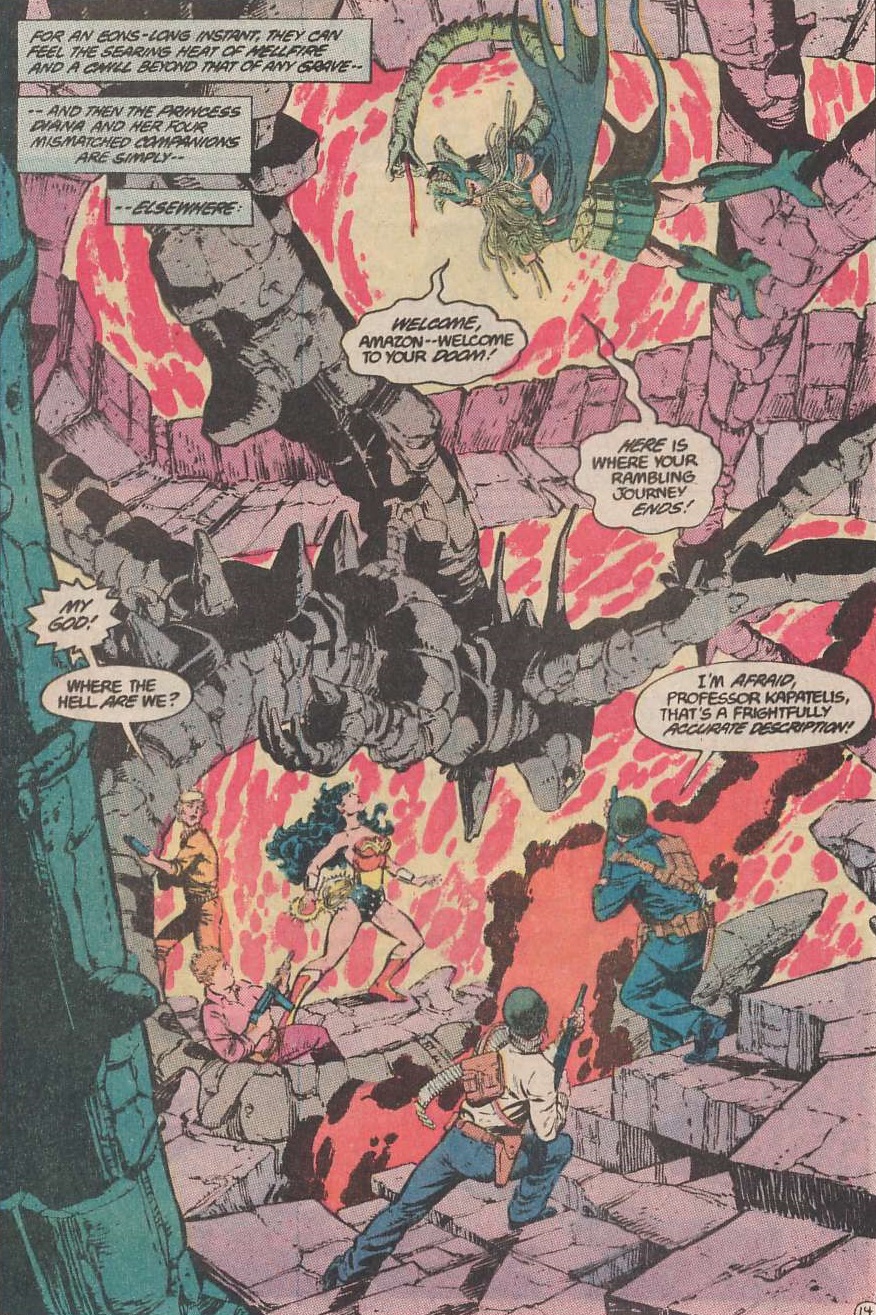
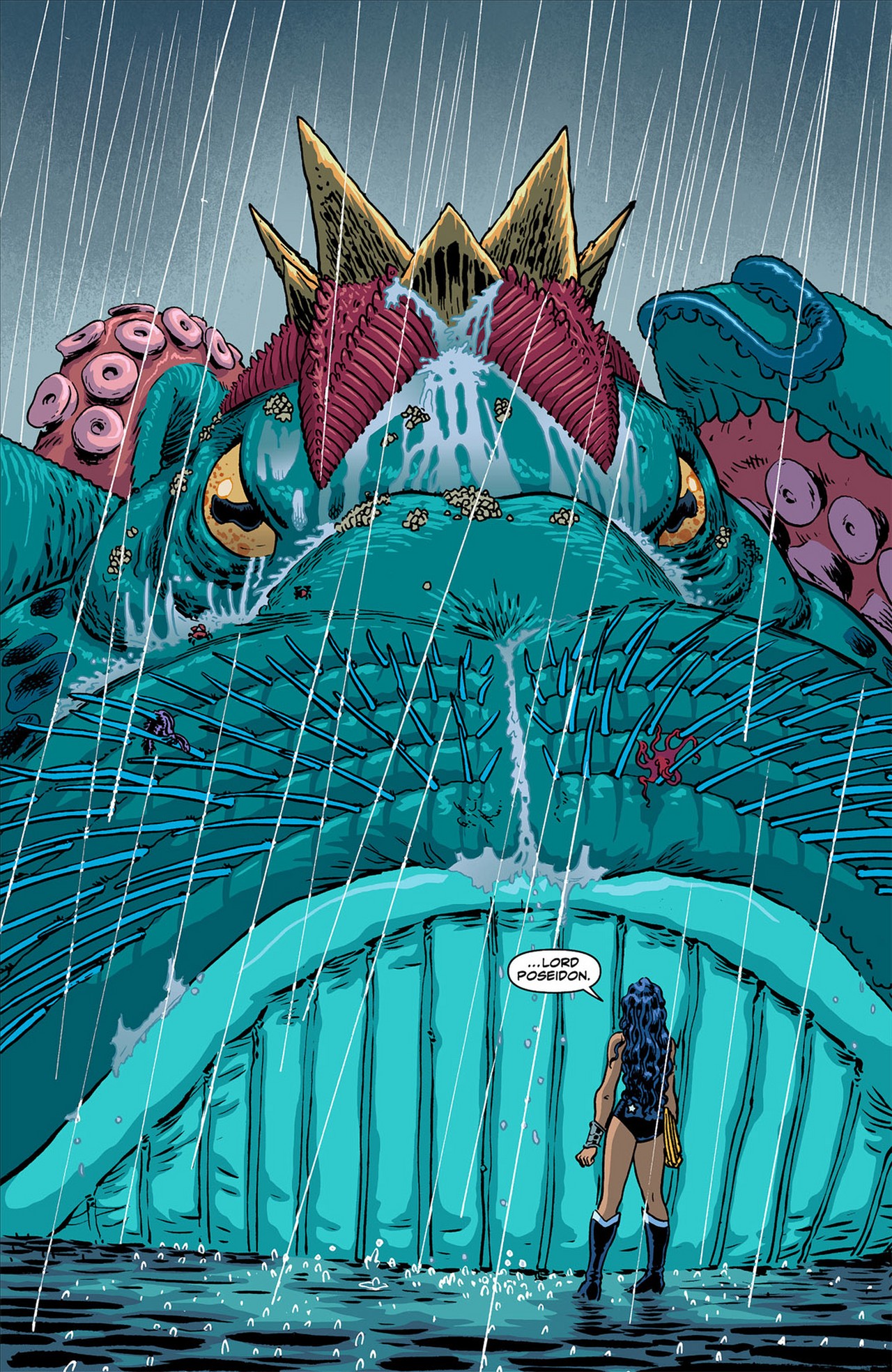
In any case, if it’s sheer aesthetic pleasure you’re looking for, here is a reminder that (Wonder Woman) comics can be awesome:

George PerezWonder Woman (v2) #5
Brian AzzarelloWonder Woman (v3) #5
Wonder WomanWonder Woman: Dead Earth #4
Posted in SUPER POWERS | Tagged , , , , , , , , , , , , | Leave a comment

2020’s books of the year – part 2

If you read last week’s post, you know I’m doing a countdown of the most Gotham Calling books of 2020. Enjoy!


16. UNDONE BY BLOOD

The shadow of a Wanted Man

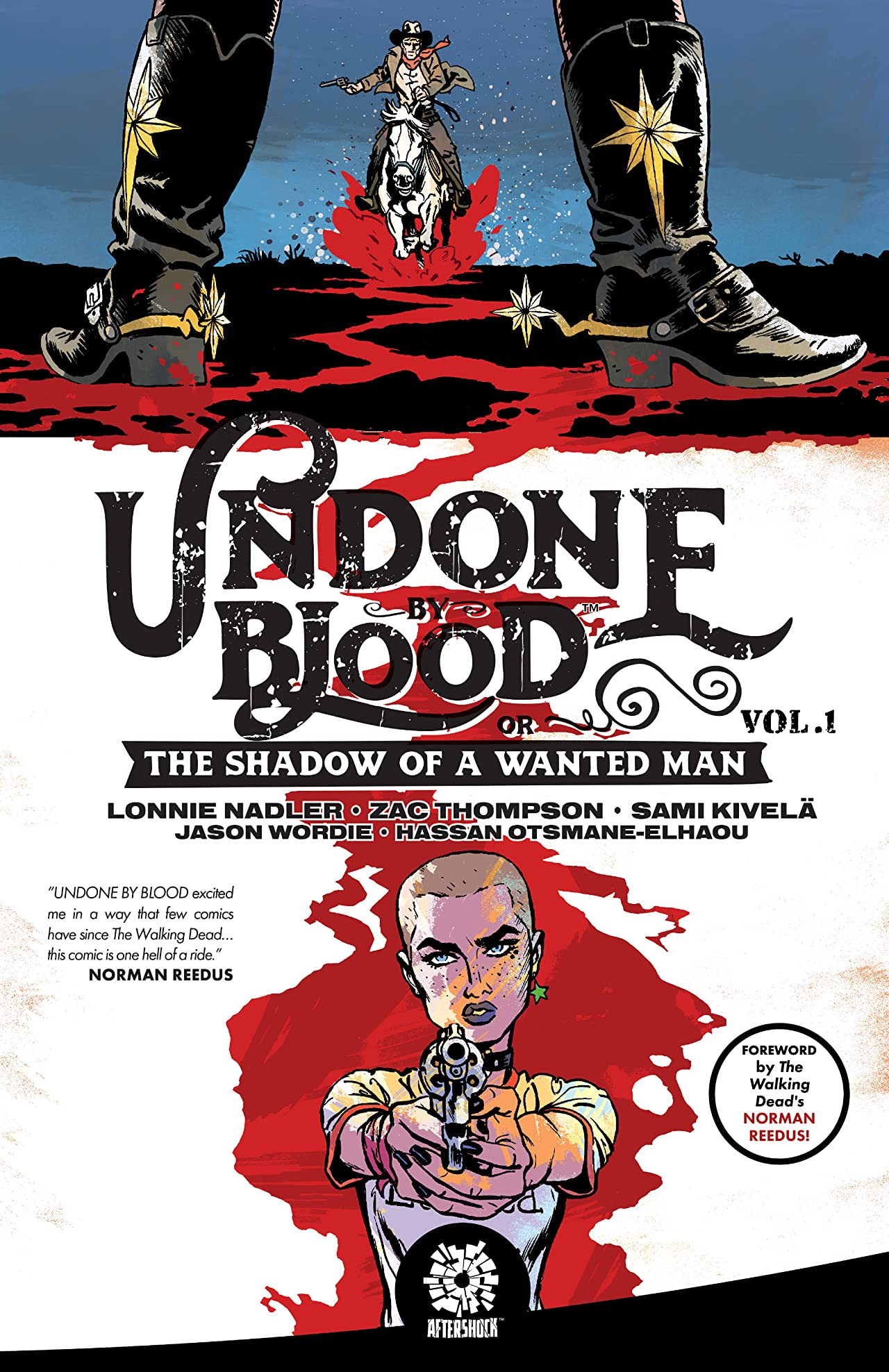
Collected as Undone by Blood or The Shadow of a Wanted Man, the first arc of this kickass neo-western hits the ground running. It basically alternates between a classic western yarn about a retired gunslinger on a quest to recover his kidnapped son – a book-within-the-book – and a bloody grindhouse thriller, set in 1971, about a young woman in Arizona searching for the men who slaughtered her family.

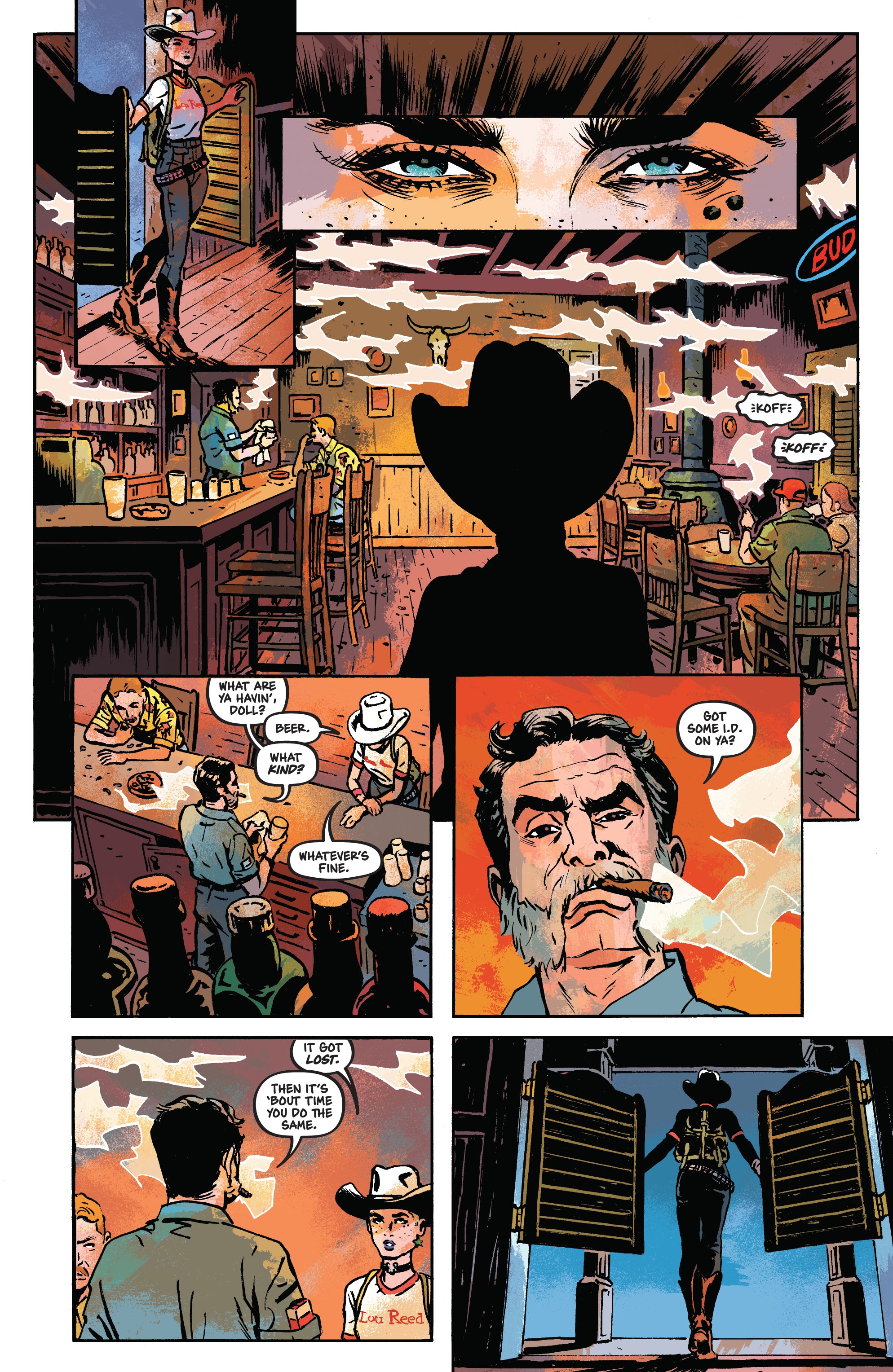
The point, of course, is that both stories (and both genres) mirror each other, with the dual narrative simultaneously showing how fiction informs reality and how one also diverges from the other in key ways. Thus, on the one hand, colorist Jason Wordie and letterer Hassan Otsmane-Elhaou contrast the two by rendering the book-within-the-book as a pastiche of an old pulp (with muted watercolors and a typeset font) while making the 1971 bits arid and gritty as hell (with dusty, stained tones and more experimental balloon placements), at some points adding a third strand in the form of black & white & red flashbacks whose dialogue seems printed on crumpled paper. On the other hand, artist Sami Kivelä conveys continuity by drawing the different sequences through the aesthetics of a spaghetti western, complete with extreme close-ups and tilted angles…

Zac Thompson

Writers Lonnie Nadler and Zac Thompson are obviously western fans. The earlier issues of Undone by Blood finish with text samples from the book-within-the-book that you can actually enjoy in a non-ironic, non-intertextual way as just a satisfyingly gory, sleek bit of prose (‘His aim was always true. Suppose that’s why they wrote songs about it.’).

They also pull off the merger with 1970s’ exploitation cinema (including a pretty direct riff on Richard Fleischer’s See No Evil in the form of the killer’s spurs) remarkably well, from the palpable sleaze to the trippy action scene in the middle, which brings to mind the PCP-informed vibe of much fiction from that era. The result is a combustible mix of smoke and dirt and piss and vinegar.

15. ATLAS AT WAR!

war comics

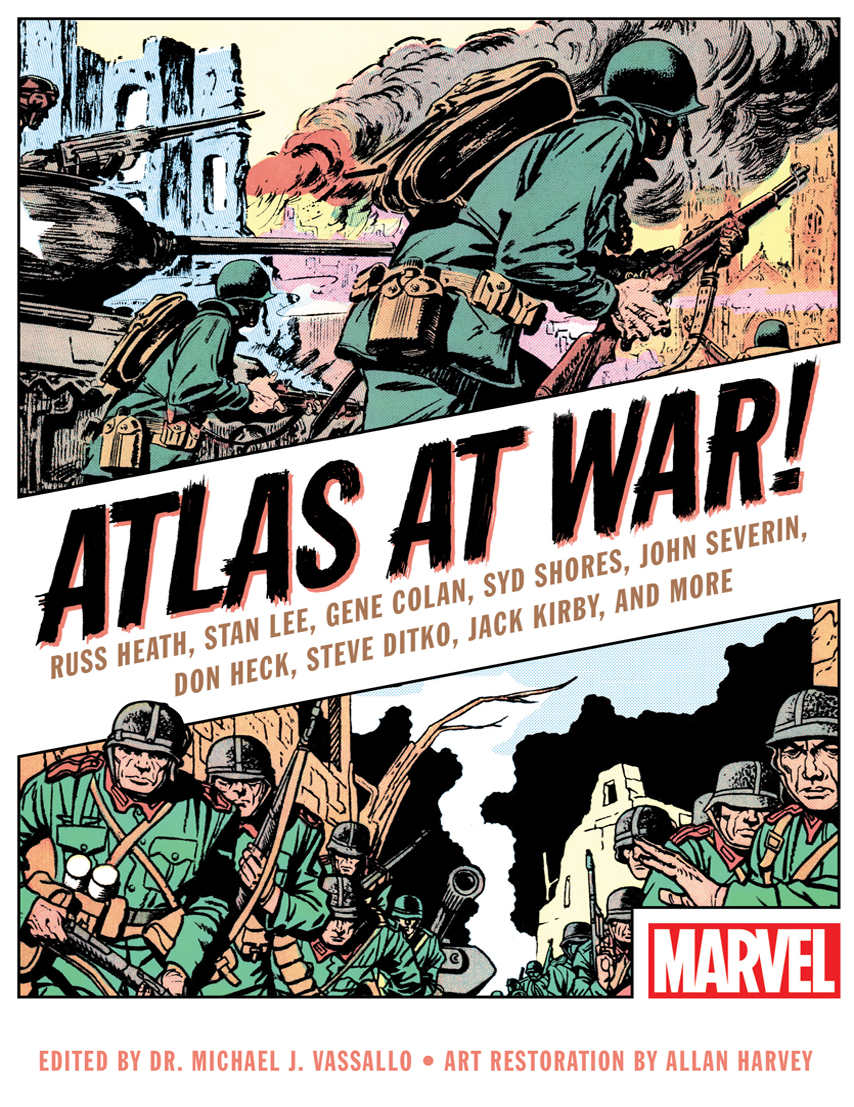
The first of two impressive collections of classic war comics to come out last year, Atlas at War! reprints fifty tales originally published by Marvel’s predecessor, Atlas, between 1951 and 1960. Editor Michael J. Vassallo rummaged through the deluge of war titles spurred by the Korean War – including series such as War Action, Battlefield, Navy Combat, and Man Comics, among others – and came up with a pile of hidden gems.

Yes, most of these comics are set in Korea, which means stomaching un-PC depictions of evil, bright-yellow-colored enemies (for the most part, the same goes for the Japanese in the handful of World War II tales, although at least their depictions aren’t as dehumanizing as in the racist comics made during WWII itself). Yes, many of them take for granted the need to fight the ‘commies,’ with a few of them slipping into outright Cold War propaganda, most notably Hank Chapman’s and Paul Reinman’s ‘Atrocity Story,’ which is even drawn like a newsreel (you can practically hear an old-school patriarchal voice-over brimming with indignation). There are some surprises, though, including Joe Sinnott’s ‘The Man with the Beard!,’ originally published in October 1959, which still presents a sympathetic portrayal of Fidel Castro!

Besides their interest as a time capsule, these works can be eerily affecting. They capture the intensity of combat, usually dismissing the conflict’s larger motivations in favor of an empathic look towards the hardships of the grunts on the ground – these aren’t just tales of bravery and adventure, but also of brutal honesty about the random mortality on the frontline, sometimes shockingly switching registers to great effect (like in the 3-page ‘Cycle!,’ by Stan Lee and Joe Maneely). The overall tone is decidedly grim, if peppered with moments of excitement and occasional triumph. If these were movies, they would belong next to Sam Fuller’s The Steel Helmet and Anthony Mann’s Men in War.

Curious patterns abound. Following in the footsteps of Harvey Kurtzman’s and Jack Davis’ masterpiece ‘Mud!’ (which came out in EC’s Two-Fisted Tales), Atlas put out a bunch of stories that made the most out of the medium’s ability to powerfully illustrate the role of natural elements in the battlefield, including ‘Rain!’ (also by Maneely), ‘Snow’ (by Reinman), ‘The Big Bog!’ (by Jerry Robinson), and ‘Muck!’ (by Werner Roth). Another subgenre consists of pieces that detail the workings of particular types of strategies or weaponry, only to then culminate in ultra-bleak punchlines, like in ‘The Final Salvo’ or ‘Bouncing Betsys’ (both drawn by Robinson). Sam Kweslin, who had Polish Jewish ancestry and whose unit was on site following the liberation of the Dachau concentration camp, draws two personal tales informed by that experience: the realistic ‘City of Slaves’ and the noirish spy/horror hybrid ‘The Butcher von Wulfhausen!’

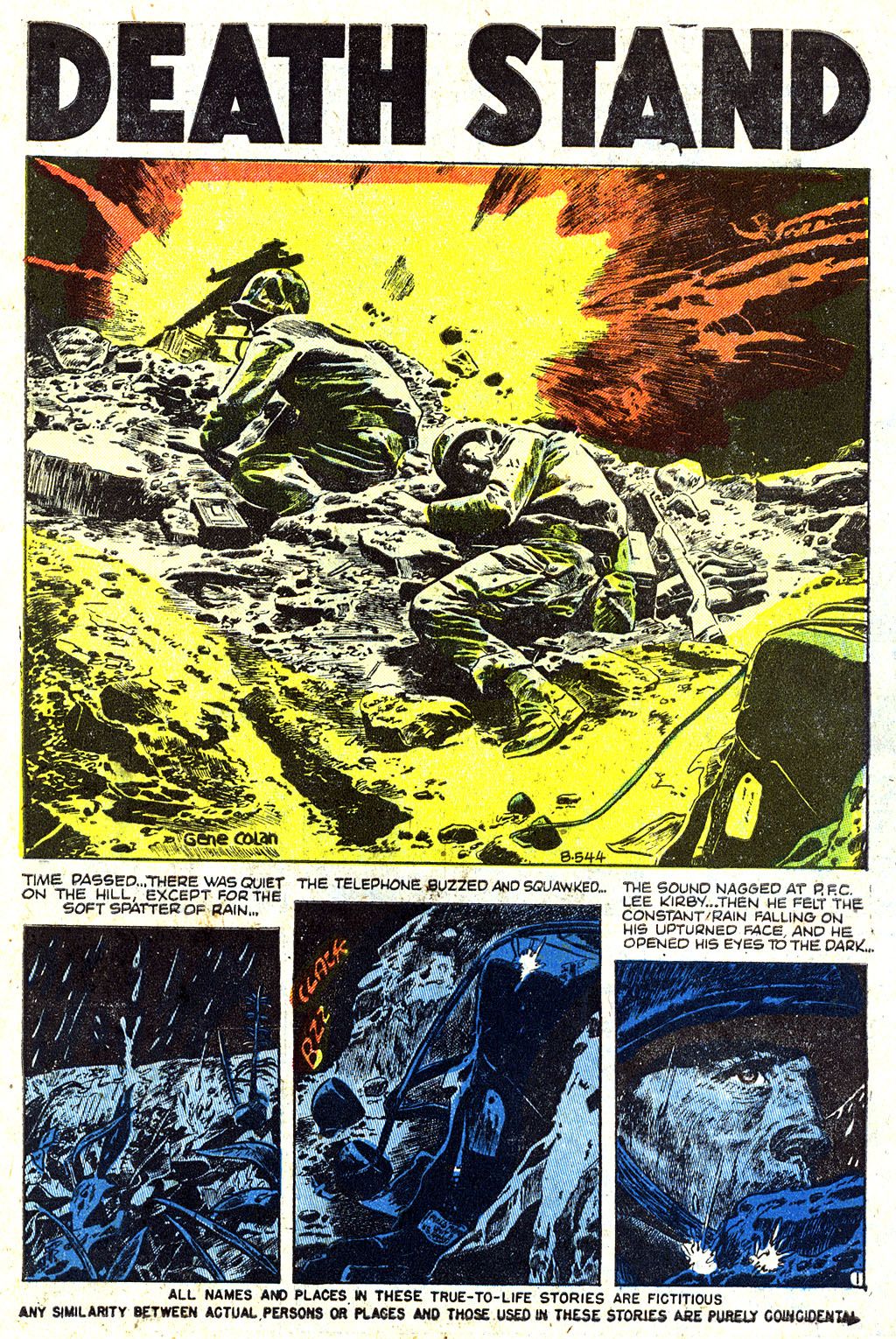
This type of collections sometimes recolor old comics with a modern, digital-looking style, often with awful results (Dark Horse’s EC Archives is a grievous example). This is thankfully not the case with Atlas at War!, where Allan Harvey’s stellar art restoration secures a granular texture akin to that of the original works, warts and all, albeit with a much higher quality of paper. Among the most visually arresting compositions, I would highlight Jack Kirby’s ‘Ring of Steel!’ (about the Hungarian uprising) and Gene Colan’s ‘Death Stand’ (which, curiously, features a soldier called Lee Kirby!).

Gene Colan

It’s a stunning, thought-provoking artefact. Everything about this book – co-published by Marvel and Dead Reckoning (the graphic novel imprint of the Naval Institute Press) – seems carefully considered and put together. The cherry on top is Vassallo’s informative introduction, which contextualizes Atlas’ history, the 1950s’ boom of war comics, and the specificities of the various talented creators involved in the selected tales (most of them WWII veterans themselves).

14. DC GOES TO WAR

war comics

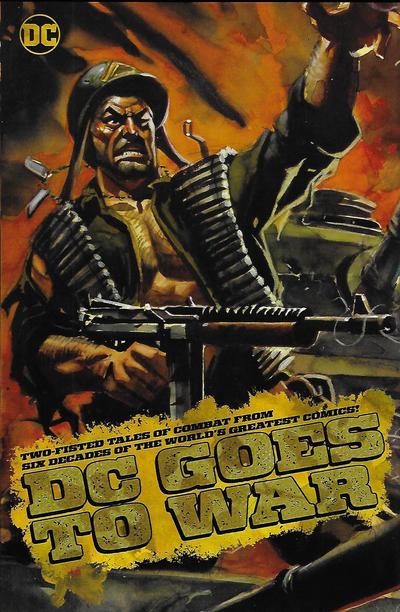
DC wins this one, but only barely. Compared to Atlas at War!, DC’s collection of war comics offers less quantity (seventeen stories, ranging from 6-page tales to a 100-page epic) but much more diversity, reprinting material first published between 1941 and 2001. As a result, the enjoyment is twofold: on the one hand, we get a handful of genuinely great war comics; on the other hand, because DC Goes to War is organized chronologically, we get to see the evolution of military fiction across the decades and reflect about how each era and creator shaped distinct discourses about warfare.

The book’s opening World War II-era aircraft yarns are still pretty crude: the first Blackhawk comic, notable for the fact that its hero is a Polish pilot dressed in a Gestapo uniform, and a Hop Harrigan adventure that seems designed to spotlight the functions of different people in combat planes, much like Howard Hawk’s movie Air Force (with which it also shares some blunt racism regarding the Japanese). This is followed by a Boy Commandos yarn that ramps up the propaganda even more, but because of the high-pitch energy of the Joe Simon & Jack Kirby creative duo the result has a sort of madcap vibe (even as it addresses real-world atrocities taking place at the time). This cartoony approach to mass murder – complete with funny accents and all! – makes for quite a contrast with the following story, a short 1958 piece about a bombardier who has to take over his airplane’s machine guns during a particularly chaotic flight, conveyed in a fairly realistic style by Ed Herron’s gritty script and John Severin’s elegant linework. The latter style is dominant throughout the rest of the collection.

The bulk of the material was written by the prolific Robert Kanigher, including the very first appearances of Sgt. Rock of Easy Company (the stoic commander who I assume inspired Marvel’s Nick Fury), Pooch (the brave dog who would later join the Losers), and the Haunted Tank (where the ghost of a confederate cavalry leader, with his ‘gay, reckless laugh,’ is a force of good – different times!). Kanigher’s dialogue is slang-heavy and hardboiled, although not without playfulness (‘I didn’t need the blinding flash that ripped into us to remind me that I was talking through my green beret…’). Moreover, he had a knack for coming up with badass action set pieces and memorable characters, having also created the spunky French Resistance hero Mlle. Marie and the honorable World War I German pilot known as Enemy Ace, who show up here as well – the latter in one of the few non-WWII tales, together with ‘The Glory Boys!’ (an Alex Toth-illustrated Civil War piece) and ‘Cold Steel for a Hot War!’ (a brutal Vietnam yarn).

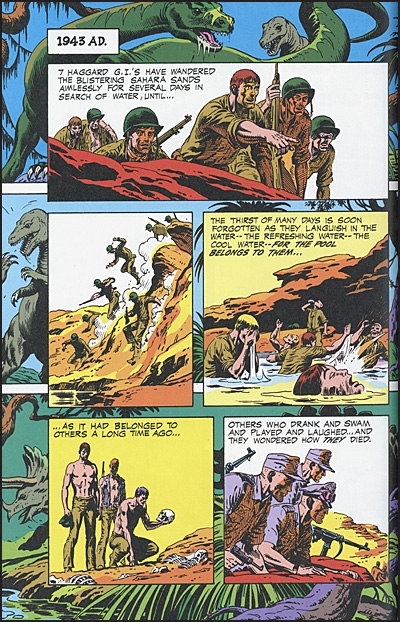
Regardless, Vietnam looms heavily even over the World War II-set comics from the early 1970s. ‘Head-Count!’ is a provocative commentary on the My Lai massacre (as compellingly argued by Colin Smith). ‘8,000 to One!’ reflects the pungent angst of David Michelinie’s and Gerry Talaoc’s underrated run on the spy series The Unknown Soldier. ‘The Pool’ is a quasi-poetic piece (by Len Wein, Marv Wolfman, and Russ Heath) lamenting the reoccurrence of war throughout the ages by movingly juxtaposing different time periods…

len wein

As usual with these things, you can argue about the absences (any tale from Mark Evanier’s and Dan Spiegle’s run on Blackhwak would’ve fit in nicely), but ultimately every story collected here is a classic, historically interesting, and/or a hard-hitting example of the genre, including work by the most iconic artists in this subfield, from Jerry Grandenetti to Joe Kubert.

The selection builds on an earlier compilation by Michael Uslan, originally published in 1978 as America at War. Editor Scott Nybakken has added further material, though, most notably three stupendous epics which by themselves justify getting your hands on this book: 1985’s The Losers Special (by Kanigher, Judith Hunt, Sam Glanzman, and Michael Esposito), a two-fisted Sgt. Rock adventure at the Battle of the Bulge (by Chuck Dixon and Eduardo Barreto), and 2001’s witty mini-series War in Heaven (by Garth Ennis, Chris Weston, Christian Alamy, and Russ Heath). The latter, in which Enemy Ace is recruited to fight in WWII’s Eastern Front, is notable not just for being a poignant take on the opposite side of this conflict, but also for being the first war comic Ennis wrote in the earnest, meticulously-research style that would become the trademark of this master of military fiction, making it a fascinating artifact in the recent history of the genre.

That said, given that these comics are so closely tied with their historical context (in terms of both the depicted setting and their production background), DC Goes to War seriously needed at least one introductory essay. Indeed, if not for its tremendous range, this volume would no doubt rank lower than Atlas at War!, which has much better production values. Even the color reconstruction falls short of Allan Harvey’s work in that volume, although Digital Chameleon, Michael Kelleher, Lee Loughridge, and Drew Moore nevertheless did a fine job in terms of restoring the original palette and pleasingly smoothing out some rough edges without challenging the source material’s overall look.

13. THE RIDE: BURNING DESIRE

burning desire

Back in 2004, The Ride was by far one of the coolest crime comics around, as different creators threw themselves into all sorts of violent, balls-to-the-wall thrillers, unified by the presence of a 1968 Camaro. Just in time for that series’ 15th anniversary, Doug Wagner – who wrote the original’s opening and closing arcs – brought back Samantha Vega, the Atlanta P.D. detective from The Ride’s very first story, recently released from prison and working as a bouncer at an exotic dance club (the car is also back, of course). When one of the dancers dies in mysterious circumstances, Vega risks her parole to investigate the possible murder, only to find herself once again in a Tarantinoesque explosion of sexual fetishism, deadly mayhem, and black comedy.

Daniel Hillyard’s sharp linework is clear enough to let the situations’ sick cruelty and/or humor speak for themselves. In the biggest departure from the original, though, this comic isn’t black and white, but rather vibrantly colored by Laura Martin and Charlie Kirchoff, who smack us with a dazzling palette, especially in the club scenes:

the ride

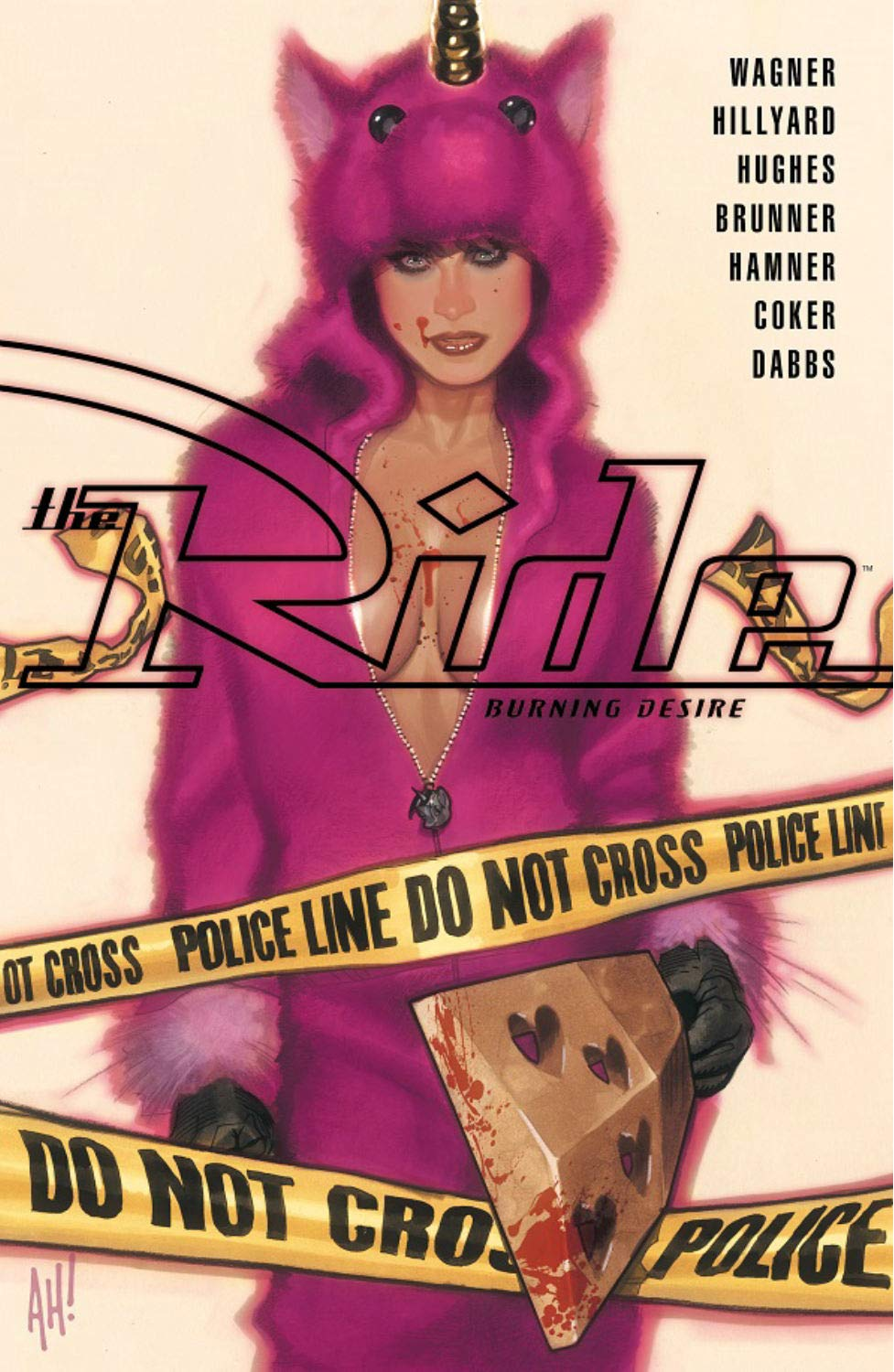
In a nod to the earlier series’ anthology format, Doug Wagner adds a bunch of short backup stories about some of the dancers at the club, drawn by Adam Hughes, Doug Dabbs, Chris Brunner, Cully Hamner, and Tomm Coker (the latter three are veterans from the original The Ride). They all look smashing: playing to each artist’s strengths, Coker gets the most action-heavy tale of the lot, while Hughes’ gets the kinkiest one (which led to the book’s sleazy cover). A hoot!

Posted in BOOKS OF THE YEAR | Tagged , , , , , , , , , , , , , , , , , , , , , , , , , , , , , , , , , , , , , , , , , , , , , , , , , , , , , , , , , , , , , , , | 2 Comments

COMICS CAN BE AWESOME (11 January 2021)

Your weekly reminder that comics can be awesome…

Scott McCloudThe Sculptor
The Terminator: One ShotThe Terminator: One Shot
Swamp ThingThe Saga of the Swamp Thing #24
Posted in GLIMPSES INTO AWESOMENESS | Tagged , , , , , , , , | Leave a comment

2020’s books of the year – part 1

A couple of years ago, I started picking a Gotham Calling Book of the Year, spotlighting recently published comics that best engaged with this blog’s passions. To compensate for the lengthy silence, though, this time around I’ll do a longer list of twenty 2020 books!

Contrary to what many analysts are saying, 2020 wasn’t such a bad year for reading comics. I’m not super-enthusiastic about most of the recent Batman series, but at least fans of Gotham Calling can now get their hands on plenty of previously uncollected – or long out-of-print – Dark Knight classics by Marv Wolfman (Tales of the Batman: Marv Wolfman, vol.1), Alan Grant & Norm Breyfogle (The Caped Crusader, vol.4), and Chuck Dixon & Graham Nolan (Knight Out). If you’re into Daredevil, the closing issues of Ann Nocenti’s cult run have finally been collected (Last Rites). Visually, we got to feast our eyes on tour-de-forces by Terry and Rachel Dodson (Adventureman) as well as Erica Henderson (Dracula, Motherf**ker!). Meanwhile, several nifty works used fantasy to engage with the world (for instance, the Justice League three-parter ‘The Rule’ reimagined the fallout of the Arab Spring in outer space), even if the ongoing pandemic still hasn’t been fully incorporated into the medium’s narratives (one of the few notable exceptions was J.H. Williams III’s amazing-looking tale in Batman: Black & White #1) and neither has the ongoing political thriller in the US (which became more violent as I was wrapping up this post…). So, yes, there was less output than usual and more difficulty in accessing it, but – as the list below will hopefully demonstrate – if you managed to safely reach a store or library in between quarantines, lockdowns, and curfews (or if you’ve made the transition to digital comics), at least there were some very nice books out there.

A few clarifications on what qualifies for the list. Each book must be in English, since that is the blog’s language, and it must be a relatively self-contained work (even if it’s part of a franchise or a long-running series). It can be a one-shot, an original graphic novel, or a collection of previously uncollected comics, whether they first came out in the previous year or seven decades ago… There are a bunch of the latter, which means that the list is less of a state-of-the-art of what is currently being created than a glimpse into what is currently being published. It’s not that I don’t think there’s plenty of young, exciting talent out there putting out new stuff that is definitely worth your time, but the choice to include a bunch of reprints of older material is a reflection – and a recognition – that this type of volumes has become the main way I enjoy comics nowadays. We are living in the golden age of comic book collections, providing fans with unprecedented access to the rich history of the medium, which informs a large part of what I read and, consequently, a large part of what this blog is about.

Finally, I usually kick off these posts with an honorary mention of some comic I find pretty outstanding but which doesn’t really fit into the kind of genre-geared material covered in Gotham Calling. This year I have to go with The Man Who Shot Chris Kyle: An American Legend, by Fabien Nury and Brüno (the phenomenal duo behind the crime series Tyler Cross and the slave epic Atar Gull). This comic – published as a single graphic novel in French and released in two English volumes by Europe Comics – starts out as a ‘true murder’ exposé chronicling, through registered statements and TV footage (mostly from The O’Reilly Factor), the killing of the author of the best-seller American Sniper. Yet it soon becomes clear that there is a more meta, provocative gesture at play, responding to Clint Eastwood’s film adaptation of that book with a typically European mix of fascination and irony towards US politics and celebrity culture. The result is both movingly sober and, at times, more perversely entertaining than it had any right to be – a balancing act carried along by Brüno’s deadpan geometric minimalism. The ending is a punch in the gut.

If it’s fiction you want, though, check out the books below:


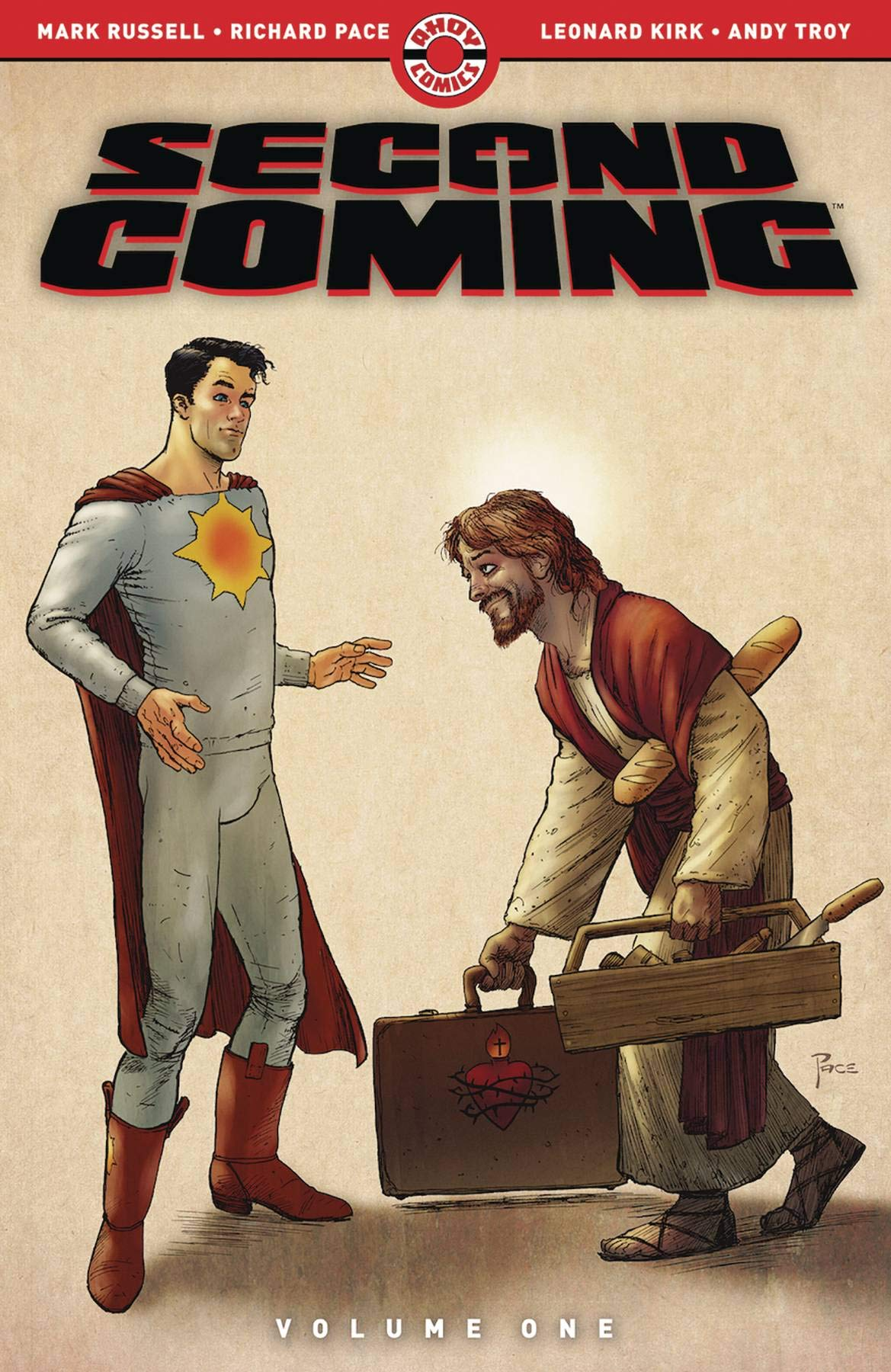
20. SECOND COMING

mark russell

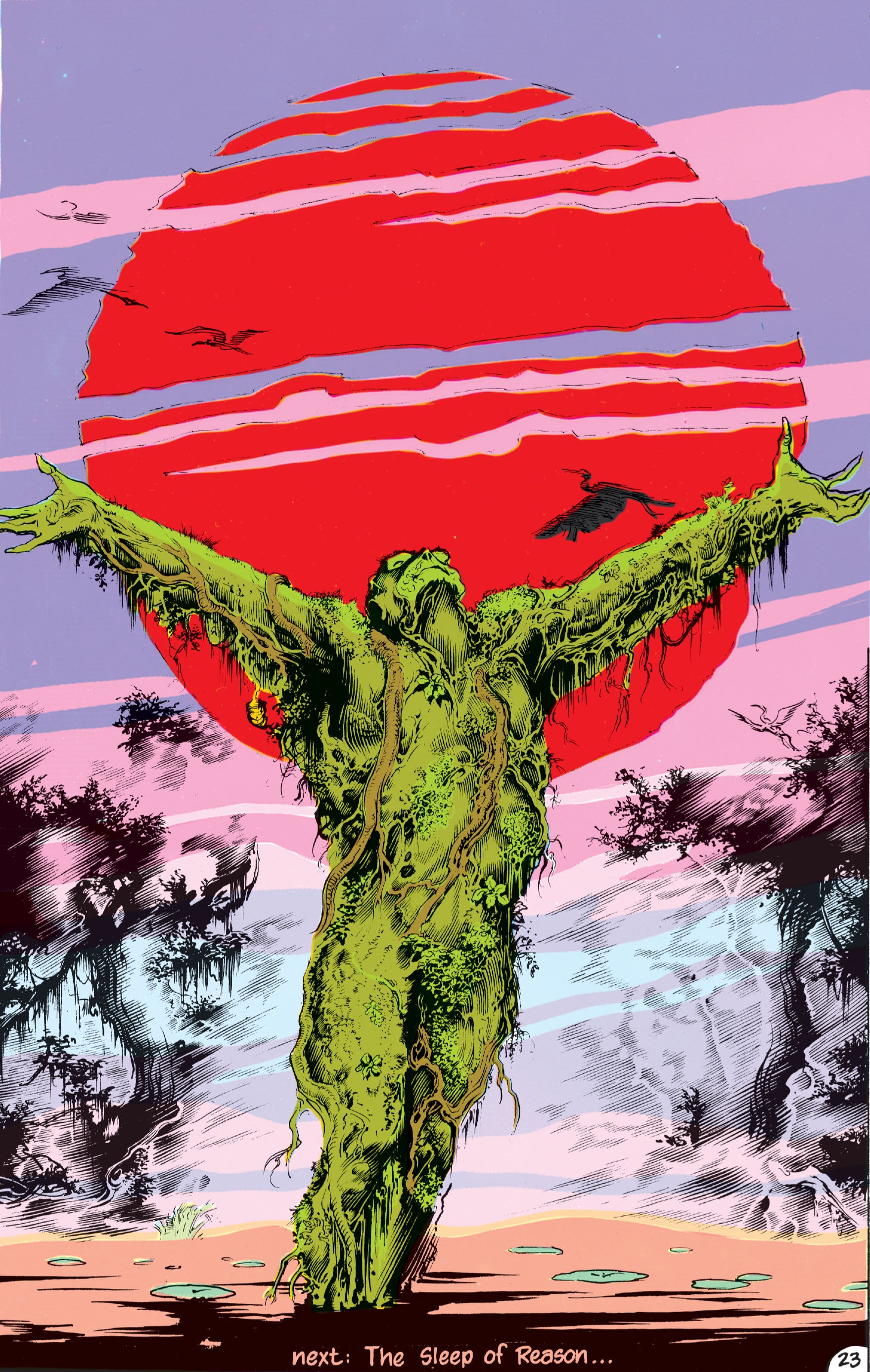
This book (collecting a 2019 series) about a team-up between Superman and Jesus Christ was the object of some – not entirely surprising – notoriety a while back, when DC dropped out of the project for fear of stirring up a conservative backlash (Second Coming thus joined a lineage of similar reluctance concerning potentially blasphemous creative choices in Rick Veitch’s Swamp Thing and Brian Azzarello’s The Authority). I won’t go into this whole debate now, so just assume the usual arguments apply: yes, if your approach to religion means you find the notion of Jesus starring in a superhero comedy (with a handful of dick jokes) offensive, then you have a reason to be offended; no, it’s not the same as with those cartoons mocking Muhammad, if nothing else because Second Coming isn’t attacking its society’s underdog; yes, most public reactions involved a double standard, with many who typically rant against ‘cancel culture’ now praising DC’s position and vice-versa.

Assuming you’re open enough to this premise to check out the comic, what will you find inside? After a sarcastic retelling of the Old Testament, most of the humor derives from the contrast between the ersatz-Superman’s emphasis on violent punishment and Christ’s advocacy of compassionate alternatives. Mark Russell’s script provides a thoughtful – as well as funny – take on Christianity that doesn’t devolve into stale caricature. The same goes for Richard Pace’s and Leonard Kirk’s artwork, whose style is mostly low-key (thus securing the grounded, old-school sitcom feel), except for the scratchy biblical flashbacks. This isn’t a mean-spirited ‘fuck you’ to religion, a la Garth Ennis – while Second Coming’s God is a hilarious douchebag, Jesus actually comes across as a sympathetic figure. Even his apparent naiveté is less a punchline than a set-up for Russell’s amusing meditations on the human condition.

Seriously, the comic is much more scathing when it comes to poking fun at superheroes’ underlying assumptions about exercising power through physical force…

Richard Pace

Second Coming eventually found a place at Ahoy Comics, where it fit like a glove next to other quirky titles reimagining Superman or religious mythology, such as Penultiman and High Heaven. A young publisher whose output is mostly edited and/or written by Tom Peyer and Stuart Moore, Ahoy is one of the most interesting editorial projects in recent times, leaning heavily towards social satire and clever spins on genre tropes while filling each issue with substantial extra material. Indeed, things worked out so well over there that a second volume of Second Coming is already coming out – and it’s even funnier!

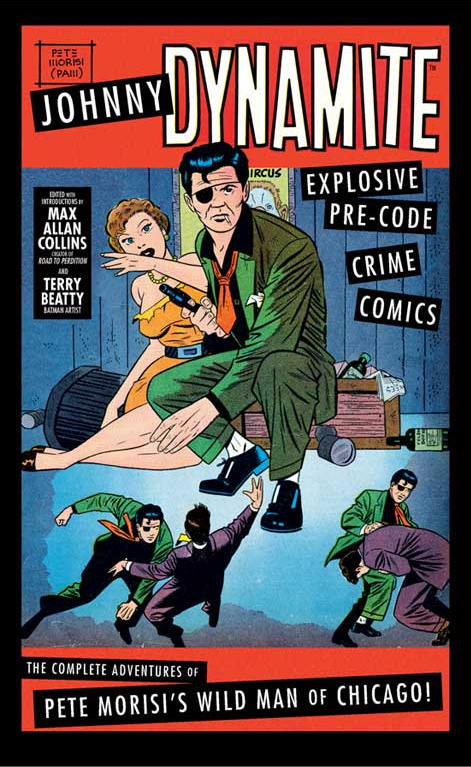
19. JOHNNY DYNAMITE: EXPLOSIVE PRE-CODE CRIME COMICS – THE COMPLETE ADVENTURES OF PETE MORISI’S WILD MAN OF CHICAGO!

JOHNNY DYNAMITE: EXPLOSIVE PRE-CODE CRIME COMICS – THE COMPLETE ADVENTURES OF PETE MORISI’S WILD MAN OF CHICAGO!

And now for a brutal vigilante who does not wear a cape…

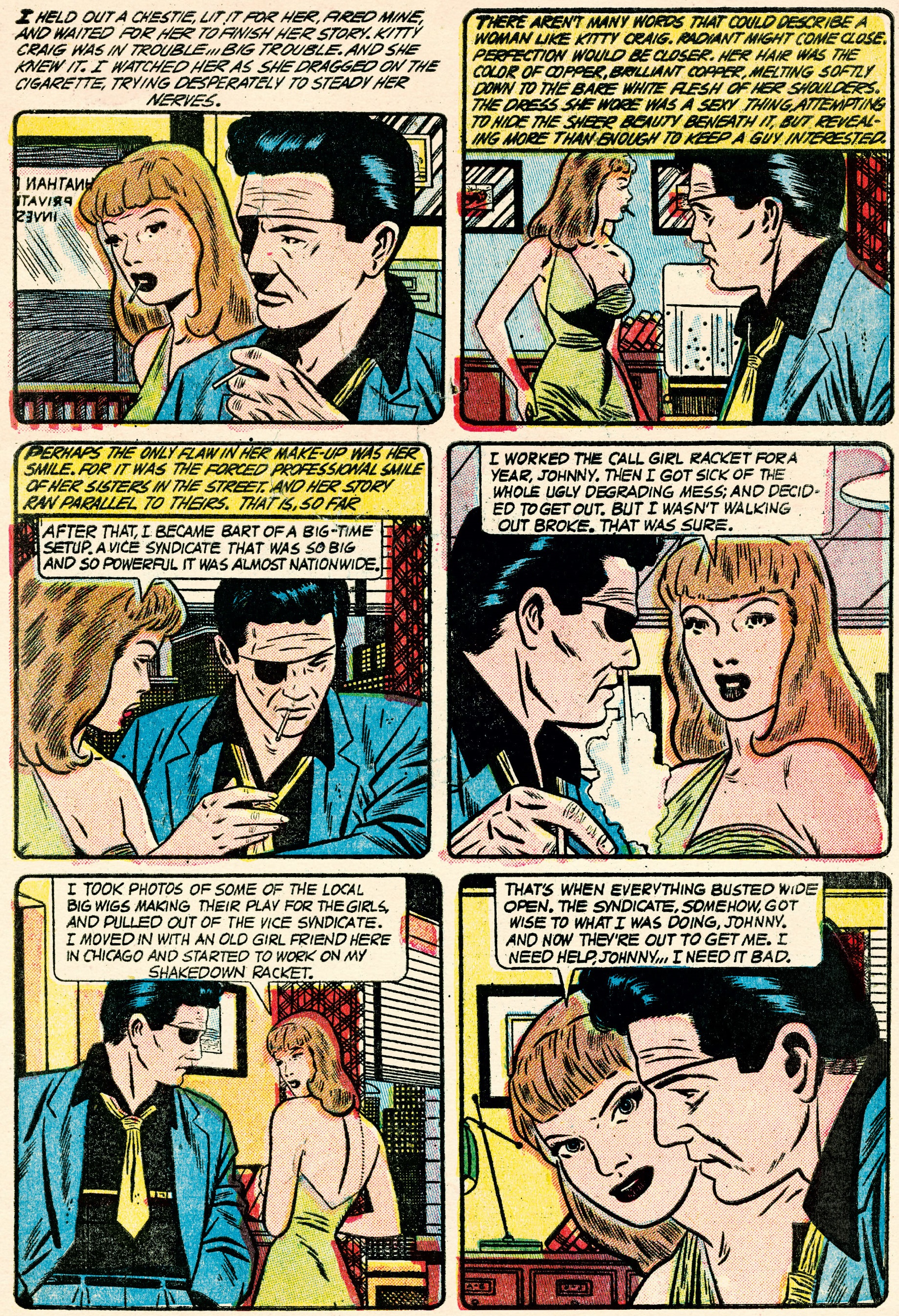
This beautiful IDW collection reprints the original adventures of bloodthirsty private eye Johnny Dynamite, first serialized back in 1953. Like I mentioned above, when it comes to reprints of Golden Age material, my fascination with history (of the world in general and of the comic book medium in particular) plays a big role… Reading these vintage comics is like travelling to another era, more often than not challenging whatever preconceptions I bring along. However, with the best of the lot, the reward isn’t purely academic. Case in point: because Johnny Dynamite belongs to the tradition of detectives who are less about cerebral games than about gut instinct, street smarts, and fisticuffs (and driven less by a sense of justice than by vengeful hatred), he lends the book a truly compelling, raw energy. Moreover, as highlighted by the ridiculously lengthy title, these are pre-Code comics (i.e. originally published before the medium was subjected to strict censorship) and, oh boy, does it show: each lurid tale is packed with violence and dubious morals (including the protagonist’s), often peppered with a sprinkle of sex and drugs.

Granted, most stories are relatively similar, except for a couple of ones where Johnny Dynamite goes off to fight commies in Germany and Vietnam (while it was still a French colony). If you’re into film noir, though, this is the book for you. At his best, artist Pete Morisi perfectly channels the genre’s mood, with its virile anti-hero, vicious gangsters, and luscious femmes fatales (usually former prostitutes). And while the artwork is frequently drowned by wordy text boxes (which carry the bulk of the storytelling), fortunately the prose – by Ken Fitch and, later, Morisi himself – is written in a dead-on hardboiled style, complete with the obligatory explosive metaphors (hell, the protagonist himself is called Dynamite!).

JOHNNY DYNAMITE: EXPLOSIVE PRE-CODE CRIME COMICS – THE COMPLETE ADVENTURES OF PETE MORISI’S WILD MAN OF CHICAGO!

Besides the original comics and a couple of punchy prose stories, this collection includes an extensive essay by Max Allan Collins, who contextualizes the strip by discussing not only its creators, but also the major influence of Mickey Spillane’s Mike Hammer. It finishes with a short crossover with Ms. Tree, written by Collins and drawn by Terry Beatty and Gary Kato.

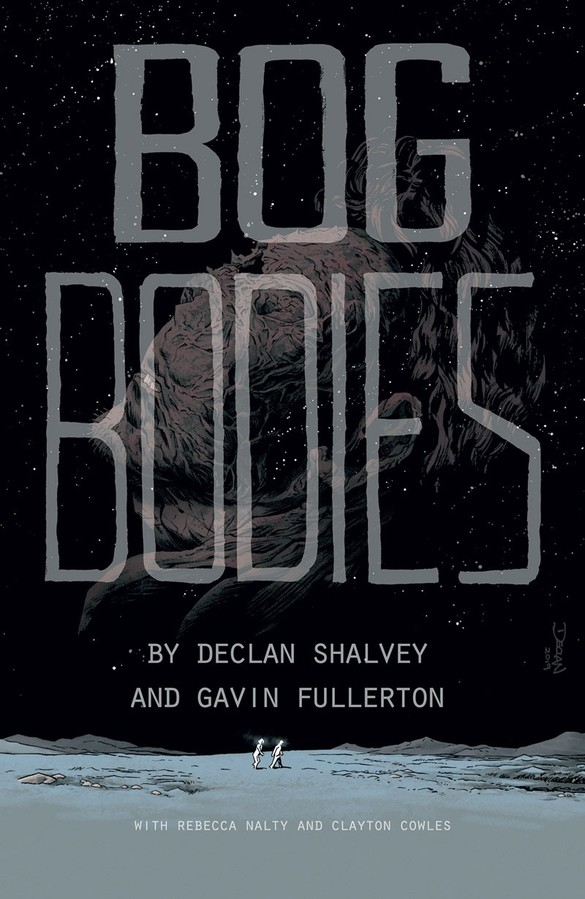
18. BOG BODIES

Declan Shalvey

Another sly crime thriller!

This one is about a low-ranking gangster who falls out of favor with his bosses, with deadly consequences. He finds himself on the run, for the best part of a night, in the countryside outside Dublin, where the bodies of their victims are usually buried. There are a couple of twists to the story, but it mostly boils down to the chase. There is something satisfying about a tale this taut, keeping the narrative pared-down and focused in order to squeeze the most tension out of a simple situation. It brings to mind movies like Jon Watts’ Cop Car, Jerzy Skolimowski’s Essential Killing, and Ben Wheatley’s Free Fire (the last one, admittedly, because it also contains some Irish-themed dark comedy).

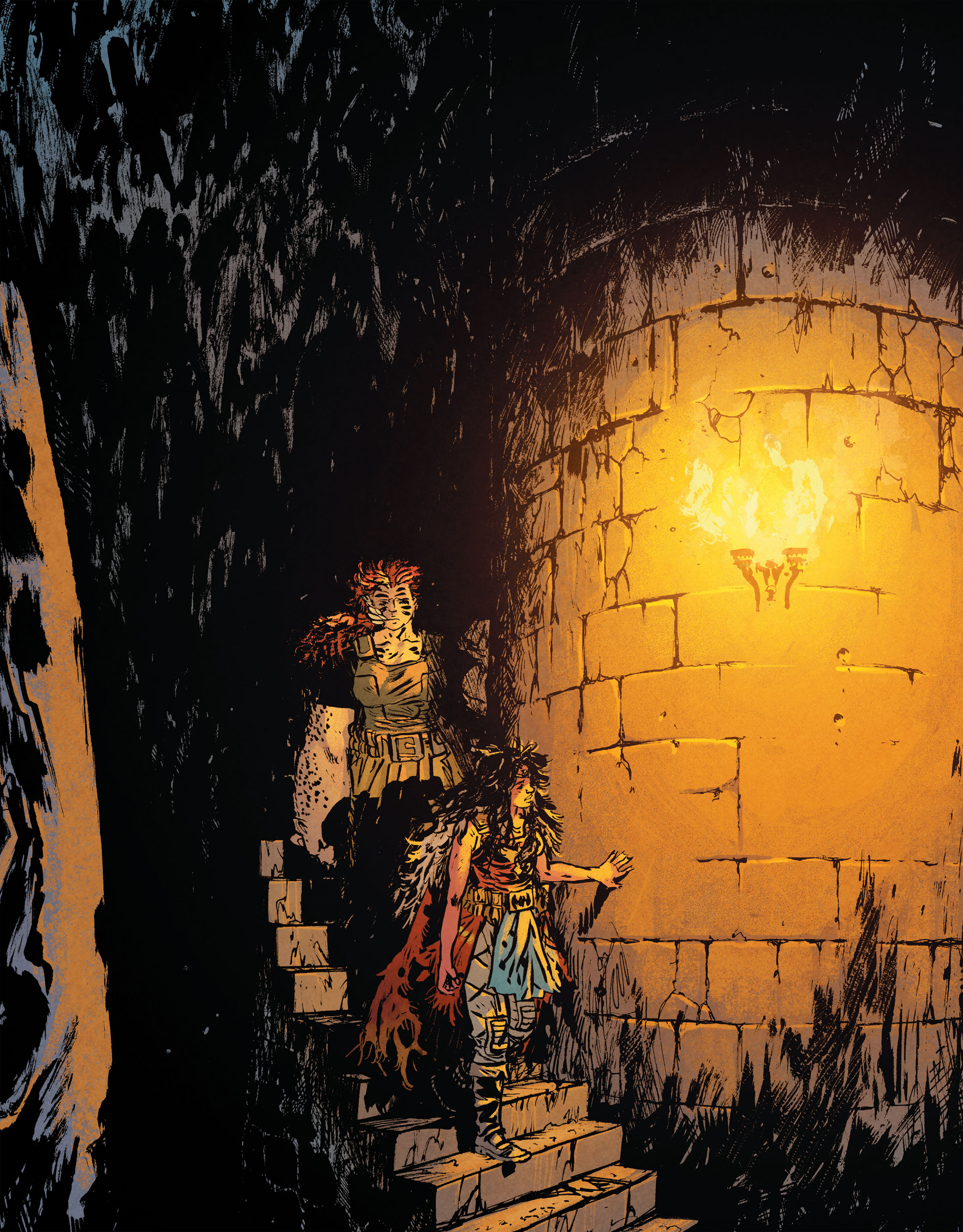
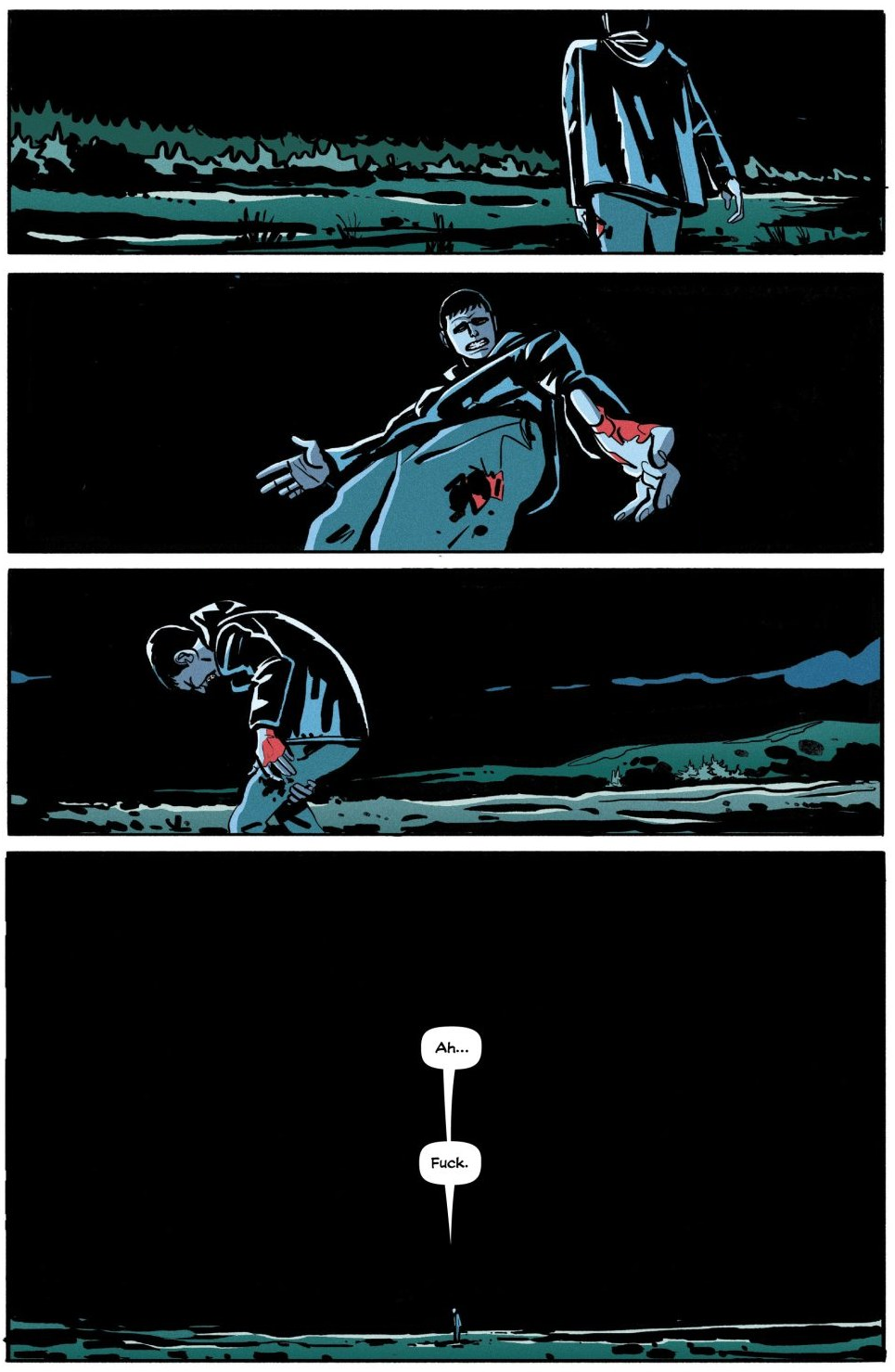
While Declan Shalvey’s script keeps things moving along, a lot of the success for the way Bog Bodies keeps you involved relies on Gavin Fullerton’s deep linework (including some suitably rough-looking faces) and clear mise-en-scène (including the sinister silhouettes of tree branches and bushes), not to mention Rebecca Nalty’s moody, mostly blue-and-red-based palette. I love how they use negative space, with a starkly black, starless sky framing the whole thing in a somber atmosphere.

declan shalvey

Not that the writing doesn’t deserve its share of praise. Underneath Bog Bodies’ deceptive minimalism, Declan Shalvey sneaks in both evolving characterization and existentialist musings. There are also some intriguing ambiguities and hinted mysteries – for instance, a couple of images near the end open the door for you to read the subplots concerning the two female characters as a rather different, perhaps horror-tinged kind of story (even before that, the fact that the protagonist picks up a companion in the woods and, after getting lost, finds a rickety house with an old lady inside evokes a twisted version of Hansel and Gretel).

Like the titular bogs in the dark, this comic may be hiding much more than what you first see.

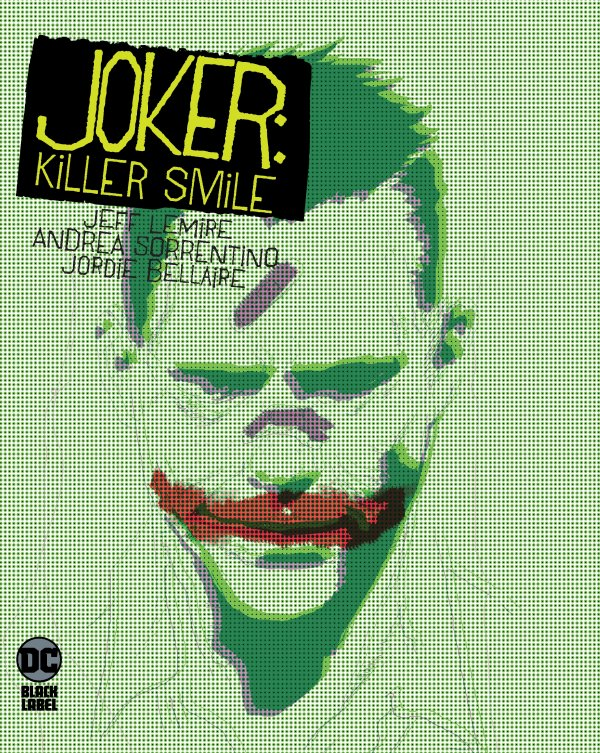
17. JOKER: KILLER SMILE

batman smile killer

DC’s regular efforts to put out ‘serious’, ‘mature’ takes on the Dark Knight and his supporting cast tend to awkwardly bump against the fact that Batman’s world is inherently silly, not to mention the fact that most creators fall back on superficial clichés (especially about mental illness) to convey psychological depth and tend to reduce thematic scope to self-referentiality. Every once in a while, though, some works try so hard to fit an ‘adult’ square peg into the bat-shaped hole that the result is, if not entirely successful, at least fascinatingly off-kilter, whether it’s Grant Morrison’s and Dave McKean’s Arkham Asylum: A Serious House on Serious Earth or Todd Phillip’s Joker. Combining the former’s shameless pretentiousness with the latter’s willingness to pillage previous material that brilliantly handled the same themes, Joker: Killer Smile is the latest addition to this tradition.

This collected mini-series follows Dr. Ben Arnell, a psychiatrist who tries to cure the Clown Prince of Crime, only to find himself gradually losing his own mind. The result is a horror tale magnificently brought to the page by the powerhouse duo of artist Andrea Sorrentino and colorist Jordie Bellaire, who excel at crafting a suitably ominous vibe that projects menace even in mundane gestures or small exchanges. The shifting tones and layouts (including one of my favorite gimmicks: turning sound effects into actual panels) conjures the kind of disorienting blend of reality and psychotic imagination that is at the core of the story. Indeed, while the Joker’s mind games aren’t particularly clever or original, the same can’t be said about the striking ways Sorrentino and Bellaire depict the various hallucinations and Arnell’s encroaching mental confusion.

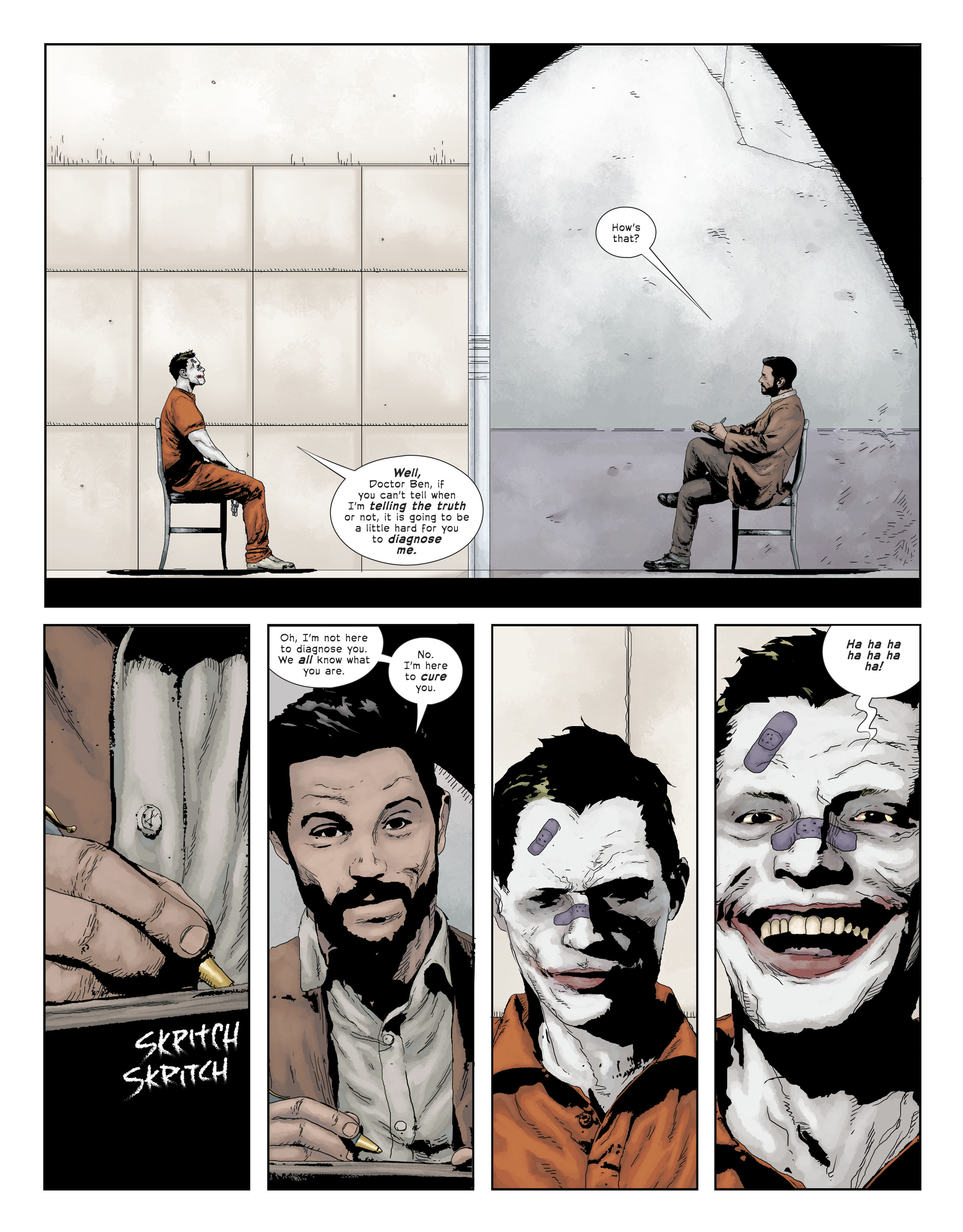
To illustrate my point, I thought about sharing an impressive double-page spread with laughter-shaped panel borders, but that would spoil a major revelation. Instead, you have to settle for one of the many moments in which Killer Smile oppressively uses the negative space of Arkham Asylum’s empty-ish walls, just like Bog Bodies did with the nightly sky:

Killer Smile

There isn’t a lot underneath the shiny surface. Just like Phillips’ movie reappropriated Martin Scorsese’s flicks, Killer Smile isn’t coy about remaking ‘The Abyss Gazes Also,’ the phenomenal sixth issue of Watchmen (yes, Rorschach inkblot tests are a recurring motif…), with a dash of Mad Love thrown in there. Thematically, the book doesn’t add much to those classics, but it does use them as an effective springboard for a dirty, eerie trip to Gotham City, complete with some neat black humor (a lot of the dialogue consists of jokes about Arkham inmates).

One of the most prolific writers around, Jeff Lemire has penned plenty of cool comics in recent years, yet you can tell he doesn’t invest in all of them the same way. More often than not, the key merit belongs to the incredible artists he has worked with (or to his own artwork, when he illustrates his own projects). This is not to call Lemire a hack – the truth is that he is quite skilled at providing enough of a high concept and gripping pace to let the artists’ talent shine, creating comics that, while not always memorable in terms of plot, at least provide a visually engaging reading experience. It was the case with Lemire’s previous collaborations with Sorrentino (Green Arrow and Old Man Logan, although there’s more juice in Gideon Falls…) and it’s definitely the case with Joker: Killer Smile.

The sequel one-shot, Batman: The Smile Killer, is what really elevates this collection. Sure, questioning Bruce Wayne’s sanity has been done to death (including in the recent Last Knight on Earth mini-series), but the execution here is especially open-ended about what is real and what is not, leaving you with a genuinely unsettling sensation (up to and including the very last page, whose bottom panel may contradict the top one). DC probably intends to expand the story into one of its countless crossover events, but I think it works even better as an ambiguous work that readers can explore and interpret on its own…

Posted in BOOKS OF THE YEAR | Tagged , , , , , , , , , , , , , , , , , , , , , , , , , , , , , , , , , , , , , , | Leave a comment

COMICS CAN BE AWESOME (4 January 2021)

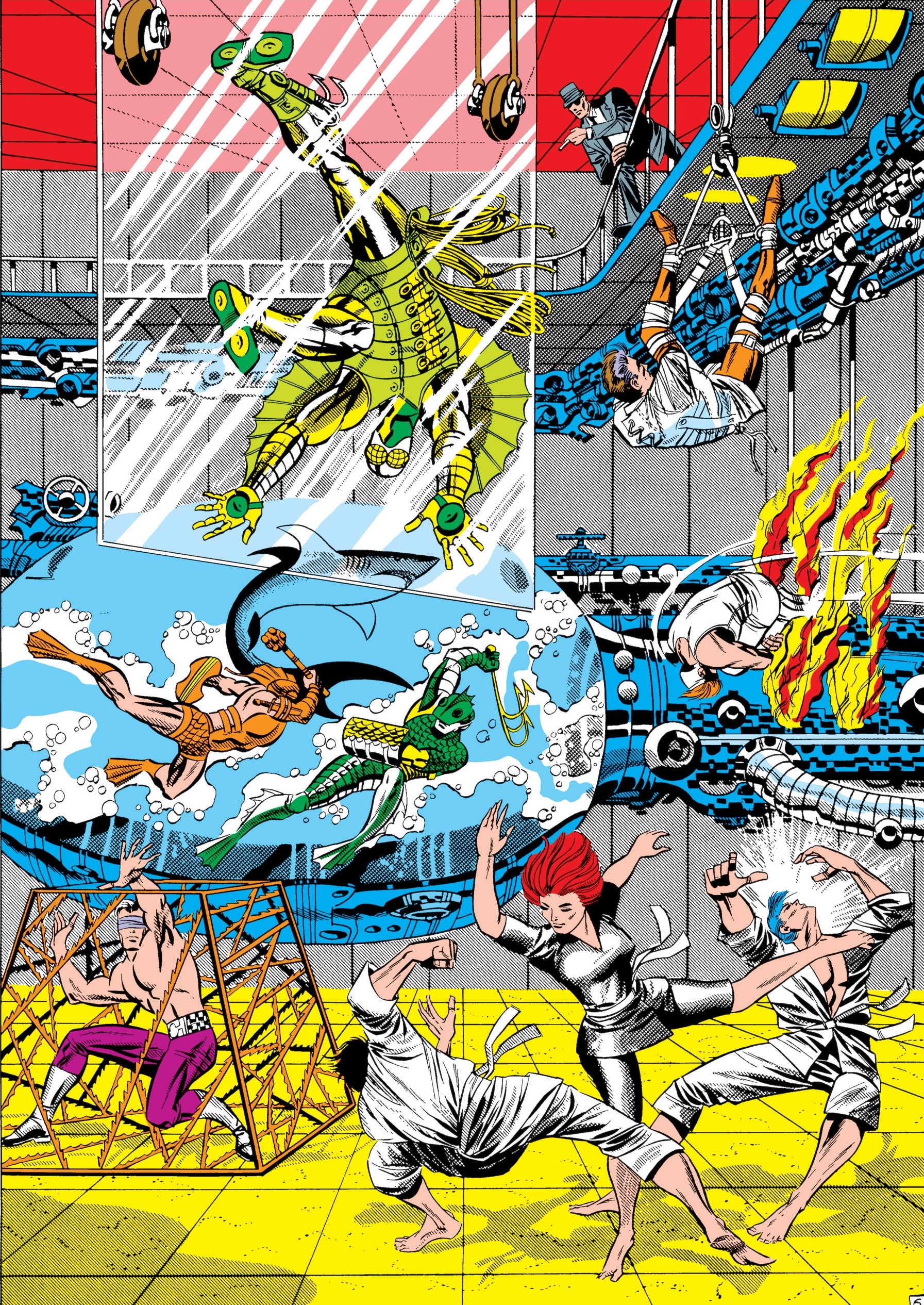
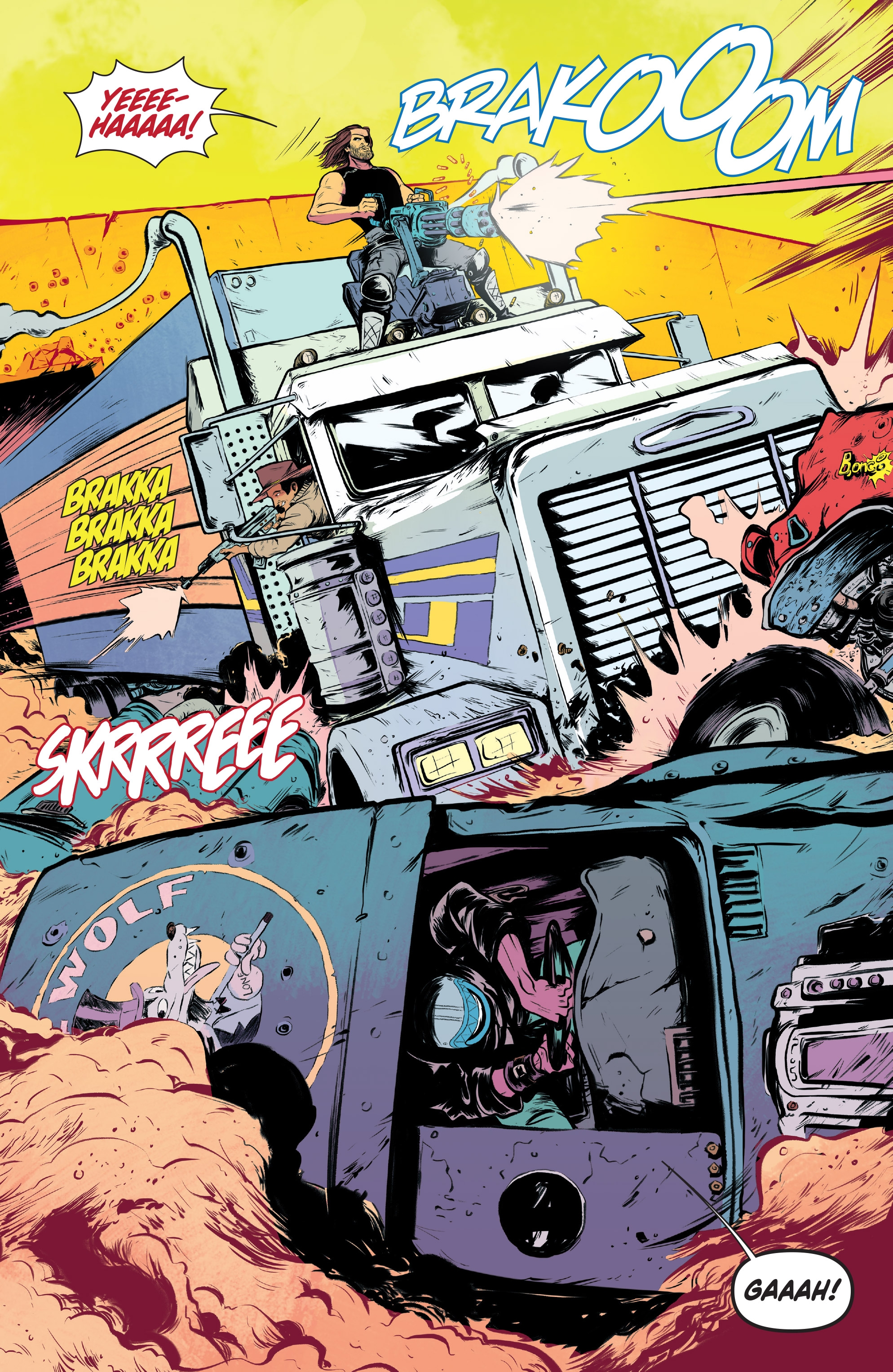
It’s been a while since I last indulged in my passion for splash pages – a comic book technique that, while sometimes overused, can also be entirely justified, blowing readers minds by suddenly escalating the visual scale and submerging them in a single, expansive image… So, after a year devoted to cool covers, 2021 kicks off with weekly reminders of comics’ potential for awesomeness in the form of a trio of masterful splashes:

Nick FuryStrange Tales #159
Big Trouble in Little ChinaBig Trouble in Little China / Escape from New York #2
skybourneSkybourne #4
Posted in GLIMPSES INTO AWESOMENESS | Tagged , , , , , , , , , , , , , | Leave a comment

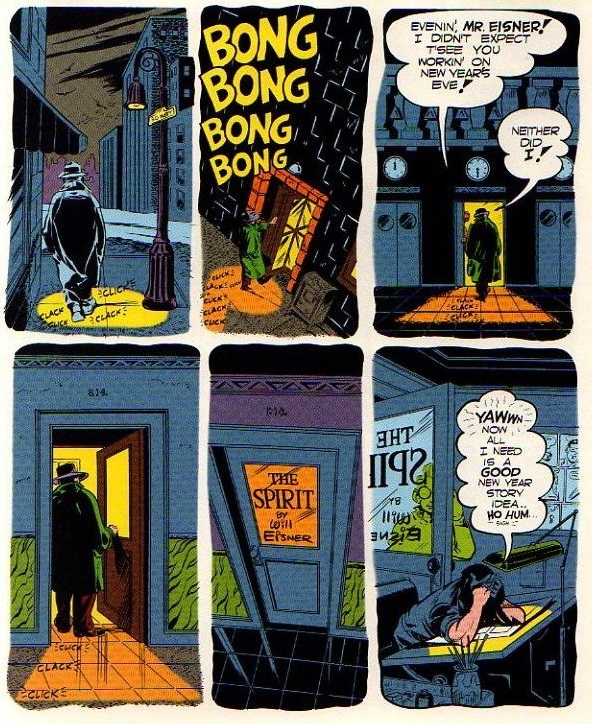
Have a Gotham 2021

Will EisnerThe Spirit (31 December 1950)
Posted in GLIMPSES INTO THE PAST | Tagged , , , , | Leave a comment

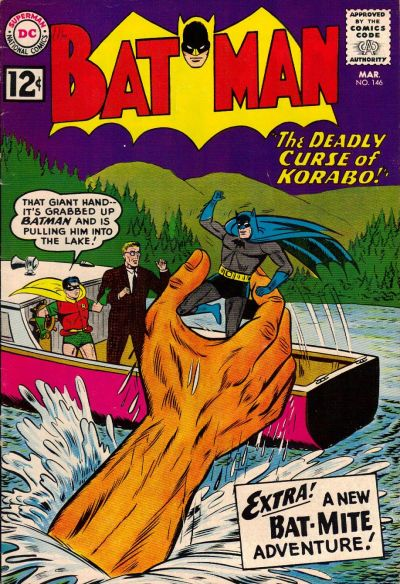
An extra Batman vs Giant Hand cover

Just one more…

sheldon moldoff

Posted in COVERS OF BATMAN COMICS | Tagged , , | Leave a comment

COMICS CAN BE AWESOME (28 December 2020)

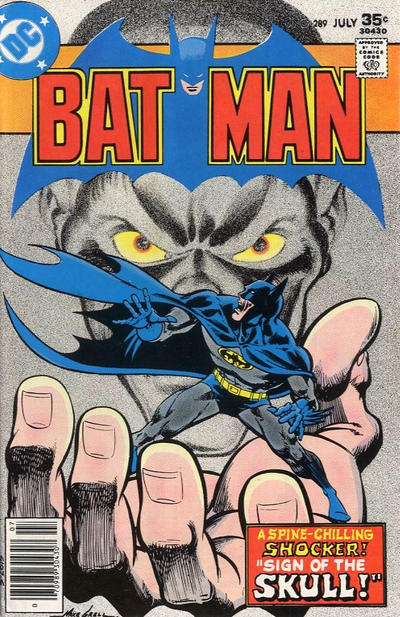
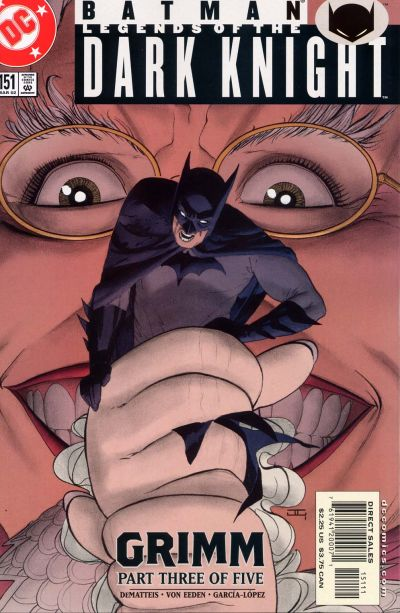
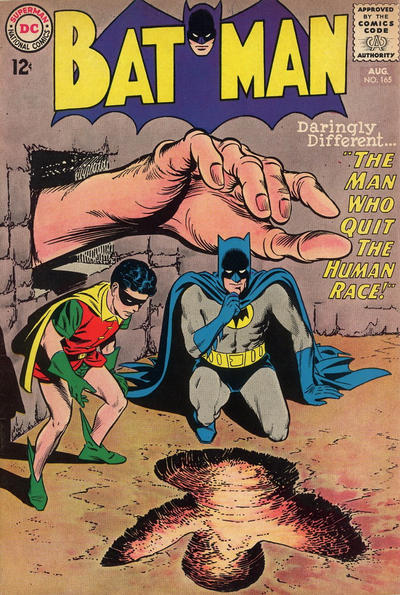
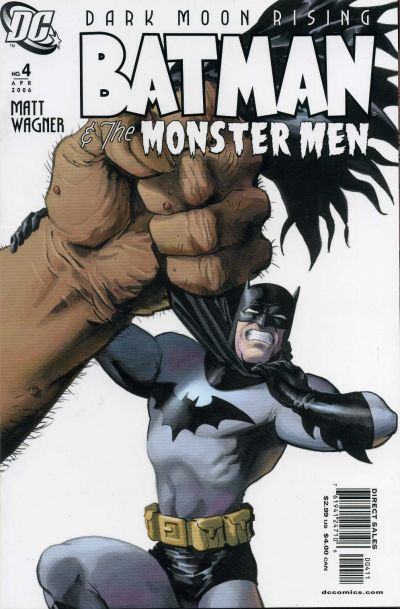
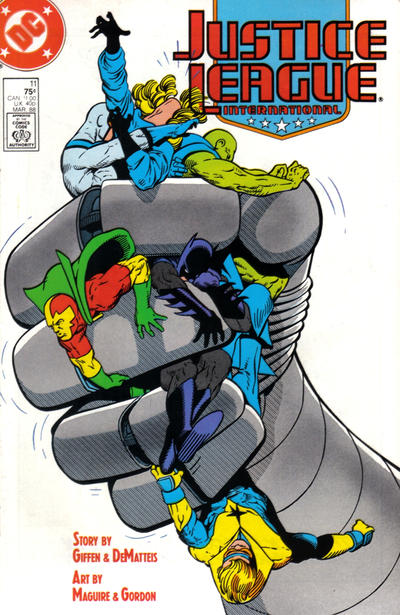
At the end of such a shitty year, it may not be a great consolation, but 2020’s final weekly reminder that comics can be awesome is a tribute to Batman’s frequent encounters with giant hands:

batmanbatmangiant handmatt wagnerjli

Posted in COVERS OF BATMAN COMICS | Tagged , , , , , , , , , , | Leave a comment

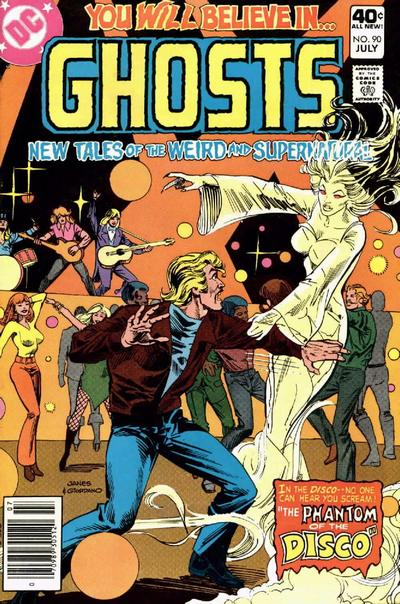
An extra Ghosts cover

No Christmas post this year, but you can take this one as a present…

disco

‘In the disco – no one can hear you scream!’

Posted in ART OF HORROR COMICS | Tagged , , , , | Leave a comment