More global film noirs

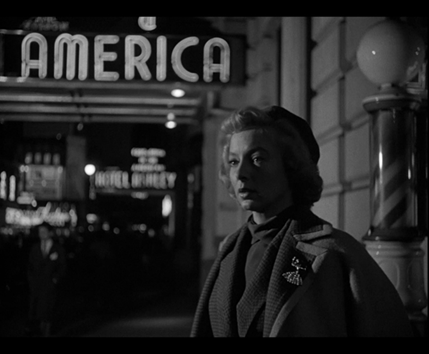
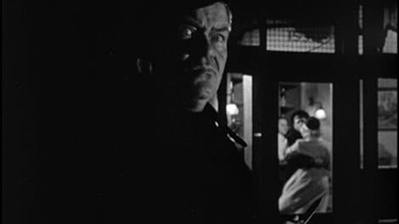
Once again, I’m complementing the latest lists of film noir gems with a handful of foreign-language recommendations that are just as good as – or, in some cases, much better than – their counterparts from the USA and the UK. After all, the themes and sensibility of noir are hardly exclusive to the Anglo-Saxon world – they can also easily be found in many other regions and cultural contexts (even in some of Jorge Luis Borges’ short stories, like ‘Emma Zunz’).

Like last time, my selection is capped in 1959. This may sound like an weirdly strict chronological border but, especially when it comes to cinema from continental Europe, by 1960 the noir style had definitely become too self-conscious and referential to be considered along similar lines… Godard’s Breathless and Truffaut’s Shoot the Piano Player blew up this genre into a cool postmodern collage and noir never felt exactly the same way again (which is not to say you can’t find the odd exception, like the beautiful Spanish entry Death Whistles the Blues, released in 1964).

As I point out below, these movies are not necessarily trying to fit into the same mold as their American counterparts, but they sure earn their film noir credentials:

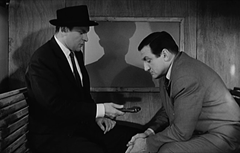
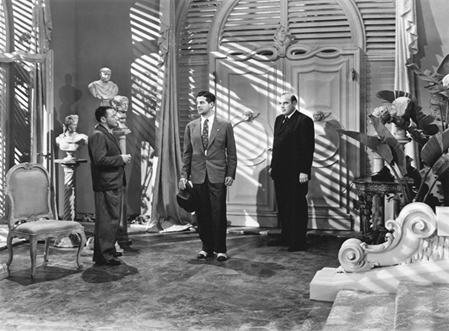
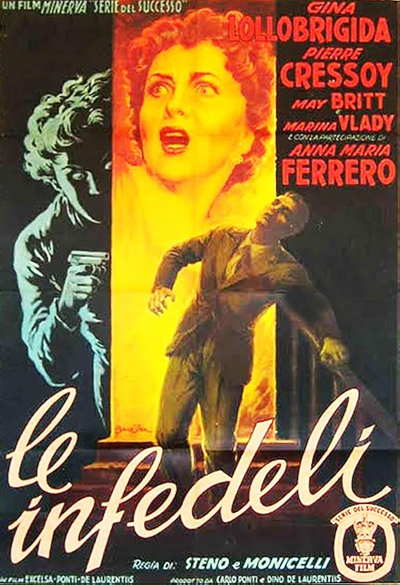
The Unfaithfuls (Italy, 1953)

Even though the early scenes of The Unfaithfuls involve a man hiring a private detective to spy on his wife, you may initially doubt why this should be included in a film noir list, as the tone feels closer to that of a farcical comedy. Step by step, however, Steno’s and Mario Monicelli’s exploration of the hypocritical, morally corrupt elites of postwar Italy elegantly unfolds enough serpentine plot intricacies, blackmail, and ironic twists of fate to satisfy any noir aficionado. To be fair, the movie is more genre-defying than a Bong Joon-ho venture, shifting from romance to psychological thriller, from mystery to melodrama, and from police procedural to social satire while repeatedly – and cleverly – subverting your sympathies. Still, by the final shots, there will be no question that you’ve just watched a wickedly dark masterpiece. 

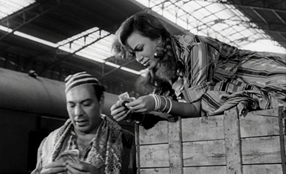
Cairo Station (Egypt, 1958)

Set in the titular train station, where thousands of stories interconnect everyday, this kaleidoscopic tale of lust and murder focuses on a triangle of characters: luggage porter Abu Siri (who is trying to organize a union), his bombshell bride Hannuma (who sells sodas without license, thus pissing off both the authorities and the guy running the official drinks concession), and the creepy, sad-looking Quinawi (who works for the newspaper stand but spends most of his time obsessing over Hannuma). Against the chaotic backdrop of a postcolonial Egypt in ebullition, Cairo Station’s frantic, sexually charged camera and montage, punctuated by the rhythms of the trains (and by some over-the top musical cues), blends social drama with Hitchcockian psychological thriller, culminating in some of the most perverse and suspenseful sequences in the history of noir.

The Tiger Attacks (France, 1959)

Lino Ventura plays a former member of the French Resistance who now just wants to take care of his restaurant and of his sweet family, but damn France pulls him back into a brutal story of dirty international intrigue. With the stolen secret plans for a new fuel formula as the MacGuffin, The Tiger Attacks flirts with espionage, but at its heart it remains a good old fashioned ‘polar’ about a guy caught between rivalling gangsters (including the authorities themselves). Apart from the tense countdown until the moment Ventura inevitably explodes, the film benefits from exquisite cinematography, particularly during a couple of chases in Normandy near the end. Plus, you also get an irresistibly cynical, deadpan script and performances where almost everyone acts as if they’ve been around the block, they know the score, and they sure aren’t willing to even pretend they have more morals than they actually do.

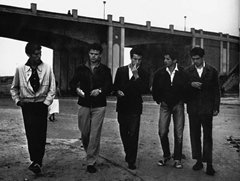
Berlin-Schönhauser Corner (East Germany, 1957)

For a few years after Stalin’s death, East German political orthodoxy loosened up enough for the partnership of screenwriter Wolgang Kohlhaase and director Gerhard Klein to produce a string of gritty – and relatively nuanced – depictions of the GDR’s social tensions (including A Berlin Romance, which is one of my top Cold War movies). Their crime drama Berlin-Schönhauser Corner follows four teen delinquents as they drift aimlessly through East and West Berlin, seeking escape from their dysfunctional homes to the beat of jazzy rock ‘n roll. There is (poetic and neo-)realism in what can be considered a ‘message picture,’ but there’s also an expressionist sensibility akin to noir, both in the story’s darkness and in the low-key lighting (with the characters projecting stark shadows onto the surrounding streets and walls, some of them still bearing the scars of WWII). The movie has understandably been compared to The Wild One and to Rebel Without a Cause, but its angry, energetic portrayal of the system’s disenfranchised underdogs also brings to mind Pickup on South Street, especially since one subplot concerns foreign agents (here slimy western spies rather than slimy commies, of course).

The Delinquents (Spain, 1959)

I admit that this breathtakingly shot tour de force about a young gang in Madrid pulling off one robbery after another in order to fund one of the gang member’s dream of being a bullfighter (because Spain) might finally stretch the definition of film noir beyond reasonability… The narrative is loose, the sensibility is way more naturalistic than stylized, and The Delinquents is so amoral that you can’t even take poetic irony for granted (the only one you know for sure is going to get it in the end is the bull, so beware if you can’t stomach animal cruelty). Fans of noir, however, will find plenty to latch onto in the many tense crime set pieces and the overall saga of lowlifes among urban decay.

Posted in HARDBOILED CRIME | Tagged , , , , | Leave a comment

COMICS CAN BE AWESOME (25 August 2025)

A bonkers reminder that comics can be awesome:

Charlatan Ball #2

Posted in GLIMPSES INTO AWESOMENESS | Tagged , , , | Leave a comment

COMICS CAN BE AWESOME (18 August 2025)

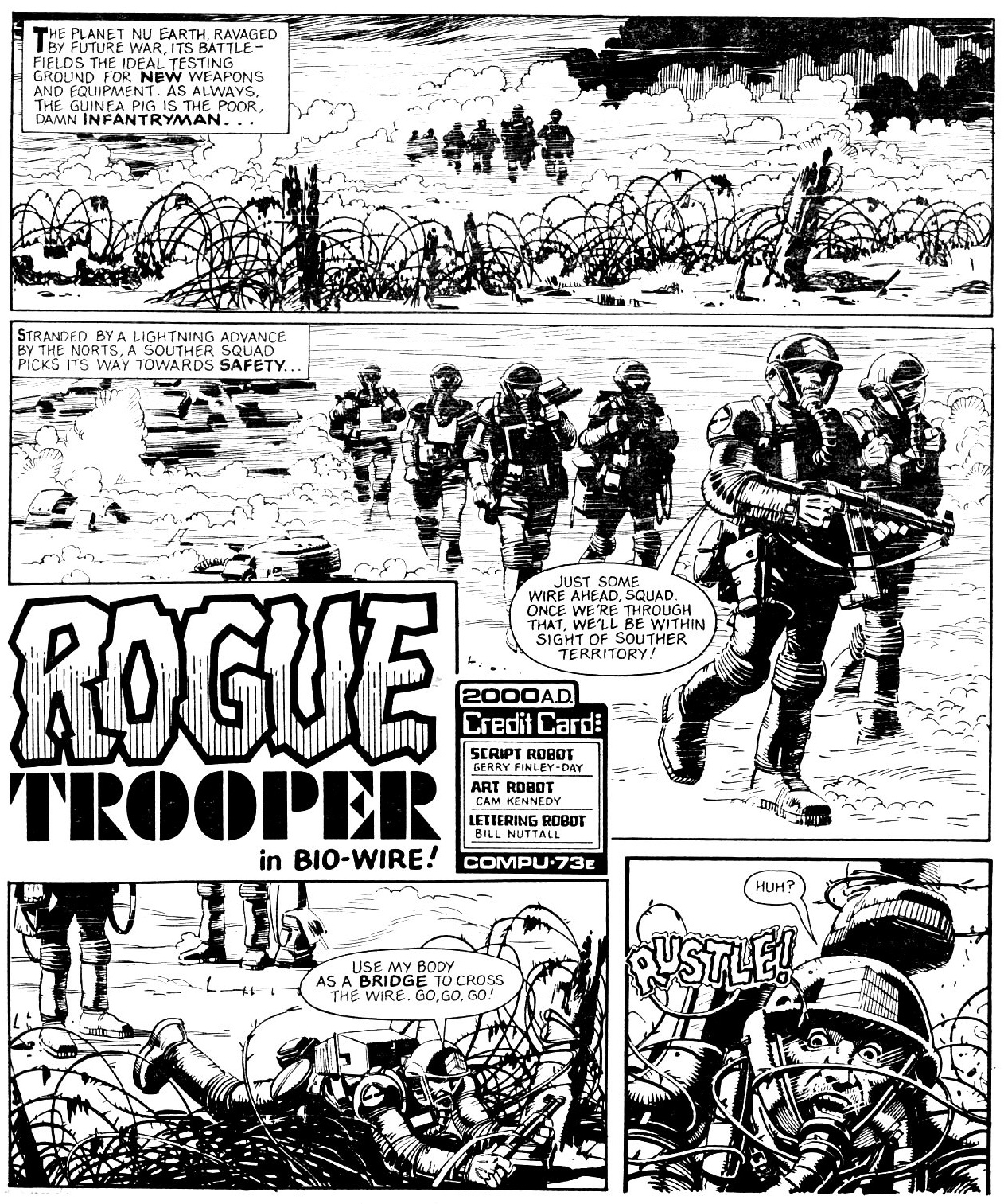
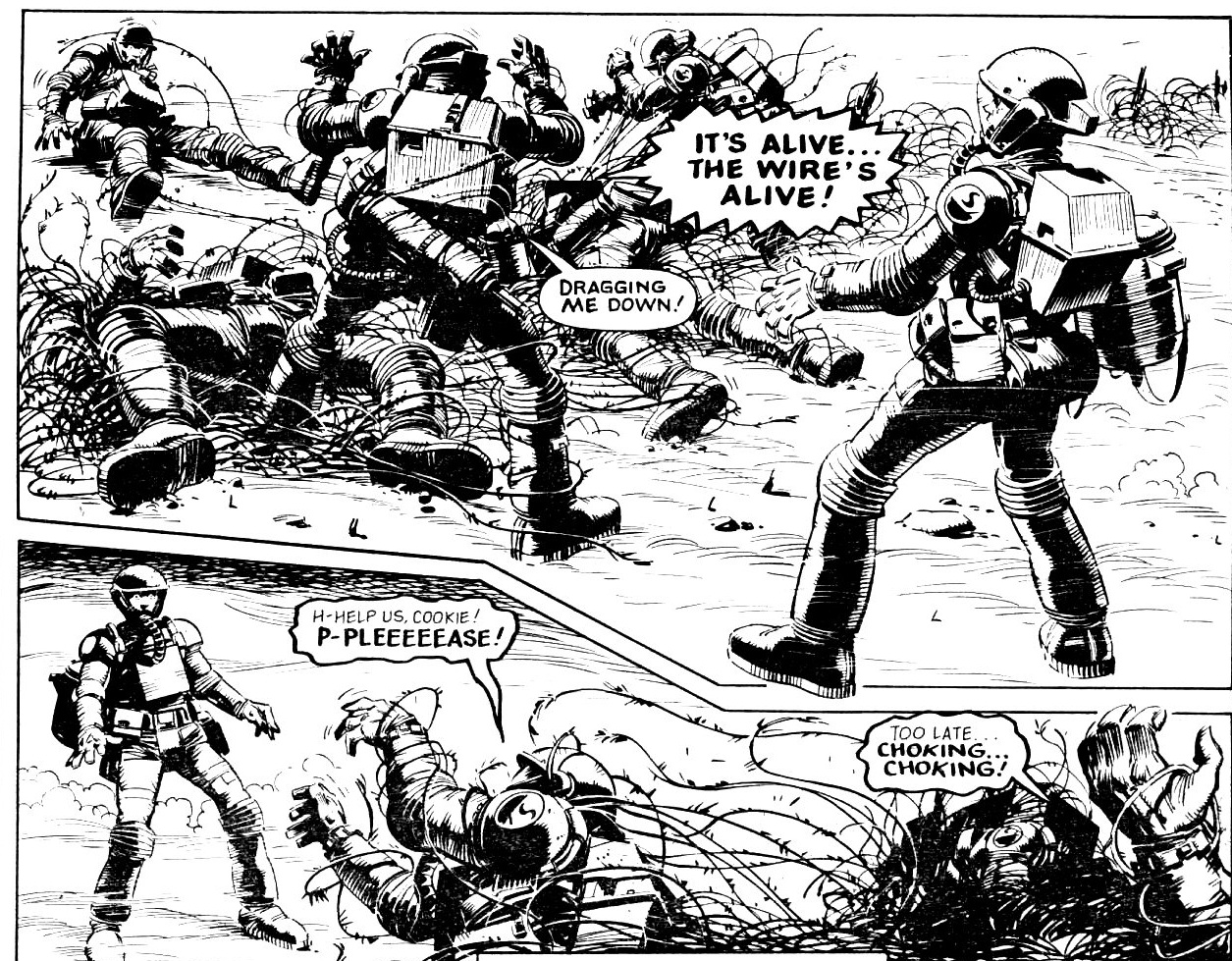
War is on my mind…

2000 AD #317

Posted in GLIMPSES INTO THE FUTURE | Tagged , , , , , | Leave a comment

COMICS CAN BE AWESOME (11 August 2025)

A punk-rock reminder that comics can be awesome.

Punk Mambo: The Punk Witch Project

Posted in GLIMPSES INTO AWESOMENESS | Tagged , , , , | Leave a comment

A couple of amazing old-timey novels of political intrigue

Summer break is often a time for longer reads. This includes comics, of course, and I recently had a veritable blast making my way through Appollo’s and Brüno’s Commando colonial trilogy, a set of thrilling spy adventures set across WWII Africa that engagingly complicate the conflict by bringing in a colonial dimension… Still, I’d rather dig into it at Gotham Calling whenever those French albums get translated and, for now at least, keep this blog’s focus on works that can be read in English.

So, instead, I’ll recommend a couple of classic novels for those of you who find yourselves with a bit of time on your hands and in the mood for other original approaches to political fiction:

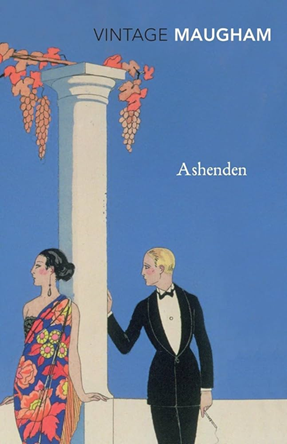
ASHENDEN (1928)                                                   

“This book is founded on my experiences in the Intelligence Department during the war, but rearranged for the purposes of fiction. Fact is a poor story-teller. It starts a story at haphazard, generally long before the beginning, rambles on inconsequently and tails off, leaving loose ends hanging about, without a conclusion. It works up to an interesting situation, and then leaves it in the air to follow an issue that has nothing to do with the point; it has no sense of climax and whittles away its dramatic effects in irrelevance.”

Somerset Maugham’s preface to this very witty piece of spy literature, based on the author’s own experience as a British intelligence agent during World War I, already kicks things off in deliciously ironic terms. Maugham complains about so-called realist writers, explaining that life is too messy and often tedious, so it’s up to the storyteller to give it a shape and overarching meaning. I’ve no doubt Maugham did just that here, to some degree, but the irony is that the ensuing book reads much more like a slap in the face of the sort of escapist spy adventures that had been gaining popularity in the UK for a while (bestsellers like John Buchan’s The Thirty-Nine Steps), as it’s full of anti-climaxes, action-light assignments, and dryly described situations that, even when they pay off, tend to do so with subdued drama, their larger consequences kept off-page.

As a result, although there is a unifying framework in the form of the titular Ashenden, a writer who spends much of WWI in Switzerland carrying out undercover missions assigned by a colonel codenamed R (a clear precursor of Fleming’s M or le Carré’s Control), the book almost feels like a collection of short stories with a few recurring characters. Some tales are told in a single chapter and others take two or three chapters in a row, creating a haphazard rhythm that really suits the general project of defying the genre’s formulas by showing espionage as a bunch of uneven fits and starts, with great stretches of boredom in the middle (one of my favorite chapters, near the end, involves a trip to revolutionary Russia that settles into a long hilarious description of the annoying American sitting near Ashenden during the train ride… who just won’t shut up!). I especially like the fact that, unlike R, our protagonist is a mid-level operative who doesn’t know the big picture, so we share his limited POV as he succeeds or fails in tasks that are only pieces in a complex puzzle and neither him nor the readers are given the satisfaction of fully understanding the implications.

And lest you think I’m overinterpreting some kind of botched or poorly conceived piece of writing, bear in mind that the prose itself can get amusingly self-reflexive way beyond the cheeky introduction:

“He went back into his room to put on slippers and a dressing-gown, and as an after-thought dropped a small revolver into his pocket. Ashenden believed much more in his acuteness than in a firearm, which is apt to go off at the wrong time and make a noise, but there are moments when it gives you confidence to feel your fingers round its butt, and this sudden summons seemed to him exceedingly mysterious. It was ridiculous to suppose that those two cordial stout Egyptian gentlemen were laying some sort of trap for him, but in the work upon which Ashenden was engaged the dullness of routine was apt now and again to slip quite shamelessly into the melodrama of the sixties. Just as passion will make use brazenly of the hackneyed phrase, so will chance show itself insensitive to the triteness of the literary convention.”

Perhaps all this could sound boring and unappealing to fans of the very sort of thrillers Ashenden is toying with, but I’m sucker for the deconstructionist approach when it’s done cleverly and with more amusement than arrogance – like what Watchmen or Alias would later do to superheroes. And like in those cases, more than a literary game, the result here ends up engaging with the very philosophy at the core of the respective genre, as there is a recurring tension between a neat sense of order and a misanthropic worldview (‘nothing is so foolish as to ascribe profundity to what on the surface is merely inept’). Hell, the overall sardonic distance even makes it easier to swallow the protagonist’s dated attitudes and politics, which might’ve felt more unpleasant in an aggressively heroic narrative.

I suppose Ashenden still feels fresh because the variety of fast-paced action thrillers it subverts is the one that remains dominant today, so the book can also be read as a fun counterpoint to current bestsellers and blockbusters. The additional irony, however, is that, in a roundabout way, this novel ended up contributing to those thrillers’ very rise and longevity. Shortly after publication, this work was adapted into a play which, in 1936, was adapted to cinema by Alfred Hitchcock, under the title Secret Agent. Somewhere along the line, Somerset Maugham’s gesture was watered down, if not downright reversed, rearranging the tone, cast, and situations into a full-blown adventure yarn that includes a chase at a Swiss cholocate factory and an exploding train in the climax!

Hitchcock had been developing an influential take on the spy film in his previous couple of movies (The Man Who Knew Too Much and The 39 Steps), but those still involved the notion of ‘average’ citizens caught in an expected web of intrigue. Now, the protagonist becomes a cool, flirty, quippy secret agent involved in wild set pieces, pretty much laying out the blueprint for the James Bond franchise, even the film turns out to have a few clever tricks up its sleeve (there is a macabre twist halfway through that jolts some of the characters out of their debonair attitude).

To be fair, though, the most eccentric figure (played by Peter Lorre, who has to be seen to be believed) is an assassin lifted straight out of Maugham’s work. Known as the Hairless Mexican, the character was introduced in this memorable dialogue between Ashenden and R:

“‘I gather by what you have not said that he’s an unmitigated scoundrel.’

R. smiled with his pale blue eyes.

‘I don’t know that I’d go quite so far as that. He hasn’t had the advantages of a public-school education. His ideas of playing the game are not quite the same as yours or mine. I don’t know that I’d leave a gold cigarette-case about when he was in the neighbourhood, but if he lost money to you at poker and had pinched your cigarette-case he would immediately pawn it to pay you. If he had half a chance he’d seduce your wife, but if you were up against it he’d share his last crust with you. The tears will run down his face when he hears Gounod’s ‘Ave Maria’ on the gramophone, but if you insult his dignity he’ll shoot you like a dog. It appears that in Mexico it’s an insult to get between a man and his drink and he told me himself that once when a Dutchman who didn’t know passed between him and the bar he whipped out his revolver and shot him dead.’

‘Did nothing happen to him?’

‘No, it appears that he belongs to one of the best families. The matter was hushed up and it was announced in the papers that the Dutchman had committed suicide. He did practically. I don’t believe the Hairless Mexican has a great respect for human life.’

Ashenden, who had been looking intently at R., started a little and he watched more carefully than ever his chief’s tired, lined and yellow face. He knew that he did not make this remark for nothing.

‘Of course a lot of nonsense is talked about the value of human life. You might just as well say that the counters you use at poker have an intrinsic value, their value is what you like to make it; for a general giving battle, men are merely counters and he’s a fool if he allows himself for sentimental reasons to look upon them as human beings.’”

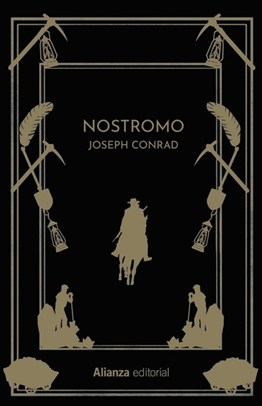
NOSTROMO (1904)

“In the time of Spanish rule, and for many years afterwards, the town of Sulaco—the luxuriant beauty of the orange gardens bears witness to its antiquity—had never been commercially anything more important than a coasting port with a fairly large local trade in ox-hides and indigo. The clumsy deep-sea galleons of the conquerors that, needing a brisk gale to move at all, would lie becalmed, where your modern ship built on clipper lines forges ahead by the mere flapping of her sails, had been barred out of Sulaco by the prevailing calms of its vast gulf. Some harbours of the earth are made difficult of access by the treachery of sunken rocks and the tempests of their shores. Sulaco had found an inviolable sanctuary from the temptations of a trading world in the solemn hush of the deep Golfo Placido as if within an enormous semi-circular and unroofed temple open to the ocean, with its walls of lofty mountains hung with the mourning draperies of cloud.”

I’ve been making my way through Joseph Conrad’s writings in these past years and, while nothing beats the sheer awesomeness of The Secret Agent (not to be confused with Hitchcock’s film of the same title), so far Nostromo has become a close second. It’s set in the fictitious Latin American country of Costaguana, which seems constantly embroiled in wars and revolutions (not unlike the San Theodoros of the Tintin albums The Broken Ear and Tintin and the Picaros). The story mostly focuses on a silver mine around which revolves a mess of political intrigue, violence, romance, and neocolonialist exploitation, but the whole thing has such an epic scale that this description barely scratches the surface…

Honestly, as much as I love Conrad’s deranged (when not downright grotesque) characters and cruel twists of fate, what really grabs me is the storytelling itself. I heard this book has a reputation for being boring and difficult, probably due to the wordy prose and supposedly slow pace, but I found its mosaic structure utterly engrossing: as you make your way through it, the text keeps mischievously pulling the rug from under your feet. Yes, the beginning may feel like a fanciful description of the landscape (although knowing the geography will pay off later) and it’s not always immediately clear what is mere scene-setting or a what is a detour… But the beauty of it is that pretty much everything both is *and* isn’t a detour, since it all depends on your perspective!

So, a passing anecdote about a dictator on a mule can turn out to be the center of the book several chapters later, the titular protagonist is absent or a vague background figure until halfway through, and a paragraph can suddenly jump forwards or backwards in time (hours, days, years, decades…), revisiting the same situation over and over again with a new point of view, perhaps reframing it in the grand scheme of things or zooming into a microcosmic level to explore the psychology of a single individual whose actions may or may not determine the course of the brutal tide of history. There are sequences that seem straight out of a pre-Zapata western, including an exciting secret operation to smuggle out a bunch of silver during one of the civil wars, which I’m guessing some readers will remember as part of the larger saga and others will recall as the main tale itself (with the rest as backstory). Seriously, there are so many twists and turns that even the last twenty pages (out of 500!) manage to radically shift gears once again, so that what promised to be an epilogue wrapping things up actually becomes a tragic/darkly comedic love triangle centered on characters introduced ages ago, piling up final ironies on top of each other.

And yes, the prose is verbose as all hell, but it’s also pretty entertaining, like when describing the incredible general Pablo Ignacio Barrios:

“All his life he had been an inveterate gambler. He alluded himself quite openly to the current story how once, during some campaign (when in command of a brigade), he had gambled away his horses, pistols, and accoutrements, to the very epaulettes, playing monte with his colonels the night before the battle. Finally, he had sent under escort his sword (a presentation sword, with a gold hilt) to the town in the rear of his position to be immediately pledged for five hundred pesetas with a sleepy and frightened shopkeeper. By daybreak he had lost the last of that money, too, when his only remark, as he rose calmly, was, “Now let us go and fight to the death.” From that time he had become aware that a general could lead his troops into battle very well with a simple stick in his hand.”

Always the nihilist, as far as I can tell Joseph Conrad does not expect us to fully admire any of the flawed people who crowd Nostromo. Yet I’m not gonna lie: while not as brutally racist as in Heart of Darkness, Conrad’s prose does seem especially dismissive of the Latin and indigenous population (just as his narrator’s voice tends to sound condescending towards women, despite some interesting female characters). Edward Said nails this issue in Culture and Imperialism, where he posits: ‘Conrad was both anti-imperialist and imperialist, progressive when it came to rendering fearlessly and pessimistically the self-confirming, self-deluding corruption of overseas domination, deeply reactionary when it came to conceding that Africa or South America could ever have had an independent history or culture.’

Crucially, though, Said adds: ‘Yet lest we think patronizingly of Conrad as the creature of his own time, we had better note that recent attitudes in Washington and amongst most Western policymakers and intellectuals show little advance over his views.’ Hell, in many ways Conrad writing over a hundred years ago was much more skeptical of Western philanthropy than the 21st-century neocons!

Ultimately, Nostromo is such a thematically rich, massively sprawling narrative, with challengingly non-linear storytelling and a multitudinous eccentric cast, that it somehow feels particularly suited for hardcore X-Men geeks… or, perhaps more appropriately, for fans of Gabriel García Márquez (especially his longer masterpieces, like One Hundred Years of Solitude, Autumn of the Patriarch, and Love in the Time of Cholera). It’s just that it has more passages about mines:

“Mines had acquired for him a dramatic interest. He studied their peculiarities from a personal point of view, too, as one would study the varied characters of men. He visited them as one goes with curiosity to call upon remarkable persons. He visited mines in Germany, in Spain, in Cornwall. Abandoned workings had for him strong fascination. Their desolation appealed to him like the sight of human misery, whose causes are varied and profound. They might have been worthless, but also they might have been misunderstood. His future wife was the first, and perhaps the only person to detect this secret mood which governed the profoundly sensible, almost voiceless attitude of this man towards the world of material things.”
Posted in SPYCRAFT & WARFARE | Tagged , , , | Leave a comment

COMICS CAN BE AWESOME (4 August 2025)

Back to comics…

Briar #7

Posted in GLIMPSES INTO AWESOMENESS | Tagged , , , | Leave a comment

FILM POSTERS CAN BE AWESOME (28 July 2025)

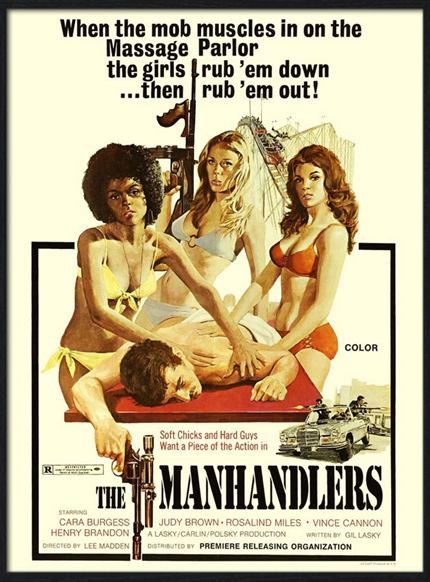
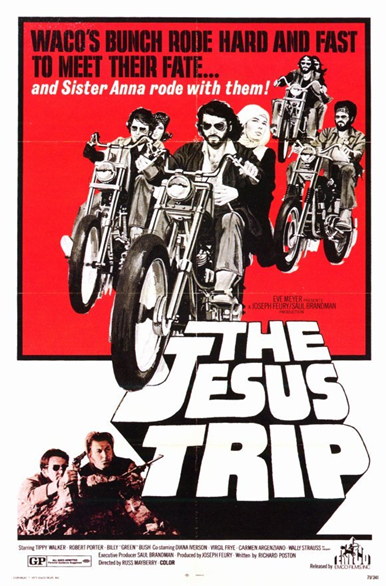
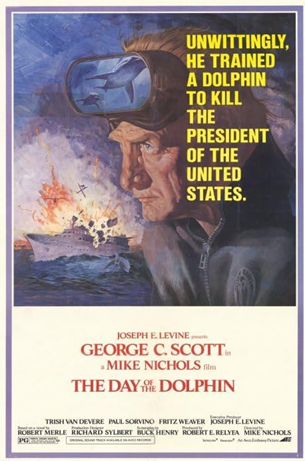
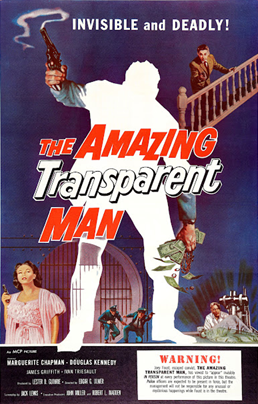
Wrapping up this month of film poster art, let’s celebrate the power of enticing images, titles, and taglines with a trio of examples from the 1970s which have always stuck with me, even though I never got around to watch the actual movies… They all seem incredibly intriguing, but I’m almost afraid to track down the films, because I fear they won’t live up to the pictures I’ve made in my head over the years!

Posted in GLIMPSES INTO THE PAST | Tagged | Leave a comment

FILM POSTERS CAN BE AWESOME (21 July 2025)

Perhaps because my expectations weren’t too high, I was won over by the latest Superman film. I suspected James Gunn would be too edgy for an iconic hero so defined by wholesomeness, as he seems to feel much more at home with flawed, eccentric outcasts like those in his Suicide Squad and in Guardians of the Galaxy (and, indeed, this film comes especially alive every time Guy Gardner enters the scene), so I suppose I feared we could just get a snarkier version of Zack Snyder’s Man of Steel. Instead, Gunn finds a nice balance through the notion that Superman can be punk-rock… as long as it’s radio-friendly pop punk.

As for the politics, they manage to feel topical while at the same mapping quite organically onto Superman’s themes. After all, this has always been a franchise about immigration, in one way or another, and the character of Lex Luthor is such a quintessential egomaniacal tech billionaire that he may as well have inspired the current breed of oligarchs (one of the things I really liked in Jesse Armstrong’s Mountainhead was precisely the way it captured the characters’ constant rationalization of their morals and actions along lines similar to several incarnations of Luthor). Even the Palestine allegory has precedents in comics, which have frequently used Supes to explore dilemmas about US interventionism abroad.

Above all, though, I enjoyed the Grant Morrison-esque approach of picking the best from different eras, applying a modern slickness to Silver Age concepts while, crucially, retaining their sense of fun.

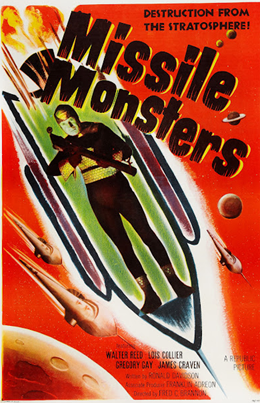
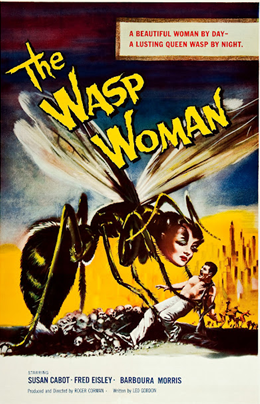
And speaking of weird science fiction/fantasy: before AI fully takes over poster art, it’s worth recalling the heights of this medium, with craft and imagination put in the service of gripping compositions, so this week Gotham Calling pays a small tribute to the posters of old-school sci-fi B-movies:

Posted in SUPER POWERS | Tagged , , , | Leave a comment

More cool film noir thrillers – part 2

If you thought things got dark in part 1, you haven’t seen anything yet…

Jinx

This week, I’m spotlighting 10 noirs that probably aren’t on anyone’s list of favorites, but which nevertheless kick ass. If anything, I reckon the fact they’re underdogs should have extra appeal for the most hardcore genre aficionados, who can appreciate that occasional flaws, missteps, and even some crummy execution can actually add to these works’ crooked charm and shady atmosphere. After all, they’re films about imperfections and, to some degree, their power and raw energy derive from the rushed way they were made.

Parker: La proie

Indeed, if ever there was a set of movies that perfectly channeled the context around them… As Toby Miller put it in Spyscreen: ‘Noir is based on a structural homology between its visual style, its narrative, and its conditions of production. Projected shadows, sharply angled lines of light, and an overall chiaroscuro effect match the narrative drive, which concerns a movement between light and shadow, and the B-movie twenty-four-hour shooting schedules of post-WWII Hollywood studios.’

In other words, for all you true fans out there, this is the real stuff!

The Chase (1946)

‘Cheap hotels, cheap restaurants, cheap friends… All places are alike when you’re broke.’

I’ll try not to overuse the term dreamlike – or even nightmarish – but it’s such a perfect way to describe this tale of a Navy veteran who finds a wallet full of cash, leading him into the dangerous, decadent world of a rich Miami psychopath with a gimmicky automobile, Peter Lorre for a henchman, and an abused wife obsessed with Cuba. It’s hard to explain what makes The Chase so special without giving away the major twist, but suffice to say that just when things seem to be wrapping up, it’s actually when the movie starts to get really interesting. The ending may have been a shoddy way of getting around censorship, disrupting the source material (a Cornell Woolrich novel), but instead of feeling forced I think the solution aligns beautifully with the overall tone of hazy unreality.

Dead Reckoning (1947)

Maybe she was alright. And maybe Christmas comes in July. But I didn’t believe it.

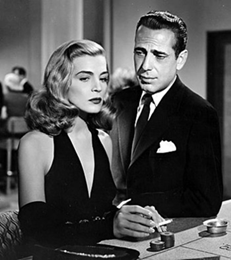
I’ve written about this one before: When Captain Warren ‘Rip’ Murdock (Humphrey Bogart) investigates the mysterious disappearance of a close friend who served with him in World War II, he finds himself caught in an intricate web of crime, romance, and double-crosses, all covered in shadows and overwrought dialogue. I’m not gonna lie, Dead Reckoning isn’t A-list material. Even at the time, this must have felt like Frank Miller’s Sin City: derivative, contrived, artificial, and trying so hard to be hardboiled that it borders self-parody. But what can I say – I’m such a fan of the genre that if you mix the usual ingredients just right, that’s enough for me.’

Framed (1947)

‘I couldn’t insult you. That wouldn’t be possible.’

Here is a movie that opens with a guy driving a truck with no brakes downhill into the main road of a California town, effectively setting you up for an exciting ride where the rough-edged protagonist will have to struggle like hell against forces over which he has little control. And, sure enough, that down-on-his-luck drifter (a bitter-looking Glenn Ford) will keep getting messed up by life while trying to get by… It doesn’t help that he has a self-destructive tendency to drink so much he blanks out, especially once he stumbles into a classic set-up involving a couple planning both larceny and murder. Along with a new twist every few minutes, Framed will grab you with the kind of tension (sexual and otherwise) you can cut with a knife.

High Wall (1947)

‘I don’t care about neurosis, psychosis, or arterial thrombosis.’

This underappreciated, shadow-drenched psychological piece about a man torn between suicidal tendencies and proving his innocence of a murder charge manages to put a distinct spin on classic genre tropes like amnesia, PTSD, and post-WWII gender relations. As a bonus, we also get plenty of memorable bit players, including the most hilarious attorney in all of noir.

Road House (1948)

‘That’s a nice outfit but you’d better add to it before you go to church.’ 

Another sadly underrated treasure… Ida Lupino plays a sultry singer who drastically disrupts the relationship between two friends. This may sound like the stuff of romantic melodrama, but the beauty of Road House is that it keeps smoothly transitioning from one type of mood to another, so that by the creepy climax you may hardly recognize your surroundings. And damn it if doesn’t hauntingly pull it off! (Not to be confused with 1989’s Road House, the glorious cult schlockfest where Patrick Swayze plays a super-bouncer.)

The Killer That Stalked New York (1950)

‘The city’s finest engraved the image of the Blonde Death in their brains and carried a spare just to make sure, then set out to search for the sick animal that might destroy them all.’

The less you know about The Killer That Stalked New York going in, the better, because this awesome film keeps relentlessly moving into surprising directions. So, yeah, you really have to take my word for it on this one…

The People Against O’Hara (1951)

‘All right, drink that drink. Drink the whole bottle. And go out and get another bottle and drink that, too. Drink forty bottles. And I won’t bother you. I’ll leave you alone. You can fall up the stairs all by yourself.’

Between the stunning opening and closing night sequences, The People Against O’Hara is a twisty courtroom drama set against the backdrop of the New York docks. Although not as cynical about the authorities as other noirs, the whole thing is solidly written, directed, and acted, with Spencer Tracy as an alcoholic criminal lawyer willing to go to increasing lengths to save his client’s life… The main star, though, is definitely John Alton’s chiaroscuro cinematography.

Sudden Fear (1952)

‘Remember what Nietzsche says: “Live dangerously!”’

One good reason to check out this melodrama/psychological thriller is to watch Joan Crawford shamelessly throw herself into the role of a Broadway playwright whose life slowly but surely spins out of control. An even better reason is to just let Sudden Fear carry you as it gets progressively darker, culminating in one of the most noirish sequences of all cinema.

Pushover (1954)

‘Money isn’t dirty, just people.’

After opening with a wordless sequence that quickly establishes the film’s impeccable visual storytelling credentials, Pushover moves on to a nightly tale of lust, voyeurism, and financial anxiety that merges Double Indemnity with Rear Window as an elaborate police stakeout goes off the rails because a detective (understandably) falls head over heels for Kim Novak’s smoldering hot moll.

Crime of Passion (1957)

‘Right now, I’m not thinking about the… neighborhood.’ (Yep, it’s an innuendo, but I admit it works better in context.)

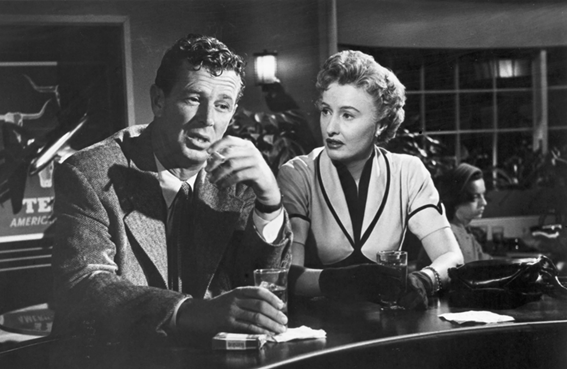
I thought I was on solid ground with a film noir where the reliable Sterling Hayden plays a rugged cop and the awesome Barbara Stanwyck plays a witty newspaperwoman, but Crime of Passion still managed to put an unexpected spin on the material. Basically, it turns out the true crime here is marriage, which can drive a woman insane.

I love noir.

Posted in HARDBOILED CRIME | Tagged , | Leave a comment

FILM POSTERS CAN BE AWESOME (14 July 2025)

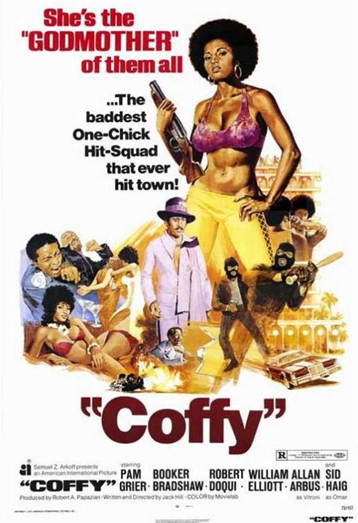
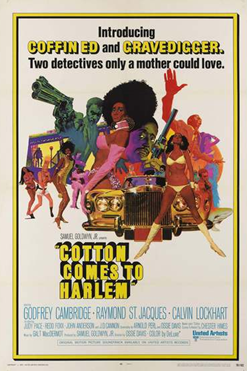
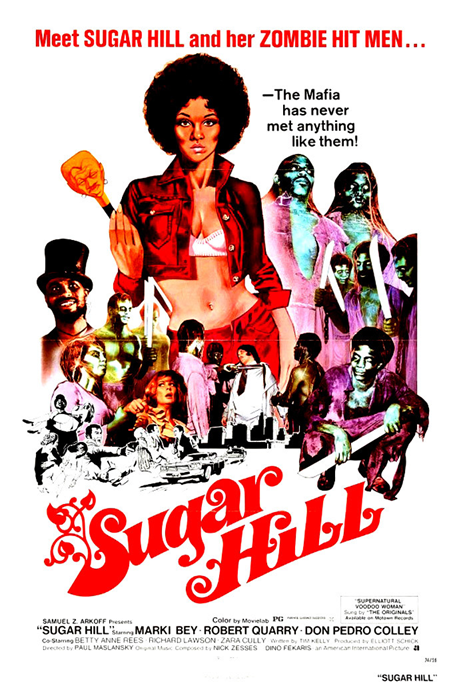
I have great fascination for the wave of 1970s’ films made for, with, and often by African Americans, typically known as Blaxploitation. Even if a lot of these movies can be described as grindhouse schlock, they capture the gritty vibe of the era’s street life, coupled with a raw, exuberant creative energy that, among its rich blend of cultural influences, tends to produce cool, surprising results.

Today, here is a reminder that their film posters can also be awesome…

Posted in GLIMPSES INTO THE PAST | Tagged , | Leave a comment