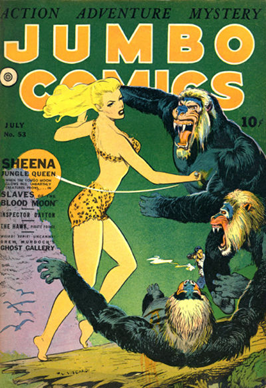
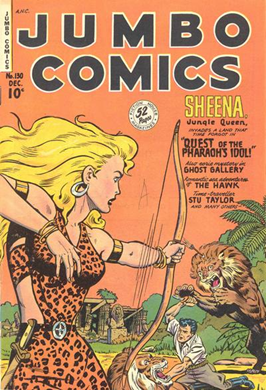
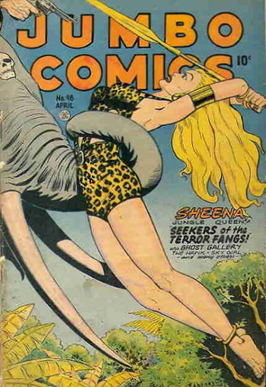
Just to shake things up for a bit, July will be a month of reminders that film posters can also be awesome!
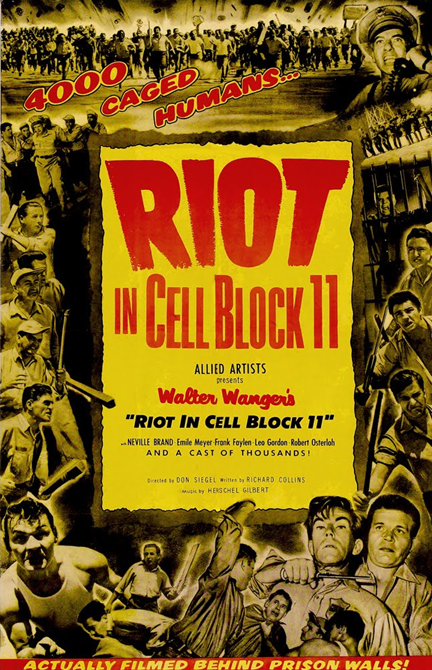
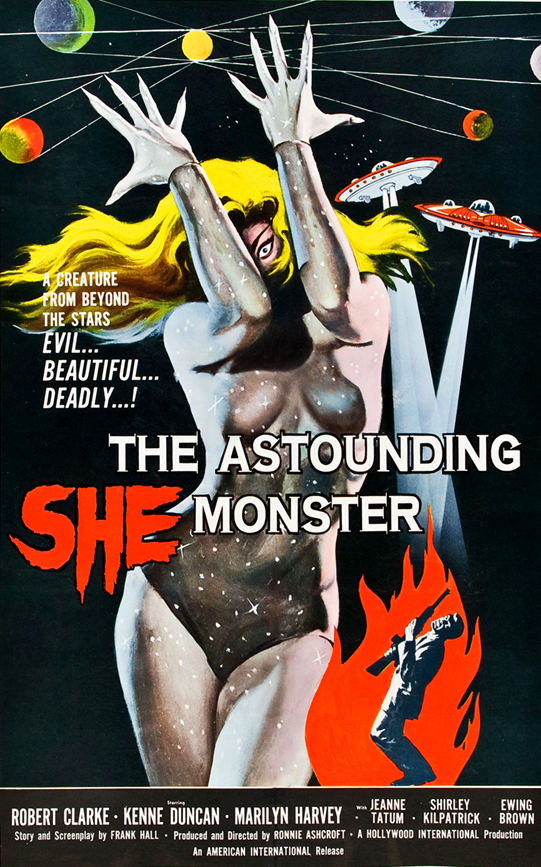
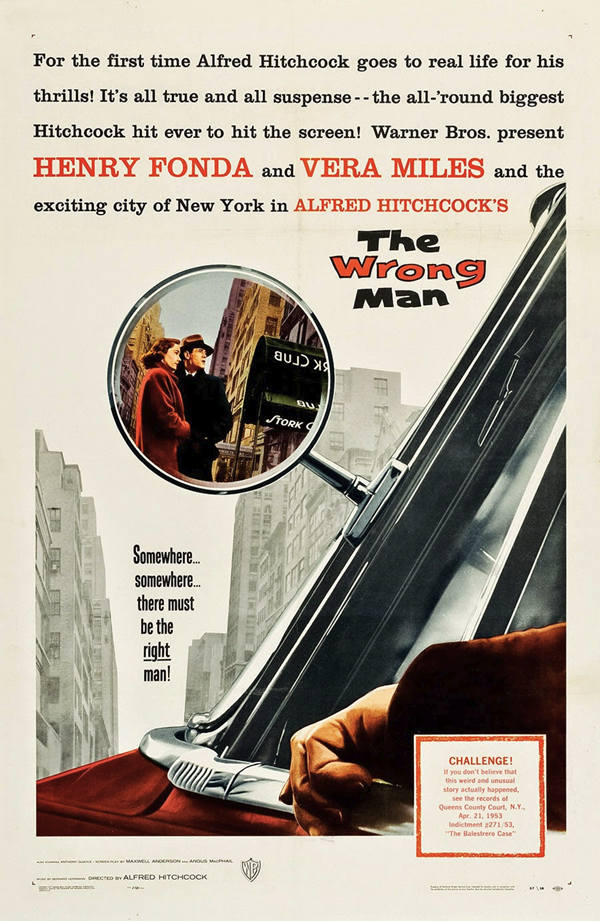
Just to shake things up for a bit, July will be a month of reminders that film posters can also be awesome!
A mega reminder that comics can be awesome:
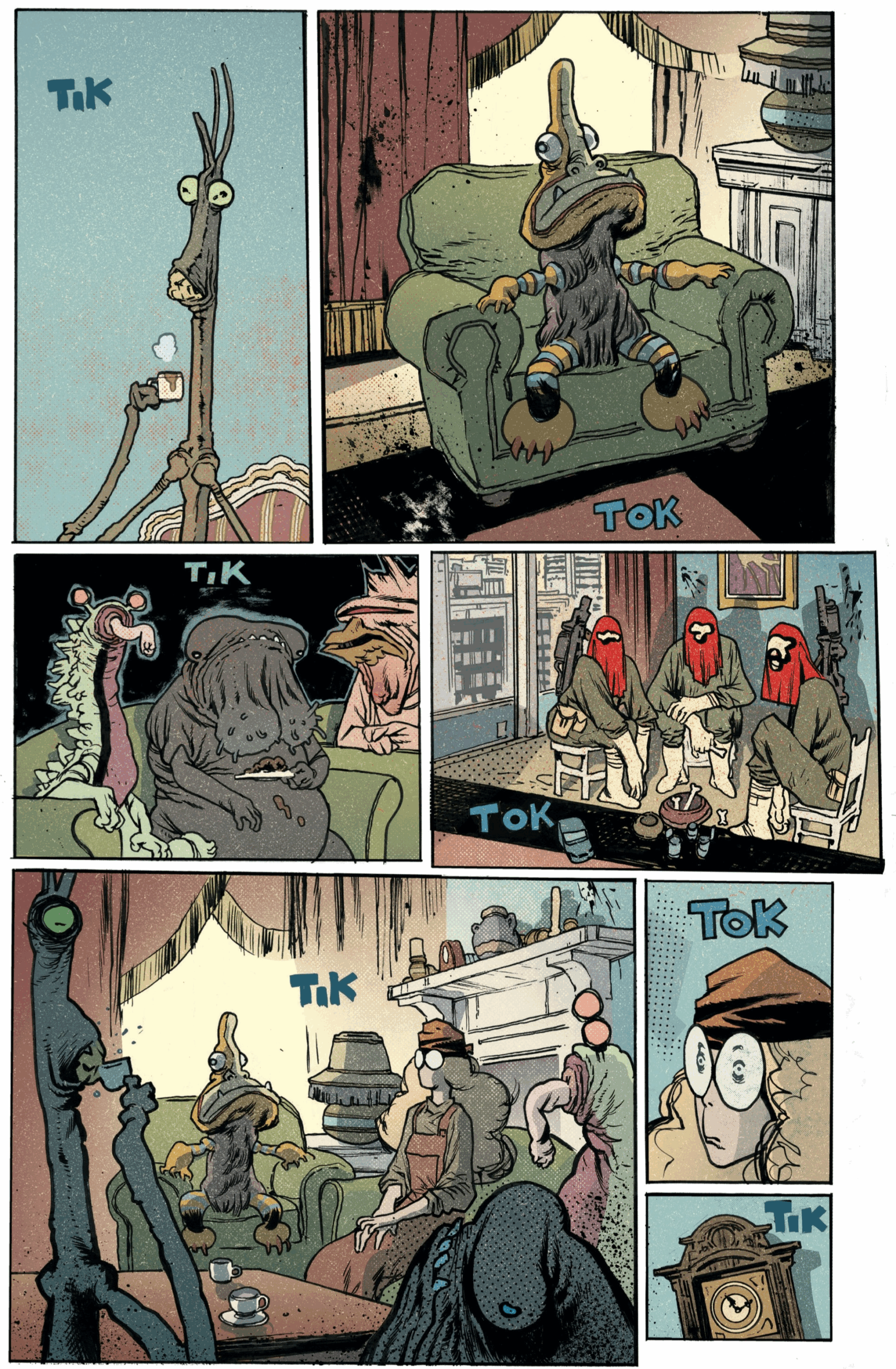
Ultramega #4
The times are dark, so I suppose it makes sense to go back to my favorite type of cinema: film noir.
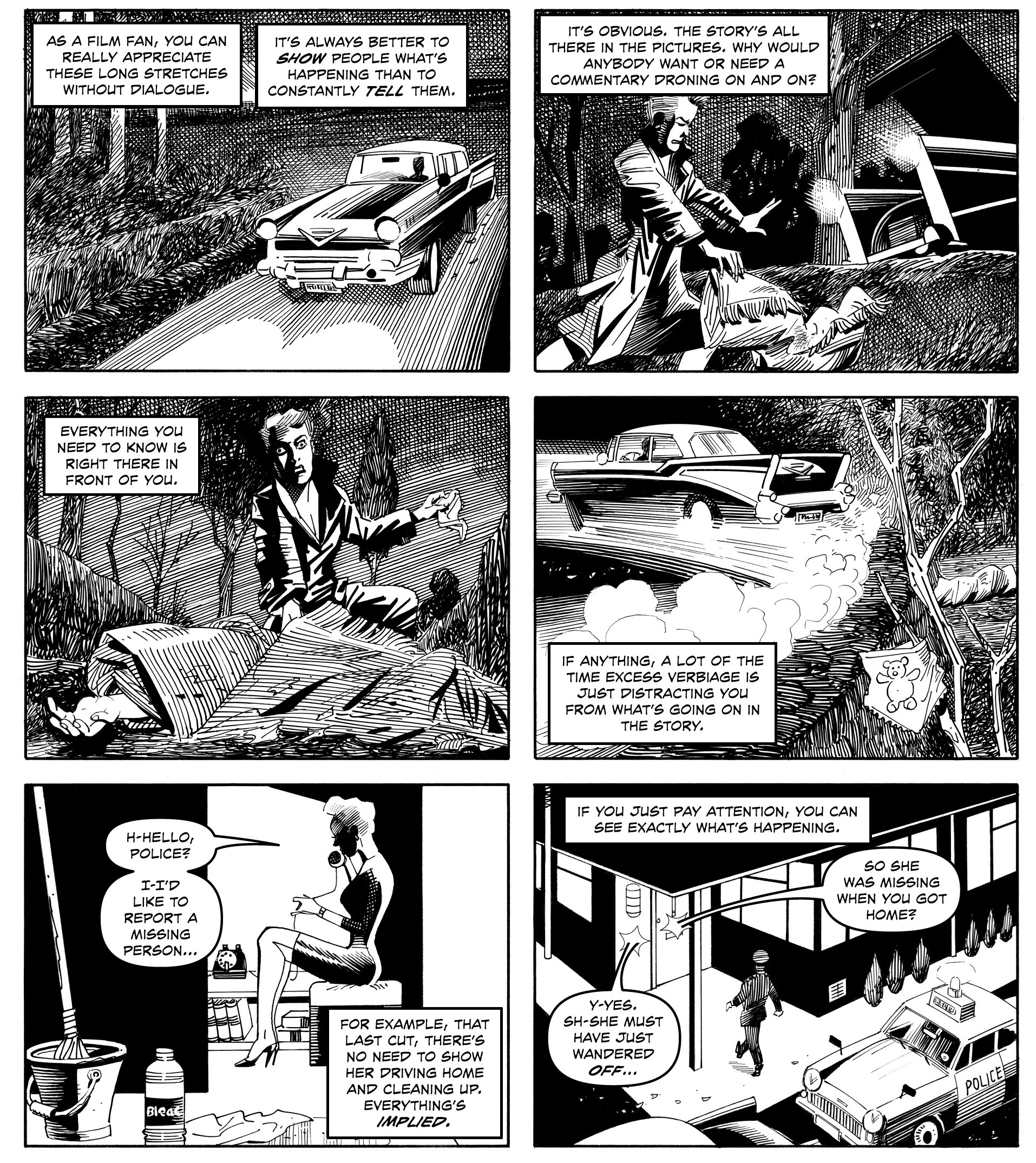
Cinema Purgatorio #18
Aesthetically and ideologically, those stark, moody postwar thrillers about chain-smoking anti-heroes, doomed lovers, dirty cops, femmes fatales, and tangled crime plots inspired many of the comic books discussed in Gotham Calling (not least those starring Batman). Hell, they had a major impact across the medium from the start – in superhero comics as well as in other genres – and you can still see many acclaimed creators going back to that source time and time again… Just last year, Peter Milligan had a blast dissecting the tropes of this sort of hardboiled novels and films in the metafictional murder mystery Profane.
This is such an acknowledged and cherished influence that sometimes you even find the characters themselves rewatching Double Indemnity:
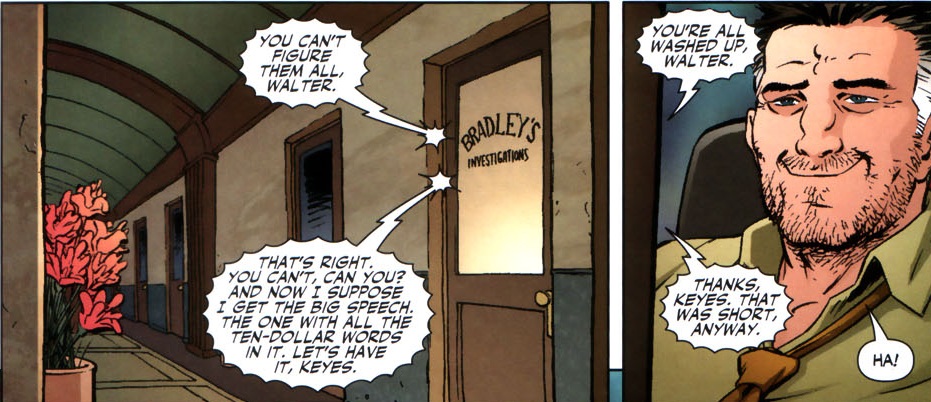
Catwoman (v2) #56
Back in the blog’s seventh anniversary, in 2021, I did a list of my top 50 films in the noir canon, but those are just the tip of the iceberg. I may as well highlight another bunch of gems that didn’t make it to the other post but which are nevertheless strongly recommended for those who’ve already checked out the classics and are still hungry for more…
Like last time, I’m sticking to black & white pictures released from 1944 to 1959 and spoken in English (if you’re in the mood for foreign-sounding noir, track down these beauties instead). However, while all of the following movies sport a cool noir vibe and have at least one stand-out interesting feature, each one succeeds (or partially fails) on so many different levels that it seems pointless to directly compare them, so this list is chronological rather than hierarchical.
To get things started, this week I’m picking 10 movies that *almost* made it to the other list. Even if they ultimately didn’t quite reach the top, they certainly have a special spot in my preferences. In one way or another – and even when they’re not necessarily brilliant movies by conventional critical standards (e.g., watertight plots) – the listed works are at the very least damn fine film noirs that excel when it comes to some of the elements of this captivating corner of pulp fiction.
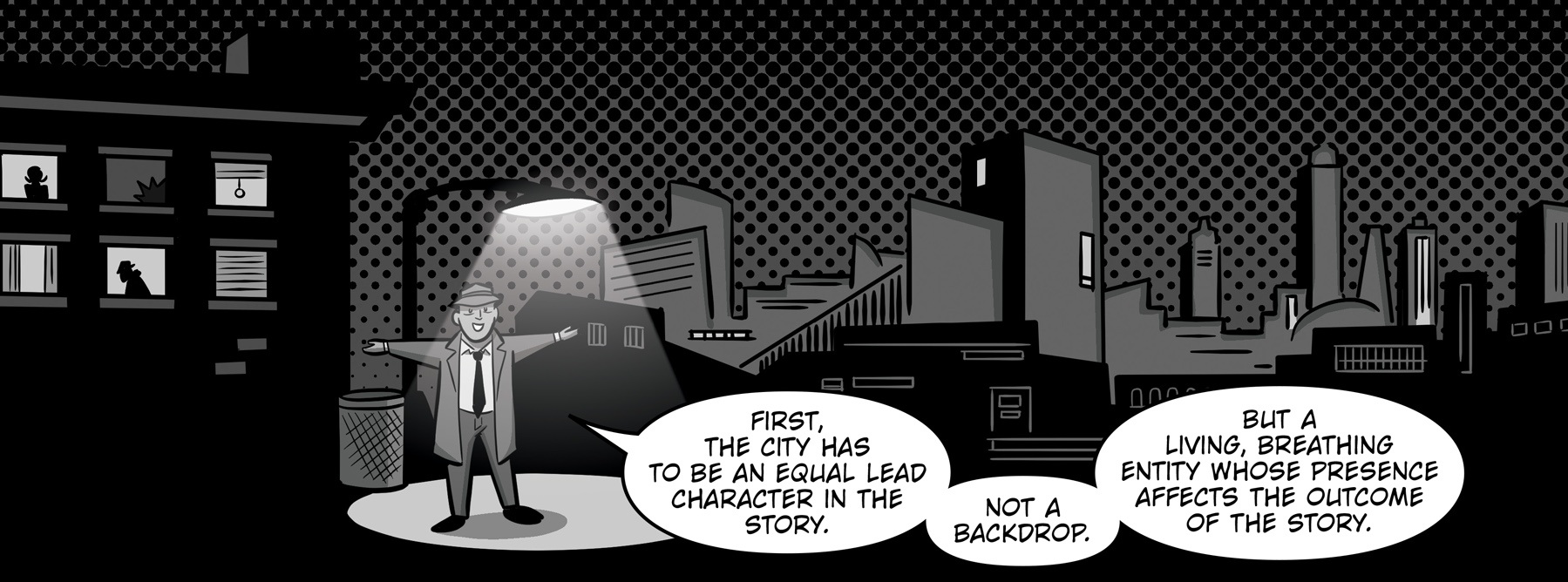
Fortune and Glory: The Musical
And yes, I know the internet is full of lists of the greatest/essential/iconic/etc noirs and that I’m just adding one more to the pile. But hey, at least the sample below will give Gotham Calling readers an even better sense of what I have in mind when I describe works as noirish – which I often do in this blog!
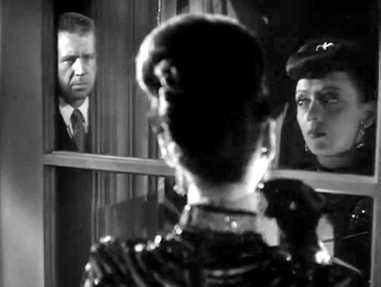
Cornered (1945)
‘As far back as I can remember the men in my family have gotten mad when their wives were murdered.’
In the immediate aftermath of World War II, a former POW searches for the man responsible for his wife’s death (she was a member of the French Resistance sold out by a Vichy collaborator). This extremely convoluted tale starts out as a globetrotting quest, but Cornered eventually settles in Buenos Aires, where almost everyone turns out to be a deceitful schemer and/or a fascist. Having nailed Philip Marlowe in Murder, My Sweet, here Dick Powell embodies an even purer distillation of the angry, tired, confused, desolate film noir protagonist, crushed by a bleak, devious world gone to hell.
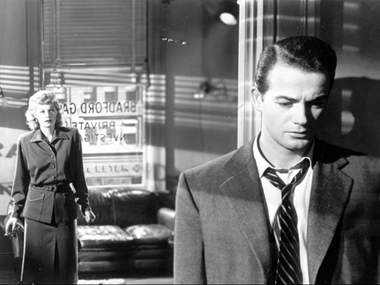
The Dark Corner (1946)
‘One thing led to another, and he led with his right.’
I’ve written about this one before: ‘The Dark Corner doesn’t provide much of a mystery, but it’s still a taut detective story, as private eye Bradford Galt (Mark Stevens) finds himself stalked, threatened, knocked out, and framed for murder. […] Clifton Webb gets the quirkiest lines (‘How I detest the dawn. The grass always looks like it’s been left out all night.’), but Stevens is the one who utters the gritty monologue that justifies the film’s title: ‘I feel all dead inside. I’m backed up in a dark corner and I don’t know who’s hitting me.’’
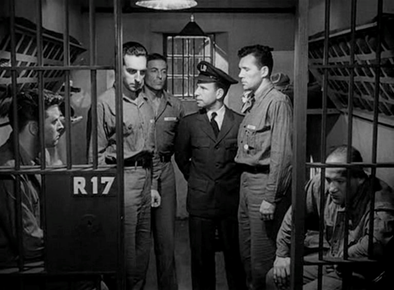
Brute Force (1947)
‘Those gates only open three times. When you come in, when you’ve served your time, or when you’re dead!’
Another movie that’s still fighting the war, somehow, bringing antifascism home to Westgate Prison, where inmates plot and resist against darkly suited guards headed by a power-hungry proto-Nazi. Nasty, very violent, and bluntly political, Brute Force doesn’t lack a sense of humor, but it’s arguably the epitome of the strand of enraged leftist criticism of society found in this type of cinema (also labelled as film gris), which soon got many of its makers blacklisted by Cold War Hollywood.
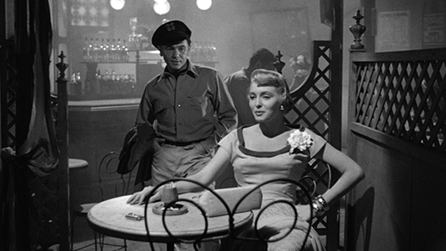
The Breaking Point (1950)
‘No sooner do I get my head above water than somebody pushes me down again!’
Almost every film on this list is about people frustrated with the failed, empty promises of the American Dream, most notably flawed men struggling to find their place after coming back home from the war. Boat captain Harry Morgan, who can barely sustain his family with his floundering sports-fishing business, is yet another addition to noir’s pantheon of hotheaded screw-ups, making one poor decision after another until he ends up in a dangerous smuggling operation that inevitably goes very, very wrong… Adapting (quite differently) the same Hemingway novel as Howard Hawk’s To Have and Have Not, The Breaking Point stands out, among other things, due to a final shot that is a cruel punch in the gut, reminding viewers that, as bad as things look, there is always someone further down the food chain!
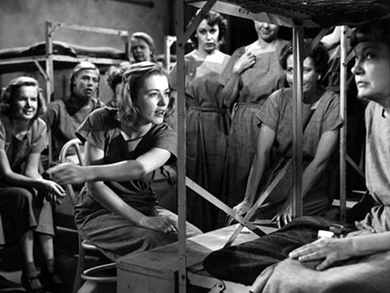
Caged (1950)
‘For that forty bucks I heisted, I sure got myself an education.’
The mother of the women-in-prison subgenre may have set the template for the sleazy exploitation flicks of the ‘70s and beyond (culminating in the awesome comic Bitch Planet), but it’s actually aligned with Warner Brothers’ tradition of social conscious cinema, albeit with all the grittiness and vicious anger of film gris. It’s a feminist take on Brute Force (here it was men, not femme fatales, who led the inmates to perdition), but whereas that former movie dealt with discipline-driven authoritarianism, this one shows how even a liberal reformer can be blocked by corruption, neglect, and a callously unfair system, not to mention an outside world where women’s best hope appears to be putting up with a husband that doesn’t fuck them up too badly. I’ve seen Caged spoofed and referred to as ‘camp,’ but this doesn’t do justice to its disarming frankness, cackling dialogue, and a level of ruthless psychological brutality that probably inspired the prison sequence in V for Vendetta.
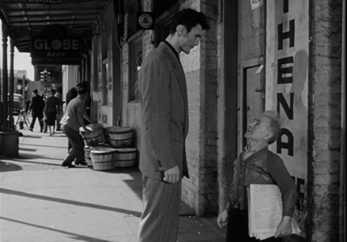
Panic in the Streets (1950)
‘You know, my mother always told me if you looked deep enough in anybody, you’d always find some good… but I don’t know.’ (The reply is even better: ‘With apologies to your mother, that’s the second mistake she made.’)
Once again, it’s not the first time this one shows up in Gotham Calling: ‘although the Red Scare context is […] pretty inescapable when considering Elia Kazan’s Panic in the Streets (where, living up to the title, everyone is on edge as the authorities’ race to stop a (blatantly allegorical) plague coming from abroad and spreading through the working class and criminal underworld), the main allure is the realistic tour through New Orleans’ lowest milieus, stunningly photographed and culminating in one of noir’s most memorable chases, at a coffee warehouse…’
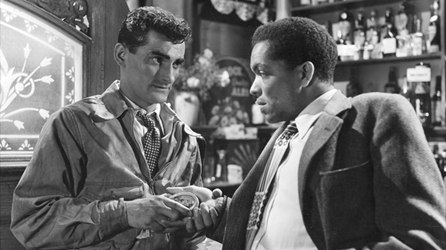
Pool of London (1951)
‘Behold, from afar it gleams like a jewel, but walk within the shadow of its walls and what do you find? Filth, squalor and misery.’
The only reason Pool of London didn’t make it to Gotham Calling’s Top 50 Noirs is because I hadn’t watched this powerhouse of a movie at the time. It follows merchant seamen over a weekend in London as they get entangled both with the opposite sex and with a dodgy smuggling operation. The result is a fascinating hybrid: it comes and goes between a quasi-documentary depiction of the Docklands, a surprising social drama about race, a touching romantic comedy, and a heist thriller with knock-out action. A truly original and special film.

Deadline U.S.A. (1952)
‘It’s not enough any more to give ’em just news. They want comics, contests, puzzles. They want to know how to bake a cake, win friends, and influence the future. Ergo, horoscopes, tips on the horses, interpretation of dreams so they can win on the numbers lottery. And, if they accidentally stumble on the first page… news!’
The first time I watched Deadline – U.S.A., I was blown away by the charismatic acting and witty dialogue, even if I sort of lamented that all this was mostly put in the service of a sentimental eulogy of the press (I had similar feelings about the fifth season of The Wire). Rewatching the film, though, it’s even better than I remembered… It’s not just that I’ve grown to romanticize ethically committed newspapers and to fetishize the background sound of non-stop typewriters; it’s the whole vibrant atmosphere of seasoned pros fighting for and against the world.

Macao (1952)
‘Besides her obvious talents, she also sings.’
Set in Hollywood’s version of the titular city back when it was a Portuguese colony, bursting with corruption, vice, smuggling, gambling, racketeering, and horny drifters desperate for a buck while putting up with the infernal heat (‘unhealthy for humans’, as a barometer bluntly indicates), Macao is a great example of a flower blooming in the most adverse circumstances. By all accounts the shoot was a mess, with director Josef von Sternberg eventually replaced by Nicholas Ray and the screenplay getting constantly rewritten, in addition to censorship challenges and problematic politics… And yet, the setting oozes with atmosphere and personality, the dialogue sparkles, and the cast sell exactly the sort of world-weary characterization that adorns all the best noirs – not only the leads Jane Russell and Robert Mitchum (talk about chemistry!), but also Gloria Grahame in an underwritten part that she supposedly didn’t want but which she totally knocks out of the ballpark.
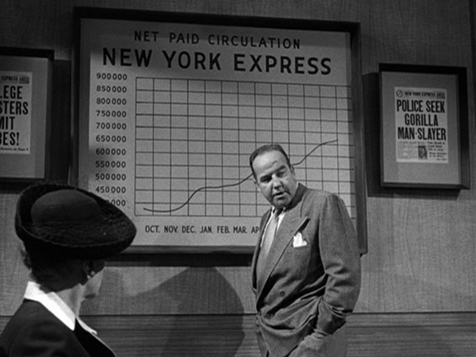
Scandal Sheet (1952)
‘You can find a needle in a haystack if you look long enough.’
A pungently cynical counterpart to Deadline – U.S.A., this diabolical contraption follows a murder investigation through the sensationalist eyes of a rising tabloid newspaper. The world of Scandal Sheet is so damn venal that even the killer is willing to risk freedom in order to sell more copies!
comics = awesome
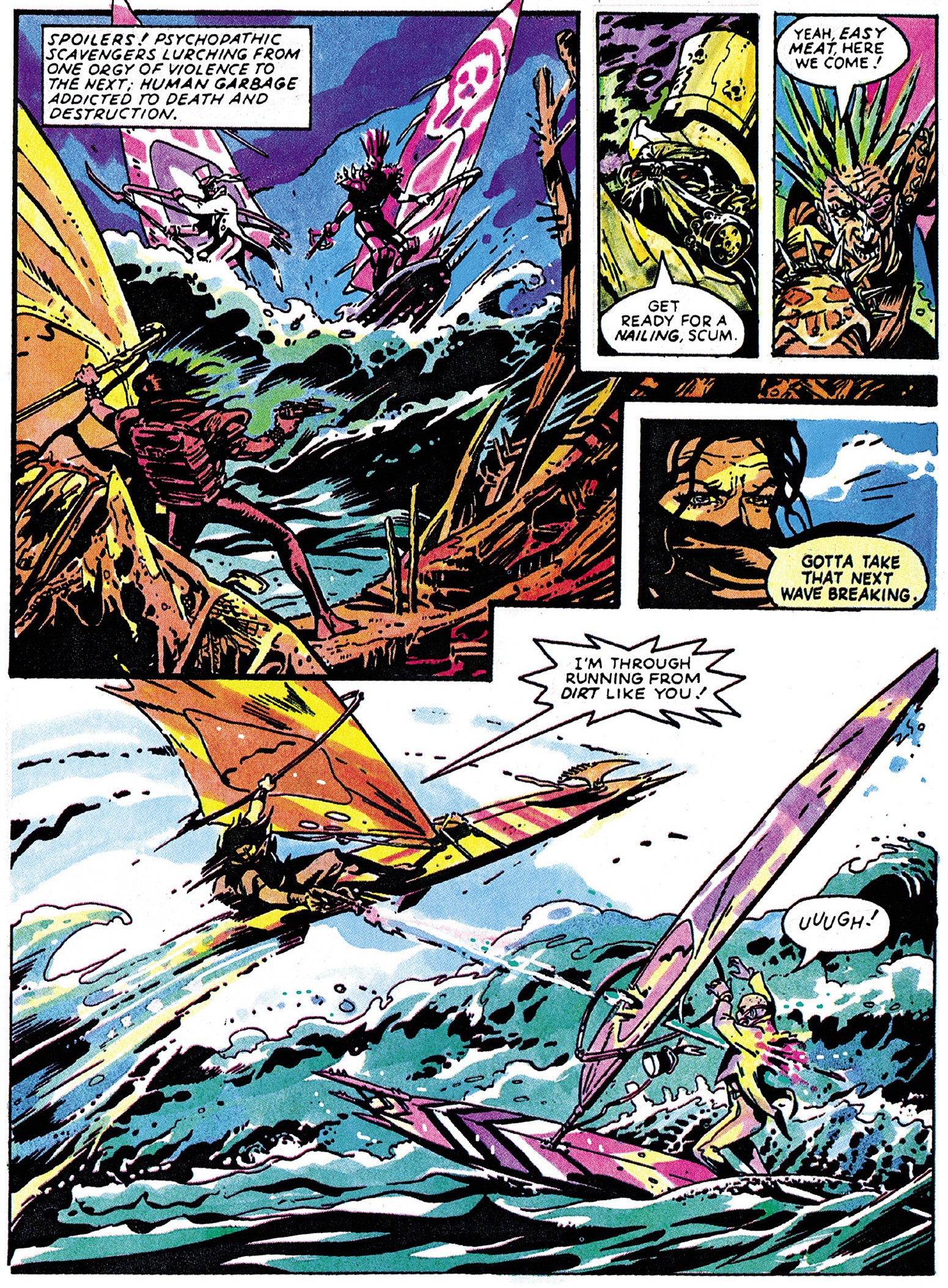
Vanguard Illustrated #1
A material reminder that comics can be awesome…
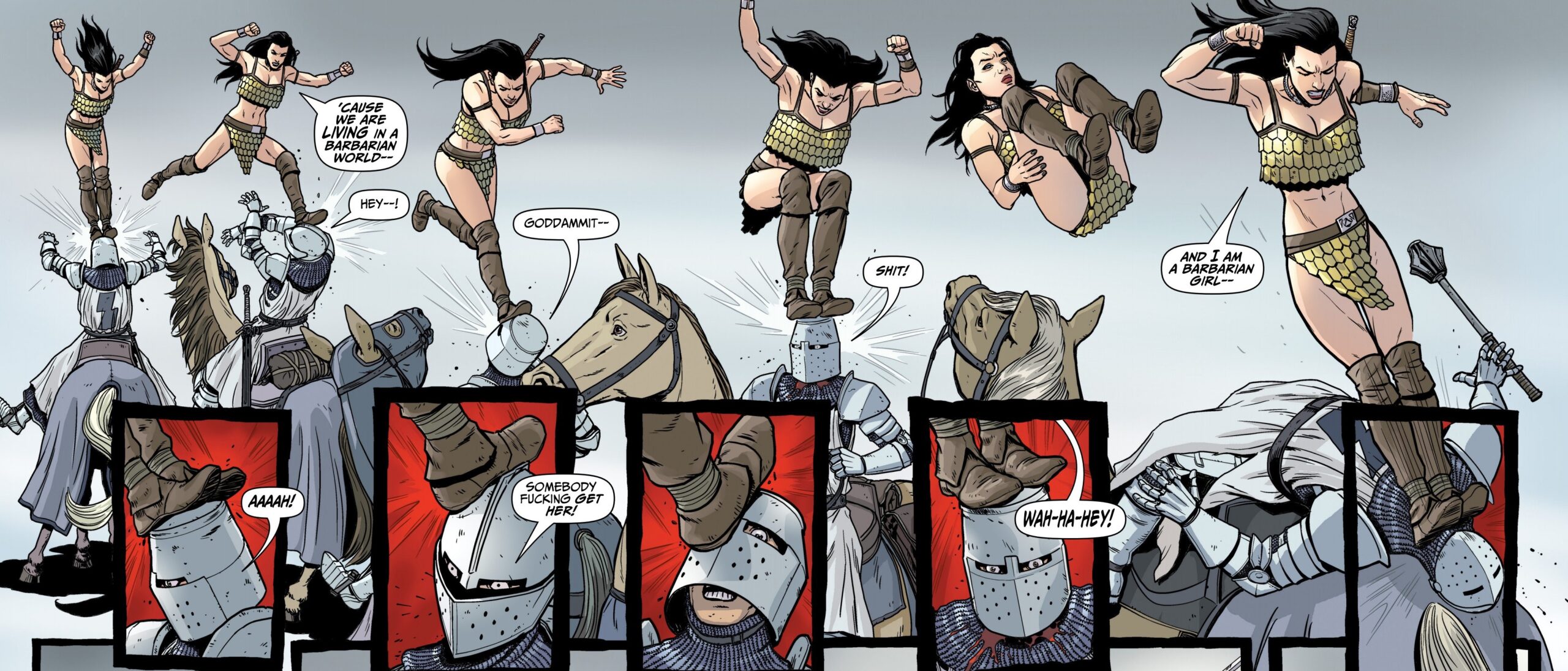
Babs #6
Just an elegant reminder that comics can be awesome:

Doctor Rigby: Tales from the Deep
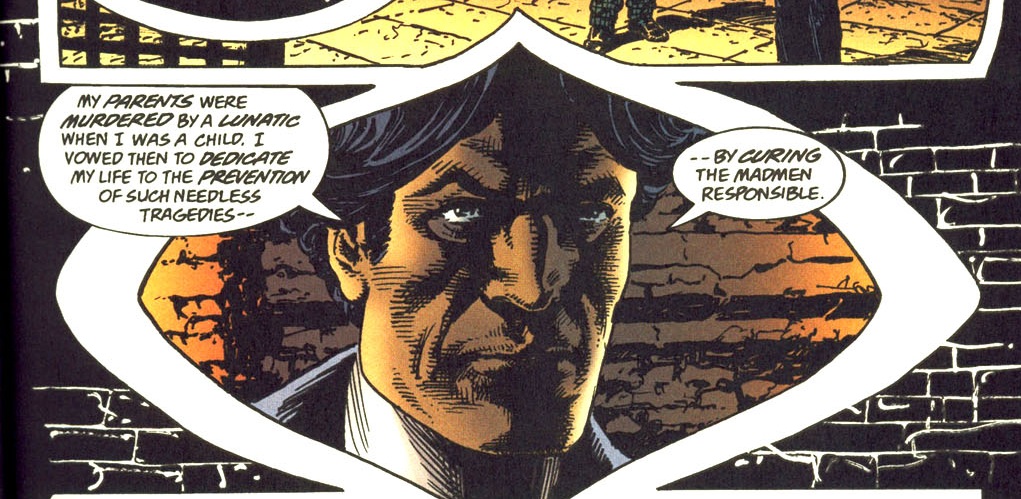
The Batman of Arkham
This is Gotham Calling’s 800th post!
Like a proper comic book nerd, I’m a sucker for these mini-benchmarks, so I can’t resist interrupting the blog’s (quasi-)hiatus and return to an old obsession: alternative Batmen.
Basically, we’ve been blessed with a fair amount of alternative takes on the Dark Knight over the years, not least within DC itself… Besides the endless reboots and loose continuity projects (including the recent string of Black Label mini-series and, obviously, Absolute Batman), the character’s core concepts have been radically reworked in full-on Elseworlds tales such as the one above, where Bruce Wayne becomes a psychologist.
As I’ve pointed out before, though, some of the most fun reimaginings actually came from other publishers, which have less respect for the brand and therefore allow creators greater freedom to mess things up (although Alan Grant and Simon Bisley did push the boundaries *pretty far* in DC’s own Batman / Lobo one-shot). With that in mind, here are another couple of interesting versions of the Caped Crusader mythos:
DRAGONFLY / DRAGONFLYMAN
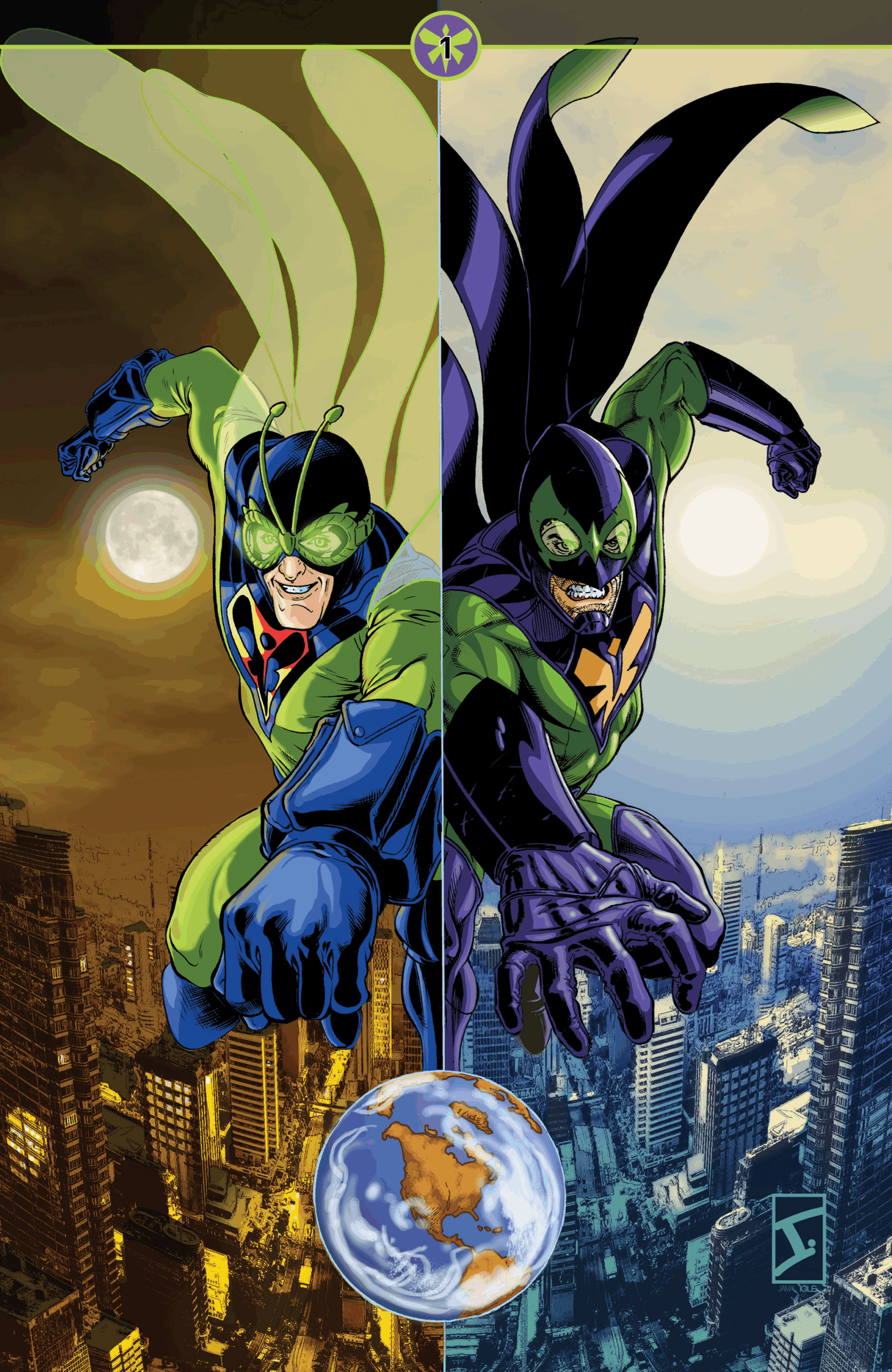
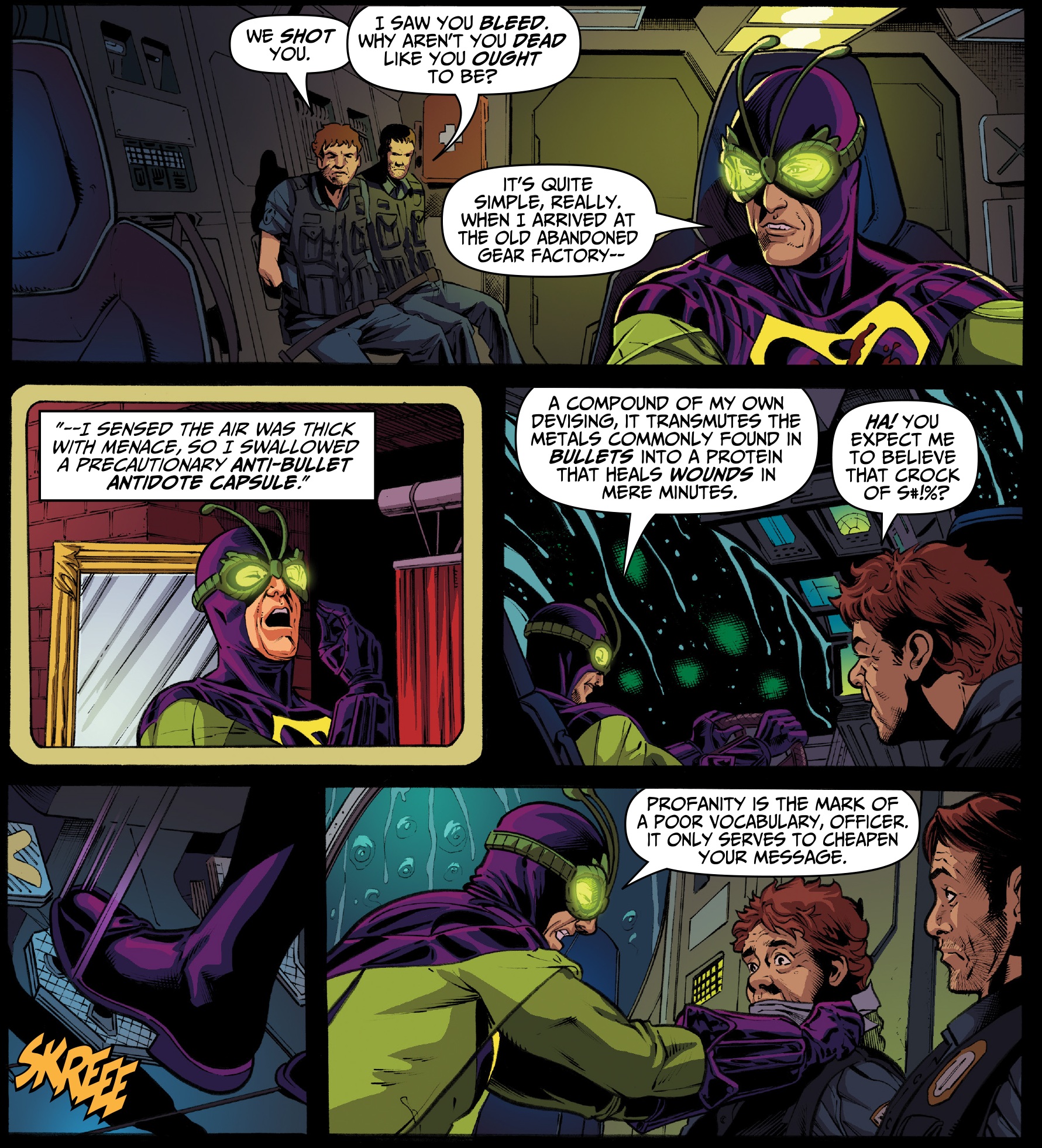
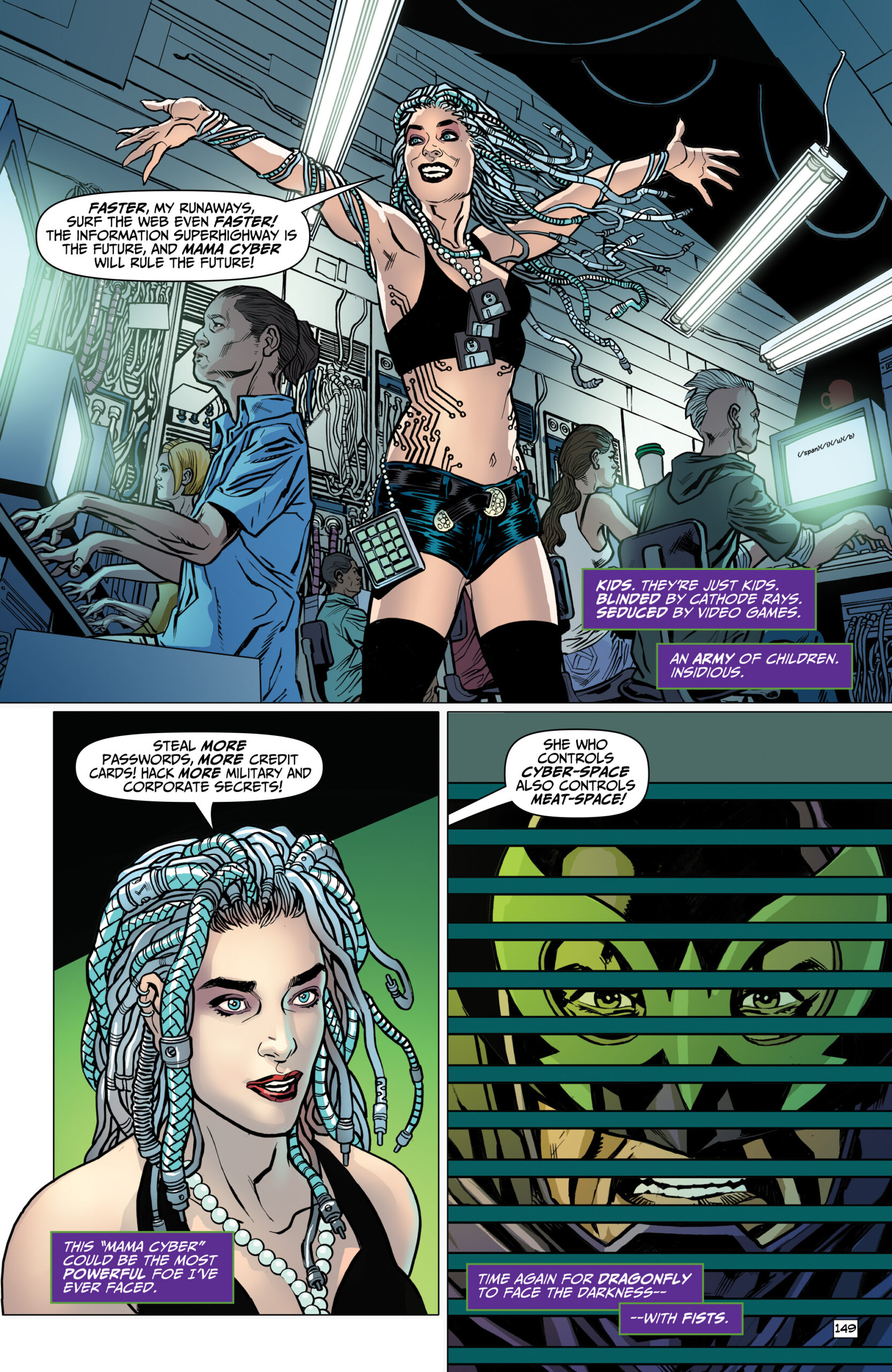
Published by Ahoy Comics, The Wrong Earth kicks off with an amusing high concept: what if a cornball Silver Age version of Batman (aka Dragonflyman) accidentally swapped places with his post-80s grim-and-gritty counterpart (Dragonfly)? On the one hand, you can pretty much guess what happens: as the naive, Adam West-y Caped Crusader confronts a violent, morally murky reality and the Frank Miller-informed Dark Knight stumbles into a colorful goofy world, black comedy ensues, as does some well-trodden commentary about the evolution of mainstream comics. On the other hand, because Tom Peyer is a clever writer with a very long background in the field, experienced in wacky throwbacks to the campy era (Batman ’66) as well as in the viciousness of modern anti-heroes (he did fill-in arcs for Mark Millar’s The Authority and Garth Ennis’ The Punisher), and because Jamal Igle put so much care in designing the cast and the look of each universe, the result is actually quite involving.
Besides the humor and the insights into the differences (and the continuities) between the two timelines, there is the sheer blast of seeing quirky off-brand spins on Batman’s rogues’ gallery (including some villains who don’t necessarily match the originals but who *seem* just like Batman villains). Peyer – mostly working with Igle and Peter Krause – even throws in nods to other classic comics for the geekiest fans out there (the riff on the cover of Green Lantern / Green Arrow #85 earned a loud laugh in my home). Moreover, following 2018’s The Wrong Earth mini-series, the project has continued to expand, flashing back to the pre-swap era in Dragonfly & Dragonflyman, then picking things up a year later in Night and Day and We Could Be Heroes. As the mind-bending plot gradually unfolds, the main characters continue to develop, which not only raises the stakes (as you fear the destructive power of the darkest reality over its counterpart), but it also creates genuine pathos, with each ersatz-Batman both transforming and responding to his surrounding environment.
Tom Scocca’s introduction to the first volume nails one other reason why the book may feel so resonant… At least since 2016, loss of innocence and the notion we have entered into a radical grimdark reboot or some kind of evil/bizarre Earth-2 crossover (not to mention a Crisis-style event) have become dominant feelings for many of us – and the past few years (and especially these past months) have only intensified the sense that ‘what was reasonable or possible no longer applies.’ In other words: ‘Life itself is a continuity problem.’
That said, I have no doubt The Wrong Earth will be best appreciated by those familiar with old and new iterations of the Caped Crusader. After all, we don’t just get a nostalgic defense of old-school comic books, but also the chance to playfully deconstruct some of the values hiding underneath the surface (like their celebratory relationship with wealth and authority).
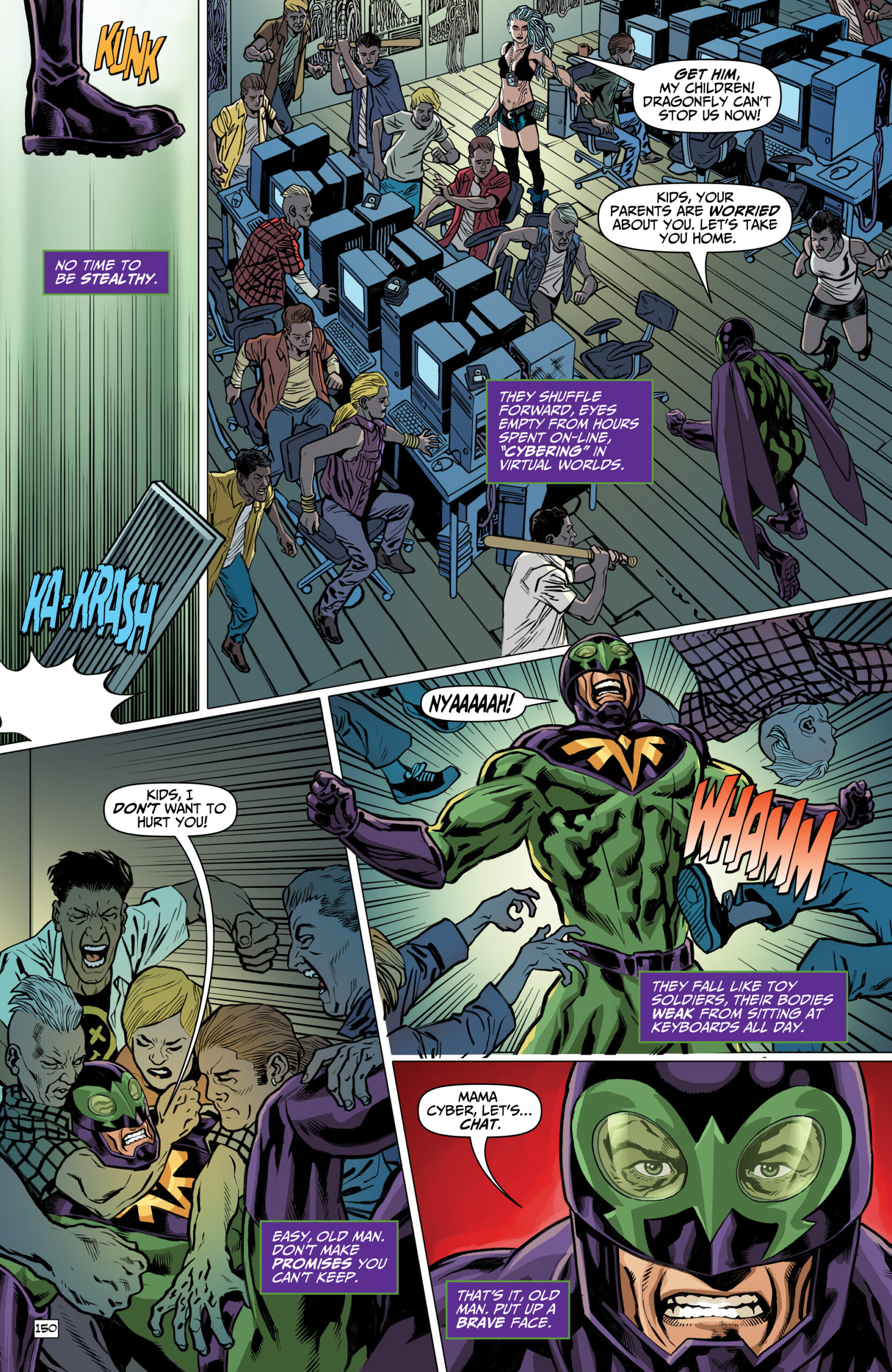
Plus, Paul Constant has written a bunch of funny ‘Tales from the Wrong Earth’ backups in the form of pastiches of different eras (delightfully illustrated by Frank Cammuso, Gary Erskine, and Tom Feister), not unlike those that could be found in similar metafictional series, such as The Escapist or Tom Strong. I particularly enjoyed the Silver Age tale in which the proto-Dynamic Duo fight The Nimby (a reactionary masked villain whose shtick is that he’s fighting new constructions in his neighbourhood). And, yes, Dragonflyman totally punches him in the face while quipping: ‘We’ve got some affordable housing for you… down at the county jail!’
My favorite, though, was his hilariously spot-on send up of the 1990s:
***************************************************************************************
THE KNIGHT
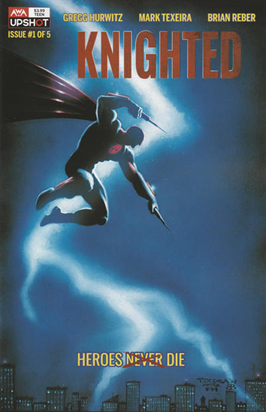
What if Batman was a loser? Or, better yet, what if a loser became Batman? Or, more generously, as Knighted writer Gregg Hurwitz explains in the book’s afterword, what if you replace Bruce Wayne with Peter Parker?
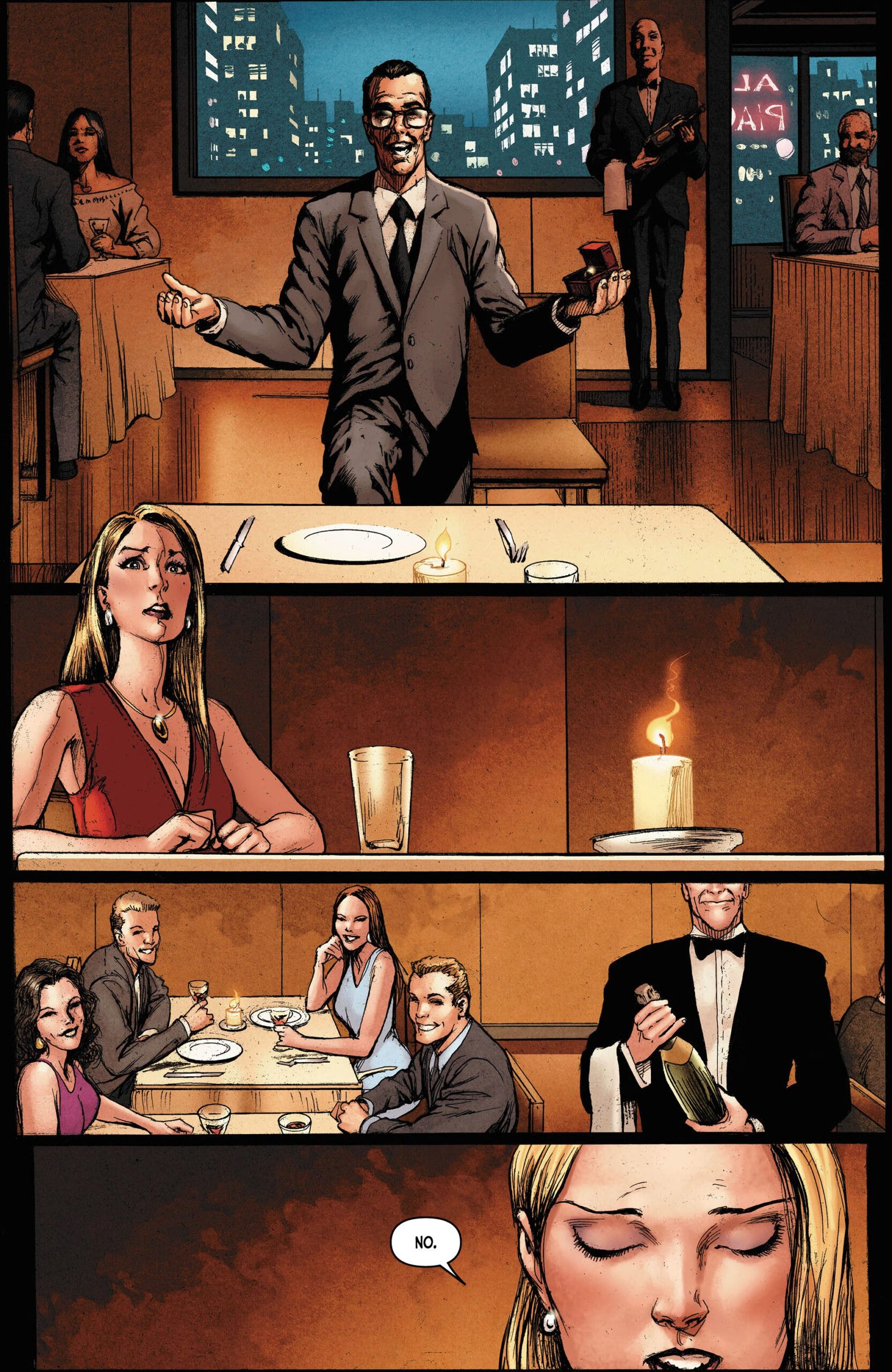
I won’t tell you how crime analyst Bob Ryder ends up as the badass vigilante known as the Knight. It’s not the most original idea, but it’s worth seeing how Hurwitz sets things up, as the premise is delivered with suitable comic timing and backed up by engaging characterization. Hell, that about sums up the whole comic, which gets a lot of mileage out of just clearly and effectively executing its high concept. This is helped by Mark Teixeira’s straightforward artwork, which also avoids flashy pyrotechnics (even though he can’t resist somewhat sexualizing almost every female character).
Check out this banger of an opening:
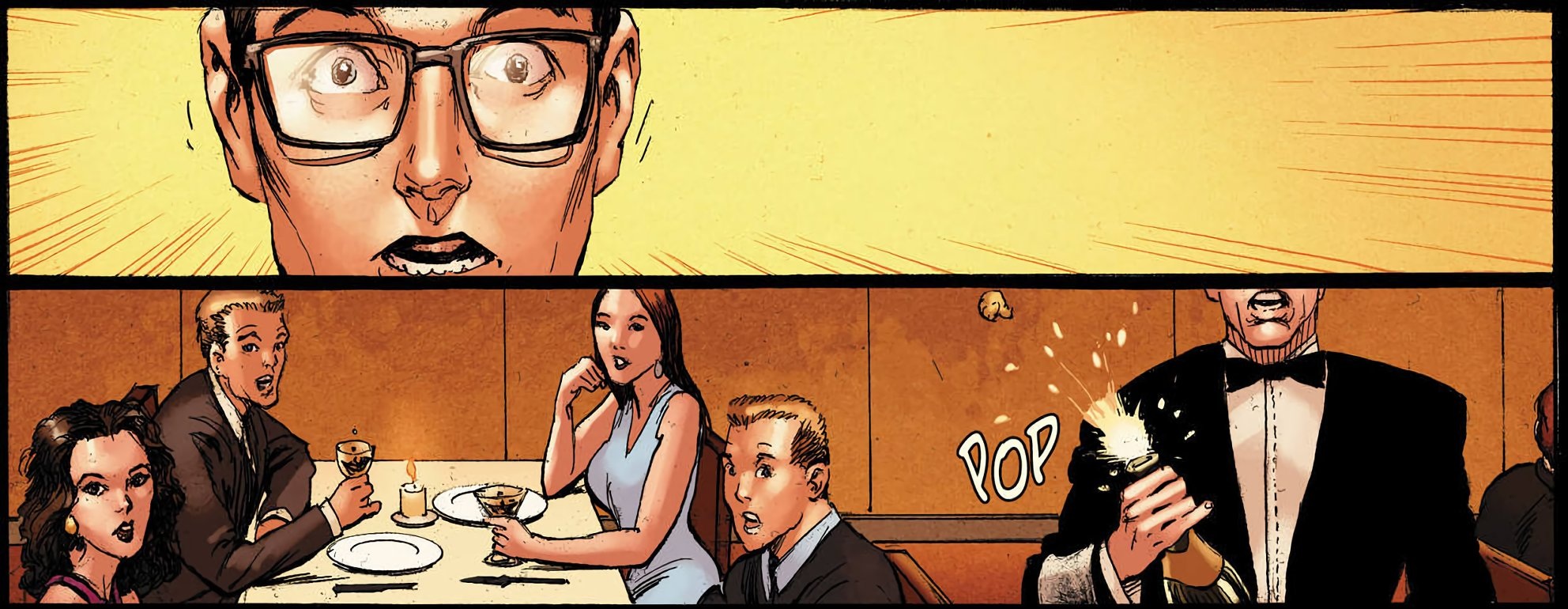
Knighted comes from AWA studios, the independent publisher editor Axel Alonso founded after spending decades revolutionizing DC (via Vertigo) and Marvel. Technically, it’s part of the shared universe J. Michael Straczynski kickstarted with 2020’s The Resistance, based on the (depressingly timely) premise that a pandemic killed millions of people, yet it also caused the emergence of a bunch of survivors with superhuman powers. Still, you don’t really need to know or have read any of this (I certainly didn’t!), as the plot is quite self-contained and Hurwitz does a pretty solid job of unobtrusively conveying all necessary information – hell, it was fun to find out the backstory while reading Knighted, along with the series’ internal worldbuilding.
Ultimately, this isn’t so much a comic about superheroes as a comedy about masculinity. Earlier on, I used the word ‘loser’ for cheeky simplicity’s sake, but Knighted isn’t all that mean-spirited towards Bob. Sure, the way the book keeps emasculating him through mom calls or couples therapy is surely meant to be amusing, on some level, but Bob isn’t a mere caricature and his general good nature earns our sympathy. Much like with Peter Parker, you may find yourself caring for the two sides of his persona, which isn’t always the case with Batman…
Indeed, the meanest – and biggest – laughs are at the expense of the alpha male dick that previously wore the Knight’s suit!
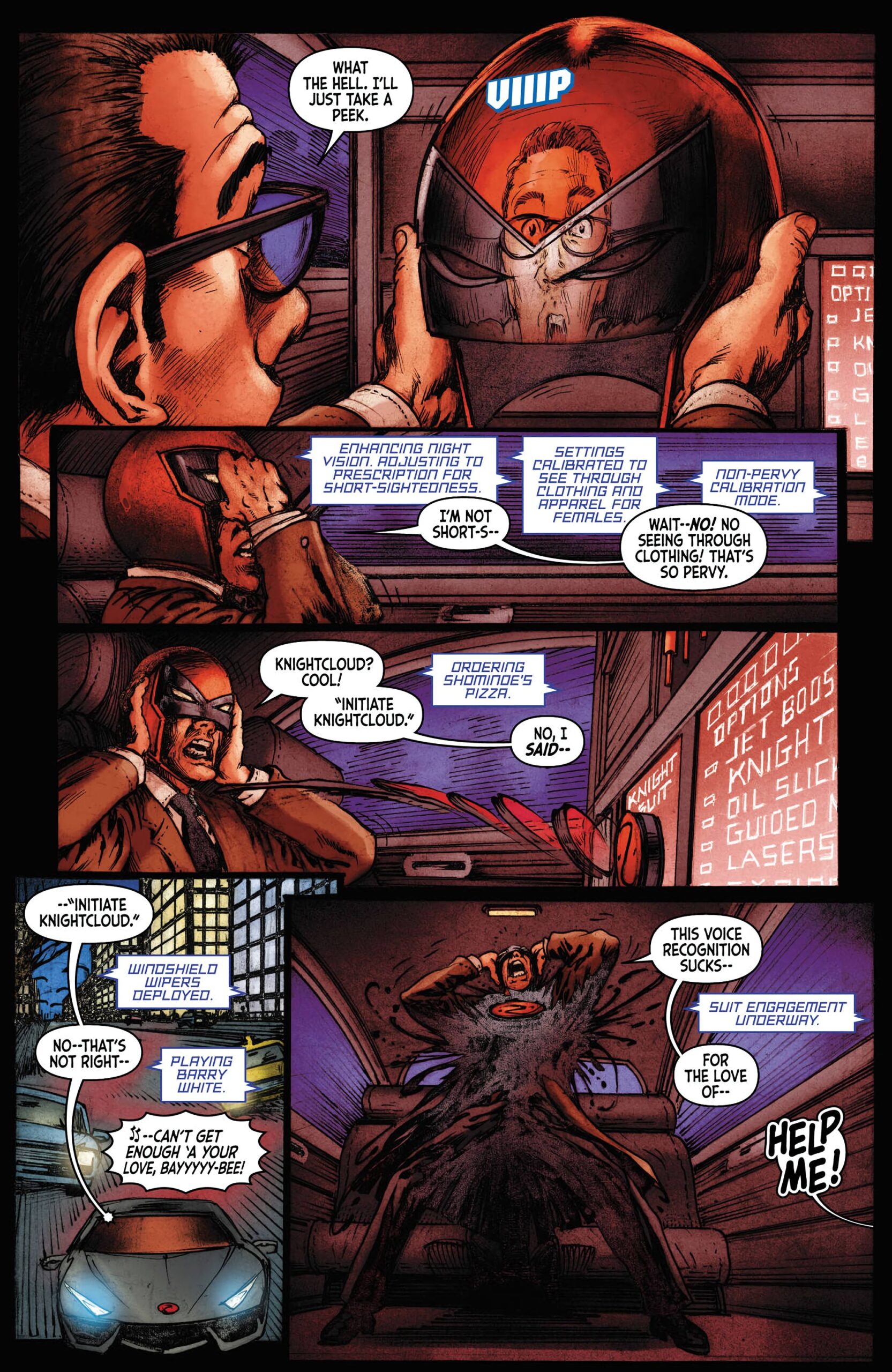
A reminder in an age of monsters…
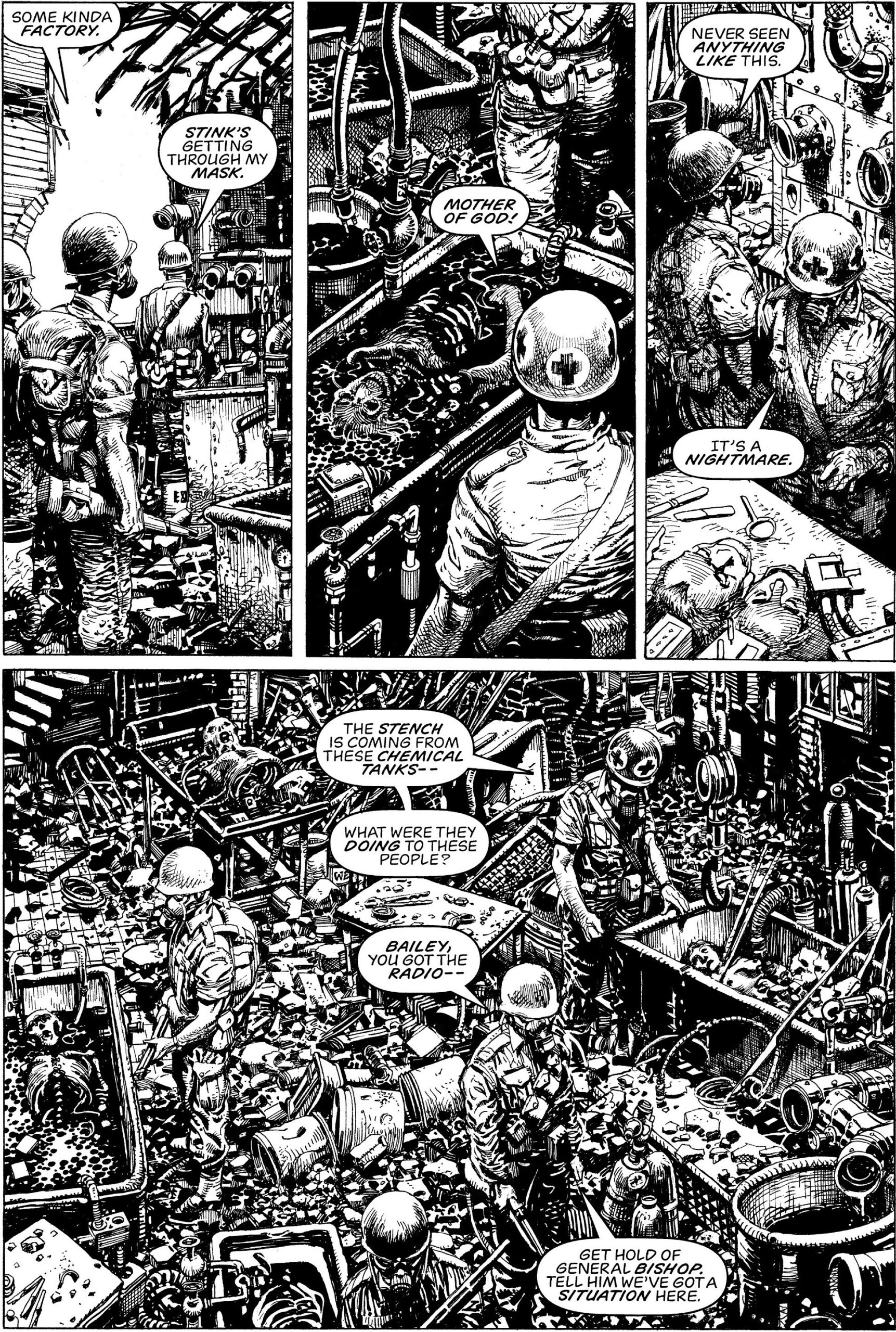
Monsters
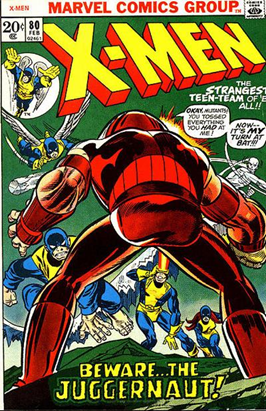
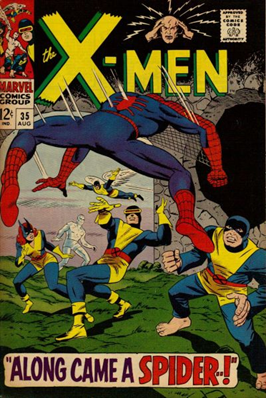
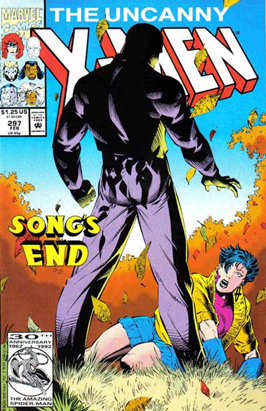
In another desperate attempt to keep things light in (increasingly) dark times, this week’s reminder that comics can be awesome is a tribute to X-Men covers with prominent butts. (Yes, it has come to this!)
For this Monday’s reminder that comics can be awesome, here as tribute to Sheena the Jungle Queen’s covers from the 1940s: