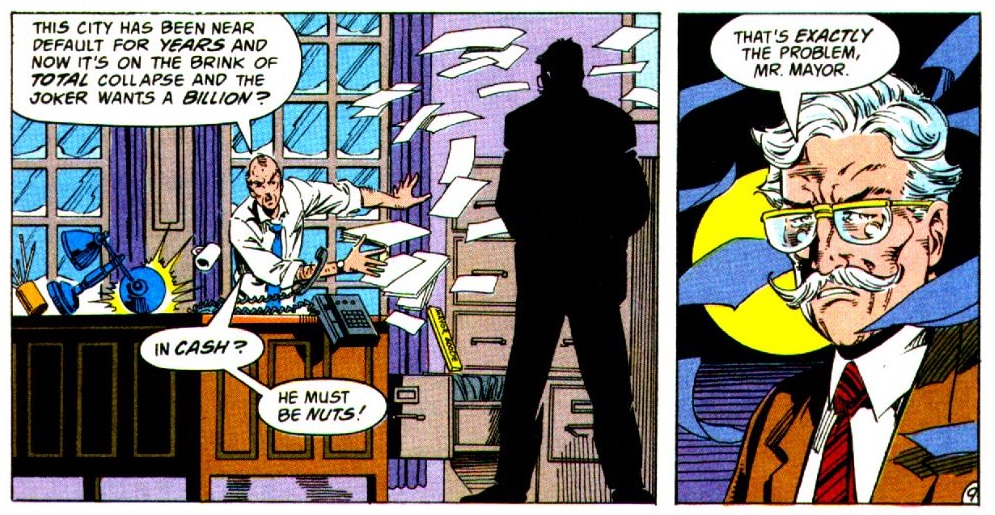
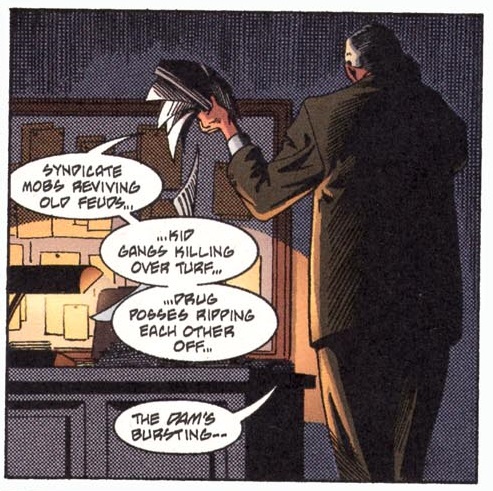
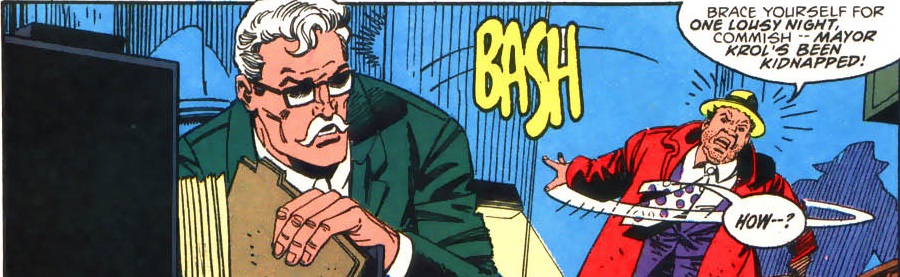
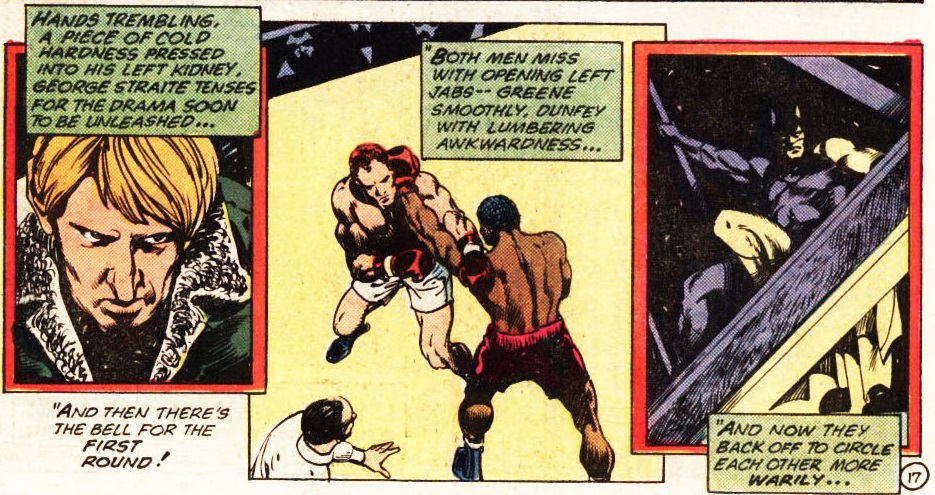
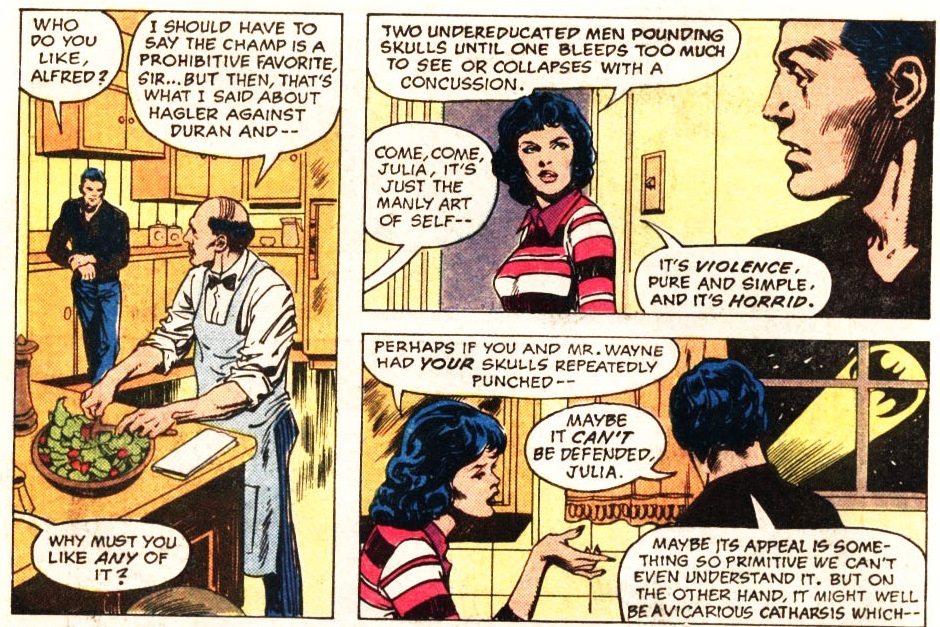
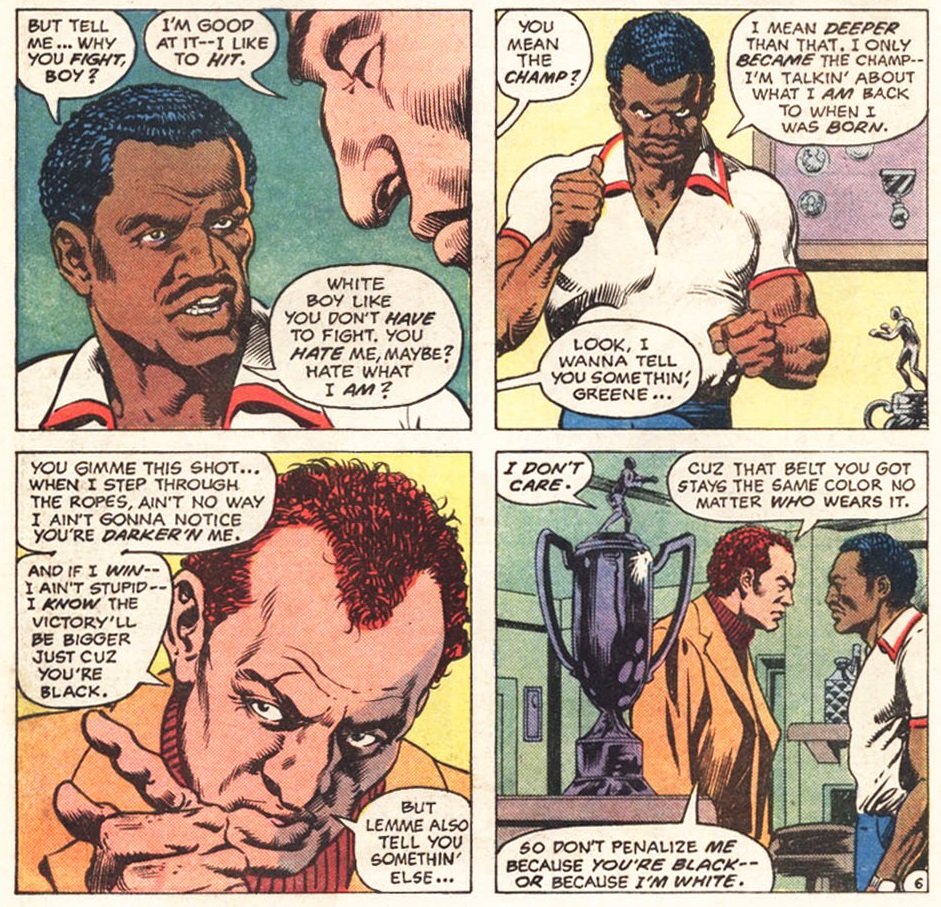
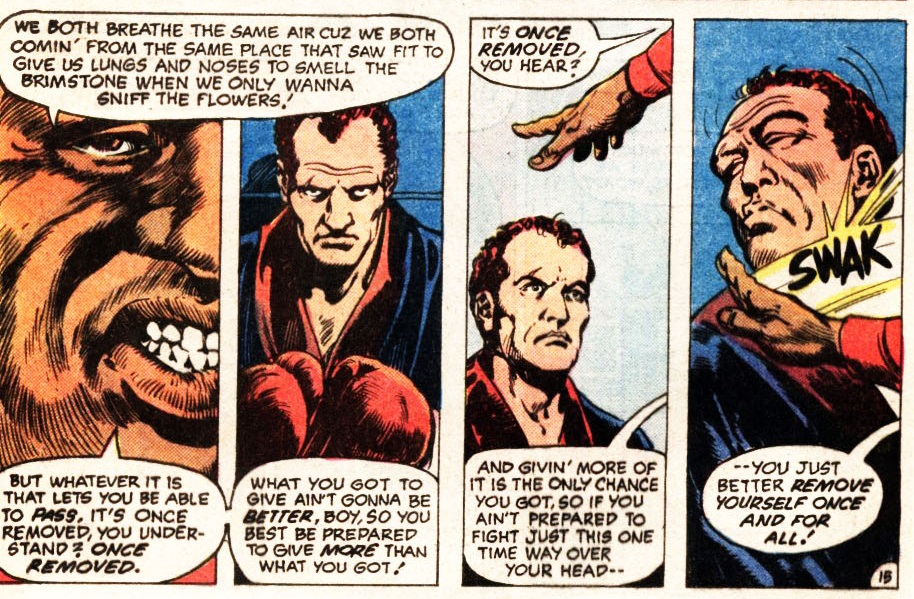
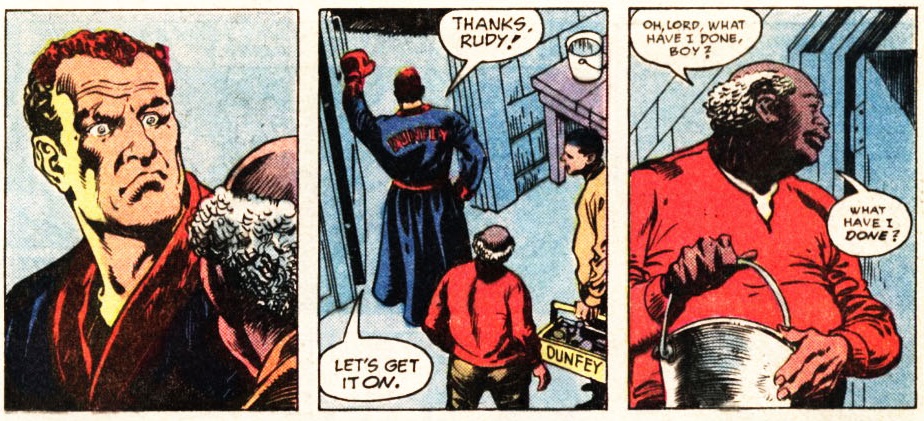
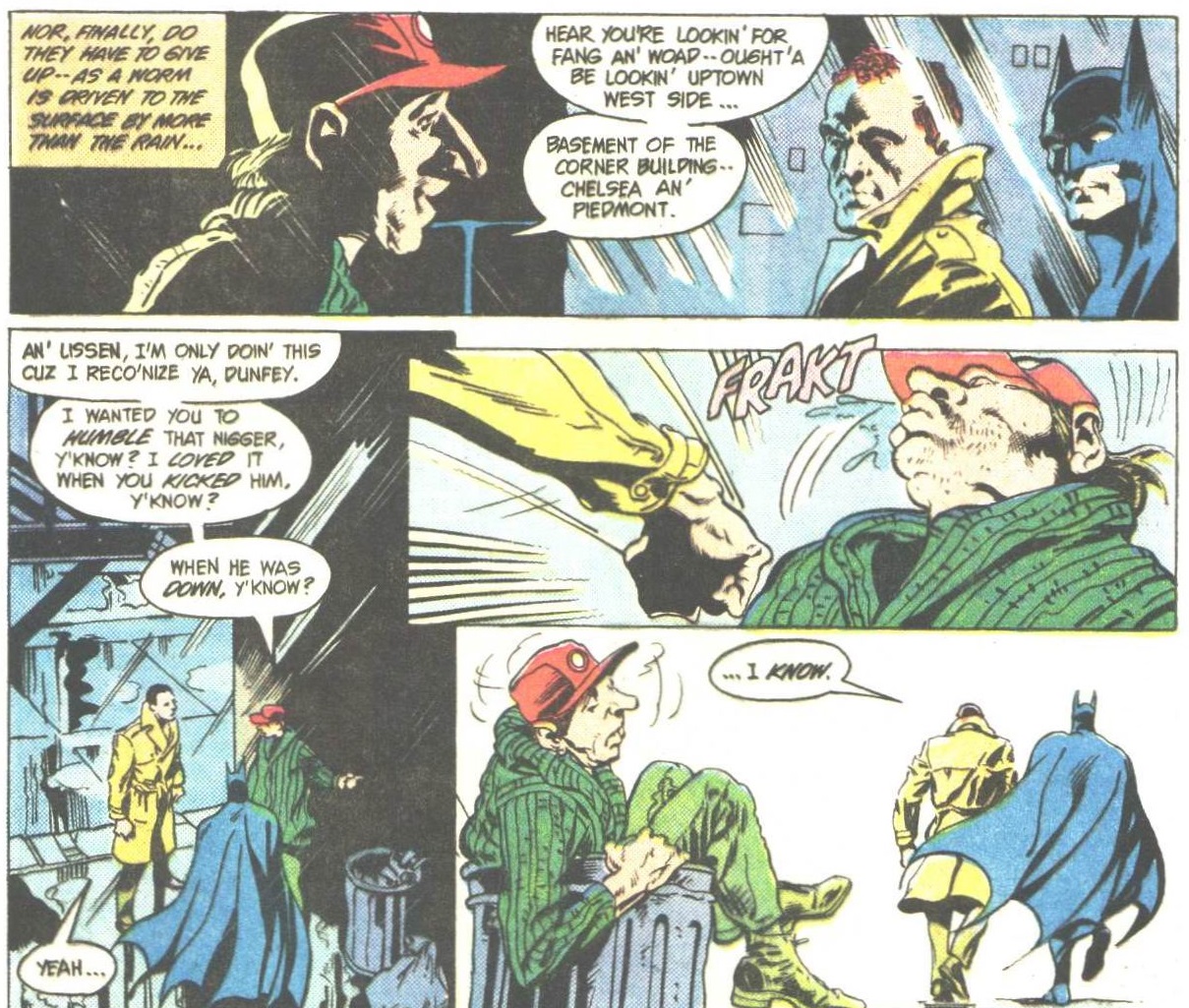
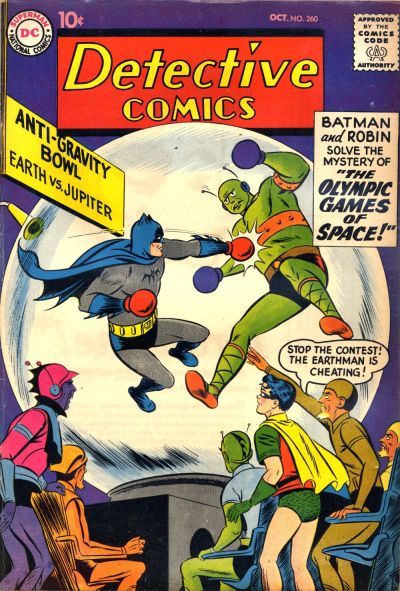
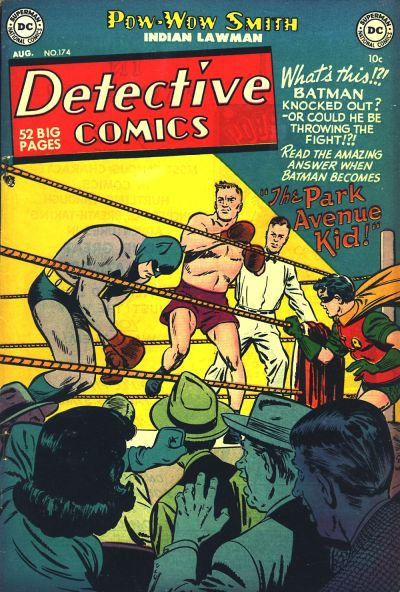
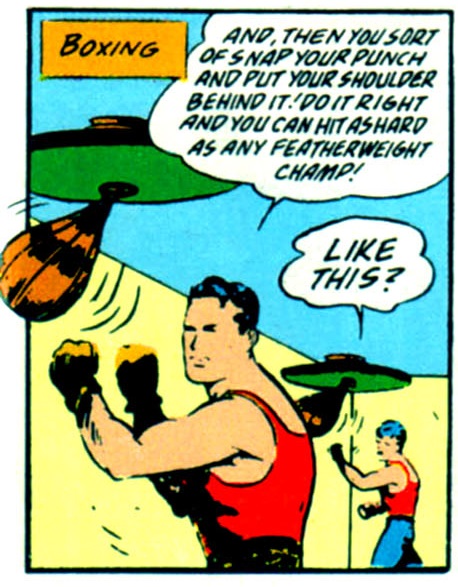
Al & Bruce

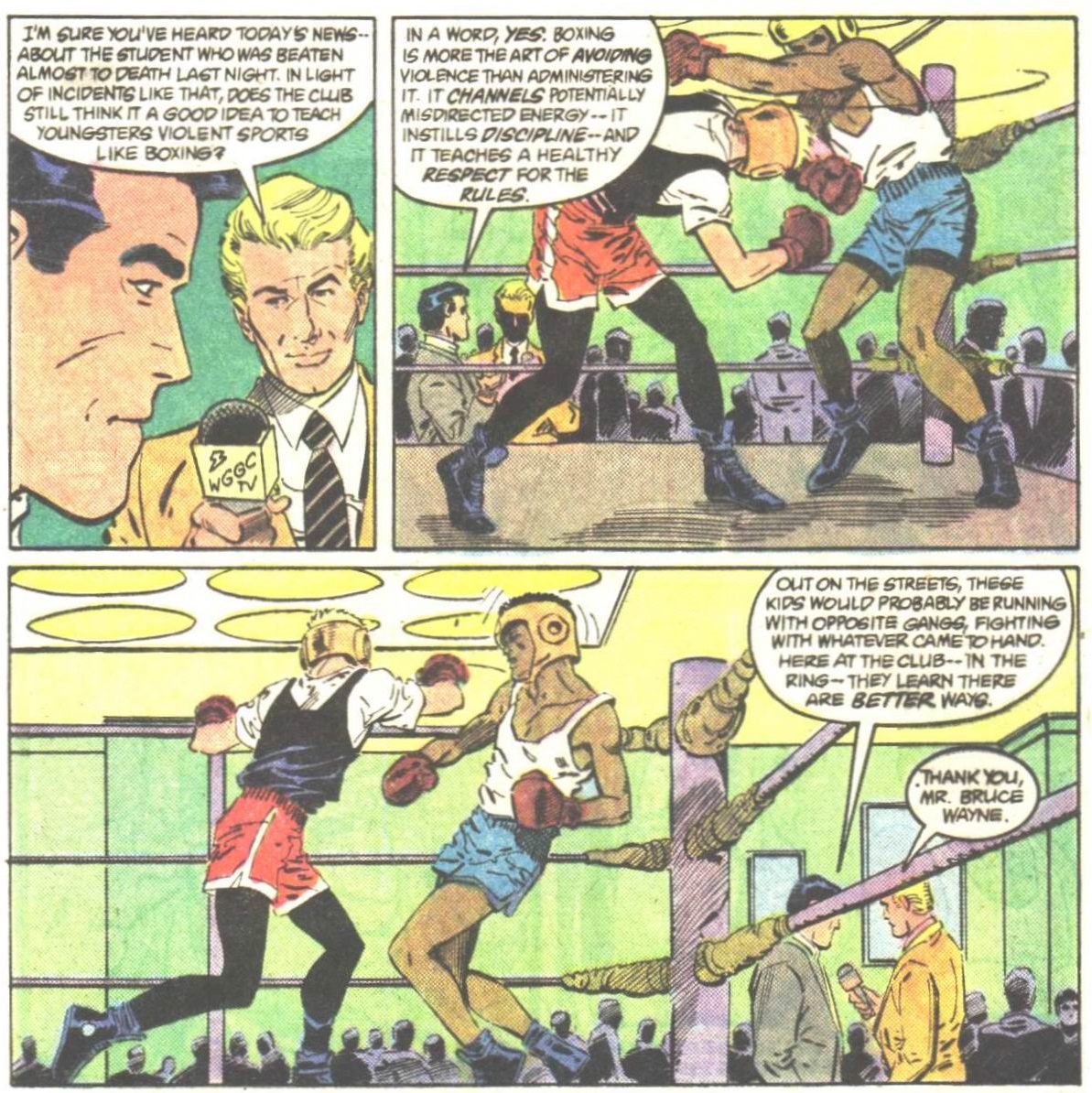
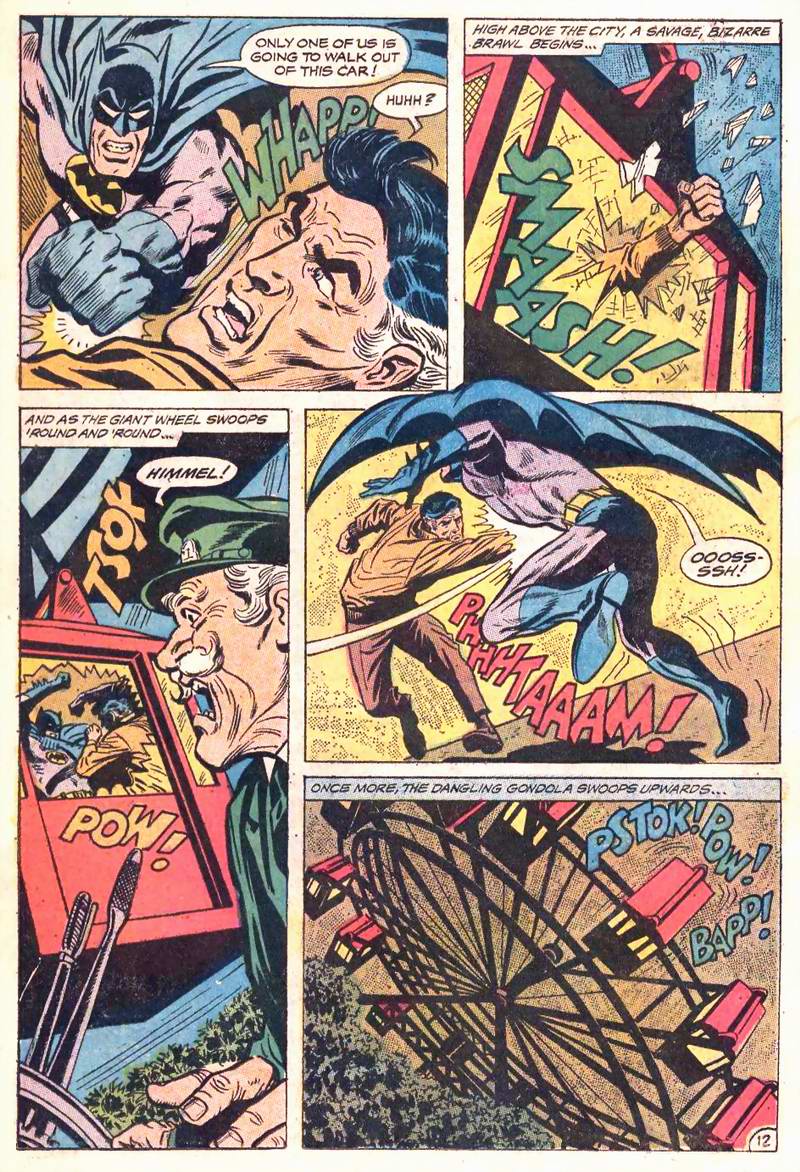
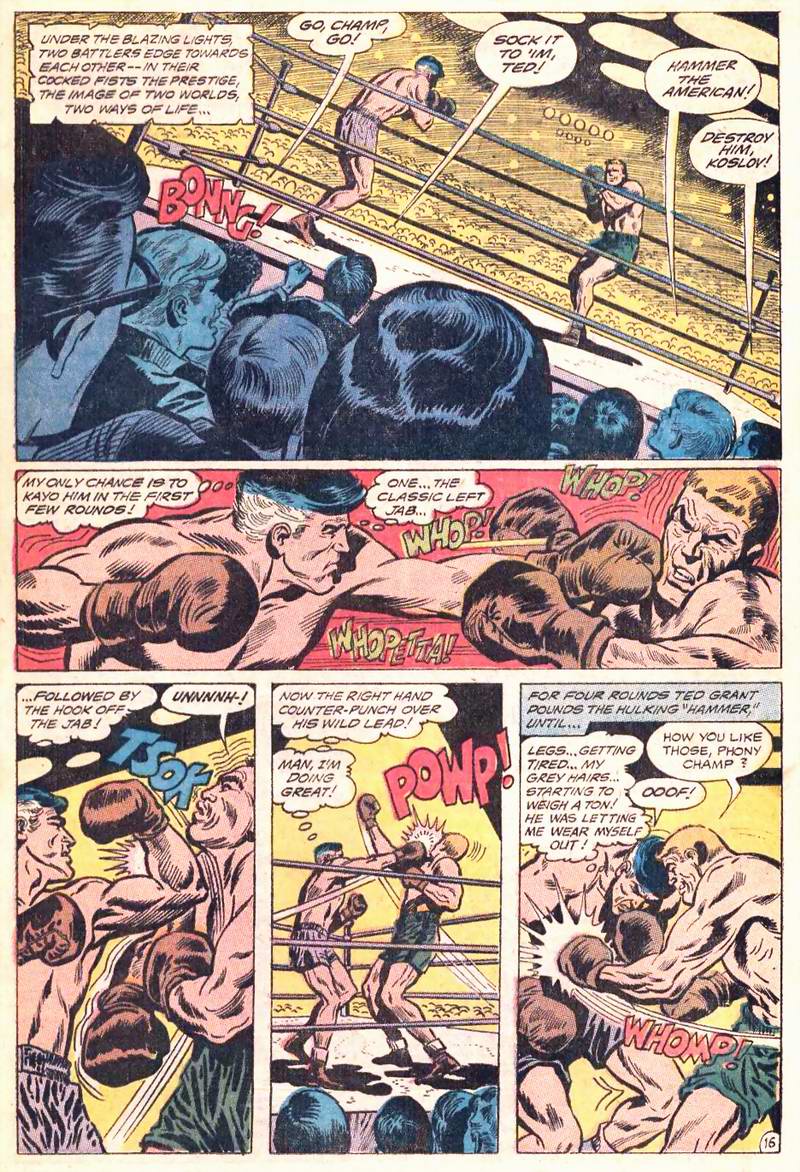
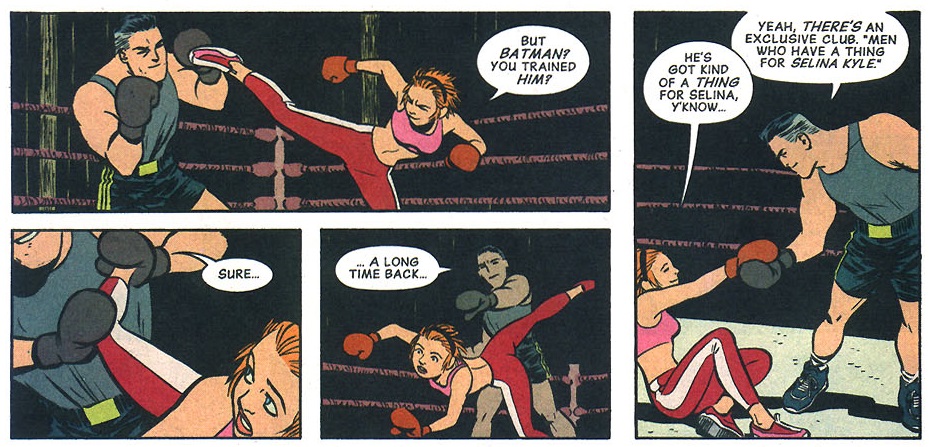
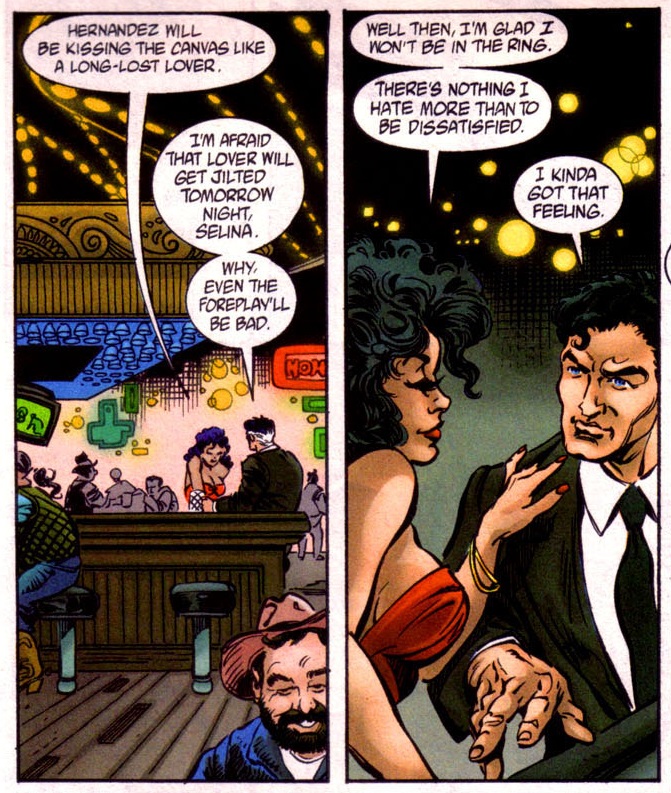
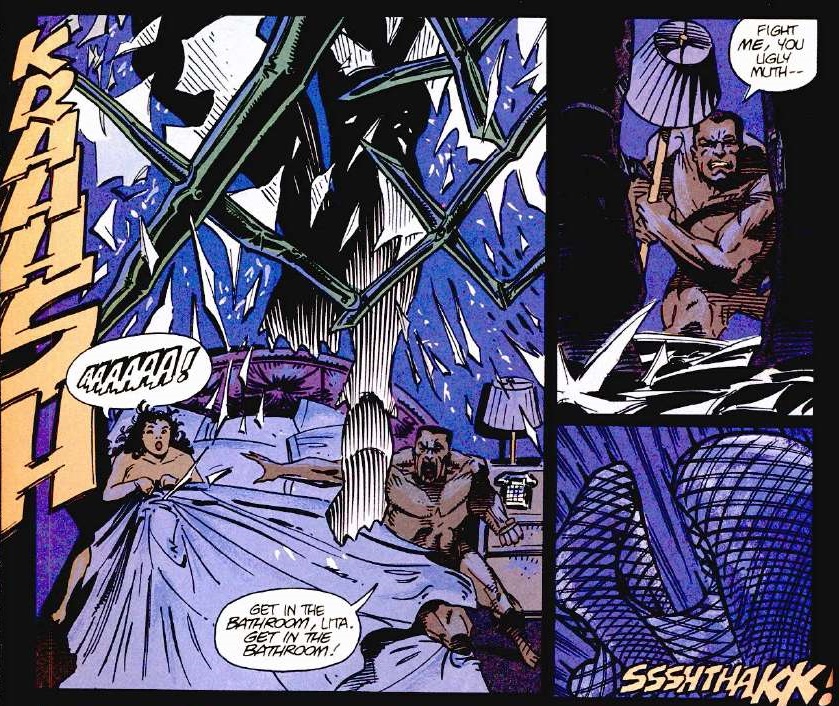
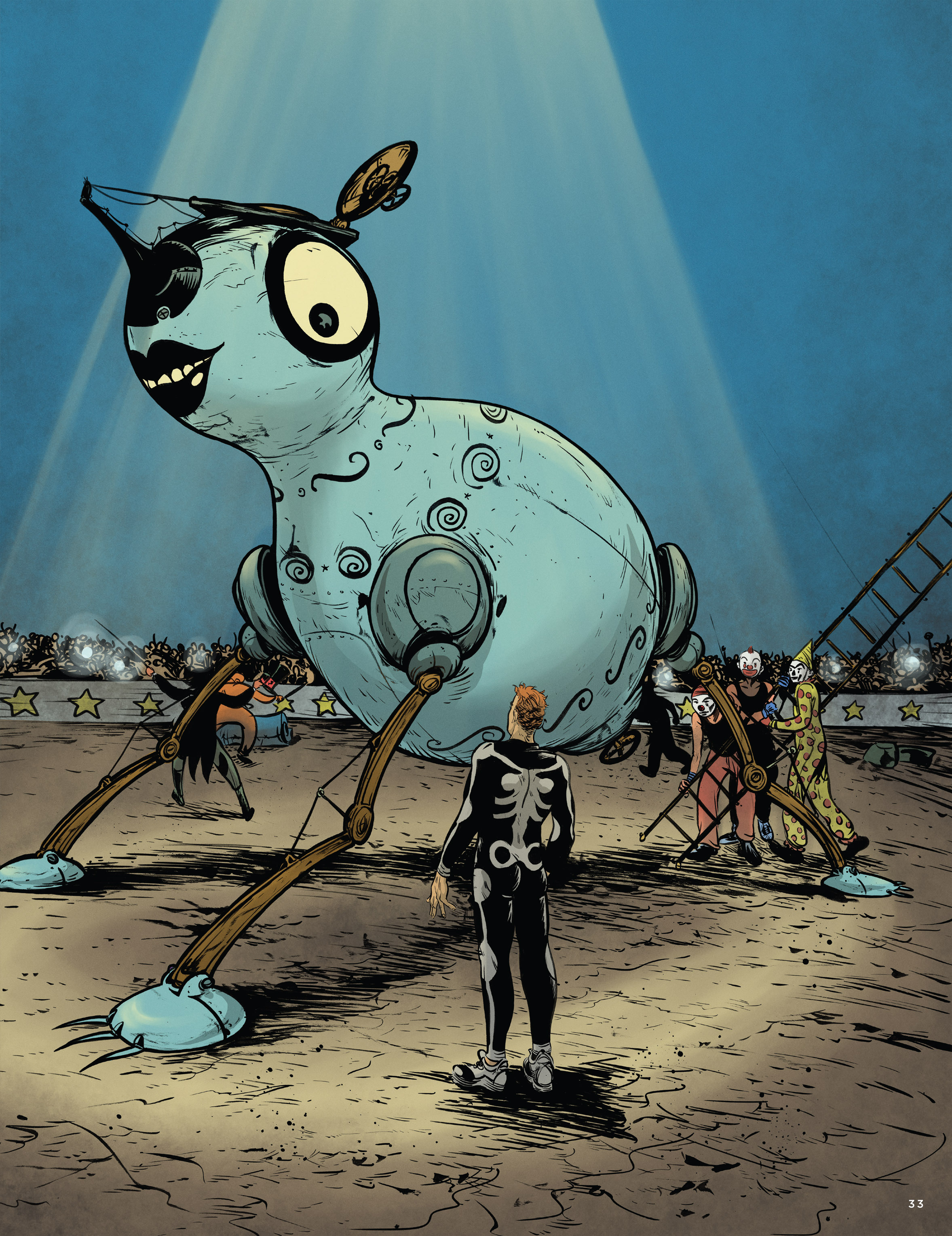
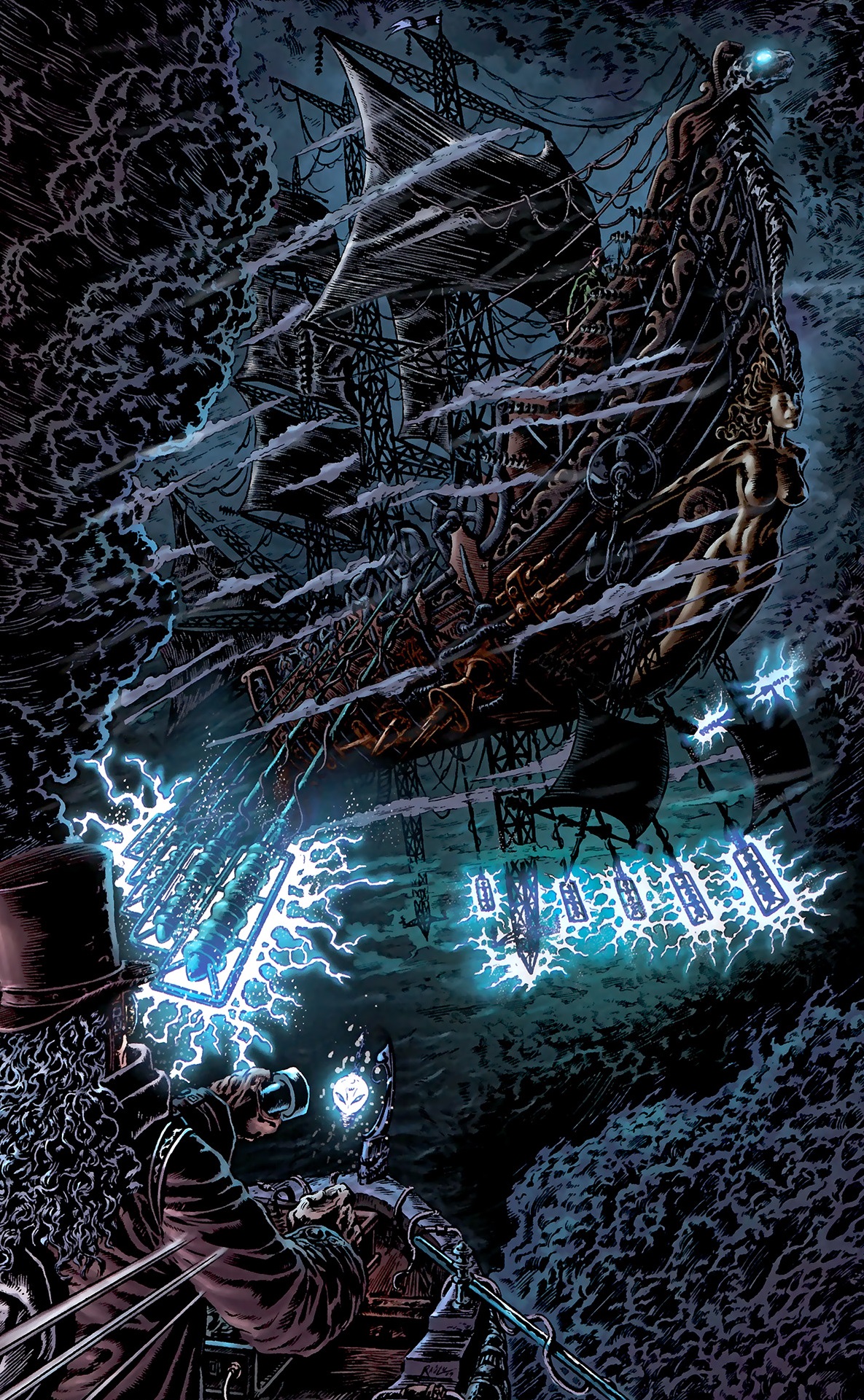
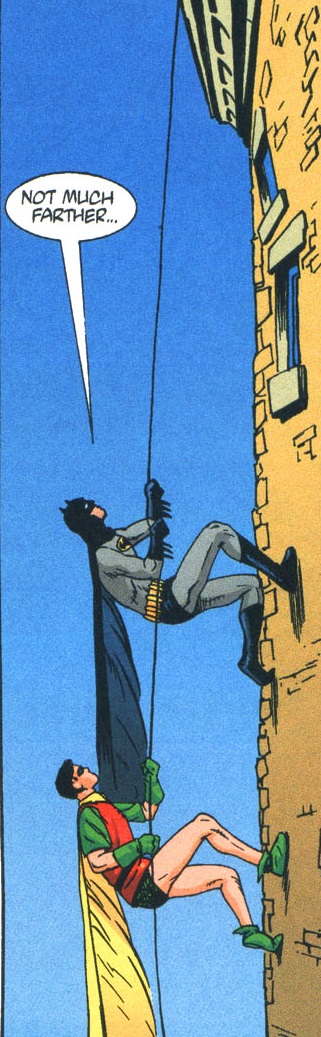
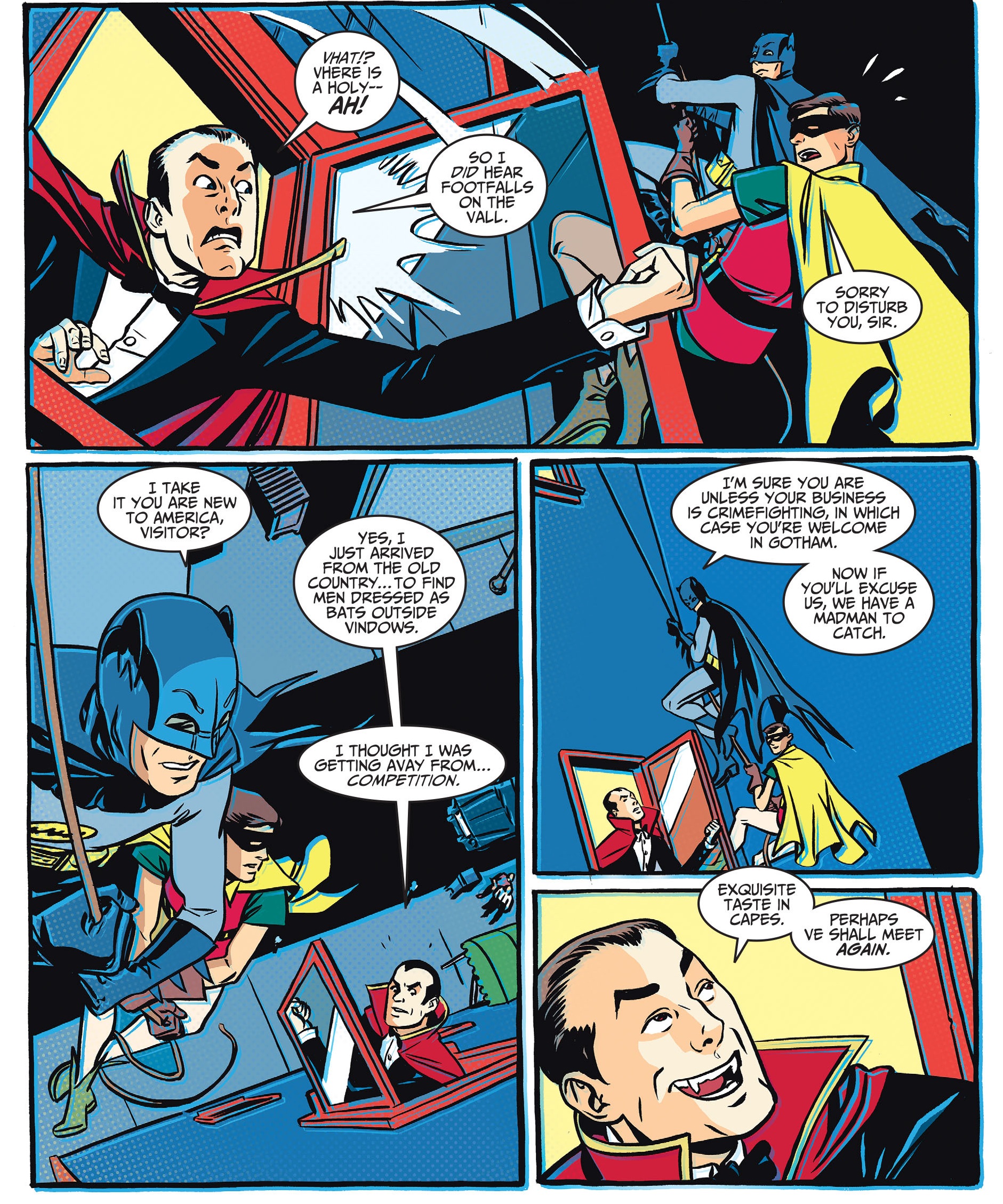
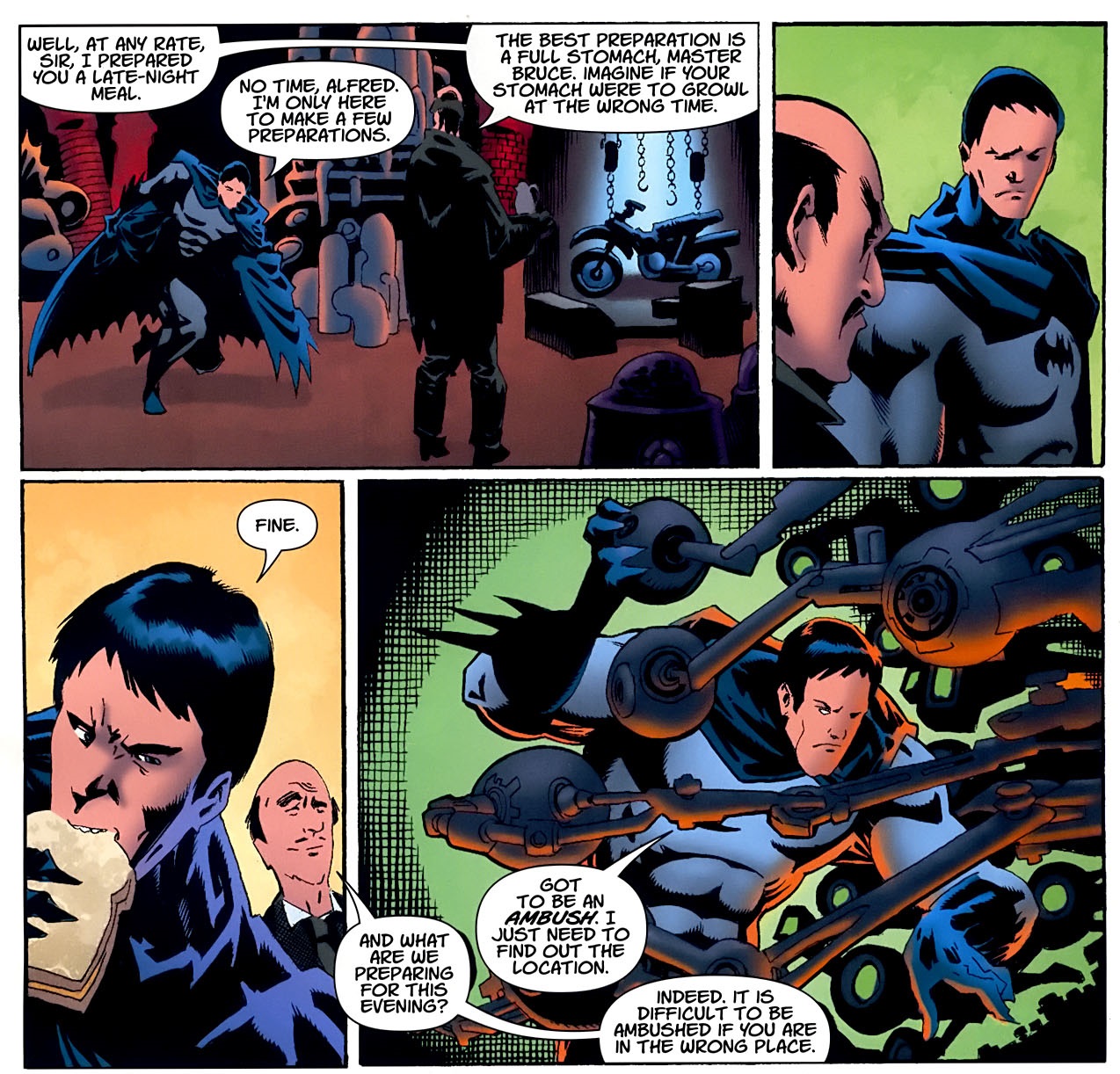
You know what I would totally read? A Calvin & Hobbes-like newspaper comic strip just with exchanges between Bruce Wayne and Alfred Pennyworth…

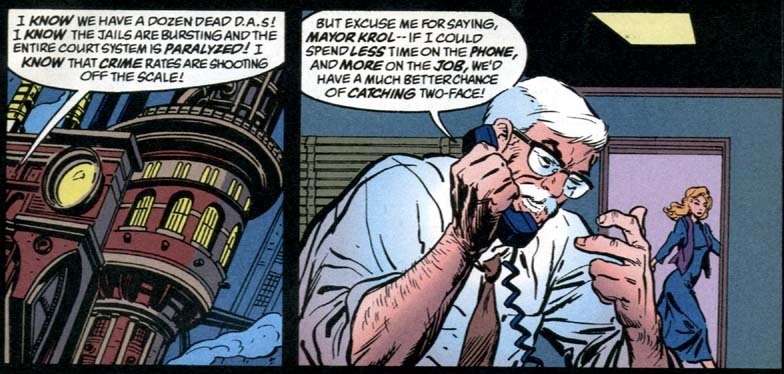
Batman Annual #14Batman Annual #14
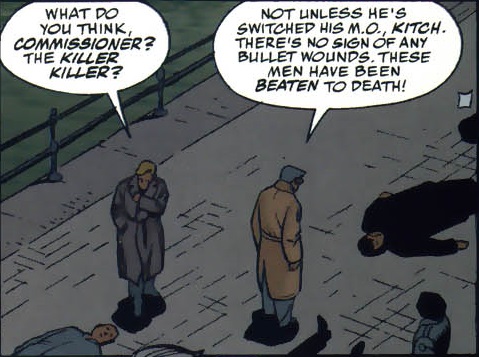
Batman Annual #13Batman Annual #13

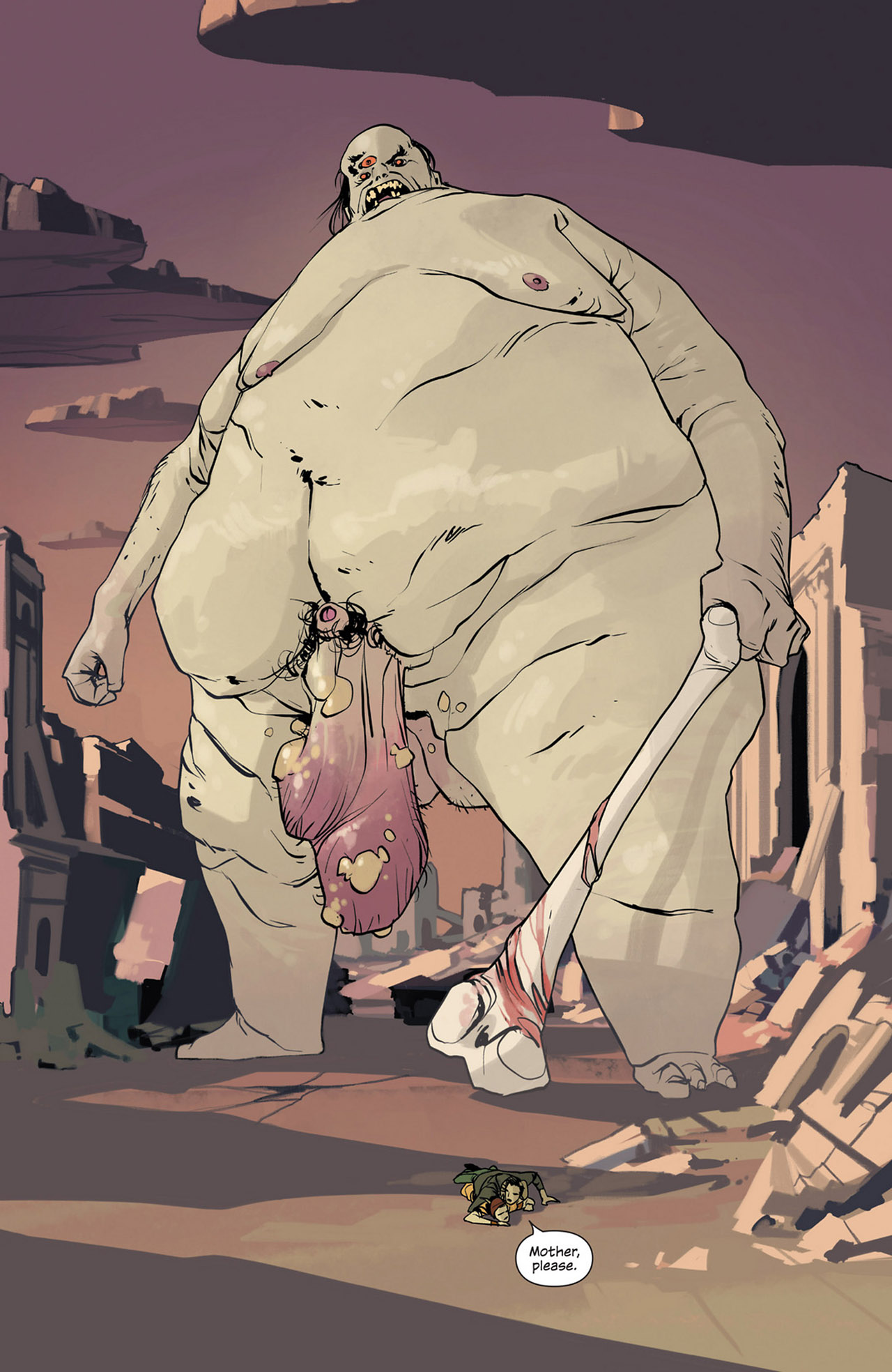
Batman & the Monster Men 005Batman & the Monster Men 005

Batman & the Monster Men #5

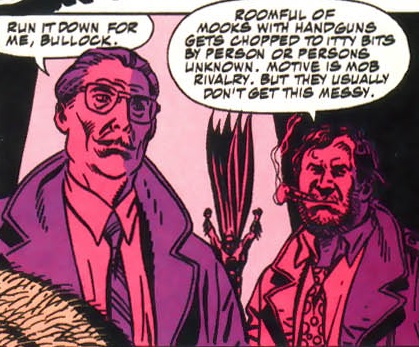
Shadow of the Bat #43Shadow of the Bat #43

Shadow of the Bat #43
Posted in GOTHAM INTERLUDES | Tagged | Leave a comment

COMICS CAN BE AWESOME (May)

As the world slides into a bigger mess and as the entertainment industry further displays its seedier underside, it is harder to uncritically consume pop culture. That said, I do continue to find a degree of comfort in engaging with pulpy adventures and fantasy. For all their escapist trappings, these narratives can at least deliver a form of temporary catharsis. (I’ve no doubt that, somewhere out there, countless papers are being written on the Trump era’s overpowering sense of helplessness as mirrored in blockbusters like Logan, The Last Jedi, and Infinity War.)

With that in mind, here is another monthly reminder that comics can be awesome…


Doc Savage (v2) #5Doc Savage (v2) #5
The Shadow #12The Shadow #12
Strange Adventures #208Strange Adventures #208
Posted in GLIMPSES INTO THE PAST | Tagged , , , , , , , , , , | Leave a comment

More minor but cool sci-fi comics

I did one of these last month, after watching Annihilation. Now, to celebrate the return of Westworld, I’m spotlighting another half-dozen underrated sci-fi comics:


OCEAN

ocean

It’s a testament to Warren Ellis’ creative mind and writing skills that Ocean is actually one of his lesser works. This thriller about a UN weapons inspector who is assigned to investigate a bunch of mysterious coffins that show up in one of Jupiter’s moons – and who then goes up against a sinister Microsoft-like corporation doing secret research in space – is a masterclass of lean storytelling and worldbuilding. While relying on generous stretches of dialogue to deliver key exposition, the comic also conjures up a believable future based on subtle reactions and visuals clues (plus, the characters’ gender and ethnicity give you a hint of social progress). There are heady sci-fi ideas and even a satirical bent in the form of a group of remote-controlled ‘corporate humans’ (‘When people are hired on, their own personality is shut off for the duration of the work contract.’).

It can sometimes be a disservice to say that a comic feels like a movie, but that’s certainly what the creators were going for here. Ocean is basically the culmination of a string of standalone projects Ellis did in the early 2000s (Global Frequency, Orbiter, Switchblade Honey, Mek, Tokyo Storm Warning, Ministry of Space) where he perfected the art of the film-like sci-fi yarn, balancing technobabble with visual awe. The gifted duo of Chris Sprouse and Karl Story then captured the sense of wonder of the vast Jupiter landscapes and nailed the cinematic rhythm while giving the whole thing even more of a Hollywood vibe by casting a Samuel L. Jackson-esque lead.

In fact, with all the craft that went into this comic, it may sound odd to charge it with lack of ambition, but I still wish it would’ve aimed higher… Ellis relies too much on shorthand characterization (as usual, done over snarky quips about coffee or boredom) and quickly wraps up the plot with a violent shoot-out plus a last-minute escape from an explosion – a pretty by-the-numbers resolution for such a promising set-up!

So yes, Ocean does feel like a cool movie. Yet it feels like one of those cool movies (like Sunshine, District 9, and 10 Cloverfield Lane) where an imaginative high concept ends up drowned – rather than enhanced – by loud action and special effects.


POLSTAR

polstar

Speaking of action movie-like comics, the French series of graphic novels Polstar (by the father-son team of Jean Léturgie and Simon Léturgie) reads like a trashy celebration of every cyberpunk blockbuster you’ve ever seen, only with the ultra-violence ramped up to eleven.

Set in 2060, at the heart of a totalitarian empire ruled by a sadistic triumvirate, the first three books tell the outrageous revenge story of a schlubby cab driver – Nicolas Polstar – who goes on a rampage after the brutal murder of his family (including an incubator which he considers his mother). The murder was a set-up designed to frame a revolutionary leader called ‘Le Mérou’ (The Grouper). A computer glitch led the triumvirate to believe Polstar was the right man to take out the Grouper, but they end up getting way more than they bargained for… Before the story is over, this short-sized, big-nosed, psycho anti-hero not only eviscerates more people than Beatrix Kiddo, he also teams up with a deranged cannibal, a traumatized little girl, and a Bruce Willis-lookalike who leads a small army of apes (yes, twelve of them).

There is a nasty strain of cynicism running through the comic. For instance, it is revealed early on that the Grouper was initially the triumvirate’s creation as a strategy to keep the masses in place by giving them a faux champion of justice to channel their hopes of freedom. Moreover, this is one of those tales where the final pages mirror the first ones, leaving you with the impression that, at the end of the day, after all the slaughter and the illusion of political change, the main problems are still there.

That said, nothing here is particularly deep: on top of the derivative setting, the characters themselves are as cartoony as Simon Léturgie’s linework. His art is what keeps Polstar afloat, really – among all the nudity and gore, Léturgie’s dynamic, exaggerated style gives the material a darkly comedic edge, even as the series goes into increasingly tasteless territory. In other words, I could see Paul Verhoeven directing an adaptation of this, but it wouldn’t be half as fun!

The first three volumes came out in the late 1990s and tell a complete saga, which unfortunately has not been translated into English yet. A fourth book came out in 2002, kicking off a new adventure (and sadly undermining the previous book’s finale), but as far as I know the creators haven’t returned to the series since then.


THE SURROGATES

SurrogatesSurrogates

Another dystopic yarn, the 2005 mini-series The Surrogates gives us a futuristic US in which most people stay at home and interact with each other through mechanical substitutes (‘surrogates’). The plot is quite run-of-the-mill for this type of tale: as usual, you have a murder investigation leading you around, with a small case eventually exposing the fabric of the system, including the powers pulling the strings behind the curtain as well as an organized resistance group. We’ve seen this story before, but not this peculiar world – and writer Robert Venditti succeeds in thoughtfully exploring some of the potential implications of such a technological shift in terms of wider society (the backmatter extras are particularly clever).

Although the set-up is not entirely convincing, the point isn’t necessarily to create a credible future as much as to provide a kind of allegory for the present. This belongs in the tradition of literary works like Orwell’s terrifying Nineteen Eighty-Four, Bradbury’s lyrical Fahrenheit 451, and Huxley’s trippy Brave New World – a subgenre that will continue to be reinvented as long there are new trends to engage with (see, for example, Ben Elton’s Blind Faith or any episode of Black Mirror). In other words, even though The Surrogates’ science doesn’t fully hold up, thematically the comic remains pretty topical, as it gives the speculative treatment to trends like online avatars, the mechanization of everyday life, and our culture’s obsession with body image. Seen through that lens, exchanges like the one above, with two hardboiled cops making fun of a guy who uses a female surrogate, come across less as specifically transphobic than as part of the comic’s overall comment on the multiple layers of identity politics – after all, almost everyone in this universe (the cops included) is living through an imagined version of their body, which rarely matches their biological one.

I haven’t seen the film adaptation, but I heard it’s not very good. The movie seems to suffer from Hollywood’s tendency to downplay complex ideas in favor of action and spectacle. Furthermore, it lacks Brett Weldele’s rough-sketch art and monochromatic coloring, which are a big part of The Surrogates’ alluring mood. (Besides the adaptation, there is also a prequel graphic novel, but that’s hardly essential reading.)


THE VISIBLE MAN

Visible Man

After an accident involving radioactive waste, Frank Hart’s skin and surface muscular tissue become transparent, so that you can now see inside his body. Because this is a comic written by Pat Mills, the protagonist may be kind of a jerk, but everyone else around him is even worse… Frank soon realizes that from now on everybody will treat him like a freak – they either fear him, hate him, and/or want to conduct cruel experiments on him.

Although the story meanders somewhat, it’s kept alive by the fast-moving, hysterical script and by the deliberately horrific art (by Carlos Trigo and Montero, with punchy letters by Jack Potter), culminating in a punk-ass, misanthropic finale.

The ‘Visible Man’ saga was originally serialized in 1978, on the pages of the British sci-fi mag 2000 AD. Six years ago, Pat Mills wrote a couple of follow-ups (illustrated by Henry Flint), but they didn’t amount to anything special.


WARDOG

judge dredd megazine

Set in a post-war future populated by cyborgs, sentient robots, and out-of-control military machines, this short-lived series – serialized in the anthology Judge Dredd: The Megazine – followed Jack Wardog, an amnesiac with an explosive charge on his head set to blow up if he didn’t complete his near-impossible missions on time. There was even a timer bonded to Jack’s forehead, counting down to each deadline – that’s how much of a thrill ride this was!

The character and his world were based on a videogame, which is usually an indicator that the comic book team won’t be bringing their absolute A-game to the table… And yet, Wardog was as snappy a two-fisted yarn as they come. Dan Abnett kept things tightly paced and witty, having a lot of fun with the robots’ dialogue by putting a technological spin on familiar human expressions (‘Every night, I try to reboot, but I can’t delete that face from my memory files.’). Patrick Goddard’s and Dylan Teague’s art wasn’t too flashy, it just kept the action clear enough while approaching the weirdest story elements with a deadpan attitude. The same goes for Richard Elson’s colors. Plus, the comic immediately won me over with the opening gag (in the image above).

I, for one, would totally read more Wardog adventures by this creative team.


ZERO HOUR AND OTHER STORIES

what he saw

For the past six years, Fantagraphics has been putting out a series of excellent collections of EC Comics short stories from the early 1950s (before the institutionalization of censorship through the Comics Code Authority). Each volume revolves around a specific illustrator, his drawings reproduced in black & white – which gives them an amazing noirish quality – and framed between interesting essays. Although not all stories have aged well, the best ones still hold up as masterpieces of the medium. I’m especially fond of the Twilight Zone-ish shockers written by Al Feldstein, even if they tend to be text-heavy, cluttering the work of talented artists with too many captions and word balloons (lettered in typescript font, just to make things worse!).

Zero Hour and Other Stories, which collects comics illustrated by Jack Kamen, may not look as gorgeous as Al Williamson’s 50 Girls 50, or feature as many powerful tales as Joe Orlando’s Judgment Day, or be as sharply satirical as Feldstein’s Child of Tomorrow, but it’s a blast in its own way. Kamen had a clean-cut, sexy style that almost felt like a parody of 50s’ wholesomeness, so of course the folks at EC assigned him the nastiest pieces of black comedy. Scripted by Feldstein and Jack Oleck, co-plotted with Bill Gaines or adapted from the works of Ray Bradbury, some stories have a Cold War vibe (particularly ‘4th Degree’ and the titular ‘Zero Hour’), but they mostly revolve around troubled gender relations, including twisted tales about scientists who use cutting edge technology to run away with their mistresses, horny nuclear war survivors (a trope of the era’s post-apocalyptic fiction, famously at the core of the novel I Am Legend), and greedy lovers whose desire to be together often culminates in a macabre punchline… not to mention the one about the abused wife who inadvertently eats her husband!

Brace yourself for more than a few misogynist stereotypes, like the nagging spouse or the cold-hearted femme fatale. Still, there is something perversely amusing and subversive in the way these comics suggest the dark impulses lurching underneath Eisenhower’s suburban America… even if the collection also contains what is perhaps EC’s tenderest moment, in the form of a tale about an alien invasion (one of many) that gets sidetracked by the aliens’ discovery of emotional and sexual attraction.

Posted in FANTASTIC ADVENTURES | Tagged , , , , , , , , , , , , , , , , , , , , , , , , , , , , , , | Leave a comment

Spotlight on Batman’s Z-list villains

Welcome to Gotham Calling’s 200th post!

solo 7Solo #7

Back when we reached the first hundred posts, Zack Snyder’s Batman v Superman: Dawn of Justice was about to come out and I wrote about a handful of oddball villains whom I guessed wouldn’t be showing up in the film. It was a different era: since then, we’ve had The LEGO Batman Movie, so now it seems that pretty much any character – no matter how strange or obscure – has a chance to appear on the big screen, at least in a cameo. (Between the first couple of LEGO movies and Ready Player One, there seems to be no limit to the amount of pop culture Easter eggs Warner is willing to cram into its films.)

This is the kind of thing that fills my geeky heart with joy, since I have an unabashed fondness for all the losers in Batman’s rogues’ gallery… I just love the notion that for every deranged criminal that makes it big – like the Joker and Two-Face – there are a dozen loons with preposterous gimmicks desperately trying to make a name for themselves.

For instance, take Mr. Polka-Dot (aka Polka-Dot Man), who has become a poster boy for this type of character:

detective comics 300Detective Comics #300

Created in the early 1960s by writer Bill Finger and artist Sheldon Moldoff (with inks by Charles Paris), Abner Krill decided to turn harmless dots into menacing weapons of crime. Thus, one of the colorful dots in his funky costume becomes a buzzsaw, another one becomes a flying saucer, yet another one becomes a tiny sun… Moreover, the targets of his robberies are all specifically related to dots and spots, including a maharaja who owns a leopard and a map company where cities are represented by dots on maps.

If this premise sounds goofy, that’s because it is: the story that introduced Mr. Polka-Dot (‘The Bizarre Polka-Dot Man’) came out during the Caped Crusader’s infamous Great Scott period, at the height of the Silver Age. With no clear motivation for the villain or explanation of how his devices worked, the whole thing was almost abstract, combining baffling lines with psychedelic images (like when Robin was attacked by dots that turned into hovering dismembered fists).

This is one of those tales in which you just know the Dynamic Duo is going to use the villain’s theme against him and part of the fun is trying to figure out how they’ll pull it off. There is also a puzzle in the pattern of the crime spree, which the reader is directly invited to solve. The final page is a gloriously pun-full read – besides Batman’s obvious one-liners while punching the wannabe crime lord (‘Right on the dot! By now, you should be seeing spots before your eyes, Mr. Polka-Dot!’), we get this delightful panel:

detective comics 300Detective Comics #300

Although this was the only proper comic book story where the Polka-Dot Man served as the Caped Crusader’s main antagonist, he is probably the least obscure villain on our list. The character’s ridiculousness ended up working to his advantage, as he became a running joke in Batman comics. Most remarkably, he has been known to show up in books written by Chuck Dixon, in the most demeaning situations… Abner Krill gets a serious beating from Harvey Bullock on the opening pages of the excellent GCPD mini-series. Likewise, he is attacked as part of a background gag in the saga of the equally lame Killer Moth:

batgirl year oneBatgirl: Year One #5

(Apparently, the Polka-Dot Man continued to hang out at the same bar, as seen in Nightwing: Year One, where he got yet another beating there.)

One of my favorite cameos takes place in ‘Love at First Mite,’ where Sholly Fisch briefly rebooted the character with even more outlandish weapons (‘Should I shrink you with my microdot? Trap you in the internet with my dot-com? Wipe your memories with my forget-me-dot?’).

Together with Kite-Man, Crazy Quilt, and the Condiment King, this remains one of the go-to villains when creators lazily want to illustrate a failed member of Batman’s rogues’ gallery…

Widening Gyre #4Widening Gyre #4

Notably, Mr. Polka-Dot appeared in the 2009 mini-series Final Crisis Aftermath: Run, a dark comedy about second-rate villains, in which he met his suitably pathetic demise as his head got squished by a manhole cover!

One character who debuted around the same time as the Polka-Dot Man – also designed by Sheldon Moldoff (with inks by Joe Giela) – and whom I’m quite fond of is the Monarch of Menace (aka the King of Crime, aka the Royal Rogue). This criminal used technology shaped like royal symbols in order to physically force people to act respectful and subservient:

detective comics 350Detective Comics #350

The Monarch of Menace first showed up in a 1966 story penned by Bob Kanigher, in which Batman seemed obsessed with the Royal Rogue, who had disappeared after having established his ‘reign of crime’ (the Caped Crusader even had a framed picture of him in the Batcave, because why wouldn’t he). When the Monarch of Menace apparently returned, Robin quickly captured him, but it turned out to be the Monarch’s son clumsily trying to follow the father’s footsteps (in what can be read as a parody of the notion of hereditary power). My favorite bit occurred early on, as Batman athletically fought a group of henchmen… The villain mused: ‘Perhaps I ought to make you my court acrobat?’ and the Dark Knight replied: ‘The only court that interests me is the one I’m going to put you in – the court of law!’
The King of Crime returned in 1981, as the main villain of ‘While the Bat’s Away…’ (plot by Bob Rozakis, script by Roy Thomas, art by Jose Garcia-Lopez and Frank McLaughlin). Taking advantage of the fact that the Dark Knight was out of town – presumably in the globetrotting adventure ‘The Lazarus Affair’ – the Monarch of Menace claimed to have captured Batman and demanded a tribute from Gotham’s underworld (10% of the loot from each heist) in exchange for keeping the crimefighter out of circulation. This is quite a nice issue, not only because it looks great (Jose Garcia-Lopez is one of the all-time masters of elegant depth and dynamism), but because the rumors of Batman’s disappearance encourage all sorts of small-time crooks to try their luck in Gotham, which serves as a pretext to bring back Z-list villains like the Bouncer, Spellbinder, and Cluemaster.

Moreover, the issue features several fun moments as the Caped Crusader and the Monarch of Menace try to out-quip each other. At one point, the former taunts the latter: ‘You’ll never make it in the underworld wearing those threads, anyway… Burger King will sue you for trademark infringement!’ Later, he tells his foe: ‘You talk big, Monarch – for a guy who lets others do his dirty work for him.,’ to which the Royal Rogue poignantly retorts: ‘Is that not traditionally the way of kings, varlet?’

Speaking of royalty, let us not forget the Element King:

Legends of the Dark Knight 063Legends of the Dark Knight (v2) #63

Simon Majors was a brilliant professor of chemistry who began studying alchemy and became obsessed with the discovery of the philosopher’s stone. In order to finance his research, he planned a series of robberies and eventually got a costume and called himself the Element King, before being put away by Batman and Robin. After several years in prison, he was released and – in the storyline ‘Elements of Crime’ – came out of retirement for an element-themed crime spree that culminated in an alchemist ritual at the Pentagon.

The Element King may sound like another kooky Silver Age creation, but he was actually first brought to the page in 2013, courtesy of Mike W. Barr and Tom Lyle. The joke is that he was clearly modelled after those old, cheesy villains, so it felt like you were reading the reboot of a character that didn’t exist before. Mike Barr, who always had a knack for this kind of metafictional interplay, masterfully combined a modern storytelling style with a classically constructed plot, including charming tropes such as ingenious escapes from convoluted deathtraps and scenes in which the Dynamic Duo jointly deciphered weird clues deliberately left by the criminal, for whatever reason. (In a subtler nod to 60s’ comics, the tale also featured a cameo by Simon Stagg, supporting character in Metamorpho, the Element Man.)

Sure, as a villain the Element King may not have much potential beyond mere pastiche and, in any case, he met quite a grisly fate in this story (a loser until the end). Yet it would be fun if future flashbacks retroactively incorporated him into the Dark Knight’s past and memories… If nothing else, this could allow for more fight scenes with the Dynamic Duo kicking butt while making outrageous puns about osmium and potassium.

In a similar gesture to the creation of the Element King, Karl Kesel and Dave Taylor – with inks from Robert Campanella and colors from Alex Sinclair – created Illuminata as a throwback to the same kind of colorful, one-shot villains of Batman’s past…

World’s Finest (v2) #3World’s Finest (v2) #3

Illuminata was a light-themed terrorist armed with incandescent flash bombs whose motivation was to shed light on the conspiracy that secretly rules the world. She showed up in an issue of the nifty World’s Finest limited series published in 1999, looking at the evolution of the friendship between the Caped Crusader and the Man of Steel throughout different eras of the characters’ histories. In this story (‘Light in the Darkness’), Superman – while pretending to be Clark Kent pretending to be Superman – went undercover into Arkham Asylum to write an exposé on the place. It just so happened that, while he was there, Illuminata managed to escape from her cell by grabbing a guard’s flashlight (‘And you used it to blind him and take his passkeys?,’ asks the Man of Steel… to which she replies that, no, actually she beat the guard unconscious with it!). She proceeded to organize a massive prison break in order to highlight Arkham’s terrible conditions.

Unfortunately for her, though, the Joker then decided to help Illuminata see better… by taking off her eyelids! The series thus strikingly illustrated the transition from the brighter Batman comics of yesteryear into a darker era:

world's finest #03World’s Finest (v2) #3

I just can’t get enough of these self-reflexive touches…

Which leads us to Mr. Nice, who was a member of a trio of hilarious thieves created by the team of Kelley Puckett, Mike Parobeck, Rick Burchett, and Rick Taylor in ‘The Last Riddler Story,’ one of the coolest issues of The Batman Adventures (a series in which most issues were pretty awesome anyway):

batman adventures #10batman adventures #10The Batman Adventures #10

Part of the joke – as you can tell from the gag above – was that, even though Mr. Nice had the skills to be a great robber, he was too swell a guy to fully go through with his heists. The other part of the joke was that Mr. Nice was modelled after DC editor Archie Goodwin (who edited much of Legends of the Dark Knight, for example), just like his two partners – the obsessive planner Mastermind and the know-it-all Perfesser – were modelled after editors Mike Carlin and Denny O’Neil.

The trio proved to be popular enough to earn a few sequels, with Puckett, Parobeck, and Burchett returning to the characters in ‘Smells Like Black Sunday’ and ‘Natural Born Loser’ (this one with Glen Murakami on colors), both fast-paced screwy comedies that would’ve made the Marx Brothers proud. In the former, Mr. Nice promises his partners to stop being nice for a day and then goes on to rob a nuclear arsenal, only to be defeated by an adorable puppy. In the latter, we are treated to the trio’s origin stories, including Mr. Nice’s background as a kids’ show host who just happened to have a talent for violence.

After Archie Goodwin passed away, in 1998, Kelley Puckett wrote a final comic about this trio – a lovely tribute to Goodwin, appropriately called ‘The End,’ in which Mr. Nice agreed to pull one last job before moving to an unknown country to help out a child leper colony. The story was full of touching meta-commentary, from the opening splash page (with Batman looking in the direction of the reader while proclaiming: ‘Nobody’s going to die here.’) to the scenes in which Mr. Nice said farewell to Mastermind and the Perfesser.

That said, for the most part the issue was just as packed with slapstick as the other ones, down to Rick Burchett’s cover, which riffed on Mad #1

mad          gotham adventures 13

(By the way, I’m pretty sure one of the antagonists in Shadow of the Bat #31 was a nod to Archie Goodwin as well!)

I’ll finish with the death-themed villain Mortimer Kadaver, another personal favorite of mine. He was introduced in 1988, in the kickass three-parter ‘Night People,’ by Alan Grant and Norm Breyfogle (John Wagner is also officially credited, but I think this was after he had stopped working for Detective Comics). Mort was essentially a psychopath whose morbid fetish perfectly embodied the twisted sensibility of the Grant/Breyfogle run…

Detective Comics 588Detective Comics 588Detective Comics #588

Even though he didn’t catch on as much as other villains created during this run – such as Ratcatcher and the Ventriloquist – Mortimer Kadaver played a role in some fine comics. After ‘Night People,’ he appeared in ‘Snow and Ice,’ where he helped the Penguin fake his own death. As usual, the swash of Norm Breyfogle’s art knocked it out of the ballpark and the whole thing was peppered with Alan Grant’s surreal dark humor (including the Penguin’s bizarre final request that everyone at the funeral give a loud, bird-like squawk over his grave). Kadaver seemingly died in this story, shot in the head – amusingly, he died begging for his life… or, at least, for a less undignified death!

I suppose Grant couldn’t get enough of Mort, as he brought him back two years later, in Shadow of the Bat #11-12 (now with art by Vince Giarrano). The doctors had somehow managed to save Kadaver from the bullet in the head, but they had also discovered a brain tumor that would soon kill him. This turned out to be the character’s final appearance (although he was behind the scenes in Shadow of the Bat #25) and talk about going out in style – determined to take as many people with him as possible, Kadaver came up with a plan to infect Gotham City with the pneumonic plague!

However, because this was Gotham after all, he was ultimately stopped by an even goofier villain:

Shadow of the Bat #11Shadow of the Bat #11
Posted in GOTHAM CITIZENS | Tagged , , , , , , , , , , , , , , , , , , , , , , , , , , , , | 4 Comments

Going to the movies in Gotham City

Longtime readers won’t be too surprised to find out that, as an unabashed cinephile, I am fascinated by Gotham City’s film culture. In fact, throughout the years, I think I’ve managed to piece together some of its key features…

Batman 459Batman #459

Let’s start with the obvious: Gotham cinemas are really into replays. The Mark of Zorro seems to show up on the big screen every once in a while (especially if you refuse to believe the most recent versions of Bruce Wayne are over eighty years old). A key plot point of Batman #274 concerns a week-long cycle of revivals starring Humphrey Bogart and the classic story ‘Death Strike at Midnight and Three!’ reaches its climax at a Buster Keaton festival. Writers often use old pictures as shorthand to establish a recognizable mood, like in Batman #520, where Doug Moench conjures up a romantic date between Harvey Bullock and his nurse by having them attend a double-screening of An Affair to Remember and Sleepless in Seattle.

That said, I am much more interested in the fictitious movies that play on Gotham’s screens. Rather than cynically view these fake films as a DC strategy to avoid lawsuits or as writers being cheeky about current trends, I prefer to think that Gotham City has a whole line of cinemas living off of mockbusters and shameless cash-ins!

For instance, the city’s movie theatres sure screen a lot of rip-offs of the works of Sly Stallone and Arnold Schwarzenegger…

Shadow Of The Bat 74Shadow of the Bat #74
Huntress/Spoiler: Blunt TraumaHuntress/Spoiler: Blunt Trauma

In Legends of the Dark Knight Annual #5, Batman even gets into a fight at the premiere of what looks like a Schwarzenegger vehicle called ‘Armageddon Man,’ as a gang of thieves tries to steal the print of the film. In an amusing bit of ironic juxtaposition, while throwing around batarangs and dodging bullets, the Caped Crusader thinks to himself: ‘The movie is just what the world needs. Another dose of gratuitous violence.’

That issue was penned by Chuck Dixon, who has contributed more to Gotham’s imaginary filmography than any other writer. Most notably, he wrote one of my all-time favorite Catwoman tales – the two-parter ‘More Edge, More Heart’ and ‘Box Office Poison’ – in which we follow the outlandish production process of the ultra-trashy flick They Lurk Below until its box-office success at the Gotham Plaza.

Dixon’s comics have also repeatedly conveyed the impression that this B-movie tradition goes way back. In the hardboiled one-shot Bullock’s Law, Harvey Bullock (by far the most notorious film buff in Batman’s supporting cast) meets a criminal from Black Mask’s gang at a cinema showing pictures with generic film noir titles: Dead Before Dawn, Seven the Hard Way, Kiss and Kill. In the underrated mini-series Batman vs Predator III, Tim Drake and his friends go to a drive-in marathon of 1950s schlock:

Batman vs Predator III #3Batman vs Predator III #3

This sequence, by the way, leads to an awesome entrance by the semi-transparent Predator, as he jumps in front of the screen:

Batman vs Predator III #4Batman vs Predator III #4

Chuck Dixon seems to enjoy the effect of using horror movies to frame a story’s horror vibe. In Robin: Year One #4, he pulled a similar trick with a proto-Frankenstein flick.

Speaking of classic horror movies, we know these were a big thing in Gotham City because of the character of Clayface, who was originally an actor specialized in this type of films, called Basil Karlo (a homage to real-world actors Basil Rathbone and Boris Karloff).

Joker’s Asylum: ClayfaceJoker’s Asylum: Clayface

In the late eighties, Alan Grant used the character to satirize the evolution of this genre, giving us another glimpse at Gotham’s exploitation scene:

Detective Comics 604Detective Comics #604

(Basil Karlo’s rant continues for a few panels more, concluding with melancholy: ‘Monsters are no longer things of the shadows, lurking on the far fringes of the mind… They’re technicolor special effects that burst like rainbows from the screen!’)

Gotham being Gotham, though, I’m sure the screens are filled with more eccentric stuff than just blatant knockoffs of familiar movies. In such a crazy city, you know there has got to be a whole set of quirky subgenres.

Robin 80Robin (v4) #80

I don’t know about the other titles on that billboard, but Rochelle Rochelle is definitely a nod to Seinfeld… Likewise – and I have no idea if this was because of writer Chuck Dixon, penciller Scott McDaniel, inker Karl Story, or (appropriately) letterer John Costanza – there is a movie theatre in Nightwing that only shows fictional films mentioned on that famous ‘90s sitcom:

nightwing 22Nightwing #22

I’ll finish by revisiting ‘Sunset’ – Batman’s weird version of Sunset Boulevard – which tells us a little bit more about the city’s connection to the film industry. In this outrageous tale (written in a deadpan style by Tom Joyner, co-plotted by Keith S. Wilson, with somewhat underwhelming art by Jim Fern), we learn that there is an old movie lot in Gotham that has been abandoned since the silent era. Buster Keaton, Rudolph Valentino, Charlie Chaplin, and Gloria Swanson all worked there. The Dark Knight’s inner narration explains in a characteristically gloomy tone: ‘They say Hollywood killed it, but I know the truth. Nothing that bright and vital can survive in Gotham.’

Batman finds himself trapped in the lot by the silent film star Nina DeMille, who did the supposedly classic pictures Enchanted Moon, The Soldier Falls, and Child of Destiny (co-starring Douglas Fairbanks) and who also happens to be a vampire with hypnotic powers. Nina forces the Caped Crusader to act in her upcoming comeback movie (‘She calls it “Song of Solomon” – a horrible pastiche of cliché and melodrama that will run ten hours – if it’s ever made.’). As if that wasn’t torture enough, they also watch her old works:

Legends of the dark knight 41Legends of the Dark Knight #41

Alfred Pennyworth saves his master in the end, so Nina DeMille never actually finishes shooting Song of Solomon. Judging by the sneak peeks we get, though, the movie would’ve been an epic piece of camp:

Legends of the dark knight 41Legends of the Dark Knight #41
Posted in WEBS OF FICTION | Tagged , , , , , , , , , , , | Leave a comment

COMICS CAN BE AWESOME (April)

Your monthly reminder that comics can be awesome…

Stray Bullets - Killers 8Stray Bullets: Killers #8
Wild Blue Yonder 5Wild Blue Yonder #5
joelle jonesLady Killer #1
Posted in GLIMPSES INTO AWESOMENESS | Tagged , , , , , , , | Leave a comment

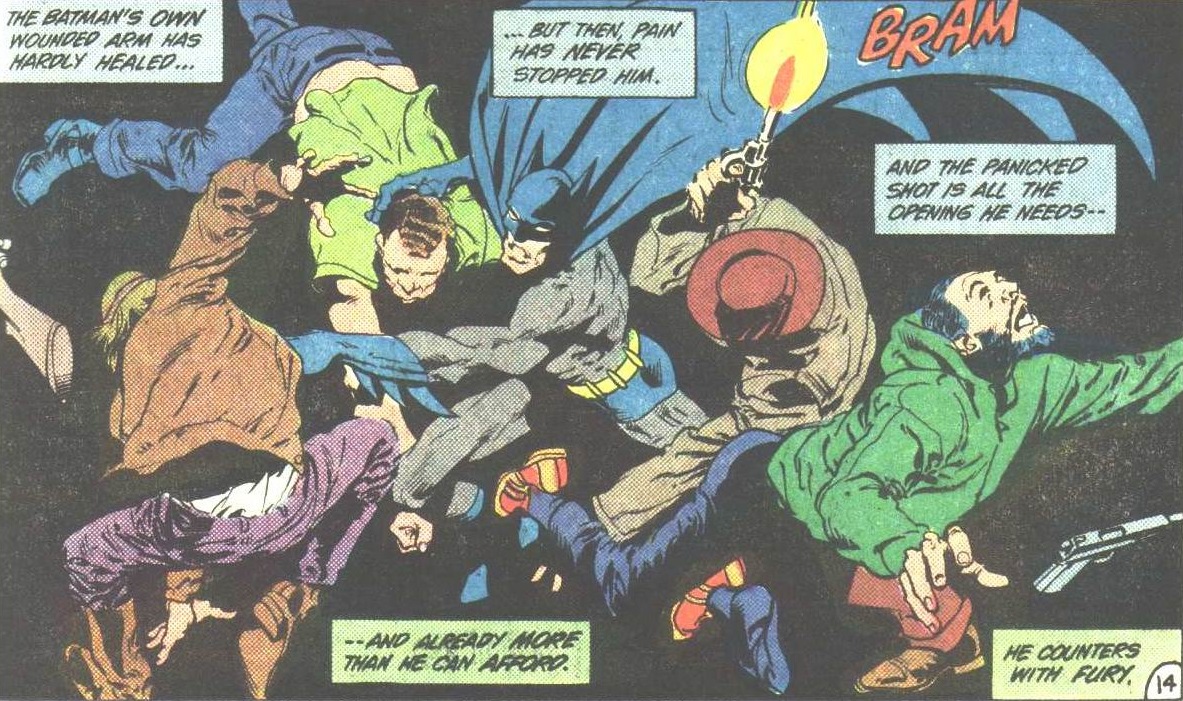
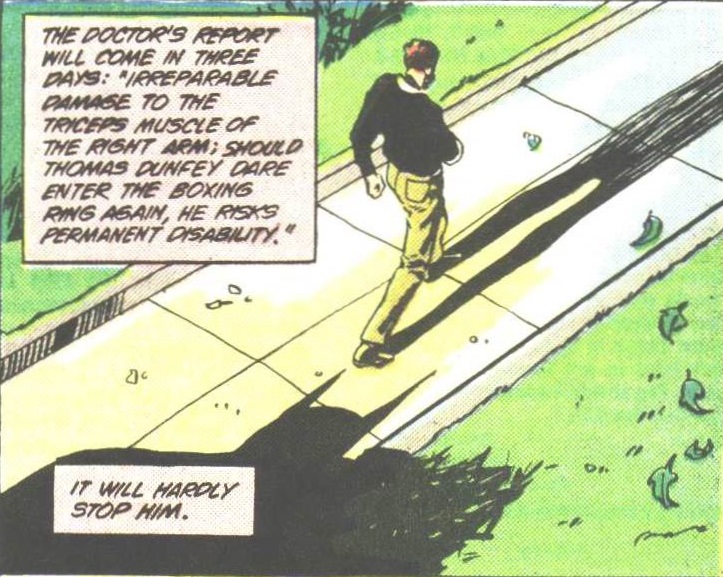
3 badass Batman sequences by Don Newton

Don Newton could draw gritty action better than most, so it’s pretty great that he got to work on so many Batman comics from the late seventies and early eighties, when writers such as Denny O’Neil and Gerry Conway gave him ample opportunities to flex his muscles. His characters’ facial expressions and body language seemed impeccably designed to convey rage and strength and desperation. In particular, Newton’s collaborations with inker Dan Arkins and colorist Adrienne Roy often projected quite a hardboiled mood, with plenty of mean-looking scumbags and ominous, strategically placed shadows.

Here are a couple of pages from ‘Murder by Thunderbolt,’ with the Dark Knight typically resorting to extreme interrogation methods:

batman don newtonbadass BatmanDetective Comics #486

There is so much to love about this sequence: the two panels at the top, which establish the dirty, downtrodden setting and create a sleazy vibe; the elegant way Batman deflects the grenade, not missing a beat; and, above all, the old lady’s unfazed attitude, as if no explosions or violence can possibly deserve more attention than the clothes she has to dry.

Besides beating up slimy underworld hoods in search for information, another classic situation in Batman’s repertoire is getting strapped to a deathtrap and having to mobilize all his wits and grit in order to wrestle out of it. For instance, in ‘Nine Lives Has the Cat…,’ Catman ties the Caped Crusader’s arms and legs to stakes on the beach, leaving him to die as soon as the tide rises. This sounds like a goofy premise right out of a Bond knockoff (Catman even paraphrases Goldfinger at one point), but Don Newton played it straight and managed to pull off a surprising amount of pathos:

Batman drowningbatman risesDetective Comics #509

Of course, much of the sequence’s hard-hitting atmosphere comes from the fact that it takes place at night, with Newton, Arkins, and Roy enveloping Batman’s struggle in dark negative space. I bet those panels with the Caped Crusader’s head disappearing under water were a major inspiration for Kelley Jones’ cover of Detective Comics #663, twelve years later.

Let’s finish with yet another kickass moment related to the threat of drowning, from the story ‘College for Killers.’ Once again, the Dark Knight is on a quest and willing to trash any lowlife who can help him find out what he needs to know. This time around, Don Newton’s pencils were inked by Frank Chiaramonte, who worked well with Newton’s noirish, muscular style. Assisted by Ben Oda’s sound effects, they crafted a punchy, dynamic scene, hilariously leading up to one of Batman’s all-time dickiest moves:

Don NewtonbatmanDetective Comics #515
Posted in ART OF BATMAN COMICS | Tagged , , , , , , | 1 Comment

Minor but cool sci-fi comics

After the remarkable Ex Machina, Alex Garland has now put together another tense, intelligent science fiction film in the form of Annihilation. The movie feels like a welcome reminder that, even though cinema tends to simplify the dense, heady tales it borrows from sci-fi literature, its pace and texture can nevertheless create a powerfully unsettling experience. To be sure, this is still a full-blown thriller at heart, but a refreshingly contemplative and engrossing one, even if the characters aren’t all that deep and even if it occasionally boils down to people shooting at bizarre-looking creatures.

Comics have produced their fair share of science fiction masterpieces, but Annihilation got me thinking more about near-misses – works with great potential that are clearly flawed yet remain interesting and somewhat satisfying, at least at the level of above-average comfort food. Some have compelling premises and ideas but treat them in a relatively uninspired way. Others recycle overused clichés but approach them with style and gusto. You get the feeling with several books that, if only they’d been given more room to find their voice, they could have morphed into something truly special.

I have a soft spot for many of these comics. While they’ll never become outright classics, they have enough cool elements inside to at least be worthy of cult status… Here are some that I suggest checking out:

7 AGAINST CHAOS

7 against chaos

Penned by acclaimed writer Harlan Ellison, with solid (if old-fashioned) art by Paul Chadwick, this pulpy adventure yarn about a group of interplanetary misfits who are tasked with travelling back to the Pleistocene to save the fabric of reality sometimes looks like it’s on the verge of greatness, but it doesn’t quite get there. Frustratingly, 7 Against Chaos is plagued by an overbearing narration (often providing redundant or irrelevant information instead of letting the visuals carry the story) and an ultra-compressed pace (with the book rushing through key dramatic turns, thus lessening their impact). It also suffers from poorly developed characters (like Urr, who is introduced as an android that has established his own morality and can therefore rationalize breaching Asimov’s laws of robotics… a trait that never pays off!). Plus, the plot is pretty derivative – the first third of the story is a space opera version of Seven Samurai (a genre mash-up already done in the schlocky B-movie Battle Beyond the Stars) and the rest is mostly a run-of-the-mill team-on-a-mission quest with some hackneyed sword & sorcery imagery thrown in for good measure.

Still, once you accept these issues, there is a lot to like here (it helps if you pretend this is a lost comic from the seventies rather than an original graphic novel from 2013). Ellison packs the book with nifty little moments, like when the wave of entropy suddenly turns a CEO into a snake during a board meeting (‘They have no time to reflect on the aptness of the metamorphosis.’). Chadwick comes up with elegant designs and – along with colorist Ken Steacy – takes a chance to shine in the trippy time-travel sequence. And, above all, the climax is really strong: the heroes don’t just have to fight for their lives and sacrifice themselves for the mission, they also engage with a provocative ethical dilemma, leading up to a striking resolution.

CALIBAN

caliban ennis

Garth Ennis has never been too shy about cannibalizing his favorite pictures. Just like Bloody Mary: Lady Liberty was a blatant riff on Escape from New York, Caliban is his take on Alien – according to interviews he gave at the time, he started toying with the idea when Prometheus was announced, imagining his own version of a prequel to Ridley Scott’s 1979 masterpiece (the book is even dedicated to H.R. Giger, ‘nightmare-builder’). This too is an alien-encounter horror tale set in a dark starship during a mining expedition, and the crew has the same grounded attitude as the one from the movie (a key theme established early on is that, even after conquering space, humans are bound to remain as grumpy and petty as always). The best part is that there is no xenomorph or a similar monster – the set-up may be familiar, but Ennis comes up with an original threat. Thus, Caliban captures the first film’s sense of dread as you keep trying to figure out what’s going on and the threat keeps evolving (this was something sorely lacking from the Alien sequels).

Facundo Percio is no Giger, yet he crafts a suitably eerie atmosphere, including a number of gruesome visuals, inked by Sebastian Cabrol and colored by Hernan Cabrera. You may occasionally find yourself flipping back and rereading a couple of pages because some of the settings and characters look slightly indistinguishable and the technobabble can get a bit thick, but I think that’s part of the fun – as talky as the comic can get, Garth Ennis excels at professional-minded, Hawksian banter.

Like Annihilation, Caliban also does a particularly swell job with the characterization of a gay female crew member… Ennis has written other strong-willed lesbian characters (namely in his Marvel Knights Punisher runs and in his Where Monsters Dwell mini-series), yet they tend to show up in a comedic context, whereas here that subplot actually pays off in quite a touching way.

CLEAR BLUE TOMORROWS

clear blue tomorrows

This 2001 Belgian graphic novel (recently published in English by Cinebook) is basically an anthology with an amusing framing device: an old man travels from the future to the present day in order to prevent scientist/businessman (and failed novelist) F.G. Wilson from taking over the world… however, because he cannot kill Wilson, he tries to lead the would-be tyrant away from the path of world domination by encouraging his writing career. We thus get a handful of story pitches – based on the old man’s memories from the future – that ultimately work as short, self-contained tales, usually with a touch of satire.

The whole thing is penned by Fabien Vehlmann, who is a pretty entertaining genre writer. And while the stories in Clear Blue Tomorrows are your typical mixed bag, all of them are a joy to read thanks to the cartoony, light-as-a-feather art of Bruno Gazzotti and Ralph Meyer, with colors by Bernard Devillers. High points include a prison tale in which a warden controls the inmates by getting them hooked on a cheesy soap opera, a thriller set in the sewers during the Super Bowl (under the looming threat of that collective flush in the ad break), and a futuristic spin on the Judgement of Solomon.


FATIMA: THE BLOOD SPINNERSFatima comic

When indie creators who are mostly known for their dramatic works venture into pure genre territory, the results are often intriguing, but don’t always hold up very well on their own. Take, for example, Daniel Clowes’ Patience, which got so much praise a couple of years ago: it is surely an interesting entry into Clowes’ oeuvre (in that it channels his pet themes and tone in a new context), but as a sci-fi adventure it isn’t very clever, creative, fun, or thought-provoking (even if it is each of those things to some degree). While Patience’s main appeal was to read a Clowes comic with a sci-fi twist, though, in the case of 2012’s Fatima: The Blood Spinners the appeal was to read a sci-fi comic with a Gilbert Hernandez twist. The famed creator of the moving Palomar tales threw himself at this post-apocalyptic zombie-infection yarn with flair and zest, embracing the cheap thrills of splatterpunk in all their trashiness while delivering a kickass grindhouse ride.

Fatima doesn’t break any new ground in terms of characters (a gun-toting babe with a haunting past and a grim attitude, a group of sleazy mad scientists) or concepts (a powerful designer drug, a shady conspiracy), but Hernandez takes the familiar trappings and makes them his own. He goes particularly over-the top with the action, most pages featuring gleeful shoot-outs and gory violence. And, as usual, Beto draws mesmerizingly huge-breasted women (including a couple of bikini-clad blondes who set up a nice gag), although in this kind of story it feels like an apt homage to Russ Meyer’s exploitation flicks, such as Faster, Pussycat! Kill! Kill!.

For all its well-trodden tropes, The Blood Spinners is a strange little beast that keeps moving relentlessly – a sudden plot turn here, a jarring jump-in-time there, a brief romantic detour – at an offbeat pace, punctuated by hordes of exploding heads.


HEARTBURST

heartburst

A human colony in a faraway planet that has become so out-of-touch with Earth that their belief system is based on deciphering old television shows (‘The Sponsor in all his glorious manifestations is beaming them at us!’)? A Gene Police, run by Inquisitor Xerox, in a brutal crusade against human-alien miscegenation? An atomic colonial war? A means of travelling throughout the galaxy that relies on heart and dreams? A twisted send-up of religion, apartheid, and the military, full of sex and disturbing imagery, as well as a trace of New Age sensibility?! This is what you get when you give creative freedom to Rick Veitch, one of the most fascinating voices in the world of comics, who not only wrote Heartburst, but also provided its feverish art and psychedelic colors.

Heartburst was originally published in 1984, but Veitch released it again in 2008 – in the collection Heartburst and Other Pleasures – together with a handful of brief experiments (including the illustrated poem ‘The Mirror of Love,’ a homage to same-sex love and its role in culture, written by Alan Moore).

PULP FICTION LIBRARY: MYSTERY IN SPACE

mystery in space

In 1999, DC put out a wonderful collection called Pulp Fiction Library: Mystery in Space, with thirty-three short stories published between 1946 and 1981, shaped by utopian dreams and nuclear nightmares. The collection includes works by a host of notable creators, such as writers Gardner Fox, Otto Binder, Robert Kanigher, Len Wein, and Gerry Conway, as well as artists Frank Frazetta, Murphy Anderson, Jim Mooney, Alex Toth, Carmine Infantino, Gil Kane, and Joe Kubert, among many others. There are also neat introductory texts by Larry Niven and Stuart Moore.

While the quality varies, the comics are overwhelmingly interesting and/or fun: some make outlandish predictions (‘How Television Will Change Your Future’ predicts a world with live newscasts!), others engage in believable scientific speculation (in ‘Just Imagine – if the Sun Went Out!,’ humans nuke the moon until it becomes a new sun), some have more of a dark vibe (‘Spores from Space’ could have come out of EC Comics), others are lighthearted escapist fare (‘I Hunted Big Game in Outer Space’ is exactly what it sounds like), some are merely droll (‘Brief Encounter’ delivers a quirky joke without overstaying its welcome), others are totally bonkers (‘The Man with 100 Lives!’ finishes with the beautiful line: ‘The day will come when all crime will realize there’s no victory against the science of law and order!’), a few of them are close to brilliant (‘Killing Time’ has one hell of a final page), and many are your quintessential pulp adventure, full of ray guns and jetpacks (some even feature DC heroes such as Adam Strange and the Atomic Knights).

The appeal is not just to see how the future kept being reimagined throughout the decades, but also to appreciate the shifts and continuities in the language and visuals of sci-fi comics, from the dynamic, quasi-surrealist drawings of Jack Kirby, Dick Sprang, and Virgil Finlay in the mid-1940s to the stylish art of Tom Yeates, Brian Bolland, and Rick Veitch in the early 1980s.

Posted in FANTASTIC ADVENTURES | Tagged , , , , , , , , , , , , , , , , , , , , , , , , , , , , , , , , , , , , , , , , , , , | Leave a comment

‘No Man’s Land’ reading order

If you read the last post, you know what’s going on. Here is my suggested reading order for the 1999 crossover No Man’s Land:

batman 563          batman no man's land

Winter

No Man’s Land #1: ‘No Law and a New Order’ [This issue kicks things off in day 93 of NML, presumably set around February 1999.]

Shadow of the Bat #83: ‘Strategy’

Batman #563: ‘Tactics’

Detective Comics #730: ‘Language’

Legends of the Dark Knight #116: ‘Fanning the Flames’

Shadow of the Bat #84: ‘To Serve and Protect’

Batman #564: ‘Life in Hell’

Detective Comics #731: ‘Be Not Afraid’

Batman Chronicles #16: ‘Two Down,’ ‘The Comforts of Home,’ ‘Harold’ [Two of these stories are set shortly after the earthquake (i.e. before No Man’s Land), but the middle one (a gag-filled tale about a couple who innocently ventures into the Joker’s den) has a cameo by the new Batgirl, so instead of breaking down the issue I’m placing it here. The first and last stories can be read as flashbacks.]

Azrael, Agent of the Bat #50: ‘Resurrection’ [This one opens slightly before No Man’s Land, but it flows into the next issues, which end up around here.]

Azrael, Agent of the Bat #51: ‘Miracle Run’

Azrael, Agent of the Bat #52: ‘Devil Down Below’

Azrael, Agent of the Bat #53: ‘Jellybean Deathtrap’

JLA #32: ‘Inside Job’

Legends of the Dark Knight #117: ‘Bread and Circuses – part 1’

Shadow of the Bat #85: ‘Bread and Circuses – part 2’

Legends of the Dark Knight #118: ‘Balance’

Batman #656: ‘Mosaic – part 1’

Detective Comics #732: ‘Mosaic – part 2’

Shadow of the Bat #86: ‘Home Sweet Home’

Detective Comics #733: ‘Shades of Grey’

Hitman #37: ‘Dead Man’s Land – part 1’

Hitman #38: ‘Dead Man’s Land – part 2’

Batman #657: ‘The Visitor’

Azrael, Agent of the Bat #54: ‘Step into the Light’

Azrael, Agent of the Bat #55: ‘Misery Dance’

Hitman #39: ‘For Tomorrow – part 1’

Hitman #40: ‘For Tomorrow – part 2’

Hitman #41: ‘For Tomorrow – part 3’

Hitman #42: ‘For Tomorrow – Conclusion’

Batman Chronicles #17: ‘Little Boy Lost,’ ‘Turn On, Tune In, Freak Out,’ ‘Identity Crisis’

Hitman #43: ‘The Morning After the Night Before’

JLA #33: ‘Altered Egos’

Young Justice – No Man’s Land: ‘Road Trip’

Catwoman #66: ‘I’ll Take Manhattan: The Brooklyn Bridge’

Catwoman #67: ‘I’ll Take Manhattan: Bulls and Bears Beware’

Catwoman #68: ‘I’ll Take Manhattan: Hot in the City’

Catwoman #69: ‘I’ll Take Manhattan: To Catch a Thief’

Catwoman #70: ‘I’ll Take Manhattan: Double or Nothing’

Catwoman #71: ‘I’ll Take Manhattan: Requiem fir Selina Kyle’

Legends of the Dark Knight #119: ‘Claim Jumping – part 1’ [According to the narration, it’s day 127 of NML (only a month has passed since we joined the story), at the tail end of ‘the worst winter ANYONE can remember…’]

Shadow of the Bat #87: ‘Claim Jumping – part 2’

Batman #587: ‘Mark of Cain – part 1’

Detective Comics #734: ‘Mark of Cain – part 2’

Nightwing #32: ‘Double Dare’

Nightwing #33: ‘Acts of Violence’

Nightwing #34: ‘Sister Act’

two-face no man's land         shadow of the bat no man's land

Spring

Robin #67: ‘Way Dark’

Legends of the Dark Knight #120: ‘Assembly’

No Man’s Land #0: ‘Ground Zero’ [This flashback makes sense here, to prevent a major spoiler.]

Azrael, Agent of the Bat #56: ‘The Night Foretold’

Azrael, Agent of the Bat #57: ‘Scratched Out’

Shadow of the Bat #88: ‘Fruit of the Earth – part 1’ [After a brief flashback, the main story kicks off in day 189 of NML.]

Batman #568: ‘Fruit of the Earth – part 2’

Detective Comics #735: ‘Fruit of the Earth – part 3’

Legends of the Dark Knight #121: ‘Power Play’

Shadow of the Bat #89: ‘The King’

Batman #569: ‘I Cover the Waterfront’

Detective Comics #736: ‘Homecoming’

Batman: Harley Quinn

Legends of the Dark Knight #122: ‘…Where the Lights are Burning Low’

Shadow of the Bat #90: ‘Positive Role Model’

Batman #570: ‘The Code – part 1’

Detective Comics #737: ‘The Code – part 2’

Legends of the Dark Knight #123: ‘Underground Railroad – part 1’

Shadow of the Bat #91: ‘Underground Railroad – part 2’

Batman #571: ‘Goin’ Downtown – part 1’

Detective Comics #738: ‘Goin’ Downtown – part 2’

Legends of the Dark Knight #124: ‘Captain of Industry’

Shadow of the Bat #92: ‘Stormy Weather’

Shadow of the Bat 91         legends of the dark knight no man's land

Summer

Day of Judgment #1: ‘The Summoning’

Batman – Day of Judgment: ‘Original Gangsters’

Day of Judgment #2: ‘Lost Souls’

Azrael, Agent of the Bat #58: ‘Ghosts’

Day of Judgment #3: ‘Choosing Sides’

Day of Judgment #4: ‘The End of the World As We Know It’

Day of Judgment #5: ‘Soul Search’

JLA #35: ‘The Guilty’

Robin #68: ‘War Beneath the Streets!: Rats!’

Robin #69: ‘War Beneath the Streets!: Wolflings’

Robin #70: ‘War Beneath the Streets!: The Survivors’

Batman Chronicles #18: ‘Spiritual Currency’

Nightwing #35: ‘The Belly of the Beast’

Nightwing Secret Files: ‘Taking Wing’

Nightwing #36: ‘Nothing But Time’

Nightwing #37: ‘Escape from Blackgate’

Hitman #44: ‘Fresh Meat – part 1’

Hitman #45: ‘Fresh Meat – part 2’

Hitman #46: ‘Fresh Meat– part 3’

nightwing 37         hitman t-rex

Fall

Batman #572: ‘Jurisprudence – part 1’

Detective Comics #739: ‘Jurisprudence – part 2’

Legends of the Dark Knight #125: ‘Falling Back’

Nightwing #38: ‘Face to Face’

Nightwing #39: ‘By Force of Arms’

Robin #71: ‘The Lizard King’

Robin #72: ‘Last Stand on Grand Ave’

Robin #73: ‘The World Around the Corner’ [This issue picks up immediately where the previous one left off, but it works mostly as a flashforward.]

Catwoman #72: ‘The Mission’

Catwoman #73: ‘Ms. Direction’

Catwoman #74: ‘A Slight Detour’

Catwoman #75: ‘The Rules’

Azrael, Agent of the Bat #59: ‘Pilgrim’s Return’

Shadow of the Bat #93: ‘Assembly Redux’

Batman #573: ‘Shellgame: Gambits’ [Begins in day 312 of NML.]

Detective Comics #740: ‘Shellgame – part 2’

Azrael, Agent of the Bat #60: ‘Evacuation’

Catwoman #76: ‘Strange Bedfellows’

Catwoman #77: ‘Pay Back’

catwoman 76          batman 572

Winter

Legends of the Dark Knight #126: ‘Endgame: Silent Night’ [Begins in day 333 of NML, identified as 29th of November (which doesn’t gel perfectly, but long-lasting comic book series keep adjusting the timeline, so one should be flexible about precise dates anyway). The issue finishes on Christmas Eve.]

Batman #574: ‘Endgame: …Tender and Mild…’

Detective Comics #741: ‘Endgame: Sleep in Heavenly Peace…’

Azrael, Agent of the Bat #61: ‘Presents of Mind’

Shadow of the Bat #94: ‘Endgame Epilogue: Days of Auld Lang Syne’ [New Year’s Eve, 1999-2000.]

huntress no man's land          Shadow of the Bat 94

Note: The only thing I can’t quite figure out is where to place the ‘JLApe’ crossover (including JLA Annual #3, Batman Annual #23, and Martian Manhunter Annual #2, all of which feature the Dark Knight). It must take place somewhere between Nightwing #34 and Nightwing #39, but I really don’t see how Batman and Nightwing could have an adventure in Blüdhaven during this period, since it’s pretty clear they’re both busy in Gotham at the time (except for Batman’s trip to NYC in the Judgment Day mini-series).

Posted in BATMAN COMICS FOR BEGINNERS | Tagged , , | 5 Comments

Road to ‘No Man’s Land’ reading order

Two months ago, I did a couple of posts about the 1999 Batman crossover No Man’s Land, in which Gotham City, after being partially destroyed by an earthquake, became isolated from the United States for a year. This was a massive event that has been partially collected in different volumes and different editions.

batman no man's land     no man's land 4    Batman Road to No Man's Land

Geek that I am, it annoys to me to no end that none of the collections has the story in an approximately coherent reading order. To be sure, the narrative doesn’t have to be strictly chronological to make sense (some flashbacks do work better in the middle) and it’s hard to escape inconsistencies in the art anyway (the weather keeps changing drastically), but at least the book editors could have come up with a reading order that flowed relatively smoothly and preserved the tension by avoiding too many spoilers about what happens to the characters. (For instance, Nightwing’s trials at Blackgate prison lose some of their pathos if you already know how things turn out for him in the end.) I find it a damn shame, especially for those approaching this crossover for the first time, since the whole anything-can-happen vibe is certainly part of the fun!

Fortunately, I have a blog and enough time on my hands, so I put down my suggested reading order for completists and newcomers… Next week, I’ll lay out the order for the crossover itself, but today I’ll leave you with my guide for the lead-up to No Man’s Land, starting with the earthquake storyline:

batman cataclysm         cataclysm cover

Prelude

Detective Comics #719: ‘Sound and Fury’

Earthquake

Shadow of the Bat #73: ‘Castles Built on Sand’

Nightwing #19: ‘Shudder’

Batman #553: ‘Lifelines’

Azrael #40: ‘Hour of the Quake’

Detective Comics #720: ‘The First and The Last’

Catwoman #56: ‘Claustrophobia’

Arkham Asylum: ‘Tales of Madness’

Batman Chronicles #12: ‘The Contract,’ ‘House of Cards,’ ‘Trapped,’ ‘A Bird With A Hand,’ ‘Love Me 2 Times,’ ‘Little Orphan Andy’

Blackgate: ‘Isle of Men’

nightwing 20         catwoman cataclysm

Immediate aftermath

Shadow of the Bat #74: ‘The Naked City’

Nightwing #20: ‘The Day After Judgment’

Batman #554: ‘Master of Destruction’

Huntress/Spoiler: ‘Blunt Trauma’

Detective Comics #721: ‘Shifting Ground’

Robin #53: ‘Flattened’

Catwoman #57: ‘Reap What You Sow’

batman aftershock         shadow of the bat aftershock

Dealing with short-term consequences

Shadow of the Bat #75: ‘By Fire or by Ice?,’ ‘A Long Slow Death’

Batman #555: ‘Trapped Like Rats’

Batman #556: ‘Help, Trapped, Money, Rescue, Ruins’

Nightwing #21: ‘False Starts’

Nightwing #22: ‘Hospital Perilous’

Shadow of the Bat #76: ‘The Gauntlet’

Detective Comics #722: ‘Statistics’

Robin #54: ‘Repercussions’

Azrael #41: ‘The Angel and the Buccaneer’

Azrael #42: ‘Welcome to Eden’

Shadow of the Bat #77: ‘Arwin’s Theory of Devolution’

Batman Chronicles #14: ‘Master of the House,’ ‘The Lunatic Fringe,’ ‘Random Encounters’ [I skipped Batman Chronicles #13, which features three tales about the GCPD, because they don’t seem to take place in this era of Gotham.]

detective comics 723          nightwing 25

Partially destroyed Gotham as the new status quo

Azrael #43: ‘Homecoming’

Azrael #44: ‘Angel and the Beast: The Crash’

Azrael #45: ‘Angel and the Beast: Deathstroke’

Azrael #46: ‘Guardian Angel’

Green Arrow #134: ‘Brotherhood of the Fist: The Stalkers’

Detective Comics #723: ‘Brotherhood of the Fist: Fight Back to Gotham’

Robin #55: ‘Brotherhood of the Fist: Monkey Fist’

Nightwing #23: ‘Brotherhood of the Fist: Paper Revelations’

Green Arrow #135: ‘Brotherhood of the Fist: The Borrowed Life’

Detective Comics #724: ‘The Grieving City’

Catwoman #58: ‘Only Happy When It Rains: Mad Money’

Catwoman #59: ‘Only Happy When It Rains: Fight or Flight’

Catwoman #60: ‘Only Happy When It Rains: Kittens and Trees’

Batman #557: ‘Ballistic’s Evidence’

Nightwing #24: ‘The Forgotten Dead’ [Unrelated to the events in Gotham, but a cool mystery that helps shape Dick Grayson’s character arc at the time.]

Robin #56: ‘Love Stinks’

Robin #57: ‘Date Night’

Robin #58: ‘The Stranger’

Robin #59: ‘Brutality 101’

Robin #60: ‘The Ugly Truth’

Robin #61: ‘The Killer’

Chase #7: ‘Shadowing the Bat: Covers’

Chase #8: ‘Shadowing the Bat: Truths’

Catwoman #61: ‘Bank on It’

Bullock’s Law

Nightwing #25: ‘The Boys’

Shadow of the Bat #78: ‘The Blank Generation: Corporate Nightmares’

Shadow of the Bat #79: ‘The Blank Generation: A Favorable Wind’

Batman #558: ‘Dying City’

Batman #559: ‘Dead City’

Detective Comics #725: ‘At the End of the Day’ [I’ll skip Detective Comics #726, which is clearly an inventory story used as a fill-in – it’s a neat standalone tale, but it doesn’t seem to take place in this era of Gotham.]

Catwoman #62: ‘Dog New Tricks’

chase 8         batman

DC One Million crossover

DC One Million #1: ‘Riders on the Storm’

DC One Million #2: ‘The Day After Tomorrow’

Shadow of the Bat #1,000,000: ‘A Never-Ending Story’

Nightwing #1,000,000: ‘The Anachronism’

Detective Comics #1,000,000: ‘The Bug That Ate Tomorrow’

JLA #1,000,000: ‘Prisoners of the Twentieth Century’

DC One Million #3: ‘Solaris Rising’

Batman #1,000,000: ‘Peril Within the Prison Planet’

Catwoman #1,000,000: ‘Nine Million Lives’

Robin #1,000,000: ‘Dark Planet’

Young Justice #1,000,000: ‘Just Ice, Cubed’

Azrael #1,000,000: ‘Angel Wings’

DC One Million #4: ‘Death Star’

Hitman #1,000,000: ‘To Hell With the Future’

Shadow of the Bat 1,000,000          birds of prey 8

Side stories that take place shortly before things completely fall apart

Nightwing #26: ‘Angle of Attack’

Nightwing #27-28: ‘Live Not on Evil’

Nightwing #29: ‘Back to Back to Back’

Catwoman #63: ‘Hints and Allegations: Belling the Cat’

Catwoman #64: ‘Hints and Allegations: No Laughing Matter’

Catwoman #65: ‘Hints and Allegations: Menage a Trois’

Birds of Prey #8: ‘On Wings’

Batman Chronicles #15: ‘Will to Power,’ ‘Between Stars Above & Below,’ ‘An Answer in the Rubble’

Nightwing #30: ‘Just Passing Through’

Nightwing #31: ‘Bad Night in Bludhaven’

Anarky #1: ‘Aberration!: Power Play’ [Features a 7-page flashback set in the aftermath of the earthquake, six months ago.]

Anarky #2: ‘Aberration!: Green for Danger’

Anarky #3: ‘Aberration!: Wishing Well’

robin flash         shadow of the bat - road to no man's land

Road to No Man’s Land

Azrael, Agent of the Bat #47: ‘…a Man of Wealth and Taste…’

Azrael, Agent of the Bat #48: ‘Scratching the Surface’

Shadow of the Bat #80: ‘Wax Man and the Clown – part 1’

Batman #560: ‘The Jackals’

Detective Comics #727: ‘Nest of Vipers’

Batman #561: ‘The Witness’

Detective Comics #728: ‘Chaos Squared’

Shadow of the Bat #81: ‘Wax Man and the Clown – part 2’

Shadow of the Bat #82: ‘Wax Man and the Clown – part 3’

Azrael, Agent of the Bat #49: ‘Gotham City Must Die’

Batman #562: ‘The Devil His Due’

Detective Comics #729: ‘30 Seconds to Midnight’

Robin #62: ‘Faster Than Anything’ [This storyline starts before the events of the issues listed above, but it goes on to run smoothly alongside them, so I think it makes sense to read it here.]

Robin #63: ‘The Blink of an Eye’

Robin #64: ‘Stop me if you’ve heard this one’

Robin #65: ‘A Blessed Event’

Robin #66: ‘Gomers’

No Man’s Land Secret Files: ‘The Message’ [The main story takes place here, but I suggest skipping the extras, as they are full of spoilers about what lies ahead.]

Posted in BATMAN COMICS FOR BEGINNERS | Tagged , , | 3 Comments