For some reason, I decided to do a list of films about antifascist resistance. Even setting aside intelligent Andor-like sci-fi allegories, or movies about organized resistance to the current rise of authoritarianism (like the wild One Battle After Another), there is more than enough variety out there for those looking for creative, thought-provoking, and, yes, entertaining approaches to this topic.
THE GREAT DICTATOR
(Charles Chaplin, 1940)
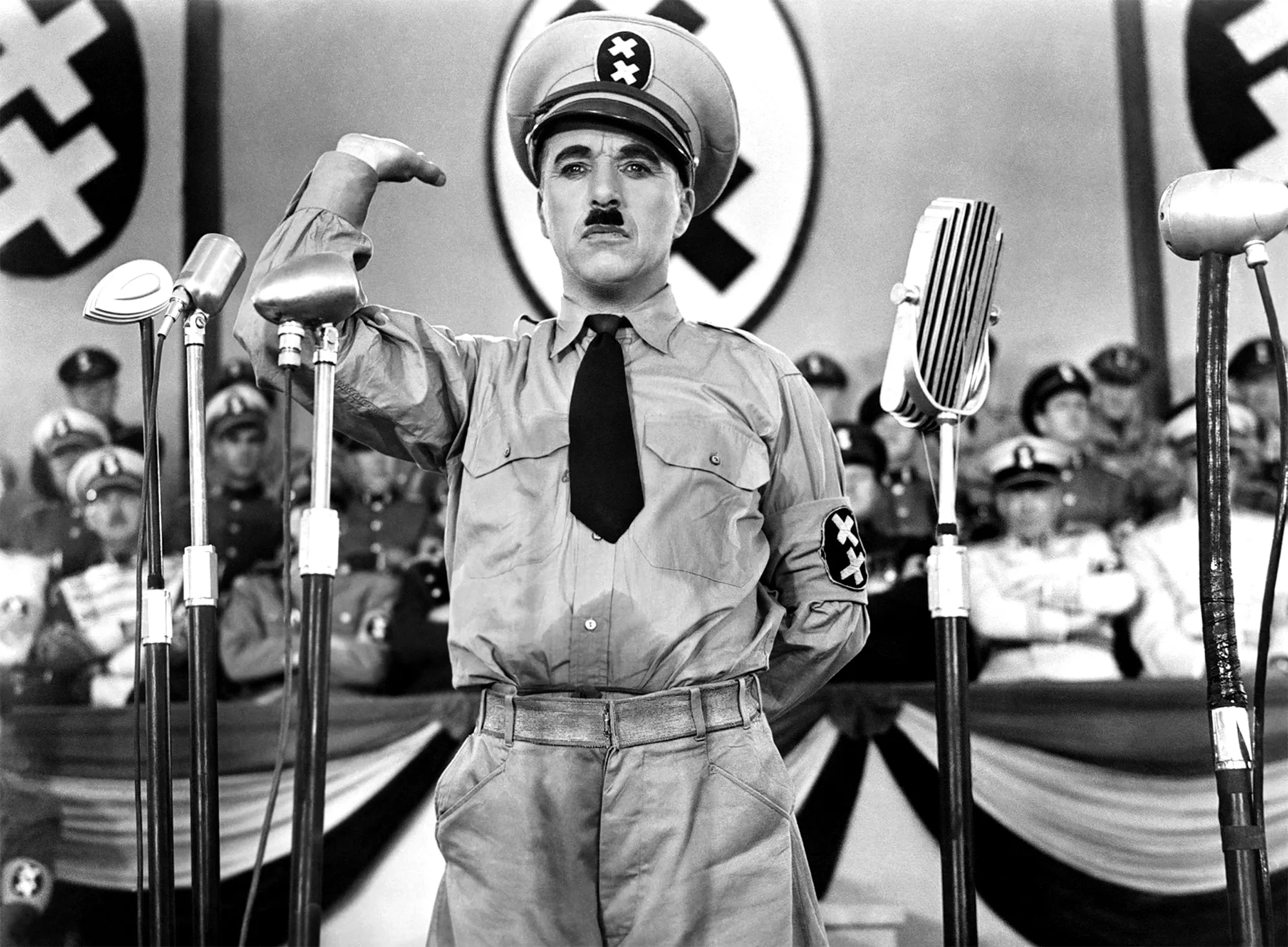
Let’s start with a classic trilogy of all-time masterpieces made at the very height of OG fascism. Sure, these are clichéd choices, but each of them remains irresistible every time I rewatch them. In The Great Dictator, Charlie Chaplin plays both a Hitler analogue, Adenoid Hynkel, and a barber in a Jewish ghetto who eventually gets involved in the underground resistance, including a poorly conceived plan to kill Hynkel through a suicide attack. Not just a movie about antifascism, Chaplin’s absurdist comedy was itself an antifascist gesture, mocking the Nazis back when the US was still isolationist and Hollywood was generally weary of going up against Germany, which may explain the use of analogues – although that choice also makes the film even funnier, lending it a surrealist edge without minimizing its satirical bite. (Retroactively, this also made the film part of the alternate world of The League of Extraordinary Gentlemen…) The result is not only genuinely funny, but also memorably iconic: Hynkel dancing with a globe, or trying to one-up an ersatz-Mussolini by lifting his chair’s height until hitting the ceiling, are images that keep popping up in my head every time I see a buffoonish would-be dictator acting like a child with too much power on his hands.
CASABLANCA
(Michael Curtiz, 1942)
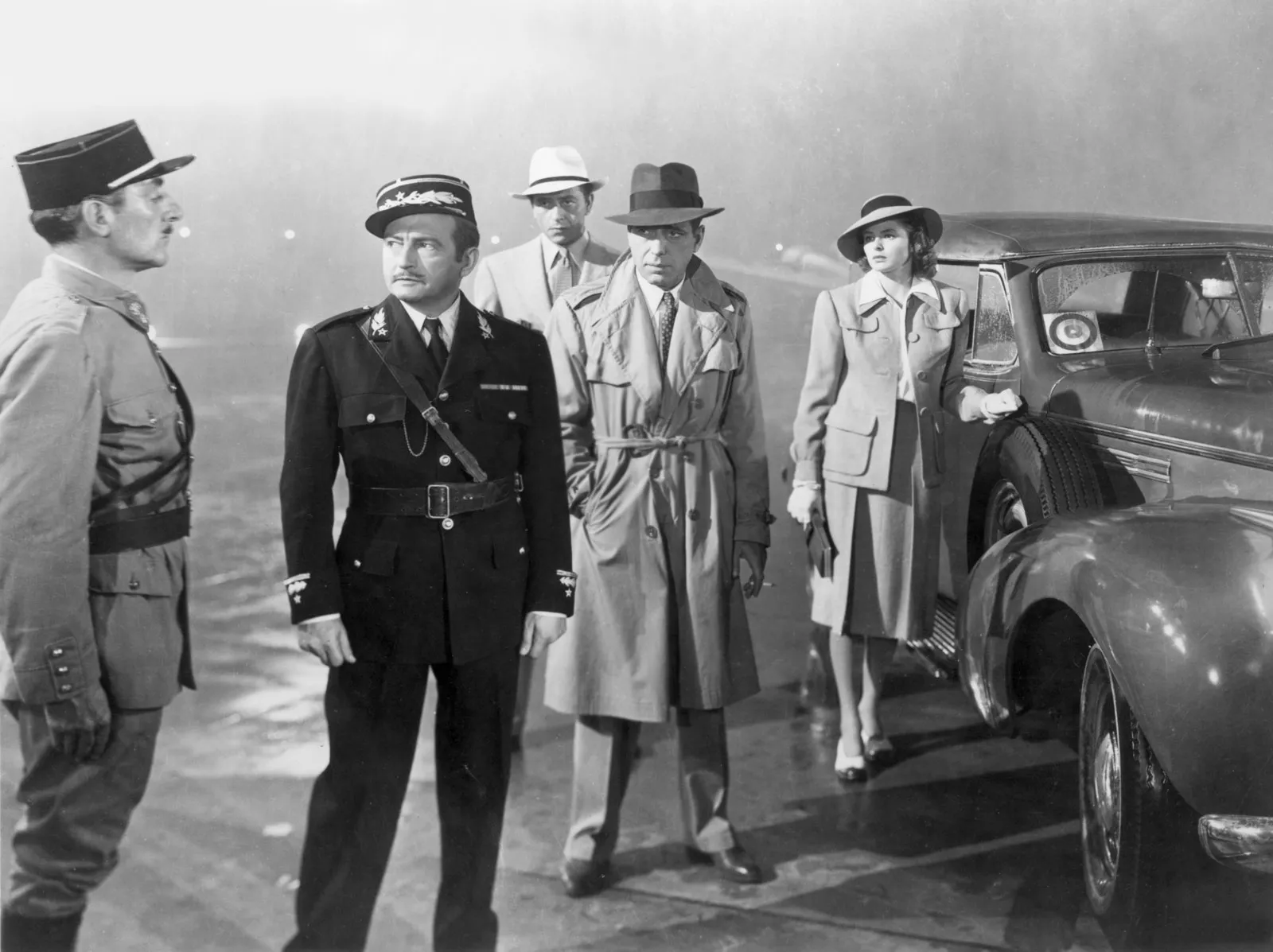
Set in the titular Moroccan city, at the time still officially ruled by Vichy’s ‘free France’ (although the Nazis keep pressuring the gleefully cynical and corrupt chief of police), Casablanca brilliantly weaves together over a dozen fun characters and subplots to conjure up a cross-cultural hub where refugees engage in conspiracy and black market deals while they wait (and wait… and wait…) for a way to get to Lisbon, from where they hope to be able to reach America. The film has some of Hollywood’s most stirring antifascist moments, like when a group gets drunk on champagne just to make sure the Germans don’t have anything left to taste when they march into Paris. Hell, the revolutionary fervor in the scene where Paul Henreid’s resistance hero urges everyone to sing the Marseillaise in defiance actually makes you believe Ingrid Bergman could somehow fall for him over the world-weary Bogart (it also helps that she acts the hell out of what could’ve been a relatively passive part as a woman torn between two men who puts her destiny in their hands). Indeed, Casablanca’s genius lies the way everything fits together so neatly, with the political propaganda smoothly woven into the comedy, the romance, and the noirish intrigue… No wonder it inspired a whole subgenre of iconic city thrillers while becoming a lasting reference for adventure fiction (in comics, you can find nods to the movie in such cool pulpy yarns as Doc Savage’s ‘Ghost-Pirates from the Beyond!’ and Rogue Trooper’s ‘The Gasbah’ – plus, of course, Batman).
TO BE OR NOT TO BE
(Ernst Lubitsch, 1942)
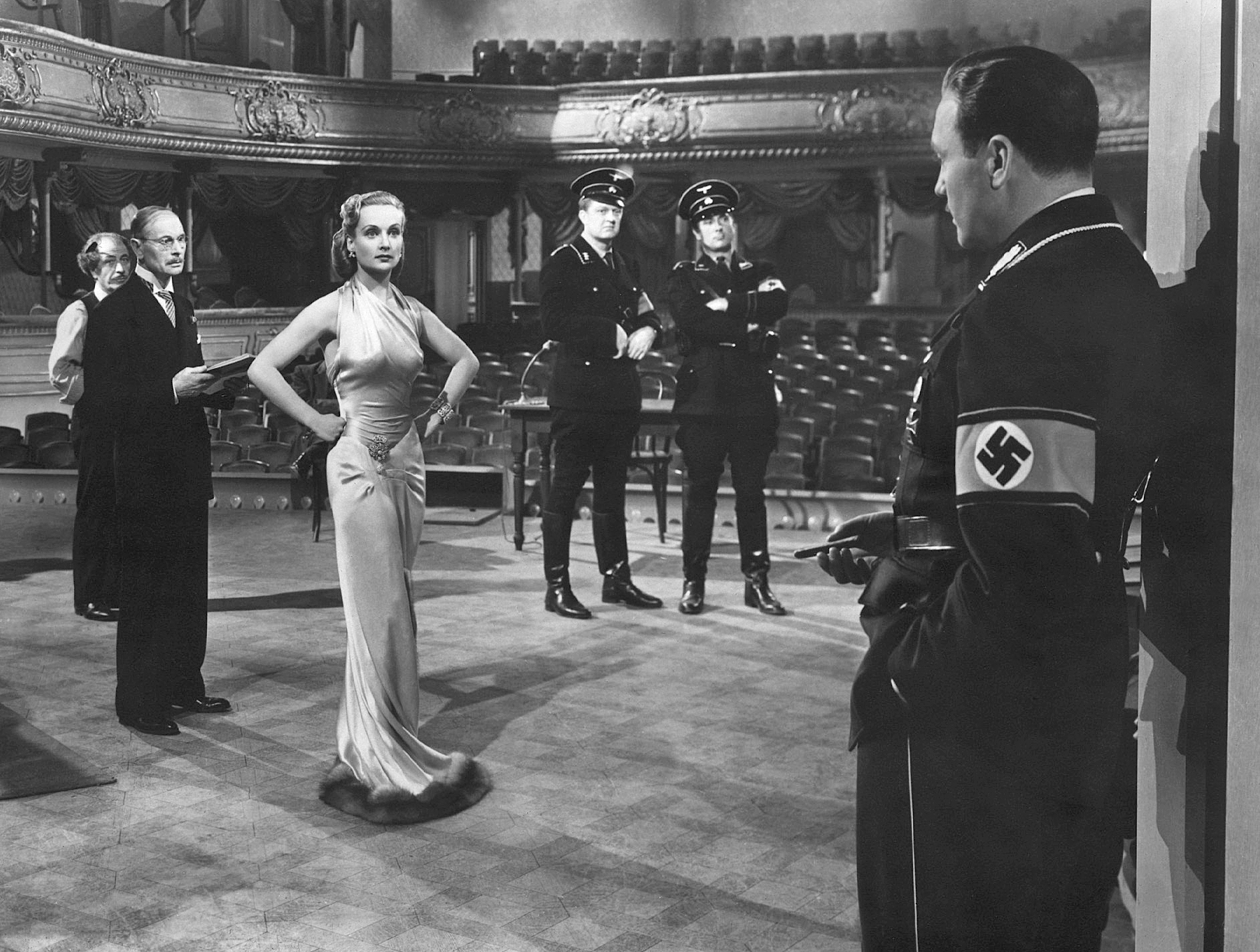
Wrapping up this initial trio, here is one of the most hilarious screwball comedies ever, which happens to take place in Warsaw, following the petty rivalries, egos, jealousies, and political misadventures of a theater company shortly before and after the German invasion of Poland. To Be or Not to Be could’ve been impressive enough as a (pitch-black) parody of the Nazis’ theatrical and perfomative power, showing how someone with the right costume and posture could deceive blind followers across the chain of command. Yet Ernst Lubitsch elevates the material on various levels, not only by directing the cast’s impecable timing throughout the twist-filled intrigue, but also by trusting the audience’s intelligence: the narrative is full of elipses daring us to put two and two together in our heads (the so-called ‘Lubitsch touch’), which heightens both the humor in the farce and the tension during the interlude when the film becomes an outright spy thriller.
INGLOURIOUS BASTERDS
(Quentin Tarantino, 2009)
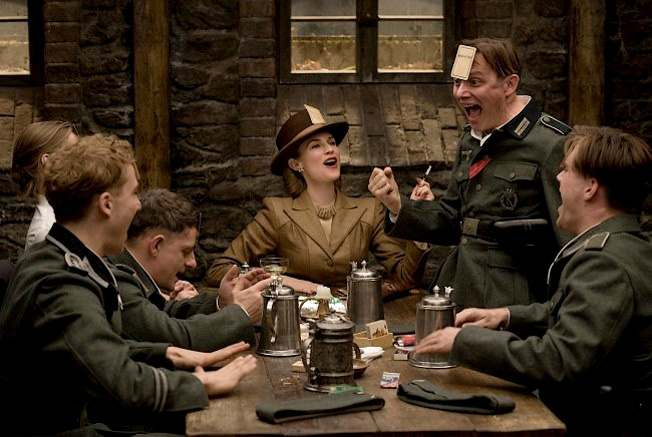
Jumping forward in time, we find tales where Nazism and anti-Nazism are no longer literal references to the present, but rather interesting ways of engaging with memories of the past. Inglourious Basterds pushes the potential to reimagine history farther than most, although arguably the main focus remains on the cinematic past, reworking bits and pieces from various movies (including riffs on entries from this list) in a puzzle-like plot where an SS detective, Allied secret agents, and a version of the Dirty Dozen cross paths in occupied France just as a theatre owner and a projectionist put together the ultimate revenge. I’ve written before about what I called a ‘suspenseful, tightly edited slice of nazixploitation set in Quentin Tarantino’s revisionist version of World War II (in which, naturally, cinema is the most powerful weapon of all).’ What makes this such an original masterwork, though, is the way it excels at such disparate levels: the tension is tight as hell, the comedy earns many loud laughs, the metafictional layers are seriously clever, every single performance is unforgettably awesome, and the ending is an absolute knockout.
ARMY OF SHADOWS
(Jean-Pierre Melville, 1969)
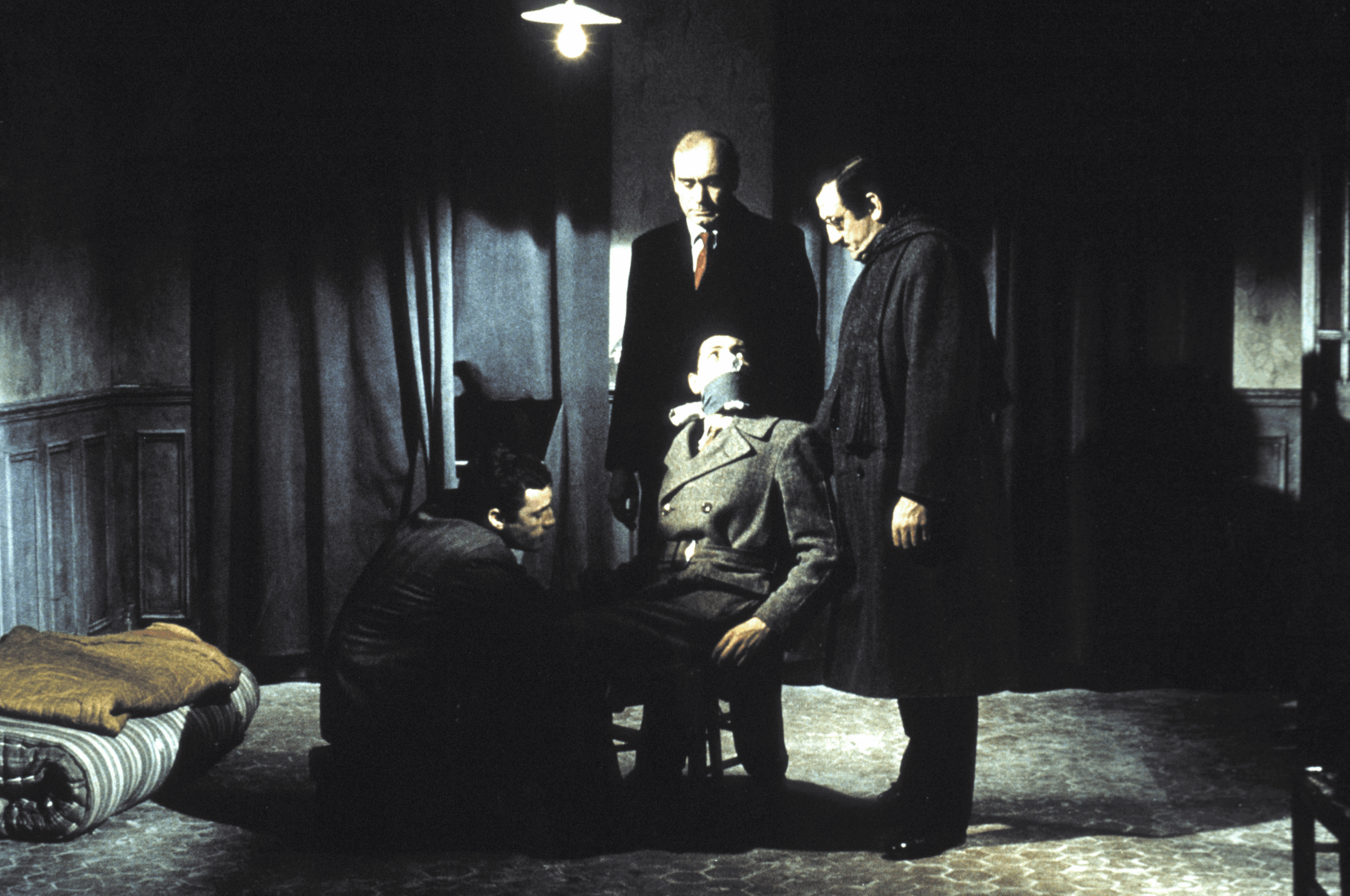
The French Resistance, shot in a cold, clinical way, from prison breaks to the messy disposal of a traitor, is hauntingly deromanticized in Army of Shadows – not because of this movement’s cause or even its methods, but because the film shows its members as fragile humans whose efforts and sacrifices don’t necessarily amount to much. Quiet and understated (despite the occasional voice-overs), the result is an extremely melancholic mood piece about those who fought even when their side didn’t seem likely to win at all.
KANAL
(Andrzej Wajda, 1957)
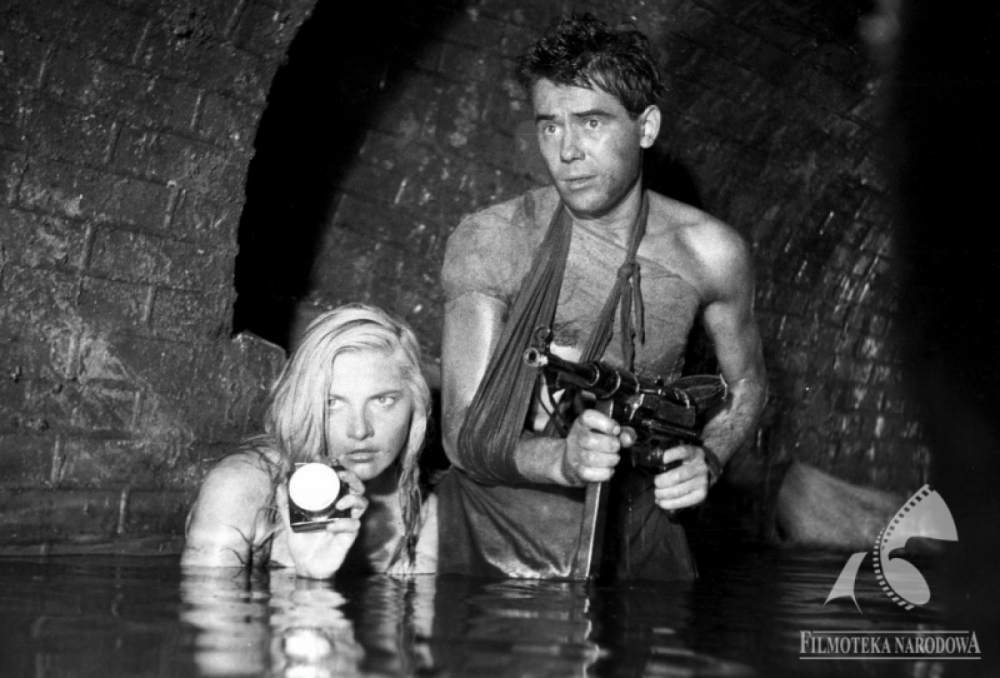
Similarly, Andrzej Wajda devastatingly recreates the 1944 Warsaw Uprising, when thousands of Poles rose up against the Nazis only to be brutally crushed while the Red Army waited callously across the Vistula river. Without falling into facile romanticization, Kanal oozes with a gritty-as-hell, overwhelming sense of doom, from the impressive initial tracking shot (whose composition rivals anything by Welles, Scorsese, De Palma, or Johnnie To) to the lengthy stretches of film set in the filthy, claustrophobic sewers (as the resistance literally goes underground). Yet, besides mourning the tragic fate of the domestic anti-Nazi resistance, this Polish production was itself an act of defiance: making the most out of the post-Stalinist ‘thaw’ in the mid-to-late 1950s, it provided a cinematic monument to a non-communist movement that the state had erased from official memory while reminding viewers, even if implicitly (through a slight camera pan towards the quiet riverbank in the horizon), of the Soviet betrayal.
JOJO RABBIT
(Taika Waititi, 2019)
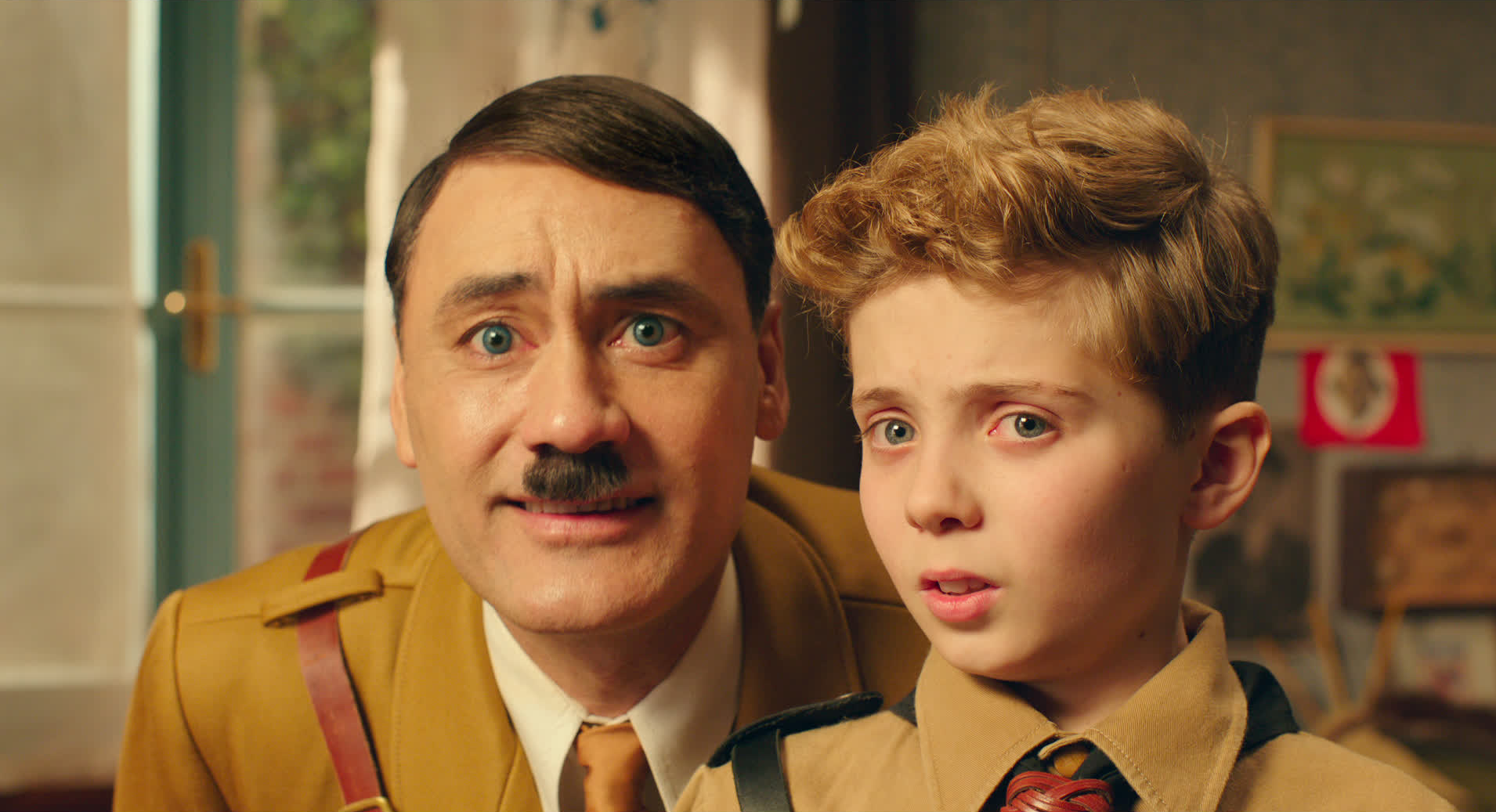
In this surreal coming-of-age comedy, Jojo is an enthusiastic ten-year-old member of the Hitler Youth (with the Führer as an imaginary friend) who gradually realizes the anti-Nazi resistance may be much closer to home than he had ever assumed. Jojo Rabbit is irreverently tasteless, absurdly anachronistic, and arguably facile in the way it equates Nazi ideology with the sort of silliness that only a confused child could believe in… Clearly, the point isn’t to comment specifically on 1940s’ Germany (no Germans appear to have been involved in the production and nothing about the film’s tone or aesthetics promises realism), which serves more as a pop culture-filtered symbolic reference adorning a bonkers – and outrageously funny – fable about fascist indoctrination in its broader sense.
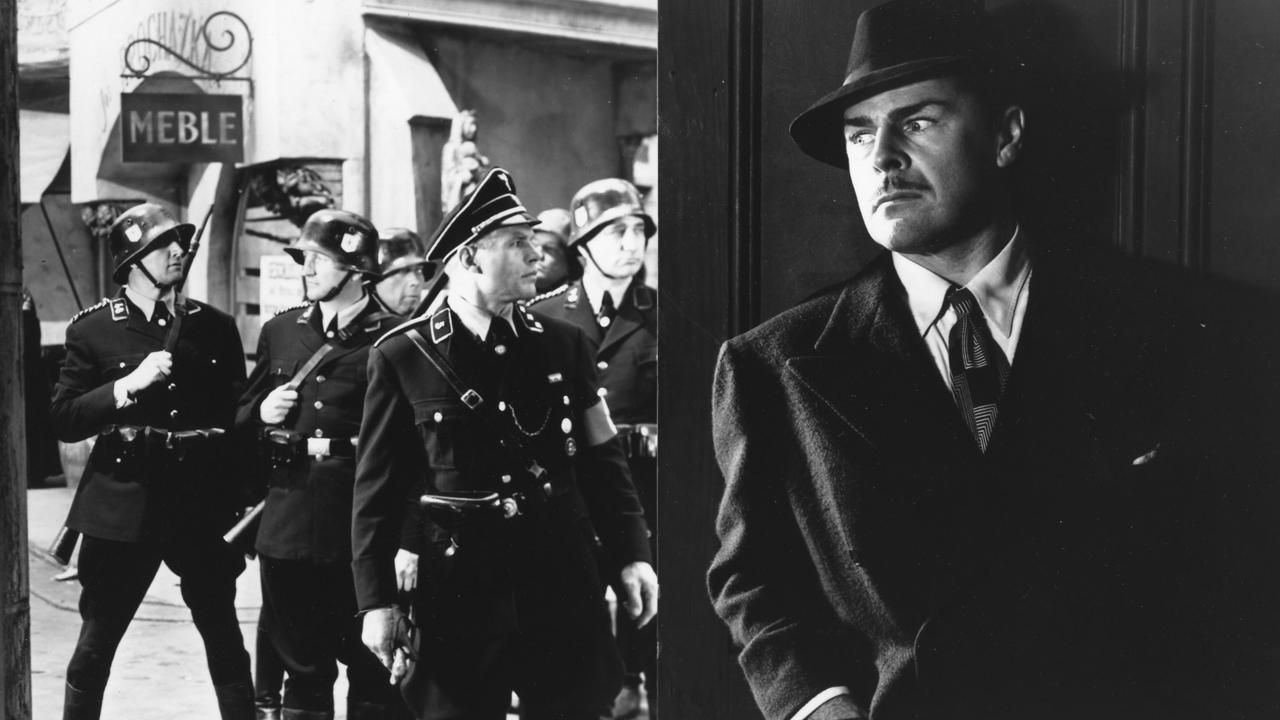
HANGMEN ALSO DIE!
(Fritz Lang, 1943)
When the Czech underground resistance assassinates the Nazi Reich Protector of German-occupied Prague, Reinhard Heydrich, the Nazis retaliate with a campaign of terror, arresting 400 people and gradually executing them until the killer is found, leading to a classic resistance dilemma: is one man/symbol worth the sacrifice of hundreds of lives? Hangmen Also Die! thematizes this conflict through an ingenious story (by the unlikely duo of Fritz Lang and Bertold Brecht) where an individual hero – and an individual villain – give way to collective agency. Lang embraces the spirit of wartime propaganda (complete with expressionistic mise-en-scène, histrionic overacting, and occasional didactic dialogue), but he also crafts an elaborate, inventive thriller that reworks several of his pet themes… If, early on, we find ourselves in the typical position of rooting for a man on the run (a guilty man, because this is Lang, not Hitchcock), there is a fascinating reversal in the final stretch, where we are encouraged to root for a false accusation.
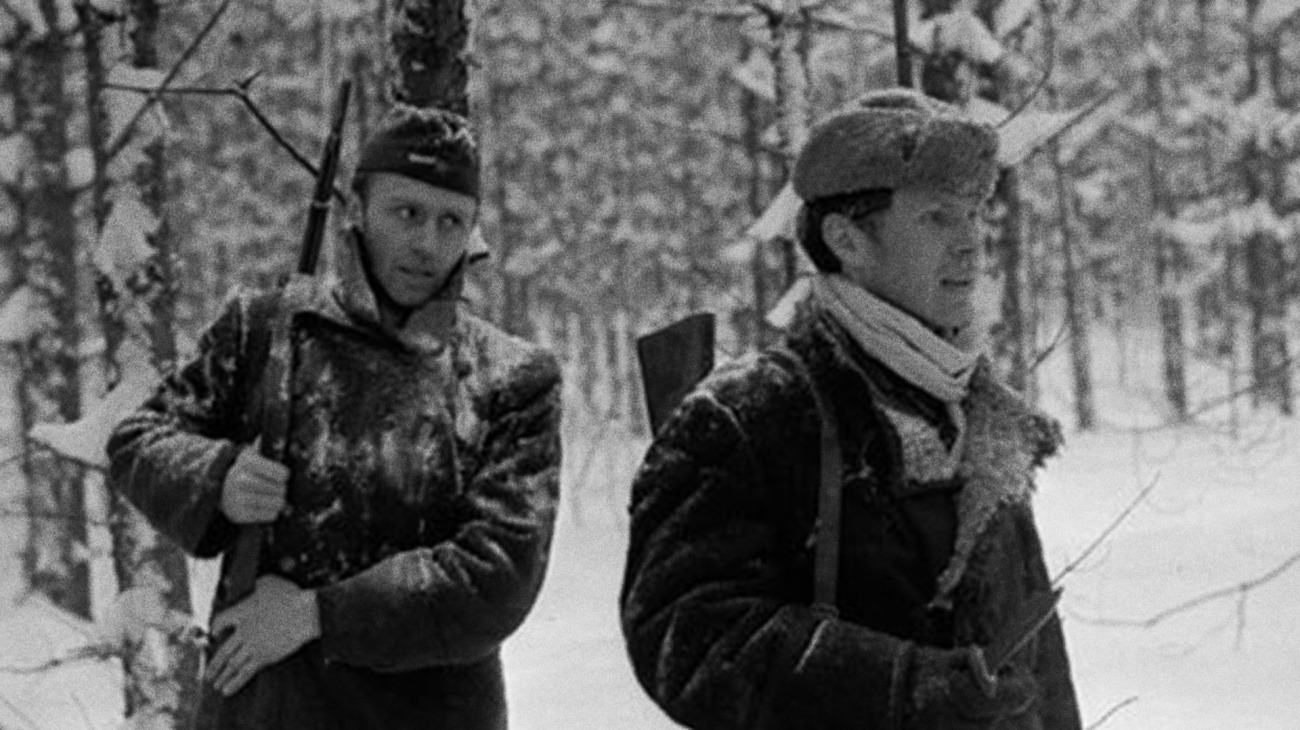
THE ASCENT
(Larisa Shepitko, 1977)
A harrowing tale about two partisans in Belarus who go to a village in search of food and end up getting spotted by a German patrol. Although nobody filmed fighting against the Nazis as much as the Soviets did, Larisa Shepitko’s work still manages to stand out, shooting against desolate – and, yet, eerily beautiful – snow-covered landscapes where people can get reduced to insignificant dots on a vast white canvas. By the mid-70s, gone were the days when the USSR’s screens were filled with glorious accounts of the Great Patriotic War, but even by then few entries were as downbeat as The Ascent, where the emphasis is much more on the cost of resistance than on the reward. Both the visuals and the tone, then, somehow end up bringing to mind Sergio Corbucci’s spaghetti western The Great Silence.
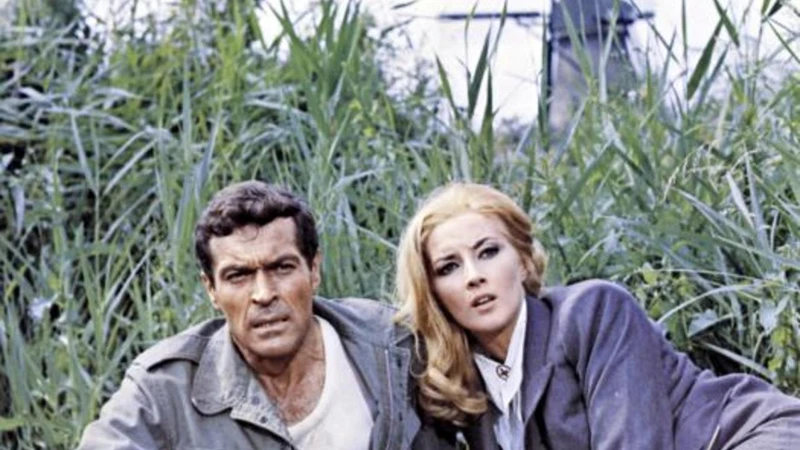
DIRTY HEROES
(Alberto De Martino, 1967)
On the heels of The Dirty Dozen, European producers quickly knocked out a bunch of WWII thrillers with an equally cynical view of wartime heroism. One of the first – and one of my favorites – is this hell-for-leather adventure, set in 1945 Holland, where American soldiers/gangsters and Dutch partisans join forces to pull off a heist at the local Wehrmacht headquarters. The thing is that, as it was often the case in Italian entertainment from this era, pretty much everybody seems to be double-crossing each other… so the most sympathetic figures end up being a frustrated German general and his (secretly Jewish) wife!
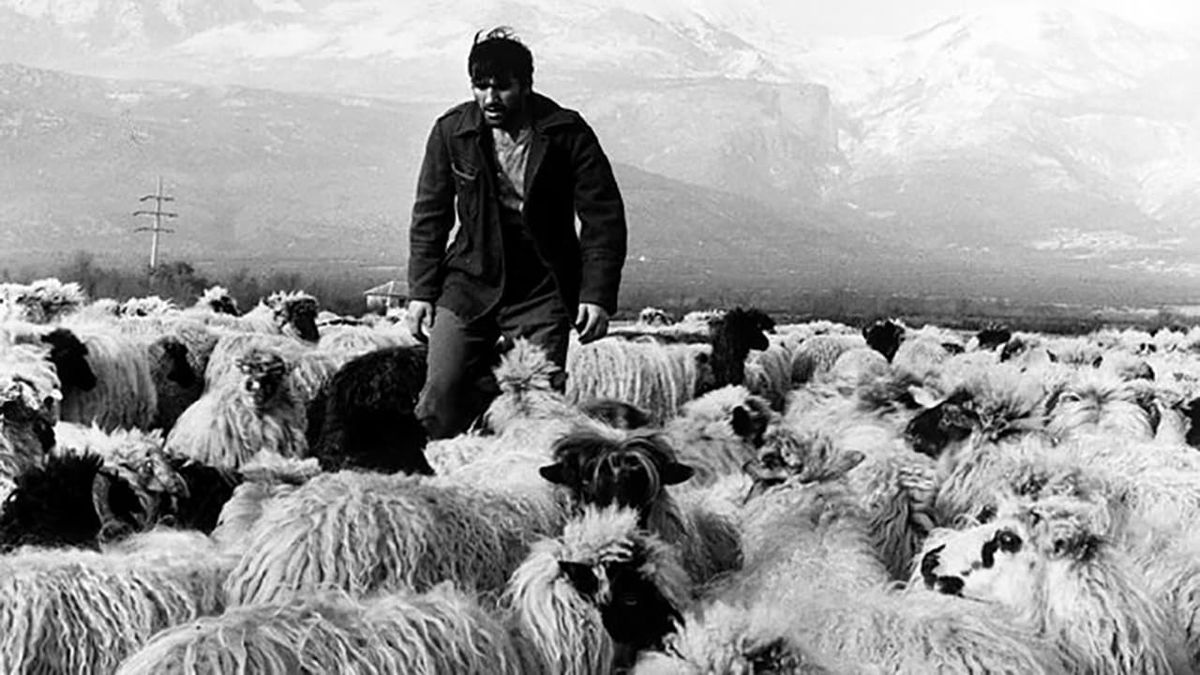
THREE
(Aleksandar Petrović, 1965)
Three spy tales for the price of one! This bravura slice of Yugoslav filmmaking is a triptych of episodes depicting the anti-Nazi struggle before, during, and after WWII… and it just keeps getting better: the first part is a quirky yet ultimately brutal tale about villagers denouncing a potential fifth columnist, the second part is an all-out action sequence with a desperate partisan on the run through a swamp, the third one is an absolutely devastating piece about an officer attracted to a woman who has been captured as a spy. Three’s dirty, downbeat take on the resistance delivers a commitedly anti-war punch to the gut and, possibly, a vaster allegorical critique about the treatment of oppositionists and of suspected foreign agents (which, of course, can be read as applying way beyond the Titoist context where the fim was made, if we just look around today).
THE WAR IS OVER
(Alain Resnais, 1966)
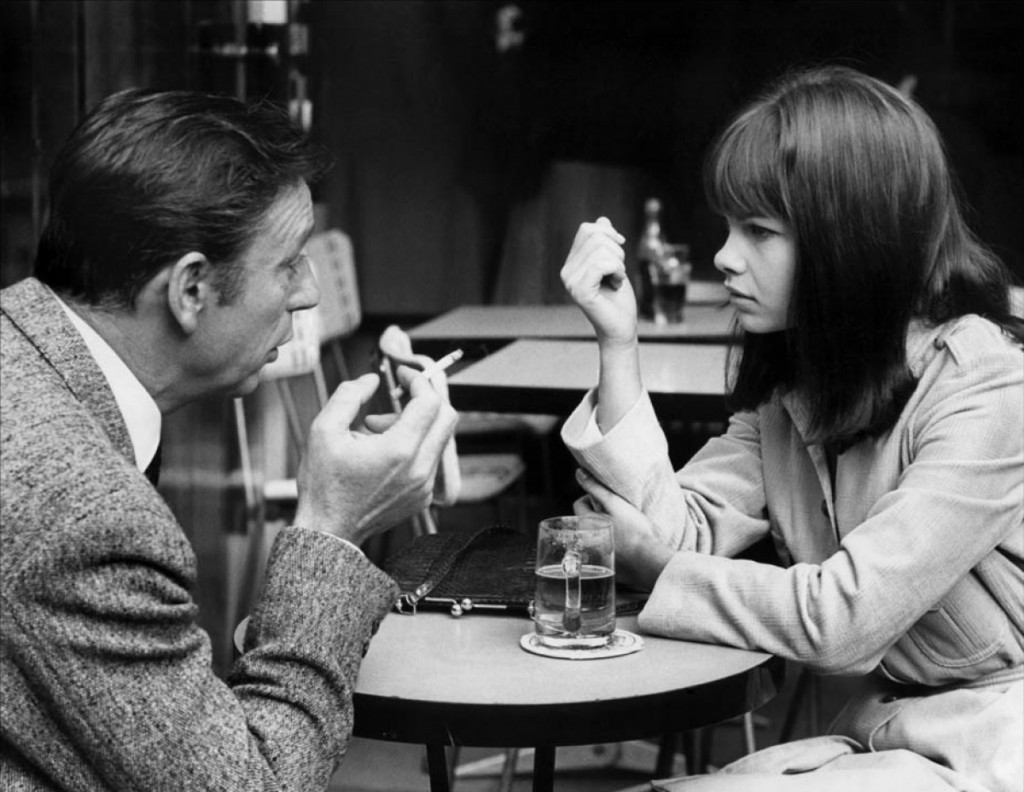
Let’s end on a very different note. While the rest of the list stuck to movies about anti-Nazi resistance, I wanted to finish with a recognition of the fact that fascism has taken different forms beyond the one adopted by Germany… and antifascism has targetted other regimes as well. I chose The War is Over, about France-based underground militants struggling to undermine Spain’s Francoist dictatorship, even though Alain Resnais’ sensitive, arty tone is far from the sort of genre thrills that tend to be the focus of Gotham Calling. Rest assured, despite its trappings as a male midlife crisis existential drama (with a couple of weird love scenes), this spellbinding film does contain plenty of tight suspense, spycraft, and breathtaking editing, but that’s not the reason I went with this pick. I did it because the tension between believing and losing faith in the fight, the dilemas over different methods, philosophies, and generations, and the discussions shaped by the perspective of those inside and those abroad (whether exiled activists or foreigners acting in solidarity) continues to resonate so strongly, reminding us of the cyclical, contradictory, and difficult – yet appealing – nature of antifascism.