A reminder that comic book covers can be awesome, Silver Age The Flash edition:
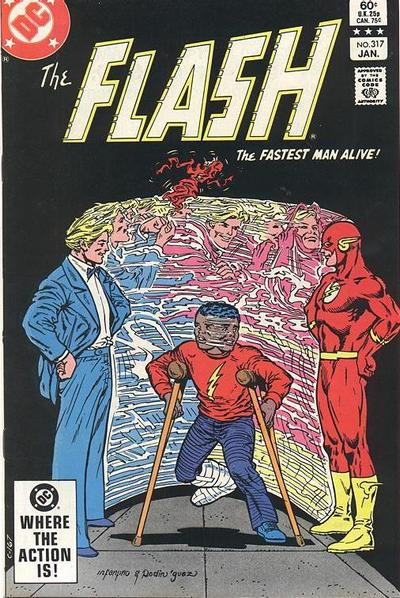
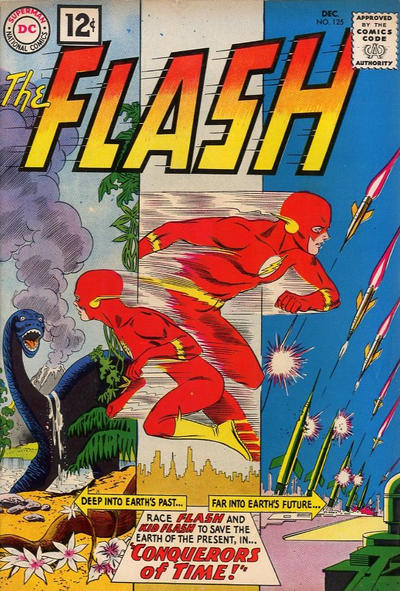
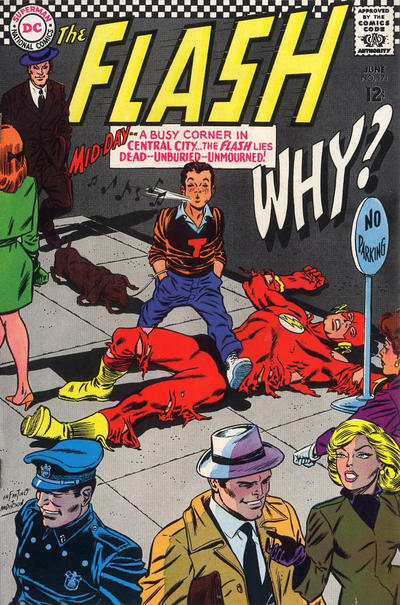
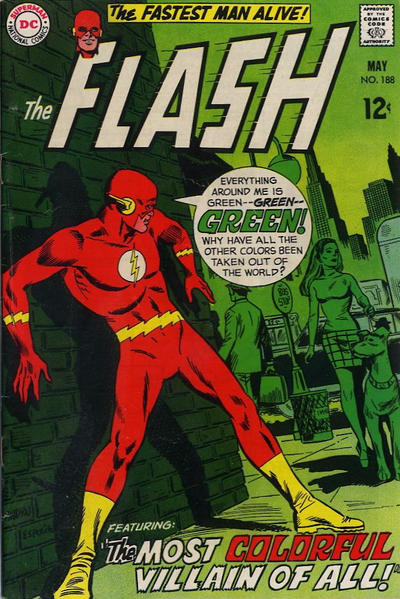
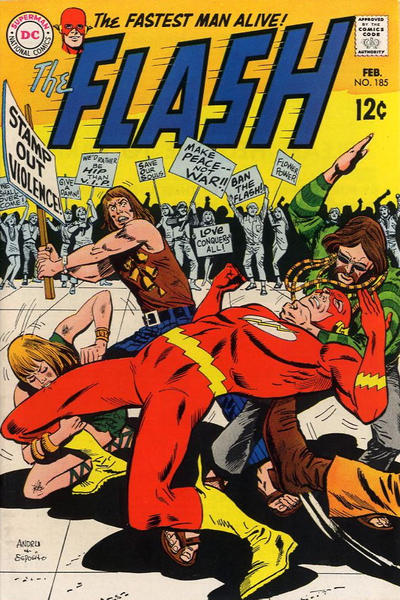
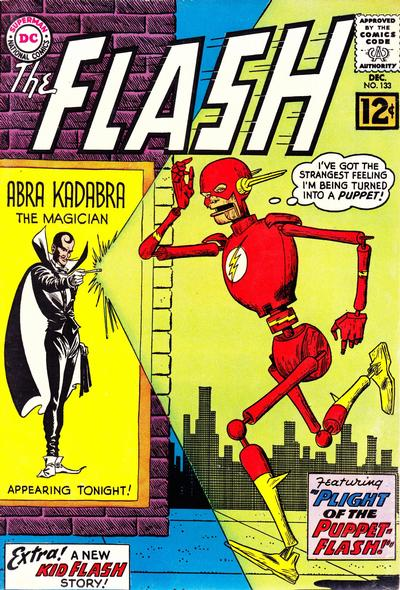
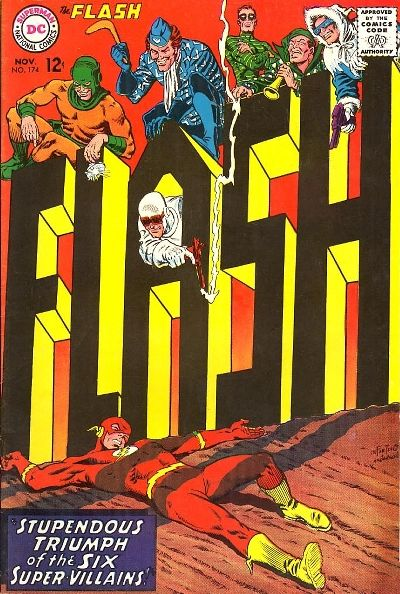
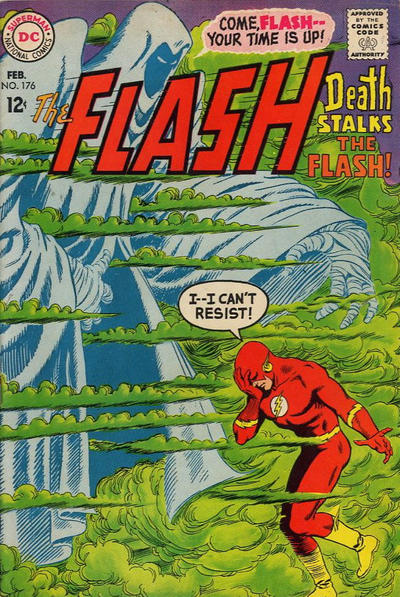
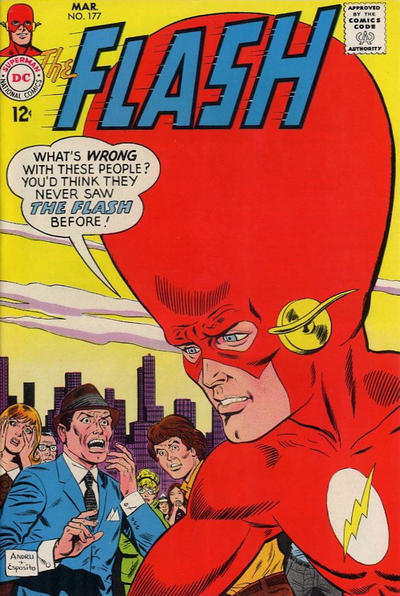
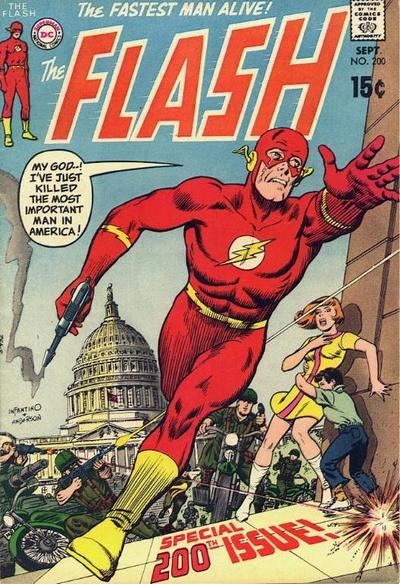
A reminder that comic book covers can be awesome, Silver Age The Flash edition:
Of the many amazing comic-book creators that have died in the past few months, Alan Grant deserves a special mention in this blog. As I’ve written before, his energetic, darkly comedic surrealism is as close as it gets to my ideal of cool Batman comics – hell, more than any other writer, Grant has shaped my taste and passion when it comes to this type of stories and, ultimately, he’s responsible for the very existence of Gotham Calling.
Today, I won’t share a panel from one of Alan Grant’s greatest works (which, as far as I’m concerned, can be found in his awesome Detective Comics run from the late 1980s or, admittedly, in the pages of 2000 AD and Judge Dredd Megazine). Instead, here is a scene that encapsulates many of Grant’s defining motifs: drugs, social consciousness, bizarre humor, creepy horror, and the will to weave big themes into unapologetically committed genre narratives:
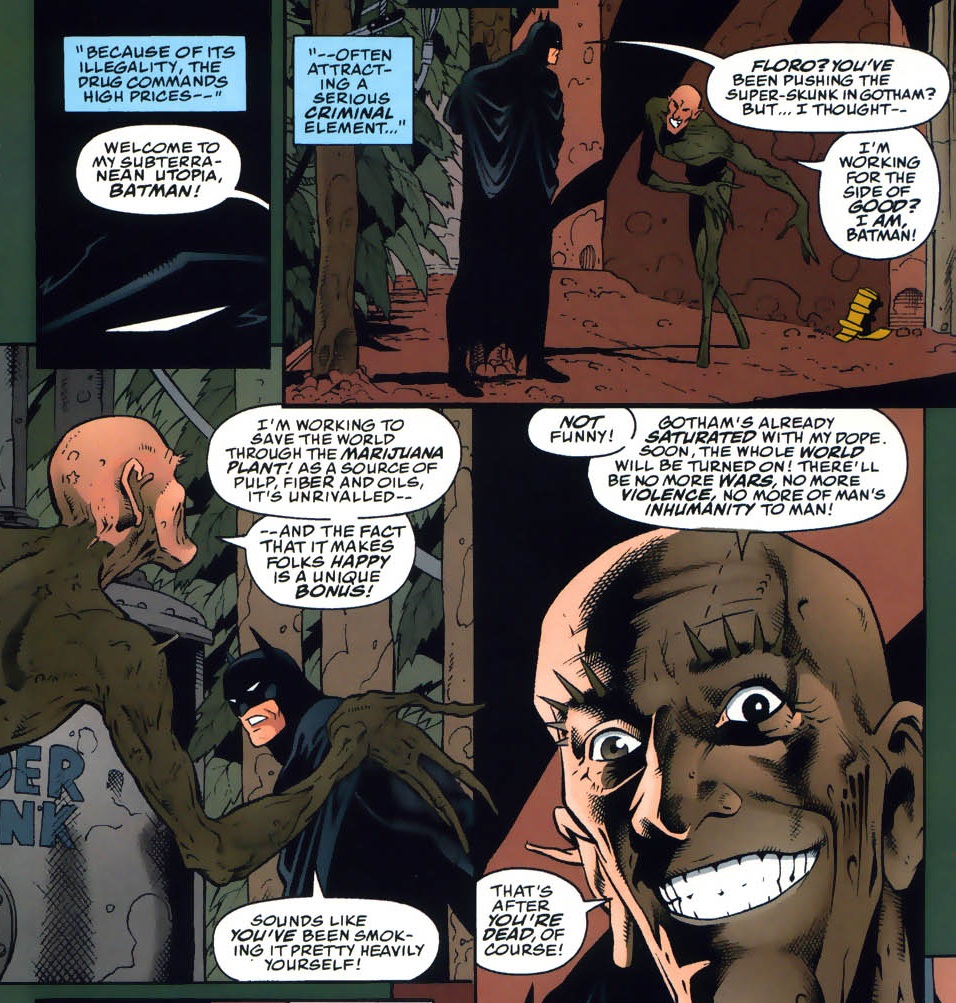 Shadow of the at #58
This week’s reminder that comic book covers can be awesome is a tribute to sci-fi thrillers. While not all of these can be classified as cyberpunk (especially the ones made way before this subgenre even gained shape), they share a certain punk-ish attitude, promising a mix of surreal technology and two-fisted grit…


In the turn toward the 1970s, Batman comics grew moodier, with more realistic designs and a less campy feel than the stuff coming out in the previous decades. Creators like Denny O’Neil, Neal Adams, and Frank Robbins clearly sought distance from the ludicrous Batman TV show starring Adam West, but it wasn’t just that… There was a whole bitter vibe taking over much of American popular culture at the time, with a wave of gritty, maze-like genre fiction. In film (usually a major influence on comics), this ranged from the classics of paranoid cinema to low-budget productions like Ivan Dixon’s Trouble Man or Michael Winner’s The Mechanic, which made stripped-down, unglamorous settings part of their style while delivering gripping plots and virile dialogue.
Before going full grimdark in the late ‘80s, Batman comics managed to put their own spin on this sort of sensibility without entirely losing their inherent gonzo nature (the best of both worlds!) throughout what became known as the Caped Crusader’s Bronze Age. This week’s reminder that comics can be awesome spotlights ten covers from this era that tread that line:
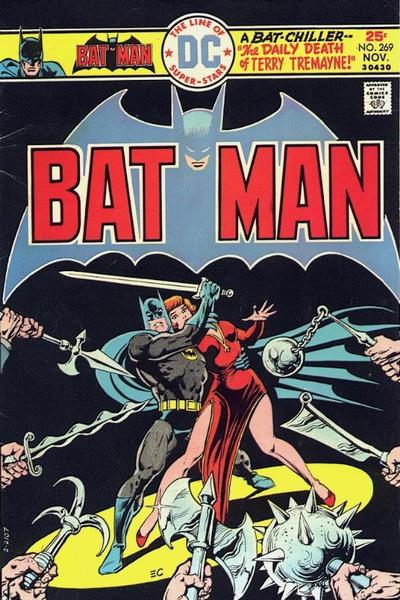
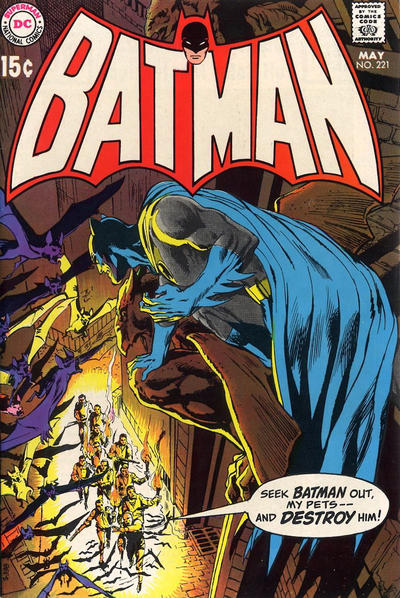
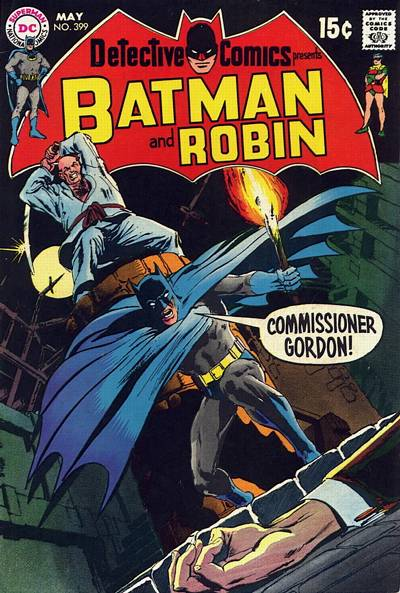
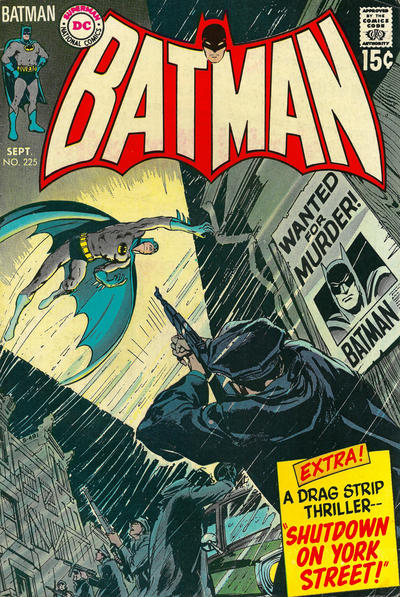
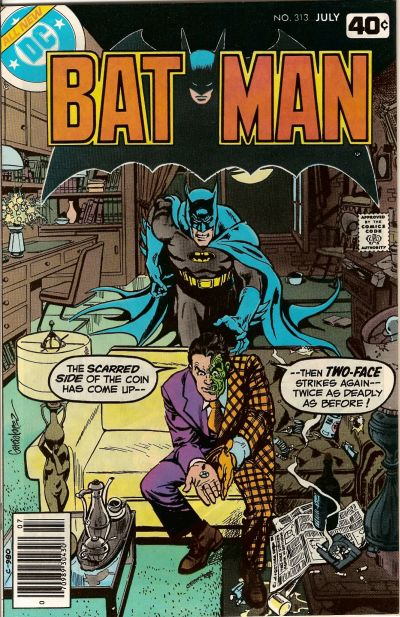
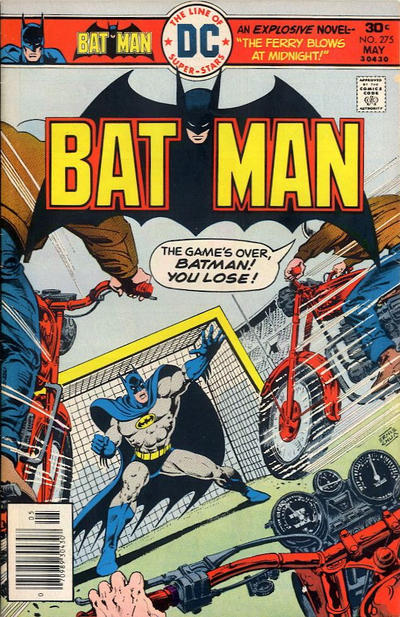
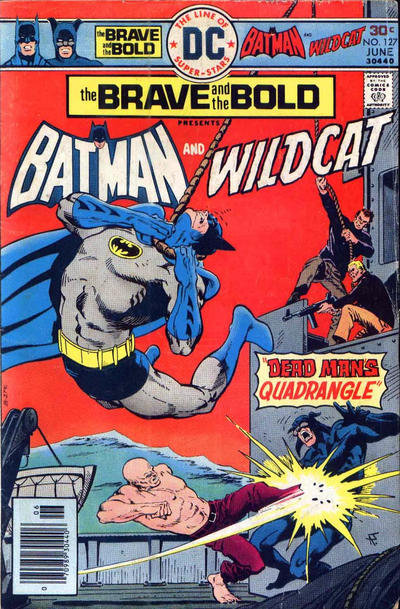
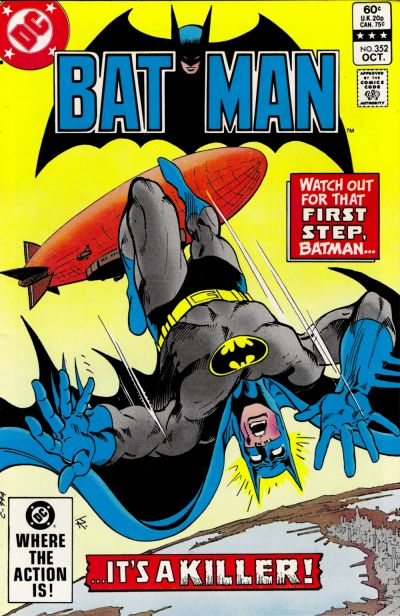
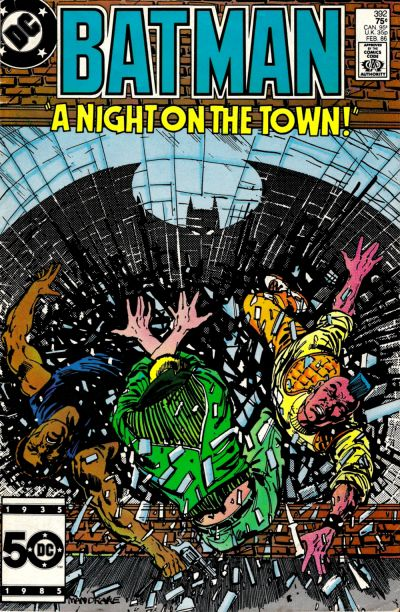
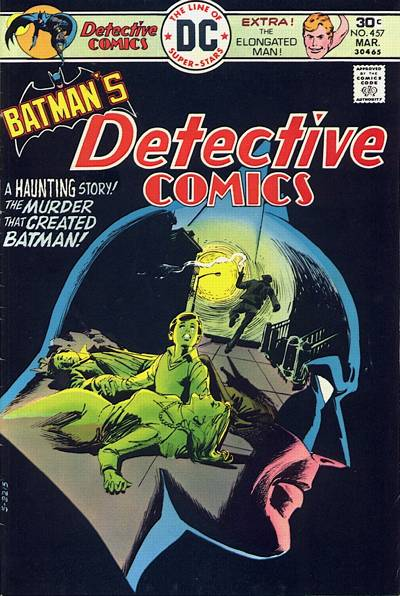
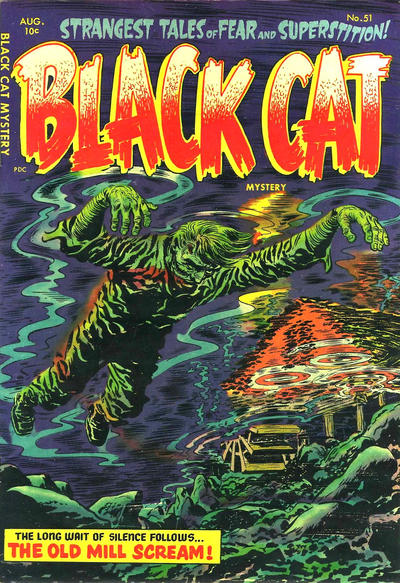
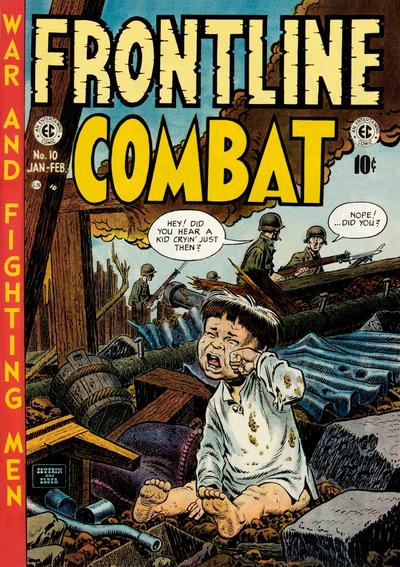
A reminder that (violent) comic book covers can be awesome…
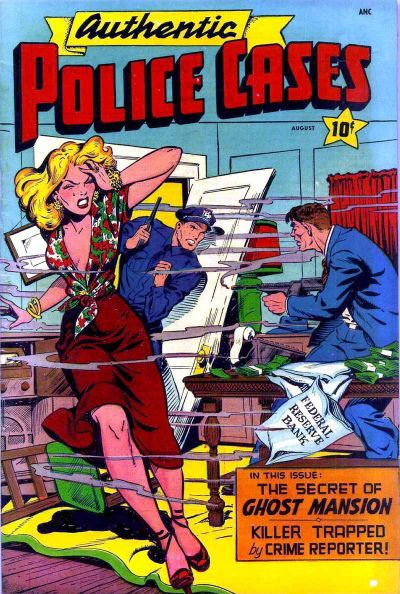
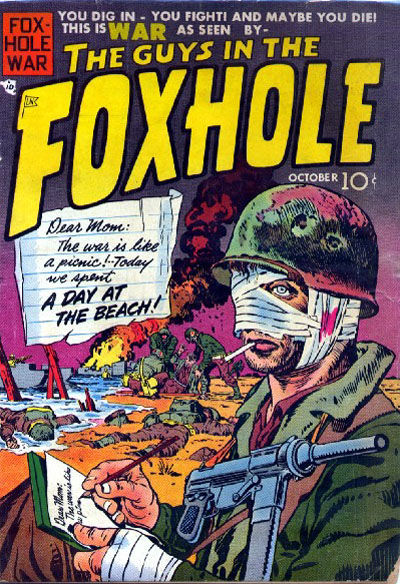
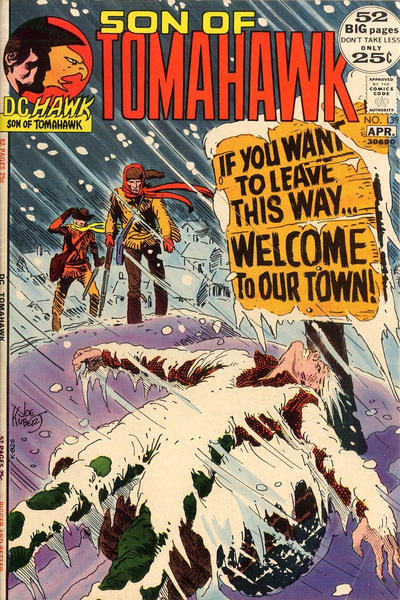
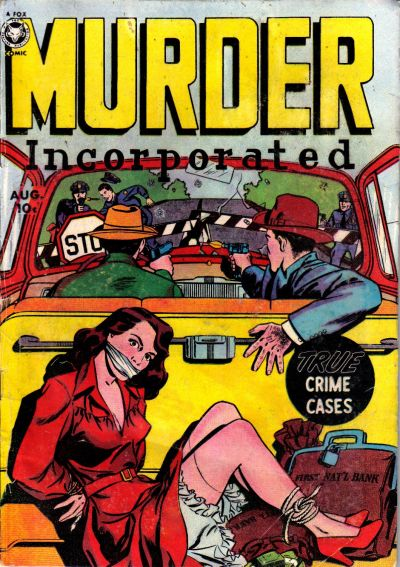
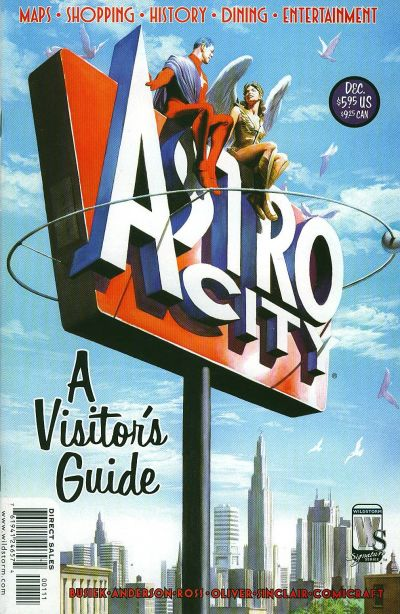
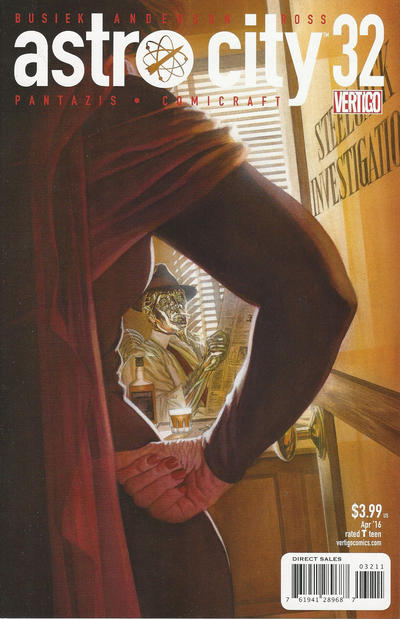
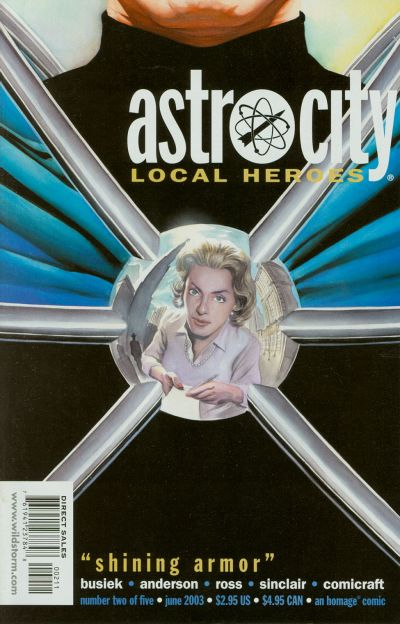
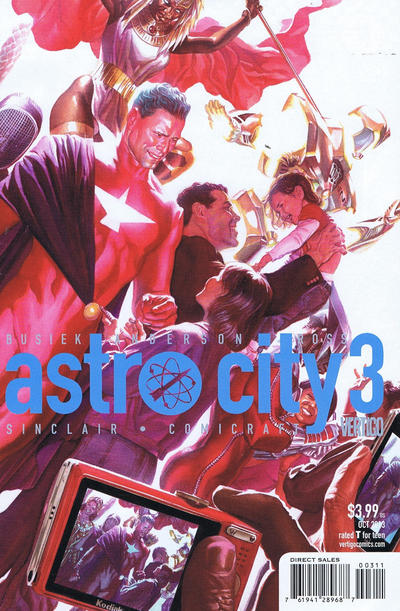
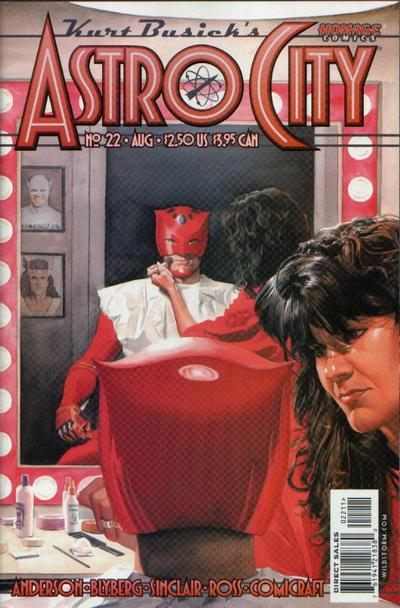
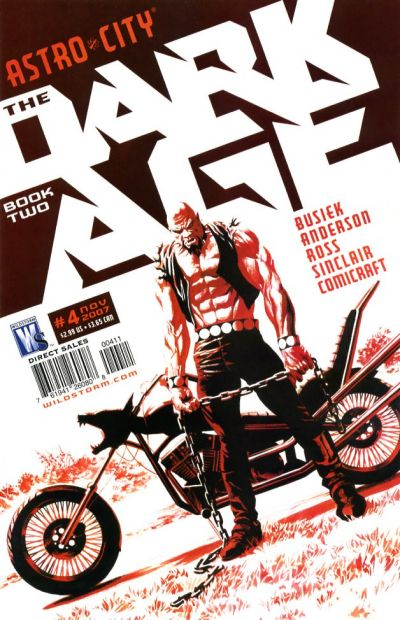
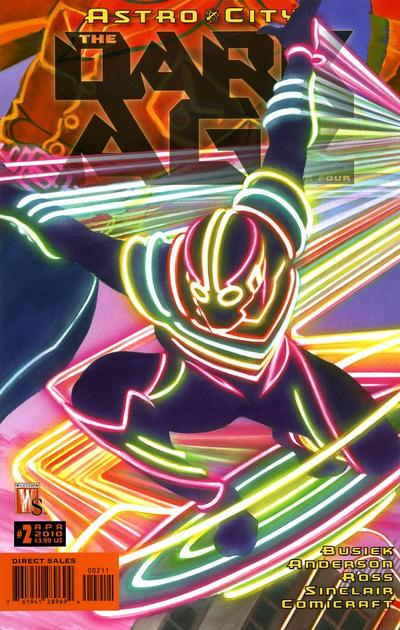
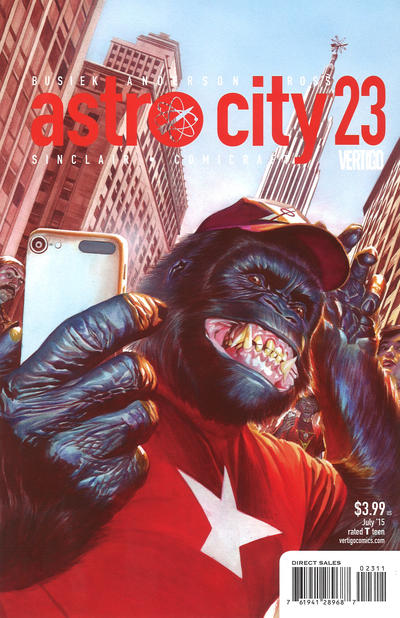
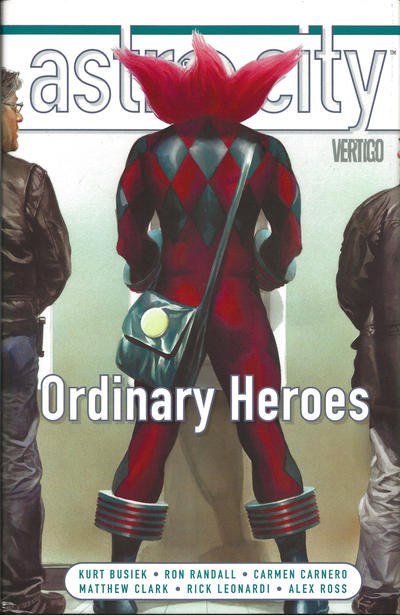
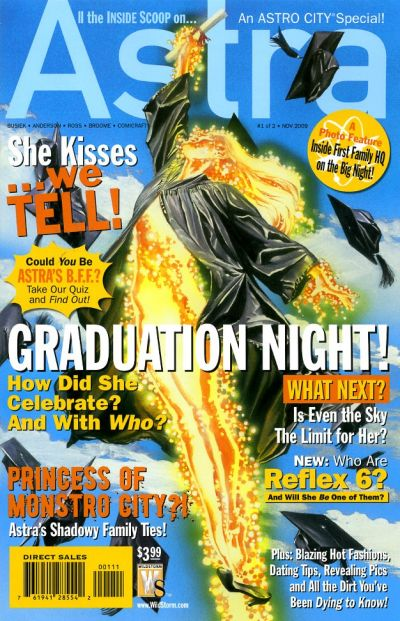
This week’s reminder that comics can be awesome is a tribute to Alex Ross’ stunning painted covers – and extraordinary character designs – for Astro City, which beautifully project the series’ magical blend of mundane life and superheroics:
It’s not just Commissioner Gordon who hates Wednesdays… Life outside Gotham Calling has been extremely hectic and something has got to give, so the blog is going on yet another hiatus.
I have a bunch of semi-drafted posts lined up (more ‘Catching up with crime comics,’ more recommendations for fans of the Coen brothers, more Eurocomics, another reading guide for people getting into Batman, and even some Superman stuff!), so rest assured I will be back with a vengeance, hopefully before the end of the summer. In the meantime, I’ll try to at least keep the Monday selections of awesome covers, so there should be new content every week, even if not much text to go with it…
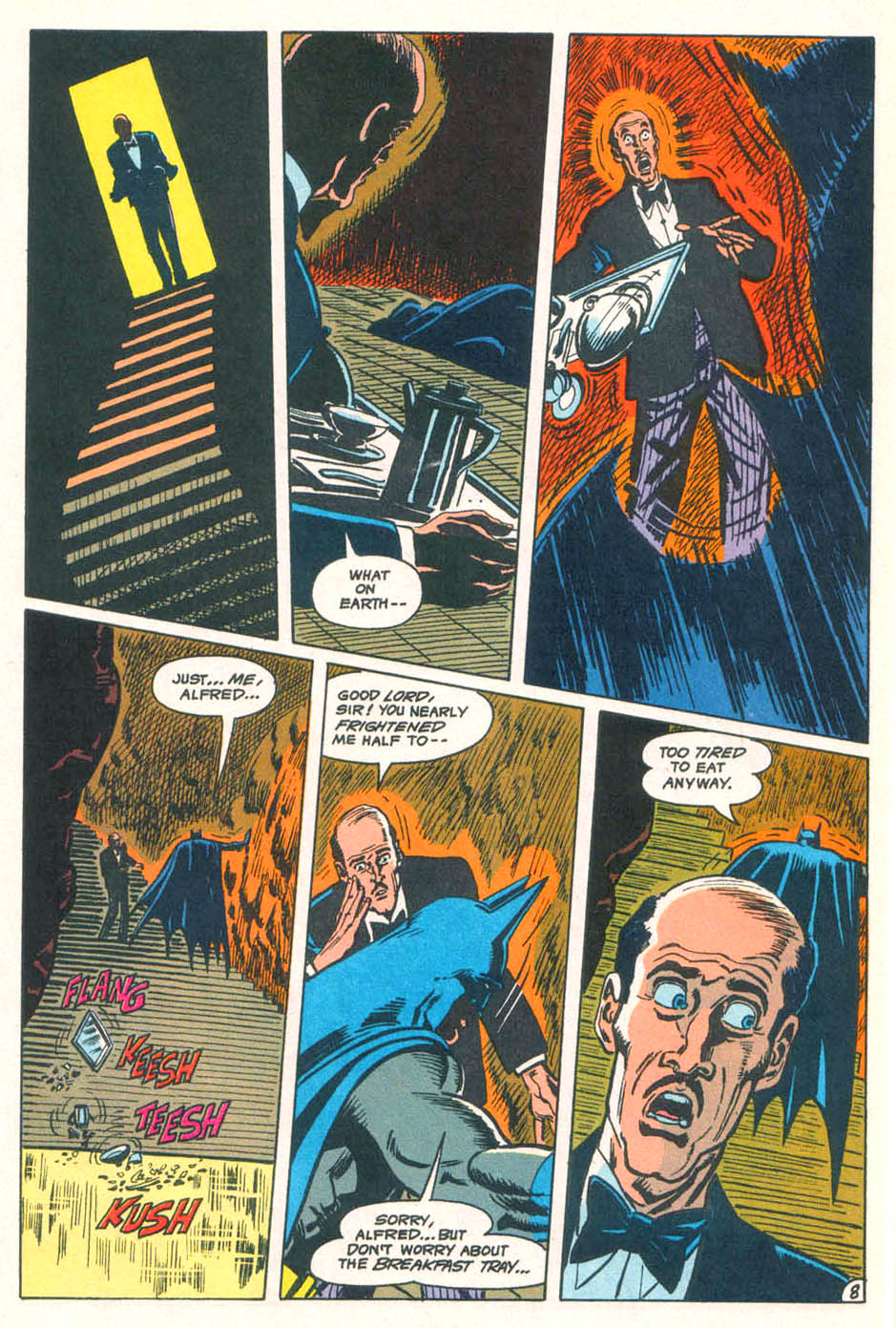 Batman #488
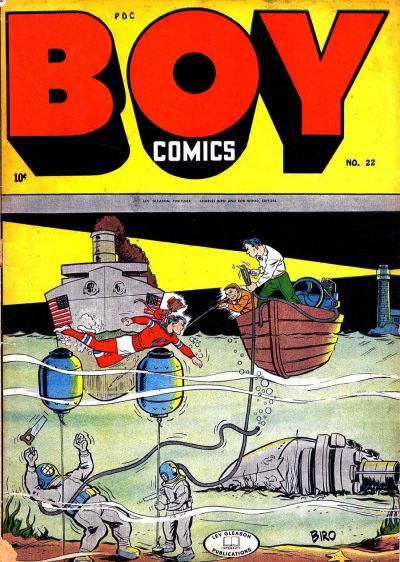
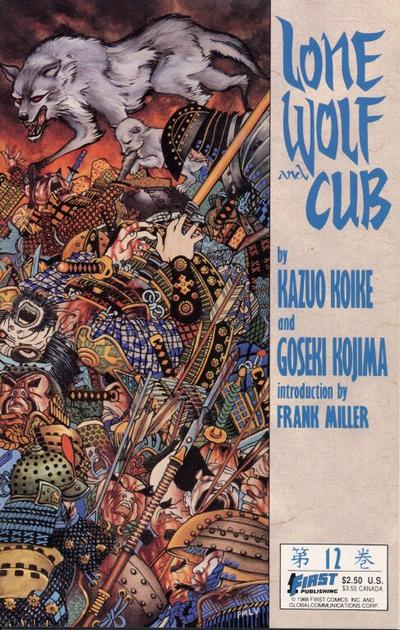
This week’s reminder that comics can be awesome is a tribute to packed, wonderfully busy covers:
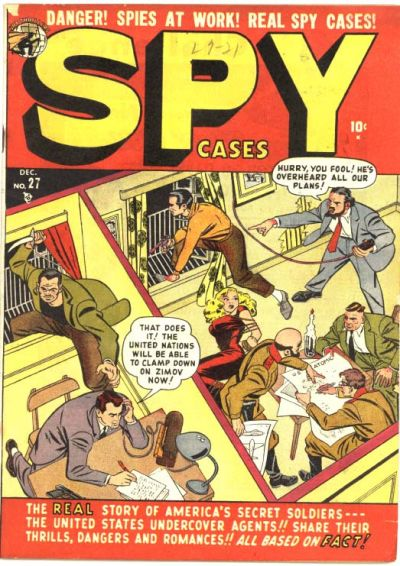
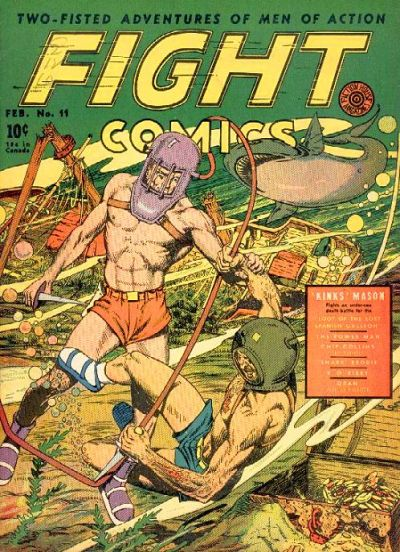
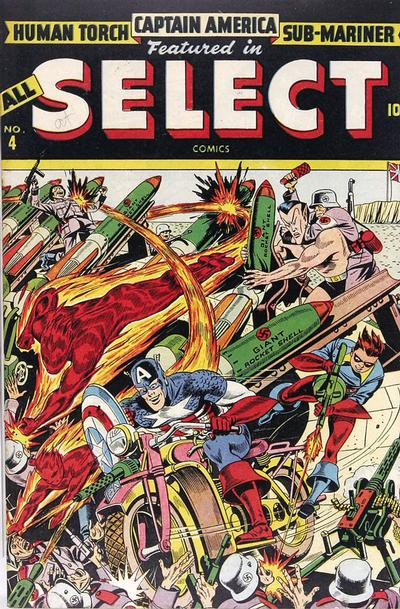
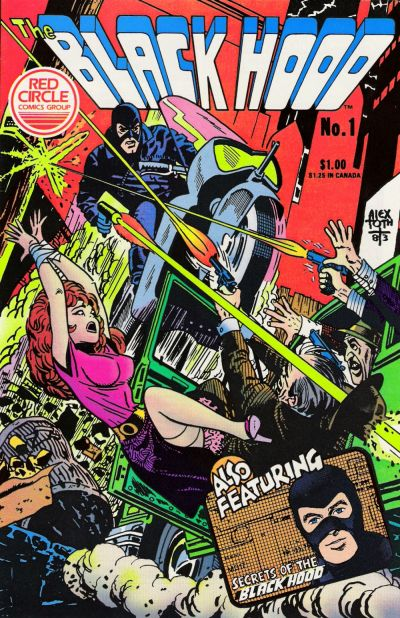
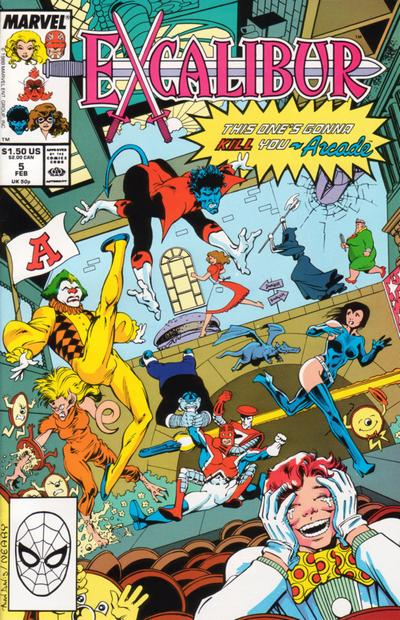
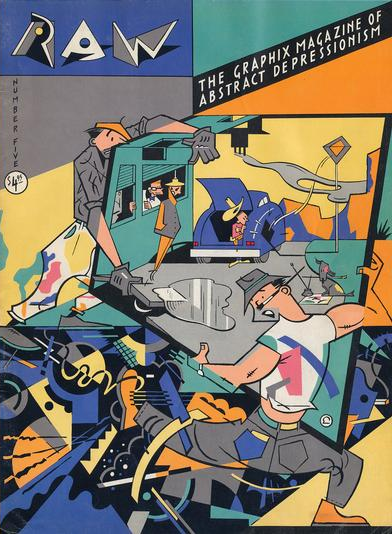
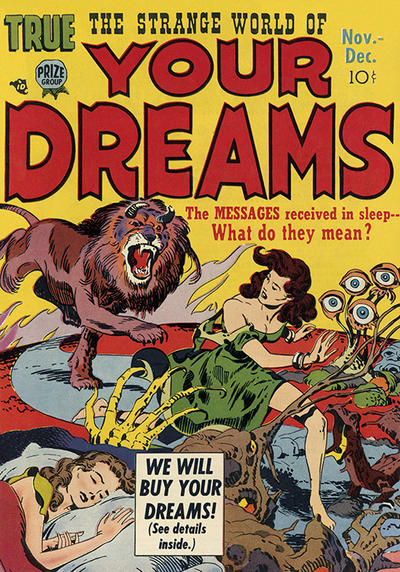
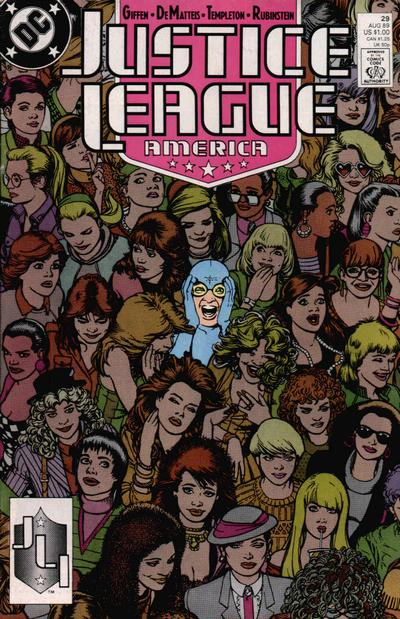
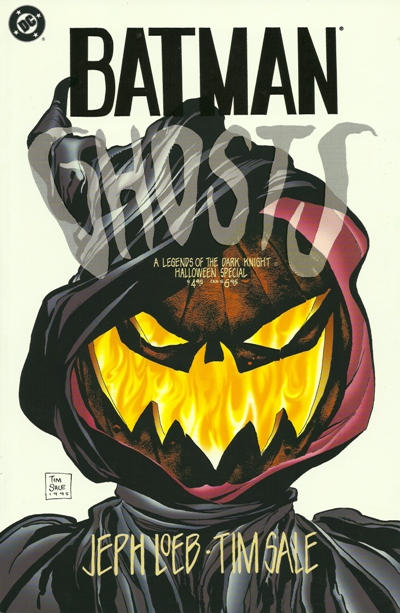
First Neal Adams, now Tim Sale.
I’ve been meaning to write about Tim Sale’s muscular, stylized artwork for quite a while, but I haven’t gotten around to it and today won’t be the day… But I will say that I have no small degree of fondness for the way he imbued, not just the live characters, but also supposedly inanimate objects with a potent vibrancy (not to mention a symbolic charge). By skewing the lines just enough, Sale could make a pistol look determined or sewer pipes feel haunting and oppressive! Hell, he even turned Batman’s symbol into a menacing grin:
The film. Not the show.
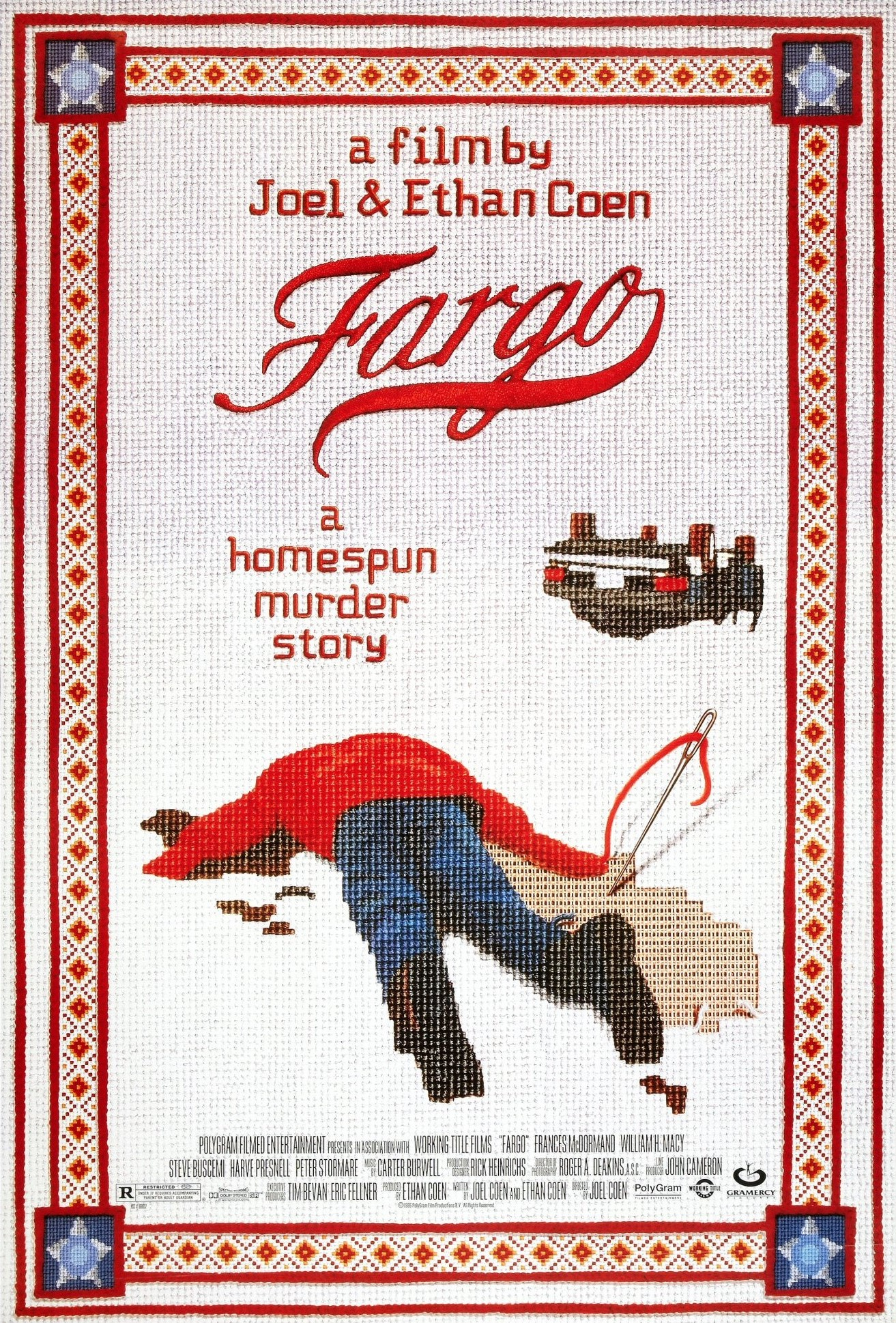
It’s easy to see why Fargo (1996) became the Coen brothers’ most acclaimed picture. The devastating story of a frustrated car salesman (an unnervingly anxious William H. Macy) who hires a couple of thugs to kidnap his wife in order to scam his father-in-law into providing the ransom money – a plan that fails on every level – Fargo is not only the brothers’ most understated, bare-bones thriller since Blood Simple, but also a surprisingly tender look at their home state of Minnesota. The film’s heart and soul are provided by Frances McDormand as Marge Gunderson, a pregnant police chief who is as sharp as they come – certainly more so than the simpletons around her, even if she refuses to rub it in – but who struggles to grasp how evil and mischievous men can be (a struggle encapsulated in the key dinner scene). While less unhinged than their previous movies, Fargo is nevertheless pure Coen, with carefully constructed shots that speak volumes (that opening car trunk…) and the characters’ varied speech patterns mercilessly clashing against each other, not to mention amusing scene transitions and background details (like Scotty’s thing for accordions).
This is also the Coens’ work that has spread wider. In a metafictional follow-up, the dark, quirky film Kumiko, the Treasure Hunter recreates the urban legend about a Japanese girl looking for the money buried in Fargo. And, of course, there was the FX show, which built on the movie’s world, forwards and backwards in time, while delving into its themes and atmosphere. I will dig deeper into the show once I’m done with this series of posts, but for now I’m focusing on a couple of movies and a comic that are ideal for fans of the original Fargo…
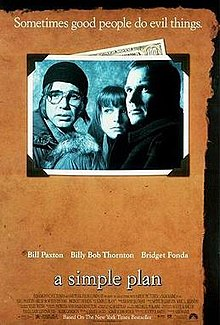
Let’s start with the most glaringly obvious recommendation. Directed by the Coen brothers’ friend and occasional collaborator Sam Raimi, A Simple Plan is a deliberately paced dramatic thriller set in rural, snow-covered Minnesota about three average-ish guys (one of them a dimwit played by Billy Bob Thornton, sixteen years before starring in the FX show) who find a bag full of money and bite off more than they can chew when they decide to keep it. Fargo’s echoes are too many to list (there is even a pregnant woman among the leads and a disarmingly gentle-looking sheriff), but the main connection is thematic, with both films contrasting warmth with cold as they examine the clash between crime, morality, and the apparent innocence of small-town America (here, too, the tension stems as much from the threat of violence as from financial need). Although mining the local fauna’s and flora’s symbolic potential, for once Raimi restrains his gonzo impulses, mimicking the style of the Coens’ recent hit yet nevertheless imbuing the characters with sorrowful humanity and emotional complexity even when the plot wheels start to turn towards inexorable tragedy.
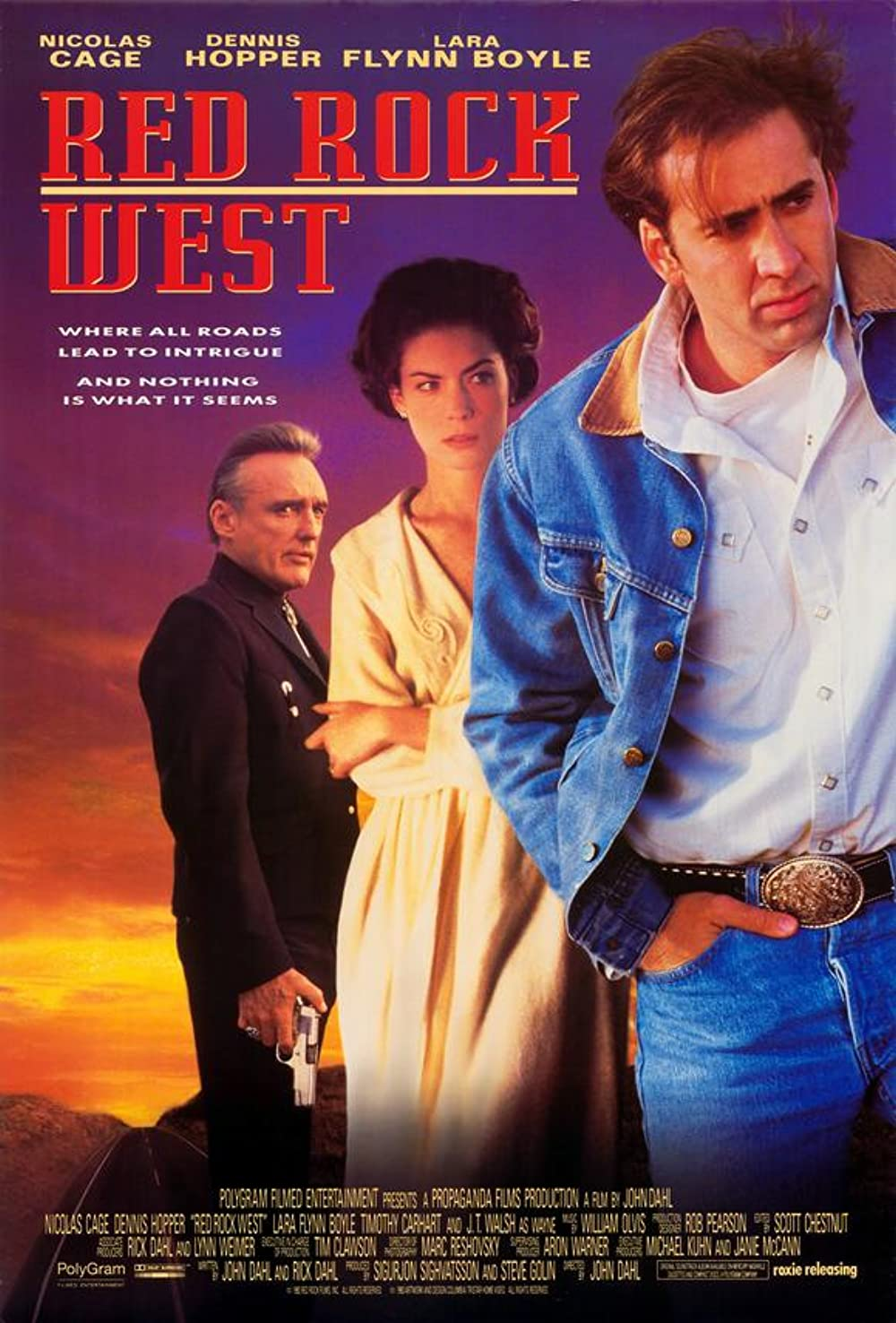
My other pick would be John Dahl’s Red Rock West, which opens with a deadbeat Nicholas Cage accidentally stumbling his way onto a hitman contract and then it just keeps throwing new twists at the viewers until the end. Set in Texas, at an intersection between neo-noir and neo-western, Red Rock West is in some ways closer to Blood Simple and No Country for Old Men, but much of it overlaps with Fargo as well. They’re both lean, moody crime flicks with serpentine plots about double-crossing spouses and, again, losers who find themselves way in over their heads… Above all, they appear to share a brazen sense of purpose: these are razor-sharp, ingeniously told tales that deliver the goods without much fuss and are all the more powerful for it.
It’s been a while since I’ve last recommended Stray Bullets, which remains my all-time favorite non-Batman crime comic (with the possible exception of Scalped), and I guess it’s time I do it again, given that series’ Fargo-esque balance of bleak humor and heartbreaking, punch-in-the-gut human drama.
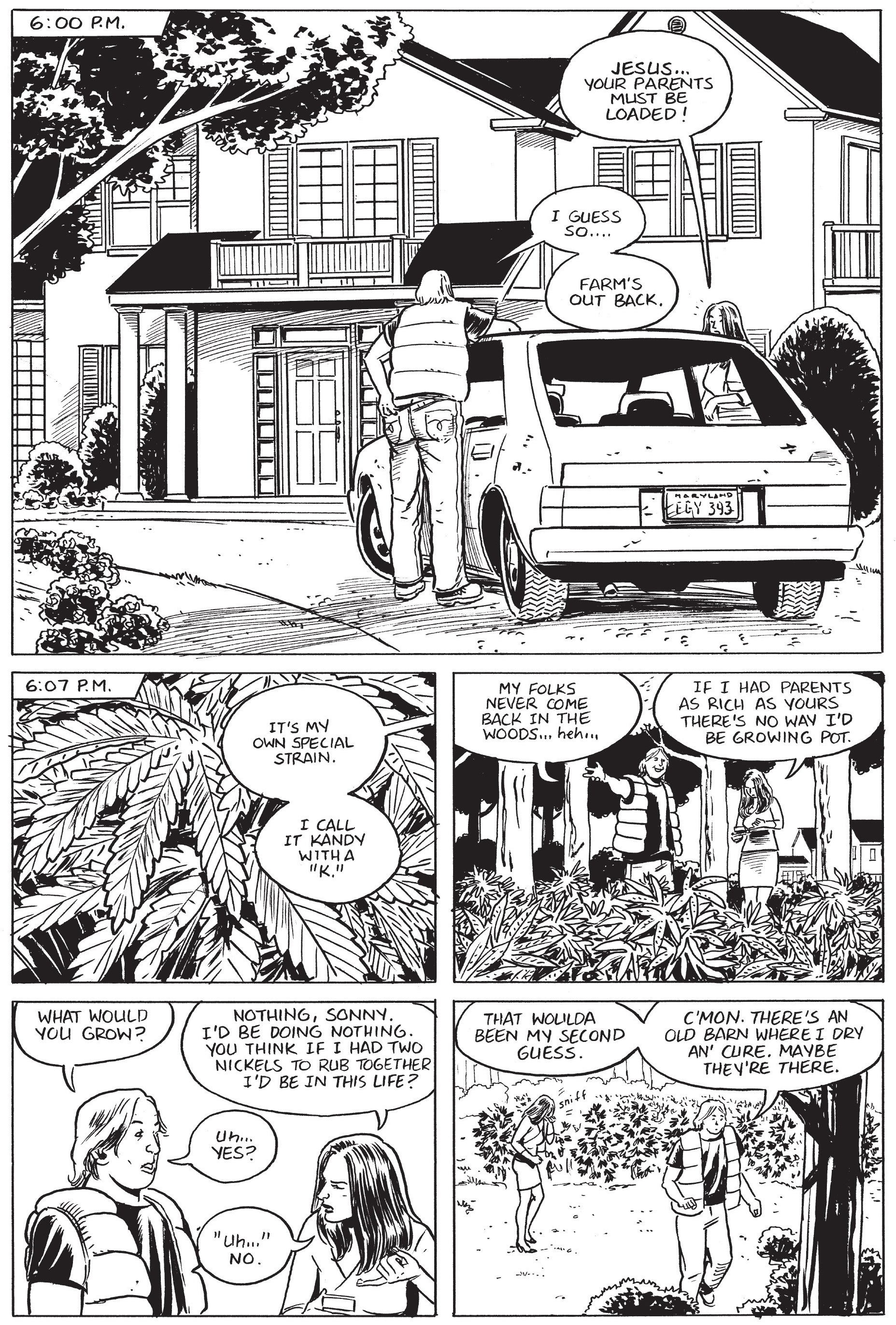
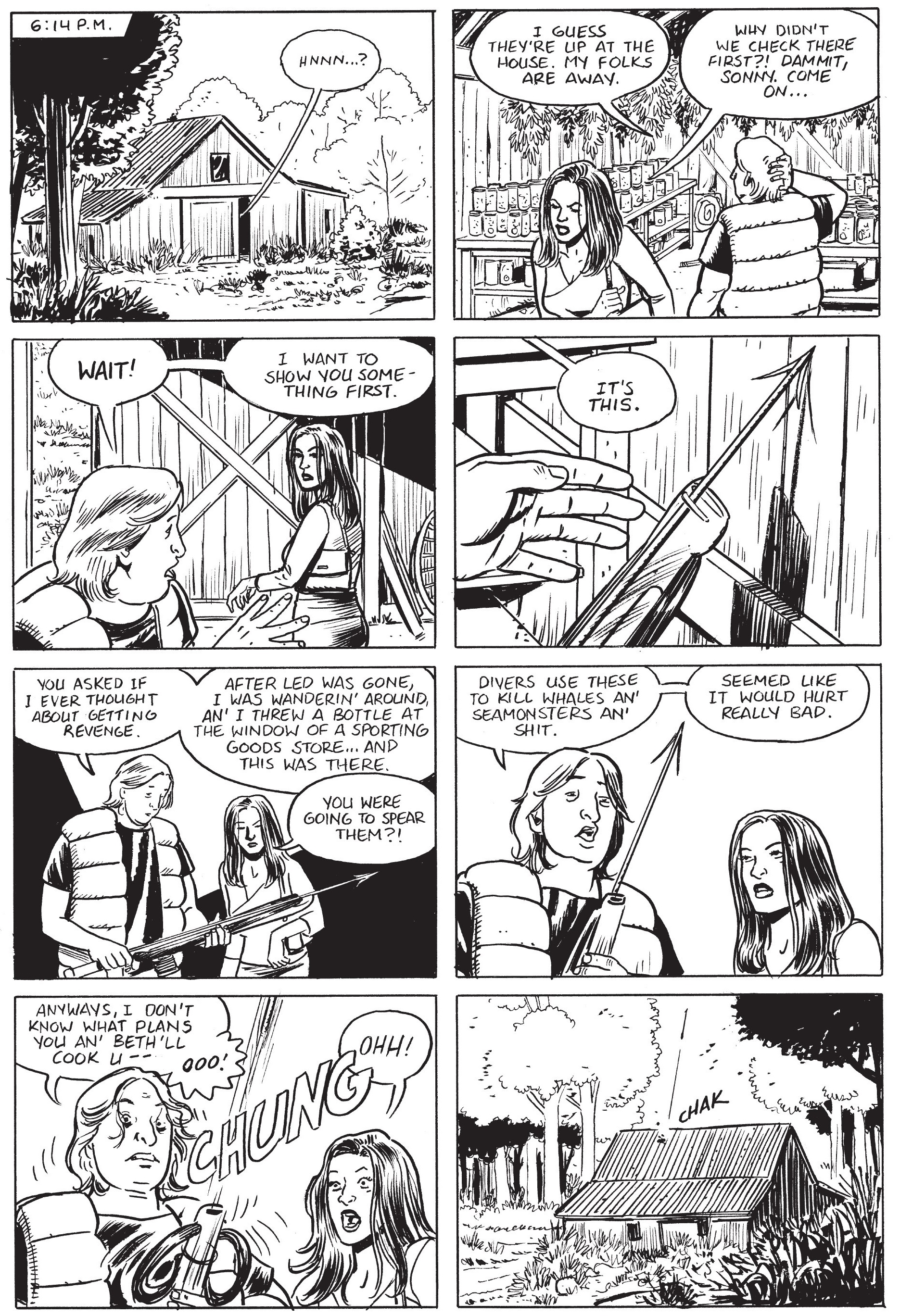
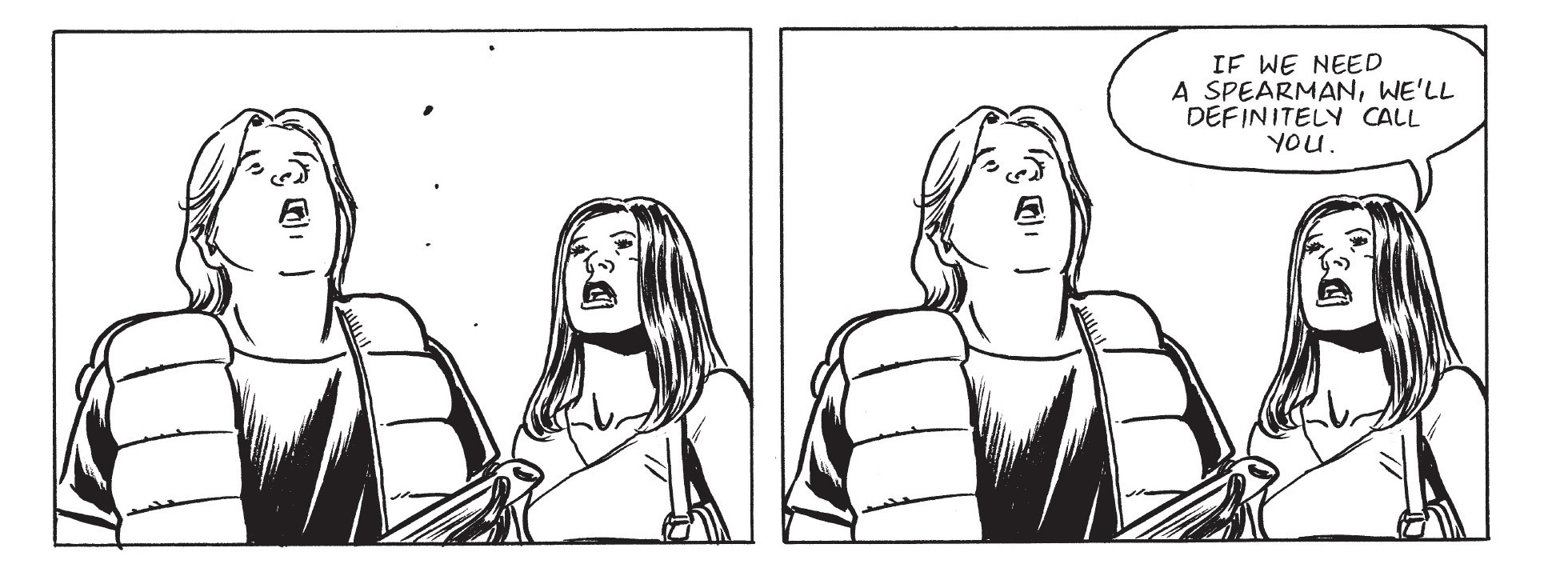
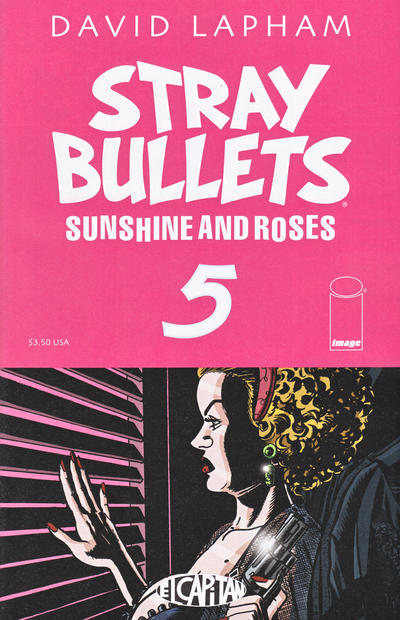
Written, drawn, and lettered by David Lapham – with Maria Lapham credited as producer, editor, and co-designer – Stray Bullets is a long-running series with an impressively consistent creative voice, from the vicious dialogue to the tight, cinematic artwork whose largely narration-free panels almost feel like storyboards (except for the occasional dream sequences or the bizarre comics-within-the-comic). Its underworld of ruthless gangsters and incompetent amateur criminals could easily be set in the Coen-verse, packed as it is with intricate, irony-heavy plots that involve suitcases full of stolen money and shocking – if often amusing – bursts of violence as well as a sprawling, captivating cast who keep surprising you with their actions and reactions (even when they are fully in-character). Then again, don’t expect to find Marge Gunderson here, as practically everyone turns out to be a shitbag in one way or another.
Every issue tells a story that feels both complete (in the sense that it culminates in a payoff) and incomplete (because they always pick up and/or leave behind some loose threads). Add to this the fact that the focus keeps jumping from character to character and, crucially, back and forth in time, and it doesn’t really matter where you choose to start, as you are bound to be confused at first anyway… What’s impressive, in fact, is how effectively Lapham will get you up to speed without resorting to forced exposition, thanks to the strong characterization (you quickly ‘get’ what everyone is about) and to a well-placed trust in readers’ intelligence (we can disregard or fill in any gaps ourselves).
For instance, the (recently completed) latest iteration of the series, an extended arc published separately as Stray Bullets: Sunshine & Roses, chronicles a relentless heist yarn in the early eighties, packed with the usual barrage of sex, drugs, and murder. It’s set between earlier stories – which were first published in the late 1990s – and I would argue the result probably works just as well for older fans (who are already familiar with these relationships and their trajectories) as for new ones (who still don’t know where things are heading in the long run).