COMICS CAN BE AWESOME (13 June 2022)

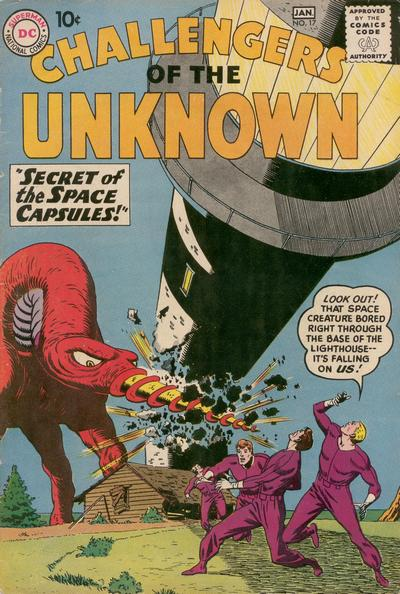
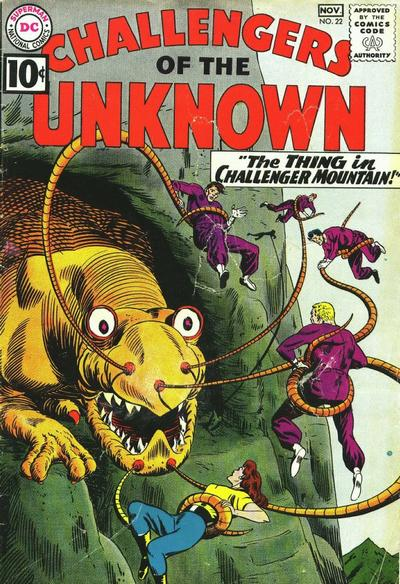
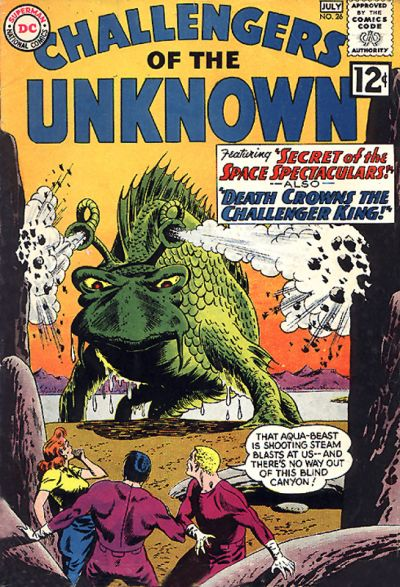
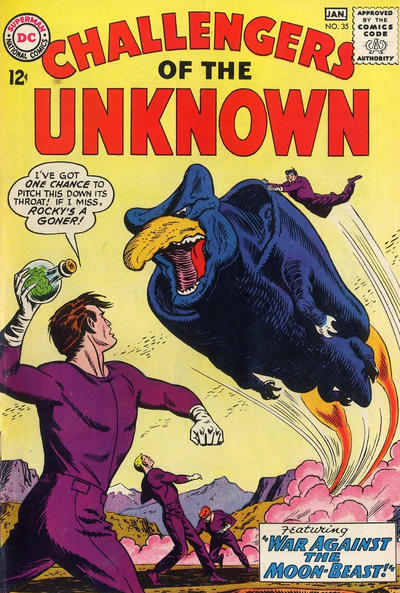
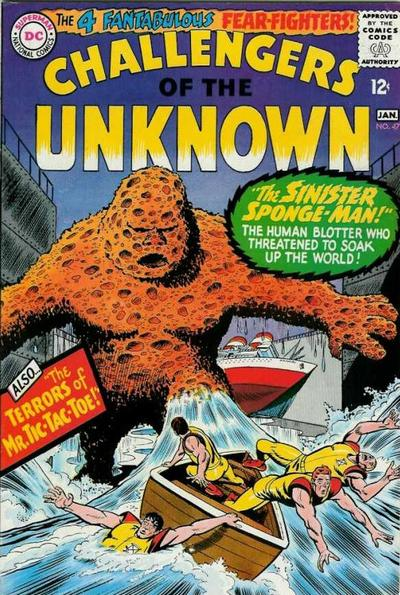
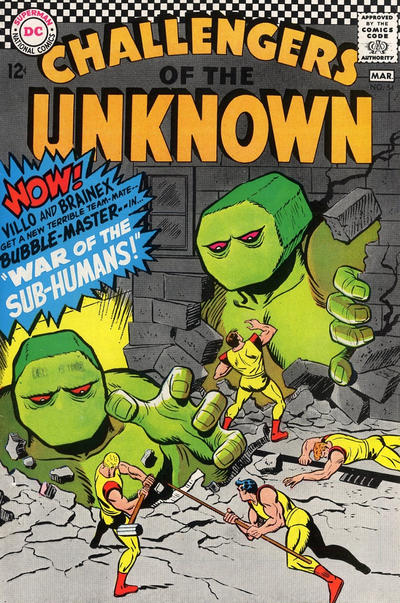
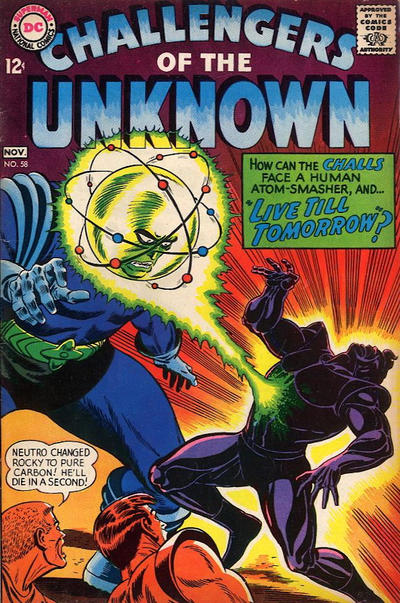
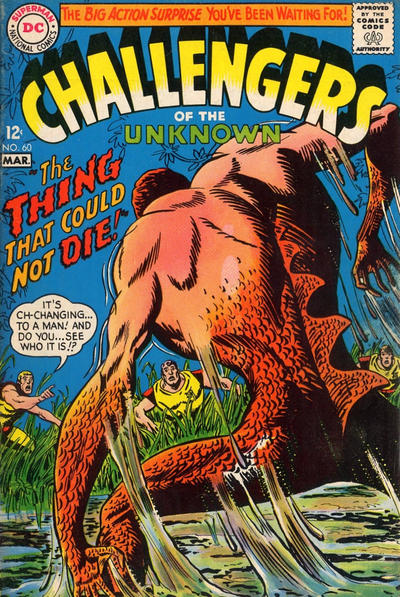
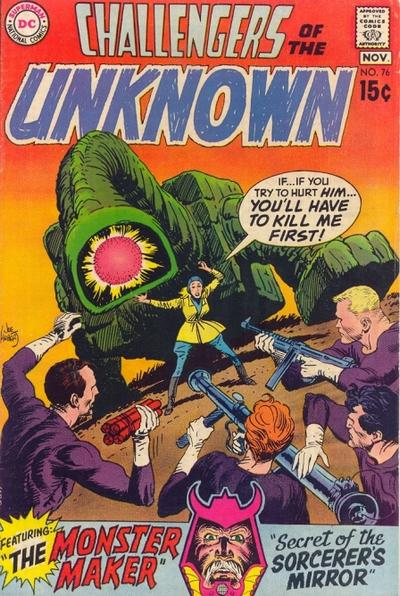
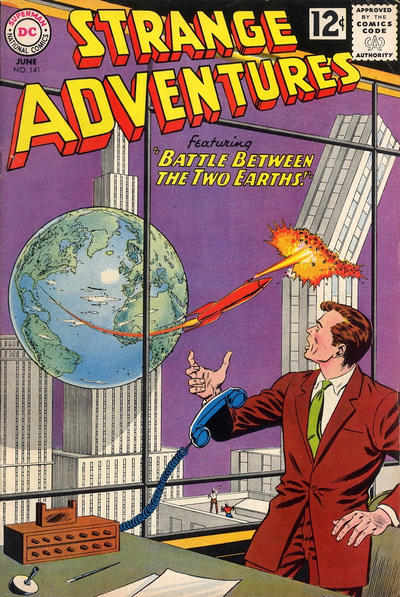
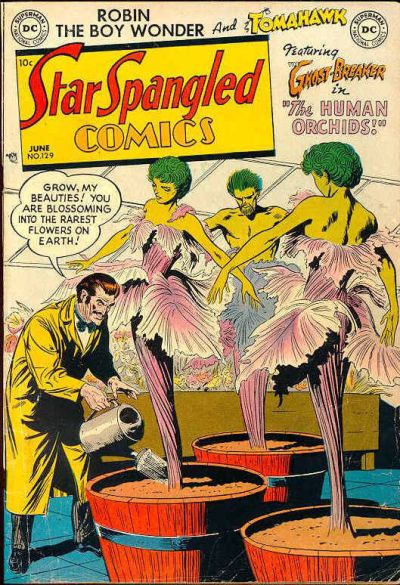
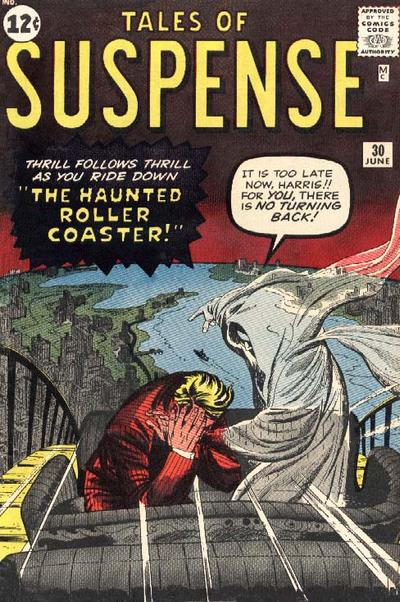
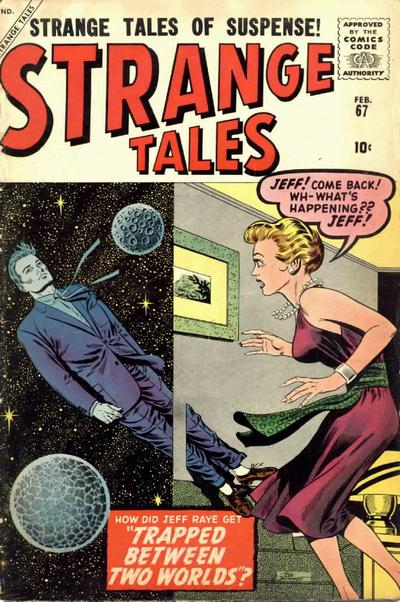
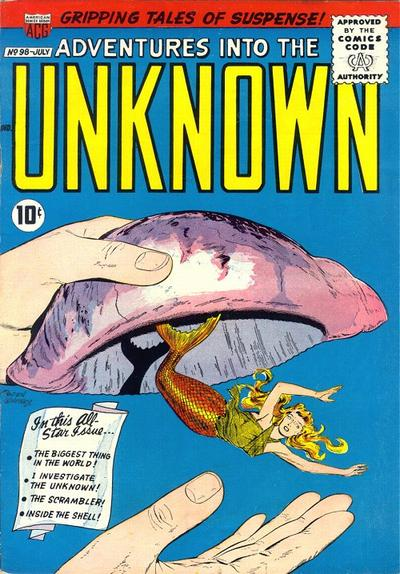
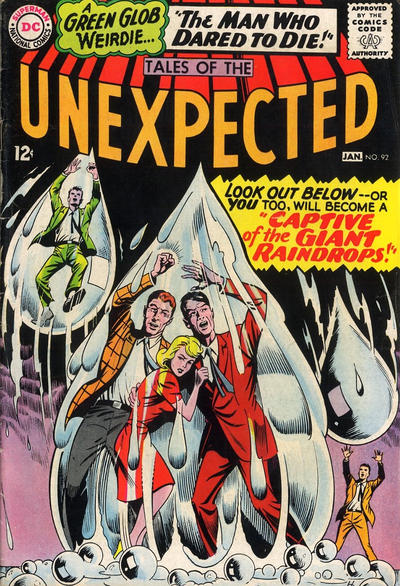
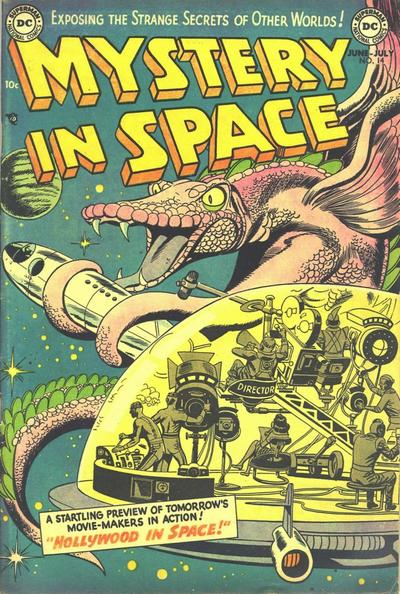
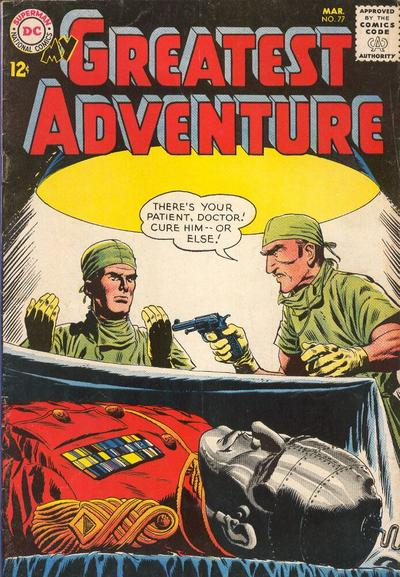
This week’s reminder that comics can be awesome is a tribute to the magnificently bizarre creatures Bob Brown drew on the covers of the original Challengers of the Unknown:

bob brownsilver age comicmonster comicssilver age silver age comicsilver age comicssilver age comic coverbob brownsilver age coversjoe kubert

(This last one is actually by the great Joe Kubert, but the spirit is the same!)

Posted in GLIMPSES INTO THE PAST | Tagged , , , , , , , | Leave a comment

Anatomy of World’s Finest Comics #191

When it comes to superhero comics – and Batman stories in particular – there tends to be a division among fans between those who privilege more lighthearted fantasy and those who favor grim-and-gritty aesthetics or narratives with literary affectations. I keep ping-ponging between the two camps depending on my mood… It’s not just that I can get a major kick out of both Scott McCloud’s upbeat Superman Adventures and Mike Grell’s revisionist Green Arrow; it’s that I can find self-important proto-realism just as annoying and uninspired as all the silly, derivative dreck that has been a part of the genre from the start.

Then, of course, there are those books that manage to work on both levels. Some of the most deconstructive, sophisticated peaks of this art form double as kickass thrillers packed with fist-pumping ‘fuck yeah’ moments (most famously Watchmen and The Dark Knight Returns, but also their descendants, like Alias and Jupiter’s Legacy). At the other end of the scale, among the most escapist, unabashed pulp you can occasionally find all sorts of stimulating subtext and imagery.

For an example of the latter, let us take a close look at ‘Execution on Krypton!’ (World’s Finest Comics #191, cover-dated February 1970).

mort weisinger

The script, written by Cary Bates and edited by Mort Weisinger – one of the main architects of Silver Age DC – operates on that era’s core principle of constantly prickling readers’ curiosity. While the cover (rendered by Curt Swan in his classic, elegant style) suggests that the Caped Crusader and the Man of Steel will travel back in time to the planet Krypton before it exploded, where Superman’s father will condemn them to death, the opening splash offers an alternative teaser, as a flashforward shows Supes’ parents – Jor-El and Lara – running a crime school (i.e. teaching students to commit crimes) in front of our baffled heroes. Thus, readers are presented with a couple of counterintuitive premises before being launched into the proper story…

Not that the story itself wastes any time before setting up new intriguing elements. All you have to do is turn the page and you’ll see Lara and Jor-El (who died on Krypton years ago) briefly materialize in present-day Earth, coincidentally near Batman and Superman, who overhear them plotting a crime. The Kryptonians’ apparent criminal activity, mind you, shocks the heroes – and, according to the omniscient narration, should presumably shock readers – way more than the fact that these two dead aliens from Superman’s past suddenly pop up out of nowhere, because in the first decades of the Comics Code Authority characters – and consumers – were more used to dealing with magic than with moral ambiguity!

These aren’t the most interesting mysteries though, as we will get pretty direct explanations for them later on. In turn, my curiosity is much more engaged by all the questions the comic raises (often implicitly) but doesn’t bother to answer, letting our imagination run wild instead. Just take the first panel in the page above, where Superman – along with his Bat-buddy – nonchalantly flies to another galaxy while simultaneously travelling to the past by using his super-speed to break ‘the time-barrier.’ This was such a common occurrence in the life of pre-Crisis Earth-1 Superman that none of them treats this as remarkable in itself, much less reflect upon all the science fiction paradoxes that come with such carefree trips back and forth across the 4th dimension… Hell, there isn’t even the smallest qualm about the possible effects of changing history, as immediately after arriving the World’s Finest duo set out to squash a student demonstration (or perhaps they’re just so damn pro-establishment they’re willing to risk disrupting the whole space-time continuum in the name of order… decades ago… in a distant planet!).

Indeed, I hardly had time to wrap my head around the whole spacetime trip when my mind was thrown into a whole new tangent by the student protest thing. On the one hand, the old version of Krypton had traditionally been depicted as a surrealist technological utopia full of strange sci-fi concepts (check out all the futuristic architecture!), so it isn’t too startling that they have robot teachers. On the other hand, the veteran art team of penciller Ross Andru and inker Mike Esposito draw human figures that look not only relatively naturalistic, but also modelled on the clothing fashions and haircuts of the youth in late sixties’ USA, creating an obvious parallel with the then-current student movement. So, besides puzzling over how robotized higher education works and what the protesters are specifically rebelling against (is it the dehumanization of teacher-student relations? robots’ strict pedagogical methods? or perhaps the way mechanization is destroying the prospect of future uni jobs?), a part of me also wonders what compelled 21-year-old Cary Bates to write a comic that seems more sympathetic toward the robot teachers than toward the human students…

cary bates

The angle of the panel above (a reverse-shot from the last panel in the previous scan) could suggest a cold, creepy distance in the way the staff literally looks down on the students (arguably validating the latter’s resentment) and Jor-El’s thought balloon is ambiguous (is he worried about the teachers or the protesters?), but the rest of the sequence leaves no doubt about the overall moral economy. Rather than talking to the demonstrators about their concerns or even trying to mediate a solution, Superman and Batman immediately identify them as a threatening mob and proceed to physically undermine the protest – in a move later ripped off by Judge Dredd comics, they weaponize a weather control tower, using a shower of silver rain as the equivalent of a police water cannon (yes, silver rain… Bates doesn’t miss the opportunity for further whimsical touches, identifying other artificial weathers as glow snow, sleet pellets, and scented wind). Ideologically, this feels reactionary as hell, but it is completely in-character with the personality of the two heroes, who at the time were aggressive defenders of law-and-order and proud protectors of the status quo.

The politics aren’t the only thought-provoking bit of characterization going on here. Because of Krypton’s red sun, Superman loses his powers and has to act more like a strategic-minded athlete. Meanwhile, because of the the heavier gravity, Batman brought anti-gravity boots and manages to float in the air (in order to distract the students, who sound like a bunch of stoners), so it’s as if the two superheroes have switched roles. What I most like about this is how smoothly they adapt to the change, quickly coming up with a plan based on their new abilities, thus displaying the resilience and resourcefulness of characters who have gotten used to transforming or swapping bodies on a monthly basis – and, crucially, who are used to working together in odd circumstances (this was before the mainstream decided these two longstanding friends worked better as natural enemies).

More than any individual idea, however, it’s the sheer barrage of throwaway ideas that makes World’s Finest Comics #191 such an enjoyable read. For instance, in the page below every single panel contains at least one concept that would fill most of an issue in today’s age of writing-for-the-trade and decompression, starting with Superman’s hilariously convoluted explanation for their attire (come to think of it, why is Batman wearing his suit anyway? I guess it gives him confidence no matter where he is…).

ross andru

I love everything about this sequence, from Batman’s utterly unphased acceptance of Jor-El’s invisibility ray down to Superman’s inner monologues finally acknowledging that there is something a bit weird about meeting your dead parents before you were born! Out of all these dreamlike moments, only the one about the cinema actually pays off down the line – the rest just seem to be there for our instant delight and wonder.

Such a relentless pace of blink-and-you-missed-it ideas that aren’t there to be developed or explored but rather to create a sense of overwhelming otherness is the kind of stuff Grant Morrison and Warren Ellis would later build their careers on. And, of course, Andru and Esposito – plus whoever did the groovy colors – help nail each beat with their fantastic designs…

Following a slice of social commentary (surprisingly liberal, at least compared to the previous scene’s hippie-bashing), the sequence culminates in a meal at Jor-El’s and Lara’s place, where the transparent chairs and the triangular table hover in the air:

Krypton

(A couple of panels later, we get to see the floating chairs from below as they all relax in the garden, foreshadowing the tale’s final image. It’s one of many beautiful panels that combine mundane postures with out-of-this-world visuals without making much of a fuss about it.)

After this very short breather, the adventure plot leaps with forward momentum on a panel-by-panel basis. Batman and Superman secretly follow the Kryptonian couple through the planet’s fire jungle, only to be caught in an underground school – because the cave’s walls are equipped with ‘echo-magnifiers’ that give them away – where Jor-El sentences them to an execution via a ‘death-cube,’ as seen on the issue’s cover. We thus get a fun deathtrap escape scene (a staple of Batman and Superman comics) but the whole thing turns out to be a test (a typical Silver Age fake-out) leading to the World’s Finest team enrolling in the crime school, where they soon manage to get the highest scores… After all, not only are they are seasoned crimefighters (Batman even has a degree in criminology), but they’re both geniuses who had studied Kryptonian tech in their spare time. (A montage serves to give us more glimpses of this incredible world, including offbeat versions of safecracking and counterfeiting. The students’ final scores are tabulated on ‘electronic data-blocs.’)

This is where the story takes a pretty unexpected turn, as the reason Superman’s parents had been teaching crime is finally revealed. The petrified body of a godlike alien explorer named Calox has been found in the Kryptonian island of Bokos, but the locals chose to merely keep it in a museum, so Jor-El is planning to steal it in the name of science (he’s convinced he can bring Calox back to life and thus obtain from him the ultimate secrets of the universe!). So, you may ask, was the crime school specifically set up in order to train people to commit this daring heist? The answer is yes, but it’s also much more elaborate than that, because Krypton is still full of surprises:

Kryptonmort weisinger

Once again, faced with this ludicrous island where dishonesty is not only legal but *mandatory*, I cannot prevent my thoughts from flying all over the place, imagining how such a society came to exist and how it can possibly operate.

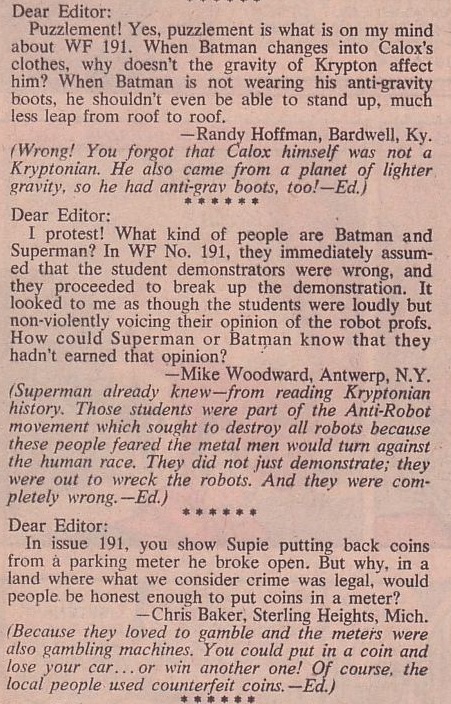
Having established the rules in the three panels above, however, ‘Execution on Krypton!’ proceeds without blinking. The story has fun with the notion of its wholesome heroes being forced to commit thefts in order to blend in and then has them pull off a wacky caper involving the type of switcheroo that was par for the course in World’s Finest Comics. And if you have any lingering questions, you can settle them with the editor, in the letter pages of future issues:

superman letter pageWorld’s Finest Comics #194

There are plenty of snarky websites out there making fun of old – and new – comics and movies, pointing out plot holes and implausibilities, but fans know the real fun is trying to find a hidden logic and to speculate about the ramifications of what is there on the page. Rather than challenging the work or acting superior to it, such thought experiments are part of a game between readers, creators, and editors that continues after the story is over, as you can see from Weisinger’s answers in this letter column.

But the story isn’t over yet! Just when you think Batman and Superman have achieved their goal, Cary Bates introduces further drama and complications in the penultimate page:

cary bates

(There is clearly a lot going on in Superman’s head, as his thoughts on the left panel confirm that he decided to travel across time and outer space on little more than a whim, without fully thinking through the implications…)

A deus ex machina sort of saves the day, as the Caped Crusader and the Man of Steel are conveniently teletransported to back to Earth, in 1970, through an experimental time-vortex that the army just happened to be developing. The odds behind such a turn of events are, of course, preposterous, but in Bates’ defense he doesn’t let his protagonists off that easily… The vortex will automatically transport them back to Krypton – or, rather, it would have done, if not for the timely intervention of General Hill, who quickly realizes Earth can’t afford to lose these two heroes and, therefore, takes drastic measures in his own hands:

ross andru

This final twist is the perfect capstone to an epic yarn that kept surprising me at every turn. General Hill, a character that had never showed up in the comics before (even in this comic, we had only seen him in a coma), turns out to be the main hero, sacrificing years of research – and, as one hysterical scientist points out, a 22-million-dollar investment – to save Supes and Bats!

If you try really hard, you can squeeze two thematic readings out of this dénouement. According to the most generous one, while the World’s Finest duo’s top motivations throughout the tale are spying on Superman’s dead parents and stealing a god, in a roundabout way they do end up achieving something positive by causing a serious blow to the US military-industrial complex at the height of the Vietnam War. Alternatively, you can read ‘Execution on Krypton!’ as a frank acknowledgement of the military’s own priorities: sure, R&D is important, but the main thing is securing a force that can effectively contain student protesters.

Posted in SUPER POWERS | Tagged , , , , , , , , | Leave a comment

COMICS CAN BE AWESOME (6 June 2022)

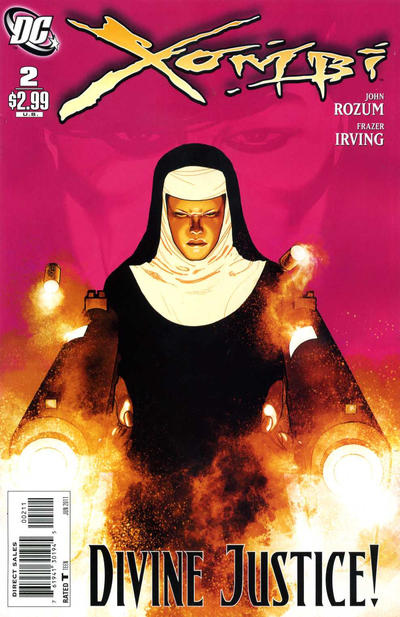
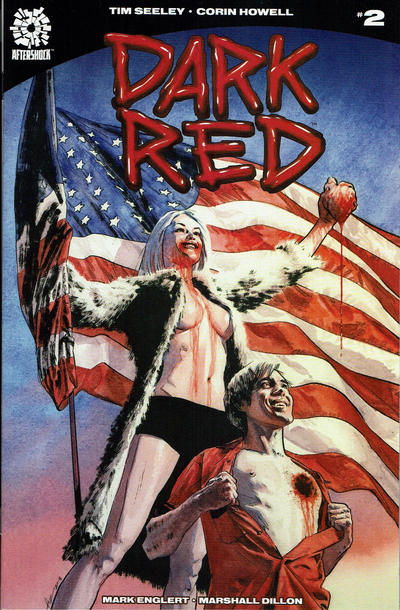
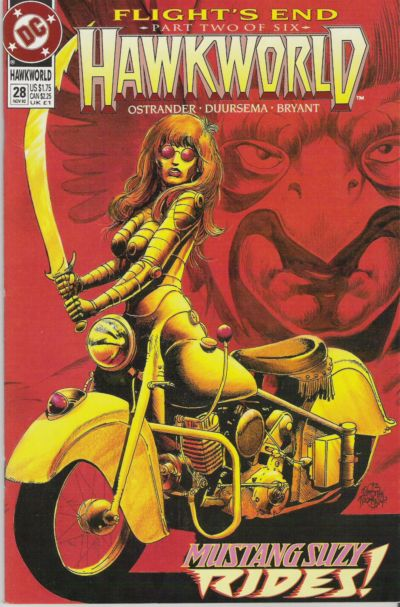
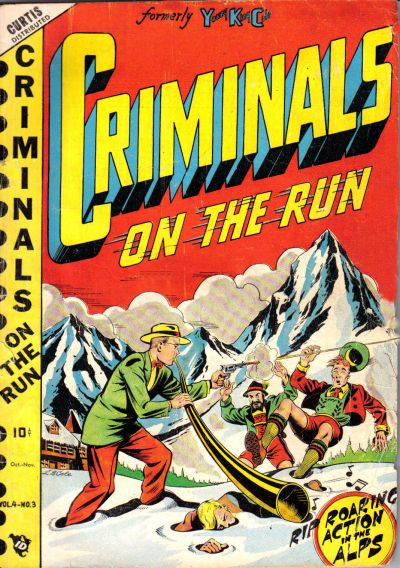
A kickass reminder that comic book covers can awesome:

carlos ezquerraStephen Hickman John CassoneBill Sienkiewiczjohn buscemaSteve EllisFrazer Irvingseeleytim trumanL. B. Cole

Posted in AWESOME COVERS | Tagged , , , , , , , , , , , , , , , , , , , , , , , , , | Leave a comment

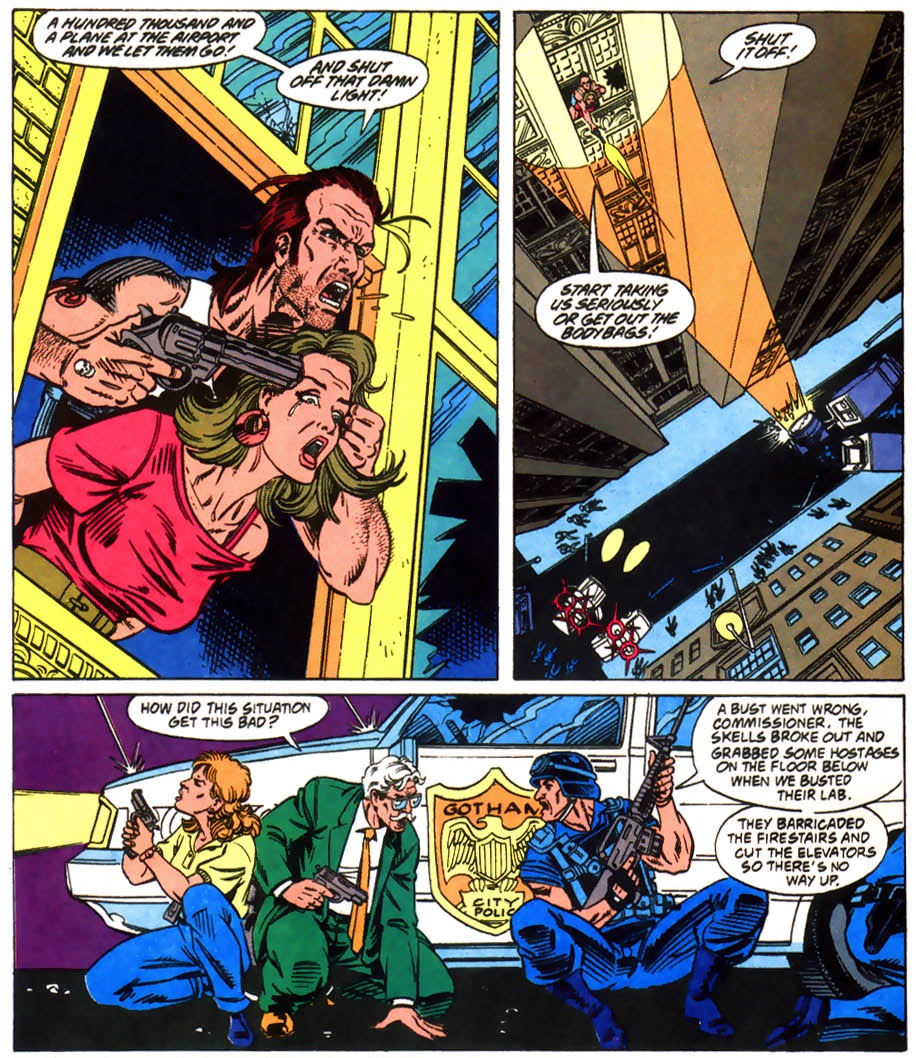
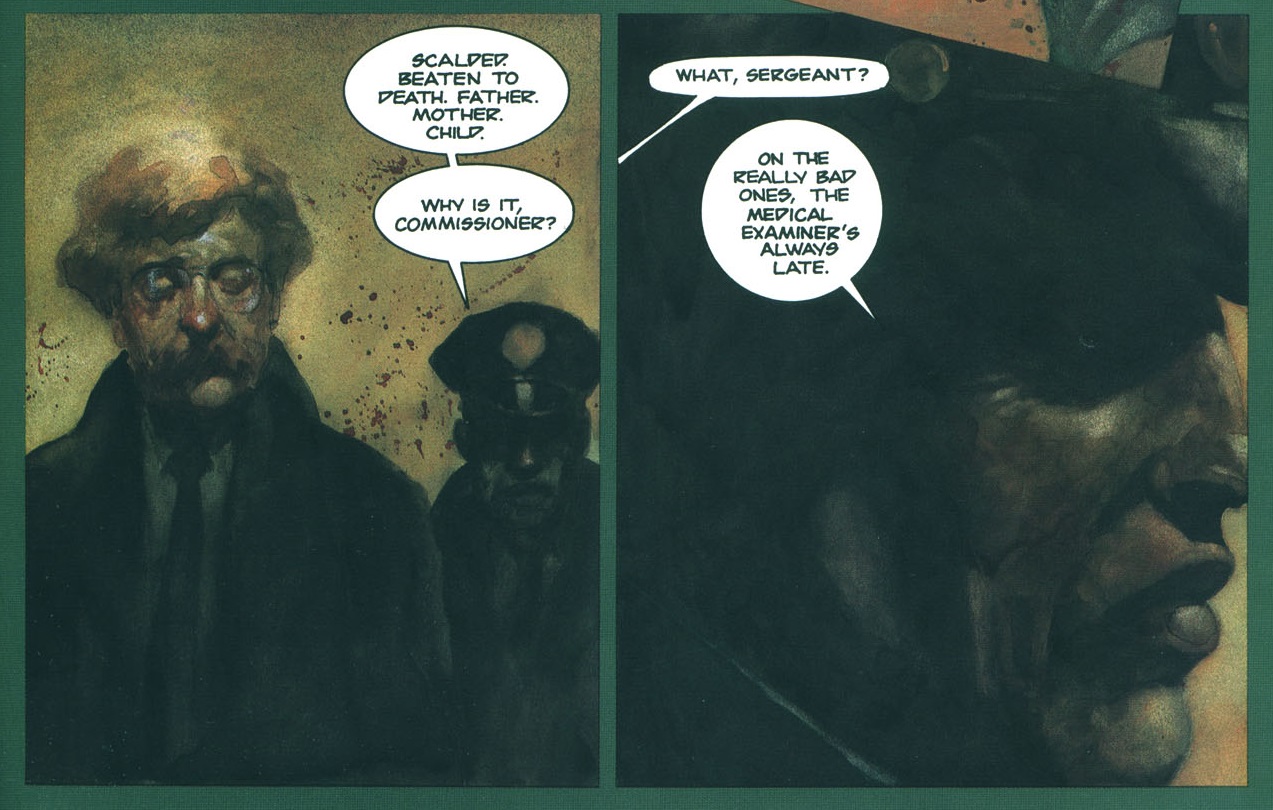
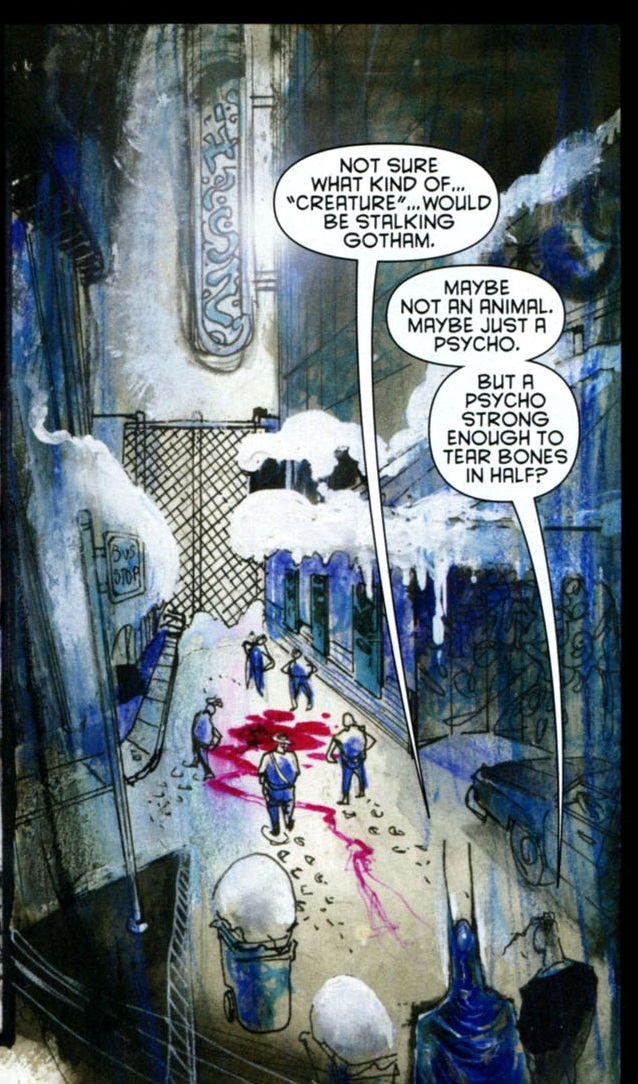
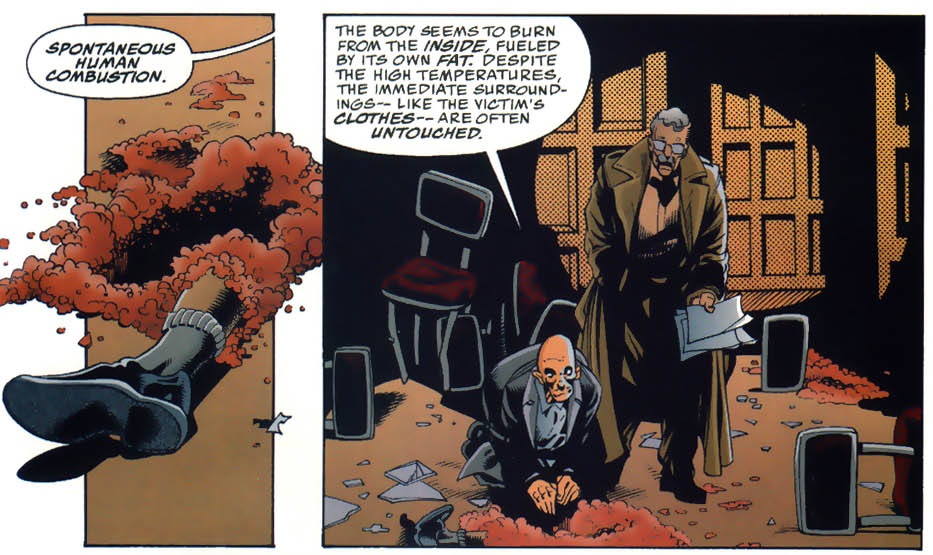
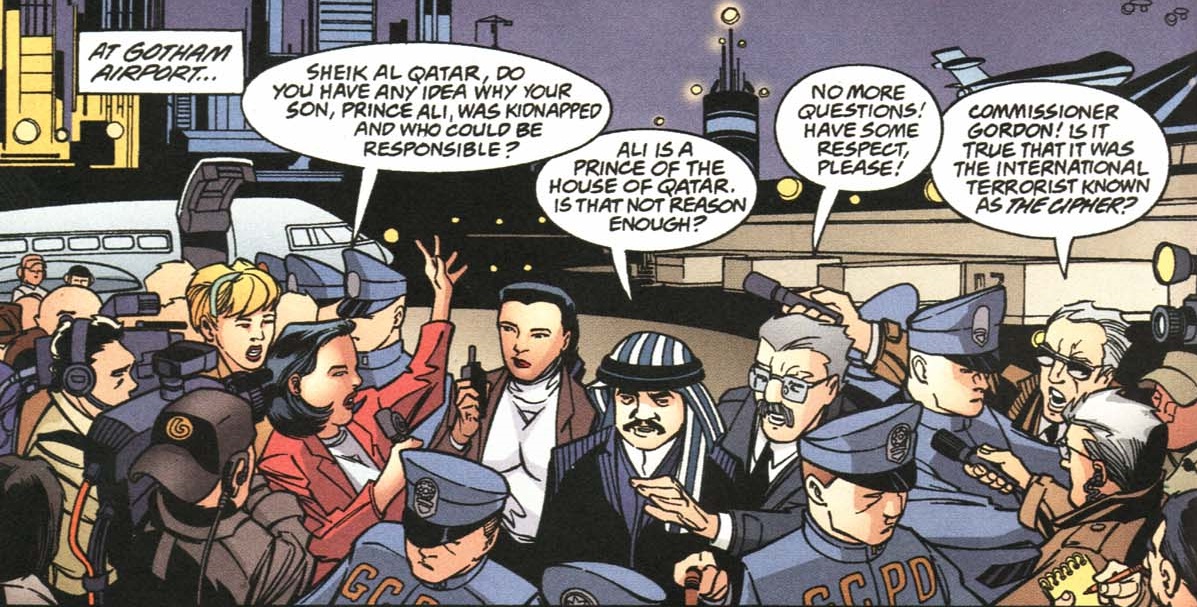
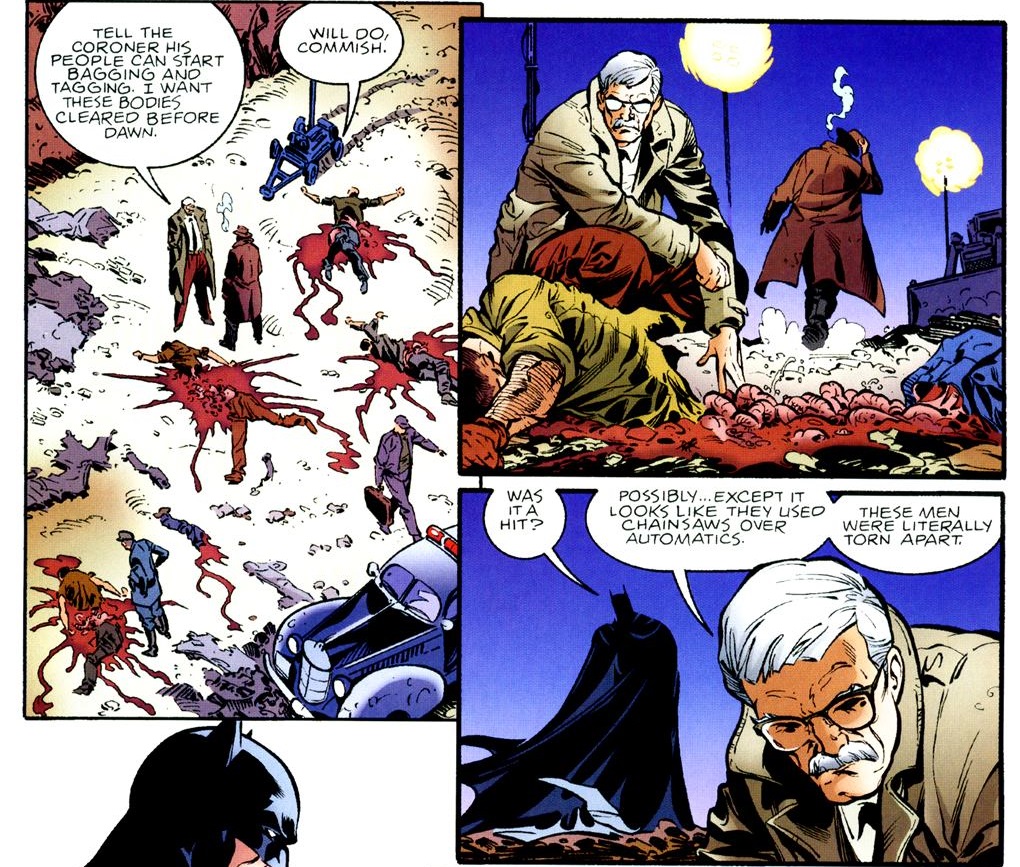
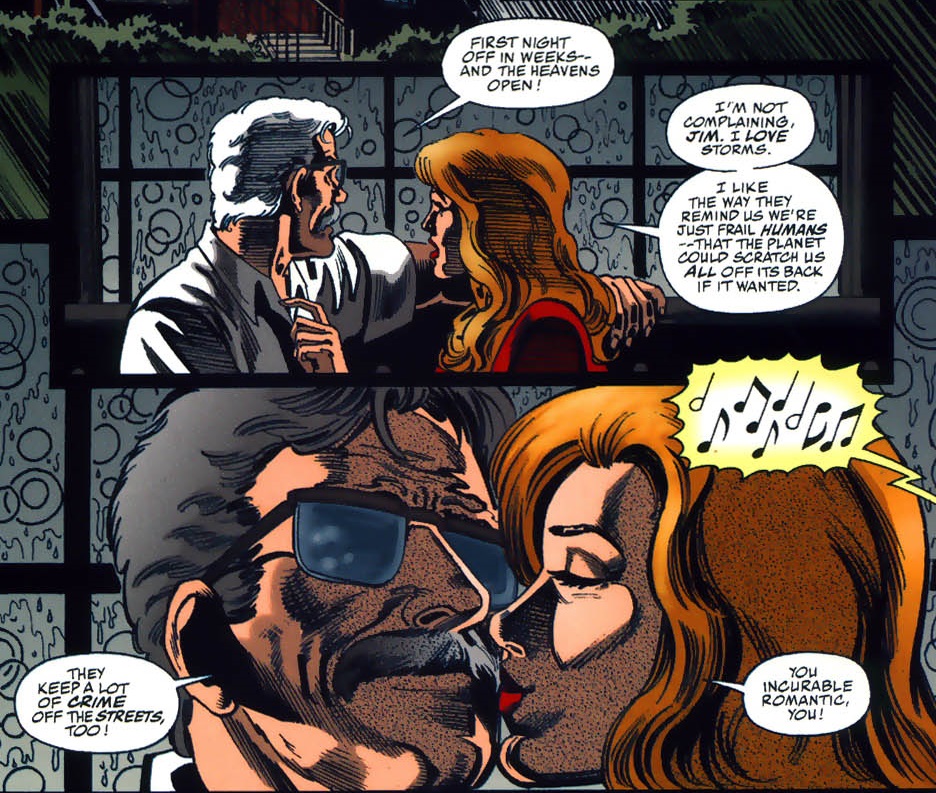
Why Commissioner Gordon hates Wednesdays

Commissioner GordonDetective Comics #647
gotham cityNight Cries
GothamBatman Confidential #40
James GordonShadow of the Bat #69
GCPDBatman #576
GordonBatman/Aliens II #1
Sarah EssenShadow of the Bat #65
Posted in GOTHAM INTERLUDES | Tagged , , | Leave a comment

COMICS CAN BE AWESOME (30 May 2022)

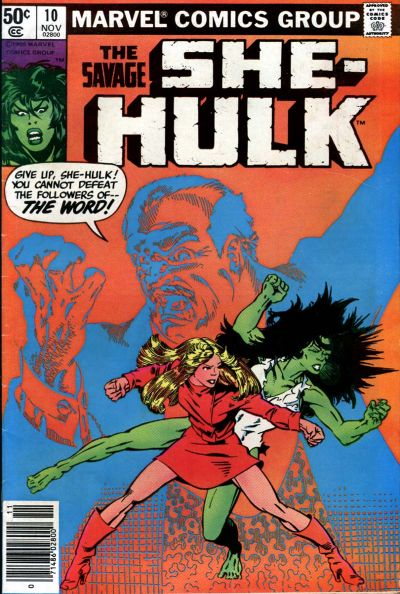
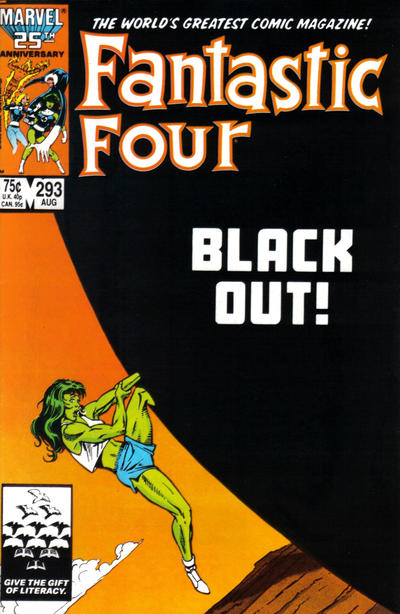
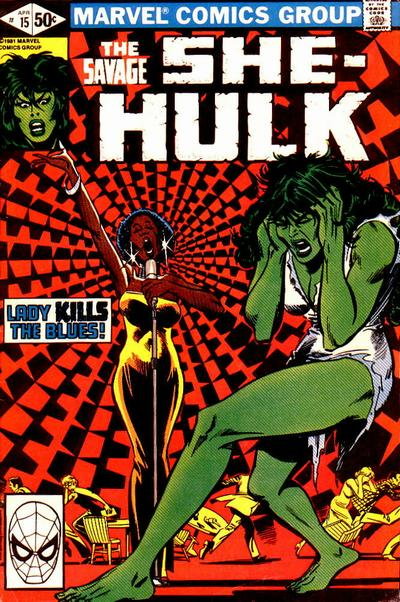
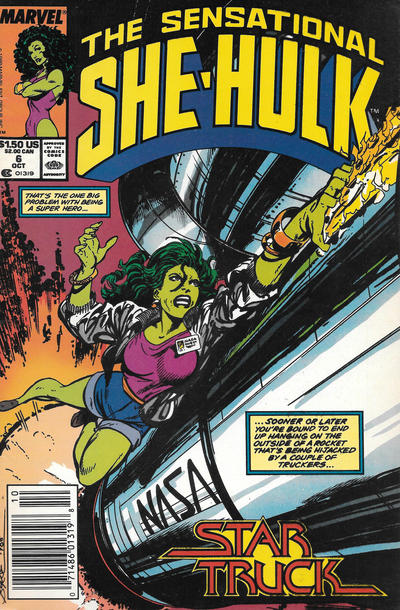
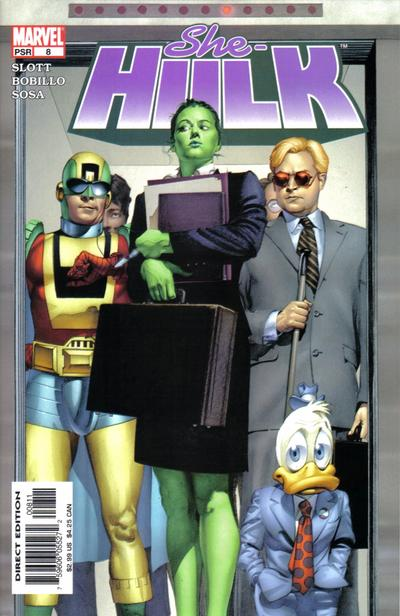
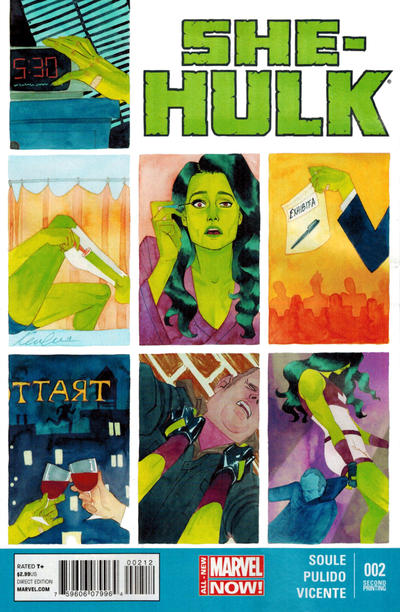
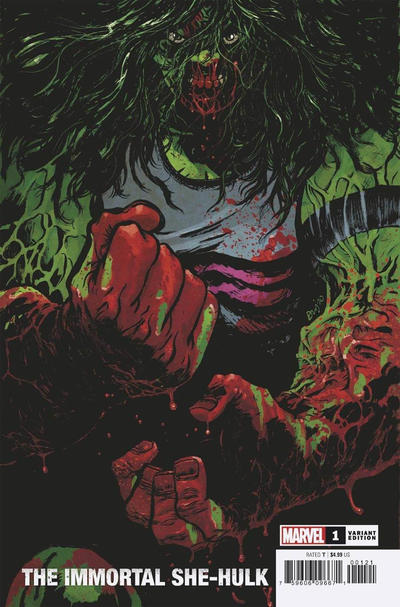
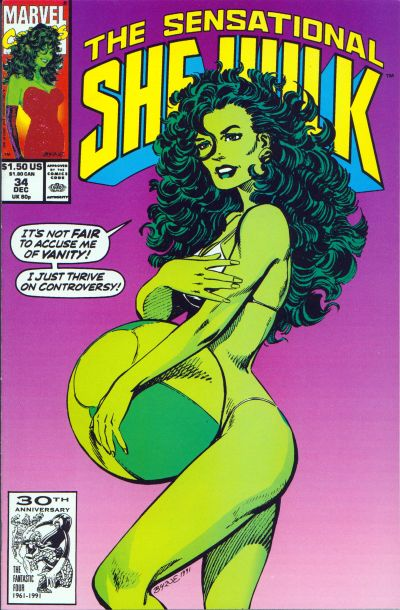
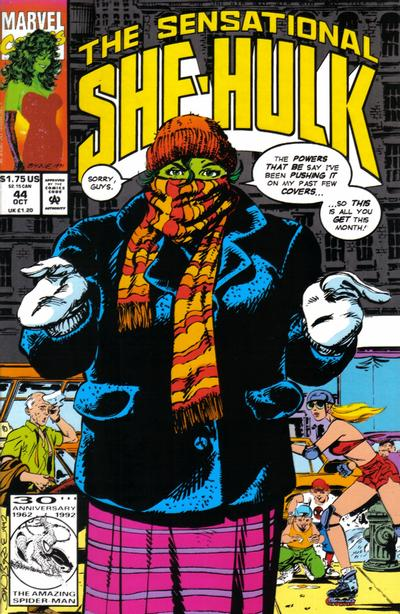
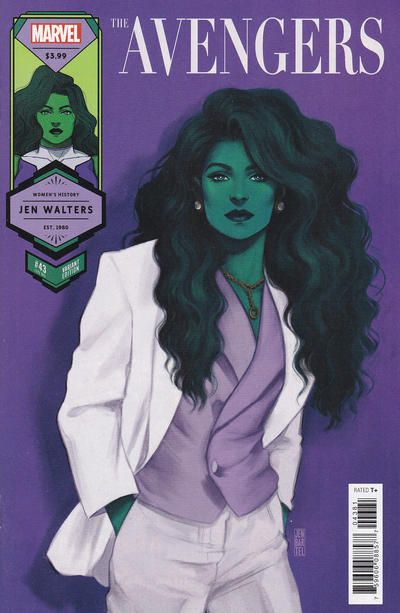
A reminder that comic books cover can be awesome, She-Hulk edition:

michael goldenJerry Ordwaymike vosburgjohn byrne Mike MayhewKevin Wada Daniel Warren Johnsonsexy comicsfunny comicsshe-hulk

Posted in AWESOME COVERS | Tagged , , , , , , , , , , , , , | Leave a comment

If you like The Hudsucker Proxy…

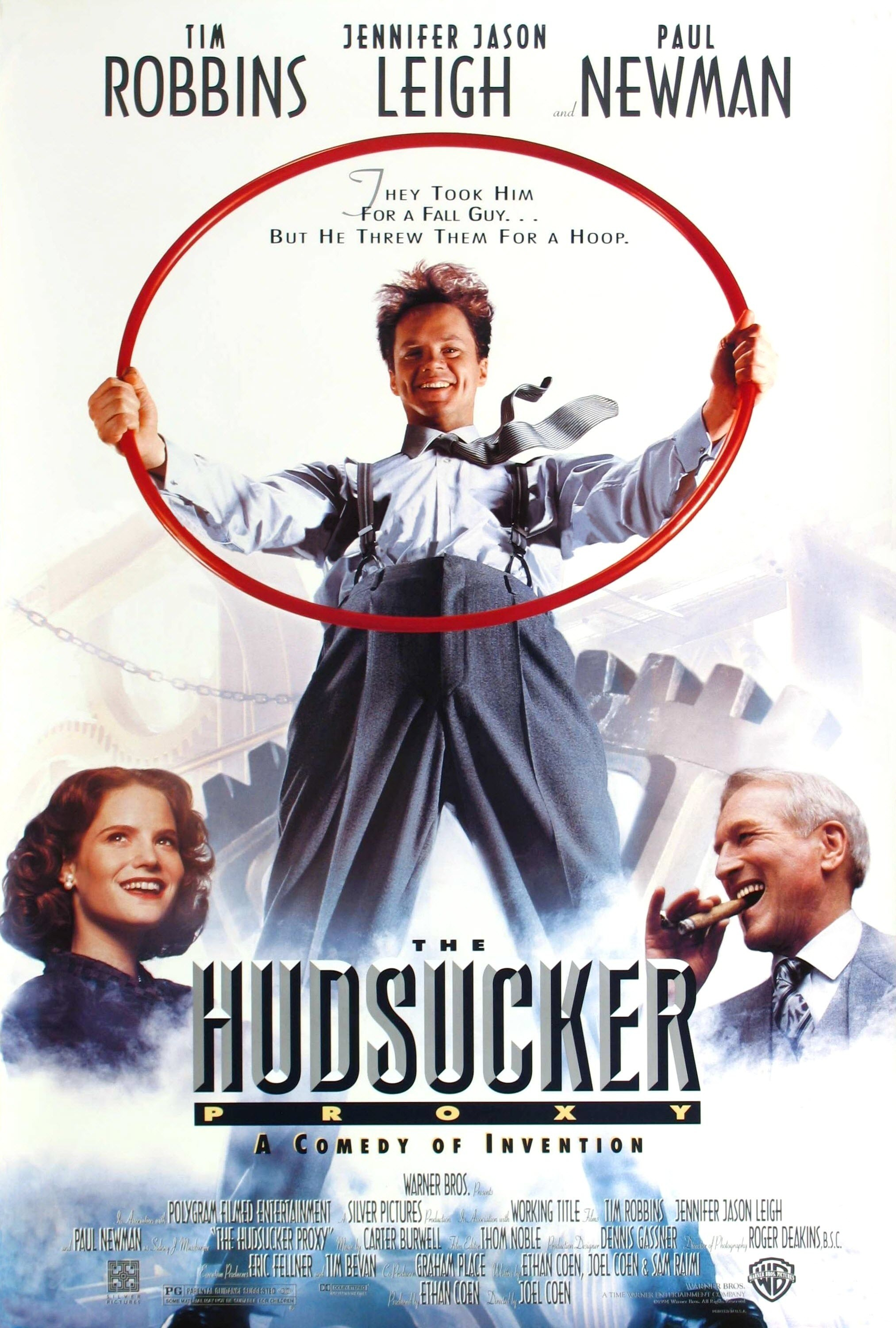
coen

For their fifth film, Joel and Ethan Coen went back to the slapstick tone and rhythm of Raising Arizona, once again channeling the Looney Tunes, only this time around blended with the flavor of old Hollywood screwball comedies about big business and world-weary, wisecracking reporters, complete with a romantic subplot. Set in an overblown version of 1958 New York City, the uproarious The Hudsucker Proxy (1994) sees clumsy mailroom clerk Norville Barnes (a wide-eyed Tim Robbins) suddenly get promoted to president of a large corporation as part of the board’s ploy to manipulate their stock price. You can perhaps imagine where the farce goes from there (although I doubt you’ll anticipate the climactic fistfight!), but the movie’s joy lies, above all, in the surrealist way the Coens depict capitalism at work, from the Modern Times-like frenzied masses of the mailroom at the – literal and symbolic – bottom of Hudsucker Industries to the grotesque executives chomping fat cigars at the top (led by a gleefully machiavellian Paul Newman) and all the departments in-between, connected by pneumatic tubes and a crowded lift. None of this is subtle and it’s not meant to be: the Coen brothers (co-writing with Sam Raimi, who lent them some of his manic energy) have basically given life to an outrageous editorial cartoon… although, to be fair, it looks less exaggerated every day.

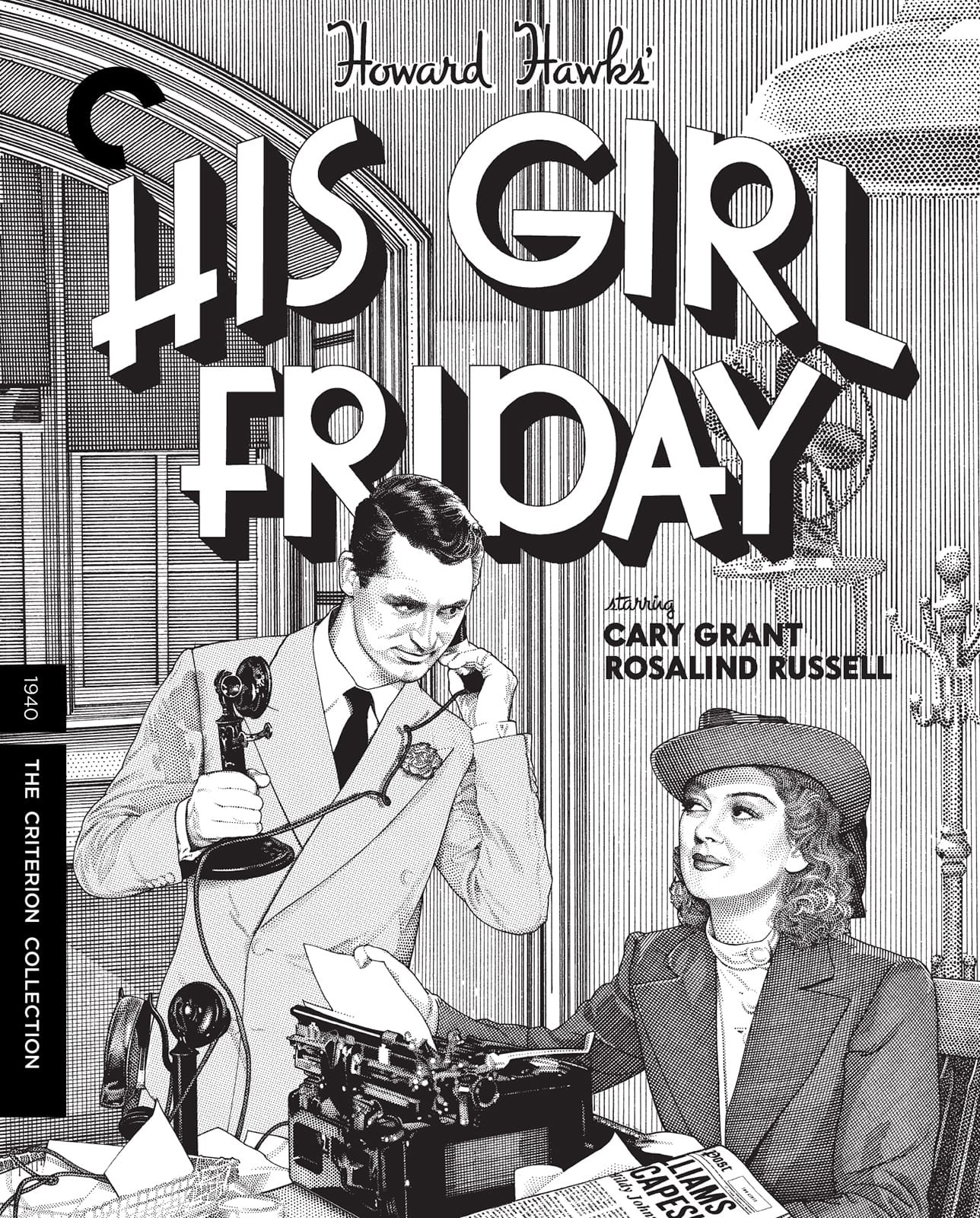
eisnerhawkssci-fi

Given that you could accurately begin to describe The Hudsucker Proxy as Executive Suite meets Christmas in July and One, Two, Three (with a dash of The Producers), there are plenty of links to explore when searching for related films, especially once you factor in the aesthetic influence of Metropolis and Brazil. If I was to recommend just one of the Coen brothers’ sources of inspiration, however, my vote would go for 1940’s His Girl Friday, whose chain-smoking, fast-talking atmosphere blatantly informed the newsroom scenes and whose protagonist Hildy Johnson was lifted for THP’s most charismatic character, workaholic newspaperwoman Amy Archer (Jennifer Jason Leigh nails the same mix of intelligence and confidence, with a touch of sentimental confusion). When he was not directing dramas about male comradery, Howard Hawks usually made comedies about the battle of the sexes, so here he took a witty play about the ludicrous, heartless extent the press was willing to go for a sensationalist story and added an extra layer: Johnson’s former editor is also her former husband, who tries to manipulate her into both getting back to journalism and getting back to their marriage. Inevitably, there are curious choices that come with a production made so long ago (the news story being investigated involves a white man sentenced to death for shooting a black cop), but the overall cynicism about media, politics, and gender expectations remains shockingly recognizable – and damn funny! Hawks’ direction is less exhibitionist than the Coens’, but the pace is just as relentless, with the leading ex-couple – enthusiastically played by Rosalind Russell and Cary Grant – spouting quippy dialogue at a speed that is bound to make you dizzy.

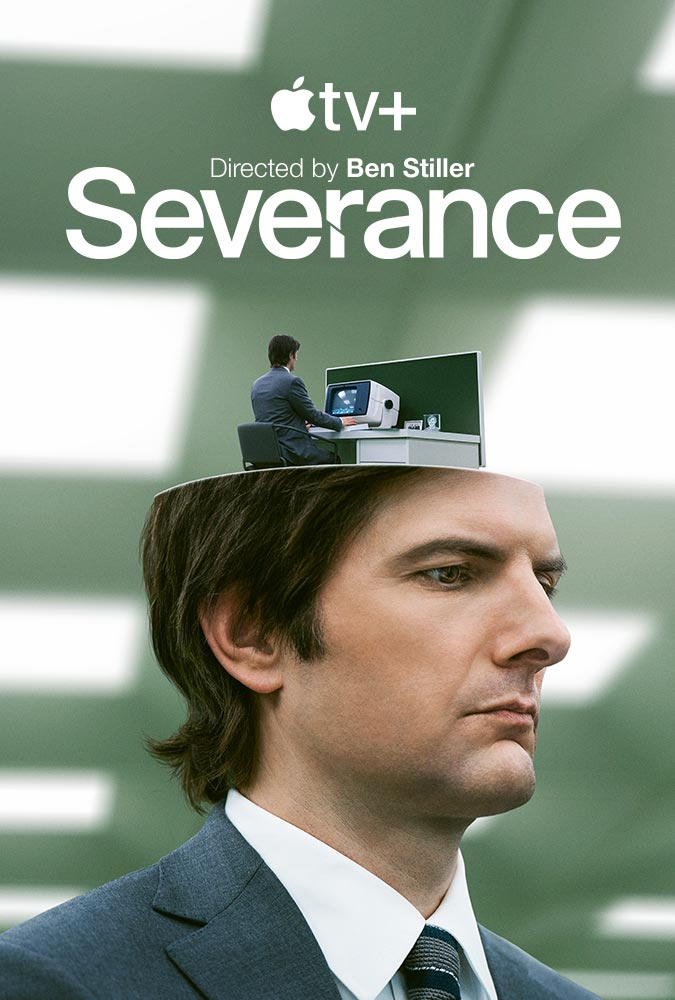
In terms of more recent works that seem to follow in The Hudsucker Proxy’s footsteps, there are also several strong candidates, from the labor-rights satire Sorry to Bother You to the absurdist BoJack Horseman (whose final seasons also feature a hilarious version of Hildy Johnson). Yet, like last time, I’d rather highlight a less obvious relative… It’s not BoJack, but it’s a TV series as well (the creativity and production values on the small screen have come to match those of cinema, so it doesn’t feel like a cheat). Although not as wacky as the Coen brothers’ film, Severance, created by Dan Erickson, also involves a surreal, retro-looking company and plenty of morbid humor, not to mention an ultra-stylish direction (courtesy of Ben Stiller and Aoife McArdle). The show’s premise concerns a procedure that allows workers to radically split their consciousness between their office and non-office existence, effectively creating a double personality, which you could take as either an allegory about alienation or as an alternative to a world in which the division between private and professional life seems increasingly blurry. Apart from the social resonance of the fantasy of separating – or conciliating – these two sides of life, the concept serves as a springboard for thoughtful science fiction, exploring the psychologies and imagining the logistics and ramifications that would surround such a technology. While melancholic rather than frantic – and certainly more emotionally invested in its characters – Severance thus offers its own bizarre, visually daring, over-the-top take on the ruthless power dynamics of the corporate model. (Plus, it co-stars Coen regular John Turturro.)

In turn, the graphic novel I chose this time is not a comedy, but it is pitched at a Coen-esque level of expressionism…

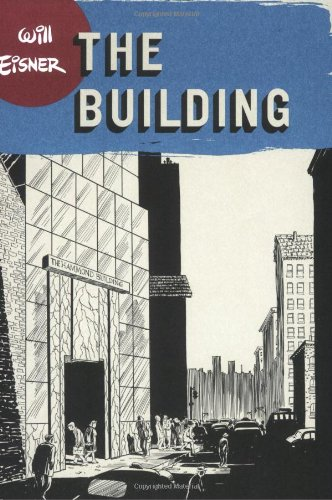
eisner new york

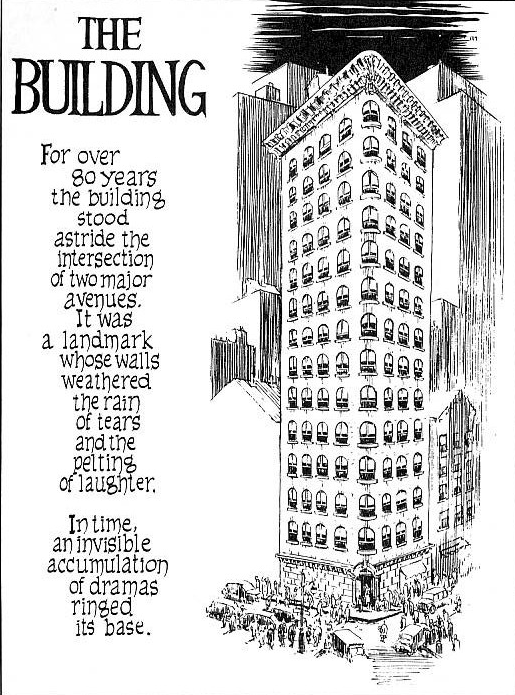
One of The Hudsucker Proxy’s most memorable features is its lavish set design, with most of the film built – narratively, thematically, and visually – within and around a huge skyscraper that shapes the characters’ lives as they move through the various floors and offices (and frequently jump or fall out of windows). Taking as a starting point the notion that such edifices, ‘barnacled with laughter and stained by tears,’ cannot help but ‘somehow absorb the radiation from human interaction,’ The Building sets out to capture some of the ‘invisible accumulation of dramas’ ringed at the base of another NYC skyscraper. Written, drawn, and lettered in Will Eisner’s signature melodramatic style, the book reflects the veteran creator’s later-life concern with chronicling the personal sagas of the ‘invisible people’ that made up the crowds of New York throughout the 20th century. In turns bittersweet, nasty, and uncompromisingly devastating, The Building at first appears to be an anthology of four powerful tales, but they’re all brought together at the end through a venture into magic realism that wouldn’t feel out of place in the Coens’ movie.

(Originally published as a single piece in 1987, The Building has also been collected along with other great comics in the hardback Will Eisner’s New York: Life in the Big City.)

Posted in IF YOU LIKE THE COEN BROTHERS... | Tagged , , , , , | Leave a comment

COMICS CAN BE AWESOME (23 May 2022)

I had heard (perhaps misheard) that the Doctor Strange sequel was going to be the MCU’s first proper entry into the subgenre of superhero horror. While Marvel comics had inspired a number of similar hybrid projects across time, from Ang Lee’s Hulk (an epic throwback to 1950s’ creature features fused with schlocky sci-fi and psychodrama) to more recent stuff like New Mutants, Morbius, and the Venom movies, this one was going to prove that Disney’s current mega-franchise was still exploring new genre paths on the big screen and not just on streaming services (whose experimental WandaVision lingers heavily in the background of this film’s plot).

To a great degree, this is not true: Doctor Strange in the Multiverse of Madness is by and large a comedic fantasy along typical MCU lines… and a damn entertaining one at that, with writer Michael Waldron niftily welding fan-pleasing continuity and formulaic, soap operatic storytelling with the kind of forays into whimsical strangeness allowed by narratives about alternate realities (you can tell he used to work on Rick and Morty). Sure, there are a number of sequences shot and edited through the recognizable language of horror cinema, but calling it ‘horror’ doesn’t do it justice. This is something much more specific – it’s Sam Raimi horror!

Throughout his career, Sam Raimi has developed – and inspired – a particular approach to horror that is marked by slapstick gore, inventive special effects, gonzo camera movements, and hysterical performances that border on camp. You can find all of these elements in Doctor Strange in the Multiverse of Madness, which even features a surprising amount of Easter Egg references to Raimi’s Evil Dead trilogy (just one more intertextual layer in a movie that’s filled with them, as has become the norm in the recent batch of blockbusters). Even more than the rip-roaring adventure, it was this directorial flair that turned out to be my main source of enjoyment: for all the action and mayhem, the heroes are usually unable to defeat obstacles through sheer physical force (especially because the villain is so infinitely powerful), so they have to constantly come up with imaginative and/or spell-based solutions, which means that the film itself has to keep findings ways to visualize mind games and/or magic… and Raimi is just the guy to do it, feeling right at home doing set pieces about liquid mirrors, exploding heads, amusingly grotesque zombies, and weaponized music.

The whole thing comes full circle, as Sam Raimi’s filmmaking style has no doubt been influenced by comics from the start. And although I don’t know which ones he read growing up, this week’s reminder that comic book covers can be awesome tries to tap into the type of baffling works I can see having shaped Raimi’s peculiar sensibility:

 Harry AndersonBill EverettMurphy AndersonLeonard Starrjack kirbyJoe SinnottOgden WhitneyHoward PurcellGil KaneLee Elias

Posted in SUPER POWERS | Tagged , , , , , , , , , , , , , , , , , , , , , , , , , , , , , | Leave a comment

Neat Marvel comics cashing in on movies

 Nick Bradshaw      Adam Hughes       Skottie Young

In the last decades superheroes have successfully broken into film and TV/streaming with impressive results, to the point where we’re now spoiled (i.e. overwhelmed) with productions for all tastes. From a comic book reader perspective, there have been clear downsides to this: no longer the genre’s primary medium, superhero comics have become relatively stagnant, creatively subordinate to the commercial strategies of other branches of their parent companies, or, at best, cynical IP farms doing trial runs for concepts that can be easily adapted to audiovisual media.

And yet, it isn’t all bad. The concerted effort to exploit the popularity of the expanding MCU has led to the collection of several classic out-of-print tales and pushed new projects about a variety of characters beyond the most iconic figures, diversifying Marvel’s catalogue. And while superhero comics have historically tended to be pretty conservative – even when in revolutionary guise, like The Authority and Planetary (you can find a challenging look at the latter’ ideological implications in Marc Singer’s Breaking the Frames) – imaginative creators have found ways to inject provocative takes on the material. Best of all, this corporate synergy has encouraged the publisher to streamline convoluted properties and come up with accessible books that can be enjoyed apart from the endless crossover events going on in the main series.

Here are three of my favorite byproducts of Marvel’s editorial attempts to promote or further cash in on Disney’s blockbusters:


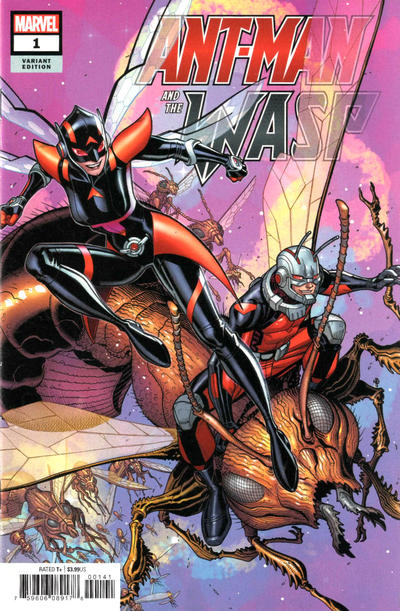
ANT-MAN AND THE WASP: LOST AND FOUND

mark waid

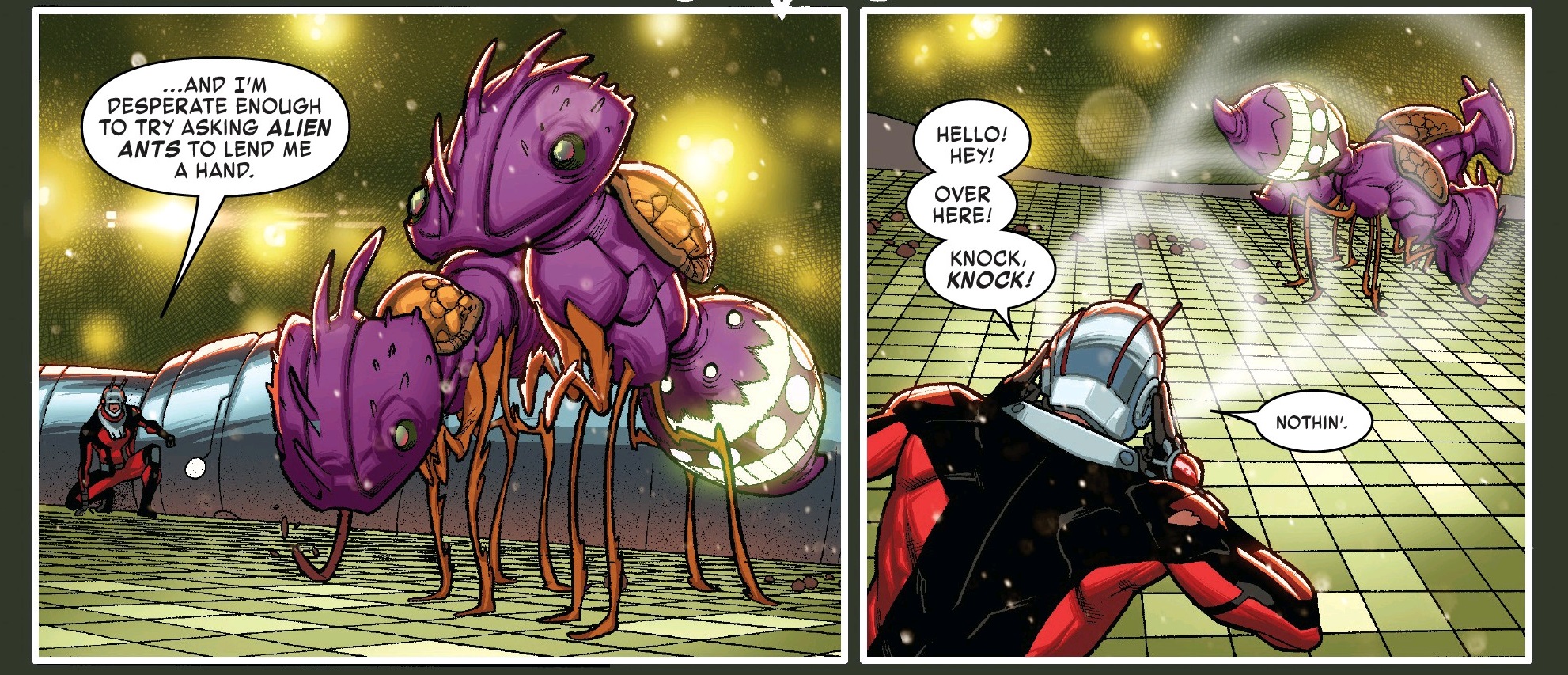
In an obvious move to capitalize on 2018’s Ant-Man and the Wasp, Marvel did the smart thing at the time and got Mark Waid to write a self-contained mini-series about the comic-book version of the titular characters – whose suits enable them to radically change sizes… and talk to ants – partnering them up in a delirious trip through the subatomic world.

You don’t have to know more about the heroes than what you get here, as Waid’s characterization is typically sharp (including brief flashbacks about their background). In any case, although there is some heart to the story, this is a smart, plot-driven headspinner that’s more interested in playing around with fun sci-fi ideas based on theoretical physics by having the protagonists shrink down so much that they become living quantum particles themselves, i.e. they suddenly exist in all their possible states at the same time!

Israel Silva marvel comic

The overall tone is not entirely unlike the comedic science fiction of Futurama, Rick and Morty, The Hitchhiker’s Guide to the Galaxy, or Alan Moore’s short stories for 2000 AD.

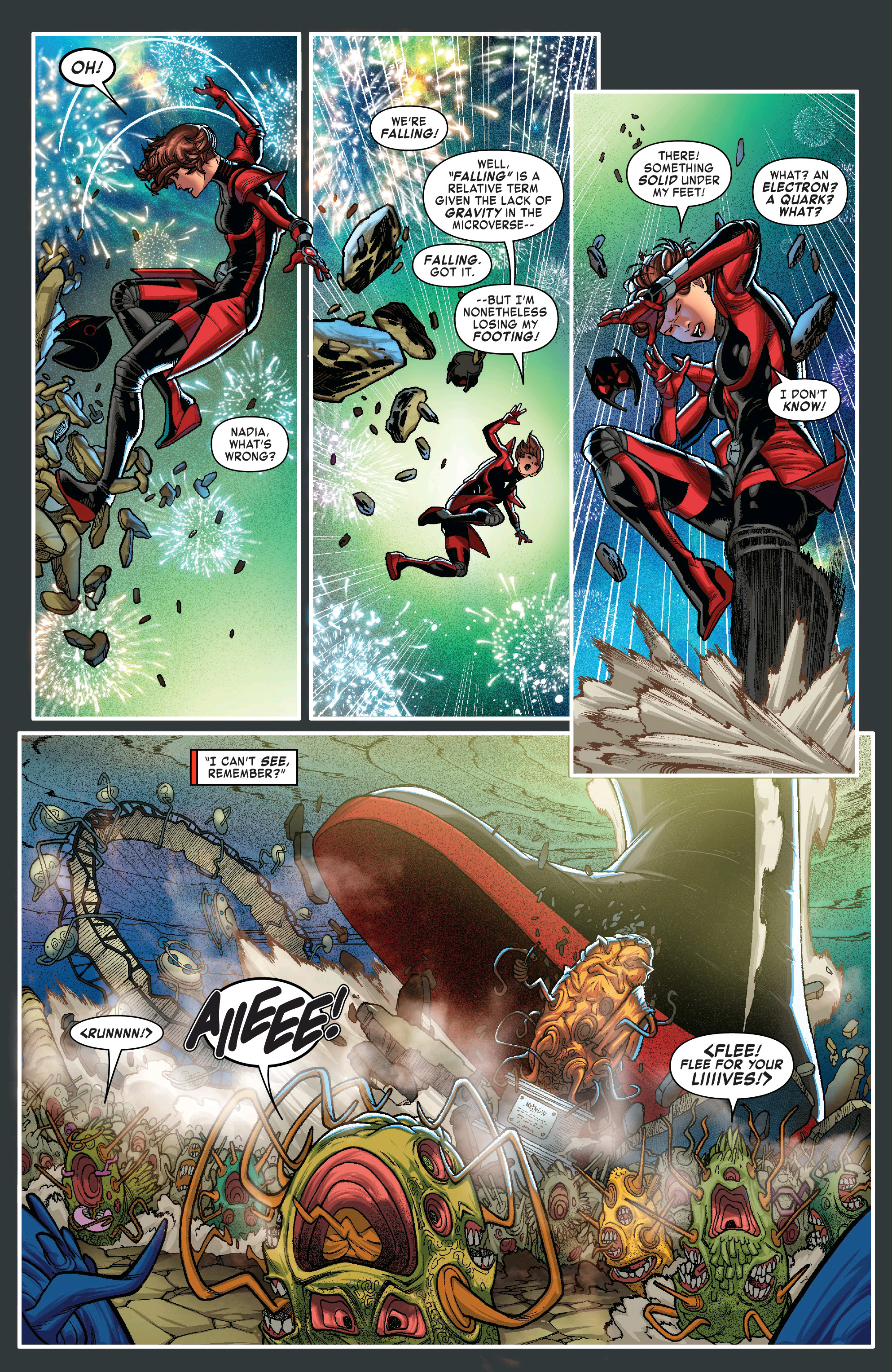
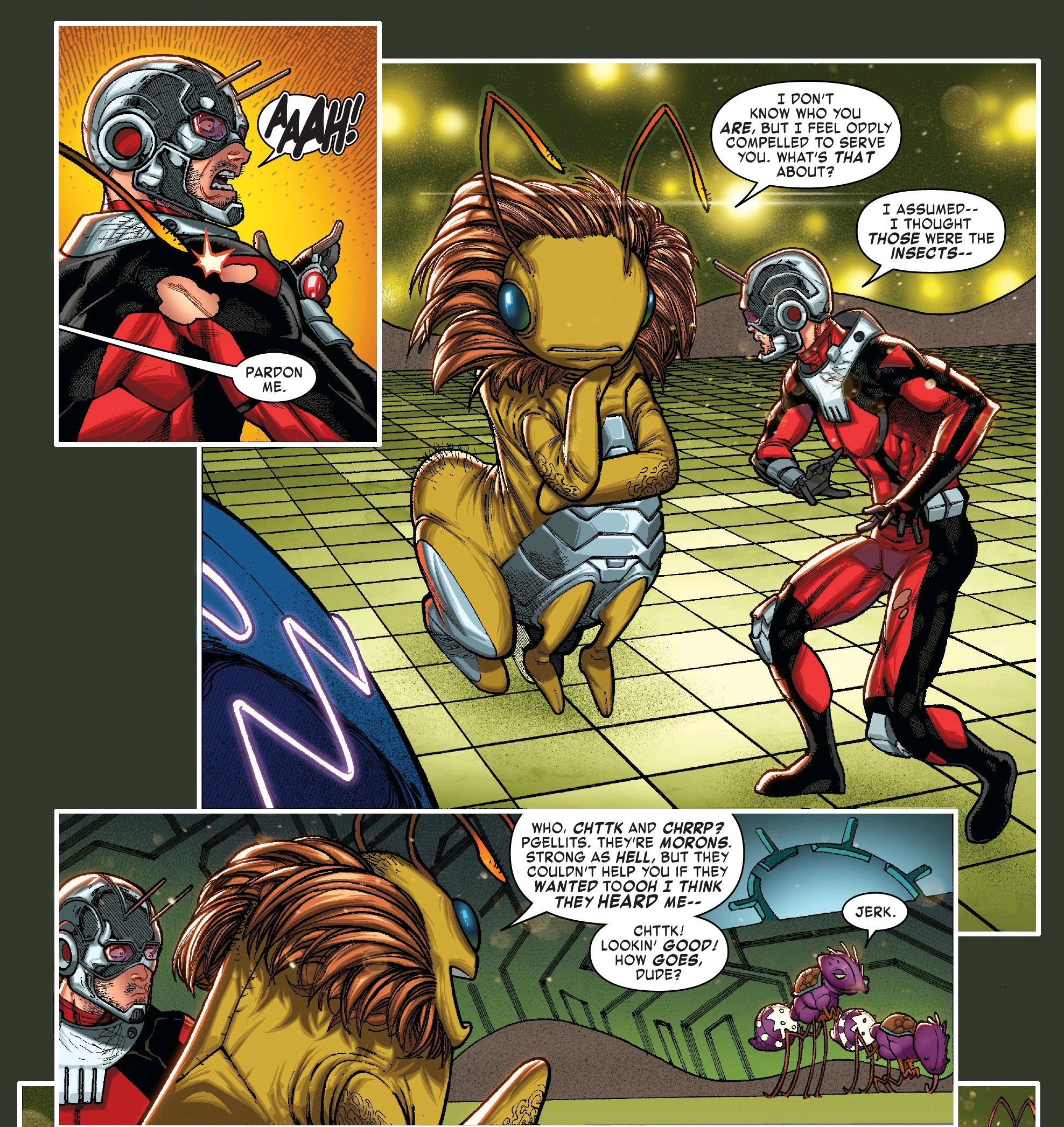
The stroke of genius, however, was having artist Javier Garrón and colorist Israel Silva illustrate the whole thing. Not only do they nail Mark Waid’s zippy pace, but they maniacally bring to the page the various set pieces, particularly the dazzling sequence in which Ant-Man and the Wasp turn into opposite states of energy (colored like a photograph’s negative), not to mention the hilarious scenes involving a community of tiny multi-mouthed creatures from the Microverse for whom the Wasp’s steps feel like a kaiju monster invasion (as seen in the first scan above).


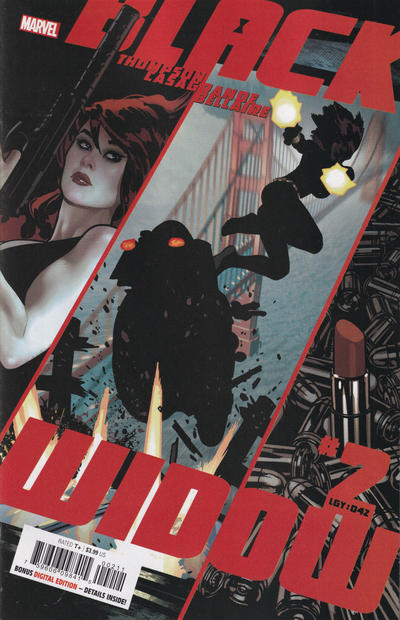
BLACK WIDOW: THE TIES THAT BIND

elena casagrande

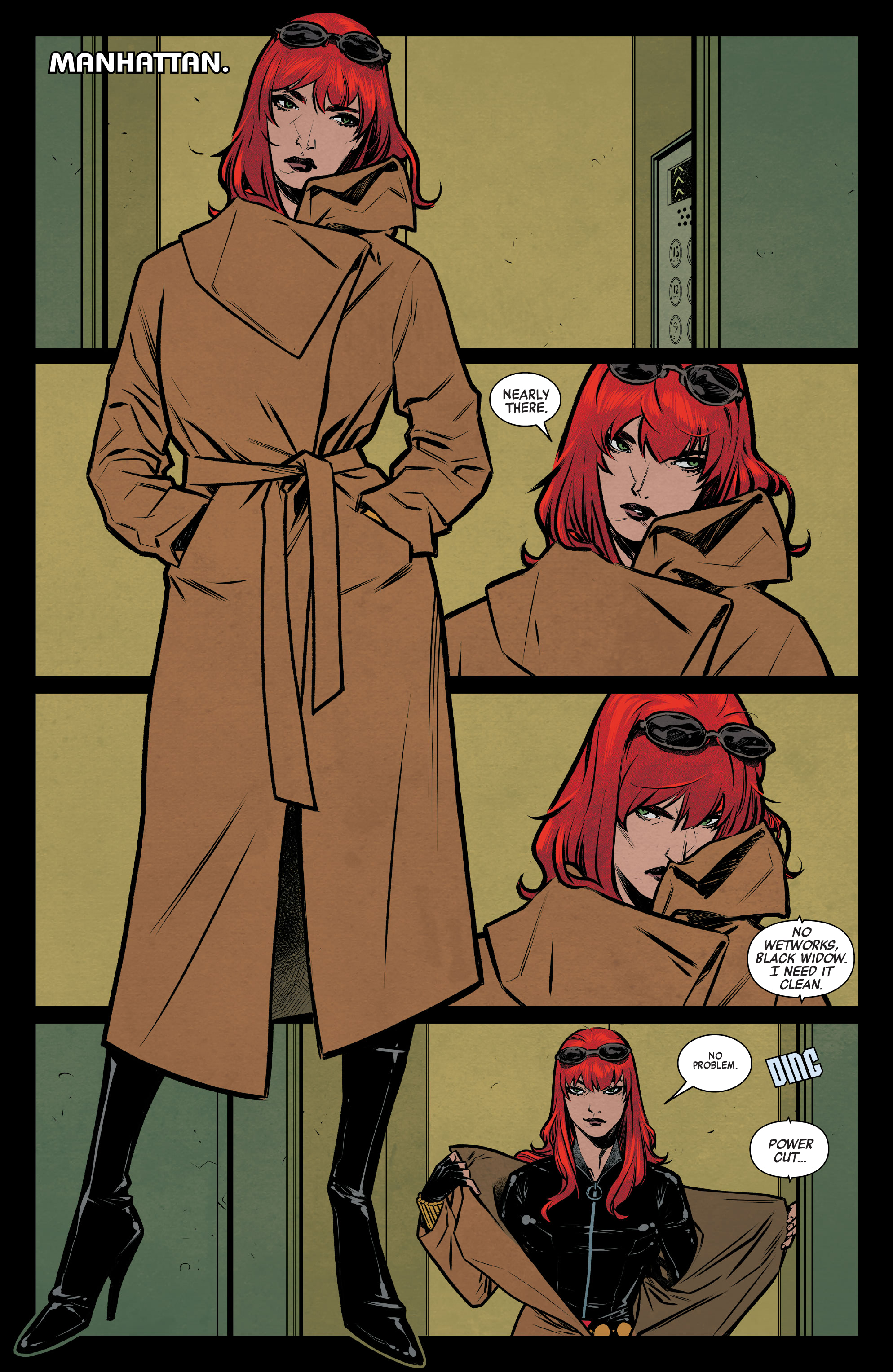
Although the much-anticipated Black Widow movie ended up postponed until 2021 due to the covid pandemic, we did get a bunch of books throughout 2020 reprinting previous stories with badass super-spy Natalia Romanova, including a couple of Epic Collection volumes (featuring her earlier appearances, going back to the 1960s), Widowmaker (compiling minis and one-shots from the previous decade), and Marvel-Verse Black Widow (with other scattered comics). In terms of new material, the high point was the launch of a stylish ongoing series – whose first five issues have been collected in the trade The Ties That Bind – where Natasha mysteriously goes off the grid for months, only to remerge as a brainwashed San Francisco architect (as if her personality wasn’t fragmented and traumatized enough!). Soon, lots and lots of people get murdered.

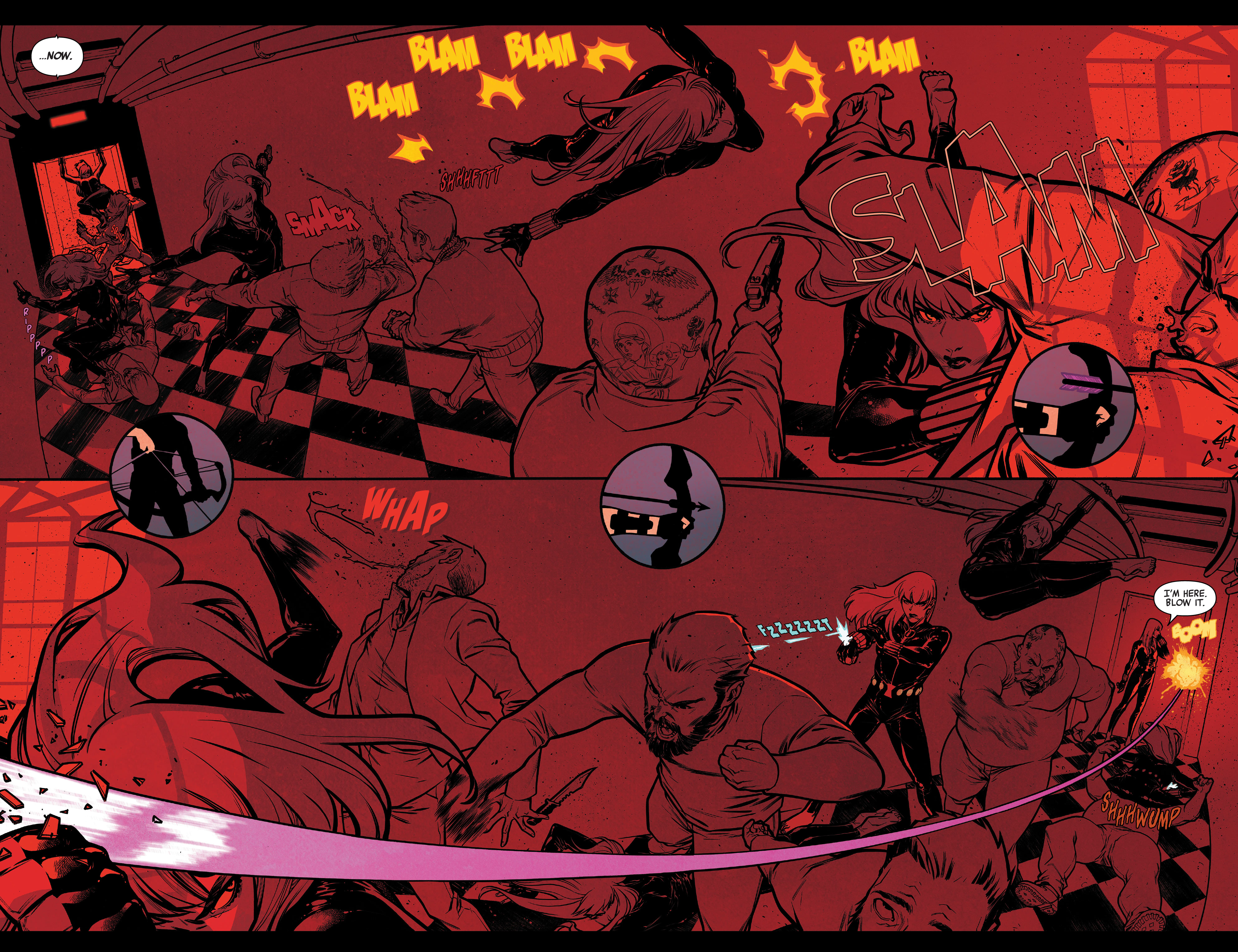
Most of the jaw-dropping visuals are by Elena Casagrande, who elegantly turns every action scene into sheer eye candy. The sensuous, precise lines suit Black Widow’s own sexiness and perfectionism, asides from evoking her architectural alter ego. Another major creative force is Jordie Bellaire, one of the most outstanding colorists working today, likewise able to elevate anything she touches to a higher level (for a sense of Bellaire’s versatility, just compare this to her work on Doctor Mirage and The Nice House on the Lake).

jordie bellaire

As for Kelly Thompson, she has understandably become a go-to writer when it comes to this sort of thing, having also pulled off an enjoyable Captain Marvel run on the heels of the previous year’s blockbuster. As usual, Thompson combines a knack for snappy dialogue and a palpable love for the Marvel cast (she has a blast with the banter between Hawkeye and the Winter Soldier as key supporting players) with a committed attitude to the genre’s zany logic… Indeed, the premise works better symbolically (implying that family and domesticity are womanhood’s prison, if nothing else because of the emotional ties that bind, as per the title) than on a literal level, but my advice is not to take any of this too seriously anyway: just embrace the villains’ ludicrous, admittedly impractical masterplan and run with it until things inevitably come crashing down into gloriously rendered mayhem.

(Sadly, the series took a nosedive after the first arc… The second volume, I Am The Black Widow, is much more uninspired, if still aesthetically pleasing.)


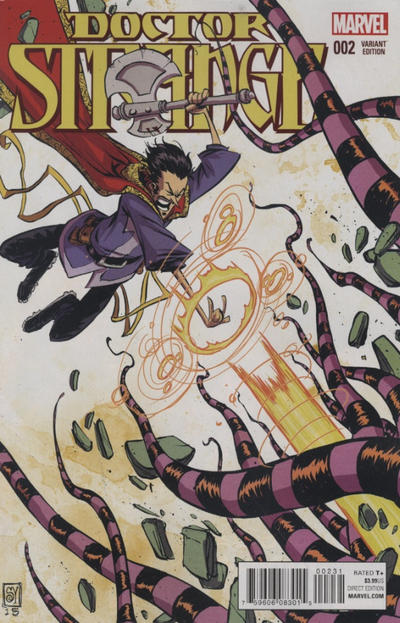
DOCTOR STRANGE: THE WAY OF THE WEIRD

chris bachalo

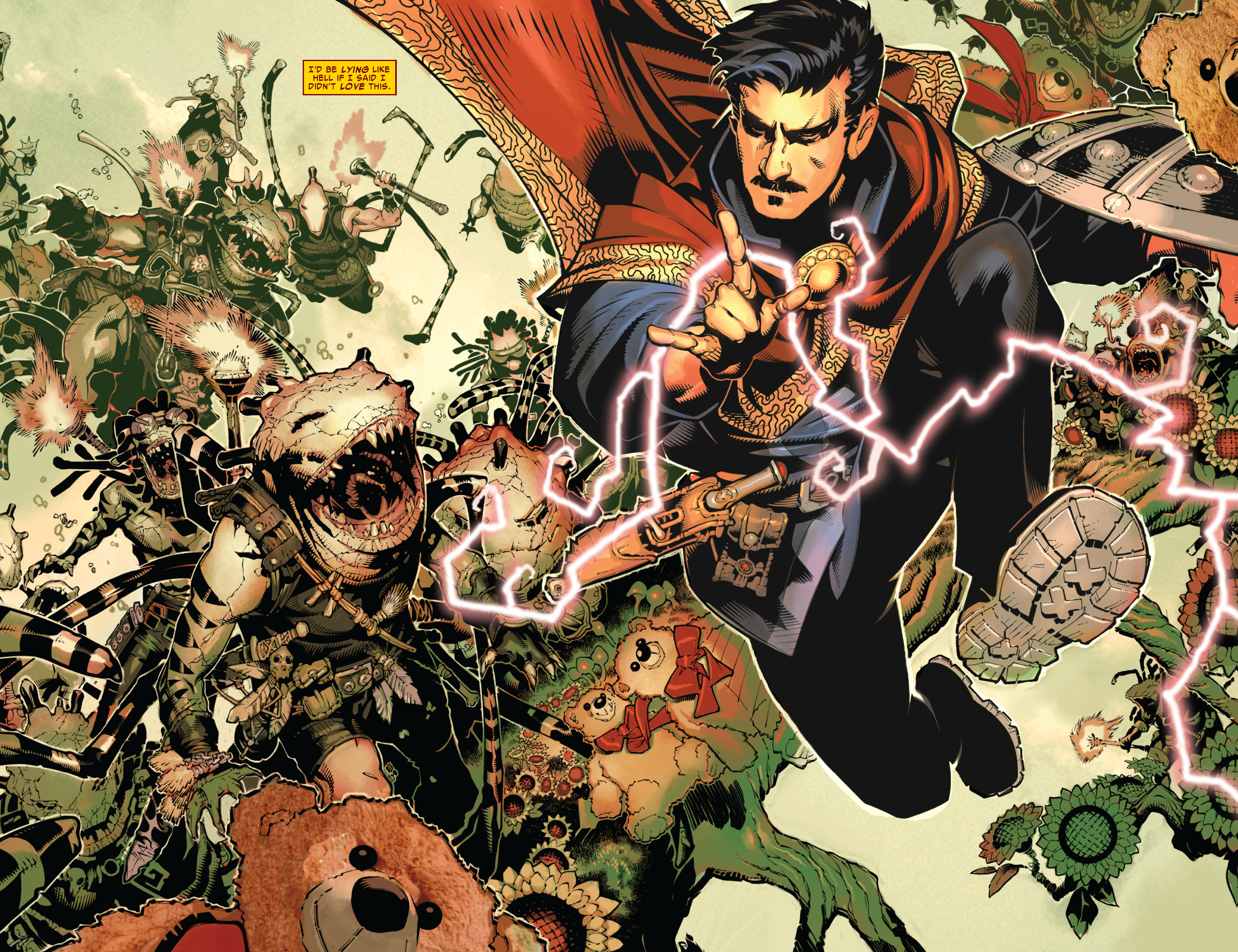
In the lead-up to the first Doctor Strange film, Marvel commissioned a relaunch of the adventures of its Sorcerer Supreme, smoothly introducing the character to new fans. This move was spearheaded by an ongoing series which – along with spinoffs and reprints – ensured that a bunch of great collections hit the stands around the time the movie hit the screens. Although I had high hopes for this series, given that it was written by Jason Aaron (a master of balls-to-the-wall fantasy) and drawn and colored by Chris Bachalo (whose messy, exaggerated style seems right at home in stories about monsters and magic), I did not expect it to be so damn whimsical… Doctor Strange had starred in some pretty funny comics in the past (The Oath, X-Statix Presents: Dead Girl, Defenders, Thor: Vikings), but laugh-out-loud humor now became a key ingredient of his core series (and Mark Waid further ran with it in his own nifty run a few years later).

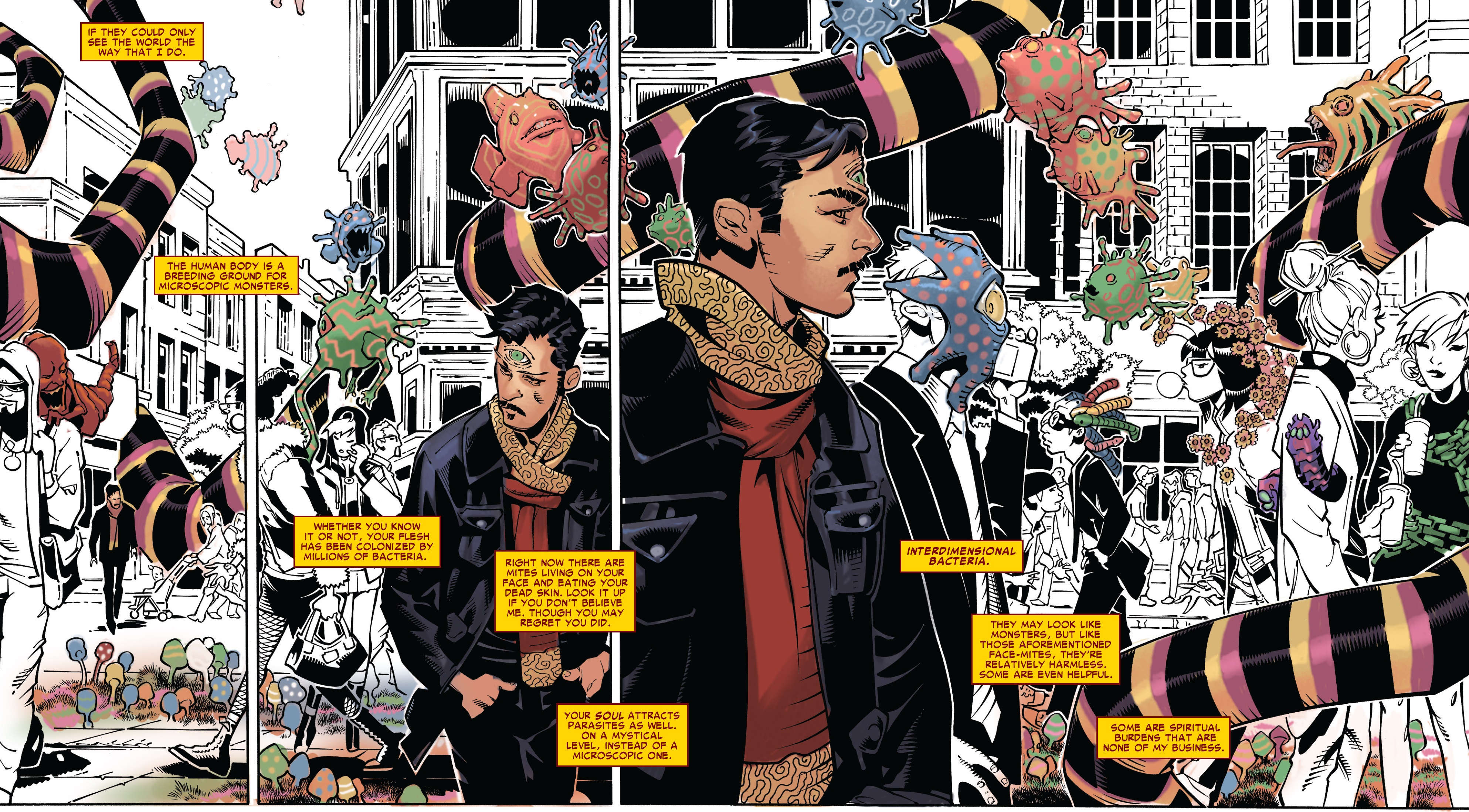
Taking a cue from All-Star Superman, the comic gets the boring origin out of the way in the very first page (which efficiently sums up what it took an entire movie to dramatize) and soon starts building towards an epic about a multiversal Inquisition that worships science (curiously presented as the villains in a way that was not yet informed by the Trump/Covid-era debates about science and belief). In other words, the series establishes Doctor Strange’s world by letting us watch him inhabit it – and through his amusing inner monologues – rather than starting his saga from scratch once again.

chris bachalo

The entertainment comes from the combination of four different angles. First, you have the counterintuitive intersection between the mundane and fantastical elements of a wizard’s everyday life (‘You’d think a sorcerer supreme would know an incantation for telling time. You’re forty-five minutes late, Doctor’). Then, you have the surrealist overlap between medical and mystical concepts (Psyche-leeches! Interdimensional bacteria! Sentient kidney stones!). Thirdly, there’s Stephen Strange himself, whose over-the-top arrogance is a delight to read (‘These hands are all that stand between you and the forces of darkness. They’re the reason you aren’t currently dissolving in the belly of Shuma-Gorath or groveling at the feet of the dread Dormammu. These hands are the reason you still have a soul. You’re welcome, by the way.’). Finally, there is the sensorial thrill derived from all the bodacious illustrations of bizarre creatures and ridiculous-sounding spells, as Aaron’s scripts keep supplying Bachalo – and roughly a thousand inkers – with the chance to pack each page with trippy grotesqueries and splendid bursts of insanity (usually featuring distorted bodies and elaborate tentacles), both in the ‘regular’ reality and, especially, in the ectoplasmic plane.

So, regardless of your interest in Benedict Cumberbatch’s interpretation of the character on the screen, and whether you track down the singles, trades (starting with The Way of the Weird), hardbacks (Doctor Strange by Jason Aaron), or the recent omnibus edition, I strongly recommend feasting your eyes on these awesome comics!

Posted in SUPER POWERS | Tagged , , , , , , , , , , , , , | Leave a comment

COMICS CAN BE AWESOME (16 May 2022)

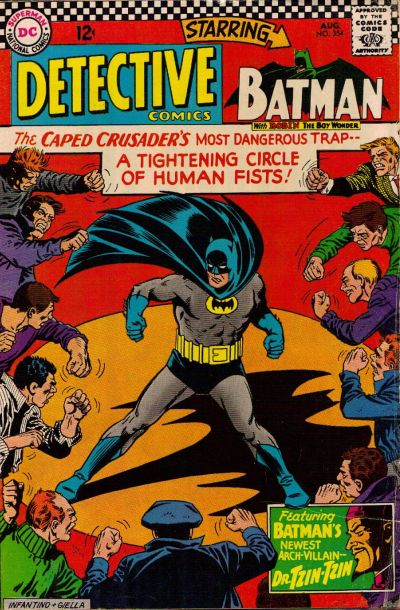
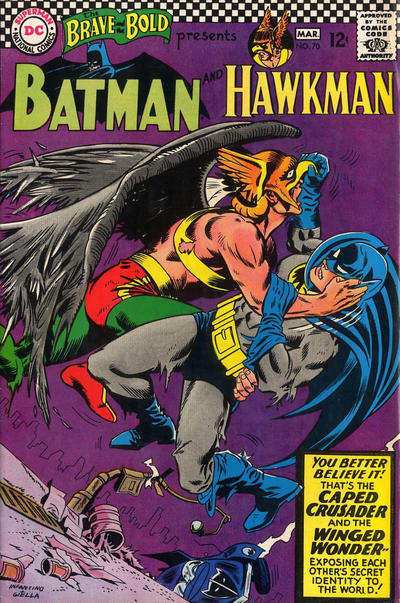
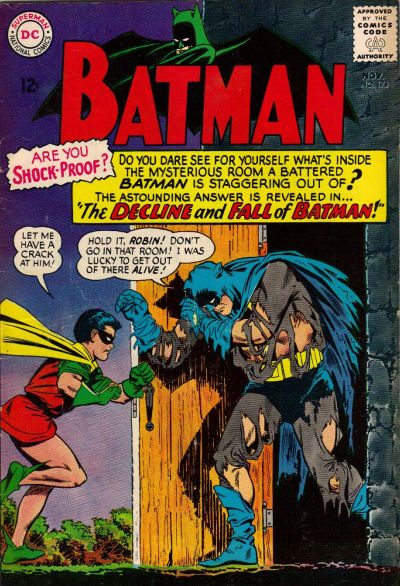
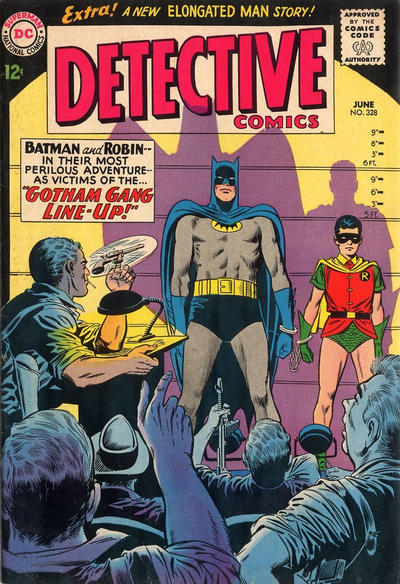
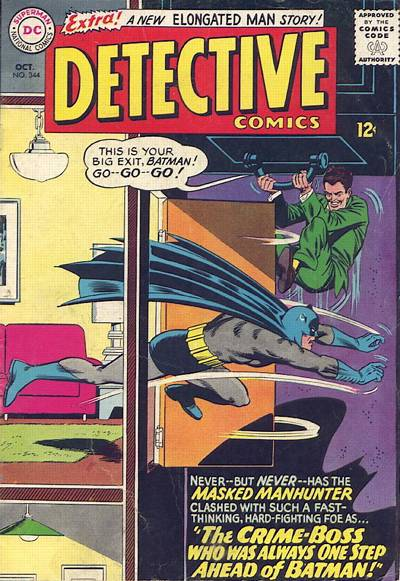
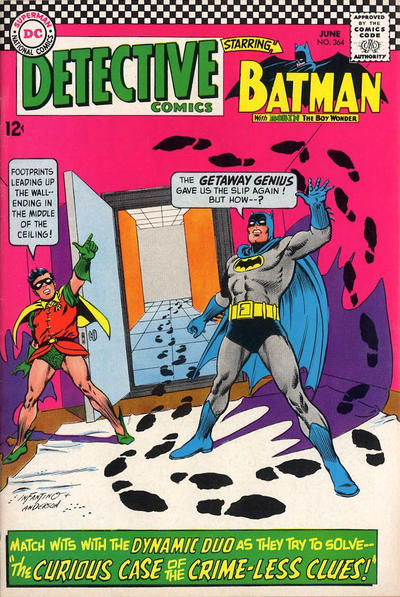
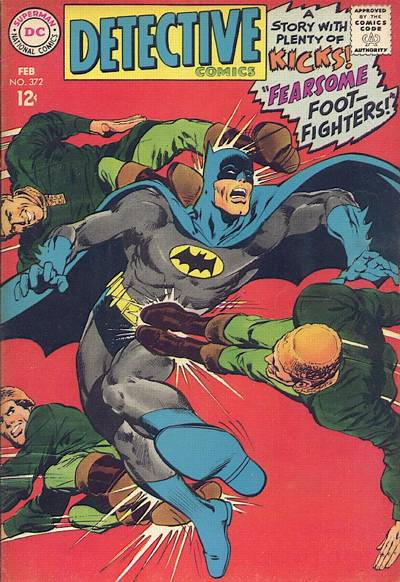
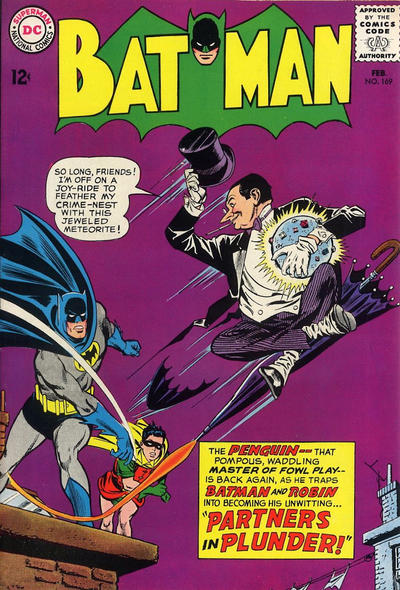
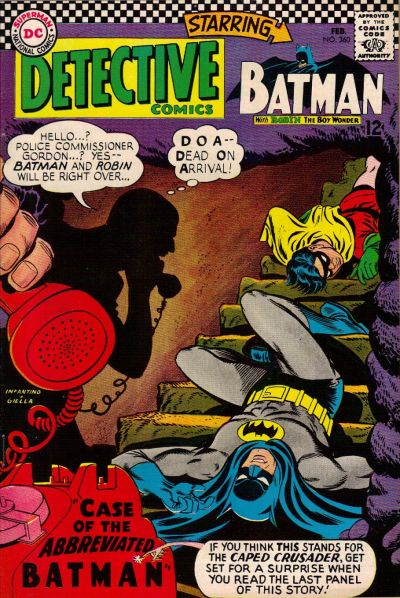
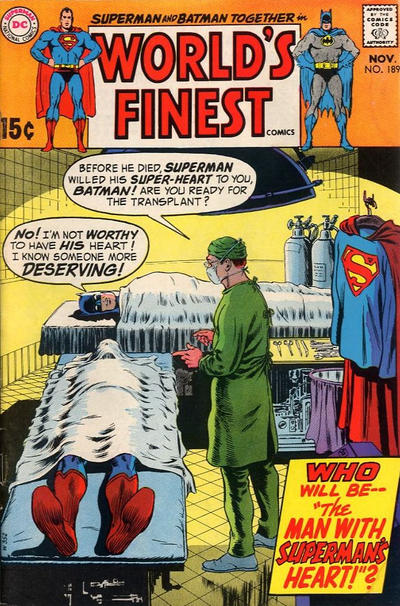
This week’s reminder that comic book covers can be awesome is a tribute to Swinging Sixties Batman, back when the Caped Crusader’s printed yarns were both pretty exciting and delightfully goofy… although arguably still less goofy than the Adam West TV show running at the time. (That said, I cannot help hearing William Dozier’s narration whenever I read those captions on the covers!)

Carmine Infantino batman hawkmanbatman coverbatman line-upbatmanbatman and robinneal adamspenguindynamic duobatman superman

Posted in COVERS OF BATMAN COMICS | Tagged , , , , , , , , | Leave a comment

A couple of vintage spy novels

I’ve written extensively about John le Carré in this blog, but today I want to go further back into the roots of spy literature. Here are a couple of very different novels by a couple of very different writers who only ventured into this genre occasionally, so they brought with them other literary sensibilities…

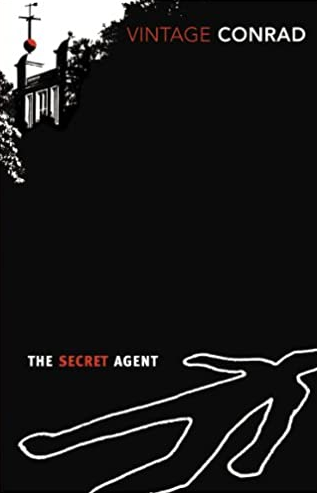
THE SECRET AGENT

(Joseph Conrad, 1907)
joseph conrad

Mr Verloc, going out in the morning, left his shop nominally in charge of his brother-in-law. It could be done, because there was very little business at any time, and practically none at all before the evening. Mr Verloc cared but little about his ostensible business. And, moreover, his wife was in charge of his brother-in-law.”

Revolving around a terror attack in 1886 London, set up by an agent provocateur working for a foreign (presumably Russian) embassy, The Secret Agent is not only an awesome read, but it’s usually considered one of the very first spy novels. You can easily find traces of its influence in many of the genre’s subsequent masterworks, from Alfred Hitchcock’s Sabotage (a very loose film adaptation of this book) to the intricate, introspective writings of le Carré.

It’s curious to see how many of the genre’s elements are already here: the tradecraft, the double (triple?) agent, the clash between mission and personal life, the ambiguous politics (including fascinating meditations on terrorism and anarchism), the twisty plot, the premise of using a ‘false flag’ bombing to promote securitarian measures, and the inner rivalries among the counterintelligence authorities.

And not only does Joseph Conrad bring this now-familiar underworld to life, but he already injects it with a sort of dark satire, from the ultra-seedy atmosphere where most of the action takes place (in case you’re wondering why Verloc’s shop has practically no business before the evening, it’s because he sells pornography) to the magnificently grotesque characters, such as Michaelis, a verbose anarchist out on parole after years in prison:

“He talked to himself, indifferent to the sympathy or hostility of his hearers, indifferent indeed to their presence, from the habit he had acquired of thinking aloud hopefully in the solitude of the four whitewashed walls of his cell, in the sepulchral silence of the great blind pile of bricks near a river, sinister and ugly like a colossal mortuary for the socially drowned.

He was no good in discussion, not because any amount of argument could shake his faith, but because the mere fact of hearing another voice disconcerted him painfully, confusing his thoughts at once – these thoughts that for so many years, in a mental solitude more barren than a waterless desert, no living voice had ever combatted, commented, or approved.”

The fun of reading The Secret Agent doesn’t rely merely on spotting how it anticipates later works and tropes. Rather, this is a genuinely great spy thriller. Besides an engaging depiction of the intelligence milieu, the book has an elaborate structure that plays around with a non-linear chronology and with multiple viewpoints. The shifting perspectives – sometimes within a single paragraph – are particularly satisfying, removing a clear moral ground and asking readers to identify with different figures of the eccentric cast. Even the tone isn’t set in stone, ranging from lengthy quasi-philosophical conversations to intimate character pieces… In the incredible final stretch, the mood suddenly turns from a suspenseful narrative about a woman on the run from the police into a macabre comedy of errors involving a corpse (no wonder Hitchcock got interested in this material!).

Joseph Conrad’s witty prose is a delight from start to finish, constantly coming up with colorful, Alan Moore-ish turns-of-phrase to depict each physical and mental process, including plenty of hilariously sarcastic descriptions and some downright weird expressions (‘Comrade Ossipon might have been said to be terrified scientifically in addition to all other kinds of fear.’). For instance, I love this moment when Conrad captures the psychology of a nihilistic terrorist coming face to face with a policeman:

“The unwholesome-looking little moral agent of destruction exulted silently in the possession of personal prestige, keeping in check this man armed with the defensive mandate of a menaced society. More fortunate than Caligula, who wished that the Roman Senate had only one head for the better satisfaction of his cruel lust, he beheld in that one man all the forces he had set at defiance: the force of law, property, oppression, and injustice. He beheld all his enemies, and fearlessly confronted them all in a supreme satisfaction of his vanity. They stood perplexed before him as if before a dreadful portent. He gloated inwardly over the chance of this meeting affirming his superiority over all the multitude of mankind.”


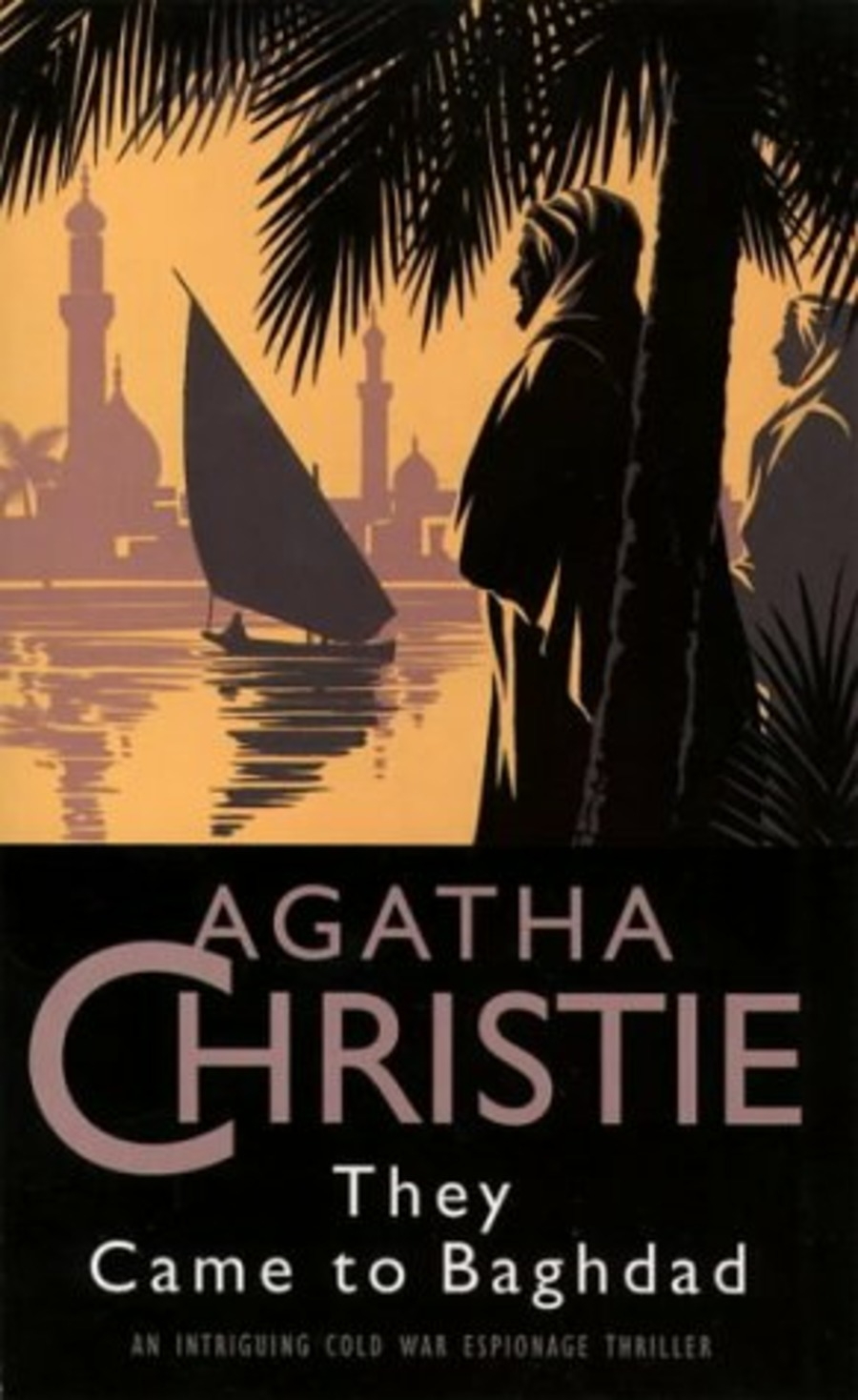
THEY CAME TO BAGHDAD

(Agatha Christie, 1951)
agatha christie

“Captain Crosbie came out of the Bank with the pleased air of one who has cashed a cheque and has discovered that there is just a little more in his account than he thought there was.

Captain Crosbie often looked pleased with himself. He was that kind of man. In figure he was short and stocky, with rather a red face and a bristling military moustache. He strutted a little when he walked. His clothes were, perhaps, just a trifle loud, and he was fond of a good story. He was popular among other men. A cheerful man, commonplace but kindly, unmarried. Nothing remarkable about him. There are heaps of Crosbies in the East.”

Like many people, I went through an Agatha Christie phase back in my teens, binge-reading dozens of her entertaining mystery novels. Curiously, though, one of the few that stuck with me was The Man in the Brown Suit, which didn’t star any of Christie’s popular recurring protagonists (like Hercules Poirot or Miss Marple) and, in fact, was more of a globetrotting adventure yarn than her typically quaint tales of detection (although it did feature a pretty clever whodunit among all the cloak and dagger). Recalling how much fun I had with that story back in the day, I figured it was time to chase down Christie’s other spy thrillers.

They Came to Baghdad starts by piling up so many plot threads that at first you may be forgiven for wanting to take down notes and perhaps draw some kind of visual scheme linking all the cast. Christie, after all, was used to writing for puzzle-solvers… Soon, though, the story settles on Victoria Jones, a peppy young compulsive liar who travels to Baghdad on a romantic whim, only to find herself embroiled in a global conspiracy. Cue in a convoluted string of mistaken identities, daring escapes, fatal coincidences, and coded messages whispered by dying breaths.

Unlike Conrad’s, Agatha Christie’s prose is quite unadorned – though not devoid of wit – with short, simple sentences giving you the necessary information to move the plot along. The lighthearted tone suggests complicity with the readers, as if a good friend is telling us the story (I mostly associated Christie with first-person narrations, so it was nice to rediscovered her ‘objective’ voice). She also pulls off a nice balance between internal action and more visual set pieces, described in an almost cinematic style, like in this Hitchcockian scene:

“On the shelf in front of Carmichael was a big copper coffee pot and that coffee pot had been recently polished to the order of an American tourist who was coming to collect it. The gleam of the knife was reflected in that shining rounded surface – a whole picture, distorted but apparent was reflected there. The man slipping through the hangings behind Carmichael, the long curved knife he had just pulled from beneath his garments. In another moment that knife would have been buried in Carmichael’s back.

Like a flash Carmiachael wheeled round. With a low flying tackle he brought the other to the ground. The knife flew across the room.”

There is a whole body of literary theory distinguishing between thrillers and mysteries, going at least as far back as a 1934 article by the critic Dorothy L. Sayers, who framed these genres as prompting different questions from the readers: in thrillers, we ask mostly ‘What comes next?’ and in mysteries ‘What came first?’, so that the former are more about anticipating the future and the latter about curiosity over the past. Naturally, thrillers can contain mysteries and mysteries can contain thrills, but it’s a matter of emphasis. And with They Came to Baghdad, Agatha Christie, who throughout her highly prolific career specialized in detective stories, proved she too could build an exciting narrative rooted in suspense – and suspense not just about what’s going to happen to Victoria, but about what’s going to happen to the whole damn world!

In fact, since the book was written at the outset of the Cold War, I find its worldview particularly interesting, including the impression that Christie doesn’t take the conflict’s future for granted. The premise rests on the notion that, yes, there is growing tension between Russians and Americans, communists and capitalists, but it doesn’t have to be this way (‘everything depends on those who hold those two divergent viewpoints, either agreeing to differ and each contenting themselves with their respective spheres of activity, or else finding a mutual basis for agreement, or at least toleration’). Applying – already at the time – a formula that would fuel plenty of Cold War fiction (from the James Bond yarns to the flood of Eurospy films in the 1960s), the real enemy is a third party, with secret headquarters, that’s been stirring up the rivalry between the superpowers in order to facilitate its owns designs for world domination.

So, yeah, I’m not going to lie: while this is a breezy read with an amusingly ultra-intricate plot, what most appealed to me were its historical traces. We get travelogues of early 1950s Iraq, including a nice sequence at an archaeological dig. There are also all these charming passages suggesting that, in a time before mass tourism, Christie knew she was writing for people who had never travelled abroad or been in an airplane, hence this vivid – and informative – description:

“During what seemed an age the plane taxied along the aerodrome, then it turned slowly around and stopped. The engines rose to a ferocious roar. Chewing-gum, barley sugar and cotton wool were handed round.

Louder and louder, fiercer and fiercer. Then, once more, the aeroplane moved forward. Mincingly at first, then faster – faster still – they were rushing along the ground.

‘It will never go up,’ thought Victoria, ‘we’ll be killed.’

Faster – more smoothly – no jars – no bumps – they were off the ground skimming along up, round, back over the car park and the main road, up, higher – a silly little train puffing below – doll’s houses – toy cars on roads… Higher still – and suddenly the earth below lost interest, was no longer human or alive – just a large flat map with lines and circles and dots.

Inside the plane people undid their safety-belts, lit cigarettes, opened magazines. Victoria was in a new world – a world so many feet long, and a very few feet wide, inhabited by twenty to thirty people. Nothing else existed.”
Posted in SPYCRAFT & WARFARE | Tagged , , , , | Leave a comment