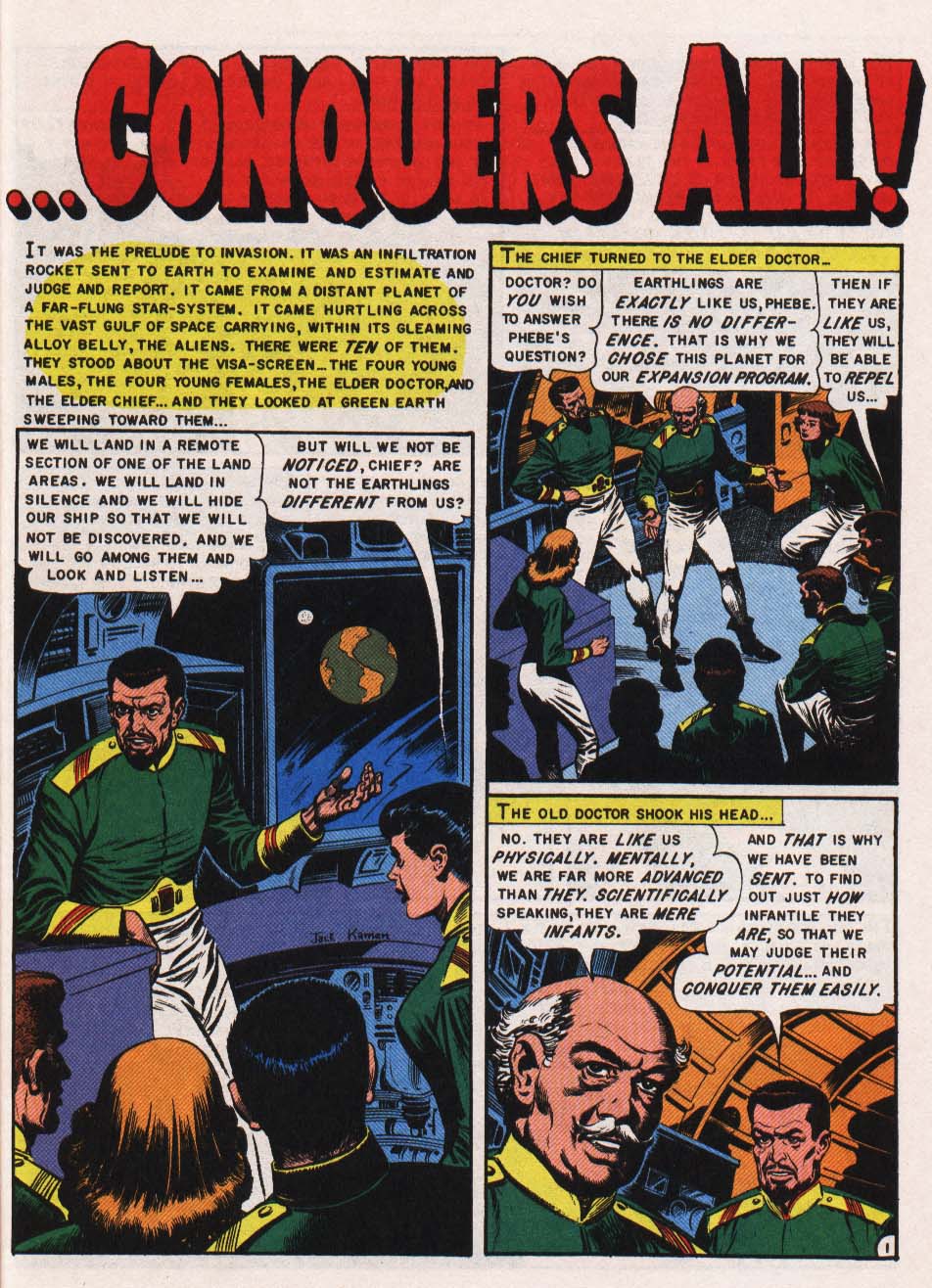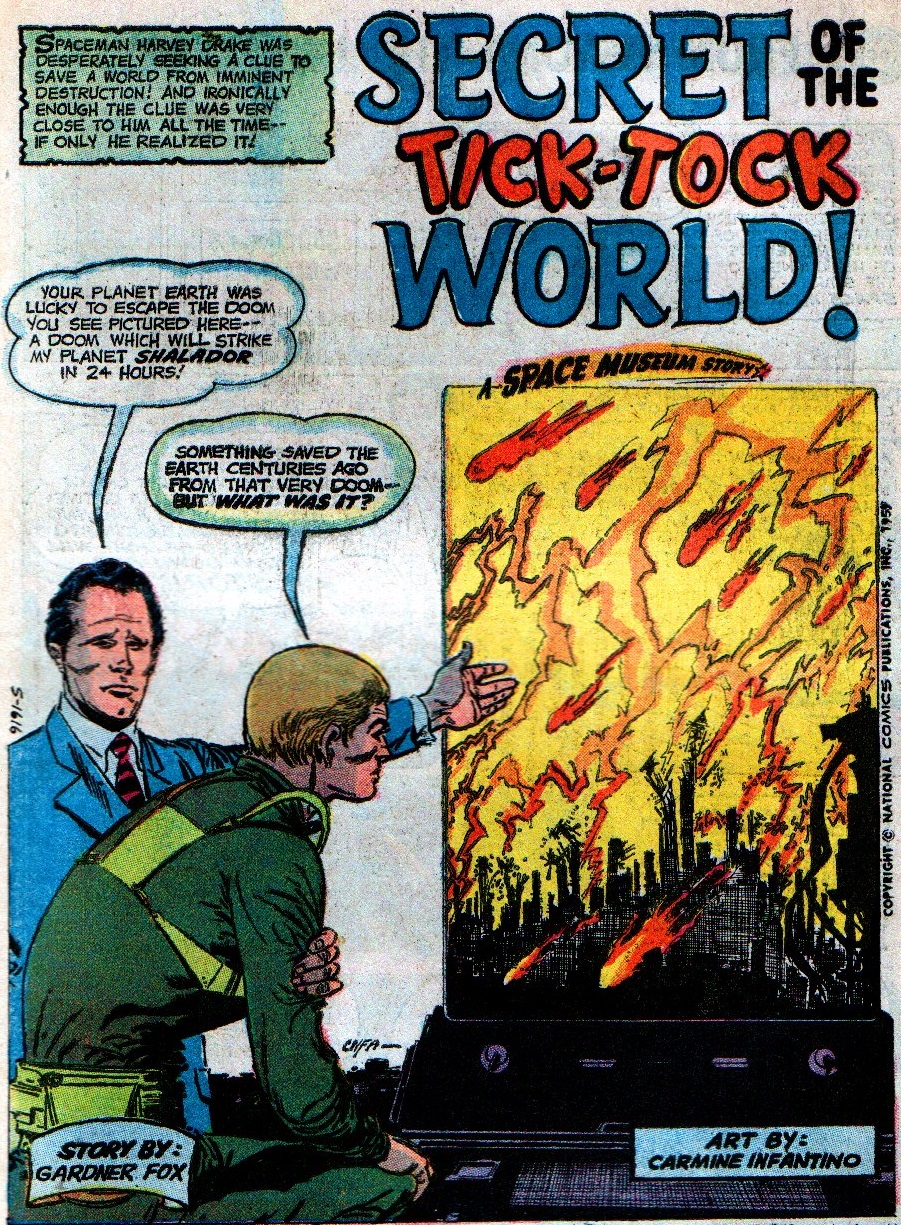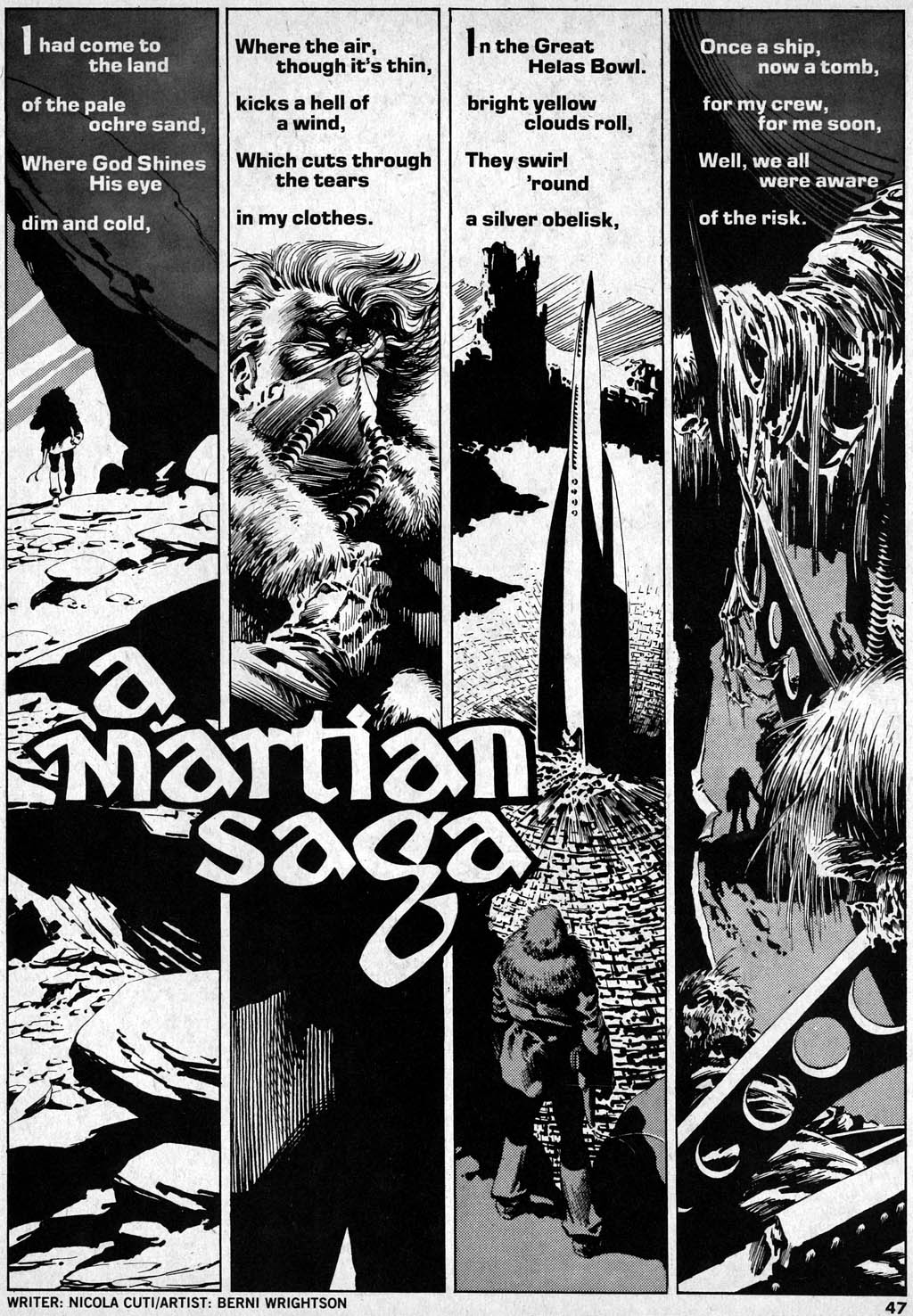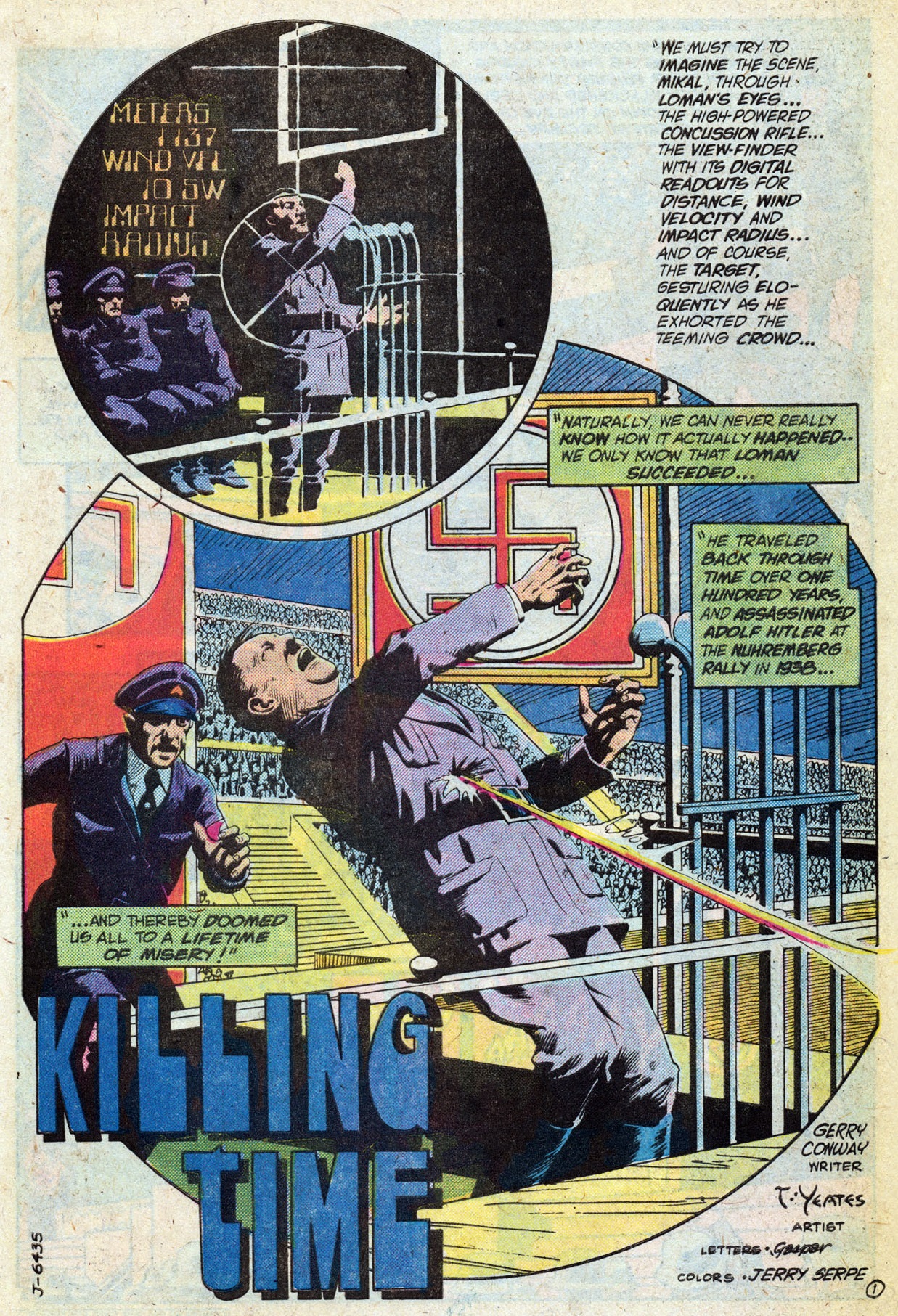
Weird futuristic war comics

It has become a kind of winter tradition here at the blog to do a post spotlighting cool sci-fi comics about warfare. This started out years ago, as a one-idea post prompted by Rogue One, but there is an endless amount of material worth covering, including a bunch of futuristic weird war tales…

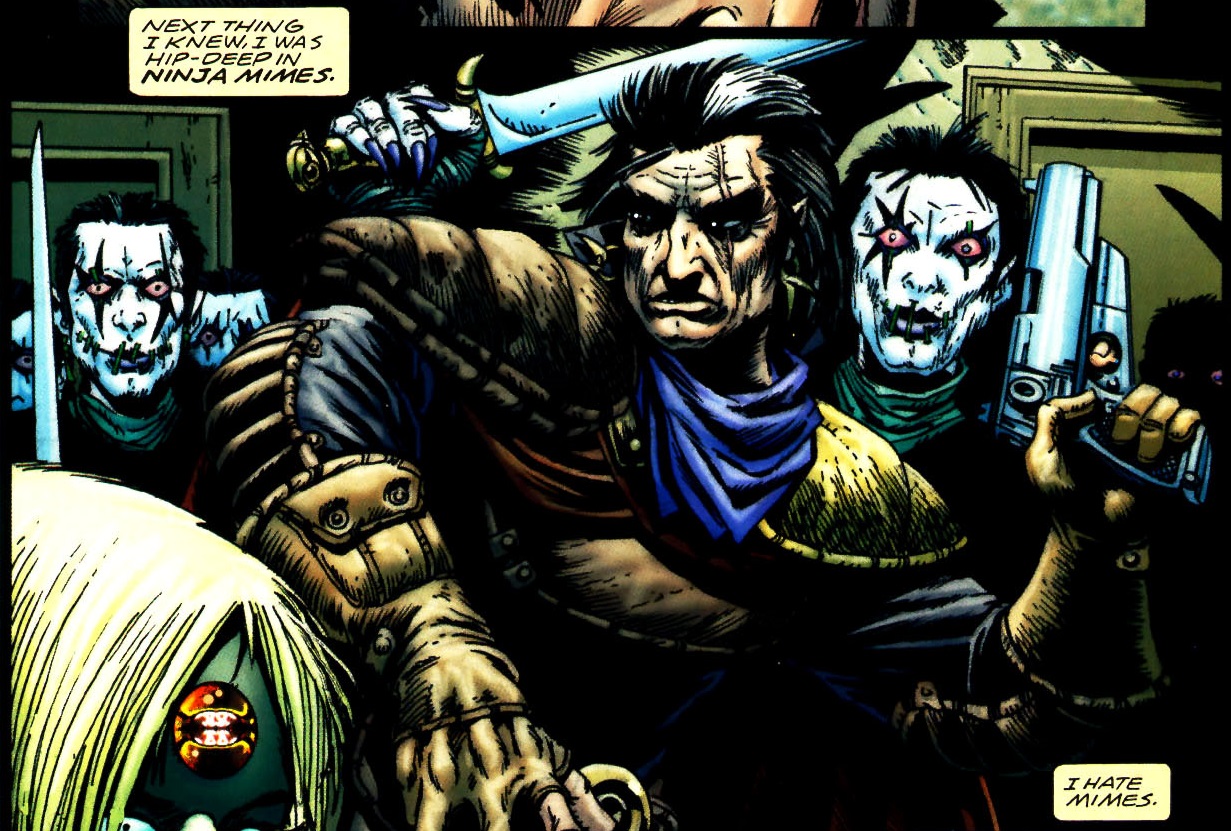
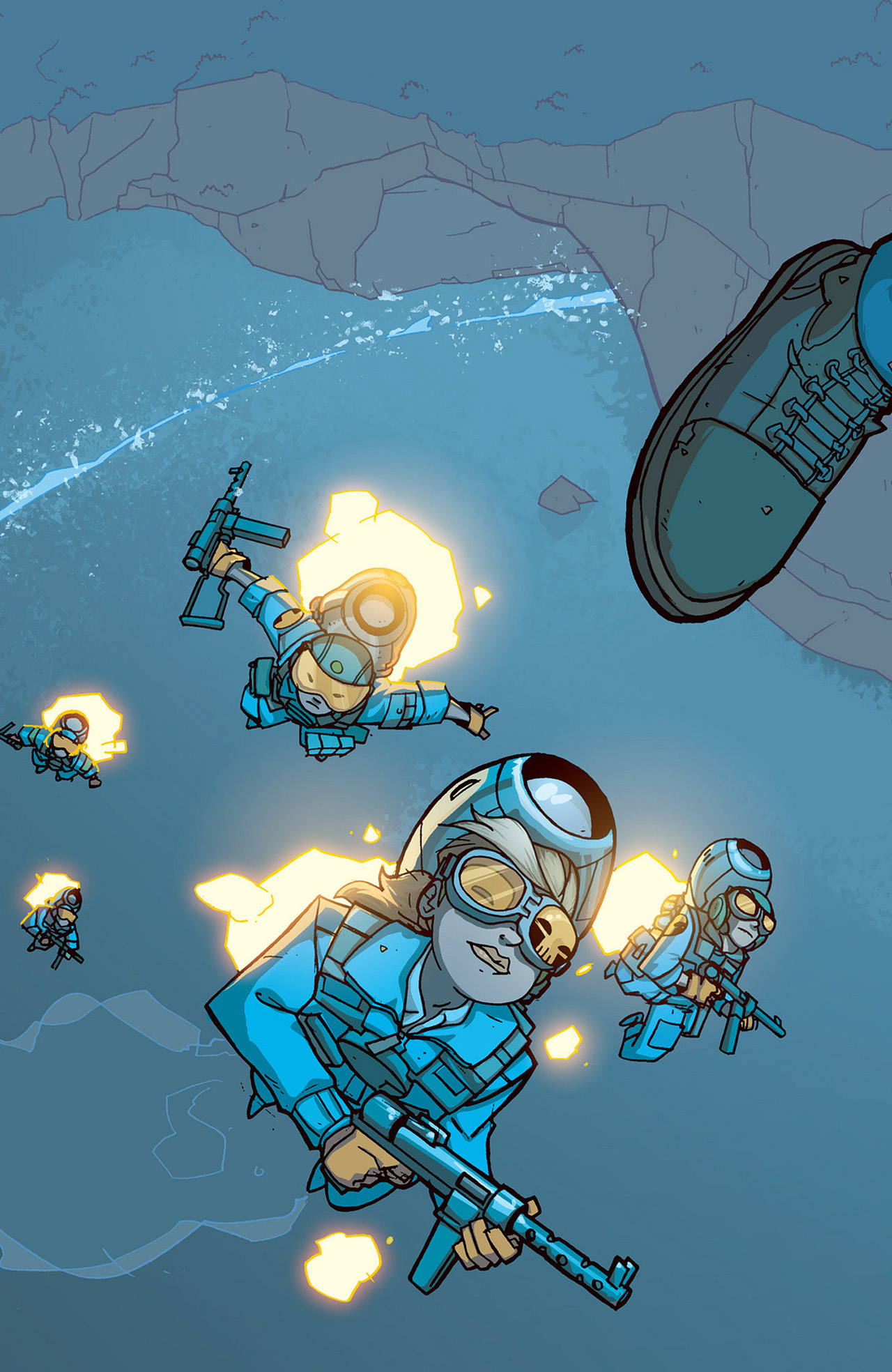
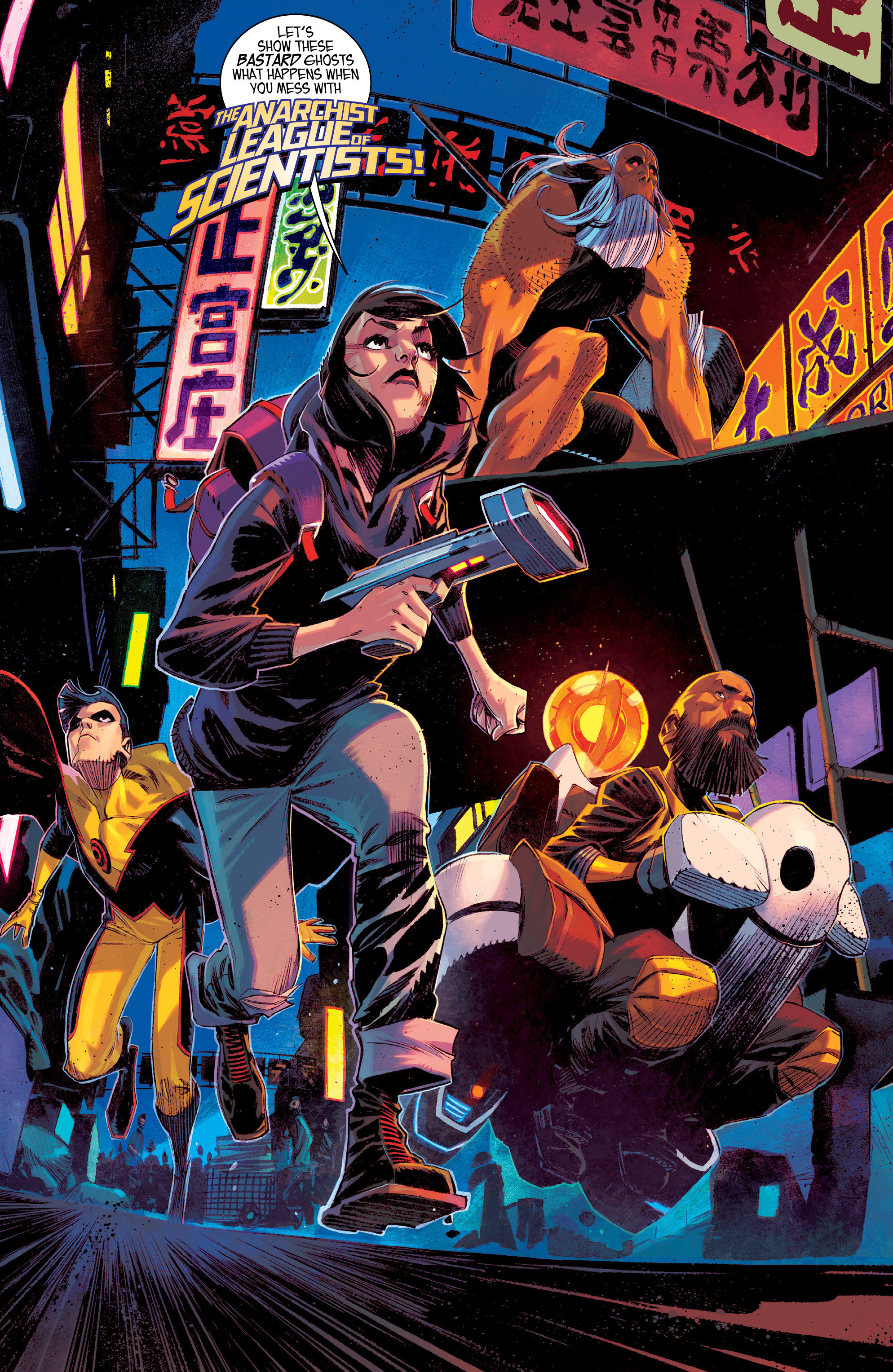
planet of the apes  starslayer 2  xtnct

On retrospect, the number of interesting comics is hardly surprising. After all, on the one hand, the genre of science fiction keeps branching in new directions in order to keep up with scientific breakthroughs and the latest sociological concepts. On the other hand, war stories lend themselves to genre mash-ups fairly easily, in part because war produces such a heightened reality that otherwise outrageous, fantastical elements tend to fit right in. Moreover, the tropes of war are so firmly established in readers’ minds that the mere act of twisting or recontextualizing them can be fun.

War/horror mash-ups work particularly well, creating obvious supernatural allegories about the dehumanizing violence of combat and the distorted views of the enemy (John McTiernan’s Predator) or the overwhelming fear of civilians caught in the crossfire (Babak Anvari’s Under the Shadow). Recently, Julius Avery’s Overlord exploited the Nazis’ fixation on – and experimentation with – bodies (although the most outlandish element in the movie was the existence of a non-segregated unit in 1944). In comics, zombies and vampires and the like have shown up in World War II (Red Snow), in Vietnam (‘68), in Afghanistan (Stitched and the underrated Graveyard of Empires), and even in the Guinean liberation war (Os Vampiros).

In the case of science fiction, the appeal is usually to extrapolate about the future of military strategy, with new technology thrown into the mix or devasted landscapes forcing characters to get back to basics. Let’s look at three very different takes on it:

TERROR ON THE PLANET OF THE APES

planet of the apes 3

Planet of the Apes is one of my all-time favorite franchises, even though I’ve conflicted feelings about the fact the it became a franchise at all. My problem is that the original 1968 movie had a perfect ending, one that was powerfully in tune with its Cold War context. It packed a punch precisely because, when those iconic final shots came up, everyone imagined what must’ve happened. The sequels (which, except for the schlocky Beneath the Planet of the Apes, are all prequels) took much of the power away from that ending by detailing what had brilliantly been suggested.

That said, the series has been boldly imaginative and strange, with most entries trying something ambitious: the shocking ending of Beneath, the quirky satire of Escape, the grim dystopia of Conquest… It’s a franchise of fascinating, politically provocative gestures, which is at its best when it blends them with eerie imagery and at its weakest when it provides stunning images without enough substance to back them up (like in the Burton remake as well as in War for the Planet of the Apes, despite the latter’s attempt to achieve transcendence through biblical riffs). I suppose the first installment was so successful that expansion was too damn irresistible, but that doesn’t explain the creativity that followed or the fans’ enduring interest… The core concept of a nightmarish planet where chimps, gorillas, and orangutans dominate humans was strong enough for creators to keep building on it, branching into various (albeit not irreconcilable) timelines. It was memorable enough for pop culture to keep echoing lines like ‘Take your stinking paws off me, you damn dirty ape!’ or ‘Ape shall not kill ape.’ It was appealing enough for suckers like me to keep coming back for more.

The films’ visionary ideas left quite a mark on comics, both indirectly (from Jack Kirby’s post-apocalyptic Kamandi, the Last Boy on Earth to Keenan Marshall Keller’s and Tom Neely’s trippy exploitation-tribute The Humans) and in the form of official spin-offs. Marvel’s tie-in series – which ran from 1974 to 1979 in one of those lengthy magazine formats, packed with extras about the original movies and TV show – is a great example of what I was talking about: set in an intermediary period when humans and apes still share a civilization, the ongoing storyline ‘Terror on the Planet of the Apes’ further cheapens the original premise by giving us a world that initially feels too familiar, but it still turns out to be highly engaging. After opening with an obvious allegory about racial violence (with the standard twist that white humans are now the vulnerable minority), writer Doug Moench turns the strip into a boys’ adventure saga, with characters constantly running, climbing, and fighting for their lives. Like the films, these comics approach the material with a straight face, never apologizing for the fact that they feature talking chimpanzees and all sorts of mutants. Similarly, Mike Ploog’s moody black & white art keeps things earnest and grounded, even when Moench’s scripts veer into wild territory…

planet of the apes 3planet of the apes 03

War is all over this storyline. For one thing, there are constant reminders that it’s set after a nuclear holocaust. At one point, Doug Moench describes a valley as ‘splashed in vivid swirls of phosphorescent purple and scarlet… a forest gone mad with the fever of radiation.’ At another level, the first chunk of ‘Terror on the Planet of the Apes’ takes place under the looming shadow of a kind of race war (something that was even more topical in the mid-70s than it is now). Again, it’s not new ground, but, in Moench’s defense, at least he doesn’t pretend like this is an easy issue, as even the heroes have to struggle with their own impulses and prejudices.

The second part of the story is campier, with the protagonists getting stoned out of their minds and a deluded historian regularly bringing humor to the proceedings. It also expands the range of targets by taking potshots at US politics and capitalism (holding an old Bank of America passbook, the historian explains: ‘Now this was absolutely vital to the ancients. It fed God’s emissaries on earth – called computers – and if the computers weren’t fed enough, they’d get sick and report it to their God and things would start to fall apart.’). On the art front, Mike Ploog gives way to Tom Sutton, whose panel borders bend and collapse into engulfing displays of alien technology and madness. By the final stretch, the army of tank-riding gorillas is the least oddball thing around, as we also get winged monkey-demons and brainwashing machines, not to mention the possibility of yet another nuclear Armageddon!

The remaining stories weren’t as entertaining, even if ‘Evolution’s Nightmare!’ (drawn by Ed Hannigan, inked by Jim Mooney) deserves praise as a pacifist parable that revisits the franchise’s Cold War themes. As for the later comics that have gone back to the original continuity, my favorite remains Ty Templeton’s and Joe O’Brien’s Revolution on the Planet of the Apes, which was a smart follow-up to the underrated Conquest of the Planet of the Apes movie (and much cooler than that film’s lame sequel, Battle for the Planet of the Apes).

STARSLAYER: THE LOG OF THE JOLLY ROGER

Starslayer 03

When the damage caused by industrial pollution and out-of-control population growth became irreversible, Earth scientists devised a way to colonize the rest of the solar system by genetically altering settlers so that they could adapt to other planets’ atmospheres. The ensuing confederacy of planets prospered for millennia, but then the sun went nova, engulfing Mercury and Venus while drastically changing the temperatures of the outer colonies… a shift that led settlers to abandon their dying worlds and encroach on the territories of warmer planets, culminating in interplanetary war! This is all just background, though: Starslayer is actually the saga of a Celtic warrior from the Roman era who is brought back from the past to save the cosmos, because the Earth’s Board of Directors is convinced his ‘savage instinct for survival’ may give him an edge in the conflict.

Initially written, illustrated, and lettered by Mike Grell, Starslayer – which started at Pacific Comics in 1982 before moving to First Comics the following year – is a hallmark in the field of indie publishing (not least because its backup features launched fan-favorite series such as Rocketeer and GrimJack). You can plainly see the influence of Conan, Star Wars, John Carter of Mars, pirate swashbucklers, cyberpunk sci-fi, orientalist adventures, and countless two-fisted yarns. Yet Mike Grell proves willing to match all those other works at their game: not only does he take some ballsy narrative turns, but he also raises the level of testosterone, his characters constantly spouting lines like ‘The least you owe a worthy adversary is the chance to die in battle’ or ‘Better to die a free man than to live a Roman slave.’ Moreover, Grell amusingly gives the protagonist a disco look as well as a sidekick robot that talks mostly through lines from Humphrey Bogart movies (playing with yet another ideal of masculinity), plus a spaceship equipped with nautical sails (‘People though it was more… romantic… to take a leisurely cruise of several days, rather than leaping from star to star at warp speed.’).

The art is as luscious as you’d expect from Mike Grell. The original colors were by Steve Oliff, but the version I own (a remastered ‘Director’s Cut’ of the first eight issues, published by Acclaim Comics in the mid-90s and recently collected by Dark Horse) is colored by Rob Prior, who tends to go for quasi-psychedelic, not-quite-neon tones. Grell, who can knock out epic splashes and fluidly choreographed action scenes like nobody’s business, feels especially inspired when drawing Starslayer’s badass, statuesque co-star, Tamra:

Starslayer - Director's Cut 05

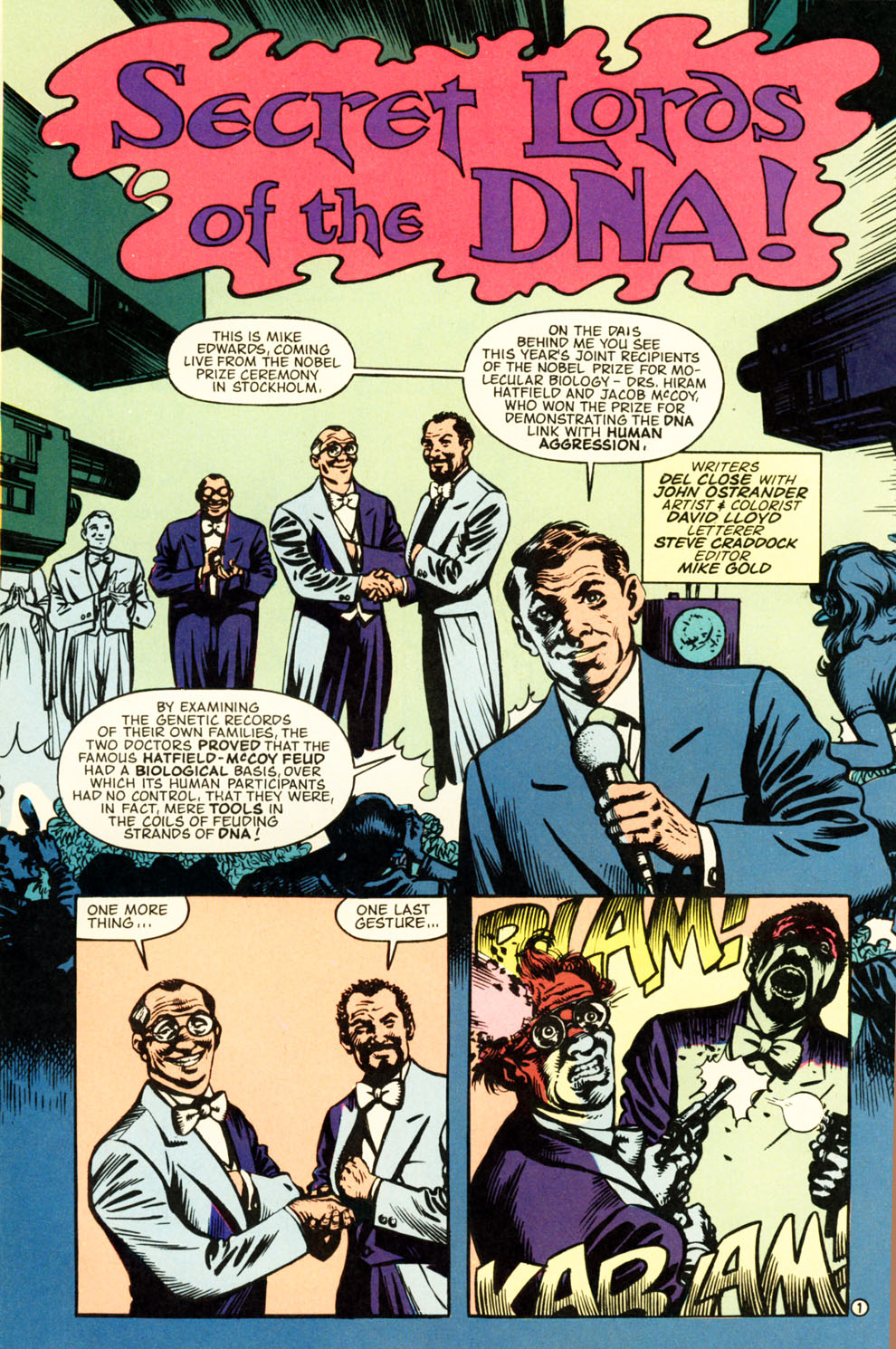
After Mike Grell wrapped up the interplanetary war plot and left the book, John Ostrander came in as writer with issue #9 and stayed for another couple of years. Edited by the great Mike Gold (the king of eighties’ action comics), Ostrander’s run kept the tone of absurd macho bullshit while adding quirky ideas like the contraband planet Keldomage, which is one vast black market, including its capital city (aptly named Lassay Faire), in whose Bazaar of the Bizarre you can hear loose Monty Python lines. Notably, Starslayer’s heroes travelled to the pan-dimensional city of Cynosure (‘where all possibilities are realized, where dream and reality are indistinguishable, where fact and fantasy play together like children’) and met Grimjack in one of the series’ finest moments.

That said, as much as I love John Ostrander and Tim Truman (who became the regular artist for a while, working with Hilary Barta), their comics never really reached the bravado of Mike Grell’s issues (or of Ostrander’s and Truman’s later space operas in Hawkworld and in the aforementioned GrimJack). Likewise, Lenin Delson’s pencils and Mike Gustovitch’s and Mark Nelson’s inks didn’t match Grell’s raw-yet-elegant style, even if they still delivered dynamic visuals, especially when complemented with Janice Cohen’s stark colors.

All and all, Mike Grell’s Starslayer is a classic whose spirit continues to echo to this day (for example, in Robert Venditti’s and Cary Nord’s run in X-O Manowar).

XTNCT

Judge Dredd Megazine 209

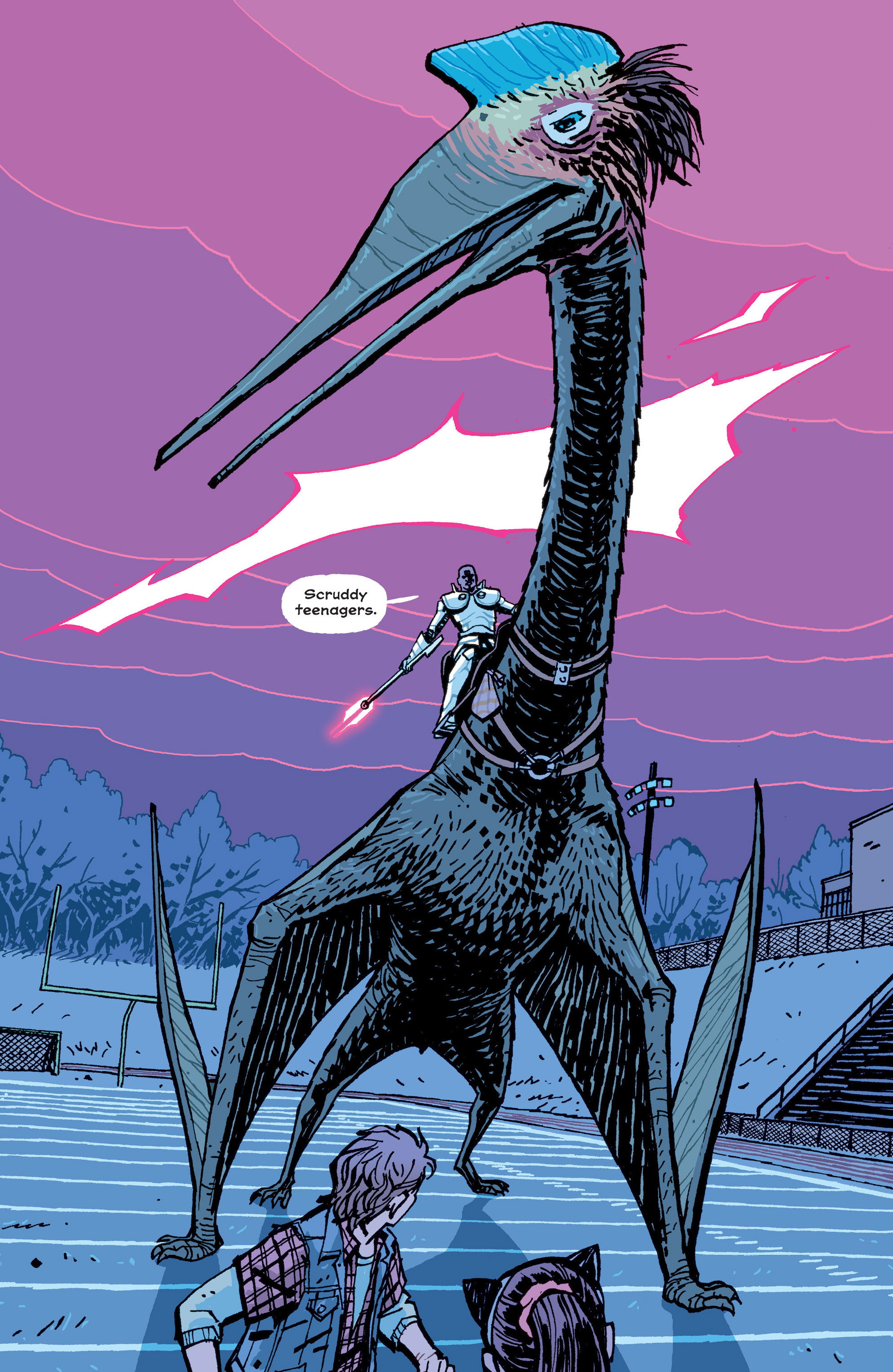
Originally published in the pages of Judge Dredd Megazine in 2003, the awesome short-lived series Xtnct takes place in a war-torn Earth and it follows a rogue commando of genetically modified dinosaurs (and a sentient tree!) chasing down the last few hundred humans on the planet. Yes, it feels like a modern spin on Pat Mill’s misanthropic cult comic Flesh and it sure lives up to that series’ violent, anarchic spirit. Not only that, but D’Israeli makes a kooky concept even kookier through the kind of cartoony, rubbery art and impeccable sense of design he also used in other surrealist sci-fi gems, such as Lazarus Churchyard and Stickleback.

Because it’s written by Paul Cornell, the comic is both funny and somehow smarter than it had any right to be. At one point, the dinosaurs face hipster anti-globalizers obsessed with conspiracy theories about powerful international cabals that sound particularly ludicrous in a world without humans (‘But… there’s only one Jew left in the world.’).

The breakout star is, inarguably, Raptor, a psychotic velociraptor with super-speed who speaks without vowels:

Xtnct

In a clever bit of storytelling, one of the tales is mostly told from the Raptor’s perspective, with everyone’s dialogue hilariously reduced to the basic ways he perceives their reactions (‘Surprised disagreement’; ‘Annoyed mutter.’). And all this takes place before the team causes a chain of atomic strikes, ushering in nuclear winter and spending the rest of the series covered in snow!

The entire run of Xtnct has been collected in the hardcover CM ND HV G F Y THNK YR HRD NGH as well as in the paperback anthology 2000 AD presents Sci-Fi Thrillers.

Posted in FANTASTIC ADVENTURES | Tagged , , , , , , , , , , , , , , , , , , , , , , , , , , , , , , , , | Leave a comment

Spotlight on Aquaman / Batman team-ups

I tend to give DC’s live-action movies a lot of crap in this blog, so I guess it’s only fair to admit I had a great time watching James Wan’s Aquaman. It’s a fun slice of schlock that manages to be both grandiose and silly at once, making it the most entertaining take on this kind of material since the Soviet Amphibian Man. Sure, the plot is cliched and some of the acting can be quite bad, but the movie more than makes up for it through the giddy attitude and flamboyant, spectacular visuals.

Superhero movies have finally begun to abandon the ‘realistic’ paradigm that first earned the genre mass audiences and relative respectability. Instead of merely translating the content of superhero comics into something recognizable onscreen, you now see daring attempts to capture their form by going berserk in sequences reminiscent of pop art. In recent years, both live-action (Doctor Strange, Ant-Man and the Wasp) and animated films (The Incredibles 2, Spider-Man: Into the Spider-Verse) have been exploring more experimental, psychedelic approaches… Aquaman is the latest blockbuster to join this movement, with its subaquatic travelling shots, physics-defying metropolis, and over-the-top battles involving thousands of sharks and giant seahorses.

Aquaman’s underwater techno-monarchy may seem a world away from Batman’s crusade against crime in Gotham City, but the two characters have been paired a few times throughout the years. My favorite team-ups took place on the pages of The Brave and the Bold, where Bob Haney kept writing the King of Atlantis into adventures that, more often than not, involved him fighting the Dark Knight due to some contrived reason…

brave bold 82     brave and the bold 114     brave and the bold 142

The first of these – ‘The Sleepwalker from the Sea!’ (The Brave and the Bold #82, cover-dated February-March 1969) – is, believe it or not, a noir tale, complete with a femme fatale, a guy tormented by memories of murder, and the following open narration: ‘The Gotham City waterfront – the smell of rotting timbers and the rivers murmuring blend with the click-clackety of high heels and a waft of expensive perfume as a brutish figure stealthily follows a beautiful mini-skirted vision. And in turn is followed by the dread stalker of the night… the Batman!’

Sure, the tormented guy is actually Aquaman, who is being manipulated by his half-brother, Ocean Master (‘collector of men’s souls and women’s hearts’), through the guilt he feels over having accidentally killed a marine biologist, but the whole thing reads like a hardboiled yarn nonetheless. Neal Adams totally gets into the spirit of things, even drawing a noirish shot from the Dark Knight’s POV as he regains consciousness at one point:

The Brave and the Bold #82The Brave and the Bold #82

Their second team-up – and the best of the lot – is a crime story as well. In ‘Last Jet to Gotham’ (The Brave and the Bold #114, cover-dated August September 1974), the Caped Crusader tries to rescue the passengers of an airplane that crashed into the ocean because one of them is a mobster he hopes to turn into a snitch (the crash was caused by Aquaman, hence the obligatory fighting). Bob Haney provides the usual plethora of twists – besides the mob, our heroes have to face the US Navy (who hates Aquaman because he opposed a plan to use porpoises as undersea war weapons) and foil a plot by minor officials from the fictitious country of Karatolia. The latter are involved in the drug trade and, upset over the fact that Washington paid their government to plow under its poppy crop, have decided to teach the Americans a lesson by hiding a hydrogen bomb in the airplane, disguised as a wine shipment.

Because this is a comic from the golden era of Jim Aparo art, we get a powerful illustration of the stakes:

The Brave and the Bold #114The Brave and the Bold #114

The Cold War zeitgeist is clearly in the background of ‘Last Jet to Gotham’ – at one point, Aquaman even explains that, to protect his ocean domain, he has established his own secret intelligence network operating on land.

International tension moves to the forefront in ‘What Lurks below Buoy 13’ (The Brave and the Bold #126, cover-dated April 1976), in which an investigation into a gun-running ship leads Batman to an underwater satellite – an Atlantean super-weapon that could tip the ‘balance of terror’ by allowing one side of the Cold War to detect and knock out the other side’s fleets of atomic submarines. Naturally, everyone goes after the weapon – the United States, the Soviet Union, the United Nations, and even a group of surviving Nazis bent on starting World War III. Fortunately, the Caped Crusader and Aquaman manage to recover it and hide it in the Aquacave ‘until all nations learn to live in trust and peace!!!’

Jim Aparo shares art credits with John Calnan on this one and the result isn’t quite up to Aparo’s standards at the time, although we do get some neat Thunderball-like action:

The Brave and the Bold 126The Brave and the Bold #126The Brave and the Bold #126

Haney and Aparo brought the two heroes together again a couple of years later, in ‘Enigma of the Deathship!’ (The Brave and the Bold #142, cover-dated July-August 1978), where they spent most of the issue pointlessly fighting each other (again). It isn’t a particularly inspired tale, but at least nobody can accuse it of lacking underwater slugfests!

If you want a more thoughtful piece, I recommend ‘Cavernous’ (Gotham Knights #18, cover-dated August 2001), in which Batman asks Aquaman to help him recover the Batcave’s giant penny, lost during Gotham’s 1998 earthquake (depicted in Cataclysm). Devin Grayson writes an issue that’s light on action yet strong on character work, using the fact that Batman and Aquaman aren’t really all that close to suggest the former’s loneliness in the form of him finding a pretext to hang out with the latter.

gotham knights 18

In 2008, the animated show Batman: The Brave and the Bold reinvented Aquaman as an overenthusiastic adventurer, hilariously obsessed with chronicling his own saga. The spin-off comics featured this version of the character teaming up with the Caped Crusader, for example in order to reclaim his throne when his entire kingdom gets brainwashed by the Ocean Master (‘Atlantis Attacked!,’ Batman: The Brave and the Bold #22, cover-dated December 2010) or to help a ghost pirate get rid of his curse (‘Under the Sea,’ The All New Batman: The Brave and the Bold #8, cover-dated August 2011).

You’d think this upbeat, fun-loving version of Aquaman would be even more distant from the Dark Knight, but writer Sholly Fisch amusingly suggests that they’re not so different after all…

The All-New Batman: The Brave and the Bold #8

The All-New Batman: The Brave and the Bold #8
Posted in GOTHAM CITIZENS | Tagged , , , , , , , , , , , | 2 Comments

COMICS CAN BE AWESOME (January 2019)

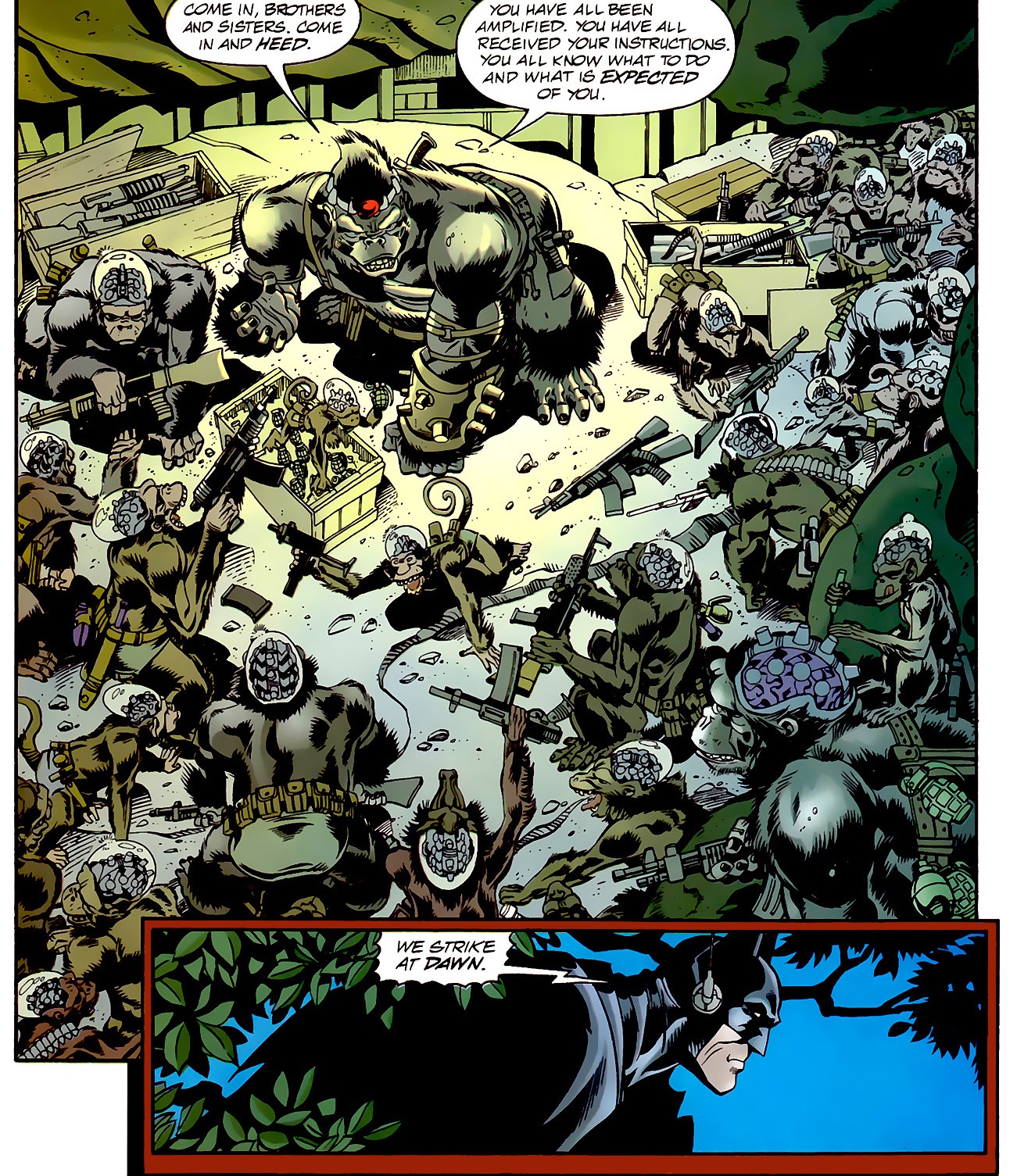
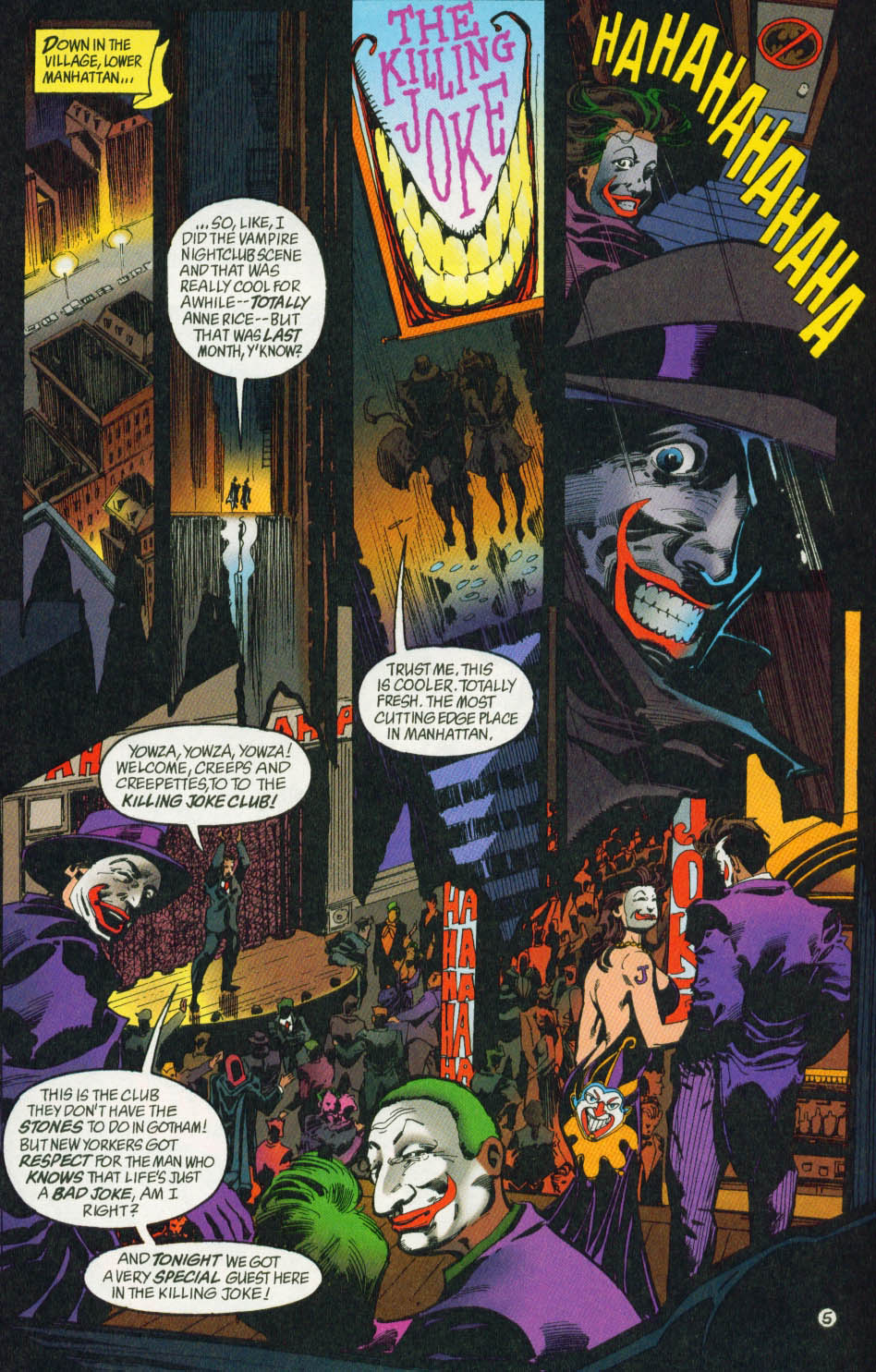
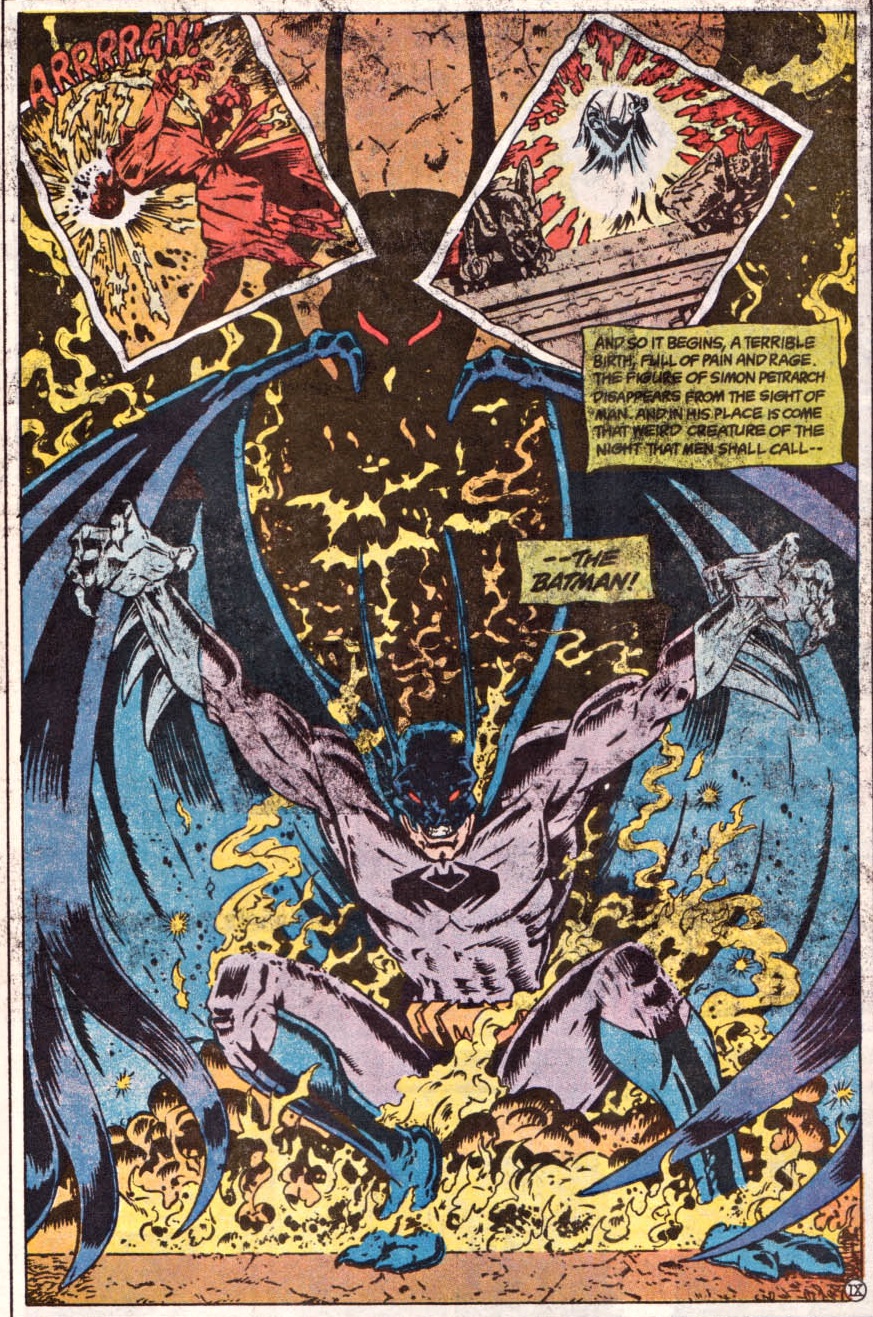
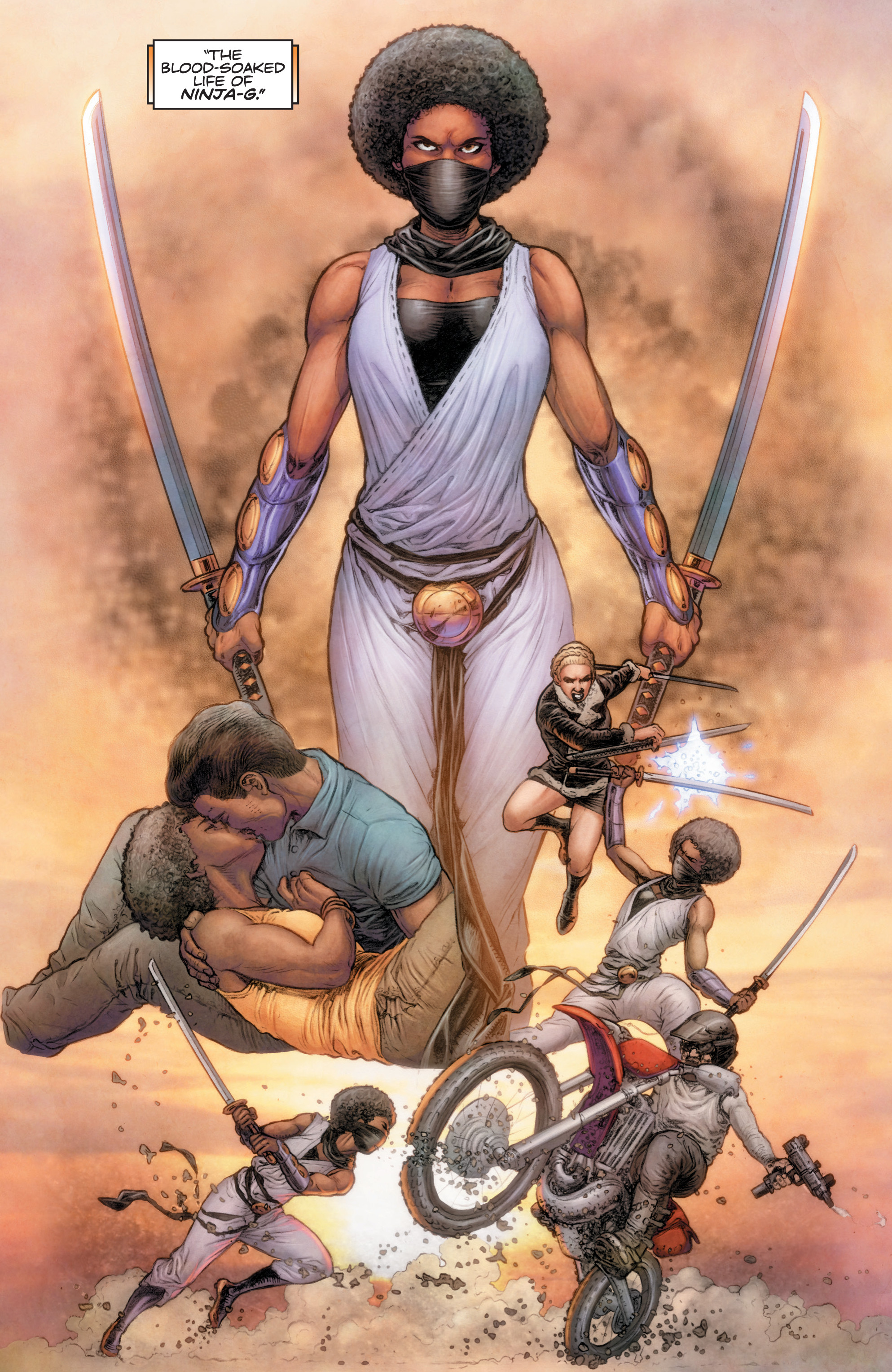
I had so much fun doing these last year that I’ve decided to carry on… Here are another three pulpy splash pages to remind everyone that comics can be awesome:

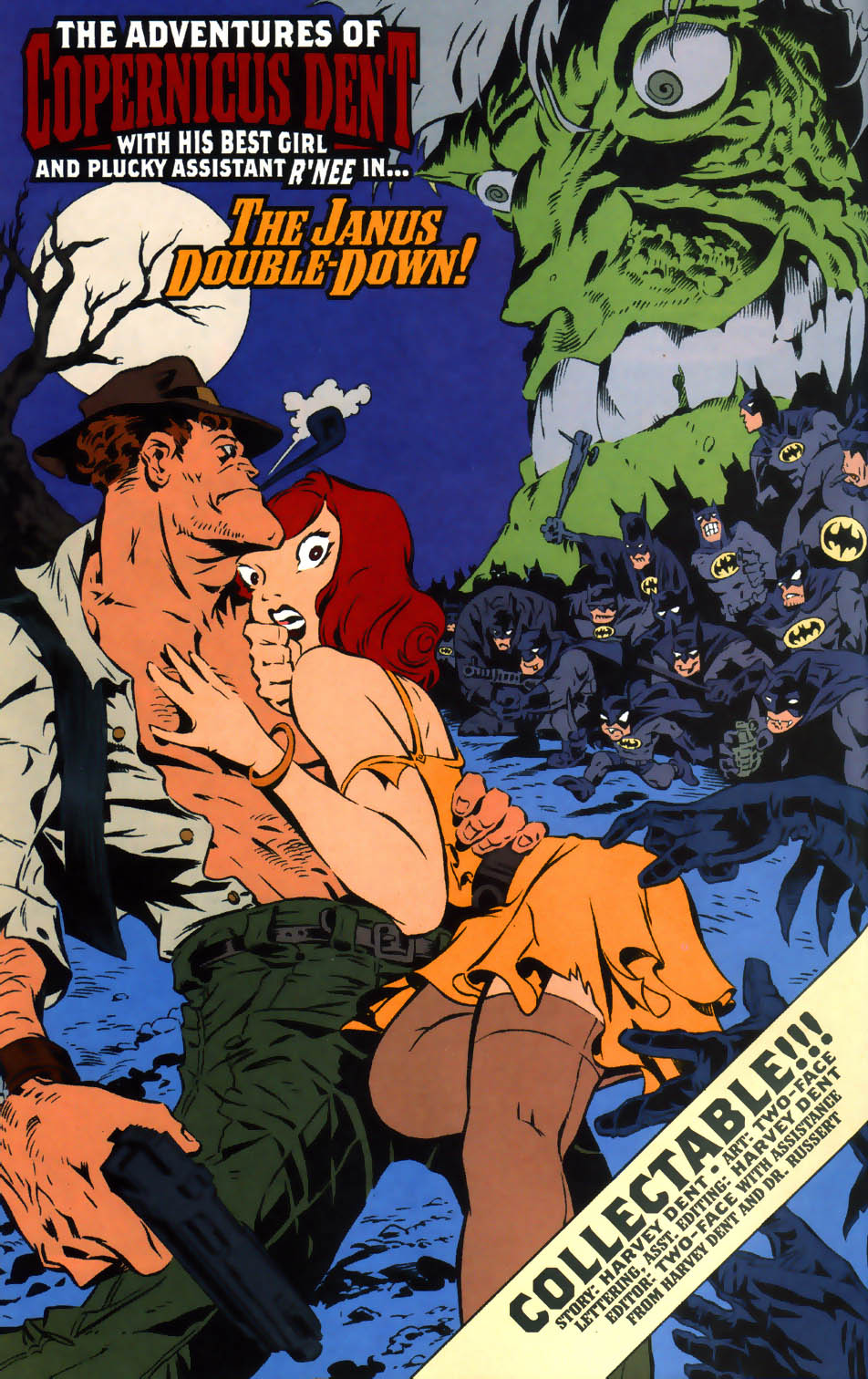
The Unknown Soldier (v2) #10The Unknown Soldier (v2) #10
The Hands of Shang-Chi, Master of Kung Fu #25The Hands of Shang-Chi, Master of Kung Fu #25
Swamp Thing #17Swamp Thing #17
Posted in GLIMPSES INTO THE PAST | Tagged , , , , , , , , , , , , , , , , | Leave a comment

Have a Gotham 2019

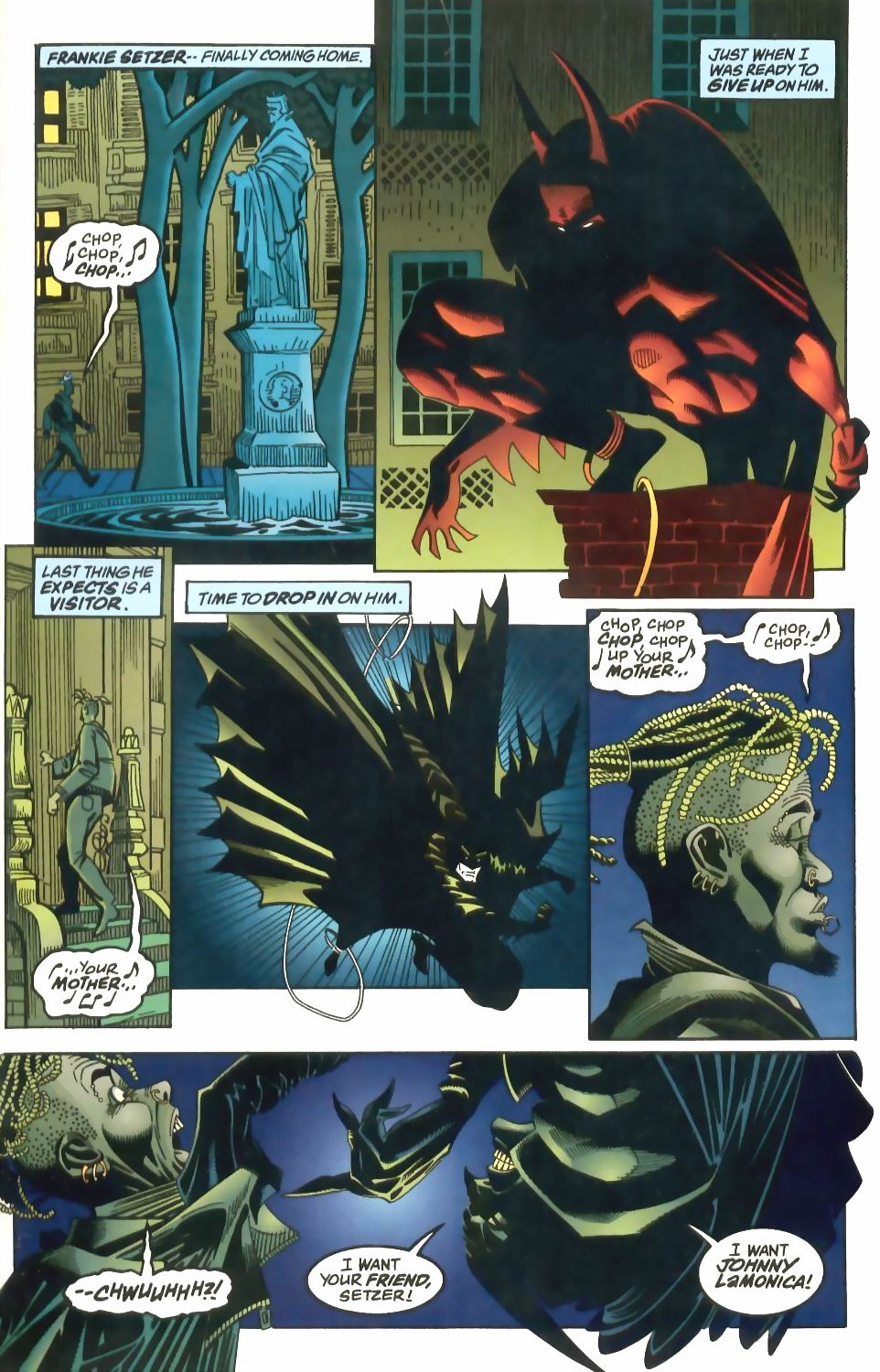
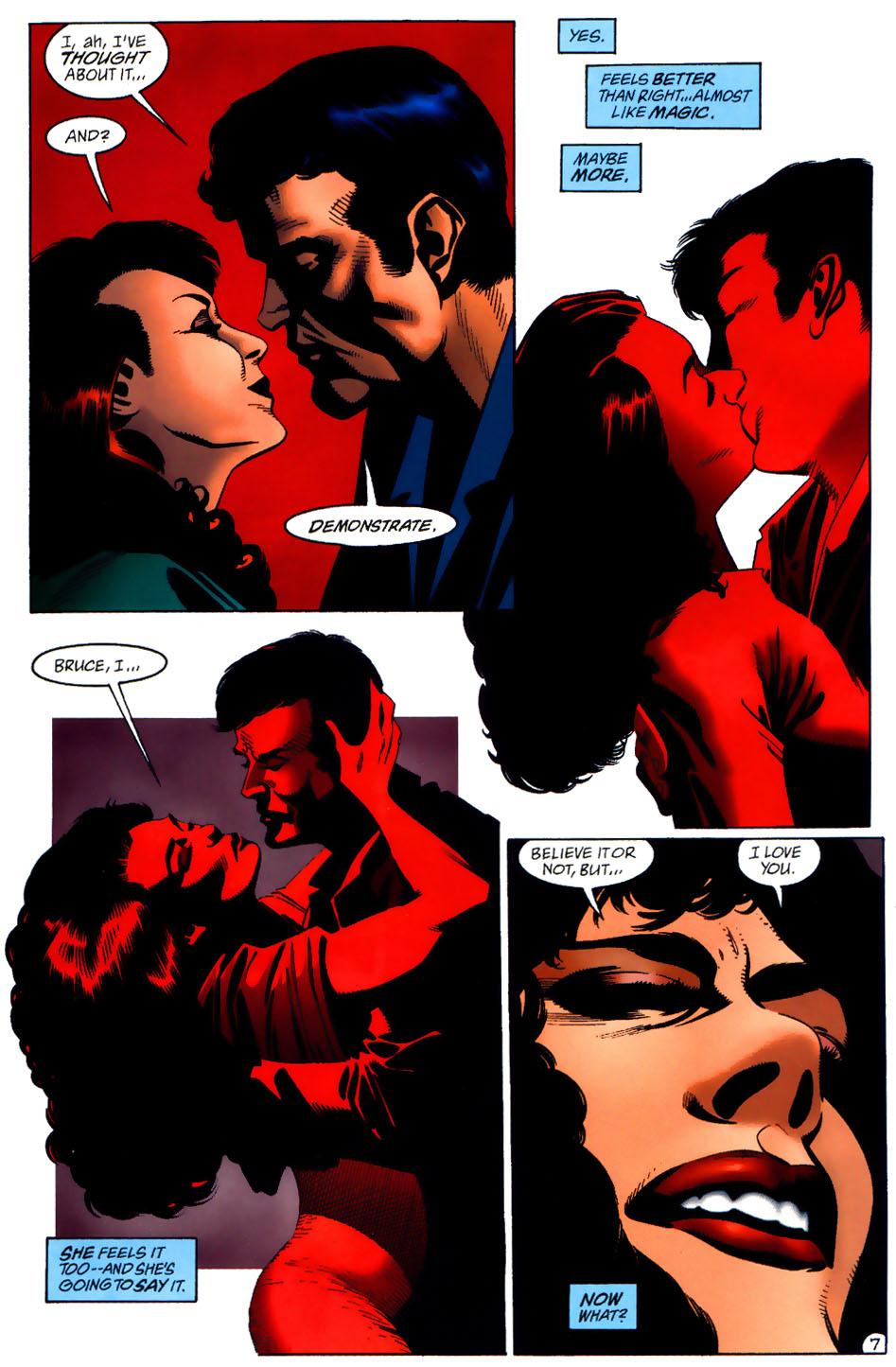
Shadow of the Bat #94Shadow of the Bat #94
Posted in GOTHAM INTERLUDES | Tagged , , | Leave a comment

2018’s book of the year

This is the time of the year when bloggers share their best-of-the-year lists. I don’t usually play along because I mostly read old stuff and don’t have enough of a grip on current publications to make any authoritative claim about the state of the field. Still, this time around I thought I’d jump into the conversation.

In the world of comic books, I guess Nick Drnaso’s Sabrina is this year’s critical darling – i.e. the middlebrow, non-superhero graphic novel I offer to people who don’t typically read comics in order to justify my love for this kind of stuff (even if the kind of stuff I read isn’t always like this). Don’t get me wrong: it’s not just the fact that Sabrina made it to the Booker Prize’s longlist… This is a damn fine comic, one that exploits the medium’s language and ability to slow down the pace, capturing the melancholia of everyday gestures. While Sabrina isn’t exactly groundbreaking, Drnaso manages to mobilize his artistic and tonal influences (Chris Ware, Rutu Modan) in order to tell a story that cleverly (and touchingly) taps into the zeitgeist through its empathy with characters stuck between depressingly familiar violence and the underworld of conspiracy theories. I particularly like the fact that we are never shown the inciting incident, so it’s up to us to decide who deserves our trust and compassion, making it less a tale of ‘reality vs fake news’ and more a work about what each of us chooses to believe in.

That said, if I was to pick one book that came out this year and that exemplifies the potential of comics, I wouldn’t go with Sabrina. I would go with Master Race and other stories.

Master Race

(That’s right, I chose a reprint collection and, shockingly, it’s not Batman: The Brave and the Bold – The Bronze Age Omnibus, volume 2!)

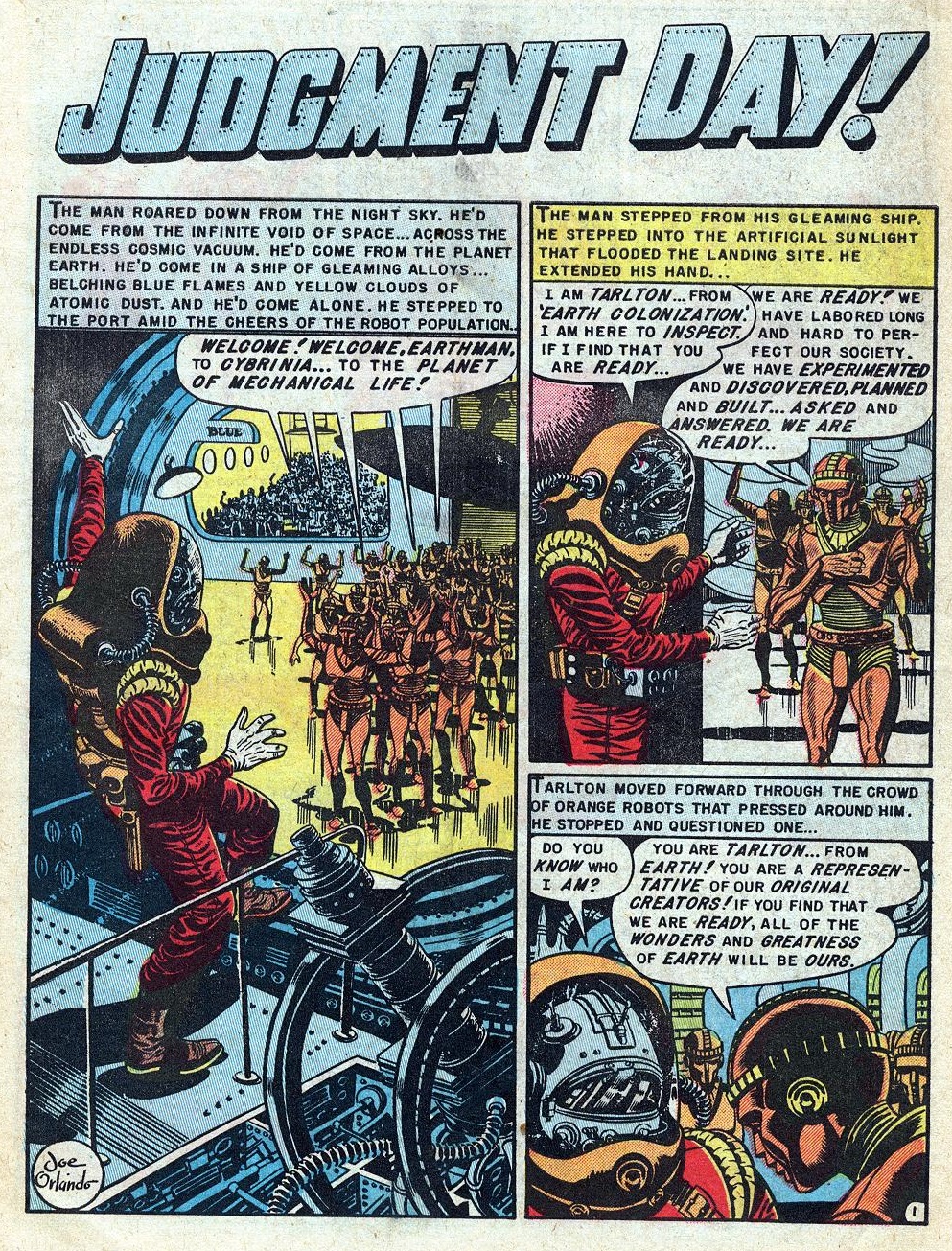
Master Race is one of the latest instalments in Fantagraphics’ set of luscious volumes collecting short stories from 1950s’ EC Comics. Each volume is organized around a specific artist, featuring all (or a large chunk) of his contributions to series like Weird Science-Fantasy and Tales from the Crypt. The comics are reprinted in glorious black & white, thus highlighting the draftsmanship, and they’re accompanied by essays on the artists and their work. The vast majority of stories were plotted by Bill Gaines and Al Feldstein (and scripted by Feldstein), but EC had such a notable assortment of eccentric artists that each book has quite a distinct feel.

This volume collects 32 stories drawn by Bernie Krigstein between 1953 and 1956. Krigstein was a classically trained artist who treated comics as part of a tradition stretching back to the earliest cave drawings and ancient Chinese scrolls, creating monthly masterpieces within the confines of six-page long stories in ten-cent comic books. Sixty years later, his experimentations with the breakdown of time and visualization of movement remain a sight to behold:

Master Race

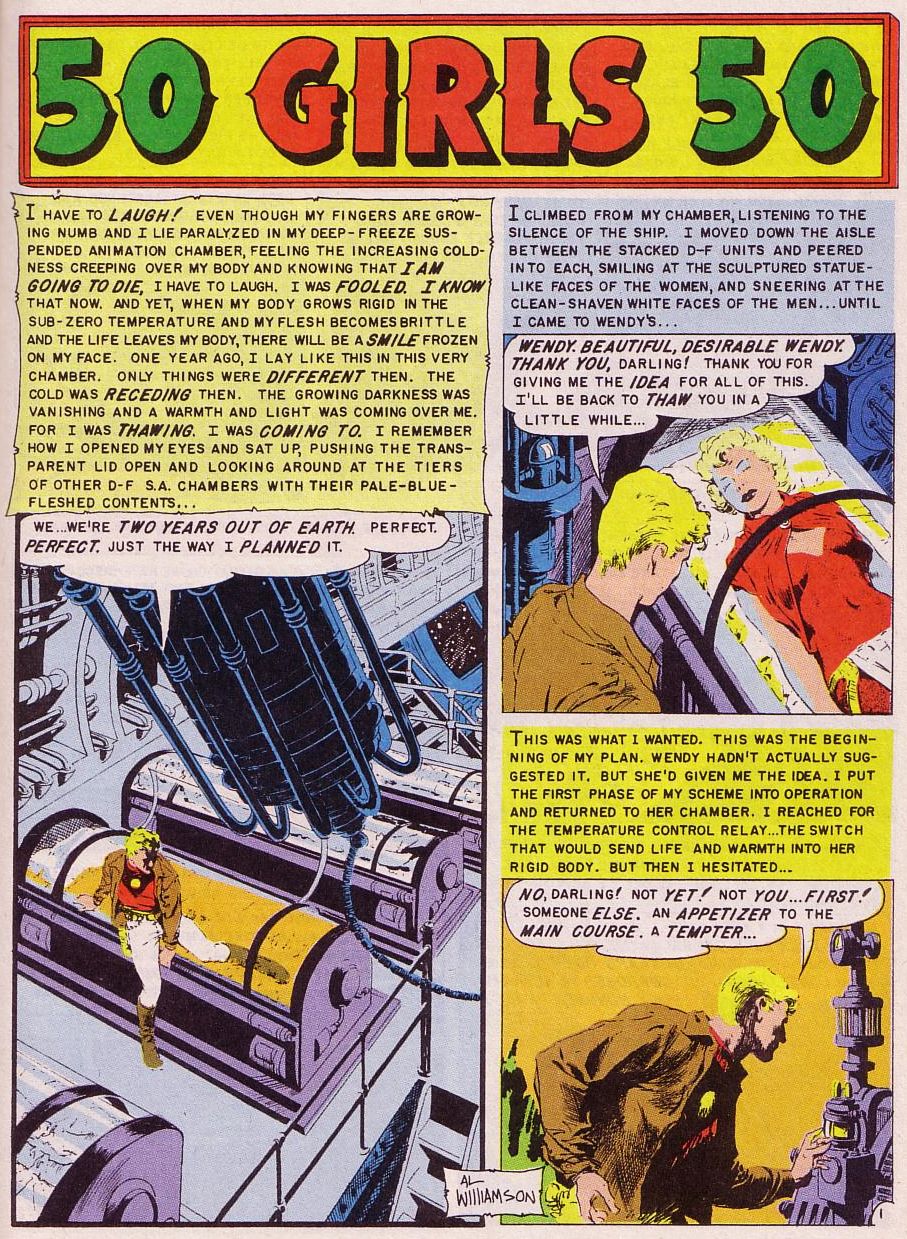
It’s such an excellent and varied anthology. While many Fantagraphics collections revolve around a specific genre (The High Cost of Dying is mostly horror, 50 Girls 50 is mostly sci-fi, etc), Master Race isn’t confined to one type of narrative. Instead, it engages with the possibilities of different traditions of storytelling: we get some mind-bending science fiction, genuinely macabre horror, hard-hitting crime yarns, twisted comedy, magical realism, political parables, and riveting aerial combat, not to mention old-school human drama.

The cast ranges from daring astronauts to bored bank clerks, our focus shifting from a deluded scientist to a frustrated housewife, from a superstitious WWI pilot to an embittered boxing champ, from a despotic plantation owner in the Mato Grosso jungle to a couple of thieves in Italy…

The Catacombs

Al Feldstein’s purple prose may be too much for some readers, but I just eat it up with a spoon. This is how he describes a space ship landing: ‘The ship plunged, tail first, toward the surface of the alien sphere… Then, like an angry monster, the ship spit flame and sparks and blue smoke at the planet rushing up toward it… The spitting roaring metal dragon slowed in its downward tail-first fall, as if the planet were suddenly afraid and had hesitated in its eager advance upward… The ship was down, bumping gently to rest amid clouds of rocket exhaust, standing proudly like a warrior stands over his vanquished foe…’ These captions may not tell us anything Krigstein’s art couldn’t convey by itself, but they help create one hell of a mood!

Feldstein isn’t the only talented writer around. Notably, the collection includes an adaptation of Ray Bradbury’s beautiful story ‘The Flying Machine,’ which means we get a handful of neat Bradbury-esque dialogue exchanges:

The Flying Machine

Sure, there are missteps, but not that many… Even ‘Fulfillment,’ one of a couple of stories to use the cringeworthy misogynist stereotype of the nagging wife, slightly redeems itself with an amusing punchline (which, at least from today’s vantage point, feels like a parody of the transcendent importance of tourism for postcolonial countries).

At the core of Master Race, though, is Bernie Krigstein’s art. The book contains a long introduction, titled ‘Master of Design,’ in which Greg Sadowski analyses each of the tales collected in this volume, and it finishes with three essays about Krigstein (by S.C. Ringgenberg), the restauration process of the story ‘Slave Ship’ (by J. Michael Catron), and the rise and fall of EC Comics (by Ted White).

Sadowski’s piece is particularly informative, pointing out stylistic choices and motifs (like how Krigstein tended to use drawings of hands in effective ways), providing behind-the-scenes context, and explaining technical aspects, for example regarding Krigstein’s approach to the 3-D story ‘The Monster from the Fourth Dimension.’

The Monster from the Fourth Dimension

There is a kind of arc in the book. According to Sadowski, Bernie Krigstein went from an artist who sought to push the medium’s boundaries to one who realized the existing conventions of cartooning were already worthy of respect (even if he ended up moving on and, after 1957, concentrated mostly on fine art and cover illustrations).

Along the way, we get to see Krigstein elegantly play with a range of different styles and techniques to suit each particular assignment. His pencils can be soft, light, and romantic and then, a few pages later, they suddenly deliver gut-wrenching levels of violence (especially in the cruel ‘The Pit!’). I love how the opening of ‘Monotony’ smoothly sets the titular tone:

Monotony

There are so many gems like this one…  ‘More Blessed to Give’ is built like a series of symmetrical, film noir-like panels that tell the parallel stories of two spouses plotting to kill each other (a Cold War metaphor?). ‘Pipe-Dream’ is suitably drawn as if, like its protagonist, we are seeing everything shrouded in an opium haze:

Pipe-Dream

As a history geek, I’m also fascinated with the way these comics reflect and react to the times around them. For example, besides telling a gorgeous space adventure, the opener, ‘Derelict Ship,’ is a story about explaining to the next generation the sacrifices made in the recent fight against fascism. The shadow of World War II also looms large over the brilliant tale that gives the collection its name – living up to its reputation as a hallmark of the medium, ‘Master Race’ shows us the unforgettable encounter between two men haunted by memories of Nazi Germany. Everything is designed to punch you in the gut, from Krigstein’s noirish cinematic angles to the accelerating rhythm of the train (a classic symbol of the Holocaust), with Feldstein’s second-person narration and the eerie closing line suggesting the impossibility of fully understanding what took place and how people were able to do what they did.

There are other political entries, from the slavery-themed ‘Slave Ship’ (which came out at a time when segregation was still law and civil rights up for debate) to the ambiguous colonial tale ‘Mau Mau’ (about the uprising against British rule in Kenia). It’s also hard not to discern Cold War anxieties hidden under fantasy trappings… ‘The Flying Machine’ is all about how science can be seen both as exciting progress and as an existential threat (a theme revisited in the pitch-black comedy ‘The Pioneer’), thus channeling key debates of the Atomic Age. The Otto Binder-written ‘You, Murderer’ feels like a jab at McCarthyism, since it features a grotesque hypnotist who makes someone kill an innocent man by convincing the protagonist that the victim is a communist spy – a device that’s made all the more powerful because the story is framed from the reader’s point of view, as if reminding the people holding the comic that they too were being subjected to a comparable type of manipulation.

You, Murderer

(And if you have any doubts that Bernie Krigstein drew inspiration for ‘You, Murderer’ from the classic 1920 expressionist movie The Cabinet of Dr. Caligari, which also features an evil hypnotist, then look no further than the way he signed the story…)

Do yourself a favor and get your hands on Master Race. Just make sure you don’t pick up the wrong copy!

Posted in BOOKS OF THE YEAR | Tagged , , , , , , , , , , , , | Leave a comment

Gotham City holidays

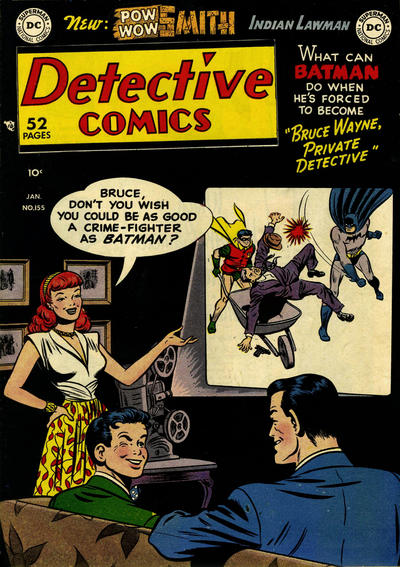
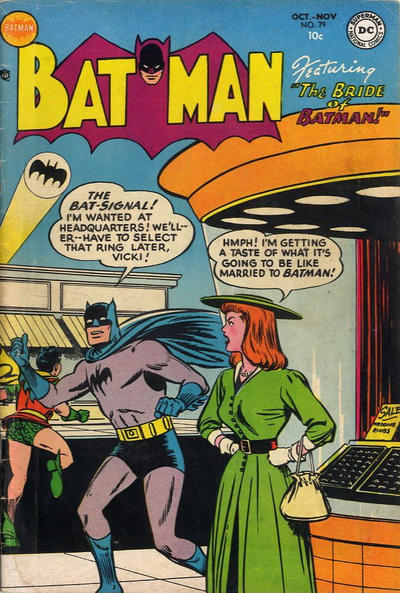
It’s Christmas in Gotham City. As you can see from the covers below, it’s a time of violence!

brave and the bold 148     batman 309     batman family 4

Sure, putting a twisted spin on Christmas by playing its supposedly merry spirit against dark comedy isn’t exactly original… Pretty much every iconoclastic cartoon show has taken at least one hilarious jab at a Christmas episode (The P.J.’s, Futurama, South Park, BoJack Horseman) and, of course, British television has turned its Christmas specials into pitch-black masterpieces (Blackadder, The League of Gentlemen, The Office, Extras, Black Mirror).

The thing is that, for a lot of people, Christmas *is* a dark time of the year. Some people feel particularly lonely, or have to face their awful family, or put up with other peoples’ religious hegemony, or just deal with the fact that they can’t afford to succumb to the season’s consumerist bullying.

In such a bleak context, the Dark Knight can actually come across as the most cheerful one around:

batman 33Batman #33

My point is: the next time you see one of those grim Christmas stories in Batman comics, don’t assume they’re just making fun of the holiday’s benign connotation or using it for an easy contrast. In fact, some creators seem to recognize how emotionally damaging and terrifying Christmas can be, so they provide readers with yet another narrative about the Caped Crusader saving us from evil!

Ultimately, this is coherent with Batman comics’ takes on mental health and violent crime – these are real-world issues, it’s just that they’re blown up to the extreme in Gotham City, where nobody gets a break…

Batman 45Batman #45

Christmas crime and mayhem are so common in Gotham that the comics don’t even necessarily focus on it anymore. Sometimes, it’s just there in the background during unrelated character development, like just another average backdrop to the main drama:

Batman and the Outsiders 19Batman and the Outsiders 019Batman and the Outsiders #19

Even the villains get into the spirit of things, their homicidal sprees taking advantage of the season…

Gotham Central #15Gotham Central #15

And the biggest villain of them all? Santa Claus, of course. After all, he does embody the damn season…

So Hitman #22 gave us a radioactive Santa. Batman #598 gave us a telepath who murders people with bad thoughts and is known as Santa Klaus because of his German accent. And The Brave of the Bold #184 gave us this asshole:

Brave and the Bold 184The Brave and the Bold 184The Brave and the Bold #184

I feel better already.

Posted in WEBS OF FICTION | Tagged , | Leave a comment

10 Jokerized covers

I’ve talked before about my fascination with covers featuring the Joker. The Clown Prince of Crime is one of the all-time great sinister villains in popular fiction. His resonance after all these decades of mayhem and, especially, his signature maniacal grin are enough for a cover to give me the creeps. With that in mind, I also find it damn chilling when cover artists ‘jokerize’ other characters – the effect of seeing someone familiar take up that white face, green hair, and sadistic smile can be seriously disturbing.

Today, I’m sharing my nightmares with you:

superman 9action comics 714wonder woman 97batgirl 16jokerized batmanspectre 51orion 19batman aliens II 3Gotham Knights 54

Posted in COVERS OF BATMAN COMICS | Tagged , , | Leave a comment

COMICS CAN BE AWESOME (December)

2018’s final monthly reminder that comics can be awesome…

Jupiter’s Circle #1

Jupiter’s Circle (v2) #1

Justice League of America 207

Justice League of America #207

Gødland #12

Gødland #12
Posted in GLIMPSES INTO AWESOMENESS | Tagged , , , , , , , , , , , , , , | Leave a comment

My ideal deluxe omnibus volume – part 3

If you read the last posts, you know what’s going on. Here are another ten stories that would definitely be included if I had a chance to put together a giant Batman omnibus collecting personal favorites:


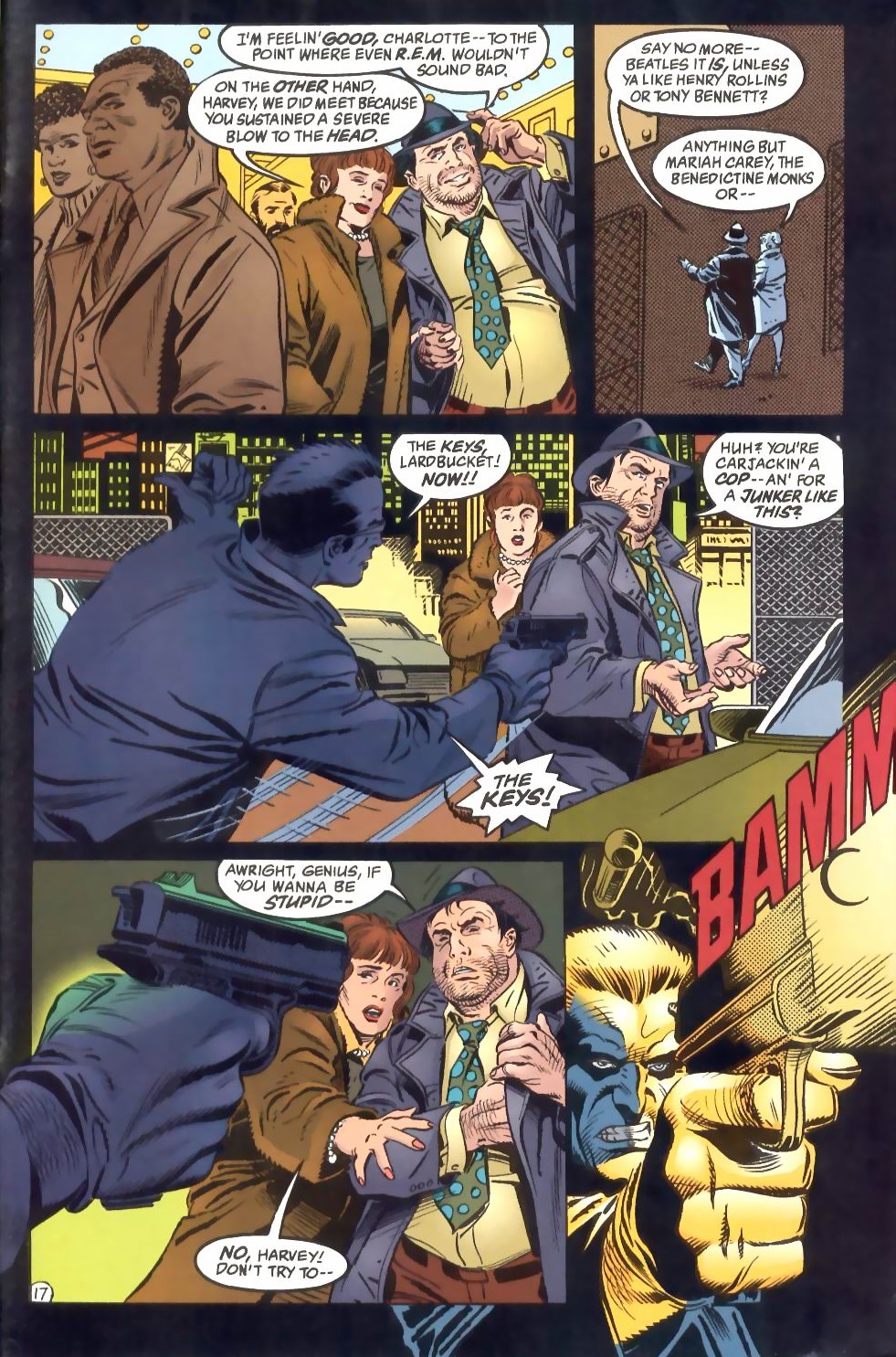
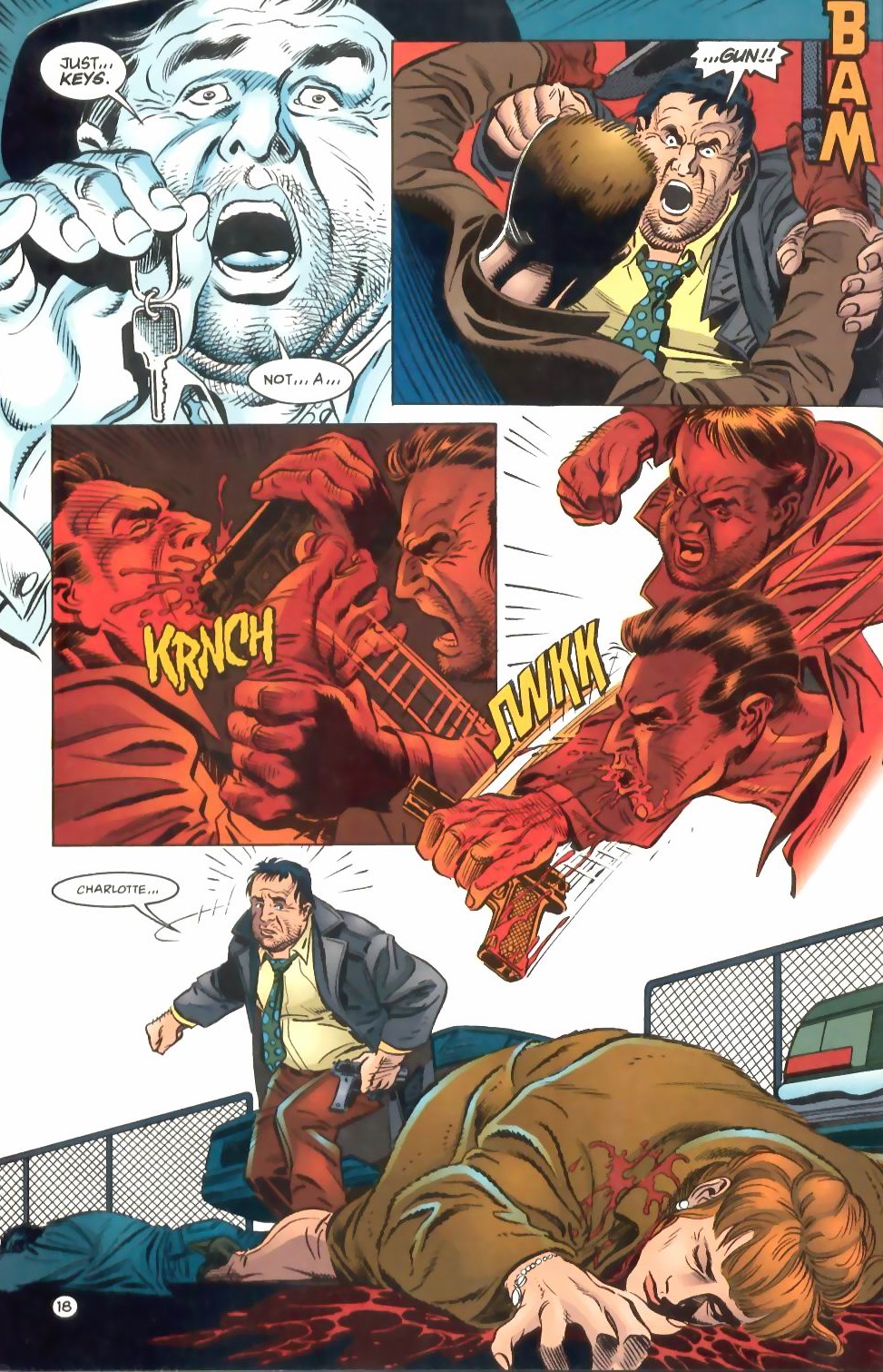
  1. ‘Devil’s Advocate’ (Joker: Devil’s Advocate, cover-dated February 1996), by Chuck Dixon (script), Graham Nolan (pencils), Scott Hanna (inks), Pat Garrahy (colors), John Costanza (letters)

The Joker - Devil's Advocate

‘Devil’s Advocate’ is a serious – albeit very funny – contender for greatest Joker comic of all time (up there with ‘The Laughing Fish,’ ‘The Killing Joke,’ and ‘Mad Love’). In this one-shot about the Clown Prince of Crime finally standing trial and going to jail with a looming death sentence, Chuck Dixon and Graham Nolan bring together much of the cast of their Detective Comics run, from the detective duo of Harvey Bullock and Renée Montoya to the staff and inmates at Blackgate prison (where we get a priceless gag involving a harmonica), plus a handful of cameos. Also from that run, we get a clear narrative with smooth art and pitch-perfect dialogue (Alfred about Bruce: ‘He’s like all great detectives. He possesses a deep-seated loathing for mysteries.’). Dixon has often gone back to the notion that Batman, more than refusing to kill the Joker, is actually willing to repeatedly go out of his way to save his enemy’s life. That becomes a key point in ‘Devil’s Advocate,’ which (as the title suggests) is all about the discomfort of applying higher ideals of justice even to the benefit of someone hateful, i.e. the kind of moral dilemmas and ends-vs-means tension that shapes Batman’s crusade from the start. This is surely not a unique instance of popular fiction provocatively integrating a topic as complex and grim as capital punishment (the brutal Mission: Impossible episode ‘The Execution’ comes to mind), but it’s impressive how the book does it in such a slapstick and ingeniously plotted way. (93 pages)

  1. ‘Perpetual Mourning’ (Batman: Black and White #1, cover-dated June 1996), by Ted McKeever (script, art), John Workman (letters)

batman - black & white #1

It’s only eight pages, but ‘Perpetual Mourning’ takes readers for what is possibly Batman comics’ most powerful and heartbreaking ride. We follow the Dark Knight as he examines a woman’s corpse and puts together clues about her and her murder. This framing device allows Ted McKeever to not only showcase Batman’s skills as the World’s Greatest Detective, but also highlight his solitary dedication to the pursuit of justice for the victims of violent crime (Warren Ellis and Jim Lee would go on to do a neat variation of this device in the short story ‘To Become the Bat’). That said, the main impact comes from McKeever’s introspective prose over the noirish black & white art, plus the beautiful symbolic interludes with the dancing couple. A masterpiece. (8 pages)

  1. ‘Devil’s Trumpet’ (Batman: Black and White #1, cover-dated June 1996), by Archie Goodwin (script), José Muñoz (art), Phil Felix (letters)

devil's trumpetAs if ‘Perpetual Mourning’ wasn’t enough, the same issue of the original Batman: Black & White mini-series featured this awesome story by two giants of the medium. José Muñoz’s expressionistic art is even closer to film noir than Ted McKeever’s. Meanwhile, Archie Goodwin’s script, which focuses on a musician desperate to get his hands on a mythical trumpet, feels like a throwback to his work for Warren’s horror anthologies Creepy and Eerie, except that it culminates with the Dark Knight suddenly showing up like a scary avenging angel. I’m just a sucker for these peripheral narratives in which Batman is not the star but a silhouetted force of nature that shapes Gotham City’s urban legends and the lives of petty criminals who get in over their heads… (8 pages)

  1. ‘Through the Long Night’ (Batman & Robin Adventures #20, cover-dated July 1997), by Ty Templeton (script), Brandon Kruse (pencils), Terry Beatty (inks), Linda Medley (colors), Tim Harkins (letters)

Batman & Robin Adventures 20

I’m also a huge fan of Ty Templeton’s run in the Adventure books, where he penned a wonderful string of unpretentious, action-packed, and often quite funny self-contained tales. His Batman and Robin were a swell, heroic team who hated guns and saved the day by outwitting their adversaries, which is not to say that they didn’t kick plenty of butts along the way. ‘Through the Long Night’ does one of my favorite tricks, which is to imagine how a place like Gotham would actually work – if you think about it, of course the local cops would regularly bet on how many crooks the Dynamic Duo could catch before the end of the night shift (and of course there’d be a street gang called ‘The Vampires’). Moreover, true to character, while the Caped Crusader and the Teen Wonder relentlessly fought one group of criminals after another (plus an angry dog), of course police detective Harvey Bullock would keep trying to improve his odds. Sure, the premise is simple, but the execution makes this a real treat. (22 pages)

  1. ‘Claws’ (Gotham Adventures #4, cover-dated September 1998), by Ty Templeton (script), Rick Burchett (pencils), Terry Beatty (inks), Lee Loughridge, Zylonol (colors), Tim Harkins (letters)

Catwoman: ClawsAnother Templeton-written gem, with even niftier visuals thanks to Rick Burchett’s stylishly angular pencils. Last time I wrote about it, this is what I had to say: ‘Selina [Kyle]’s obsession with cats has spurred quite a few anti-vivisection stories throughout the years. You can argue that escapist superhero comics may not be a suited forum for such a topic (in contrast to, say, Scottish anarcho-punk), but this tale from Gotham Adventures pulls it off, because the story isn’t just preachy, it’s faithful to the character. It’s also a great example of Batman’s and Catwoman’s flirty yet doomed relationship, as their morals keep getting in the way of their romance.’ (22 pages)

  1. ‘The Hill’ (The Hill, cover-dated May 2000), by Christopher Priest (script), Shawn Martinbrough (pencils), John Lowe, Shawn Martinbrough (inks), Ben Dimagmaliw (colors), John Costanza (letters)

Batman PriestAn underappreciated one-shot about Batman facing the limits of his impact (and, by extension, the limits of the superhero archetype he embodies) as well as, more broadly, America’s failure to grasp and respond to the trials of its poorer communities. I’ve written about this one as well: ‘As hard as it is to write Batman stories informed by social realism, Christopher Priest pulls it off with confidence in this crime tale set in the Hill, Gotham City’s ghetto for the disenfranchised African-American community. Basically, the Dark Knight goes after a local kingpin but has to face the fact that people in the Hill are exposed to so much drama and violence in their everyday lives that they hardly give a damn about some white guy in a cape. Artists Shawn Martinbrough and John Lowe help keep the comic tight, with a cinematic flow, although the narrative could have benefited from some decompression – it would have been more powerful and easy to follow if the various characters had been given more room to breathe. Regardless, Priest delivers pre-The Wire dialogue rich with urban slang and deals with the topic of social exclusion in a way that may be superficial but doesn’t come across as insultingly naïve or annoyingly preachy. Even better, he gives us a Bruce Wayne for whom both the Batman disguise and his douchebag playboy persona are means to an end, and who is willing to fully reinvent himself in order to achieve his aims.’ (39 pages)


  1. ‘Deathtrap A-Go-Go!’ (Batman Adventures (v2) #9, cover-dated February 2004), by Gabe Soria (script), Dean Haspiel (art), Zylonol (colors), Nick J. Napolitano (letters)

batman adventures #9

From the blog’s archive: ‘In an abandoned warehouse somewhere in Gotham, the Dynamic Duo, surrounded by monsters and caught in a deathtrap with time ticking away until their supposed demise (or as Batman might as well call it, just another night), discuss the very concept of ‘deathtrap.’ What the comic lacks in plot, it more than makes up for in hilarious gags and one-liners. Less a metafictional satire of a ridiculous trope than a celebration of its imaginative potential, there are enough ideas in these 17 pages to fill in a 2-year run by today’s pacing standards.’ Of particular note is the amazing splash page with the Scarecrow’s boobytrapped House of Horrors, where each division works as a comic panel, so that we can simultaneously see the Caped Crusader wrestle a tentacled creature on the first floor and decapitate a zombie at the ground level. (17 pages)


  1. ‘Dead Robin’ (Gotham Central #33-36, cover-dated September-December 2005), by Ed Brubaker, Greg Rucka (script), Kano (pencils), Stefano Gaudiano (inks), Lee Loughridge (colors), Clem Robins (letters)

Gotham Central #33

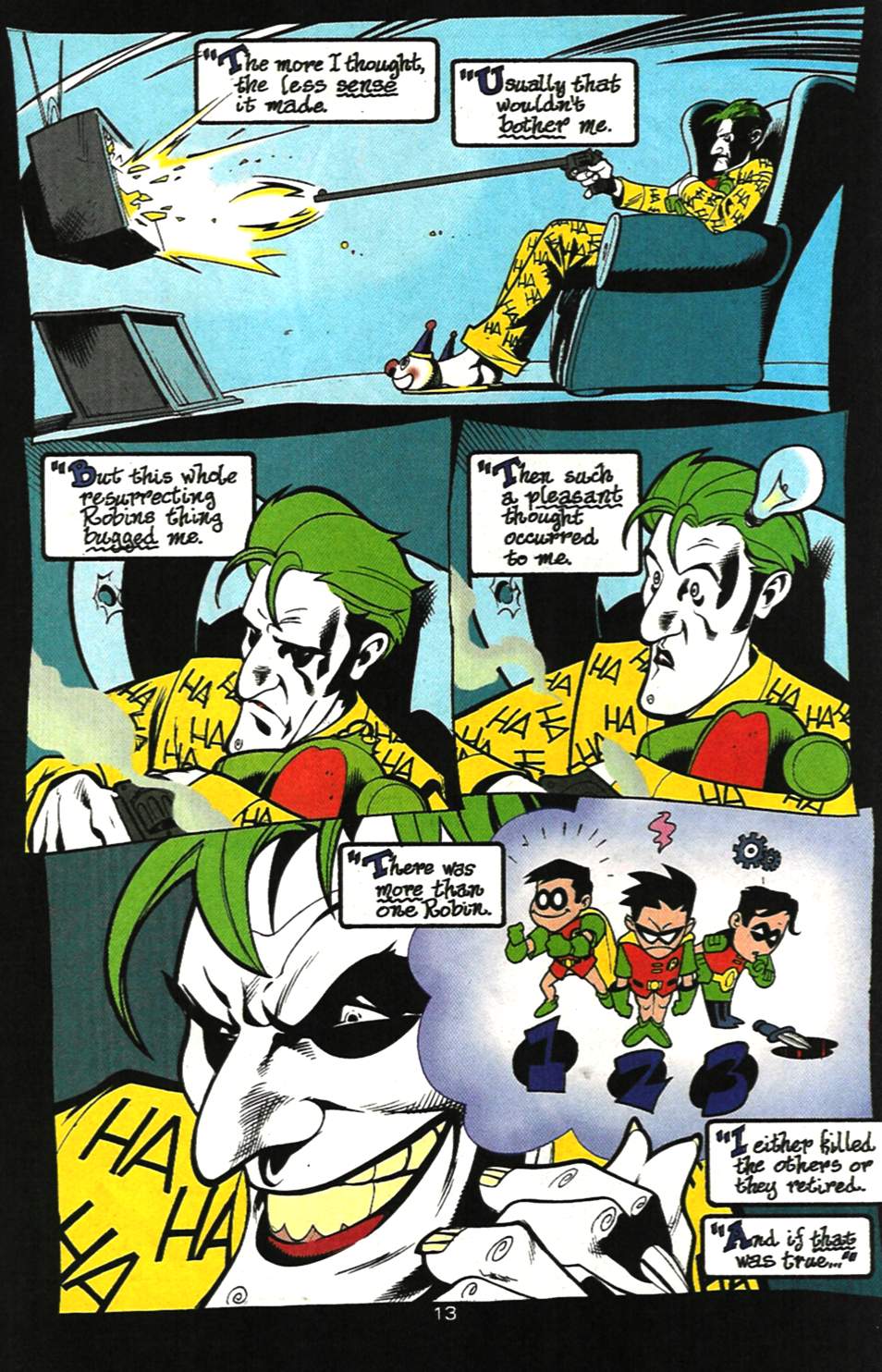
Going back to the realist end of the spectrum, Gotham Central explored Batman’s hometown through the eyes of the Major Crimes Unit. One of the finest police procedurals ever, this comic has it all: nuanced characterization, moody art, and credible, adult storytelling about what it’s like to be a detective in a city where, every time you kick down a door, you may come across a mad killer armed with a freezing ray. Gotham Central’s greatest story arc is arguably ‘Dead Robin,’ a four-parter that kicks off with a corpse who may or may not be the Boy Wonder. Greg Rucka and Ed Brubaker (two of the medium’s most talented crime writers) get a lot of mileage out of the police’s limited perspective – the protagonists aren’t even sure if there is more than one Robin around and they rightfully suspect Batman is conducting his own parallel investigation just beyond their sight (like when they arrive at Arkham, only to find most inmates suffering from recent injuries…). When the Dark Knight does show up, it feels suitably shocking and terrifying. There are callbacks to previous arcs and character development (references to Corrigan’s corruption, Chandler’s grudge against Batman) as well as a subtext about Batman’s trauma over the death of his previous sidekick, Jason Todd, but ‘Dead Robin’ stands well on its own as a rounded mystery full of cool scenes. (88 pages)

  1. ‘Help Wanted’ (Batman: The Brave and the Bold (v2) #10, cover-dated October 2011), by Sholly Fish (script), Rick Burchett (pencils), Dan Davis (inks), Guy Major (colors), Sal Cipriano (letters)

batman brave and bold 10

With its cartoony designs and superhero-heavy team-ups, the 21st century iteration of The Brave and the Bold couldn’t be more distant from Gotham Central – like its precursor, the series thrives on boisterous escapades in which the Caped Crusader faces deliriously fantastic threats with the same practical, straight-faced attitude he deals with Gotham’s street-level crime (the same spirit that informs this year’s weird animated romp Batman Ninja, in which the Dark Knight hardly blinks after being thrown into the middle of mecha battles in feudal Japan). Yet this is not an awkward transition, as this issue also allows us to see Batman through someone else’s perspective, which – as you’ve probably gathered by now – is something that really appeals to me. Besides the Eisneresque gesture of treating the masked hero as a supporting character in the lives of ordinary people, it’s just refreshing to get a closer look at the quirky world around what is usually the main action. Told from the point of view of a professional henchman, ‘Help Wanted’ is a great example of how you can tell this kind of story and still finish on a poignant note about the Caped Crusader himself. Plus, despite the upbeat, all-ages-friendly tone, I cannot help but sense a mild satire about how today’s precarious job market encourages us to pursue increasingly risky, immoral gigs for ruthless employers… (20 pages)


  1. ‘Earthly Delights, Scenes from a Work in Progress’ (Batman and Robin #26, cover-dated October 2011), by David Hine (script), Greg Tocchini, Andrei Bressan (art), Artur Fujita (colors), Pat Brosseau (letters)

Batman And Robin #26

Let’s finish with a reminder of Batman comics’ rich history of blending a supposedly unsophisticated genre with nods to more respected culture and formal experimentation, this one from the prolific Dick-Grayson-as-Batman era. It’s another issue I’ve written about before and I’ll definitely revisit it in the future: ‘The Dynamic Duo gets called in by Nightrunner (AKA the French Dark Knight) when there is a breakout at the Parisian version of Arkham Asylum. What ensues is a surreal battle among an upside-down Louvre and an insane mob whose collective id has been magically unleashed. The twist is that, because it’s France, the villains are all mind-bending and highbrow, their crimes channeling various arts, such as film, architecture, sculpture, painting, performance, and literature. Writer David Hine planned for a longer storyline but ended up getting only one issue, so he crammed all his fascinating ideas into 20 pages of madness. Hine, who is a master craftsman of bizarre, conceptual comics (if you don’t believe me, check out his Bulletproof Coffin), breaks the issue into sub-sections paying homage to specific creators, from René Magritte to Man Ray. The result is fun, challenging, and sometimes mesmerizing. No wonder Hine decided to open the comic with the word ‘Dada.’’ All in all, it’s a dazzling piece of work, with Greg Tocchini’s and Andrei Bressan’s art, Artur Fujita’s colors, and the letters of Pat Brosseau (as Patrick Brosseau) more than living up to Hine’s idiosyncratic script. (20 pages)

Total page number from all these comics: 914. Add to that some of the covers, plus a thought-provoking intro by Mark Waid, and you’d have one hell of a volume!

Posted in BATMAN COMICS FOR BEGINNERS | Tagged , , , , , , , , , , , , , , , , , , , , , , , , , , , , , , , , , , , , , , , , | Leave a comment

My ideal deluxe omnibus volume – part 2

If you read the last post, you know what’s going on. Here are another ten stories that would definitely be included if I had a chance to put together a giant Batman omnibus collecting personal favorites:

  1. ‘The Underworld Olympics ‘76!’ (Batman #272-275, cover-dated February-May 1976), by David V. Reed (script), Jose Luis Garcia-Lopez, Ernie Chua (pencils), Ernie Chua, Frank McLaughlin, Tex Blaisdell (inks), Ben Oda (letters)

BATMAN 272

In this underrated 4-part saga, Gotham hosts the International Crime Olympics, a competition between master criminals from across the world. It’s a goofy premise, albeit one with a precedent – back in 1952, Bill Finger and Dick Sprang did a domestic take on this idea (in ‘The Olympic Games of Crime!’). Here, writer David Vern (as David V. Reed) spins an intricate yarn packed with non-stop fights, traps, and puzzles. In each issue, one of the teams – South American, European, Afro-Asian, North American – has to complete a set of challenges while the World’s Greatest Detective tries to deduct what they’re doing. While it’s not original for a Batman adventure to resemble a game, ‘The Underworld Olympics ‘76!’ goes further than most by playing directly with the notion that anything can be a sport if you treat it that way… Some of the ethnic depictions (drawn by Ernie Chan, as Ernie Chua) may not fit too well with current sensibilities, but there is still a lot about these comics that retains my affection. For one thing, they feature one my favorite characters: Gotham City. The city’s geography and culture play a big role in the story, from the Cleopatra’s Needle obelisk to the Gotham Colonial Minute Men Corps, from the Humphrey Bogart Festival to the hyper-organized underworld. I also enjoy the quirky ways in which Reed brings foreign politics into the comic, including a pre-Brexit British crook whose nationalism gets him in trouble with the other Europeans – especially with the Soviet thief, who is all about team work and internationalism! By contrast, the Dark Knight’s Americanness is emphasized through an amusing panel in which he points a finger at a Rhodesian outlaw (who, unlike his countrymen at the time, doesn’t seem to have anything against the black people in his team) and yells ‘Uncle Batman wants you!’ (72 pages)


12. ‘To Kill a Legend’ (Detective Comics #500, cover-dated March 1981), by Alan Brennert (script), Dick Giordano (art), Adrienne Roy (colors), John Costanza (letters)

to kill a legendI toyed with the idea of putting this one in the list of essential Batman comics. It’s a minor classic, for sure, but I ultimately decided that it isn’t really ‘essential’ because it didn’t leave much of a mark in the long run (in the sense that later authors haven’t built on it). That said, people *should* read it anyway, because it’s such a brilliant tale. In this companion piece to Bill Finger’s expansions of the background of the Waynes’ murder (in ‘The Origin of the Batman!’ and ‘The First Batman’), the Phantom Stranger sends the Dynamic Duo to a parallel Earth where history is about to repeat itself, giving them the opportunity to prevent this version of Bruce’s parents from being killed. ‘To Kill a Legend’ has a nice time with the notion of Batman and Robin in a world where they regain their primordial oddness, since nobody has ever seen anyone like them (‘if we told you the truth – you’d have us committed instantly!’). The concept goes beyond realism, though. Instead of settling for the boring twist of taking our heroes to a world that’s unfamiliar to them but familiar to us, writer Alan Brennert comes up with a world without heroic mythology at all (‘No Robin Hood – no Camelot – no Hercules, Odysseus, Gilgamesh’), one where crooks faint at the sight of the Caped Crusader! This raises the stakes, as Robin realizes that by preventing Batman’s origin they may be depriving the world of its first hero, which creates an interesting moral dilemma. The way the story solves that dilemma is ingenious and touching, leading to one of the most inspiring endings in the franchise. While it’s not a perfect comic (the premise is somewhat undermined by a panel showing that Sherlock Holmes books do exist in this universe), it confirms Alan Brennert’s incredible knack for powerful characterization (seriously, I could’ve gone with any of his other stories for this slot). (19 pages)

  1. ‘Smell of Brimstone, Stench of Death!’ (The Brave and the Bold #200, cover-dated July 1983), by Mike W. Barr (script), Dave Gibbons (art), Gary Martin (inks), Adrienne Roy (colors), Dave Gibbons, Gaspar Saladino (letters)

batman vs batmanAlso taking advantage of DC’s multiverse, Mike W. Barr wrote this super-enjoyable crossover between Batman’s Golden and Bronze Ages. I’ve written about this one before: ‘The first half of the story is set on Earth-2 (where Batman’s earliest adventures took place, in the 1940s and 1950s), pitting the Caped Crusader against a Satan-themed villain called Brimstone. Barr’s writing perfectly captures the tone of a more innocent age, from the playful pun-based clues to Commissioner Gordon’s underwritten role, to the buildings decorated with giant props. Much of the merit goes to artist Dave Gibbons, of course, as well as to Gary Martin, who inked this Earth-2 sequence. Yet what makes the comic awesome is that in the second part of the story Brimstone travels to the current reality (of 1983, when the comic came out), giving Barr the opportunity to tackle the near-apocalyptic feel of that period, in a tale of street gangs, racial riots, and social breakdown. Like the first part, this doesn’t come across as a spoof so much as a straightforward tale written with a different sensibility. Indeed, this section of the issue could have easily belonged to any mainstream comic of the time (including those penned by Barr). By pairing it with the Earth-2 pastiche, though, Mike W. Barr gives us a wonderful viewpoint into the evolution of Batman storytelling. And again Gibbons, who has yet to meet a challenge he cannot match, poignantly illustrates this contrast by delivering some totally ‘80s art.’ (40 pages)


14. ‘…The Player on the Other Side!’ (Batman Special #1, cover-dated April 1984), by Mike. W. Barr (script), Michael Golden (art), Mike DeCarlo (inks), Adrienne Roy (colors), Todd Klein (letters)

the wrathAnother minor classic. Barr revisits elements from ‘There is No Hope in Crime Alley!’’ in order to interrogate what makes Batman who is he and what it would look like if he had directed his determination in the opposite direction. The more I reread it, the more I find small moments and ideas I like (even if Barr misses a good opportunity to fully engage with the pertinent question of Batman’s tolerance for murder committed by cops). Again, I wrote about this one here. This is how I described it: ‘It tells the story of a kid who saw his parents killed by the police on the same day that Bruce’s parents were gunned down by Joe Chill and grew up to be an avenging cop-killer known as The Wrath – the symmetrical opposite to Batman. A similar idea has since been used on other villains (including Bane and Prometheus, not to mention a recent reboot of the Wrath himself), but Barr really takes the doppelgänger notion in interesting directions. And so do artists Michael Golden and Mike DeCarlo, who pull off a costume based around the ‘W’ in Wrath that smoothly parallels Batman’s cowl. Drawing on the homonymous works by Aldous Huxley, Manfred B. Lee, and Frederic Dannay (the latter two best known as Ellery Queen), ‘The Player on the Other Side!’ uses the mirror concept to explore what ultimately defines Batman. Notably, the comic illustrates the importance of the supporting cast (Gordon, Alfred, Leslie) in how the Dark Knight eventually turned out.’ (40 pages)

  1. ‘The Dark Rider/At the Heart of Stone’ (Batman #393-394, cover-dated March-April 1986), Doug Moench (script), Paul Gulacy (art), Adrienne Roy (colors), John Costanza (letters)

heart of stoneThe most Cold War-shaped entry on the list. At a time when film producers desperately struggled to convert the James Bond series into conventional 80s’ action movies (in the passable Never Say Never Again and in the awful License to Kill), Batman starred in a Bond-style two-parter that’s truly worthy of its era’s brand of heart-racing, badass thrillers. It was still done during the golden years of Doug Moench and Paul Gulacy, when the former filled his scripts with subtle subtext and unsubtle wordplay (complaining that they are sitting and waiting while the Dynamic Duo takes care of things, Bullock tells Gordon: ‘I’d offer one of my stogies, Commish, but all’s I got are used butts.’) and the latter’s art hadn’t devolved into mostly rubber-looking cheesecake (Adrienne Roy’s muted colors and the fact that Gulacy inked himself certainly help). I love these comics so much than I will write more about them soon. Meanwhile, this is what I highlighted the first time I brought them up in the blog: ‘As far as I’m concerned, the best use of the Soviet-agent-gone-rogue trope takes place in Batman #393-394, one of the greatest Batman stories of the ‘80s (which is saying something). On the face of it, it’s just more of the same: a renegade KGB operative out of Bulgaria, called the Dark Rider, wants to carry out a terrorist attack against the US, so Batman partners up with a Russian spy, Katia, in order to stop him and prevent war between their nations. This tale fits into the tradition of grand espionage adventures, with the Caped Crusader chasing a plutonium-filled MacGuffin (the pre-revolutionary statue of a Cossack horseman, which comes to represent the Dark Rider himself) through Venice, Bonn, Moscow, and Switzerland, all brought to life by Paul Gulacy’s breathtakingly cinematographic art. The whole thing is packed with neat, little touches… When sieging the Dark Rider in the story’s climax, Katia says ‘We split up here – I’ll go around the back.’ and Robin points out that’s usually the Batman’s line, to which she replies ‘It will take more than a “line” to save this night.’ However, in the end the Dynamic Duo save everyone precisely by wrapping an actual line around the Dark Rider’s feet!’ (46 pages)

  1. ‘Fever/Fever Break!’ (Detective Comics #583-584, cover-dated February-March 1984), by Alan Grant, John Wagner (script), Norm Breyfogle (pencils), Kim DeMulder, Steve Mitchell (inks), Adrienne Roy (colors), Todd Klein (letters)

Detective Comics 584

The first story-arc by the awesome duo of Norm Breyfogle and Alan Grant (at this stage still co-writing with John Wagner) hits the ground running, encapsulating the mix of overblown fury, violence, and macabre comedy that characterizes much of their subsequent collaborations. They approach Batman comics as exploitation fiction: the opening pages deliver a pure slice of 1980s’ grit, even before zooming in on a couple of drugged up kids attacking a cat and setting an old man on fire. This sets up a nasty tale about the Dark Knight going after the dealers behind a new designer drug called ‘fever,’ only to end up facing a psycho ventriloquist and his gangster puppet, Scarface (who kind of anticipates Joe Pesci’s terrifying performance in Goodfellas). Along the way, Breyfogle gets to show off by drawing brutal murders, ultra-dynamic action scenes, a trippy climax, and a twisted punchline. Besides his art, what makes this work for me is the overall contrast between downbeat realism, sensationalist hysteria (everyone is on edge in these comics!), and a gleeful flair for the grotesque. Once again, Gotham City comes across as genuinely idiosyncratic – if you think there’s something wrong with our society, just multiply it by a thousand… This helps contextualize Batman as more than a lunatic vigilante tackling recognizable social issues: it shows that Gotham has weird-ass crime and, therefore, a weird-ass crimefighter. (44 pages)

  1. ‘The Eye of the Beholder’ (Batman Annual #14, cover-dated 1990), by Andrew Helfer (script), Chris Sprouse (pencils), Steve Mitchell (inks), Adrienne Roy (colors), John Costanza (letters)

Eye of the BeholdersSpeaking of grim stories, this deliberately paced reimagining of Two-Face’s origin is not afraid to go into some seriously dark places, including a subplot about child abuse. It’s true – I also like it when Batman comics play it straight every once in a while, especially when they do such a damn fine job of it. Part crime yarn, part psychological drama, ‘The Eye of the Beholder’ is full of strong character moments from the early days of the Dark Knight’s career, like when our hero and then-Captain Jim Gordon discuss the possibility of murdering a serial killer while still trying to figure out how this whole vigilante thing should work. A tale of desperate men in a cruel world, this is a worthy follow-up to the acclaimed Batman: Year One, from which it borrows a mature, hardboiled style. I wouldn’t be surprised if it partly inspired Christopher Nolan’s The Dark Knight. In fact, I honestly can’t understand why it doesn’t show up in fans’ lists more often. It’s that good.  (55 pages)


  1. ‘The Hungry Grass!’ (Detective Comics #629, cover-dated May 1991), by Peter Milligan (script), Jim Aparo (pencils), Steve Leialoha (inks), Adrienne Roy (colors), John Costanza (letters)

detective comics 629

An eerie tale about being literally haunted by the past. The starting point is a tragic villain called Hungry, who uses a magical grass to wreck chaos upon Gotham City, making petty, senseless demands – for example, everyone has to wear a red hat and wash the sidewalk with toothbrushes. From there, the story keeps getting stranger and more convoluted (and, for once, it doesn’t disregard the effects of police brutally). Because the script is by Peter Milligan, it finishes with a touch of existential malaise. As is typical of his collaborations with Jim Aparo, though, ‘The Hungry Grass!’ is not just thoughtful, but also highly entertaining – their partnership exceled at a bizarre type of horror, punctuated with offbeat humor (‘Why can’t he demand money or something that makes sense? This is seriously unamerican, Batman…’), in some ways reminiscent of David Lynch (whose career arc is the subject of a conversation within the comic, at one point). (22 pages)

  1. ‘Inquiring Minds/Let the Puzzlement Fit the Crime/Malled’ (Detective Comics #647-649, cover-dated August-September 1992), by Chuck Dixon (script), Tom Lyle (pencils), Scott Hanna (inks), Adrienne Roy (colors), John Costanza (letters)

Detective Comics #648

In this witty story arc, the Z-list villain Cluemaster, fresh out of prison, returns to a life of crime and wisely decides to stop sending clues to the police about his future capers (‘You see, I would use my puzzlements as a way of compensating for a lack of self-esteem. I wanted to show my intellectual superiority. But thanks to the wonders of modern psychiatry, all I want now is to be rich.’), yet someone else starts sending clues for him. Pick any issue from Chuck Dixon’s first year in Detective Comics and you are bound to strike gold. His characters behaved as if they were in a smart, mostly grounded crime series, even if some of them wore spandex costumes. The plots typically involved exciting heists, further fleshing out Gotham’s landmarks and city life in the process – in the same way that New York itself became a character in heist movies like the original The Taking of Pelham 123, Dog Day Afternoon, or Inside Man. This three-parter has many of Dixon’s trademarks, including a healthy dose of Gotham politics (it’s set against an upcoming mayoral election, with Commissioner Gordon being used as pawn) and a smooth way of revealing the answers to each clue (a trick Dixon continued to develop in later stories about the Riddler). As a bonus, this also marks the debut of Spoiler, another one of my favorite members of Batman’s supporting cast. (66 pages)

  1. ‘The Last Riddler Story’ (The Batman Adventures #10, cover-dated July 1993), by Kelley Puckett (script), Mike Parobeck (pencils), Rick Burchett (inks), Rick Taylor (colors), Tim Harkins (letters)

batman adventures #10

An all-around fun comic, with a cool geeky subtext. I also wrote about this one before: ‘In this laugh-out-loud issue, writer Kelley Puckett and penciller Mike Parobeck (vigorously inked by Rick Burchett) pit the Dark Knight against no less than four hilariously dysfunctional villains. There is Mastermind, whose planning is so meticulous that he even brings his own handcuffs just in case he gets caught, Mr. Nice, who is such a swell guy that he is guilt-tripped into sharing his loot with the people he is robbing, the Perfesser, who is more interested in lecturing pedantically to his accomplice than in completing the actual crimes, and the Riddler himself, for whom actually getting away scot-free is much less important than coming up with a riddle Batman cannot solve. Besides the over-the-top comedy, chock-full of one-liners and sight gags, the issue deserves credit for telling a great Riddler story, one that has a lot of fun with this villain’s eccentric personality. Moreover – as a bonus for comic book geeks – there is a neat metafictional angle, as each of the remaining foes is based on a senior DC editor, namely Mike Carlin, Denny O’Neil, and Archie Goodwin.’ (22 pages)

Posted in BATMAN COMICS FOR BEGINNERS | Tagged , , , , , , , , , , , , , , , , , , , , , , , , , , , , , , , , , , , , , , | Leave a comment