Top 5 stories of The Spirit, without Will Eisner

Let’s face it, what made Will Eisner’s The Spirit so awesome wasn’t its regular cast or profound themes, but the way in which Eisner kept coming up with innovative narrative techniques, exploring the potential of sequential art. This is why it’s kind of pointless to keep reviving the franchise, especially since even talented writers like Darwyn Cooke, Mark Waid, and Brian Azzarello have failed to do anything exciting with it. Notably, Frank Miller’s infamous movie version featured several recognizable characters while completely missing the tone of the comic (you can get a much a better sense of what Eisner was going for by watching an actual film noir from the period).

That said, among the countless attempts to exploit The Spirit’s brand recognition, there have been a few cool additions to the cannon. Here are my top 5 post-Eisner stories:

5. Fabian Skimp

Spirit - Fabian SkimpThe Spirit: January 6, 1952

From the time when Eisner was still signing the comics but had already handed over the scripting and art duties, this is a nasty little tale by Jules Feiffer and Manny Stallman. It’s set in the world of newspapers, in the tradition of fine film noirs like Ace in the Hole, Scandal Sheet, and Deadline U.S.A.

4. Crime and Punishment

The Spirit #10The Spirit (v3) #17

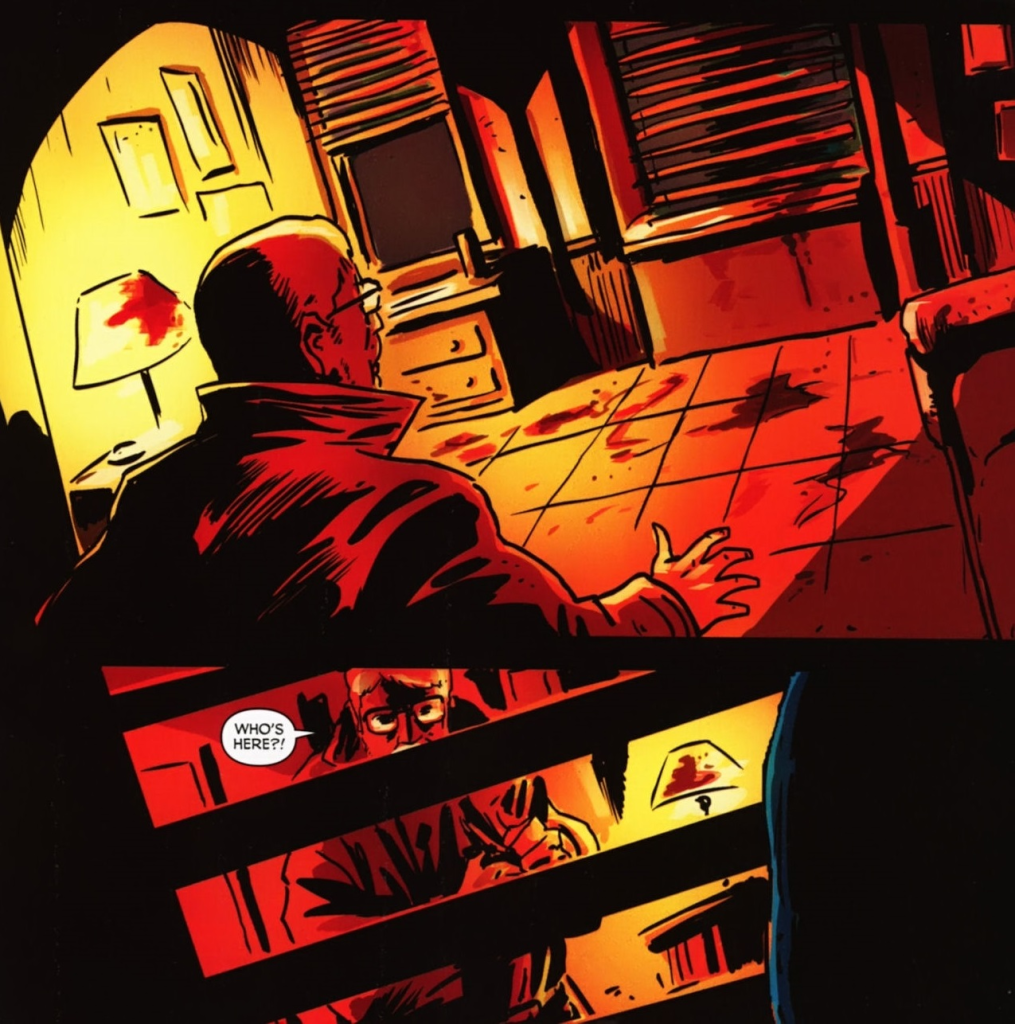
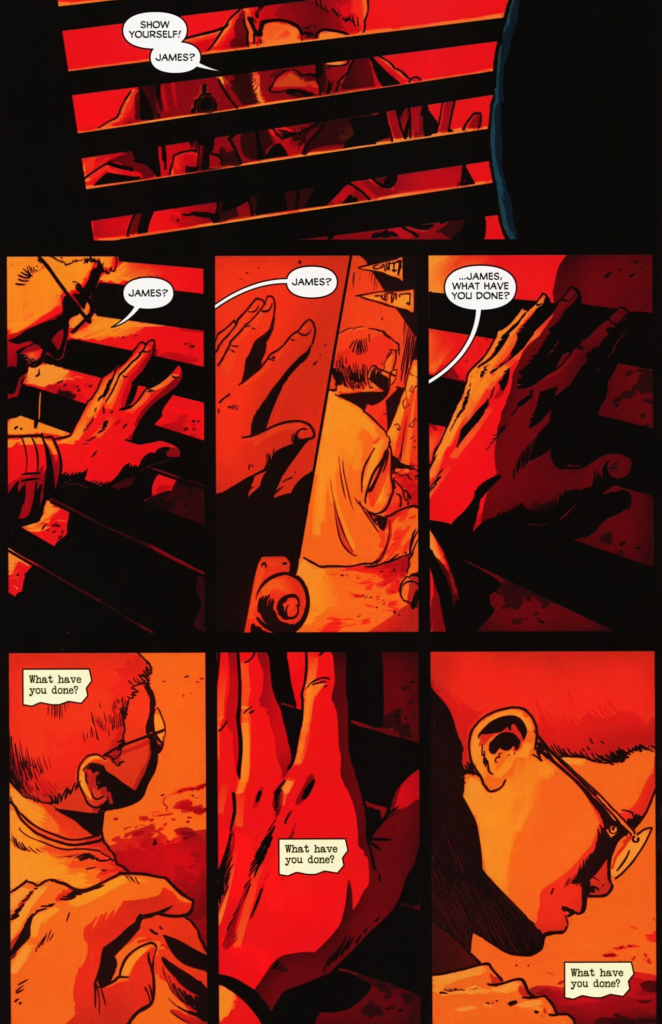
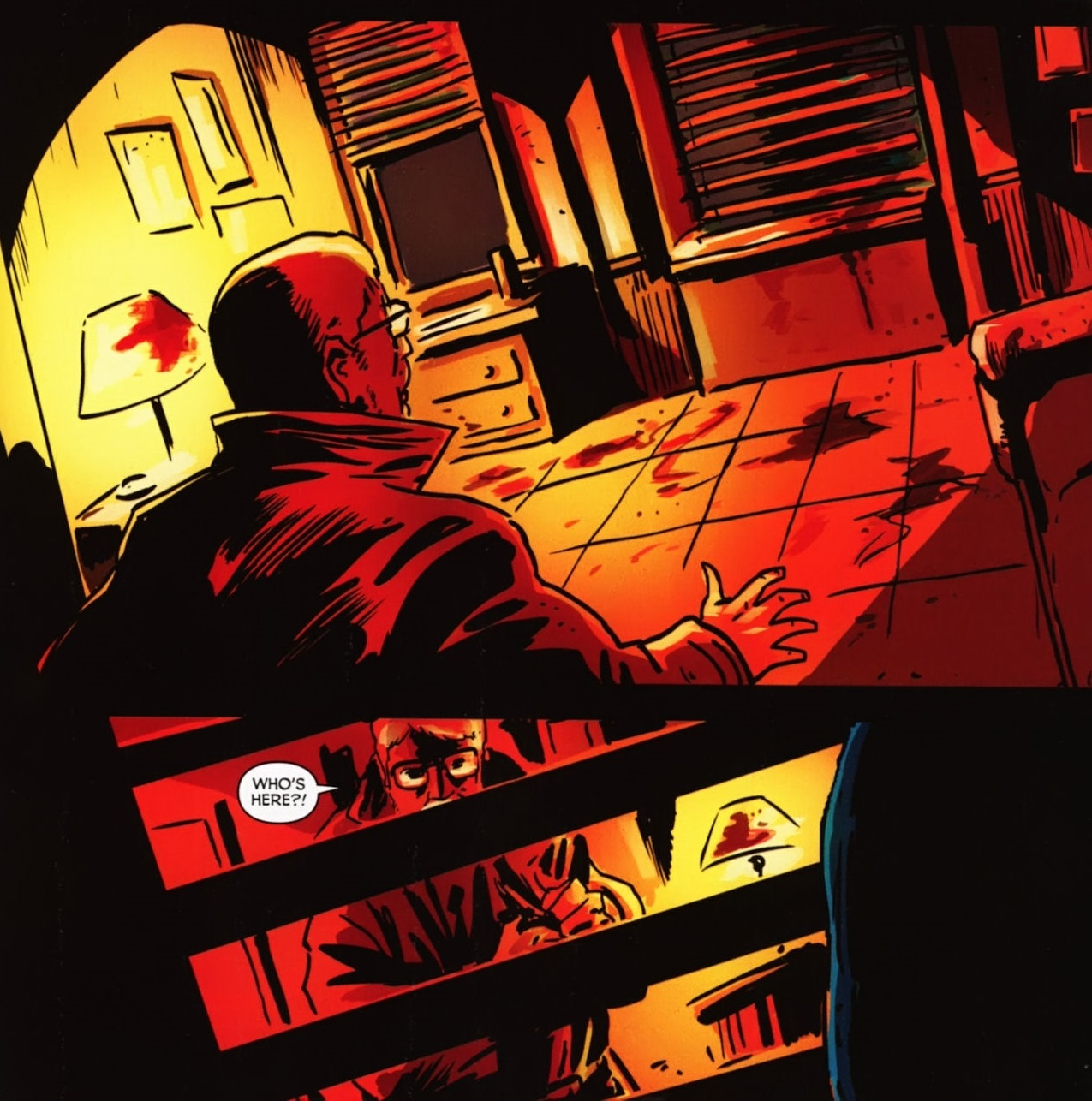
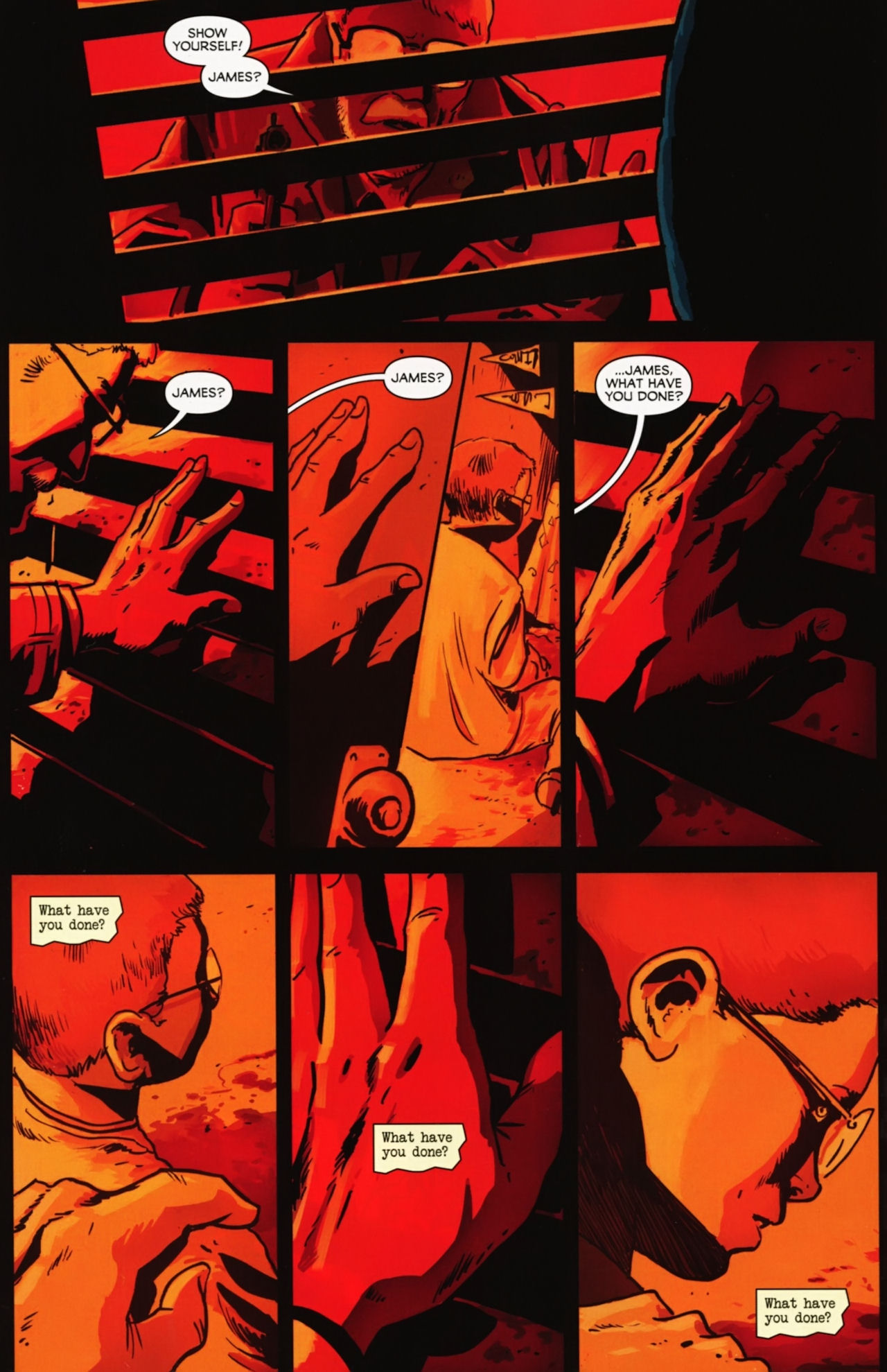
Although not wholly successful, DC’s attempt to reboot The Spirit in 2010 was at least kind of interesting, putting a spin on several concepts from the original series (Commissioner Dolan as a corrupt cop, the Spirit’s kid sidekick Ebony White as a young woman, the Octopus as a supernatural crime lord). You could read it either as an amusing Elseworlds take on the material or just as a somewhat surreal crime series in its own right (much like the Gotham TV show, if it wasn’t for the terrible directing and dialogue).

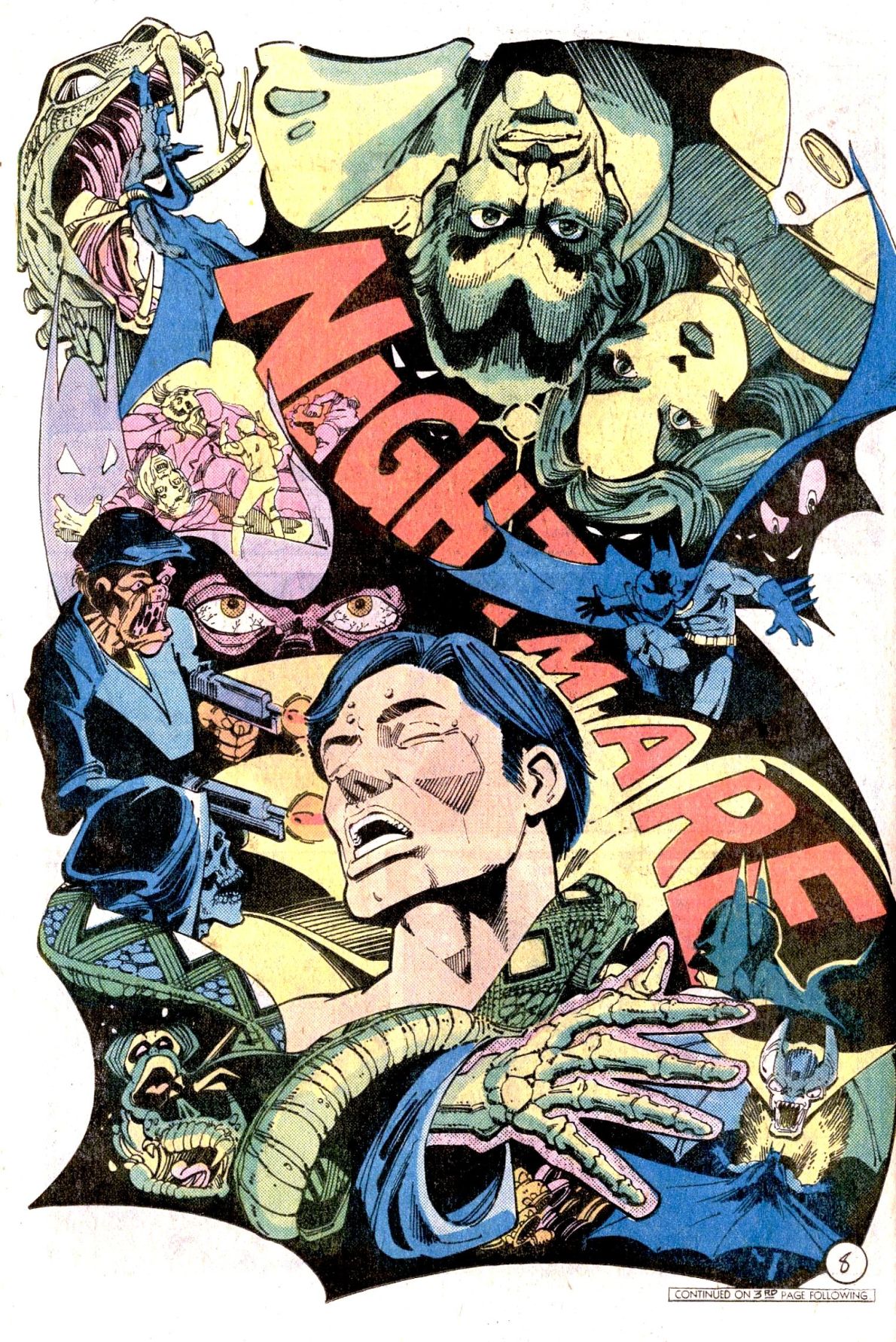
While reimagining the city and characters, writer David Hine nevertheless included a number of homages to Will Eisner’s work, most notably in the penultimate issue, made up entirely of splash pages that integrated the words ‘The Spirit’ into the picture (just like Eisner used to do at the beginning of each instalment). My favorite, though, is ‘Crime and Punishment,’ Hine’s take on those classic stories told from the point of view of paranoid criminals who start obsessively seeing the Spirit everywhere.

3. Art Walk

the spirit #17The Spirit (v3) #17

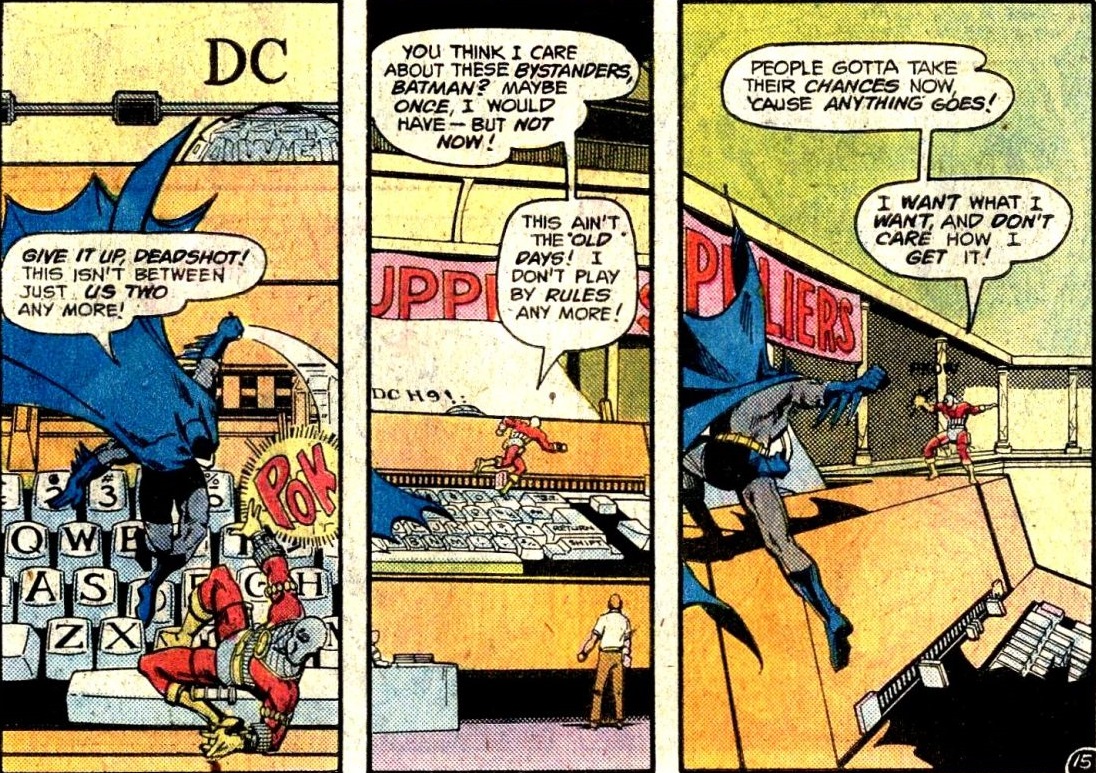
By contrast, Will Pfeifer and P. Craig Russell capture the feel of the original’s more lighthearted escapades in ‘Art Walk,’ an extended chase and fight scene through a gallery that generates all sorts of amusing visual puns related to Art History. Besides being clever and fun, this comic also recalls Will Eisner’s occasional metafictional incursions back in the day.

2. Cursed Beauty

spirit new adventures 05The Spirit: The New Adventures #5

Taking a different approach, Paul Chadwick grimly recreates the original era with revisionist self-awareness. On the surface, ‘Cursed Beauty’ reads like a bare-knuckle, hardboiled yarn that could have just as easily starred Philip Marlowe. But the point is in the contrast, as the issue delivers a more mature, realistic depiction of the 1940s, for example by stripping the black character Ebony White of his minstrel speech patterns and looks while highlighting the period’s problematic race relations.

1. Last Night I Dreamed of Dr. CobraSpirit - New Adventures 3

The Spirit: The New Adventures #3

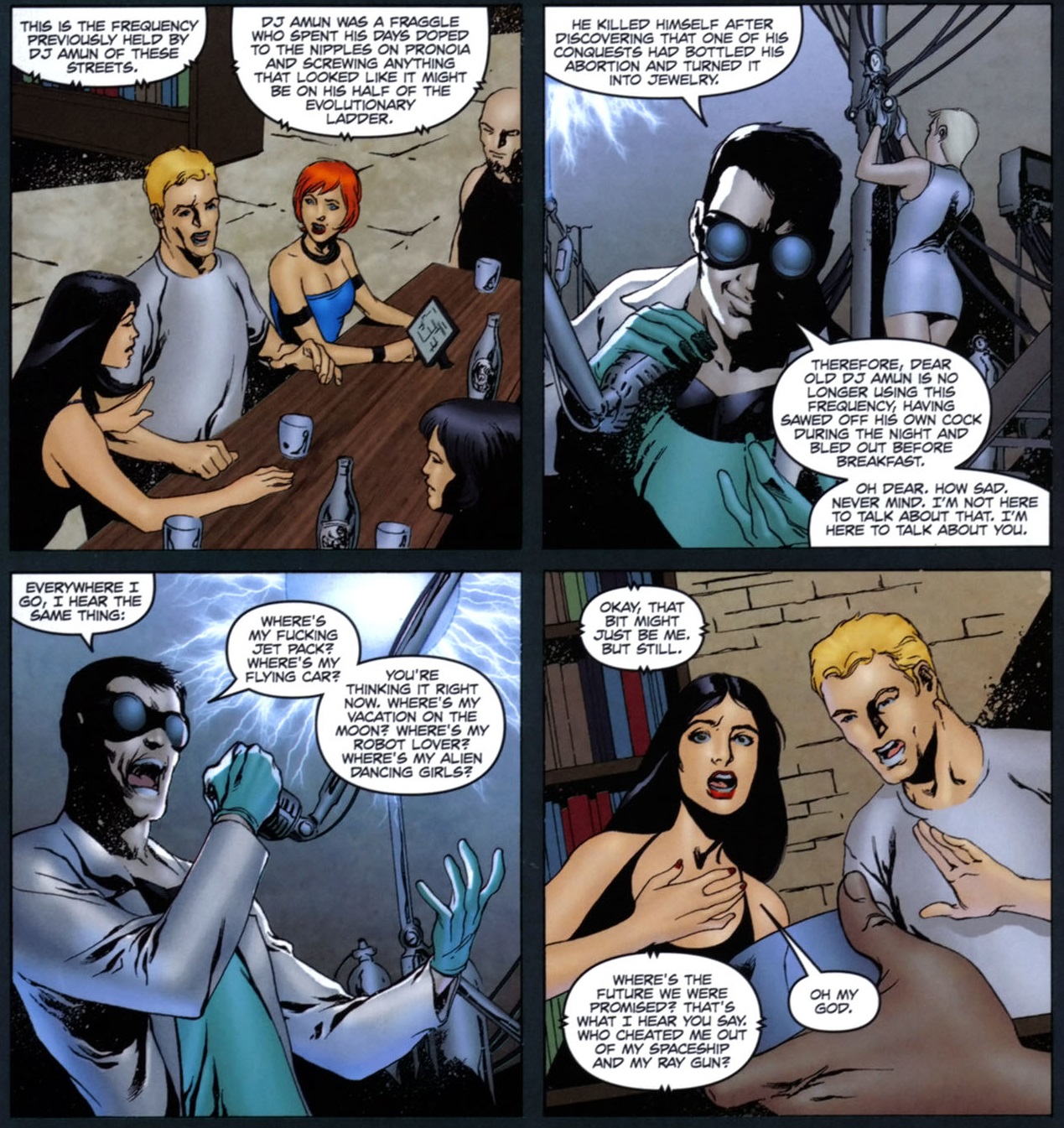
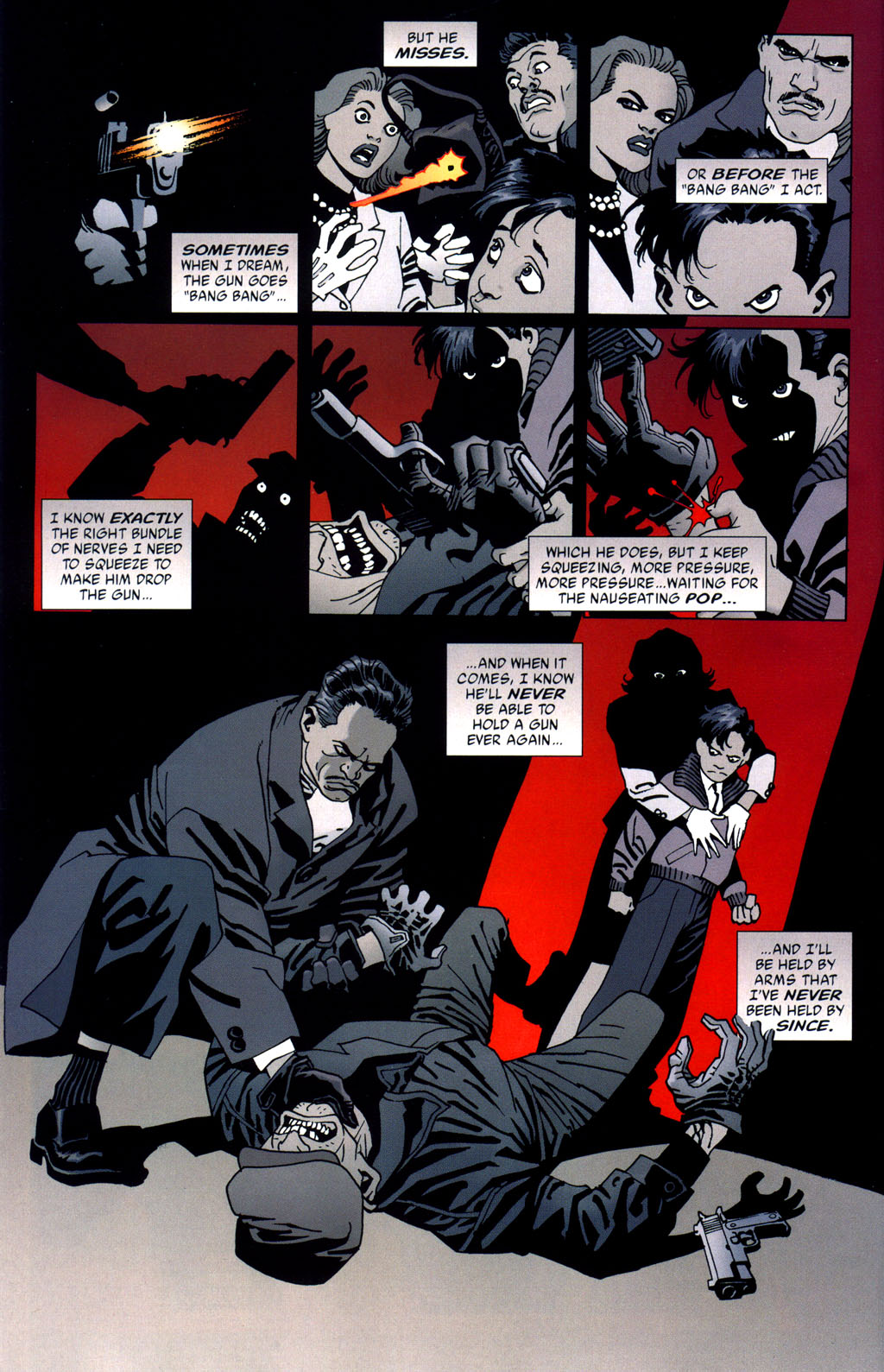
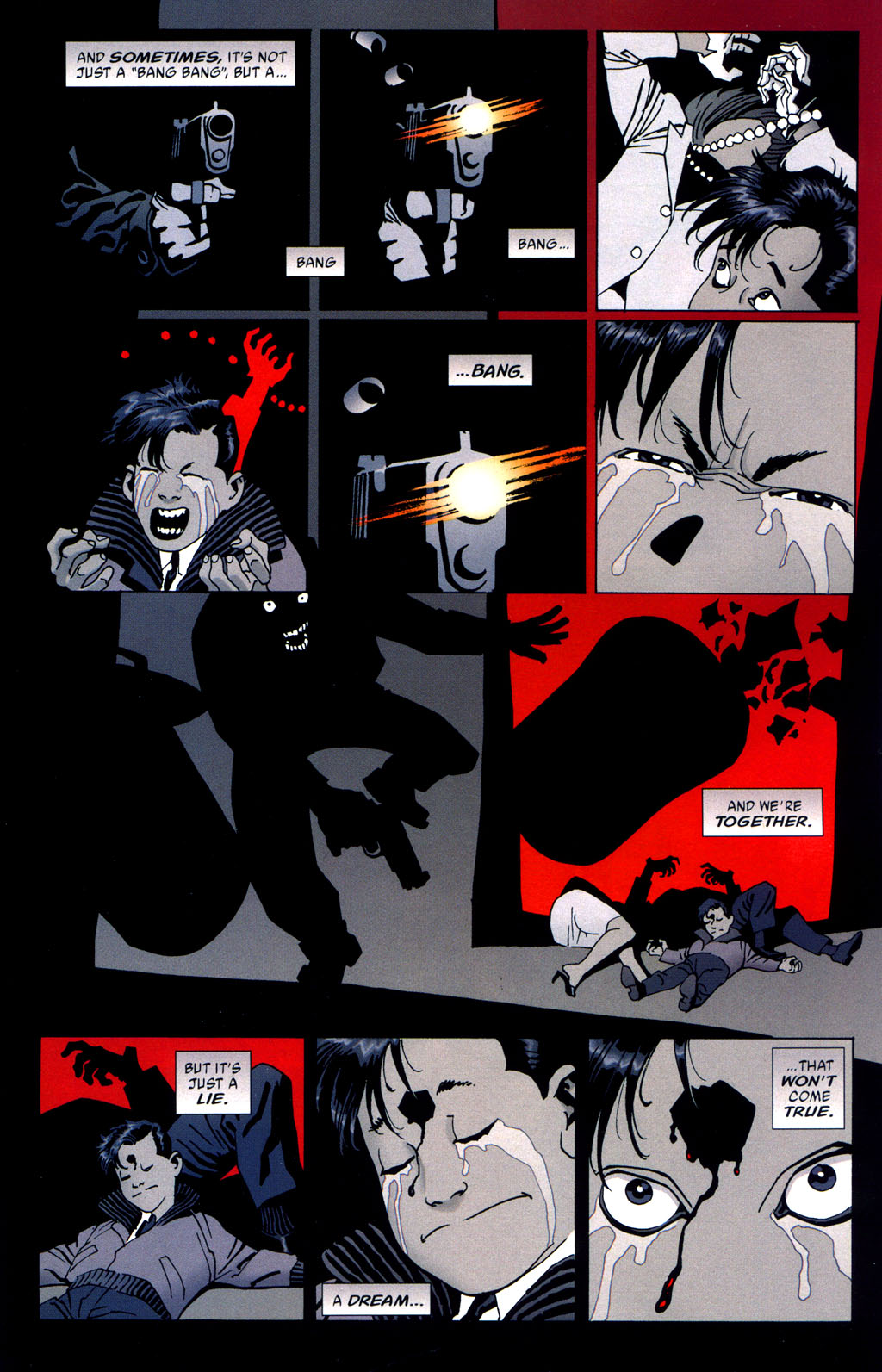
In Alan Moore’s version of events, the liquid that left Denny Colt in suspended animation in the origin story also granted him immortality (which would explain how he survives getting brutally beaten up and shot at all the time). ‘Last Night I Dreamed of Dr. Cobra’ then takes place in the distant future, where the Spirit has become the stuff of legend, and a guided tour through Central City manages to both misremember his adventures and inadvertently expose much of their symbolic subtext. Moore, who has always worn Eisner’s influence on his sleeve, delivers a charming and powerful tribute (certainly more heartfelt than any of Moore’s Batman comics), brought to life in wonderful detail by Daniel Torres.

Finally, here are some nice, if hardly essential, honorable mentions:

Spirit - New Adventures 2 spirit new adventures 07 Spirit #13

Spirit #19 the spirit #5 spirit 14

The Spirit: The New Adventures #2, 7; The Spirit (v2) #13, 19; The Spirit (v3) #5, 14

NEXT: Batman talks dirty.

Posted in HARDBOILED CRIME | Tagged , , , , , , , , , , , , | Leave a comment

Top 20 stories of The Spirit, by Will Eisner

the spirit 025 (1986 kitchen sink)

To celebrate Will Eisner week, today Gotham Calling pays homage to The Spirit, Eisner’s crime series from the 1940/50s whose legacy has been echoing around Batman comics ever since. Cue moody saxophone.

The thing about The Spirit is that the titular vigilante was merely a MacGuffin tying disparate tales together, as Eisner and his collaborators fired in various directions, constantly experimenting with the format and trying out different styles. Inevitably, this made the series quite uneven. The early instalments were unabashedly pulpy (the Spirit even had a flying car!) and included plenty of WTF ideas (like in ‘The Tale of the Dictator’s Reform,’ where Hitler comes to America and has a heart to heart with the Spirit). The post-World War II comics are the best, often capturing the tone and visuals of the film noir Zeitgeist. However, many of those stories have not aged well at all, as they can be unbelievably misogynous and politically incorrect by today’s standards, or rely heavily on dated references (for example ‘The Lost Fortnight,’ which is a close spoof of Billy Wilder’s alcoholism drama The Lost Weekend).

On the one hand, this provides a fascinating glimpse into the time period of these comics without the filter of hindsight of Eisner’s later historical works (such as the autobiographical To the Heart of the Storm, the moving fable-like The Building, and the phenomenal series of graphic novels set on Dropsie Avenue, beginning with A Contract with God). On the other hand, I realize not everyone is as much of a history geek as I am.

Still, there are loads of timeless, brilliant tales to satisfy discerning readers. Here are my top 20:

20. Black Alley

spirit - Black Alley

19. Perfect Crime

spirit - perfect crime

18. Crime

Spirit - Crime17. Fox at Bay

spirit - fox at bay16. Escape

spirit - escape15. The Christmas Spirit of 1941: A Trilogy

spirit - christmas spirit 194114. Death, Taxes and… the Spirit

Spirit - Death, Taxes and... the Spirit

13. The Bucket of Blood

Spirit - Bucket of Blood12. Killer McNobby

spirit - Killer McNobby 11. Sound

Spirit - Sound

10. Meet P’Gell

spirit - Meet P’Gell9. Visitor

Spirit - Visitor8. The Barber (aka The Haircut)

spirit - the barber7. The Last Trolley

spirit - the last trolley6. Showdown (aka Showdown with the Octopus)

spirit - showdown5. The Story of Rat-Tat the Toy Machine Gun

spirit - Rat-Tat

4. The Story of Gerhard Shnobble

spirit-The Story of Gerhard Shnobble3. Foul Play

spirit - foul play2. The Killer

spirit - the killer1. Ten Minutes

spirit- ten minutes

NEXT: The Spirit without Will Eisner.

Posted in HARDBOILED CRIME | Tagged , , , | Leave a comment

Gotham’s hyper-organized crime

The thing about Gotham City is that it doesn’t just have organized crime, it has hyper-organized crime.

It’s like there’s a whole parallel system operating within the city. To be sure, the gangland bosses keep changing, and each one is more unbalanced than the last, whether it’s the Squid, Dr. Fang, or Black Mask. But there is a whole structure in place that seems to function regardless of who’s calling the shots. So if you’re looking for a gig, you can use the crime exchange…

Detective Comics 452Detective Comics 452

…or just get a copy of the Joker’s newspaper:

detective comics 193Detective Comics #193

In your downtime, if you just wish to have a drink with your peeps, there may even be a place specifically for you. For example, hired killers can go to Noonan’s bar, in the Cauldron (Gotham’s lower-class Irish district). Noonan’s is where all the professional assassins hang out, although they also welcome disgraced alcoholic superheroes and honest-to-God demons…

Hitman 21Hitman 21Hitman 21Hitman #21

While not exactly Cheers, Noonan’s is the kind of bar where everybody knows your name… and if they don’t, then you’ve wandered into the wrong place and probably won’t come out alive!

There are plenty of neat comics starring hitmen, from Grant Morrison’s sadly unfinished The Checkmate Man (about a time-travelling assassin who kills Karl Marx on the very first page) to Pat Mills’ cult-worthy Accident Man (who shares a premise with the movie Accident), but Garth Ennis’ and John McCrea’s Hitman really takes the prize. One of the best aspects of the series is precisely the authors’ ability to carve out an atmosphere of relaxed comradeship between adventures, as hitman Tommy Monaghan and his buddies sip their beers at Noonan’s while bitching about the changes to Superman’s costume (‘I mean what next, are we gonna change the flag?’)… and I’m sure every night finishes with Dropkick Murphys on the jukebox!

These character moments are as much fun as the main story, especially once the former King of Hell gets hired as a member of staff:

Hitman 29Hitman #29

Of course Noonan’s is just one of several clubs and bars across Gotham with a criminally-minded clientele. From the sleazy McSurley’s to the fancy Iceberg Lounge (run by the Penguin), anyone who could belong to a Scorsese movie will find a spot, whether they look like the cast of Mean Streets, Goodfellas, Casino, or even The Wolf of Wall Street.

In fact, I doubt there is one honest bar in the whole city…

batman 369Batman #369

Speaking of recreation, if the shit hits the fan and you suddenly need to go into hiding, you can still have some fun under the beatnik cafes of Gotham Village:

Detective Comics #327Detective Comics #327

Or you can skip town with the help of a specialized travel agency:

Detective Comics #327Detective Comics #327

To be fair, working conditions aren’t always the best, especially for henchmen. But at least unemployment is low. Also, you can easily get professional help regarding clothes, property, and health care.

And you don’t have to worry about your kids’ education, since you can actually send them to crime school:

Batman #409Batman #409Batman #409

As if all this wasn’t enough, a while ago Killer Moth tried to provide extra insurance in the form of a hilariously inept protection racket. The idea was that, whenever criminals found themselves in trouble, they could switch on a moth-lantern, project a moth-signal into the sky, and Killer Moth would come to their rescue… you guessed it, in his mothmobile!

How organized is Gotham’s underground? Years ago the city even hosted the first International Crime Olympics! Literally:

BATMAN 272Batman #272

By the way, the whole Underworld Olympics saga (Batman#272-275) is awesome. Not only do we get to watch the European team squabble over the British player’s lack of concern for the European Common Thieves Market, we also see Batman use his knowledge of cool Humphrey Bogart films to nail the team from the Afro-Asian Bloc!

Ultimately, between the job support and the spirit of community, Gotham is just a great place to be a criminal… Well, except of course for the fact that the city is crawling with crime-fighting heroes:

Batman The Brave And The Bold 17Batman The Brave And The Bold 17Batman: The Brave and the Bold #17

NEXT: Will Eisner Week.

Posted in GOTHAM CITIZENS | Tagged , , , , | Leave a comment

Cool Catwoman stories

Catwoman When In Rome

From straight-up baddie to crimefighting partner, (anti-)heroine, love interest, sex object, feminist role model, femme fatale, damsel in distress, dominatrix, thief, spy, killer, prostitute, mother, you name it – Catwoman has been around almost as long as Batman and, more than anybody else in this corner of the DC Universe, she’s done it all!

Over the last 75 years, Selina Kyle has kicked butt in all kinds of stories, often coming across as part of both the problem and possible solution for the persisting sexism in the comics industry. With such a vast portfolio, readers may find it even more challenging to look for a solid, self-contained Catwoman tale than to look for satisfying standalone Batman comics. So here are a handful of tips for those searching for their favorite version of Catwoman:

‘Claws of the Catwoman’ (Batman #42)

Batman 042

If you like the idea of Catwoman as a zany cat-themed villainess, this is the comic for you. After literally using the spelling of the word ‘CAT’ to break out of jail, Selina Kyle goes on a crime spree based on famous felines of fiction, such as Puss in Boots and the Cheshire Cat. Why? Who cares – the point is that we get to see the Dynamic Duo ride in a rodeo and swing in a hip night club, among other amusing shenanigans…

Written by the prolific Batman co-creator Bill Finger, this is a rare tale penciled by Charles Paris (who usually inked other people’s pencils), which means that the art is as charming as the kooky plot!

‘Object Relations’ (Catwoman (v2) #54)

Catwoman 054

By the 1990s, Catwoman was more of a straightforward cat burglar than a campy crook. She still robbed cat-related objects in many of her heists, but she no longer felt the need to leave deliberate clues about the next target or to set up overelaborate deathtraps for the Caped Crusader. Which is not to say that this iteration of Catwoman was not playful and twisted in her own way, as seen in ‘Object Relations’ where, not content with stealing a precious diamond from a museum, Selina proceeds to screw with the heads of the museum staff, with very funny results.

This run remains my favorite work from writer Devin K. Grayson and ‘Object Relations’ is definitely one of its highlights (closely followed by ‘Shared Mentality’ in the next issue).

‘Claws’ (Gotham Adventures #4)

Gotham Adventures 04

Selina’s obsession with cats has spurred quite a few anti-vivisection stories throughout the years. You can argue that escapist superhero comics may not be a suited forum for such a topic (in contrast to, say, Scottish anarcho-punk), but this tale from Gotham Adventures pulls it off, because the story isn’t just preachy, it’s faithful to the character. It’s also a great example of Batman’s and Catwoman’s flirty yet doomed relationship, as their morals keep getting in the way of their romance.

The team of Ty Templeton, Rick Burchett, and Terry Beatty consistently killed on this series, cramming each issue with neat little touches and moments while sustaining a breakneck pace.

‘Trickle Down Theory’ (Catwoman (v3) #5)

Catwoman 05

In 2001, Ed Brubaker reinvented Selina Kyle as the protector of the poor, crime-ridden East End of Gotham City, occasionally teaming up with hardboiled private detective Slam Bradley. Catwoman became a gritty-as-hell series with stories such as ‘Trickle Down Theory,’ where Selina goes up against a dealer who is using local kids as drug mules.

Brubaker, author of Criminal and more recently The Fade Out, is one of comics’ most acclaimed crime writers, but the series also benefitted from the stylish work of awesome artists Brad Rader and Cameron Stewart.

‘A Night on the Town’ (Batman #392)

Batman 392

Finally, regarding the Batman/Catwoman love affair, it’s hard to beat the adorable ‘A Night on the Town’ (or ‘A Town on the Night’ if you believe the title page inside the comic instead of the cover).

Taking place late in Doug Moench’s original Batman run of the mid-1980s, when Selina had reformed from her criminal ways, in this issue the two vigilantes go on a date. Needless to say, things don’t go exactly as planned, as their romantic plans are continuously interrupted by Gotham’s hooligans, gangsters, rapists, pushers, and muggers. The result is twisted yet bittersweet!


NEXT: Batman dresses like an old lady.

Posted in BATMAN COMICS FOR BEGINNERS | Tagged , , , , , , , , , , , | Leave a comment

Neal Adams’ gothic Batman

Batman 241

Voted number one Batman artist by last year’s Comics Should Be Good poll, Neal Adams is God’s (or Satan’s, if you prefer) gift to fans who like their Batman stories devilishly creepy, diabolically vibrant, and moody as hell.

Adams’ quintessential redesign of the Dark Knight in the late 1960s still feels modern after all these years, eschewing the previous cartoonish style in favor of a combination of musculature and elegance drawn with realistic proportions. This Batman is a cavalier athlete in peak physical shape, although not a bulky bodybuilder like some later iterations. Oh, and he sports a kick-ass vampiric cape. It’s like every night is Halloween.

Neal Adams left his first big mark on Batman comics with his cover work and would go on to draw some of the neatest images to ever grace the stands. And while I don’t think anything could ever beat this cover he did for Phantom Stranger

Phantom Stranger 13

… it’s a fact that Adams illustrated tons of covers with the Caped Crusader that have forever become feverishly ingrained in my imagination.

Batman 203          Batman 230

Although he excelled at action and adventure, Adams had a special flair for brooding ambiance. This is particularly noticeable in a long strand of gothic covers that could fit comfortably next to a set of Universal Horror movie posters:

Detective Comics 405          Batman 227

Detective Comics 402          Brave & Bold 93

Batman 235          Detective Comics 403

As you can see, Neal Adams could pull off the kind of nightmarish vibe old fairy tales are made of, evoking haunted mansions and ancient curses while making even silly plots reek with looming evil. It’s no wonder that Adams quickly became the go-to artist for comics in which the Dark Knight faced especially grotesque or phantasmagorical foes. Inked by Dick Giordiano, he memorably pitted Batman against, among others, the deranged Muerto couple, the scythe-yielding Reaper, and a goddamn werewolf:

Batman_255Batman #255

To be fair, a lot of credit for the ghoulish atmosphere has to go to the colorists for these books (which is why I can’t stand the recent collections reprinting Neal Adams’ old comics with horribly bright recoloring).

Still, regardless of the color palette, it’s hard to ignore Adams’ sense of design. His most prominent creation is probably the sinister Ra’s al Ghul, whose depiction captured the Orientalism inherent in the character’s origins while giving him distinct enough features to elevate him beyond a mere racial stereotype:

BATMAN 232 Batman #232

Besides Ra’s al Ghul, another lasting contribution to the imagery surrounding the Caped Crusader was the infamous Man-Bat:

detective comics 400Detective Comics #400

As evidenced by this image, although renowned for having increased the level of realism in Batman’s art, Neal Adams was also not above some freaky experimentation in terms of page layout:

Brave and the Bold 080The Brave and the Bold #80

Indeed, there is a pretty trippy side to Neal Adams. Most of the roughly thirty stories featuring the Dark Knight he drew from 1968 to 1975 were written by authors with strong authorial voices, like Denny O’Neil and Frank Robbins. However, recently Adams was allowed to unleash upon the Batman universe his full creative power as both writer and artist. And the result was nothing short of mesmerizingly insane.

Batman Odyssey 3

Batman: Odyssey is storytelling on acid, with jarring dialogue, countless non-sequiturs, bizarre characterization, and a disjointed plot that includes, among other things, the Caped Crusader going to war at the bottom of the Earth alongside a beatnik wizard, glowing aliens, a gun-toting Neanderthal dressed like the Huntress, and a dinosaur version of Robin. Let there be no doubt: it’s a fascinating mess of a comic.

Unfettered by logic or (apparently) editorial oversight, Odyssey may be borderline incomprehensible, but at least we should be thankful that it allowed Neal Adams to draw all the awesome ideas that came to his delirious mind:

Batman Odyssey 1Odyssey #1
Batman Odyssey 6Odyssey #6
Batman Odyssey 1Odyssey (v2) #1

NEXT: Batman goes on a date.

Posted in ART OF BATMAN COMICS | Tagged , , | Leave a comment

Accessible superhero comics – part 2

If you read the last post, you know what’s going on. Here are another five brilliant, accessible superhero comics:

The One

The One

In the mid-80s, with Reagan still churning out his initial rhetoric of Cold War escalation, and just before Watchmen and The Dark Knight Returns channeled the widespread feeling of impending doom into the world of superheroes, Rick Veitch unleashed his own twisted take on the Zeitgeist.

When an old, decrepit version of Richie Rich manipulates the USA and the Soviet Union into the ultimate confrontation, the two countries enter a bizarre superhero arms race, spawning physically and mentally deformed ‘superiors.’ Meanwhile, humanity’s fears of nuclear holocaust take the form of mystic creatures fighting for our collective consciousness. More interested in superpowers than heroism, The One takes the basic concepts and aesthetics of the genre and uses them to tell a heady, maximalist, fucked up story of war, politics, lust, spiritual evolution, and a giant mouse called Übermaus! The result feels both rooted in a specific era and years ahead of its time, especially as many of these ideas have since then been reworked to death by other creators.

Influenced by New Age mysticism and counterculture, Rick Veitch’s comics usually combine despicable characters, pitch black satire, and seriously creepy imagery. The One is no exception, with Veitch’s freaky art depicting the grotesque cast and environment in all their seediness. And yet, this isn’t even his most cruel and iconoclastic attack on superheroes – that would be either the metafictional masterpiece The Maximortal, which examines the destructive power of the concept of Superman in the 20th century, or the disturbing Brat Pack, which mocks the fascist and fetishistic role of sidekicks in superhero fiction.

Top 10

Top Ten 01Top Ten 01

Imagine being a cop in a city where everybody has superpowers. Literally, everybody: kids, bartenders, telephone operators, prostitutes, and cab drivers. Oh OK, throw in a bunch of robots and monsters as well, for good measure. This is the setting of Top 10, a hilarious police procedural that borrows all the clichés from shows like Hill Street Blues and Law & Order and turns them into absurdist jokes, including an infestation of supermice and a murder in a bar full of gods (‘We’re police officers. Nobody move in a mysterious way…’).

Leave it to Alan Moore to take things farther than anyone else. Not only does he pack Top 10 with an insane amount of nods and gags (artist extraordinaire Gene Ha had to bring in Zander Cannon to help him fill in all the endless details the script asked for in each panel), but Moore gives a distinctly engaging voice to each member of the comic’s very wide and very diverse cast. In the end, somehow a deeper meaning emerges from the barrage of sick jokes and meta-puns, as Top 10 turns out to be a surprisingly touching celebration of diversity.

It’s such a fascinating high concept that it begs for more stories. Moore himself wrote a spinoff (Smax) and a prequel (The Forty-Niners) – and while Paul Di Filippo’s sequel wasn’t very good (Beyond the Farthest Precinct), Zander and Kevin Cannon did a great job with their own take on the series (Top 10: Season Two).

The Umbrella Academy

Umbrella AcademyUmbrella Academy

The first page of The Umbrella Academy features a wrestler in mid-jump, about to land on a comically bug-eyed, tentacled monster spread on a wrestling ring. The captions read:

It was the same year “Tusslin’ Tom” Gurney knocked out the space-squid from Rigel X-9…

It happened at 9:38 p.m….

It came from an atomic flying elbow.

Although unrelated to the actual plot, that page tells you all you need to know about this comic: it’s funny, surreal, and shamelessly action-packed. In fact, there is something cool in every single page of this series about a dysfunctional family of superheroes facing the most hallucinating threats you can think of (yes, including a society of homicidal musicians called Orchestra Verdammten). With a childlike sense of excitement and taste for graphic violence, The Umbrella Academy is superhero comics at their most enjoyably preposterous!

Rock star Gerard Way hit the ground running with this series, creating an eccentric world worthy of Jean-Pierre Jeunet and filling it with explosive ideas no matter how much sense they may or may not make (if you can accept zombie-robot Gustave Eiffel, you can also accept that in this universe the USA was openly fighting in Vietnam during the Kennedy administration, just for the hell of it). The cartoonish and breathtakingly dynamic art is by Gabriel Bá, with colors by the reliably awesome Dave Stewart.

The Winter Men

The Winter Men 04The Winter Men 04

Revolving as it does around a team of former Soviet super-soldiers, at first The Winter Men may sound like just another entry into the expanding subgenre of Cold War-related superhero comics (Superman: Red Son, The New Frontier, The Programme, The American Way, The Boys, Divinity, etc). However, this aspect is kept low-key in what is for the most part a dense crime story that also borrows elements from espionage and science fiction. Behind all the genre-bending, and above all, The Winter Men is an original and challenging exploration of early 21st century Russia.

Brett Lewis and John Paul Leon have really crafted something special. The dialogue is written in sardonic broken English and peppered up with literal translations of Russian expressions (although some of the Russian text is actually screwed up, for example mixing у with ч). Rich characterization emerges from witty interactions as well as from small gestures in the corner of the detailed and atmospheric panels. The plot is intricate, but this is a comic that is not afraid to take digressions, whether it’s a violent trip to Brooklyn, an amusing Christmas party, or the moody interlude in chapter 4, which follows a couple of characters around Moscow during an eventful day with little connection to the main story.

Gripping, smart, brutal, and moving, The Winter Men is easily one of the best comics of the last decade.

Zenith

Zenith

Interdimensional monsters want to destroy the world by possessing a Nazi superhuman and apparently the only one who can stop them is a spoiled, self-centered British pop star (with help from a feisty magazine editor, a drunken Welsh, and a hippie turned Tory MP). Well, that’s how everything starts anyway…

Written at a time when Grant Morrison was still trying to subvert superhero conventions (Animal Man, Arkham Asylum) rather than embracing them (most of his stuff since JLA), Zenith treats its protagonist as a cynical pop icon and replaces some of the obligatory slugfests with clever, anti-climactic twists. These last 30 years may have taken the edge off this then-revolutionary satire, but the series still holds well as an entertaining read thanks to Morrison’s wit and Steve Yeowell’s elegant pencils.

All in all, Zenith remains a cool comic that keeps pulling the rug from under the reader until the knockout final act, in Phase IV.

NEXT: Batman vs dinosaurs.

Posted in SUPER POWERS | Tagged , , , , , , , , , , , , , , , , , , , , , | Leave a comment

Accessible superhero comics – part 1

As much as the Gotham TV show pretends that it isn’t the case, if you’re into Batman, you’re likely to enjoy superheroics. Although one can argue that Batman is not an actual superhero because he doesn’t have super-powers (I disagree), his comics are definitely superhero comics. Greg Hatcher really nailed it when he stressed that, no matter how much you disguise their fantastical elements, the core appeal of Batman stories is not their realism, but precisely their potential for escapism. Of course, part of what makes them so cool is the way in which they combine different genres, such as horror and detective fiction, but at the end of the day, what defines Batman comics more than anything else is the science ninja billionaire wearing a cape & cowl to protect his secret identity while punching thematic villains. Also, he sometimes hangs out with Superman.
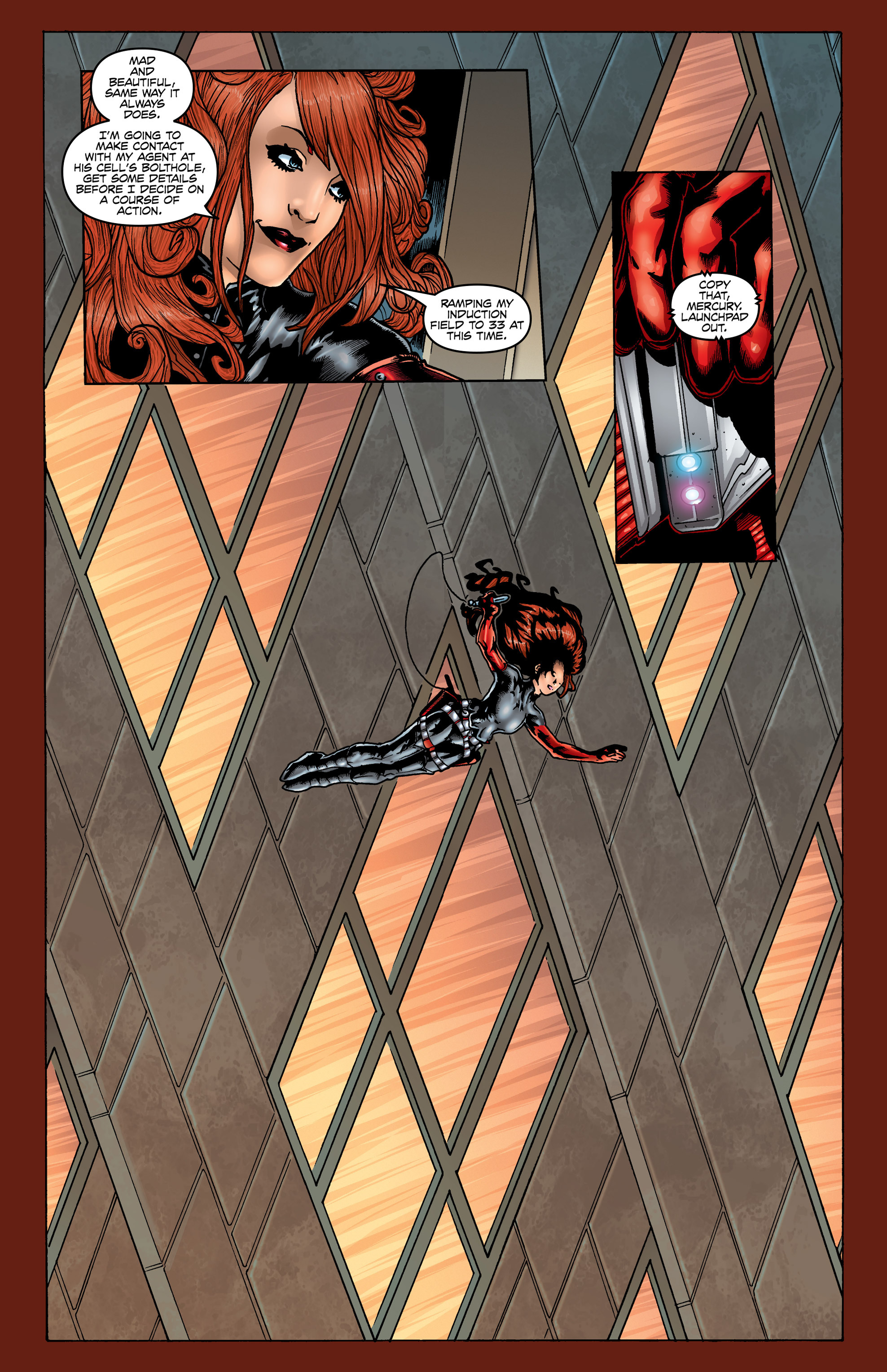
Regardless of historical and cultural justifications, that stories about crimefighters with silly codenames, outrageous costumes, and supernatural powers became an actual genre is peculiar enough, but the fact that this grew into the most mainstream genre in American comics is insane – especially given the tendency for convoluted, interconnected narratives that span several decades and involve thousands of disparate threads. But this is not to say that they cannot be phenomenal pieces of fiction. Watchmen is a widely known example of a sophisticated superhero comic that is also friendly to readers unwilling to do background research, and there are plenty of others…

Astro City

Astro City 004Astro City 004Intelligently written by Kurt Busiek and beautifully illustrated by Brent Anderson (with designs and covers by Alex Ross), Astro City is a long-running series of self-contained superhero stories – or rather, stories set in a city full of superheroes, where the heroes themselves are rarely the protagonists. Played straight, rich in detail, with realistic art, three-dimensional characters, and mature, resonant themes, this is the brightest equivalent of Watchmen. While Watchmen deconstructed the genre by asking what it would be like if superheroes lived in our world, Astro City reconstructs it with a modern sensibility, asking what it would be like if we lived in a world of superheroes. How could journalists fact-check articles about intergalactic battles? How would courts work if invoking magic and shapeshifting aliens were reasonable arguments?

By focusing on the lives of what are usually peripheral characters (the average citizens, sidekicks, small-time villains, collateral damage) and showing how they are touched by large-scale conflicts happening somewhere off page, Astro City manages to capture a genuine sense of wonder often lacking in today’s superhero comics. Busiek and Ross famously used this type of street level point of view to great effect in Marvels, their ode to the Silver Age Marvel Universe, but Astro City comes with the bonus of being highly accessible to new readers. Sure, older fans can enjoy metafictional Easter eggs and homages, but these never get in the way of the stories. And although many characters start off as obvious riffs on famous creations from the Big Two (including a sinister version of Batman, called The Confessor), Astro City is less about commenting on those archetypes than about using them to explore small-scale human facets and quirks.

Catalyst Comix

Catalyst Comix 1Catalyst Comix 01

Taking a radically different approach, Joe Casey sought to revitalize superhero comics not by making them more grounded and relatable, but by pumping up the hard rock stereo. At once old school and postmodern, Catalyst Comix unleashes the genre’s craziness and hyperbole, unapologetically going for relentless, mind-blowing, semi-poetic, Kirbyesque pop art surrealism. Casey opens the book with what appears to be the end of the world, goddamn it, and instead of pulling back for a flashback, he doesn’t let go, gleefully pushing forward with bravado, libido, and loads of exclamation marks! The pages above are from that very first issue, where the Earth comes under attack by a villain described in Casey’s colorful, over-the-top prose:
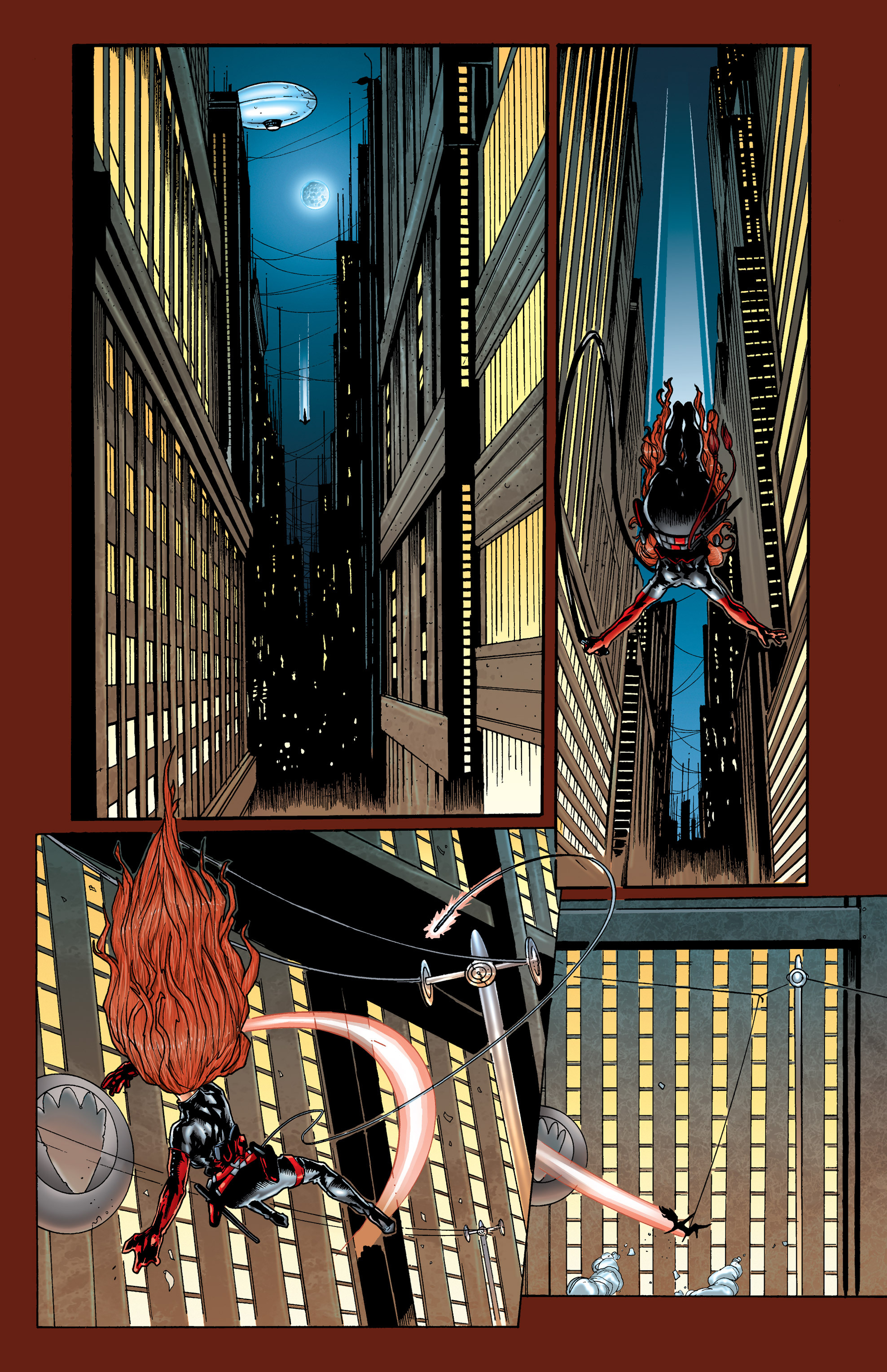
‘TO GIVE IT A PROPER NAME IS TO SOMEHOW DIMINISH IT. BUT WE’RE GONNA GIVE IT ONE ANYWAY
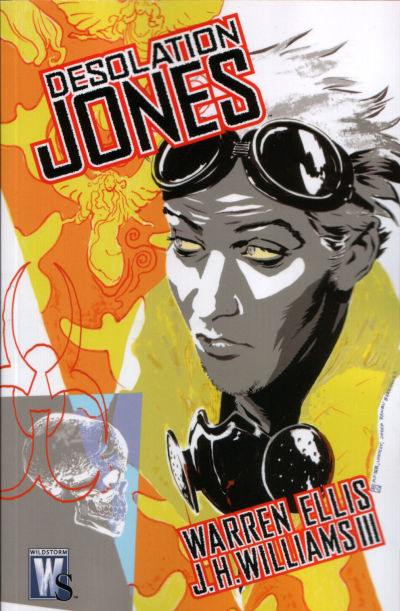
IT IS THE ULTIMATE DEATH CONCEPT! IT IS THE FINAL NIGHTMARE MADE TERRIFYINGLY REAL!

THE ONLY WORD TO DESCRIBE IT ECHOES THROUGH THE UNIVERSE LIKE A MINOR METAL KEY, DROP D TUNED CACOPHONY OF CHAOS!

NIBIRU IS RELEASE!

NIBIRU IS DECAY!

NIBIRU IS EXTINCTION!

NIBIRU IS!’

Catalyst Comix tells three separate (but occasionally interconnected) stories. ‘The Ballad of Frank Wells,’ robustly illustrated by Dan McCaid, concerns a powerful superhero exploring alternative paths to save the world, from spiritual enlightenment to political activism (including a hilarious bed-in protest). With quirky art by Paul Maybury, ‘Amazing Grace’ takes place in Golden City, a utopian haven for forward thinkers (‘a socioeconomic theme park’) protected by the eponymous heroine, who has to fight off the sexual advances of a mysterious alien. ‘Agents of Change’ brings together a group of narcissistic superheroes past their prime, trying to regain meaning beyond their dead-end existence of S&M clubs and reality TV shows, rendered by Ulises Farina’s stylish pencils.

Empire

EmpireWhat if, for once, the megalomaniac supervillain actually won? Empire is set in a reality where a Doctor Doom-like figure defeated the local superheroes and successfully took over… and now has to deal with the politics of ruling a ruthless empire while keeping his various conspiracy-prone ministers in check. Every character has a hidden agenda in this chessboard of a story, full of plot twists and shifting perspectives. After years of reading about villains like Ra’s al Ghul wanting to conquer the world (hey, who doesn’t?), it’s refreshing to see such an in-depth exploration of the possible payoff – especially as the comic avoids the temptation to tell a straightforward tale of resistance or hero-driven pushback (a la Final Crisis) and keeps its focus on the despot and his mischievous underlings.

Empire came out around the same time as Mark Millar’s Wanted, with which it shared the overall premise, as well as generous doses of sex and blood. But while Millar buried some cool ideas under a pile of tasteless jokes and repugnant subtext, in Empire Mark Waid crafted an engaging superhero version of the court of the Borgias. Waid seems less interested in transcending or mocking genre conventions than in applying them to a different kind of setting – and he definitely knows what he’s doing, having written tons of great superhero comics throughout his career (including the JLA storyline ‘Tower of Babel’ where Batman comes up with ways to defeat all the major heroes in the DC Universe). And while I’m not a big fan of artist Barry Kitson, his collaborations with Waid tend to bring out the best in him (particularly their clever take on Legion of Super-Heroes). Recently, the duo have returned to the world of Empire through Waid’s innovative comics platform Thrillbent.

Ex Machina

Ex MachinaEx Machina

Ex Machina is comics’ answer to The West Wing, only focusing on local politics and with a great sci-fi twist. It’s set in an alternate reality where Mitchell Hundred, after a brief career as a costumed hero, won the 2001 New York City mayoral election. Less a superhero adventure than a political thriller in which the main character happens to be a former superhero, the series engages with several hot topics, from gay marriage to terrorism, as it switches back and forth between backroom discussion of real-world issues and fresh takes on superhero tropes.

Just like in the gender-themed adventure saga Y: The Last Man and in the Iraq War parable Pride of Baghdad, writer Brian K. Vaughan finds an original way to raise thought-provoking points. His plotting is ingenious and the dialogue heavy on profanity, pop culture references, and witty exposition. This, combined with Tony Harris’ photorealistic, cinematic art (which manages to breathe life even into long scenes of people talking to each other in boring rooms), makes Ex Machina feel like a precursor to TV’s Veep, although it veers into darker, House of Cards territory by the end.

Miracleman

MiraclemenMiraclemen

If you think Alan Moore said all he had to say about superheroes with Watchmen, then you desperately need to read Miracleman. The series kicked off as one of the first 1980s’ gritty, revisionist takes on the genre, updating an old British superhero comic (itself a thinly veiled rip-off of Captain Marvel) into Thatcherite reality, but it gradually evolved into something much more ambitious as Moore took advantage of the fact that he was not restrained by shared continuity with other titles and took the story wherever it led him. In a way, Miraclemen (originally Marvelman) mirrors the history of superhero comics in general: starting out as simple tales with naïve archetypes and crude art, turning increasingly mature and engaging with the genre’s implications, and finally taking the concept of superheroes as far as possible by completely reimagining their world. It also includes Moore’s pet themes of transcendence and unconventional sex.
But it’s not just Alan Moore’s show. He was joined by amazing artists, such as Garry Leach, Alan Davis, Rick Veitch, and John Totleben, among others. And after he was done, Moore handed over writing duties to Neil Gaiman, who further expanded the series’ universe and took it in a new, interesting direction. After decades in limbo, Miraclemen is finally back in print, with new coloring, and even some new stories. It’s essential reading for any fan of the genre.

NEXT: More brilliant superhero comics.

Posted in SUPER POWERS | Tagged , , , , , , , , , , , , , , , , , , , , , , , , | Leave a comment

People you should know in Gotham City

If you want to be a villain in Gotham City – an unwise but surprisingly frequent career move – there are some people you just have to know.

Once you’ve figured out your villainous name and shtick, you’ll want to find the best tailor in town to fix you up with a cool costume. No, not him. Jake, the biggest specialist in the field, actually has two drawbacks: 1) he can be quite expensive, and 2) he also works for the good guys, so there is the risk of bumping into one of his other clients….

Batman - Gotham Knights 52Gotham Knights #52

That said, the Tailor doesn’t take sides, just takes cash, so at least you don’t have to worry about him ratting you out because he doesn’t like what you’re planning.

The next step is getting a base of operations that reflects your criminal persona. Gotham City is full of creepy and decrepit real estate, but it may not be easy to find and acquire the perfect place. This is where Sherman Fine, aka The Broker, comes in:

Gotham City Sirens #1Gotham City Sirens #1Gotham City Sirens #1

The thing about Mr. Fine is that he is less reliable than Jake the Tailor as far as loyalty goes… It does not mean that he cannot hold his own – after all, dealing with the likes of the Joker and Victor Zsasz makes this *literally* a cutthroat business!

Streets Of Gotham #4 Streets Of Gotham #4 Streets Of Gotham #4

After getting settled in your new place, you’ll want to make sure you install some good old-fashioned deathtraps, for when the Dark Knight inevitably shows up. Chances are, they won’t kill Batman, or even slow him down that much… but hey, it’s a tradition (not to mention a musical number).

batman adventures vol 2 #9Batman Adventures (v2) #9

The person you want to see for this is Jenna ‘Carpenter’ Duffy. A former pickpocket and con artist, she joined the Mad Hatter’s Wonderland Gang together with Moe ‘Walrus’ Blum (as per Lewis Carrol’s poem, ‘The Walrus and the Carpenter’) and later went freelance as a craftswoman specialized in villains’ headquarters and secret lairs.

Batman - Streets of Gotham #12Batman - Streets of Gotham #12Streets of Gotham #12

Like the Broker, the Carpenter was created by Paul Dini, who populated his comics (and TV scripts) with all sorts of charismatic side characters. In fact, Dini imbued these two with so much personality that it’s a shame they never got their own series… I would love to read about them figuring out the logistics for one of those bizarrely decorated hideouts that Two-Face uses!

Anyway, once everything else is finally set up, there is only one more crucial contact you should have on your speed dial. When things go bad – and Gotham being Gotham, they will go bad – make sure you know the number of the Crime Doctor:

detective comics 494detective comics 494Detective Comics #494

First created in 1943, the Crime Doctor was a fascinating character, particularly in his second incarnation, when he was revived in the ’80s as Bradford Thorne. He wasn’t motivated by greed (he donated his earnings anonymously to health care facilities in order to help provide medical services to the city’s poor), but by an addiction to crime. Thorne’s Achilles heel was his Hippocratic oath, as he kept undermining his own plans because of his refusal to let people die… What’s more, the Crime Doctor found out Batman’s secret identity by recognizing a bandage he had put on Bruce Wayne, but – even with the Dark Knight after him – Thorne refused to reveal the secret to the underworld because this would be a breach of doctor-patient confidentiality!

The Crime Doctor has been reimagined a few times over the years, but it’s still odd that such a zany medicine-based villain hasn’t gotten more exposure. Thorne also seems like a natural candidate for a spinoff. I can just see a Grey’s Anatomy-type hospital drama set in the Crimson Crime Clinic, with increasing sexual tension between Doctor McCrimey and the lovely Nurse Rench:

Detective Comics 579Detective Comics 579Detective Comics #579

NEXT: Brilliant superhero comics.

Posted in GOTHAM CITIZENS | Tagged , | Leave a comment

Smells Like Will Eisner’s Spirit

detective comics 600

Detective Comics #600

In terms of stylish, offbeat crime stories featuring a masked vigilante and a pipe-smoking, irresponsibly lenient police commissioner, it’s hard to beat Batman comics. However, while The Spirit didn’t have such an engaging protagonist, such a fascinating rogues’ gallery, or such an eccentric city as background, it did have Will Eisner. Eisner was one of the greatest comics’ craftsmen of all time, and his work on The Spirit (at least after he came back from WWII) was a tour de force which left a lasting mark on the adventures of the Dark Knight.

Heavily inspired by Citizen Kane and film noir, Eisner’s comics were full of experimental storytelling, shadowy atmosphere, expressionist violence, Dutch angles, pulp poses, and femme fatales. A recognizable trademark was the way in which the first page of each story used to integrate the series’ title, as if it was part of the opening scene:

spirit - the partnerThe Spirit: ‘The Partner’

Will Eisner – and a host of ghost artists and assistants – kept coming up with new and effective visual tricks to suit each story’s specific mood. ‘The Killer,’ a psychological tale about a returned war vet, subtly used the same circular framing throughout the comic, in different contexts, including a Lady in the Lake-like POV sequence. Memorable escapades set in the Arab world such as ‘The Jewel of Death’ and its sort-of remake ‘Blood of the Earth’ riffed on Pépé le Moko and The Mask of Dimitrios. ‘The Last Trolley’ famously captured the feeling of swinging around in an old trolley:

Eisner Spirit - The Last TrolleyThe Spirit: ‘The Last Trolley’

Here was an author in complete control of the medium. One tale opens with the line ‘It will take you ten minutes to read this story…’ and damn it if it’s not true! Fifty years later, guys like Frank Miller and Darwyn Cooke were still trying to catch up with the kind of mastery of sequential art Eisner and his team demonstrated back in the 1940s…

Lorelei RoxThe Spirit: ‘Lorelei Rox’

Not all stories of The Spirit are hits, with some sexist and racial stereotypes being particularly cringeworthy. Overall, though, these comics are a fun time capsule of the angst and aspirations of postwar America. Notably, they engage with different styles, from two-fisted action to goofy comedy, from magical realism to exotic adventure, from science fiction to children’s reading primers, or even a weird combination of all of these (‘The Story of Sam’). In the final years, Eisner handed over the writing chores and the series continued to explore new directions as the Spirit temporarily moved to the moon with a bunch of convicts (that’s right).

Although ostensibly the hero, the Spirit (aka Denny Colt) often played a supporting role in the series, serving merely as a pretext for short, self-contained narratives about a wide range of characters who came into contact with the masked vigilante. You can see Will Eisner’s fascination with the human condition and the dark side of the American dream, which decades later led him to exchange pulp conventions for straight-up melodrama in masterpieces like A Life Force and Dropsie Avenue: The Neighborhood.

It’s not difficult to see how The Spirit came to influence so many Batman artists and writers. In fact, I would argue that Eisner’s work proved influential already at the time… Take ‘Next Stop – Danger!’ (Batman #43), which mostly takes place during a subway ride. Like many tales of The Spirit, this 1947 comic begins by pushing the masked heroes to the background, focusing instead on the desperate lives of ordinary citizens about to cross paths with the Dynamic Duo:

Batman043_16Batman 043 Batman #43

Batman and Robin come into the picture while chasing a couple of crooks who seek refuge in the subway. Each passenger plays a role in the ensuing confrontation and, by the end of the ride, their fates are all transformed in some way. While the art is cruder than Eisner’s and the ending lacks both his cruelty and his sense of humor, one can easily imagine a slight variation of this plot in the pages of The Spirit.

That said, the Batman tale which most openly acknowledged The Spirit’s legacy came out four decades later, in Detective Comics #497:

detective comics 497Detective Comics #497

A rainy night in a Mexican small town. A sleazy bar where losers hang out and the owner complains that the rain is the only thing preventing him from burning the place down. A couple argues on the top floor, a spoiled wife walking out halfway through the honeymoon. A stranger walks in, with a bullet in his arm and a suitcase full of valuable documents. By the end of the story, he will have touched each of these lives… Once again, even though this is a Batman comic (the stranger who walks into the bar is Bruce Wayne), the fun of ‘Bad Night in Baja’ is watching all the subplots intertwine and pay off, as what would usually be peripheral characters are brought to the forefront.

Besides the mosaic structure and the focus on small-scale human drama, writer Gerry Conway includes various other winks to Will Eisner, from the hotel’s name (a play on Dolan, The Spirit’s version of Commissioner Gordon) to a criminal overlord called Squid (evoking the recurring villain The Octopus). The art, by the great Don Newton and Dan Adkins, also captures the noirish mood of hunched silhouettes and newspapers flying in the wind. And following the tradition of incorporating the series’ logo into the title page, the opening splash (above) features the words ‘The Batman’ as both a lightning and a shadow on the puddles in front of the hotel. All of this makes the comic cooler, although at the end of the day this is a cool comic not just because it is fun to spot nods to the master, but because aping The Spirit is such an effective place to start when writing a one-shot crime story!

Perhaps less obvious, Doug Moench’s script for ‘The Spider’s Ninth Leg!’ (from the anniversary issue Detective Comics #550) also displays a distinctively Eisneresque tone. In this comic overloaded with symbolism, Batman chases a junky called Joey Redwine through Gotham’s rooftops. Joey has just stolen a candlestick from a church and killed a nun – and the chase is intercut with flashbacks showing the eight key steps that led him to this moment. Given the on-the-nose religious imagery, it should come as no surprise where Joey ends up:

detective comics 550detective comics 550Detective Comics #550

As you can tell from this denouement, it’s not much of a Batman yarn, in the traditional sense. The Dark Knight is an outside force (‘fate,’ as Moench’s narration puts it) and doesn’t do anything particularly heroic, much less save the day. ‘The Spider’s Ninth Leg!’ operates on a different level – it’s a downbeat morality play, one where Batman plays an essentially symbolic and instrumental role. It’s an examination of delinquency, showing how the kind of street criminals the Caped Crusader regularly beats up can have quite complicated background stories, with particular emphasis on child abuse (a key point in the comic, which finishes with the implication that Joey encounters his abusive father in Hell).

One writer with a knack for self-contained, non-Batman-centric stories that finish with poignant twist endings is Chuck Dixon, author of ‘Death Comes Home’ (Detective Comics #716) and ‘The Factor of Fear!’ (Gotham Knights #19). A personal favorite of mine is ‘Rocket Scientist’ (Detective Comics #704), which deals with the most inept criminal since Virgil Starkwell:

detective comics 704detective comics 704Detective Comics #704

And then there is Dennis O’Neil’s and Denys Cowan’s The Question. I’ve mentioned before how this series crucially interacted with Batman comics, but it’s also worth noting that The Question came closer than anything else to capturing The Spirit’s… well, spirit. For one thing, there was inescapable visual continuity as both comics revolved around an action hero with blue gloves, trenchcoat, and a fedora. Moreover, The Question often spotlighted the doomed lives of marginal characters who were part of an intricate tapestry of twisted coincidences and interrelated plotlines, all told with a nasty sense of irony worthy of Will Eisner:

The Question 05The Question 05The Question 05The Question #5

Taking all of this into account, you would be forgiven for thinking that a Batman/Spirit crossover would be the most awesome thing ever…

Batman/The Spirit

However, you would be wrong.

NEXT: Batman fights a one-eyed octopus.

Posted in WEBS OF FICTION | Tagged , , , , , , , , , , | Leave a comment

Gunning for Batman – part 2

Batman 207

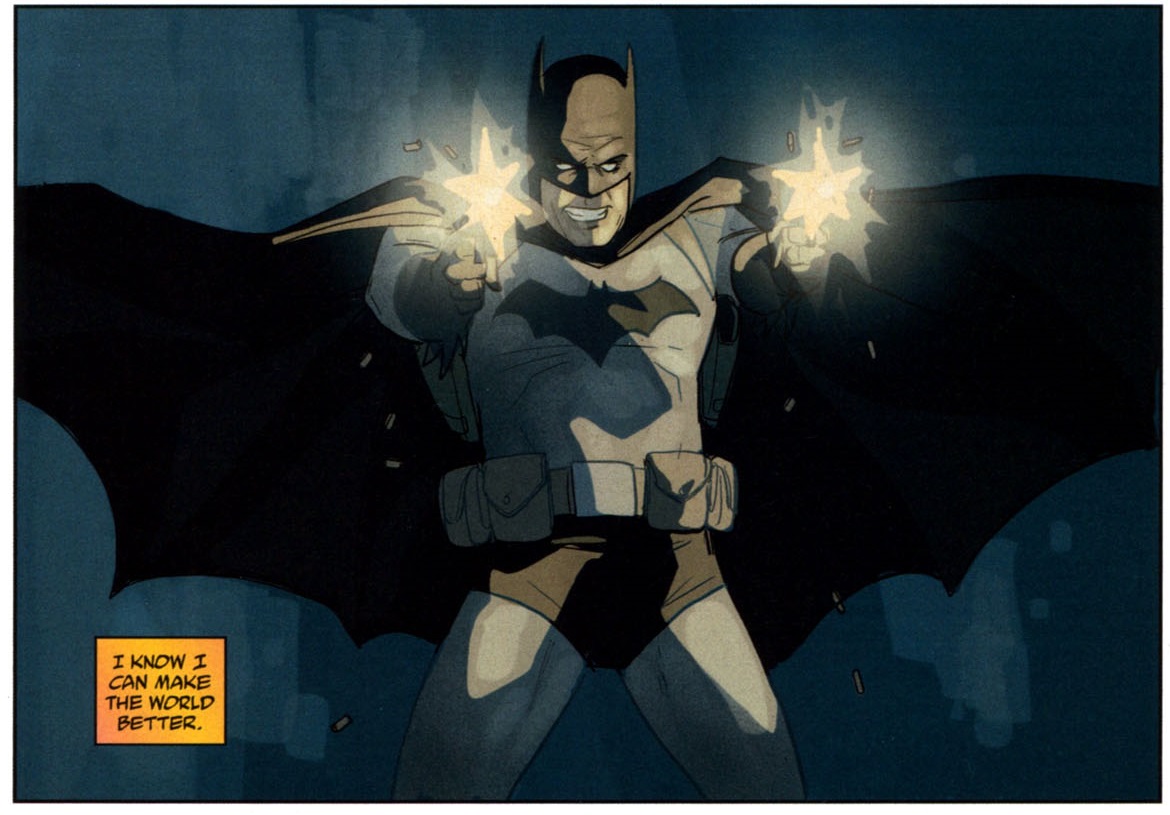
While Batman getting shot at may by itself generate some kick-ass covers, over the years several artists have gone out of their way to make such a premise even more rock and roll.

A recurrent strategy has been to come up with cool angles involving Batman’s reflection:

Detective Comics 474     egends of the Dark Knight 111

Detective Comics 611     Batman 205

To give their comics more of a summer blockbuster vibe, other artists have taken advantage of the fact that, because of his unusual lifestyle, the Dark Knight often dodges bullets in the most unlikely places…

Detective Comics 404     Batman 166

Batman 64     Detective Comics 519

Detective Comics 160     Batman 333

Brave and the Bold 170     Brave and the Bold 77

…and sometimes even while being broadcast:

Detective Comics 453     Detective Comics 379

If the ‘where’ can get a bit nuts, then the ‘who’ usually feels like it’s on drugs! People shooting at the Caped Crusader tend to elevate what could have been a pedestrian M.O. through their peculiar fashion sense:

Batman 63     Batman 297

Batman 178     Detective Comics 708

Detective Comics 147     Detective Comics 562

Among the many unconventional objects used to gun down Batman, you can find a weapon that shoots by itself and a freaking ghost airplane from WWI…

Detective Comics 158     Detective Comics 442

…and, needless to say, a couple of Civil War cannons:

Batman 273     The Brave and the Bold 171

As screwy as all this is, things can still feel a bit boring every once in a while, so artists have also gotten quite creative with the overall cover design…

Detective Comics 375     Batman 396

Batman 582     Detective Comics 352

Detective Comics 353     Detective Comics 367

At the end of the day, though, all I ask for is to see the Dark Knight facing the barrel of a gun in the most intriguing circumstances…

Detective Comics 72     World's Finest Comics 174

Detective Comics 426     Brave and the Bold 124

NEXT: The Spirit of Will Eisner.

Posted in COVERS OF BATMAN COMICS | Tagged , | Leave a comment