COMICS CAN BE AWESOME (31 October 2022)

At Gotham Calling, Halloween is the time when I usually highlight my favorite recent horror movies. In past years, I chose stuff from the margins that surprised and affected me – Censor and Antebellum – but this time my pick is a bit more high-profile: yep, it’s Nope.

There is continuity in my preferences, as this tale of a possibly haunted ranch specialized in horses for films, TV, and commercials contains elements of both social comment/satire and metafiction… Like Jordan Peele’s previous films, Nope has a plethora of multilayered themes, allegories, Easter Eggs, and intertextual nods for fans and critics to dissect. I guess this is just the way films are made now: from Quentin Tarantino to Edgar Wright, from James Bond to Star Wars, movies have become extended collages of swipes and riffs on other movies, so that even original works feel like part of the parade of sequels, remakes, and requels ushered in by contemporary IP-driven film production (cue in a pretentious reference to Fredric Jameson’s Postmodernism, or, the Cultural Logic of Late Capitalism). What used to be the occasional wink at experts has become the basic tissue… and it appears to be what most excites large segments of the internet.

However, I fear that pointing this out is almost doing Nope a disservice, as if it’s a linear message picture, a puzzle that begs to be de/reconstructed, or a navel-gazing piece of little interest to outsiders. In fact, watching Nope on the big screen a couple of months ago, I wasn’t thinking about deciphering its subtext or anticipating how much fun it would (no doubt) be to discuss it afterwards. Rather, I was truly immersed in a world whose atmosphere frightened me, whose characters amused me, whose images – and sounds – awed me, and whose story went in gloriously strange directions. In short, I had a blast!

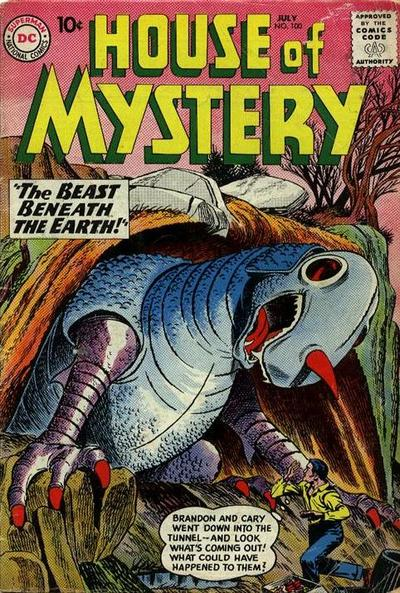
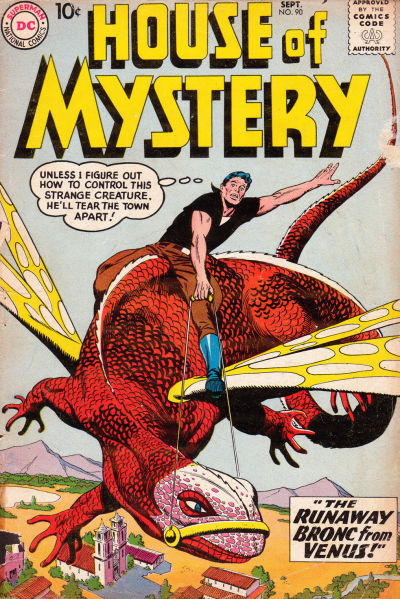
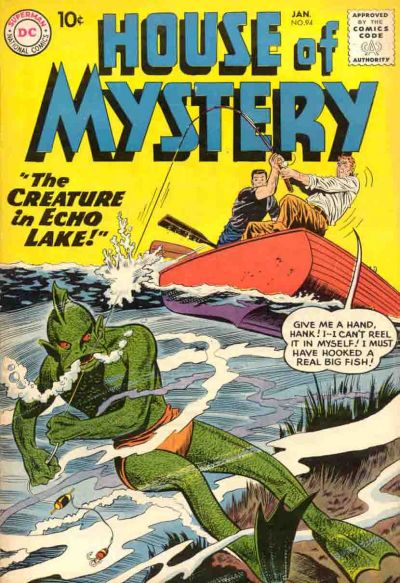
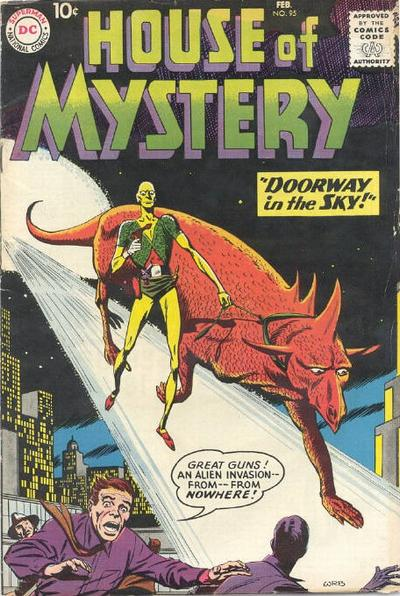
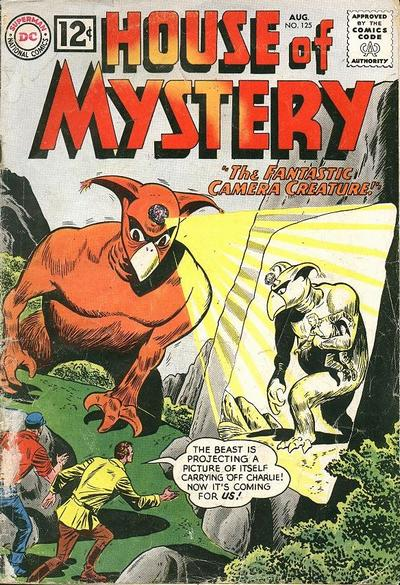
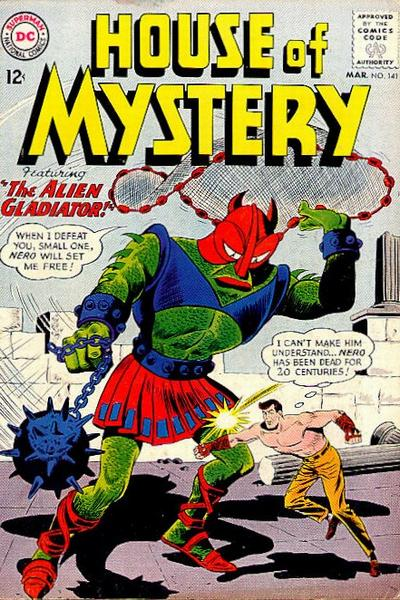
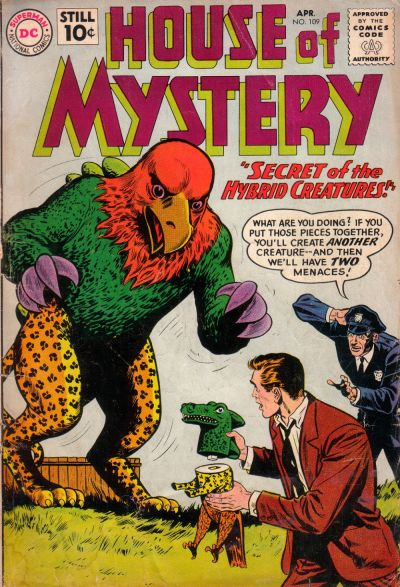
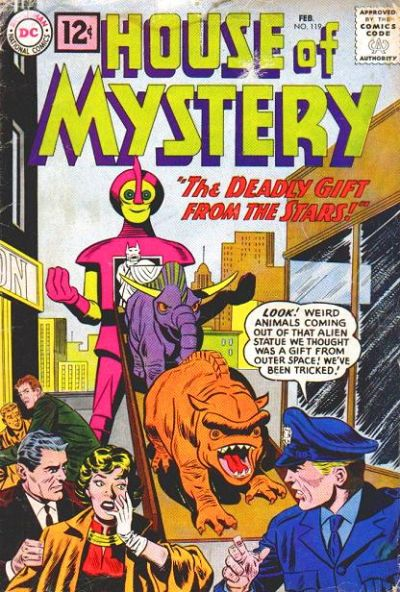
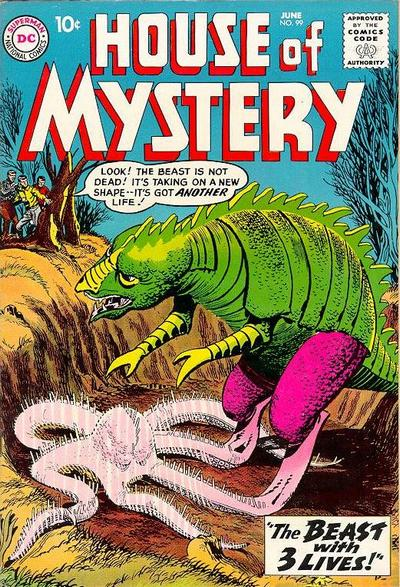
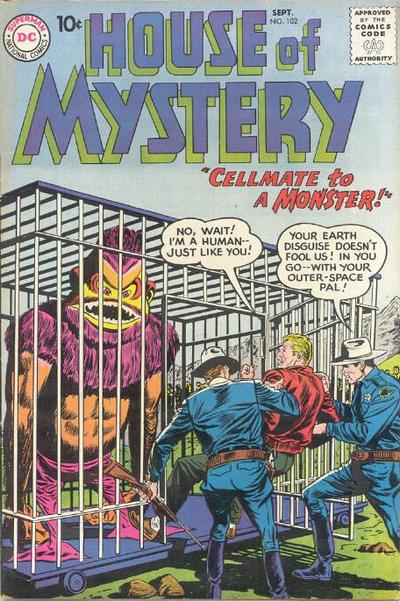
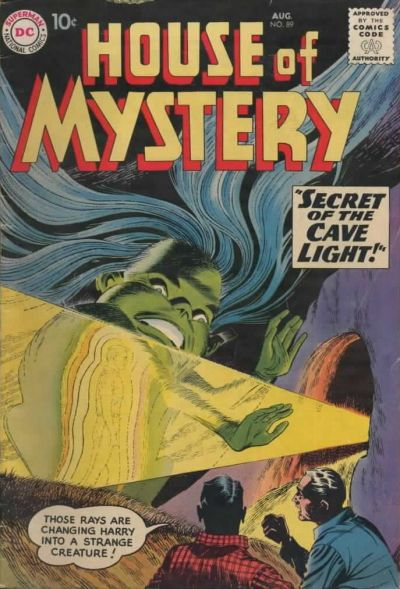
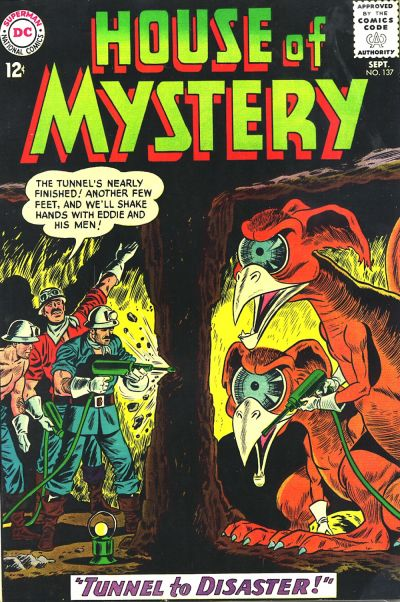
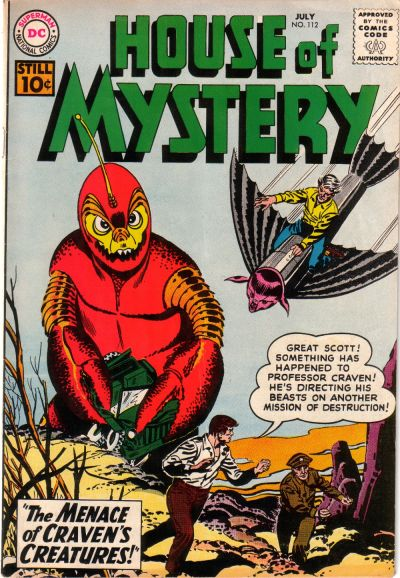
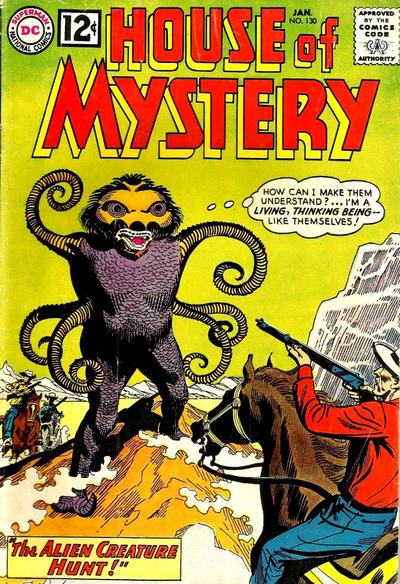
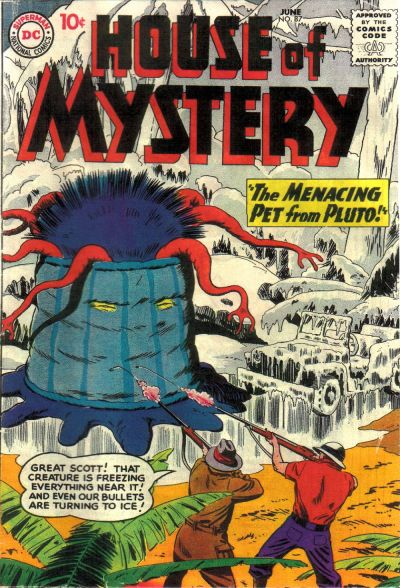
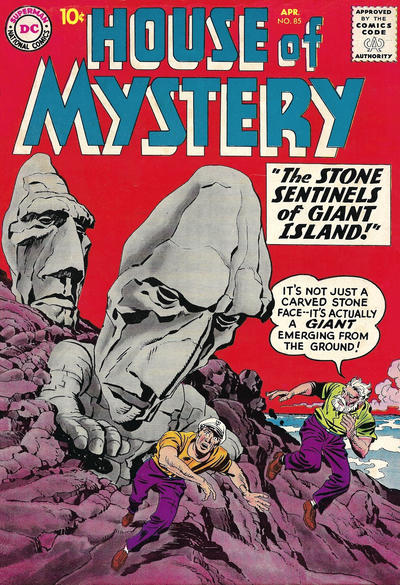
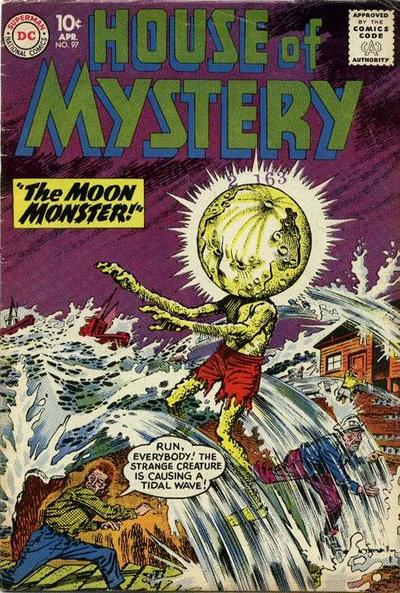
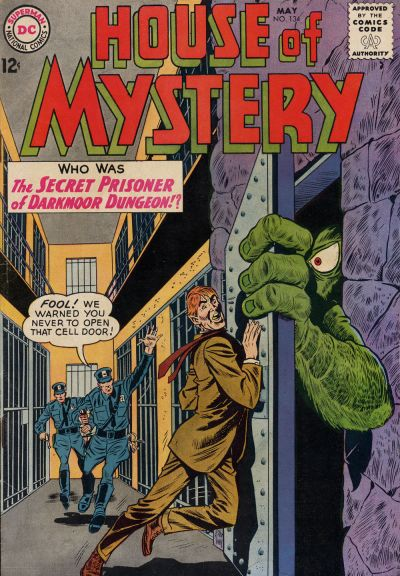
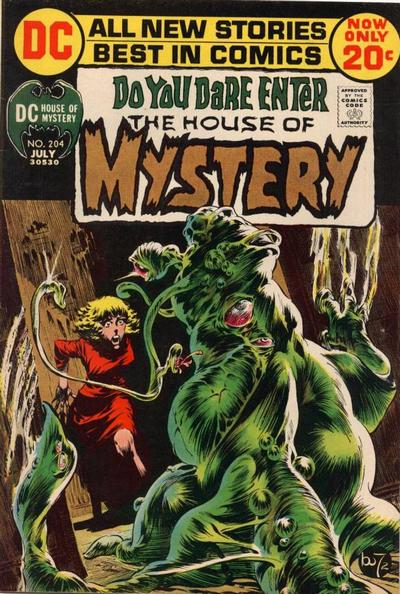
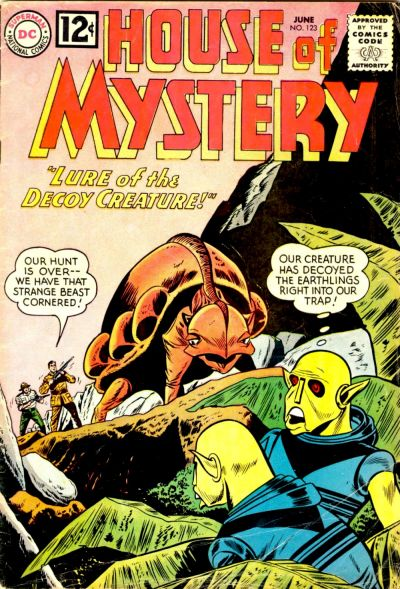
That said, of course I didn’t enjoy Nope in a vacuum, so for all its intensity and originality there was also pleasure in recognition and association. For one thing, the film immediately brought to mind a certain type of bizarre monster narratives that were all the rage in comic books from the 1950s/60s. Recalling this, it inspired me to devote this Halloween’s selection of twenty horror covers specifically to House of Mystery’s contribution to this subgenre:

Dick DillinBernard BailyBob Brown Dick Dillinhorror comicsilver agesilver age comicshorror comic booksilver age comicsilver age comic bookscomicclassic DCsilver age comicsold comicgeorge roussosbob brownjack kirbyold comicmonster comic

Fortunately, this tradition of freaky creatures wasn’t entirely lost after the Silver Age…

bernie wrightson


Posted in ART OF HORROR COMICS | Tagged , , , , , , , , , , , | Leave a comment

A couple of 21st-century spy novels

Another post based on my summer reads… Besides science fiction, as always I also spent part of my break reading spy yarns. The last time I wrote about this type of books in the blog I focused on a couple of old ones, so now, to keep things fresh, I’m recommending two cool novels that came out in the last dozen years:


SLOW HORSES

(Mick Herron, 2010)

slow horses

“This is how River Cartwright slipped off the fast track and joined the slow horses.

Eight twenty Tuesday morning, and King’s Cross crammed with what the O.B. called other people: ‘Non-combatants, River. Perfectly honorable occupation in peacetime.” He had a codicil. ‘We’ve not been at peace since September ’14.’

The O.B.’s delivery turning this to Roman numerals in River’s head, MCMXIV.

Stopping, he pretended to check his watch; a maneuver indistinguishable from actually checking his watch. Commuters washed round him like water round a rock, their irritation evident in clicking of tongues and expulsions of breath. At the nearest exit – a bright space through which weak January daylight splashed – two of the black-clad achievers stood like statues, their heavy weaponry unremarked by non-combatants, who’d come a long way since 1914.

The achievers – so called because they got the job done – were keeping well back, as per instructions.

Twenty yards ahead was the target.”

In the 1960s, Len Deighton and John le Carré revolutionized British spy fiction through their emphasis on the white-collar dimension of espionage, writing about the role of bureaucracy, departmental politics, and the sort of petty squabbles that tend to develop in the context of middle-management jobs. In the 21st century, Mick Herron joined their lineage with a series of novels about Slough House, the place where intelligence careers go to die, i.e. where MI5 agents who screwed up – the titular ‘slow horses’ – are sent to perform the most boring tasks required by the Secret Services (like monitoring websites and bank transactions). The result is a depressing office space that at first appears to be full of frustrated, drunken has-beens and pathetic fuck-ups, many of whom can’t stand each other… headed by the obese, flatulent, foul-mouthed Jackson Lamb, a former cold warrior and feared force of nature who should join James Bond and George Smiley as one of the most memorable figures in the whole damn genre.

After kicking off with an impressive 10-page scene that grabs readers with ultra-tight tension and action, the awesome first book, Slow Horses, leisurely introduces Slough House and its general atmosphere. There is both biting humor and melancholia in the way the prose establishes the large cast of well-rounded characters who are eventually given decisive parts to play once the narrative returns to high gear in the second half, when a young boy’s kidnapping puts everyone to the test and digs up some seriously dark secrets.

Honestly, as gripping as that last section is, what won me over was the world building, from the lengthy description of Slough House’s derelict physical conditions to Herron’s additions to the genre’s expanding glossary of made-up slang, such as the Achievers (MI5’s SWAT team), the Dogs (the internal investigation unit), and C&C (‘Collect-and-Comfort,’ aka picking up a subject of interest without worrying onlookers) [EDIT: it turns out Herron actually introduced these concepts in 2008’s Reconstruction, which is a sort of prelude to the Slough House series]. It’s also a very London book, not just because of the detailed locations, but also because the shadow of the 7/7 bombings looms large over the city.

I’m particularly fond of two early sequences capturing the workers’ interior lives – a chapter following their arrival at the office early in the morning and another one showing us their lonesome return home at the end of the day, each facing their own ghosts.

“There’d been lights in the windows. Ho knew before opening the door that Slough House was occupied. But he’d have been able to tell anyway – damp footprints in the stairwell; the taste of rain in the air. Once in a harvest moon, Jackson Lamb would arrive before Ho; random predawn appearances that were purely territorial. You can haunt this place all you like, Lamb was telling him. But when they pull down the walls and count the bones, it’ll be mine they find on top. There were many good reasons for not liking Jackson Lamb, and that was one of Ho’s favorites.”

Along with the sardonic satire of public administration and of the dynamics of the contemporary work place, it helps that Mick Herron is a master storyteller. If, in the second portion of Slow Horses, he raises the level of suspense by quickly alternating between multiple subjective perspectives, in the first part he keeps strategically withholding information, so that even when there isn’t much external action going on readers are constantly teased and surprised by mini-mysteries: What is the deal with Sid? What does O.B. stand for? How does each assignment contribute to the main operation, who is really running it, and how does it tie into the kidnapping plot? One chapter finishes with a major cliffhanger (one of four key characters has been shot, but we don’t know who) that doesn’t get resolved until much later, keeping you on the edge while frantically turning the pages!

A TV adaptation came out earlier this year, with pitch-perfect performances by Gary Oldman (as Jackson Lamb) and Saskia Reeves (as Catherine Standish, a disgraced version of Moneypenny). Wisely, both works play to each medium’s strengths… by which I mean the ability to stimulate our senses not only through what is there, but through what is not. I’m not just referring to the inherent limitations of each format, even if those are enjoyable by themselves (i.e. the way novels invite us to visualize in our heads images corresponding to what is being described is part of what makes them so engaging, just like cinema and television tend to be most affecting when they require us to interpret processes and motivations purely based on the actions we can see). I mean that, like Mick Herron, the show’s creators seem to understand the appeal of narrative gaps (especially in spy fiction, which is all about the allure of secrecy) so they keep introducing blind spots and ellipses for us to fill in: they deliberately omit bits and pieces, keep stuff blurred or offscreen, and often insinuate rather than tell *or* show. What’s fascinating, however, is that, because they’re operating in such different media, they end up choosing to hide – or to focus on – a number of different elements of the same basic story.

At the end of the day, though, I must admit I had a better time with the book. As fun as it is to watch the characters push against that rusty backdoor, it’s way more of a blast to read Herron’s amusing descriptions of their thoughts and detailed backstory…

“For Catherine Standish, Slough House was Pincher Martin’s rock: damp, unlovely, achingly familiar, and something to cling to when the waves began to crash. But opening the door was a struggle. This should have been an easy fix, but Slough House being what it was, you couldn’t have a carpenter drop round: you had to fill out a property maintenance form; make a revenue disbursement request; arrange a clearance pass for an approved handyman – outsourcing was ‘fiscally appropriate’, standing instructions explained, but the sums spent on background vetting put the lie to that. And once you’d filled out the forms, you had to dispatch them to Regents’ Park, where they’d be read, initialed, rubber-stamped and ignored. So every morning she had to go through this, pushing against the door, umbrella in one hand, key in the other, shoulder hunched to keep her bag from slipping to the ground. All the while hoping she’d maintain balance when the door deigned to open. Pincher Martin had it easy. No doors on his Atlantic rock. Though it rained there too.”


SILVERVIEW

(John le Carré, 2021)

john le carré

“At ten o’clock of a rainswept morning in London’s West End, a young woman in a baggy anorak, a woolen scarf pulled up around her head, strode resolutely into the storm that was roaring down South Audley Street. Her name was Lilly and she was in a state of emotional anxiety which at moments turned to outrage. With one mittened hand she shielded her eyes from the rain while she glowered at door numbers, and with the other steered a plastic-covered pushchair that contained Sam, her two-year-old son. Some houses were so grand they had no numbers at all. Others had numbers but belonged to the wrong street.

Arriving at a pretentious doorway with its number painted with unusual clarity on one pillar, she climbed the steps backwards, hauling the pushchair after her, scowled at a list of names besides the owners’ bell buttons, and jabbed the lowest.

‘Just give the door a push, dear,’ a kindly woman’s voice advised her over the speaker.”

Silverview alternates between two typical John le Carré narratives, headed in an inexorable collision course against each other. One of them concerns an MI6 agent investigating a possible leak in the UK’s secret services, the other one a civilian unexpectedly crossing paths with the shadowy world of intelligence. Likewise typically, their tales shine a disenchanted light on the history of espionage, from the height of the Cold War era to embarrassing – and depressing – episodes in Bosnia and in the Middle East.

This may sound too formulaic but, just like in the case of Herron, le Carré’s talent lies in the way he imbues characters with rich psychologies, thus achieving serious emotional depth among familiar story beats. And if I sound vague, it’s because much of the pleasure comes from seeing how the whole thing unfolds and comes together, each revelation a lesson in precision, each cast member given enough flesh to feel like an individual person rather than just another piece in the boardgame. Notice, for example, how the veteran writer efficiently sketches a minor player, introduced fairly late in the book, in little more than a paragraph whose style evokes the kind of concise, informative report you’d expect from a seasoned intelligence officer (whose thoughts we are indirectly accessing):

“Quentin Battenby in the prime of middle age. He’s been there ever since Proctor has known him. Sweptback blond hair, now at last greying. Understated film-star looks. Good suits, never takes his jacket off. Hasn’t taken it off now. Never been heard to raise his voice; owns or is owned by a presentable wife who knows everyone’s name at Service functions and is otherwise unseen. Bachelor flat across the river. House in St Albans where he and his family live under another name. Apolitical, but tipped to be in line for Chief provided he plays his cards right and the Tories win the next election. No close friends within the Service, therefore no close enemies. First-rate committee man. Parliamentary oversight people eat out of his hand.

If that was the sum of general knowledge about him, Proctor, who had been his running mate for twenty-five years, had little to add to it.”

Published already after his death, Silverview was John le Carré’s last novel to see print, even though it was not the last one he wrote. According to the afterword, it was originally written around 2013 and shelved, only to be posthumously polished by his son, Nicholas Cornwell (a renowned author himself under the pen name Nick Harkaway). The latter claims to have done little more than a slight editing job and I believe him – honestly, this reads like pure le Carré. Even the few dangling threads and unconfirmed suspicions seem less like plot holes waiting to be fixed than like his signature brand of ambiguities, teasing red herrings, and implicit suggestions.

Above all, the prose is a sheer delight to read. There’s a veritable tour-de-force halfway through the book when one of the protagonists interviews an old spy couple, Joan and Philip, accompanied by their dog, ‘whose name, unexplained, was Chapman’ (I cannot help wonder if this is a nod to Slow Horses, where one of the Dogs is called Sam Chapman). As they talk about a former agent they used to run back in the day, we get an extensive scene that consists mostly of a friendly conversation and yet it doesn’t feel like a mere infodump. Sometimes just letting an interrogation take its time and gradually build up subtext and insinuations can be engrossing enough (think of TV’s Line of Duty), but few can pull it off as smoothly as le Carré, in part because he gives these retired spies such lively voices, organically mixing professional lingo with quaint, informal expressions (‘Never overwork your joe. Rule one. I told Head Office. Didn’t listen to me, thought I’d gone native.’). The language is witty and pithy, relentlessly flowing from direct to indirect speech and back again. And as the dialogue piles up asides, ironical remarks, and metaphors galore, it perfectly captures the peculiarly condescending tone of the British upper class:

“Joan’s opening words of a new chapter, spoken for a larger audience, had a Wagnerian ring:

‘Bosnia! Let’s pray there’ll never be another, we used to say. Fat lot of good praying did. Six tiny nations squabbling over Big Daddy Tito’s Will. All fighting for God, all wanting to be top dog, and nobody to like. Everyone in the rights as usual and everyone fighting wars their grandfathers had fought two hundred years ago and lost.’

And horror stories that beggared belief, need she add? Mutilations, crucifixions, impalings, random and wholesale massacres, women and children a specialty. She’d expected it to be awful, but she hadn’t expected the Thirty Years War meets the Spanish Inquisition. The deal, as ordained by Head Office, was dead simple:

‘Phil would liaise with the countless Intelligence agencies that were falling over each other’s feet, including the heads of the six warring secret services of the former Yugoslavia, which would have been enough for any man’s plate. He’d also confer with United Nations command and NATO representatives, and brief selected NGO on the state of combat and zones of extreme danger.

‘So, basically, you did overt, didn’t you, darling? And jolly well too. The more overt you were, the better for little me, because I was just your silly wife, talking to the gentleman on my right at dinner.’

‘Surplus baggage, total parasite, should never have been allowed to Belgrade in the first place,’ Philip agreed proudly. ‘Fooled all the people all the time. You practically fooled me!’ – after which, he let out a hah! of pleasure remembered, and poked delightedly at Chapman with his toe.”
Posted in SPYCRAFT & WARFARE | Tagged , , , , , , , | Leave a comment

COMICS CAN BE AWESOME (24 October 2022)

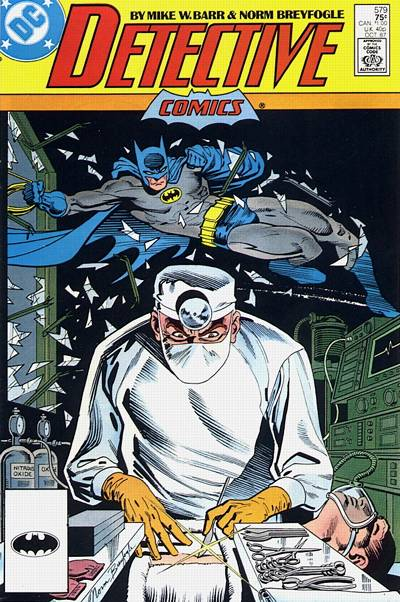
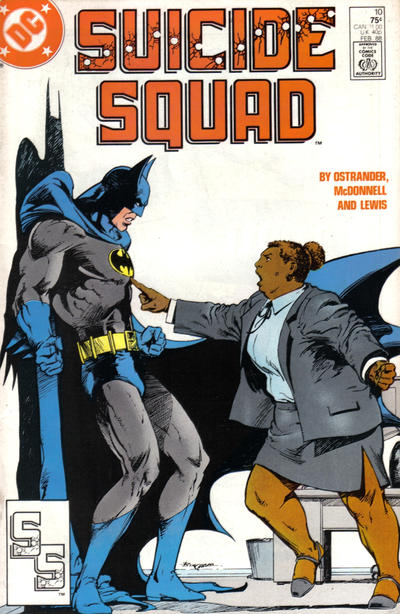
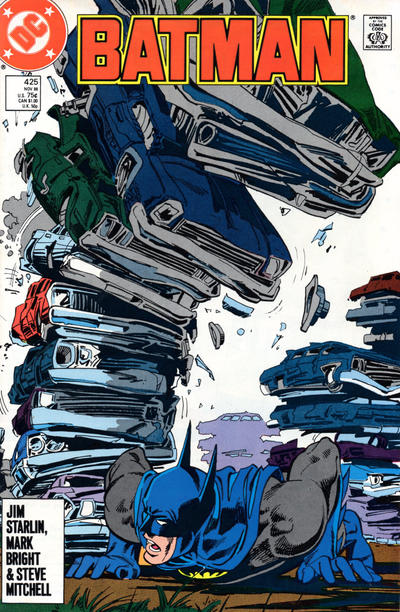
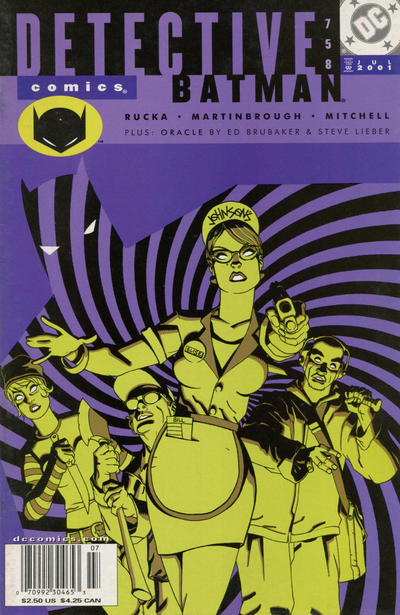
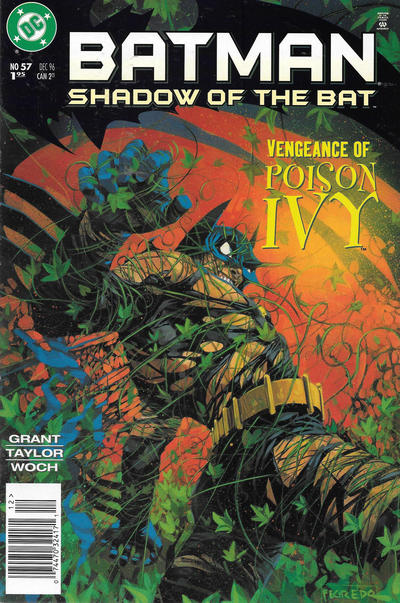
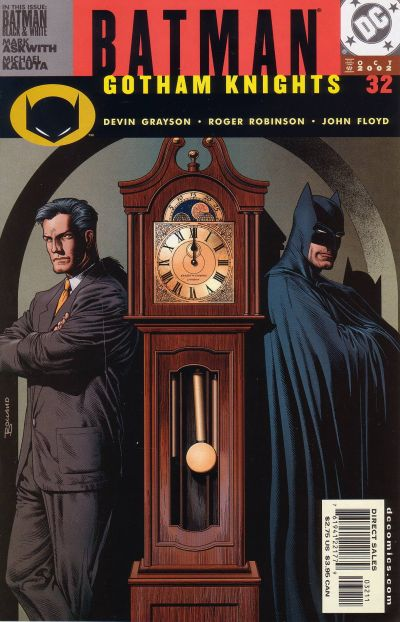
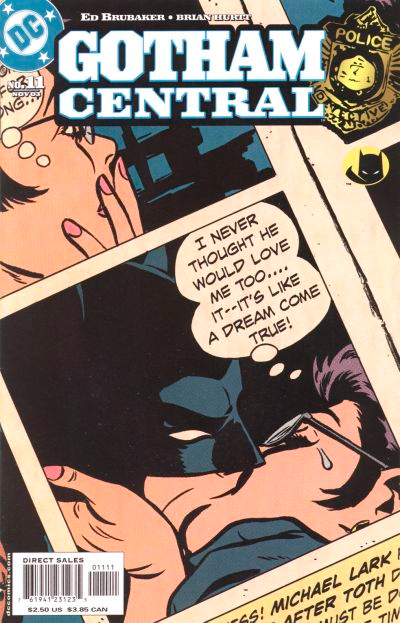
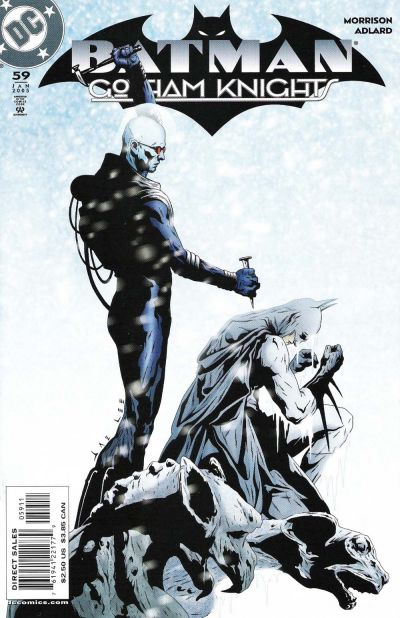
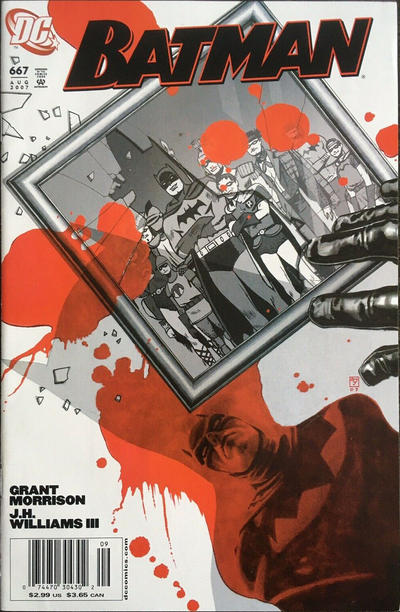
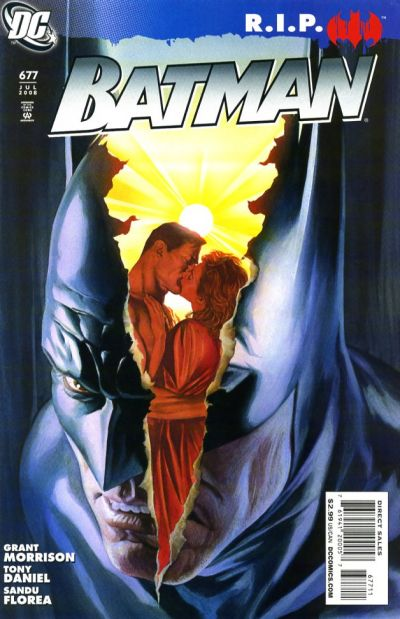
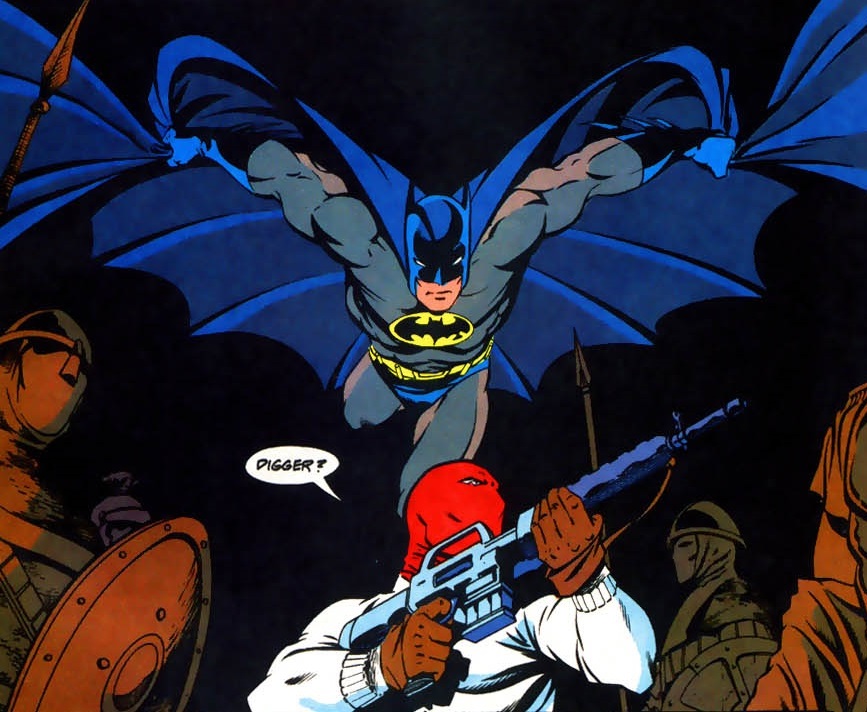
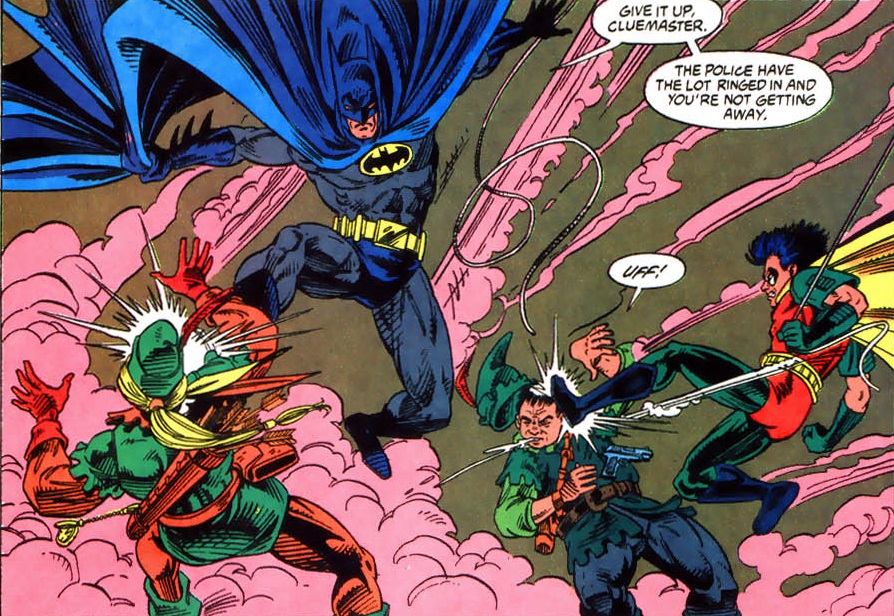
This week’s reminder that comics can be awesome is a tribute to my favorite era of Batman comics, between Crisis on Infinite Earths and The New 52 reboot. At first glance, covers at the time might appear increasingly generic about the events inside, but that’s because they came to privilege thematic links over literal depictions, often creating diverse – and striking – images… It helped, of course, that they were drawn some of the best damn artists in the business!

dark knightJerry Bingham Dark KnightBatmanDuncan FegredoBrian Bolland Michael LarkJae LeeJ. H. Williams III Alex Ross

Posted in COVERS OF BATMAN COMICS | Tagged , , , , , , , , , , , , | Leave a comment

3 opening splashes by Frank Robbins

Gotham Calling started out as a blog specifically about Batman comics and, every once in a while, I enjoy going back to its origins. So, here is a post about three amazing title splash pages from the 1970s – an era when title splashes became particularly creative – by one of the most underrated artists in the history of the Dark Knight…

frank robbinsDetective Comics #416

Although he had a following as a writer, Frank Robbins was an impressively controversial – perhaps downright unpopular – artist of Batman comics. Fans at the time seemed reticent to break away from the semi-naturalistic house style established by Neal Adams and perfected to nuts’n’bolts efficiency by Jim Aparo. By contrast, Robbins’ quirky pencils and inks were unabashedly prone to expressionistic distortion.

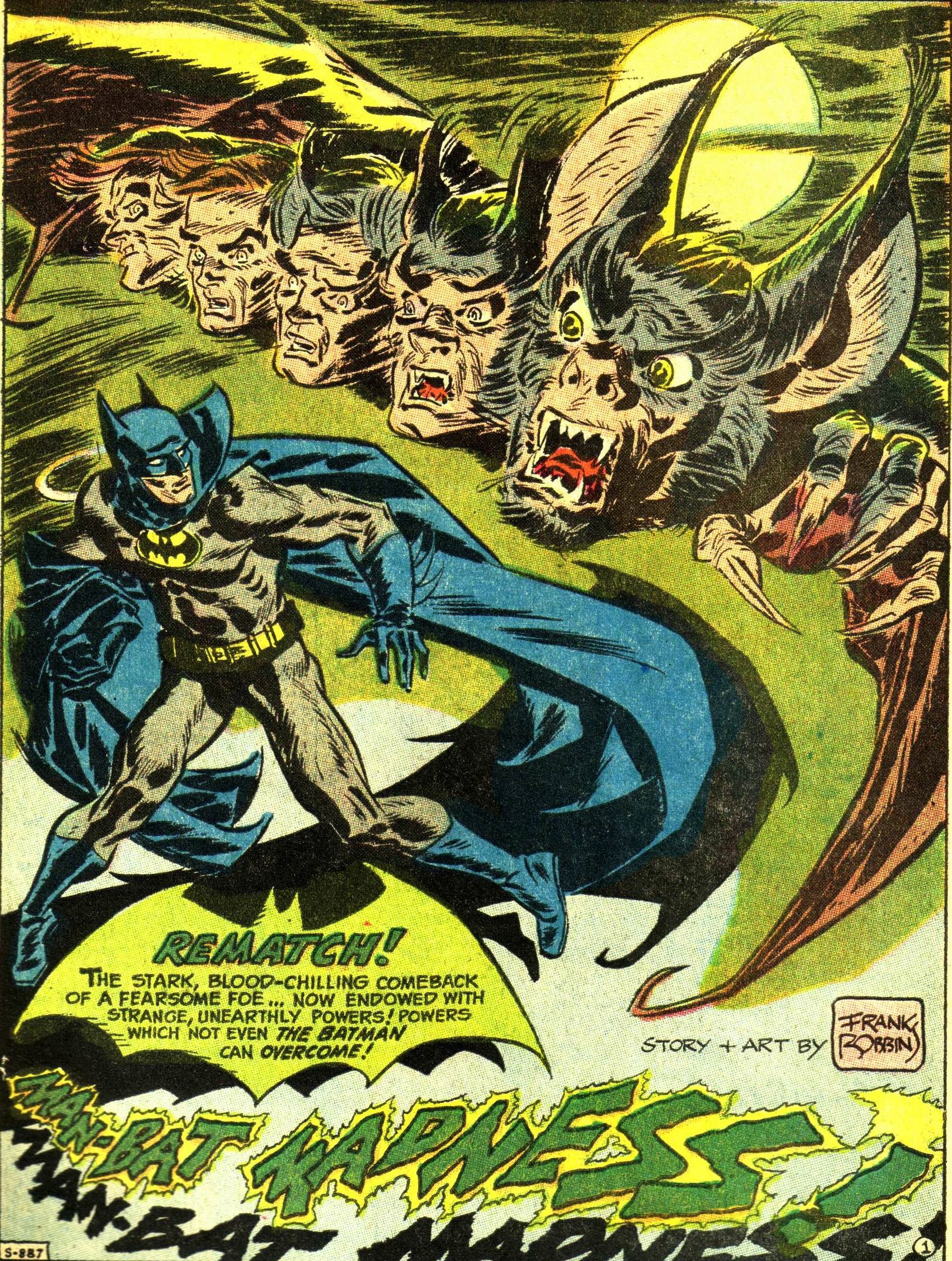
In the page above, from 1971, Robbins drew a surrealistic composition that presents us with the various horrifying stages of Kirk Langstrom’s transformation into Man-Bat, thus immediately laying out the story’s premise and genre, so that readers can begin adjusting their expectations. Moreover, by framing those evolutionary stages between a couple of batwings, the splash also creates two additional effects: it both encroaches the Dark Knight (thus heightening the impending threat) and, because Batman too is framed within a wing-like cape, it suggests a kind of imperfect parallel between the two characters (thus anticipating the theme that one is the dark mirror version of the other). Each of these elements deserves consideration.

The transformation from human to monster is a classic horror visual trope that would reach one of its apexes a decade later, with the iconic sequence from An American Werewolf in London. Indeed, although Kirk Langstrom’s alter ego isn’t lupine, werewolf fiction is the most obvious model for this tale… Sure, the thing about werewolves is that their mythology hasn’t exactly coalesced into a ‘model’ with firm rules, at least compared to other fantastical creatures (like zombies and vampires), which means that we’ve gotten a number of awesome werewolf stories that actually feel original and radically different from each other (books like Guy Endore’s historical saga The Werewolf of Paris and Terry Pratchett’s fantasy adventure The Fifth Elephant, film hybrids ranging from Wolf’s corporate satire to Good Manners’ social/family drama, not to mention the cult classic The Howling). Regardless, the imagery on display here leaves little doubt about its inspiration, as the full moon in the background, partly engulfed by gothic clouds, suggests a lunar cause for Langstrom’s transformation.

The fact that the transformation is depicted through disjointed flying heads suitably makes the whole thing feel even more like a nightmare. The finalized Man-Bat, with his open mouth and stretched claw, is disproportionally enormous and seems about to attack, nailing him as the aggressive villain of the piece. Bellow, the Caped Crusader looks surprised and vulnerable. Add to this the fact that we tend to read from top to bottom and the whole narrative thrust is quickly set up even before our eyes reach the text at the bottom of the page.

The game of likeness and contrasts was a recurring motif in the early Man-Bat comics (this was the fourth one, by the way… the previous issues had also been written by Robbins, but drawn by Neal Adams). Here, the tip of the shadow of Batman’s cape has the same shape as the tip of Man-Bat’s wing, reinforcing the notion that the two characters somewhat reflect each other. Duality is also projected by the freaky letters in the title, which cast a shadow themselves, somehow.

batmanDetective Comics #421

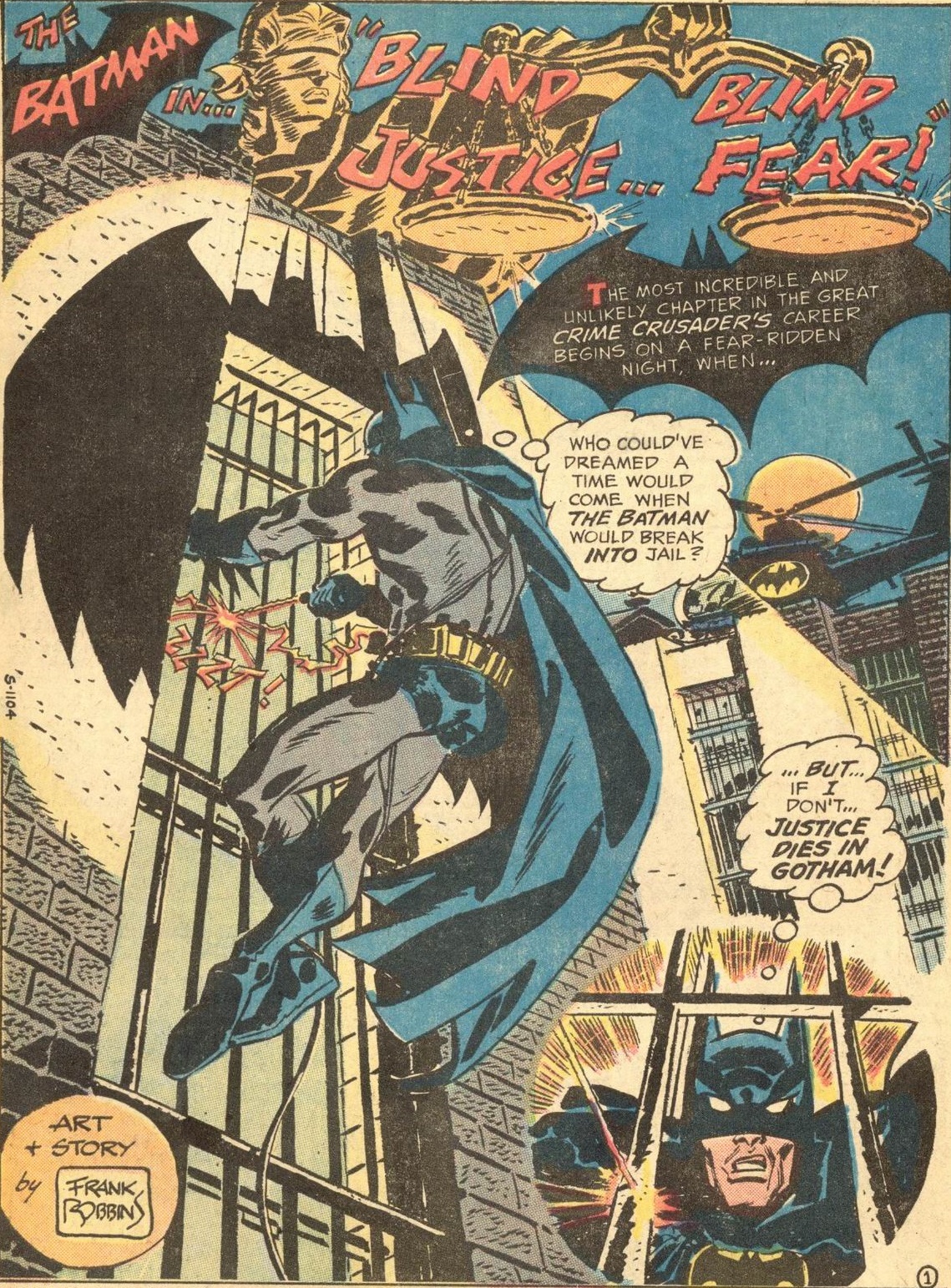
This staggering page prepares us for a whole other genre, namely an action-packed crime thriller, kicking things off in medias res with the Dark Knight doing a dangerous stunt while, intriguingly, trying to break into a prison with the help of a laser. This was a type of story Frank Robbins clearly enjoyed writing and drawing – and his stylized, angular approach to noir strongly anticipated the aesthetics later popularized by Bruce Timm, making Robbins an artist ahead of his time (if such a thing is possible).

Besides the disorienting perspective and the neat placement of the title on the scales of justice, the page is also noteworthy for the profusion of Bat-symbols. I count five: two non-diegetic ones (framing the series’ title and the omniscient narration caption), the silhouette around the prison window (is it the Bat-Signal or just a regular searchlight projecting Batman’s own shadow?), and the logos that the Caped Crusader – or the Crime Crusader, as the narration calls him – uses to brand his costume and helicopter. The result is a bit chaotic, but I think it helps provide an overwhelming sensation that there are many focal points deserving of attention and, by extension, many things taking place at once – if this was a film, the soundtrack would be blasting and the camera wouldn’t stop moving!

Such relentless momentum is especially important when it comes to throwing the Dark Knight into straight-up crime fiction (i.e. into stories without colorful rogues), like in this case. Rather than bending backwards to explain what Batman brings to the table that the regular cops couldn’t do, a tried-and-true trick is to inject so much dazzling adrenaline into the proceedings that your brain hardly ever stops to ask questions.

man-batDetective Comics #429

Another Man-Bat classic!

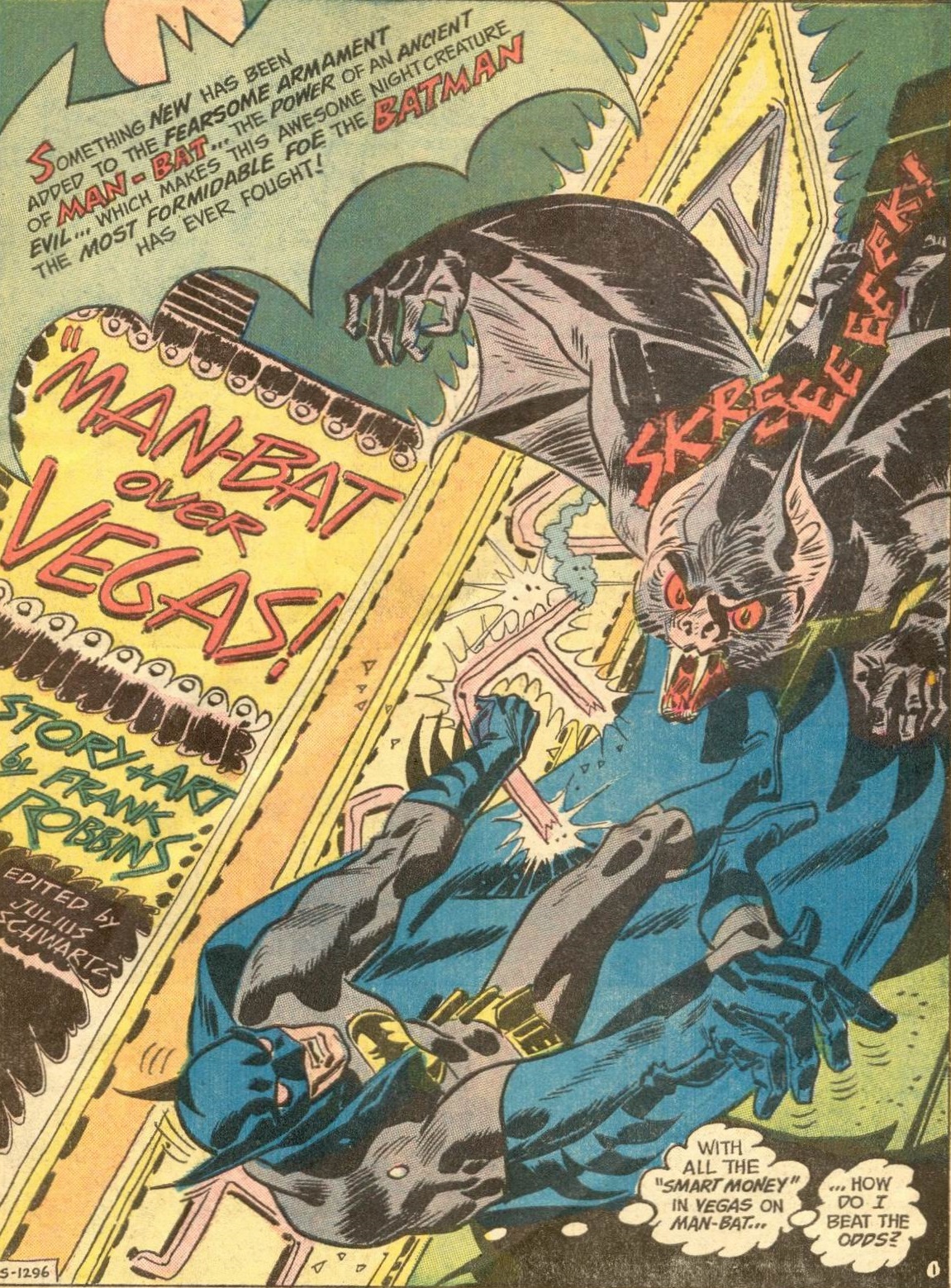
Cover-dated November 1972, this issue shows Frank Robbins even more willing to play with word design. Besides giving Man-Bat a sinuous scream, he adds to the long list of Eisner-influenced Batman comics by integrating the title and credits into the picture’s ‘reality,’ as if they’re just another set of neons in Las Vegas.

Meanwhile, the layout vertically – or, at least, diagonally – pulls you into the comic, instilling a sense of urgency from the get-go even if you disregard the typically hyperbolic text blurb (as usual in a bat-shaped caption). And if on one corner of the page we find the moon that we’ve come to associate with Man-Bat (a reminder of the character’s horror roots), by the time our eyes reach the opposite end we are already firmly back in whimsical Batman territory, because the Bronze Age Caped Crusader, even when apparently falling to his death by pavement-or-feral-evisceration, is still thinking through puns!

Posted in ART OF BATMAN COMICS | Tagged , , | 1 Comment

COMICS CAN BE AWESOME (17 October 2022)

Just in case you’ve forgotten, here is this week’s reminder that comic book covers can be awesome:

steve lieberbattlefieldsSteve Pughbrian bolland Mike Mayhew Robert BurgerLee BermejoJ.G. Joneslukas ketner Geof Darrow

Posted in AWESOME COVERS | Tagged , , , , , , , , , , , , , , , , , , , , , , , | Leave a comment

If you like The Big Lebowski…

It’s been a while since I’ve done one of these!

coen

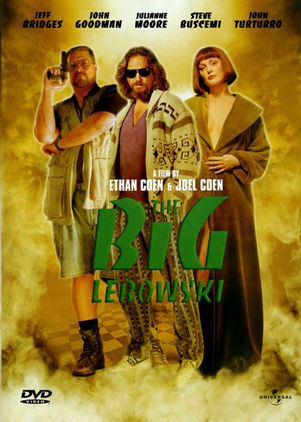
After the critically acclaimed maturity and sensitivity of Fargo, Joel and Ethan Coen pulled yet another switch by delivering a stoner crime comedy packed with profanity (it was as if Tarantino had followed Jackie Brown with Pulp Fiction, rather than the other way around). Set in Los Angeles, against the backdrop of the 1991 Gulf War, The Big Lebowski (1998) revolves around a middle-aged hippie who calls himself The Dude and who just wants to drink, get high, and bowl with his buddies… but inadvertently finds himself wandering through a Chandleresque detective story. A suitably meandering – and seemingly random – opening narration identifies this slacker protagonist as ‘a man for his time and place,’ which is droll both because he seems so far from the typical American gung-ho entrepreneur hero of the yuppie age and because almost everyone in the movie has their head in some other era (most notably the Dude’s closest friend, a loose-cannon vet who just won’t shut up about Vietnam). It’s perhaps a pointless – and probably endless – task to try to explain everything that makes The Big Lebowski so laugh-out-loud funny, but I’ll highlight the fact that it pushes one of my favorite Coen devices to hilarious extremes: in the Coens’ scripts, characters always have very personal speech patterns, but they also tend to pick up lines and expressions from each other, like in real life, which leads to many multilayered exchanges, including a priceless bit here where the pacifist Dude actually repurposes the words of George H.W. Bush!

With its perfect casting, bouncy direction, and eminently quotable screenplay, this has been my favorite Coen picture ever since I first saw it, at the time. Despite having read a couple of lukewarm reviews, I remember going into the theater with high expectations because I was such a fan of the Coen brothers and yet still being blown away by a movie where every single scene seemed pitched at my personal tastes and sense of humor. And I know I’m not alone: The Big Lebowski has become a veritable cult phenomenon and left more of a lasting, widespread mark on popular culture than any of the brothers’ remaining output (one of the weirdest manifestations of this was an amusing episode of the children’s superhero cartoon show Powerpuff Girls built almost entirely out of references to The Big Lebowski).

shane black paul thomas anderson detective comic

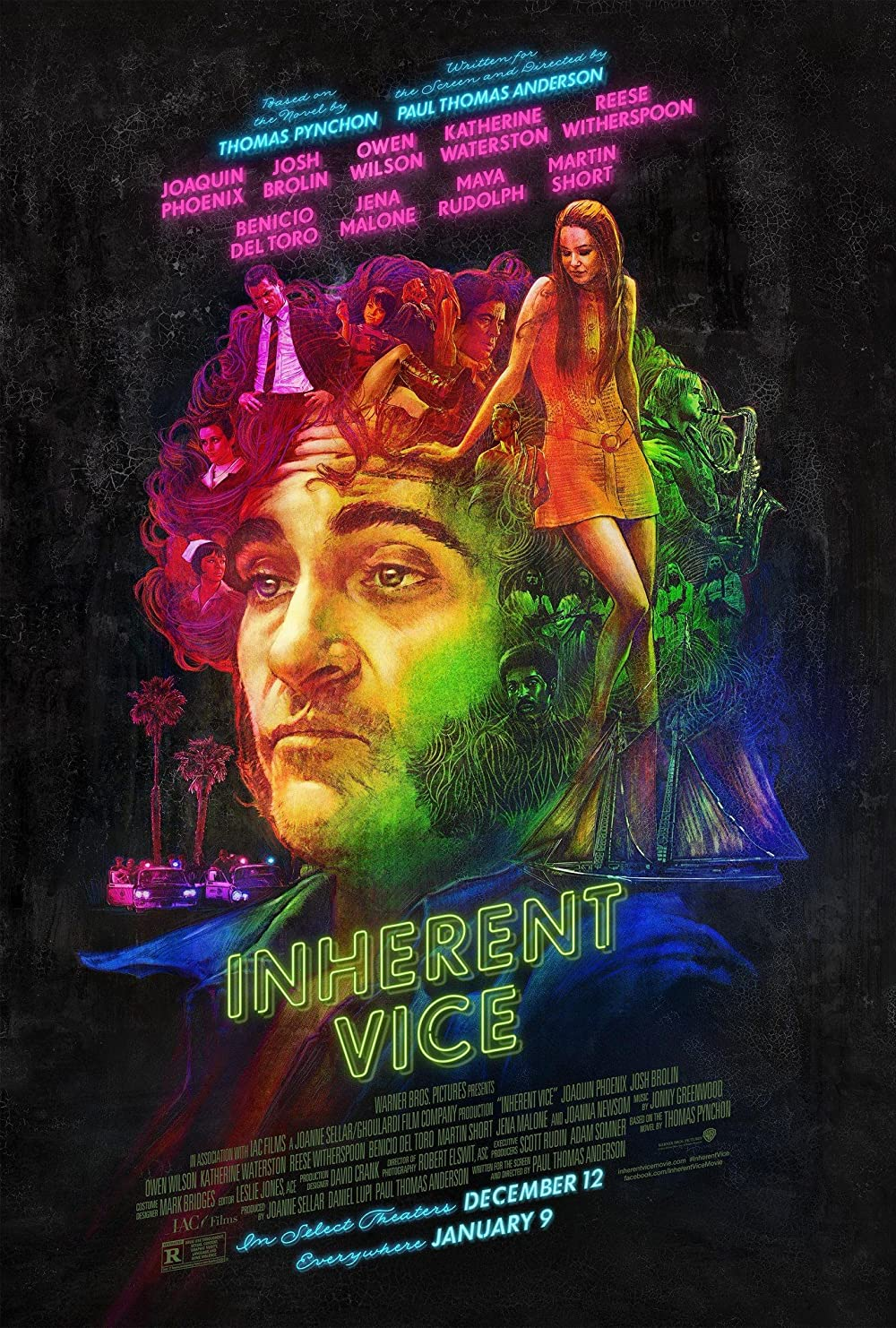
Paul Thomas Anderson’s Inherent Vice feels like an unofficial prequel to The Big Lebowski… Joaquin Phoenix plays a counter-culture detective in 1970 who could easily be a younger Dude. We also get another off-kilter narrator to go with the stoner protagonist wandering through an intricate California-based mystery. Both pictures are moody, semi-surreal comedies that get their humor less from clear punchlines than from amusing turns of phrase, quirky characterization, and creative cinematography. That said, Anderson has different ambitions. His script adapts a satirical novel by Thomas Pynchon, who crammed in every single conspiracy theory from the early seventies, thus capturing that era’s sense of paranoia and of crumbling dreams from the previous decade. Since Magnolia, Anderson has carved out a reputation as the auteur of heady, occasionally perplexing dramas (Punch-Drunk Love, There Will Be Blood, The Master, The Phantom Thread) – and you’d be forgiven for suspecting Inherent Vice fits the bill, given that many critics painted it as an impenetrable mess. However, while the super-complicated plot is indeed hard to follow in every detail, the story does make sense diegetically if you’re willing to put in the effort to figure it out (the clues are there, although the solutions to the various mysteries aren’t always explicit). In any case, even if you lose the thread of the narrative, you can still enjoy Inherent Vice as a trippy exercise in style, since each scene is peppered with delightful eccentricities and atmosphere. (In that sense, the film anticipates the carefree vibe of Licorice Pizza.)

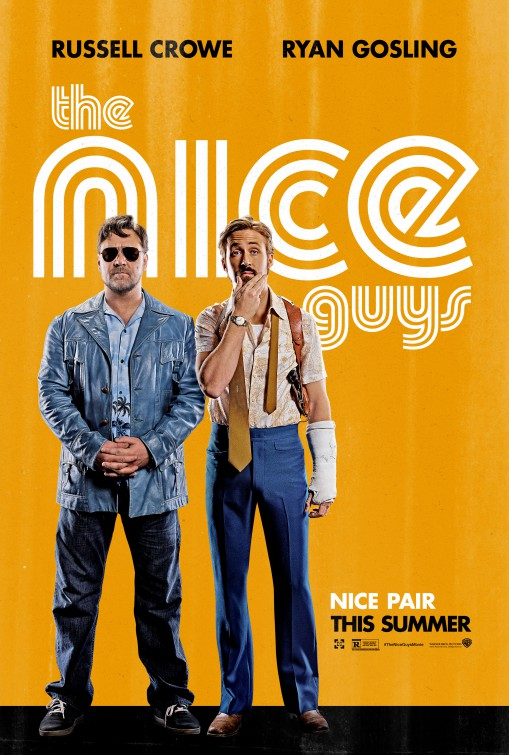
The Big Lebowski and Inherent Vice would form a perfect triple-bill with Shane Black’s The Nice Guys, another hilarious dark comedy about a messed up LA detective, set in the late seventies. This one is much more frantic, though, with Ryan Goslin giving a particularly over-the-top performance as a horny private eye with loose ethics and a drinking problem. He is joined by Russel Crowe as a hired enforcer who seems to have it more together (scarily so, at times) and Angourie Rice as his plucky teenage daughter who steals every scene she’s in. Once again, the mystery plot is mostly a vehicle for having the protagonists bump into all sorts of oddball characters – from porn-producing activists to the fiercest contract killer to grace the screen in recent memory – although, like P.T. Anderson, Black also includes quite a few nods to the era’s political conspiracy thrillers, culminating in a cynical jab at the car industry.

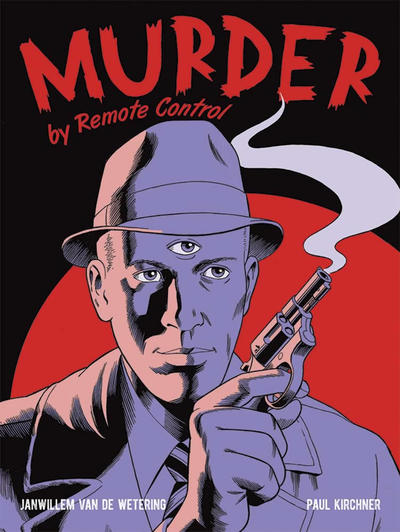
There are plenty of funny, labyrinthic crime comics laden with sex and drugs (for instance, in previous posts I recommended Stray Bullets and The Fix), but the magic of The Big Lebowski isn’t just about the story, the characters, and the jokes, but also, as mentioned, about the way the framework of an investigation organizes a series of bizarre encounters – and, yes, a couple of memorable full-on dream sequences. With that in mind, my final recommendation is the psychedelic graphic novel Murder by Remote Control:

paul kirchner

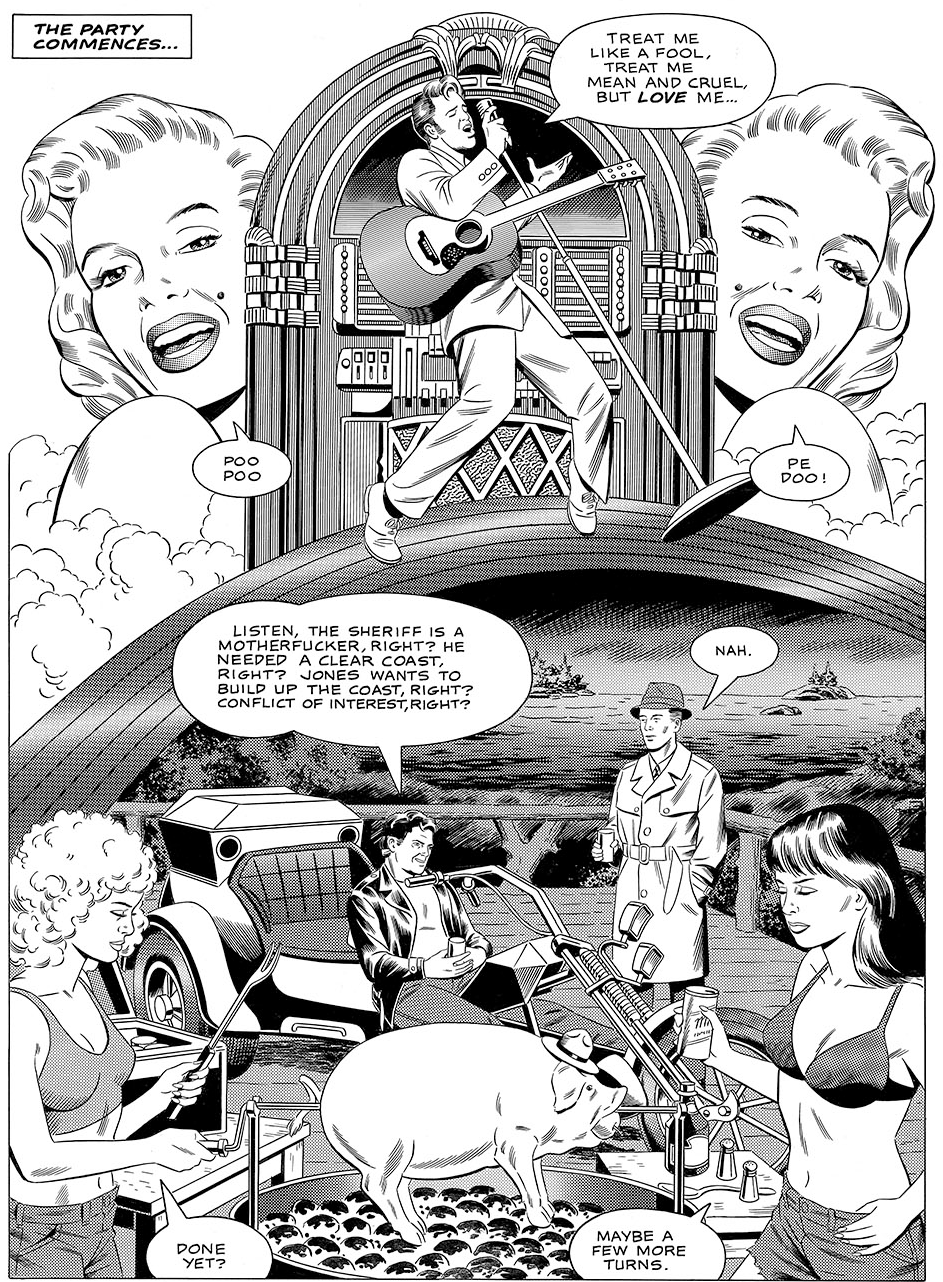
Originally published in the Netherlands in 1984 (and, in the US, in 1986), Murder by Remote Control is itself a cult object. With lavish artwork by Heavy Metal veteran Paul Kirchner and a baffling script by Dutch mystery writer Janwillem van de Wetering, this is a whodunit set in Maine, where Zen detective Jim Brady investigates the death of an oil tycoon killed by a toy plane – a premise that serves as the pretext for dreamy interrogation scenes with a row of idiosyncratic suspects.

Like many comics by European creators, Murder by Remote Control is a book about what the United States symbolizes, both explicitly (‘Let’s see what might happen if two of America’s great forces, the quest for productive success and the desire to enjoy the unspoiled environment, lock in mortal combat.’) and in the way the victim and each suspect embody cultural icons, from the motorcycle-riding rebel Joe McLoon to the retired Hollywood star Steve Goodrich (who, with his caretaker Erik van Heineken, seems straight out of Sunset Boulevard, even though he looks like Gary Cooper). Like in The Big Lebowski, we are treated to a tour of caricatural American archetypes, including yet another despicable chief of police. These figures aren’t necessarily complex, but they do paint a rich tapestry of associations linking disparate elements of US mythology.

The twist is that Jim Brady isn’t the Dude, but rather a tidy, focused investigator – or, as Joe McCulloch put it, the apparatus of investigation itself – who seems able to gaze into hidden depths of the suspects’ minds (I wonder if this inspired Fred Van Lente’s and Guiu Vilanova’s nifty Lovecraftian comedy Weird Detective). As a result, most pages feature surrealistic compositions, albeit rendered in an oddly naturalistic style that presents Brady’s visions as a linear prolongation of ‘reality.’ Kirchner’s hypnotic illustrations thus forge a peculiar path between a mystical and a parodic look.

(I strongly recommend Dover’s 2016 edition, which – unlike the previous version – not only reprints the work in its original size, but it also contains an introduction by Paul Kirchner looking back at the project’s origins and a great afterword by Stephen Bissette.)

Posted in IF YOU LIKE THE COEN BROTHERS... | Tagged , , , , , , , , , , | Leave a comment

COMICS CAN BE AWESOME (10 October 2022)

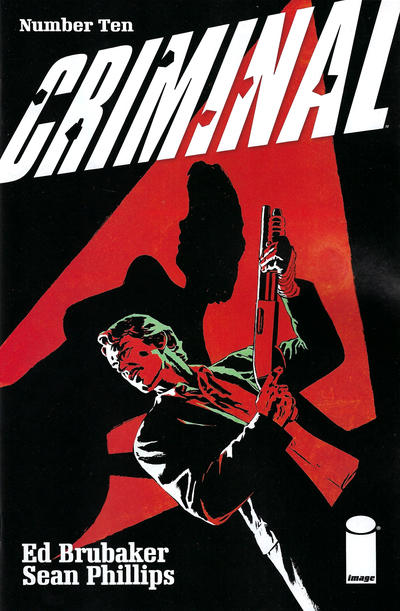
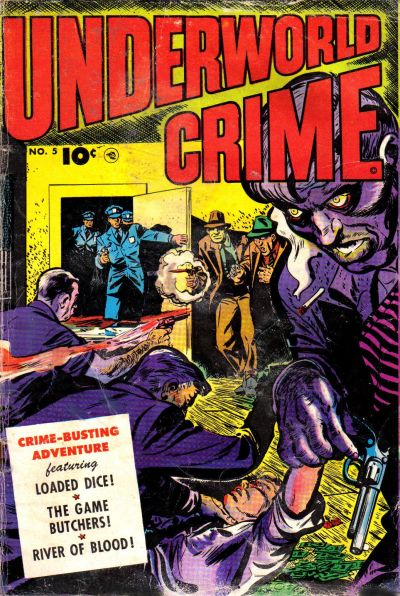
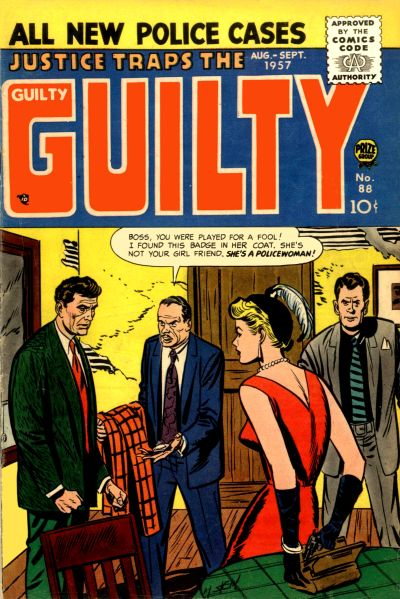
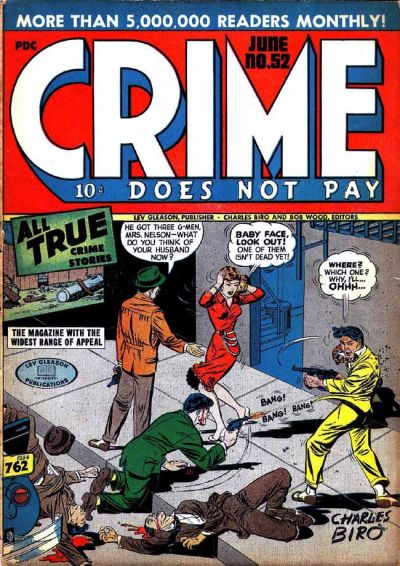
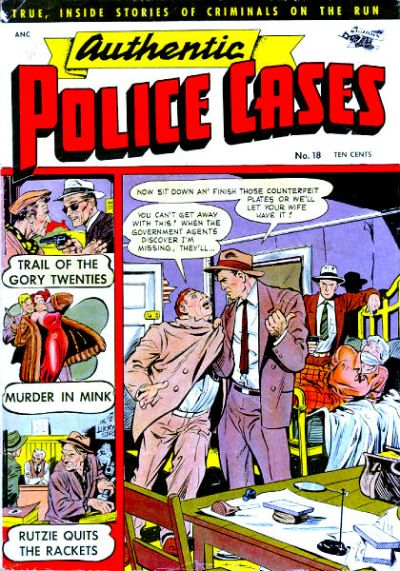
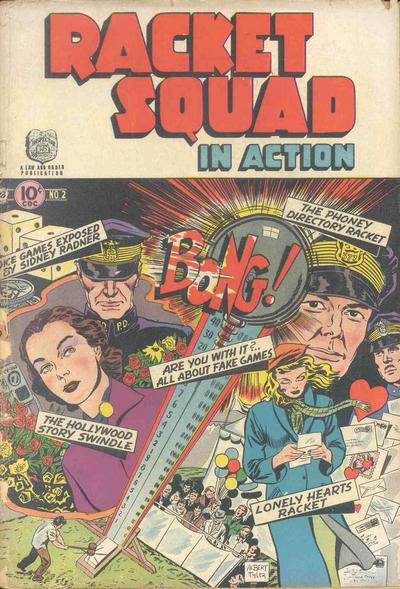
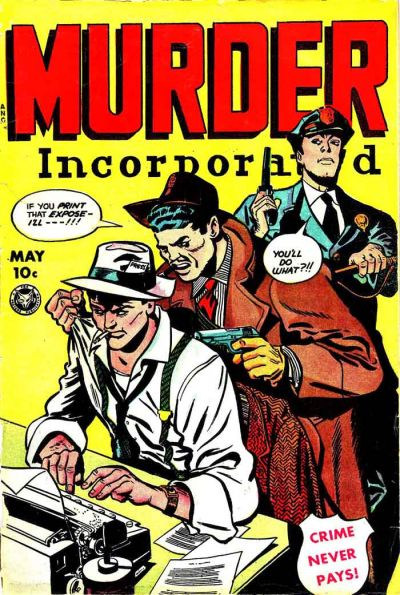
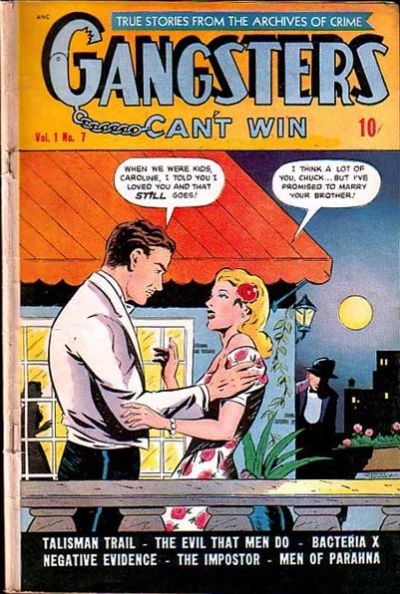
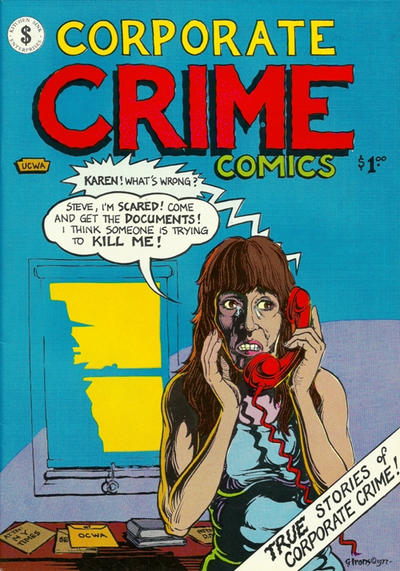
A criminal reminder that comic book covers can be awesome:

brubillipsCarl PfeuferLee AmesMarvin Stein Charles BiroMatt Baker Al Tylercrime comic Bob JenneyGreg Irons

Posted in AWESOME COVERS | Tagged , , , , , , , , , , , , , , , , , , , , , | Leave a comment

Just another busy week in the life of Batman

MONDAY

batmanRobin (v4) #9

TUESDAY

Dynamic DuoDetective Comics #649

WEDNESDAY

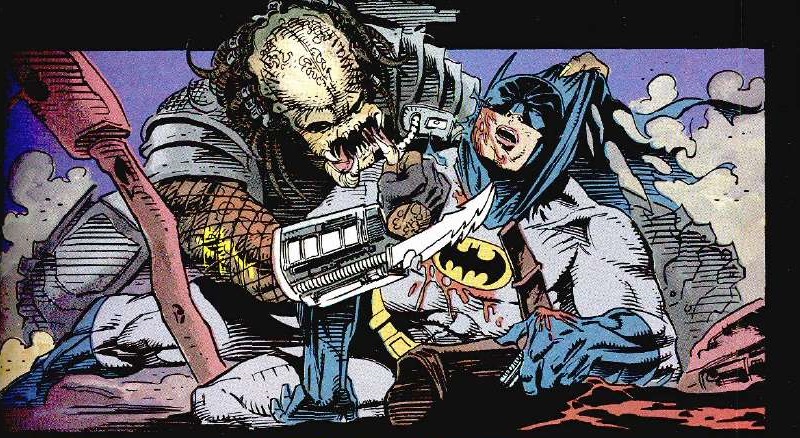
kubertBatman versus Predator #2

THURSDAY

batmanDetective Comics #707

FRIDAY

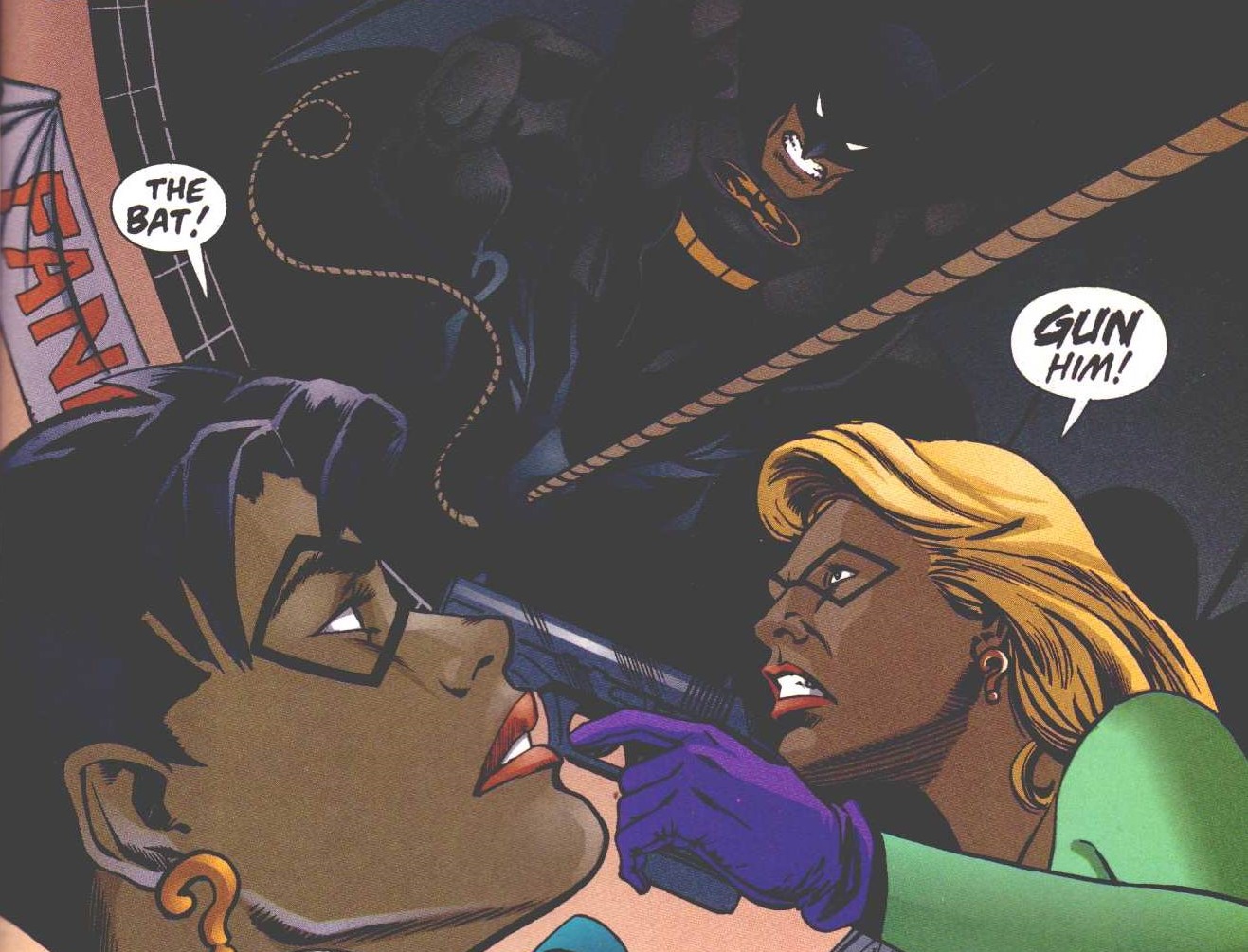
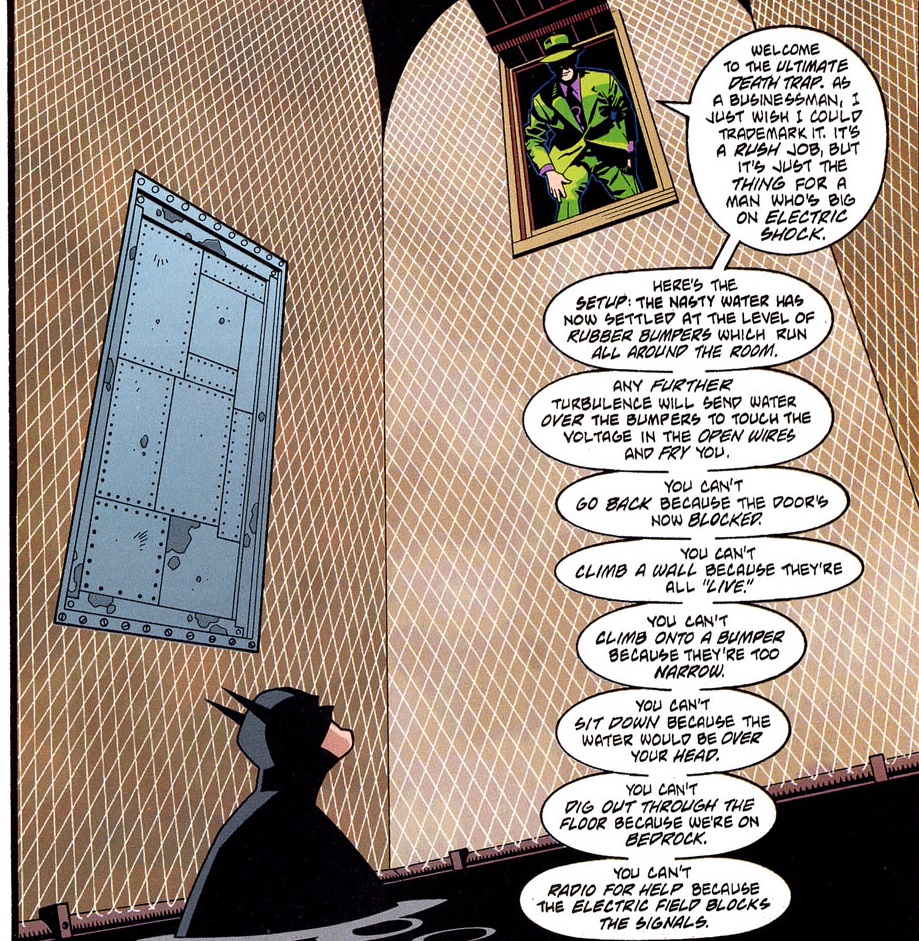
RiddlerLegends of the Dark Knight #110

SATURDAY

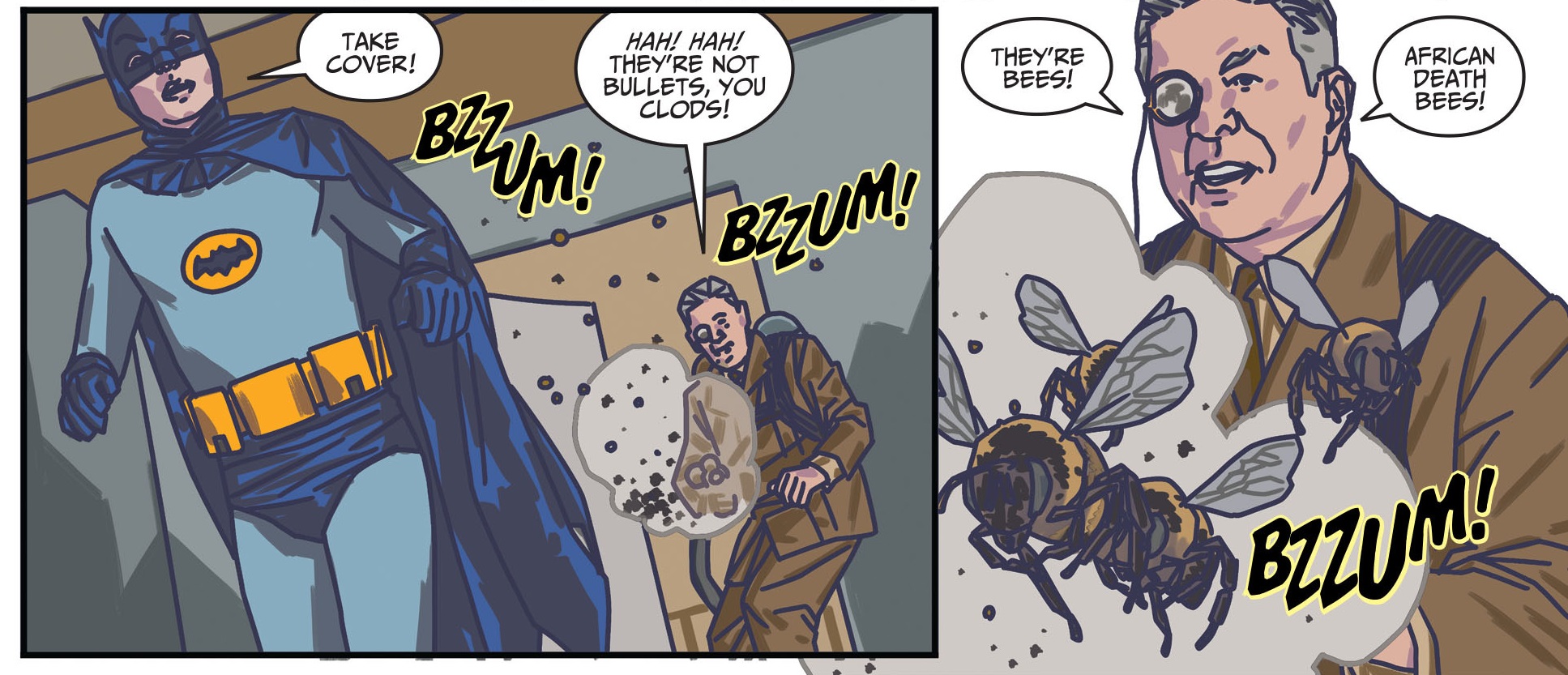
Caped CrusaderBatman ’66 meets Steed and Mrs. Peel #3

SUNDAY

jokerBatman #614
Posted in GOTHAM INTERLUDES | Leave a comment

COMICS CAN BE AWESOME (3 October 2022)

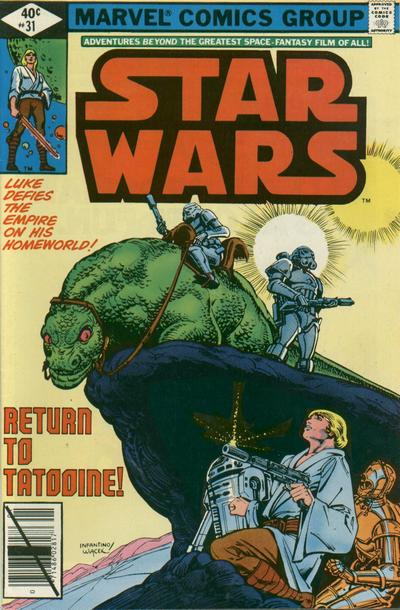
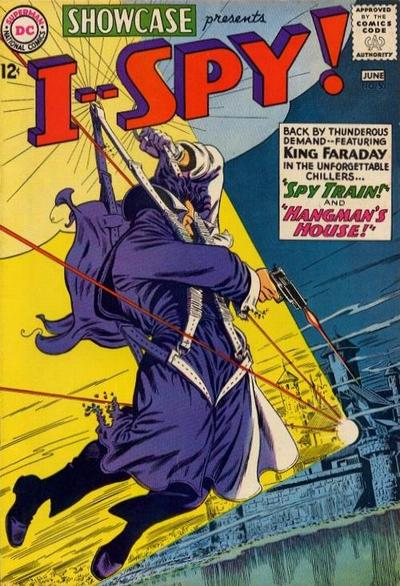
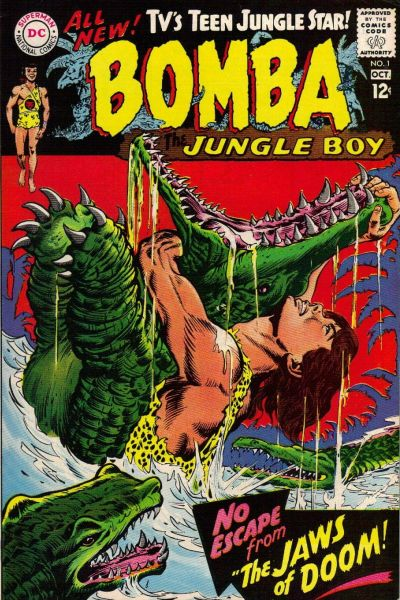
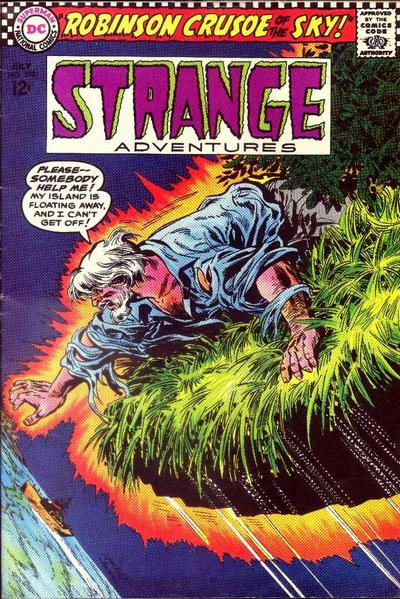
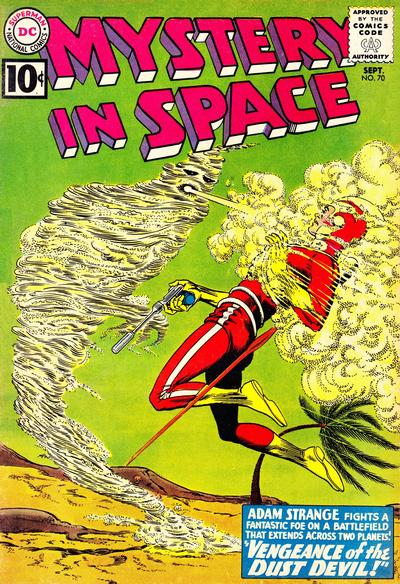
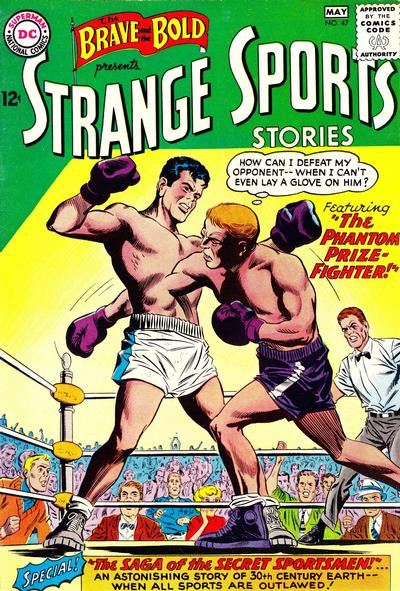
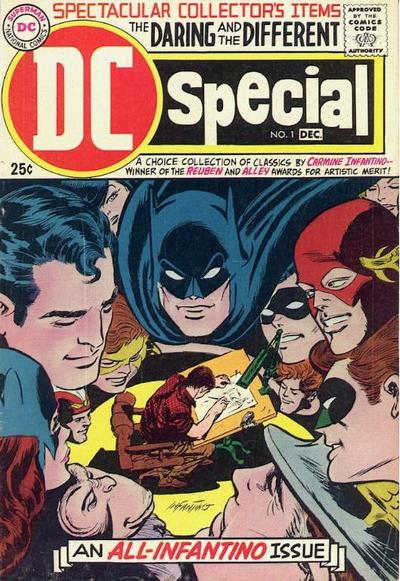
I’ve highlighted the fantastic cover work of Carmine Infantino in the past, namely his beautiful covers for Silver Age Batman and Flash comics.

Yet these heroes weren’t the only ones to benefit from Infantino’s extraordinary talent for cover composition… Along with his elegant body designs, Infantino seemed to always carefully pick the perfect angle to lend a sense of excitement to different types of stories, as seen in this week’s reminder that comics can be awesome:

carmine infantinoinfantinostar wars comiccarmine infantinoI-SpyInfantinosilver age comicsadam strangestrange sport storiesCarmine Infantino

Posted in GLIMPSES INTO THE PAST | Tagged , , , , , , , , , , , , , , , , , , , , , | Leave a comment

A couple of deservedly acclaimed futuristic novels

Another post about science fiction, but this one looking beyond comic books…

Reading old novels set in the future can be fun in different ways. On the one hand, it’s fascinating to see how other eras imagined (accurately or not) what was to come, based on contemporary technology and culture, or how authors commented on their own times through the guise of sci-fi allegories. On the other hand, there is a groovy coolness about all the outdated stuff, which turns these tales into a strange counterfactual history, as if they were set on alternate realities where things somehow evolved differently.

As I pointed out when looking at futuristic comics, though, sometimes that’s just the icing on the cake. Many of these are exciting yarns or touching reads, with evocative prose and absorbing stories… They’re genuinely satisfying books, on top of being interesting and bizarre.

Here are a couple of them that fit this description:


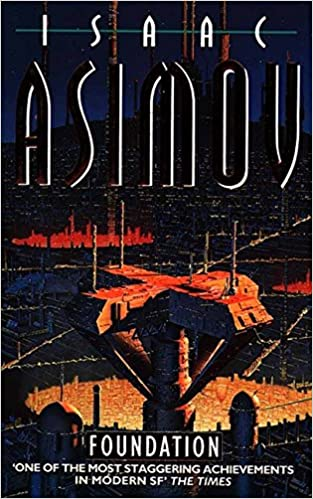
FOUNDATION

(Isaac Asimov, 1951)

isaac asimov

“His name was Gaal Dornick and he was just a country boy who had never seen Trantor before. That is, not in real life. He had seen it many times on the hyper-video, and occasionally in tremendous three-dimensional newscasts covering an Imperial Coronation or the opening of a Galactic Council. Even though he had lived all his life on the world of Synnax, which circled a star at the edges of the Blue Drift, he was not cut off from civilization, you see. At that time, no place in the Galaxy was.

There were nearly twenty-five million inhabited planets in the Galaxy then, and not one but owed allegiance to the Empire whose seat was on Trantor. It was the last half-century in which that could be said.”

It took me a while to get around to checking out this seminal masterwork of science fiction, but once I finally picked it up I was completely hooked. I will get into the plot and themes in a bit, but first I want you to consider the passage above (which kickstarts the narrative after an excerpt from the fictional Encyclopedia Galactica). See how practically every sentence introduces a new concept, from intriguing places and incredible technology to the sense of overwhelming scale (such a far-off future, such an impossibly vast empire…)? That’s pretty much the pace of the whole book, which is made up of very short chapters, each one establishing at least one mind-blowing notion after another, gradually building an epic so sprawling that every fantastic premise and character sooner or later get subsumed into a much, much larger picture. And this is just the first novel in the classic Foundation series, which somehow managed to continue to expand this saga in surprising directions (in a future post, I may end up discussing the first sequel, Foundation and Empire, which is also quite neat).

I only knew Isaac Asimov from Nightfall and from his robot tales, where he tended to explore a few ideas to their logical limit, playing with paradoxes and speculating about all their possible ramifications. In Foundation, however, he keeps throwing more stuff at the reader while pushing ahead with momentum and determination. Early on, we learn about methods of hyper-space travel, about a planet whose whole land surface (75,000,000 square miles) amounts to a single city that operates mostly underground, and about psychohistory, a branch of mathematics that uses ultra-complex statistics and socio-economic formulas to foresee the future. And just as we settle into all of this through the eyes of a young psychohistorian who unwittingly finds himself entangled in a political thriller, the narrative takes a leap forward… and then another… and before you know it you’re in a whole other corner of the galaxy reading discussions about geopolitics between scientists, diplomats, and, even later, a type of priests that are a bit of both.

Asimov’s talent isn’t just in the way he ties it all together and makes the story flow engrossingly, but also in the way he juggles all the multiple scales, shifting from micro to macro and back again. Yes, this is definitely an ideas-driven book with just enough characterization to ground the plot, but even among all these wide frameworks we get to care about petty personal whims and intimate doubts. That said, much of the interior action does involve characters contemplating their own miniscule role or limited perspective in the grand scheme of things:

“He sighed noisily, and realized finally that he was on Trantor at last; on the planet which was the centre of all the Galaxy and the kernel of the human race. He saw none of its weaknesses. He saw no ships of food landing. He was not aware of a jugular vein delicately connecting the forty billion of Trantor with the rest of the Galaxy. He was conscious only of the mightiest deed of man; the complete and almost contemptuously final conquest of a world.”

At the core of the story is psychohistorian Hari Seldon’s prediction that the galactic empire will collapse and that the only way to minimize the ensuing period of chaos is to put together a massive encyclopedia compiling the whole of human knowledge, thus securing the basis of a future civilization. As the decades pass, however, the Foundation in charge of this enterprise gets itself embroiled in local and interplanetary politics, its mission reshaped by coups, espionage, and looming war. I won’t spoil the many, many twists, but suffice to say that power keeps shifting from one group to another, reflecting tensions between scientific research and other tools of imperialism (atomic weapons, trade, religion) that are typical of early Cold War fiction (even though much of Foundation was originally published in the form of short stories in the early 1940s).

Even leaving aside the fact that Foundation’s breathtaking imagination isn’t enough to anticipate a future with women in positions of power, from a purely scientific perspective the notion of psychohistory flies in the face of chaos theory. Asimov does make a point of explaining that such predictions could only apply to overall trends – rather than to an individual’s specific behavior – and he shows awareness that the very act of predicting can change the turn of events, but at the heart of the book is still a general understanding of history as essentially determined by large structural processes without much room for contingency. In fairness, this is a vision shared by many current historians and theorists (from Marxists to neorealist IR scholars) and its evolution in our own future would actually match the ongoing development of big data and machine-learning algorithms. Yet, Asimov himself came to complicate the challenges of psychohistory in the sequels…

That said, I’m less interested in Foundation as a historiographical or a futuristic proposition than in the existentialist implications of eroding our self-importance and putting our trust in what we don’t fully understand. By framing our sense of individuality, free will, and impactful agency against the backdrop of invisible, unstoppable forces, the book gradually blurs the line between equations and prophecies, between logic and faith, or between social dynamics and divine destiny.

“Verisof nodded, a trifle doubtfully. ‘Everyone knows that’s the way things are supposed to go. But can we afford to take chances? Can we risk the present for the sake of a nebulous future?’

´We must – because the future isn’t nebulous. It’s been calculated by Seldon and charted. Each successive crisis in our history is mapped and each depends in a measure on the successful conclusion of the previous. This is only the second crisis and Space knows what effect even a trifling deviation would have in the end.’

‘That’s rather empty speculation.’

No! Hari Seldon said in the Time Vault, that at each crisis our freedom of action would become circumscribed to the point where only one course of action was possible.’

‘So as to keep us on the straight and narrow?’

‘So as to keep us from deviating, yes. But, conversely, as long as more than one course of action is possible, the crisis has not been reached. We must let things drift so long as we possibly can, and by Space, that’s what I intend doing.’”


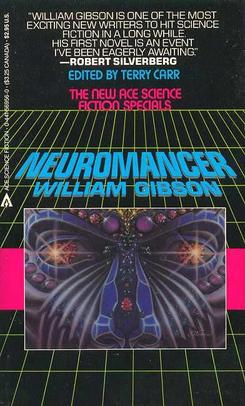
NEUROMANCER

(William Gibson, 1984)

william gibson

“The sky above the port was the color of television, tuned to a dead channel.

‘It’s not like I’m using,’ Case heard someone say, as he shouldered his way through the crowd around the door of the Chat. ‘It’s like my body’s developed this massive drug deficiency.’ It was a Sprawl voice and a Sprawl joke. The Chatsubo was a bar for professional expatriates; you could drink there for a week and never hear two words in Japanese.”

Set in a gritty, neon dystopia drenched in Blade Runner-ish aesthetics, Neuromancer follows Henry Case, a down-on-his-luck hacker-turned-hustler who used to be able to jack into a virtual reality matrix that allowed him to communicate with computer programs, inhabiting a vast datascape (picture a more immersive form of internet browsing) before his central nervous system got all fucked up. When Case gets hired for a high-tech heist with an eccentric crew, he finds himself involved in an intricate plot where he can’t trust anyone, especially as people may turn out to be simulated holograms or hallucinations or brainwashed by machines run by the viruses of artificial intelligences working for (or secretly controlling?) shadowy corporations hiding behind shell companies with headquarters in space and a cryogenically frozen board of directors… or something approximately like this.

Along with a noirish narrative, we get plenty of noirish writing, as there is an acerbic wit running through the whole thing that would make Raymond Chandler proud (‘His ugliness was the stuff of legend. In an age of affordable beauty, there was something heraldic about his lack of it.’). Bombarding readers with slangy neologisms and turning descriptions of weird technology into something quasi-poetic, William Gibson effectively bends the English language to accommodate the novel’s vibrant world.

The result is as cyberpunk as it gets. The ‘cyber’ bit was particularly groundbreaking, popularizing the very expression ‘cyberspace’ (which Gibson had coined in an earlier short story… and which helps him keep the action visually grounded even when Case is online, translating his interactions with software into chases and violence and actual dialogue). The ‘punk’ is in the attitude and in the look that Neuromancer vividly evokes (albeit with more mechanic prosthetics than piercings or tattoos). The latter also applies to the close relationship with drugs, including plenty of junky-sounding prose as well as plenty of actual junkies…

“He walked till morning.

The high wore away, the chromed skeleton corroding hourly, flesh growing solid, the drug-flesh replaced with the meat of his life. He couldn’t think. He liked that very much, to be conscious and unable to think. He seemed to become each thing he saw: a park bench, a cloud of white moths around an antique streetlight, a robot gardener stripped diagonally with black and yellow.”

This is one of those texts whose place in the canon is visible in almost every line, on the one hand taking Philip K. Dick’s trippy thrillers to the next level, on the other hand directly setting up the stage for Ghost in the Shell and The Matrix, not to mention at least half of Warren Ellis’ comics (particularly the early stuff, like Lazarus Churchyard, City of Silence, Transmetropolitan, and Mek, although Gibson’s spirit has really haunted most of Ellis’ career in one form or another).

At the same time, it’s hard to fully confine the book to a bygone era. In 2022, revisiting this paranoid nightmare about the fusion of globalized capitalism and out-of-control AIs, I can’t help but fear we may currently be living through a bootleg prequel of Neuromancer.

“Power, in Case’s world, meant corporate power. The zaibatsus, the multinationals that shaped the course of human history, had transcended old barriers. Viewed as organisms, they had attained a kind of immortality. You couldn’t kill a zaibatsu by assassinating a dozen key executives; there were others waiting to step up the ladder, assume the vacated position, access the vast banks of corporate memory.”

Posted in FANTASTIC ADVENTURES | Tagged , , , , , , , , | Leave a comment