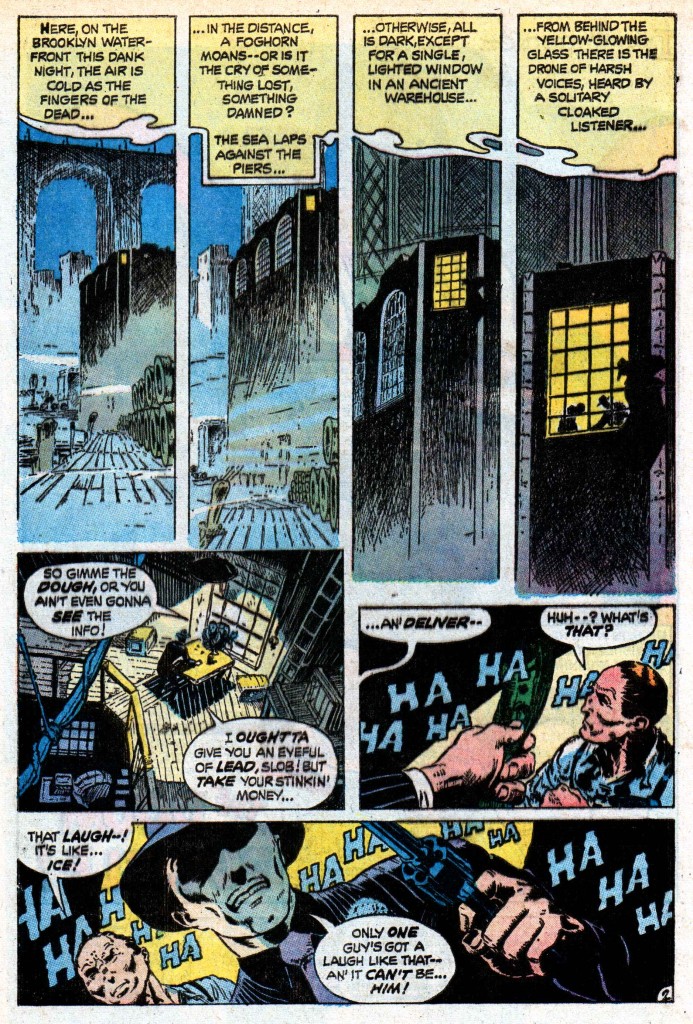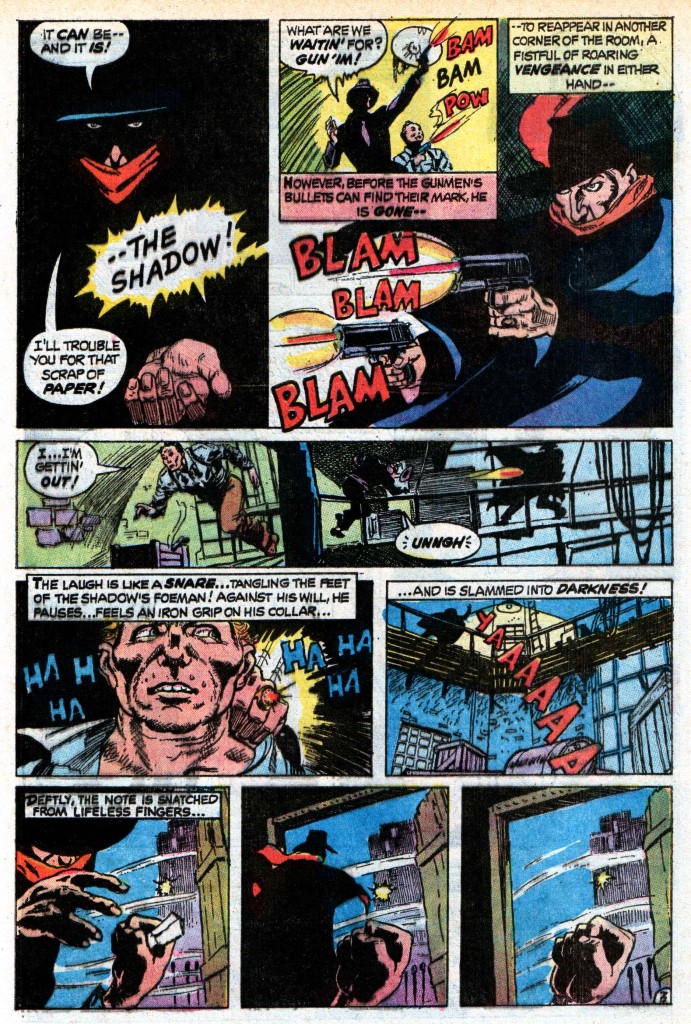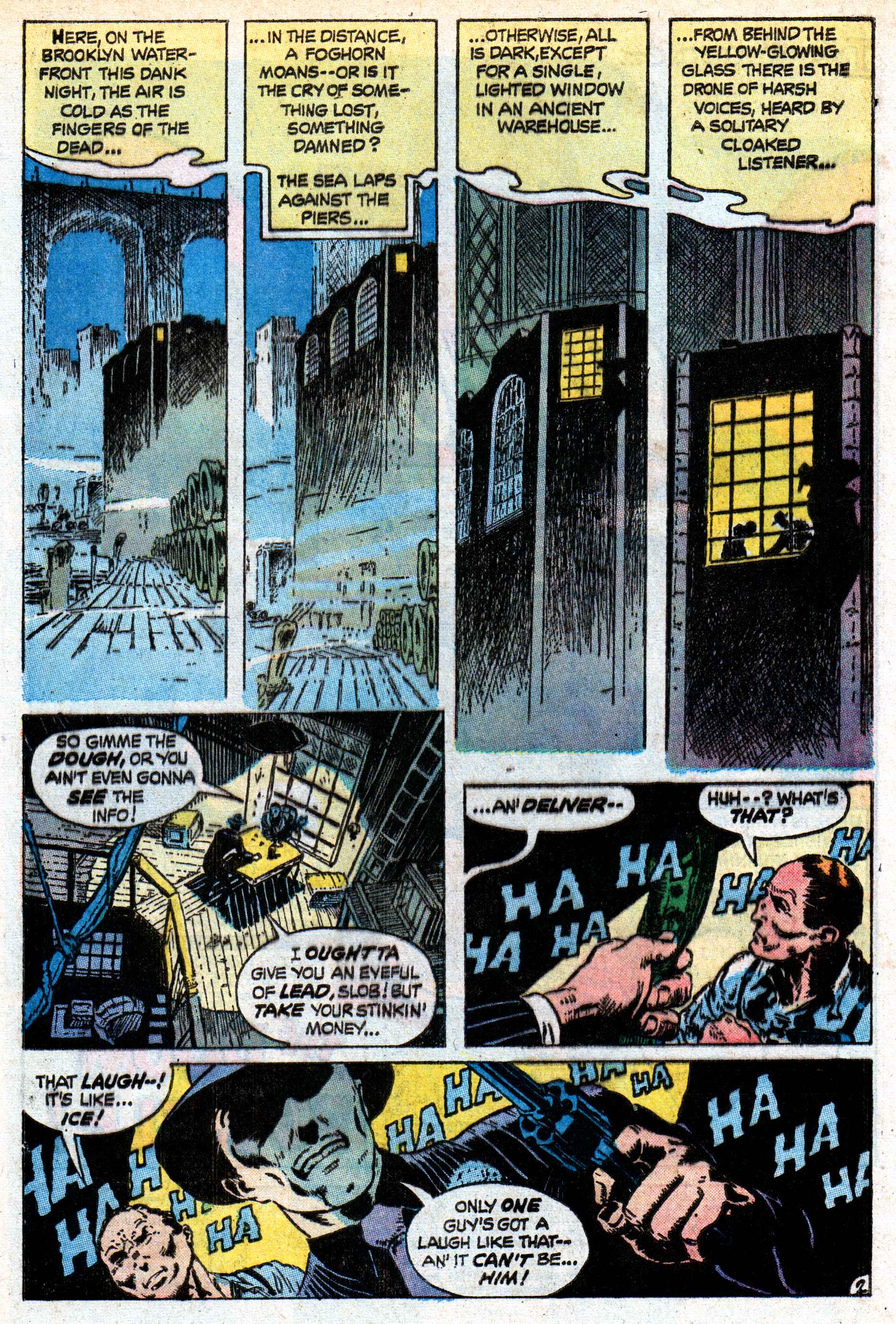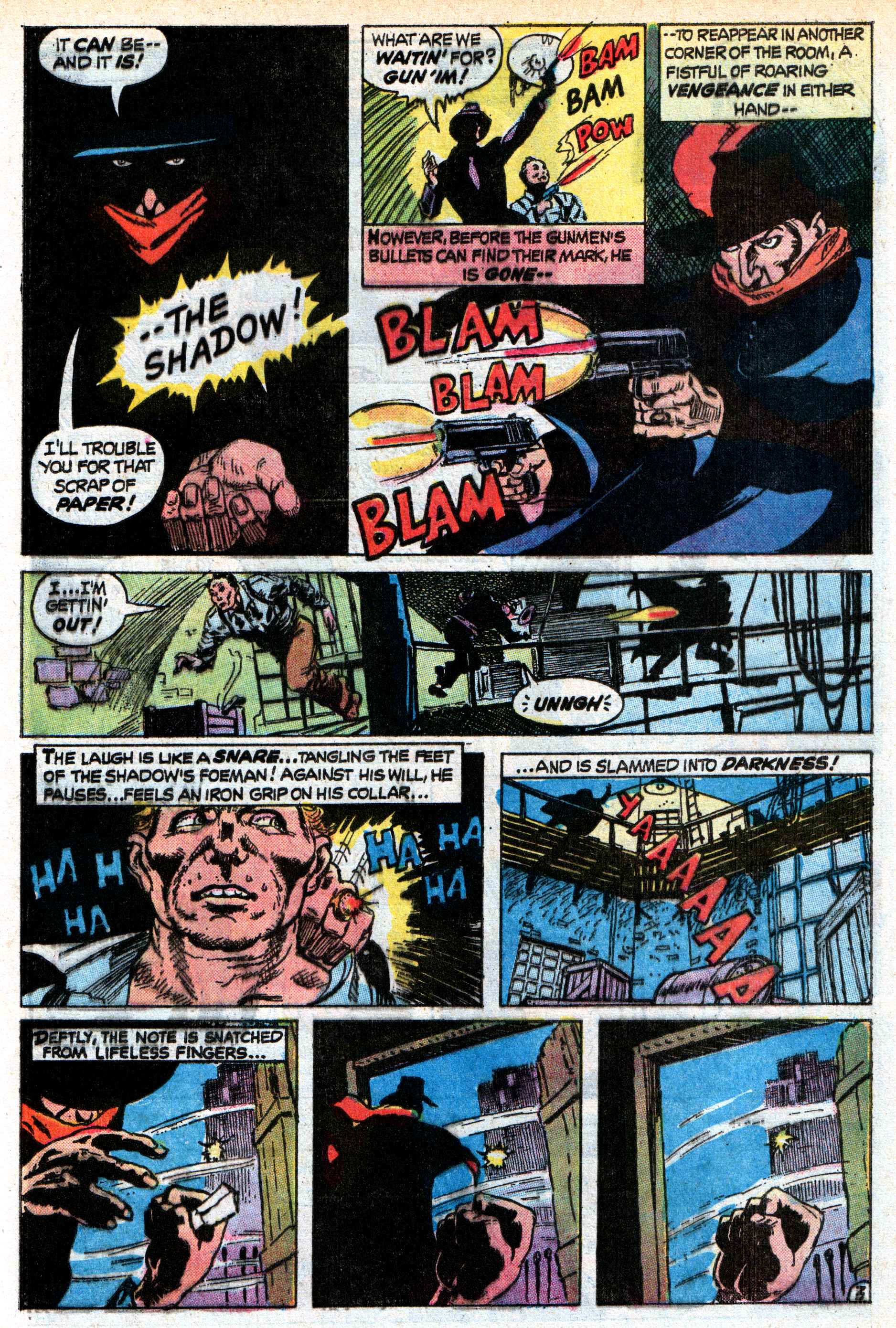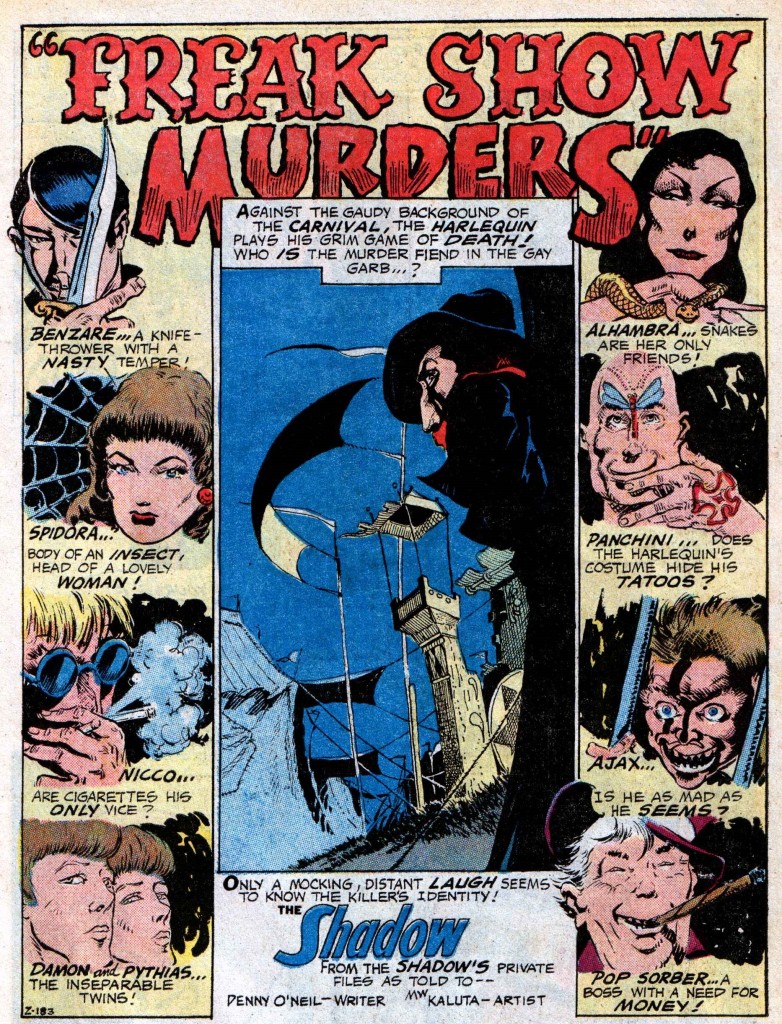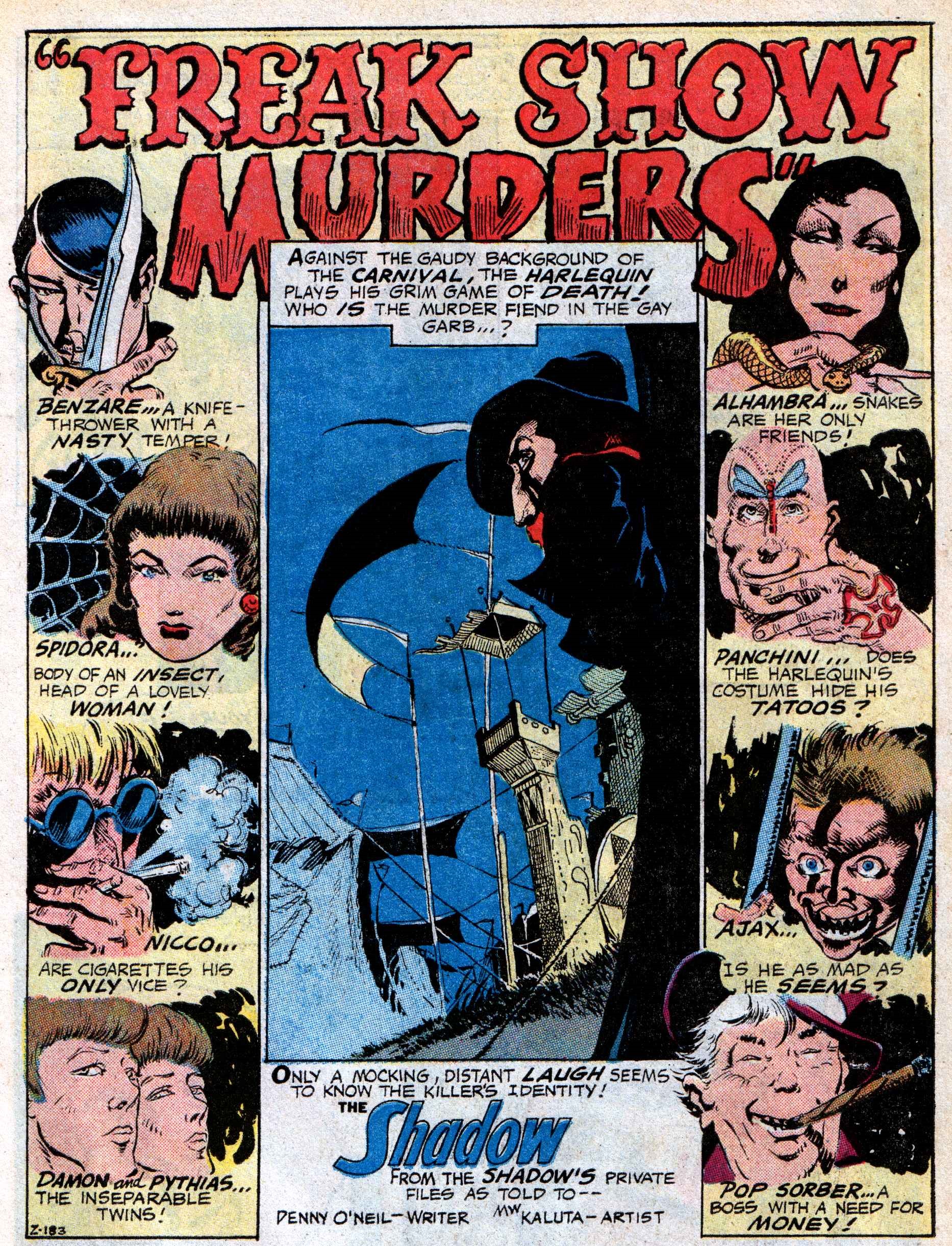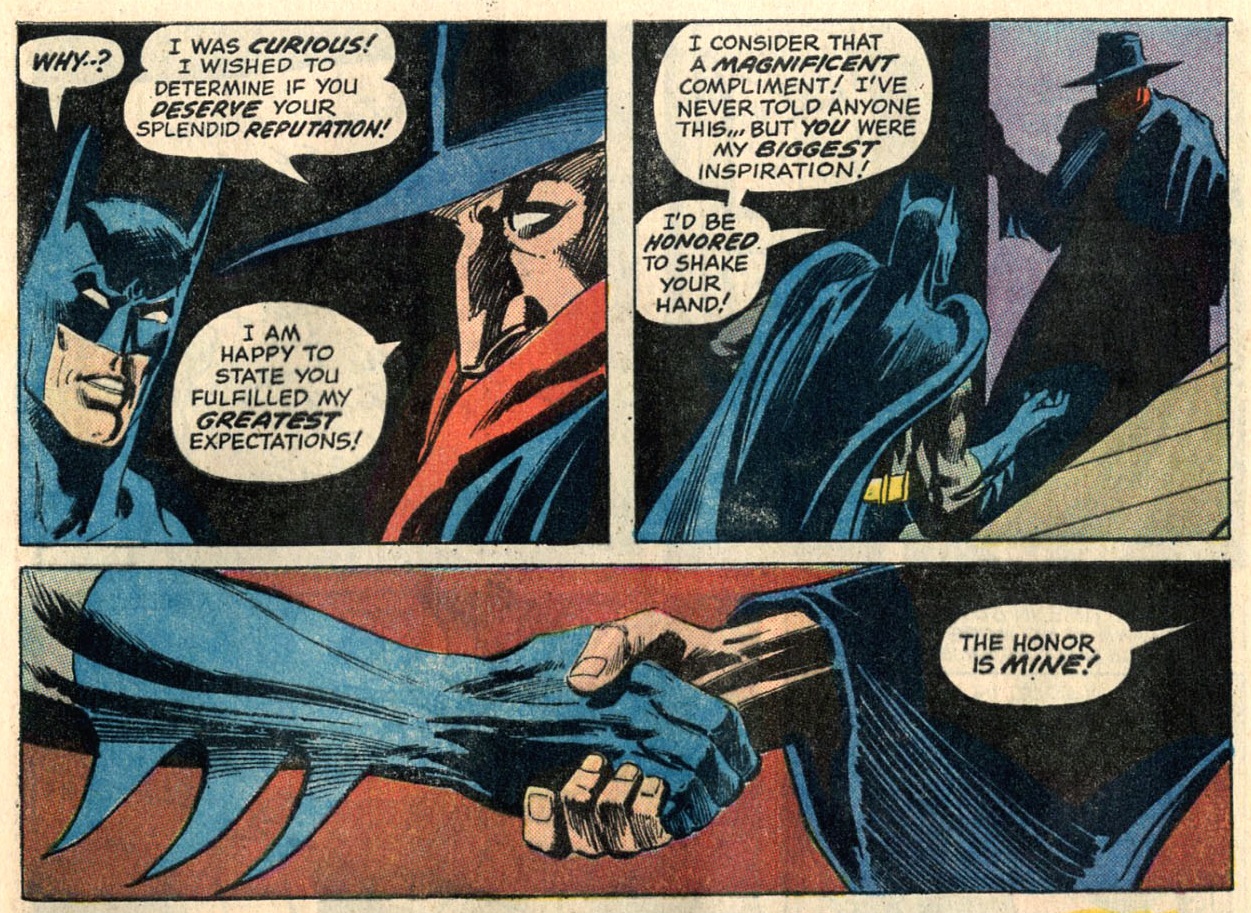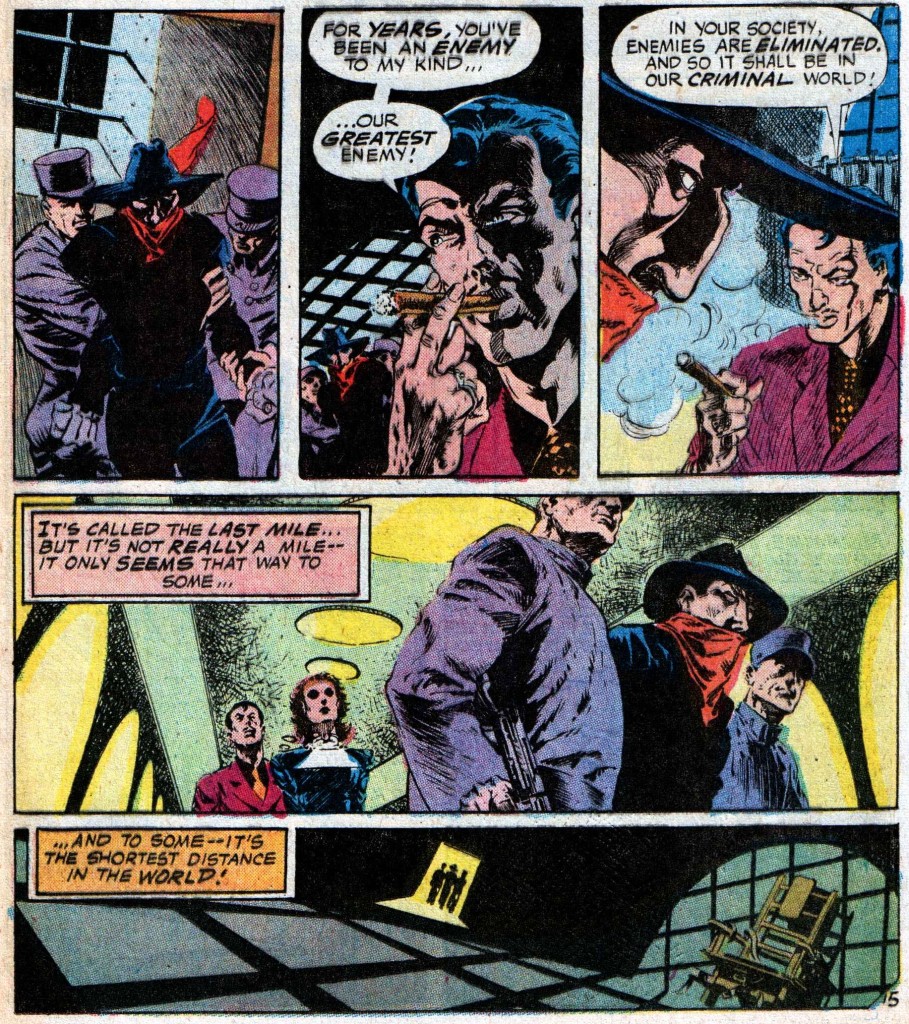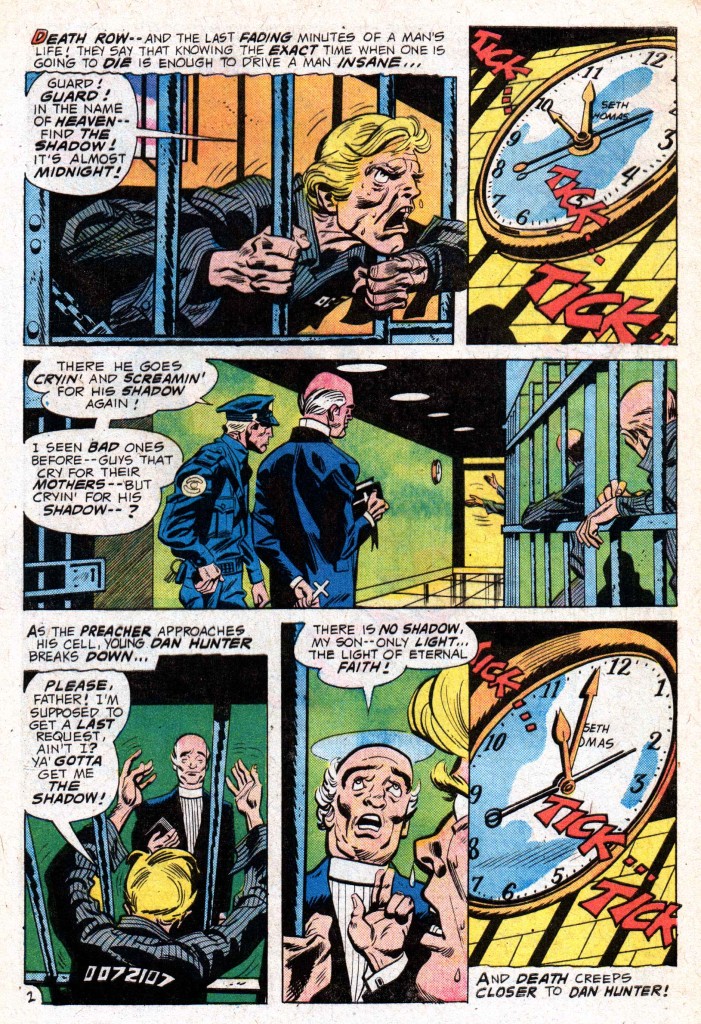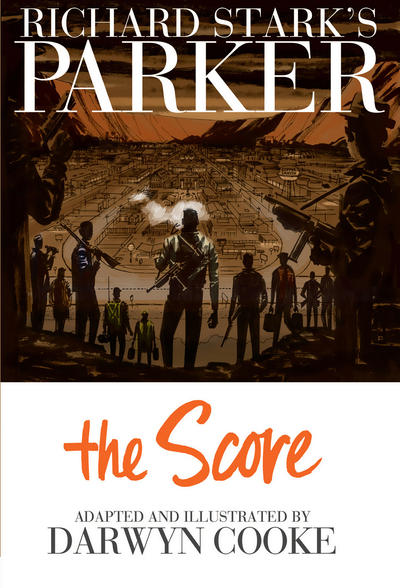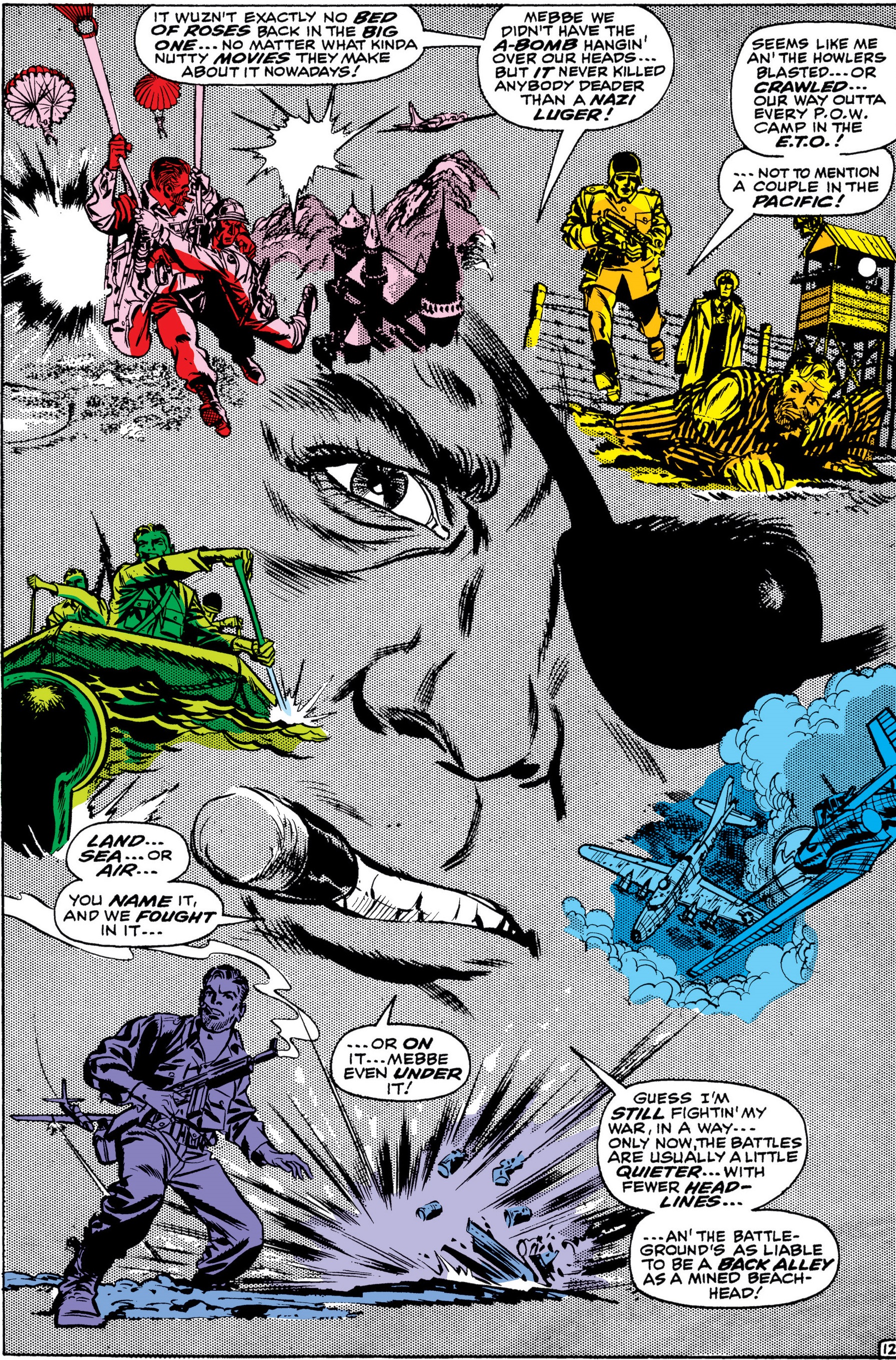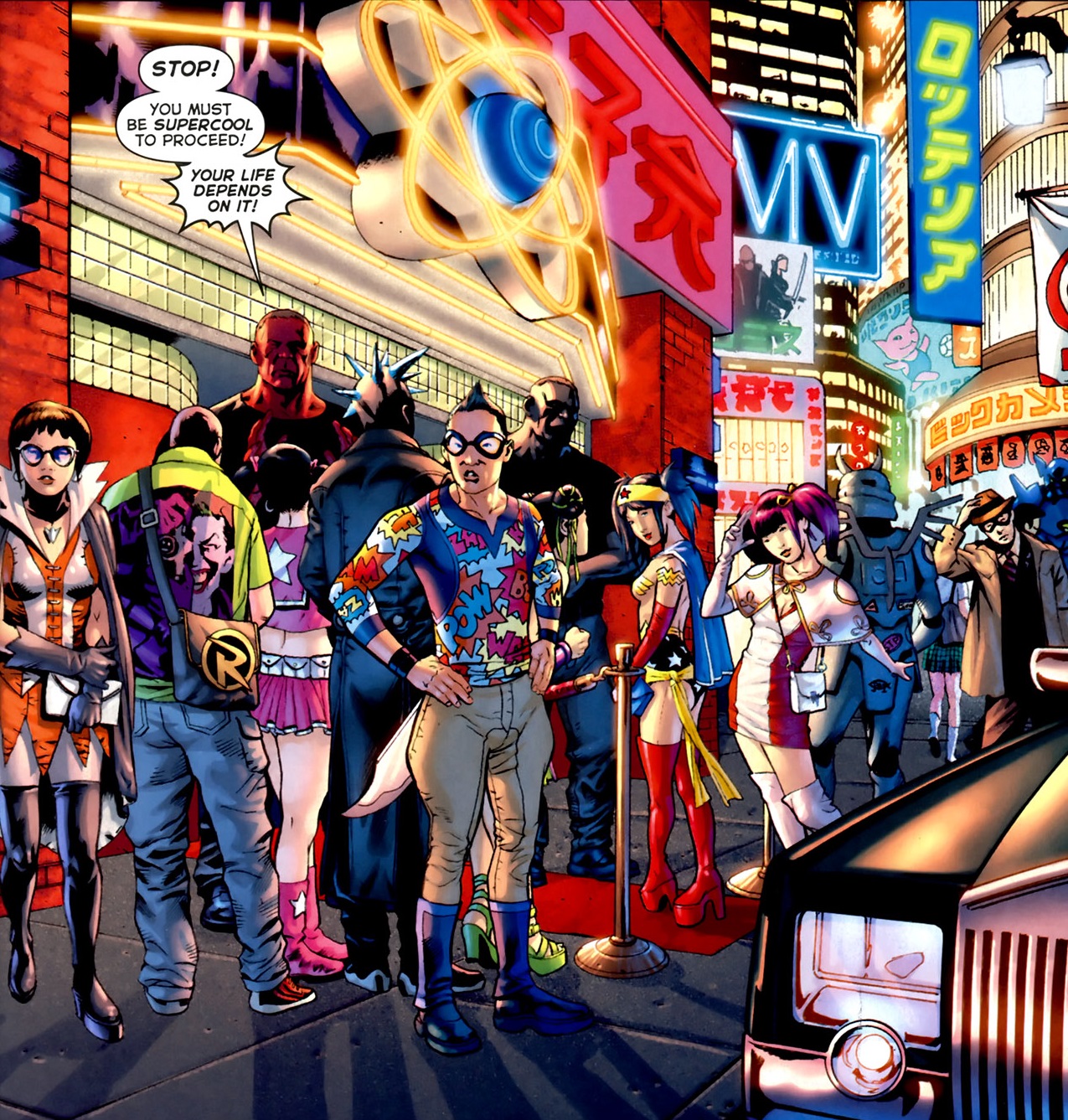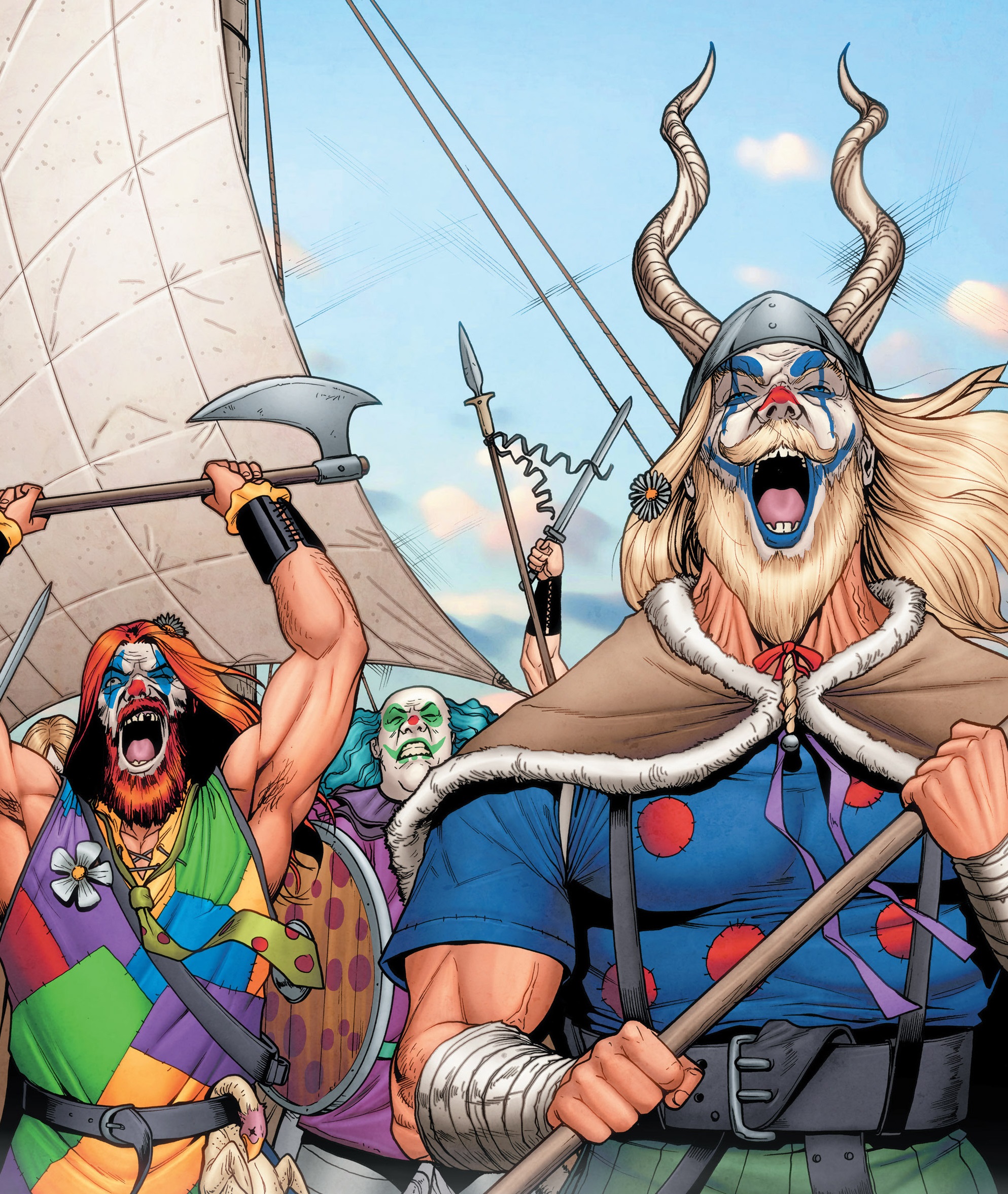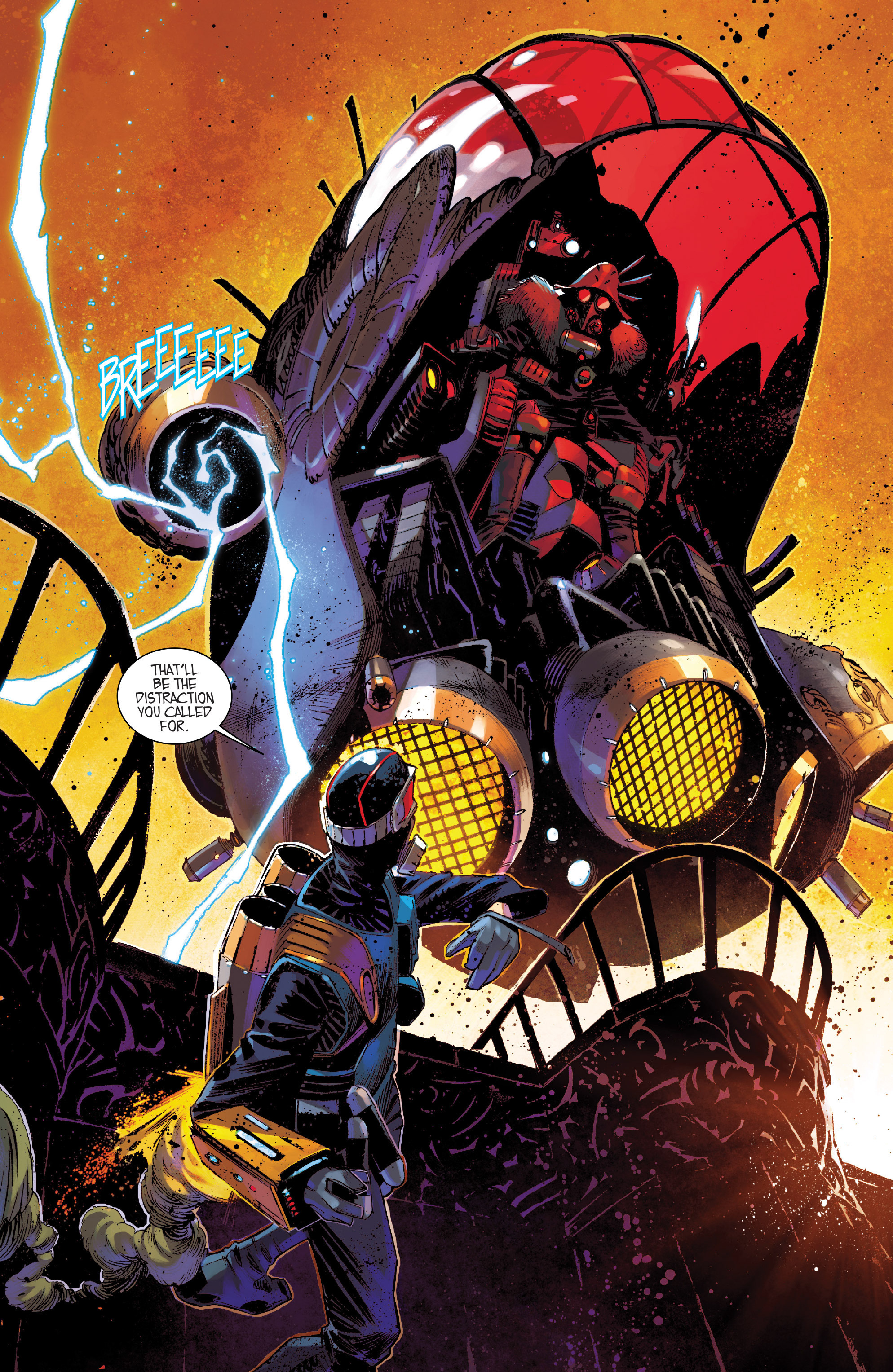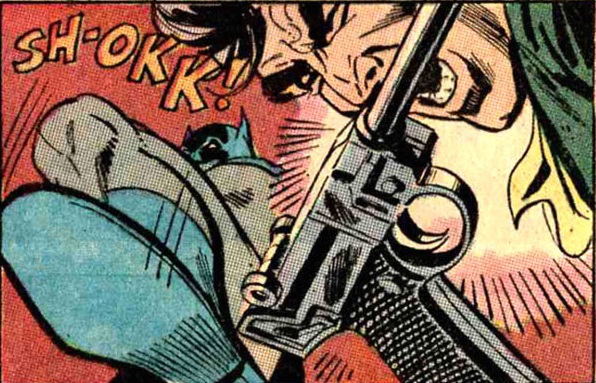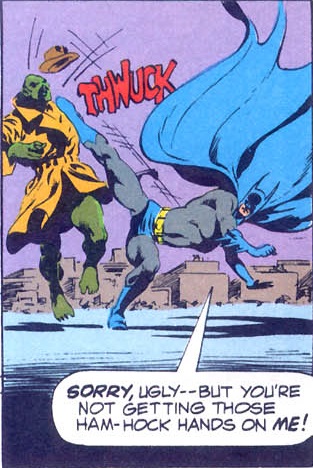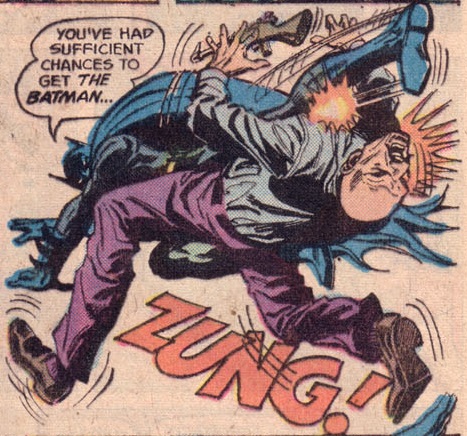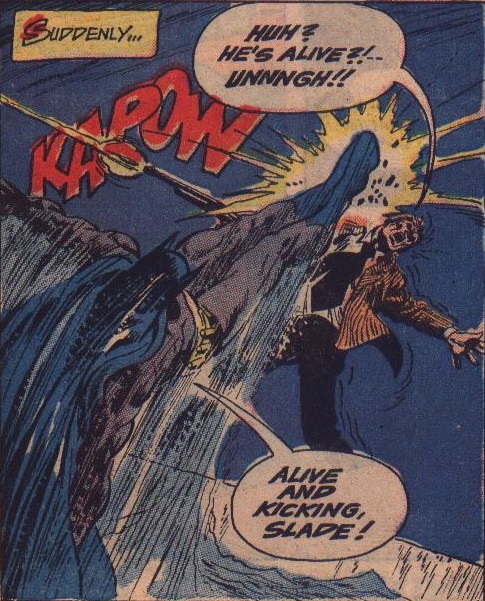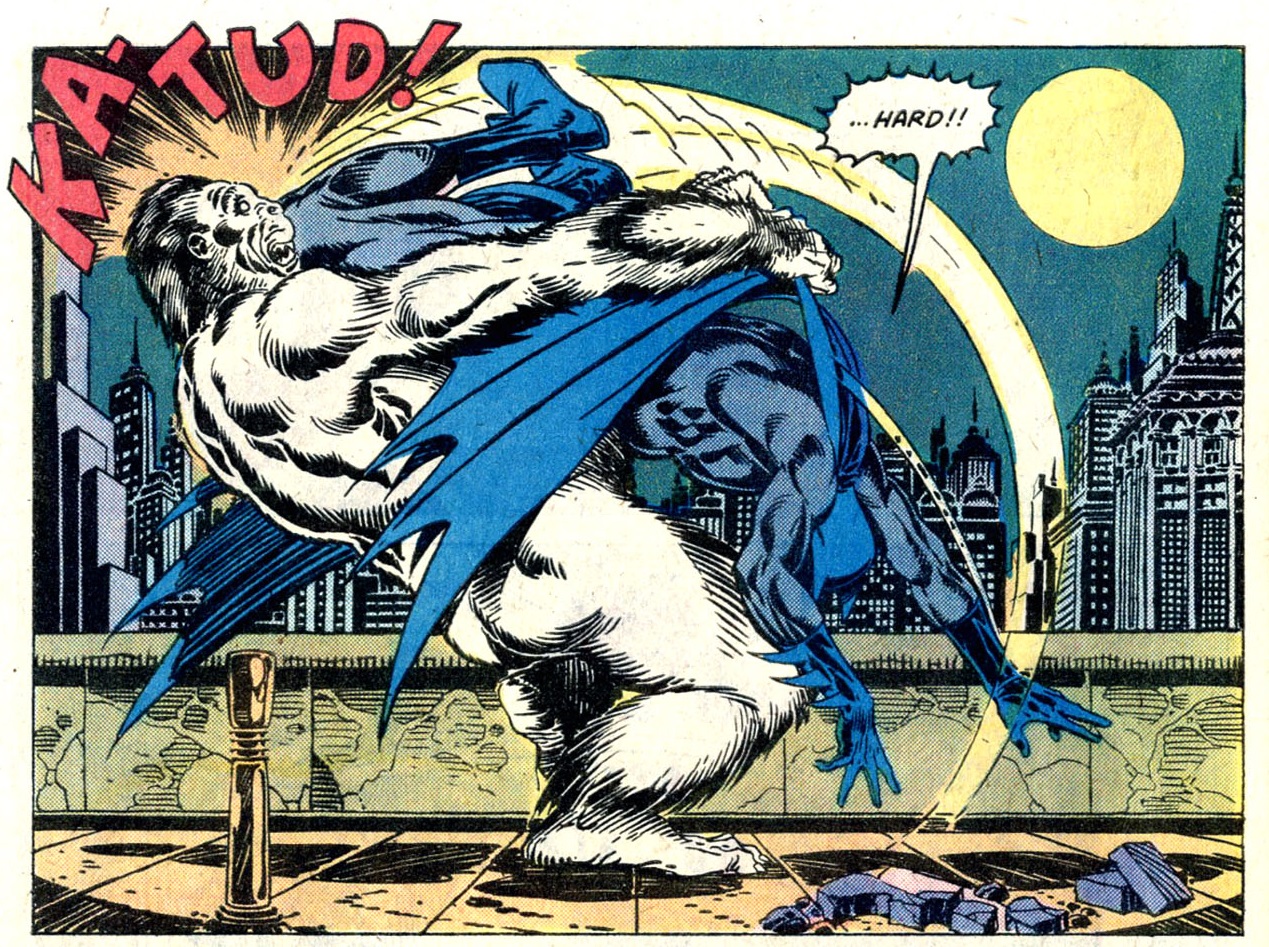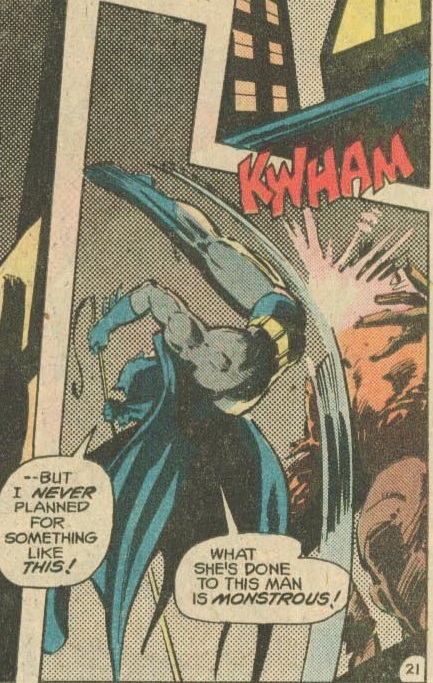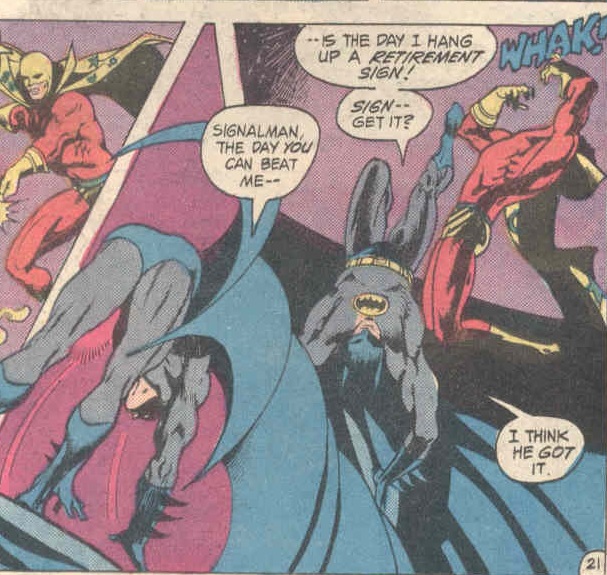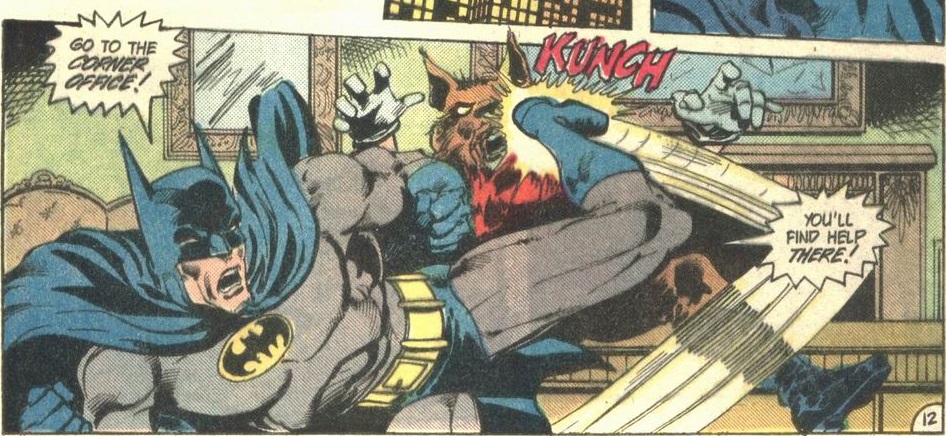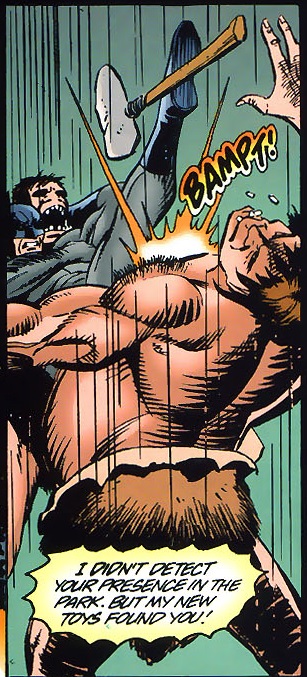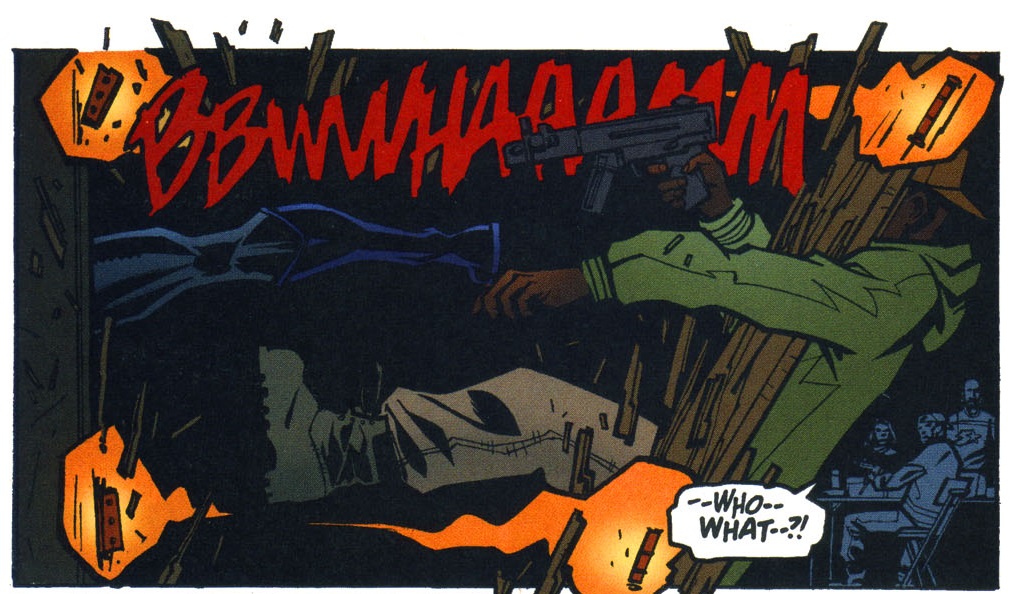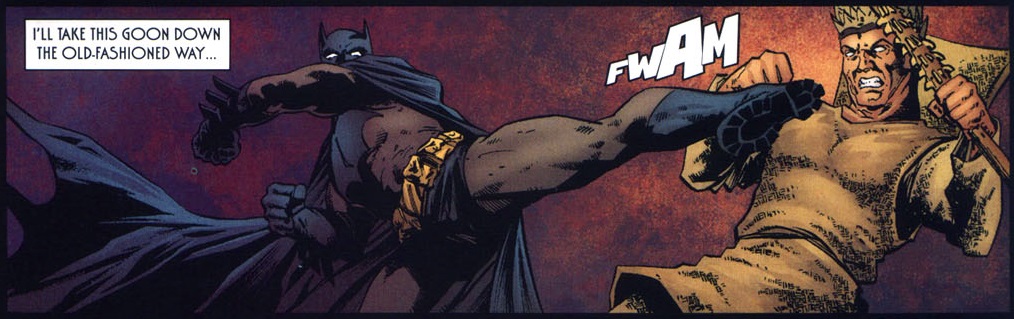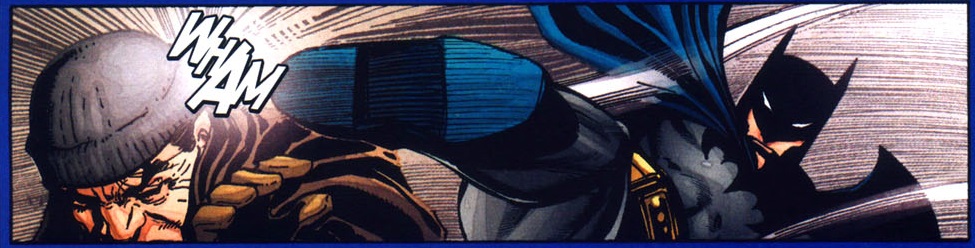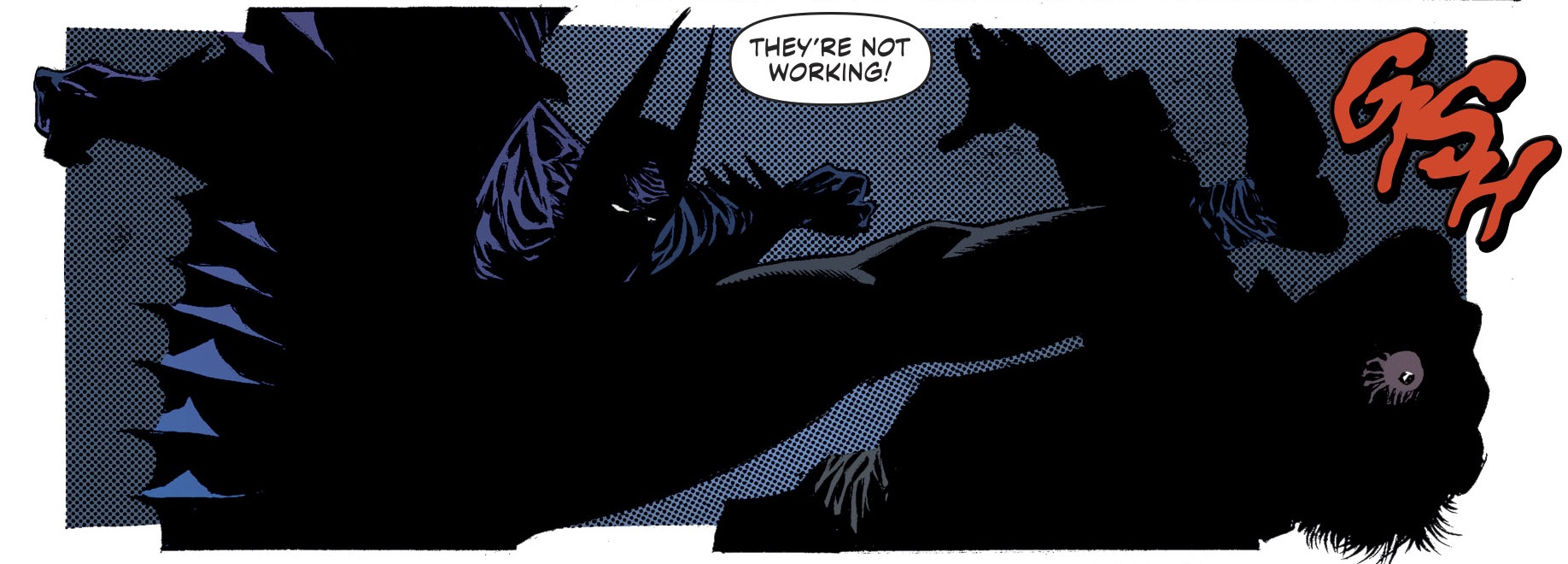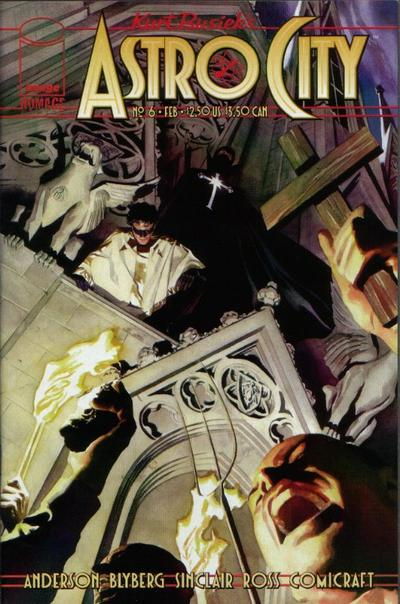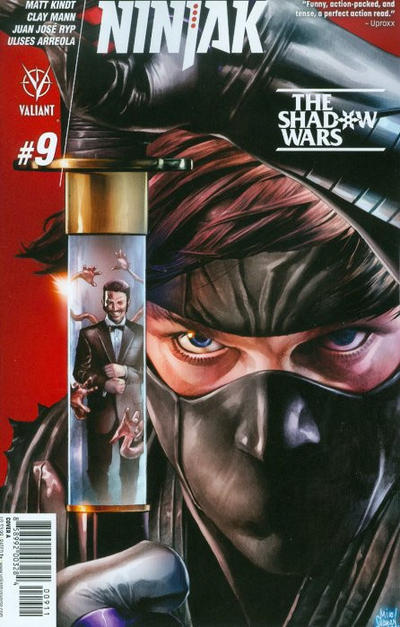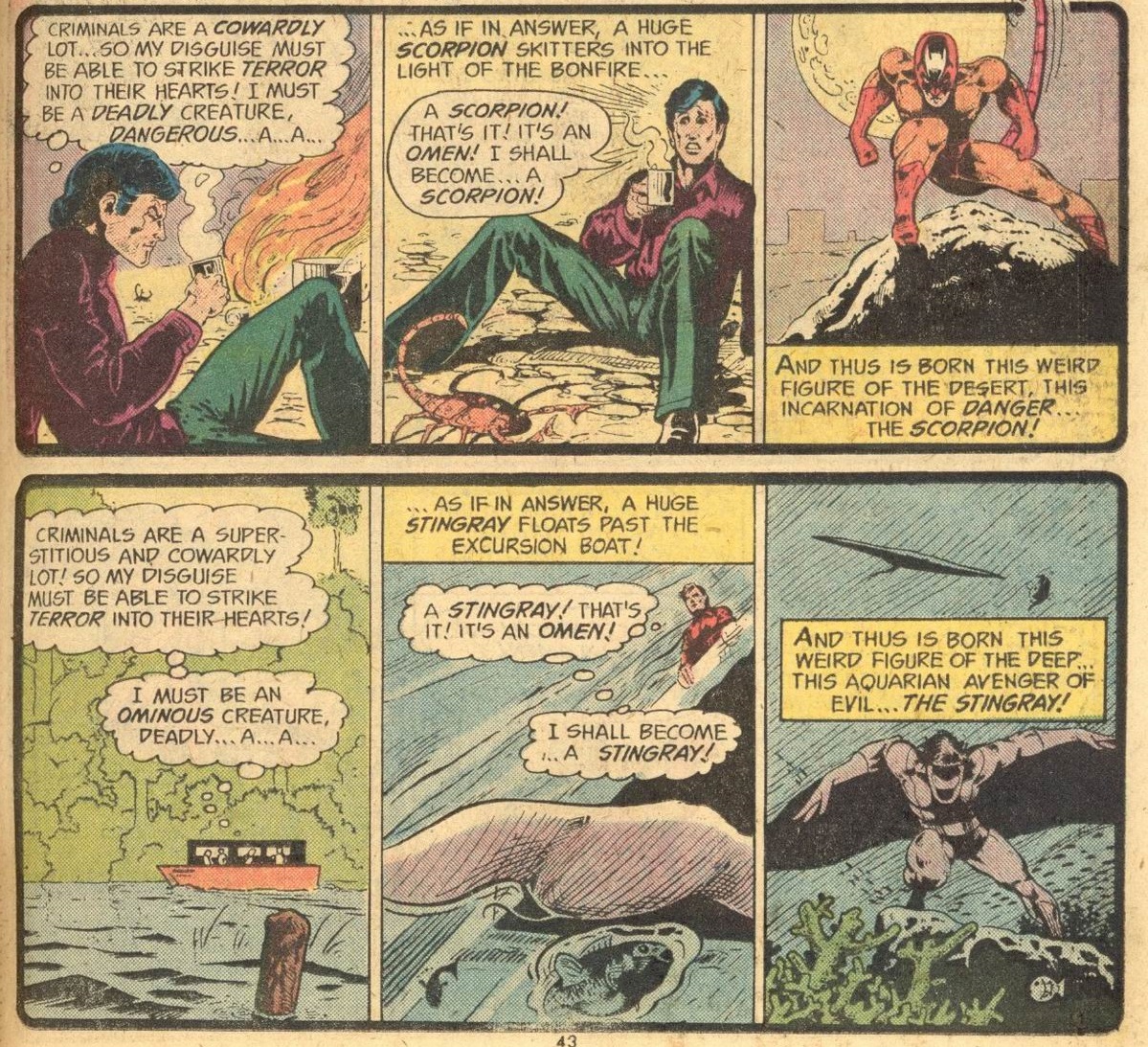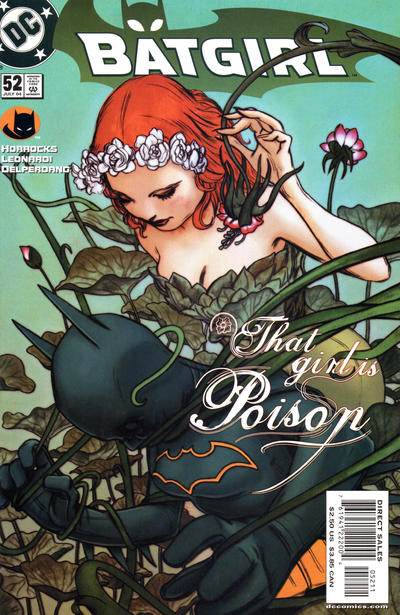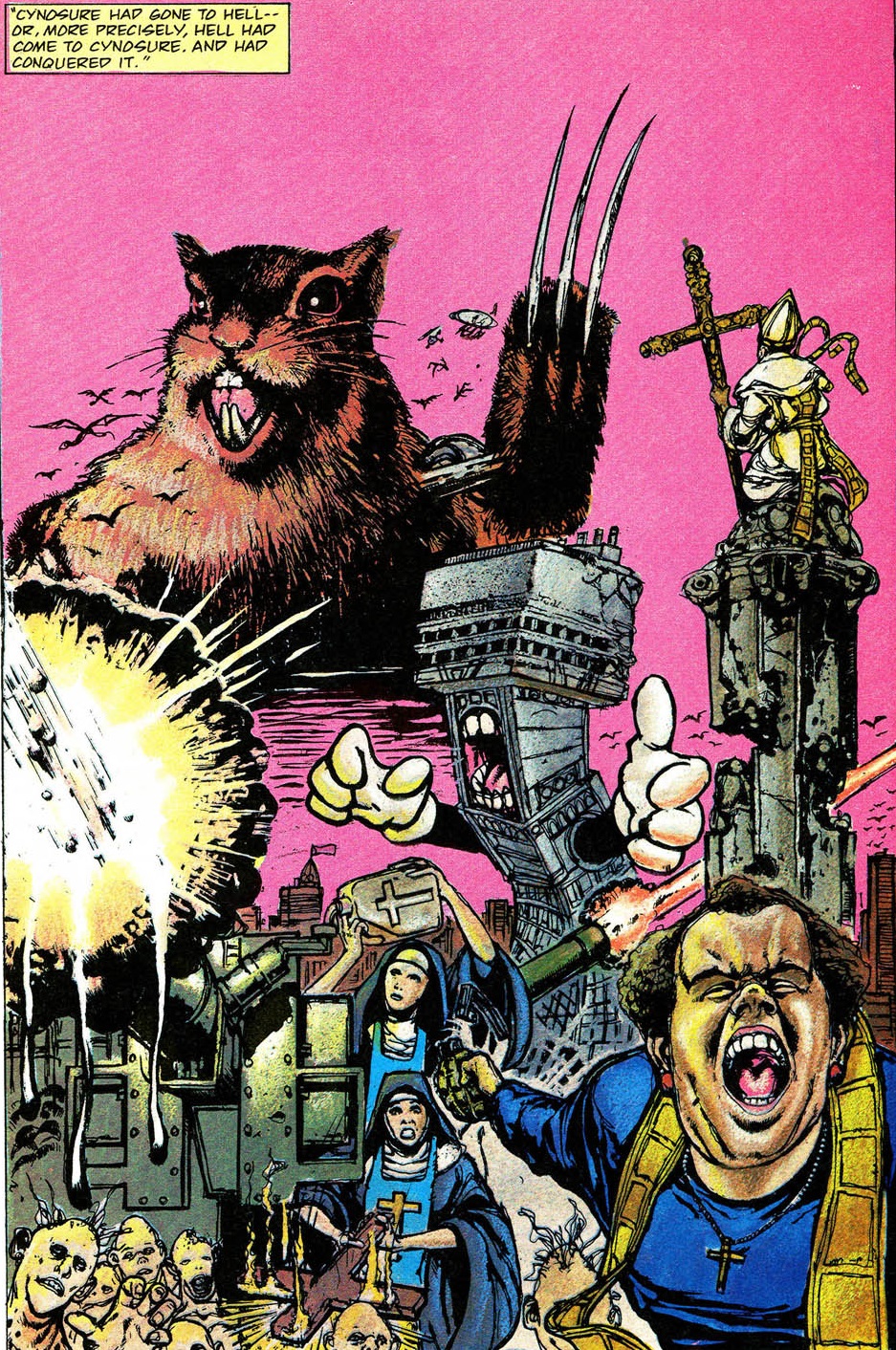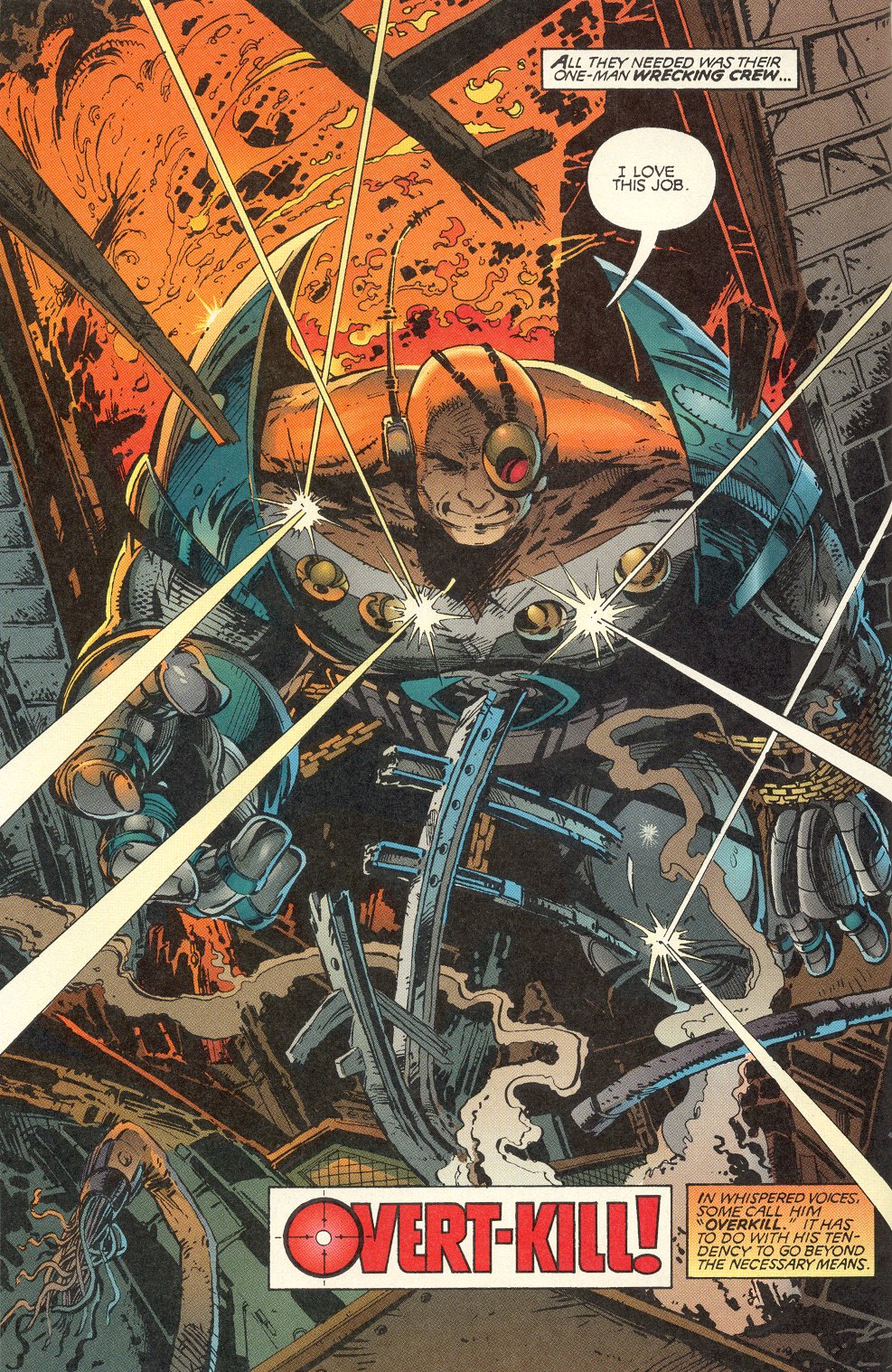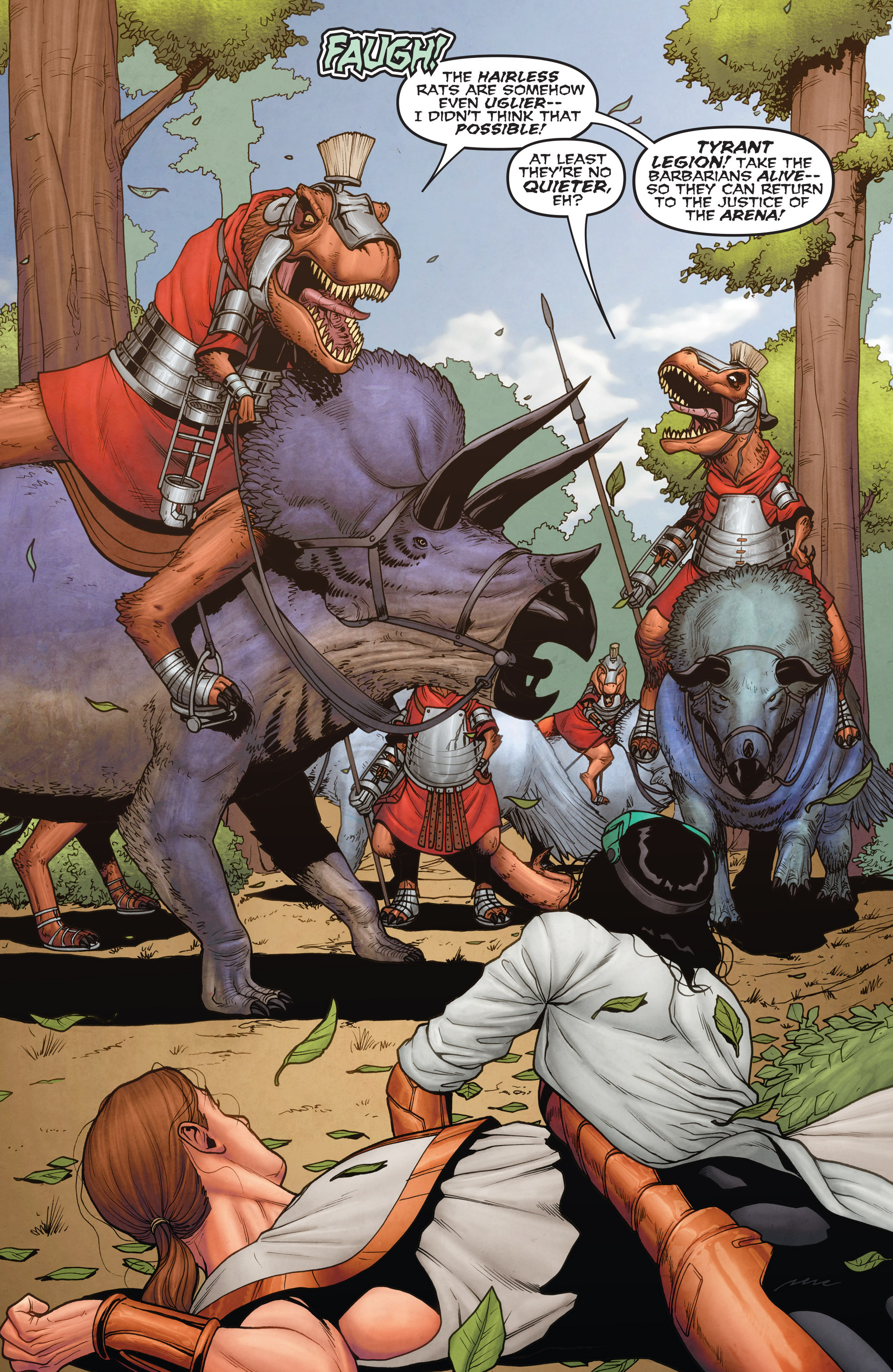
Spotlight on The Unknown Soldier, 1975-1976

star spangled war stories 183

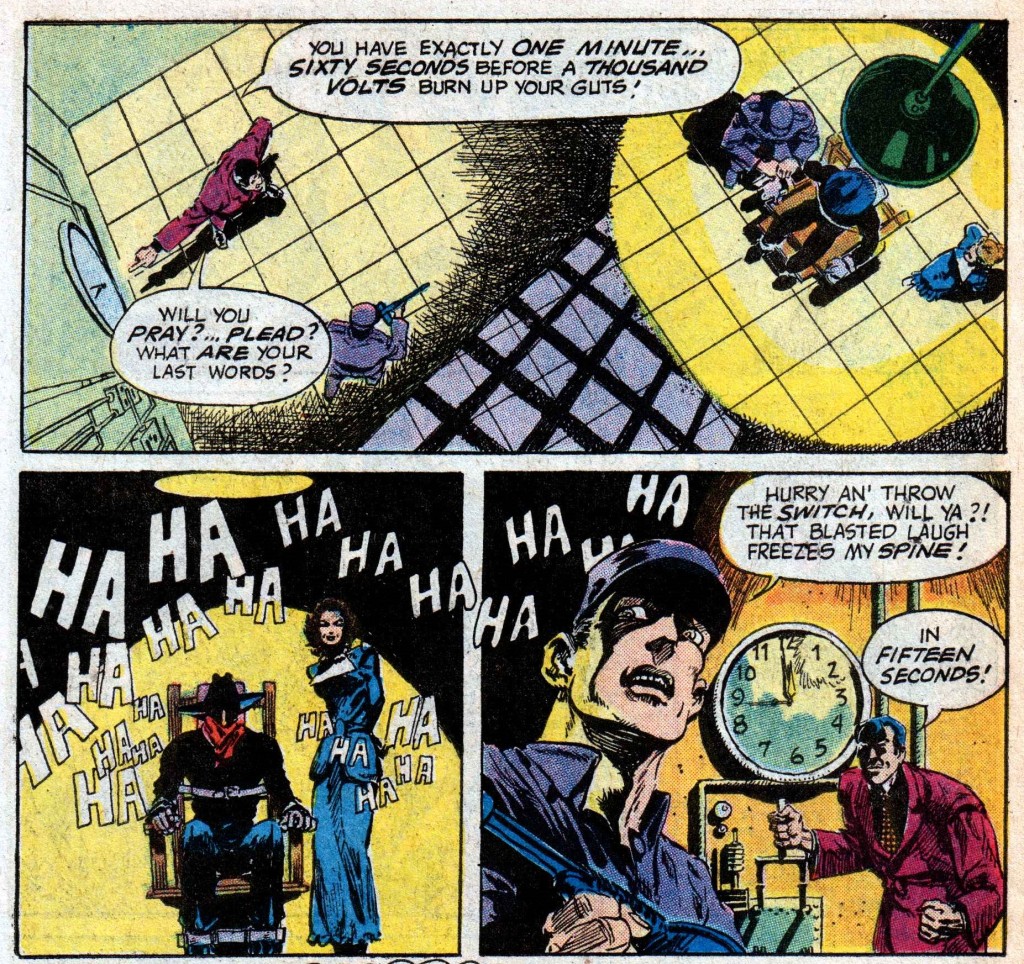
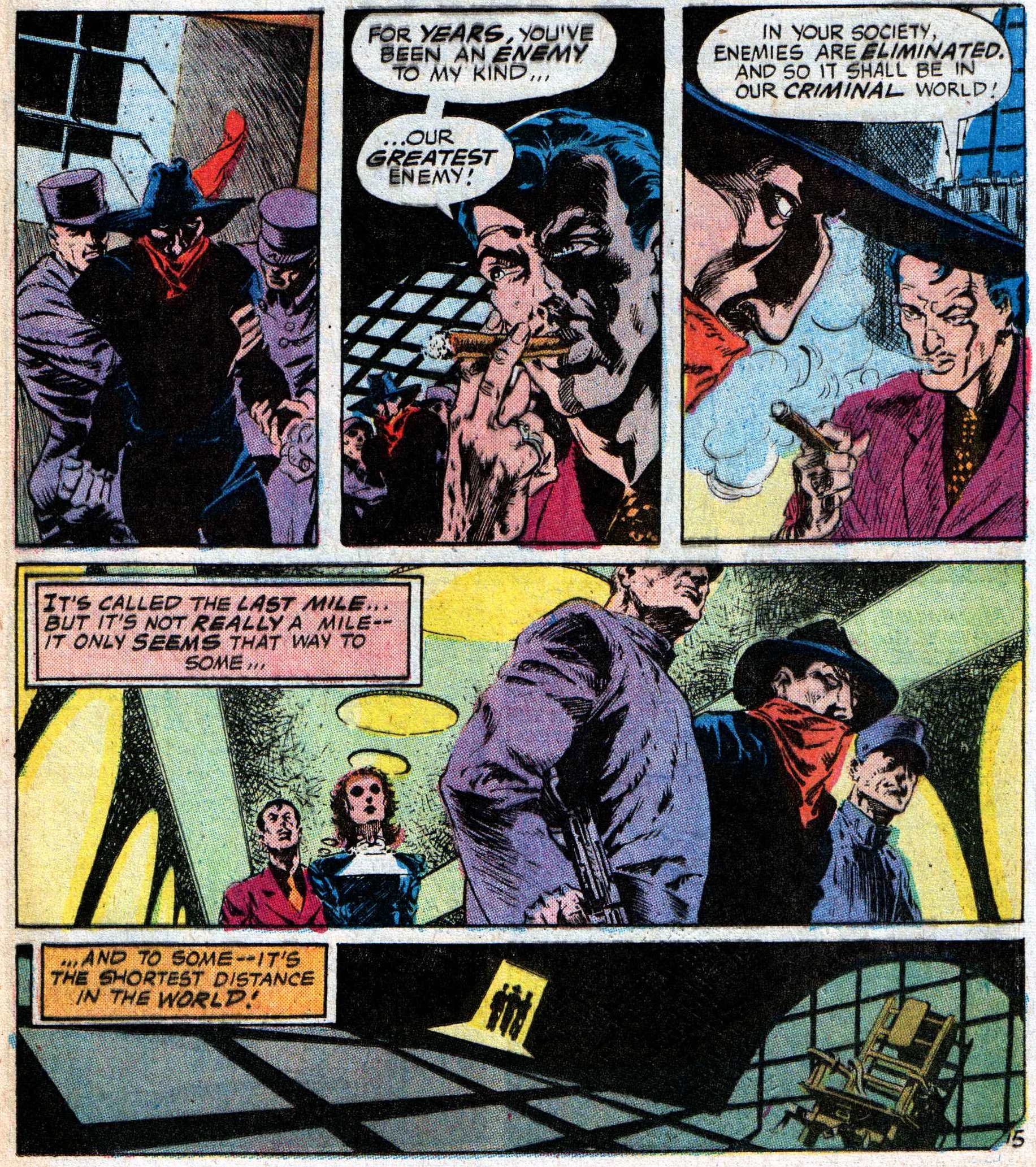
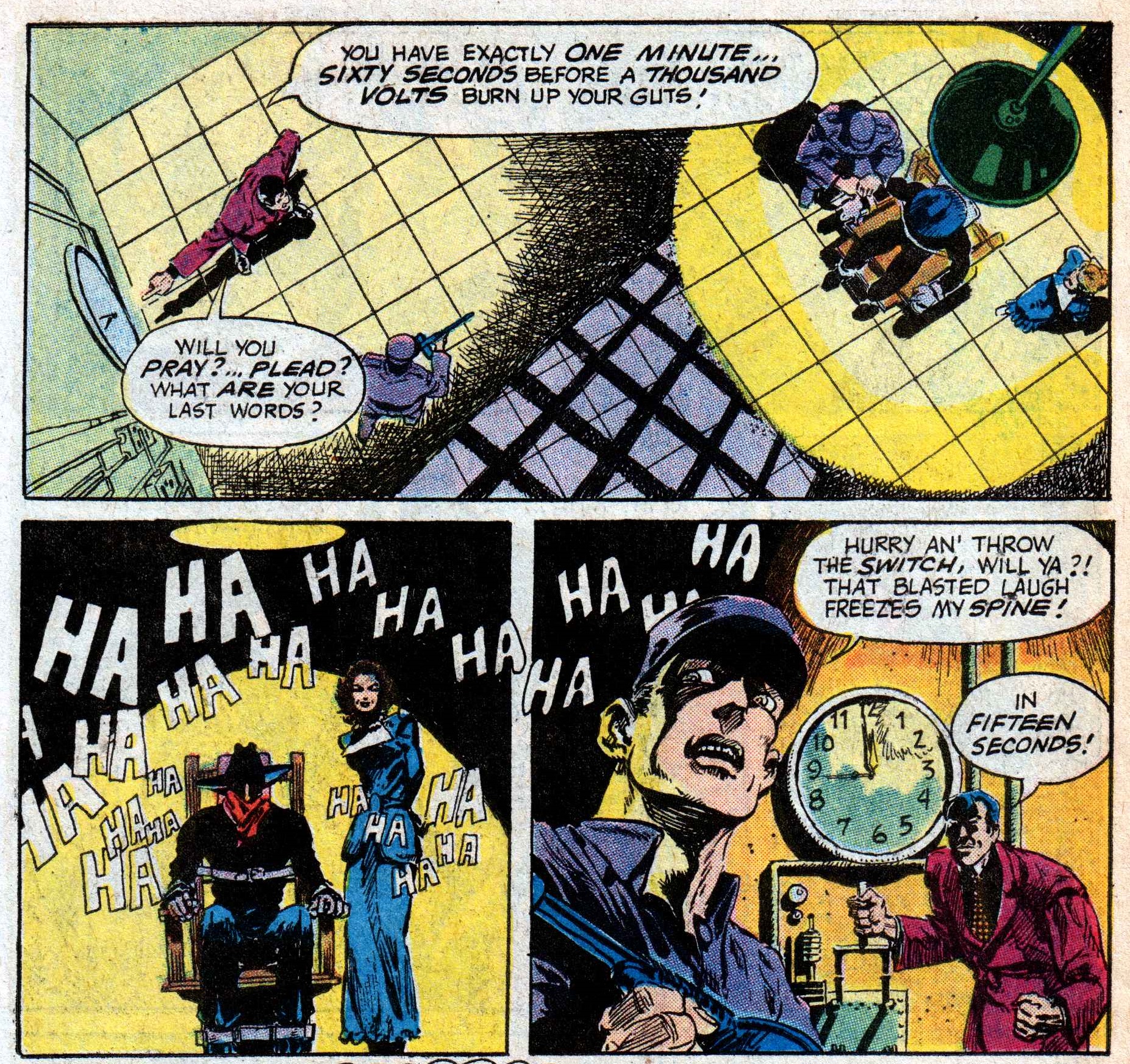
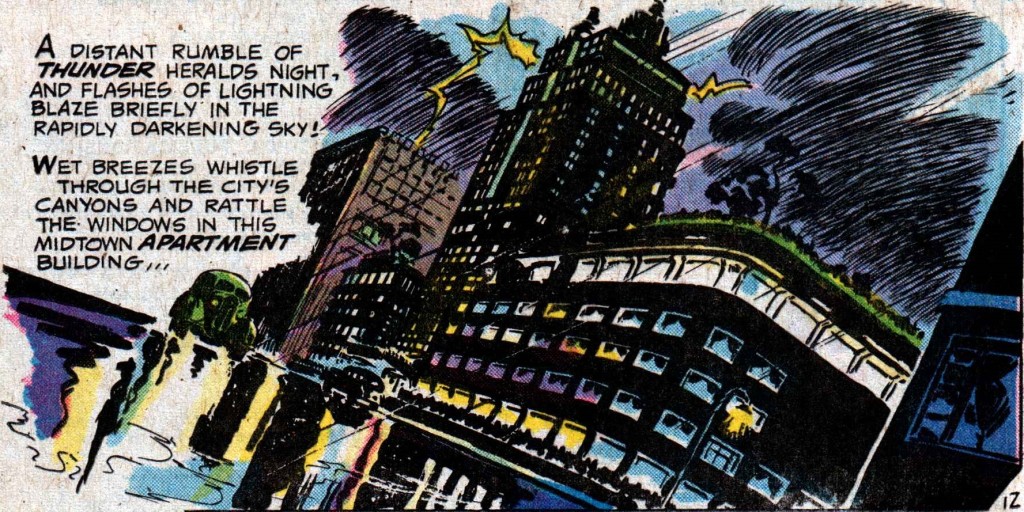
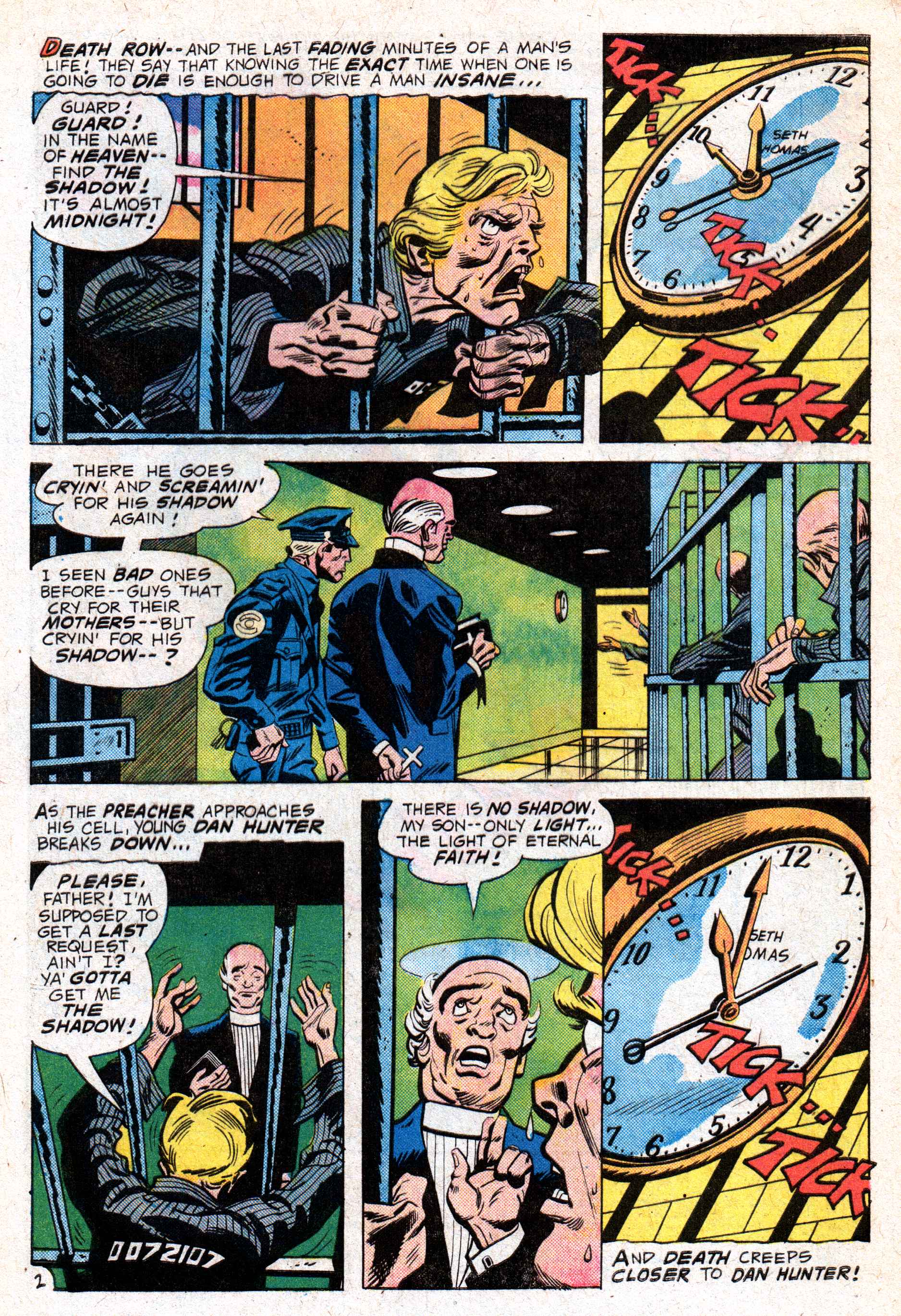
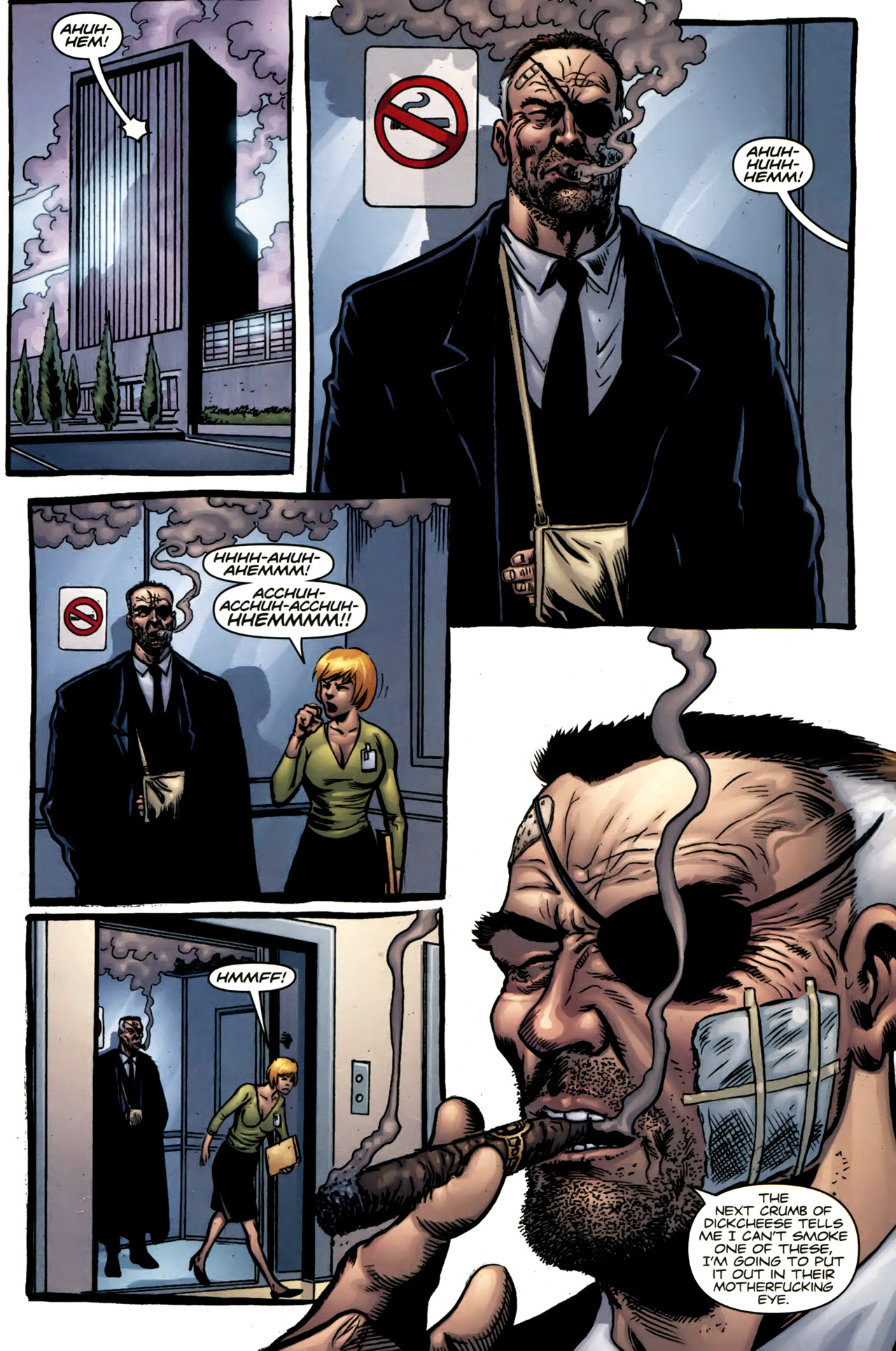
In the early 1970s, the Unknown Soldier feature of Star Spangled War Stories told exciting spy adventures set in World War II, starring a disfigured operative turned master-of-disguise who undertook secret missions under direct orders from Washington. As I explained last week, that series was not without a certain degree of grittiness. However, when the team of editor Joe Orlando, writer David Michelinie, and artist Gerry Talaoc took over, in issue #183 (cover-dated November-December 1974), they raised the bar to another level.

The new guys infused The Unknown Soldier with a no-holds-barred, take-no-hostages attitude. A more accurate way to put it is that they finally engaged with the increasing tension between the series’ premise and the current zeitgeist, embracing the skepticism of authority in general and militarism in particular ushered in by the Watergate scandal and the tail end of the Vietnam War.

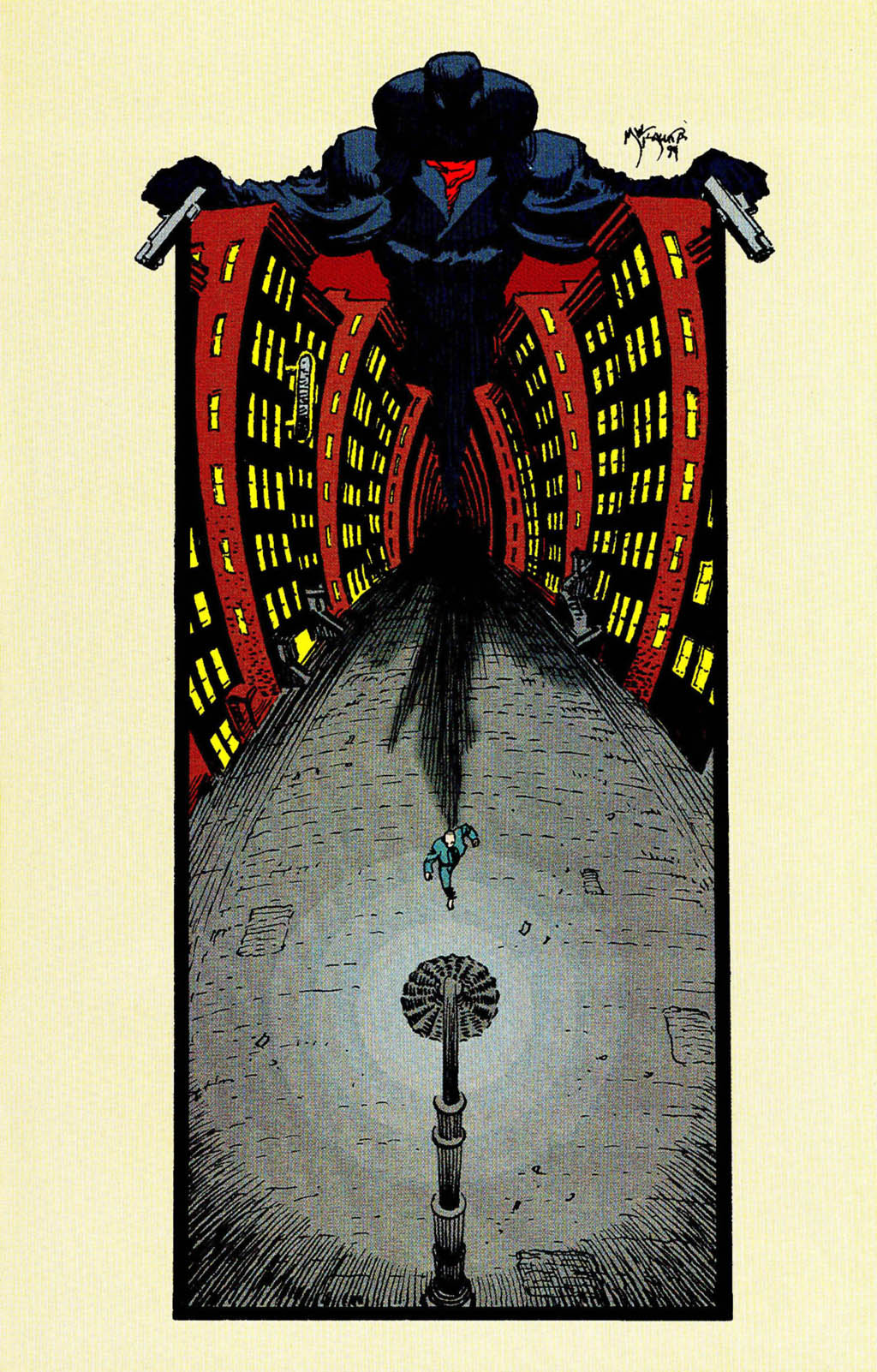
Let’s start with the most obvious changes. We now got a first-person narration, making us feel more complicit with the protagonist’s moral dilemmas. Plus, instead of keeping his facial features suggestively mysterious through shadows and mise-en-scène, the comic now regularly rubbed our eyes on his zombie-like visage – in fact, it was plastered all over the covers:

star spangled war stories 186    star spangled war stories 184    star spangled war stories 195

You’d think such a decision would reflect a shift in genre – after all, the visual of a grotesque man wrapped in bandages who can assume other people’s faces seems tailor-made for horror (it’s actually the premise of Sam Raimi’s Darkman). However, I’d argue the choice had more to do with politics than genre: by having this Red Skull-looking special agent fighting on the side of the United States of America, the new creative team seemed to be implying that the Unknown Soldier’s disfigurement didn’t just make him a symbol of the generic, anonymous fighter – it made him a walking metaphor for the fact that even the Allies could be unmasked as secretly ugly. His own internal narration suggested as much, telling us that ‘a special training program had wiped away my identity, channeled my bitterness into deadly strength, honed me into a soulless war machine.’

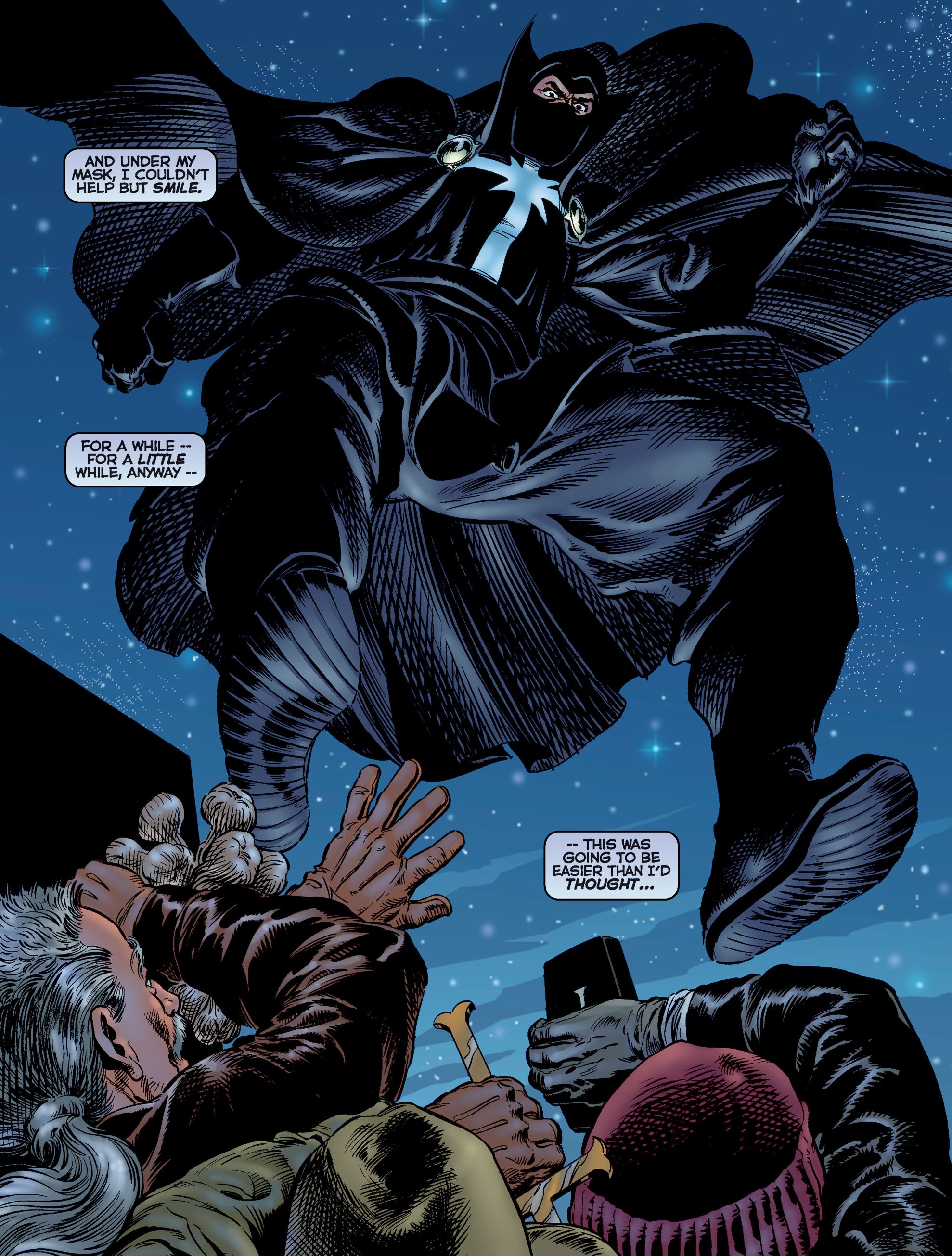
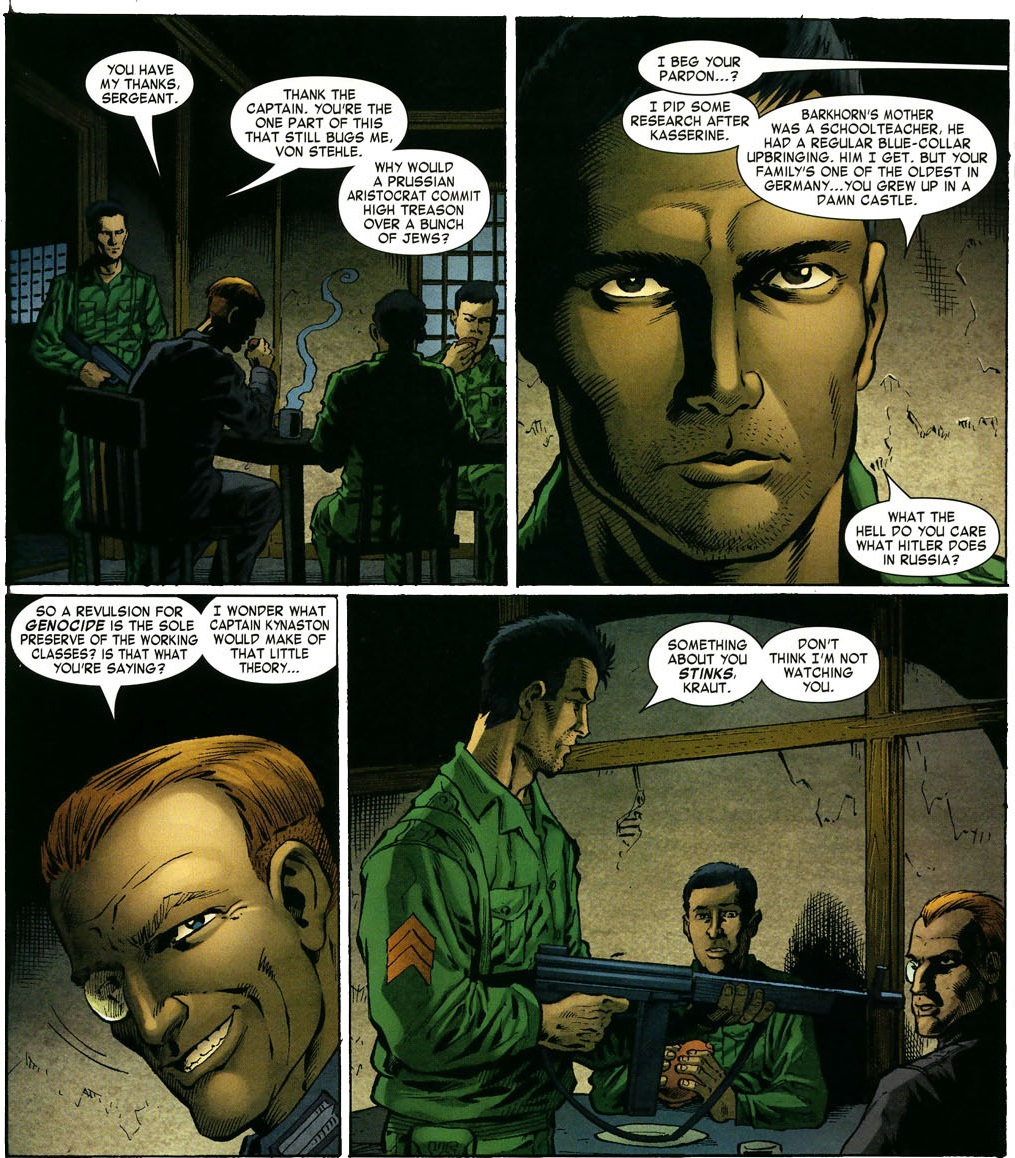
The point was that even a supposedly ‘just war’ like WWII was ultimately a horrible hell where everybody looked bad, to some degree. The notion that warfare left nobody untainted was driven home in their very first story, ‘8,000 to One,’ where the Unknown Soldier – while passing off as an SS Kommando officer in order to secure the escape of eight thousand Jews to safety – was asked to prove his loyalty by shooting a Jewish woman in cold blood:

star spangled war stories 183star spangled war stories 183Star Spangled War Stories #183

The next story was just as brutal: in ‘A Sense of Obligation,’ the Unknown Soldier is forced to shoot a man who has just saved his life, with both of them tragically aware that each is enacting a similar kind of patriotic duty. In fact, practically every story in this run involves characters having to make the difficult choice of killing someone they don’t want to kill (this includes a vicious fill-in written by Gerry Conway, titled ‘Save the Children!’).

It’s not too much of a stretch to assume the creators were trying to say something about the inherently perverse nature of war. Hell, as if the book’s name wasn’t explicit enough, most tales opened with a tagline describing what was to come as ‘a story of war,’ usually together with a portentous narration and an impressively designed title…

Star Spangled War Stories #185Star Spangled War Stories #185

As you can see, the comic was more passionate than subtle. In ‘Project: Omega’ (which possibly inspired last year’s Overlord), a German scientist creates an army of animalistic beasts. He explains that ‘I only wanted to save lives, not turn men into mindless zombies!’ – and a Nazi officer replies: ‘But, my dear doctor – what do you think good soldiers are?’ (Later in that story, you can bet there is a close-up of the doctor as he regrets ‘putting one’s patriotism… above his humanity…’)

In a way, the series became a succession of morbid morality plays…

Star Spangled War Stories #202Star Spangled War Stories #202

Since war itself (and not just the enemy) was cast as such a malignant force, the series’ hero became more of an anti-hero, as he embodied armed conflict at its most impersonal, sacrificing whomever got in the way of his missions. In this regard, the series’ tone grew closer to films like Phil Karlson’s Hornets’ Nest, which conveyed a much nastier vision of the Allies’ role in WWII.

For instance, ‘Encounter’ clearly frames the Unknown Soldier as an abominable force of destruction by intercutting his actions (sabotaging a ship) with a couple of lovers (from different sides of the conflict) trying to see beyond the reality of war:

star spangled war stories #184star spangled war stories #184Star Spangled War Stories #184

The amazing thing about this shift his how coherent it was with what had come before. The Unknown Soldier had always been presented as an obedient combatant and an expert in espionage – David Michelinie’s scripts didn’t contradict that, they merely reframed these elements in a dirtier light. After all, it’s not just that the Unknown Soldier represented war at a time when Vietnam had demystified the concept; he also represented covert operations, a practice that had become increasingly disreputable the more people found out about the CIA’s history of staged coups and other foreign interventions.

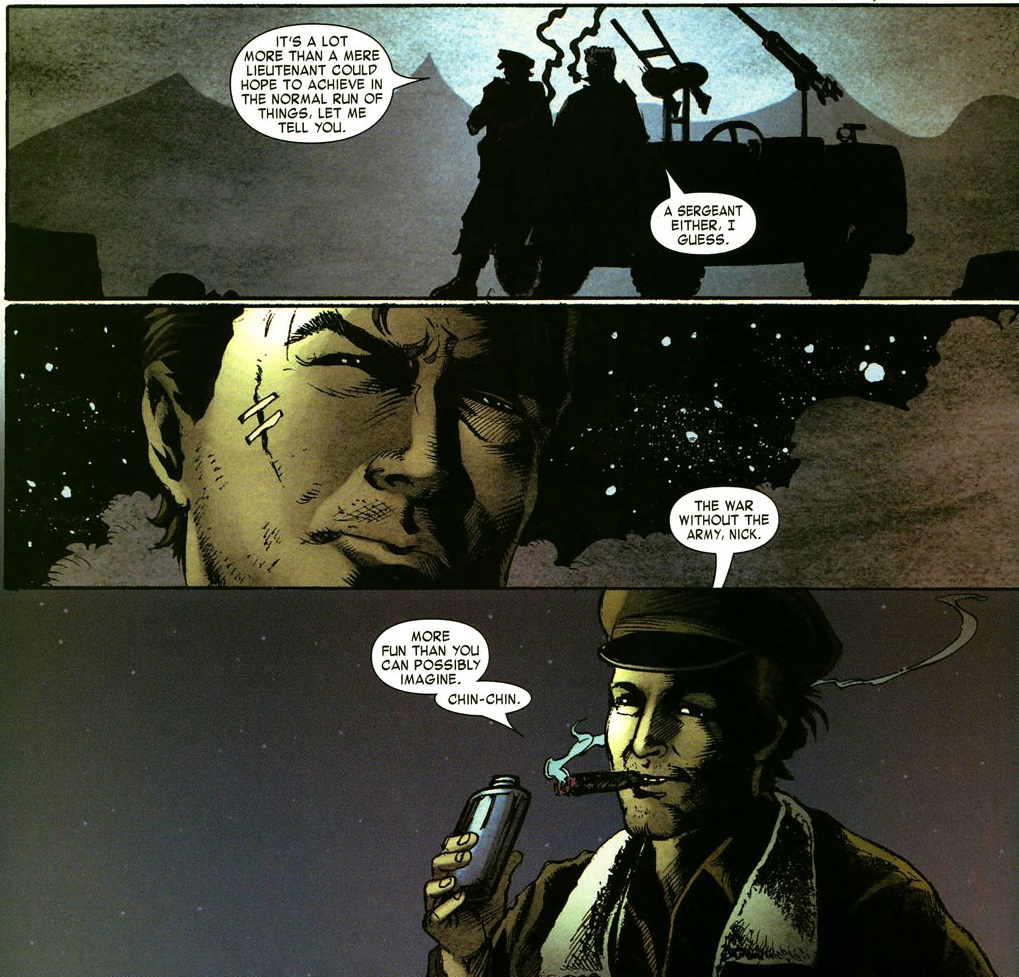
Thus, somehow, this WWII series became eerily timely.  The 1944/1945 stories seemed to draw on the spirit of 1974/1975, with a boom of rampant, desperate ruthlessness as each war reached a climax. The text itself hinted at this parallel:

Star Spangled War Stories #189Star Spangled War Stories #189

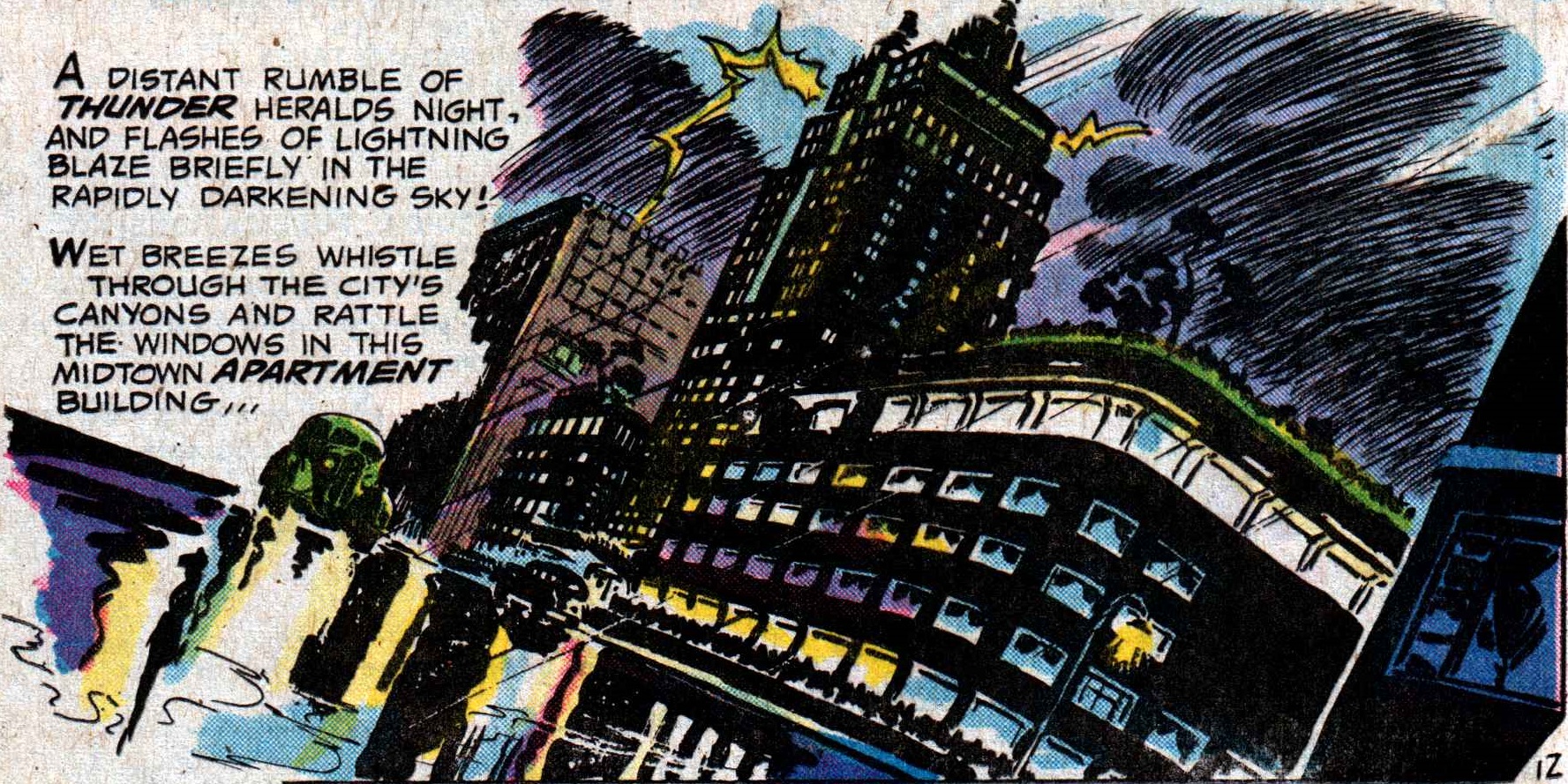
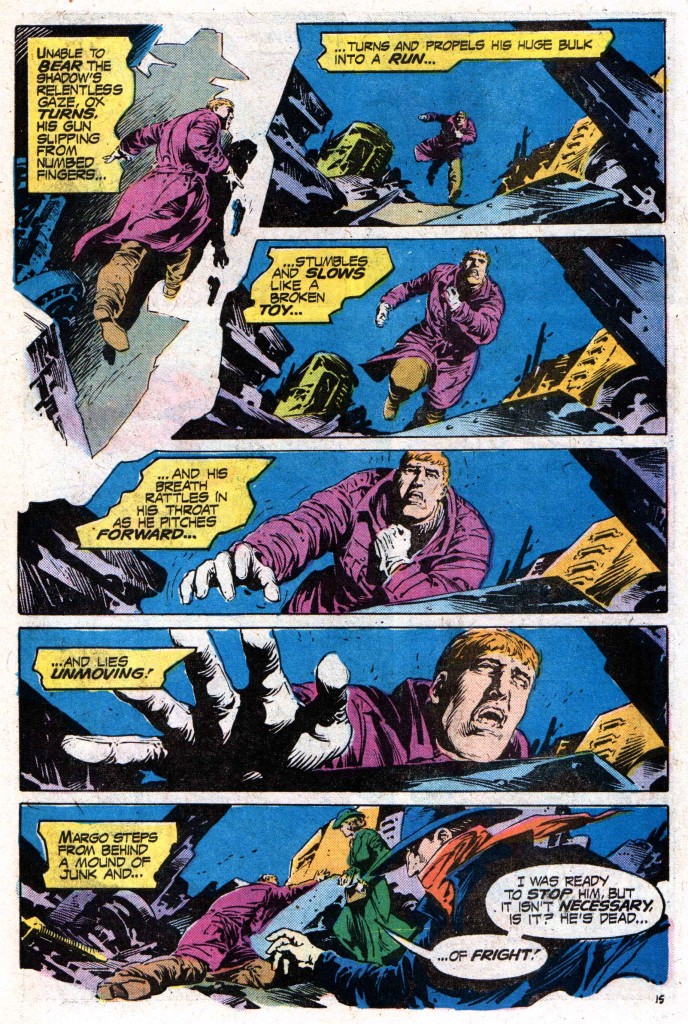
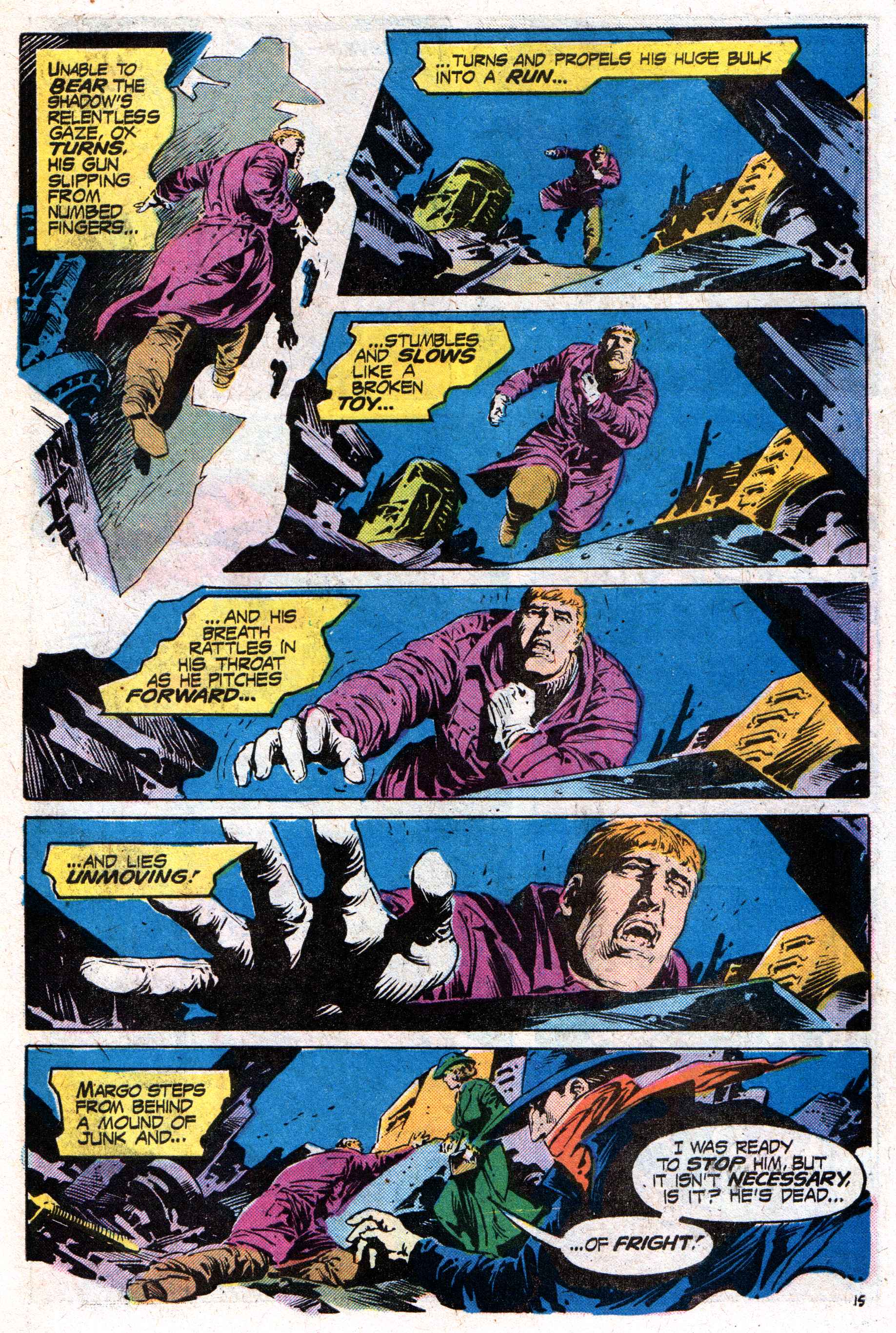
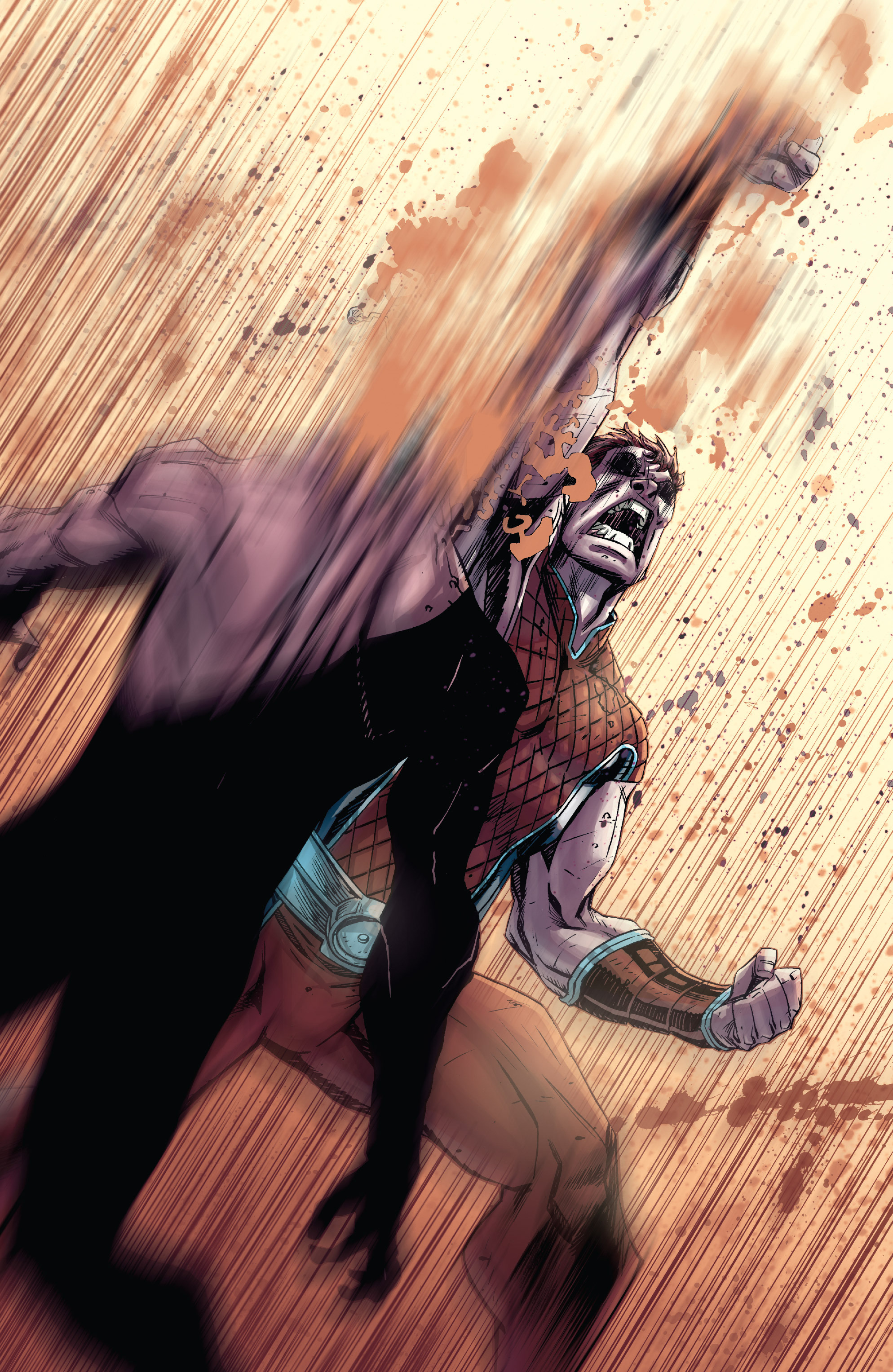
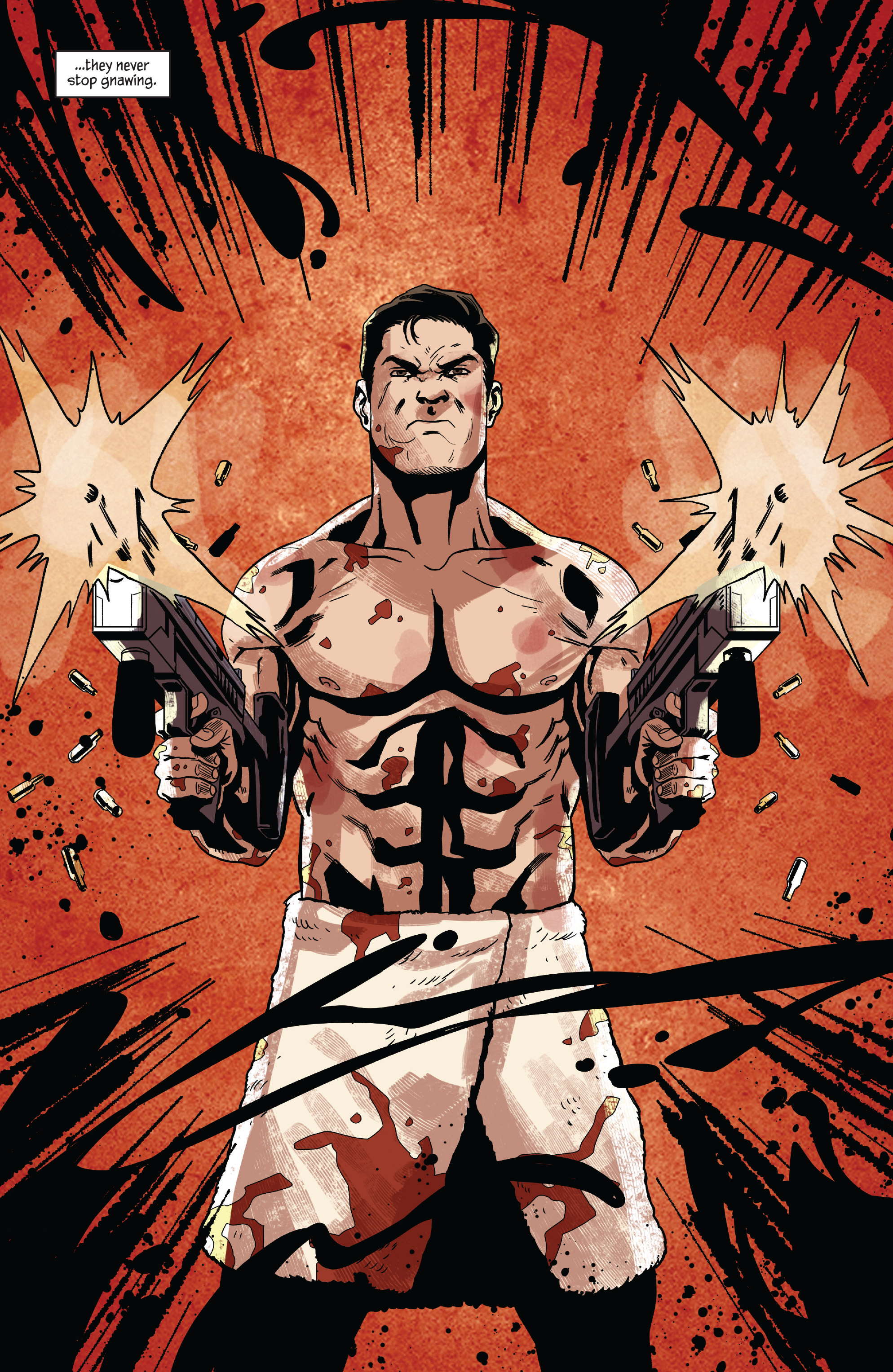
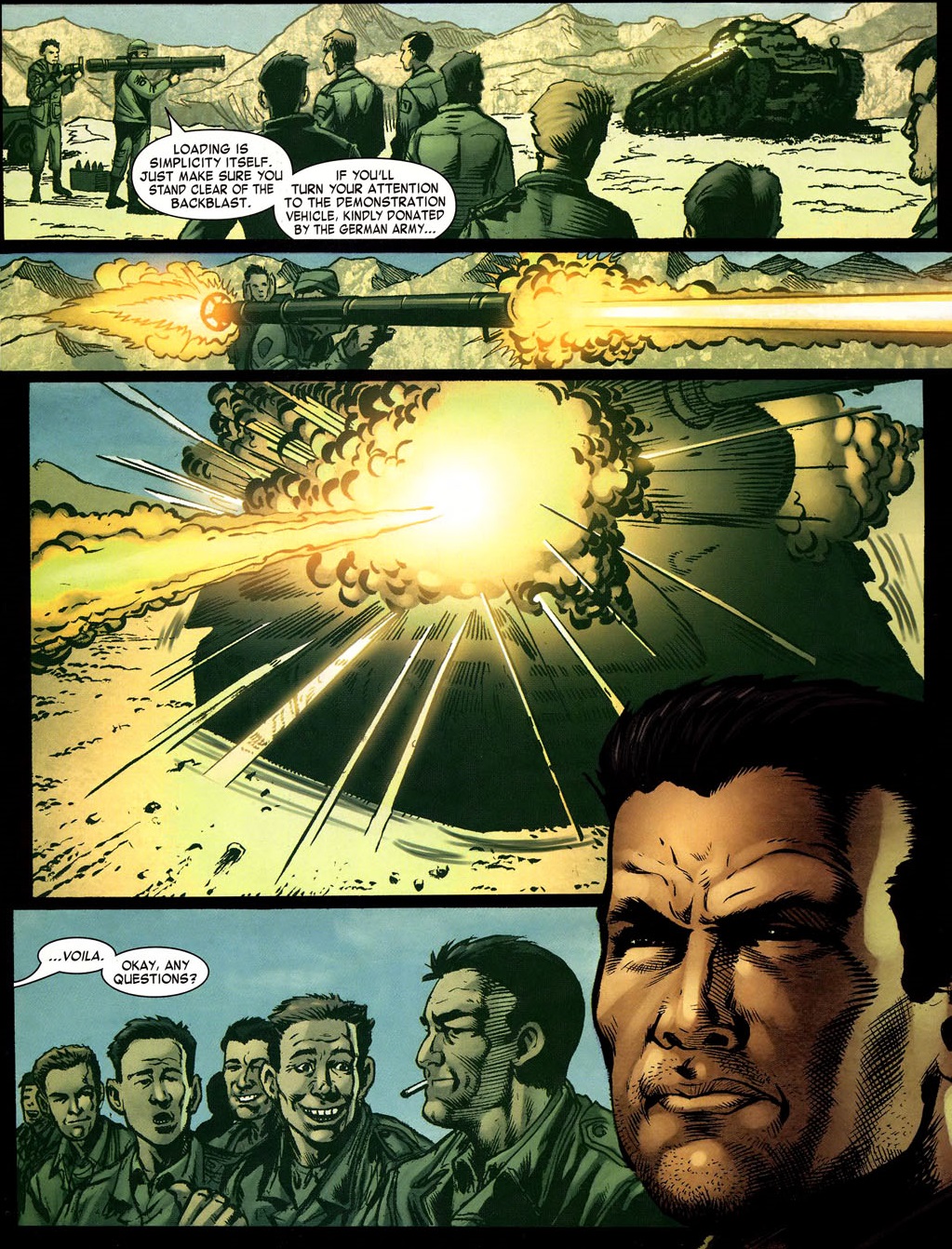
All this may make The Unknown Soldier sound preachy and downbeat but, like I said, the new team never fully departed from the series’ origins as a showcase for hell-for-leather adventure (it’s a classic case of having your cake and eating it too). I guess you can argue they merely rearranged the emphasis: instead of being a thrilling entertainment that occasionally acknowledged the most unappealing elements of war, the comic became an indictment of war that couldn’t help but depict it in a thrilling way (if nothing else because Gerry Talaoc’s art was so damn lively):

Star Spangled War Stories #197Star Spangled War Stories #197Star Spangled War Stories #197Star Spangled War Stories #197
Posted in SPYCRAFT & WARFARE | Tagged , , , , , , , , | Leave a comment

Spotlight on The Unknown Soldier, 1970-1974

star spangled war stories 168

There is a whole branch of spy fiction focusing on World War II going back to the time of the conflict itself. In cinema, the British kicked things off with thrillers such as Night Train to Munich and Contraband. Hollywood followed suit with a bunch of neat productions: Five Graves to Cairo, Journey into Fear, Northern Pursuit, The Conspirators, Ministry of Fear, the list goes on and on (those of you into grim ‘n gritty make sure to check out Lewis Milestone’s Edge of Darkness).

This subgenre outlived the war and mutated along the way, but by the late ‘60s and ‘70s it was still bringing to the big screen such riveting movies as Where Eagles Dare and The Eagle Has Landed. It was also around this time that DC put out its finest foray into the field of WWII spy yarns, in the form of The Unknown Soldier

star spangled war stories 177    star spangled war stories 180    star spangled war stories 174

The Unknown Soldier made his debut in ‘They Came from Shangri-La!’ (Star Spangled War Stories #151, cover-dated June-July 1970), written, edited, and drawn by Joe Kubert.  [edit: It turns out that, although this was the first story of his own feature, the character’s debut had actually taken place in an earlier Sgt. Rock comic, ‘I Knew the Unknown Soldier!’ (Our Army at War #168, June 1966), by Robert Kanigher and Joe Kubert.] A veteran of the industry, Kubert was one of the undisputed masters of war comics (he had already enriched DC’s portfolio with the creation of Sgt. Rock and Enemy Ace) and he found a versatile new angle here: the Unknown Soldier was a chameleonic US agent with an expertise on the various areas of the military, so you could throw him into pretty much any kind of tale. The faceless character was also a pretty explicit embodiment of the US fighting spirit and armed forces, lending himself to easy symbolism (especially as he was often framed near his namesake monument in Washington). When he was not on a mission, the Unknown Soldier wore bandages around his head (a la the Invisible Man), which visually represented both his anonymity and the sacrificial violence of war.

Having established this winning concept (including an origin story after three issues), Kubert gradually passed the torch to other competent hands. In terms of writing, he brought in Bob Haney, who churned out dynamic scripts like nobody’s business – and who further developed the series’ gimmick, revealing that the Unknown Soldier had a collection of face masks in his Washington headquarters that he wore over his bandages (yes, over the bandages) while on the field. Jack Sparling took over the art and, after a couple of years, the great Archie Goodwin took over as editor – at first editing his own scripts and later handing writing duties over to Frank Robbins.

Despite the changes to the creative team, the series’ style remained relatively consistent. For one thing, it was always first and foremost a war comic… At one point, Kubert even recycled a Sgt. Rock story he had done with Robert Kanigher for Our Army at War back in 1960, including this tense page:

star spangled war stories 162Star Spangled War Stories #162

That said, there was an undeniable element of espionage involved, if nothing else because the Unknown Soldier was always going on secret missions and pretending to be someone else. Tales like ‘The Long Jump’ (set in Nazi-occupied Holland) and ‘Three Targets for the Viper!’ (set in Morocco, with the obligatory nod to Casablanca) are in the mold of old-school WWII spy adventures and wouldn’t look too out of place as storyboards for classic Hollywood. Hell, between the face masks and the plot twists, ‘Destroy the Devil’s Broomstick!’ (set in a Japanese submarine) feels like an episode of the original Mission: Impossible TV series!

star spangled war stories 167    star spangled war stories 161    star spangled war stories 156

The whole thing oozed with suspense and deception. There were codes and passwords, disguises and fake identities, violent action and a constant sense of danger, usually culminating in scenes where the Unknown Soldier had to bullshit his way out while a German or a Japanese officer pointed a gun at him.

Moreover, besides infiltrating the enemy, our hero did counterintelligence operations, often detecting Nazi spies among the Americans, for example in the gripping ‘Kill the General’ and ‘The True Glory.’

star spangled war stories 163Star Spangled War Stories #163

If it seems odd that such gung-ho comics were coming out during the controversial Vietnam War, bear in mind that, while the US forces weren’t normally depicted unfavorably, these stories were smarter and more nuanced than mere jingoistic yarns about American soldiers kicking ass… Despite a few caricatural villains, there was a general sense that the war was made up of vulnerable humans and conflicted individuals. This was especially the case in the tales of Archie Goodwin, who tended to temper seemingly heroic actions with ironic twists, exposing the murky morality of the war context.

It wasn’t just that some of the US troops were shown as fallible – militarily as well as ethically. More than once, the Unknown Soldier completed his assignment thanks to the sympathetic help of someone from the opposite side, including people who had lost loved ones because of his actions (although they were usually unaware of his role, which was particularly heartbreaking to see).

Plus, in a fascinating move, between mid-1971 and late 1972 the last panel of each tale in Star Spangled War Stories finished with a stamp saying ‘Make War No More.’ In the case of the Unknown Soldier’s tales, this meant that, even though we inevitably rooted for the successful completion of the hero’s mission, there was always something downbeat about the ending…

Star Spangled War Stories #159Star Spangled War Stories #159

Indeed, for all the thrilling games of cat-and-mouse, The Unknown Soldier didn’t disregard the grim background of the war, including the specificities of WWII. Archie Goodwin, who had been behind the hard-hitting anti-war series Blazing Combat, brought a similar flavor to tales such as ‘The Glory Hound!’ (where the Unknown Soldier denounced the fake glamour of battle by showing his scarred face to an eager captain). Frank Robbins probably watched Hell in the Pacific before penning ‘The Doomsday Heroes!’ As for Bob Haney’s ‘Totentanz,’ it’s probably one of the grimmest slice of comics to come out of the early ‘70s… Joe Kubert even opens it with a collage that includes photos of corpses from Nazi concentration camps!

This kind of opening photocollage – disturbingly stressing the series’ links to real world events – soon became a trademark of the comic:

Star Spangled War Stories #159Star Spangled War Stories #159

And then there is ‘A Town Called Hate!’ Set in a small French town, in this remarkable tale the Unknown Soldier has to deal with a deadly confrontation between US troops and a corps of African American engineers. Frank Robbins’ previous attempts to address racial tension (including in the Batman story ‘Blind Justice… Blind Fear!’ in Detective Comics #421) had not been incredibly sophisticated, but this one has a lot going for it, exposing the persistence of American racism even as Washington claimed to be fighting against the Nazis’ racist ideology. Although the emphasis on blacks and whites overcoming their bigotry in order to fight the common (external) enemy can be seen as a reactionary, Cold War-tinged downplaying of domestic racial issues, the powerful ending actually feels closer to the cynical punchline of The Hateful Eight.

That said, at the end of the day The Unknown Soldier was still a comic heavily shaped by Bob Haney, so it was not above some pulp trappings. Always one for corny nicknames, Haney’s purple narration kept calling our hero ‘the immortal man of war’ and ‘the man nobody knows, yet is known by everyone…’ – and the ensuing writers kept this approach. Thus, there was a discernible tension between the comic’s clear desire to entertain and the inescapable self-awareness that came with fictionalizing warfare at such politically charged times.

I think Frank Robbins proved to be particularly deft at negotiating this tension. After years of standalone tales, he turned the series into more of an ongoing saga, introducing other recurring characters and multi-part storylines, starting with the awesome ‘Operation SNAFU!’ (Star Spangled War Stories #174). His work had a truly appealing two-fisted thriller vibe, culminating in a quest in the Philippine jungle that had quite personal stakes for the Unknow Soldier.

In late 1974, however, the underlying tension finally burst as the series’ lingering themes were faced head-on by an entirely new creative team. We’ll talk about that next week.

Posted in SPYCRAFT & WARFARE | Tagged , , , , , , , , , , | Leave a comment

COMICS CAN BE AWESOME (July 2019)

July is Spy Fiction Month here at the blog. Before going on my yearly marathon of posts about foreign intrigue and counter-intelligence, though, let us all just take a moment to contemplate the fact that comics can be many different things… and they can definitely be awesome in many different ways!

BlanketsBlankets
Saga 02Saga #2
The New Teen Titans (v2) #24The New Teen Titans (v2) #24
Posted in GLIMPSES INTO AWESOMENESS | Tagged , , , , , , , , , | Leave a comment

3 ‘silent’ sequences by Tim Levins

If there is one Batman run that doesn’t get enough praise, it’s the strand of highly entertaining stories published in Gotham Adventures #15-60, from 1999 to 2003, written by Scott Peterson, mostly with pencils by Tim Levins, inks by Terry Beatty, and colors by Lee Loughridge. Adapting the characters and visuals of The New Batman Adventures animated show, these were action-packed comics that steadily delivered exciting standalone tales without talking down to their audience. The ultra-compressed narratives – effectively carried by taut dialogue as well as by an art style of crisp lines and low average of panels per page – were a lesson in minimalistic storytelling, spinning twist-filled yarns that were rich in characterization yet never felt overloaded.

Of the many outstanding features of this run worth pointing out, today I want to focus on Tim Levins’ ability to bring to life ‘silent’ (i.e. wordless, without even sound effects) sequences that go on for pages. Scott Peterson clearly trusted his artists to convey all the necessary information and knew that readers enjoyed visually-driven set pieces, so his scripts provided Levins (and the rest of the creative team) with plenty of chances to shine.

Levins rose up to the challenge. Take ‘Do the Wrong Thing’ (Gotham Adventures #23, cover-dated April 2000), a super-fast-paced affair in which the Dark Knight investigates the mysterious disappearance of some of Waynecorp’s business associates. Between the opening splash page and the downbeat dénouement, we get a string of tight scene-to-scene transitions, a fair amount of detective work, and a climactic fight with global stakes (keeping with the show’s running theme of rogues with sympathetic motivations taken to violent extremes). And yet, among all this, the issue still manages to include a trio of lengthy ‘silent’ sequences in which Levins shows off his skills, starting with this one:

Gotham Adventures #23Gotham Adventures #23Gotham Adventures #23

Working with one of the best inkers in the business, Tim Levins’ deft pencils inject this sequence with peerless vitality through tilted angles and, in the second page, tilted borders (as the layout smoothly establishes the scene’s rhythm). Notice how Levins uses a small number of panels, letting the pages breathe, yet suddenly multiplies the images of the Caped Crusader, which gives the impression of a quick (yet clear) succession of graceful movements. Besides creating a loop for the readers’ gaze as it follows the action across the page (thus further increasing the dynamism of the reading experience), this neat trick efficiently illustrates an incredible acrobatic feat, underlining how athletic and cool Batman is.

Along with delivering thrills, this type of wordless sequences can serve to clinch characterization. In ‘Second Timers’ (Gotham Adventures #50, cover-dated July 2002), a typically multilayered issue about the difficult relationship between Batman and Catwoman, Tim Levins gets to explore the characters’ conflicted feelings, including through this amusing flashback where Selina goes through a whole range of emotions:

Batman Gotham Adventures 50Batman Gotham Adventures 50Gotham Adventures #50

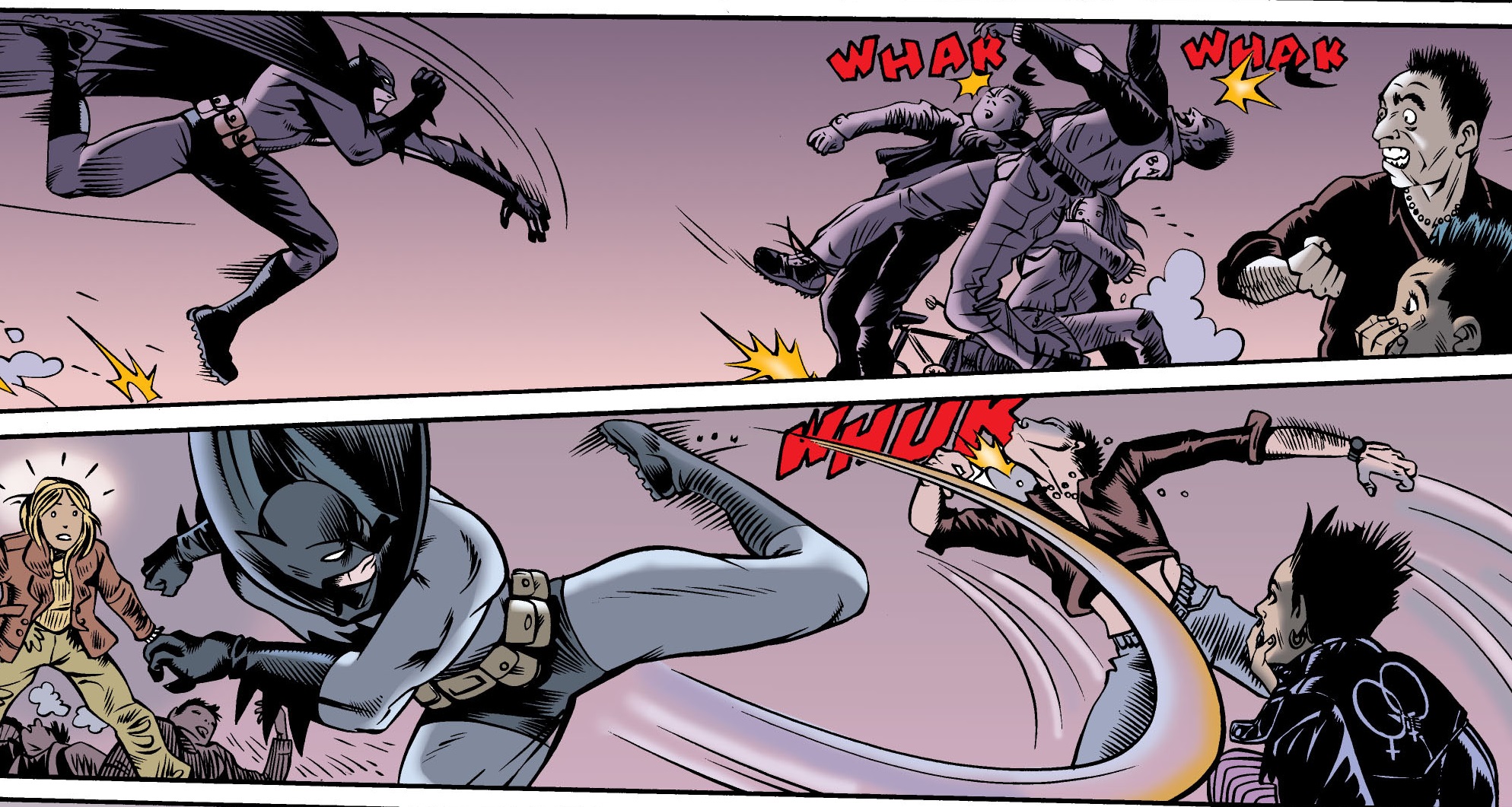
Levins sure knows how to frame a free-for-all fight scene for maximum effect… Aware of this, Scott Peterson let him have one last hurrah in their knockout final issue, ‘Leaves’ (Gotham Adventures #60, cover-dated May 2003), another deceptively simple tale that actually strikes at the heart of the Batman mythos while kind of reimagining the classic one-shot The Killing Joke.

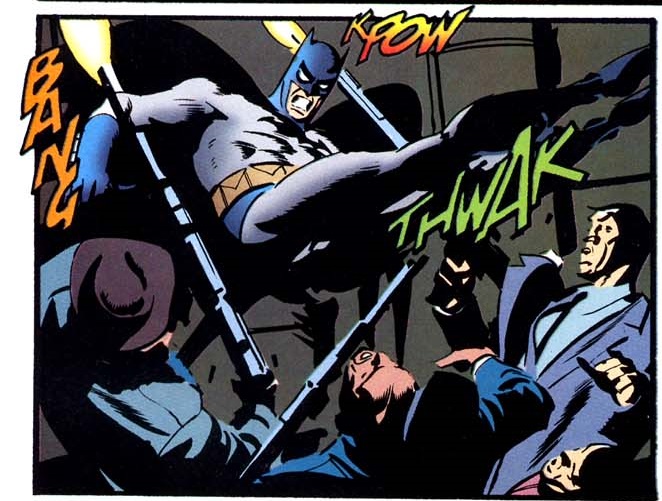
At one point, the Dark Knight singlehandedly faces around fifty thugs at dawn. Stylishly framed against a red sky (like in the sequence from ‘Do the Wrong Thing,’ except that here Loughridge pushes the mood even further by enveloping the bodies in a dusky palette), Tim Levins delivers a seriously badass battle that captures the exhilarating sense of an individual overcoming overpowering odds. The result is a virtuoso sequence akin to flicks like Kill Zone 2, John Wick 3, or The Night Comes for Us.

Gotham Adventures 60Gotham Adventures 60Gotham Adventures 60Gotham Adventures 60Gotham Adventures #60
Posted in ART OF BATMAN COMICS | Tagged , , , , | 3 Comments

Batman comics on drugs – part 2

If you read the last post, you know I’ve been looking at Batman comics about drugs. Today I want to briefly discuss two stories from the early 1990s that approached this topic in extreme ways.

In his many adventures, the Dark Knight has taken quite a few drug-induced trips…

batman 516Batman #516

In 1991, however, Denny O’Neil took the extra step of writing a five-part story devoted to Batman’s consumption of – and subsequent addiction to – a designer drug. In ‘Venom’ (Legends of the Dark Knight #16-20), set in the early stages of Batman’s crime-fighting career, the Caped Crusader has a crisis of confidence after failing to rescue a little girl because he wasn’t strong enough to move some rocks. He therefore starts taking special steroids that not only make him stronger, but also turn him into a jerk who sadistically bullies those he thinks are weaker than him while laughing hysterically.

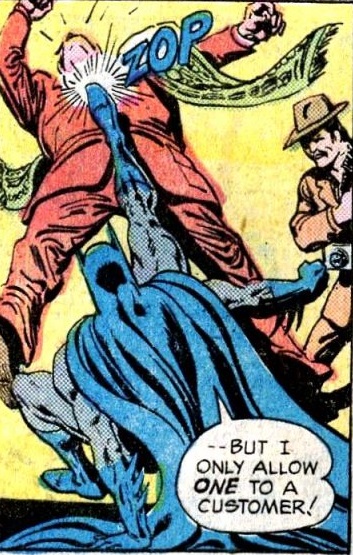
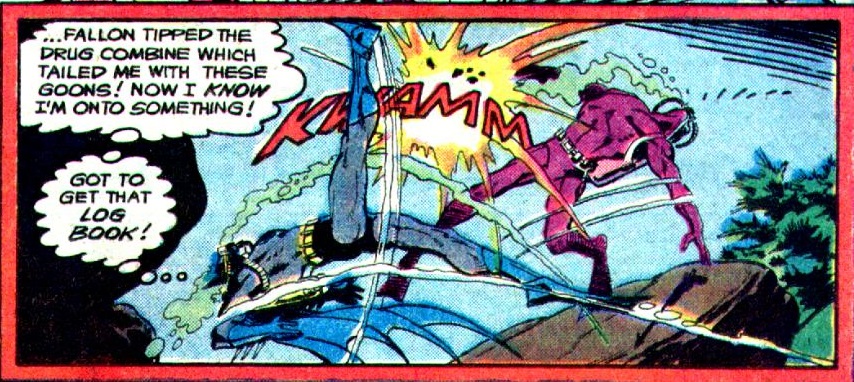
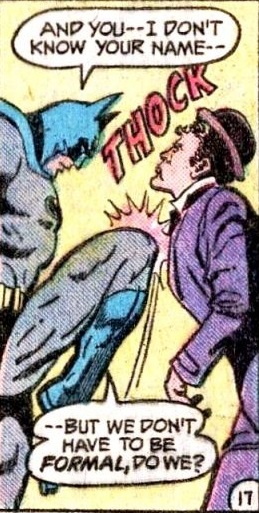
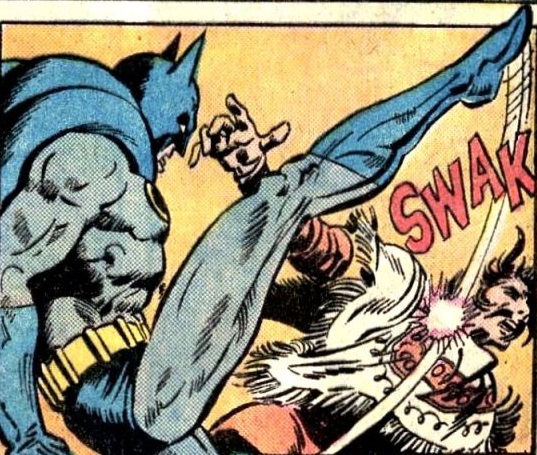
Notably, he starts wearing a blue fedora and punching junkies in the balls:

Legends of the Dark Knight 17Legends of the Dark Knight #17

The reason for the new outfit, I can only assume, is a meta-commentary (the kind O’Neil is so fond of) about the essential difference between Batman – at his purest – and Ditko-esque vigilantes like Mr. A, the original Question, and Watchmen’s Rorschach. This also helps explain the faux-hardboiled first-person captions that go with this sequence:

Legends of the Dark Knight #17Legends of the Dark Knight #17

Batman gets seriously addicted to the stuff, so it’s a matter of time before his dealer, Randolph Porter, starts taking advantage of him – basically using the Dark Knight as a compliant thug in exchange for more pills.

It’s not a bad premise. After so many years of watching Batman mistreat dealers and addicts, ‘Venom’ puts a new spin on the series’ anti-drug message by showing the Caped Crusader going through the motions himself. There is something striking about seeing the usually confident, in-control Batman in such a submissive position…

Legends of the Dark Knight 17Legends of the Dark Knight #17

The core sequence in the book takes place when Batman finally realizes he has to break out of his condition and decides to go cold turkey, like Gene Hackman in The French Connection II. He locks himself in the Batcave for a month and tells Alfred Pennyworth not to let him out no matter what.

While Bruce’s whole ordeal feels utterly unrealistic, we are treated to a few touching scenes from Alfred’s point of view that capture what it’s like to have somebody close to you going through such a process…

Legends of the Dark Knight 18Legends of the Dark Knight #18

Because we don’t see what goes on in the Batcave during that month (except for a couple of animalistic flashback images, later on), ‘Venom’ lets our imagination fill in that terrible gap. All we really know is that during this period Bruce grew a mean, Alan Moorish beard…

legends of the dark knight #18

Having regained his sobriety, in the final issues Batman travels to Latin America to kick the ass of his former dealer and of General Slaycroft, who has been working with Randolph Porter (in a clear allusion to the armed forces’ involvement in drug smuggling in Vietnam and Nicaragua).

‘Venom’ has a good reputation among many Batman fans, perhaps because it occupies an interesting place in continuity, as a precursor to Knightfall (moreover, years later O’Neil did a spiritual sequel to this arc in Azrael #36-39), or perhaps because it features a number of memorable pulp adventure set pieces, like when the Caped Crusader throws a fridge out of a window to stop a car, when he parachutes into the island of Santa Prisca from an exploding plane, when he fights for his life against sharks, or when he has to come up with a clever escape from a particularly contrived deathtrap.

Unfortunately, though, most of the comic is clumsily executed. Denny O’Neil is not a subtle writer and the art team of Trevor Von Eeden (layouts), Russel Braun (pencils), José Luis Garcia-López (inks), and Steve Oliff (colors) somehow never give the material enough style to compensate for the script’s bluntness. The sight of Batman crying or punching through a phone booth’s glass after talking to Alfred should’ve been powerful moments, but instead they come across as kind of awkward.

Take the ‘terribly acted’ scene, early on, when the Dark Knight tells Randolph Porter about his daughter’s death. I get it that Porter is supposed to be callous and self-centered, but his nonchalant depiction feels completely off – at the very least, Batman should react to such an odd, caricatural behavior… Or take the subplot about General Slaycroft and his abusive relationship with his son, which feels like a lame remake of the Musto father-son dynamic in O’Neil’s The Question… And don’t even get me started on all the lazy clichés, from the openly racist, homophobic, misogynistic right-wing villains to the underwritten female characters who are just there to be the object of exploitative violence.

The discourse on drugs isn’t O’Neil at its best either, even if he tries to bring in some complexity by branching out and commenting on other addictive substances:

Legends of the Dark Knight #17Legends of the Dark Knight #17

The whole thing about Batman becoming a bulky jock who no longer likes to read feels especially forced… It could be explained as Bruce feeling too restless and unable to concentrate, but ‘Venom’ shows it as a radical shift in personality, with him explaining to Alfred that he is ‘passed the need to read’ before going on a rant against the ‘weaklings.’ I get it that his drug is eventually revealed to have been designed with the purpose of creating obedient soldiers, but there are less goofy ways to convey this without going the ‘dumb bully’ route (fortunately, this side effect had been removed by the time Bane became addicted to venom in Knightfall).

If you want a truly nasty Batman story about drug abuse – one that goes for gritty realism without skimming on the action – I would instead suggest a comic that came out the following year: ‘The Black Spider’ (Shadow of the Bat #5, cover-dated October 1992), written by my favorite Batman writer, Alan Grant.

Shadow Of The Bat 05Shadow of the Bat #5

I guess it was a matter of time until the drug-obsessed Grant had a go at the Black Spider. Created by Gerry Conway and Ernie Chua way back in 1976 (Detective Comics #463-464), the Black Spider was a character built around drugs from scratch… An ex-junkie-turned-vigilante on a deadly crusade against the heroin trade, Eric Needham had adopted the Black Spider persona in order to go after superflies (because in Gotham everybody loves masks and animal puns). Also, as was typical of costumed characters with the word ‘black’ in their name, he was dark-skinned:

detective comics 464Detective Comics #464

The original two-parter tale was pretty by-the-numbers. Ernie Chua’s art tends to be slightly more than serviceable and Gerry Conway basically wrote a (more focused) variation on the Punisher, putting Batman in the same position he had previously put Spider-Man (i.e. that of having to defend the criminals he despised against someone who was doing an extreme version of his vigilante crime-fighter act). The sequel, ‘Night of Siege’ (Batman #306), was equally forgettable.

By contrast, Shadow of the Bat #5 is damn hard to forget. The issue pulls no punches: when Eric Needham realizes his former girlfriend is back to shooting smack while raising their kid, he goes on an even more brutal murder spree… Although the Black Spider wears a typically absurd costume, this time there is no effort to disguise the story under a superhero tale. It’s just a bleak affair, full of personal tragedy and self-destruction. And along the way we get Needham’s thoughts on drugs and addiction in the form of a letter addressed to the Dark Knight:

Shadow Of The Bat 5Shadow of the Bat #5

Batman doesn’t save the day in the end – it’s just that everyone dies horribly except him. Man, this has got to be one of the most depressing Batman comics of the 1990s… (It’s certainly up there with Alan Grant’s Detective Comics issue about trash!)

This doesn’t mean it’s not a thrilling read. After all, part of the general appeal of Grant’s comics is precisely the overblown pathos and hysteria. And like many of his best works, Shadow of the Bat #5 benefits from his three greatest collaborators: artist Norm Breyfogle, colorist Adrienne Roy, and letterer Todd Klein, who compellingly convey the characters’ agony and desperation while providing the dynamic pace that the story requires:

Shadow Of The Bat 05Shadow of the Bat #5

You caught the Syd and Nancy reference? That’s not the only background nod! The issue is packed with allusions to the social context that pushes people towards drug consumption, from economic hardship to anxiety-inducing news stories and conspiracy theories (like the Strecker Memorandum)…

Shadow Of The Bat 5Shadow Of The Bat #5Shadow of the Bat #5

The point of the comic is that addicts are victims who should be helped rather than punished. Instead of judging them, everyone should take into account how easy it is to cave in to all sorts of impulses we need to keep in check, since temptation and addiction are all around us. As the Black Spider puts it, ultimately we’re all addicts, as each of us clings to whatever can relieve life’s pains (‘If it’s not drugs, it’s power, or money, or love… or hate.’). Our outrage should therefore be reserved for pushers who exploit those urges.

I think this results in a more powerful statement than the one in ‘Venom.’ Rather than showing us that Batman can potentially become an addict, Shadow of the Bat #5 argues that perhaps he is already an addict (if nothing else, he is addicted to the rush of being Batman) just like everyone who is trying to ‘fill that gaping hole in the center of ourselves.’

Posted in POLITICS OF BATMAN COMICS | Tagged , , , , , , , , , , , , , | Leave a comment

Batman comics on drugs – part 1

Drugs have traditionally played a substantial role in Batman comics (hell, in the whole medium). The Dark Knight has put away his share of drug dealers – from run-of-the-mill villains (your prototypical crime fiction trope) to the kind of outlandish characters that populate Gotham’s bizarre underworld. His stories have also featured a number of memorable junkies, such as Joey Redwine (in ‘The Spider’s Ninth Leg!’) or Studs (the protagonist of Terminus).

Moreover, the creators of Batman comics sometimes appear to be under psychotropic influence themselves…

batman 188    world's finest 118    batman 136

Or, if not directly under the influence, at least trying to simulate its effects…

Batman - Kings of Fear 3    batman and robin 17    batgirl 49

As encompassing as the drug motif is, however, some comics have tackled it more head-on than others. With that in mind, I want to look at a few stories that have sought to explicitly engage with the topic of substance abuse and say something a bit more ambitious about it.

One of the most mature efforts was ‘Flying Hi’ (Detective Comics #561, cover-dated April 1986), written by Doug Moench, with art by Gene Colan, Bob Smith, and Ricardo Villagran. Despite a florid opening narration, this is a restrained, low-key tale. Jason Todd (the second Robin) has a crush on a new girl at school, Rena, who invites him to get high with her. He discusses the issue, first with Batman and then with the girl, who is mostly looking to fit in. After half the comic with people talking, we get some small-scale action scenes as the class stoners try to rob a pharmacy. The ending – like the beginning – suggests that romantic joy is the best kind of high (which sounds cheesy, but it’s actually handled in an endearing way).

Moench’s script – combined with the relatively naturalistic style of Colan’s pencils and Adrienne Roy’s colors – manages to avoid caricature, as everyone in ‘Flying Hi’ seems to have a more or less realistic grip on what they’re talking about. His work even found praise in the not-exactly-superhero-friendly The Comics Journal (albeit by being treated as an exception to the rule). In the article ‘Flying High and Flying Low’ (issue #108), Steve Monaco argued that, in contrast to ‘Marvel’s typical wacko-junkie and pusher-killer approach,’ this Batman story ‘offers a soft-spoken, intelligent tone to its anti-drug message that is a much welcome change of direction, and it has a pertinence to the world of its intended audience that all the other supposedly relevant comics (and comics writers) should emulate.’

detective comics 561detective comics 561Detective Comics #561

Steve Monaco points out that because this dialectic method is not used combatively (for example, with an aggressive line like ‘Why would someone as smart as you want to do something as totally stupid as taking drugs?’), the ensuing dialogue ‘has a ring of truth, even if it is a bit whitewashed and cutesy for some adult tastes.’

For me, the pivotal scene occurs early on, in the Batcave, when the Caped Crusader proves to be an understanding father figure, talking to Robin openly and with some nuance about the issue:

detective comics 561detective comics 561Detective Comics #561

(The fact that they are literally flying high during the conversation is your obligatory visual pun, typical of Moench’s 1980s’ run.)

On top of everything else, this is a refreshing take on Batman, far from the righteous extremism of other depictions. Bruce doesn’t act especially controlling or judgmental in front of Jason (even though, true to character, he does go out and bust a horrible pusher later on… a scene that is probably meant to contrast the satisfying simplicity of Bats’ pulp fiction world with the shadier reality of Jason’s school life). I really like their matter-of-fact exchange both as a solid moment of bonding between the Dynamic Duo and as a lighthearted alternative to the usual heavy-handed approach to the subject matter.

But what about those other works – the ones with a more sensationalist, exploitative take on the malefices of dope consumption? You’d think the most likely place to find them would be in the oeuvre of Alan Grant, the king of over-the-top Batman drug comics, especially in ‘Leaves of Grass’ (Shadow of the Bat #96-98, cover-dated November 1996-January 1997), which revolves directly around pot.

In part, you’d be right. This three-parter concerns a drug war prompted by the fact that a new supplier is providing Gotham dealers with genetically-enhanced weed at half the cost of their regular score, which leads established suppliers to turn to brutal force to try to keep their dealers in line. The twist is that the new supplier in town is actually the camp DC villain Floronic Man, whose latest body is made out of marijuana and who sounds stoned out of his mind… In a particularly ridiculous development, Floro has his two voluptuous henchwomen kidnap Poison Ivy because he wants to make a hemp baby with her!

Shadow Of The Bat #57Shadow of the Bat #57

As you can tell from this excerpt, ‘Leaves of Grass’ is full of the kind of expository passages with ham-fisted factoids and statistics often associated with PSAs. Plus, there is a whole subplot about a classmate of Tim Drake (the third Robin) smoking a joint for the first time and having a bad trip, which comes across like a preachy cautionary tale.

That said, the comic is not as egregious as it may sound. The art by Dave Taylor (pencils), Stan Woch (inks), and Pamela Rambo (colors) downplays Grant’s propensity towards excess, keeping the story grounded. And for all the constant sermonizing, the dialogue ultimately stays true to each character (as long as you remember that Floro and Poison Ivy are meant to be deranged). The sequences in Tim’s schoolyard, for example, are not that contrived if you bear in mind that they are meant to capture the interplay between doofus teenagers:

Shadow Of The Bat #56Shadow Of The Bat #56Shadow of the Bat #56

Likewise, the equivalent of Jason’s exchange with Batman in the Batcave, although handled differently, doesn’t veer too far off the chart. Yes, the scene is more stilted and Bruce sounds less tolerant than he did in ‘Flying Hi,’ but that matches the overall characterization in the story – and in mid-90s’ Batman comics – where the Dark Knight is the inflexible one and the Teen Wonder a more humanistic voice of reason.

Shadow Of The Bat 56Shadow of the Bat #56

Moreover, there is a nice ambiguity about the whole thing. Alan Grant, clearly aware of the reputation of drug-related fiction and anti-drug propaganda, gave each chapter a tongue-in-cheek title: the first one is named after a trippy TV show (‘Twin Peaks’), the second one after an infamous anti-marijuana film (‘Reefer Madness’), and the last one uses drug terminology to reflect what takes place in the issue at various levels (‘Comedown’).

He also tries to illustrate a fuller debate. It’s not just Floro who presents pro-pot arguments – in the final issue, the action is juxtaposed with a school presentation by Tim Drake about the dodgy history of hemp criminalization and the contextual – and racist – background of its ban, in addition to the harsh social consequences of marijuana’s illegal status (‘in 1990, almost 400,000 Americans were arrested for its possession or use’).

The indictment of the War on Drugs is voiced by Commissioner Gordon (‘the more we wage our war on it, the more people want to use it’), whose frustrated outlook makes for an effective counterpoint to Batman’s no-compromise brand of conservatism. Anticipating the strategy of the – much more sophisticated – third season of The Wire, ‘Leaves of Grass’ illustrates the potential of decriminalization with some counterfactual statistics:

Shadow Of The Bat #58Shadow Of The Bat #58Shadow of the Bat #58

Against this background, the point of Tim Drake’s closing monologue to his class goes further than a statement against taking drugs. He – and the comic – stresses the notion that the drug problem isn’t something that can be resolved with threat or violence. It should be handled with frankness and by example. This acknowledgement of the importance of inspiration as a deterrent (rather than force or fear) ties into Tim’s own conflicting notions of heroism, which means that the payoff also works in terms of pushing Robin’s characterization.

Shadow Of The Bat #58Shadow Of The Bat #58Shadow of the Bat #58

Granted: the clapping at the end is probably taking it too far…

Posted in POLITICS OF BATMAN COMICS | Tagged , , , , , , , , , , , , | Leave a comment

COMICS CAN BE AWESOME (June 2019)

Your June reminder that comics can be awesome…

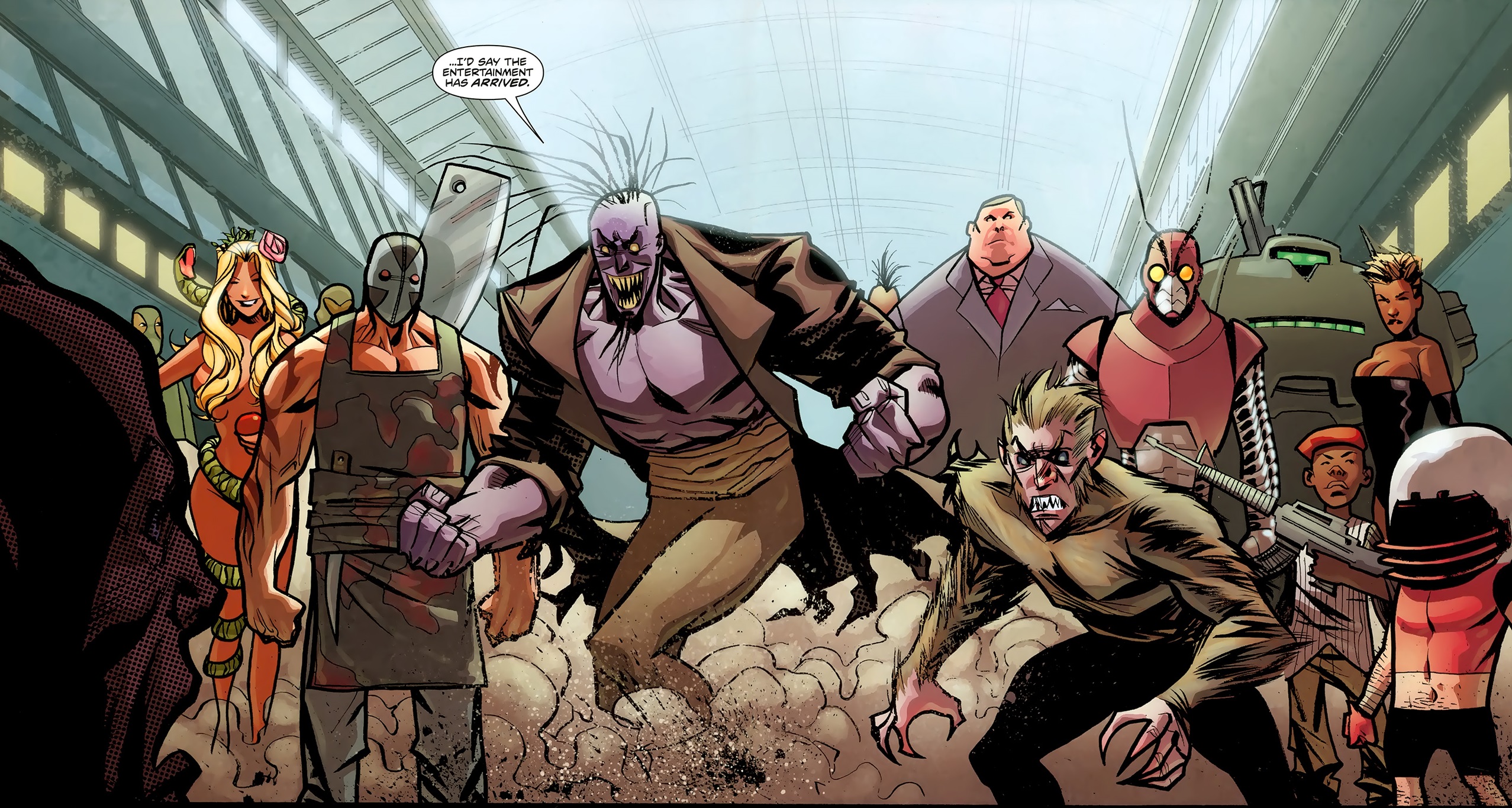
Man-Thing #1Man-Thing #1
The Big Guy and Rusty the Boy Robot #1The Big Guy and Rusty the Boy Robot #1
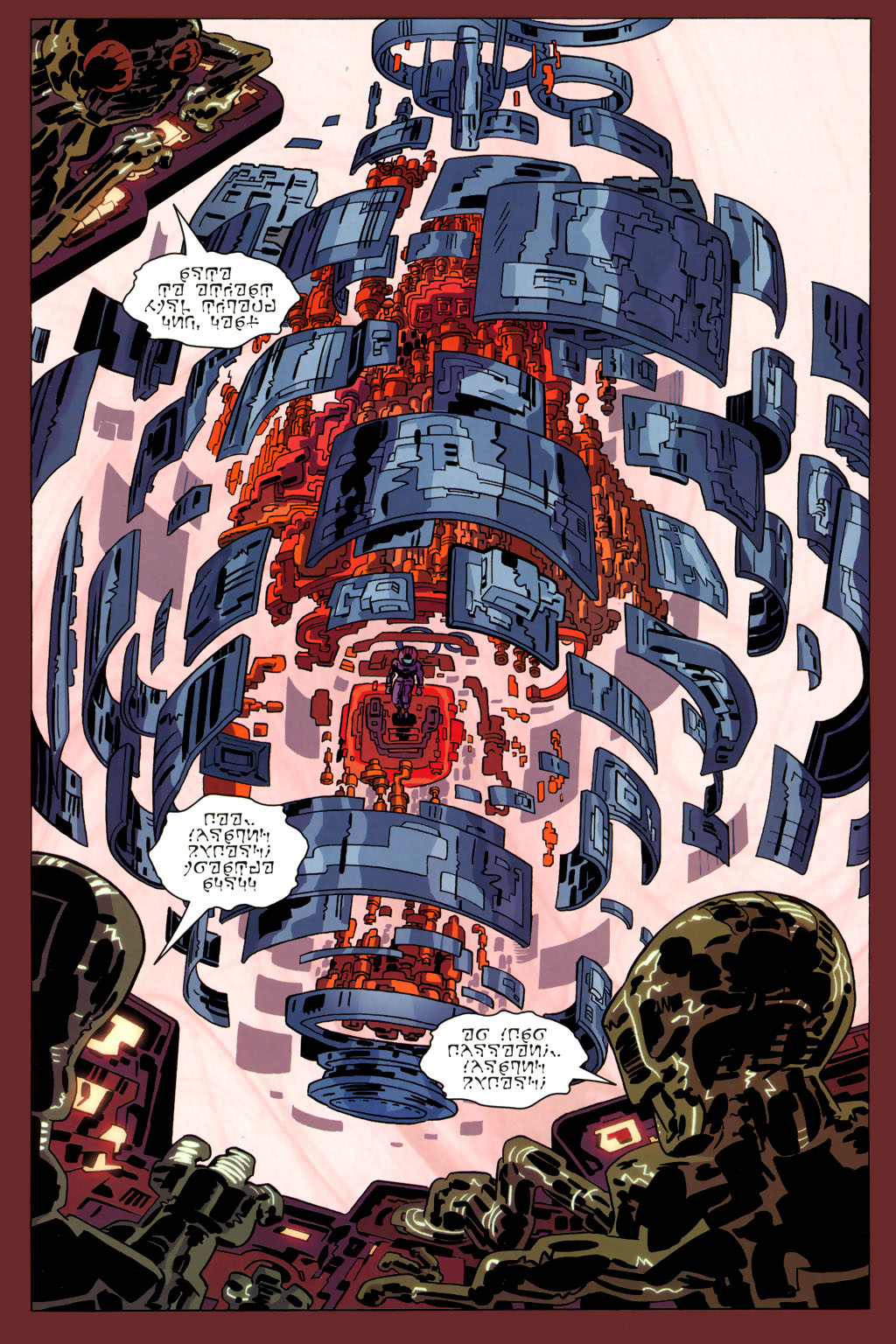
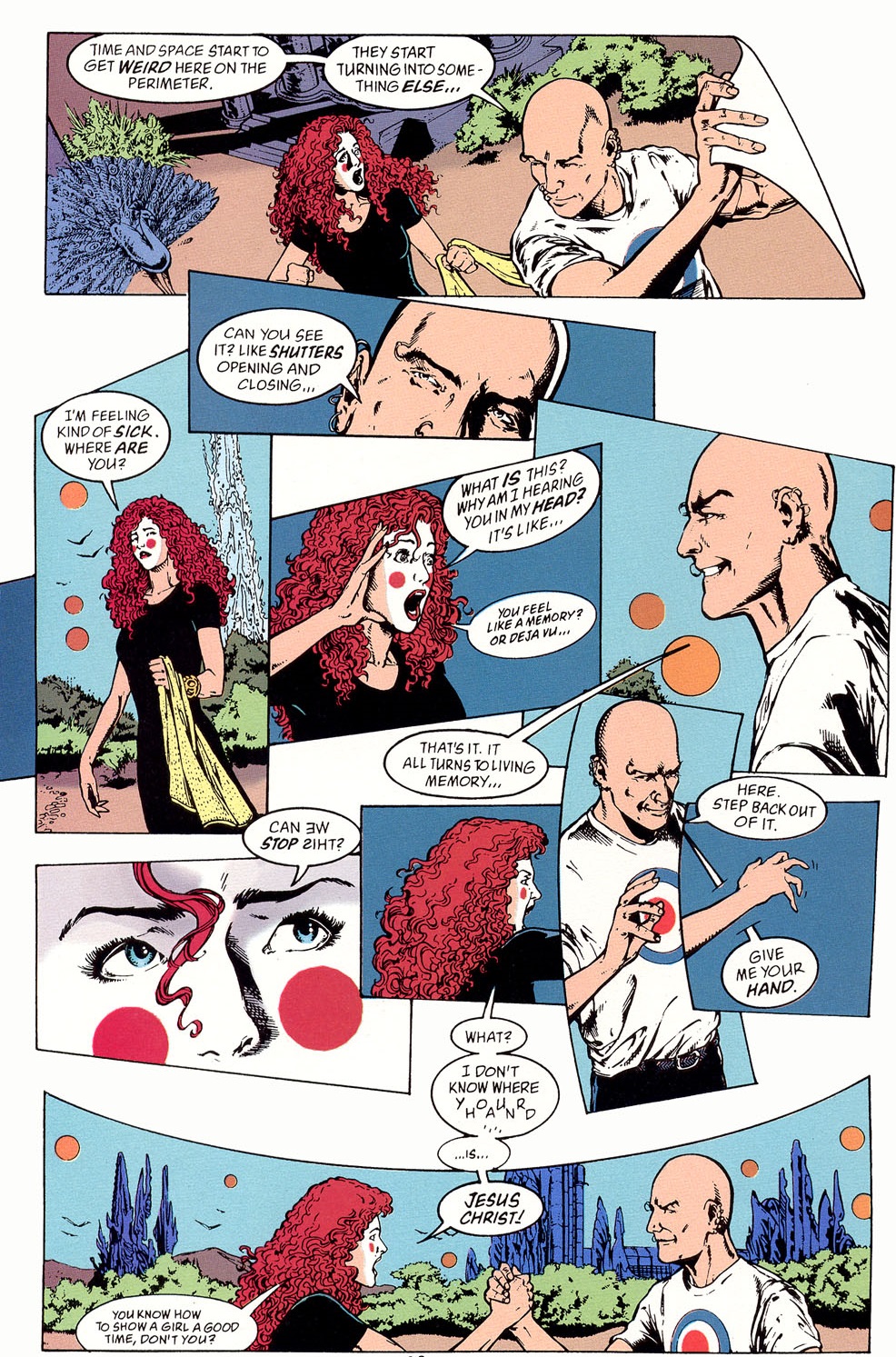
The Invisibles (v2) #19The Invisibles (v2) #19
Posted in GLIMPSES INTO AWESOMENESS | Tagged , , , , , , , , , , , , , , , , | Leave a comment

Places to visit in Gotham City

If you happen to be passing by Gotham City and are only around for a day or a night, make sure you use your time wisely.

There are plenty of monuments worth checking out, but among the most original ones is this Swamp Thing statue:

swamp thing 55Swamp Thing (v2) #55

The statue is all the more remarkable because it was commissioned shortly after this godlike elemental being practically destroyed Gotham by engulfing the city in wild vegetation when the local authorities arrested his girlfriend, who at the time was being prosecuted for having sex with a plant (yes, it’s an Alan Moore comic). Although the statue doesn’t show up very often (it’s unveiled in Swamp Thing #55 and it can be seen in the background in Neil Gaiman’s and Dave McKean’s Black Orchid mini-series), I love the fact that it’s part of the history of Batman comics, as it demonstrates Gotham’s sense of fair play. By celebrating a brief period when the city seemed especially in touch with nature and publicly acknowledging Swamp Thing’s rightful motivations, this is ultimately a monument to sexual tolerance and unconventional love in the shape of an ugly vegetable monster.

As far as statues go, there is an even odder tribute in the Cauldron, Gotham’s Irish neighborhood and the setting for Garth Ennis’ and John McCrea’s beloved dark comedy series Hitman. One of that series’ running gags concerned a delusional alcoholic who went by the name of Sixpack and, dressed in a ragtag costume, believed himself a superhero. In typical Ennis style, what started out as a tasteless caricature was given a surprisingly dignified – yet hilarious – payoff towards the end of the series, as Sixpack eventually did save the day by impressing an evil interdimensional Lovecraftian being with his misguided determination in the face of hopeless odds. His sacrifice was suitably honored:

Hitman #52Hitman #52

(Speaking of Alan Moore, I’m pretty sure this splash page is a nod to the opening of Whatever Happened to the Man of Tomorrow?)

But of course cultural life in Gotham City isn’t just about parks and monuments. If you’re lucky, while you’re visiting you’ll be able to catch one of the city’s many eccentric festivals and annual events…

Detective Comics #483Detective Comics #483

Or you can go to a museum. If you do, however, bear in mind that the place is likely to be robbed while you’re there.

Decades of comics about themed villains have firmly established that, on the one hand, Gotham City seems to have an endless supply of imaginative exhibitions (with huge props) and valuable collections and, on the other hand, no object is too weird to be stolen at some point:

The Brave and the Bold 70The Brave and the Bold #70

Likewise, sport events are frequently interrupted by heists, terrorist attacks, or lively chases. Thus, if you go to a game, the main excitement may be cheering for a local team (the Knights, the Gotham Giants, the Gotham Goliaths) or it may be turn out to be a live-threatening experience.

That said, even when things go bad, you can still have a fun time at the stadium, especially if you enjoy slapstick and puns:

batman 411batman 411Batman #411

Then again, perhaps you’d rather do some shopping instead. In that case, you could do worse than drop by Costume, a cult clothing store with a quintessential Gotham twist:

Gotham Knights #44Gotham Knights #44

Another obligatory touristic activity: I would highly recommend checking out some of Gotham City’s Bulletin Boards, which the Caped Crusader uses to covertly communicate with his informants:

detective comics 465Detective Comics #465

You can try to decipher hidden messages and imagine what oddball story is taking place in the Gotham underworld at the time.

Or perhaps you’ll actually find a useful service or a second-hand tool at an inviting price.

Or – who knows? – maybe you’ll even bump into Batman dressed as an old lady:

detective comics 465Detective Comics #465

At the end of the day, you can make the most out of Gotham City’s notorious night life. Sure, it’s dangerous, but it’s also very likely to have whatever you are looking for, no matter how kinky…
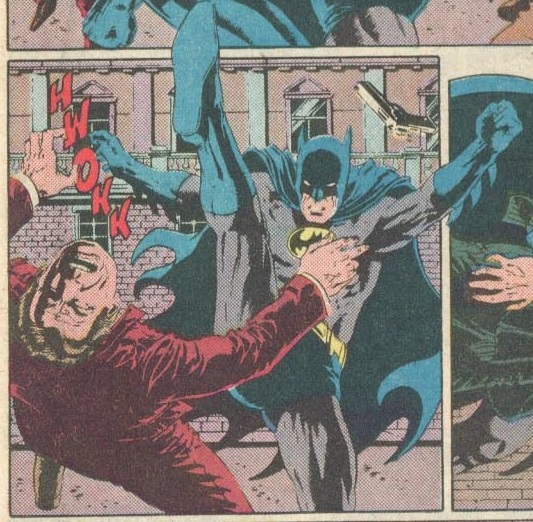
Gotham Nights 2Gotham Nights #2

Just make sure you watch you’re back, though. I don’t know if you’ve noticed, but there is kind of a problem with street crime in Gotham…
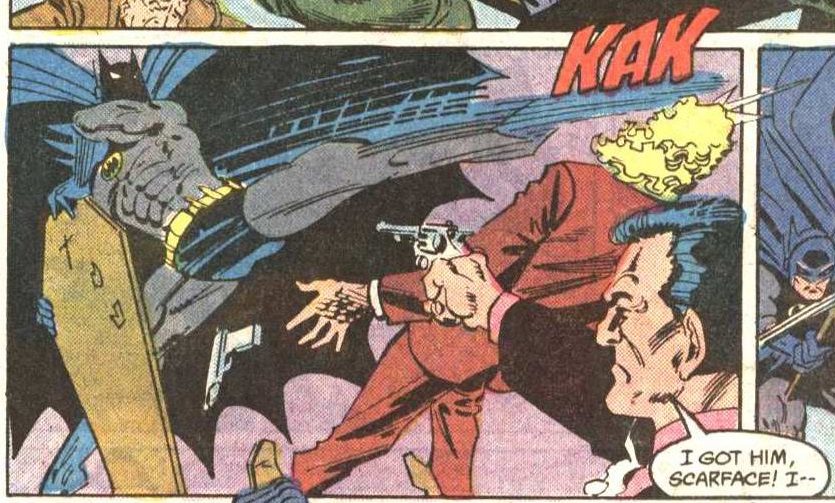
Detective Comics 667Detective Comics #667

Someone should do something about this sort of thing, I suppose.

Posted in GOTHAM CITIZENS | Tagged , , , | 1 Comment

More brilliant sci-fi short stories

Jordan Peele’s The Twilight Zone has started off on the wrong foot. It’s not just that most episodes so far have been weaker than 90% of Rod Serling’s original series  (or, at least, 90% of the first three seasons, since the show became more uneven in the final years) – even setting aside that comparison, we’ve seen much better versions of Twilight Zone-style fiction in recent times, from Black Mirror to Peele’s own Get Out. Indeed, 21st century identity politics are ripe for the kind of fusion of nightmarish science fiction/fantasy and social commentary that lies at the heart of the TZ franchise. I can even see how cool this sounded at the pitching stage: remaking ‘Nightmare at 20,000 Feet’ to reflect post-9/11 terror-in-the-air paranoia; turning ‘It’s a Good Life’ into an allegory about Trump; doing a variation on ‘A Most Unusual Camera’ and ‘A Kind of Stopwatch’ that taps into Black Lives Matter… The problem lies with the execution.
The worst offender of the lot was the very first episode, ‘The Comedian’ (in which, oddly enough, nobody seems to understand how comedy works or the fact that lasting success is related to the audience’s ability to recall the material), closely followed by the heavy-handed ‘Not All Men’ (an ultra-simplistic take on toxic masculinity that feels particularly underwhelming when compared to the way the topic was handled in the latest seasons of BoJack Horseman and Luke Cage). Admittedly, the demagoguery and naiveté affect me more here because 2019’s TZ addresses current debates – as opposed to the original’s engagement with the ‘50s/’60s zeitgeist – but it’s not just that. After all, Twilight Zone has certainly never been about subtlety as much as about visualizing pervading anxieties in imaginative and powerful ways. Yet even the episodes that come the closest to doing a millennial version of this, like ‘Replay’ and ‘A Traveler,’ drag for too long and cannot help but feel annoyingly predictable or repetitive before they’re over. It’s a shame that (except for ‘Six Degrees of Freedom,’ a genuinely tight slice of sci-fi) the latest TZ incarnation misses the main strength of the original, namely the fact that Serling’s team absolutely mastered the language of short stories, telling neatly tied standalone tales that left on a high note without overstaying their welcome (the drop in quality in the fourth season was, in part, a result of CBS stretching the running time).

I don’t think I’ll stick around. In an anthology series, there really needs to be a reliable batting average… And since I was left hungry for ingenious narratives that successfully use a brief, self-contained format in satisfying ways, I decided to do another list of brilliant sci-fi short stories from comics across the ages:

The Spirit #2.13.1949

‘Visitor’ (originally published in The Spirit newspaper strip, February 1949), by Will Eisner (script and art), Abe Kanegson (letters)

This classic tale from Will Eisner’s acclaimed run on The Spirit seamlessly merges that series’ film noir motifs with a foray into pulpy sci-fi, as the titular masked detective investigates a bank robbery and finds himself in the middle of an extraterrestrial conspiracy. ‘Visitor’ is a beautiful sample of what made Eisner’s work so groundbreaking – the panel borders shift to evoke flashbacks, deacceleration of time, and the ultimate dissolution of reality; the layouts hypnotically carry you up and down the pages; the distorted angles and POVs give the whole thing a dreamlike quality; the body language flows from humor (the Spirit on the phone) to action (the old carpet trick) and sensuality (Cosmek’s smoldering femme fatale).

weird science #07

‘The Aliens!’ (originally published in Weird Science #7, cover-dated May-June 1951), by Bill Gaines, Al Feldstein (plot), Al Feldstein (script), Wally Wood (art), Marie Severin (colors), Jim Wroten (letters)

A tale of two species meeting on an alien planet, their miscommunication a clear allegory of the Cold War escalation in the early 1950s (a core theme at EC Comics). I particularly like the final panel, which poignantly anticipates the notion that it is the Third World who will pay the ultimate price.

Strange Adventures #23

‘Meet Your Masters – the Ants!’ (originally published in Strange Adventures #23, cover-dated August 1952), by Mann Rubin (script), Bob Oksner (pencils), John Giunta (inks)

The science in this story about a world where humans are the insects is hardly foolproof, but every single page has at least one amusing idea. Above all, this is a pretext to watch haunting images of giant ants (creepily brought to the page by Bob Oksner’s mise-en-scène), a visual that was echoed two years later in the awesome horror film Them!

Weird Fantasy 18

‘Homesick!’ (originally published in Weird Fantasy #18, cover-dated March-April 1953), by Al Feldstein (script), Al Williamson, Roy G. Krenkel (art), Marie Severin (colors), Jim Wroten (letters)

Throughout his career, Al Williamson made a mark as one of the best artists at evoking romantic heroism and old-school cliffhanger serials (he even did a series called Cliff Hanger, with Bruce Jones, as a backup to the Hitchcockian thriller Somerset Holmes). Back in his EC days, though, writer-editor Al Feldstein often preferred to throw Williamson twisted plots with tragic endings, which resulted in stunningly atmospheric blends of noir and sci-fi, such as ‘Homesick!’

weird science fantasy 23

‘Fair Trade’ (originally published in Weird Science-Fantasy #23, cover-dated Spring 1954), by Bill Gaines, Al Feldstein (plot), Al Feldstein (script), Joe Orlando (art), Marie Severin (colors), Jim Wroten (letters)

While Al Feldstein’s script is needlessly wordy and the political message is pretty in-your-face, ‘Fair Trade’ is still a shining example of science fiction critically conjuring up both the future and the past, including through a striking final panel.

Master of the Macabre #3

‘The Last Hunters’ (originally published in Badtime Stories, cover-dated 1972), by Bernie Wrightson (script and art), Ray Kohloff (letters)

A mesmerizing post-apocalyptic tale filled with sumptuous prose and powerful visions. As usual, Bernie Wrightson’s ghoulish style channels classic horror and German expressionism, bringing to mind the kind of stark visuals you’ll find in Rüdiger Suchsland’s From Caligari to Hitler. (The scan above is from the reprint in Master of the Macabre #3, with moody colors by Steve Oliff.)

The Long Tomorrow & Other Science Fiction Stories

‘Is Man Good?’ (originally published in Pilote #744, cover-dated February 1974, translated version published in The Long Tomorrow & Other Science Fiction Stories), by Moebius (script, art, colors), Jean-Marc Lofficier, Randy Lofficier (translators), Phil Felix (letters)

Despite the seemingly self-important title, don’t expect anything particularly deep out of ‘Is Man Good?’ This one is just a pure exhibition of Moebius’ uncanny ability to navigate awe, tension, action, gore, and dark comedy.

Eerie #81

‘You’re a Big Girl Now’ (originally published in Eerie #81, cover-dated February 1977), by Bruce Jones (script), Richard Corben (art, colors)

Speaking of visually-commanding storytelling, this macabre farce about a giant girl allows the great Richard Corben to draw – and, crucially, color – one nightmarish image after another. Still, Bruce Jones’ script provides more than just a sick twist on the cult classic Attack of the 50 Foot Woman both by exploring the sci-fi ramifications of its premise and by imbuing the protagonists with a touching degree of humanity.

2000 AD #310

‘Chronocops’ (originally published in 2000 AD #310, cover-dated April 1983), by Alan Moore (script), Dave Gibbons (art), D.C. Gibbons (letters)

This hilarious romp about a Dragnet-style time-travelling cop plays with every paradox in the book. Although the absurdist tone is quite removed from their work on Watchmen, leave it to the team of Alan Moore and Dave Gibbons to pack each panel of ‘Chronocops’ with subtle gags that reward close reading.

2000 AD #644

‘Identity Crisis!’ (originally published in 2000 AD #644, cover-dated September 1989), by Nicholas Barber (script), Glyn Dillon (art), Pigboy Zee (letters)

Let’s finish with a cyberpunk riff on one of the most famous Twilight Zone episodes. ‘Identity Crisis!’ revisits Rod Serling’s recurring musings on the fact that, even if there is an enemy out there, our own panic and paranoia can be terribly corrosive in their own way (a concern that was as relevant in the Cold War as it is now).

Posted in FANTASTIC ADVENTURES | Tagged , , , , , , , , , , , , , , , , , , , , , , , , , , , , , , , , , , | Leave a comment

3 gleeful Dark Knights, by Frank Miller

Frank Miller’s 1986 mini-series The Dark Knight Returns was, more than any other book, largely responsible for the grimmer tone of Batman stories in subsequent years. Its legacy is still felt today – not just in the overall atmosphere of several comics, movies, and TV shows, but specifically in the depictions of Batman himself.

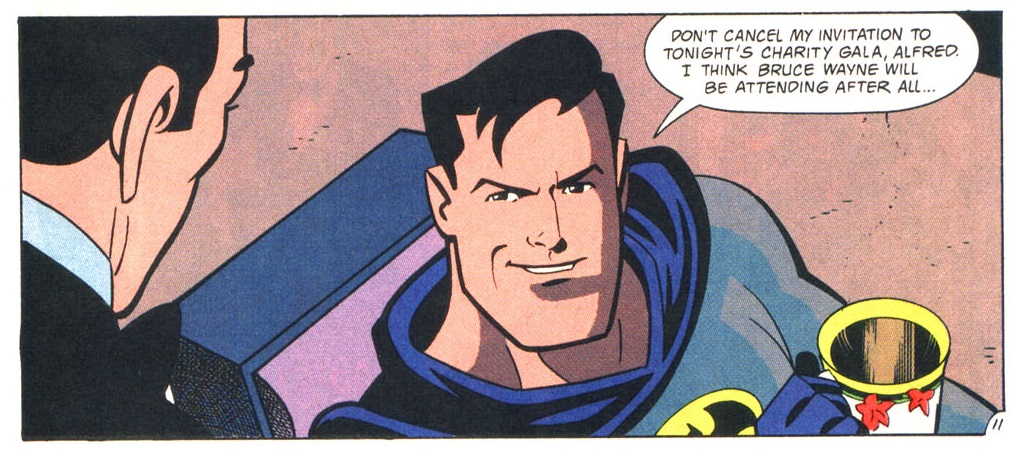
However, one thing that many of these depictions seem to miss is that Miller’s Dark Knight wasn’t always a stoic, tragic figure enveloped in gloom and humorless bitterness or rage. In fact, there are quite a few instances of him smiling:

The Dark Knight Returns #2The Dark Knight Returns #2

I’m not saying Frank Miller’s reputation for darkening the Caped Crusader is entirely unearned, far from it. Yet I think a lot of creators have disregarded a big part of what made Miller’s original take on the character so cool – the allure is not so much seeing a version of Bruce Wayne who is doomed to be Batman, it’s seeing one who is cursed to enjoy it in his own gleeful, twisted way.

When you revisit DKR and, especially, its first proper sequel, 2001’s Dark Knight Strikes Again, it’s pretty clear that, for all the brooding and macho posturing, a lot of the time Batman is actually digging the hell out of being Batman:

The Dark Knight Strikes Again #2The Dark Knight Strikes Again #2

Sure, more often than not, it’s not just a smile. Miller’s Dark Knight tends to grin in a menacing way, suggesting smug bemusement or at the very least a vicious, pitch-black sense of humor… Still, this is one side of the character that doesn’t show up often enough, in my opinion, and it can result in some genuinely fun moments.

Frank Miller’s later works and public statements make it very hard to give him too much love – he has deservedly fallen out of grace with many Batman fans. Hell, even some of his earlier stuff has not aged that well. But if there is one thing we owe Miller, it’s panels such as this one:

The Dark Knight Strikes Again #3The Dark Knight Strikes Again #3
Posted in ART OF BATMAN COMICS | Tagged , | Leave a comment