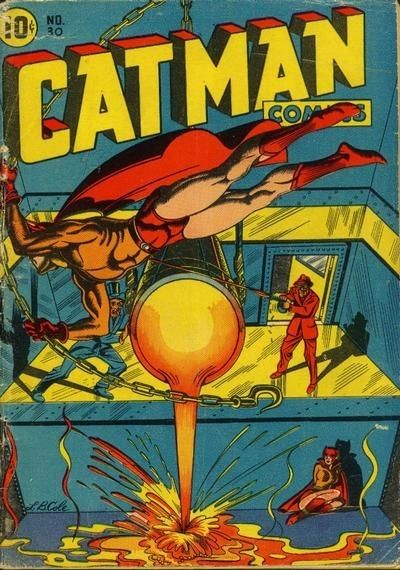
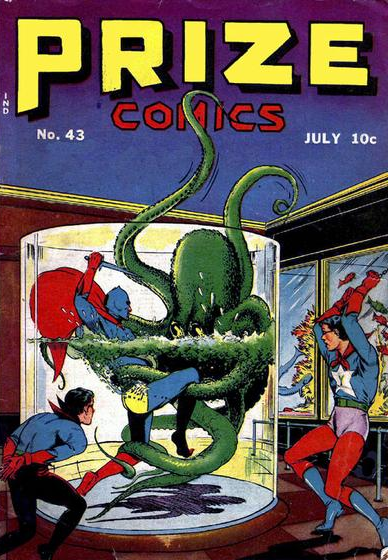
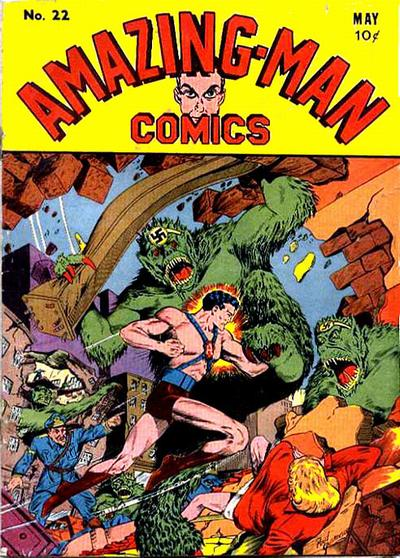
A February reminder that comic book covers can be awesome, Captain edition:
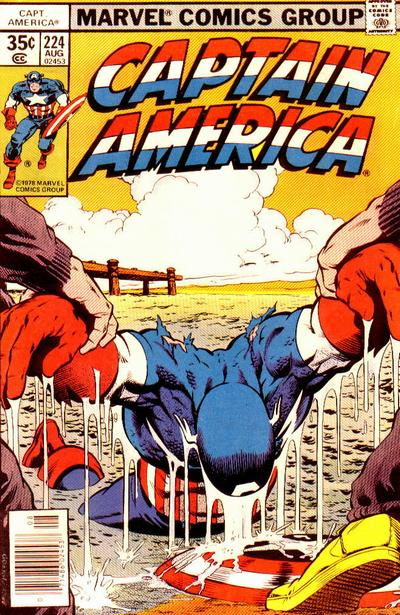
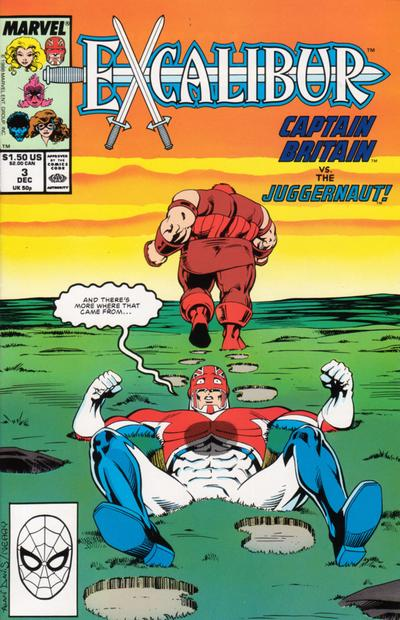
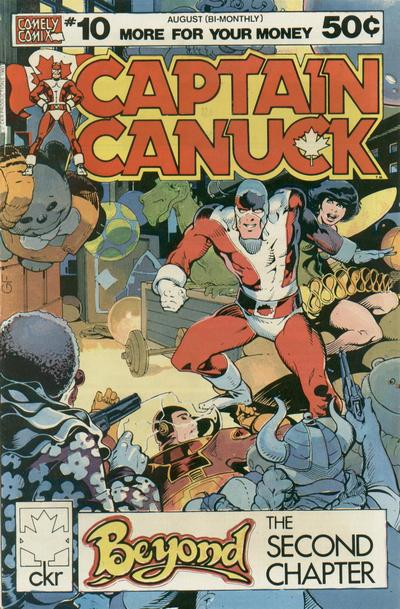
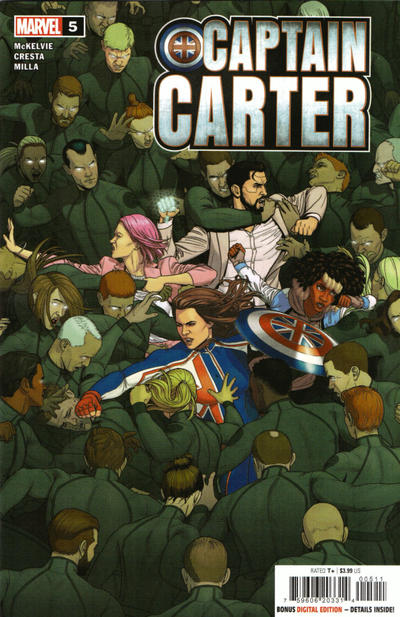
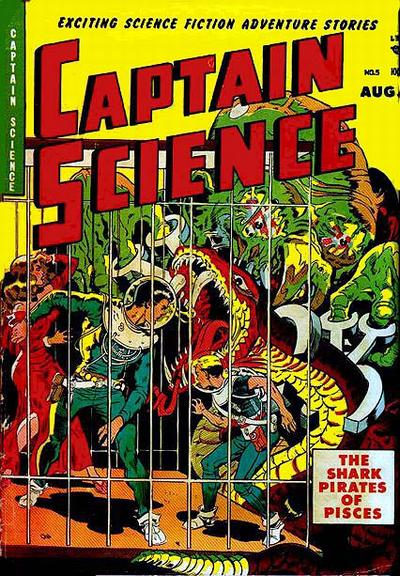
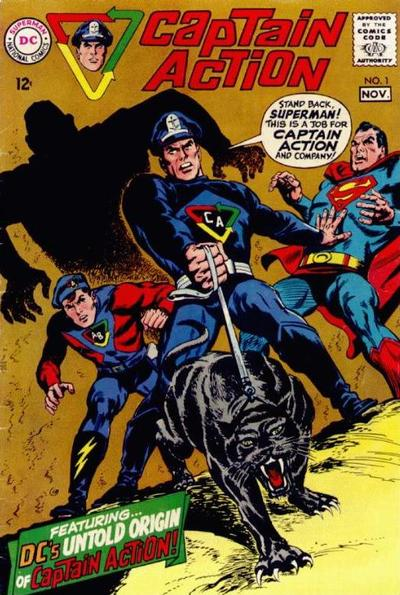
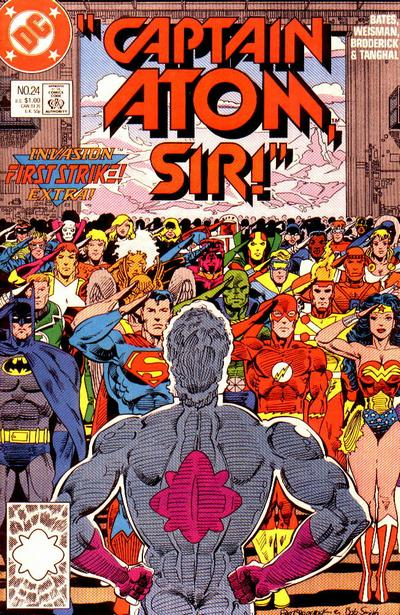
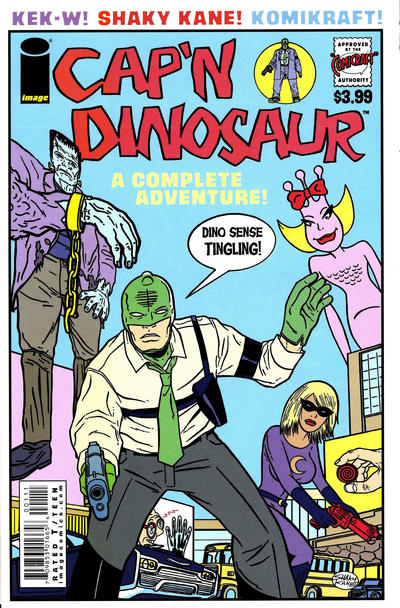
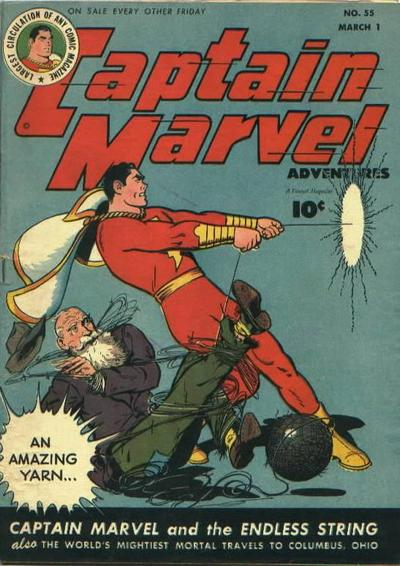
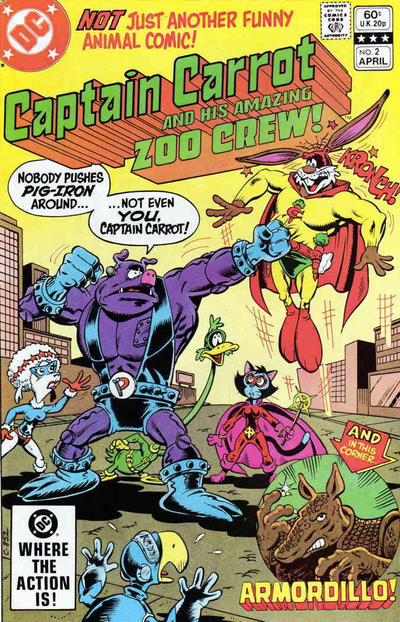
A February reminder that comic book covers can be awesome, Captain edition:
We are now entering the final stage of Gotham Calling’s mega-list of Cold War cinema… and we are firmly in Reaganite territory, including an obsession with foreign intervention along with a vigorous resurgence of nuclear panic.

101. Threads (UK, 1984)
Let’s start with a very, very different approach to apocalyptic nightmares than those of the last post. This is the most violent – and certainly the most maximalist – of the early 1980s’ cycle of realistic docudramas drawing on cutting-edge nuclear and social sciences to present a credible speculation about the effects of an atomic exchange (a la The Day After and Testament). Threads starts off as a low-key kitchen sink TV movie about Sheffield’s working class paying little attention to an international crisis brewing over Iran until it gradually (and literally) blows up in their face… and then the film just keeps going and going, relentlessly envisioning the breakdown and possible evolution of society in fiercely uncompromising terms.
102. Top Secret! (USA, 1984)
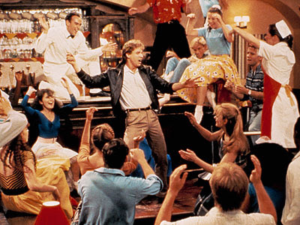
I’ve written before about this absurdist comedy in which a version of Elvis Presley gets entangled in foreign intrigue during a trip to East Germany, spoofing the spy genre while throwing in a bunch of further oddball references (from The Blue Lagoon to The Wizard of Oz). As I mentioned at the time, the movie ‘derives most of its gags from playing with cinematic language in general (constantly subverting typical shots, sounds, and editing in unexpected ways), including a remarkable scene at a Swedish bookshop shot backwards (because everyone knows backwards English sounds just like Swedish!). Yet there is an additional meta element that arises precisely from […] amalgamating WWII and the Cold War (not only do the East Germans dress like Nazis, at one point Elvis joins the French Resistance… in the GDR!). The result places Hollywood propaganda in a continuum, ultimately mocking its long tradition of caricatural approaches to international politics, but also paying homage to the industry’s willingness to throw good taste and logic out the window in the name of thrilling fun.’ (One of the co-writers and co-directors, Jim Abrahams, went on to do Hot Shots! and its sequel, which hilariously spoofed two epitomes of what has been labelled Reaganite ‘warnography’: Top Gun and Rambo III.)
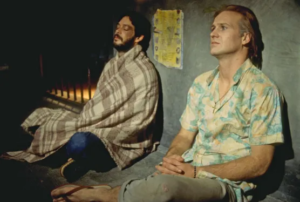
103. Kiss of the Spider Woman (USA/Brazil, 1985)
Just to jarringly shift gears once again, here is an intimate, bottom-up perspective of the Cold War as experienced, not by larger-than-life heroes, but by those who nevertheless had to make brave choices every day. In Brazil, one of the many right-wing dictatorships fostering – and fostered by – the anti-communist crusade, we zoom in on a prison where a flaming homosexual entertains his cell mate – a macho Marxist political prisoner – by recounting old movies (you know I’m a sucker for stories about the power of imagination…). And no, despite the title, Kiss of the Spider Woman does not feature Jessica Drew.
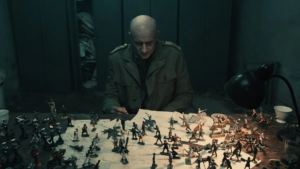
104. O-Bi, O-Ba: The End of Civilization (Poland, 1985)
The West had no monopoly on soul-crushing post-apocalyptic fiction, as seen in Czechoslovakia’s minimalist Late August at the Hotel Ozone or the USSR’s sepia-tinged Dead Man’s Letters. In fact, Eastern Bloc filmmakers used futuristic dystopias to work around censorship and comment on current politics, making a case for peace while visualizing the destruction of their respective countries. My favorite of this lot is O-Bi, O-Ba: The End of Civilization, about a community of survivors of nuclear war stuck in a decrepit shelter and trying to remain sane while clinging to the hope of being saved from the surrounding radioactive fallout. It’s a majestic piece of neon-lit sci-fi surrealism whose themes are simultaneously universal (faith, social control, state propaganda) and allegorical of Poland’s own authoritarian regime falling apart. (Writer-director Piotr Szulkin had already pulled a similar trick a few years before, with The War of the Worlds: Next Century, a twist on H.G. Well’s classic that doubled as a satire of Soviet occupation and subsequent dictatorship, but that one was so blatant that it got immediately banned.)
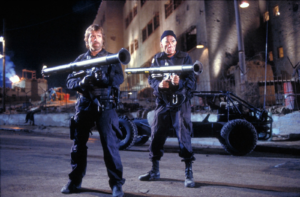
105. The Delta Force (USA/Israel, 1986)
I guess I should include at least one of Cannon’s B-movies starring Chuck Norris, whose reactionary politics put Red Dawn to shame (and which apparently were quite popular in Romania, via smuggled, dubbed VHS tapes). And since this was also a time of airplane hijackings, post-Carter reaffirmation of US might, and rampant Islamophobia, I might as well go with The Delta Force, which is a fascinating picture on multiple levels. One layer of propaganda urges for a tough-on-terror policy through an alt-history of the highjack of flight TWA 487, recreated, up to a point, in almost docudrama detail (but with the terrorists now led by Robert Forster in brownface). In this timeline, US special forces, still frustrated over the failed Operation Eagle Claw (in Iran), instead of leaving it up to politicians to negotiate a solution, sneak into the Middle East to kick some ass. A second layer has to do with Israel, where the movie was shot (and whose IDF supported the production), with writer-director-producer Menahem Golan presenting his country as an example (especially Operation Entebbe) and as a strategic ally in the fight against a common enemy, namely clichéd Muslim Arabs shown as cruel fanatics threatening sympathetic passengers from other religions, particularly Jews (a simplistic narrative that continues to resonate uncritically in many people’s imagination, with devastating effects… and which has somehow become even more tragic and revolting in these past few months). As manipulative and racist as it is, Delta Force’s first half nevertheless delivers a taut, tense Airport-style disaster drama (it even features George Kennedy!), including shameless – yet still effective – references to the Holocaust… And then the second half gleefully embraces such cartoony violence (Norris rides a super-motorcycle!) that one wonders if the filmmakers were more committed to their hawkish agenda or to the joy of blasting the screen with slam-bang action over a catchy soundtrack. The display of fighting skills and technology is surely meant to instill a form of gung-ho catharsis, but the result can be baffling: at one point, near the end, there is a mano-a-mano combat that feels so disproportionate that it’s almost as if they’re teasing you to root for the underdog villain. That said, don’t doubt for a moment that the picture will end on the schmaltziest of notes!
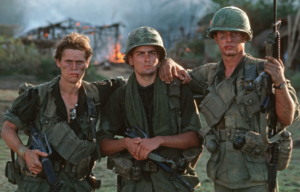
106. Platoon (USA, 1986)
The best companion piece to Apocalypse Now is not the string of right-wing revisionist movies about betrayed POWs (the likes of Missing in Action and Rambo II), but rather this more autobiographic approach to the experience of US soldiers in the Vietnam War, written and directed by a veteran clearly struggling with his own ghosts. Instead of Martin Sheen, this time it’s his son Charlie who serves as our entry point into the struggle for the US soul being fought in the jungles near the Cambodian border… The atmosphere and action are just as immersive in their own way, yet Platoon oozes authenticity and treats its characters as actual human beings rather than operatic figures in a grandiose epic.
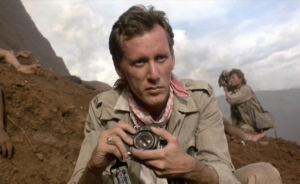
107. Salvador (USA, 1986)
The manic foreign correspondent Richard Boyle (a slimy weasel if there ever was one) travels to 1980 El Salvador and finds a manic place (one of the most terrifying pits of violent chaos ever committed to the screen) in this manic film, revealingly set against the backdrop of Ronald Reagan’s first presidential election. With righteous anger, a fair amount of sadism, and not without racism, Salvador rubs in viewers’ eyes the viciousness of the very bloody civil war (treated as a ‘proxy war’ by Washington) and the notorious death squads of the US-backed military dictatorship. Like Under Fire (which I recommended weeks ago), this movie looks into the recent tragic past of Central America through the eyes of a journalist (the real-world Boyle co-wrote the script), yet it’s more ruthless in denouncing the ignorance and acquiescence of the press and, ultimately, of the public itself: along with Platoon, this is part of Oliver Stone’s one-two punch to US foreign policy via the lost naiveté of North-Americans acknowledging their brutal role in the Third World.
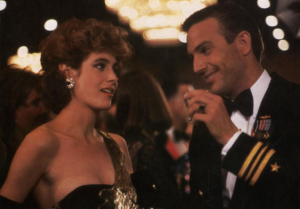
108. No Way Out (USA, 1987)
It seems like No Way Out’s protagonist can’t catch a damn break: not only does he get involved with the lover of the Secretary of Defense, he also gets embroiled in a murder *and* in an investigation into a mole at the Pentagon. This horny, labyrinthine mix of sex and political intrigue cleverly updates classic Hitchcockian trappings as filtered by the conspiracy thrillers of the 1970s and seasoned with a generous pinch of its era’s cynicism. And what an ending!
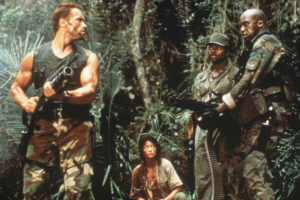
109. Predator (USA, 1987)
Two awesome Cold War movies for the price of one. The first part of Predator, which follows a full-on military mission carried out by a US rescue team who gradually suspect they’re getting embroiled in someone else’s dirty op, is packed with references to real-world conflicts. The rest of the film veers into sci-fi adventure/horror territory, but it provides its own geopolitical echoes in the form of a grisly life-or-death fight against a terrifying adversary hiding in the Central American jungle. Damn quotable.
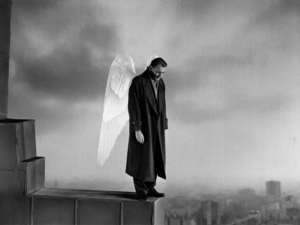
110. Wings of Desire (West Germany/France, 1987)
Melancholic, quasi-plotless until the final stretch, and (mostly) shot in gorgeous black & white, Wings of Desire is an extended mood piece that follows a couple of angels in West Berlin voyeuristically gazing into people’s inner thoughts and personal dramas (and into concerts by Nick Cave & the Bad Seeds). Besides providing a beautifully immersive experience if you’re in a contemplative frame of mind, the film belongs on this list for the way it portrays divided Berlin as a resigned status quo: the Wall has been integrated into the city’s sadness, but there’s hardly any overt anticipation that in just a couple of years people will actively tear it down. Then again, the angels’ free movement is obviously an enduring fantasy of freedom and circulation… and this proto-fairytale does involve separate entities ultimately coming together, as suggested by Solveig Dommartin’s haunting monologue near the end. (Wim Wenders did an underwhelming sequel a few years after the fall of the Wall, Faraway, So Close!)
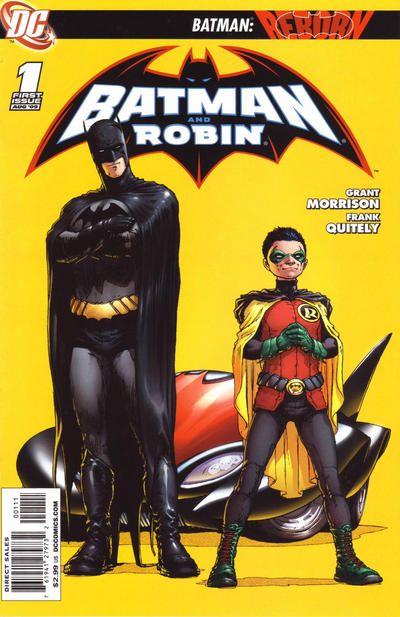
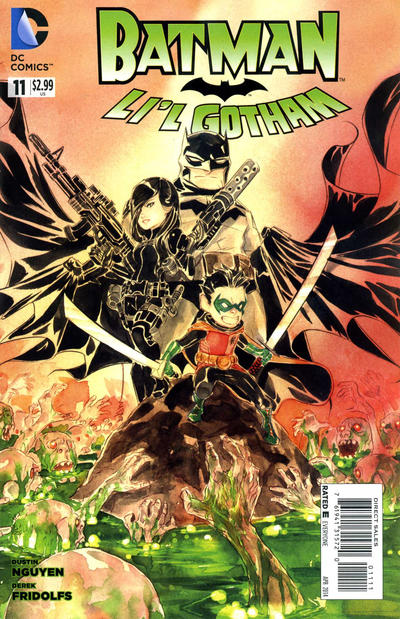
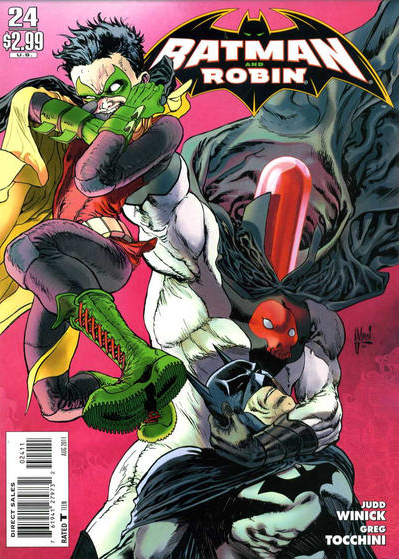
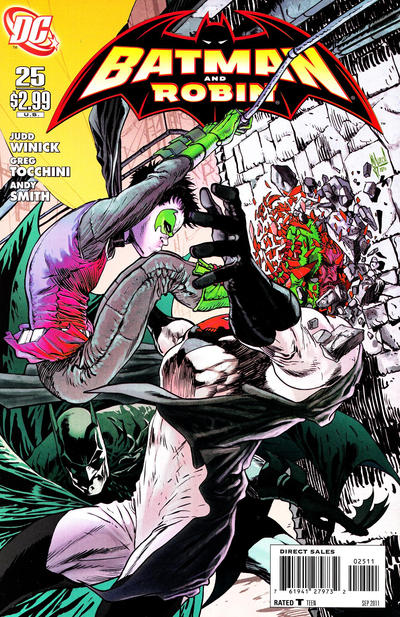
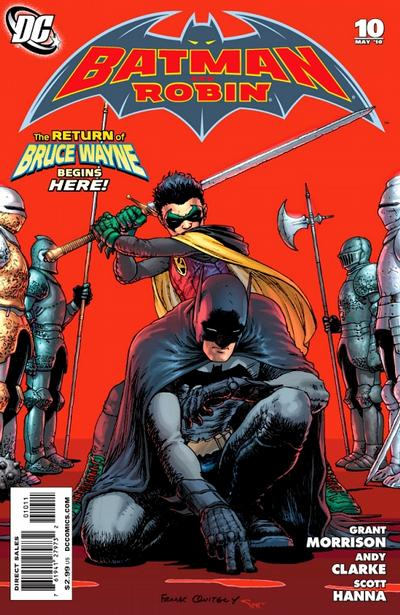
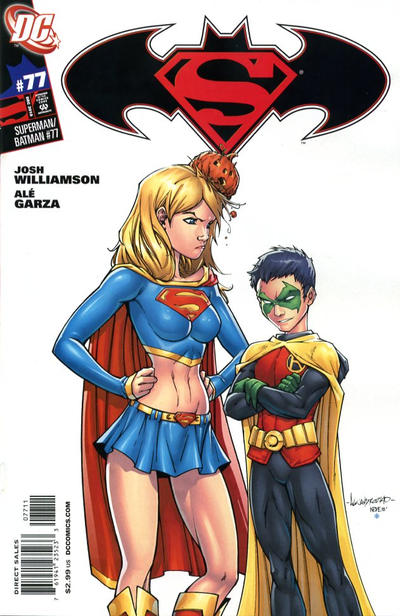
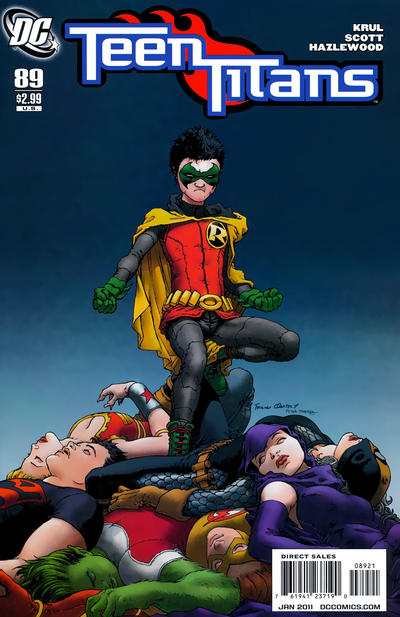
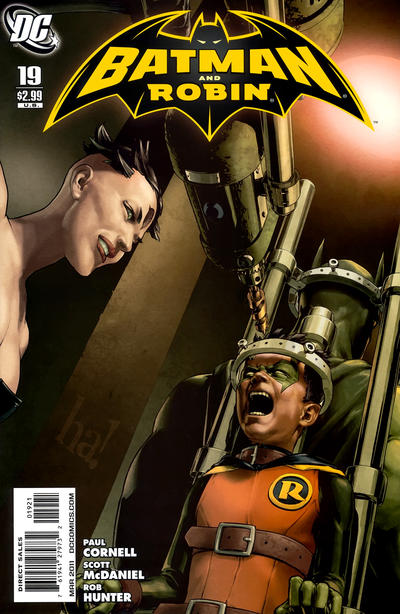
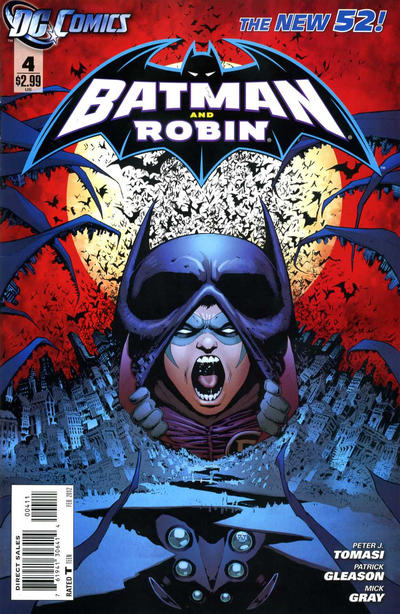
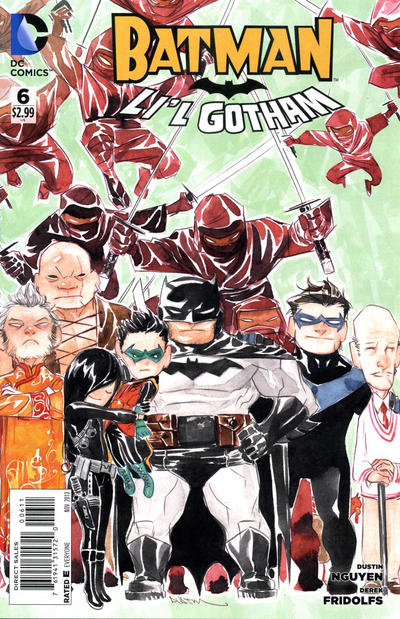
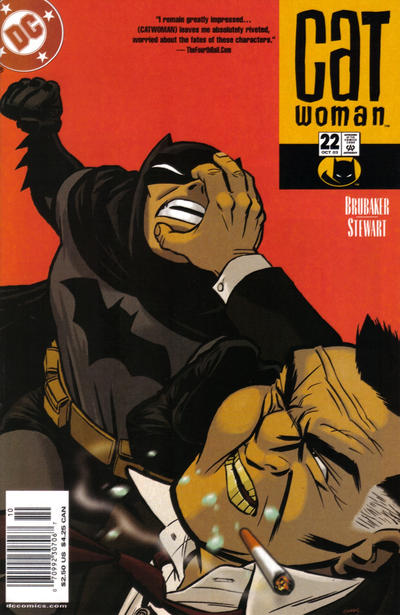
One of the greatest additions to Batman comics in the 21st century was the introduction of Bruce Wayne’s hyper-arrogant, borderline psychopath son, who went on the become a particularly offbeat version of Robin. In fact, as flawed and uneven as Grant Morrison’s run certainly was, it earned a lot of goodwill from me because of Damian Wayne, a walking – and jumping and kicking – reminder that you can’t give too much power to an actual child. Hell, Damian proved to be such a hilarious character that artists soon jumped at the chance of spotlighting his original physique and personality in a series of awesome covers:
The Dark Knight isn’t the only detective in Batman comics. In fact, having finally read last year’s six-part mini-series Gotham City: Year One, my mind has been on the astounding significance gained by one of the oldest detectives around: Slam Bradley.
Commissioned by Malcolm Wheeler-Nicholson and developed by Jerry Siegel and Joe Shuster (the duo that created Superman), this character made his debut back in 1937, in the very first issue of Detective Comics – in a dreadfully racist ‘yellow peril’ yarn – and kept a regular presence in that anthology for the first 152 issues, until 1949.
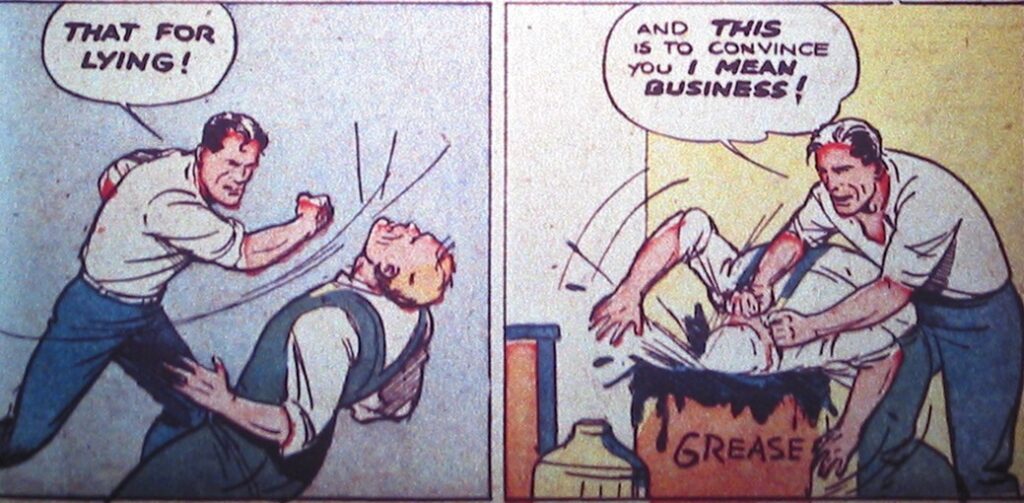
Detective Comics #2
Originally based in Cleveland and, later, Manhattan, Slam Bradley embodied his era’s dominant conception of manliness – he was strong, sharp, and attractive to the dames (even though this latter aspect was eventually downplayed).
Nevertheless, his feature was one of the cartooniest in the early years of Detective Comics (albeit not as much as Batman’s, of course). Bradley even got a cute goofy – and bewilderingly horny – sidekick, Shorty Morgan, who worked with him in his Wide-Awake Detective Agency…
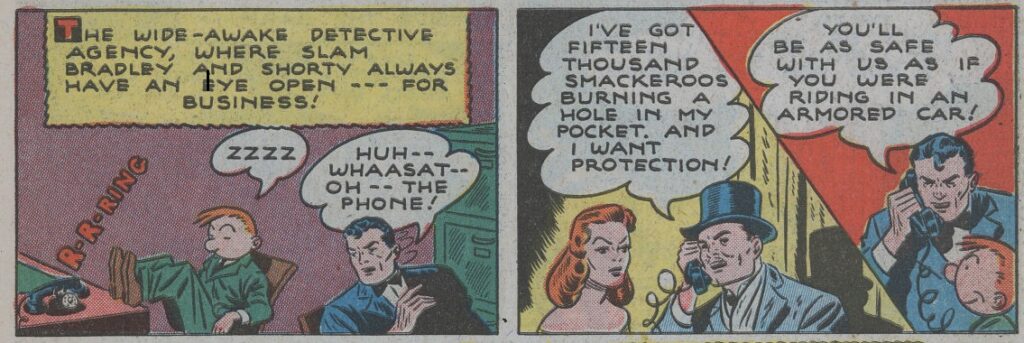
Detective Comics #59
The thing is that, while the character of Slam Bradley himself was played straight as a tough-as-nails sleuth, the tone of his escapades was quite light-hearted. Tales like ‘The Hollywood Murders,’ ‘The Mystery of the Unfortunate Teddy Bear,’ ‘The Case of the Deceased Ham,’ or ‘X Marked the Spot at the Tee!’ fused proper mystery plots with proper comedy, thus belonging to a long lineage of similar hybrids ranging from old movies like The Murderer Lives at Number 21 or The Thin Man (and its absurdly titled sequels) all the way to hilarious novels like Eduardo Mendoza’s The Mystery of the Enchanted Crypt, not to mention Rian Johnson’s recent throwbacks in Glass Onion and the very neat show Poker Face. In comics, the absolute masters of this quirky subgenre are John Allison and Max Sarin (who struck gold once again with last year’s The Great British Bump-Off).
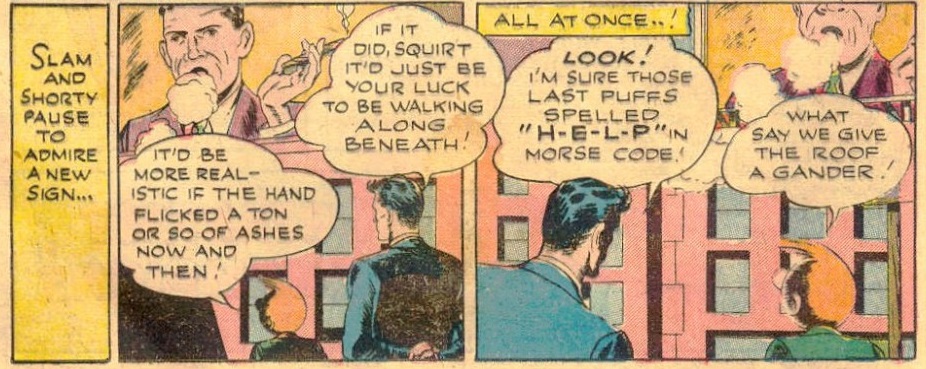
Detective Comics #92
Not that all of Bradley’s cases were necessarily comedic mysteries… A number of them were just straight-up two-fisted action yarns, including plenty of fight scenes and deathtraps that wouldn’t look out of place on a Dynamic Duo story. The twist-filled ‘Slam Bradley in the Stratosphere’ (Detective Comics #18) is pulp adventure at its purest!
It was thrills rather than cerebral games what got highlighted in the lovely splashes that introduced each story’s premise, especially once Howard Sherman took over the pencils in the 1940s:
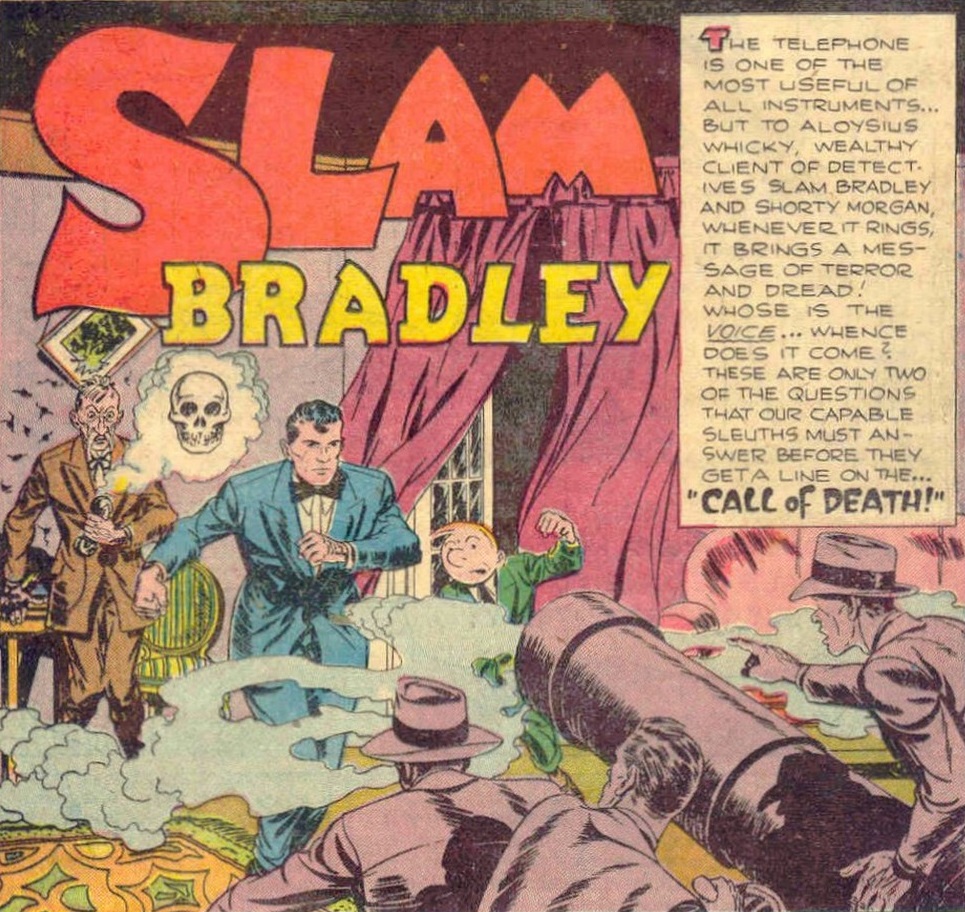
Detective Comics #97
And, just like with Golden Age Batman comics, the title splashes were often used to teasingly evoke rather than to accurately depict – they frequently translated the story’s key elements into symbols, creating surrealist compositions (complemented with plentiful puns):
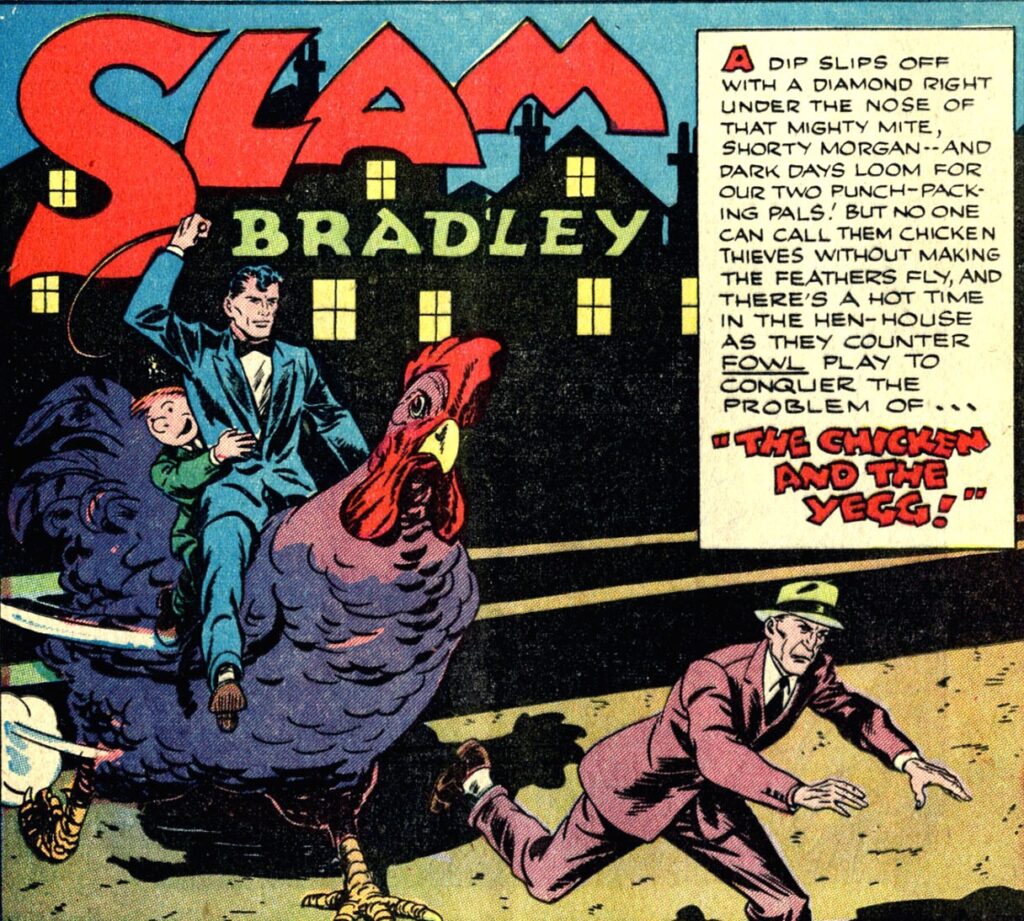
Detective Comics #91
Although he basically disappeared for over three decades, Slam Bradley was such a staple of the initial era of Detective Comics that it’s no wonder creators brought him back for anniversary issues and special occasions.
In the 1980s, when American comics were becoming increasingly self-referential and prone to explore their own history (because a new generation of lifelong fans had taken over the industry, because the direct market had developed more of a niche specialized audience with easier access to back issues, or just because postmodernism was generally expanding in the cultural zeitgeist…), Bradley repapered twice, both times in commemorative tales. The first time was for a big team-up of sleuths in Detective Comics #500 (courtesy of Len Wein and Jim Aparo), where he got some of that story’s best lines…
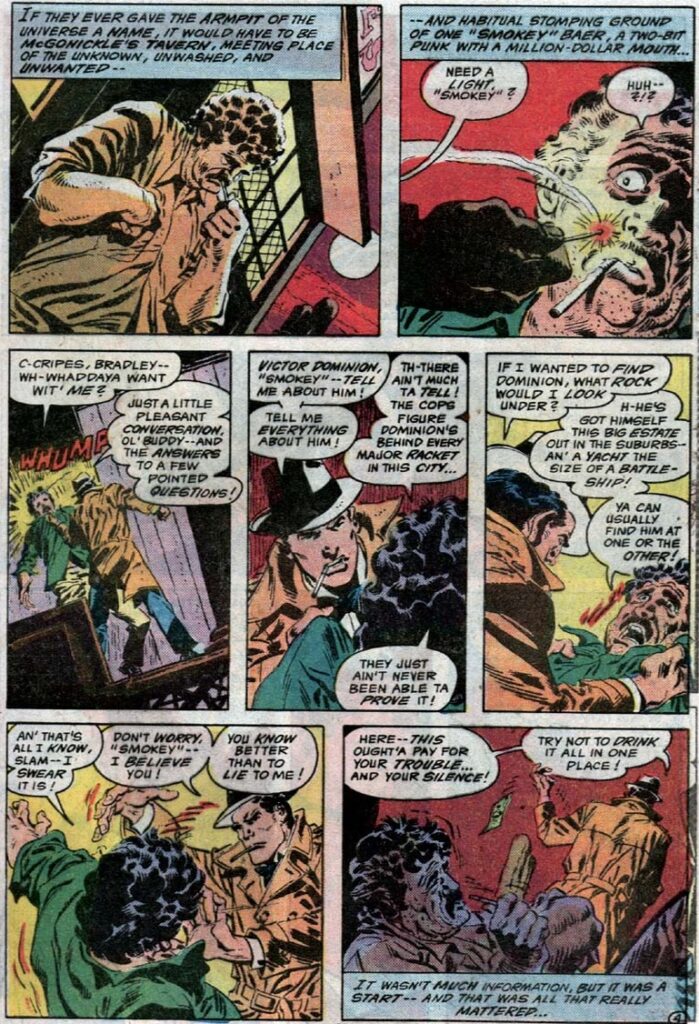
Detective Comics #500
The other time was for Detective Comics’ fiftieth anniversary, in 1987, which featured the awesome tale ‘The Doomsday Book.’ Scripted by Mike W. Barr – one of comics’ greatest mystery writers – that tale paid tribute to various traditions of detective fiction, with Slam Bradley’s demeanour and dialogue patterns evoking the writings of Dashiel Hammett (‘When a man’s client is kidnapped, he’s supposed to do something about it.’)
Seeing the hard-hitting Bradley interact with outlandish characters far out of his element – like Batman, Robin, and the Elongated Man – was one of the many, many cool things in that classic issue:
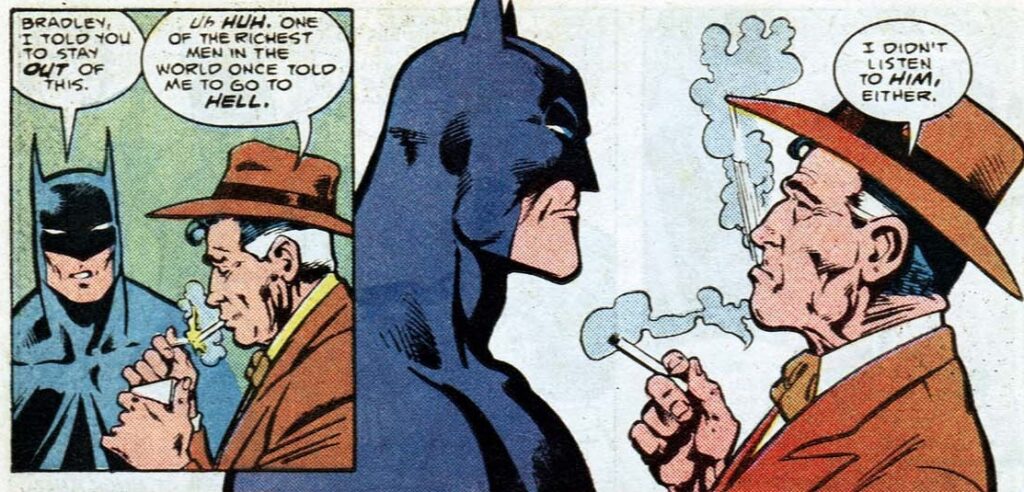
Detective Comics #572
What’s more, Slam Bradley even got a small character arc in ‘The Doomsday Book.’ Slam started the story as a burned out detective who felt old and, after meeting a still fresh Sherlock Holmes, he ended up with a renewed conviction that he still had much to look forward to. This, I assume, was Mike Barr’s metafictional comment about Detective Comics’ own longevity.
Bradley no doubt represented the series’ evolution. He had apparently moved to Gotham City a while back (signalling the shift in Detective Comics’ primary location) and his reality had become substantially grimmer, in contrast to the lighter misadventures he used to have alongside his old partner:
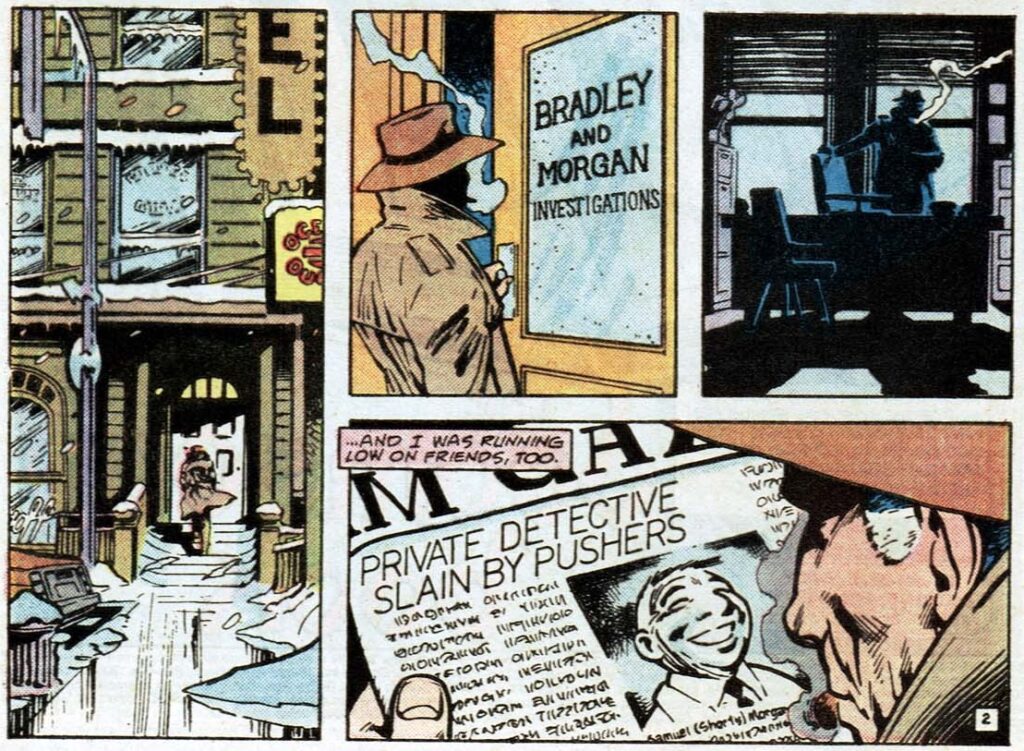
Detective Comics #572
(Shorty Morgan wasn’t just gone, he was ‘slain by pushers’ – welcome to the eighties!)
It would take until 2001 for Slam Bradley to return, but this time he came for a longer stay. His character type fit in like a glove within the works of Ed Brubaker and Darwyn Cooke, who were heavily inspired by vintage crime fiction and who fully injected their influences into Batman comics…
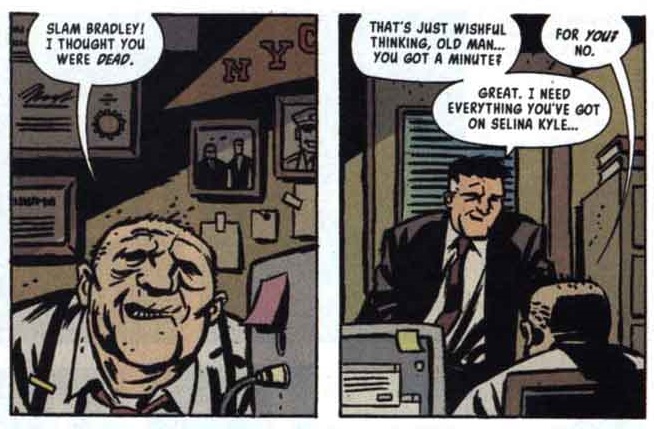
Detective Comics #760
Brubaker and Cooke revived Slam Bradley in Detective Comics’ backup feature ‘Trail of the Catwoman,’ where Slam was hired by Gotham’s mayor to find Selina Kyle (who was presumed dead at the time). It was essentially a housecleaning job, streamlining Selina’s post-Crisis continuity, but these two outstanding creators still managed to pull it off as a satisfying hardboiled tale, precisely by telling it from the POV of an engaging outside investigator (i.e. Bradley).
‘Trail’ would prove to be the start of a whole new era in which Slam Bradley became a regular supporting character in Catwoman’s corner of Batman comics. Crucially, the tale established quite a nice rapport between Slam and Selina:
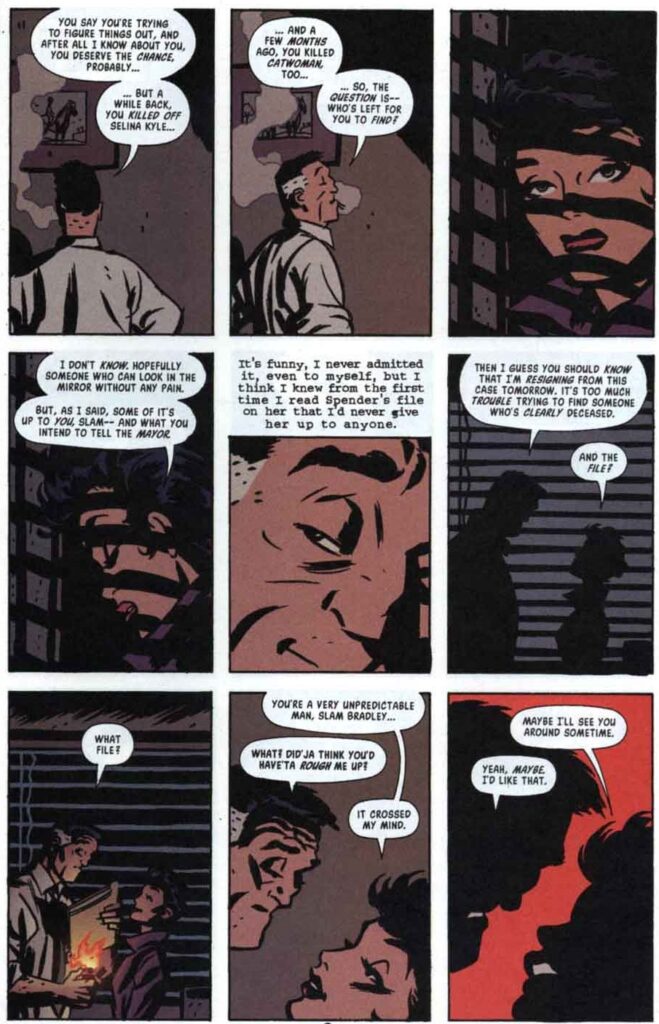
Detective Comics #762
Like Selina, the two creators had clearly found a guy they dug. ‘Trail of the Catwoman’ took place between the pages of Darwyn Cooke’s knockout graphic novel Selina’s Big Score, where Slam Bradley also played a key role. A few years later, Cooke used him to provide the framing story in Solo #10.
Likewise, Ed Brubaker made Slam Bradley a regular player in his acclaimed run on Catwoman. As I’ve mentioned before, Brubaker enjoys revisiting – and reimagining – the genre stuff he consumed when he was younger, so keeping Bradley around allowed him to juxtapose the ‘voice’ of older crime fiction with 21st-century modernity:
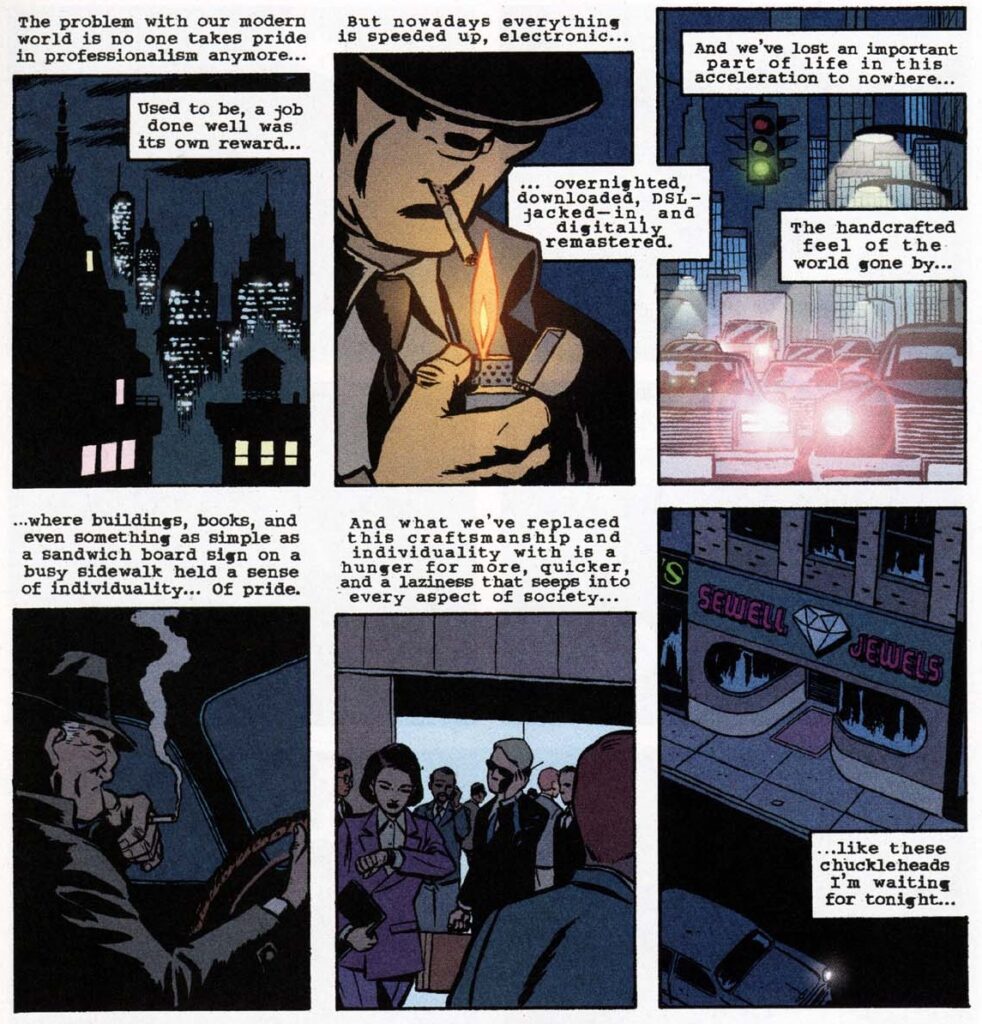
Catwoman Secret Files and Origins #1
More than a mere pastiche or empty exercise in self-reflexivity, musings like the one above helped flesh out Slam Bradley to unprecedented degrees. He gained a more complex personality than the brawling detective of the 1930s-40s. For one thing, he grew in love with Selina Kyle and became jealous of both Bruce Wayne and Batman (with whom he got into a fistfight over her… Bad call!).
Slam and Selina even developed a beautifully melancholic and precarious relationship, laden with realistic and recognizable insecurities… This tough he-man thus revealed a whole new layer of inner vulnerability:
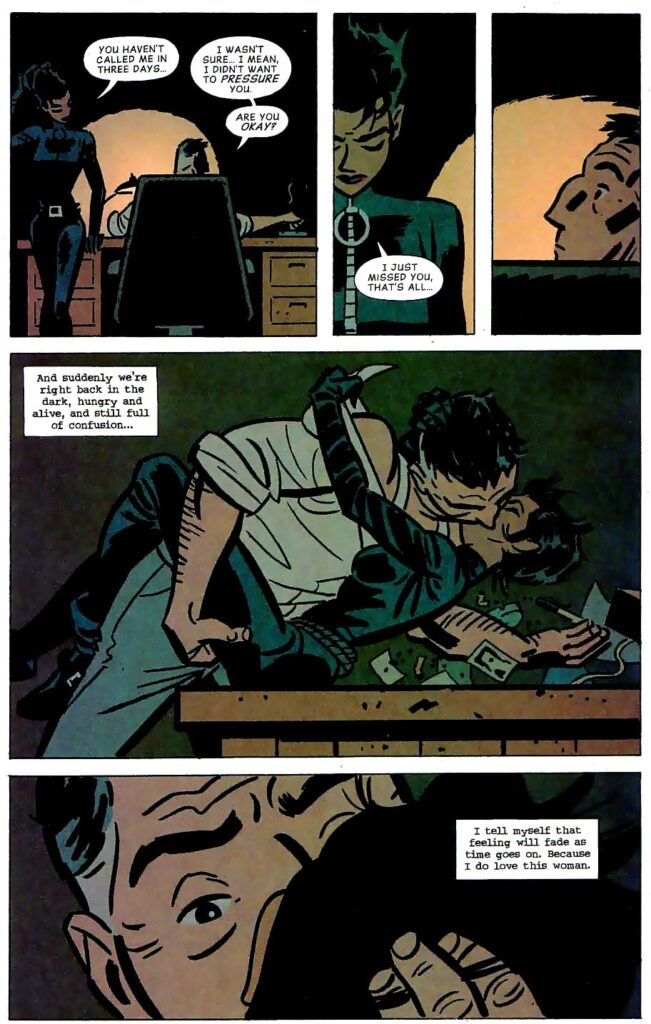
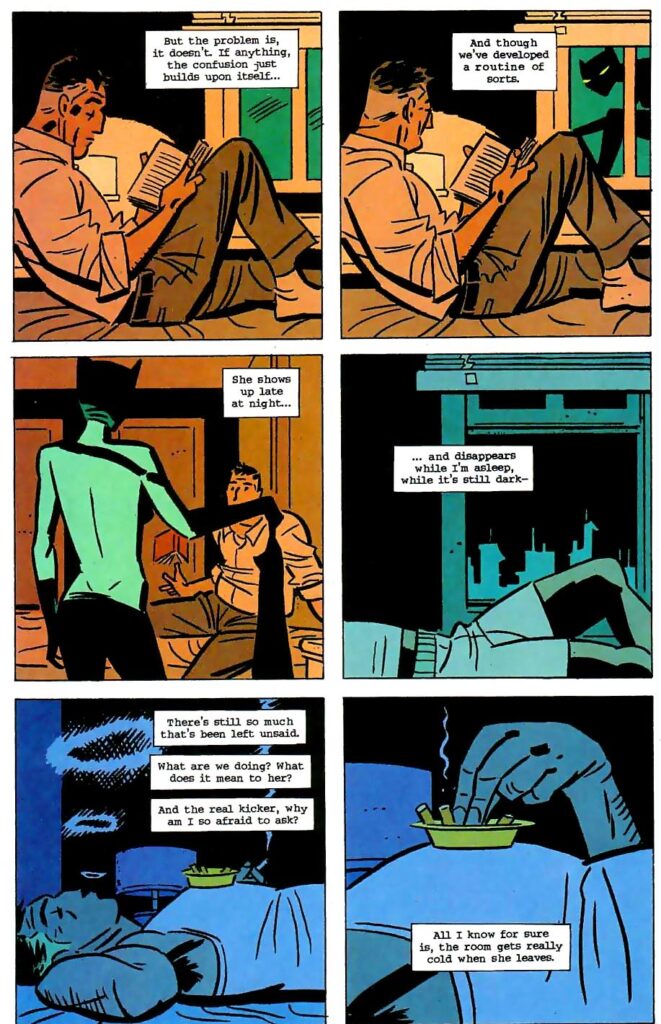
Catwoman (v2) #17
Visually, Slam Bradley’s rugged, square-jawed PI always brought to my mind Dick Tracy, especially in the context of Catwoman’s stylized art in this era…
But then Paul Gulacy came in as artist and drastically changed the series’ aesthetics into more photorealistic designs – it was as if everyone had suddenly been recast mid-season. Typically drawing on influences from cinema, Gulacy turned Slam Bradley into Robert Mitchum (who had not only played a private eye in the amazing film noir Out of the Past, but had also gone on to play an ageing Phillip Marlowe in the 1970s’ adaptations of Farewell, My Lovely and The Big Sleep).
Further shaking things up, Catwoman introduced Slam’s son – a young cop named Sam with a chip on his shoulder:
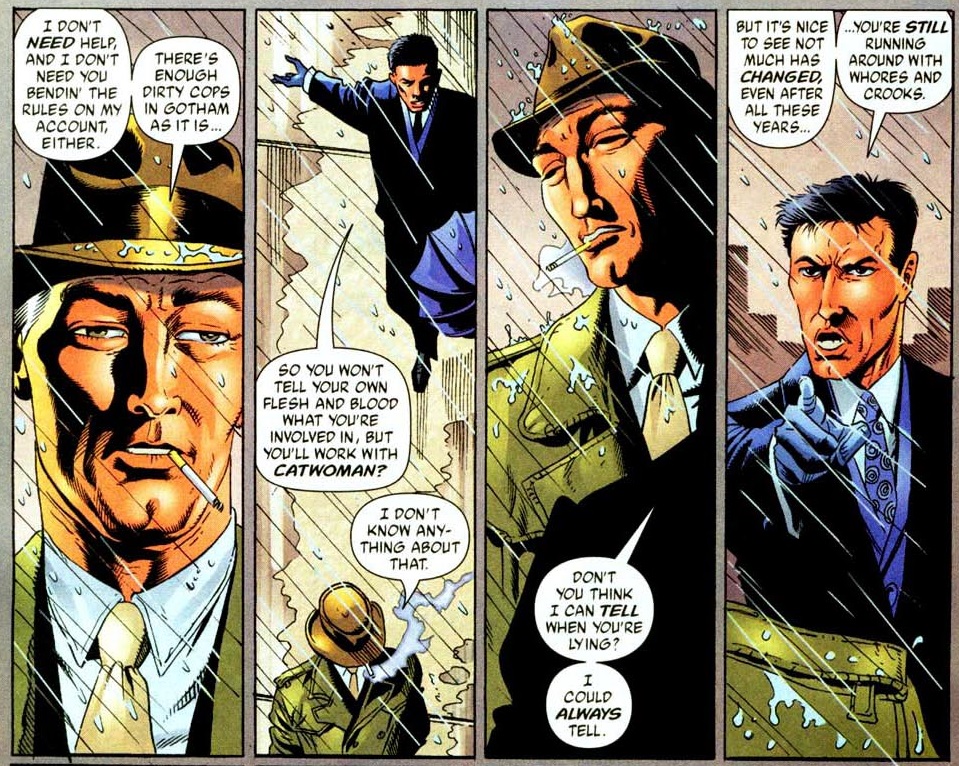
Catwoman (v3) #29
Regardless of changing looks, in the early 2000s Slam Bradley had become a recognizable character once again, at least among a certain kind of mid-level fan. What’s more, he was now a bona fide Gothamite. He popped up in Gotham Central #26-27 and was seriously tortured by Black Mask in Catwoman #51. In 2014, Adam Hughes included Slam in a short story he did for Batman Black & White (v2) #6 and, five years later, the character lent his gravitas to yet another cool commemorative tale, Scott Snyder’s and Greg Capullo’s ‘Batman’s Longest Case,’ in Detective Comics #1000.
Given all this background, it makes sense that Tom King chose Slam Bradley as the protagonist of Gotham City: Year One, a noirish mystery yarn revealing/retconning the origin of Gotham’s fall from grace into urban chaos two generations ago (in the early 1960s). Bradley feels right at home in this type of story and the fact that he inaugurated Batman’s ‘home’ (he was right there at the beginning of Detective Comics, whereas the Caped Crusader only made his debut in issue #27) adds the sort of subtext King is usually fond of.
Slam Bradley’s advanced age – both as a character (he’s 94 in present day continuity) and as an intellectual property (created 87 years ago) – lends resonance to the tale’s theme of reconsidering the past, exposing how one’s clean, nostalgic era of safety and prosperity can be someone else’s dirty, traumatic nightmare of police brutality and systemic inequality. The notion of a black community starkly marginalised from the wealthier side of town plays a central role in Gotham City: Year One, which makes it even more pertinent to use Slam as a bridge between the two worlds, given the character’s historical links to racism in comics and in his wider branch of macho adventure narratives. The book is full of brutal situations, even if the swear words are replaced by symbols (because language is apparently the greatest taboo). In particular, there is an emphasis on the issue of racist violence and torture (the reason Bradley quit the force), which may be a way for Tom King to work through his own seven-year stint at the CIA’s counterterrorism operations in the early 2000s.
Before delving further into the books’ themes (including a couple of *major* spoilers), let us consider the dazzling artwork:
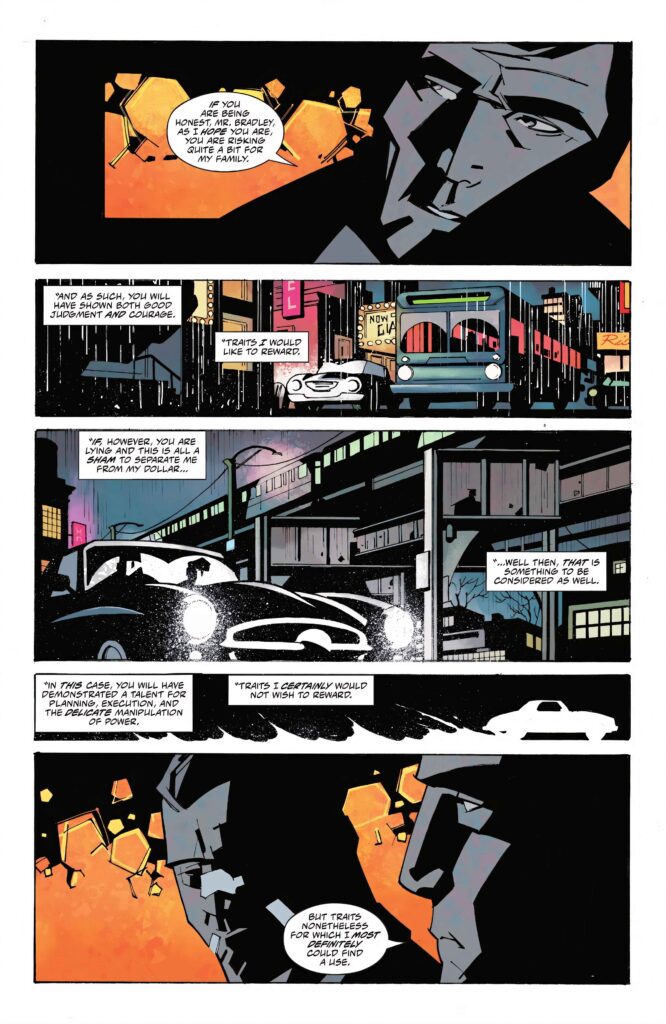
Gotham City: Year One #2
Penciller Phil Hester, inked by Eric Gapstur, pushes his typically blocky, angular figure work to Frank Miller-esque levels, which colorist Jordie Bellaire superbly builds on to create a series of mesmerizing visuals (like the orange squares in the panels above, translating the city lights through the window of a moving car). The black & white in the penultimate panel evokes classic film noir and the PI with the broken nose evokes Chinatown, perhaps filtered through Miller’s Sin City. Although you can’t see it in this scan, letterer Clayton Cowles joins the game by presenting Slam Bradley’s narration as torn pieces of typewritten paper…
Tom King’s script takes intertextuality even further. Besides doing the usual trick of naming Gotham’s streets and locations after real-world Batman creators (‘Went to the old Austin junk between Aparo and Grant.’), thus inscribing the comics’ past into the city’s toponomy, King also adds some significant twists to the franchise’s mythology, including: 1) Slam Bradley’s mother is black; 2) he is probably Bruce Wayne’s biological grandfather.
The first of these twists wouldn’t be all that remarkable, except for the fact that race and genes occupy such a vital place in US culture. I suppose it inserts Bradley into yet another subset of crime fiction, namely all those great gritty novels about the African-American experience, like Chester Himes’ Harlem Detectives series or J.F. Burke’s Sam Kelly trilogy, not to mention Gil Scott-Heron’s The Vulture. What makes this revelation more meaningful is the articulation to the second twist, since it means that Bruce Wayne has black ancestry, which can be seen as ironic given that he is often presented as a bastion of white privilege.
The second piece of revisionism works better on a meta level than on a diegetic one. Thematically, it recasts Batman as a direct descendent of a hardboiled private eye (again, one who kicked off Detective Comics). And while Gotham City: Year One tarnishes the legacy of the Wayne surname – and even of the Batcave, as it was previously used to collect sexual trophies – the series arguably makes Bruce himself a more romantic hero: rather than just a product of the elites, his history is now linked to the downtrodden masses.
In turn, the detective skills of both Slam Bradley and the Dark Knight don’t come off well, since neither of them appears to even consider the possibility that they’re related – but hey, I guess we all have our blind spots. Their failure to explicitly acknowledge what’s at stake may be just an editorial strategy to preserve ambiguity (so that DC doesn’t have to commit to this story’s implications in the future), even though the likely link between the two characters is pretty much telegraphed to the readers (Cowles even highlights the word ‘grandfather’ through bold and italics, in the final page).
Tom King is an intelligent writer, but it seems he just can’t help himself. He manages to add a connection to the Joker’s origin and, just before the series is over, he closes the larger narrative even more tightly, making Slam responsible not only for Bruce’s birth, but also for the very creation of Batman… at least according to the oddly prescient (and sexist) perspective of Bruce’s grandma:
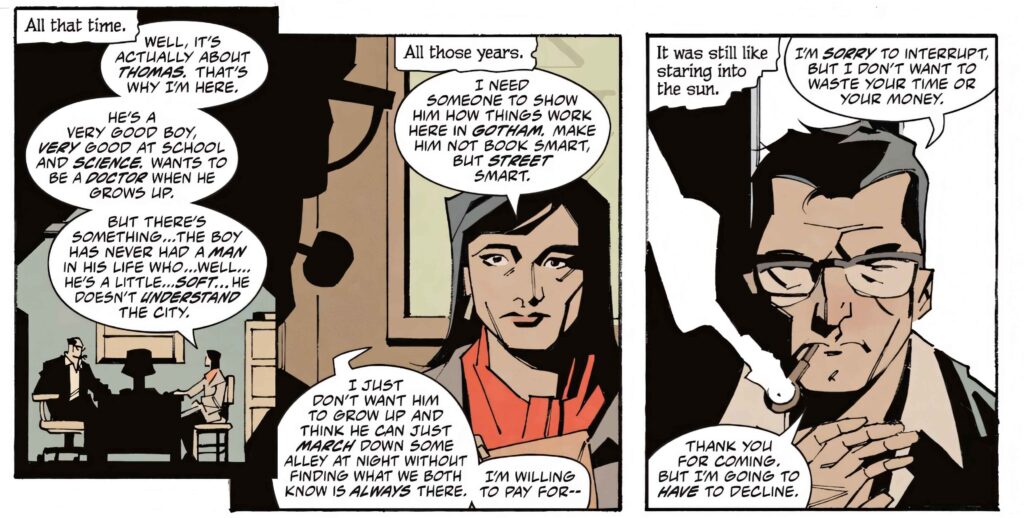
Gotham City: Year One #6
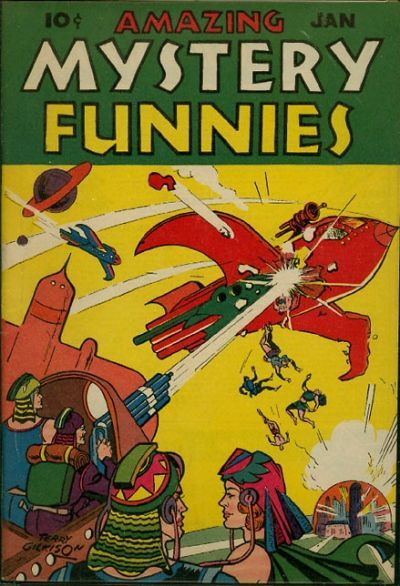
This is what the inside of my head looks like:
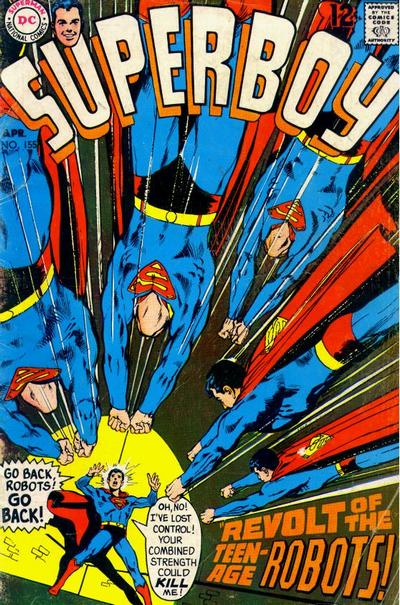
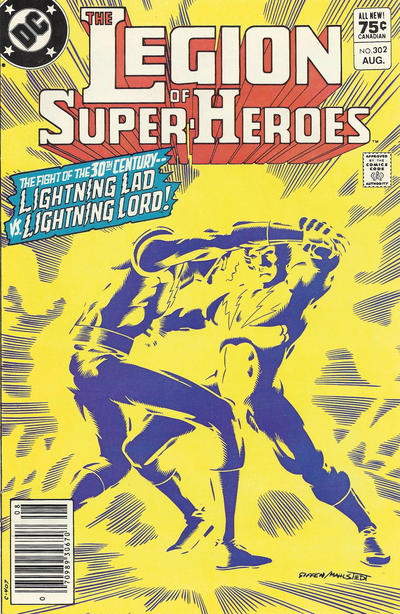
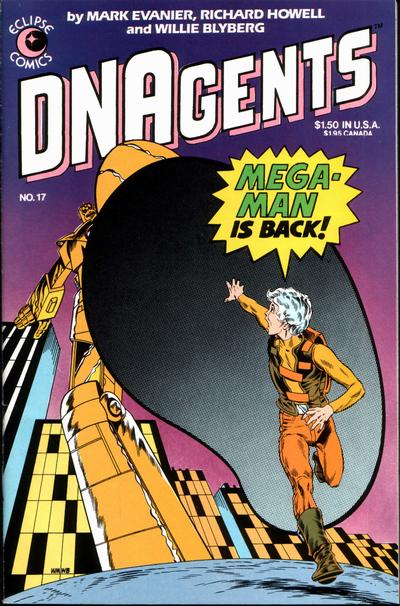
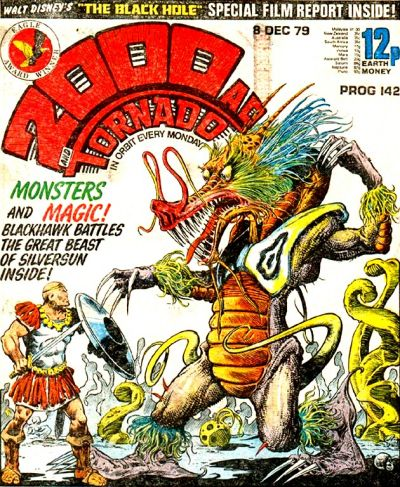
The previous post in Gotham Calling’s tour of Cold War cinema had plenty of films about the conflict’s expansion to the Third World. Today’s installment extends the same motif, but it also gradually engages with one of the consequences of these new fronts, namely the collapse of détente and the re-escalation of the nuclear threat, especially after Ronald Reagan came to power. Once again, these are pessimistic times and you can see it on the screen.
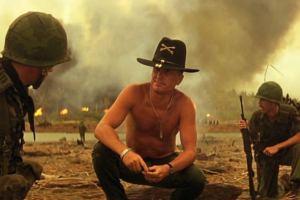
91. Apocalypse Now (USA, 1979)
It took a few years for Hollywood to dare imagine the battlefields of the Vietnam War, an event whose scars on the US were literal (thousands of dead, maimed, and traumatized soldiers), social (deeply divided public opinion, with massive anti-war protests and a flourishing counterculture), national (large-scale military defeat and ethical loss of the heroic image earned in WWII), and geopolitical (discrediting the ‘domino theory’ that had justified fighting Vietnamese revolutionaries in the first place). When the gates opened, though, they flooded cinema with countless war movies, including a bunch of highly regarded masterpieces chronicling the American experience of the conflict (albeit with little to say about the Vietnamese perspective), from The Deer Hunter to Full Metal Jacket. None of them, however, had an impact comparable to Apocalypse Now’s immersive, psychologically haunting river journey towards Cambodia, politically ambiguous as it is (2001’s Redux version added a bit more historical context). Despite the fact that Francis Ford Coppola shot the whole thing like a trippy spectacle full of grotesqueries – or, more likely, precisely because of this – the film has firmly established much of the imagery, soundtrack, and lingo associated with this conflict ever since (‘Charlie don’t surf!’).
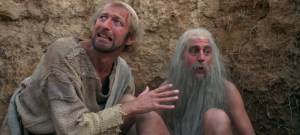
92. The Life of Brian (UK, 1979)
Along with spy thrillers and science fiction, sword & sandal epics were the other big genre that loudly splattered Cold War rhetoric across the screen, staging spectacular revolts against the state tyranny of ancient Roman and Egyptian dictators who opposed religious freedom, ranging from Cecil B. DeMille’s bluntly anti-communist biblical blockbusters to the leftist revisionism of Spartacus (a production that ended up playing a significant role in ending the Hollywood blacklist). I left out those movies as too allegorical (even though Ten Commandments opens with DeMille directly explaining the themes to the audience), but I can’t resist including the more openly anachronistic The Life of Brian, which mercilessly mocks that strain of religious cinema (and religion itself) as well as Middle Eastern conflicts and the sort of New Left terrorism seen in La chinoise. Indeed, even though it’s set in the 1st century, Monty Python’s classic comedy – about a man born in the stable next door to Jesus Christ’s – did much to popularize a very contemporary take on revolutionary politics… At the time, it pissed off conservatives, but nowadays its iconoclastic resonance has probably shifted, as the film memorably makes fun of radical movements (‘Judean People’s Front?! We’re the People’s Front of Judea!’), anti-imperialism (‘What have the Romans ever done for us?’), and identity politics (‘I’m not oppressing you, Stan. You haven’t got a womb.’).
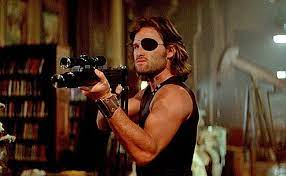
93. Escape from New York (USA, 1981)
The first of two 1981 dystopias that instantly defined pop culture’s vision of a hellish future, Escape from New York is set in 1997, when not only has the Cold War turned hot, but the whole of NYC has become a huge maximum security prison populated by gangs and madmen. This is where the hilariously badass inmate Snake Plissken is assigned with a mission that may make or break world peace… Yep, although made in the USA, this movie feels straight out of a 2000 AD comic!
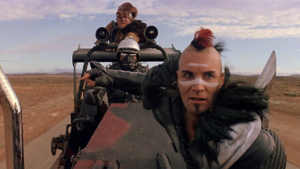
94. The Road Warrior, aka Mad Max 2 (Australia, 1981)
A little over two decades after On the Beach, we get another tale about the aftermath of nuclear war set in Australia… and this time with even more car action! Probably the most influential post-apocalyptic movie ever, The Road Warrior revolutionized the subgenre by approaching it as a neo-western (complete with gay biker punks in lieu of Indians) where scavengers fight to the death for petrol in a lawless wasteland. Besides spawning a whole sub-industry of schlocky Italian B-movies (I have a special fondness for The New Barbarians/Warriors of the Wasteland), The Road Warrior got a sort of sequel (the continuity in this series has always been pretty loose) a few years later, Mad Max beyond Thunderdome, which was almost as iconic and arguably even weirder, but nevertheless similar in style, so I’m keeping that one off the list to make room for more diverse material… And yes, these films weren’t the first to relocate western tropes to a dystopic future, but none of what came before had a comparable impact. (That said, I’m pretty sure 1975’s The Ultimate Warrior did inspire the most infamous scene from Batman’s ‘Ten Nights of the Beast.’)
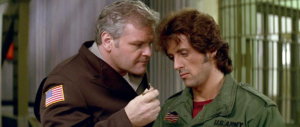
95. First Blood (USA, 1982)
The ultimate Vietnam-War-comes-home movie (an omnipresent theme from the very first scene), First Blood is both a raw, exhilarating action fest (with traces of horror in the forest sequences) and a shockingly powerful dramatization of a fucked up generation of drafted men taught to kill and sent abroad to inflict and suffer violence, only to come back to a society that despised them. The film is less balanced than the source novel, but it’s even farther apart from the jingoistic, militaristic sequels – those who only know the latter will no doubt be surprised by the politics of this first Rambo picture, with its ferocious indictment of homegrown small-town intolerance, of a despotic and sadistic police force, and of the traumatic impact of war.
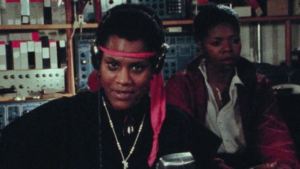
96. Born in Flames (USA, 1983)
As mentioned in a previous post, along with all the dystopias where the Cold War just escalated until breaking point, there were also films that imagined alternative futures where political confrontation evolved in more original ways. The starting point for the punk feminist sci-fi/agitprop Born in Flames is that a ‘war of liberation’ turned the US into a socialist democracy ten years ago, but women and minorities continue to (literary) fight for their rights. Writer-director-producer Lizzie Borden delivers a guerrilla filmmaking tour de force as well as well as an inventive revolutionary polemic with an ending that has only grown in shock value… and an awesome soundtrack!
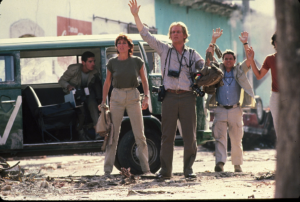
97. Under Fire (USA, 1983)
The Nicaraguan Revolution as seen from the perspective of three US journalists deciding how neutral they can remain. Yes, this is one of those Hollywood dramas where bloody real-world conflicts are put in the service of stories mostly focused on the problems of white North-American leads (which, I suppose, is itself symptomatic of the kind of Cold War mindset that saw much of the globe as supporting players in Washington’s crusade). That said, on top of being intelligently written and acted, Under Fire does convey a compelling, Graham Greene-esque sense of place and history. Plus, it’s hard not to see in this liberal film looking back at 1979 a response to the counter-revolutionary US policy towards Nicaragua implemented in the meantime, by the Reagan Administration.

98. WarGames (USA, 1983)
Trying to hack the latest computer game, a teenager stumbles into a military AI program and accidentally kicks off World War III. This is the kind of 1980s’ fun, smart teen adventure celebrating consumerism in the guise of rebellion that was later emulated by Stranger Things – and while the dated technology now lends it a retroactive/nostalgic charm, it also works as an efficient sci-fi thriller engaging with classic themes of the genre (human vs artificial intelligence) along with more topical issues about whether a nuclear war is winnable and whether game theory can prevent or escalate conflict (sure enough, just a few months after the film’s premiere, NATO’s Able Archer war game was apparently misinterpreted by the Soviets and brought the world once again to the brink of thermonuclear war).
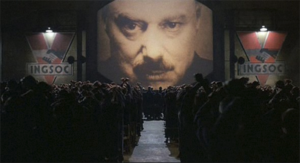
99. Nineteen Eighty-Four (UK, 1984)
For the purposes of this list, you might think earlier adaptations of George Orwell’s dystopia would be more interesting, as they played up the obvious parallels with Stalinism (especially the 1956 version, secretly funded by the CIA). Yet this is my favorite take on the material: like Moore & O’Neill in The Black Dossier, writer-director Michael Radford returned 1984 to 1948, complete with postwar rubble and food rationing, resulting in an impressively grimy, rusty-looking, and significantly faithful – despite the somewhat ambiguous closing shots – rendition of the source novel (itself a foundational Cold War text). Sure, the notion that a continuous state of war empowers authorities to control and oppress citizens was still topical in the eighties, but, more than just another allegory about – existing or potential – totalitarianism, this Nineteen Eighty-Four feels like a period piece set in a retro-futuristic alt history where Orwell’s specific nightmares of atomic conflict and rise of authoritarian rule in Britain did immediately take place (which, in turn, perfectly suits the theme of mass media controlling the past).

100. Red Dawn (USA, 1984)
A different type of dystopia. The opening text offers a right-wing nightmare scenario: ‘Cuba and Nicaragua reach troop strength goals of 500,000. El Salvador and Honduras fall. – Green Party gains control of West German parliament. Demands withdrawal of nuclear weapons from European soil. – Mexico plunged into revolution. – NATO dissolves. United States stands alone.’ After this, Red Dawn doesn’t waste much more time establishing its preposterous premise: the Soviets, Cubans, and Nicaraguans invade the US, so the North Americans get to demagogically play the underdog as a group of high-school teenagers engage in guerrilla warfare against the occupiers, turning the nightmare into a libertarian wet dream. If I didn’t know about John Milius’s fascistic politics, I’d assume he had written and directed this schlockfest as a deranged parody of US jingoism and Cold War alarmism… Regardless, the film never fails to make me laugh! (This ridiculous tale of small-town armed resistance remains the ultimate wish-fulfilment fantasy of alt-right militias, having even led to an uninspired Obama-era remake, with North Korea as the new villain).
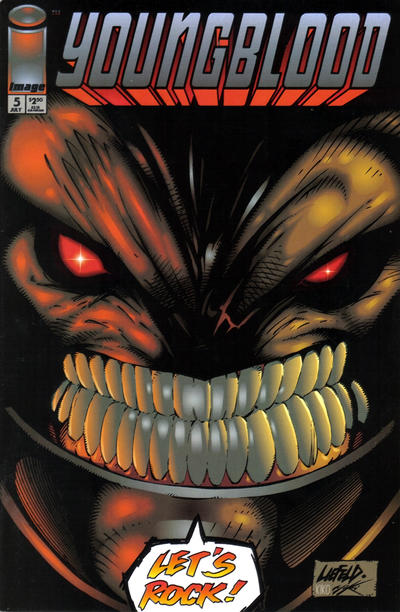
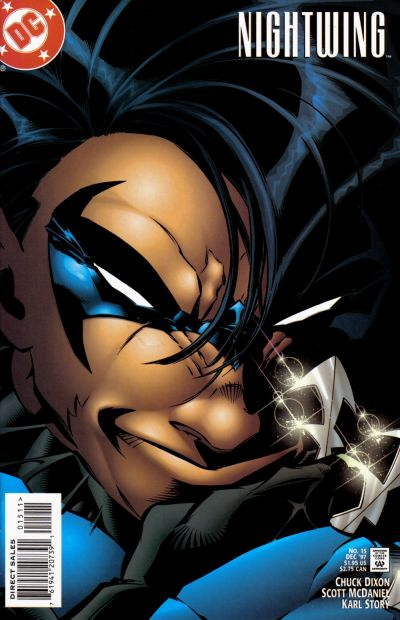
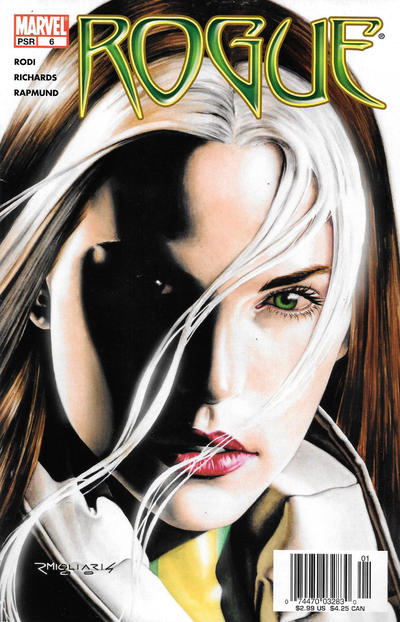
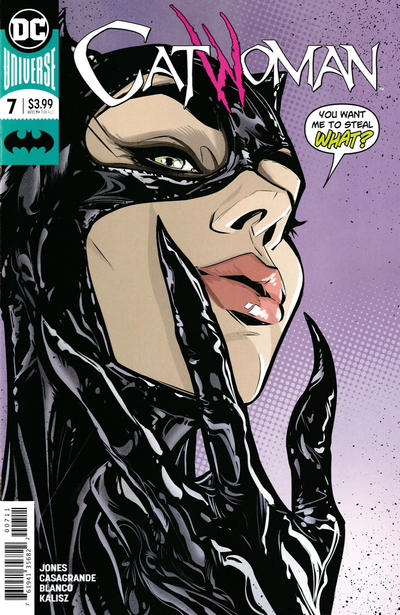
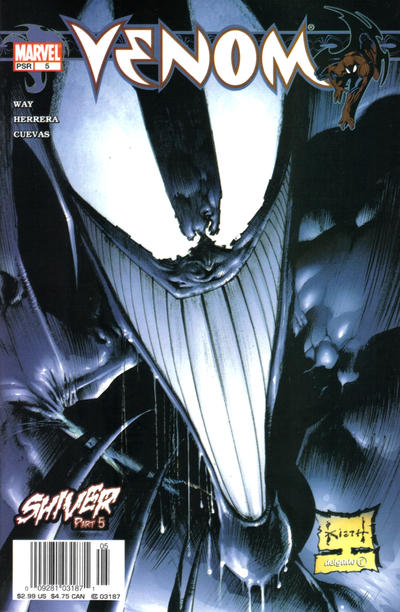
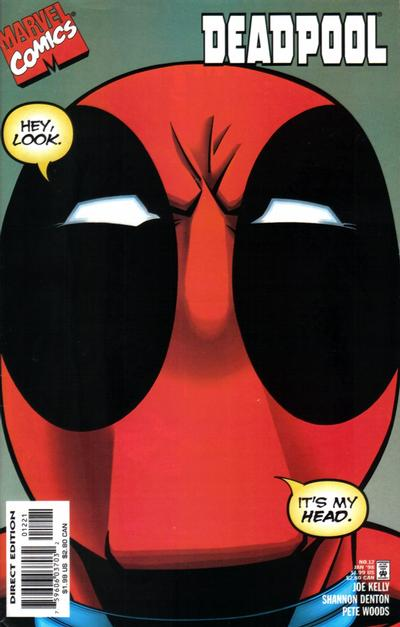
Don’t you just love close-ups?
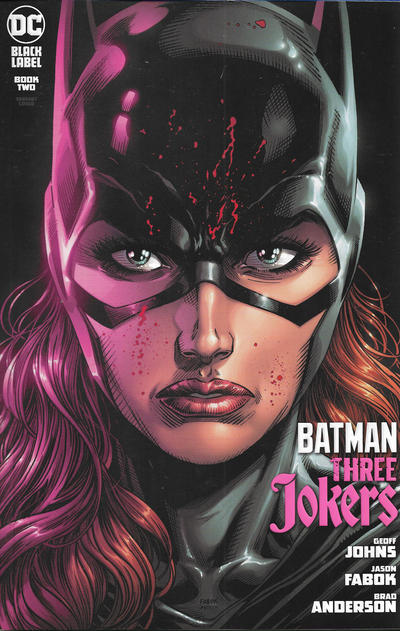
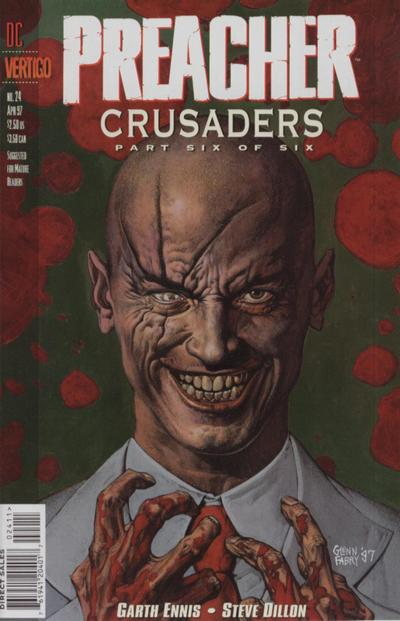
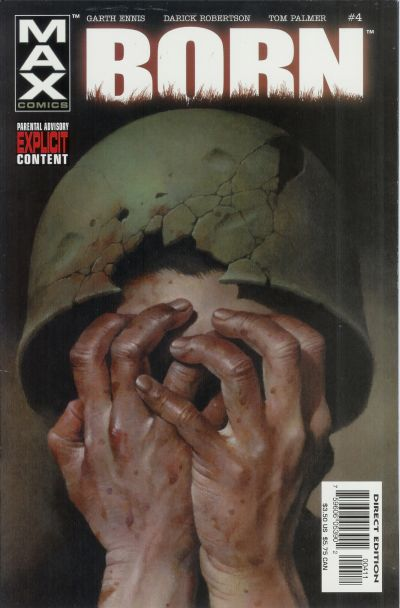
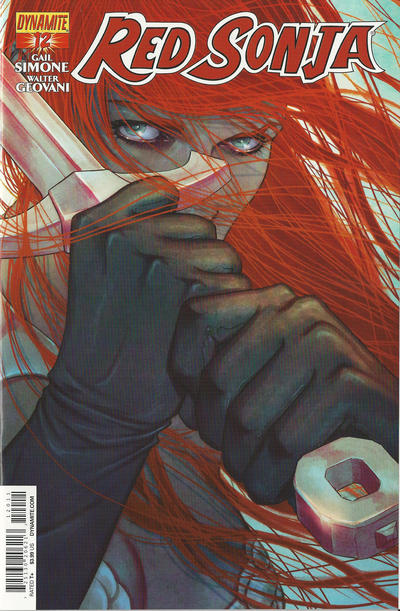
Last month/year, I addressed how Ty Templeton wrote what I consider to be a quintessential take on Batman comics. Today, I want to focus on a specific aspect of Templeton’s scripts, namely their sense of humor.
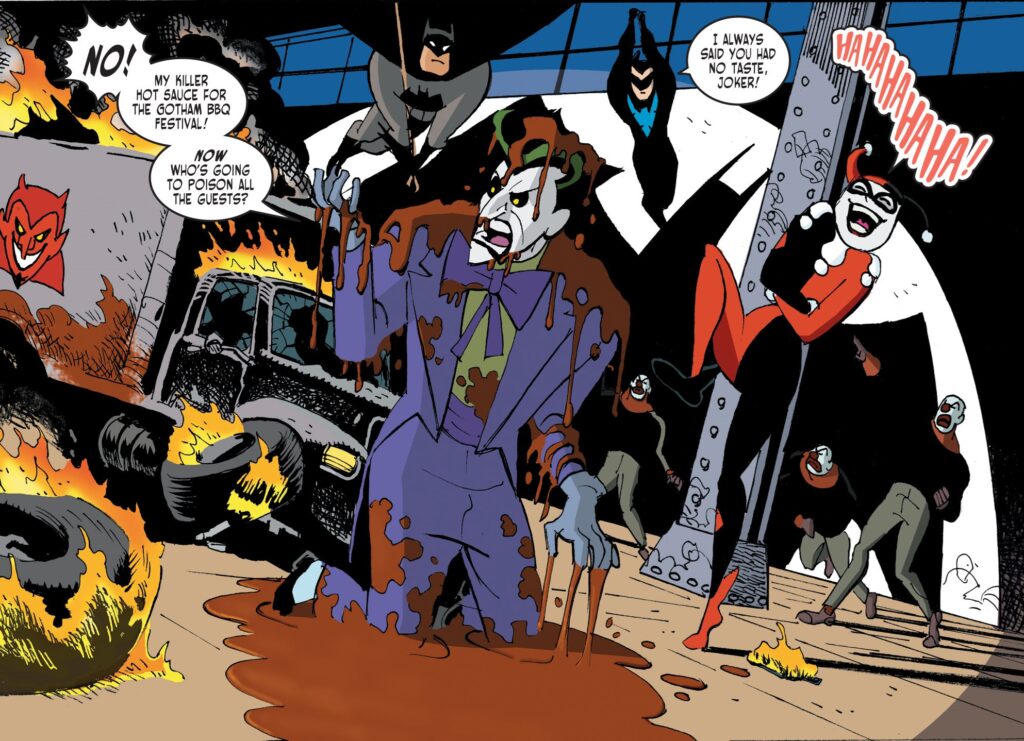
Harley Quinn and Batman
If I had to put my finger on why Ty Templeton’s comics resonated so much with me that they made me want to read as much as possible about these characters (and largely devote a weekly blog to this type of stuff), I guess at least part of the answer lies in their unapologetically fun – and funny! – approach to the Caped Crusader’s misadventures.
One of the many things Ty the Guy ‘got’ about the franchise is that, at its best, there is a droll dimension to the whole thing. And no, I don’t just mean the tradition of having the Dynamic Duo make puns while they kick their opponents’ butts. You don’t have to play it for laughs in a campy way, like in the 1960s’ TV series, and you don’t even have to have Batman himself cracking jokes – just let the absurdist elements breathe. Ultimately, Batman doesn’t have to be goofy: it’s enough for him to be awesome, because his over-the-top awesomeness can be a joke in itself…
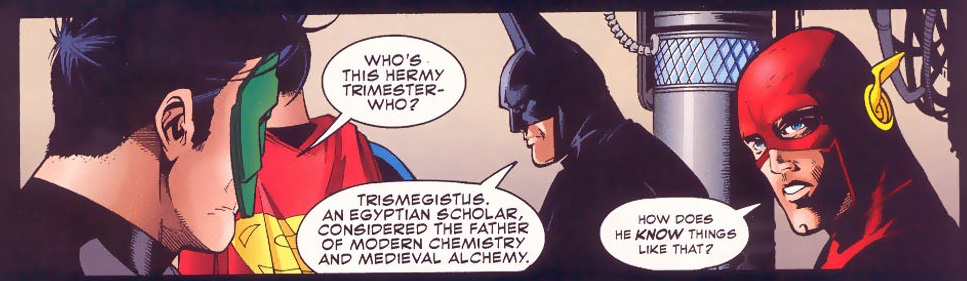
JLA Annual #2
If anything, the Dark Knight’s stoic, no-nonsense attitude makes him the perfect straight man against whom to play off Gotham’s ludicrous world and twisted characters such as Harley Quinn (who started out as a rambunctious parody of toxic relations and domestic abuse). Aware of this, Ty Templeton not only supplied the likes of Quinn and the Riddler with amusing voices (full of wordplay and offbeat personality traits), but he also made the most out of their exchanges with the supposedly hyper-rational Caped Crusader, creating a chuckles-inducing contrast.
Now, I’m not saying it was merely the inherent surrealism of Batman’s world that brought out Templeton’s whimsical tendencies. Most of his other works tend to be comedies, all the way back to his breakout strip Stig’s Inferno (a madcap update of Dante’s The Divine Comedy). One of Templeton’s earliest gigs for DC, back in the late 1980s, was to write and draw humorous origin tales for Z-listers like Bouncing Boy and the League of Substitute Heroes (Secret Origins #37 and #49).
In both drawing and writing style, Ty the Guy has clearly been influenced by Harvey Kurtzman. While this influence is more blatant in his wacky Simpsons comics, I’d argue you can also discern it in more tongue-in-cheek works, like the one-shot Dark Claw Adventures, which pits an amalgam of Batman and Wolverine against cyber-ninja assassins!
Yet nowhere did Templeton come closer to MAD-like shenanigans than in the short story ‘Batsman,’ a deliberately silly affair where the central joke is that a flock of bats – and not just one – flew through Bruce Wayne’s window, so his costume is now adorned with cumbersome extra bats… The whole thing seems like a direct tribute to Kurtzman, illustrated by Marie Severin (who used to work with Kurtzman back in the day) and packed with just his type of zany dialogue and plentiful sight gags informed by pop culture (including, among others, appropriate riffs on the Adam West TV series):
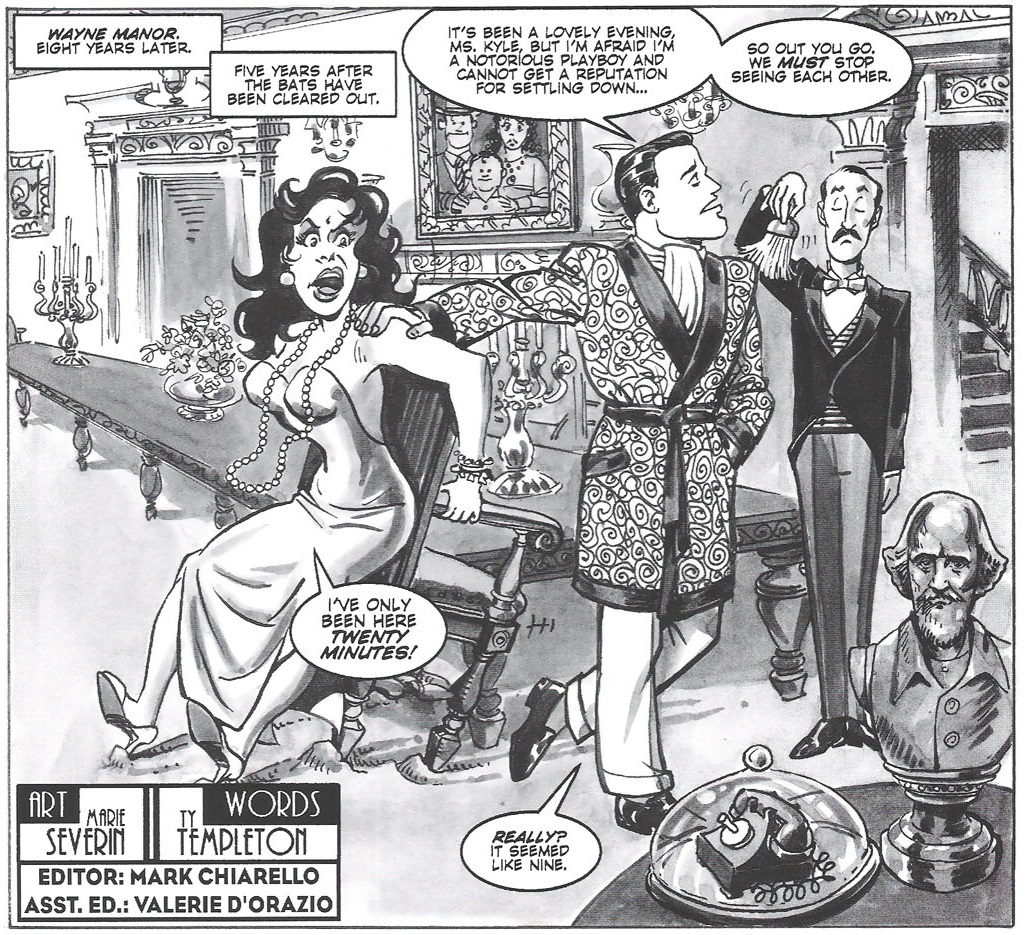
Batman: Black & White, vol.2
The last couple of examples were not from the regular Batman Adventures line, although things got quite raucous over there as well, especially when Ty Templeton returned after a lengthy hiatus, with 2017’s mini-series Harley Quinn and Batman (a tie-in prequel to that year’s animated movie Batman and Harley Quinn, done in a similar irreverent spirit).
Way before that gig, though, his regular Batman scripts had already been pretty witty. Plus, as I mentioned last time, Templeton and artist Rick Burchett (whose cartoony pencils sometimes veered towards the manic energy of a Max Sarin or even a José Luis Munuera) were not afraid to experiment with the medium’s language, even as they sought to keep Adventures as reader-friendly as possible. This tendency was occasionally put in the service of laughs, like when Harley Quinn’s attempts to cheer up the Joker were rendered in the form of a ‘musical’ montage:
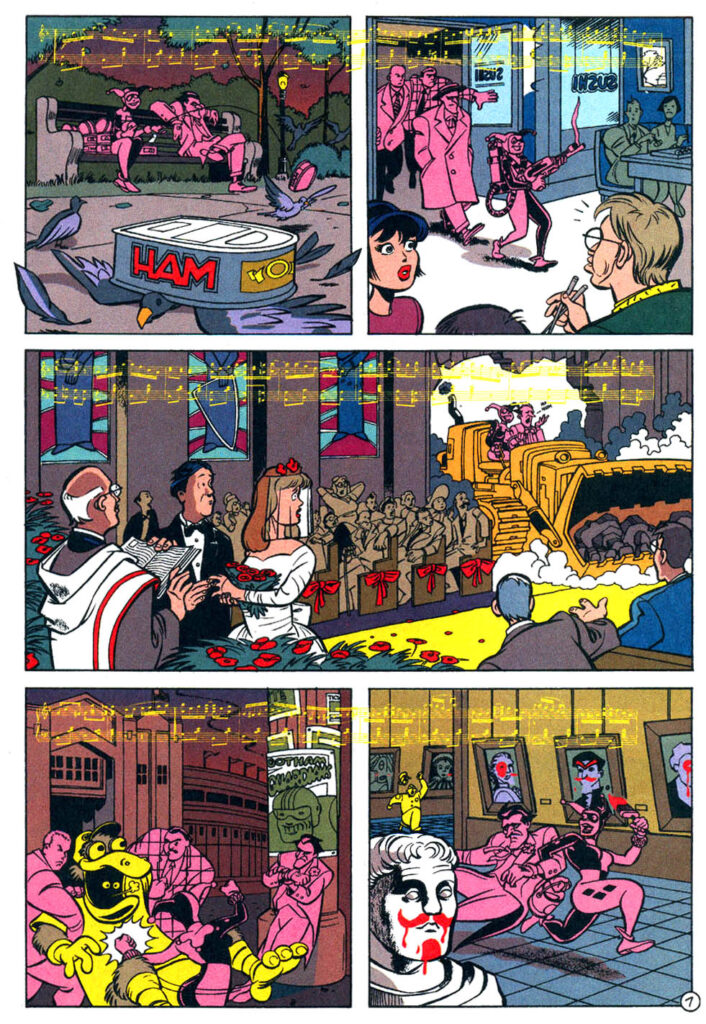
Batman & Robin Adventures #18
To be fair, in emphasizing comedy and zesty action, Ty Templeton was pretty much following the tone set by Kelley Puckett’s original scripts for Batman Adventures (some of which had been illustrated by Templeton himself) – a tone that would then be further pursued in Scott Peterson’s cool run after Ty the Guy left Gotham Adventures.
Yet Templeton brough in his own particular sensibilities. Above all, this included a knack for slapstick parody of media and celebrity culture, a vein that he also explored in the Vertigo graphic novel Bigg Time and in 1999’s Plastic Man Special (which includes, among other things, a sidesplitting interview with the director of the fictitious Plastic Man: The Movie), not to mention his Howard the Duck mini-series (set in the aftermath of Marvel’s Civil War crossover).
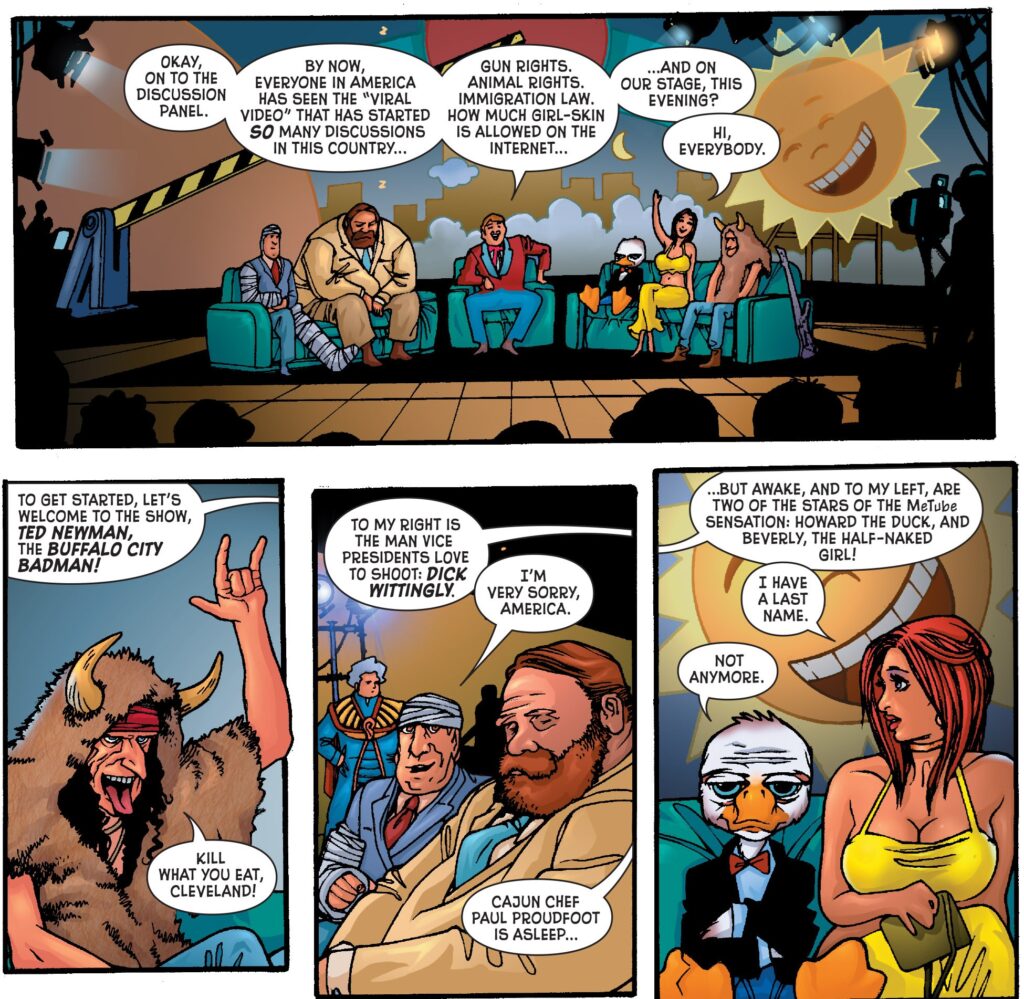
Howard the Duck (v4) #2
Media satire is a key running theme throughout Templeton’s Batman work.
The hilarious ‘Round Robin’ (Batman & Robin Adventures #6) pokes fun at the sensationalist fake news of National Enquirer-style tabloids, as the National Insider publishes a story about Robin getting fired and then dozens of annoying kids start harassing the Caped Crusader to be his new sidekick, constantly getting in his way. In ‘Crocodile Tears’ (Batman & Robin Adventures #23), Killer Croc develops a crush on reporter Summer Gleason after watching her trash the Dynamic Duo on the air, unaware that she is just cynically following a ratings-chasing agenda (‘It’s just TV. It’s not like it really means anything to anybody.’). The premise of ‘Mightier Than the Sword’ (Gotham Adventures #10) is that Harley Quinn is planning to write a tell-all autobiography about her years with the Joker, which seriously pisses off the Clown Prince of Crime, who breaks out of Arkham and goes after her… so Harley’s editor arranges for her to write the book in a hotel specialized in persecuted authors (one of her neighbors is Salman Rushdie).
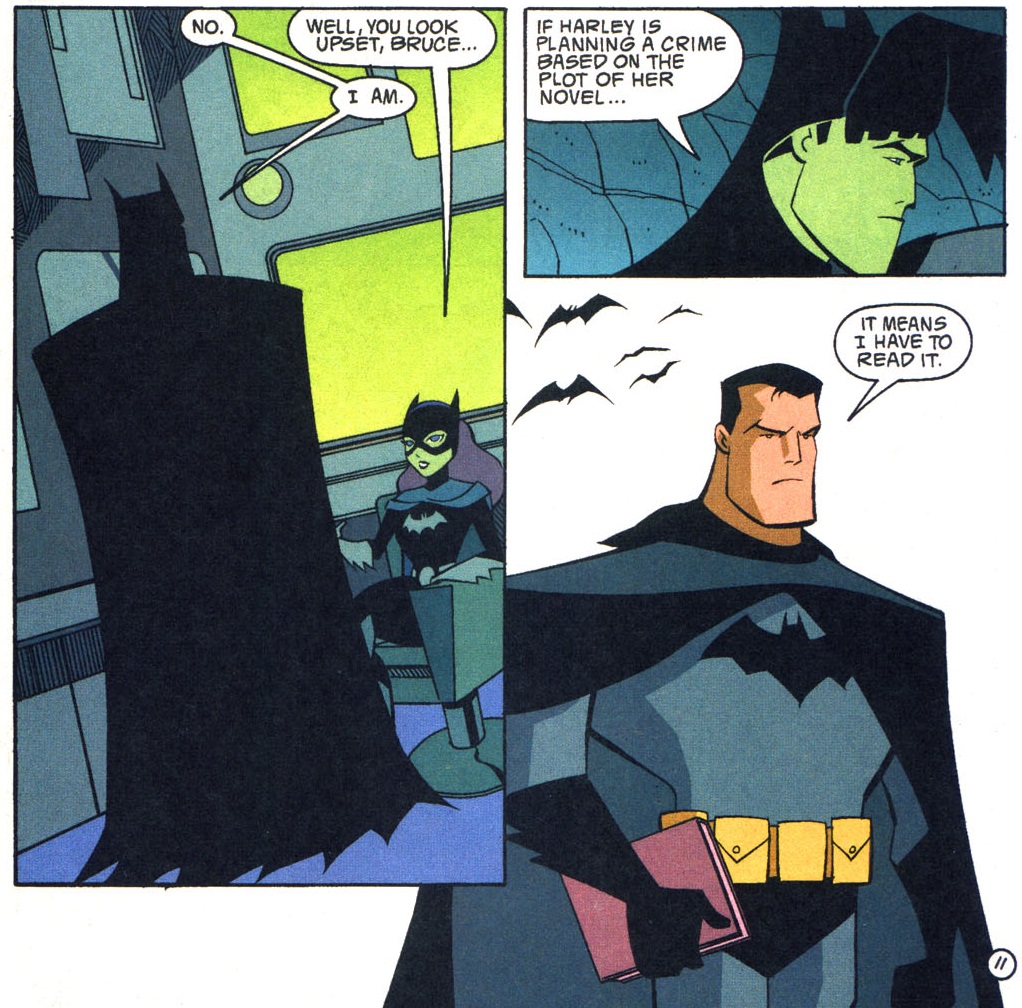
The latter story got a sequel, ‘Masks of Love: A Harley Quinn Romance’ (Gotham Adventures #14), where Harley pulled off a series of crimes as publicity stunts to drum up sales for a cheesy – and by all accounts atrociously written – romance novel she had just published (a roman a clef in which she apparently has a torrid affair with Batman!). Besides once again mocking the ruthless tactics of commercialized spectacle, this is just the sort of story I love about Joker and Harley Quinn, with crime and mayhem deriving from these psychopaths’ petty motivations and lopsided logic (something that is taken to an even more darkly comedic extreme in ‘My Boyfriend’s Back,’ from Batman Adventures (v2) #3).
Plus, we get this priceless moment:
Gotham Adventures #14
Ty Templeton’s villains are media-savvy, often incorporating – and even weaponizing – mass communication into their schemes (albeit in a very ‘90s, pre-social media age). For instance, in Gotham Adventures #31, when the Joker causes a city-wide electronic blackout by kidnapping (and jokerizing) a bunch of scientists, he makes sure to leave living witnesses and even informs the GCPD where to find them ‘so they could recover and go on the talk shows.’ The main joke in that issue is that, as citizens keep speculating about the cause of the blackout (the commies? the Mob? an alien-government conspiracy?), the Joker grows increasingly frustrated with his lack of credit and desperately tries to reassert his reputation – which, ironically, he finds quite hard to do precisely because the blackout means that mass media are not working.
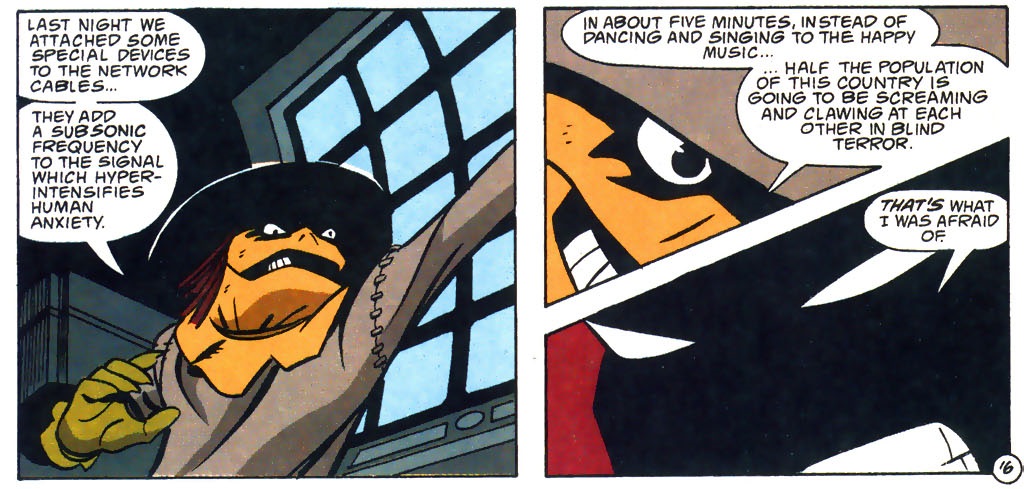
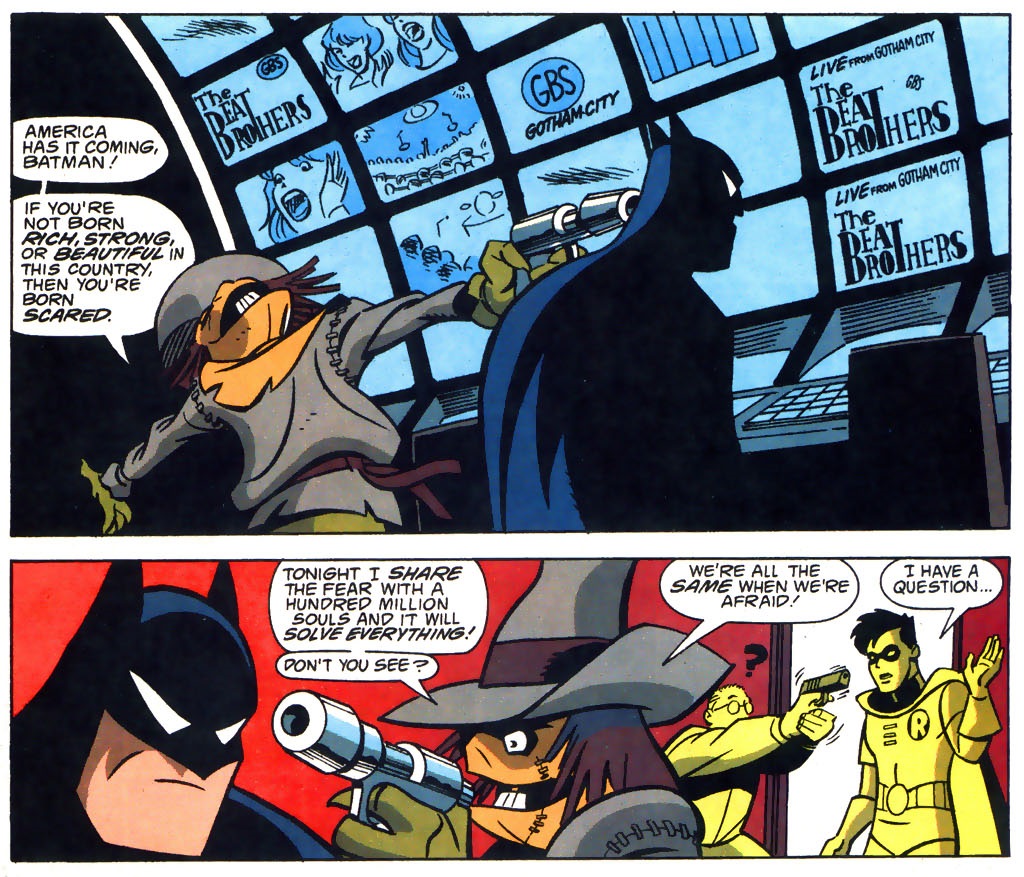
Templeton added a slight political edge to his satire in ‘Knightmare’ (Batman & Robin Adventures #13), where the Scarecrow sought to ‘unite’ America by hacking into a Beatles reunion concert:
Batman & Robin Adventures #13
The source of humor here is that the Scarecrow and his henchmen aren’t the only obstacles in the Dynamic Duo’s way… Once again, there is also a slimy TV executive who seems willing to take any risk just to get high ratings!
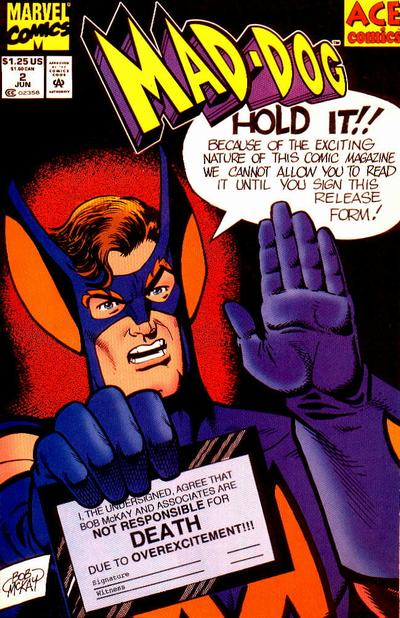
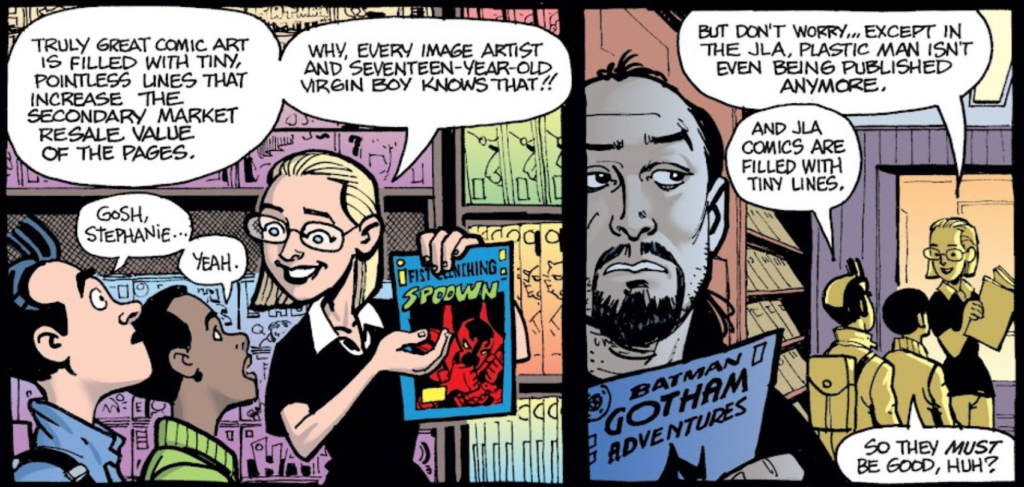
That said, Ty Templeton’s playful gaze isn’t just directed outwards. Templeton can be quite self-reflexive about comedy itself and, crucially, he also doesn’t spare the subworld of comic books and fan culture. For example, his work on 1993’s Mad-Dog was a parody of Silver Age superheroes that gradually morphed into a bonkers spoof of early Image comics (weirdly, though, not everyone involved with the project was in on the joke). It seems that, for Ty the Guy, both creators and fans should be able to laugh at the medium they love…
Plastic Man Special
That’s Ty Templeton himself in the panel on the right, reading his own comic and about to be beaten up by angry geeks (‘As they pummeled their fists upon my helplessly out-of-shape writer’s body, I still couldn’t bring myself to fight back against them… for each one represented a potential four-cent royalty if they bought the Batman title I work on.’)
This scene is followed by another Kurtzman-esque parody, this time of all the major crossovers of the 1980s and ‘90s, titled ‘The Age of Infinite Clones Saga, starring Plastic Man and Plastic Man Blue – Chapter One Million: Onslaught of the Secret Genesis War Agenda’ (drawn by Rick Burchett as a pastiche of this era’s exaggerated art style).
And yes, it totally opens with a riff on Knightfall:
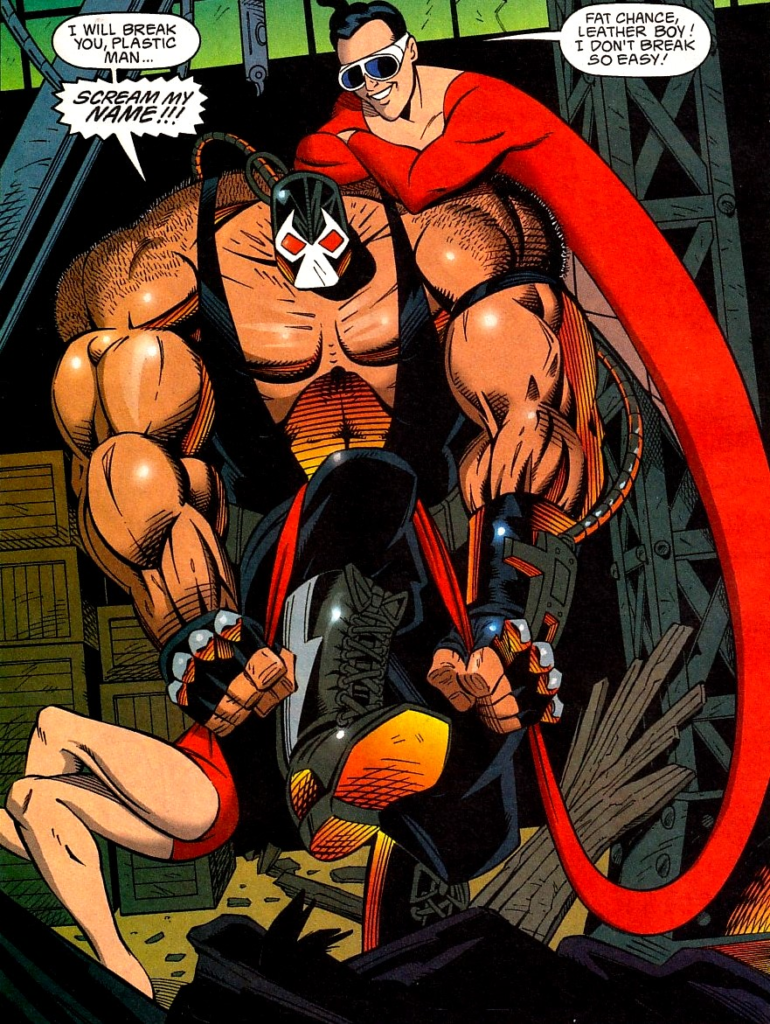
Plastic Man Special
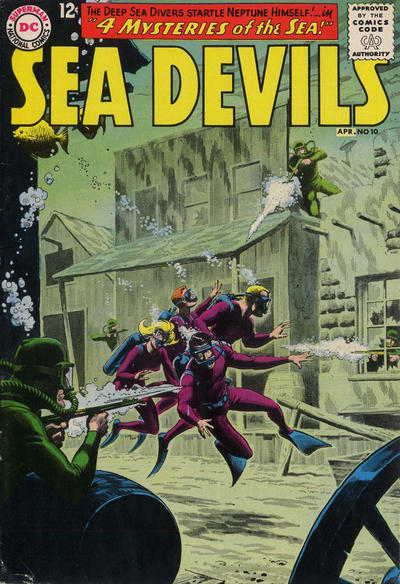
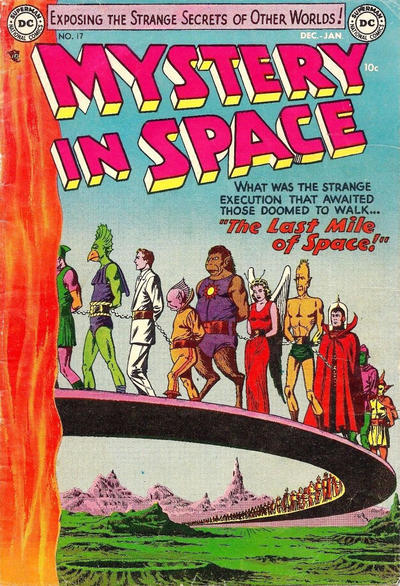
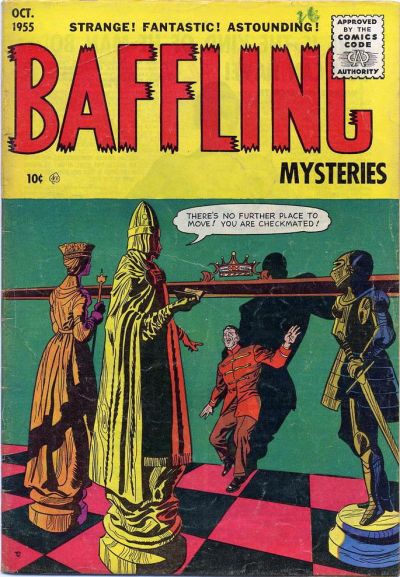
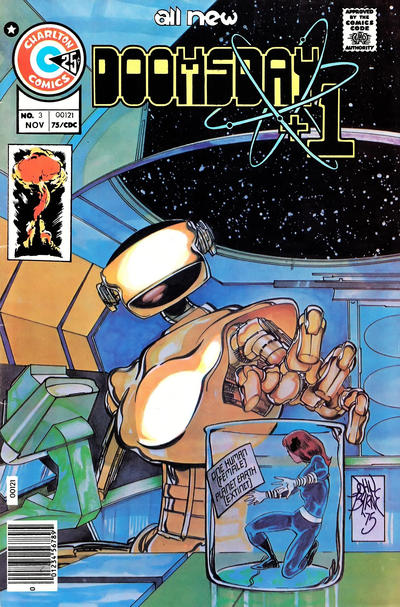
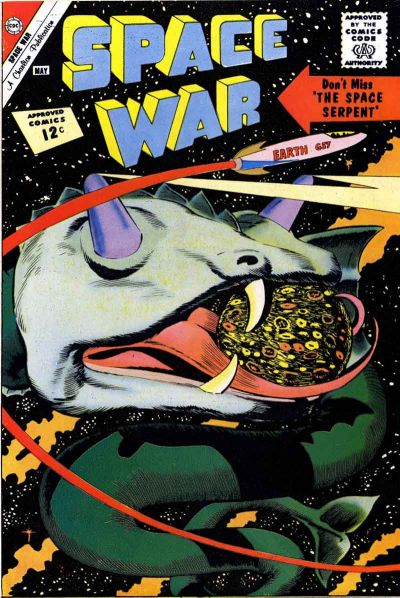
This year’s second reminder that comic book covers can be awesome…
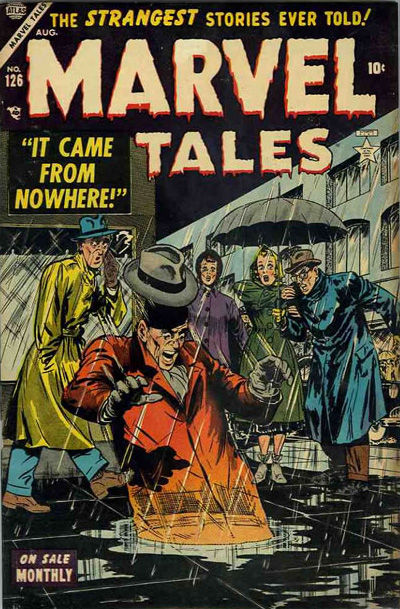
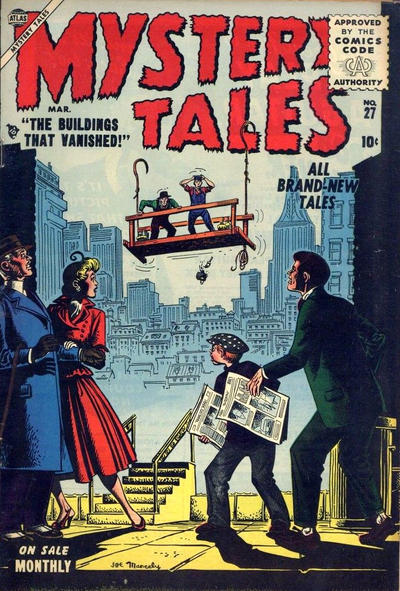
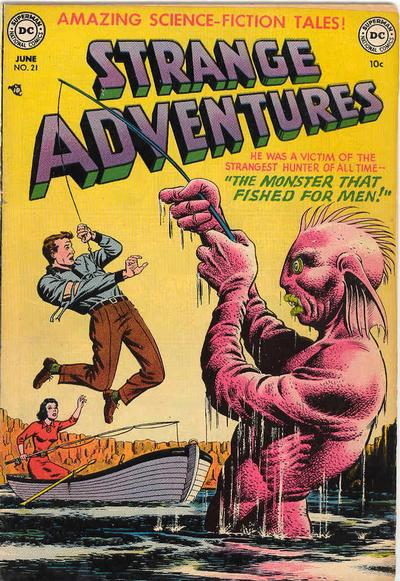
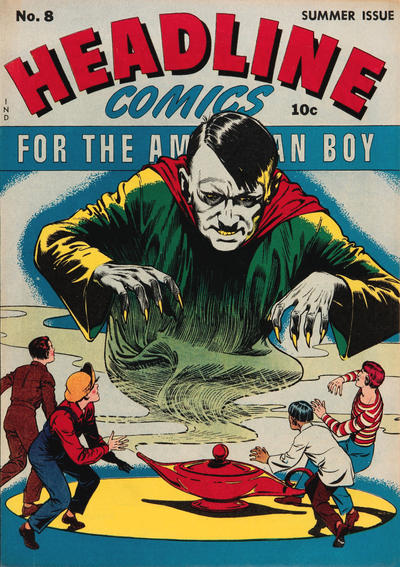
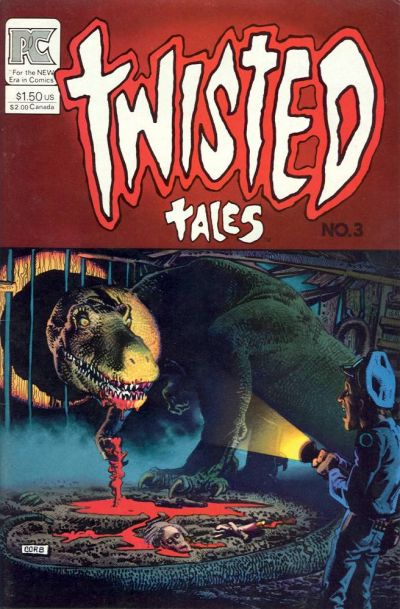
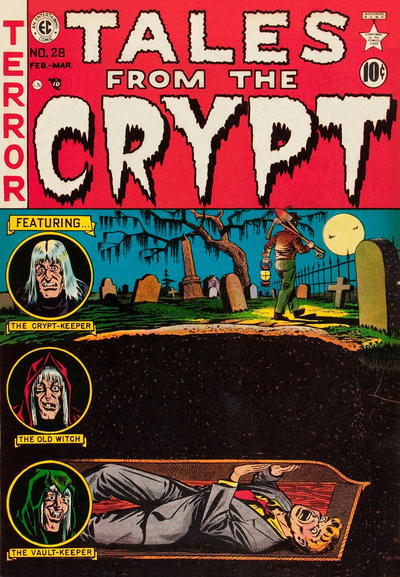
This is the latest installment of Gotham Calling’s 12-part journey through Cold War cinema (if you’re only joining us now, you can find the previous installments here, here, here, here, here, here, here, and here). It’s also probably the most eclectic of the lot, both in terms of international scope and in terms of sheer range of styles, including various independent productions.
If there is one common element is that by the time we reach the 1970s films generally become way more crowded, dirtier, and revolted against the world that the Cold War has created. For all the talk of superpower détente and Eurocommunism (with some Western European communist parties rejecting the USSR’s model and embracing moderate social democracy), these are angry times, as Vietnam, Watergate, and authoritarian/revolutionary/counter-revolutionary politics linger in the background of practically every one of these films.
81. Planet of the Apes (USA, 1968)
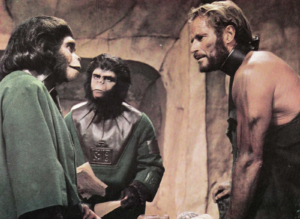
Charlton Heston plays a misanthropic astronaut who both regains and re-loses faith in humanity when he finds himself stranded on a planet ruled by chimpanzees, gorillas, and orangutans. Cold War themes (especially McCarthyism) are all over the unapologetically pulpy Planet of the Apes, but they reach a peak in the deservedly iconic ending.
82. The Joke (Czechoslovakia, 1969)
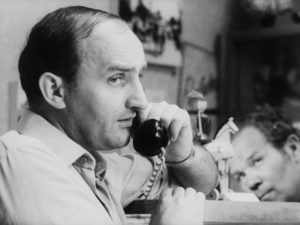
Through flashbacks, we come to know the story of a man punished back in his student days for a jokey remark on a postcard… and his present-day revenge plot. Although completed already after Warsaw Pact troops had crushed Czechoslovakia’s process of liberalization, The Joke is a clear product of the ‘Prague Spring’ that preceded the 1968 invasion, offering a scathing look at hardline communists and the regime they put in place, with occasional touches of black comedy. Based on a Milan Kundera novel, the critique isn’t subtle, but the central performances are generally understated and the direction quite enthralling, with acidic irony provided by clever cross-cutting between eras.
83. Z (France/Algeria, 1969)
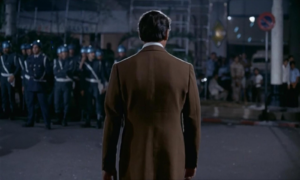
Z’s thinly fictionalized account of the growing strength of anti-communist military officers in Greece is a testament to the power of cinema, as director Costa-Gravas turns detailed, often technical discussions into an engrossingly gritty, dynamic, and spellbinding political thriller.
84. Bananas (USA, 1971)
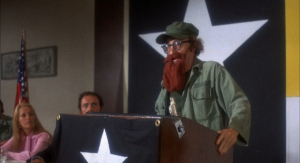
An absurdist parody about a doofus from New York who inadvertently gets embroiled in a Latin American revolution, Bananas now feels like an odd fossil not only from the Cold War, but from a seemingly distant era when Woody Allen was widely beloved, artistically daring, anarchically political, and very funny. Like all of his early slapstick farces (i.e., pre-Annie Hall), this is pretty much a naughty live-action cartoon where the laughs are quite hit-and-miss – and while there aren’t as many hits as in some of the others, it picks up momentum in the final stretch. In any case, the refreshingly carefree way Allen turns Che, Castro, Hoover, Third World repression, CIA-backed conflicts, and the trial of the Chicago 7 into silly surrealism (much like he did with the Nixon administration in the TV mockumentary Men of Crisis: The Harvey Wallinger Story, pulled from the schedule at the last moment by a fearful PBS) earns Bananas a place on this list, despite the occasional cringe. (Bananas also features Sylvester Stallone’s first appearance on the list… Needless to say, you will see him again!)

85. Punishment Park (USA, 1971)
In response to the escalating anti-Vietnam War protests, President Nixon decrees a state of emergency based on the McCarran Internal Security Act of 1950, enabling the federal authorities to round up members of the counterculture and send them off to the desert where they serve as practice for the police and the National Guard. Set in a (slightly) alternate history but shot in an impressive cinéma vérité style (complete with long stretches of improvisation by non-professional actors), Punishment Park is another amazing fake documentary by Peter Watkins, this time encapsulating the political polarization in the US.
86. State of Siege (France/Italy/West Germany, 1972)
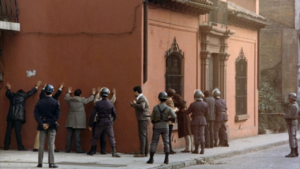
Tupamaros’ kidnapping of the Brazilian consul in Uruguay and of an official of the US Agency for International Development serves as a springboard to expose the CIA’s dirty history of backing anticommunist coups and violent repression across Latin America. Despite the overlapping topic, tone-wise this is the flipside of Bananas. More concerned with conveying macro-structures than with zooming in on individual psychologies, State of Siege is shot in the same dry, procedural style as Z – in fact, once again, this could’ve succumbed under the exposition-heavy polemic format were it not for Costa-Gravas’ absolutely gripping direction. (In turn, David Miller’s attempt to do a Costa-Gravas-like semi-documentary thriller about the JFK assassination, 1973’s Executive Action, sorely lacked this directorial verve.)
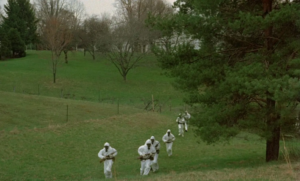
87. The Crazies (USA, 1973)
Young George Romero had a keen instinct for socio-politically charged horror. In The Crazies, he tapped into the era’s paranoia about government cover-ups, had the arms race literally drive people insane (and/or make them sound insane, thus furthering the motif from Europe ’51 and The Spies), and made small-town America a target for the kind of military intervention deployed abroad. Shot with hand-held camera immediacy (back before this became a cliché) and lots of shouting, the result is a phenomenal, intensely disturbing, and frenzied ride of a movie.
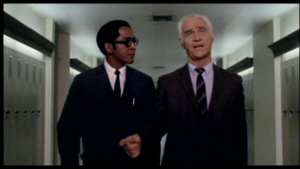
88. The Spook Who Sat by the Door (USA, 1973)
There aren’t many blaxploitation movies about the Cold War, but boy does The Spook Who Sat by the Door make up for the rest of the lot. In the satirical first act, the CIA reluctantly agrees to train a black man as part of a cynical PR campaign. Then, in the incendiary rest of the film, he repurposes the company’s playbook of dirty tricks to kickstart an insurrection at home, trying to force the US authorities to choose between fighting African Americans at home or the commies overseas! Apparently, the result was so controversial that the movie was suppressed for years, although it eventually resurfaced and gained a new recognition.
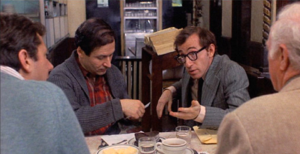
89. The Front (USA, 1976)
This dramatization of the 1950s’ blacklist made such an impression on me when I was a teen that I still appreciate it despite the didacticism and liberal sentimentality, especially two unforgettable performances: Woody Allen as a despicable yet charming lumpen and Zero Mostel as a star comedian falling from grace, the latter’s eager overacting heartbreakingly hiding a crushed soul. The film fulfills two functions on this list. First, since those involved in the production had themselves been blacklisted (including Mostel), there is an autobiographical layer that makes this an authentic-ringing document of the McCarthyist era, for once zooming in on the less glamorous milieu of New York network television rather than on Hollywood. Secondly, The Front shows how far the US had come since the ‘50s: the so-called Cold War consensus – and the blacklist itself – now such a thing of the past that the HUAC’s tactics could be exposed directly, albeit timidly… This is still a rather understated, personal account of an impactful systemic issue, perhaps out of fear/awareness that the American public wasn’t yet interested in fully confronting the sins of the recent past, hence the choice of using Allen’s selfish schmo as the POV character (which actually makes the movie both more interesting and wryly amusing, giving us an ambiguous, flawed protagonist rather than a romanticized victim).
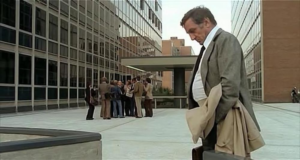
90. Illustrious Corpses (Italy/France, 1976)
The investigation of a judge’s murder takes a police inspector, slowly but surely, into a tour of conspiracy theories against the backdrop of Italy’s ‘years of lead’ (when the far-left Red Brigades waged a campaign of armed struggle) and ‘historic compromise’ (when the reformed Communist Party made an alliance with the right-wing Christian Democracy). Very deliberately paced and mostly shot through wide angles that underscore the characters’ relative smallness and vulnerability to larger forces at play, Illustrious Corpses is a Pakula-worthy masterwork of paranoid cinema, albeit with a fascinating Italian slant, provocatively subverting Gramsci’s famous line: ‘To tell the truth is revolutionary.’