COMICS CAN BE AWESOME (24 October 2022)

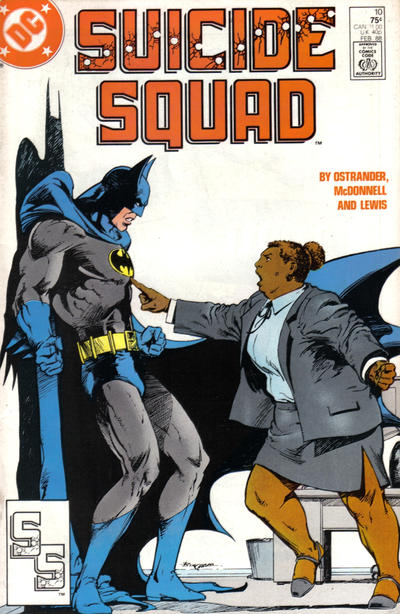
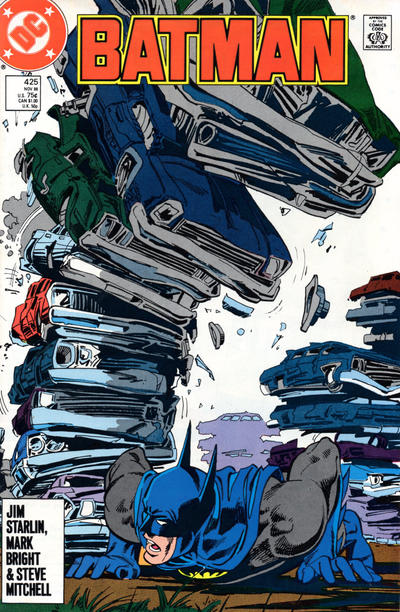
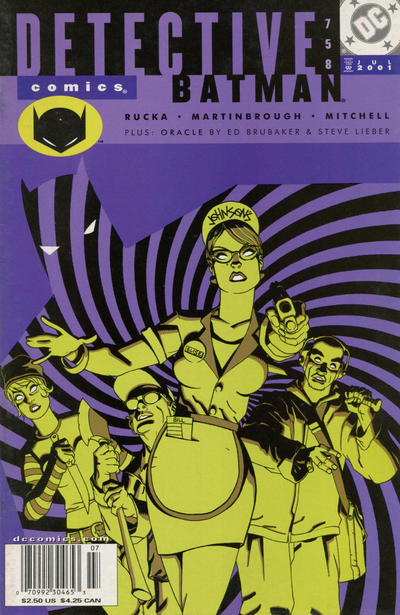
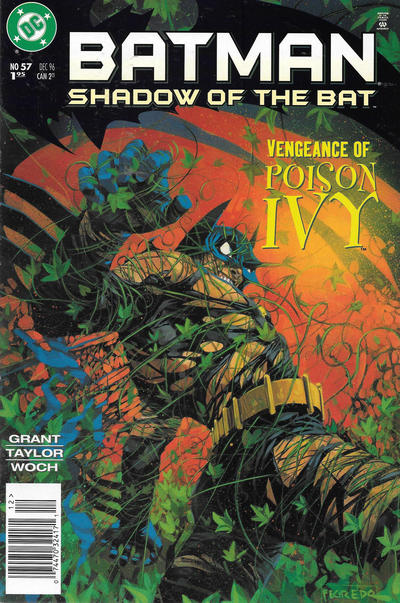
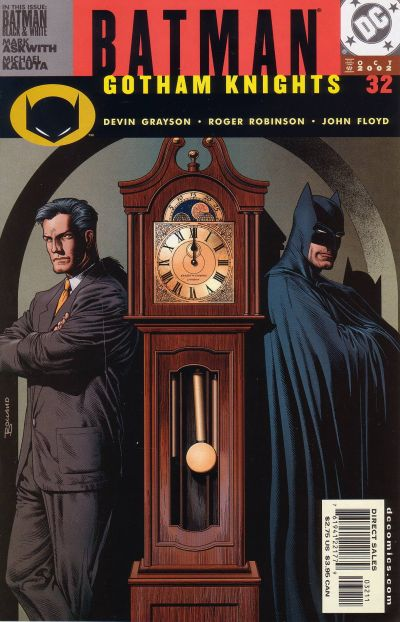
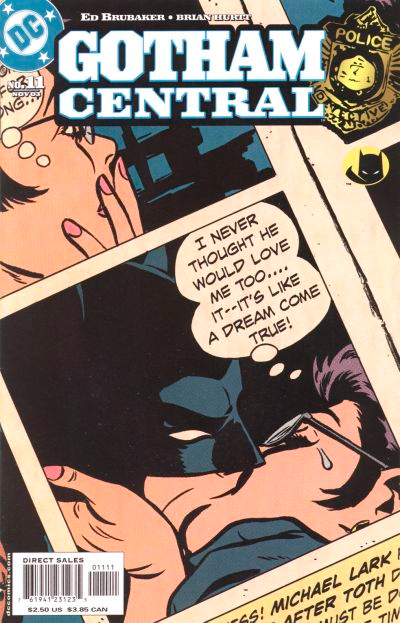
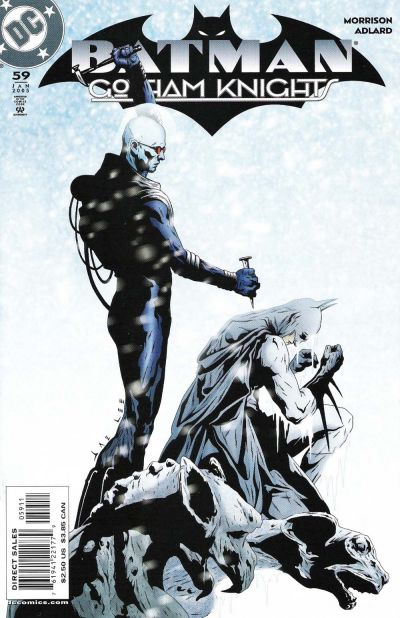
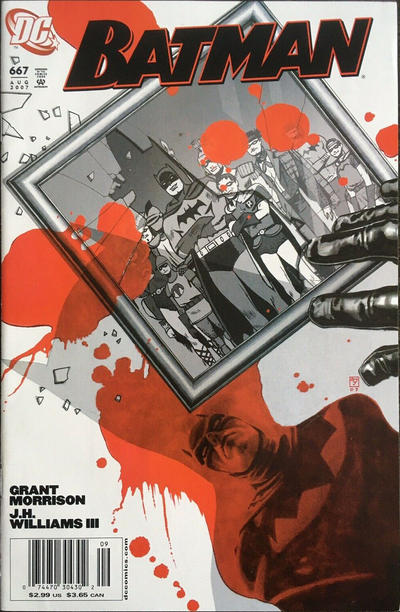
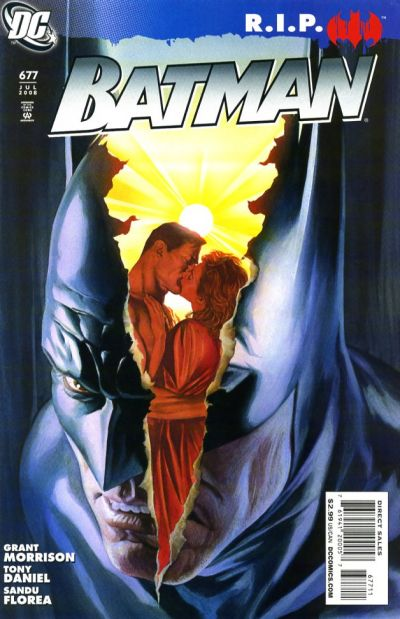
This week’s reminder that comics can be awesome is a tribute to my favorite era of Batman comics, between Crisis on Infinite Earths and The New 52 reboot. At first glance, covers at the time might appear increasingly generic about the events inside, but that’s because they came to privilege thematic links over literal depictions, often creating diverse – and striking – images… It helped, of course, that they were drawn some of the best damn artists in the business!

dark knightJerry Bingham Dark KnightBatmanDuncan FegredoBrian Bolland Michael LarkJae LeeJ. H. Williams III Alex Ross

Posted in COVERS OF BATMAN COMICS | Tagged , , , , , , , , , , , , | Leave a comment

3 opening splashes by Frank Robbins

Gotham Calling started out as a blog specifically about Batman comics and, every once in a while, I enjoy going back to its origins. So, here is a post about three amazing title splash pages from the 1970s – an era when title splashes became particularly creative – by one of the most underrated artists in the history of the Dark Knight…

frank robbinsDetective Comics #416

Although he had a following as a writer, Frank Robbins was an impressively controversial – perhaps downright unpopular – artist of Batman comics. Fans at the time seemed reticent to break away from the semi-naturalistic house style established by Neal Adams and perfected to nuts’n’bolts efficiency by Jim Aparo. By contrast, Robbins’ quirky pencils and inks were unabashedly prone to expressionistic distortion.

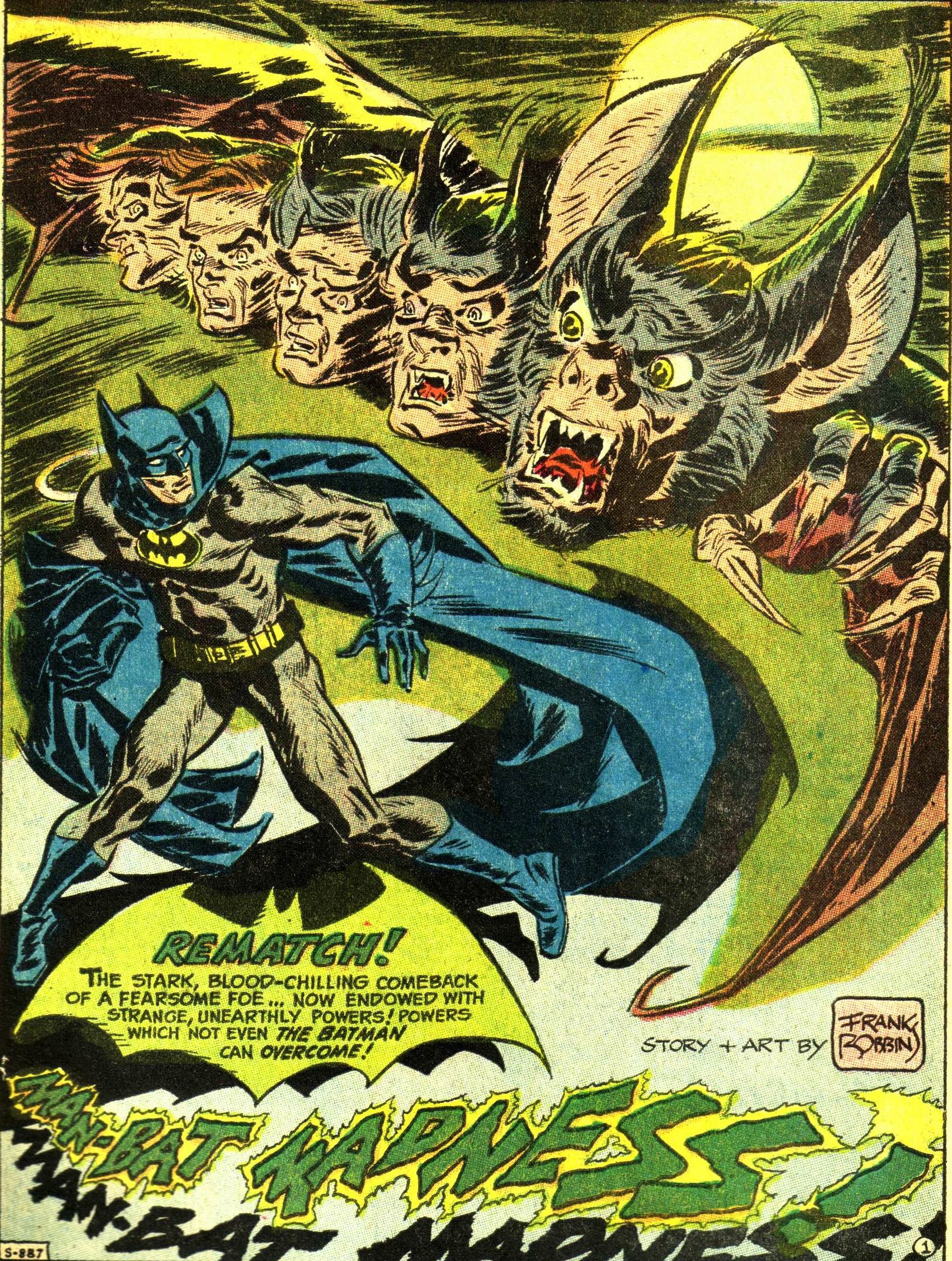
In the page above, from 1971, Robbins drew a surrealistic composition that presents us with the various horrifying stages of Kirk Langstrom’s transformation into Man-Bat, thus immediately laying out the story’s premise and genre, so that readers can begin adjusting their expectations. Moreover, by framing those evolutionary stages between a couple of batwings, the splash also creates two additional effects: it both encroaches the Dark Knight (thus heightening the impending threat) and, because Batman too is framed within a wing-like cape, it suggests a kind of imperfect parallel between the two characters (thus anticipating the theme that one is the dark mirror version of the other). Each of these elements deserves consideration.

The transformation from human to monster is a classic horror visual trope that would reach one of its apexes a decade later, with the iconic sequence from An American Werewolf in London. Indeed, although Kirk Langstrom’s alter ego isn’t lupine, werewolf fiction is the most obvious model for this tale… Sure, the thing about werewolves is that their mythology hasn’t exactly coalesced into a ‘model’ with firm rules, at least compared to other fantastical creatures (like zombies and vampires), which means that we’ve gotten a number of awesome werewolf stories that actually feel original and radically different from each other (books like Guy Endore’s historical saga The Werewolf of Paris and Terry Pratchett’s fantasy adventure The Fifth Elephant, film hybrids ranging from Wolf’s corporate satire to Good Manners’ social/family drama, not to mention the cult classic The Howling). Regardless, the imagery on display here leaves little doubt about its inspiration, as the full moon in the background, partly engulfed by gothic clouds, suggests a lunar cause for Langstrom’s transformation.

The fact that the transformation is depicted through disjointed flying heads suitably makes the whole thing feel even more like a nightmare. The finalized Man-Bat, with his open mouth and stretched claw, is disproportionally enormous and seems about to attack, nailing him as the aggressive villain of the piece. Bellow, the Caped Crusader looks surprised and vulnerable. Add to this the fact that we tend to read from top to bottom and the whole narrative thrust is quickly set up even before our eyes reach the text at the bottom of the page.

The game of likeness and contrasts was a recurring motif in the early Man-Bat comics (this was the fourth one, by the way… the previous issues had also been written by Robbins, but drawn by Neal Adams). Here, the tip of the shadow of Batman’s cape has the same shape as the tip of Man-Bat’s wing, reinforcing the notion that the two characters somewhat reflect each other. Duality is also projected by the freaky letters in the title, which cast a shadow themselves, somehow.

batmanDetective Comics #421

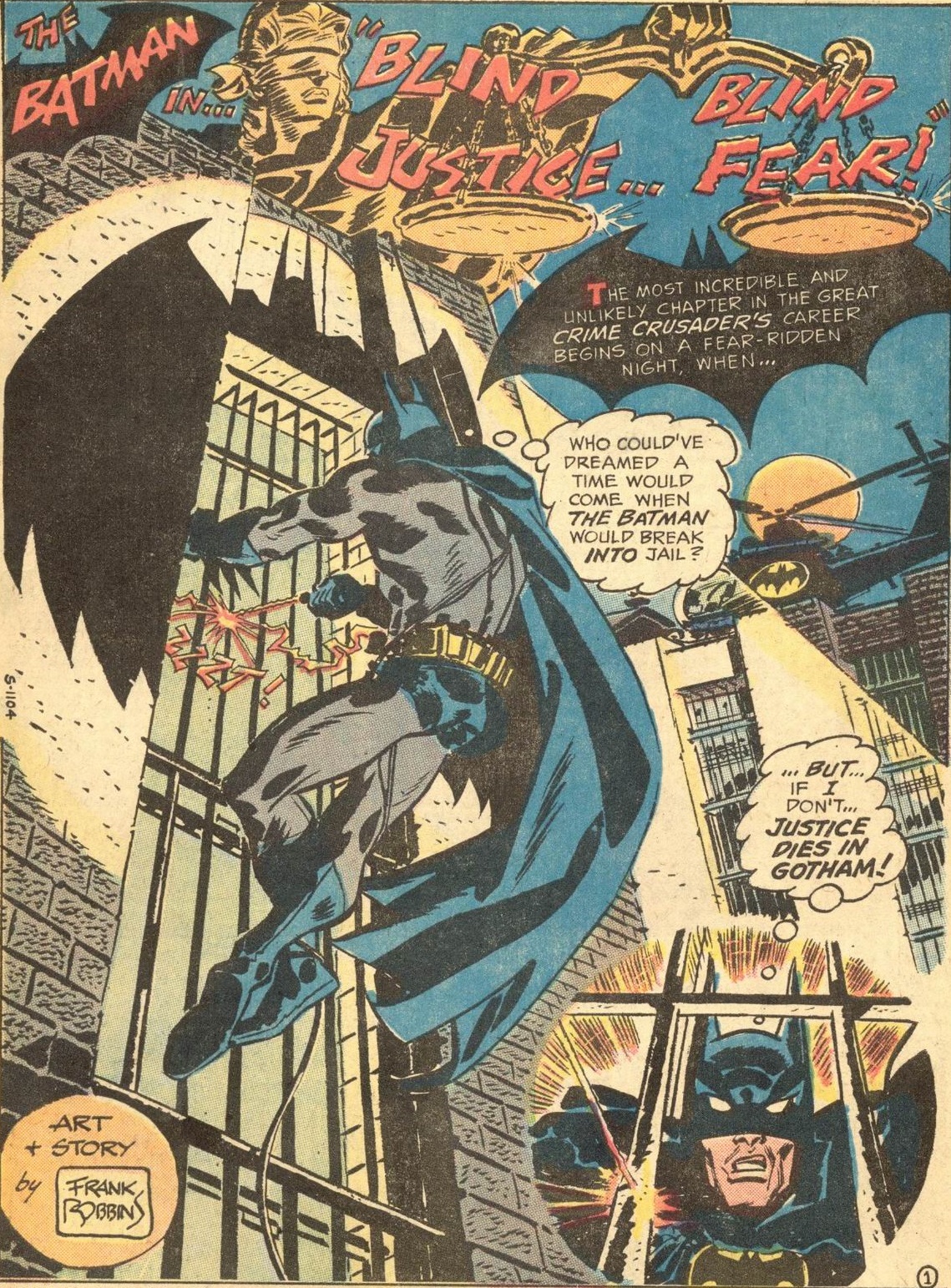
This staggering page prepares us for a whole other genre, namely an action-packed crime thriller, kicking things off in medias res with the Dark Knight doing a dangerous stunt while, intriguingly, trying to break into a prison with the help of a laser. This was a type of story Frank Robbins clearly enjoyed writing and drawing – and his stylized, angular approach to noir strongly anticipated the aesthetics later popularized by Bruce Timm, making Robbins an artist ahead of his time (if such a thing is possible).

Besides the disorienting perspective and the neat placement of the title on the scales of justice, the page is also noteworthy for the profusion of Bat-symbols. I count five: two non-diegetic ones (framing the series’ title and the omniscient narration caption), the silhouette around the prison window (is it the Bat-Signal or just a regular searchlight projecting Batman’s own shadow?), and the logos that the Caped Crusader – or the Crime Crusader, as the narration calls him – uses to brand his costume and helicopter. The result is a bit chaotic, but I think it helps provide an overwhelming sensation that there are many focal points deserving of attention and, by extension, many things taking place at once – if this was a film, the soundtrack would be blasting and the camera wouldn’t stop moving!

Such relentless momentum is especially important when it comes to throwing the Dark Knight into straight-up crime fiction (i.e. into stories without colorful rogues), like in this case. Rather than bending backwards to explain what Batman brings to the table that the regular cops couldn’t do, a tried-and-true trick is to inject so much dazzling adrenaline into the proceedings that your brain hardly ever stops to ask questions.

man-batDetective Comics #429

Another Man-Bat classic!

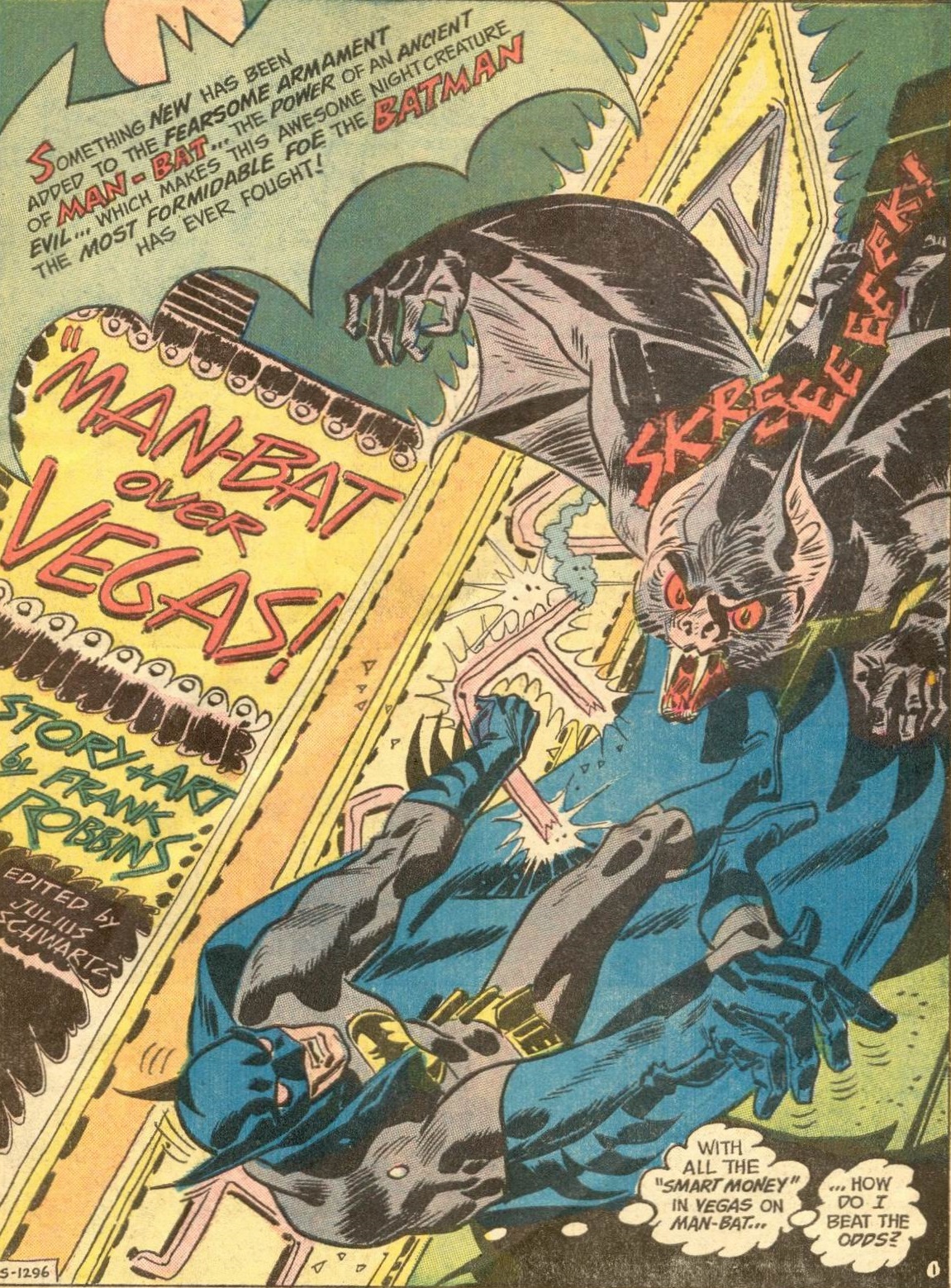
Cover-dated November 1972, this issue shows Frank Robbins even more willing to play with word design. Besides giving Man-Bat a sinuous scream, he adds to the long list of Eisner-influenced Batman comics by integrating the title and credits into the picture’s ‘reality,’ as if they’re just another set of neons in Las Vegas.

Meanwhile, the layout vertically – or, at least, diagonally – pulls you into the comic, instilling a sense of urgency from the get-go even if you disregard the typically hyperbolic text blurb (as usual in a bat-shaped caption). And if on one corner of the page we find the moon that we’ve come to associate with Man-Bat (a reminder of the character’s horror roots), by the time our eyes reach the opposite end we are already firmly back in whimsical Batman territory, because the Bronze Age Caped Crusader, even when apparently falling to his death by pavement-or-feral-evisceration, is still thinking through puns!

Posted in ART OF BATMAN COMICS | Tagged , , | 1 Comment

COMICS CAN BE AWESOME (17 October 2022)

Just in case you’ve forgotten, here is this week’s reminder that comic book covers can be awesome:

steve lieberbattlefieldsSteve Pughbrian bolland Mike Mayhew Robert BurgerLee BermejoJ.G. Joneslukas ketner Geof Darrow

Posted in AWESOME COVERS | Tagged , , , , , , , , , , , , , , , , , , , , , , , | Leave a comment

If you like The Big Lebowski…

It’s been a while since I’ve done one of these!

coen

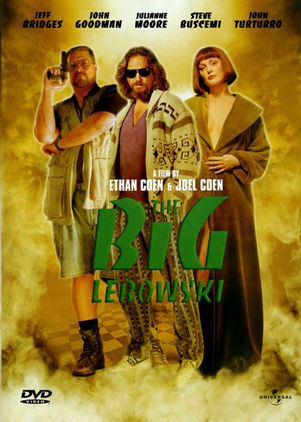
After the critically acclaimed maturity and sensitivity of Fargo, Joel and Ethan Coen pulled yet another switch by delivering a stoner crime comedy packed with profanity (it was as if Tarantino had followed Jackie Brown with Pulp Fiction, rather than the other way around). Set in Los Angeles, against the backdrop of the 1991 Gulf War, The Big Lebowski (1998) revolves around a middle-aged hippie who calls himself The Dude and who just wants to drink, get high, and bowl with his buddies… but inadvertently finds himself wandering through a Chandleresque detective story. A suitably meandering – and seemingly random – opening narration identifies this slacker protagonist as ‘a man for his time and place,’ which is droll both because he seems so far from the typical American gung-ho entrepreneur hero of the yuppie age and because almost everyone in the movie has their head in some other era (most notably the Dude’s closest friend, a loose-cannon vet who just won’t shut up about Vietnam). It’s perhaps a pointless – and probably endless – task to try to explain everything that makes The Big Lebowski so laugh-out-loud funny, but I’ll highlight the fact that it pushes one of my favorite Coen devices to hilarious extremes: in the Coens’ scripts, characters always have very personal speech patterns, but they also tend to pick up lines and expressions from each other, like in real life, which leads to many multilayered exchanges, including a priceless bit here where the pacifist Dude actually repurposes the words of George H.W. Bush!

With its perfect casting, bouncy direction, and eminently quotable screenplay, this has been my favorite Coen picture ever since I first saw it, at the time. Despite having read a couple of lukewarm reviews, I remember going into the theater with high expectations because I was such a fan of the Coen brothers and yet still being blown away by a movie where every single scene seemed pitched at my personal tastes and sense of humor. And I know I’m not alone: The Big Lebowski has become a veritable cult phenomenon and left more of a lasting, widespread mark on popular culture than any of the brothers’ remaining output (one of the weirdest manifestations of this was an amusing episode of the children’s superhero cartoon show Powerpuff Girls built almost entirely out of references to The Big Lebowski).

shane black paul thomas anderson detective comic

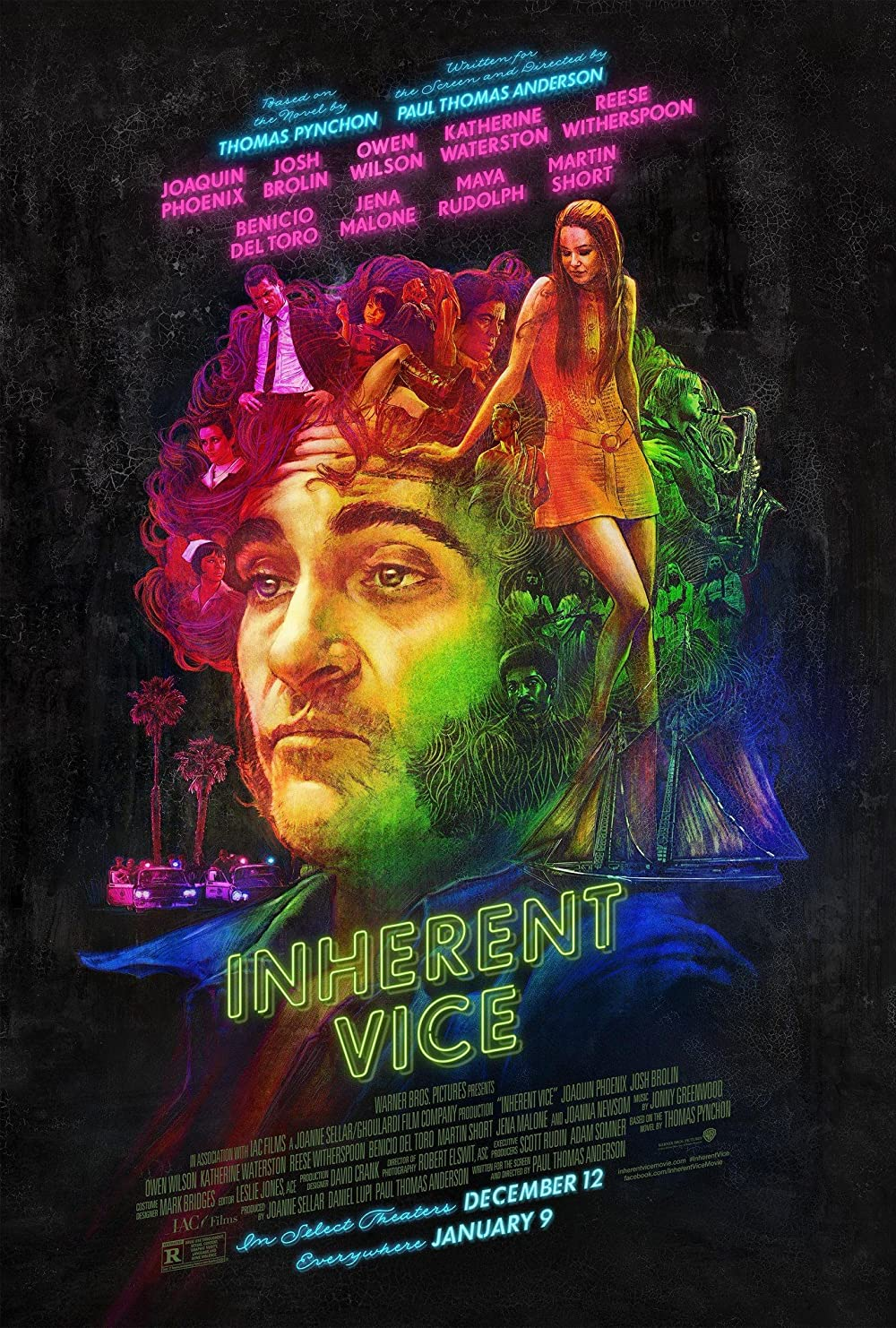
Paul Thomas Anderson’s Inherent Vice feels like an unofficial prequel to The Big Lebowski… Joaquin Phoenix plays a counter-culture detective in 1970 who could easily be a younger Dude. We also get another off-kilter narrator to go with the stoner protagonist wandering through an intricate California-based mystery. Both pictures are moody, semi-surreal comedies that get their humor less from clear punchlines than from amusing turns of phrase, quirky characterization, and creative cinematography. That said, Anderson has different ambitions. His script adapts a satirical novel by Thomas Pynchon, who crammed in every single conspiracy theory from the early seventies, thus capturing that era’s sense of paranoia and of crumbling dreams from the previous decade. Since Magnolia, Anderson has carved out a reputation as the auteur of heady, occasionally perplexing dramas (Punch-Drunk Love, There Will Be Blood, The Master, The Phantom Thread) – and you’d be forgiven for suspecting Inherent Vice fits the bill, given that many critics painted it as an impenetrable mess. However, while the super-complicated plot is indeed hard to follow in every detail, the story does make sense diegetically if you’re willing to put in the effort to figure it out (the clues are there, although the solutions to the various mysteries aren’t always explicit). In any case, even if you lose the thread of the narrative, you can still enjoy Inherent Vice as a trippy exercise in style, since each scene is peppered with delightful eccentricities and atmosphere. (In that sense, the film anticipates the carefree vibe of Licorice Pizza.)

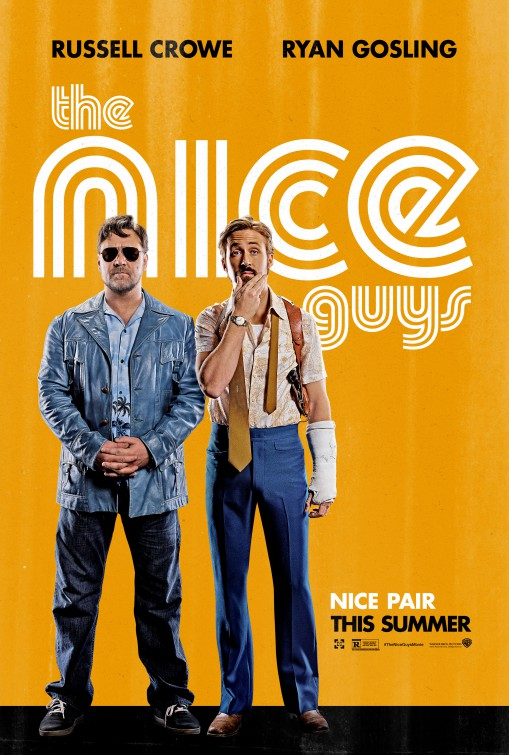
The Big Lebowski and Inherent Vice would form a perfect triple-bill with Shane Black’s The Nice Guys, another hilarious dark comedy about a messed up LA detective, set in the late seventies. This one is much more frantic, though, with Ryan Goslin giving a particularly over-the-top performance as a horny private eye with loose ethics and a drinking problem. He is joined by Russel Crowe as a hired enforcer who seems to have it more together (scarily so, at times) and Angourie Rice as his plucky teenage daughter who steals every scene she’s in. Once again, the mystery plot is mostly a vehicle for having the protagonists bump into all sorts of oddball characters – from porn-producing activists to the fiercest contract killer to grace the screen in recent memory – although, like P.T. Anderson, Black also includes quite a few nods to the era’s political conspiracy thrillers, culminating in a cynical jab at the car industry.

There are plenty of funny, labyrinthic crime comics laden with sex and drugs (for instance, in previous posts I recommended Stray Bullets and The Fix), but the magic of The Big Lebowski isn’t just about the story, the characters, and the jokes, but also, as mentioned, about the way the framework of an investigation organizes a series of bizarre encounters – and, yes, a couple of memorable full-on dream sequences. With that in mind, my final recommendation is the psychedelic graphic novel Murder by Remote Control:

paul kirchner

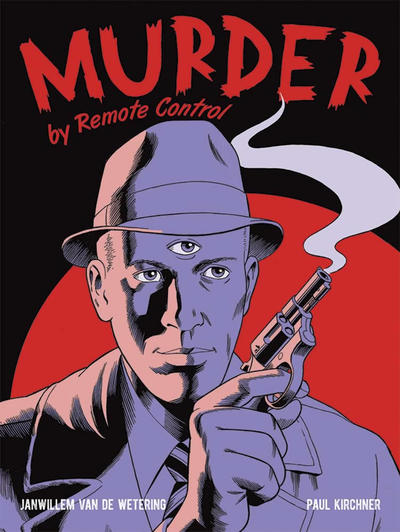
Originally published in the Netherlands in 1984 (and, in the US, in 1986), Murder by Remote Control is itself a cult object. With lavish artwork by Heavy Metal veteran Paul Kirchner and a baffling script by Dutch mystery writer Janwillem van de Wetering, this is a whodunit set in Maine, where Zen detective Jim Brady investigates the death of an oil tycoon killed by a toy plane – a premise that serves as the pretext for dreamy interrogation scenes with a row of idiosyncratic suspects.

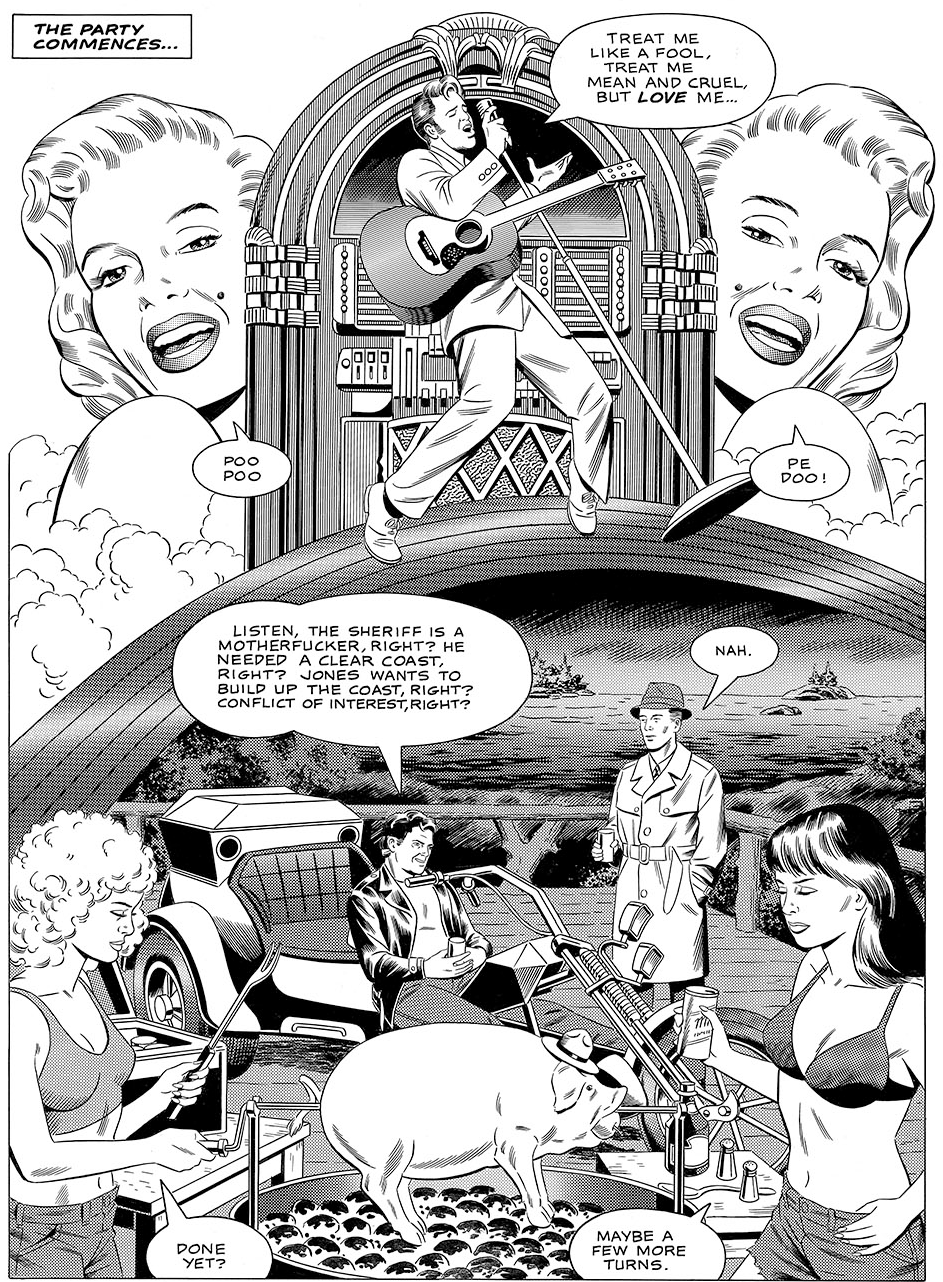
Like many comics by European creators, Murder by Remote Control is a book about what the United States symbolizes, both explicitly (‘Let’s see what might happen if two of America’s great forces, the quest for productive success and the desire to enjoy the unspoiled environment, lock in mortal combat.’) and in the way the victim and each suspect embody cultural icons, from the motorcycle-riding rebel Joe McLoon to the retired Hollywood star Steve Goodrich (who, with his caretaker Erik van Heineken, seems straight out of Sunset Boulevard, even though he looks like Gary Cooper). Like in The Big Lebowski, we are treated to a tour of caricatural American archetypes, including yet another despicable chief of police. These figures aren’t necessarily complex, but they do paint a rich tapestry of associations linking disparate elements of US mythology.

The twist is that Jim Brady isn’t the Dude, but rather a tidy, focused investigator – or, as Joe McCulloch put it, the apparatus of investigation itself – who seems able to gaze into hidden depths of the suspects’ minds (I wonder if this inspired Fred Van Lente’s and Guiu Vilanova’s nifty Lovecraftian comedy Weird Detective). As a result, most pages feature surrealistic compositions, albeit rendered in an oddly naturalistic style that presents Brady’s visions as a linear prolongation of ‘reality.’ Kirchner’s hypnotic illustrations thus forge a peculiar path between a mystical and a parodic look.

(I strongly recommend Dover’s 2016 edition, which – unlike the previous version – not only reprints the work in its original size, but it also contains an introduction by Paul Kirchner looking back at the project’s origins and a great afterword by Stephen Bissette.)

Posted in IF YOU LIKE THE COEN BROTHERS... | Tagged , , , , , , , , , , | Leave a comment

COMICS CAN BE AWESOME (10 October 2022)

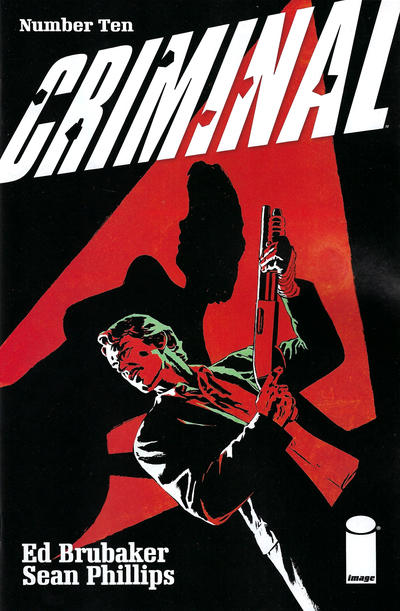
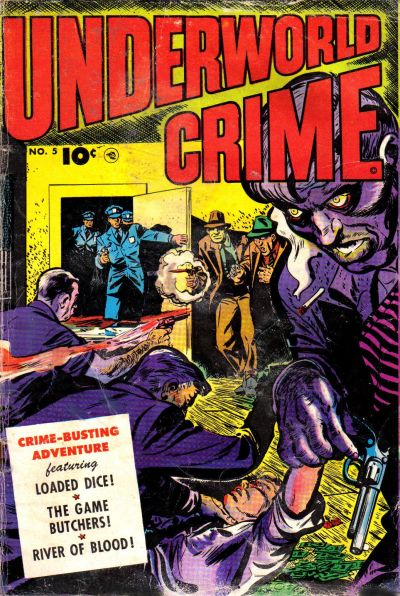
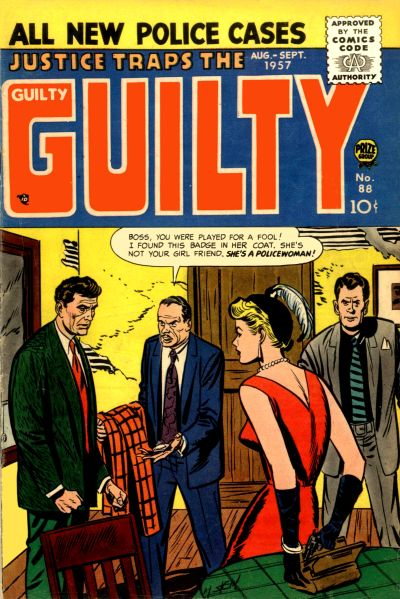
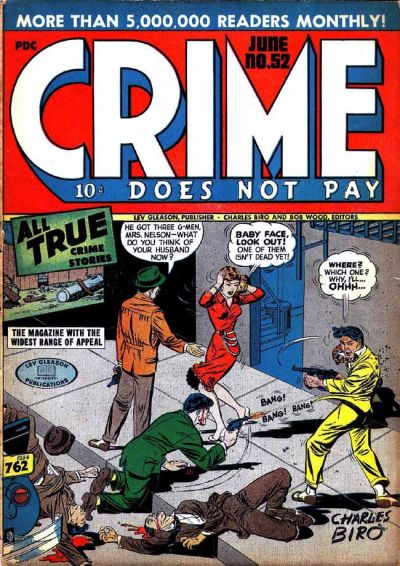
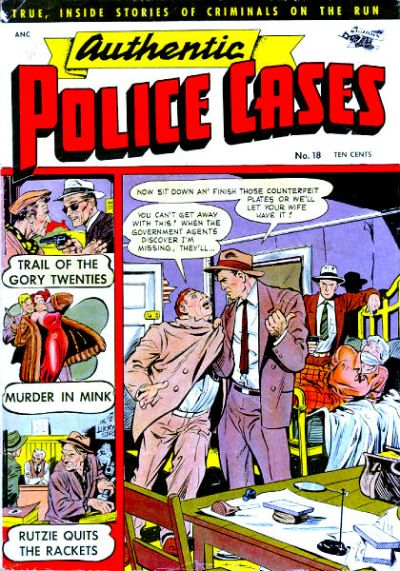
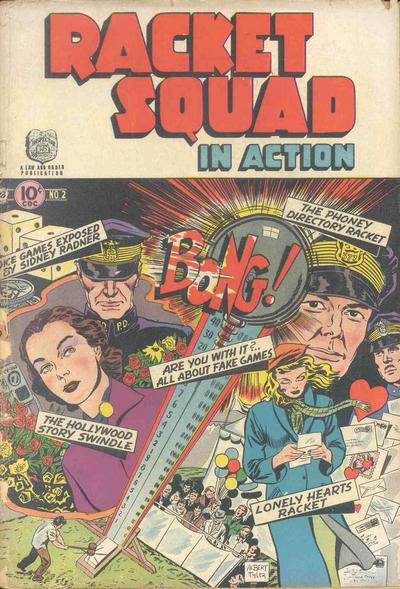
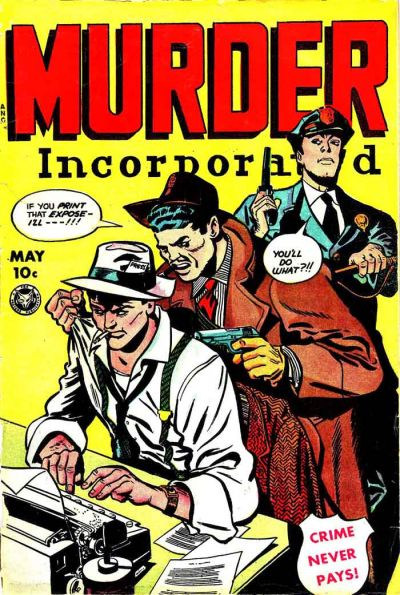
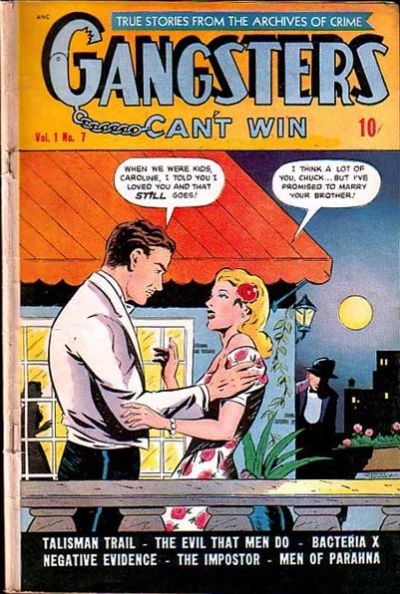
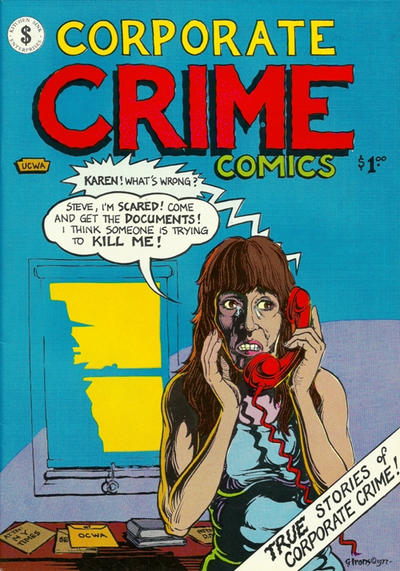
A criminal reminder that comic book covers can be awesome:

brubillipsCarl PfeuferLee AmesMarvin Stein Charles BiroMatt Baker Al Tylercrime comic Bob JenneyGreg Irons

Posted in AWESOME COVERS | Tagged , , , , , , , , , , , , , , , , , , , , , | Leave a comment

Just another busy week in the life of Batman

MONDAY

batmanRobin (v4) #9

TUESDAY

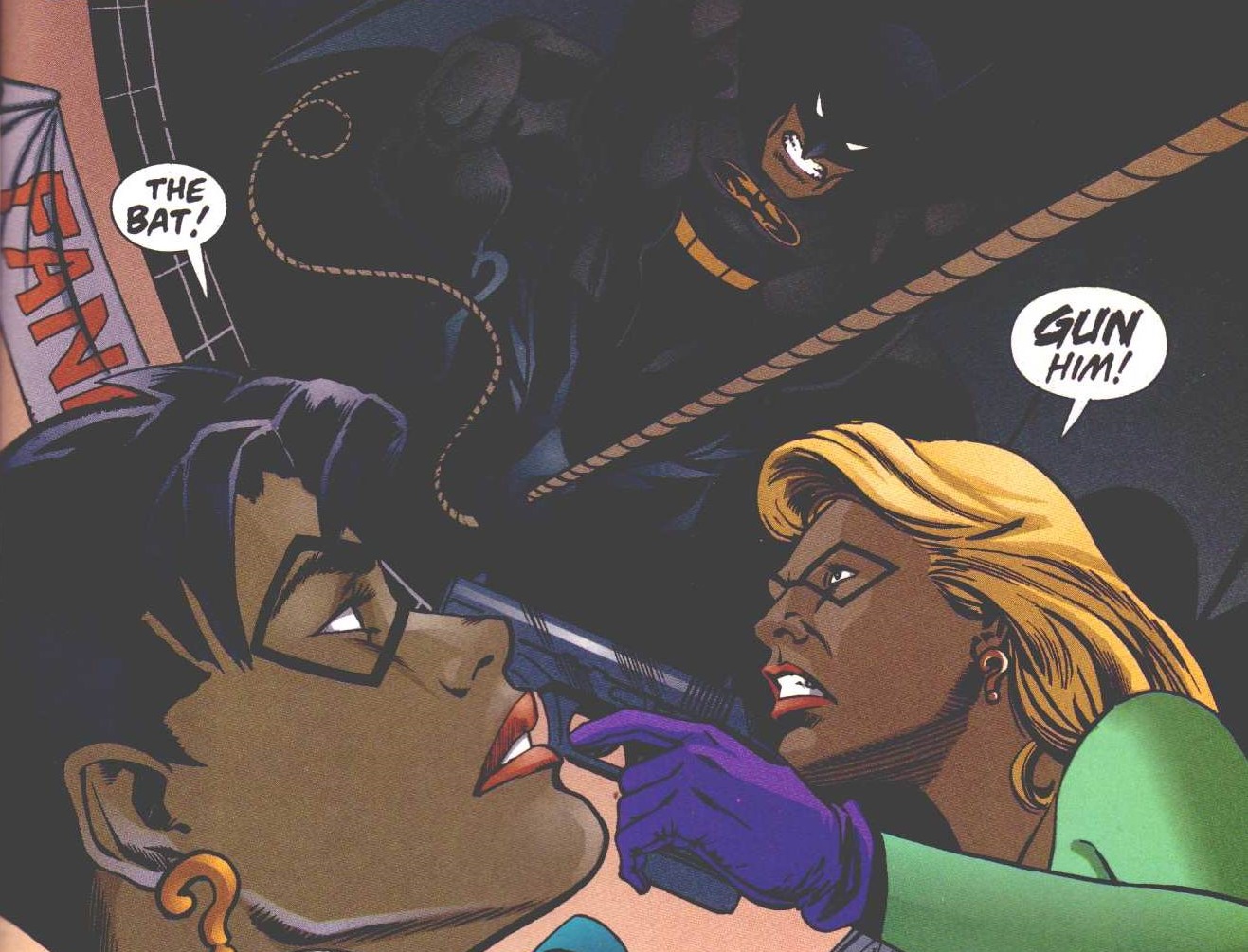
Dynamic DuoDetective Comics #649

WEDNESDAY

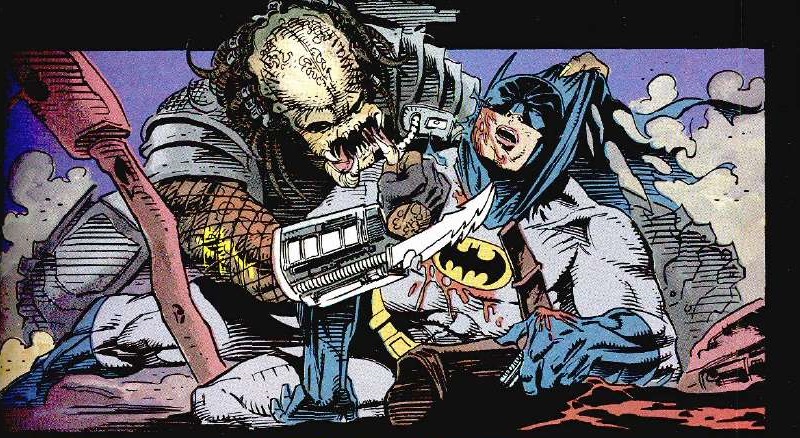
kubertBatman versus Predator #2

THURSDAY

batmanDetective Comics #707

FRIDAY

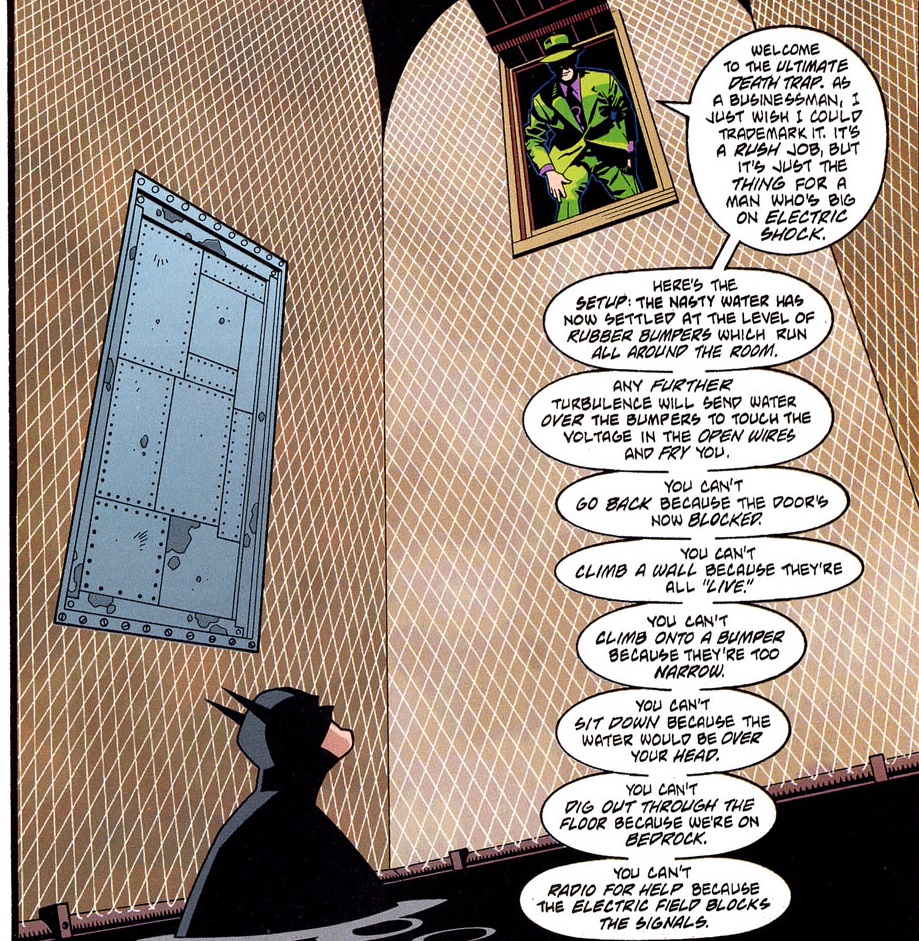
RiddlerLegends of the Dark Knight #110

SATURDAY

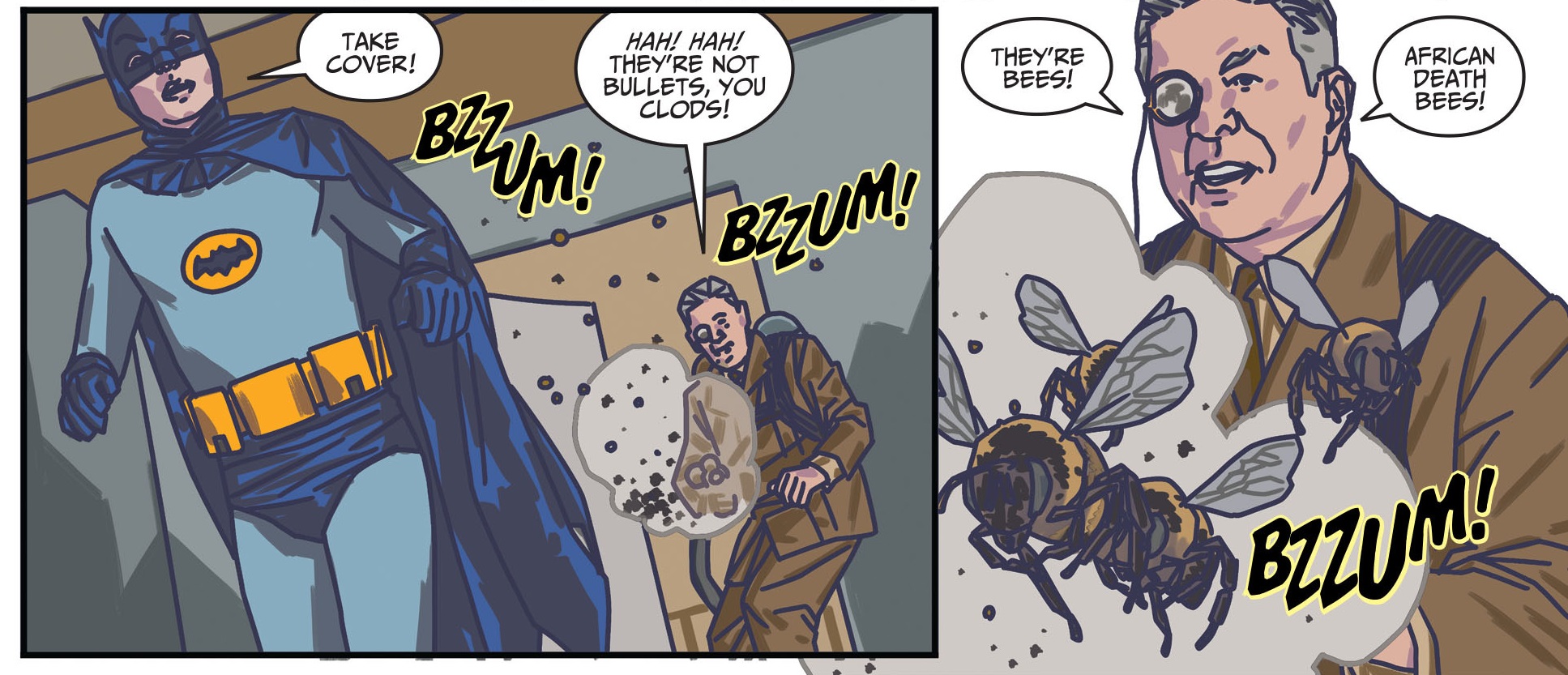
Caped CrusaderBatman ’66 meets Steed and Mrs. Peel #3

SUNDAY

jokerBatman #614
Posted in GOTHAM INTERLUDES | Leave a comment

COMICS CAN BE AWESOME (3 October 2022)

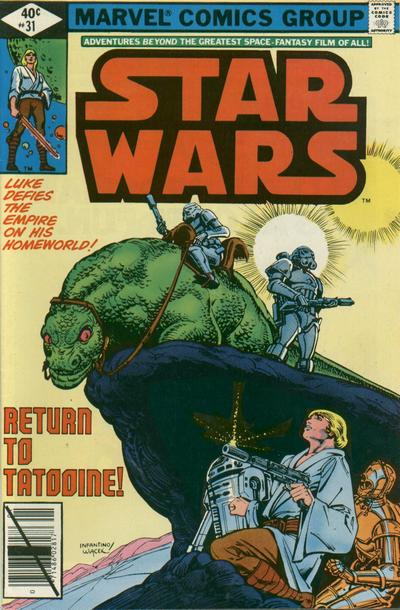
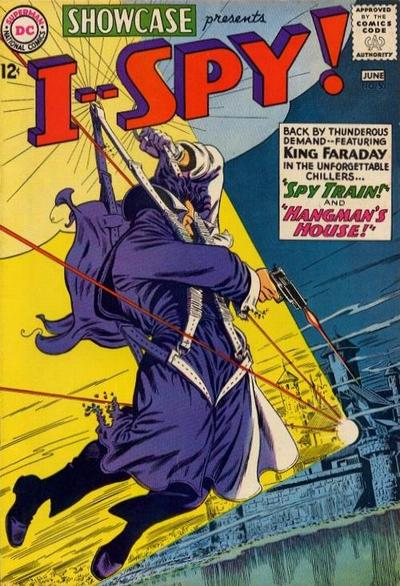
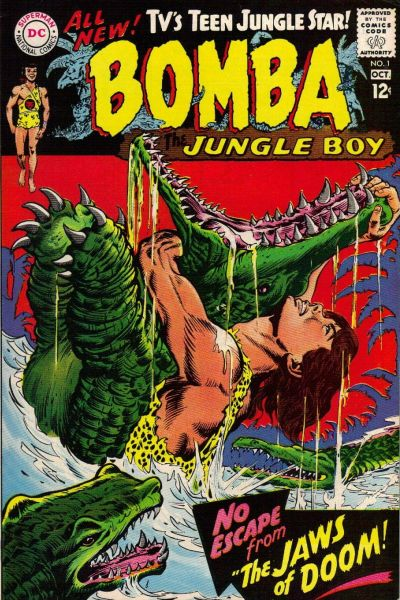
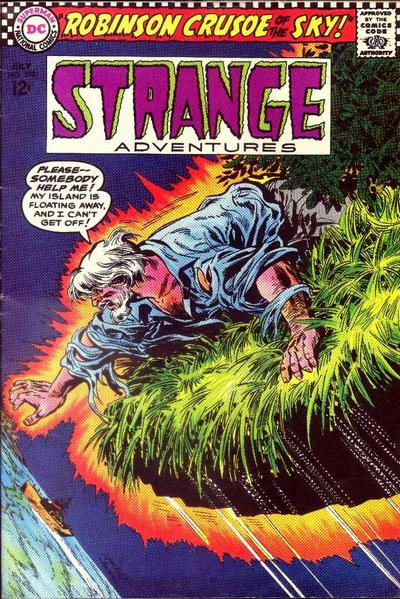
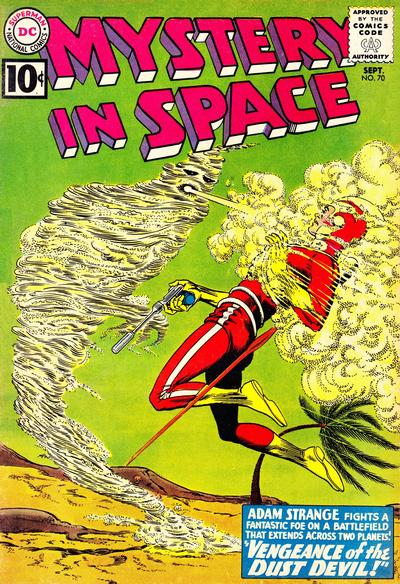
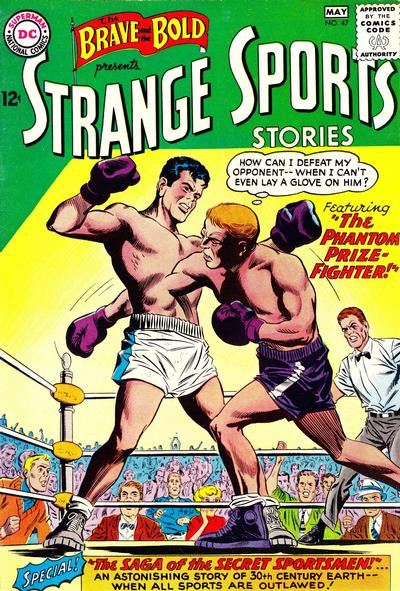
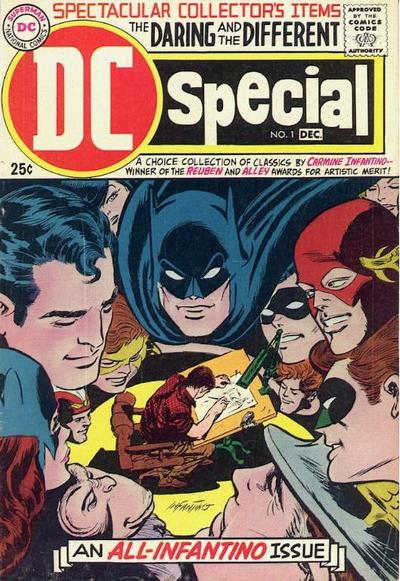
I’ve highlighted the fantastic cover work of Carmine Infantino in the past, namely his beautiful covers for Silver Age Batman and Flash comics.

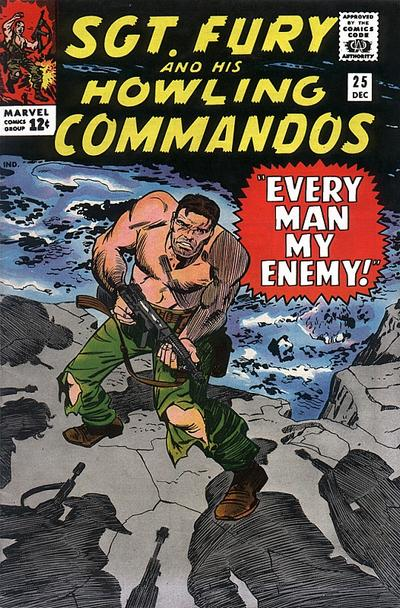
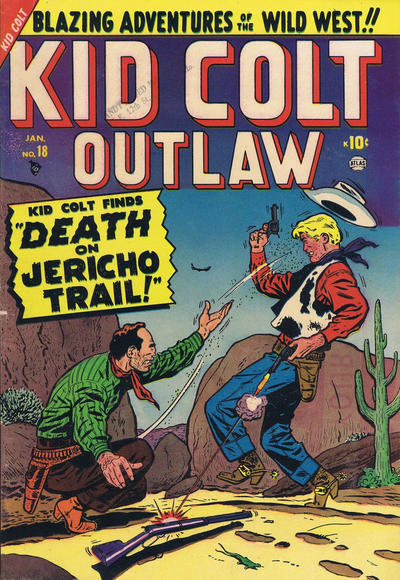
Yet these heroes weren’t the only ones to benefit from Infantino’s extraordinary talent for cover composition… Along with his elegant body designs, Infantino seemed to always carefully pick the perfect angle to lend a sense of excitement to different types of stories, as seen in this week’s reminder that comics can be awesome:

carmine infantinoinfantinostar wars comiccarmine infantinoI-SpyInfantinosilver age comicsadam strangestrange sport storiesCarmine Infantino

Posted in GLIMPSES INTO THE PAST | Tagged , , , , , , , , , , , , , , , , , , , , , | Leave a comment

A couple of deservedly acclaimed futuristic novels

Another post about science fiction, but this one looking beyond comic books…

Reading old novels set in the future can be fun in different ways. On the one hand, it’s fascinating to see how other eras imagined (accurately or not) what was to come, based on contemporary technology and culture, or how authors commented on their own times through the guise of sci-fi allegories. On the other hand, there is a groovy coolness about all the outdated stuff, which turns these tales into a strange counterfactual history, as if they were set on alternate realities where things somehow evolved differently.

As I pointed out when looking at futuristic comics, though, sometimes that’s just the icing on the cake. Many of these are exciting yarns or touching reads, with evocative prose and absorbing stories… They’re genuinely satisfying books, on top of being interesting and bizarre.

Here are a couple of them that fit this description:


FOUNDATION

(Isaac Asimov, 1951)
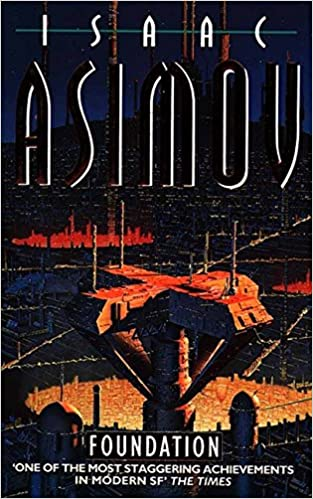
isaac asimov

“His name was Gaal Dornick and he was just a country boy who had never seen Trantor before. That is, not in real life. He had seen it many times on the hyper-video, and occasionally in tremendous three-dimensional newscasts covering an Imperial Coronation or the opening of a Galactic Council. Even though he had lived all his life on the world of Synnax, which circled a star at the edges of the Blue Drift, he was not cut off from civilization, you see. At that time, no place in the Galaxy was.

There were nearly twenty-five million inhabited planets in the Galaxy then, and not one but owed allegiance to the Empire whose seat was on Trantor. It was the last half-century in which that could be said.”

It took me a while to get around to checking out this seminal masterwork of science fiction, but once I finally picked it up I was completely hooked. I will get into the plot and themes in a bit, but first I want you to consider the passage above (which kickstarts the narrative after an excerpt from the fictional Encyclopedia Galactica). See how practically every sentence introduces a new concept, from intriguing places and incredible technology to the sense of overwhelming scale (such a far-off future, such an impossibly vast empire…)? That’s pretty much the pace of the whole book, which is made up of very short chapters, each one establishing at least one mind-blowing notion after another, gradually building an epic so sprawling that every fantastic premise and character sooner or later get subsumed into a much, much larger picture. And this is just the first novel in the classic Foundation series, which somehow managed to continue to expand this saga in surprising directions (in a future post, I may end up discussing the first sequel, Foundation and Empire, which is also quite neat).

I only knew Isaac Asimov from Nightfall and from his robot tales, where he tended to explore a few ideas to their logical limit, playing with paradoxes and speculating about all their possible ramifications. In Foundation, however, he keeps throwing more stuff at the reader while pushing ahead with momentum and determination. Early on, we learn about methods of hyper-space travel, about a planet whose whole land surface (75,000,000 square miles) amounts to a single city that operates mostly underground, and about psychohistory, a branch of mathematics that uses ultra-complex statistics and socio-economic formulas to foresee the future. And just as we settle into all of this through the eyes of a young psychohistorian who unwittingly finds himself entangled in a political thriller, the narrative takes a leap forward… and then another… and before you know it you’re in a whole other corner of the galaxy reading discussions about geopolitics between scientists, diplomats, and, even later, a type of priests that are a bit of both.

Asimov’s talent isn’t just in the way he ties it all together and makes the story flow engrossingly, but also in the way he juggles all the multiple scales, shifting from micro to macro and back again. Yes, this is definitely an ideas-driven book with just enough characterization to ground the plot, but even among all these wide frameworks we get to care about petty personal whims and intimate doubts. That said, much of the interior action does involve characters contemplating their own miniscule role or limited perspective in the grand scheme of things:

“He sighed noisily, and realized finally that he was on Trantor at last; on the planet which was the centre of all the Galaxy and the kernel of the human race. He saw none of its weaknesses. He saw no ships of food landing. He was not aware of a jugular vein delicately connecting the forty billion of Trantor with the rest of the Galaxy. He was conscious only of the mightiest deed of man; the complete and almost contemptuously final conquest of a world.”

At the core of the story is psychohistorian Hari Seldon’s prediction that the galactic empire will collapse and that the only way to minimize the ensuing period of chaos is to put together a massive encyclopedia compiling the whole of human knowledge, thus securing the basis of a future civilization. As the decades pass, however, the Foundation in charge of this enterprise gets itself embroiled in local and interplanetary politics, its mission reshaped by coups, espionage, and looming war. I won’t spoil the many, many twists, but suffice to say that power keeps shifting from one group to another, reflecting tensions between scientific research and other tools of imperialism (atomic weapons, trade, religion) that are typical of early Cold War fiction (even though much of Foundation was originally published in the form of short stories in the early 1940s).

Even leaving aside the fact that Foundation’s breathtaking imagination isn’t enough to anticipate a future with women in positions of power, from a purely scientific perspective the notion of psychohistory flies in the face of chaos theory. Asimov does make a point of explaining that such predictions could only apply to overall trends – rather than to an individual’s specific behavior – and he shows awareness that the very act of predicting can change the turn of events, but at the heart of the book is still a general understanding of history as essentially determined by large structural processes without much room for contingency. In fairness, this is a vision shared by many current historians and theorists (from Marxists to neorealist IR scholars) and its evolution in our own future would actually match the ongoing development of big data and machine-learning algorithms. Yet, Asimov himself came to complicate the challenges of psychohistory in the sequels…

That said, I’m less interested in Foundation as a historiographical or a futuristic proposition than in the existentialist implications of eroding our self-importance and putting our trust in what we don’t fully understand. By framing our sense of individuality, free will, and impactful agency against the backdrop of invisible, unstoppable forces, the book gradually blurs the line between equations and prophecies, between logic and faith, or between social dynamics and divine destiny.

“Verisof nodded, a trifle doubtfully. ‘Everyone knows that’s the way things are supposed to go. But can we afford to take chances? Can we risk the present for the sake of a nebulous future?’

´We must – because the future isn’t nebulous. It’s been calculated by Seldon and charted. Each successive crisis in our history is mapped and each depends in a measure on the successful conclusion of the previous. This is only the second crisis and Space knows what effect even a trifling deviation would have in the end.’

‘That’s rather empty speculation.’

No! Hari Seldon said in the Time Vault, that at each crisis our freedom of action would become circumscribed to the point where only one course of action was possible.’

‘So as to keep us on the straight and narrow?’

‘So as to keep us from deviating, yes. But, conversely, as long as more than one course of action is possible, the crisis has not been reached. We must let things drift so long as we possibly can, and by Space, that’s what I intend doing.’”


NEUROMANCER

(William Gibson, 1984)
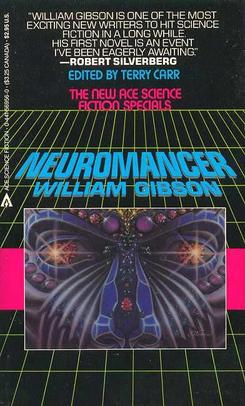
william gibson

“The sky above the port was the color of television, tuned to a dead channel.

‘It’s not like I’m using,’ Case heard someone say, as he shouldered his way through the crowd around the door of the Chat. ‘It’s like my body’s developed this massive drug deficiency.’ It was a Sprawl voice and a Sprawl joke. The Chatsubo was a bar for professional expatriates; you could drink there for a week and never hear two words in Japanese.”

Set in a gritty, neon dystopia drenched in Blade Runner-ish aesthetics, Neuromancer follows Henry Case, a down-on-his-luck hacker-turned-hustler who used to be able to jack into a virtual reality matrix that allowed him to communicate with computer programs, inhabiting a vast datascape (picture a more immersive form of internet browsing) before his central nervous system got all fucked up. When Case gets hired for a high-tech heist with an eccentric crew, he finds himself involved in an intricate plot where he can’t trust anyone, especially as people may turn out to be simulated holograms or hallucinations or brainwashed by machines run by the viruses of artificial intelligences working for (or secretly controlling?) shadowy corporations hiding behind shell companies with headquarters in space and a cryogenically frozen board of directors… or something approximately like this.

Along with a noirish narrative, we get plenty of noirish writing, as there is an acerbic wit running through the whole thing that would make Raymond Chandler proud (‘His ugliness was the stuff of legend. In an age of affordable beauty, there was something heraldic about his lack of it.’). Bombarding readers with slangy neologisms and turning descriptions of weird technology into something quasi-poetic, William Gibson effectively bends the English language to accommodate the novel’s vibrant world.

The result is as cyberpunk as it gets. The ‘cyber’ bit was particularly groundbreaking, popularizing the very expression ‘cyberspace’ (which Gibson had coined in an earlier short story… and which helps him keep the action visually grounded even when Case is online, translating his interactions with software into chases and violence and actual dialogue). The ‘punk’ is in the attitude and in the look that Neuromancer vividly evokes (albeit with more mechanic prosthetics than piercings or tattoos). The latter also applies to the close relationship with drugs, including plenty of junky-sounding prose as well as plenty of actual junkies…

“He walked till morning.

The high wore away, the chromed skeleton corroding hourly, flesh growing solid, the drug-flesh replaced with the meat of his life. He couldn’t think. He liked that very much, to be conscious and unable to think. He seemed to become each thing he saw: a park bench, a cloud of white moths around an antique streetlight, a robot gardener stripped diagonally with black and yellow.”

This is one of those texts whose place in the canon is visible in almost every line, on the one hand taking Philip K. Dick’s trippy thrillers to the next level, on the other hand directly setting up the stage for Ghost in the Shell and The Matrix, not to mention at least half of Warren Ellis’ comics (particularly the early stuff, like Lazarus Churchyard, City of Silence, Transmetropolitan, and Mek, although Gibson’s spirit has really haunted most of Ellis’ career in one form or another).

At the same time, it’s hard to fully confine the book to a bygone era. In 2022, revisiting this paranoid nightmare about the fusion of globalized capitalism and out-of-control AIs, I can’t help but fear we may currently be living through a bootleg prequel of Neuromancer.

“Power, in Case’s world, meant corporate power. The zaibatsus, the multinationals that shaped the course of human history, had transcended old barriers. Viewed as organisms, they had attained a kind of immortality. You couldn’t kill a zaibatsu by assassinating a dozen key executives; there were others waiting to step up the ladder, assume the vacated position, access the vast banks of corporate memory.”
Posted in FANTASTIC ADVENTURES | Tagged , , , , , , , , | Leave a comment

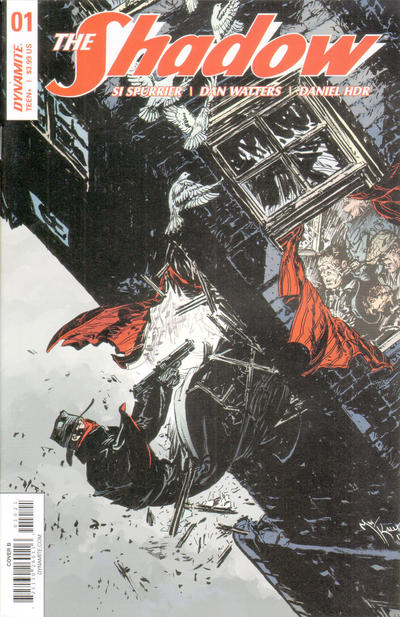
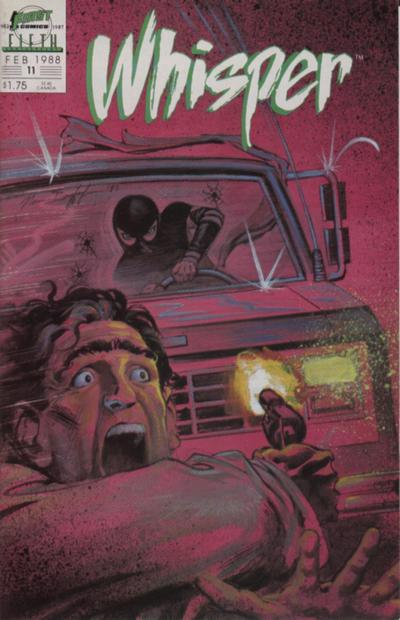
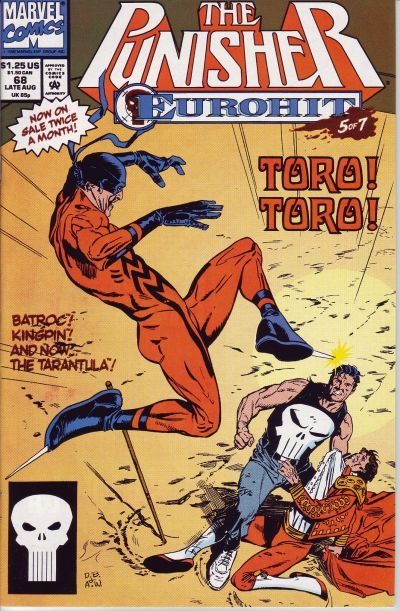
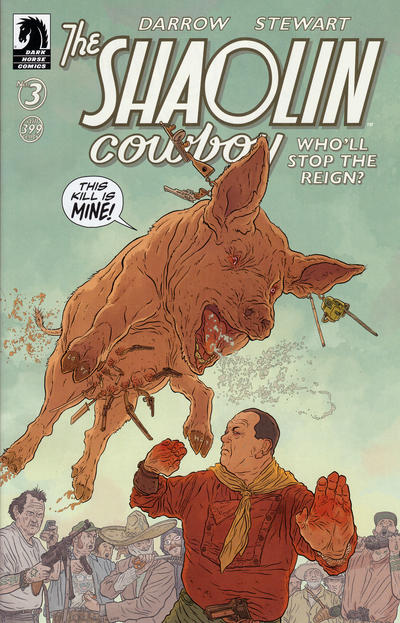
COMICS CAN BE AWESOME (26 September 2022)

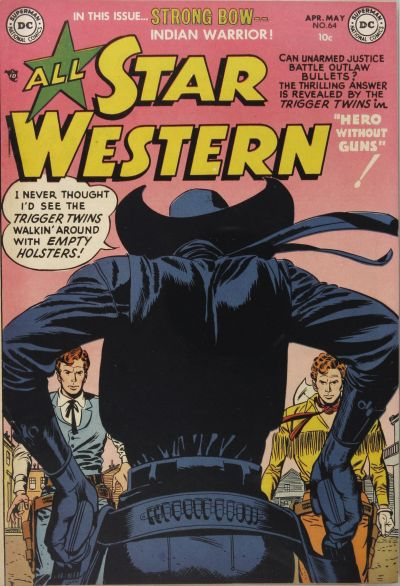
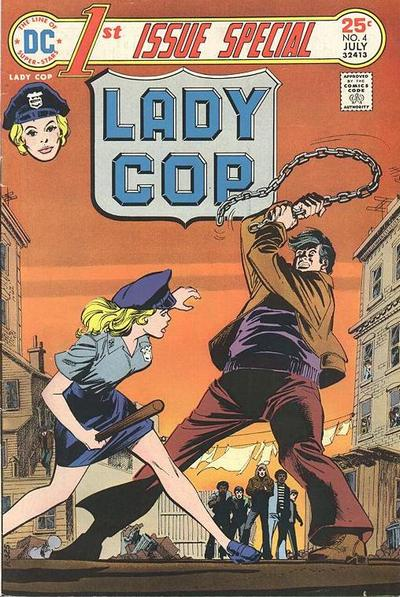
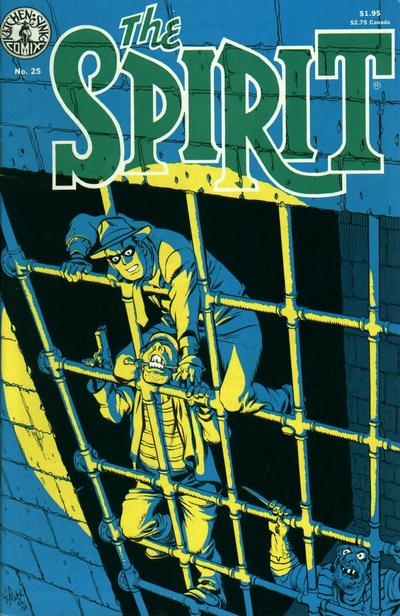
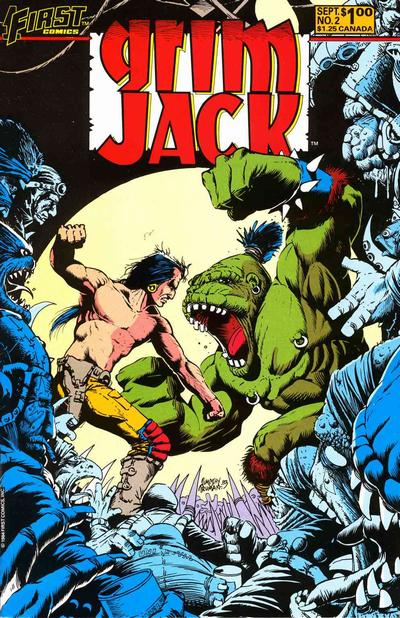
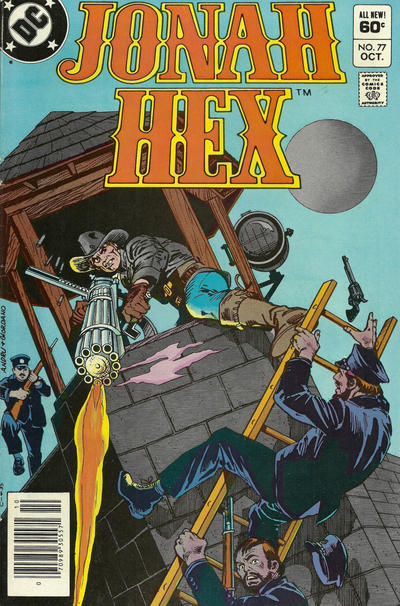
A two-fisted reminder that comic book covers can be awesome:

jack kirbywestern comicslady copwill eisnertim trumanross andrukalutaNorm Breyfogle Doug Braithwaite Geof Darrow

Posted in AWESOME COVERS | Tagged , , , , , , , , , , , , , , , , , , , , , , , , , , , , , , , | Leave a comment

Cool trips into the multiverse

Movie blockbusters have been moving into an ouroboros-like postmodern entropy for a while, from Ready Player One and the LEGO franchise to Space Jam: A New Legacy and Chip ‘n Dale: Rescue Rangers, not to mention the whole MCU meta-series (whose Spider-Man: No Way Home even retroactively sucked non-MCU films into its canon). By now, the novelty is wearing thin and it’s hard not to see in these IP crossover extravaganzas a cynical, fan-pandering corporate strategy that rewards recognition over innovation.

Still, at its best the multiverse can nevertheless be a fun storytelling device, as proven earlier this year by Everything Everywhere All At Once (whose eclectic intertextuality – from Ang Lee to Wong Kar-wai, from 2001: A Space Odyssey to Ratatouille – is only one of its many gloriously bizarre choices) and Doctor Strange in the Multiverse of Madness (whose loudest laughs come precisely from the liberating joy of conjuring alternate versions of Marvel characters and then exploiting the freedom to do anything to them).

Besides the obvious brand cross-promotion by mega media conglomerates, I like to think this movement is also a side effect of the growing symbiosis between cinema and comic books (problematic as it is)… and not just because unlikely, overcrowded crossovers have been the latter medium’s bread & butter for ages (taken to a delirious extreme in The League of Extraordinary Gentlemen), but also because alternate realities are one of comics’ most beloved tropes.

multiverse     multiverse     multiverse

To be sure, science fiction has been mining alternate realities for ages, including in classics like Philip K. Dick’s The Man in the High Castle, which uses the what-if-the-Axis-had-won-WWII premise to do a complex, thought-provoking meditation on colonialism and racism in America. Yet I would argue the multiverse has a very specific tradition in comics… At least ever since Gardner Fox wrote the first team-up between the Flashes from Earth-1 and Earth-2, this has become a staple device for fixing – or linking up – continuities.

And not just that: imagining offbeat variations of a familiar world can serve to denaturalize what we take for granted (making the normal strange again) and to highlight what’s special about specific heroes and their contexts. As a result, tons of creators have had a blast with the infinite possibilities of a multiverse, whether in The Many Worlds of Tesla Strong (where at one point the protagonist surfs into a dimension where everything looks pretty much the same except that everybody is nude) or in Ivar, Timewalker (where a background gag suggests a world where Native Americans have a lacrosse team called ‘Whiteys’ whose mascot is a silly-looking pilgrim).

This is not just a subgenre of large superhero universes, either. In fact, today I want to spotlight a trio of nifty comics that did wonders with this concept without the need to tie into existing franchises…


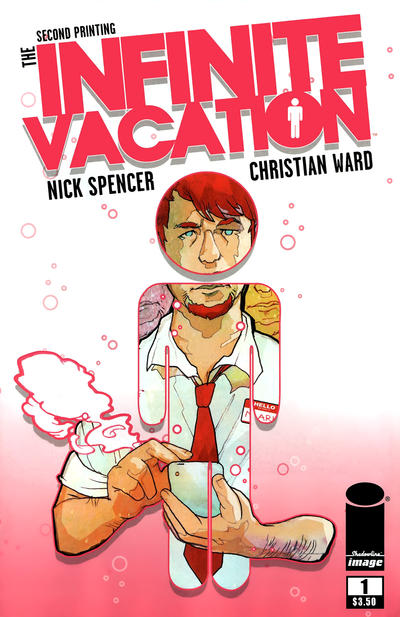
THE INFINITE VACATION

christian ward

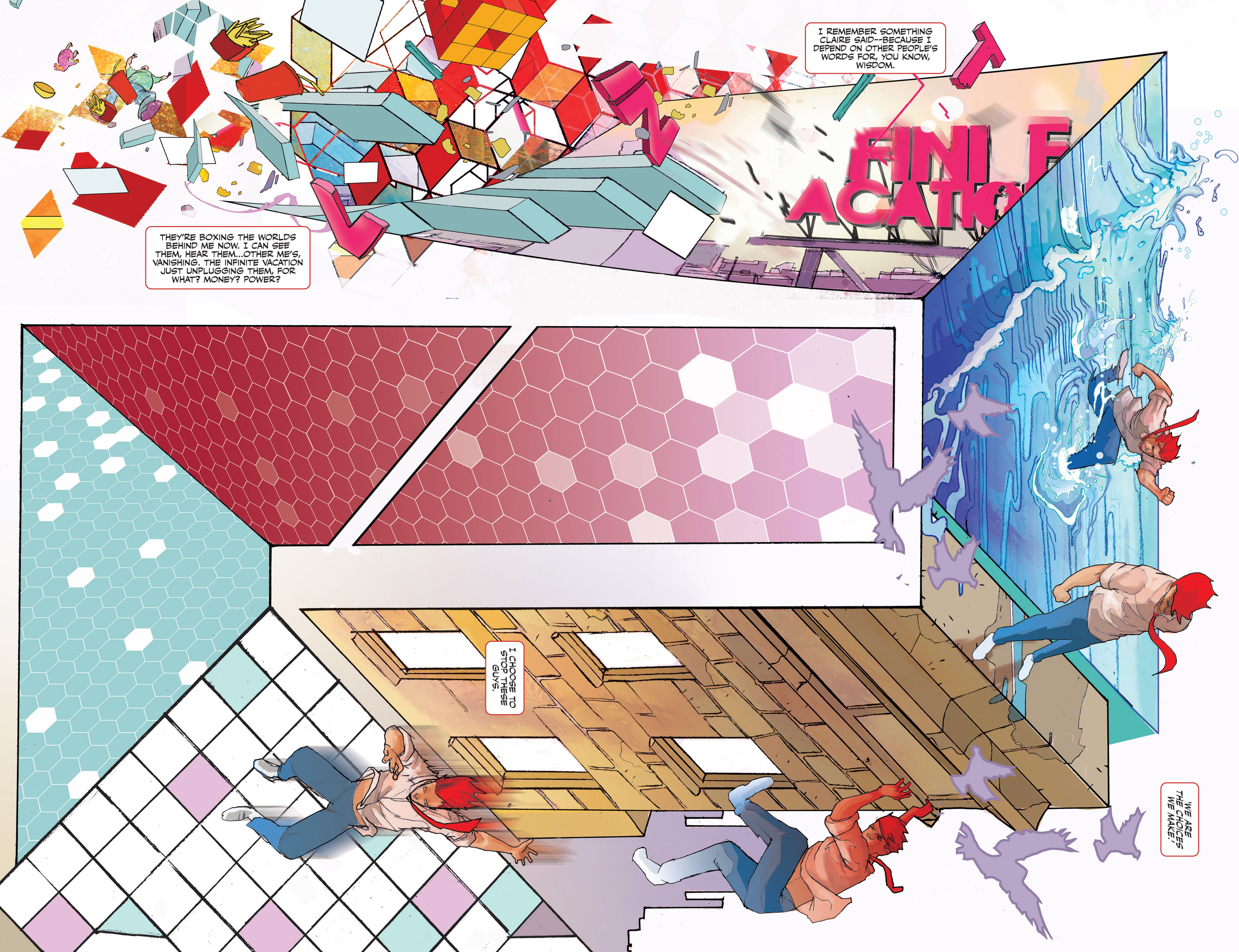
In 2011’s The Infinite Vacation, travel between alternate realities has become a massive commercial enterprise (a market dominated by the titular company), with 97% of people in the western world regularly displacing themselves into parallel universes where their life turned out differently. In this mind-bending scenario, we follow the vacation-obsessed Mark as he tries to figure out why all the other Marks suddenly seem to be dying… while also trying to romance Claire, a girl who rejects the escapism provided by The Infinite Vacation. The comic thus explores the paradox at the heart of the concept of a multiverse made up of the infinite ramifications of every decision and contingency in your life, demonstrating how this notion can be both liberating (tapping into endless possibilities) and limiting (obsessing about alternative paths rather than dealing with the consequences of your own reality).

Because the whole thing is written by Nick Spencer, there’s much humor along the way (‘Everyone has themselves for a therapist now. No one knows you like you, right?’). Yet what makes The Infinite Vacation stand out is Christian Ward’s art, which combines highly experimental layouts, weird collages, innovative uses of digital coloring, and even photo-novel techniques, working with the amazing Jeff Powell (the letterer of Atomic Robo). The result is a sci-fi indie love story that, sadly, appears to have gotten buried among all the other genre stuff on the shelves, too idiosyncratic for the adventure crowd (despite featuring plenty of action and violence) yet too conventional for the more demanding critics (in contrast to, say, all the praise showered a few years later onto Daniel Clowes’ Patience, which isn’t nearly as entertaining).


MOTHERLANDS

si spurrierrachel stott

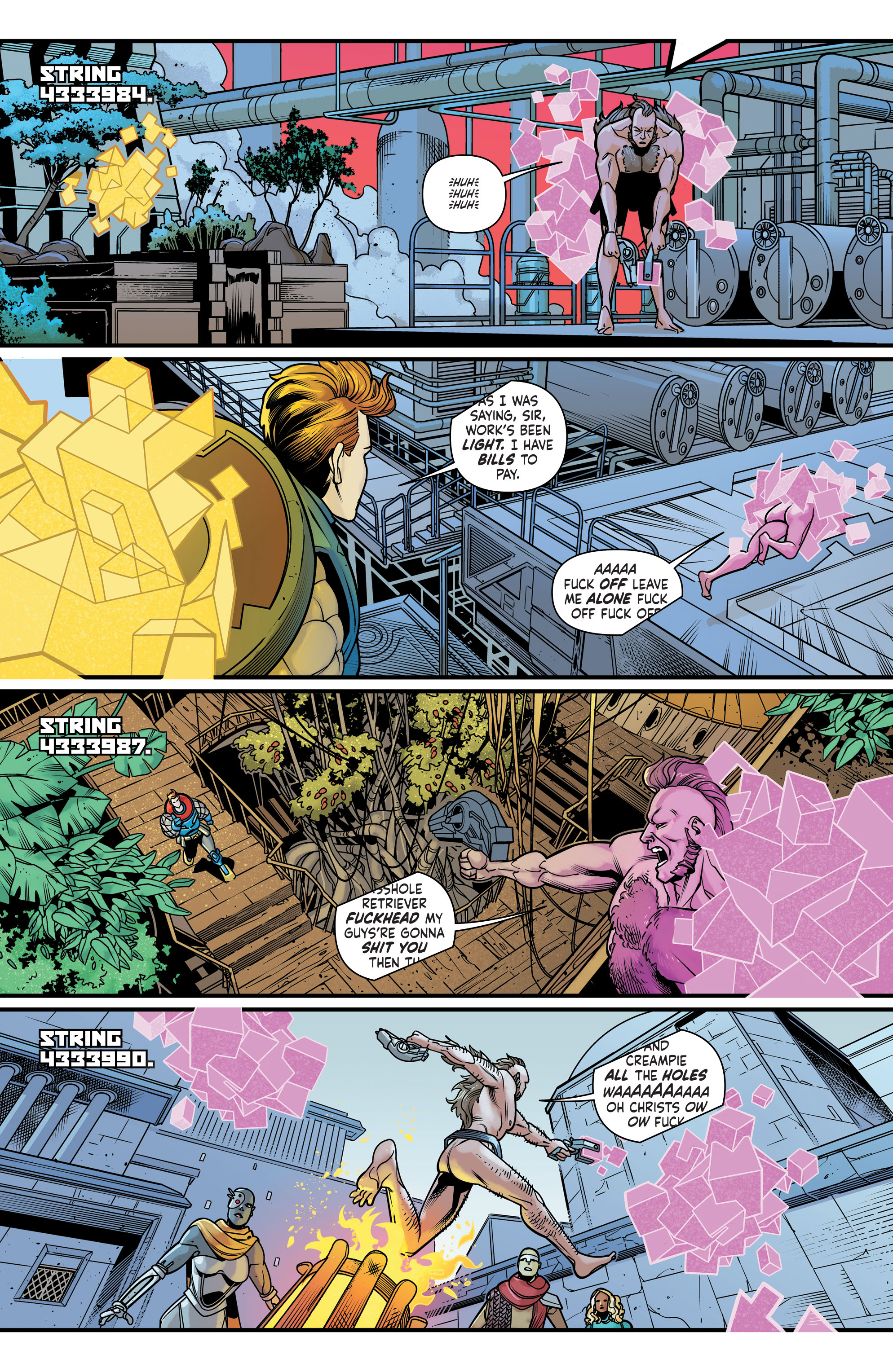
Instead of using the multiverse to explore notions of consequence and escapism, Motherland uses it as an open-ended gateway into bonkers science fiction by positing that contact between billions of parallel earths (called ‘strings’) and the subsequent mashing of their technologies (called ‘The Pollination Revolution’) led to a cyberpunk future where dimension-hopping bounty hunters (‘retrievers’) chase after mad-science bandits. Against this colorful backdrop, reality TV shows covering the retrievers’ exploits used to be a major source of popular entertainment (aka ‘huntertainment’), but those glory days are over and the job has become bloodier and less inventive… This is why Tabitha Tubach, when going after the multiverse’s most wanted research terrorist, has to team up with a former superstar/psychopath whose old implants may give them an edge in the hunt – and who also happens to be her mom!

The genius of Motherlands lies in its ability to satisfy on multiple fronts: not only does it spin a hilariously twist-filled chase yarn drenched in sci-fi strangeness (you haven’t seen anything yet until you’ve seen the interior of a ‘neuroboosted placentamorph’), but it also delivers an oddly compelling – if nasty as hell – family drama about abuse and neglect. Simon Spurrier is one of those writers who is bound to be rediscovered somewhere down the line by people who have no idea of the sort of intelligent, provocative stuff he’s been sneaking into niche projects (such as the film blanc-like Numbercruncher) as well as into more mainstream comics (including a remarkable run on Hellblazer). Among Motherland’s chaos, plentiful sex, and creative profanity, Spurrier somehow manages to make readers truly care about this dysfunctional mother-daughter relationship, culminating in a perfect punchline.

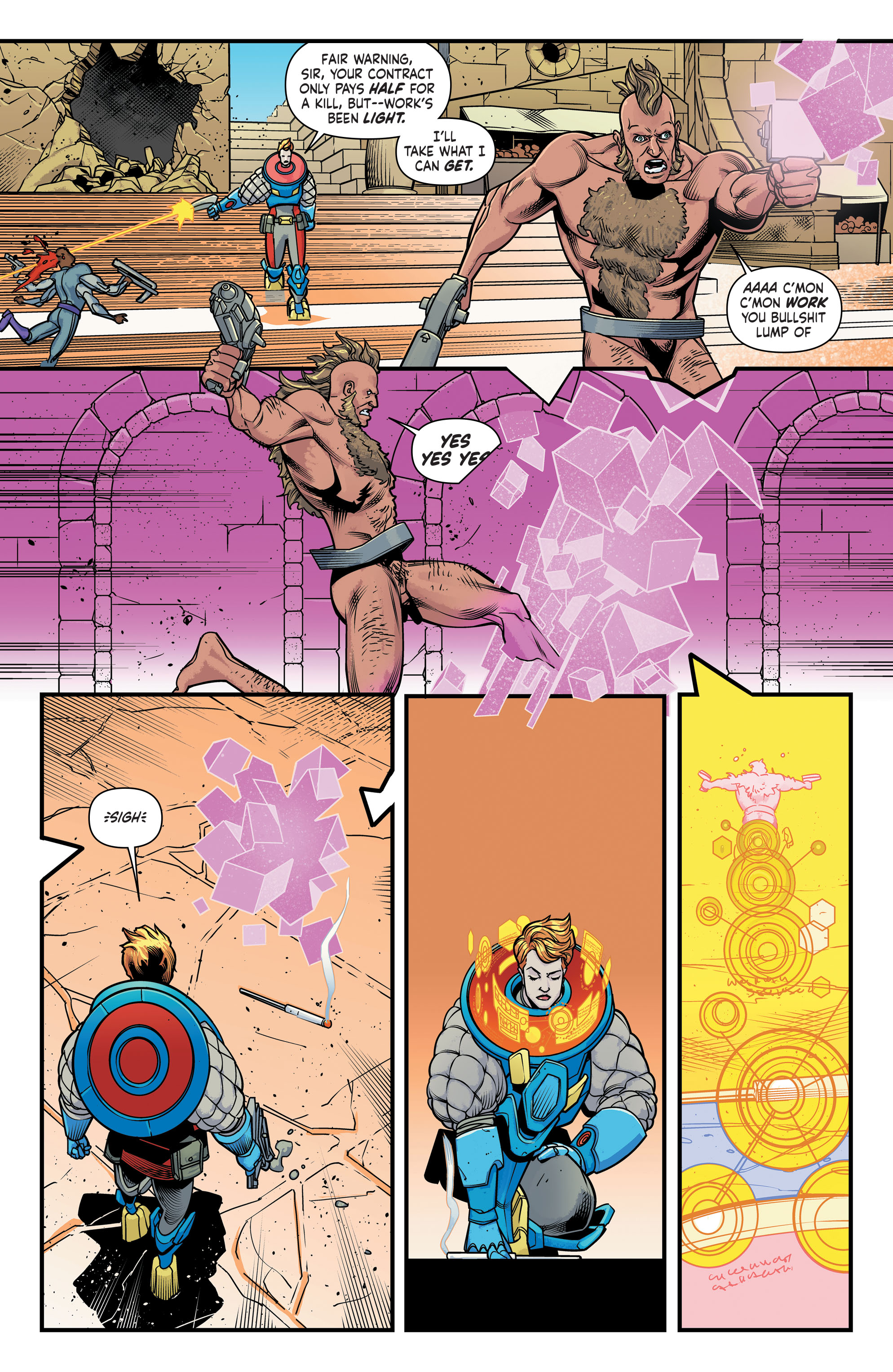
I’m sure it’s not easy for artists to keep up with such a barrage of moods and ideas, but Rachel Stott – inked by Felipe Sobreiro and occasionally backed up by Stephen Byrne and Pete Woods – pulls it off. On the surface, the whole thing may seem like your average action fest, especially if compared with the more aesthetically daring The Infinite Vacation, but some of the designs are quite original (starting with the plus-size Tabitha), the ‘acting’ is expressive enough to sell the drama, and the visuals ingeniously display this world’s madcap technology at work, as shown in the scan above (where you can also see letterer Simon Bowland joining the fun).


CASANOVA

matt fractionfábio moonmultiverse comics

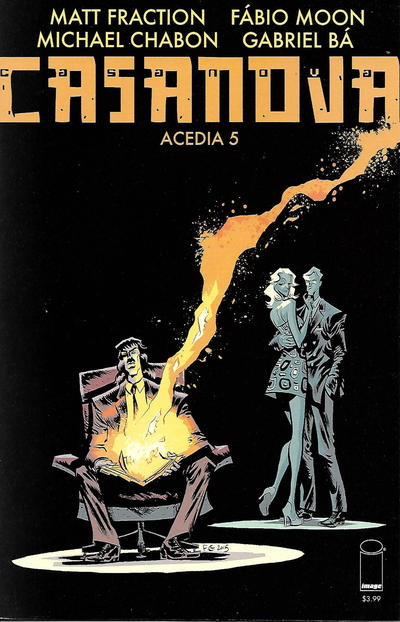
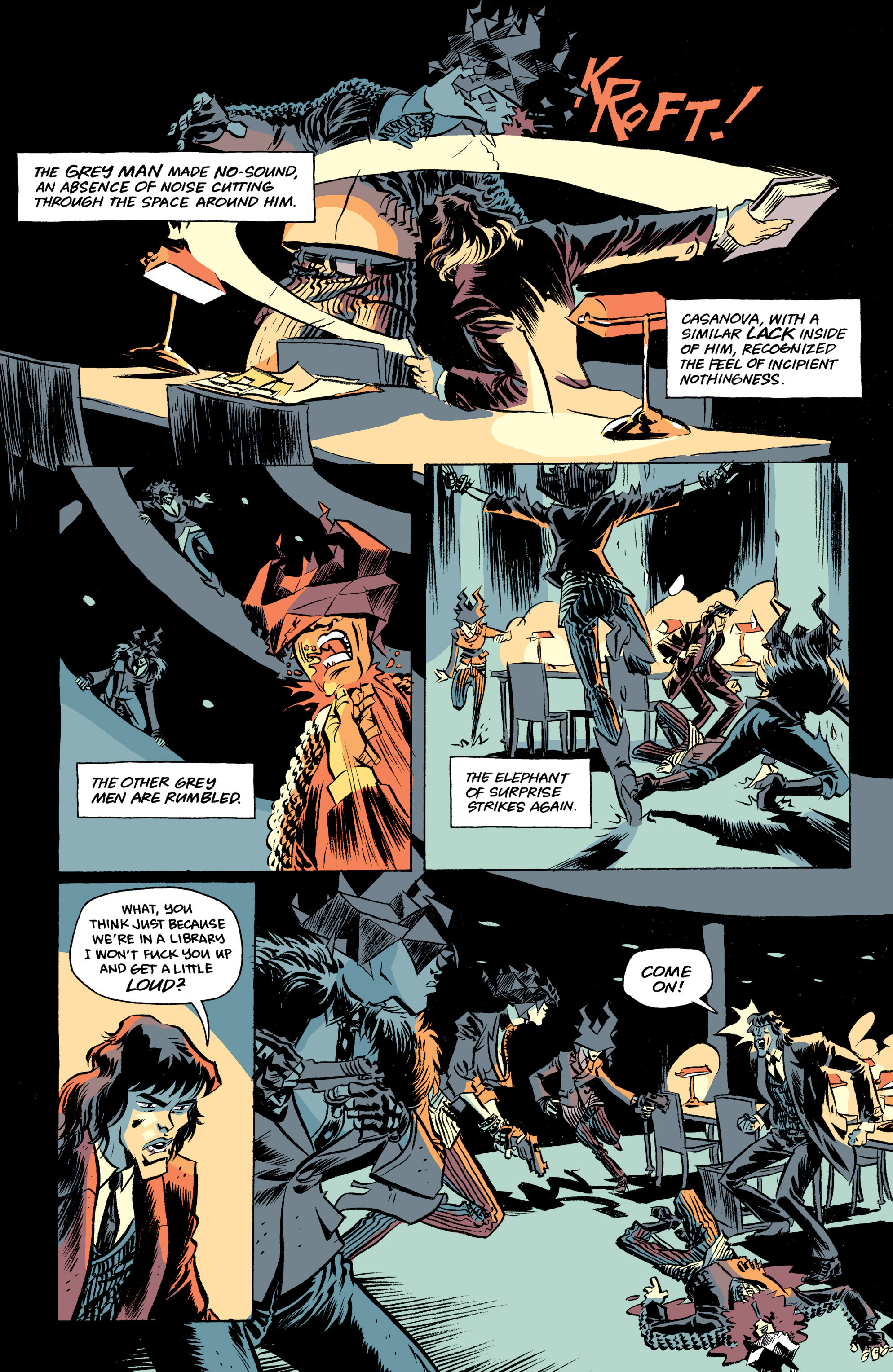
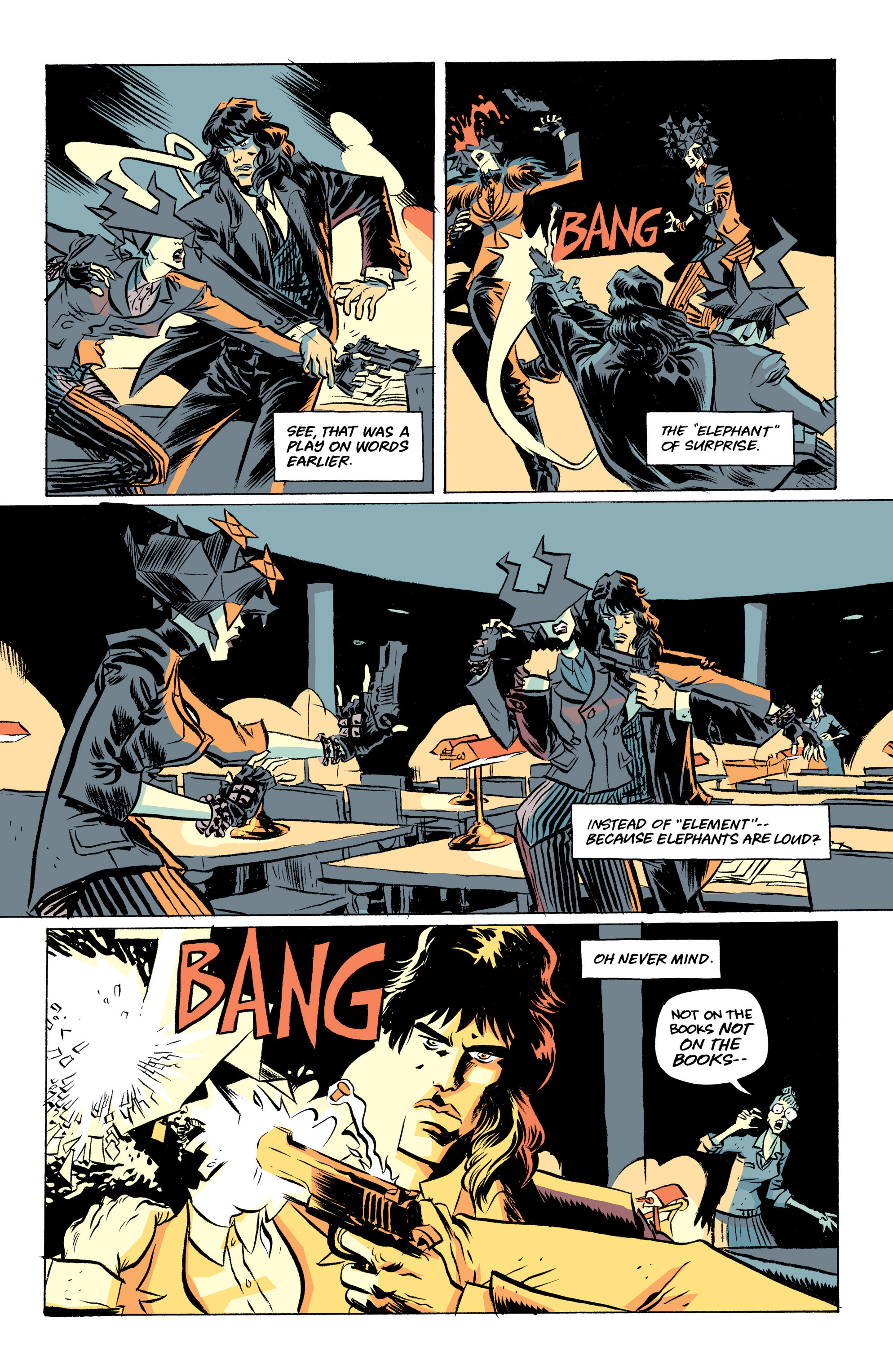
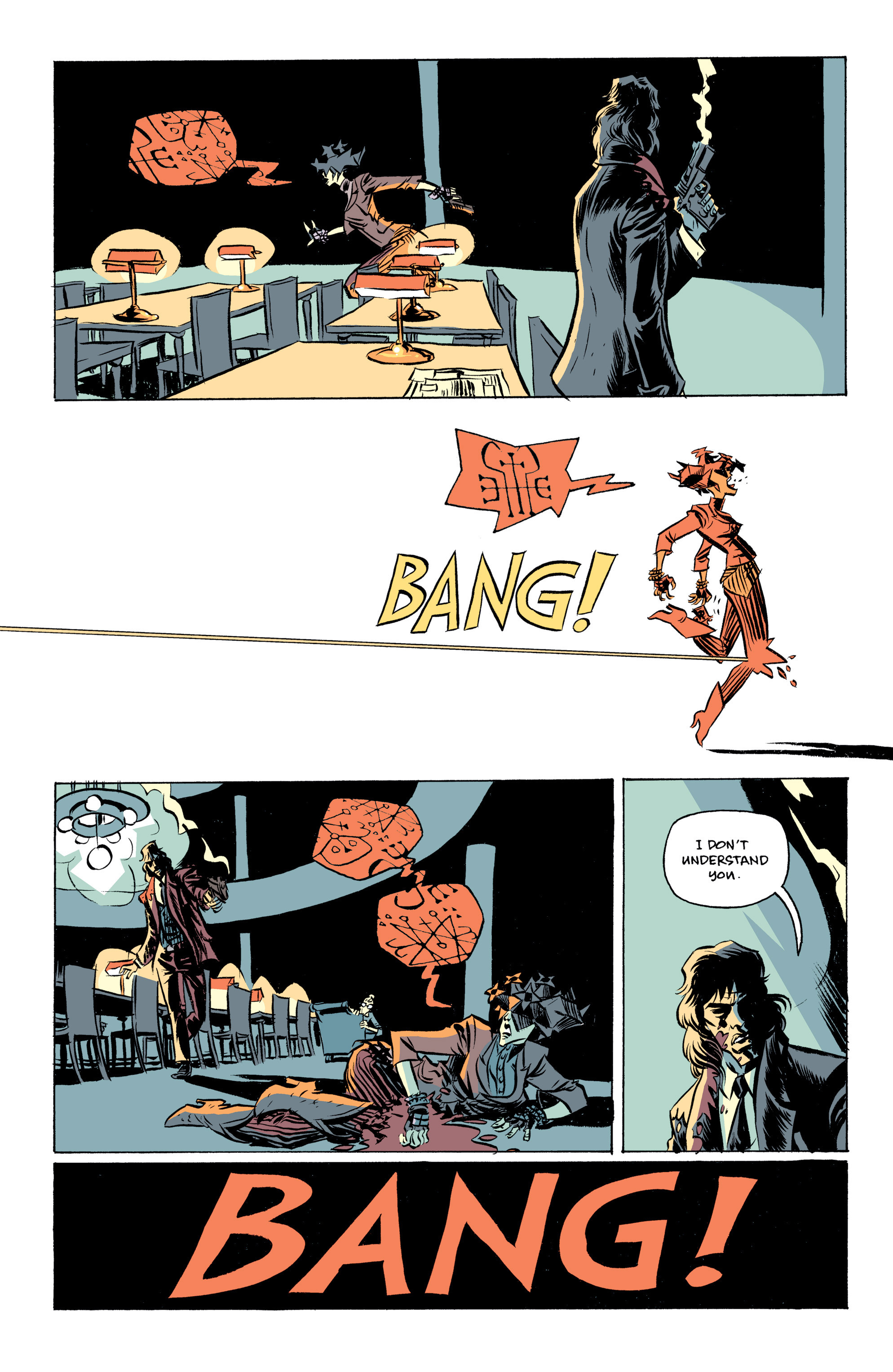
Merge The Infinite Vacation’s whimsical alternative-versions-of-you narrative labyrinth with Motherland’s screwed up family dynamics, ramp up the gonzo science and add some super-espionage and the occasional metafictional gag into the mix… and you get Casanova, a trippy thriller with a frenzied pace and a hip attitude oozing from every line of dialogue. The titular psychic spy is the ultimate double agent – not only does he keep switching sides, he also switches dimensions, as his adventures become increasingly (and wonderfully) convoluted. I’ve recommended this comic before, but I think it’s appropriate to bring it up again as one of the finest examples of how to play with the multiverse, using the parallel timelines as part of an overall leitmotif of fluid, unstable identity, also reflected in the intricate web of secret organizations with mysterious acronyms as well as in the various subplots about automatons with artificial minds (and, more often than not, voluptuous bodies).

Since its debut in 2006, Casanova has taken the form of an irregularly published series of mini-series, with each storyline named after a deadly sin while evoking different music and drugs… Luxuria and Gula were cartoony spy-fi romps, weaving an ongoing saga around specific missions bursting with wild concepts and groovy visuals, from the Recreational Supermechanix Helicasino (‘a black helicopter with delusions of Monte Carlo’) to something called ‘zen crime’ (‘It’s like crime, only there’re no victims, and really, no crimes. It really just spreads a general sense of unrest.’). Spacetime travel took center stage and was pushed to head-scratching limits in Avaritia, which felt like the ambitious culmination of an epic, seemingly bringing closure to various character arcs yet also leaving enough dangling threads to make us thirsty for more. Acedia, then, provided a sort of interlude or detour, as it was mostly set in a Los Angeles where we met alternate versions of several cast members in an occult mystery tale clearly inspired by Thomas Pynchon (who had already been name-dropped in an earlier volume). It ended on an unresolved note, so I can’t wait to see what lies ahead!

You can tell this is a labor of love for everyone involved, from Matt Fraction’s surreal creations and puzzle box-like plotting (which rewards multiple rereads) all the way to Dustin Harvin’s hand-lettered captions, not to mention the alternating artwork by the wonder twins Gabriel Bá and Fábio Moon (whose styles are as extravagantly sexy and cheerful as Fraction’s scripts). The original comics had a minimalistic palette (first black & white & green, followed by black & white & blue), but Cris Peter recolored the later editions and has since then become a regular member of the team – and while I still prefer the monotone versions, I admit her unnaturalistic choices are a perfect fit, powerfully bringing out Casanova’s dreamlike mood. Again, as you can see in the excerpt above, it all comes together beautifully.

Posted in FANTASTIC ADVENTURES | Tagged , , , , , , , , , , , , , , , , , , , | Leave a comment